WASHINGTON, — June 20, 2026 : New economic and military assessments released following the June 16 peace agreement that ended the 108-day conflict between the United States and Iran indicate that the war imposed substantial financial costs on the U.S. government, taxpayers, and consumers.
According to the Iran War Cost Tracker maintained by researchers at Brown University, the United States incurred an estimated $113.3 billion in direct military expenditures during the conflict, known as Operation Epic Fury, which lasted from February 28 to June 16, 2026.
Military Expenditures and Pentagon Funding Requests
The Brown University estimate closely aligns with early Pentagon projections provided to Congress during the initial stages of the conflict. In a March briefing, U.S. defense officials stated that the first six days of military operations cost approximately $11.3 billion, while continuing operations averaged around $1 billion per day.
The Department of Defense's latest official estimate, released in mid-May, placed direct operational costs at approximately $29 billion. However, that figure did not include the cost of repairing nearly a dozen U.S. military installations in the Middle East that sustained damage from Iranian missile and drone strikes during the conflict.
To address war-related expenditures and replenish depleted inventories, the Pentagon has requested an additional $80 billion in supplemental funding from Congress. Defense officials said the funding is necessary to restore ammunition stockpiles, cover personnel expenses, maintain naval operations, and support ongoing domestic missions, including security operations along the U.S.-Mexico border.
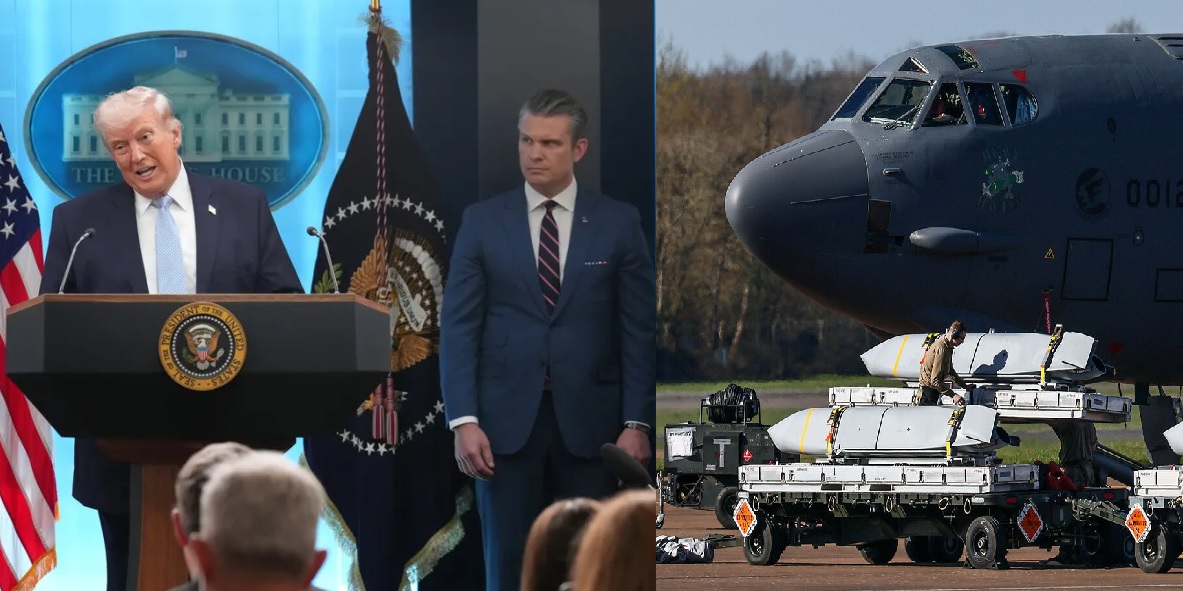
Military analysts note that the conflict required extensive deployment of U.S. naval strike groups, long-range bomber missions, air defense assets, intelligence platforms, and precision-guided munitions, contributing significantly to operational costs.
Broader Economic Impact on the United States
Beyond direct military spending, the conflict generated wider economic consequences across the United States.
According to Moody’s Analytics, the total financial impact on American taxpayers and consumers has reached at least $132 billion. The estimate incorporates military expenditures as well as indirect economic effects, including higher fuel costs, inflationary pressures, increased borrowing costs, and disruptions in global energy markets.
A major contributor to rising costs was the disruption of oil shipments through the Strait of Hormuz, one of the world's most important energy transit routes. Iran's blockade and associated regional tensions pushed crude oil prices above $120 per barrel in March.
Following the peace agreement, oil prices have fallen to approximately $80 per barrel, though they remain above pre-conflict levels.
Fuel Prices and Consumer Costs
The increase in energy prices translated directly into higher costs for American households.
Moody’s Analytics estimates that Americans paid approximately $60 billion more for gasoline and diesel fuel during the conflict, equivalent to roughly $460 per household.
Before the war began, the national average gasoline price was below $3.00 per gallon. During the conflict, prices climbed to a peak of $4.56 per gallon before easing to around $4.00 per gallon following the ceasefire.
Diesel prices experienced a similar increase, rising from approximately $3.76 per gallon to a high of $5.69 per gallon. The rise in diesel costs increased transportation and logistics expenses throughout supply chains.
Higher fuel costs also affected other sectors of the economy. Airline ticket prices increased by nearly 27 percent, while average 30-year mortgage rates climbed to 6.52 percent, reflecting broader inflationary and financial market pressures associated with the conflict.
Human Cost of the Conflict
The war resulted in casualties across several countries involved directly or indirectly in the fighting.
According to available estimates:
- Iran: Approximately 3,500 people were killed during U.S. and Israeli military operations.
- Lebanon: Parallel Israeli military operations resulted in approximately 3,700 deaths.
- United States: 13 U.S. service members were killed.
- Israel: 26 people were killed.
- Gulf States: U.S.-aligned regional partners also reported casualties, although specific figures have not been publicly released.
The conflict involved extensive air strikes, missile attacks, naval operations, and regional military engagements across multiple theaters in the Middle East.
Reconstruction and Post-War Development Plans
The June 16 memorandum of understanding signed by the United States and Iran formally ended hostilities and established a framework for post-conflict negotiations and reconstruction efforts.
As part of the agreement, both sides outlined a proposed $300 billion reconstruction and development plan for Iran, aimed at rebuilding damaged infrastructure, restoring economic activity, and supporting long-term stability.
Officials have not yet disclosed the specific funding mechanisms for the reconstruction initiative. The extent of potential U.S. financial participation and the role of international partners remain under review by policymakers and lawmakers.
Ongoing Review of Total Costs
While Brown University and Moody’s Analytics have released independent estimates of the conflict's economic impact, the U.S. administration has not yet published a final comprehensive accounting of war-related expenditures.
Congress is expected to review the Pentagon’s supplemental funding request in the coming months as defense officials seek resources to replenish military inventories, repair damaged infrastructure, and maintain readiness following the conclusion of Operation Epic Fury.
Researchers and government agencies continue to assess both the direct and indirect costs of the conflict, with final figures expected to evolve as reconstruction, military replenishment, and economic recovery efforts progress.
——— End of Article ———