WASHINGTON / TEHRAN, — June 11, 2026 : U.S. military forces carried out a series of precision airstrikes across Iran late on June 10, targeting key Islamic Revolutionary Guard Corps (IRGC) infrastructure, including a command-and-control center, air defense systems, military communications networks, and missile storage facilities, according to the U.S. Central Command (CENTCOM).
CENTCOM said the operation was conducted at the direction of the Commander in Chief and involved assets from the U.S. Marine Corps, U.S. Air Force, and U.S. Navy. The strikes were described as self-defense actions aimed at neutralizing threats posed by Iranian military capabilities to U.S. personnel and international commercial shipping operating in the region.
According to CENTCOM, the operation targeted military infrastructure that was assessed to pose an immediate risk to maritime security and ongoing efforts to safeguard commercial traffic through the strategically important Strait of Hormuz.
Multiple Locations Reported Hit Across Iran
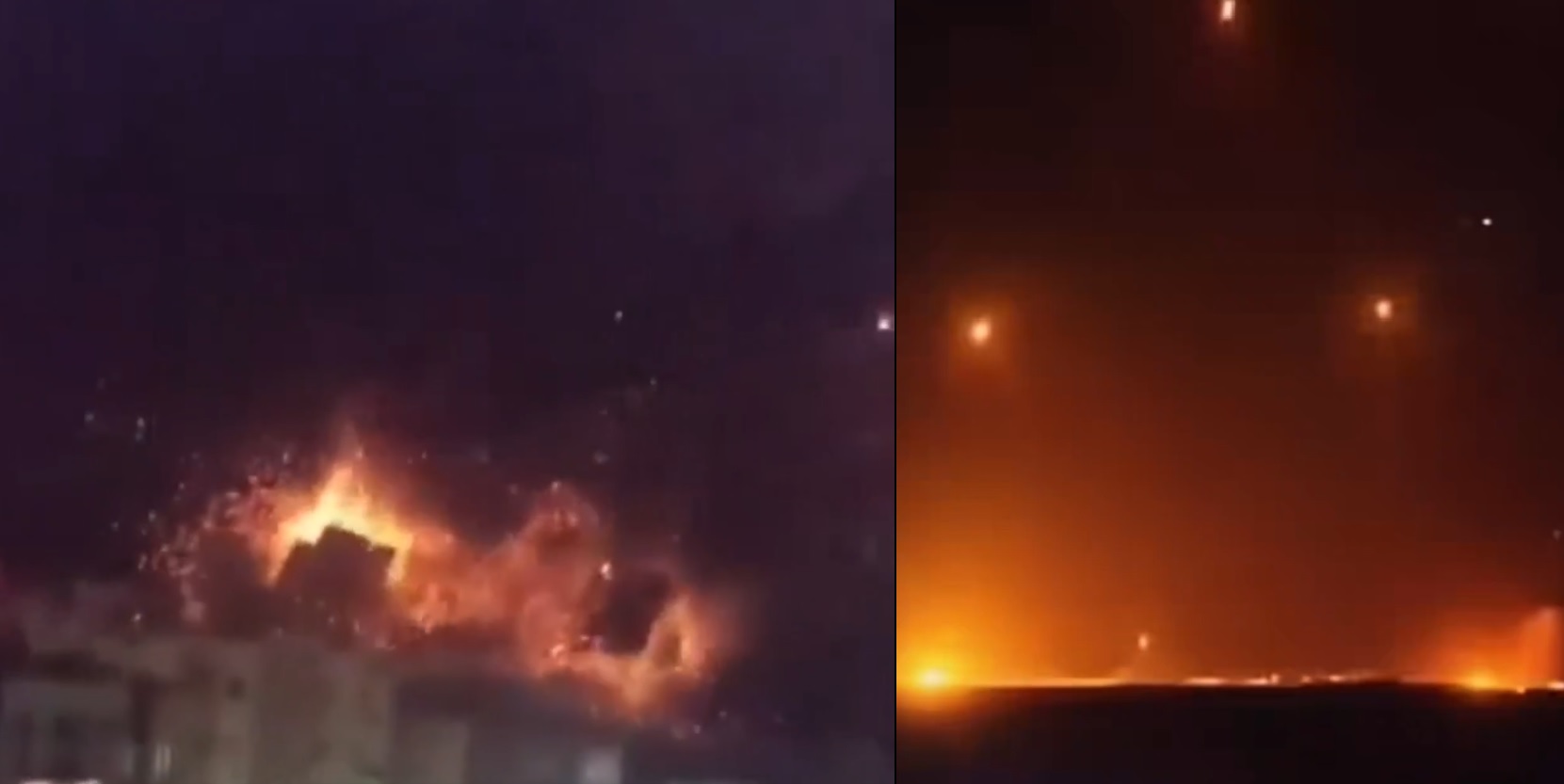
Iranian media outlets and local witnesses reported explosions in several provinces following the strikes.
One of the reported targets was an alleged IRGC command-and-control center in Robat Karim, southwest of Tehran. Witness accounts and videos circulating on social media also indicated explosions and air defense activity in Karaj, Varamin, Hashtgerd, and Abyek, suggesting multiple military-related sites may have been targeted.
In southern Iran, strikes were reported in areas associated with the protection of the Strait of Hormuz. Explosions were recorded in Bandar Abbas, one of Iran’s most important port cities, as well as in Sirik, Minab, and Kargan in Hormozgan Province.
Iranian sources reported activation of air defense systems in several locations during the operation. However, independent confirmation of the extent of damage and possible casualties was not immediately available.
Missile Storage Facility Near Strait of Hormuz Targeted
Among the targets struck during the operation was a missile storage facility near the Strait of Hormuz that reportedly housed more than 100 Khorramshahr ballistic missiles.
CENTCOM stated that precision munitions were used to degrade Iranian military capabilities, including:
- Military surveillance systems
- Command and communication networks
- Regional air defense batteries
- Missile storage infrastructure
U.S. officials said the operation was focused on military targets and intended to reduce threats to regional security and maritime navigation.
Second Consecutive Day of U.S. Military Action
The June 10 strikes marked the second consecutive day of direct U.S. military action inside Iranian territory, reflecting a significant escalation in tensions between Washington and Tehran.
The operation followed recent confrontations in and around the Strait of Hormuz, including the reported downing of a U.S. Army AH-64 Apache helicopter by Iranian forces earlier in the week.
CENTCOM said the strikes were conducted in response to what it described as Iran's continued aggressive actions and threats to international maritime traffic. The command emphasized that U.S. forces remain prepared to protect commercial shipping routes and regional partners.
Trump Signals Further Pressure on Iran
Hours after the strikes, President Donald Trump posted a message on Truth Social indicating that additional military and economic pressure on Iran could follow.
In the post, Trump stated that the United States would be hitting Iran “very hard” and claimed that much of Iran's naval, air, radar, anti-aircraft, and other defensive capabilities had been eliminated. He also suggested that the United States could seek control of Kharg Island and other Iranian oil infrastructure sites in the future, arguing that such actions would affect Iran’s oil and gas sector.
The statement represented one of the strongest public comments from the president since the latest escalation began and is likely to draw international attention given the strategic importance of Iran's energy infrastructure and the Strait of Hormuz.
Regional Security Concerns
The latest strikes come amid heightened tensions throughout the Middle East and growing concerns over the security of maritime trade routes. The Strait of Hormuz remains one of the world's most important energy transit corridors, handling a significant portion of global oil shipments.
U.S. officials have maintained that current military operations are defensive in nature and are intended to ensure freedom of navigation and the protection of U.S. personnel and commercial vessels operating in the region.
As of June 11, Iranian authorities had not released a comprehensive assessment of damage from the strikes, while international observers continued monitoring developments for potential impacts on regional security, global energy markets, and diplomatic efforts aimed at preventing further escalation.
——— End of Article ———