BERLIN — A leaked internal Ukrainian military assessment says the German-made Skynex air defense system experienced multiple technical failures during a Russian drone attack on April 1, 2026, allowing a Shahed-type drone to reach and strike an industrial facility in western Ukraine despite being engaged by the air defense network.
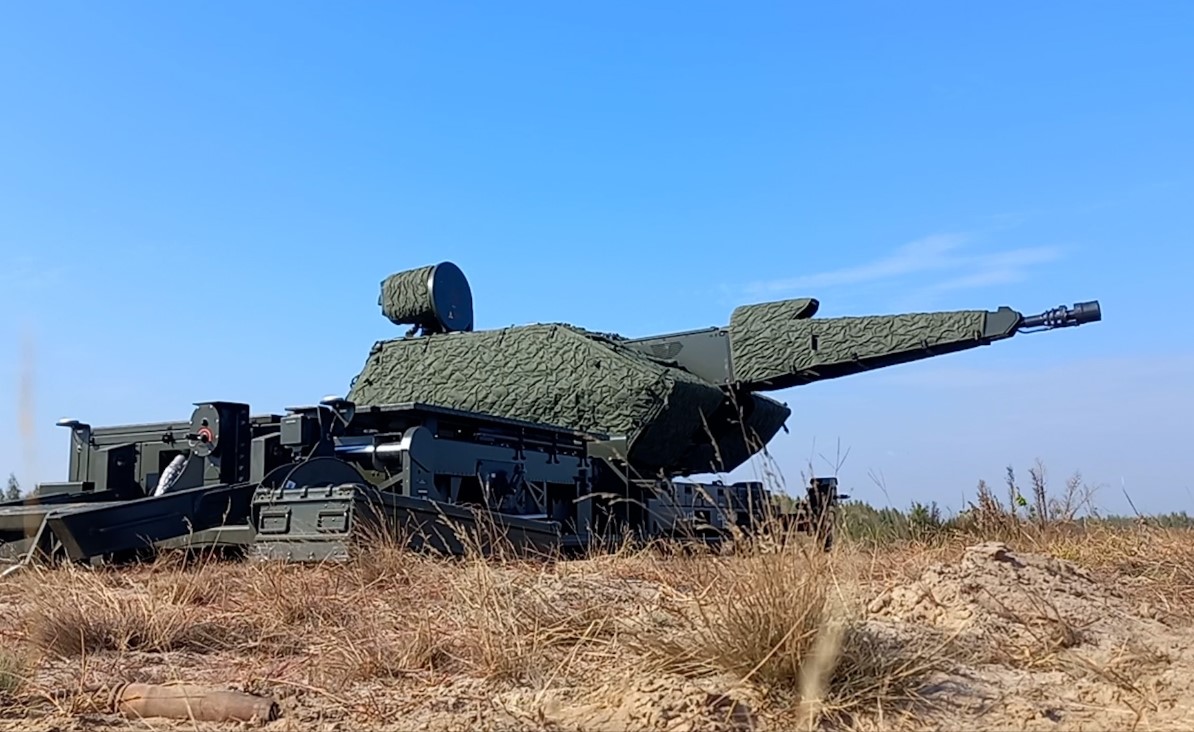
The assessment, first reported by the German magazine Stern, describes a layered defense made up of two Skynex batteries protecting the site. The deployment included eight 35 mm anti-aircraft gun mounts, two X-TAR3D radar stations and two command posts, providing overlapping coverage against incoming aerial threats.
The document says the system had several opportunities to intercept the drone but failed to destroy it before impact. Two independent witnesses cited in the report confirmed the drone passed through the defensive perimeter and hit its intended target.
The report attributes the failed interception to a combination of equipment malfunctions and target-tracking problems that developed shortly after the engagement began.
Three of the eight gun mounts reportedly went offline within minutes. The assessment lists defects in the hydraulic systems, tracking radar malfunctions and mechanical jams in the ammunition loading mechanism. As those problems spread through the network, only two guns were able to maintain stable tracking of the incoming drone.
Ukrainian officials who prepared the assessment described the equipment as having "low operational readiness" and performing "extremely unreliably." The document says the combat performance observed during the April 1 engagement did not match the technical specifications presented by the manufacturer.
Rheinmetall, which manufactures the Skynex system, declined to comment on the specific operational details or the date of the engagement, citing security reasons. The company rejected the assessment's conclusions and said Skynex has proven "extremely effective and reliable" during operations in Ukraine. It also said previous feedback received from Ukrainian operators had been positive.
German military officials also cautioned against drawing broad conclusions from a single incident. They said the number of Skynex systems currently deployed in Ukraine remains too small to assess the platform's overall operational performance. Officials also said operator error or mistakes during technical maintenance may have contributed to the reported failures, rather than faults in the hardware itself.
Skynex is a modular short-range air defense system used to defend critical infrastructure against drones, cruise missiles, helicopters and low-flying aircraft. A standard battery consists of a command post, radar and four automated 35 mm artillery mounts, commonly the Oerlikon Mk3.
The guns can fire up to 1,000 rounds per minute and use AHEAD programmable airburst ammunition. Rather than relying on direct hits, the 35 mm rounds detonate near the target and release a cloud of tungsten sub-projectiles intended to destroy incoming aerial threats.
The April 1 assessment reflects the findings from that single engagement. Rheinmetall continues to dispute those findings, while German officials say more operational data is needed before judging the system's overall performance.
——— End of Article ———