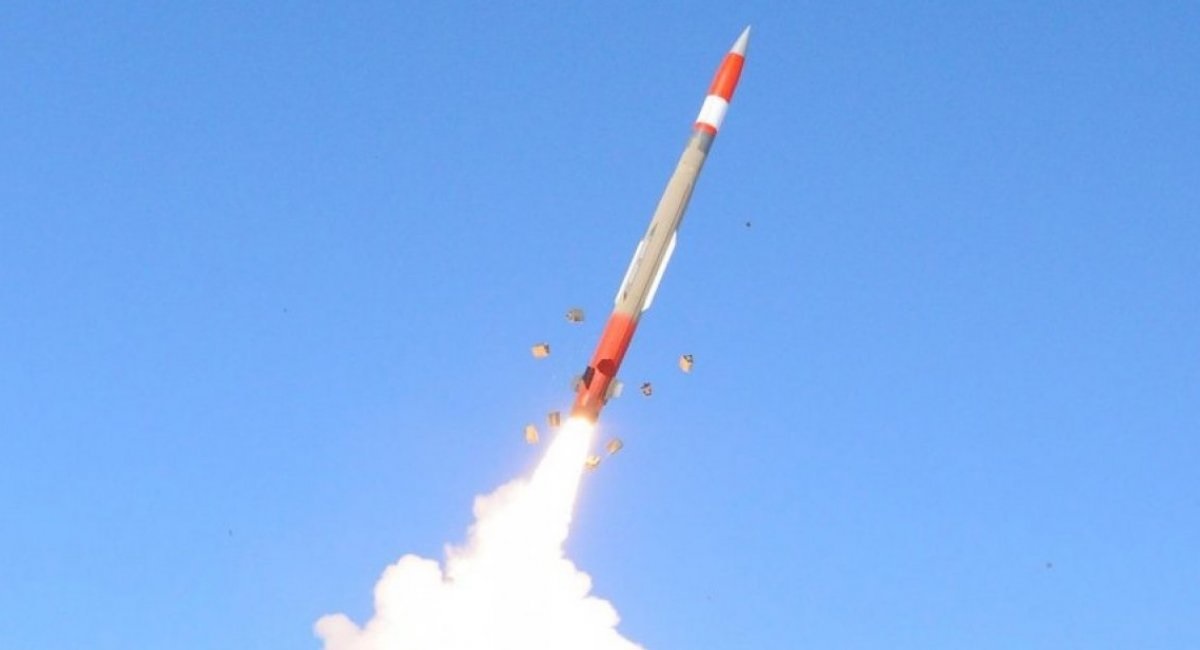
ANKARA, Türkiye — The United States, Germany, the Netherlands, Poland and Sweden have signed a joint agreement to explore the establishment of a dedicated maintenance facility in Europe for Lockheed Martin's PAC-3 air defense missiles, marking a new step in expanding NATO's regional missile support infrastructure.
The agreement was announced on Tuesday during a defense industry event held alongside the NATO summit in Ankara. U.S. Undersecretary of Defense for Acquisition and Sustainment Michael Duffey said the proposed facility is intended to improve the availability of PAC-3 missiles, reduce repair times and strengthen operational readiness for NATO allies.
The host country for the maintenance facility has not yet been selected. According to Duffey, the project is being developed in partnership with Lockheed Martin and the participating European nations.
Speaking to reporters, Duffey also said the United States is not ruling out future production of PAC-3 missiles outside its borders.
"We leave open the opportunity for production beyond the U.S. borders, absolutely," Duffey said when asked whether PAC-3 interceptors could eventually be manufactured outside the U.S.
PAC-3 missiles are the most advanced interceptor used in the Patriot air defense system and require regular maintenance to remain operational. Demand for Patriot systems has increased significantly in recent years, particularly in Ukraine, where they have been used to intercept Russian tactical ballistic missiles since the start of Russia's full-scale invasion in 2022.
The maintenance initiative forms part of broader efforts by the United States and European allies to expand defense industrial capacity in Europe while easing pressure on U.S. defense manufacturers.
Europe Expanding Patriot Missile Production
Efforts to increase missile production in Europe are already underway for other Patriot interceptors.
In 2024, Germany, the Netherlands and Spain signed a €5.1 billion (approximately $5.98 billion) contract to procure up to 1,000 PAC-2 missiles. The missiles will be produced at a new MBDA facility in Schrobenhausen, southern Germany, through COMLOG, a joint venture between MBDA and Raytheon.
The new production facility is expected to double global manufacturing capacity for PAC-2 interceptors, which are designed to counter tactical ballistic missile threats. Production is scheduled to begin at the end of 2026, with the first deliveries expected in early 2027. MBDA will also provide maintenance support for the PAC-2 missile inventory.
AMRAAM Co-Production Plans Progress
At the same time, the United States and several NATO members are moving closer to establishing co-production of Raytheon's AIM-120 AMRAAM missiles in Europe.
The initiative involves Belgium, Canada, Finland, Germany, the Netherlands, Norway and Britain. Participating countries are funding feasibility studies to qualify European suppliers for key missile components.
The AIM-120 AMRAAM is used by NASAMS air defense systems and F-16 fighter aircraft and remains in high demand, including by Ukraine. However, officials have not announced which European country could host a future AMRAAM production facility or when a final agreement may be reached.
Supporting NATO Supply Chains
The new maintenance and production initiatives are intended to strengthen NATO's defense industrial base by improving regional support for critical air defense systems.
They also align with U.S. President Donald Trump's call for European allies to assume a greater role in their own defense by increasing defense spending and expanding industrial capabilities within Europe.
The projects come as the United States faces growing pressure on its defense manufacturing sector. In June, President Trump invoked the Defense Production Act to address constraints affecting munitions production and defense supply chains after concerns that ongoing military support for Ukraine and operations related to the conflict with Iran had placed significant demands on U.S. weapons stockpiles.
Defense officials say expanding maintenance and production capabilities in Europe could reduce pressure on Lockheed Martin and Raytheon facilities in the United States, allowing the companies to increase domestic production while helping European allies maintain more resilient and reliable missile supply chains.
Source: reuters
——— End of Article ———