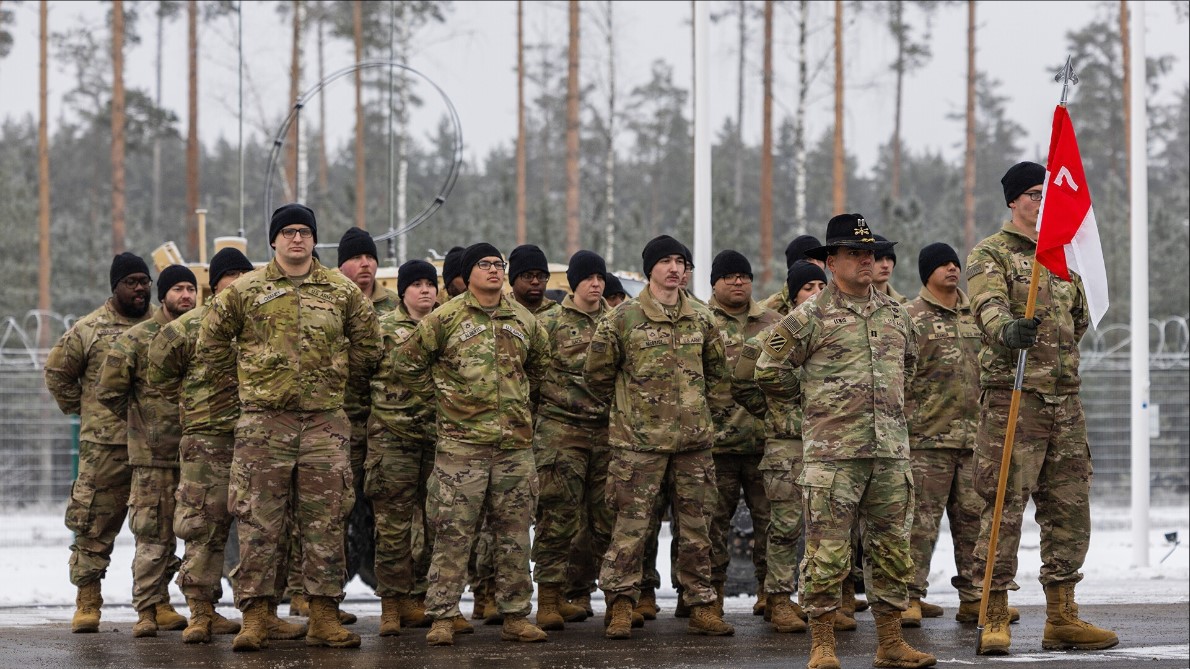
TALLINN, Estonia — The United States has significantly reduced its rotational military presence in Estonia, with the number of American troops in the country dropping from around 500–700 personnel to fewer than 100, according to Estonian broadcaster ETV. Estonian officials said a new U.S. rotational contingent is expected to arrive later this summer and remain until the end of the year, but there are currently no confirmed plans for a continued American military presence in Estonia beyond 2026.
The reduction comes as the Pentagon conducts a six-month review of U.S. defense policy and force posture in Europe. The outcome of the review is expected to determine future deployments of American forces across the continent, including in the Baltic region.
Current Troop Reduction
The departing U.S. troops were stationed mainly at Tapa military base in northern Estonia, along with other military locations, including Camp Reedo in Võru. ETV reported that fewer than 100 American personnel remain in the country following the latest rotation.
The U.S. military presence in Estonia is based on a bilateral defense agreement between Washington and Tallinn. Estonian Defence Minister Hanno Pevkur said the agreement remains unchanged despite the current reduction in troop numbers.
Pevkur said he was informed during discussions with NATO's Supreme Allied Commander Europe and the Commander of U.S. Army Europe that the next U.S. rotational unit is expected to arrive during the summer and remain in Estonia until the end of the year.
However, the size and composition of the upcoming deployment have not yet been decided, and no decisions have been made regarding the long-term presence of U.S. forces beyond this year.
"The next rotation should still move to Estonia during the summer," Pevkur said, adding that future decisions will depend on the Pentagon's ongoing six-month review.
Future Deployment Still Under Review
According to ETV, the next U.S. rotation is also linked to the deployment of a new U.S. brigade to Poland, although the timeline for that deployment remains unclear.
Previous U.S. rotations to Estonia have generally come from American brigades stationed in Poland or Romania. Pevkur noted that deploying a new brigade to Poland and establishing future rotations would be a longer process rather than something that could happen within a year.
As a result, it remains unclear whether future U.S. rotations to Estonia would come from that brigade or another American unit.
Estonian Officials Await Pentagon Decision
Kalev Stoicescu, chairman of the Estonian Parliament's National Defence Committee, said decisions on the future of U.S. forces in Europe ultimately rest with the White House and are based on Washington's strategic interests.
Stoicescu said that if the United States maintains military forces in Europe, they should continue to be positioned on NATO's eastern flank.
No Major Announcement Expected at NATO Summit
Pevkur said he does not expect any major announcements regarding the future of the U.S. military presence in Estonia during the upcoming NATO summit in Ankara.
Until long-term decisions are made, Estonia will continue relying on its own defense capabilities and the NATO battlegroups rotating through the Baltic states.
U.S. Rotational Presence in Estonia
Under the current bilateral defense agreement between the United States and Estonia, U.S. troops have been stationed in the country on a rotational basis since 2022. Rotational deployments have typically consisted of between 500 and 700 personnel, with fewer than 100 American troops currently remaining in Estonia following the latest rotation.
Part of Wider U.S. Force Adjustments in Europe
The changes in Estonia are part of broader adjustments to U.S. military deployments across Europe.
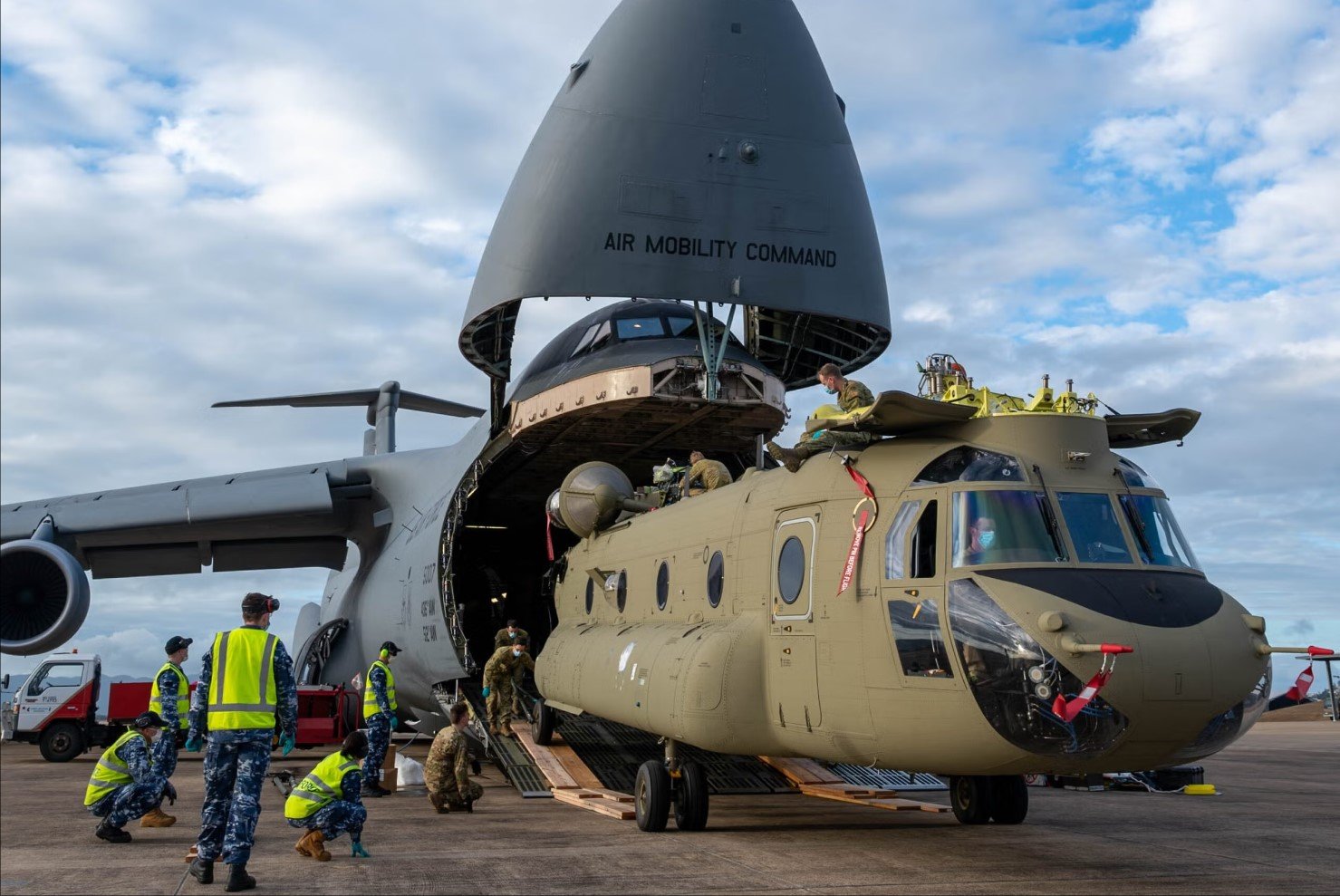
Lithuania has recently completed the withdrawal of more than 1,000 U.S. troops and their equipment after a scheduled rotational deployment. Meanwhile, the United States is planning to reduce its military presence in Germany by approximately 5,000 troops over the next six to twelve months, including a combat brigade and a missile unit previously planned for deployment in Europe.
The Pentagon's ongoing defense review is expected to determine the future structure and distribution of U.S. forces across Europe, including decisions affecting NATO's eastern flank.
Source: err.ee
——— End of Article ———