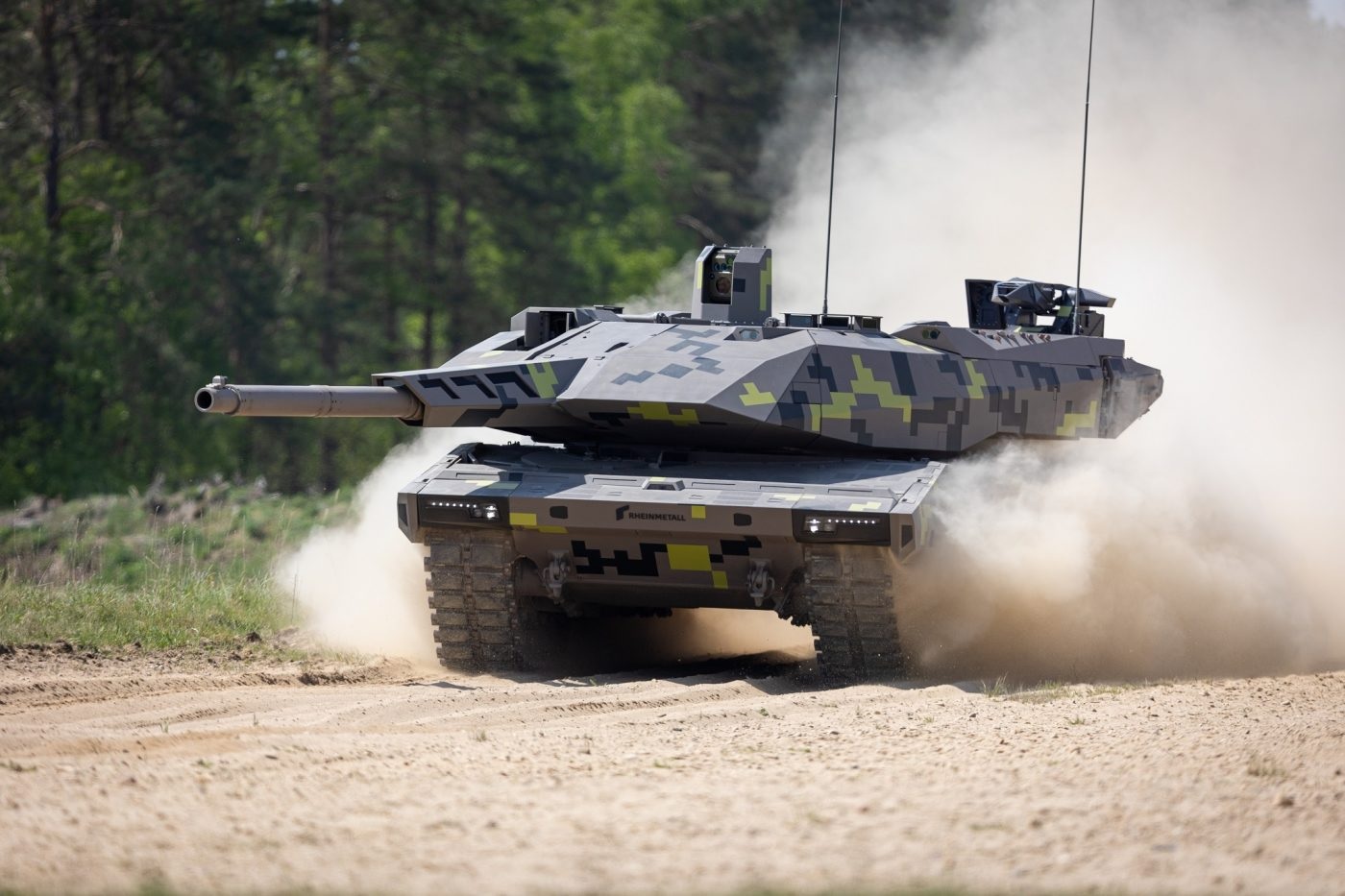
BERLIN/PARIS, — June 13, 2026 : France is considering reducing its participation or potentially withdrawing from the Main Ground Combat System (MGCS) program, the joint Franco-German effort to develop a next-generation main battle tank, according to comments by Rheinmetall Chief Executive Officer Armin Papperger.
While no final decision has been taken by Paris, Papperger said the possibility of a French withdrawal remains under consideration as discussions continue over funding levels and future budget commitments.
Funding Concerns Raise Questions Over Program Future
According to Papperger, the main challenge facing the MGCS project is financial uncertainty. France is reportedly examining plans to reduce its contribution to less than half of the amount originally envisioned for the program.
He warned that lower funding could have a direct impact on development progress, forcing industrial partners to scale back certain technical requirements and potentially causing further delays.
Papperger also highlighted the limited financial support provided to the companies involved in the project. He said that since the program was launched, the participating firms — Rheinmetall, KNDS, and Thales — have collectively received only €25 million in funding.
The Rheinmetall chief stated that such funding levels are insufficient for a major defense development program and noted that reduced budgets would make it difficult to accelerate progress on the next-generation combat system.
MGCS Designed to Replace Leopard 2 and Leclerc Tanks
The MGCS initiative was launched in 2017 by the governments of France and Germany with the objective of developing a highly integrated future ground combat system.
The program is intended to replace the current generation of main battle tanks operated by both countries, including Germany’s Leopard 2 and France’s Leclerc tanks.
Originally, the project aimed to field the new system during the 2030s. However, a combination of industrial negotiations, technical challenges, and bureaucratic delays has gradually pushed the expected entry-into-service timeline into the 2040s.
Industrial Structure Established in 2025
A significant milestone for the program was reached in 2025 with the establishment of MGCS Project Company GmbH in Cologne, Germany.
The joint venture was created to manage the next stage of development and serves as the industrial prime contractor for the project. Ownership is divided equally among four partners:
- KNDS Deutschland – 25%
- KNDS France – 25%
- Rheinmetall Landsysteme – 25%
- Thales – 25%
The company is responsible for coordinating work on key elements of the future combat system, including the platform, turret, main gun, sensors, and supporting technologies. Development responsibilities were allocated on a 50-50 national basis between France and Germany.
Germany Pursuing Interim Tank Development
As the MGCS timeline has continued to move further into the future, German defense companies Rheinmetall and KNDS Germany have initiated development of an upgraded main battle tank outside the MGCS framework.
The platform is expected to become operational in the early 2030s and is intended to provide an interim capability while work on a future-generation combat system continues.
Broader Challenges for Franco-German Defense Cooperation
The uncertainty surrounding MGCS comes at a time of increased strain in Franco-German defense collaboration.
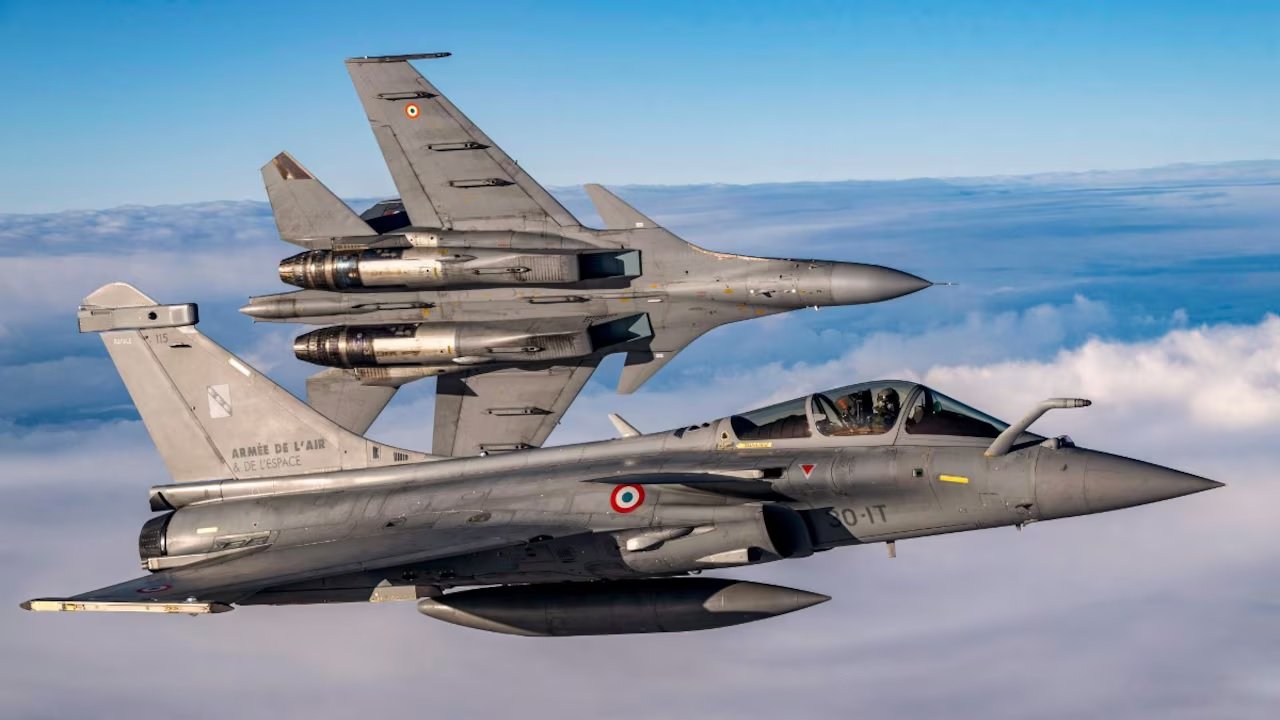
Earlier this week, German Chancellor Friedrich Merz and French President Emmanuel Macron agreed to terminate the Future Combat Air System (FCAS) program, a major joint fighter aircraft development project. The decision followed prolonged disagreements between participating aerospace companies over industrial responsibilities and production arrangements.
Defense analysts believe the cancellation of FCAS and the ongoing funding uncertainty surrounding MGCS highlight the difficulties often associated with large multinational European defense projects. Differences in budget priorities, industrial interests, and program management have repeatedly complicated efforts to develop advanced military platforms through joint cooperation.
No Final Decision Yet
Despite growing concerns over funding and future participation, no formal decision has been announced regarding France’s role in the MGCS program.
Discussions between the French and German governments, along with industry partners, are expected to continue as both sides evaluate long-term defense requirements, financial commitments, and the future direction of one of Europe’s most ambitious armored vehicle development programs.
——— End of Article ———