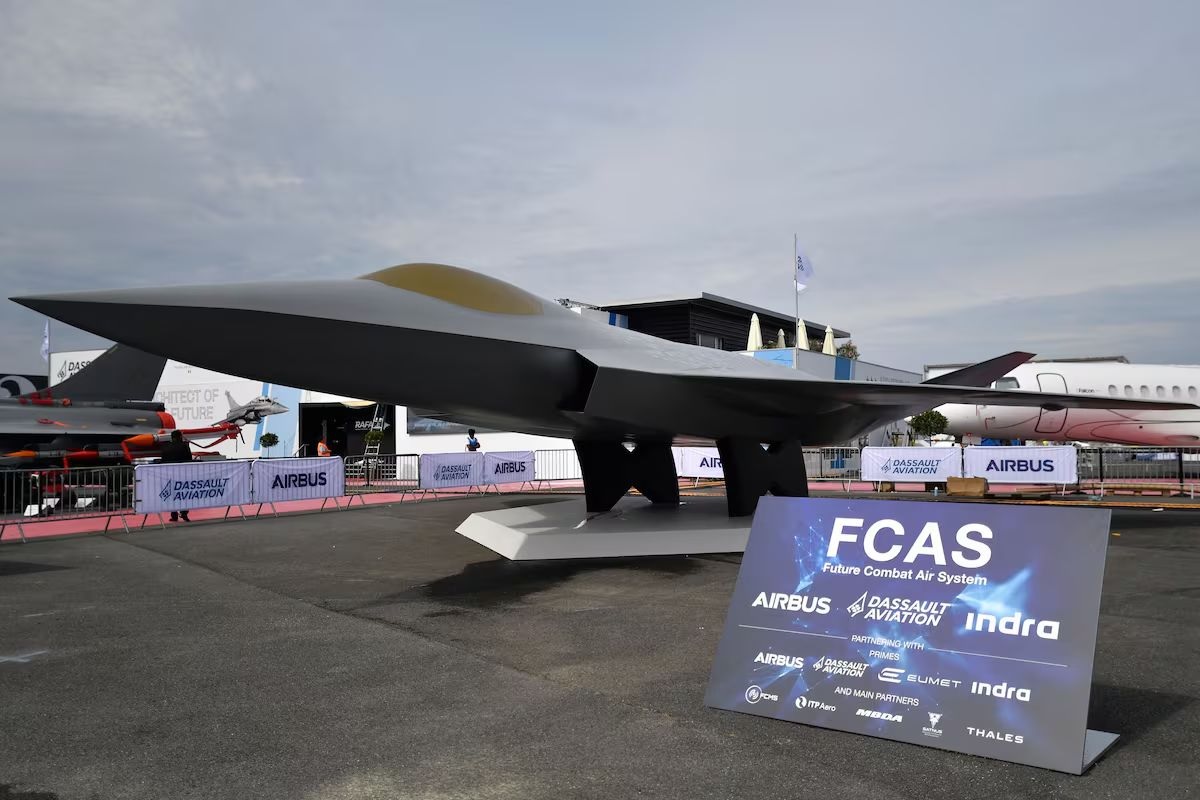
BERLIN, — June 08, 2026 : Germany and France have decided to discontinue the joint development of the New Generation Fighter (NGF), the central manned aircraft component of the Future Combat Air System (FCAS) program, following years of industrial disagreements between Dassault Aviation and Airbus Defence and Space over leadership, workshare, and intellectual property rights.
The decision marks a major restructuring of one of Europe’s largest defense programs, valued at more than €100 billion, and effectively ends the NGF project in its current form involving France, Germany, and Spain.
According to government sources, German Chancellor Friedrich Merz is expected to formally address the decision during the ILA Berlin Air Show this week. Reports indicate that Merz advised French President Emmanuel Macron that the joint fighter aircraft project should not continue after repeated efforts to resolve disputes between the industrial partners failed to produce an agreement.
The move significantly alters the original vision of FCAS, which was launched in 2017 by Macron and former German Chancellor Angela Merkel as a flagship European defense cooperation initiative aimed at developing a sixth-generation air combat system.
Industrial Disputes Bring NGF Project to a Halt
The collapse of the NGF program follows years of disagreements between Dassault Aviation, the lead contractor for the fighter aircraft, and Airbus Defence and Space, which represented German and Spanish industrial interests.
A key source of tension was the issue of workshare and industrial leadership. Dassault advocated a "best-athlete" model, arguing that its experience as a combat aircraft manufacturer justified a dominant role in the fighter's development. Reports suggested the company sought a significantly larger share of the project, with discussions involving as much as 80 percent of the NGF workshare.
Airbus, backed by Germany and Spain, supported a more balanced industrial structure that would allow all participating countries to maintain and develop their aerospace capabilities. Despite multiple rounds of negotiations and mediation, the parties were unable to reach a compromise.
Another major obstacle involved intellectual property rights. As the program moved toward advanced development phases, disagreements intensified over technology sharing, access to proprietary data, and protection of commercially sensitive information. These disputes repeatedly delayed progress and prevented the project from advancing to the next stage.
Different Military Requirements Deepened Divisions
Beyond industrial disagreements, France and Germany also held different operational requirements for a future combat aircraft.
France sought an aircraft capable of carrier operations and supporting the country's airborne nuclear deterrence mission, requirements linked to the future replacement of the Rafale fighter.
Germany, however, does not operate aircraft carriers and has different defense priorities. Berlin has already selected the F-35 fighter aircraft to fulfill its NATO nuclear-sharing obligations, reducing the need for some of the specialized capabilities sought by France.
These differing strategic priorities made it increasingly difficult to define a common aircraft design acceptable to all participating nations.
FCAS to Continue Through Drones and Combat Cloud Development
While the joint fighter aircraft has been canceled, Paris and Berlin have agreed to continue cooperation on other elements of the broader
FCAS architecture.
The revised program will retain the FCAS name and focus on developing a "system of systems" approach centered on advanced networking and unmanned capabilities.
Key areas of continued cooperation include:
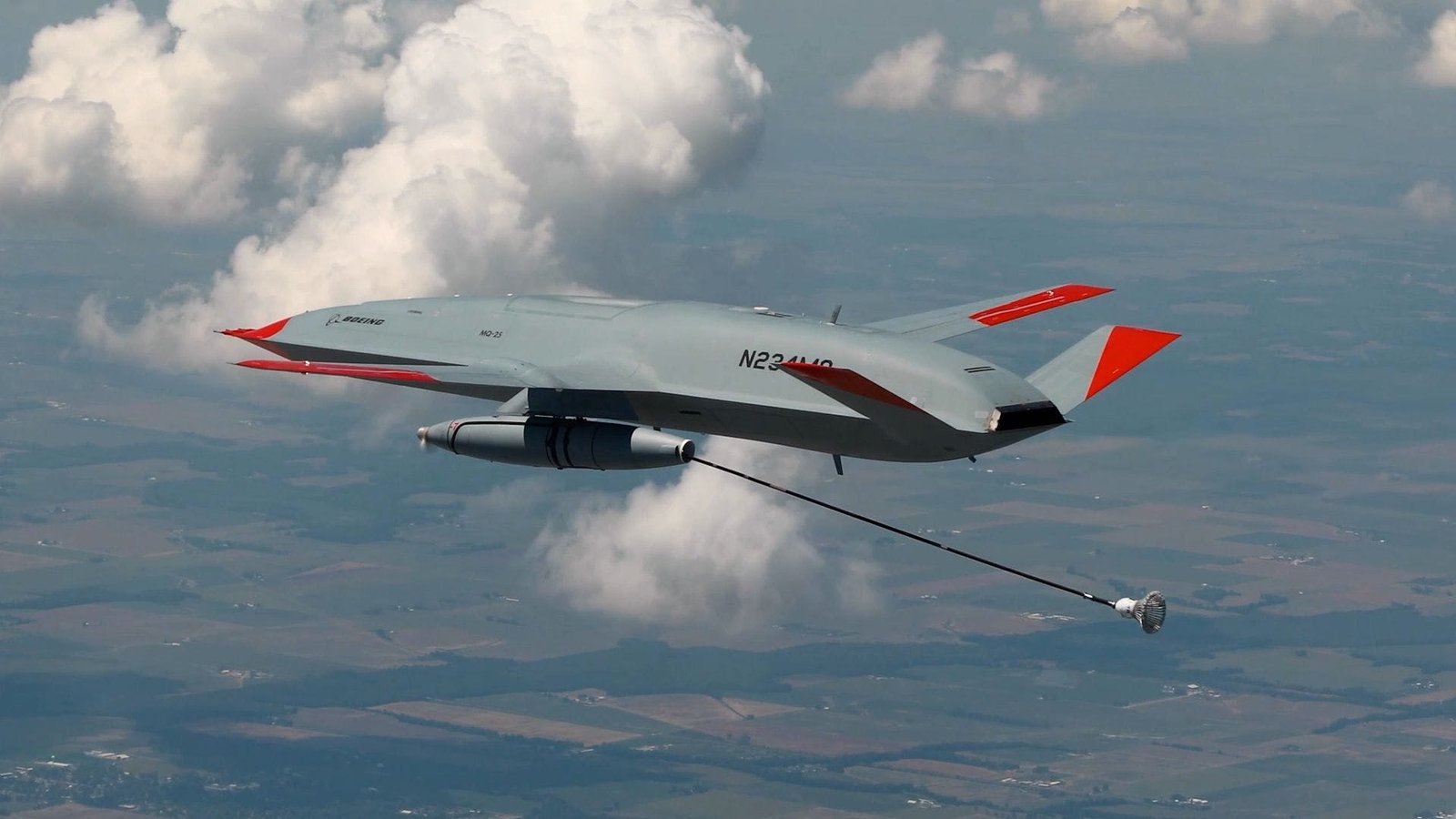
- Remote Carriers — autonomous and collaborative drone platforms designed to operate alongside manned aircraft during combat missions.
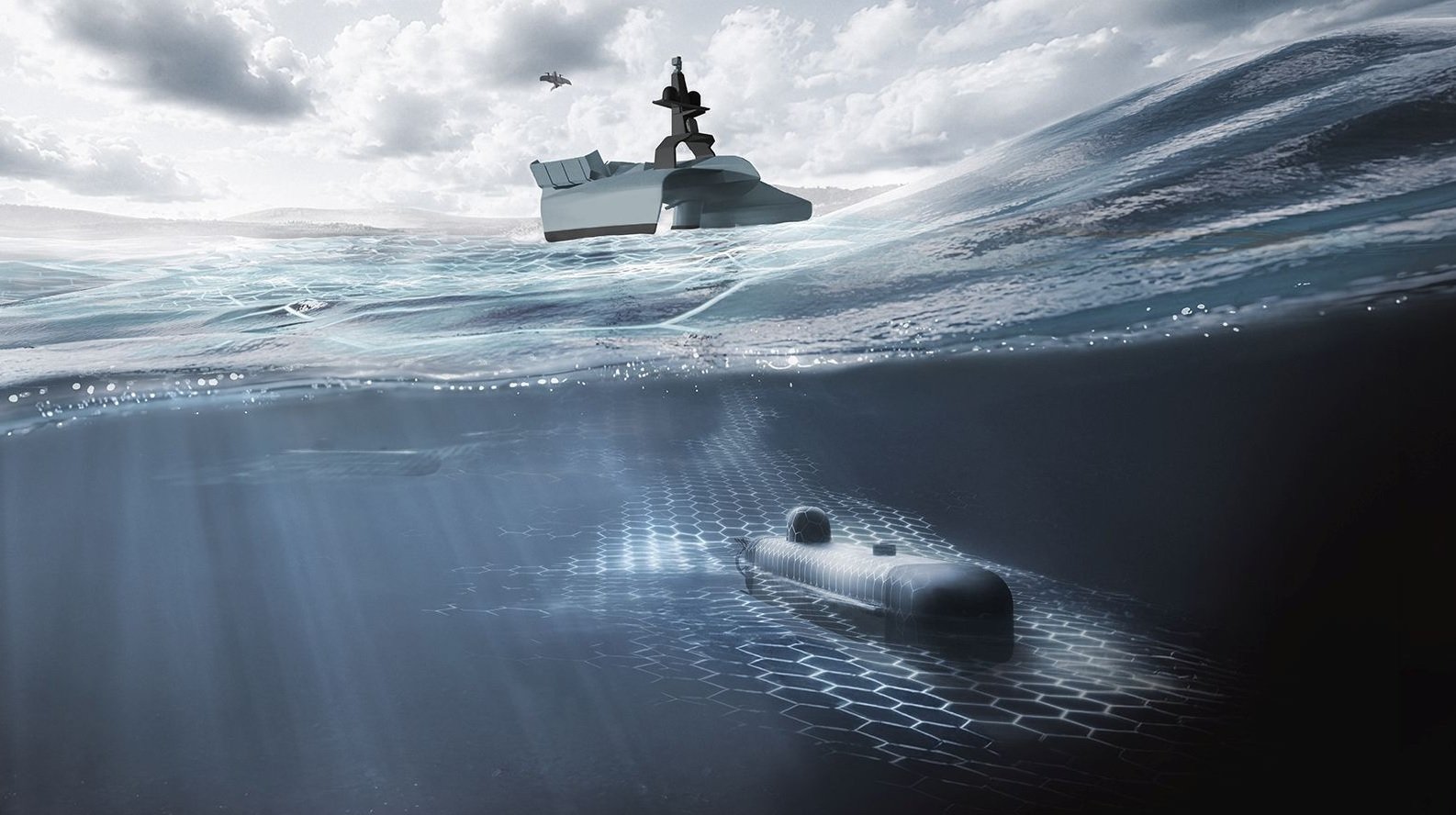
- Combat Cloud — a secure digital network intended to connect aircraft, drones, sensors, command centers, naval assets, and ground forces into a unified operational system.
The continuation of these components allows the project to survive in a reduced form while preserving a significant part of the European defense cooperation framework originally established in 2017.
Airbus Defence and Space Chief Executive Michael Schoellhorn recently stated that although the fighter aircraft project faced substantial challenges, development of the Combat Cloud and Collaborative Combat Aircraft programs would continue.
Germany has also proposed maintaining trilateral cooperation with Spain on these remaining FCAS elements. Additional details are expected to be discussed during a ministerial meeting scheduled for July 2026.
Setback for European Strategic Autonomy
The cancellation of the New Generation Fighter represents a significant setback for Europe's ambitions to strengthen strategic autonomy and reduce reliance on non-European military technologies.
FCAS had been designed as a next-generation air combat system intended to replace France’s Rafale, Germany’s Eurofighter Typhoon, and Spain’s current fighter fleet between 2040 and 2045. The program was widely viewed as a cornerstone of future European defense-industrial cooperation.
The project had already experienced years of delays. A planned technology demonstrator flight, originally targeted for 2027, failed to advance due to unresolved disputes between the industrial partners. Political mediation efforts launched by Macron and Merz earlier in 2026 ultimately did not produce an agreement.
Future of European Combat Aviation
With the NGF project discontinued, Europe’s future combat aviation landscape remains divided between multiple initiatives.
Alongside FCAS, the Global Combat Air Programme (GCAP)—led by the United Kingdom, Italy, and Japan—continues development of its own sixth-generation fighter aircraft. Recent reports have suggested that Germany may be interested in exploring potential participation in the GCAP framework.
Meanwhile, the German and French defense ministries have been tasked with preparing a new joint roadmap focused on practical defense cooperation projects, including unmanned systems, advanced networking technologies, and future battlefield integration capabilities.
The ILA Berlin Air Show is expected to provide further clarity on the future direction of FCAS and broader European air combat modernization efforts as governments and industry partners reassess their long-term requirements for next-generation military aviation.
——— End of Article ———