KYIV, Ukraine — Ukraine's nationwide Pokrova electronic warfare (EW) network is now powered predominantly by the domestically developed Lima electronic warfare system, according to a senior commander from the country's Night Watch EW unit.
In an interview with the Ukrainian defense publication Militarnyi, the commander, known by the call sign "Alkhimik," said the integration of Lima systems into the Pokrova network has increased rapidly over the past two years.
"By the end of 2024, Lima accounted for 85%. By the beginning of 2025 — 95%," Alkhimik said.
He added that in some frontline sectors facing heavy Russian unmanned aerial vehicle (UAV) activity, Lima systems now represent as much as 98% of the electronic warfare coverage.
Pokrova Electronic Warfare Network
Pokrova is Ukraine's nationwide strategic electronic warfare system, which became operational in early 2024. The network supports all branches of the Ukrainian Armed Forces and is designed to counter aerial threats using electronic warfare rather than relying solely on conventional air defense interceptors.
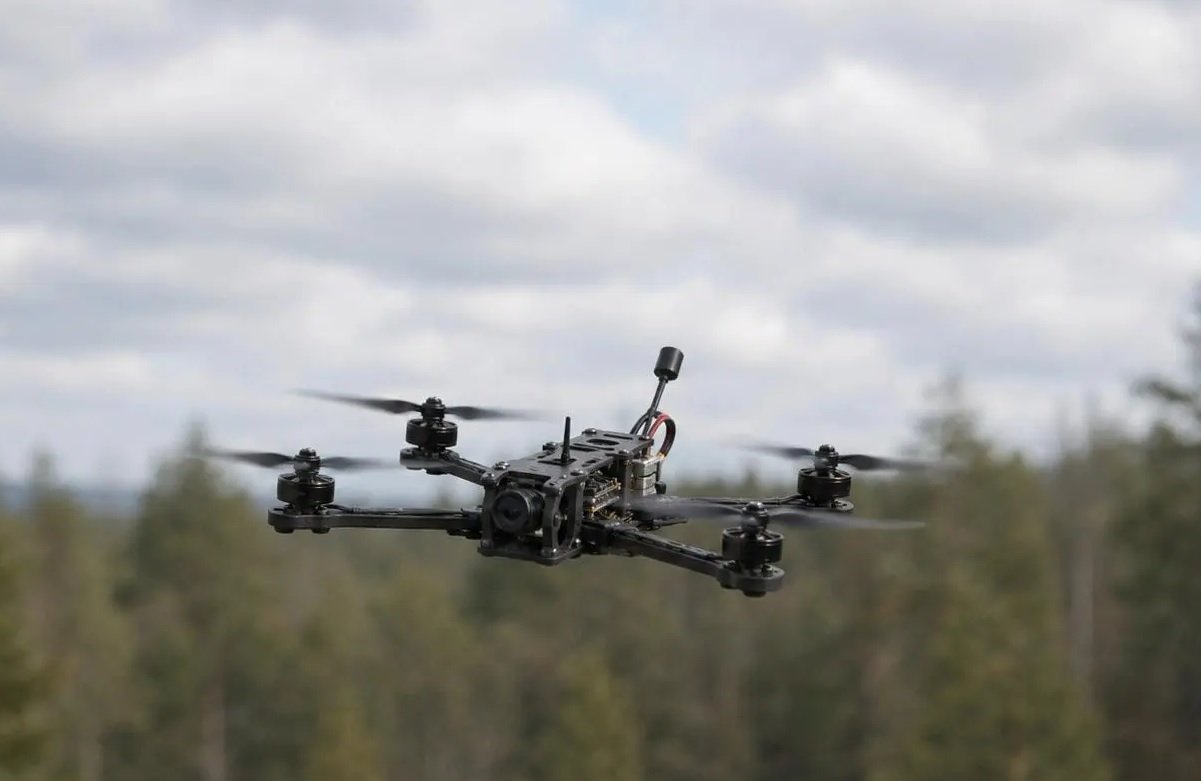
The system primarily operates through GPS and GLONASS spoofing, interfering with the satellite navigation signals used by Russian drones and missiles. By transmitting false navigation data, Pokrova causes incoming weapons to lose accurate positioning, deviate from their intended flight paths, crash in open areas, or turn back before reaching their targets.
This electronic warfare layer complements traditional air defense systems by disrupting threats before kinetic interception becomes necessary.
Lima Forms the Core of the Network
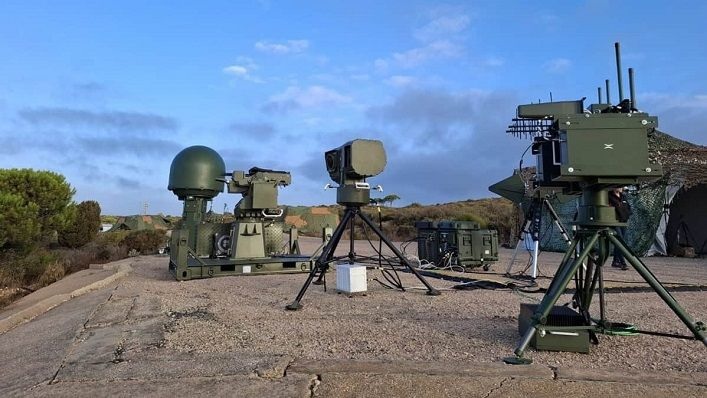
The Lima electronic warfare system, developed by Ukrainian defense company Cascade Systems, serves as the primary component of the Pokrova network.
According to the manufacturer, Lima differs from conventional electronic warfare stations that rely mainly on broad radio-frequency jamming. Instead, it combines multiple digital techniques, including:
- Active signal jamming
- GPS and GLONASS spoofing
- Targeted cyberattacks against navigation receivers
These methods are intended to interfere with the guidance systems used by drones, cruise missiles, and other precision-guided weapons.
When Lima successfully disrupts a weapon's satellite navigation, the munition is supplied with false coordinate data, causing it to calculate an incorrect position and steer away from its intended target.
Response to Russian Navigation Upgrades
Ukraine has continued upgrading Lima as Russian forces introduced more resistant navigation systems.
In early 2025, Russian forces began equipping drones and UMPK-guided glide bombs with 12-element Kometa Controlled Reception Pattern Antenna (CRPA) systems designed to reduce the effects of conventional jamming by filtering interference. Images of the antenna were published in April 2025 by the Colonel GSh Telegram channel.
According to Ukrainian sources, Cascade Systems responded by developing Lima Quant, an upgraded version that combines standard spoofing techniques with additional high-frequency signals intended to disrupt the newer Kometa antennas.
Deployment of Lima systems began in July 2024, while expansion to help protect civilian infrastructure started in October 2025. Cascade Systems has delivered more than 400 Lima units, according to the company.
Reported Operational Performance
Cascade Systems reported that during the first quarter of 2026, Lima systems diverted 33 cruise missiles and more than 10,000 drones.
Alkhimik also stated that in areas protected by Lima, the system has successfully neutralized 58 of 59 Russian Kh-47M2 Kinzhal aeroballistic missiles launched at those locations since deployment.
He further said that Lima has neutralized more than 98% of Russian guided aerial bombs entering its protected coverage areas.
These figures are based on statements from Ukrainian military officials and the system's manufacturer and have not been independently verified.
How GPS Spoofing Reduces Accuracy
Weapons that rely on satellite navigation continuously receive GPS or GLONASS updates to maintain flight accuracy.
When those satellite signals are disrupted or replaced with false coordinates, the weapon must rely on its internal Inertial Navigation System (INS). While INS allows continued flight, its accuracy gradually decreases without satellite corrections, causing navigation errors to accumulate over longer distances.
As a result, drones or missiles may miss their intended targets by significant margins.
Lower-Cost Layer of Air Defense
According to Ukrainian officials, each Lima unit costs approximately 3 million hryvnia (around €58,000, or about US$68,000, depending on exchange rates and system configuration).
Protecting a major city may require 30 to 100 units, a cost significantly lower than maintaining comparable coverage using interceptor missiles alone.
Ukrainian military officials describe the Pokrova network as an additional defensive layer that allows expensive air defense interceptors to be reserved for threats that cannot be disrupted electronically.
Alkhimik's latest comments indicate that Lima has become the dominant electronic warfare system within Ukraine's Pokrova network, making up more than 90% of the nationwide capability and forming a central part of the country's approach to countering Russian drones and precision-guided weapons through electronic warfare.
——— End of Article ———