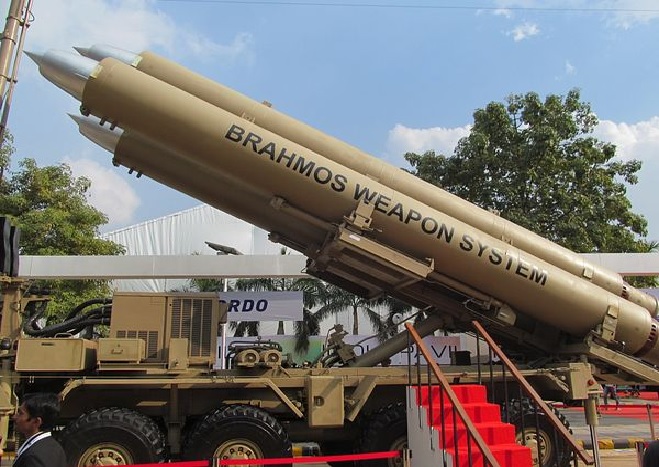
NEW DELHI — Indonesia has approached India to procure a second battery of the BrahMos supersonic cruise missile system, expanding on the agreement reached earlier this year for the purchase of one battery. Jakarta has also requested a favourable line of credit from New Delhi to support the proposed acquisition.
According to reports, the potential defence deal is estimated to be worth around $300 million (approximately ₹2,500 crore) and is expected to be one of the key issues discussed during Prime Minister Narendra Modi's visit to Indonesia from July 6 to 8.
The visit will be Modi's first bilateral trip to Indonesia since the two countries upgraded their relationship to a Comprehensive Strategic Partnership in 2018. After holding talks with Indonesian President Prabowo Subianto in Jakarta, the Prime Minister will continue his three-nation tour with visits to Australia and New Zealand, concluding on July 11.
During a media briefing in New Delhi, Rudrendra Tandon, Secretary (East) in India's Ministry of External Affairs (MEA), said defence cooperation remains an important part of bilateral relations but declined to comment on the status of the proposed missile deal.
"Defence cooperation is an important part of the relationship with Indonesia. But I don't think we need to get into the details of this at this juncture, particularly because we have not departed from here and all these are at preparatory stages," Tandon said.
Indonesia confirmed its first BrahMos missile agreement with India in March 2026 as part of its military modernisation programme aimed at strengthening maritime defence. The initial contract covered one missile battery, including launchers, radars and missiles, with estimates placing its value between $200 million and $350 million, depending on the final configuration. The agreement made Indonesia the second export customer for the BrahMos missile after the Philippines.
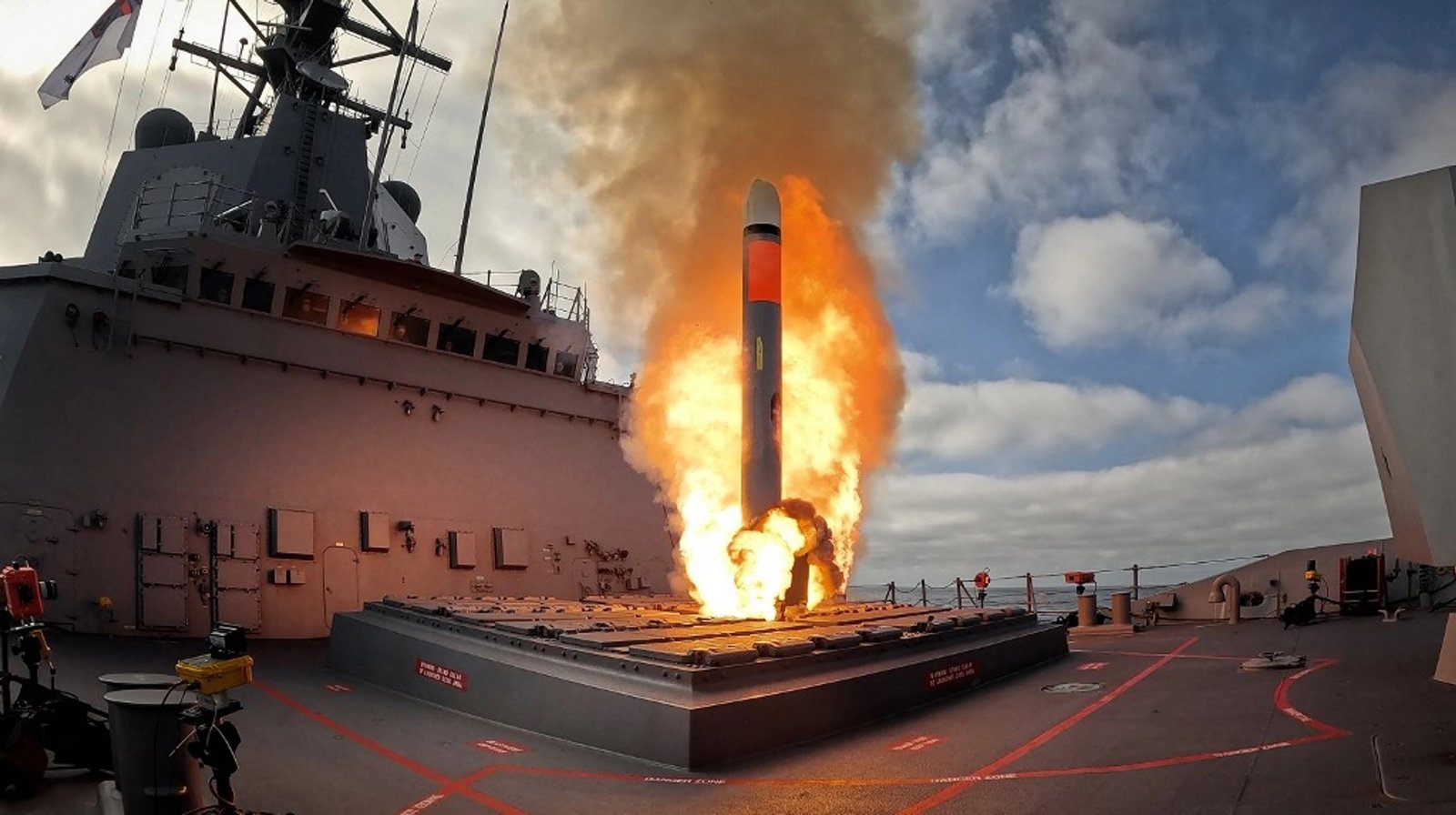
The BrahMos missile is jointly developed by India's Defence Research and Development Organisation (DRDO) and Russia's NPO Mashinostroyeniya under a partnership established in 1998. The export version has a range of about 290 kilometres and travels at Mach 3, making it the world's only operational supersonic cruise missile available for export. It is designed for coastal defence, anti-ship missions and ground attack operations, and can be launched from land, sea, air and submarine platforms.
In May 2026, Defence Secretary Rajesh Kumar Singh said the BrahMos agreement with Indonesia was in its final stages, while India had already signed a separate BrahMos export deal with Vietnam. These developments reflect increasing interest among Southeast Asian countries in strengthening their defence capabilities through the Indian missile system.
Apart from defence, economic cooperation is expected to feature prominently during Prime Minister Modi's visit. Government sources said both countries are likely to sign several Memorandums of Understanding (MoUs) covering healthcare, pharmaceuticals, education, space cooperation, critical minerals and natural resources.
One of India's main priorities is securing long-term access to critical minerals by establishing joint ventures with Indonesian companies to develop nickel processing facilities. Indonesia holds some of the world's largest nickel reserves, making it an important supplier for stainless steel production and electric vehicle (EV) battery manufacturing.
India currently imports more than 80% of its ferronickel requirements from Indonesia and relies entirely on imports for EV battery-grade materials. Securing additional supplies has become increasingly important as India expands its clean energy and electric mobility sectors. At present, Chinese companies control around 75% of Indonesia's nickel refining capacity, making diversification of supply chains a strategic priority for New Delhi.
According to the International Energy Agency's Global Minerals Outlook 2024, global nickel demand is expected to increase from around 3 million metric tonnes in 2023 to 5–6 million metric tonnes by 2040, driven by growing demand for electric vehicles and clean energy technologies. Indonesia is projected to account for 44% of global refined nickel production by 2040, further strengthening its importance in global supply chains.
India and Indonesia currently have bilateral trade worth around $23 billion, and both governments are working to expand trade and investment through stronger economic cooperation and discussions on a preferential trade agreement. Officials are also expected to discuss maritime security and broader strategic cooperation in the Indo-Pacific region during the upcoming meetings.
The proposed acquisition of a second BrahMos missile battery, along with planned agreements on critical minerals and technology cooperation, reflects the continued expansion of India-Indonesia strategic and economic ties.
Source: theprint
——— End of Article ———