HOUSTON, Texas — Venus Aerospace has secured $91 million in Series B funding to accelerate the development and production of its Rotating Detonation Rocket Engine (RDRE), a propulsion technology the company is developing for defense and space applications.
The funding round was led by Mercury Fund, with participation from Lockheed Martin Ventures, MESH, PEAK6, Draper Associates, Starboard Star Venture Capital, Green Sands Equity, and other new and existing investors.
The Houston-based company said the investment will help transition its flight-tested high-thrust RDRE from demonstration programs to operational propulsion systems for military and space customers.
Focus Shifts Toward Defense and Space
Venus Aerospace was founded in 2020 by Sassie Duggleby and Andrew Duggleby, who serves as the company's Chief Technology Officer (CTO). The company initially focused on developing propulsion systems for commercial hypersonic passenger travel.
Following the successful flight demonstration of its engine in May 2025, the company said it received increased interest from defense and aerospace organizations seeking operational propulsion systems. As a result, Venus Aerospace shifted its primary focus toward near-term defense programs, including replacing traditional solid rocket motors in weapons and powering high-speed space vehicles.
How the RDRE Works
The Rotating Detonation Rocket Engine (RDRE) operates differently from conventional rocket engines. Instead of using subsonic combustion, the RDRE generates a continuous supersonic detonation wave that travels around a ring-shaped combustion chamber.
According to the company, this design improves propulsion efficiency by approximately 15 percent compared with conventional rocket engine systems.
Higher efficiency can provide longer range, increased payload capacity, and improved overall performance for defense and space missions.
The engine is built using standard engineering materials along with 3D-printed components, which the company says helps simplify manufacturing and reduces dependence on constrained foreign supply chains.
Unlike many solid rocket motors currently used in missile systems, the liquid-fueled RDRE is designed to support throttling and potential reusability, offering greater operational flexibility.
Built on a Successful Flight Test
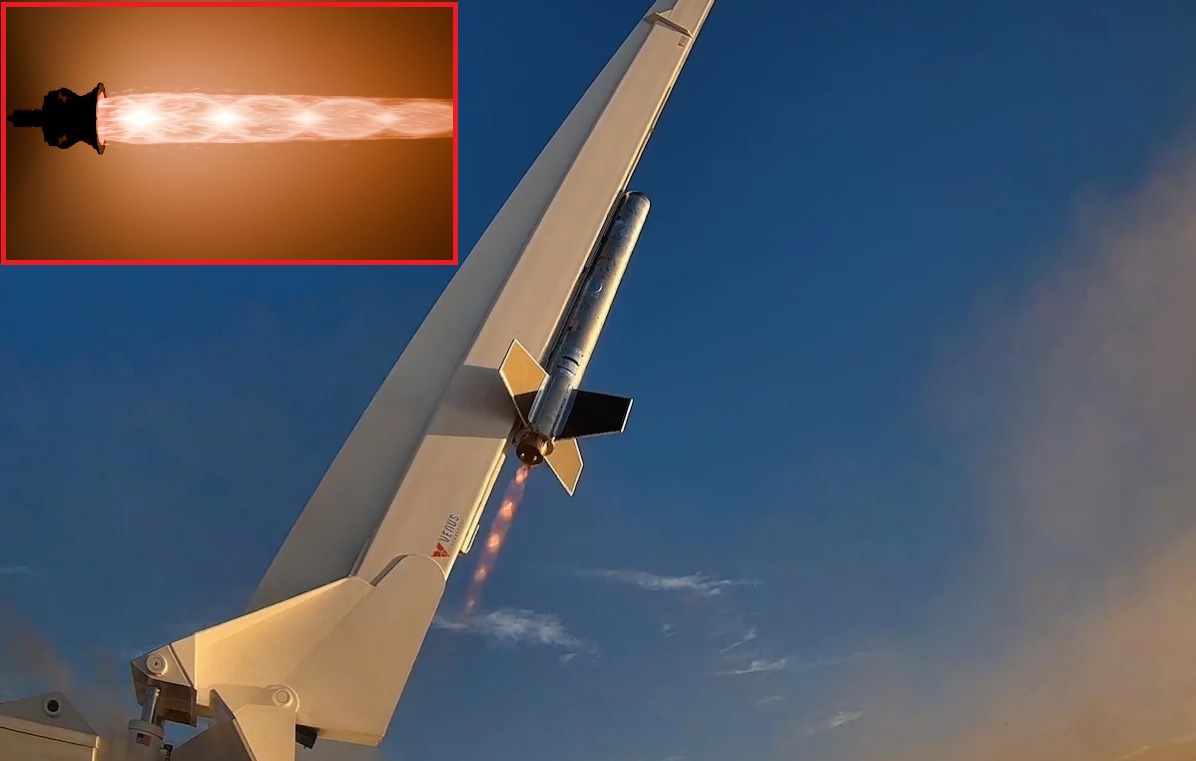
The new investment follows a major milestone achieved on May 14, 2025, when Venus Aerospace completed what the company described as the world's first successful flight test of a high-thrust Rotating Detonation Rocket Engine.
The demonstration was completed after just over four years of development using approximately $80 million in earlier funding.
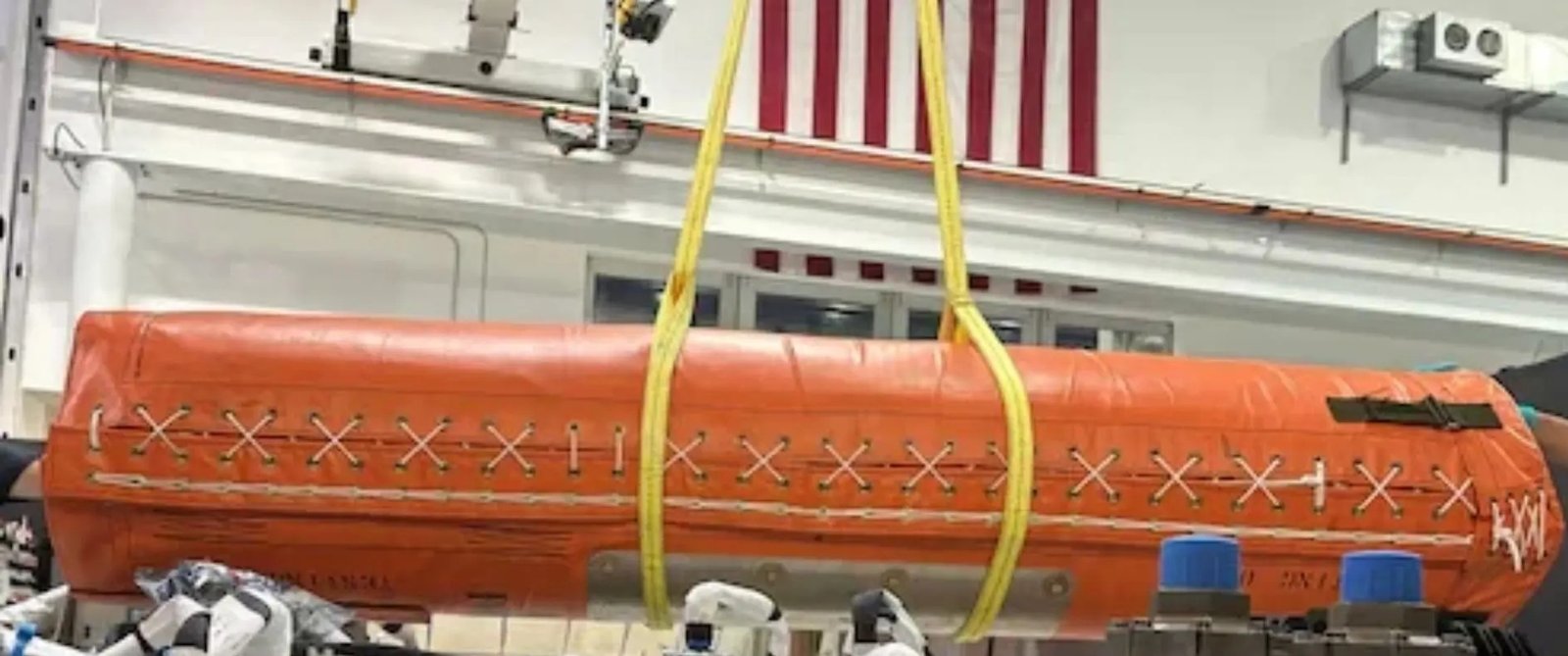
During the test, the engine generated around 2,000 pounds of thrust during a seven-second flight, powering a test vehicle to an altitude of about 4,400 feet and speeds of approximately 383 miles per hour before it landed safely using a parachute recovery system.
Next Phase Focuses on Manufacturing and Longer-Duration Testing
With fresh funding secured, Venus Aerospace plans to expand testing, manufacturing, and production capabilities as it works toward operational deployment.
The company has completed approximately 600 ground tests, with its longest continuous engine burn lasting 32 seconds.
Engineers are now working to increase that burn time to between 6 and 15 minutes, a key requirement for future defense and space missions.
To support this effort, the Texas Space Commission has awarded Venus Aerospace a grant of up to $3.9 million to design, build and activate a larger RDRE testing facility in Houston. The facility is expected to be completed by November 2026.
The company has also strengthened its leadership team by appointing former NASA Deputy Administrator Pam Melroy to its board of directors.
The new funding is expected to support the company's efforts to scale production and deliver propulsion systems for defense, hypersonic, and space applications while expanding its manufacturing capabilities in the United States.
——— End of Article ———