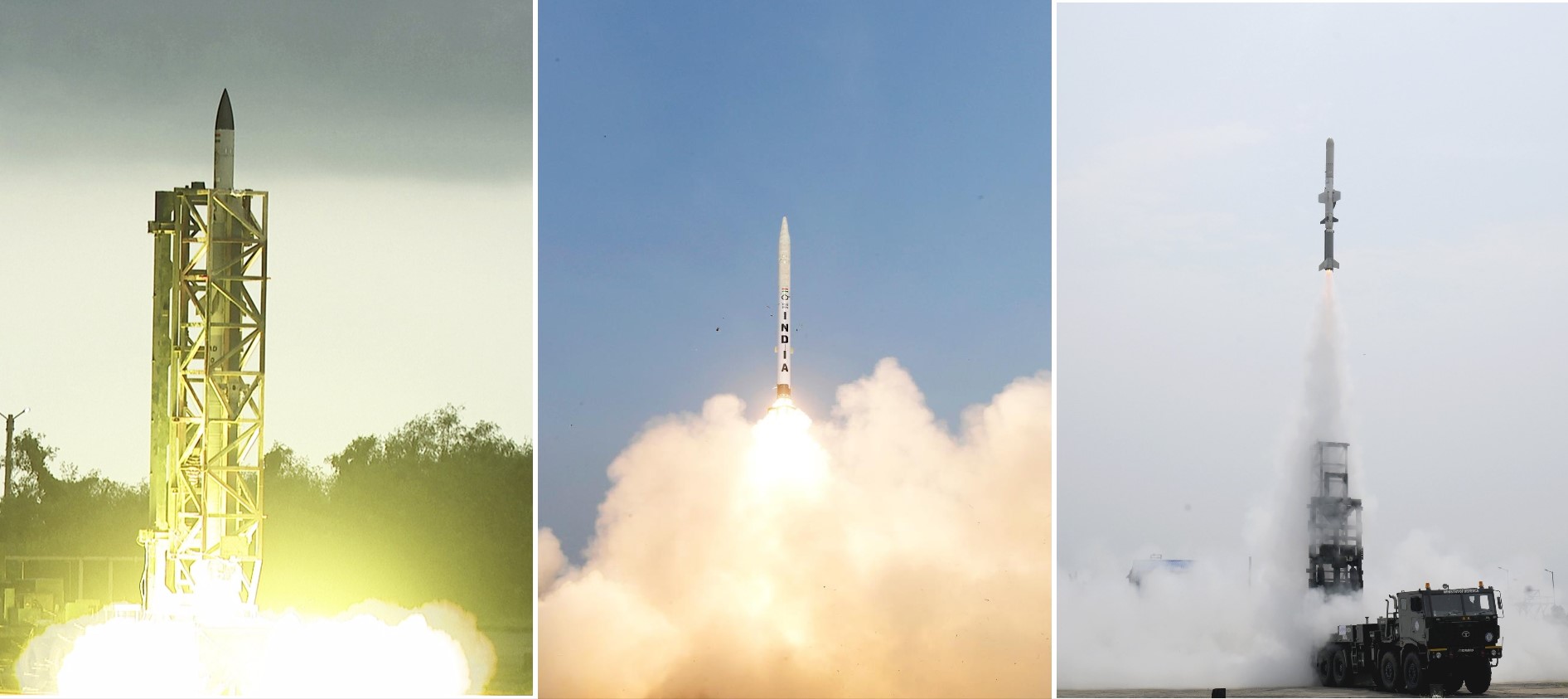
NEW DELHI, — June 13, 2026 : The Defence Research and Development Organisation (DRDO) has successfully conducted a series of three flight tests that validated key technologies aimed at strengthening India's strategic defence capabilities against advanced ballistic missile and maritime threats. The tests, carried out on June 10 and 11, 2026, from the Integrated Test Range (ITR), Chandipur, Odisha, demonstrated the effectiveness of India's next-generation multi-layered Ballistic Missile Defence (BMD) system and marked the maiden flight test of the Naval Anti-Ship Missile-Medium Range (NASM-MR).
The trials were witnessed by senior officials from DRDO and the Indian Armed Forces and are considered an important milestone in the country's ongoing efforts to enhance indigenous defence technologies and strategic deterrence capabilities.
Multi-Layered Ballistic Missile Defence Demonstrated
A major focus of the flight trials was the validation of India's Phase-II Ballistic Missile Defence programme through successful interceptions by the advanced AD-1 and AD-2 interceptor missiles.
The tests confirmed the capability of the BMD architecture to detect, track and engage ballistic missile threats ranging from Medium-Range Ballistic Missiles (MRBMs) to Intermediate-Range Ballistic Missiles (IRBMs) with operational ranges between 2,000 km and 5,000 km.
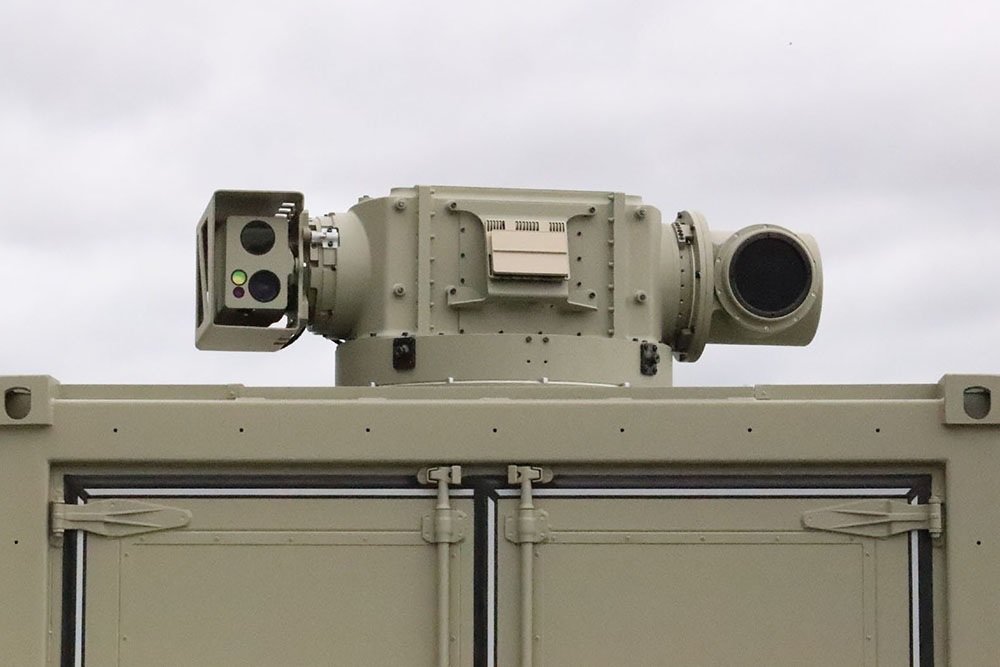
The layered defence network integrates advanced radars, communication systems, command-and-control infrastructure, and interceptor missiles to provide protection against incoming ballistic threats at multiple stages of flight.
AD-1 Interceptor
The AD-1 interceptor is a long-range, two-stage solid-fuel missile designed to engage targets in both endo-atmospheric and low exo-atmospheric environments. Equipped with indigenous navigation, guidance and control systems, the interceptor is capable of neutralizing long-range ballistic missiles as well as certain aerial threats.
During the flight tests, the AD-1 successfully intercepted its designated target, validating its operational performance and integration within the broader BMD network.
AD-2 Interceptor
The AD-2 interceptor represents the next level of India's missile defence capability. Designed for high exo-atmospheric interception, it is intended to engage ballistic missile threats outside the Earth's atmosphere at significant altitudes.
The successful demonstration of the AD-2 validated its capability to intercept Intercontinental Ballistic Missile (ICBM)-class threats, including missiles comparable to China's DF-41. The interceptor is designed to provide a crucial outer layer of defence against long-range strategic missiles and potentially complex threats such as Multiple Independently Targetable Re-entry Vehicle (MIRV) warheads.
Together, the AD-1 and AD-2 interceptors form a multi-tiered defence architecture capable of engaging hostile missiles in different phases of their flight path, significantly improving interception probability. The system is capable of conducting interceptions in both endo-atmospheric and exo-atmospheric regions, creating layered protection against a wide range of ballistic missile threats.
Maiden Flight Test of NASM-MR
Alongside the BMD demonstrations, DRDO successfully conducted the maiden flight test of the Naval Anti-Ship Missile-Medium Range (NASM-MR), marking a significant advancement in India's indigenous naval strike capabilities.
Developed for the Indian Navy, the NASM-MR is an all-weather, over-the-horizon anti-ship missile designed to engage small and medium-sized surface combatants, including frigates, corvettes, and destroyers. The missile is being developed in multiple variants for deployment from aircraft, warships, and submarines, providing flexibility across different operational scenarios.
According to available programme details, the air-launched version of the missile is expected to have a strike range of approximately 290 kilometres, while the ship-launched variant, equipped with an additional booster, is expected to achieve a range of up to 350 kilometres. A submarine-launched version is also under development and is expected to have a range exceeding 100 kilometres.
During the trial, the missile was launched from a ground-based platform at the Integrated Test Range and successfully demonstrated several critical operational capabilities, including pinpoint navigation, low-altitude sea-skimming flight, and accurate terminal engagement of a maritime target.
The successful maiden flight validated the missile's guidance, propulsion, and control systems, while demonstrating its ability to strike maritime targets under all-weather conditions. Once operational, NASM-MR is expected to complement existing anti-ship weapons and provide the Indian Navy with an additional indigenous precision-strike option for anti-surface warfare missions.
India Joins an Exclusive Group of Nations
The successful validation of the AD-series interceptors marks another significant step in the development of India's multi-layered missile shield. India's BMD programme consists of a two-phase architecture, with Phase-I focused on shorter-range threats and Phase-II aimed at defending against ballistic missiles with ranges up to 5,000 kilometres and beyond.
The latest trials demonstrated the seamless integration of sensors, interceptor missiles, communication networks, and command systems within a network-centric defence environment. Such capabilities are increasingly important as ballistic missile technologies continue to evolve globally.
With the successful demonstration of high exo-atmospheric interception capability through the AD-2 interceptor, India joins a small group of nations possessing advanced ballistic missile defence technologies capable of countering long-range missile threats. Countries with comparable operational ballistic missile defence capabilities include the United States, Russia, and Israel, while NATO also operates layered missile defence architectures.
The capability to engage long-range ballistic and potential ICBM-class threats significantly strengthens India's strategic defence posture and enhances protection against emerging missile threats in the region.
Official Response
Defence Minister Rajnath Singh congratulated the DRDO and participating teams on the successful demonstrations, stating that the achievement reflects India's growing self-reliance in critical defence technologies and will significantly strengthen the nation's security preparedness.
The successful completion of the three flight tests highlights India's continued progress in indigenous missile development, advanced guidance systems, propulsion technologies, and integrated air and missile defence capabilities. Further developmental and user trials are expected as the systems move closer toward operational deployment.
The demonstrations underscore India's focus on maintaining a credible and layered defence architecture capable of addressing evolving aerial and maritime security challenges while enhancing the operational capabilities of the Indian Armed Forces.
——— End of Article ———