TUCSON, Arizona, June 26, 2026 — Raytheon, an RTX business, has received a $1.1 billion contract modification from the U.S. Navy to produce additional AIM-9X Block II short-range missiles. The award represents the largest single production contract for the AIM-9X program to date and is intended to replenish U.S. military inventories while supporting growing demand from allied nations through the Foreign Military Sales (FMS) program.
The agreement exercises Lot 26 production options and includes 1,653 AIM-9X-4 Block II tactical missiles and 336 AIM-9X-5 Block II+ tactical missiles for Foreign Military Sales customers. The procurement also covers training missiles, captive air training missiles, data test missiles, spare parts, containers, associated hardware, software, and support equipment required for operational deployment and sustainment.
The missiles will be delivered to the U.S. Navy, U.S. Army, and U.S. Air Force, in addition to allied partner nations participating in the Foreign Military Sales program. Work under the contract is scheduled for completion by September 2029 and will be managed by the Naval Air Systems Command (NAVAIR) in Patuxent River, Maryland.
At the time of the award, $744.2 million of the obligated funding was allocated through the Foreign Military Sales program, reflecting continued international procurement of the AIM-9X missile.
Production Expansion
To support increasing domestic and international requirements, Raytheon is expanding its production capacity with a target of manufacturing 2,500 AIM-9X missiles annually.
Approximately 36 percent of the work will be performed at the company's missile production facility in Tucson, Arizona, where Raytheon is also expanding its engineering workforce to support the AIM-9X program and other defense projects.
The remaining production will be distributed across Raytheon's manufacturing network in North Logan, Utah; Niles, Illinois; and Keyser, West Virginia, as well as facilities in Ontario, Canada, and Heilbronn, Germany.
Missile Capabilities
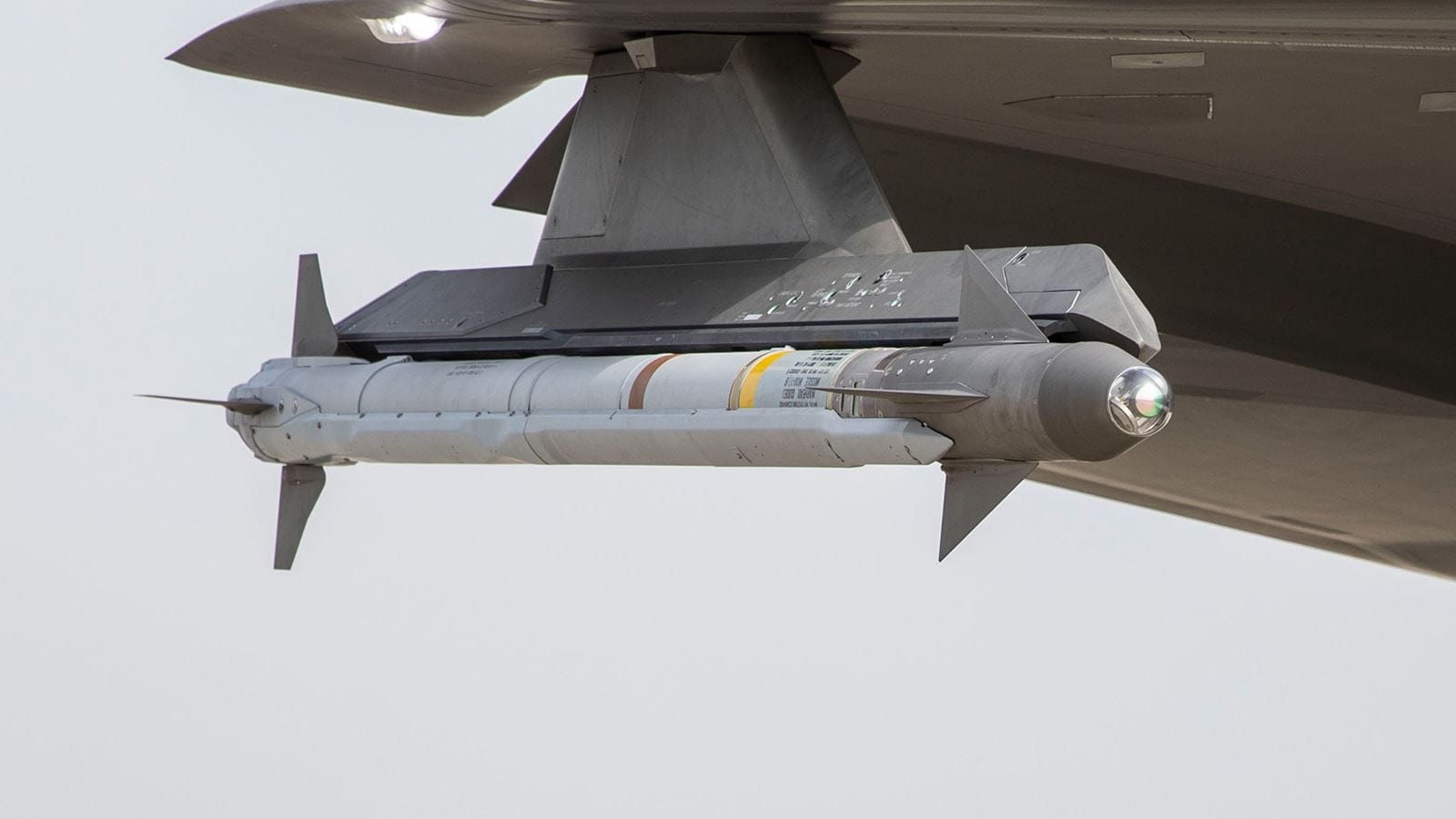
The AIM-9X Sidewinder is an advanced short-range, infrared-guided missile designed for both air-to-air and surface-to-air engagements. Developed as a joint U.S. Navy and U.S. Air Force program, it is currently operated by the United States and more than 35 allied and partner nations.
The missile has been combat-tested in multiple operational theaters and can be integrated onto a broad range of modern combat aircraft without major modifications. It is also employed in ground-based air defense through integration with the National Advanced Surface-to-Air Missile System (NASAMS), providing an additional layer of air defense capability.
The Block II variant incorporates upgraded electronics, a redesigned fuze, and a digital ignition safety device to improve operational performance and handling. It also features lock-on-after-launch capability through a weapon datalink, enabling engagement of targets beyond the missile seeker's initial field of view. An advanced imaging infrared seeker and thrust-vector control system provide enhanced target tracking and maneuverability.
The missile measures approximately 3.02 meters (9 feet 11 inches) in length, has a 127 mm (5-inch) diameter, and weighs approximately 84–85 kilograms at launch. It is powered by a solid-propellant rocket motor capable of speeds exceeding Mach 2.5 and carries an annular blast-fragmentation warhead weighing approximately 9.4 kilograms. Depending on launch conditions, the missile has a reported range of up to 35 kilometers, although exact operational performance remains classified.
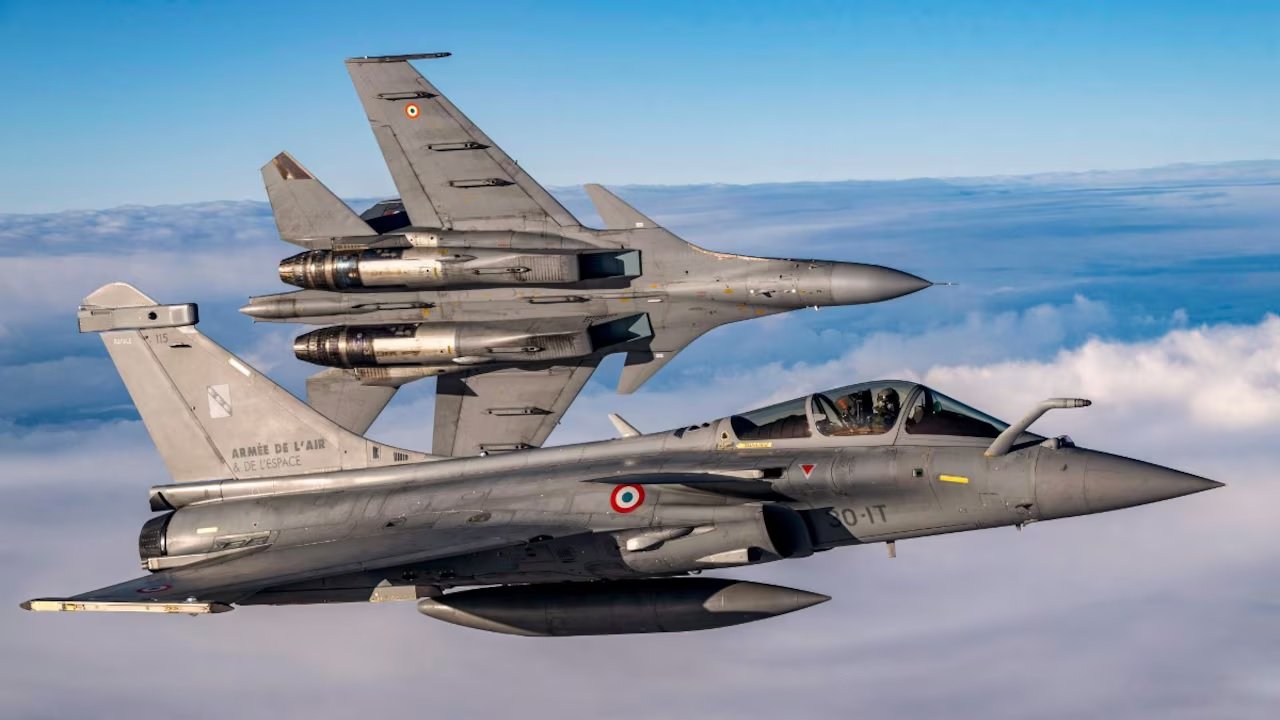
The AIM-9X is integrated with numerous combat aircraft, including the F-15 Eagle, F-16 Fighting Falcon, F/A-18 Super Hornet, EA-18G Growler, F-22 Raptor, and all variants of the F-35 Lightning II.
Strengthening Missile Production
The new contract follows earlier AIM-9X production awards, including a $736 million contract issued in late 2024, as the United States continues expanding precision-guided munition production to maintain inventories and meet long-term operational requirements. The latest award supports ongoing efforts to strengthen the missile industrial base, improve manufacturing output, and ensure sustained deliveries to U.S. forces and allied customers through the end of the decade.
——— End of Article ———