Singapore / Tokyo — Russia is preparing to import at least 200,000 barrels of jet fuel originating from Japan through a network of intermediary traders, as domestic fuel supplies remain under pressure after repeated Ukrainian strikes on Russian energy infrastructure.
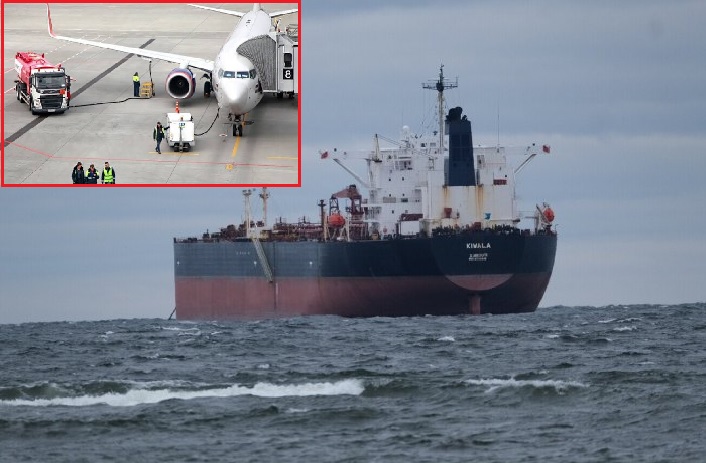
The cargo is scheduled to load at the Japanese port of Chiba during the first half of July. Rather than sailing directly to Russia, the shipment will first head to South Korea, where it is expected to be transferred to another tanker, likely through a ship-to-ship operation off Yeosu, before continuing to Russia. The final destination inside Russia has not been disclosed.
Three sources familiar with the arrangement told Reuters the transaction is being handled through intermediary traders. Russia's Energy Ministry did not respond to requests for comment. South Korea's Ministry of Trade, Industry and Energy declined to comment, while Japan's Ministry of Economy, Trade and Industry did not immediately respond.
The import follows months of disruption to Russia's refining sector after Ukrainian drone strikes targeted oil refineries, storage sites and other energy facilities across the country. Reports indicate about one-third of Russia's refining capacity has been knocked out, reducing domestic fuel production and tightening supplies.
The fuel shortage has already led Moscow to impose restrictions on some fuel purchases. Russian farmers have also warned that limited fuel availability could affect harvesting operations if supplies do not improve.
Among the facilities struck over the past year were the Moscow Oil Refinery, energy infrastructure in the Rostov region, and the Kristall oil storage facility in Engels, part of the Rosrezerv system. The Engels site stores aviation fuel used by Russia's strategic aviation, including aircraft based at the nearby Engels-2 air base.
Russia has traditionally exported refined petroleum products, but export volumes have fallen sharply this year. Data from Kpler shows Russian jet fuel exports are averaging about 13,000 barrels per day in 2026, with most cargoes shipped to Turkey. That compares with roughly 30,000 barrels per day exported during 2025.
Ship-tracking data from Kpler shows a similar route was used in February 2022, when about 22,000 barrels of jet fuel were shipped from Yeosu to Vladivostok in Russia's Far East.
The planned shipment from Japan reflects Russia's effort to supplement domestic aviation fuel supplies while parts of its refining sector remain offline. Officials in Moscow have not publicly commented on the reported cargo.
Source: Reuters.
——— End of Article ———