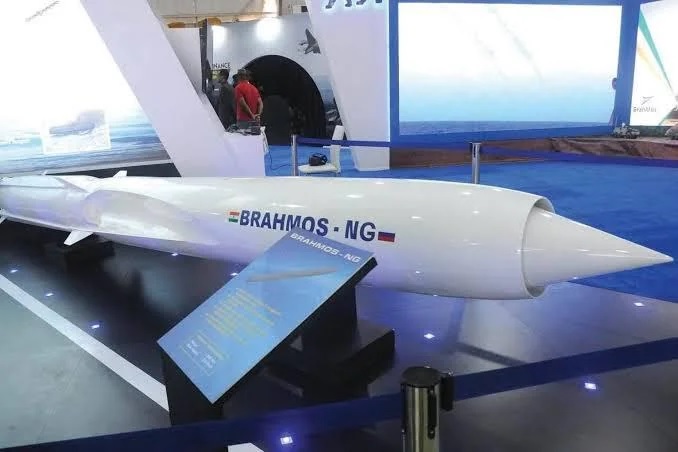
New Delhi, — June 11, 2026 : Development trials of the BrahMos-NG (Next Generation) supersonic cruise missile have been delayed by approximately one year after the customer introduced revised and more demanding requirements, according to BrahMos Aerospace Joint Venture Co-Managing Director Alexander Maksichev.
Speaking to Russian news agency TASS on June 10 during the International Maritime Defense Show Fleet 2026, Maksichev said flight testing of the missile has not yet begun because changes were made to the customer's requirements.
"Flight tests of the new-generation BrahMos-NG missile have not yet begun due to the fact that the customer has slightly changed its requirements. Therefore, we still have to make some improvements," Maksichev said. He added that the requirements have become stricter, requiring additional work to ensure the missile meets the updated specifications.
According to Maksichev, the redesign effort is expected to take about one year. The latest timeline represents a shift from earlier plans. In September 2025, he had stated that the working design stage would be completed in 2026, followed by autonomous testing. However, reports in April 2026 indicated that the project was still awaiting final government clearance.
BrahMos-NG Program
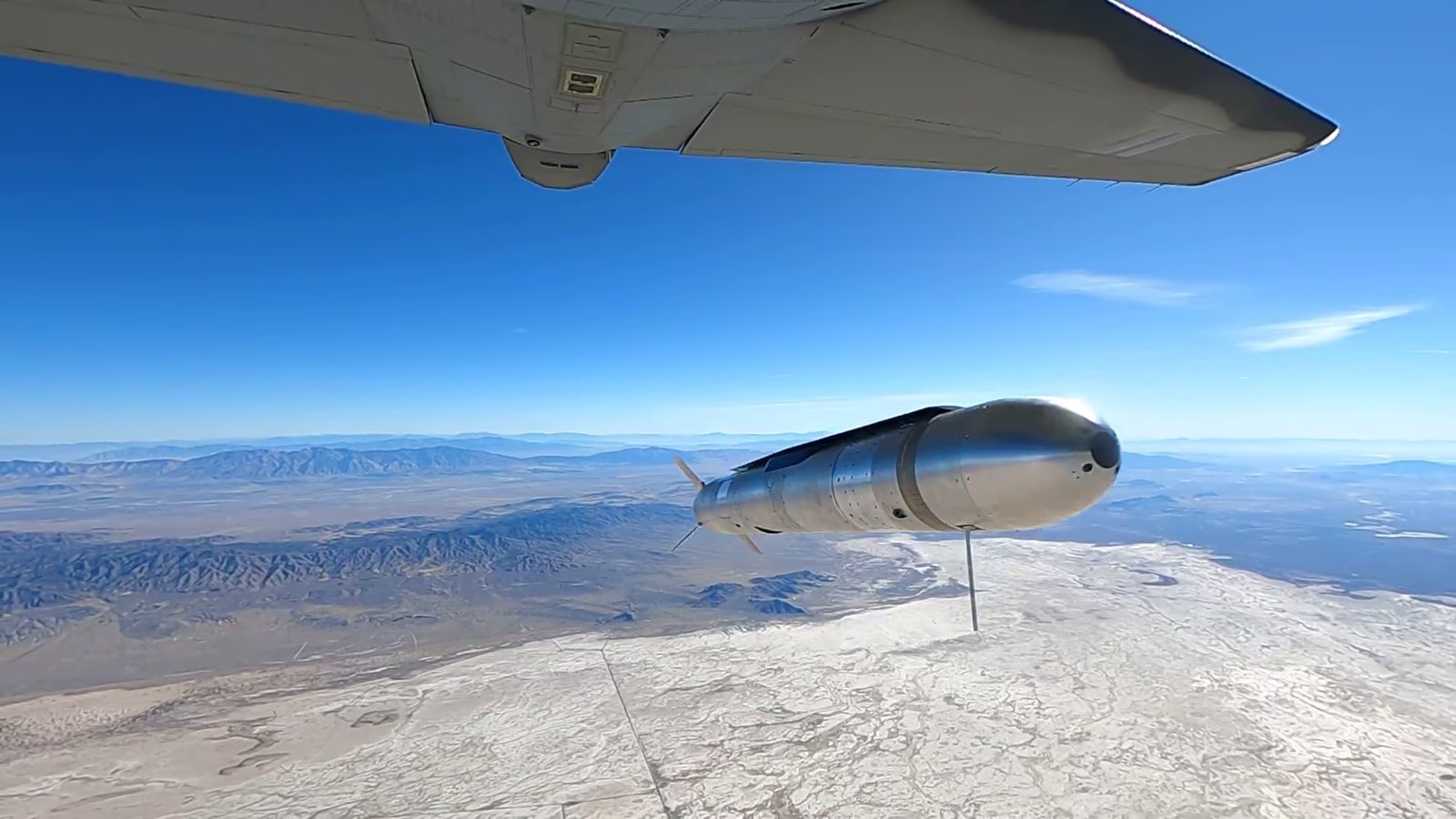
First announced in 2011, the BrahMos-NG is a new missile design developed by BrahMos Aerospace, the joint venture between India's DRDO and Russia's NPO Mashinostroyenia. Unlike the existing BrahMos missile, the NG variant is being developed as a lighter, smaller, and lower-observable platform while retaining supersonic performance.
The missile is expected to weigh around 1.29 tonnes, compared to approximately 2.9 tonnes for the current BrahMos. It will measure about 5 meters in length with a 0.5-meter diameter.
Despite its reduced size, the missile is expected to achieve speeds between Mach 2.8 and Mach 3.5, carry a 200–300 kg warhead, and offer a range of approximately 290 to 350 kilometers.
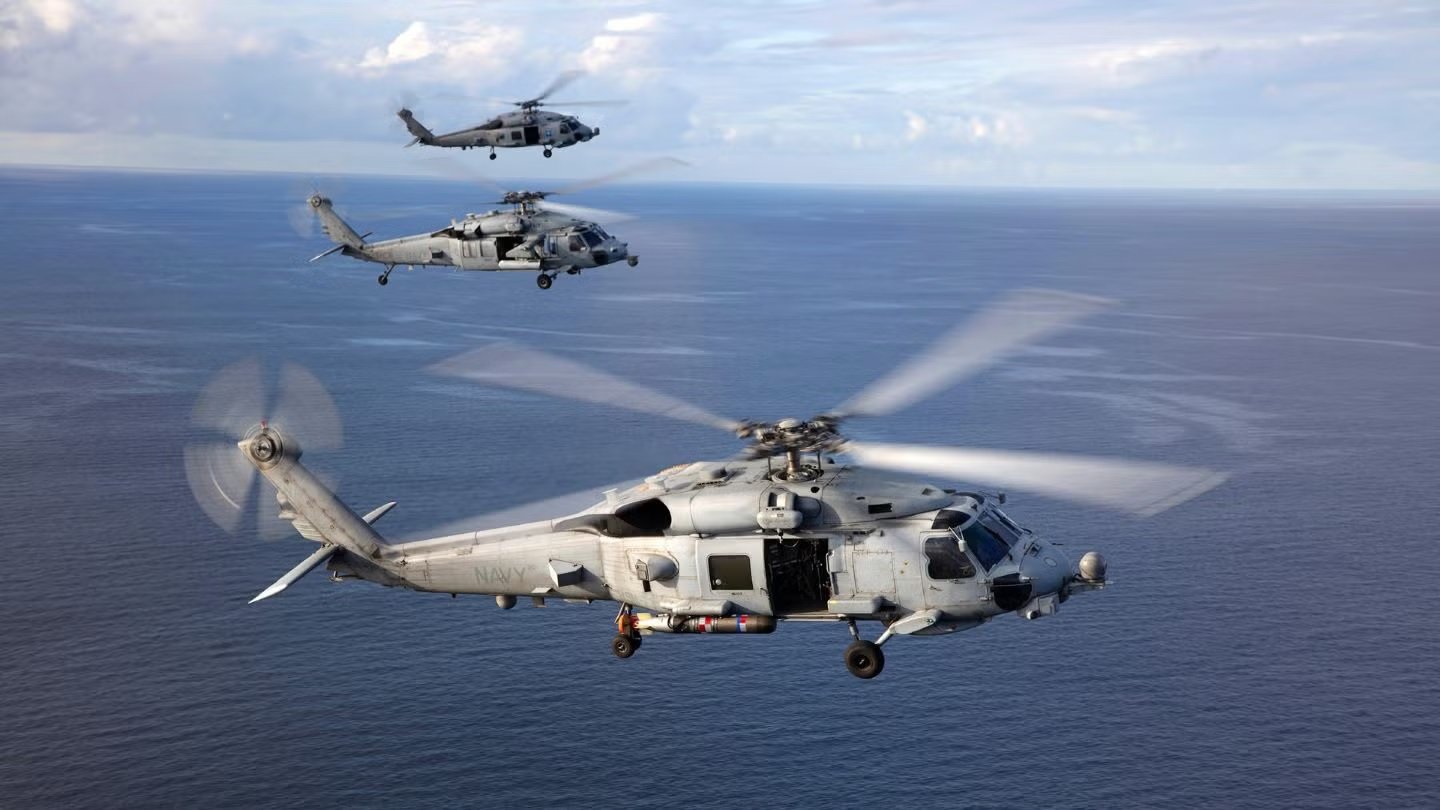
Its reduced weight is intended to expand compatibility across multiple platforms, including the HAL Tejas Mk.1A, MiG-29UPG, Su-30MKI, surface warships, and submarines. The missile's length was reduced from an earlier six-meter design to five meters to enable launch from standard submarine torpedo tubes.
Focus on Indigenous Ramjet Engine
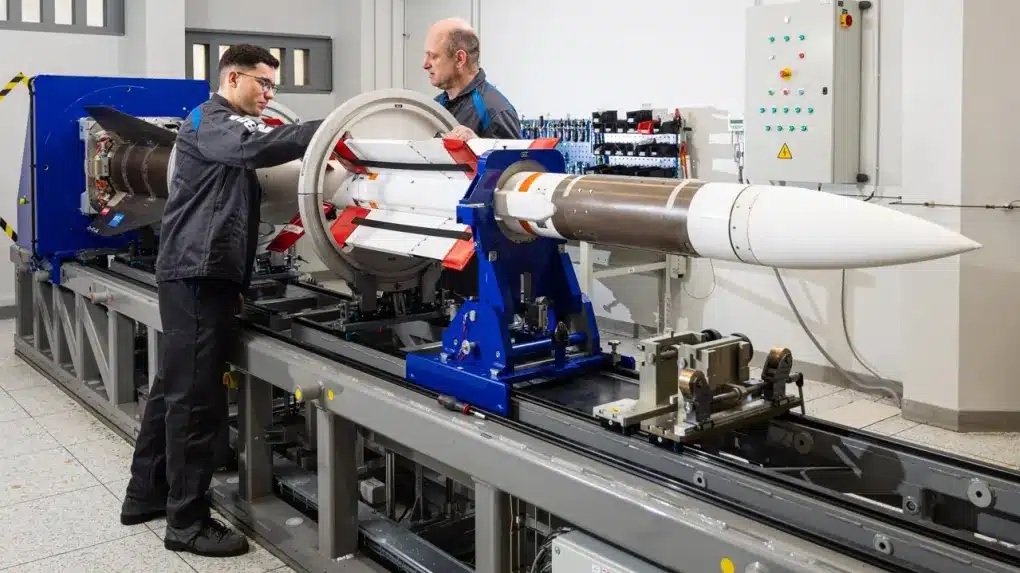
Defence analysts believe the revised requirements are linked to the missile's propulsion system. Because the BrahMos-NG is significantly smaller than the original missile, it requires a newly designed compact ramjet engine.
Earlier plans called for development of the engine by Russia's NPO Mashinostroyenia. However, India has increasingly focused on indigenous defence technologies, and the Ministry of Defence is believed to be seeking integration of an Indian-developed Liquid-Fuelled Ramjet (LFRJ) engine.
India has gradually increased indigenous content within the BrahMos program. Domestic industry now manufactures major ramjet-related components, including fuel tanks and pneumatic supply systems, through technology-transfer agreements.
DRDO's Ramjet Development Efforts
The Defence Research and Development Laboratory (DRDL), a laboratory under DRDO, has been developing indigenous liquid-fuelled ramjet technology for future missile programs.
DRDL has developed a 350 mm diameter LFRJ technology demonstrator, which currently powers the Supersonic TARget (STAR) project. The STAR system uses a booster-ramjet configuration and can operate at speeds of up to Mach 2.5 and altitudes of up to 10 kilometers.
In November 2025, DRDO issued a Request for Information (RFI) seeking a development-cum-production partner for an LFRJ engine, indicating progress toward production of an indigenous propulsion system.
Impact on Development Timeline
Differences between the originally planned Russian-designed engine and the indigenous Indian ramjet are believed to require modifications to the missile's internal layout and airframe design. These changes are likely responsible for the additional development period before flight testing can begin.
While the delay is expected to push the start of flight trials toward late 2027 or beyond, the move reflects India's continued effort to increase self-reliance in advanced missile technologies and critical propulsion systems.
——— End of Article ———