ANKARA — The United Kingdom and the Netherlands have signed a £2.4 billion ($3.2 billion) agreement to jointly build eight next-generation amphibious transport ships, marking a significant step in defence and naval cooperation between the two NATO allies.
The agreement was signed on July 7 by UK Prime Minister Keir Starmer and Dutch Prime Minister Rob Jetten during a meeting of NATO leaders in Ankara.
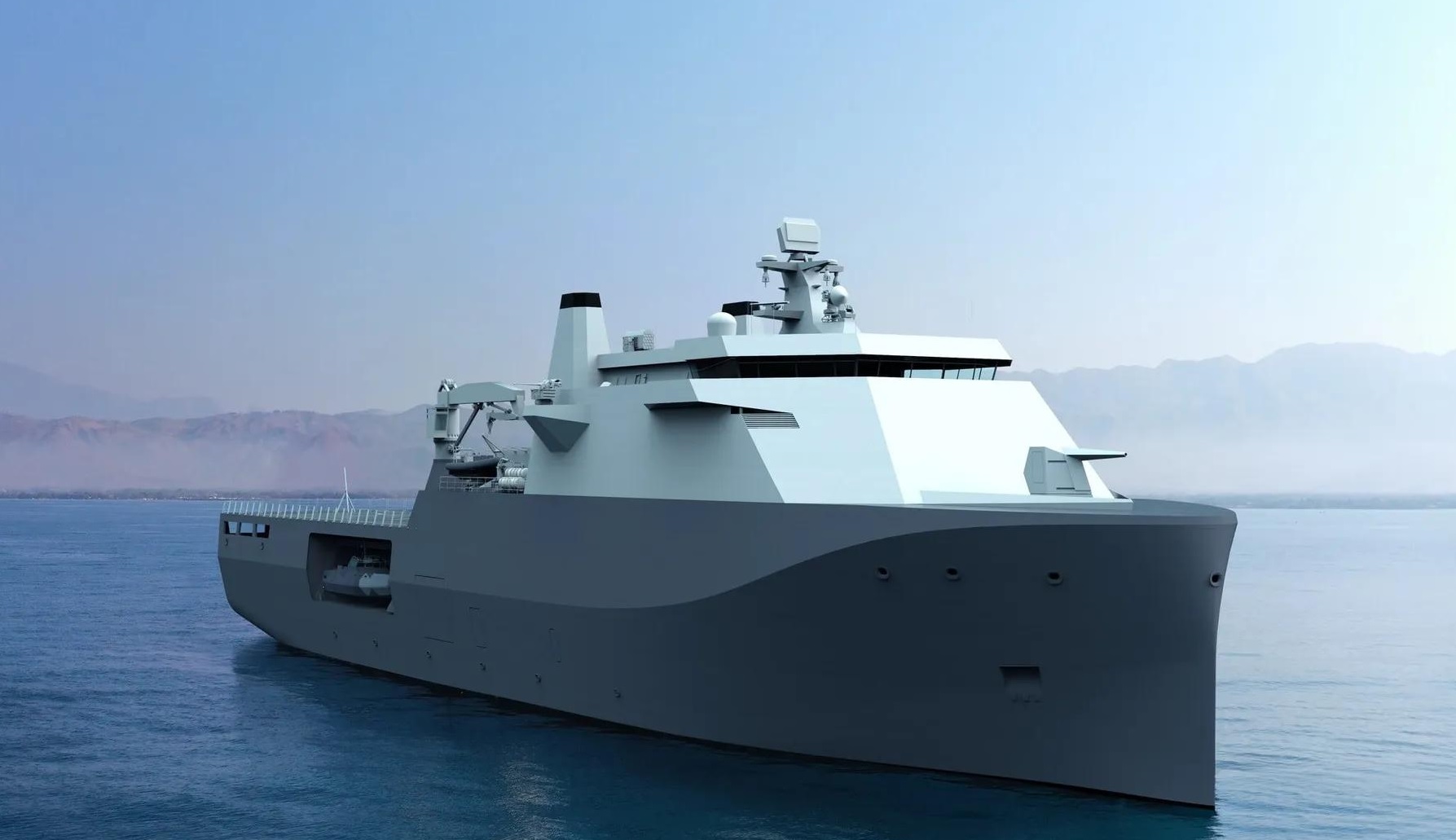
Under the agreement, the new ships will be based on a Dutch design and built in UK shipyards with participation from Dutch industry. Each country will receive four vessels, creating a common platform for the Royal Navy and the Royal Netherlands Navy to strengthen their combined amphibious operations.
New Ships Designed for Modern Operations
The new amphibious transport ships will each measure 160 metres in length and displace around 15,000 tonnes. They are designed to transport troops, military vehicles, equipment, and drones for a wide range of military operations.
The vessels will feature flight decks capable of operating both current and future long-range drones and autonomous systems, supporting the Royal Navy's transition toward a hybrid fleet that combines conventional warships with uncrewed technologies.
The design is understood to be derived from Damen Naval's Enforcer Landing Platform Dock (LPD) family. The ships are also expected to replace the Royal Navy's aging Albion-class landing platform dock vessels.
Strengthening UK-Netherlands Military Cooperation
The programme builds on more than 50 years of cooperation through the UK-Netherlands Amphibious Force, Europe's longest-running integrated military force.
With both navies operating the same class of ships, British and Dutch forces will be able to train, deploy and operate together more effectively. The partnership is also intended to improve NATO's ability to respond rapidly to future crises while supporting joint development of autonomous and uncrewed technologies.
Prime Minister Keir Starmer said the agreement goes beyond shipbuilding.
"This partnership is not just about building ships, it is also about delivering long-term security for both the UK and The Netherlands, ensuring we are able to stay ahead of the threats of tomorrow."
He added that combining Britain's shipbuilding expertise with Dutch naval design and maritime experience would deliver advanced platforms for both countries' amphibious forces while strengthening NATO. Starmer also said the programme would create and sustain skilled jobs in UK shipyards.
UK Defence Secretary Dan Jarvis said the common fleet would strengthen defence cooperation between the two countries.
"Our forces will operate the same equipment and deploy on exercises together, so if they need to, we can fight and win together. In close partnership, we are responding to the threats we face to make our nations and Europe safer."
Support for UK Shipbuilding Industry
The £2.4 billion programme is expected to support hundreds of highly skilled jobs across the UK shipbuilding industry.
Navantia UK, which owns the Harland & Wolff shipyard, has indicated it is prepared to support construction of the new vessels.
Chief Executive Donato Martinez said the Belfast shipyard provides the UK with a sovereign capability to build amphibious ships. He noted that the facility has received more than £98.5 million in investment and is now among Europe's most advanced shipbuilding sites. He added that the company is fully committed to supporting the programme.
Part of the UK's Wider Naval Modernisation
The agreement forms part of the UK's broader Defence Investment Plan, which aims to transform the Royal Navy into a more technologically advanced hybrid force by integrating traditional warships with autonomous surface and undersea systems.
The partnership also follows the recent UK-Norway agreement to build five Type 26 frigate vessels in British shipyards.
Beyond amphibious operations, the UK and the Netherlands plan to use the new ships to help protect critical undersea infrastructure and strengthen deterrence in the North Atlantic and High North regions as NATO and Joint Expeditionary Force (JEF) partners.
Construction and delivery schedules for the eight amphibious transport ships have not yet been announced. The agreement establishes a common fleet for both navies while expanding long-term industrial cooperation and interoperability between the two countries.
——— End of Article ———