Space & Technology
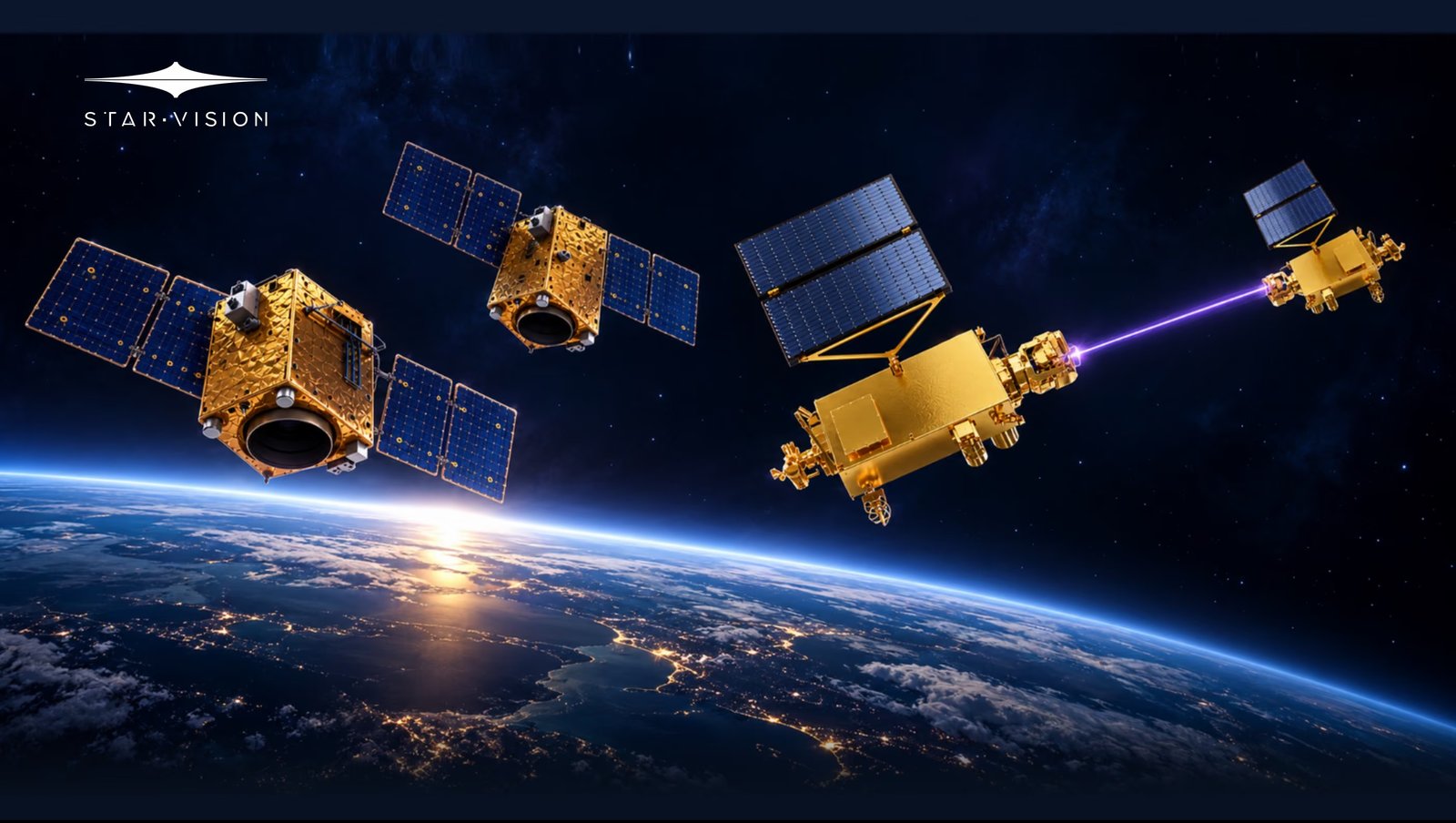
ANTALYA, TÜRKİYE — Chinese space technology company STAR.VISION unveiled four satellites at the 77th International Astronautical Congress (IAC 2026) in Antalya, Türkiye, on October 5. The satellites include an orbital computing pair designed to run a large artificial intelligence (AI) model and process satellite data directly in space. The computing pair, Marco Polo and Ibn Battuta, is designed to operate as a distributed system capable of running Alibaba Cloud's Qwen3.5 large language model with 397 billion parameters. Marco Polo will run the AI model using STAR.VISION's self-developed Lingshu inference payload and at least 4 terabytes of onboard storage. Its companion, Ibn Battuta, will provide computing capacity rated at 10 peta-operations per second (POPS), with planned power consumption of around 750 watts. It will process and combine optical, synthetic aperture radar (SAR) and multispectral imagery while supporting advanced AI workloads and lightweight model training in orbit. The satellites will communicate through an optical inter-satellite laser link with a planned speed of at least 100 gigabits per second. This connection will allow them to share data and computing tasks, with Marco Polo focusing on AI inference and decision-making while Ibn Battuta handles heavier processing workloads. The pair is targeted for a sun-synchronous orbit at approximately 520 kilometres altitude, with launch planned for the fourth quarter of 2026. Oman Twins to Support Earth Observation STAR.VISION also introduced the Oman Twins, two Earth-observation satellites developed with Oman Lens to support international scientific cooperation and autonomous space capabilities. The satellites will operate in a sun-synchronous orbit at approximately 530 kilometres altitude. They will carry panchromatic and multispectral imagers with a specified resolution of 0.5 metres for panchromatic imaging and 2 metres for multispectral imaging. The multispectral instruments will cover blue, green, red and near-infrared bands, with a swath width of at least 18 kilometres. The mission continues a partnership that previously produced Oman's first AI-equipped satellite. Part of a Planned 1,080-Satellite Constellation The Marco Polo and Ibn Battuta mission is a technology demonstration supporting STAR.VISION's proposed Space.IDC, also known as Space String, computing constellation. The company plans to deploy more than 1,080 satellites by 2035, including approximately 720 focused on AI inference and 360 providing general computing capacity. In August 2026, STAR.VISION also launched two hyperspectral satellites, each reportedly equipped with onboard processing capabilities rated at 400 tera-operations per second. By analysing data in orbit instead of transmitting all raw imagery to ground stations, the company aims to reduce communications bandwidth requirements and deliver useful information more quickly for applications such as Earth observation. However, the announced performance of Marco Polo and Ibn Battuta has not yet been demonstrated in orbit. Their planned fourth-quarter 2026 launch will allow STAR.VISION to test their computing capabilities, optical communications and autonomous data processing under actual space conditions.
Read More → Posted on 2026-10-14 16:05:46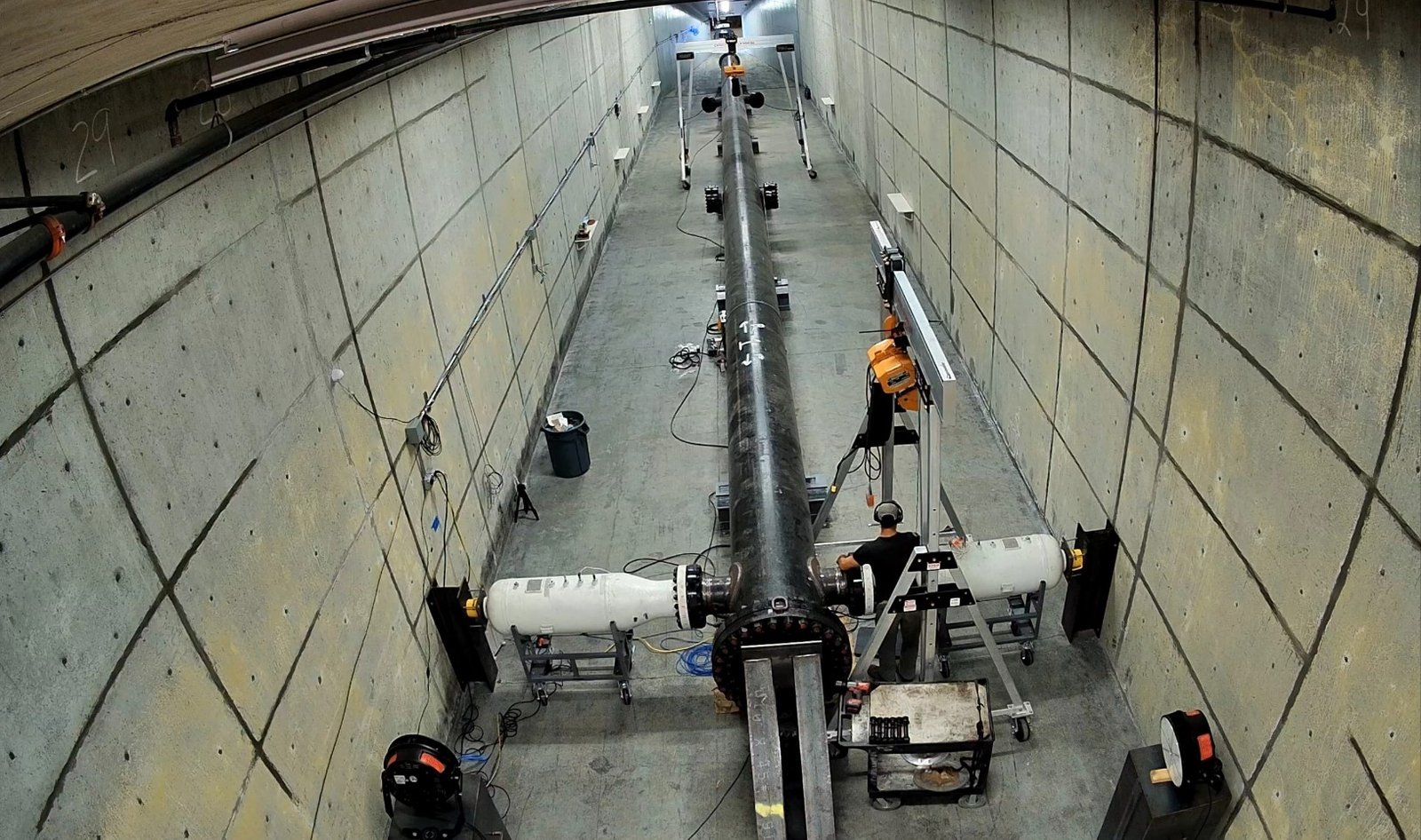
Space & Technology
ALAMEDA, California, — Longshot Space Technology, a California-based startup, has raised $20 million to develop a ground-based launch system designed to send satellites and other non-human cargo into orbit using bursts of compressed gas instead of conventional rockets for the initial acceleration. The company aims to reduce launch costs to as little as $50 per kilogram. Led by CEO Mike Grace and Chief Technology Officer Nathan “Nato” Saichek, the company received a $5 million investment from South Park Commons in June 2026, bringing its total funding to $20 million. Longshot is developing progressively larger prototypes to test the technology before attempting an orbital launch. How the Space Cannon Works Longshot’s multi-injection pneumatic cannon uses a long steel barrel fitted with high-pressure gas tanks. As a projectile moves through the barrel, successive bursts of compressed gas accelerate it to increasingly higher speeds. The system is designed to distribute acceleration along the barrel rather than relying on a single blast. After leaving the launcher, the payload would use an aeroshell to generate lift and travel through the atmosphere. An onboard propulsion system would then provide the additional velocity needed to reach orbit. The system is intended for non-human cargo because of the extreme acceleration involved. Prototype Tests and Development Plans Longshot has tested a gun approximately 70 feet long and 6 inches in diameter at a site near Barstow, California. The company has reported accelerating projectiles to speeds of up to Mach 4.2 after more than 100 firings. Its next steps include a 140-foot-long gun with a 30-inch diameter, followed by a 328-foot-long version that could eventually extend to approximately 3,000 feet. The latter system is designed to launch payloads weighing up to 220 pounds (about 100 kilograms) at speeds of up to Mach 8. The company's ultimate concept calls for a launcher approximately 10 kilometers (6 miles) long and nearly 10 feet in diameter, capable of accelerating payloads to about 5 kilometers per second, or more than 11,000 mph. Defense Contracts and Engineering Challenges Before attempting orbital launches, Longshot is targeting the defense sector with high-speed flight-testing services. In the summer of 2026, the company secured positions with the U.S. Air Force's Velocity Alliance consortium and the Defense Advanced Research Projects Agency's (DARPA) ERIS Marketplace. It has also received U.S. Air Force support through Small Business Innovation Research awards and other contracts. The technology draws on earlier multi-injection gun research, including the HARP program of the 1960s. However, scaling the system for orbital launches presents significant challenges, including managing extreme acceleration, aerodynamic heating, precision gas injection and finding a suitable site for a launcher several kilometers long. Longshot has not yet demonstrated a full orbital launch. Its proposed $50-per-kilogram launch cost remains a target, and the company is aiming for orbital capability in the early 2030s, subject to technical and site-selection challenges. The company is presenting its technology at TechCrunch Disrupt 2026 in San Francisco while continuing to develop larger prototypes and pursue hypersonic testing contracts.
Read More → Posted on 2026-10-14 15:53:04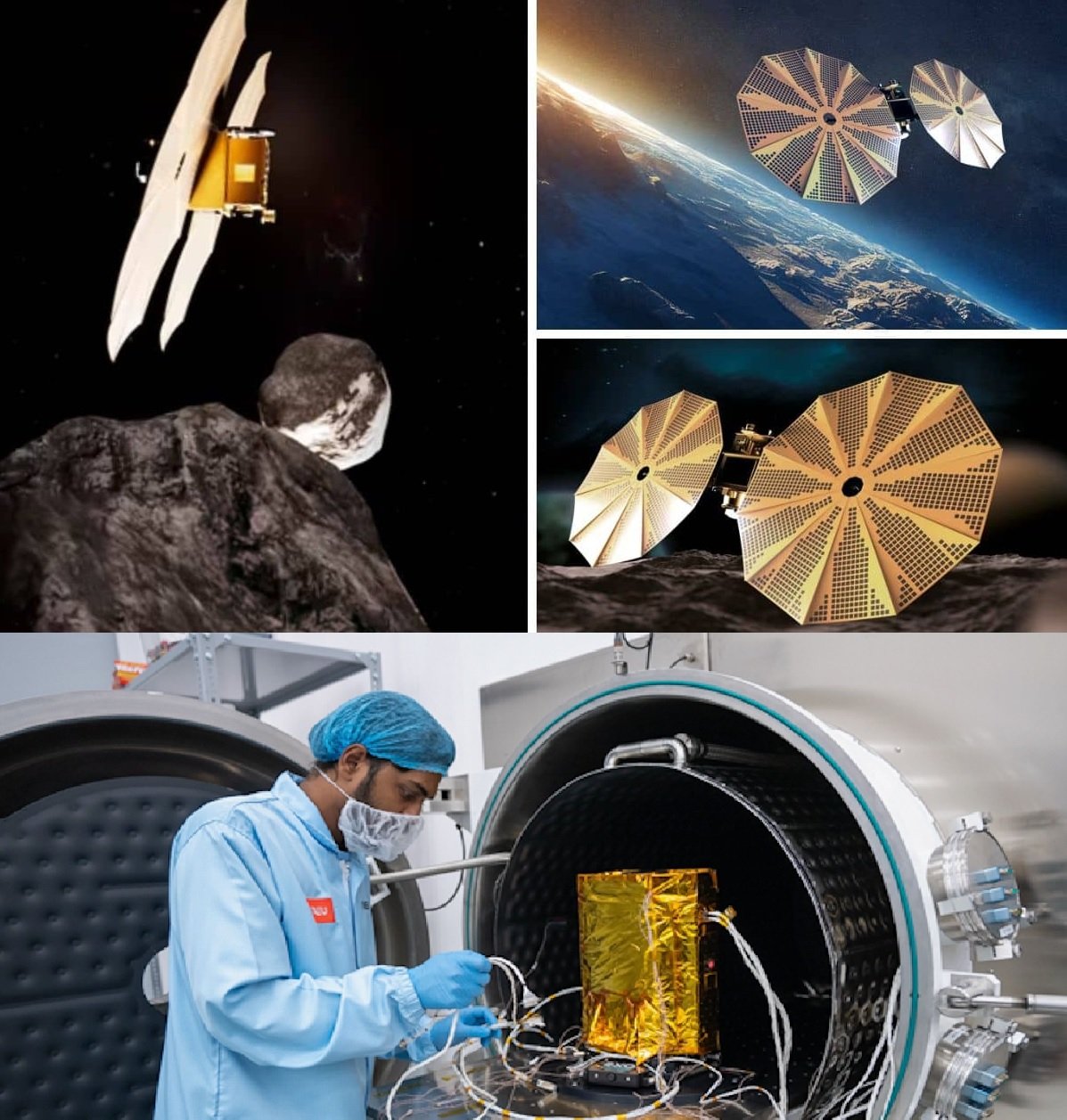
Space & Technology
ABU DHABI — The United Arab Emirates (UAE) has unveiled new technical details and a scale model of its MBR Explorer spacecraft and autonomous lander for the Emirates Mission to the Asteroid Belt (EMA). The mission is scheduled to launch in March 2028 from Japan’s Tanegashima Space Center aboard an H3 rocket, beginning a journey of approximately 5 billion kilometres to study seven asteroids and attempt a landing on 269 Justitia in 2036. Named after Sheikh Mohammed bin Rashid Al Maktoum, the 2.8-tonne MBR Explorer is the UAE’s second major interplanetary mission after the Hope Mars orbiter, which has operated at Mars since 2021. It is also the country’s first interplanetary spacecraft designed, engineered, assembled and tested entirely within the UAE. The launch window will last three weeks, and missing it would prevent the planned trajectory from following the same sequence of targets. Journey to Seven Asteroids The spacecraft will use solar electric propulsion and gravity assists from Venus in mid-2028, Earth in spring 2029 and Mars later in the journey to reach the main asteroid belt between Mars and Jupiter. During its journey, it will fly past six asteroids: 10253 Westerwald, 623 Chimaera, 13294 Rockox, 88055 Ghaf, 23871 Ousha and 59980 Moza. Its four primary science instruments include high-resolution and thermal infrared cameras, along with mid-wavelength and infrared spectrometers, to examine surface composition, geology and physical properties, including estimates of interior density. The spacecraft is expected to reach its main target, 269 Justitia, around 2035–2036. Justitia and the Autonomous Lander Justitia measures approximately 50–58 kilometres across and has an unusually red surface spectrum resembling that of some objects in the Kuiper Belt beyond Neptune. Scientists believe it may have formed in the outer solar system before migrating inward. Studying the asteroid could provide insights into the early solar system and the distribution of water and organic materials. The MBR Explorer is expected to orbit Justitia for about seven months, gradually moving closer to map its surface and measure its gravitational field before deploying a UAE-built lander weighing approximately 10 kilograms. Developed by the Technology Innovation Institute (TII) in Abu Dhabi, the lander has no propulsion system. It will separate during a low-altitude pass and follow a ballistic descent lasting two to three hours, with an expected impact speed of 15–27 metres per second. Engineers do not expect it to survive the impact. The planned hard landing is intended to expose material beneath the asteroid’s surface. Images transmitted during descent could help researchers investigate subsurface material, complex organic compounds and water-rich minerals. Because communication delays prevent real-time control, the lander will operate autonomously using onboard systems, including artificial intelligence, to select, rank and transmit the most useful images without waiting for commands from Earth. Development and Testing The lander was designed, built and tested in Abu Dhabi by TII’s Propulsion and Space Research Center, in collaboration with the UAE Space Agency, HEX20, Khalifa University and the National Space Science and Technology Center at UAE University. It reached flight readiness in less than two years. The probe has completed vibration testing and is undergoing thermal testing. It is scheduled to travel to the Laboratory for Atmospheric and Space Physics at the University of Colorado Boulder for integration with the main spacecraft. More than 150 engineers and scientists are involved in the national mission team, with approximately half of the project work allocated to UAE-based private-sector companies. The mission aims to improve understanding of asteroid composition, water-rich materials and organic compounds while strengthening the UAE’s capabilities in spacecraft engineering, autonomous systems and deep-space exploration. If the planned surface encounter succeeds, Justitia will become one of a small number of asteroids reached by a spacecraft at the surface.
Read More → Posted on 2026-10-13 16:45:06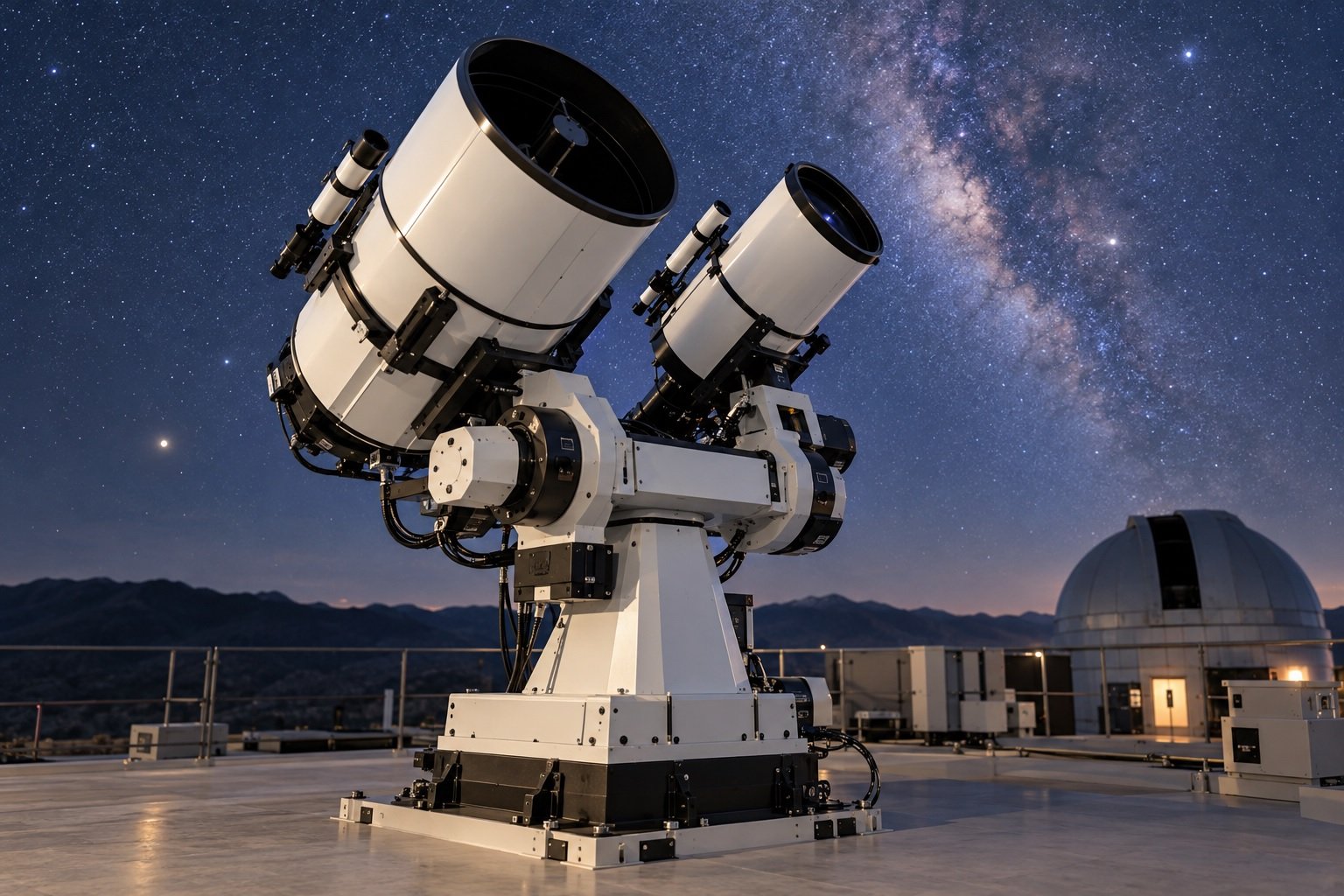
Space & Technology
HYDERABAD, — The Defence Research and Development Organisation (DRDO) has begun work on a new high-precision Celestial Object Tracking Module, with a tender for the system being processed in Hyderabad, Telangana. The project focuses on a specialised two-axis altitude-azimuth mount designed for accurate observation and tracking of celestial objects. The system is intended to support the simultaneous mounting of two telescopes or related optical payloads. According to the technical requirements, the complete mount must remain within 1500 × 1500 × 1000 mm and weigh less than 100 kg. It must be capable of carrying two payloads weighing 45 kg and 30 kg, respectively. High-Precision Tracking The mount will use high-resolution encoders with an accuracy of 0.1 arcsecond or better to provide precise positional feedback. It must also have a minimum slew rate of 20 degrees per second, allowing the system to move rapidly between targets. DRDO has specified a pointing accuracy of less than 25 arcseconds RMS. Once a target has been acquired, the system must maintain tracking accuracy of less than 5 arcseconds RMS over a two-minute period. These requirements are intended to provide stable and accurate tracking during observations. GPS, PPS and Network Connectivity The tracking module will include GPS and Pulse Per Second (PPS) hardware for precise timing and positioning. For data transfer and system control, the mount will provide USB 3.0 and Ethernet connectivity. Software integration is also part of the requirement. The system will include device drivers, a Software Development Kit (SDK) and an Application Programming Interface (API) to support integration with other tracking and control systems. The mount will operate using a single-phase power supply and will include safety interlocks to protect the system during operation, including against mechanical over-rotation. The specified operating temperature range is 0°C to +35°C. Hyderabad Tender A related tender for the Celestial Object Tracking Module was published on 6 October 2026 by the Department of Defence Research and Development through the Government e-Marketplace (GeM). The tender, GEM/2026/B/8116177, is based in Hyderabad, Telangana. The bid submission deadline is 27 October 2026, while bids are scheduled to be opened on 28 October 2026. The tender lists an earnest money deposit of ₹1.14 lakh. The project represents DRDO's work on high-accuracy optical tracking and positioning systems for observing and tracking celestial objects. Its combination of a dual-telescope mount, high-resolution encoders, rapid slewing, precise tracking and digital interfaces is intended to provide a compact tracking platform for specialised observation requirements.
Read More → Posted on 2026-10-12 15:30:02
Space & Technology
NEW DELHI, — The Indian government will release a consultation paper on artificial intelligence (AI) regulations within the next 30 days and add 10,000 graphics processing units (GPUs) under the ₹10,372-crore IndiaAI Mission, Union Electronics and Information Technology Minister Ashwini Vaishnaw has announced. Vaishnaw made the announcement while speaking at the India launch of the World Bank’s World Development Report 2026 on the promise of artificial intelligence. He said the time had come to regulate AI, with safety as the primary concern. Techno-Legal Approach to AI Regulation The proposed framework will follow a techno-legal approach, combining legal provisions with technological safeguards. It will focus on AI safety, cybersecurity, user protection, skilling and reskilling, a human-first approach, and inclusion to ensure that no section of society is left behind. The consultation paper will also address deepfakes, which are becoming increasingly convincing, as well as potential user harm and psychological effects associated with AI. Technology companies are expected to carry a major share of the responsibility for implementing safeguards and managing these risks. The paper will invite stakeholder feedback and guide the development of India's formal AI regulatory framework. It follows the India AI Governance Guidelines released in November 2025. Previously, the government had indicated that existing provisions under the Information Technology Act and related rules were largely sufficient to address AI-related challenges. India to Expand GPU Capacity Beyond 50,000 Under the IndiaAI Mission, the government plans to add 10,000 GPUs, taking India's total computing capacity to more than 50,000 units. More than 38,000 GPUs have already been onboarded through three earlier bidding rounds involving companies such as Jio Platforms, Tata Communications and Yotta Data Services. Of the additional GPUs, 3,000 will be reserved for government departments and public-interest workloads, while 7,000 will be available to companies developing AI projects. The government has issued a request for proposals and will provide phased usage guarantees for up to five years to give participating companies greater assurance of commercial demand. The expanded infrastructure is intended to improve access to computing resources for AI model training and fine-tuning, particularly for startups and private companies. Push for Indigenous GPUs The government is also exploring domestically developed GPUs under its semiconductor programme. Vaishnaw indicated that a roadmap is in place to develop Indian-made GPUs specifically for AI inference within the next three to four years. The consultation paper is expected within a month, after which stakeholder feedback will help shape the regulatory framework. Together, the initiatives aim to strengthen India's AI computing infrastructure while addressing safety, cybersecurity and responsible AI use.
Read More → Posted on 2026-10-11 15:26:57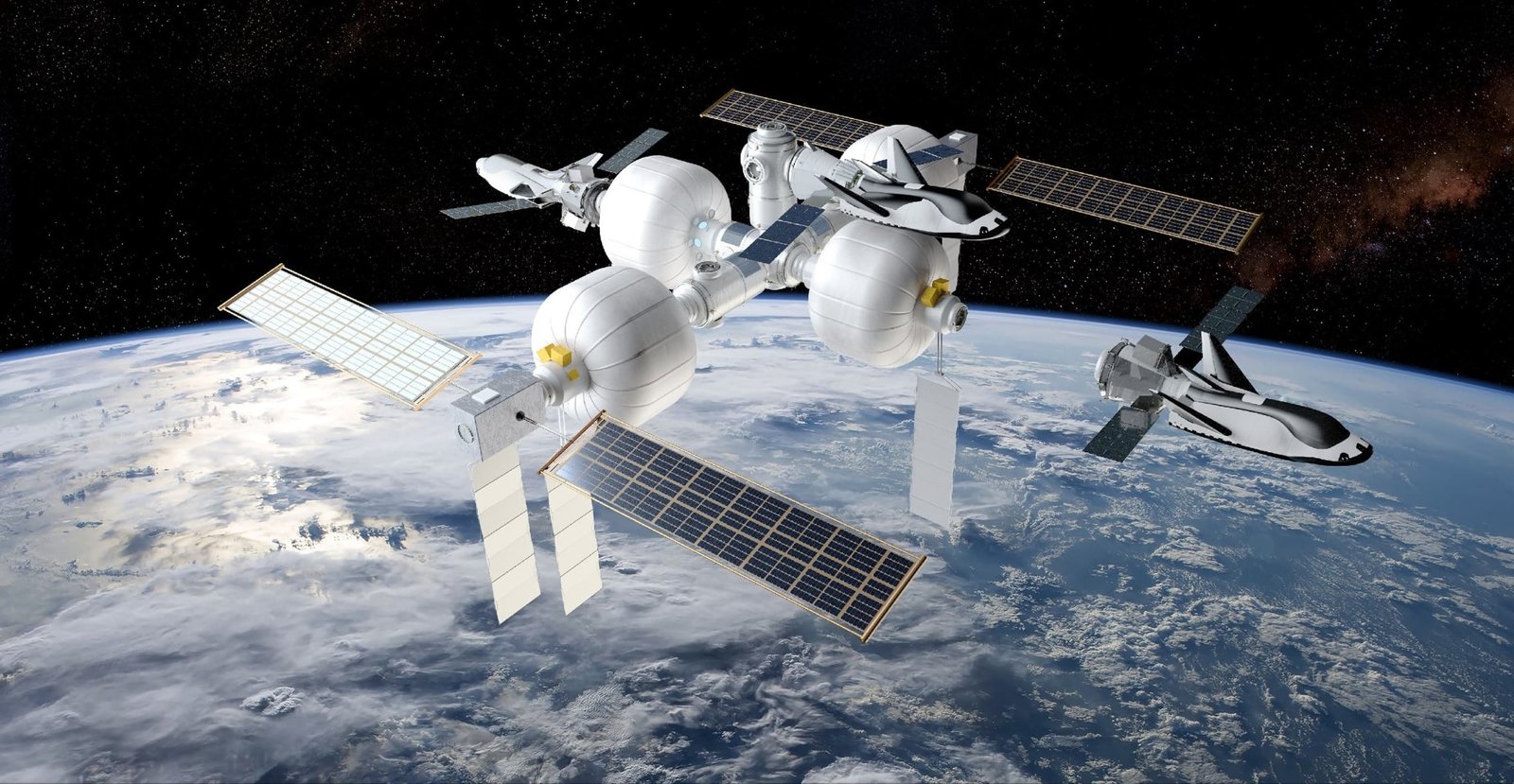
Space & Technology
WASHINGTON, — NASA has opened the final bidding phase for commercial space stations that will succeed the International Space Station (ISS), which is currently scheduled for retirement around 2030. The agency released a 360-page Request for Proposals (RFP) on October 9, inviting American aerospace companies to develop, certify and operate private orbital facilities. Proposals are due by December 8, 2026, with contract awards expected in spring 2027, potentially around April. NASA plans to select two or more companies for the initial development phase to maintain competition and reduce dependence on a single provider. Contract Structure and Funding NASA will award firm-fixed-price, multi-award, indefinite-delivery/indefinite-quantity contracts covering station development, certification and operational services. Phase 1 winners are guaranteed at least $100 million each, while later phases are expected to involve substantially larger funding. Phase 2 will support further development and certification. Phase 3 will include the purchase of at least four missions for NASA astronauts to visit commercial stations. NASA has offered to provide transportation for the first four service missions, estimating that a four-seat crew flight in 2030 would cost $325 million and a cargo flight $300 million. Bidders do not need signed transportation contracts or letters of intent when submitting proposals. Technical Requirements and Potential Bidders Companies must provide end-to-end services covering station design, construction, testing, certification and operation, as well as transportation arrangements for astronauts and cargo. The stations will operate in low Earth orbit at an altitude similar to the ISS. Potential bidders include Axiom Space, which plans to detach modules initially attached to the ISS to create an independent station; Voyager Space, developing Starlab with partners including Airbus; and Vast Space, preparing its single-module Haven-1 station for a potential launch as early as 2027 and planning the larger, multi-module Haven-2. Blue Origin, previously involved in developing the Orbital Reef concept with Sierra Space and other partners, may also participate, although its commitment remains uncertain. SpaceX is not expected to bid in this round. Proposed designs range from smaller, single-module stations to larger facilities with expanded habitable space and crew capacity. NASA's Commercial Space Strategy NASA Administrator Jared Isaacman has stressed the need to maintain a sustained American presence in low Earth orbit after the ISS retires. Commercial stations will support research, technology development, astronaut training and preparation for missions to the Moon and Mars, allowing NASA to focus more resources on deep-space exploration. The strategy aligns with the President’s National Space Policy. Under this model, private companies will own and operate the stations, while NASA will purchase accommodation, laboratory time and other services. Operators are expected to attract additional customers, including private researchers, foreign governments and other commercial users, to reduce dependence on US government funding. The programme follows earlier NASA-industry Space Act Agreements, a draft solicitation released in July 2026, an industry day and individual company meetings. NASA previously considered a government-owned core module but set aside that approach following industry feedback, returning to independently developed commercial stations. Maintaining Continuous Access to Space NASA aims to have commercial stations launched, certified and operational before the ISS is retired around 2030, although discussions have included a possible extension of the existing station's service. The goal is to prevent a gap in US human spaceflight and preserve access to orbital research facilities. The final RFP is available through the federal contracting portal SAM.gov. The December 8 proposal deadline and expected spring 2027 awards will mark key steps in NASA’s transition towards commercially operated space stations.
Read More → Posted on 2026-10-11 13:17:54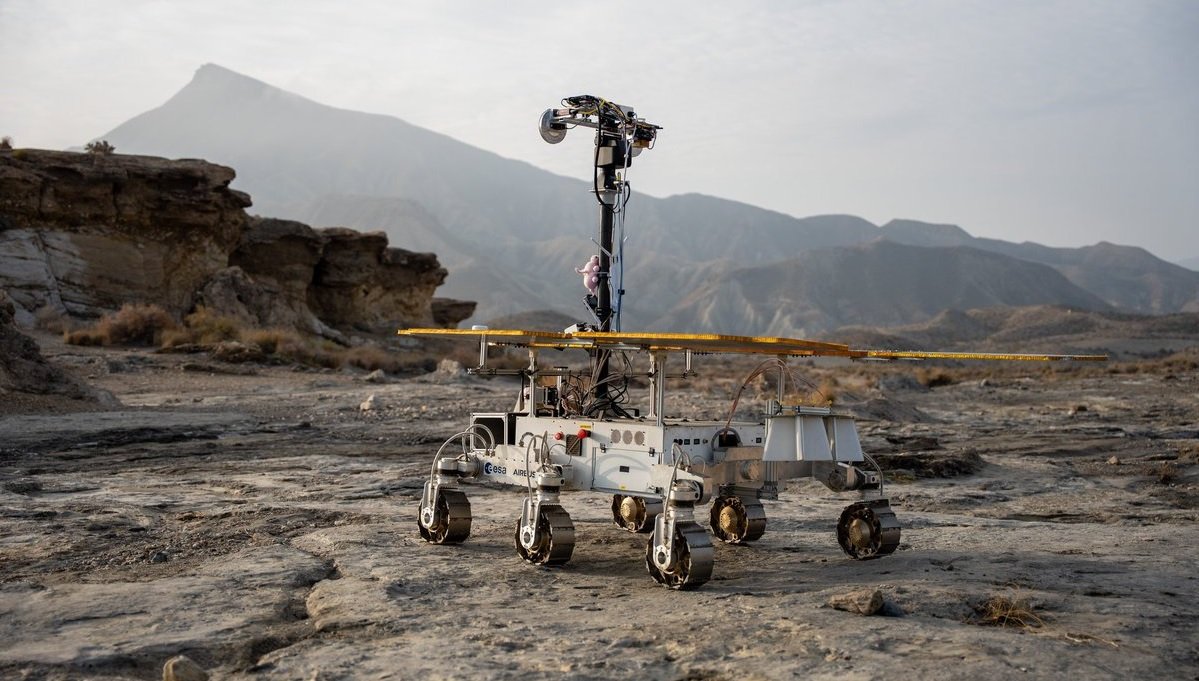
Space & Technology
Almería, Spain — European space teams have completed a full-scale field rehearsal for operating the European Space Agency’s (ESA) Rosalind Franklin Mars rover from Earth. The eight-day driving exercise took place in Spain’s Tabernas desert, where an Airbus-built prototype named Charlie was remotely operated by scientists and engineers based about 1,200 kilometres away at the Rover Operations Control Centre (ROCC) in Turin, Italy. The exercise formed part of a broader 20-day field campaign involving around 100 scientists and engineers from across Europe. The Tabernas desert was selected because its dry and rocky terrain provides conditions resembling parts of the Martian surface. Autonomous Rover Driving Charlie used the same guidance, navigation and control software planned for the Rosalind Franklin flight rover. During the eighth-day driving period, the prototype travelled a total of 220 metres. On the sixth day, operators allowed Charlie to drive autonomously. It travelled more than 60 metres without an operator at the controls, recording a navigation error of less than 1%. The exercise was designed to test how teams will operate the rover when real-time control is not possible because of the communication delay between Earth and Mars. Teams prepared and uploaded driving plans before periods of autonomous operation, then used the returned data to prepare the next set of instructions. Testing Scientific Operations The field campaign also tested the scientific procedures planned for the Mars mission. Teams in Turin analysed daily data from the rover before deciding where it should travel and which instruments should be used. Charlie carried prototype versions of several Rosalind Franklin instruments, including the PanCam panoramic cameras, CLUPI close-up camera, WISDOM ground-penetrating radar and Enfys infrared spectrometer. The instruments were used to examine the terrain, study minerals and identify locations that could preserve evidence of ancient microbial life, which is a primary objective of the Rosalind Franklin mission. One test highlighted the importance of combining different sources of terrain information. Data initially made a slope appear dangerously steep to the operators in Italy, prompting a conservative approach. After the team generated a digital elevation map, it confirmed that the slope was actually gentle and the rover could proceed safely. Preparing for Mars The desert exercise was organised in Spain by Airbus UK, while The Open University managed activities at the Turin control centre. Thales Alenia Space is the industrial lead for the overall rover mission, with Airbus responsible for the rover vehicle, landing platform and navigation software. ALTEC hosts and operates the Turin control centre. The Rosalind Franklin rover is scheduled for launch in late 2028 and targeted to land at Oxia Planum on Mars in 2030. Once on Mars, the rover will use a drill capable of reaching up to two metres below the surface. The deeper samples will provide access to material protected from surface radiation and conditions, which will then be analysed by the rover’s onboard laboratory for potential biosignatures. ESA plans further field testing in 2027, with future exercises expected to introduce additional operational challenges, including simulated communication delays involving a Mars orbiter. The results from the 2026 campaign will be used to refine the rover’s hardware operations and procedures ahead of the planned 2030 Mars mission.
Read More → Posted on 2026-10-07 13:27:07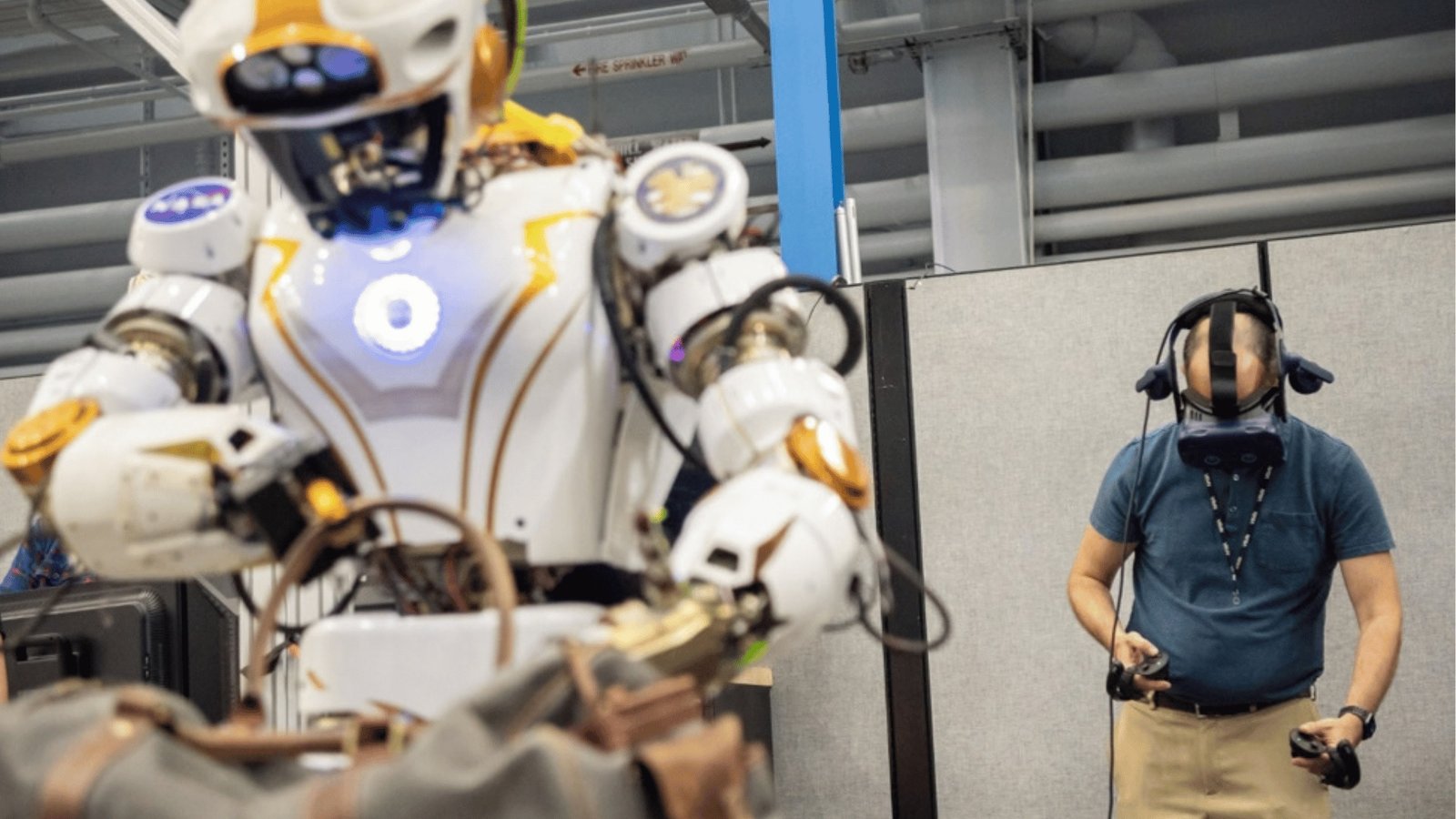
Space & Technology
HOUSTON — NASA’s 16-member Dexterous Robotics Team at the Johnson Space Center in Houston is developing humanoid robots to support astronauts during future Moon and Mars missions. The robots are designed to perform human-like tasks, assist with maintenance and reduce risks to crews during long-duration space exploration. The team is part of NASA’s Robotic Systems Technology Branch, which also develops unmanned planetary rovers. Its work builds on earlier projects, including Robonaut 2, which conducted technology demonstrations aboard the International Space Station for seven years, and Valkyrie, NASA’s first bipedal humanoid robot. Standing 6 feet 2 inches tall and weighing approximately 300 pounds (136 kilograms), Valkyrie remains a key part of the programme. “It’s really about the human elements — either working in environments designed for humans or working alongside humans. That’s our niche,” said Shaun Azimi, lead of the Dexterous Robotics Team. Robots to Support Astronauts NASA aims to make human exploration safer and more sustainable, rather than replace astronauts with robots. Humanoid systems could assist with logistics, maintenance, equipment inspections and scientific activities, including hazardous tasks such as inspecting equipment outside spacecraft and cleaning solar panels. The team's near-term focus is developing technologies for a sustained human presence on the lunar surface, including future lunar base plans. These technologies could also support crewed missions to Mars. Testing at NASA’s iMETRO Facility NASA tests robotic systems at the Integrated Mobile Evaluation Testbed for Robotics Operations (iMETRO) at Johnson Space Center. The facility is available to NASA programmes and external partners and includes open-source software, simulation tools, spacecraft and habitat mockups, different robots and an outdoor rock yard. Engineers can test complete robots or individual hardware and software components. According to Azimi, the facility helps developers understand actual operational requirements and connects robotics engineers with teams designing lunar habitats and rovers. The collaboration can identify design improvements, such as larger handles and better lighting, that help robots and astronauts interact with equipment. In one demonstration, a team from PickNik Inc. tested software that enabled a robotic arm to recognise a spacecraft hatch, turn its latch, grasp the handle, open the door and transfer cargo bags. A NASA intern also developed software using a commercial robotic arm and camera to inspect and maintain a cold stowage freezer similar to those used on the International Space Station. Valkyrie has also been used in demonstrations involving remote handling of objects, including a packed duffel bag. Partnerships With Industry NASA is working with companies to evaluate robotic technologies in challenging environments on Earth before considering their use in space. The agency has partnered with Australian energy company Woodside to explore using Valkyrie for hazardous tasks in the oil and gas industry. These activities provide engineers with information about robot performance in demanding and unpredictable conditions. NASA is also collaborating with Texas-based robotics company Apptronik to study its commercially developed Apollo humanoid robot. The work aims to identify capability gaps and determine where additional research and investment are needed to adapt robotic systems for space. The Dexterous Robotics Team combines research and practical engineering, with members experienced in electronics, mechanics, software, simulations and analysis. Its work is organised mainly into mechatronics and software groups, with substantial collaboration between them. Preparing for Future Exploration NASA is also collaborating with other agency organisations on an upcoming challenge inviting public ideas for technology solutions related to Mars exploration. Humanoid robots could eventually help astronauts move cargo, maintain equipment and perform other tasks in lunar habitats. By developing machines that can operate in environments designed for humans, NASA hopes to reduce operational risks and support longer-duration missions. The programme builds on NASA’s previous humanoid robotics research and contributes to the development of technologies for sustained lunar exploration and potential future crewed missions to Mars.
Read More → Posted on 2026-10-03 15:56:04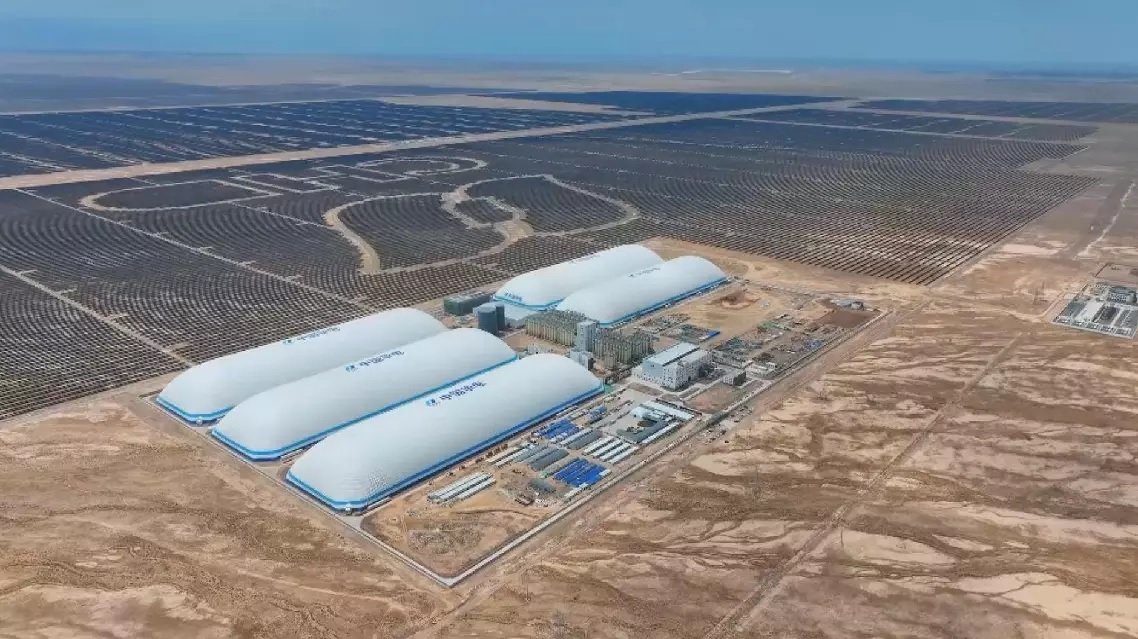
Space & Technology
BEIJING, — China has connected its first 100-megawatt-class compressed carbon dioxide (CO2) energy storage facility to the power grid, while making progress on a fusion research device and a domestically developed variable-speed pumped-storage unit. The three developments cover energy storage, nuclear fusion research and flexible power generation, supporting China's efforts to improve grid stability and integrate renewable energy. 100-MW CO2 Energy Storage Project in Xinjiang The China Huadian Xinjiang Mori compressed CO2 energy storage project is located in Mori Kazakh Autonomous County, Xinjiang Uygur Autonomous Region. The facility has a rated power capacity of 100 MW and an energy storage capacity of 1,000 MWh. Some reports place the initial grid connection on September 30, ahead of the October 2 announcement. Covering approximately 840–848 mu of Gobi land, the facility contains five gas holders, 141 liquid storage units and 97 thermal storage units. The closed-loop system uses CO2 as its working medium. During periods of low electricity demand, surplus electricity compresses CO2 gas into a high-pressure liquid state, while the heat produced during compression is stored. When demand rises, the liquid CO2 is heated and expanded into gas to drive turbines and generate electricity. Unlike pumped-hydro systems that require suitable elevation differences and compressed-air storage systems that may depend on underground caverns, this technology operates above ground and offers greater flexibility in site selection. The project uses domestically developed core technologies and is included in the National Energy Administration's fourth batch of major first-of-a-kind energy equipment. It is also a green low-carbon demonstration project designated by the National Development and Reform Commission. The facility is designed to store 290 million kWh of electricity during off-peak periods and discharge 180 million kWh during peak periods annually. Continuous generation can exceed six hours, with response times measured in minutes. Reported technical specifications include turbine efficiency above 90%, design efficiency of up to 92% and an inlet flow rate of 1,472.4 tonnes per hour. Project leader Ma Guojiang said compressed CO2 offers high energy density, efficiency, safety and relatively low cost. Once fully operational, the project is expected to generate approximately 200 million kWh of electricity annually, save around 50,000 tonnes of standard coal and reduce CO2 emissions by approximately 170,000 tonnes. It will also support peak-load management, frequency and voltage regulation, and renewable energy integration. Intelligent controls enable one-touch startup and unmanned operation, with drone-based inspections. BEST Fusion Device Enters Assembly Phase China's Compact Fusion Experimental Device, also known as the Burning Plasma Experimental Superconducting Tokamak (BEST), has entered its critical four-ring installation phase in Hefei, Anhui Province. The project campus was handed over for use around October 1, 2026. Led by the Institute of Plasma Physics under the Hefei Institutes of Physical Science of the Chinese Academy of Sciences, BEST is designed to study deuterium-tritium burning plasma under reactor-like conditions and investigate the scientific and engineering feasibility of tokamak fusion reactors. Since July 2026, key components, including the vacuum vessel, thermal shield and toroidal field magnets, have arrived at the site. The vacuum vessel forms the reaction chamber, the thermal shield helps manage heat transfer, and the magnets generate the magnetic fields needed to confine the hot plasma. Construction is targeted for completion by the end of 2027, with deuterium-tritium fusion power generation demonstrations planned around 2030. The device aims to verify technologies needed for future commercial fusion power. Variable-Speed Pumped-Storage Unit Installed in Guangdong On October 1, 2026, engineers successfully hoisted the rotor into place for China's first fully domestically produced megawatt-class variable-speed pumped-storage unit at the Guangdong Zhaoqing Langjiang Pumped Storage Project. The rotor is nearly 5.2 metres tall and weighs 445 tonnes. Installation tolerances were controlled to within 4.5 millimetres, and the unit is reported to have 100% domestic content. Variable-speed technology allows the machinery's rotational speed to be adjusted according to grid requirements, improving operational flexibility and the ability to integrate wind and solar power. Pumped-storage systems use electricity to pump water to an upper reservoir and release it through turbines when electricity is needed. The Zhaoqing Langjiang project is expected to enter full operation in the first half of 2027. It is projected to absorb 2.16 billion kWh of clean energy annually and reduce CO2 emissions by approximately 1.9 million tonnes. Together, the three projects expand China's options for long-duration energy storage, flexible grid management and experimental fusion research, although their eventual contributions will depend on commissioning and operational performance.
Read More → Posted on 2026-10-02 15:51:46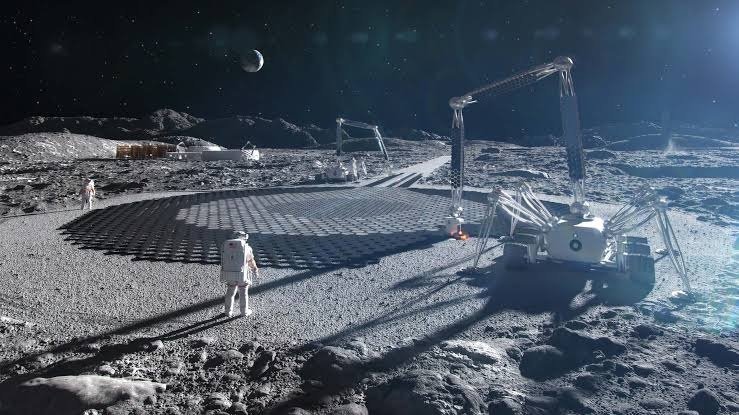
Space & Technology
CLEVELAND — NASA has awarded Modulate Space Corporation a $38 million firm-fixed-price contract to develop an integrated 5G and Wi-Fi 6 communications network for the Moon. The project will be overseen by NASA’s Glenn Research Center and is intended to support future permanent Moon Base operations under the Artemis program. The system will use standards-based 3GPP technology, similar to the technology used by mobile networks on Earth. The goal is to create a shared and scalable lunar communications network that can connect astronauts, rovers, landers and surface instruments, rather than requiring each mission to carry its own custom radio system. Two-Phase Development The project will be carried out in two phases. The first phase, running from October 1, 2026, through January 31, 2028, will involve developing and testing a “5G Network-in-a-Box” in the laboratory. The system will combine the 5G network equipment and software into a compact platform for testing before lunar deployment. The second phase is scheduled for November 30 through December 31, 2028. During this phase, an integrated 5G and Wi-Fi 6 network will fly to the lunar surface for a flight demonstration. Testing Communications on the Moon NASA will also study radio signal propagation on the lunar surface. The lunar South Pole, where future operations are planned, has challenging terrain including deep craters, steep mountains and permanently shadowed areas that can affect wireless communications. The planned network would allow different lunar users and equipment to share the same communications infrastructure. NASA is developing the technology as part of its broader effort to establish reliable communications for future long-term human and robotic operations on the Moon.
Read More → Posted on 2026-10-01 16:06:27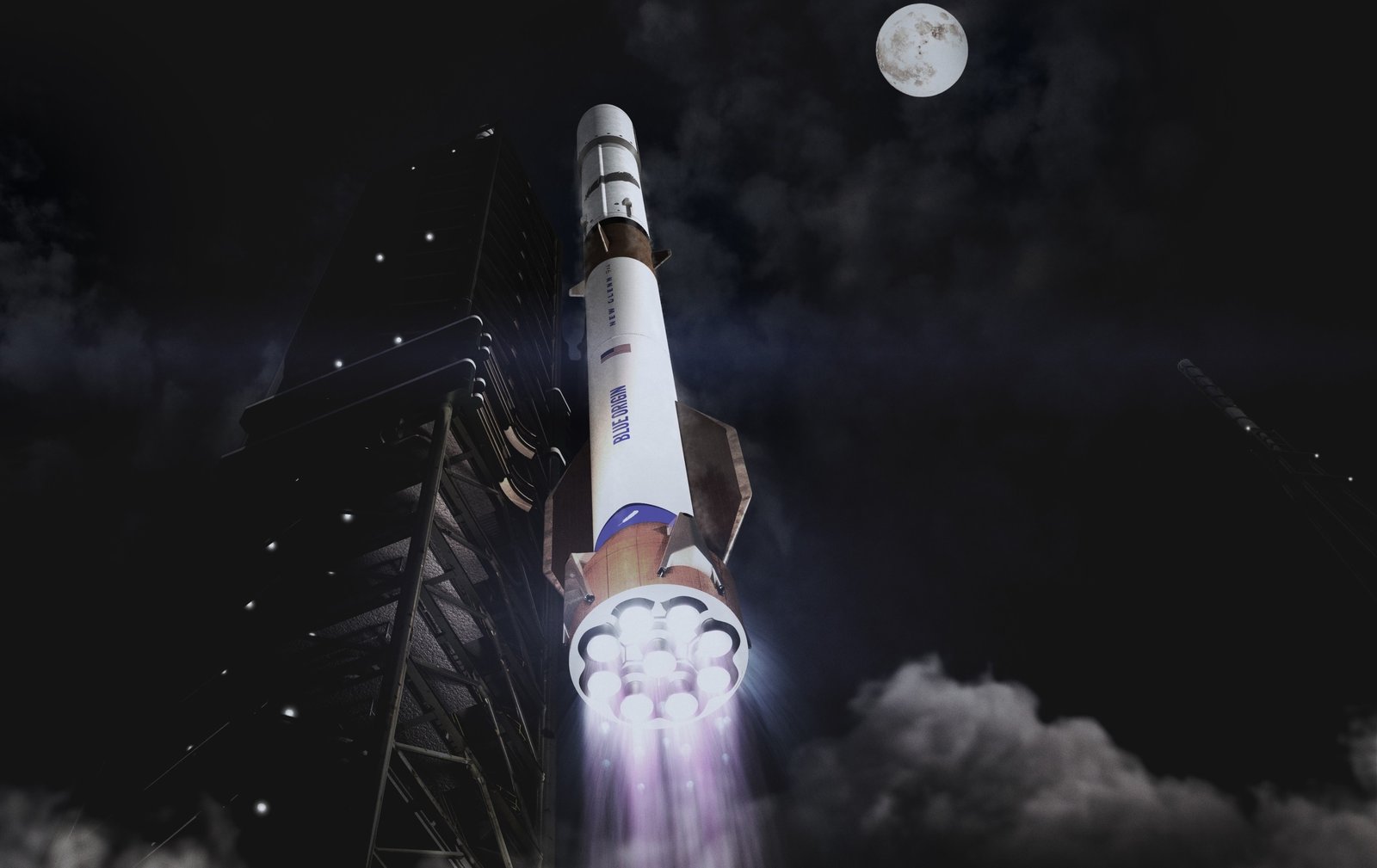
Space & Technology
CAPE CANAVERAL, Florida — NASA has added Blue Origin’s upgraded New Glenn 9×4 configuration to its NASA Launch Services (NLS) II contract, making the rocket eligible to compete for future NASA science, exploration and technology missions. The addition was announced by NASA’s Kennedy Space Center on September 29, 2026, through the annual NLS II on-ramp process. It does not represent a specific mission award. Instead, it adds the 9×4 to the launch vehicles available for future missions alongside the existing New Glenn 7×2 configuration. New Glenn 9×4 upgrades The New Glenn 9×4 has nine BE-4 engines on its first stage, compared with seven on the 7×2, and four BE-3U engines on its second stage, compared with two. Blue Origin says the 9×4 can carry more than 70 metric tons to low Earth orbit (LEO), more than 14 metric tons directly to geosynchronous orbit, and more than 20 metric tons to trans-lunar injection. It will use an 8.7-meter-diameter payload fairing and stand nearly 120 meters (about 400 feet) tall. The first stage is designed for a minimum of 25 flights. The current New Glenn 7×2 is listed with capacity for more than 45 metric tons to LEO and more than 13 metric tons to geostationary transfer orbit (GTO), with a 7-meter fairing. Blue Origin plans to operate both configurations, with the larger 9×4 intended for missions requiring greater payload capacity or volume. NLS II contract The NLS II contracts are multiple-award, indefinite-delivery/indefinite-quantity agreements supporting NASA’s Human Spaceflight, Science, and Research and Technology Mission Directorates. The ordering period runs through June 2030, while the overall period of performance continues through December 2032. NASA can also use NLS II to provide launch services for other government agencies, including the National Oceanic and Atmospheric Administration (NOAA). Launch infrastructure Blue Origin is preparing infrastructure for the 9×4 at Cape Canaveral Space Force Station. Launch Complex 36A supports the 7×2, while LC-36B is being developed for the 9×4. The company is also working to resume New Glenn flights following a May 2026 integrated vehicle hot-fire anomaly. Blue Origin has been adjusting operations at LC-36A and moving toward a horizontal-vertical hybrid process as part of its return-to-flight work. The NLS II addition gives NASA another heavy-lift commercial launch option while Blue Origin continues preparations for the New Glenn 9×4 and the return of the New Glenn program to regular flight operations.
Read More → Posted on 2026-09-30 16:01:41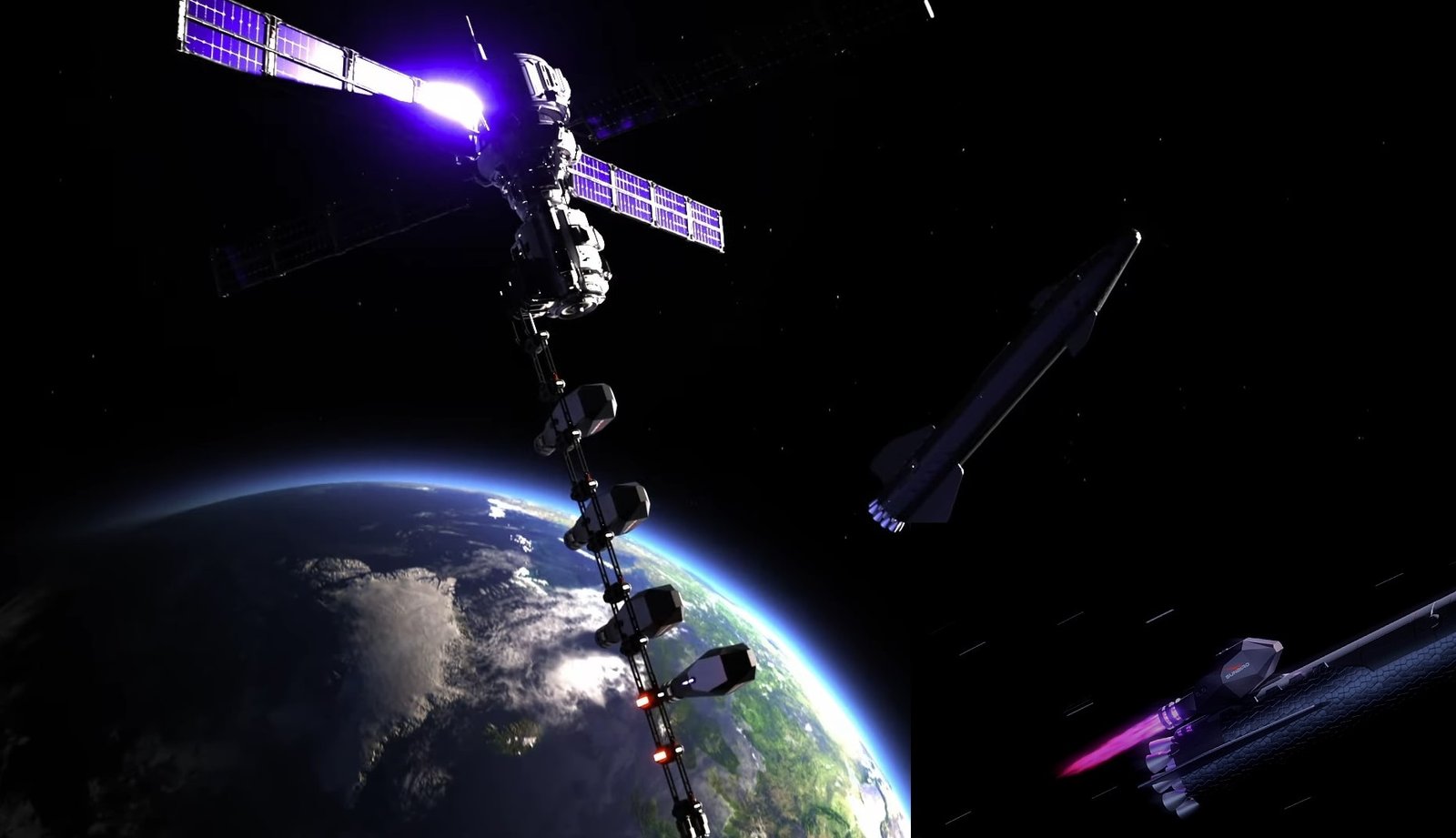
Space & Technology
BLETCHLEY, U.K. — UK-based aerospace company Pulsar Fusion is developing Sunbird, a nuclear fusion-powered spacecraft designed to reduce the travel time to Mars. The company is targeting 2027 for an in-orbit demonstration of its core engine technology after about a decade of development. Sunbird uses Pulsar's Dual Direct Fusion Drive (DDFD), which is designed to use a deuterium and helium-3 fuel mixture. Pulsar projects exhaust speeds of up to 223 kilometers per second and a specific impulse of 10,000 to 15,000 seconds. The company says the system could reduce a typical Mars journey from around six to ten months to about three or four months. The spacecraft is designed as a reusable space tug that would remain in low Earth orbit. Conventional rockets would first carry payloads into orbit, after which Sunbird would dock with them and provide propulsion for the interplanetary journey. Pulsar's modelling has also indicated that the system could carry a 1,000-kilogram payload to Mars orbit in under six months and a similar mass to Pluto in about four years. Plasma test completed Pulsar conducted a major early test in March 2026, livestreaming a plasma demonstration from its Bletchley facility to Jeff Bezos's MARS conference in California. Engineers used krypton gas to generate and confine plasma inside the Sunbird exhaust system. The test demonstrated plasma generation and confinement, but no fusion reaction took place. Pulsar described it as the first plasma demonstration for the system and a step toward future tests of thrust and exhaust velocity. The proposed DDFD is also designed to generate up to 2 megawatts of electrical power. Pulsar says this could provide power for scientific instruments, refrigeration and high-rate communications during deep-space missions, where solar power becomes less effective farther from the Sun. UKAEA supporting radiation research Pulsar is working with the UK Atomic Energy Authority (UKAEA) to study neutron radiation from the proposed fusion process. The work is examining how long-term radiation could affect the engine's materials and magnets and help determine its operational lifespan. Sunbird is also planned to use conventional Hall-effect thrusters for fine manoeuvres between missions. Pulsar's development plan includes further ground and static testing, improvements such as higher-temperature superconducting magnets, and eventually operation using the deuterium-helium-3 fuel cycle. The company has discussed production-ready vehicles in the early 2030s if the technology develops as planned. However, no fusion-powered spacecraft engine has yet been demonstrated in flight. Sustaining fusion conditions, controlling plasma, obtaining practical supplies of helium-3 and managing radiation remain significant engineering challenges. The planned 2027 orbital demonstration is therefore intended to test key technologies, including plasma generation, magnetic-nozzle performance and power systems, rather than represent a completed operational fusion spacecraft.
Read More → Posted on 2026-09-28 14:49:41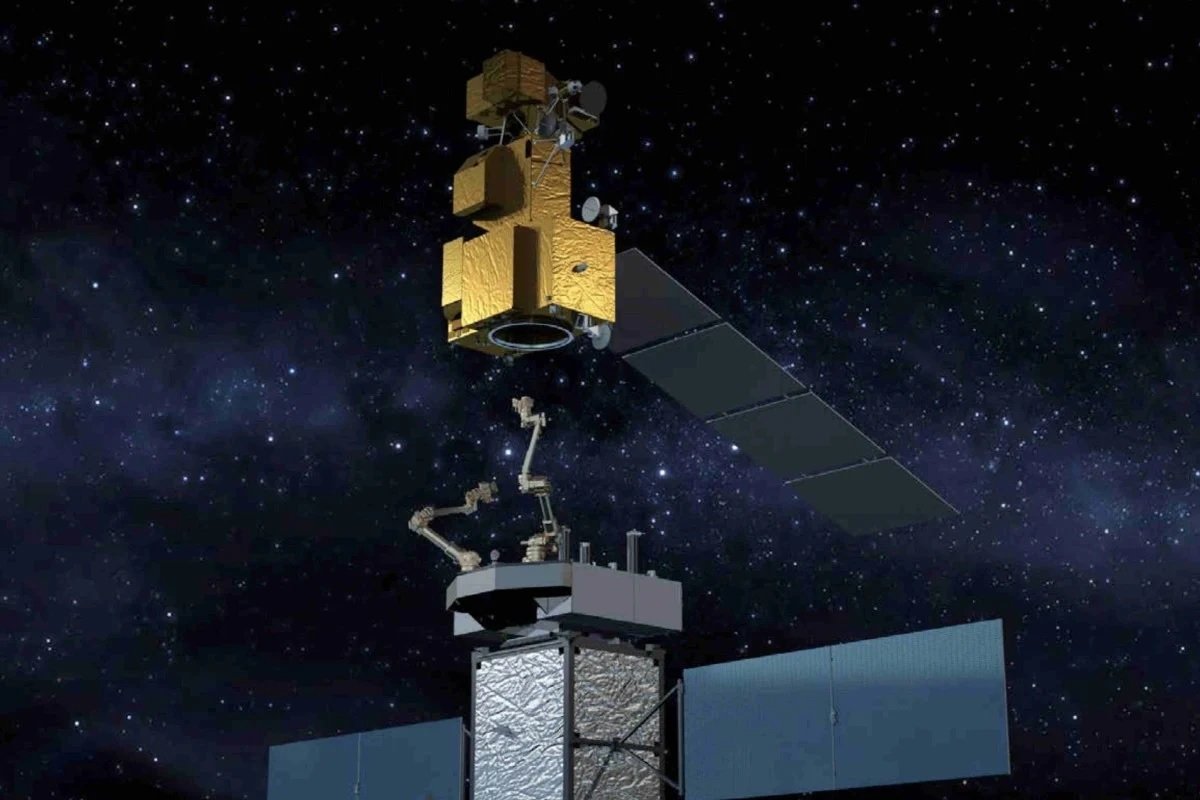
Space & Technology
BEIJING, — Chinese researchers have reported what they describe as China’s first successful in-orbit refueling of a high-orbit BeiDou navigation satellite. The operation reportedly involved transferring room-temperature propellant to extend the satellite’s service life. The claim was disclosed in a paper by researchers from China’s state-funded Deep Space Exploration Laboratory, which is currently under peer review for the Journal of Deep Space Exploration. The paper did not provide the date, satellites involved, amount of propellant transferred or the resulting increase in service life. A separate study published in April 2025 by Chinese Academy of Sciences researchers in the International Journal of Aerospace Engineering provided more details. It identified the servicing spacecraft as Shijian-25 and the target as BeiDou-2 G7, stating that Shijian-25 transferred 142 kilograms of propellant to BeiDou-2 G7 in February 2025. The study said the transfer was expected to extend the satellite’s service life by eight years. Neither paper cited an independent source confirming the transfer. Shijian-25's servicing mission Shijian-25 was launched on January 7, 2025, from the Xichang Satellite Launch Center aboard a Long March-3B rocket. Its developer, the Shanghai Academy of Spaceflight Technology, described its mission as testing technologies for satellite refueling and life-extension services, along with repair and space-debris removal capabilities. The reported refueling used room-temperature storable chemical propellant, avoiding the need for complex cryogenic cooling systems. Chinese researchers said the mission provided practical experience but also stressed the need to develop technology for transferring ultra-low-temperature propellants, which offer better performance for larger spacecraft and deep-space missions. Tracking data conflict with the reported timeline Independent orbital-tracking data have raised questions about the reported February 2025 rendezvous. U.S. Space Force tracking records indicate that Shijian-25 and BeiDou-2 G7 did not come close enough to dock during February or the first half of 2025. BeiDou-2 G7 remained near 110.5 degrees east longitude in geostationary orbit from January to July, while Shijian-25 was tracked near 120 degrees east longitude after launch, remaining there until June before later moving to about 127 degrees east. Satellite-tracking expert Jonathan McDowell, a former Harvard astrophysicist, said the observed orbital paths were not consistent with a rendezvous and refueling in early 2025. Separately, tracking firms observed close approaches and apparent docking between Shijian-25 and Shijian-21 in mid-2025. The activity was monitored by U.S. surveillance satellites. Shijian-21 had previously docked with a retired BeiDou satellite in 2022 and moved it to a higher disposal orbit. Significance for BeiDou China’s BeiDou system provides global positioning, navigation and timing services for civilian applications, including mapping and financial systems, as well as military uses. Its constellation includes satellites in high Earth orbit, including geostationary orbit roughly 36,000 kilometers above Earth. In-orbit refueling could allow satellites to remain operational after their onboard propellant is depleted, reducing the need to replace otherwise functional spacecraft. The rendezvous and docking technologies involved can also support spacecraft repair, inspection, repositioning and debris-removal missions. The South China Morning Post, which first reported the peer-review paper, contacted the Chinese research teams for comment. As of late September 2026, no official confirmation beyond the scientific papers has been issued, and the peer-review process remains ongoing. Publicly available tracking data have not independently confirmed the reported February 2025 refueling.
Read More → Posted on 2026-09-28 14:41:27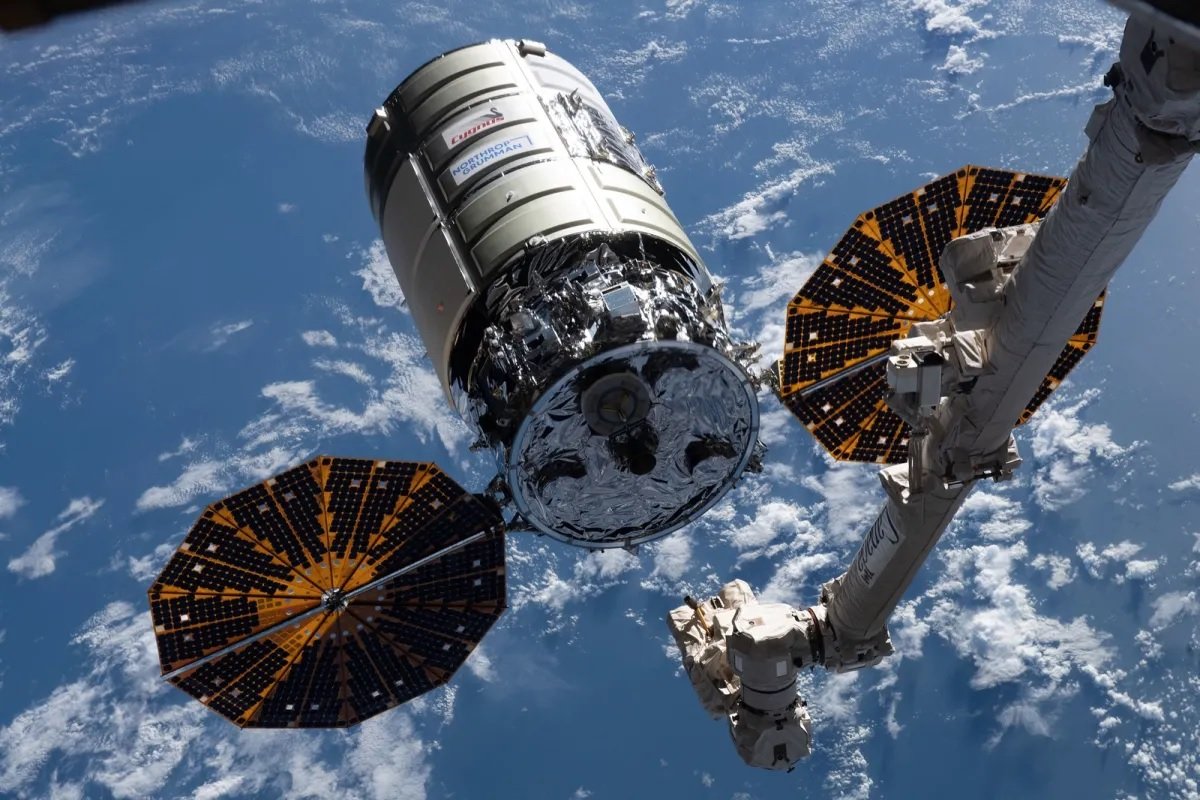
Space & Technology
CAPE CANAVERAL, FLORIDA — Northrop Grumman’s Cygnus XL cargo spacecraft has raised the orbit of the International Space Station (ISS) ahead of the planned arrival of NASA’s SpaceX Crew-13 mission. The uncrewed spacecraft, which remains berthed to the station’s Unity module, fired its gimbaled delta-velocity engine for 18 minutes on September 25. The maneuver increased the ISS orbital altitude by about 1.5 miles at apogee, the highest point of its orbit, and about 0.8 miles at perigee, the lowest point. Following the maneuver, the station was placed into an orbit measuring approximately 265.5 by 256.8 miles above Earth. Cygnus XL Performs ISS Reboost The Cygnus XL was attached to the Earth-facing port of the ISS Unity module when its engines were fired. The spacecraft’s thrust moved the combined station and cargo vehicle, allowing Cygnus XL to perform the orbital reboost. The maneuver serves two purposes: countering the gradual loss of station altitude caused by atmospheric drag in low Earth orbit and adjusting the ISS orbit for upcoming spacecraft traffic. Using a visiting spacecraft for reboosts also allows the station to reduce its reliance on its own onboard propellant for some orbital maintenance activities. The Cygnus spacecraft has previously performed similar maneuvers. The same Cygnus XL conducted another reboost on August 27, 2026, with an engine burn lasting 20 minutes and 43 seconds. That maneuver adjusted the station for the arrival of the Progress 96 cargo spacecraft. Cygnus XL Delivered More Than 11,000 Pounds of Cargo The Cygnus XL arrived at the ISS on April 13, 2026, as part of NASA’s Northrop Grumman Commercial Resupply Services-24 (CRS-24) mission. The spacecraft launched two days earlier aboard a SpaceX Falcon 9 rocket from Space Launch Complex 40 at Cape Canaveral Space Force Station, Florida. Named S.S. Steven R. Nagel, the spacecraft delivered more than 11,000 pounds of scientific research, hardware, experiments, crew supplies and other cargo to the orbital laboratory. Beyond its cargo-delivery role, the expanded Cygnus XL is capable of performing orbital reboost operations while berthed to the ISS. This provides another option for maintaining the station’s orbit during its mission. Reboost Supports Crew-13 Arrival The latest maneuver also adjusted the ISS orbital phasing for the upcoming SpaceX Crew-13 mission. Crew-13 is currently targeted to launch no earlier than October 1, 2026, aboard a Crew Dragon spacecraft launched by a Falcon 9 rocket from Space Launch Complex 40 in Florida. The four-person Crew-13 crew consists of: Jessica Watkins (NASA) — Commander Luke Delaney (NASA) — Pilot Joshua Kutryk (Canadian Space Agency) — Mission Specialist Sergey Teteryatnikov (Roscosmos) — Mission Specialist After arriving at the ISS, the crew will join Expedition 75. Cygnus XL Scheduled to Leave ISS in October The Cygnus XL is scheduled to remain attached to the ISS until October. After the Crew-13 mission arrives, the station crew will load the spacecraft with disposal materials. The spacecraft will then be unberthed from the ISS using the station’s robotic arm. It will subsequently be placed on a trajectory for destructive reentry into Earth’s atmosphere, where it will burn up. The September 25 reboost demonstrates the additional role of Cygnus XL in ISS operations beyond cargo delivery, allowing the spacecraft to contribute to station orbit maintenance while it remains attached to the orbital laboratory.
Read More → Posted on 2026-09-26 12:30:39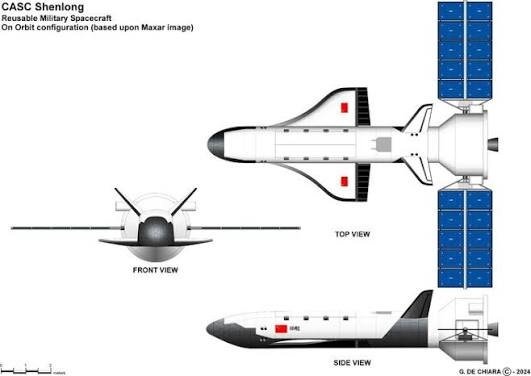
Space & Technology
BEIJING — China’s secretive reusable spaceplane has released and recaptured the same small satellite twice during its current mission, according to orbital tracking data analyzed by astrophysicist Jonathan McDowell. McDowell published a timeline on September 23 using data from the U.S. Space Force tracking network. The spaceplane, unofficially known as Shenlong, is on its fourth mission after launching on February 6, 2026, aboard a Long March 2F rocket from the Jiuquan Satellite Launch Center in northwestern China. Repeated Satellite Operations The satellite involved is cataloged by the U.S. military as 2026-024H. The tracked sequence was: June 21: Shenlong released the satellite. July 12: The spaceplane approached and recaptured it. Analysts believe an onboard robotic arm may have been used. Late August: Shenlong released the same satellite again and moved several thousand kilometers away. September 10: The spaceplane began another rendezvous and closed the distance to the satellite. September 13: Shenlong recaptured the satellite for the second time. Commercial tracking company LeoLabs detected the satellite near Shenlong on June 22 and assessed with high confidence that it had been released from the spaceplane. During the September operation, U.S. tracking systems briefly recorded what appeared to be another object. McDowell assessed that it was likely a duplicate tracking entry for the same satellite rather than a new spacecraft. RPO Capabilities The maneuvers are part of rendezvous and proximity operations (RPO), which involve a spacecraft approaching and operating near another object in orbit. RPO capabilities can support civilian activities such as satellite inspection, servicing and repair. The same technology can also allow a spacecraft to approach, inspect or physically interact with another satellite, making such operations closely monitored by military analysts. Shenlong has demonstrated similar activities before. Comparable release-and-recovery operations were observed during its second mission from August 2022 to May 2023 and its third mission from December 2023 to September 2024. Shenlong and the X-37B China has not officially released detailed technical specifications, mission objectives or the formal name of the spaceplane program. The name Shenlong, meaning “Divine Dragon,” is an unofficial designation used by external observers. The spacecraft launches vertically on a rocket and returns by landing horizontally on a runway. This has led to comparisons with the U.S. Space Force’s X-37B, whose missions are also largely classified. However, their publicly observed orbital activities differ. The Secure World Foundation has noted that the X-37B has not been observed conducting rendezvous operations with another object during its public missions and generally operates at different orbital altitudes from many active satellites. Earlier Shenlong missions lasted two days in 2020, 276 days during its second mission and 266 days during its third mission. The current mission remains underway. Earlier flights have been associated with a runway at Lop Nur in northwestern China. According to the Secure World Foundation, China has not registered the Shenlong missions or their released objects with the United Nations under the Registration Convention. Independent tracking networks therefore remain the main public source of information about the classified spaceplane and its activities in orbit. Main Source : defence-blog
Read More → Posted on 2026-09-24 17:29:23Search
Top Trending in 24 Hours
-
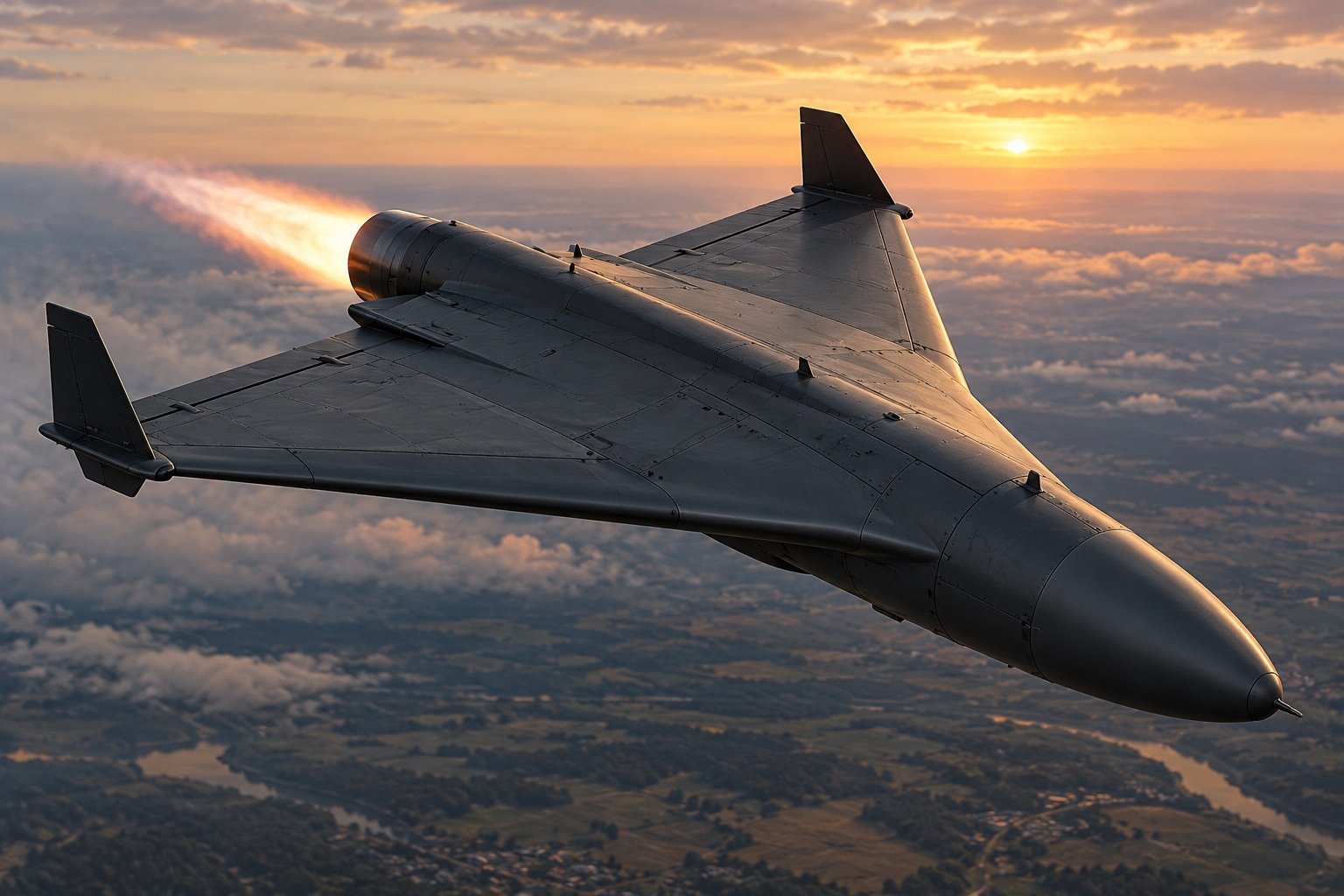 Russia Reportedly Developing Jet-Powered Geran-6 Strike Drone With 600 kg Warhead
-
 Israel Approves NIS 1 Billion Apache Helicopter Deal, Diverting Funds from Arab Communities
-
 Israel Deploys Additional David’s Sling Air Defenses in North Amid Rising Tensions With Iran Ahead of Elections
-
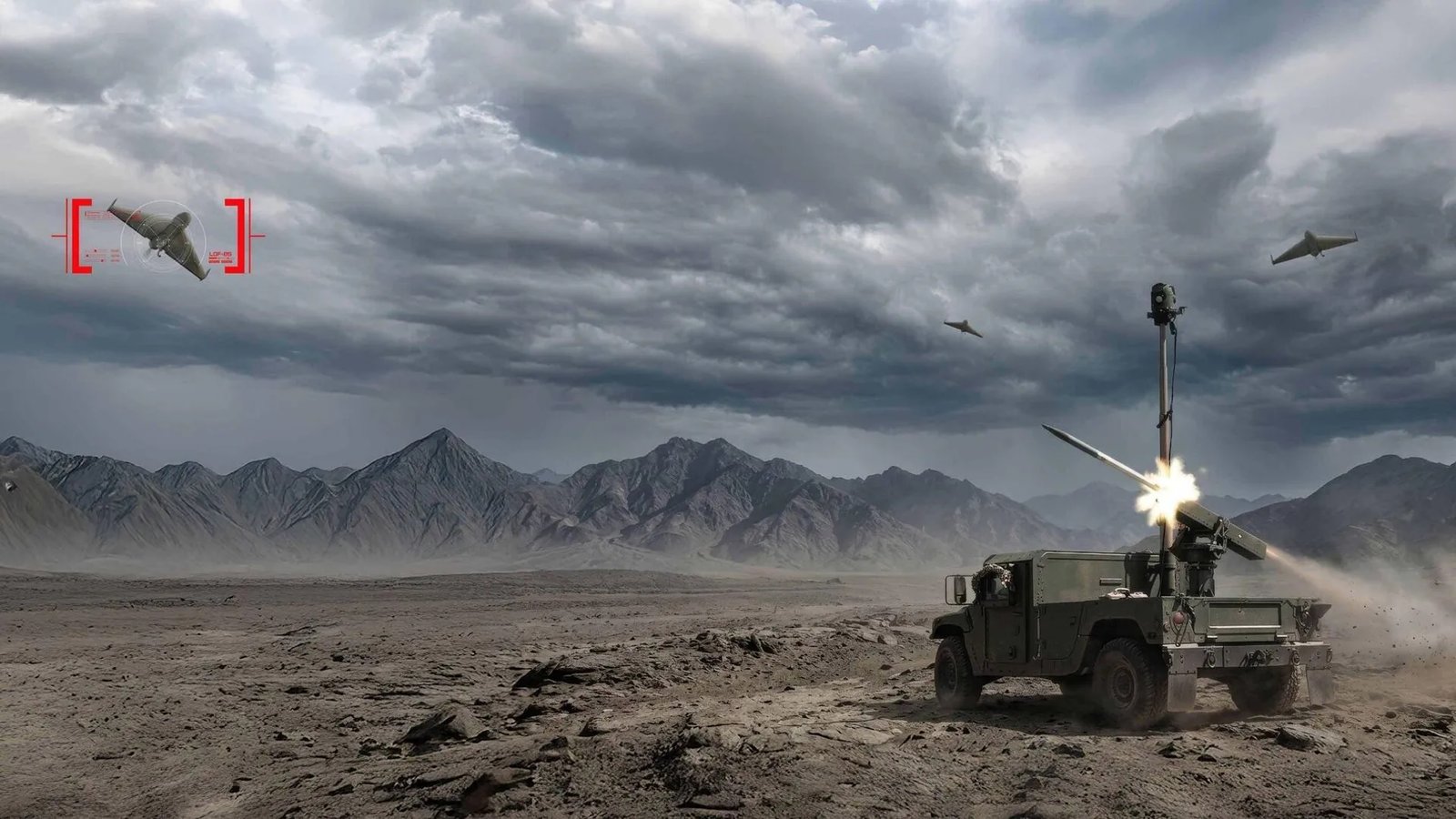 U.S. Army Receives First VAMPIRE Counter-Drone Systems from L3Harris
-
 Raytheon Secures $8 Billion Contract to Modernize U.S. Nuclear Communications Network
-
 California Startup Raises $20 Million to Develop Space Cannon for Satellite Launches
-
 First F-35C Stealth Fighters Conduct Flight Trials Aboard USS John F. Kennedy
-
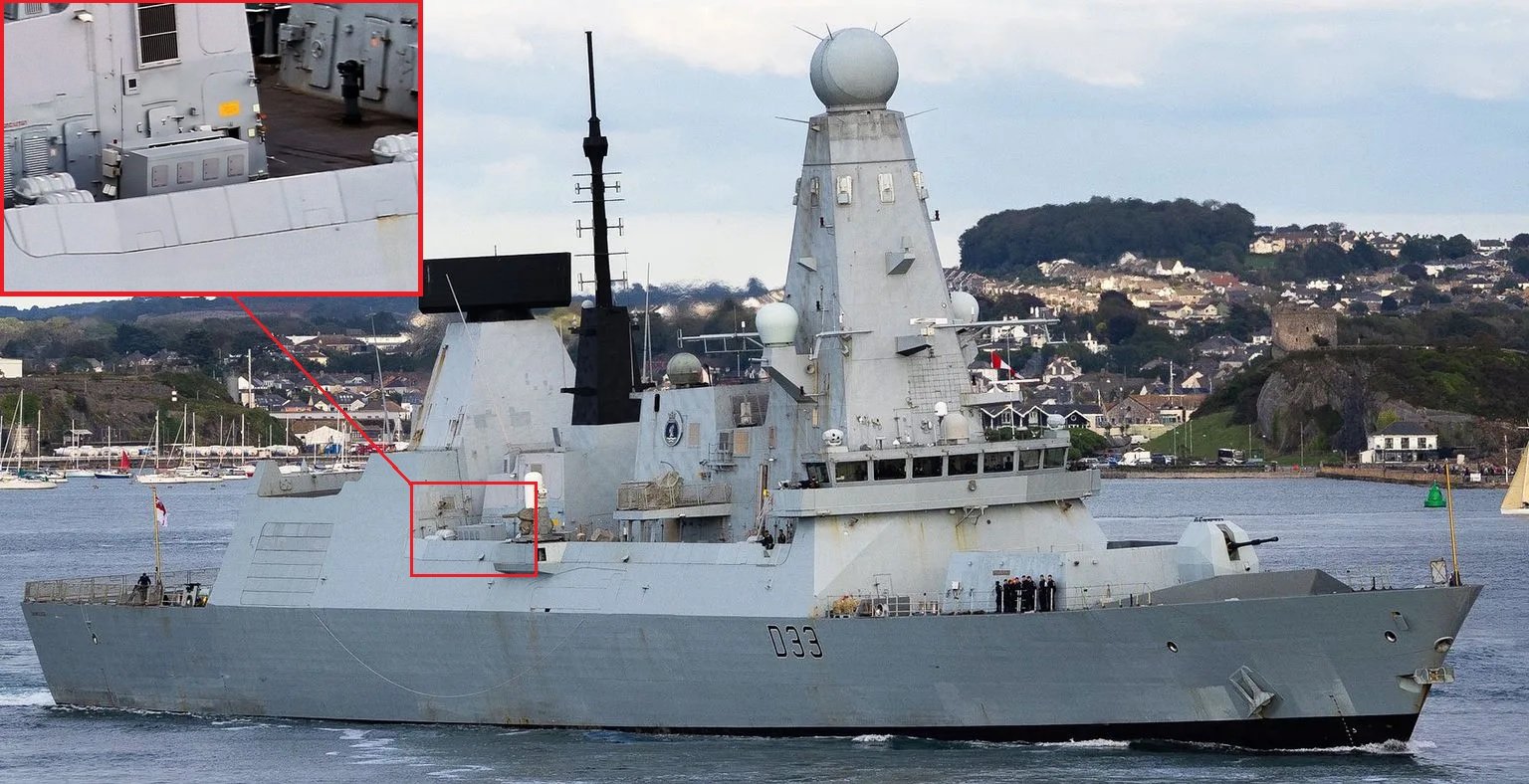 Royal Navy Type 45 Destroyer HMS Dauntless Fitted with New Launchers Believed to be Counter-Drone Interceptors
Top Trending in 4 Days
-
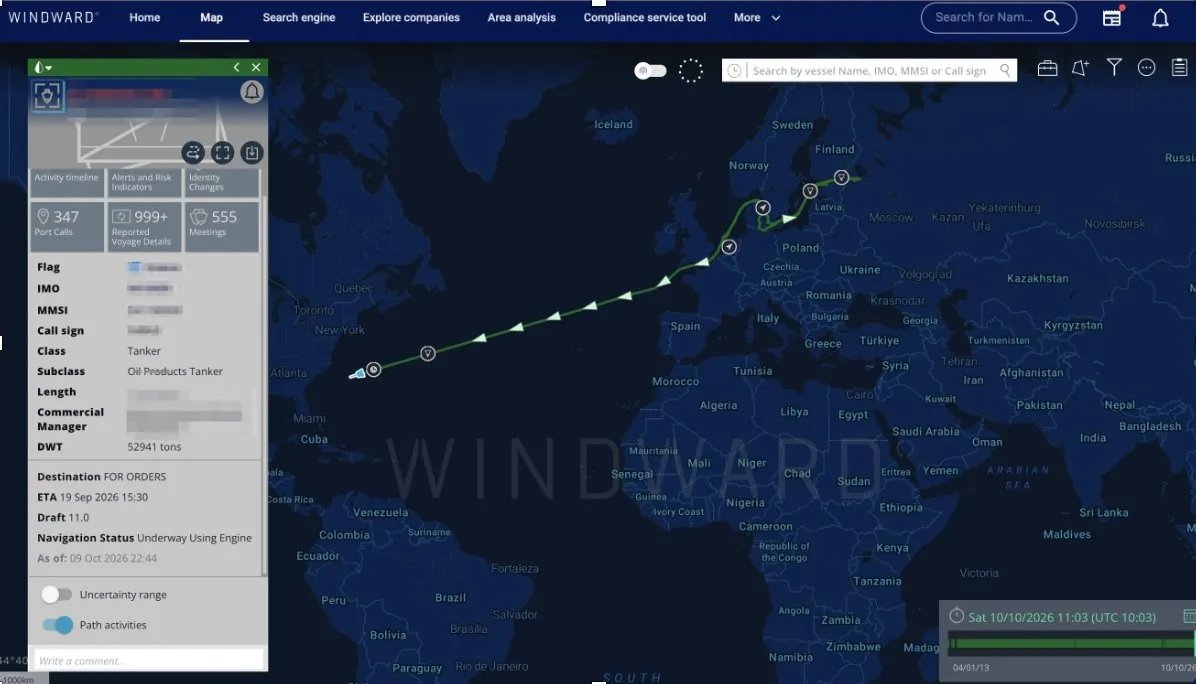 Minerva Zen Tanker Carrying Fertilizer, Not Russian Diesel, to US
-
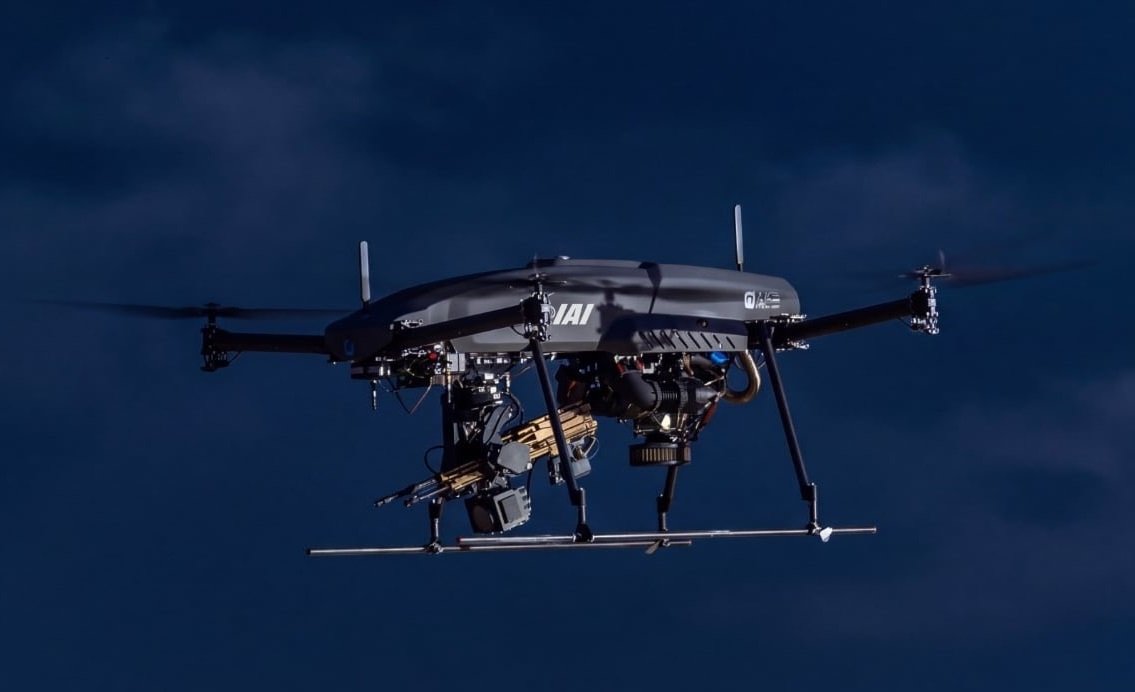 IAI and SIG SAUER Complete Live-Fire Test of FIRE STORM 250 Armed Drone
-
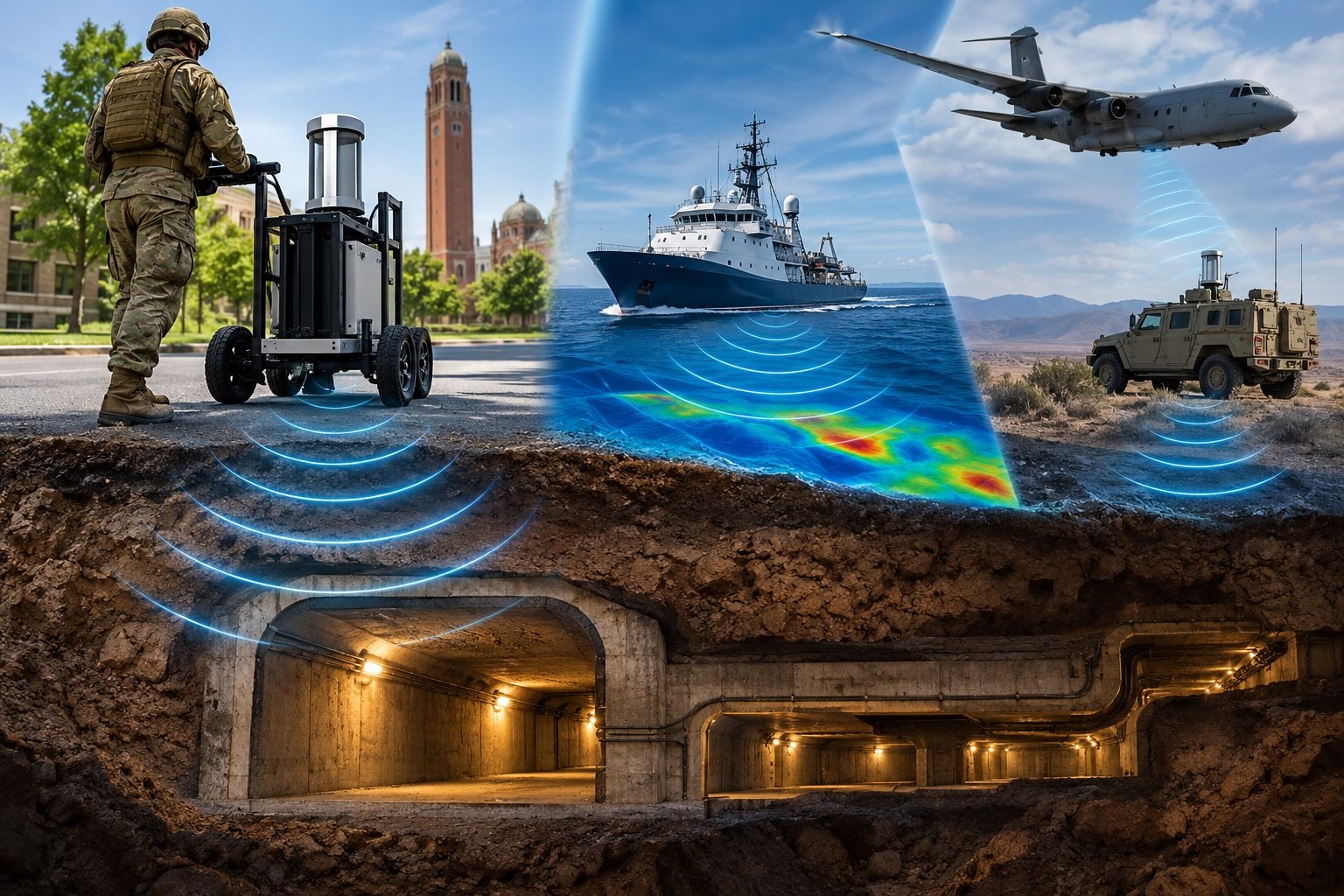 US Military Funds Quantum Sensors for Underground Mapping Under Project Farseer
-
 India to Release AI Regulation Paper Within 30 Days, Add 10,000 GPUs Under IndiaAI Mission
-
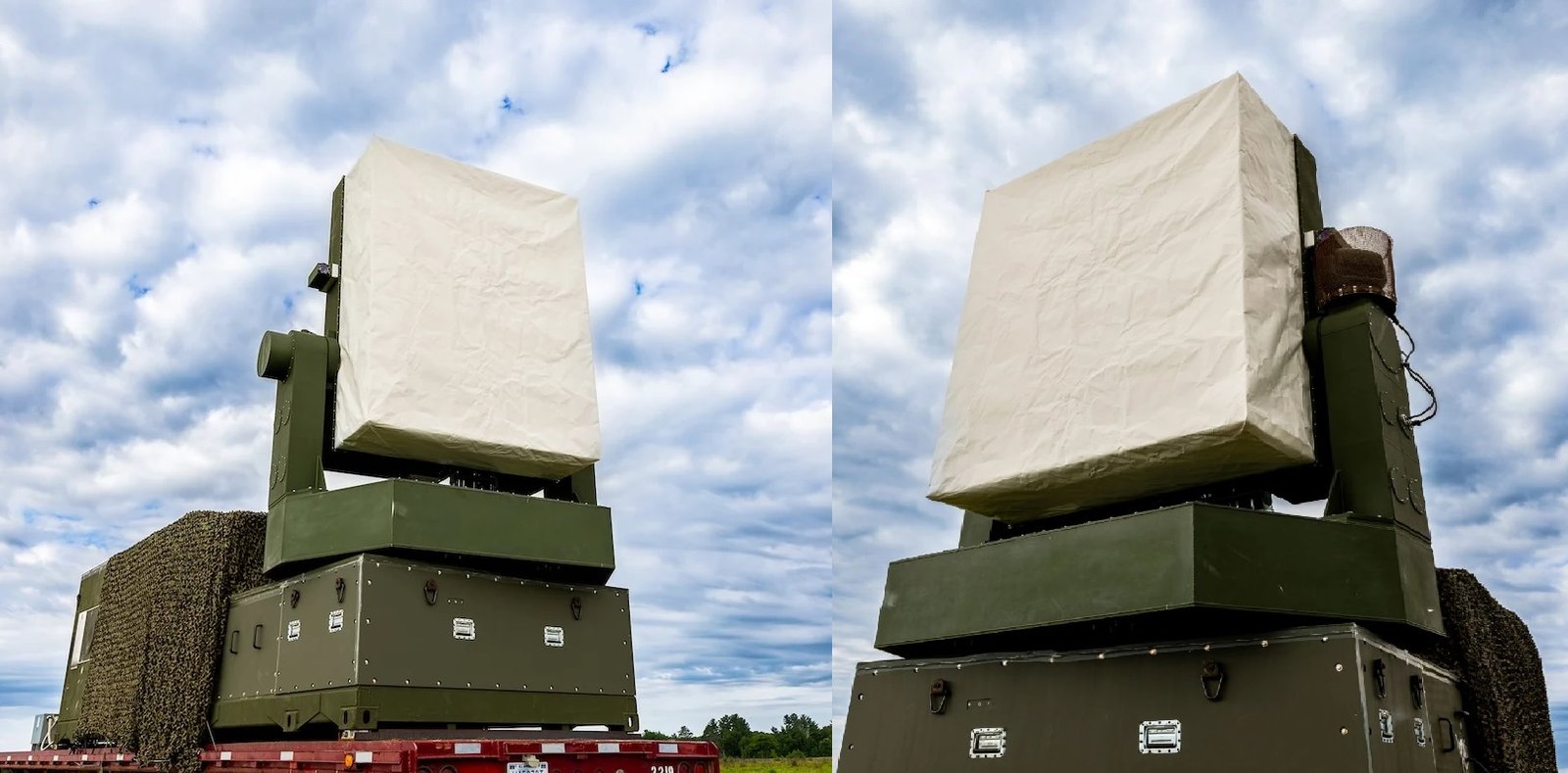 BAE Systems Unveils High Power Microwave Weapon for Drone Defense at AUSA 2026
-
 NASA Opens Final Bidding for Commercial Space Stations to Replace the ISS
-
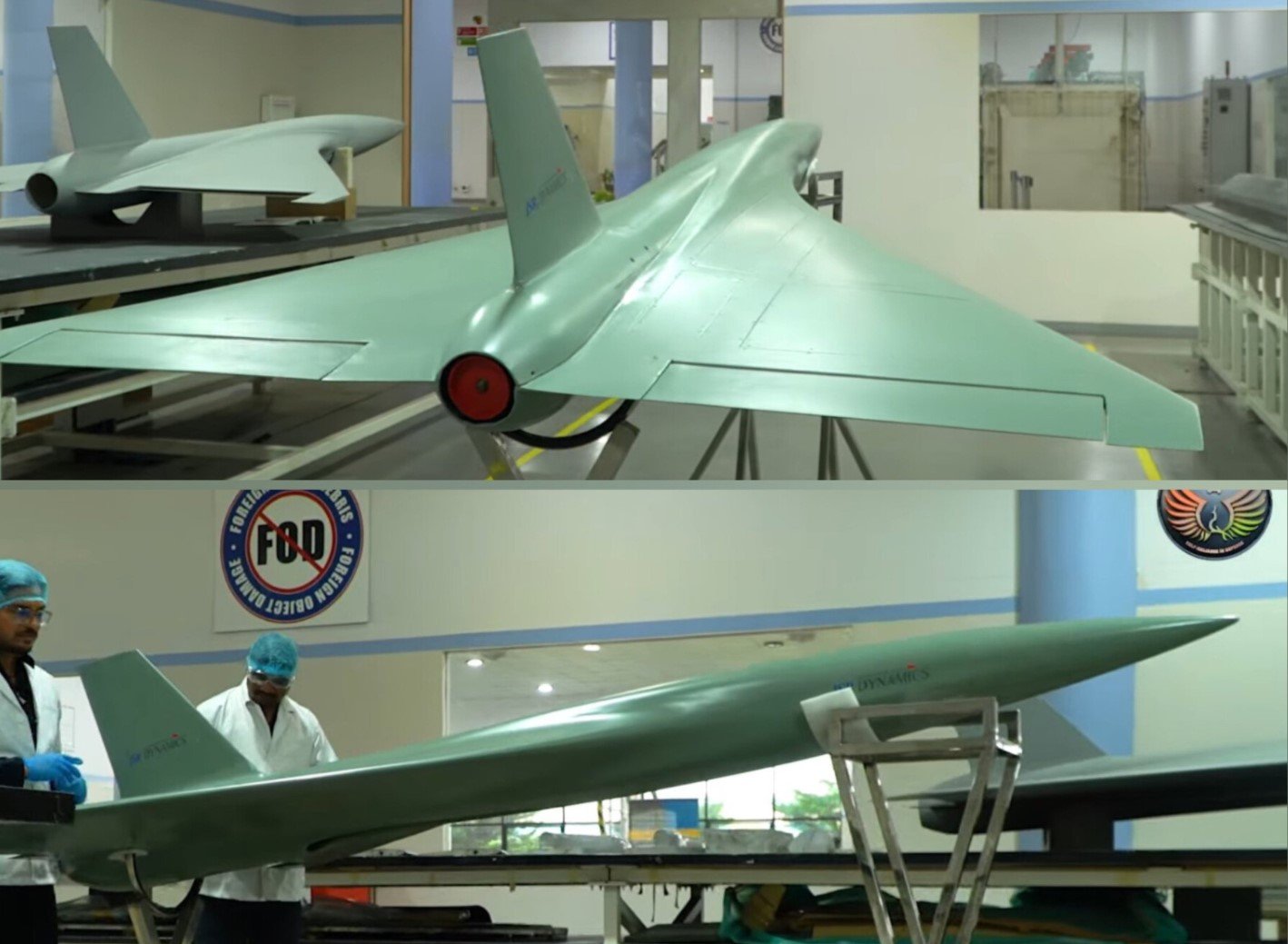 SR Dynamics Unveils New Stealth Strike Drone With 1,000 km Range and 900 km/h Speed
-
 Saudi Arabia Explores $8 Billion Loan as Missile Interceptor Stocks Deplete and Western Support Lags