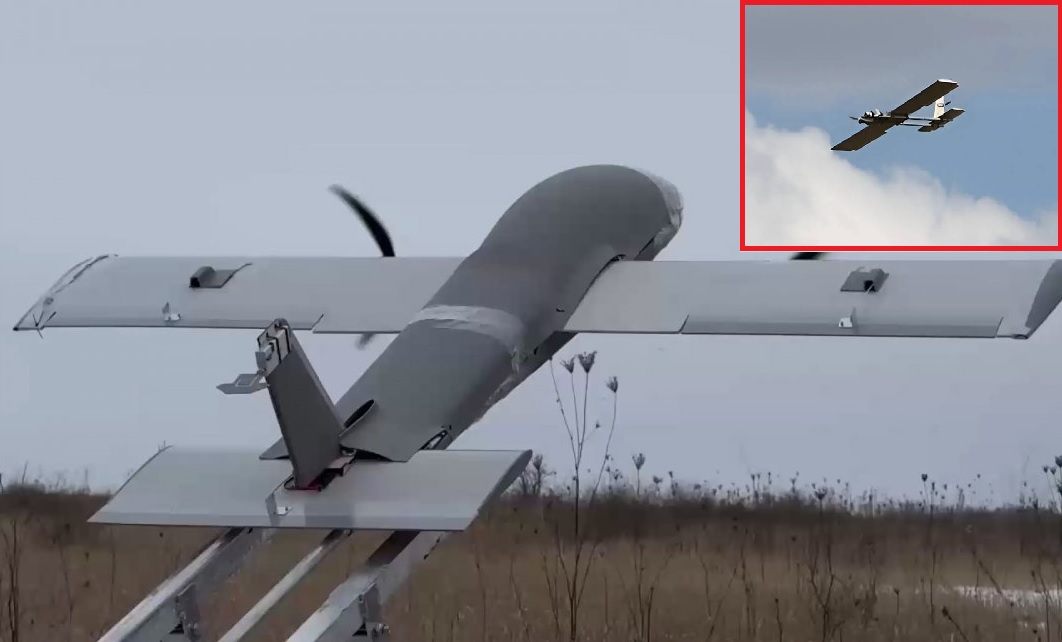
KYIV — Russian forces have started using a modified version of the Molniya strike drone in Ukraine that can continue its mission without the control antenna previously required for real-time operator guidance, according to Ukrainian radio technology specialist and Defense Ministry adviser Serhii "Flash" Beskrestnov.
One of the drones was recovered after striking a Ukrainian facility. Beskrestnov said the aircraft carried only an onboard computer and a camera, with no antenna for an active control link.
"The UAV had only a camera and a computer. This is where everything is heading," Beskrestnov said. "Navigation, target acquisition, and the attack will become fully autonomous."
The Molniya is a low-cost fixed-wing strike drone that has been widely used by Russian forces during the war. Built from simple materials including plywood and foam, it has often been described as the "Kalashnikov of drones" because of its low production cost and ability to be produced in large numbers.
Earlier Molniya variants depended on a live radio link that allowed operators to steer the drone using a video feed. Ukrainian electronic warfare units could disrupt those attacks by jamming the communication signal before the drone reached its target.
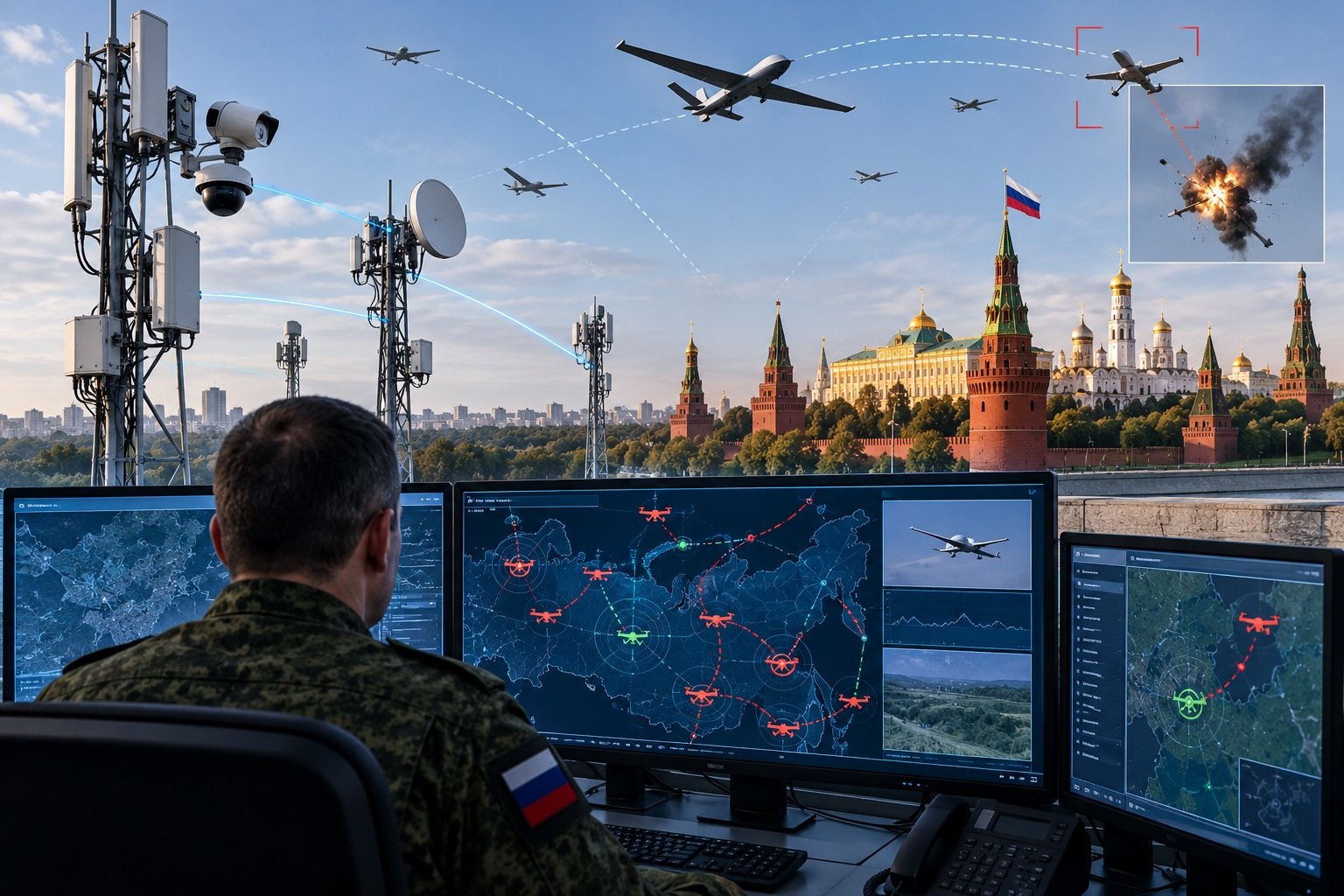
The recovered version removes that dependency. With onboard visual processing and computing, the aircraft can continue flying toward its objective even if communication with the operator is lost or electronic jamming blocks the control link.
Beskrestnov said Russian forces had previously fielded similar neural network technology on the V2U loitering munition, which was used to develop AI targeting models. The same approach has now appeared on the Molniya.
"Today, we found the same solution on the Molniya. This is a bad sign," he said, calling on military personnel and civilians to report any recovered drone components for technical examination.
Reports from the battlefield indicate Russian units are employing the autonomous Molniya more frequently in southern Ukraine, including the heavily contested Zaporizhzhia region, where intensive electronic warfare has made radio-controlled drones more difficult to operate.
Ukraine is also deploying autonomous strike drones. One example is the Hornet fixed-wing attack drone produced by Perennial Autonomy, a U.S. defense technology company backed by former Google Chief Executive Eric Schmidt.
The Hornet follows a similar operating concept by reducing reliance on continuous radio control during the final phase of flight. It costs about $5,000 to produce, carries a 5-kilogram warhead and has an operational range of up to 200 kilometers.
Elite Ukrainian formations, including the Azov Corps, have used the Hornet during recent "Middle Strike" operations against Russian logistics vehicles, ammunition storage sites and supply convoys behind the front line using AI-assisted targeting.
The appearance of autonomous versions of both the Russian Molniya and the Ukrainian Hornet reflects the increasing use of onboard computing and AI-assisted targeting in low-cost strike drones. Electronic warfare remains widely used across the battlefield, but drones capable of navigating and identifying targets without continuous operator input reduce the dependence on radio links that have traditionally been vulnerable to jamming.
Source: Pravda.
——— End of Article ———