London, — June 20, 2026 : The United Kingdom has unveiled three prototype long-range cruise missile systems developed specifically for Ukraine under Project Brakestop, a Ministry of Defence (MoD) initiative aimed at delivering affordable, rapidly producible strike weapons free from American export restrictions.
The project, launched in November 2024, seeks to provide Ukraine with sovereign long-range strike capabilities while reducing dependence on systems that contain U.S.-origin components. British officials confirmed that all three missile designs successfully completed spring trials at the MoD’s Hebrides testing range in Scotland, with at least one system expected to enter Ukrainian service by the end of 2026 following additional testing and refinement.
Developed to Avoid Export Restrictions
Project Brakestop was created in response to delays and restrictions affecting the delivery and operational use of Western long-range weapons, including the U.S.-supplied ATACMS and the UK’s Storm Shadow cruise missile.
British officials noted that Storm Shadow relies on American guidance technologies and mapping data, making its deployment subject to U.S. approval processes and export regulations under the International Traffic in Arms Regulations (ITAR) framework. By eliminating all American components and data dependencies, the new missiles provide the United Kingdom with full authority over export decisions and combat employment.
According to Armed Forces Minister Louise Sandher-Jones, the program serves both as a capability enhancement for Ukraine and as a test of Britain's sovereign defense manufacturing capacity and industrial resilience.
Three Companies Advance to Final Testing
Project Brakestop attracted proposals from 27 companies, with three British manufacturers selected to develop operational prototypes under the supervision of the MoD’s Task Force Kindred.
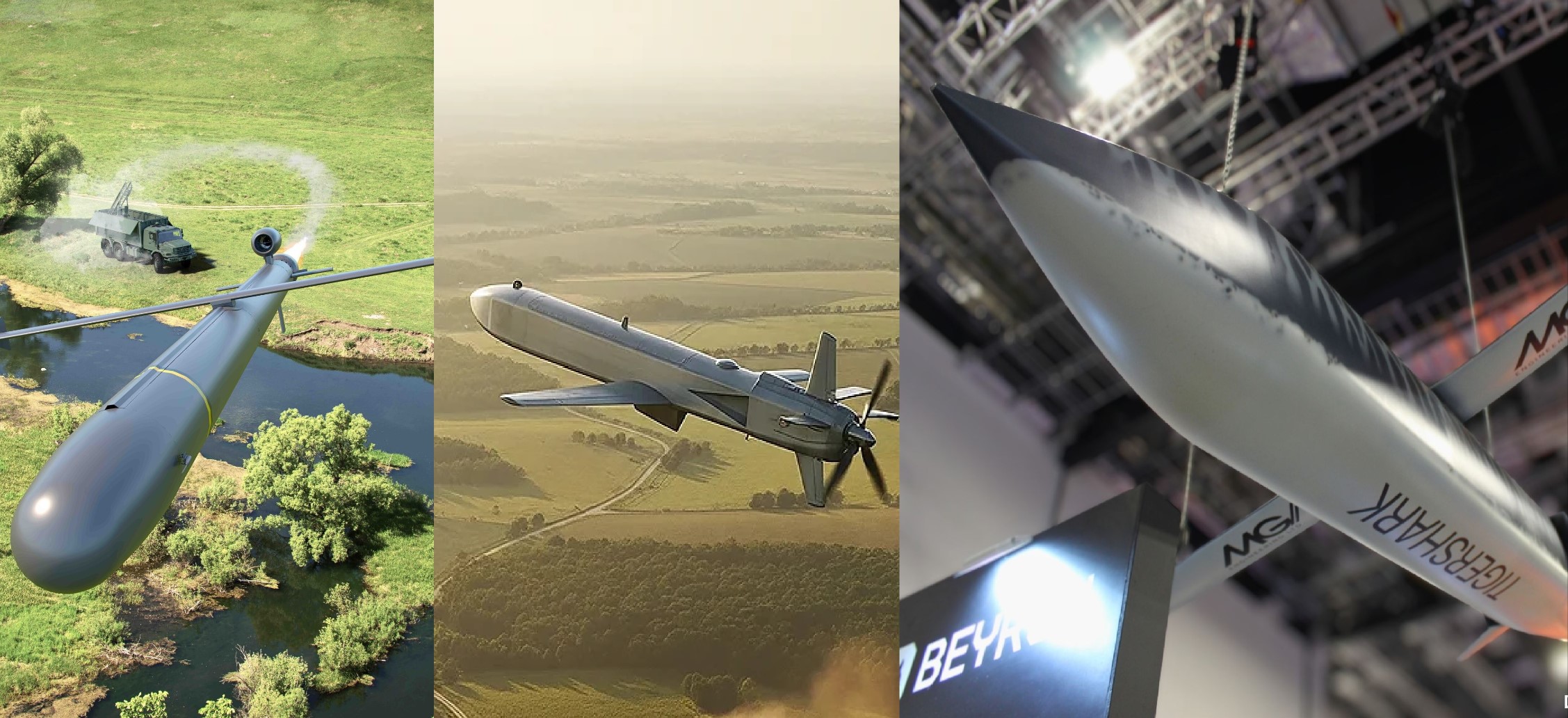
MBDA UK – Crossbow
MBDA UK, the manufacturer of Storm Shadow, developed the Crossbow missile. The system incorporates a proprietary visual navigation technology designed to operate independently of external guidance inputs.
The company stated that sovereignty, operational flexibility, and freedom from foreign restrictions were key design requirements throughout development. Reports indicate Crossbow can carry a warhead of up to 300 kilograms and strike targets at ranges reaching approximately 800 kilometers.
Rotron Aerospace – SkyLance
Rotron Aerospace developed the SkyLance, a propeller-driven long-range missile designed to maximize operational range while maintaining lower production costs.
The company successfully completed a flight test of the system on May 12, 2026. While the propeller-driven configuration sacrifices some speed compared with conventional cruise missiles, it offers increased endurance and extended reach for deep-strike missions.
MGI Engineering – TigerShark
MGI Engineering, founded by former Formula One technical director Mike Gascoyne, developed the TigerShark missile using engineering methods adapted from aerospace and motorsport industries to accelerate development.
The missile is designed to operate autonomously in GPS-denied environments and incorporates a navigation system provided by Auterion. The company has confirmed that the system uses no American data or U.S.-origin components.
TigerShark is designed to deliver a payload of approximately 200 to 300 kilograms against targets located more than 500 to 750 kilometers away.
Focus on Rapid Production
Unlike traditional cruise missile programs that prioritize complex and highly specialized engineering, Project Brakestop was structured around rapid, scalable manufacturing.
The Ministry of Defence established a requirement for production rates of at least 20 missiles per month, while participating manufacturers stated that output could potentially increase to 40 units monthly within months of receiving production orders.
The estimated cost of each missile is approximately £400,000 (€475,000), significantly lower than the cost of existing Western cruise missiles such as Storm Shadow, which can exceed £2 million per unit.
| Specification | Project Brakestop Missiles | Storm Shadow |
|---|---|---|
| Estimated Unit Cost | ~£400,000 (€475,000) | £2,000,000+ |
| Warhead Weight | 225–300 kg | 450 kg |
| US Components | None | Yes |
| Production Rate | 20+ per month | Lower, more complex production |
Designed for Deep-Strike Operations
All three Brakestop missiles are ground-launched systems intended to engage high-value targets deep behind enemy lines. While their warheads are smaller than Storm Shadow’s 450-kilogram payload, officials noted that a 225-300 kilogram warhead remains capable of inflicting significant damage against military infrastructure, command centers, logistics hubs, and other strategic targets.
The missiles are designed to strike targets at distances exceeding 500 kilometers, providing Ukraine with an additional long-range precision-strike capability.
Further Testing Planned
The program follows a rapid development model often described as a "fail fast, learn fast" approach, allowing designers to refine systems more quickly than traditional procurement programs.
Follow-on contracts worth approximately £15 million have reportedly been awarded for additional development work, including improved missile variants, launch systems, and support equipment.
British officials expect further overseas testing to continue throughout 2026. If development proceeds as planned, at least one of the three missile systems is expected to be transferred to Ukraine before the end of the year, providing Kyiv with a new domestically controlled Western long-range strike option while strengthening the UK's sovereign missile manufacturing capability.
——— End of Article ———