WARSAW, Poland — The United States has warned Poland that Russia may be preparing a series of armed provocations on Polish territory designed to test NATO's response while avoiding a wider military conflict, according to Polish and allied security sources.
The intelligence was shared directly with the administration of Polish President Karol Nawrocki. Sources familiar with the matter told Polish news outlet Onet and The Telegraph that the alleged operation could take place within the coming months.
According to the reported intelligence, Russia is examining several possible scenarios that range from hybrid operations to limited military actions intended to increase pressure on NATO without triggering a full-scale war.
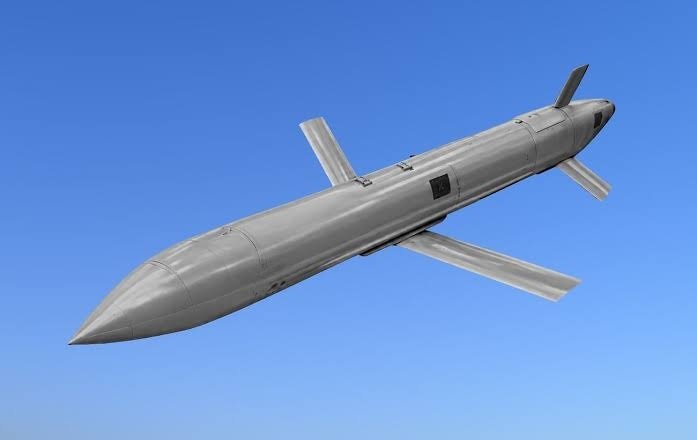
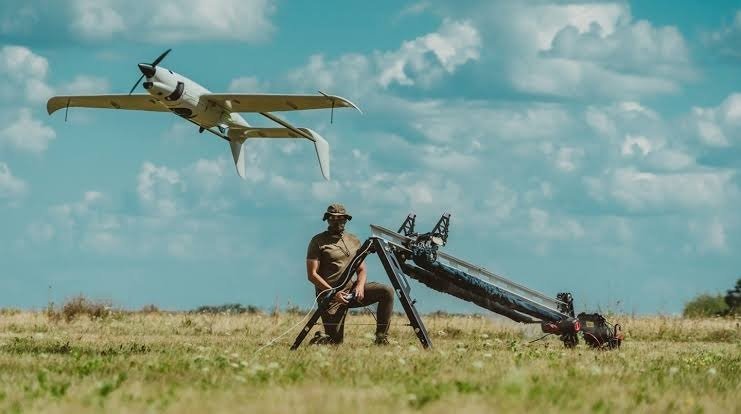
Among the options being discussed are simulated air attacks that would force Poland to activate its air defense systems, as well as drone or missile strikes targeting critical infrastructure, including power stations and other key facilities. Security officials believe such actions would be intended to create instability while remaining below the threshold of a large conventional attack.
Polish intelligence sources also warned that Moscow is considering a limited ground incursion involving a small number of Russian or Belarusian troops crossing into Polish territory. Rather than seeking military gains, such an operation would reportedly be aimed at creating a political crisis within the alliance.
According to the intelligence assessment, Russia could attempt to portray any border crossing as an accident. Possible explanations discussed by officials include troops allegedly losing their way because of a GPS malfunction or crossing the border during what would be described as a rescue mission to recover a disabled helicopter.
Security officials believe the objective would be to force a political response instead of a military one. Russian planners reportedly calculate that if a small force entered Polish territory, Washington could urge Warsaw to avoid opening fire and instead pursue negotiations to prevent the situation from escalating into a broader confrontation involving NATO's Article 5 collective defense commitment.
Sources said Moscow could then use the withdrawal of its forces as leverage during negotiations, potentially demanding that Western countries suspend or reduce military assistance to Ukraine in exchange for ending the incident.
A Baltic security source also told reporters that such scenarios are actively being discussed in Moscow. The source added that Russia could attempt a false flag operation in which it carries out a provocation but publicly blames the Ukrainian military in an effort to weaken support for Kyiv among NATO allies.
The reported intelligence has been corroborated by multiple officials, including a source close to President Karol Nawrocki, a Polish Defense Ministry official and a NATO ambassador, according to the reports.
Officials said any ground-based operation would most likely originate from Belarus, which has become increasingly integrated with Russia's military, or from Russia's heavily militarized Kaliningrad exclave on Poland's northern border.
Kaliningrad hosts Russia's Baltic Fleet and is widely believed to contain nuclear-capable military assets. Military planners have long viewed the Suwalki Gap, the narrow land corridor between Kaliningrad and Belarus connecting Poland with the Baltic states, as one of NATO's most strategically sensitive areas because it represents the alliance's primary land link to Estonia, Latvia and Lithuania.
The latest warnings are consistent with previous assessments by regional intelligence agencies, including Latvia, which have cautioned that Russia could attempt hybrid operations targeting Poland or the Baltic states as part of broader efforts to test NATO's unity and resolve.
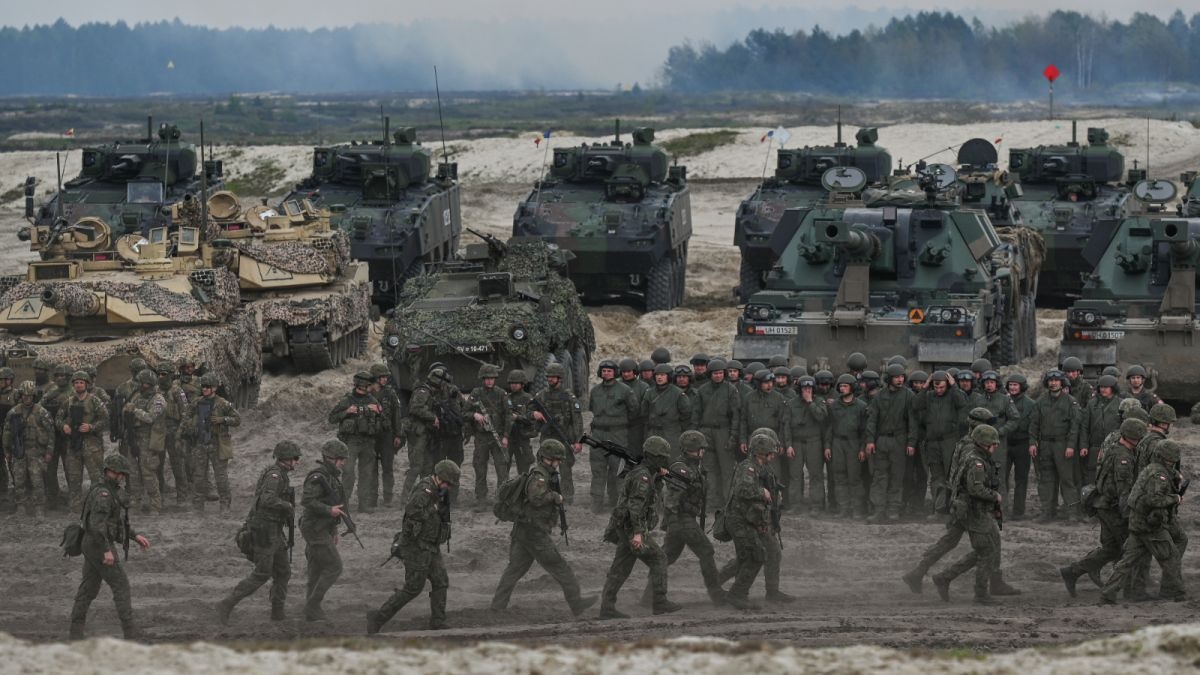
Poland has continued to strengthen its military posture in recent years through increased defense spending, expanded border security measures and regular participation in NATO exercises along the alliance's eastern flank. Polish authorities remain in close coordination with the United States and other allies as they monitor developments.
The reported intelligence comes as Russia's war in Ukraine continues and both sides maintain long-range strikes against military targets. Western governments have repeatedly warned that hybrid activities, including cyberattacks, sabotage, disinformation campaigns and limited cross-border incidents, remain part of the broader security challenge facing NATO's eastern members.
No official Russian response to the reported intelligence has been issued. The reports are based on unnamed Polish, NATO and allied security sources, who also noted that there is no indication the Kremlin has made a final decision to carry out any of the scenarios under discussion.
Polish and U.S. authorities continue to assess the intelligence while preparing contingency plans for potential developments along NATO's eastern border.
Our Analysis
The reported intelligence outlines scenarios that officials say are being discussed, not a confirmed Russian decision to carry out an operation. The reports themselves note there is no indication the Kremlin has approved any of the proposed actions.
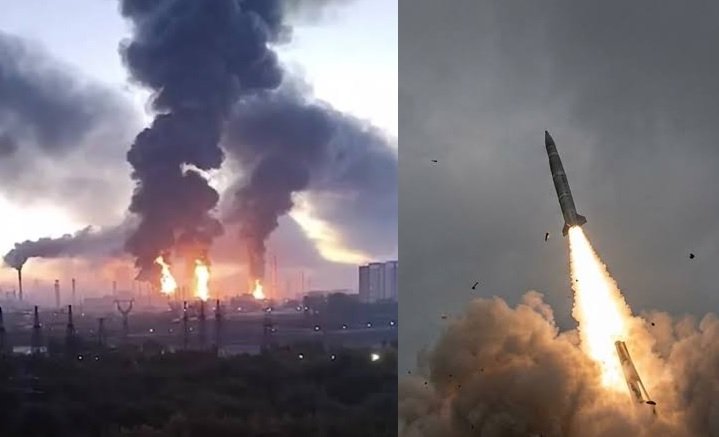
Russia is also dealing with continuing Ukrainian long-range drone attacks on military and energy infrastructure. The strikes have hit multiple oil refineries across the country. At their peak, they are estimated to have disrupted 17% to 20% of Russia's total oil refining capacity, with daily fuel output falling by roughly 13%. Repair work is still underway at several facilities, while Ukrainian drones continue to reach targets deep inside Russian territory, keeping pressure on both Russia's air defense network and its energy sector.
Reuters has reported that Russia has started importing gasoline to help stabilize domestic fuel supplies. Industry sources said the country has already received at least 60,000 metric tons of gasoline from India and is planning to import around 400,000 metric tons per month from several suppliers, including Belarus, as refinery repairs continue.
Taken together, these developments show that Russia remains heavily engaged in managing the war in Ukraine while also dealing with the impact of repeated attacks on its energy infrastructure. Given those ongoing military and energy pressures, Russia appears unlikely to risk a direct incident with a NATO member before stabilizing its domestic fuel situation and reducing the pressure created by continuing Ukrainian long-range drone attacks. At the same time, there is no publicly available evidence that Moscow has decided to carry out any of the scenarios described in the reported U.S. intelligence. For now, the warnings should be viewed as intelligence assessments rather than confirmation that an operation has been approved.
Source: The Telegraph.
——— End of Article ———