BUCHAREST, Romania , June 29, 2026 — Romania has officially integrated the U.S.-supplied Merops counter-unmanned aerial system (C-UAS) into the air defense architecture of the Romanian Armed Forces, the Ministry of National Defence (MApN) announced. The system, provided under the bilateral Strategic Partnership between Romania and the United States, is now fully operational following extensive testing, evaluation, and operational validation.
The integration strengthens Romania's ability to detect, track, and neutralize small, low-altitude unmanned aerial threats, reinforcing the country's air defense capabilities along NATO's eastern flank amid the increasing use of drones in regional conflicts.
AI-Powered Counter-Drone System
Developed by Project Eagle, a defense technology venture founded by former Google CEO Eric Schmidt, the Merops system combines artificial intelligence, radar, electro-optical sensors, and sensor fusion to autonomously detect and engage hostile drones.
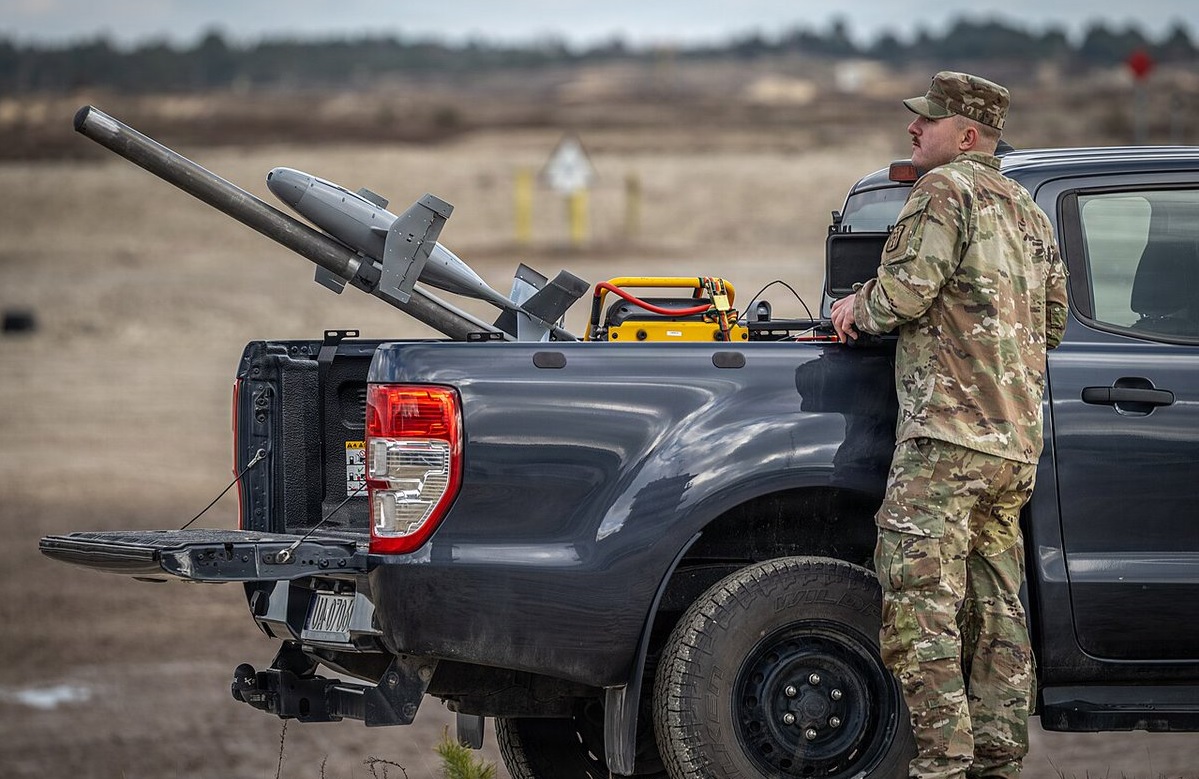
The system consists of radar and electro-optical sensors, ground control stations, and mobile launch units that deploy a fixed-wing interceptor drone known as the Surveyor. The interceptor reaches speeds of up to 175 mph (282 km/h) and can continue its mission even in GPS- or radio-jammed environments by relying on onboard AI together with thermal, radio-frequency, and radar sensors to autonomously locate and intercept targets.
Designed as a cost-effective counter-drone solution, each Surveyor interceptor costs approximately $14,500 to $15,000, significantly less than traditional surface-to-air missiles. It can neutralize hostile drones either through direct impact or by detonating a small onboard warhead. If an interception is unsuccessful, the interceptor deploys a parachute, allowing it to be safely recovered and reused.
Operational Validation and Deployment
Before entering operational service, the Merops system was validated during field trials at the Capu Midia Air Defence Training Range in April 2026. Overseen by Romanian Defence Minister Radu Miruță, the tests evaluated radar detection, thermal-imaging targeting, and autonomous engagement capabilities against representative drone targets.
Romania plans to deploy the system primarily along the Danube River corridor, an area that has experienced repeated security incidents linked to the war in neighboring Ukraine. Romanian authorities have reported several incursions by Russian-made Shahed (Geran-2) drones over the past year, including an incident in late April 2026 in which a drone struck an apartment building in the border city of Galați.
Merops has already demonstrated operational effectiveness in Ukraine, where it has been in service since 2024 and has reportedly accounted for approximately 40 percent of intercepted Shahed drones. The system is also currently deployed by the Polish Armed Forces, making Romania one of its early NATO operators.
Expanding Romania's Layered Air Defense
According to the Romanian Defence General Staff, the modernization of the country's airspace surveillance and defense network remains an ongoing effort to improve response times and strengthen protection for the civilian population and national territory.
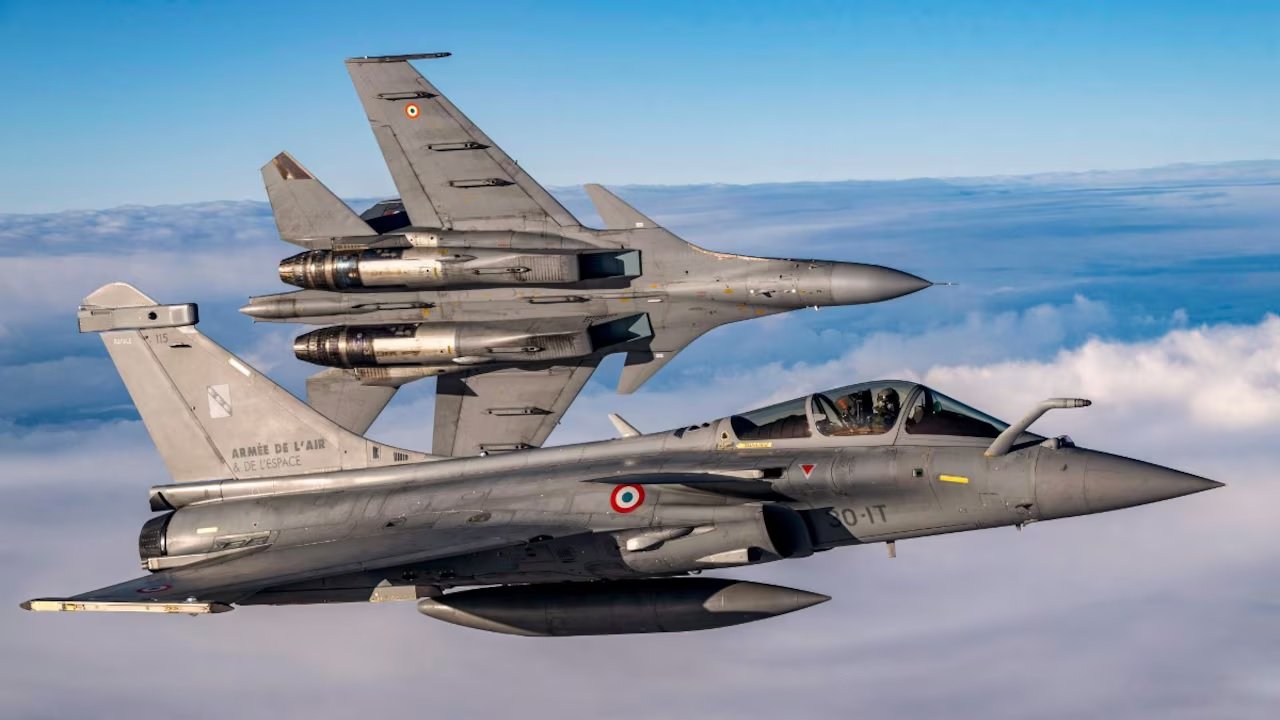
The Merops system will serve as a dedicated counter-UAS layer alongside Romania's existing air defense assets, including F-16 fighter aircraft, Patriot air defense systems, and Gepard self-propelled anti-aircraft guns.
Romania is also expanding its short-range air defense capabilities through a recently signed framework agreement with Rafael Advanced Defense Systems for integrated SHORAD and VSHORAD systems, including the Spyder platform.
The Ministry of National Defence said the continued modernization of Romania's air defense network is being carried out in close coordination with NATO allies and international partners to address evolving security challenges while protecting the country's citizens, critical infrastructure, and national territory.
——— End of Article ———