PARIS, — June 12, 2026 : BAE Systems has unveiled its Next Generation Indirect Fire Control System at the Eurosatory 2026 defense exhibition, introducing a new digital capability designed to enhance the precision, speed, and connectivity of modern artillery operations.
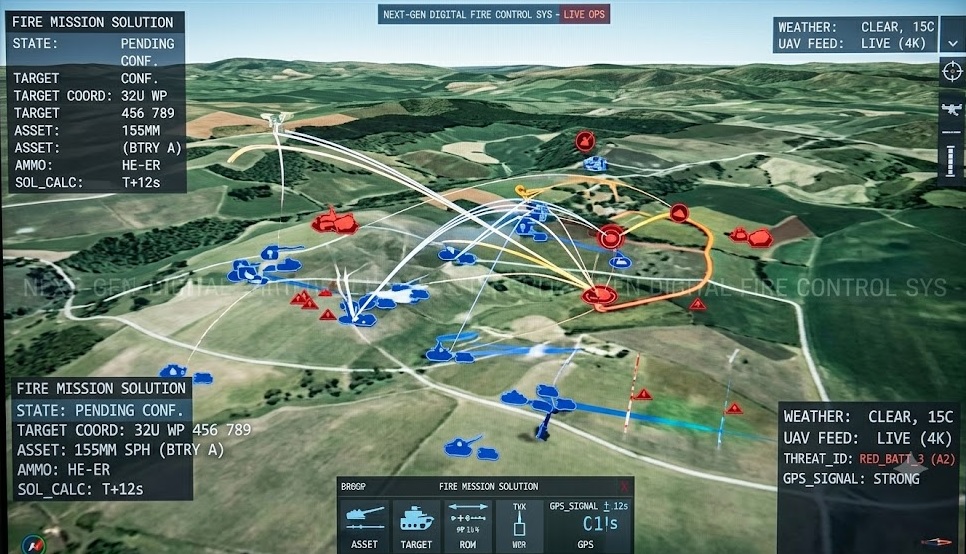
The new system has been developed to support artillery crews directly at the point of fire through a modern digital fire control solution. According to the company, it enables faster targeting, improved accuracy, and enhanced situational awareness while connecting individual artillery platforms to wider sensor and effector networks. This allows information to move more efficiently across the battlefield, helping commanders and operators respond more quickly to changing operational requirements.
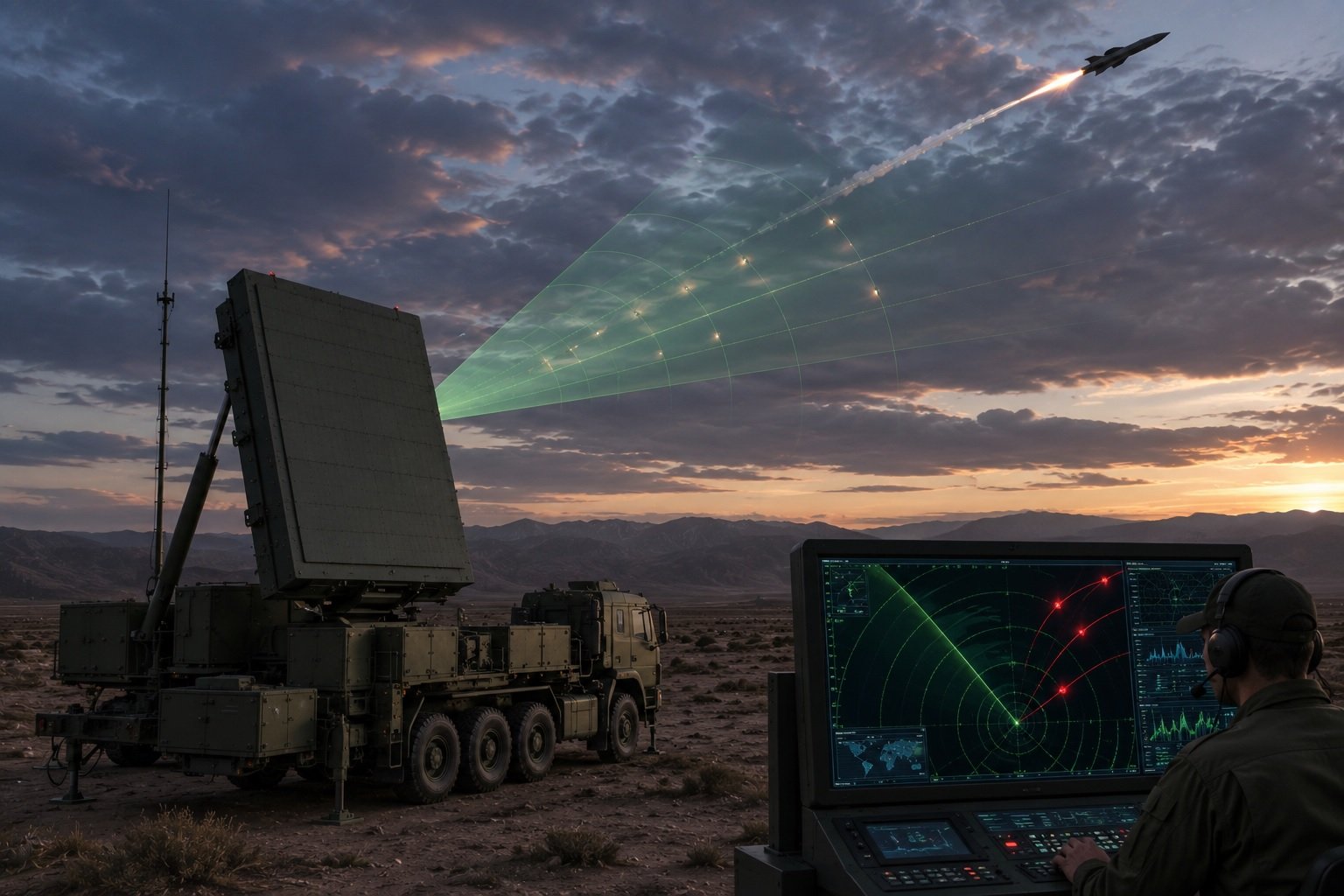
The system is designed around a resilient digital architecture that links platforms, sensors, command systems, and decision-makers into a connected network. By improving the flow of data between these elements, the capability aims to accelerate the delivery of artillery fires while increasing operational effectiveness.
Speaking during the launch, John Borton, Managing Director of BAE Systems Weapon Systems UK, said modern military operations require forces to process information and respond at increasingly faster speeds.
“Modern conflict demands the ability to sense, decide and act at speed,” Borton said. “Our new system has been developed to help armed forces accelerate the delivery of fires by connecting platforms, sensors and decision-makers through a resilient digital architecture. It provides the foundation for a more integrated and responsive fires capability where it matters most.”
Built on an open architecture framework, the Next Generation Indirect Fire Control System is designed to integrate with a wide range of both current and future military platforms. Its modular structure allows the software to function across different artillery systems and digital environments, enabling operators to connect various sensors, command systems, and effectors within a unified network.
The system is weapon and sensor agnostic, allowing it to collect and fuse information from multiple sources to generate targeting data. This information can then be delivered to operators through tablets, vehicle-mounted multi-function displays, and other digital interfaces. At the same time, the system retains on-gun fire control and pointing functions while supporting broader digital connectivity across the operational environment.
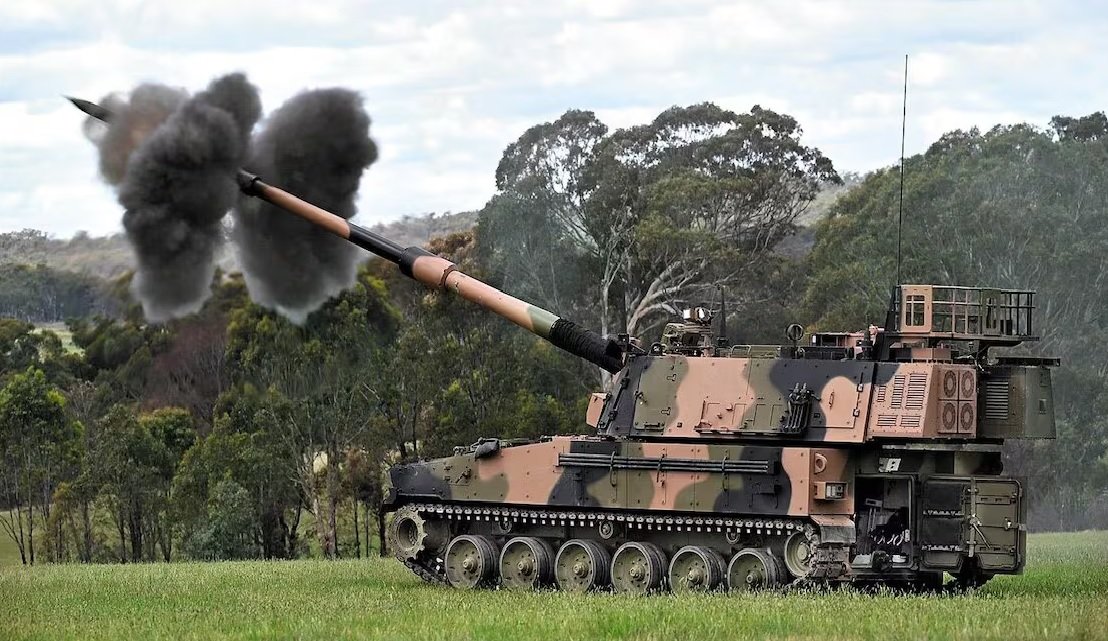
A significant focus of the program is the modernization of existing artillery platforms. BAE Systems stated that the new capability is intended to enhance legacy systems, including the L118 105mm Light Gun and the M777 towed howitzer, by integrating advanced digital fire control functions. This approach helps address obsolescence challenges while extending the operational relevance of proven artillery systems without requiring full platform replacement.
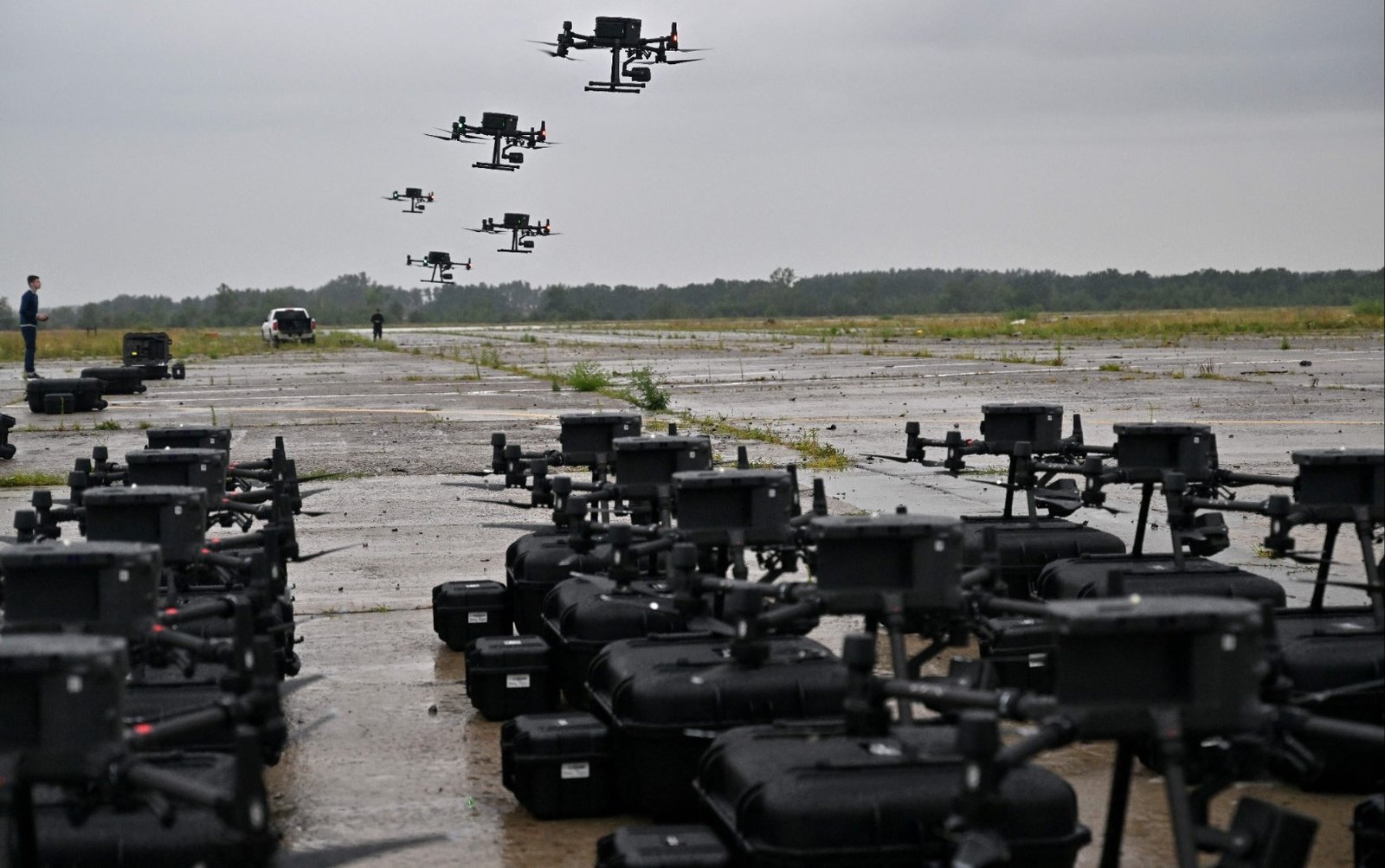
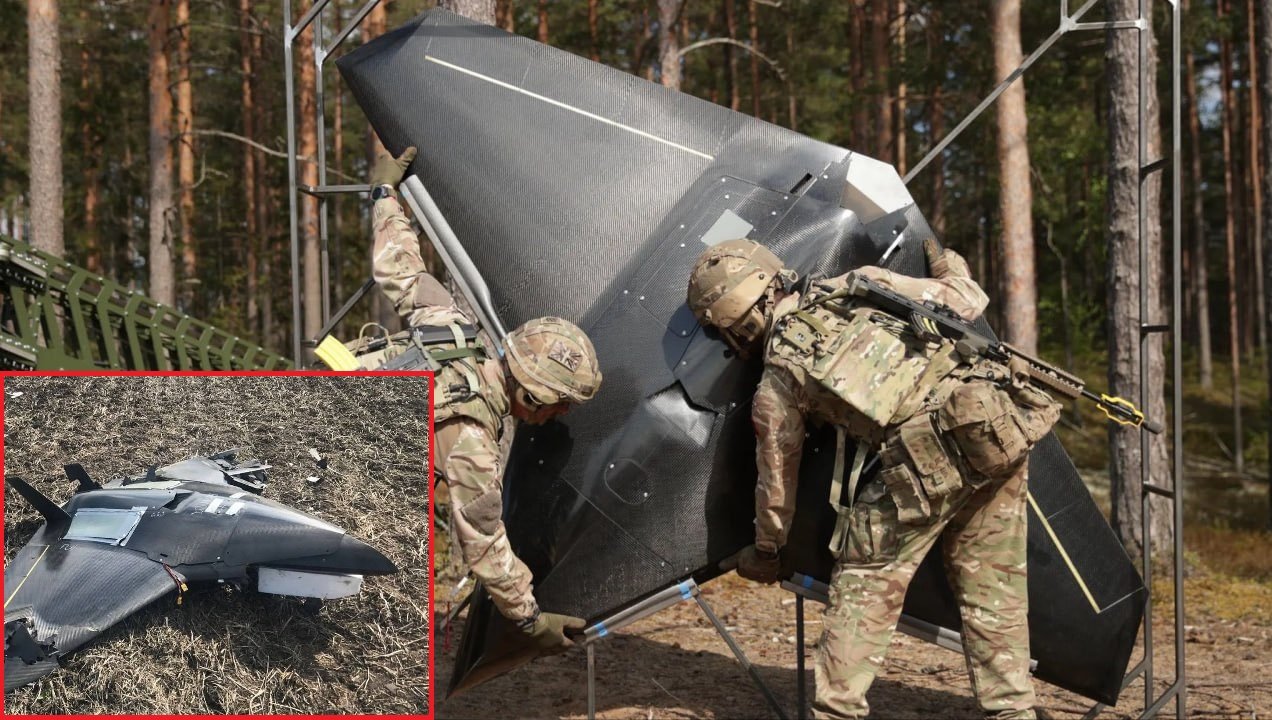
The development of the system has also incorporated lessons from recent conflicts, particularly the war in Ukraine. Company representatives noted that modern artillery operations increasingly depend on the rapid collection and transmission of data from multiple sources, including unmanned aerial vehicles (UAVs) and other battlefield sensors. The new system is designed to improve the speed at which information moves from sensor to shooter, reducing timelines from minutes to seconds depending on the communications network available.
BAE Systems said the capability also supports improved targeting accuracy through enhanced feedback mechanisms and more efficient processing of battlefield information. These features are intended to help artillery units respond more rapidly while maintaining precision during fire missions.
The flexible architecture has been designed to support future growth and continuous upgrades. Armed forces can add new software capabilities, sensors, and digital technologies over time without undertaking major modifications to existing equipment. This allows military organizations to evolve their fire control networks while reducing the cost and complexity associated with large-scale hardware replacement programs.
The system has been developed with a sovereign UK baseline configuration, providing customers with greater control over deployment, management, and future capability upgrades. This approach enables users to tailor the system to national requirements while maintaining interoperability with allied forces and multinational operations.
Development work on the capability is continuing, with software testing and development sprint cycles currently underway. BAE Systems plans to conduct a demonstration of the Next Generation Indirect Fire Control System before the end of 2026 as it advances the program toward operational deployment.
The launch forms part of BAE Systems’ wider presence at Eurosatory 2026, where the company is showcasing investments in advanced digital technologies and artillery capabilities. The new fire control system reflects the growing emphasis on networked warfare, digital integration, and faster decision-making as NATO and European armed forces continue to modernize their artillery and battlefield command systems.
——— End of Article ———