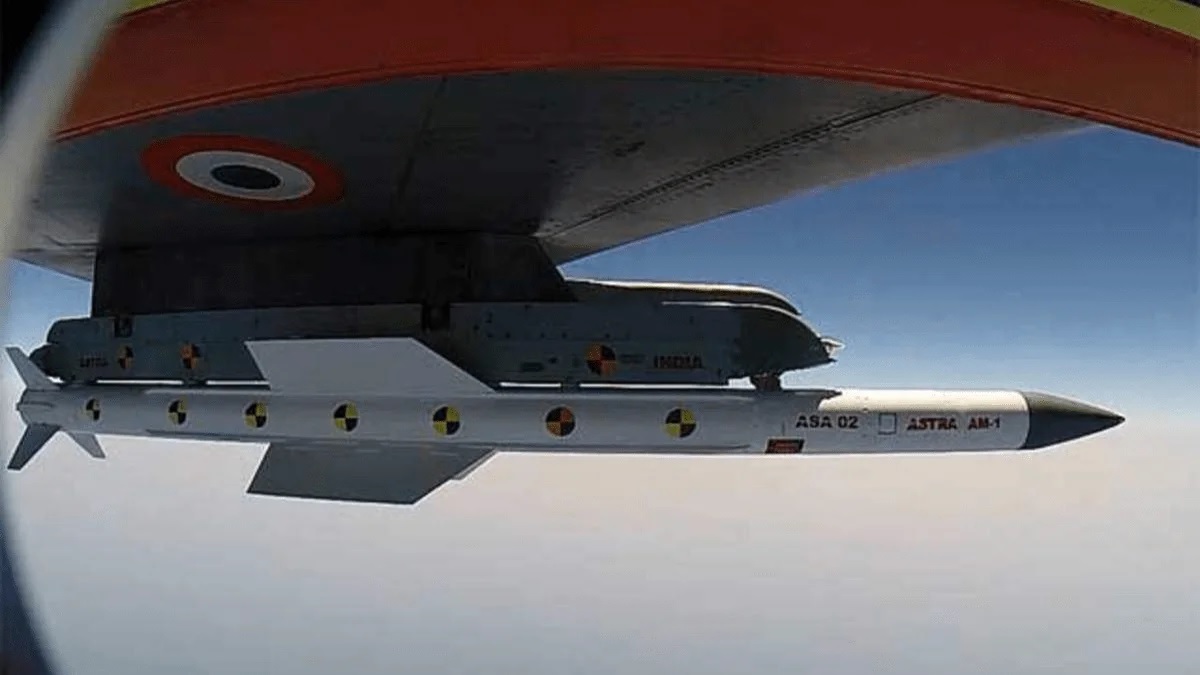
New Delhi — The Indian government is preparing to introduce one of the biggest policy changes in the country's defence manufacturing sector by allowing private Indian companies to develop and manufacture advanced missile systems. The first programme expected to be opened under this initiative is the Defence Research and Development Organisation (DRDO)'s Astra Mk-2 beyond-visual-range (BVR) air-to-air missile.
According to reports, the Ministry of Defence is expected to issue a Request for Proposal (RFP) in the coming weeks, inviting eligible domestic private companies to participate in the production of the Astra Mk-2 missile. The move marks a major shift from India's long-standing approach, where strategic missile production has largely been handled by state-owned defence companies.
Major Indian defence manufacturers expected to participate in the bidding process include Tata Group, Mahindra Group, Adani Defence, Bharat Forge, and ICOMM.
Expanding India's Missile Production Capacity
For decades, strategic missile manufacturing in India has been dominated by Bharat Dynamics Limited (BDL), which has produced several missile systems developed by DRDO. However, increasing procurement requirements from the Indian Armed Forces and growing international interest in Indian-made missile systems have created additional pressure on existing production capacity.
By opening missile manufacturing to the private sector, the government aims to expand production capacity, reduce delivery timelines, strengthen the domestic defence industrial base, and improve the country's ability to meet both military requirements and export commitments.
The policy also supports the government's broader objective of increasing indigenous defence manufacturing under the "Aatmanirbhar Bharat" initiative.
Astra Mk-2 to Lead the Initiative
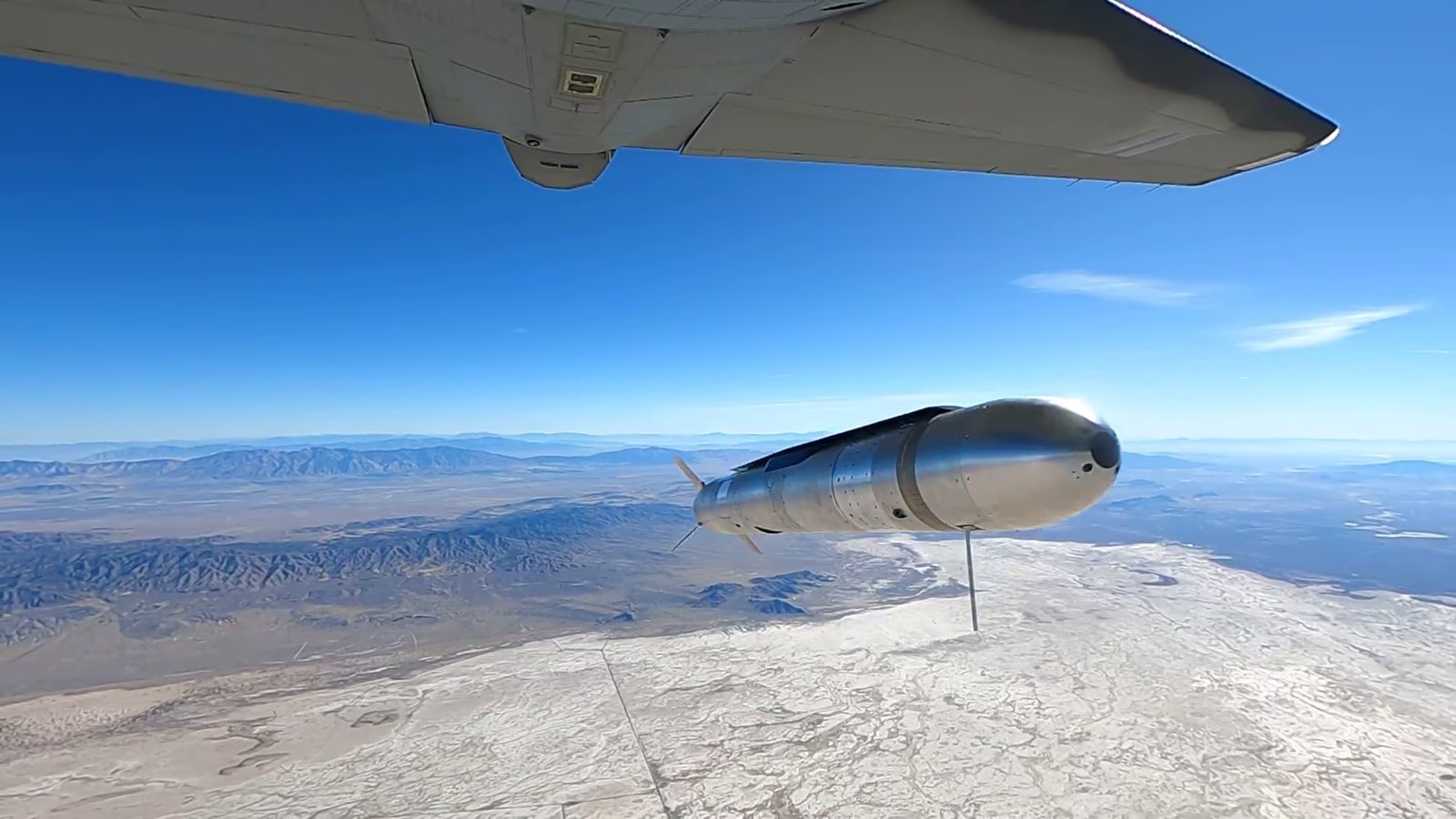
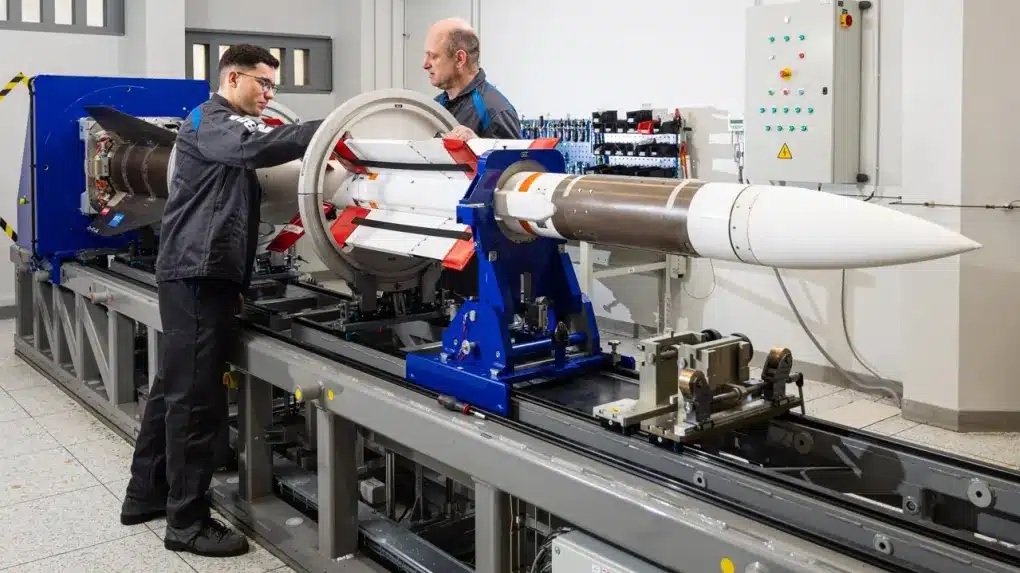
The Astra Mk-2 is an indigenous beyond-visual-range air-to-air missile developed by DRDO. The missile is reported to have a strike range of approximately 180–200 kilometres and is intended to provide the Indian Air Force with an advanced long-range air combat capability.
The missile has been designed to counter modern beyond-visual-range threats, including China's PL-15E missile.
Once inducted, the Astra Mk-2 is planned for integration with several fighter aircraft, including:
- Tejas Mk-1A
- MiG-29
- Su-30MKI
- Rafale Marine
The missile has also attracted interest from friendly foreign countries. Indonesia has been reported as one of the nations interested in procuring the Astra missile, reflecting growing export opportunities for India's indigenous defence products.
Pralay Missile Could Be Next
According to the report, the Pralay tactical ballistic missile could become the next indigenous missile programme to be opened for private-sector manufacturing and development.
Pralay has an operational range of around 500 kilometres and can reportedly travel at speeds approaching Mach 6. The missile is expected to form part of India's Integrated Rocket Force alongside other indigenous long-range strike systems, including the Long-Range Land Attack Cruise Missile (LRLACM), the next-generation BrahMos missile, and the extended-range Pinaka rocket system.
Lessons from Operation Sindoor
The policy shift is also linked to operational lessons from Operation Sindoor, which highlighted the increasing importance of stand-off precision strike weapons and maintaining adequate missile inventories.
The government is now focused on expanding domestic production of missiles and rockets to ensure that future operational requirements can be met more rapidly while strengthening India's long-term defence preparedness.
Strengthening India's Air Defence Network
Alongside efforts to increase missile production, India is continuing to strengthen its air defence architecture.
Current initiatives include the development of a long-range naval surface-to-air missile jointly with Israel and the expansion of a multi-layered anti-drone and anti-missile defence network.
The report also states that the fifth S-400 air defence system is expected to be delivered in November. In addition, the government is reportedly considering the procurement of five more S-400 systems from Russia as part of its ongoing efforts to enhance the country's air defence capabilities.
The planned opening of strategic missile manufacturing to private industry represents a significant change in India's defence production policy. If implemented, the initiative is expected to broaden the country's manufacturing base, support faster production of indigenous missile systems, and help meet increasing domestic as well as export demand.
——— End of Article ———