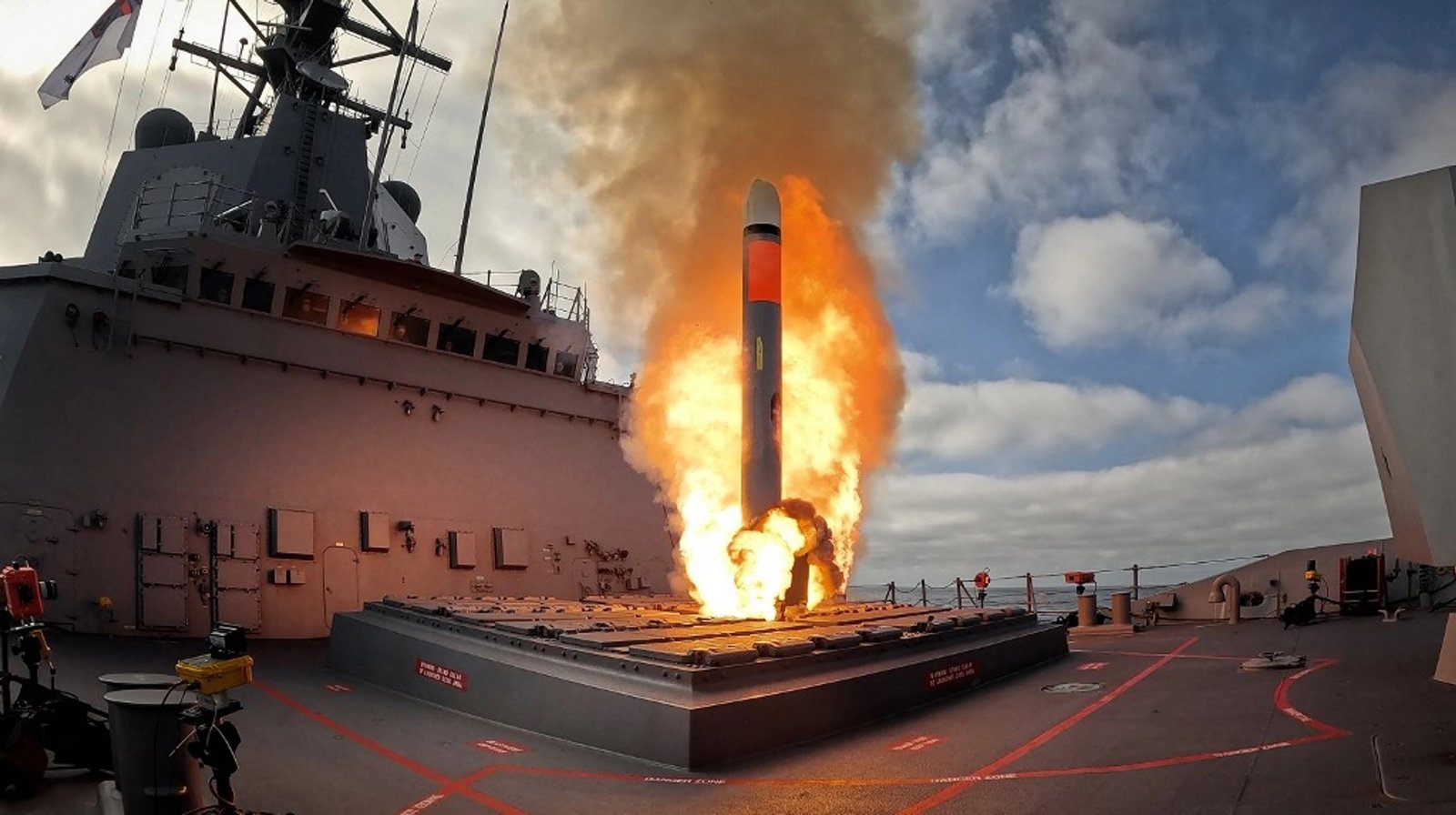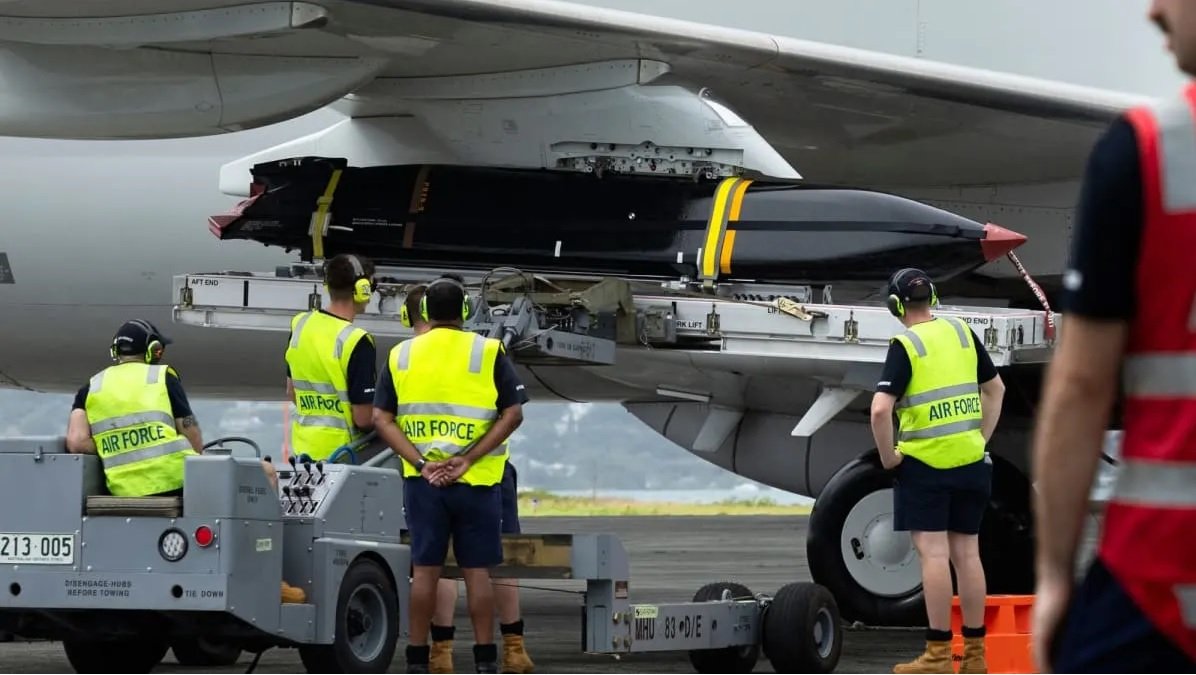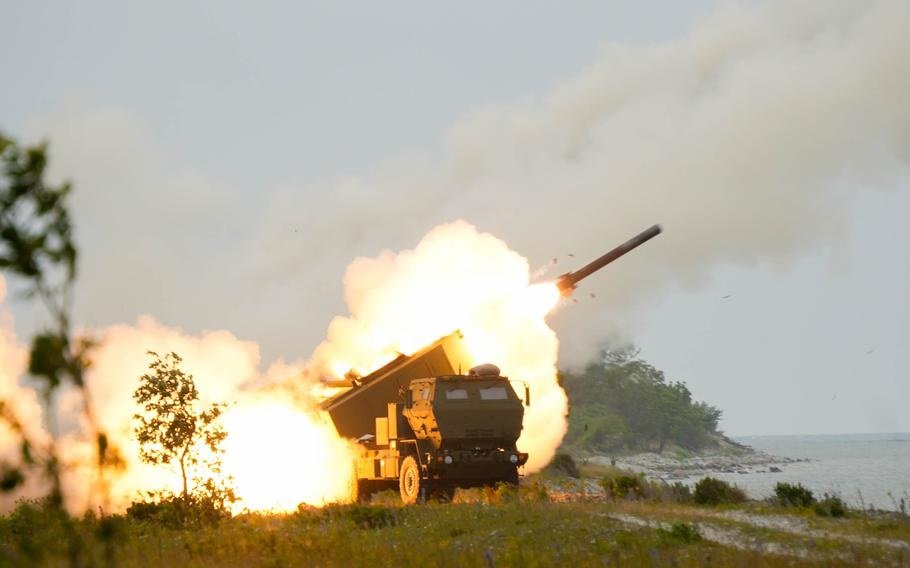
KYIV — Ukrainian forces launched five FP-5 "Flamingo" cruise missiles during the night of July 4 in an apparent strike targeting the Votkinsk Machine Building Plant in Russia's Udmurtia region, according to open-source monitoring reports and defense analysts.
The Votkinsk Machine Building Plant is a state-owned defense facility that manufactures missiles for Russia's Iskander operational-tactical missile system, making it an important part of the country's missile production infrastructure.
According to Russian-linked monitoring reports and subsequent open-source analysis, all five cruise missiles were intercepted before reaching the facility.
A-50U Airborne Early Warning Aircraft Played Key Role
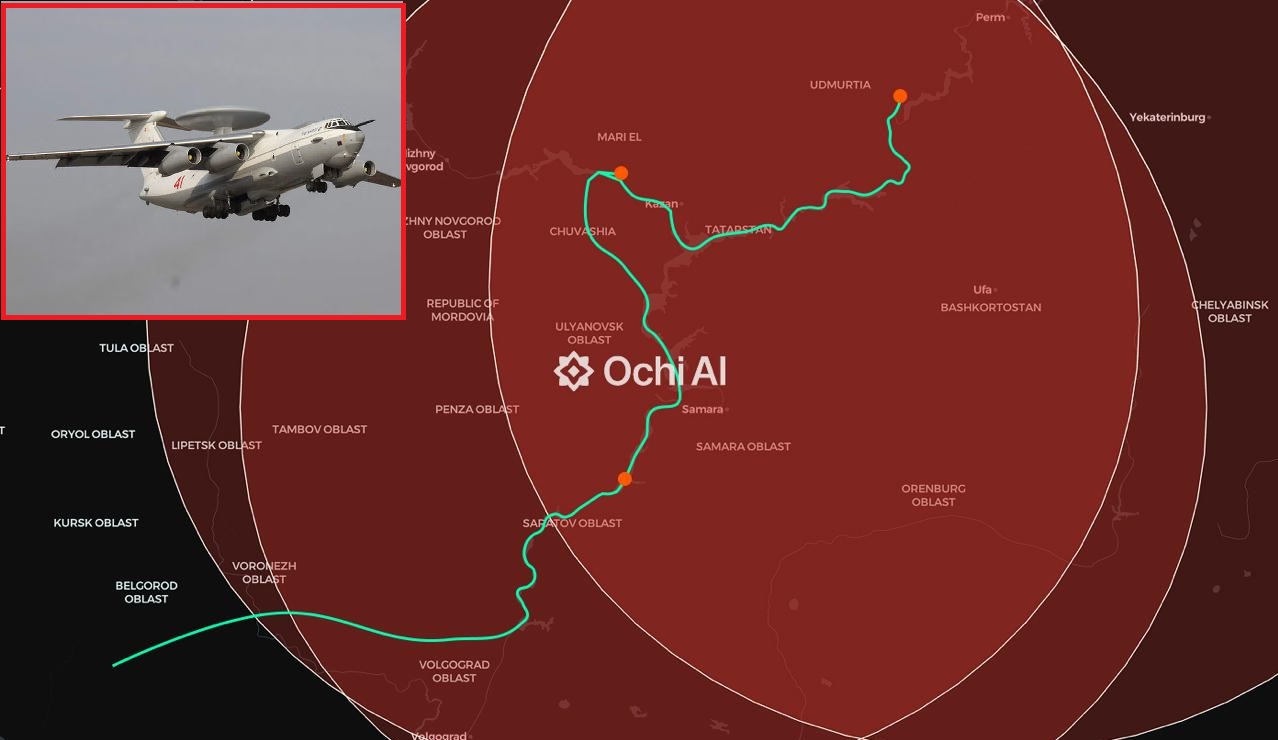
An after-action review published by the OSINT community CyberBoroshno, based on data processed by the OCHI AI system, concluded that the successful interceptions were enabled primarily by the timely deployment of a Russian A-50U airborne early warning and control (AWACS) aircraft rather than by ground-based air defense systems alone.
According to the analysis, the Russian Aerospace Forces launched the A-50U at approximately 12:40 a.m. local time. The aircraft reportedly conducted patrols over the Ulyanovsk, Samara and Bashkortostan regions, providing radar coverage across areas where ground-based radar systems have limited visibility.
Military analysts note that airborne early warning aircraft are designed to detect low-flying aircraft and cruise missiles over long distances, particularly in areas where rivers, forests and uneven terrain reduce the effectiveness of ground-based radar networks.
Missile Flight Path and Interceptions
Data reconstructed by the OCHI AI system indicates the FP-5 Flamingo missiles were airborne from approximately 1:10 a.m. until around 3:00 a.m.
According to the analysis, the missiles followed a route commonly associated with previous long-range Ukrainian strikes. They initially traveled through a corridor toward the Volgograd region before continuing along the Volga River.
The first interceptions reportedly occurred near the Engels-Balakovo area. The remaining missiles continued toward Ulyanovsk before turning through the Chuvashia region, using the surrounding terrain in an apparent effort to reduce the likelihood of radar detection.
As the missiles returned toward the Volga River valley near Kazan, Russian fighter aircraft reportedly intercepted additional targets. The final missile, which reached the vicinity of the Votkinsk Machine Building Plant, was reportedly destroyed by a ground-based surface-to-air missile system.
OCHI AI Analysis
According to CyberBoroshno, the OCHI AI system reconstructed the attack using more than 32,145 open-source reports. After filtering duplicate and inaccurate information, analysts used 688 verified data points to determine the reported missile routes and interception locations.
The analysis states that the route through the Volga River corridor and the Chuvashia region has been used previously because the terrain can reduce the effectiveness of ground-based radar coverage. However, analysts noted that repeated use of the same approach may have made the route more predictable for Russian air defense planning.
Strategic Assessment
The assessment concludes that the July 4 operation highlighted the importance of Russia's airborne early warning capability in defending against long-range cruise missile attacks. The A-50U's radar reportedly enabled Russian forces to detect low-flying missiles over areas where ground radar coverage is less effective, allowing interceptors to engage the targets before they reached their intended destination.
The report also notes that airborne early warning aircraft remain an important component of Russia's integrated air defense network for detecting and tracking long-range threats.
According to estimates cited by the monitoring group In Factum, the Russian Aerospace Forces currently operate about five combat-ready A-50 and A-50U aircraft. The group estimates that Russia's original fleet consisted of approximately 10 aircraft, with three reportedly destroyed by Ukrainian forces and two others believed to be undergoing long-term maintenance or otherwise non-operational. These estimates have not been independently verified.
Neither the Ukrainian government nor the Russian Ministry of Defense has released a detailed official operational account confirming all aspects of the reported missile routes, interception sequence or aircraft deployment. The reported timeline and analysis are based on open-source intelligence assessments published by CyberBoroshno using data from the OCHI AI system.
——— End of Article ———