WASHINGTON, D.C./TEHRAN, — June 11, 2026 : The United States has canceled planned military strikes against Iran after progress was made on a draft peace agreement that has reportedly received approval from Iran’s highest leadership, marking a significant step toward de-escalation after months of tensions.
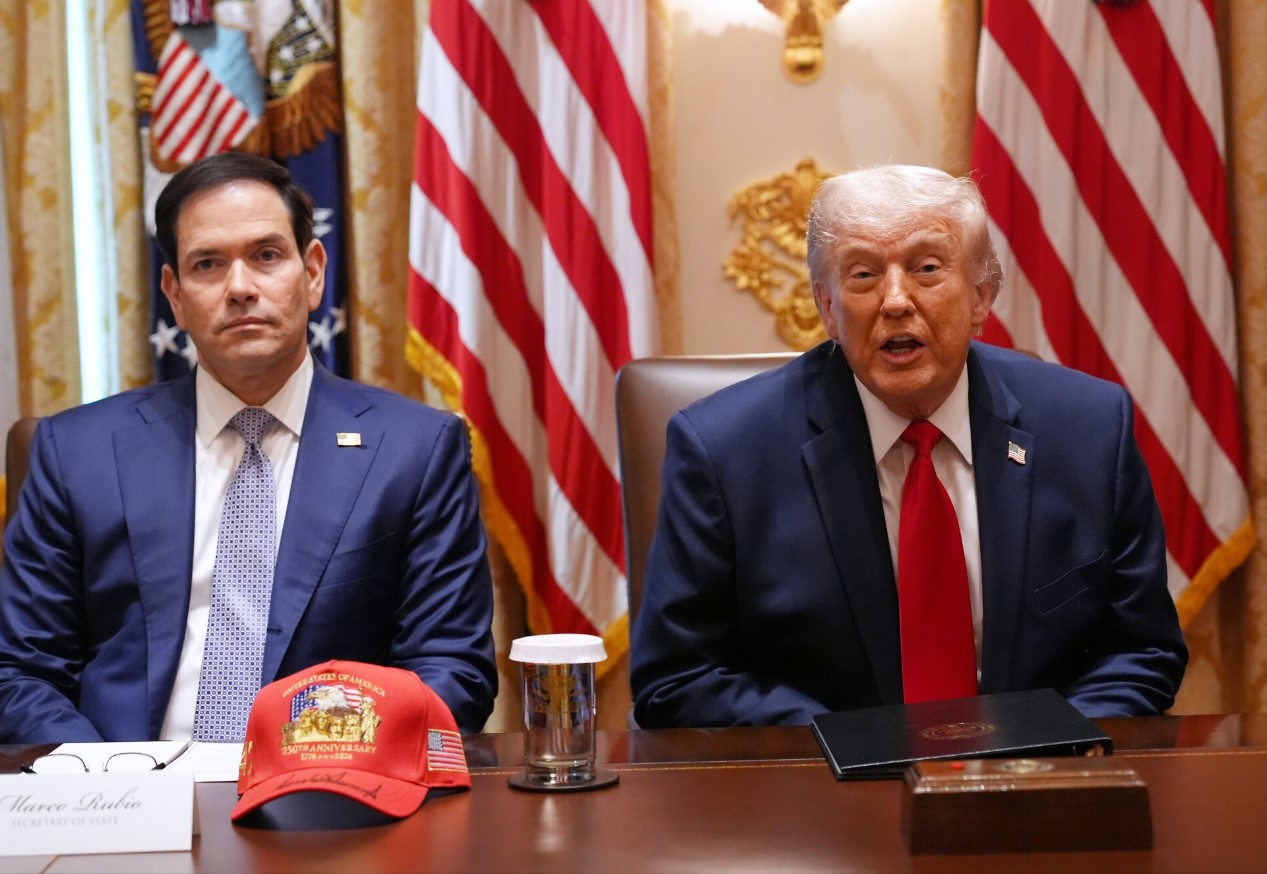
U.S. President Donald Trump announced on Thursday that the scheduled military action would not proceed following diplomatic developments achieved through indirect negotiations mediated primarily by Qatar and Pakistan.
In a statement on Truth Social, Trump said the planned strikes and bombings had been canceled because discussions with Iran had been elevated to the highest level of Iranian leadership and approved.
Despite the suspension of military action, U.S. officials confirmed that the naval blockade on Iranian ports will remain in place until a final agreement is formally signed.
Draft Agreement Under Review
According to diplomatic sources and recent media reports, American negotiators believe Iran’s Supreme Leader, Mojtaba Khamenei, has approved a broad framework for a peace agreement. A finalized draft Memorandum of Understanding (MoU) has reportedly been sent to Washington for final review.
The proposed framework includes commitments by both sides on Iran’s nuclear program, maritime access, sanctions relief, and frozen Iranian assets.
Under the draft agreement, Iran would agree in principle to dispose of its stockpile of highly enriched uranium (HEU). The United States has insisted that the material be destroyed or removed under the supervision of the International Atomic Energy Agency (IAEA).
The agreement also calls for Iran to cease control over the Strait of Hormuz, allowing unrestricted commercial shipping through the strategic waterway.
In return, the United States would lift its naval blockade on Iranian ports. Iranian negotiators have also sought access to frozen assets held abroad, including approximately $12 billion currently held in Qatar.
Key Negotiating Positions
The United States is seeking the complete disposal of highly enriched uranium, the immediate reopening of the Strait of Hormuz, and a mechanism linking financial relief to verified Iranian compliance.
Iran's demands include the immediate release of frozen assets, removal of the U.S. naval blockade, and a structured implementation timeline aimed at preventing future U.S. military action.
Role of Regional Mediators
The negotiations have been conducted through indirect channels, with Qatar playing a central role in facilitating communication between Washington and Tehran.
A Qatari delegation traveled to Tehran earlier this week to help break a negotiating deadlock. Although reports indicated that Iran initially rejected a proposal for direct trilateral talks involving U.S., Iranian, and Qatari officials, subsequent back-channel discussions appear to have secured approval from Iran’s senior leadership.
Pakistan has also been involved in mediation efforts during the negotiations.
Background of Recent Escalation
The diplomatic breakthrough follows a week of heightened tensions.
On Tuesday, the United States conducted limited strikes against Iranian radar systems and drone control centers. U.S. officials said the operation was intended to increase pressure during negotiations while avoiding casualties.
Earlier on Thursday, Washington had warned of additional military action, including possible strikes on Kharg Island, Iran’s main oil export hub. The planned operation was later canceled following progress in the diplomatic talks.
Market Response
Energy markets reacted sharply to developments throughout the day. Oil prices rose after reports of possible strikes on Iranian energy infrastructure but later stabilized as prospects for a negotiated agreement improved.
With both sides reviewing the draft text, officials are expected to continue discussions in the coming days. Details regarding the timing and location of a formal signing ceremony have not yet been announced.
Iran has submitted the finalized draft agreement to the United States through Qatari mediators as negotiations continue toward a potential ceasefire and broader settlement.
——— End of Article ———