WASHINGTON, June 24, 2026 — The United States has successfully completed the first major milestone test of the Golden Dome for America (GDA) missile defense initiative, marking a significant step in the development of the country's next-generation homeland defense architecture.
Secretary of Defense Pete Hegseth announced the results on Wednesday, describing the live-fire demonstration as a “full mission success.” The test featured the Dynamic Defense Autonomous Defeat (DDAD) system, which autonomously detected, tracked, targeted, and engaged multiple aerial threats using advanced directed-energy technologies.
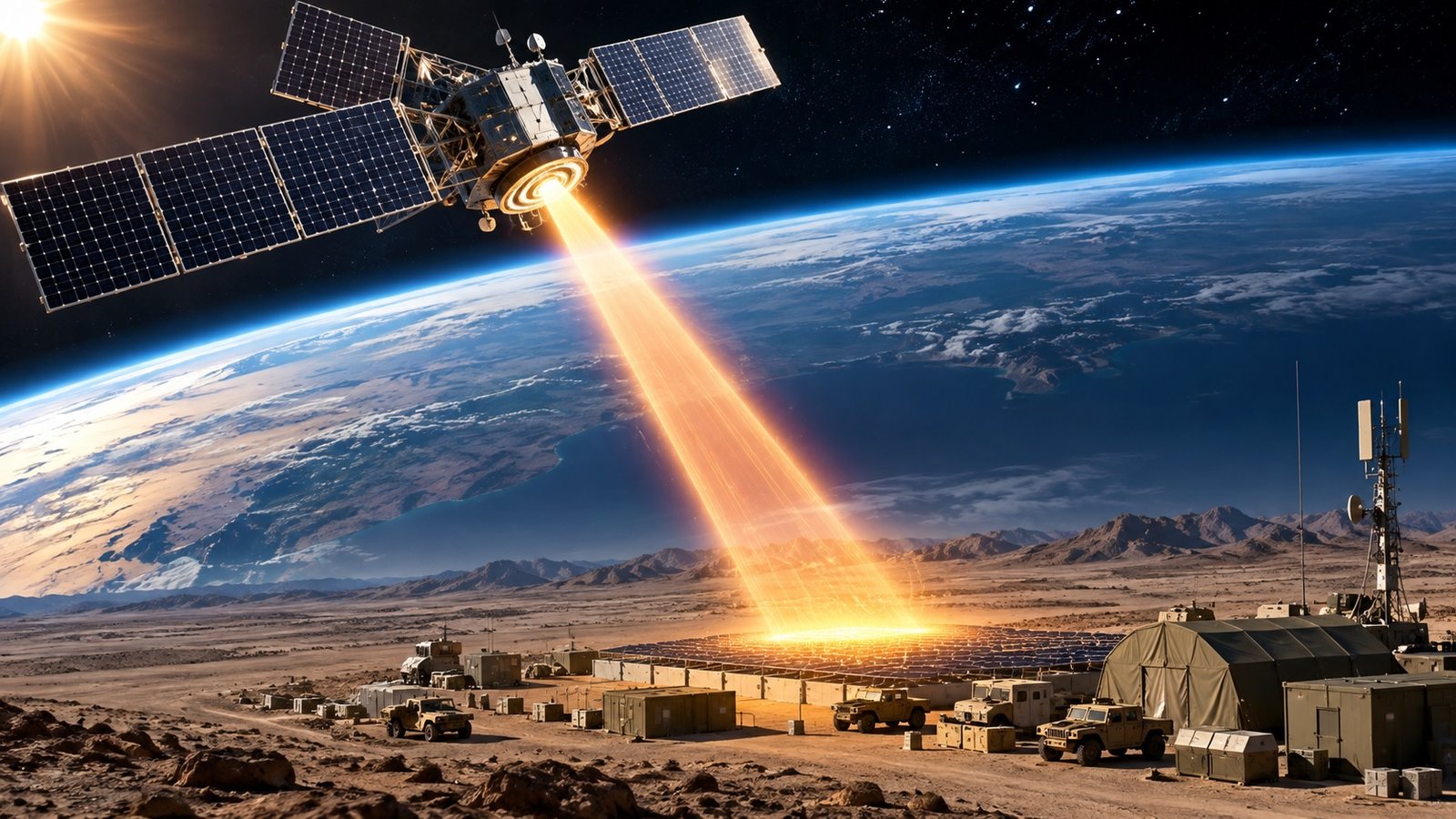
According to defense officials, the DDAD system successfully neutralized a range of incoming targets, including drones and cruise missiles, without requiring manual intervention. The system employed directed-energy capabilities, including high-energy lasers and microwave-based weapons, to identify and defeat threats simultaneously.
Hegseth, who attended the demonstration in New Mexico, said the system performed as designed throughout the exercise.
“The Dynamic Defense Autonomous Defeat (DDAD) system flawlessly and autonomously cued, targeted, and eliminated a multitude of incoming threats,” Hegseth stated. “This test was executed on schedule and dynamically defeated every threat.”
The demonstration marked the first time a sitting U.S. defense secretary observed a live directed-energy engagement during a major missile defense test.
Golden Dome Program
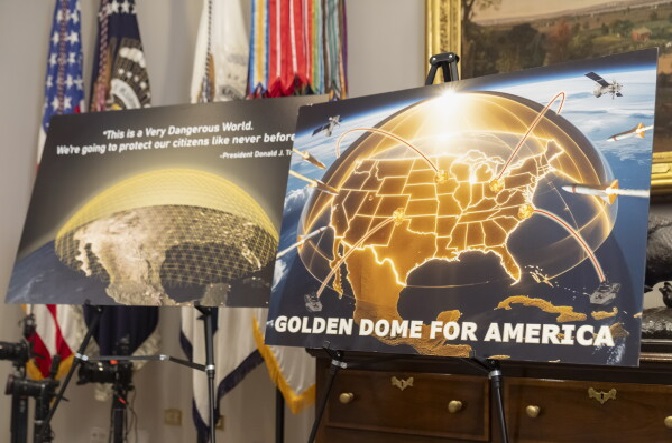
The Golden Dome for America initiative is a key element of President Donald Trump's defense strategy and is intended to establish a comprehensive, multi-layered missile defense shield protecting the U.S. homeland.
Announced through Executive Order 14186 in January 2025, the program seeks to integrate ground-based, sea-based, air-based, and potentially space-based defense systems into a unified architecture capable of countering ballistic missiles, hypersonic weapons, cruise missiles, and drone attacks.
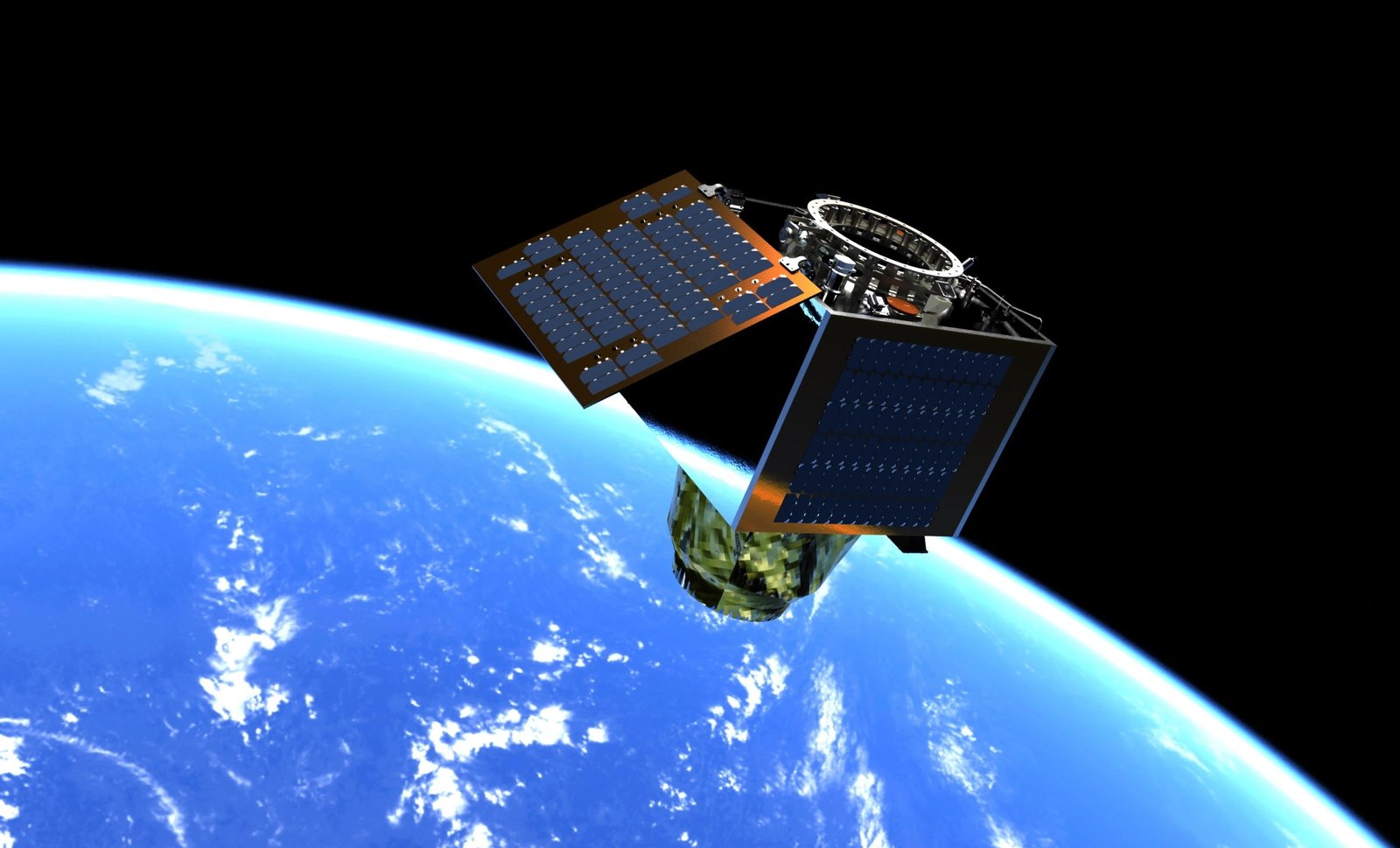
The program combines advanced sensors, interceptors, command-and-control networks, autonomous targeting systems, and directed-energy weapons to provide rapid response capabilities against evolving aerial threats.
Historical Context
During his announcement, Hegseth compared the Golden Dome initiative to President Ronald Reagan’s Strategic Defense Initiative (SDI), commonly known as the “Star Wars” program, which was proposed during the Cold War to defend against nuclear missile attacks.
“I watched our elite warfighters integrate with next-generation technology to stop incoming drones and cruise missiles dead in their tracks,” Hegseth said. “With Golden Dome, the Department of Defense will defend our homeland more powerfully than ever before. Golden Dome is real, powerful, and on track.”
Funding and Cost Estimates
Development of the Golden Dome system has been supported by substantial federal funding since its launch.
Hegseth credited the One Big Beautiful Bill Act, approved in June 2025, with providing the initial financial foundation for the project. The legislation allocated $24.4 billion for the program, followed by an additional $13 billion in funding for fiscal year 2026.
The White House currently estimates the total cost of the Golden Dome program at approximately $175 billion to $185 billion.
However, the Congressional Budget Office (CBO) has projected that a fully developed system incorporating thousands of space-based interceptors and supporting infrastructure could cost as much as $1.2 trillion over the next 20 years.
Independent defense analysts have also noted that future expenses could increase due to satellite replacement requirements and expansion of the system’s space-based architecture.
Next Steps
Defense officials indicated that additional testing and development activities will continue as the Golden Dome architecture expands. Future phases are expected to focus on integrating satellite-based sensors, advanced interceptors, and additional defensive capabilities into the broader network.
The successful completion of the first milestone test represents an important step in the development of the Golden Dome initiative and demonstrates progress in bringing directed-energy weapons and autonomous defense technologies closer to operational deployment.
——— End of Article ———