World
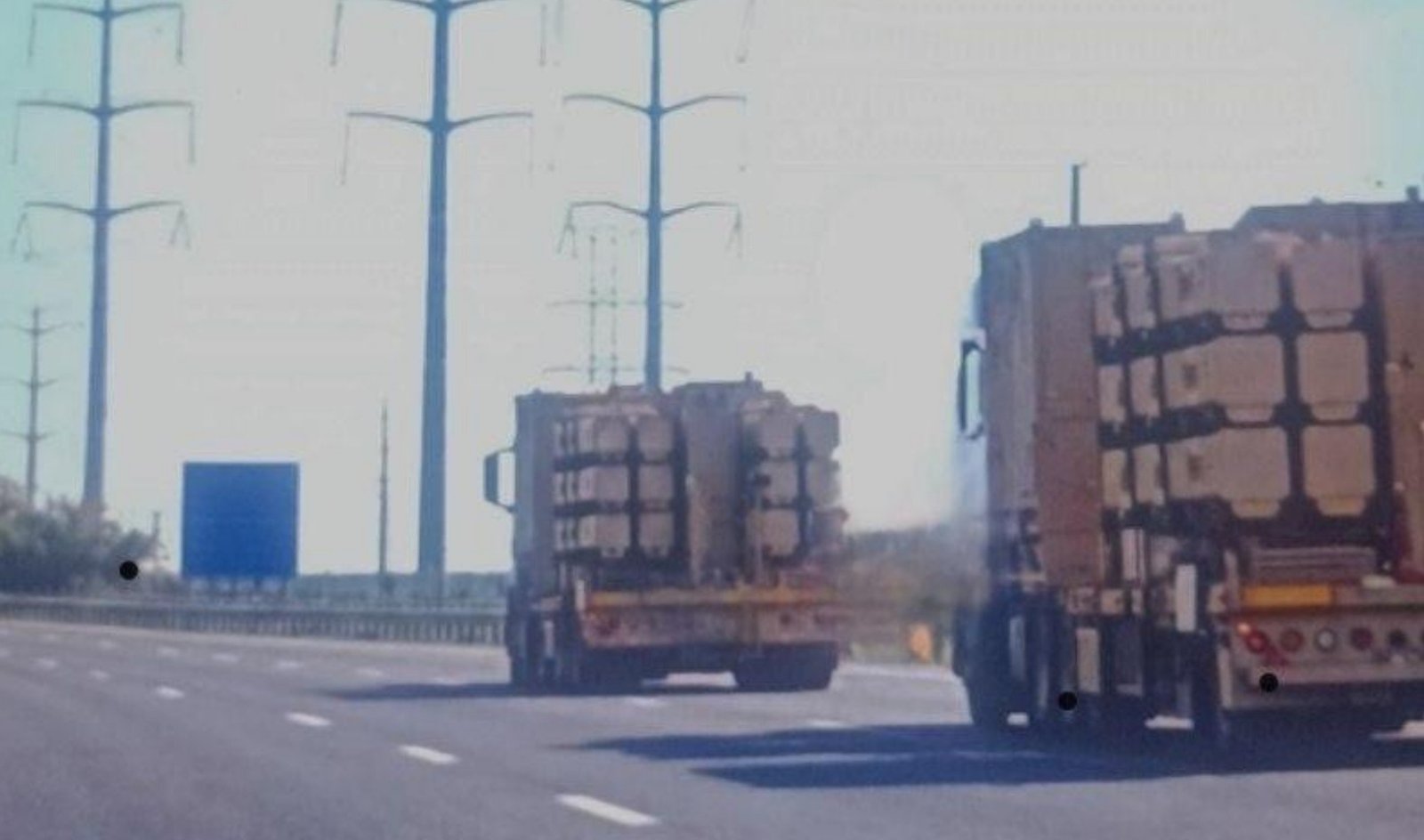
JERUSALEM, — Israel has begun deploying additional air defense systems across the country amid concerns over a possible military confrontation with Iran and a wider conflict involving Hezbollah. Video footage circulating on Wednesday reportedly showed David’s Sling air defense units being transported and deployed in northern Israel near the Lebanese border. Developed jointly by Israel’s Rafael Advanced Defense Systems and the U.S. company Raytheon, David’s Sling is designed to intercept rockets, cruise missiles, aircraft and certain ballistic missiles at ranges of approximately 40 to 300 kilometers. It operates between the shorter-range Iron Dome and the longer-range Arrow systems in Israel’s multilayered air defense network. The deployment comes ahead of Israel’s national election scheduled for October 27. Israeli military officials have reportedly warned that a major confrontation with Iran before the vote could force an election postponement and raise concerns about the political implications of military action. Prime Minister Benjamin Netanyahu has also warned that Israel’s adversaries could attempt to test the country before election day. IDF Chief of Staff Lt. Gen. Eyal Zamir has reportedly raised the possibility of an election delay with U.S. officials. Meanwhile, U.S. President Donald Trump has stated that Washington will not attack Iran before the American midterm elections on November 3. Concerns about Iran’s expanding ballistic missile production capabilities have also contributed to Israel’s heightened military readiness. David’s Sling underwent complex tests earlier in 2026 that reportedly incorporated lessons from previous fighting. However, neither the IDF nor Israel’s Defense Ministry has publicly confirmed the number of batteries being moved or their final positions. Katz Warns Hezbollah Against Joining an Iranian Attack On Wednesday, Israeli Defense Minister Israel Katz visited military positions in southern Lebanon alongside Northern Command chief Maj. Gen. Rafi Milo and other senior officers. Katz warned that if Hezbollah joined an Iranian attack on Israel, the group would face a severe military response and lose additional territory in southern Lebanon. He specifically identified the areas around Nabatieh and the Litani River as territories that could be seized and incorporated into Israel’s “permanent security zone.” Katz said the Israel Defense Forces (IDF) were prepared to conduct a ground operation if necessary and would not withdraw from the security zones Israel currently holds. He also warned that military operations could involve moving the Shiite population northward from areas extending to the Awali and Zahrani rivers, along with further evacuations in Beirut’s southern Dahiyeh district, a Hezbollah stronghold. Katz said more than one million Shiites could be displaced in Lebanon. The warning reflects concerns that a conflict with Iran could expand into Lebanon if Hezbollah joins the fighting. Israel has maintained elevated readiness along its northern frontier because of Hezbollah’s presence and the wider regional security situation. The additional David’s Sling deployments are intended to strengthen defenses against potential missile attacks as the October 27 election approaches.
Read More → Posted on 2026-10-14 15:45:25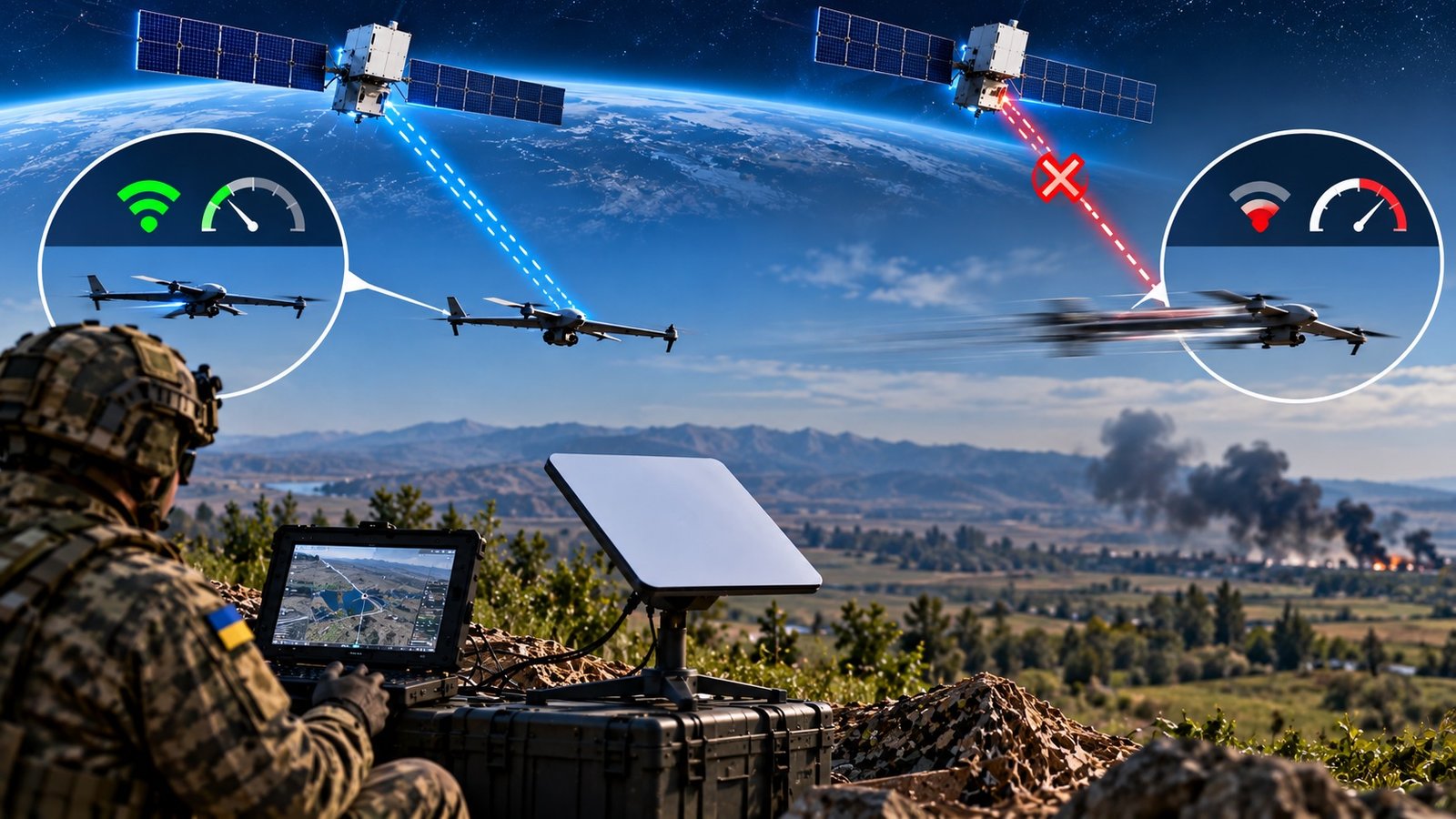
World
KYIV, — SpaceX has reportedly introduced speed restrictions on Starlink terminals used by Ukrainian military forces under its Starshield service package, disrupting drone operations and forcing some units to cancel missions. The change was implemented overnight without advance notice, according to Ukrainian officials and military personnel. Speed Restrictions Disrupt Drone Operations Presidential adviser Serhii Beskrestnov, known as Flash, initially reported a speed limit of approximately 160 km/h (100 mph). However, subsequent reports from military personnel and volunteer Serhii Sternenko indicated that connectivity on some terminals dropped at speeds of 60–70 km/h (37–43 mph). Ukraine’s 7th Air Assault Corps, operating near Huliaipole, reported connection interruptions lasting 10–20 seconds during drone flights at 110–120 km/h. Although the drones continued flying, the interruptions made them harder to control. The corps warned that reducing speed to maintain connectivity could increase vulnerability to enemy fire. Ukraine’s Defence Ministry confirmed restrictions affecting Starshield terminals above approximately 160 km/h but said the precise thresholds were still being verified. One Ukrainian unmanned systems unit reportedly cancelled missions following the disruptions. Standard civilian Starlink terminals reportedly continue to function normally. Strike Drones and Interceptors Affected The restrictions affect medium-range strike drones, including the FP-2, Darts, Hornet and RAM-2, which rely on Starlink for beyond-line-of-sight control and video transmission. Ukrainian forces use these platforms to target Russian air-defence positions, logistics routes and infrastructure in border regions and Crimea. The reported limitations also affect Ukrainian interceptor drones used against Russian Shahed-type loitering munitions, including jet-powered variants. The loss of reliable connectivity could complicate both offensive strikes and low-altitude air-defence operations. Political Context and Ukrainian Response President Volodymyr Zelenskyy said Ukrainian defence forces received no advance warning of the change, which reportedly disrupted and cancelled several missions. The restrictions coincide with pressure from Washington for Kyiv to halt strikes on Russian energy infrastructure following calls for an energy ceasefire. They also follow public criticism of Zelenskyy by SpaceX CEO Elon Musk. Beskrestnov linked the timing to the broader political situation, but SpaceX has not publicly explained the reported restrictions or confirmed their motivation. Ukrainian officials are investigating the cause and contacting U.S. officials, SpaceX and NATO partners to clarify the situation. Ukraine Seeks Alternative Communications If the restrictions remain in place, Ukraine may need to expand alternative communications systems for its drone fleet. Options include ground-based relay stations and mesh modems, similar to systems Russia has used for drone communications. Deploying these networks at scale would require significant time, equipment and financial investment. Ukrainian defence technology firm Stetman is also reportedly accelerating development of UASAT-NANO, a proposed domestic satellite communications system intended to reduce military dependence on SpaceX. Starlink has provided Ukrainian drone operators with beyond-line-of-sight control, video transmission and communications beyond conventional radio range since the early stages of Russia’s full-scale invasion. The duration and precise scope of the reported restrictions remain unclear, leaving Ukrainian forces working to maintain reliable connectivity for both strike drones and defensive interceptors.
Read More → Posted on 2026-10-14 14:19:24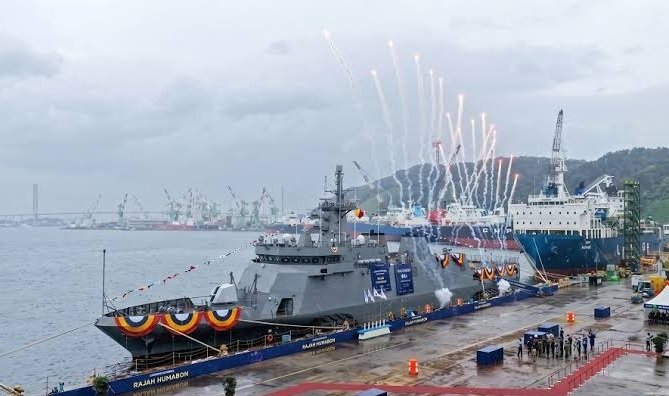
World
ULSAN, South Korea, — South Korean shipbuilder HD Hyundai Heavy Industries (HD HHI) launched the BRP Rajah Humabon, the third of six 2,400-ton offshore patrol vessels (OPVs) ordered by the Philippine Navy, at its Ulsan shipyard on October 13, 2026. The launch marks the company's first export naval vessel launch of 2026 and continues a decade of defense cooperation between South Korea and the Philippines. The ceremony was attended by Vice Admiral Jose Ma. Ambrosio Ezpeleta, Flag Officer in Command of the Philippine Navy; Bernadette Therese Fernandez, Philippine Ambassador to South Korea; Lieutenant General Rommel P. Roldan, Vice Chief of Staff of the Armed Forces of the Philippines; and Won-ho Joo, President and Head of HD HHI’s Naval & Medium Size Ships Business Unit. Vessel Specifications and Capabilities Bearing hull number PS-22, the BRP Rajah Humabon is named after the 16th-century ruler of Cebu, a significant figure in early Philippine history. Delivery to the Philippine Navy is scheduled for February 2027. The vessel measures 94 meters in length and 14 meters in beam. It has a cruising speed of 15 knots (approximately 28 km/h) and an operational range of 5,500 nautical miles (about 10,186 km). Designed for coastal defense, maritime surveillance and extended patrols across the Philippine archipelago, it is equipped with a 76 mm main naval gun, a 30 mm secondary gun, decoy launching systems, surveillance radar and electro-optical tracking equipment. The class design includes spaces for mission modules and provisions for additional weapons, such as point-defense missiles and close-in weapon systems, which are not necessarily installed. Some vessels in the class are also expected to receive modular towed-array sonar systems for anti-submarine warfare. Six-Vessel Contract and Delivery Schedule The Philippine Department of National Defense ordered six OPVs from HD HHI in June 2022 under a contract valued at approximately $573 million. The lead vessel, BRP Rajah Sulayman (PS-20), was launched in June 2025 and delivered in February 2026, several months ahead of schedule. The second vessel, BRP Rajah Lakandula (PS-21), entered service in June 2026. The remaining three vessels will be named BRP Sultan Kudarat, BRP Datu Marikudo and BRP Datu Sikatuna, with deliveries scheduled sequentially through 2028. Expanding Naval Cooperation HD HHI’s naval partnership with the Philippines began in 2016 with a frigate contract. Since then, the company has secured orders for 12 naval vessels: four frigates, two corvettes and six OPVs. Six vessels have been delivered, according to the supplied program figures. In November 2022, HD HHI opened a Logistics Support Center at Subic Naval Base in the Philippines. The facility provides technical training and spare-parts storage to support the operational readiness of delivered vessels. Won-ho Joo said the company had established itself as a partner in modernizing the Philippine Navy by delivering vessels on time or ahead of schedule. He also reaffirmed HD HHI’s commitment to maintenance, repair and overhaul (MRO) support. The company is expanding its international naval business through its “Pan-Pacific Belt” strategy, which focuses on regional partnerships, technology transfer and localized construction in markets including Peru, Saudi Arabia and the United States. In a related development, HD HHI recently launched Chimbote, a landing support ship for the Peruvian Navy, at the SIMA shipyard in Peru.
Read More → Posted on 2026-10-14 13:52:42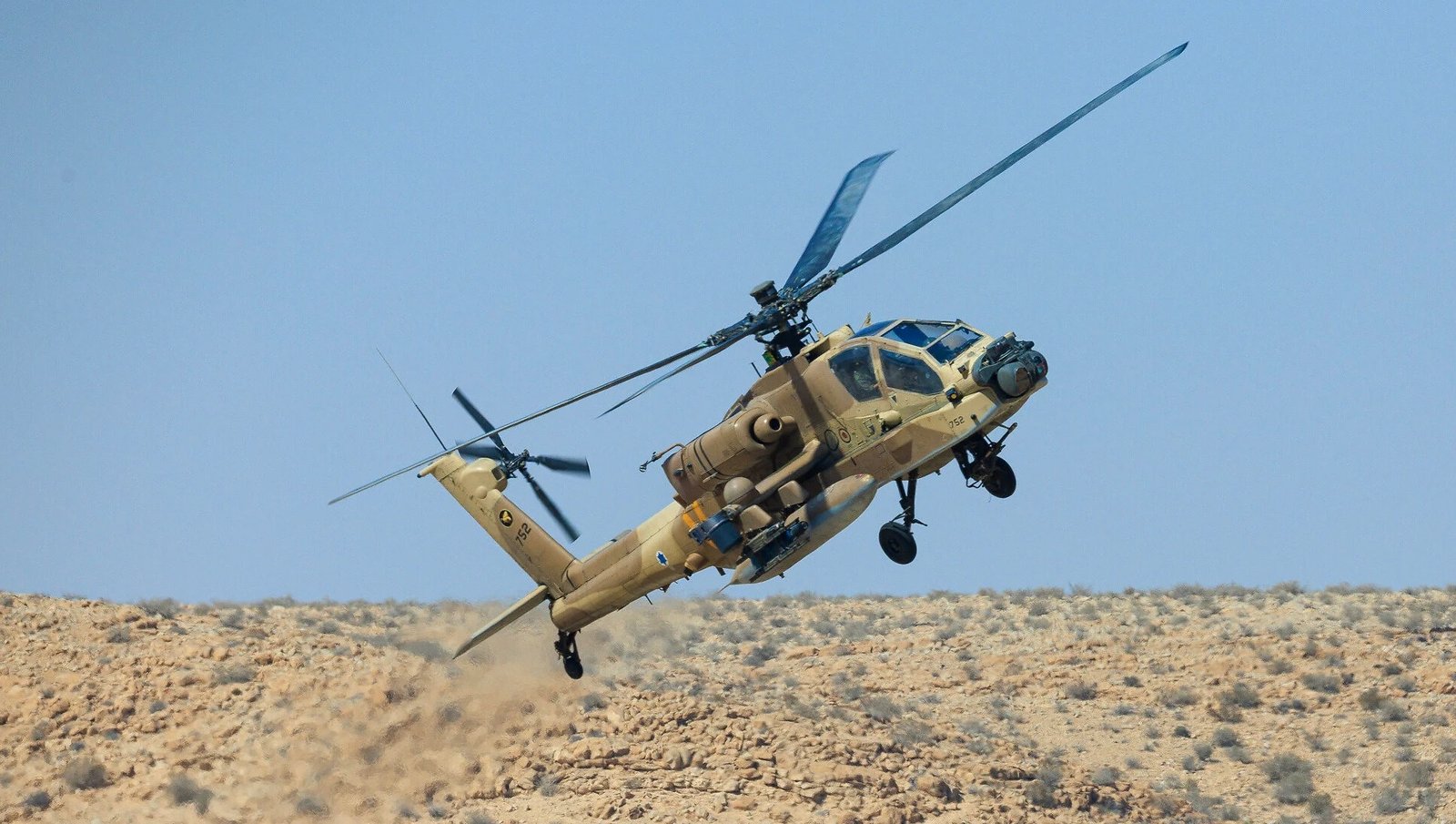
World
JERUSALEM, — The Israeli government has approved approximately 1.03 billion shekels (NIS) to finance the purchase of 12 Boeing AH-64E Apache attack helicopters from the United States, with most of the funding diverted from a multi-year development plan for Israel’s Arab communities. Ministers approved the allocation through a telephone vote on Wednesday, about two weeks before national elections. A legal opinion accompanying the proposal warned that the decision could restrict the next government’s options by creating major financial commitments and raised concerns about political considerations taking priority over public interests. Funding Breakdown According to the Finance Ministry, NIS 964 million will be cut from a five-year development plan, originally approved in 2021 and valued at approximately NIS 30 billion. The plan aims to improve infrastructure, housing, economic opportunities and public services in Arab communities. The cuts will total NIS 169 million in 2027, NIS 342 million in 2028 and NIS 453 million in 2029. The remaining NIS 68 million will come from the 2026 state budget, from funds originally allocated for government fees and interest payments. Finance Minister Bezalel Smotrich said he opposed the helicopter purchase, arguing that advanced drones and artificial intelligence systems could provide some of the same capabilities at a lower cost. He also said the current government had not formally committed to the entire Arab development plan and that its future funding remained subject to budget decisions. Delays in Helicopter Procurement The helicopter purchase, valued at approximately $1 billion, faced repeated delays because the Finance and Defense ministries disagreed over how to finance around $288 million of the cost. Israel missed several U.S. ordering deadlines despite extensions, with the latest deadline expiring earlier in October. Defense Minister Israel Katz sought another extension, and U.S. officials indicated that the arrangement needed to be finalized by Wednesday. Defense officials described the helicopters as an urgent security priority and said the budget transfer would allow the procurement process to advance. In January, the United States approved a potential sale of up to 30 Apache helicopters and related equipment to Israel worth approximately $3.8 billion. The current order covers 12 aircraft. The government had previously approved the purchase in August under a different payment schedule. Wider Defense Spending The decision comes amid a broader increase in Israeli military spending. The government approved approximately NIS 3.5 billion for urgent defense procurement and broader cuts of about NIS 2.6 billion across ministries to support additional defense requirements in the 2026 budget. The 2026 state budget allocates a record NIS 143 billion to the Defense Ministry, roughly 17 percent of total government spending. Defense officials have cited an estimated NIS 40 billion funding gap for 2026 and continuing military requirements following the October 7, 2023, attack and subsequent operations. The Knesset is expected to consider a separate NIS 17.5 billion transfer to the defense establishment the following week. The Apache order still requires final authorization from the ministerial committee responsible for defense purchases. Officials have indicated that the timing of other future defense contracts may be adjusted to manage remaining payments. The decision provides a funding route for the helicopter acquisition but reduces planned resources for Arab community development as Israel approaches national elections.
Read More → Posted on 2026-10-14 13:44:51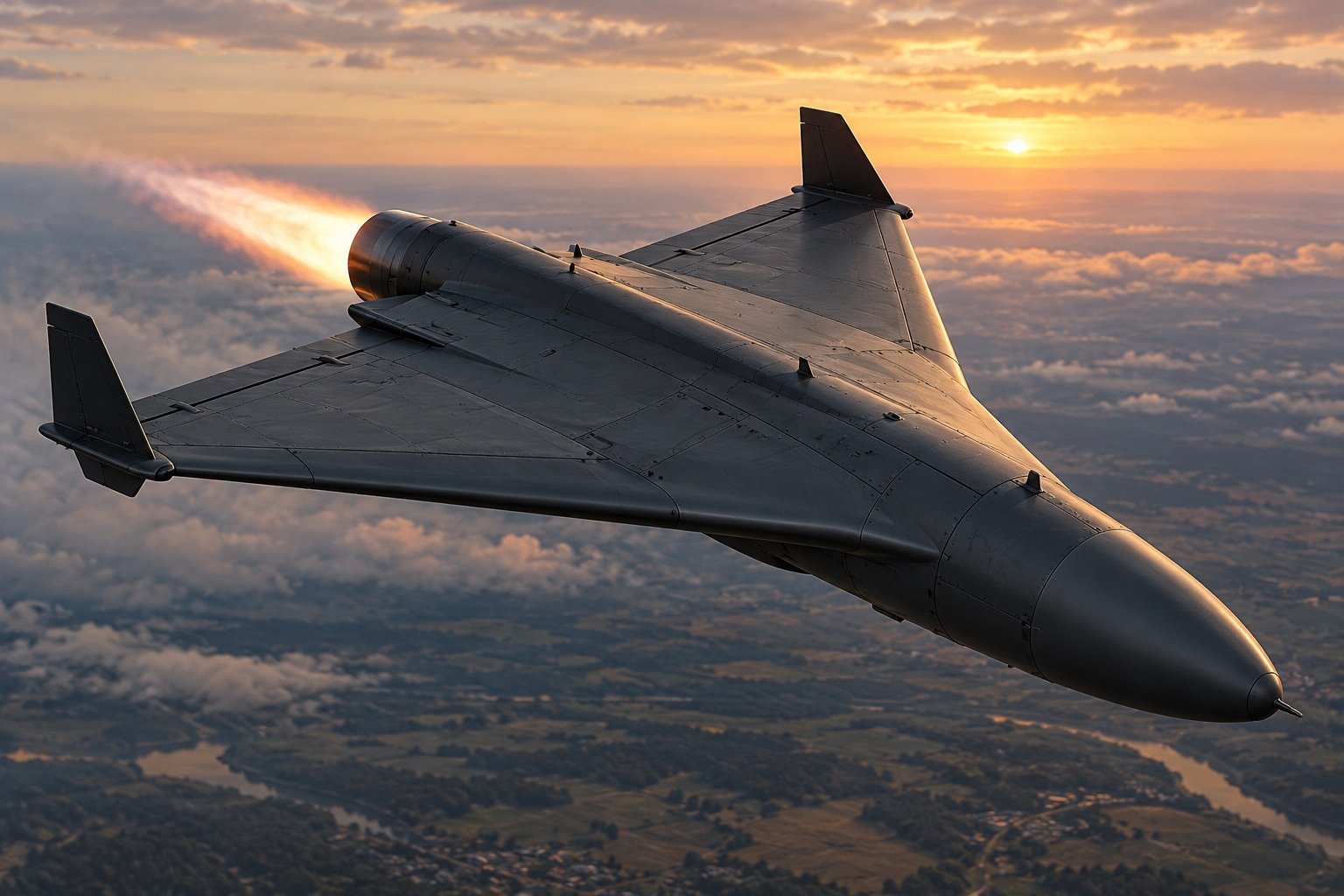
World
MOSCOW, — Russia is reportedly developing a new jet-powered strike unmanned aerial vehicle (UAV), designated the Geran-6, with planned warhead capacities of 300 kg (661 lb) and 600 kg (1,323 lb). According to Ukrainian monitoring sources, including the Telegram channel Operative Inform, the project remains in an early development stage. The drone is reportedly designed to approach targets from high altitude before descending along a steep, ballistic-like trajectory. Its intended operational range could allow it to reach targets across Ukraine, including remote western regions. However, its actual range, dimensions, engine type, guidance systems and payload capacity have not been confirmed. Geran-6 Compared With Existing Russian Drones If the reported specifications are accurate, the Geran-6 would carry a significantly heavier warhead than existing Geran-family drones. According to Ukrainian military intelligence, the jet-powered Geran-5 carries a warhead of approximately 90 kg (198 lb), has a maximum takeoff weight of around 850 kg, cruises at 450–600 km/h and has an estimated range of up to 950 km. It uses a Chinese Telefly turbojet engine. Earlier propeller-driven Geran models typically carried warheads weighing 50–90 kg. Ukrainian military observers suggest that the Geran-6's reported 600 kg payload, jet propulsion and extended range could give it destructive capabilities comparable to operational-tactical missiles. This assessment has not been confirmed through verified performance data. Russia Continues Upgrading Geran Drones Ukrainian sources report that Russia is also modernising its existing jet-powered Geran-4 and Geran-5 drones. Reported Geran-4 upgrades include the Susannin optoelectronic navigation system, which uses terrain imagery for guidance, and specialised warheads designed for particular infrastructure targets. Similar technologies have reportedly appeared on newer Geran-5 variants. Ukrainian estimates place combined production of the jet-powered Geran-4 and Geran-5 at approximately 2,000–3,000 units per month, alongside Russian stockpiles of conventional piston-engine drones. These production figures have not been independently verified. The Geran family originated from Iranian Shahed drone designs that Russia adapted and progressively modified from 2022 onward, incorporating changes to components, propulsion, guidance systems and warheads based on operational experience. Prototype and Production Timeline According to Ukrainian monitoring groups, the first Geran-6 prototypes could appear as early as June 2027, with serial production tentatively planned for around mid-2028 if testing is successful. It remains unclear whether prototypes have already been built or how far development has progressed. The reported specifications and timeline have not been independently verified, and Russian authorities have not officially confirmed the Geran-6 project. Its actual capabilities and development status therefore remain uncertain.
Read More → Posted on 2026-10-14 13:35:03
World
WASHINGTON, D.C., — Israel Aerospace Industries (IAI) has unveiled HawkGuard, a new active protection system designed to detect, track and intercept hostile drones through direct physical impact. Also designated ELI-5035, the system adds a kinetic interception layer to IAI’s multi-layered Counter-Unmanned Aircraft Systems (C-UAS) architecture. Presented at the Association of the United States Army (AUSA) Annual Meeting & Exposition, running October 12–14 at the Walter E. Washington Convention Center, HawkGuard is being showcased at IAI’s booth in Hall C, Booth #3525. Radar-Guided Kinetic Interception HawkGuard combines radar and electro-optical sensors with artificial intelligence (AI)-enabled command-and-control software to detect, classify and track aerial threats. It deploys interceptor drones that destroy targets through direct kinetic impact without explosive warheads. This approach avoids blast and secondary effects associated with conventional explosive interceptors, helping reduce collateral damage risks near friendly forces, populated areas and critical infrastructure. The complete system includes the StormGuard (ELM-2135) X-band active electronically scanned array (AESA) radar, an electro-optical sensor, a drone launch system and a mission computer. It is compatible with ELTA Systems’ M3S2 (ELI-3312) Multi-Mission Multi-Sensor Suite, allowing existing users to add HawkGuard’s interceptors and mission software. According to IAI, HawkGuard provides automatic 360-degree coverage and can engage aerial threats at distances of up to 1,000 meters. It can operate fully autonomously or with a human operator involved, both while moving and at fixed sites. Other capabilities include operation in GPS-denied environments, early warning, situational awareness and integration with third-party systems. The system is designed to counter unmanned aircraft systems (UAS), drones and loitering munitions. Mobile and Fixed-Site Protection HawkGuard’s compact, modular design supports installation on armored vehicles and other mobile platforms to protect maneuvering ground forces. It can also defend fixed installations and strategic infrastructure, including power plants, airports and offshore assets. The system expands IAI’s layered C-UAS architecture, which combines detection, identification, command and control, electronic warfare and interception capabilities. Operators can coordinate different sensors and countermeasures according to mission requirements and the aerial threat. IAI confirmed that HawkGuard recently completed a series of successful tests demonstrating its ability to detect, track and neutralize various drone threats. However, the company has not disclosed detailed test results, specific test targets, customer information or an operational deployment timeline. Guy Bar Lev, President and CEO of IAI, said HawkGuard adds a kinetic interception capability to address the growing challenge posed by drones and supports the company’s vision of adaptable, layered force protection. Dror Bar, CEO of ELTA Systems and Executive Vice President at IAI, described HawkGuard as a flexible and cost-effective additional option for countering drones and other localized aerial threats. IAI is also presenting its POINT@AIR aerostat-based radar at AUSA 2026, which runs through October 14 in Washington, D.C.
Read More → Posted on 2026-10-13 16:52:36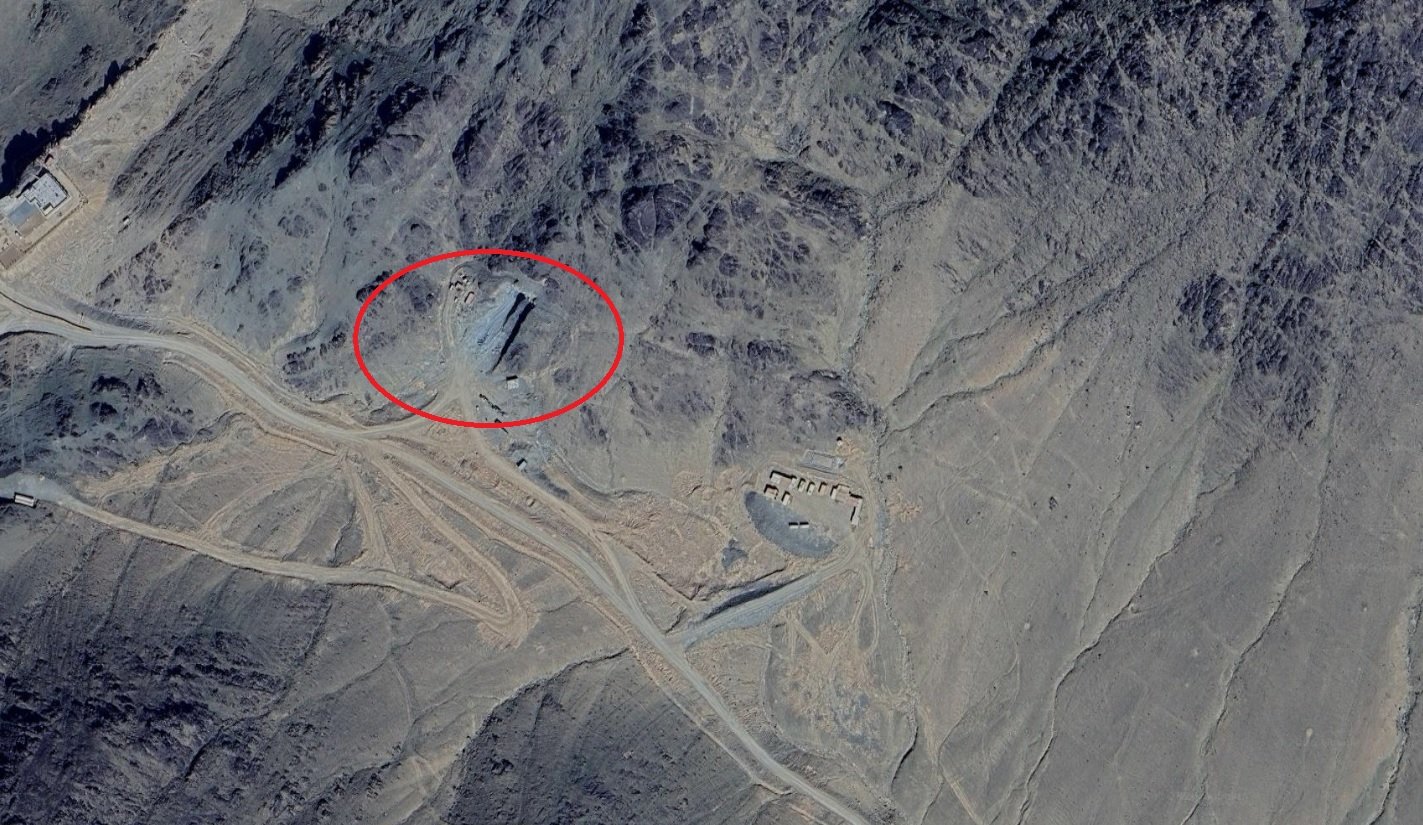
World
KANDAHAR, AFGHANISTAN, — The Taliban have completed an underground facility near Aino Mina township in Kandahar, according to reports based on satellite imagery and local sources. Construction reportedly began in 2025 following Pakistani attacks, with the tunnels believed to be intended as shelters for Taliban forces in the event of further clashes with Pakistan. The Pamir Watch project released a satellite image of one of the tunnels in October 2026. The facility is located near a guest residence associated with Taliban supreme leader Hibatullah Akhundzada, who has largely directed Afghanistan’s affairs from Kandahar since the group returned to power in 2021. According to a representative of Taliban security forces, civilian access to the area has been completely restricted, and local Taliban police have also been barred from approaching the site. The Taliban administration has not officially disclosed the facility’s purpose. Secret Tunnels and Military Facilities In August 2025, Amu TV reported secret excavation work in the mountainous areas of District 11 in Kandahar. Local sources said Taliban intelligence units and special operatives were leading the construction. Two sources familiar with the project believed the tunnels were intended to store weapons, ammunition and large sums of cash. The excavation was taking place near an area where a powerful explosion had been reported in April 2025, and Taliban police were reportedly not permitted to monitor the sites. Separate reporting from August 2025 said Akhundzada had ordered the construction of a specialized military base in the same mountainous district. The planned facility was described as serving strategic and security purposes, with accommodation for senior commanders and specialized military equipment. Reports from mid-2026 also indicated that heavy military equipment had been moved into the Aino Mina tunnel complex daily over the preceding year. Loud, blast-like sounds were frequently heard, reportedly indicating continued excavation and expansion. One reported site was located at approximately 31.67311° N, 65.74017° E. Kandahar has become the Taliban’s principal power center, with many important decisions originating there rather than in Kabul. Akhundzada is rarely seen in public and is believed to reside in the city. Open-source investigations have identified several fortified compounds around Kandahar, including locations in Aino Mina associated with the Taliban leadership network. The use of tunnels is not new in Afghanistan. During the earlier conflict involving U.S. forces, the Taliban and other armed groups used underground networks for protection against airstrikes, fighter movement and weapons storage. Sources describe the current construction around Kandahar as larger in scale and more directly connected to the Taliban leadership. Tunnel Construction Along Pakistan’s Border Separate reports from October 2026 said the Taliban had also begun constructing tunnels in border areas of Spin Boldak in Kandahar, as well as in Paktia, Paktika, Zabul and Helmand provinces. Sources said these facilities were intended to shelter Taliban forces during possible clashes with Pakistan. Unemployed workers were reportedly moved to the areas to carry out the work. The reported expansion highlights the administration’s focus on military preparedness and leadership security amid tensions with Pakistan. However, the Taliban have not officially confirmed the purpose, cost or operational details of the Aino Mina facility or the related tunnel projects. Questions Over Public Investment The construction has also raised questions about the Taliban administration’s spending priorities as ordinary Afghans continue to face economic stagnation, limited employment opportunities, aging infrastructure and recurring drought. Weak agricultural productivity and difficulties in maintaining essential public services remain significant challenges, while healthcare and broader economic development require sustained investment. Although the reported underground facilities are intended to address security concerns, the available information does not establish their construction costs or how their funding compares with public spending on healthcare, jobs and infrastructure. The completion of the Aino Mina facility therefore highlights a contrast between the reported expansion of secure military infrastructure and the continuing economic and public-service difficulties faced by Afghanistan’s population.
Read More → Posted on 2026-10-13 16:24:25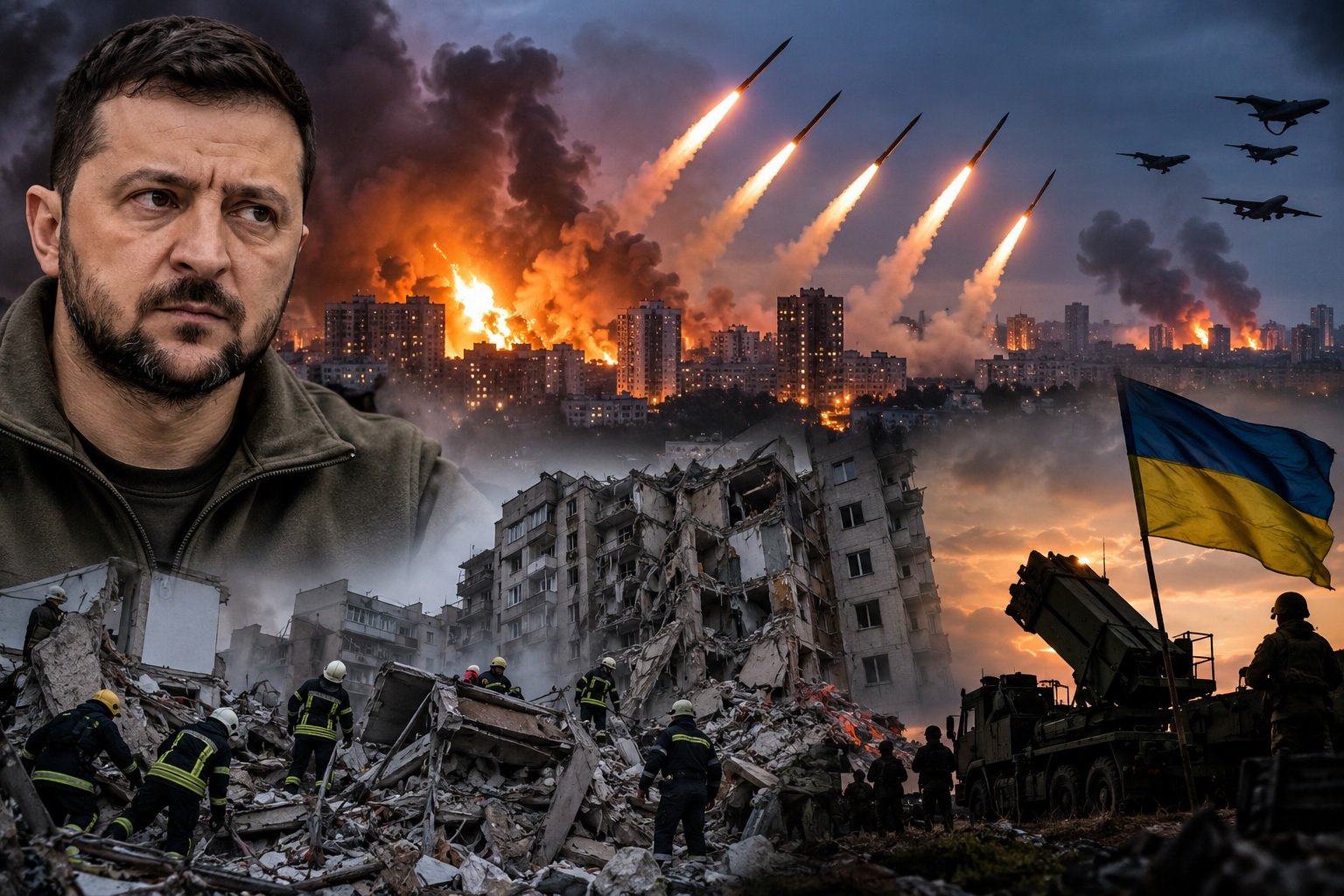
World
KYIV, — Ukrainian President Volodymyr Zelenskyy said on Tuesday that Ukraine received no advance warning from Western partners before a Russian ballistic missile attack struck Kyiv overnight, raising concerns about intelligence sharing amid reported U.S. pressure on Ukraine to stop attacking Russian oil refineries. Zelenskyy said five ballistic missiles struck civilian infrastructure before air raid alerts sounded. In a post on X, he described the attack as particularly vile and stressed that early warnings about ballistic missile launches help save lives. Preliminary reports indicated that Russia fired five or possibly six ballistic missiles, identified in some accounts as Iskander-M or S-400 types, reportedly from the Bryansk region. The Ukrainian Air Force said it had not received advance surveillance information about the launches and detected the targets during the attack. The cause of the missed warning remains under investigation. Ukrainian Foreign Minister Andrii Sybiha said at the Warsaw Security Forum that military intelligence sharing with the United States remained intact, attributing the delayed warning to the specific weapons used. Air Force spokesperson Yurii Ihnat has acknowledged that intelligence from partners does not always arrive and that technical problems have occurred previously. Russian Attacks Cause Civilian Casualties The wider Russian assault involved more than 100 weapons, including jet-powered drones, loitering munitions and ballistic missiles. In Kharkiv, a strike destroyed a residential apartment building, killing four people and injuring 41, according to Zelenskyy. In the Kyiv region, one person was killed and others injured in the Fastiv district, while a woman was wounded in Kyiv's Darnytskyi district. A drone strike on an educational institution in Rivne injured 14 people, and a residential building near Lviv was also hit, causing injuries. The Russian Defence Ministry said its forces targeted Ukrainian military-industrial facilities, logistics centres, railway and port infrastructure, and vessels allegedly carrying military cargo. Ukrainian authorities continued assessing damage and responding to the attacks. U.S. Pressure and the Proposed Energy Ceasefire The incident comes amid reports that Washington has threatened to restrict intelligence sharing and weapons support unless Ukraine stops attacking Russian energy infrastructure. Ukraine relies significantly on U.S. missile-launch detection capabilities, including the Space-Based Infrared System (SBIRS). Missile expert Fabian Hoffmann has noted that European allies have limited ability to replace these capabilities. However, Ukraine has not established that a U.S. decision caused the missing warning, and Sybiha said intelligence sharing continued. On Sunday, U.S. President Donald Trump announced an proposed energy ceasefire under which Russia and Ukraine would stop attacking each other's energy infrastructure. Zelenskyy initially said the announcement was news to him but confirmed on Tuesday that Ukraine had not struck Russian oil refineries or energy sites during the two days following the announcement. Ukraine reported that Russia struck six Ukrainian energy facilities on Monday but did not target energy infrastructure during the overnight period leading into Tuesday. The latest attacks instead focused on transport and logistics. The Kremlin has not officially confirmed the agreement. Spokesman Dmitry Peskov said contacts on the matter were continuing, while Russia's Defence Ministry denied Ukrainian allegations of attacks on energy facilities in recent strikes. Trump has blamed Ukrainian refinery attacks for contributing to rising U.S. fuel prices, although market analysts have identified the U.S.-led war in Iran as a major factor. Reports have also described an arrangement involving Russian diesel imports to the United States following Trump's discussions with Russian President Vladimir Putin on Friday; its precise terms and status remain unclear. Zelenskyy called for reciprocal de-escalation and urged Ukraine's partners to pressure Russia to stop attacks on Ukrainian infrastructure. Ukraine Continues Drone Attacks on Russia Although Ukraine has paused attacks on Russian energy facilities, it continues targeting other sites inside Russia with long-range drones. Russia's Defence Ministry reported shooting down 604 Ukrainian drones over Russian regions and the Sea of Azov overnight. Moscow Mayor Sergei Sobyanin said 417 drones targeted the Moscow region, with 65 intercepted near the capital. In the Kaluga region, attacks damaged a school, two houses and a vehicle. Sybiha argued that Washington's reported request to halt Ukrainian refinery attacks demonstrated Kyiv's increased leverage. Referring to an Oval Office meeting last year when Trump told Zelenskyy that he did not have the cards, Sybiha said: “In less than two years, we have gone from ‘having no cards’ to ‘not playing your cards’.” Ukraine's investigation into the missed missile warning continues as questions remain over the proposed energy ceasefire, Russia's attacks on Ukrainian infrastructure and the reliability of advance intelligence for future missile strikes.
Read More → Posted on 2026-10-13 16:16:26
World
BANGKOK, — Egypt has pledged full support to Saudi Arabia amid escalating Houthi attacks, confirming its readiness to provide any assistance requested by Riyadh, including potential military support. Speaking to Bloomberg Television on the sidelines of the International Monetary Fund’s annual meetings in Bangkok, Egyptian Foreign Minister Badr Abdelatty said, “Whatever is being asked by the Saudis, of course we will respond.” He added, “Without any reservation, we are providing all kind of support.” The pledge follows reported Houthi missile and drone attacks on Saudi targets, including King Khalid International Airport in Riyadh, where at least 13 people were reportedly killed and more than 300 injured. Other reported targets include Khamis Mushait and oil facilities in Dammam. Abdelatty stressed that Saudi Arabia’s national security is an integral part of Egyptian and wider Arab national security. He condemned attacks on civilian targets and violations of Saudi sovereignty. Egypt has also coordinated with Saudi Foreign Minister Prince Faisal bin Farhan over the regional security situation. Egypt Calls on Iran to Stop Attacks Abdelatty spoke by phone with Iranian Foreign Minister Abbas Araghchi, calling for an immediate halt to attacks on Saudi territory. He described the strikes as unjustified and unacceptable and warned that continued attacks could further destabilize the Middle East. He also met the chief executive of the Saudi Fund for Development and held talks with the secretary-general of the Gulf Cooperation Council (GCC) as part of Cairo’s diplomatic engagement on regional security. On Sunday, Egypt, Saudi Arabia, Türkiye and Pakistan issued a joint statement condemning the Houthi attacks and expressing support for measures Saudi Arabia takes to counter them. Egypt Considers Joining Mecca Defence Pact Egypt is also seriously considering joining the Mecca Joint Defence Agreement, Abdelatty confirmed. The pact was signed on August 7, 2026, by Saudi Crown Prince Mohammed bin Salman, Turkish President Recep Tayyip Erdoğan and Pakistani Prime Minister Shehbaz Sharif. Under its terms, an armed attack against one participating country is regarded as an attack against all three. Abdelatty said Egypt’s participation remained under serious consideration. Cairo is already consulting with Saudi Arabia, Türkiye and Pakistan through a framework known as “regional four” (R4), which provides a platform for discussions on regional security. Red Sea Disruptions Affect Egypt’s Economy Houthi activity around the Bab el-Mandeb Strait has disrupted Red Sea shipping routes, affecting maritime traffic linked to the Suez Canal, a major source of foreign currency for Egypt. Egypt has historically been cautious about military involvement in Yemen. During President Gamal Abdel Nasser’s rule, Egypt deployed approximately 70,000 troops in the North Yemen Civil War from 1962 to 1967, suffering heavy financial and human losses. Historians have often compared the intervention to the United States’ experience in Vietnam. Despite these economic and security concerns, Cairo continues to favour political and diplomatic solutions to the wider Yemen conflict while maintaining its commitment to support Saudi Arabia. Egypt’s potential participation in the Mecca defence pact remains under consideration, with its future role dependent on regional developments and decisions by the Egyptian government.
Read More → Posted on 2026-10-13 16:08:06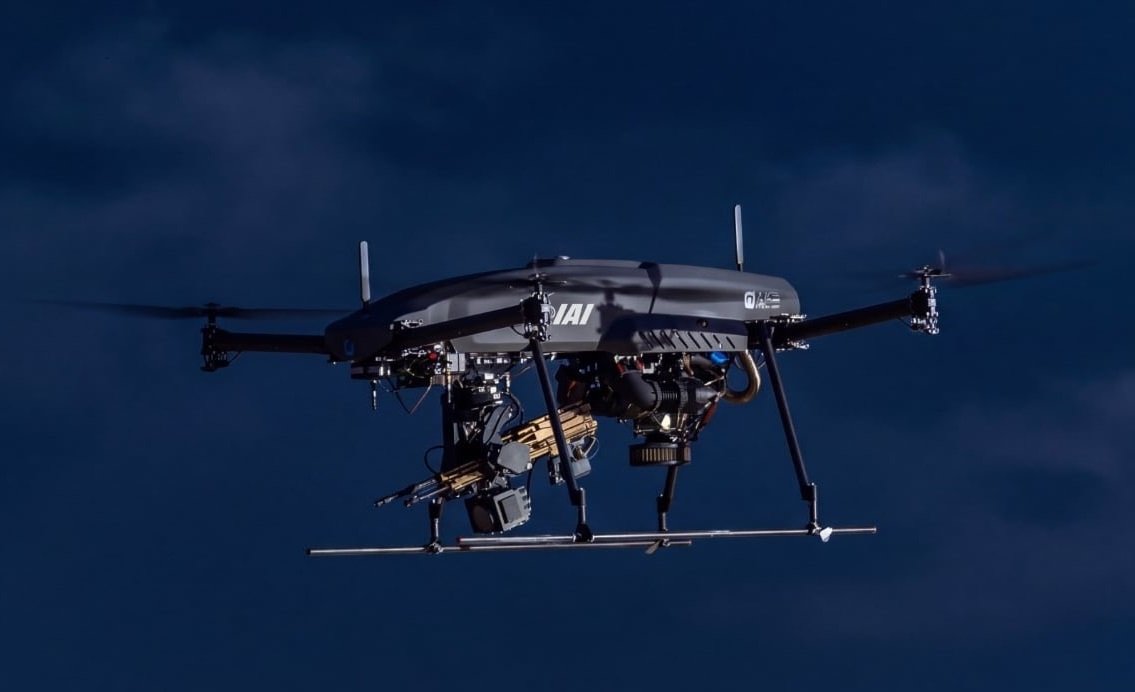
World
ISRAEL, — Israel Aerospace Industries (IAI) and U.S.-based firearms manufacturer SIG SAUER have completed live-fire testing of the FIRE STORM 250, a vertical takeoff and landing (VTOL) drone armed with an M250 light machine gun. The results were announced during the Association of the United States Army (AUSA) 2026 annual meeting in Washington, D.C. The trials took place in Israel ahead of the exhibition. The drone was first publicly presented at AUSA in 2025. During the test, the drone hovered over a simulated battlefield, used its onboard camera to identify targets and engaged them in single-shot and semi-automatic firing modes. Testing at different altitudes and ranges assessed firing accuracy, stability and integrated safety features. Apus 60-Based Drone with Three-Hour Endurance The FIRE STORM 250 is based on IAI’s Apus 60 VTOL tactical unmanned aircraft and uses a multi-fuel internal-combustion engine. It can remain airborne for up to three hours while carrying 200 rounds of ammunition and can be refuelled in the field, avoiding battery-charging delays. Its VTOL design allows launch and recovery from forward positions without runways or dedicated aviation infrastructure. SIG SAUER M250 Weapon System The drone carries SIG SAUER’s remotely operated MICROLIGHT weapon station, which integrates the M250 belt-fed light machine gun. SIG SAUER describes MICROLIGHT as the world’s lightest airborne weapon station. The complete assembly, including the station, gun and 200 rounds, weighs approximately 24 kilograms (53 pounds). The weapon can be configured for 7.62×51 mm NATO or 6.8×51 mm ammunition, depending on customer requirements. The 7.62×51 mm variant is used by the Israel Defense Forces, while the U.S. Army’s Next Generation Squad Weapon programme uses the 6.8×51 mm cartridge. The U.S. Army type-classified the M250 in May 2025 as part of its effort to replace the M249 light machine gun. The system has a reported targeting range of 400–600 metres when operating at an altitude of approximately 200 metres. Stabilisation systems help maintain the gun’s position during hovering and movement. Human-Controlled Target Engagement The system combines live video, target tracking, sensor information and fire-control data in a single operator interface. A human operator must explicitly authorise every shot before the weapon can fire, maintaining a human-in-the-loop requirement for all engagements. Intended Roles and Current Status The FIRE STORM 250 is designed for long-duration overwatch and armed reconnaissance, providing small tactical units with remotely controlled aerial support. Its intended applications include intelligence gathering, force protection, border security, close air support, protection of strategic sites and special operations. Multiple aircraft can also operate in relays to provide continuous coverage. Sali Okanin, SIG SAUER’s Israel general manager, said the system combines IAI’s drone platform with the MICROLIGHT station and M250 machine gun to provide operational flexibility. Moshe Levy, IAI’s executive vice president and head of its Military Aircraft Group, said the trials demonstrated the integration of sensing, decision-making and action while retaining human control over engagement decisions. The FIRE STORM 250 is currently displayed at the IAI and SIG SAUER booths at AUSA 2026. It remains a functional prototype, and the companies have not announced production orders or specific deployment timelines.
Read More → Posted on 2026-10-13 15:51:58
World
ATHENS, Greece, — U.S. defense technology company Shield AI and Greek infrastructure and investment group GEK TERNA have signed a memorandum of understanding (MoU) to develop an industrial production and maintenance base in Greece for the X-BAT unmanned fighter aircraft. Signed on October 8, 2026, the agreement covers local component manufacturing, aircraft integration, training, maintenance, repair, and long-term support. The partnership aims to make Greece a regional hub for X-BAT logistics, training, and maintenance, potentially serving Cyprus, the Balkans, and southeastern Europe. Shield AI will lead the programme and supply the aircraft's autonomy software and mission systems. GEK TERNA will manage a local programme office and coordinate with Greek suppliers, small and medium-sized enterprises, and research institutions. Planned industrial participation includes parts production and assembly, ground support equipment, operating bases, launch sites, training centres, maintenance and repair facilities, and research collaboration with Greek universities. The companies are still negotiating definitive agreements covering work allocation, facilities, and supplier responsibilities. The next steps include identifying work packages, evaluating Greek suppliers, and determining infrastructure requirements. No firm start date for production in Greece has been announced. X-BAT Aircraft Capabilities The X-BAT is designed as a heavy, autonomous vertical takeoff and landing (VTOL) combat aircraft that can operate from ships, islands, and remote locations without conventional runways. This capability could provide Greece with additional operational flexibility across its hundreds of islands in the Aegean and Mediterranean seas, particularly if established airfields become unavailable. Powered by GE Aerospace's F110 engine, the aircraft has a 39-foot wingspan and a 26-foot length. Its internal weapon bays are designed to offer capacity comparable in volume to those of the F-35, carrying weapons in the 2,000-pound class, approximately 900 kg. The design supports internal carriage of air-to-air and air-to-surface weapons, with external hardpoints available for larger payloads. The aircraft's stated performance objectives include a maximum range exceeding 2,000 nautical miles, a combat radius of approximately 1,000 nautical miles (about 1,850 km), and an operational ceiling above 50,000 feet. It is also designed to accommodate electronic warfare systems and reconnaissance and surveillance sensors. Hivemind Autonomy and Development Timeline The X-BAT uses Shield AI's Hivemind artificial intelligence software to support autonomous flight and mission execution. The system is designed to operate in contested environments where GPS signals and communications are jammed, degraded, or unavailable. It also allows a human commander to direct multiple aircraft while the software manages flight and mission tasks. The programme has completed ground engine testing and wind-tunnel validation. Initial flight testing is scheduled to begin in Kansas by the end of 2026. Development has received U.S. Navy funding, with reported public and private investment reaching approximately $400 million. Production is targeted for 2029, with full-rate manufacturing planned for the early 2030s at facilities in the United States. Greece's Role in the Programme The proposed industrial partnership builds on Shield AI's existing presence in Greece. The Hellenic Army has expanded its fleet of the company's smaller V-BAT unmanned aircraft for maritime surveillance in the Aegean Sea. Shield AI has also established an office in Athens and engaged Greek companies and engineers in software and related work. The X-BAT agreement aims to expand this cooperation into manufacturing, aircraft support, training, and regional logistics. However, the MoU does not confirm a Greek procurement order or establish a final production schedule. The extent of local manufacturing will depend on the definitive agreements and subsequent programme decisions.
Read More → Posted on 2026-10-13 15:49:46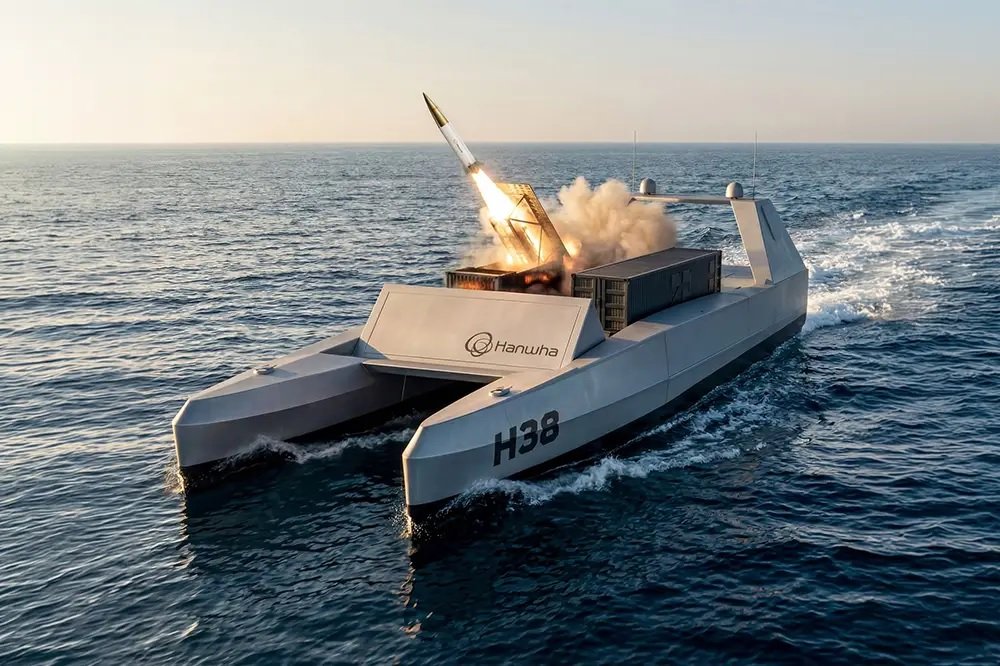
World
NATIONAL HARBOR, Maryland, — Hanwha Defense USA and its partner Magnet Defense showcased the M38 Medium Unmanned Surface Vessel (MUSV) and containerized weapon systems at the Association of the United States Army (AUSA) 2026 exhibition. The display highlighted autonomous maritime technology and modular weapons designed for reconnaissance, electronic warfare, air defence and strike missions. M38 Vessel Development and Capabilities Hanwha displayed a scale model of the 38-meter M38, which serves as the primary testing platform for the vessel class. According to Hanwha’s Kevin Schoonover, the parent design vessel recently arrived at National Harbor near Washington, D.C., following sea trials. Meanwhile, steel has already been cut for the larger 48-meter M48 MUSV. The partnership, formalised earlier in 2026, targets the U.S. and allied unmanned surface vessel markets. Hanwha handles most vessel construction and autonomous weapon integration, while Magnet Defense is responsible for vessel operation and AI-driven autonomous navigation. Magnet Defense has also expanded its manufacturing capacity through the acquisition of shipbuilder Metal Shark. The M38 features a modular payload deck that accommodates standard shipping containers for different missions. Magnet Defense has reported a range of 17,000 nautical miles across multiple tests, including a trans-Pacific voyage to American Samoa and operations in Sea State 9 conditions. However, the larger M48 prototype completed a roughly 32,000-nautical-mile round trip from Miami to American Samoa in 2024, including a Panama Canal transit and operations in Sea State 9. These figures should not be treated as identical demonstrations by the two vessels. The M48 is a 48-meter catamaran-style vessel capable of carrying multiple standard shipping containers. The M38 provides a smaller option for potential U.S., South Korean and international customers. Four Containerized Weapon Systems Hanwha displayed four weapon configurations in standard 20-foot and 40-foot containers. The M38 can carry up to four 20-foot containers, two 40-foot containers, or two 20-foot containers combined with one 40-foot container. 1. Chunmoo MLRS (20-foot container): This system uses the same launch mechanisms as Hanwha’s truck-mounted Chunmoo launcher and carries two MLRS pods. Each pod can be configured for up to six CGR-080 guided rockets, four CTM-MR ballistic missiles with a 160-kilometre range, four CTM-160 anti-ship ballistic missiles, one CTM-290 ballistic missile with a 290-kilometre range, or one CTM-X ballistic missile with a 500-kilometre range. 2. Compact K-VLS (20-foot container): This shortened, four-cell vertical launch system is designed primarily for smaller surface-to-air missiles, including the K-SAAM. 3. K-VLS I (40-foot container): This four-cell system can launch Red Shark rocket-launched torpedoes (K-ASROC), SSM-700K surface-to-surface cruise missiles and K-SAAM interceptors. 4. K-VLS II (40-foot container): This two-cell system is designed for larger cruise and ballistic missiles, including the L-SAM. The L-SAM is slated to replace the SM-2 missile in South Korean service. Hanwha also displayed a scale model of the K-VLS II container. Modular Design for Multiple Missions The containerized approach allows the M38 to carry different weapon packages according to mission requirements. The available systems provide options for strike operations, air defence and anti-submarine warfare, alongside reconnaissance and electronic warfare payloads. The AUSA 2026 display highlighted the companies’ combined approach: Hanwha contributes vessel construction and weapons integration, while Magnet Defense provides autonomous navigation and operational expertise. Continued M38 testing and M48 production are part of their effort to offer unmanned surface vessels to U.S. and international naval customers.
Read More → Posted on 2026-10-13 15:34:23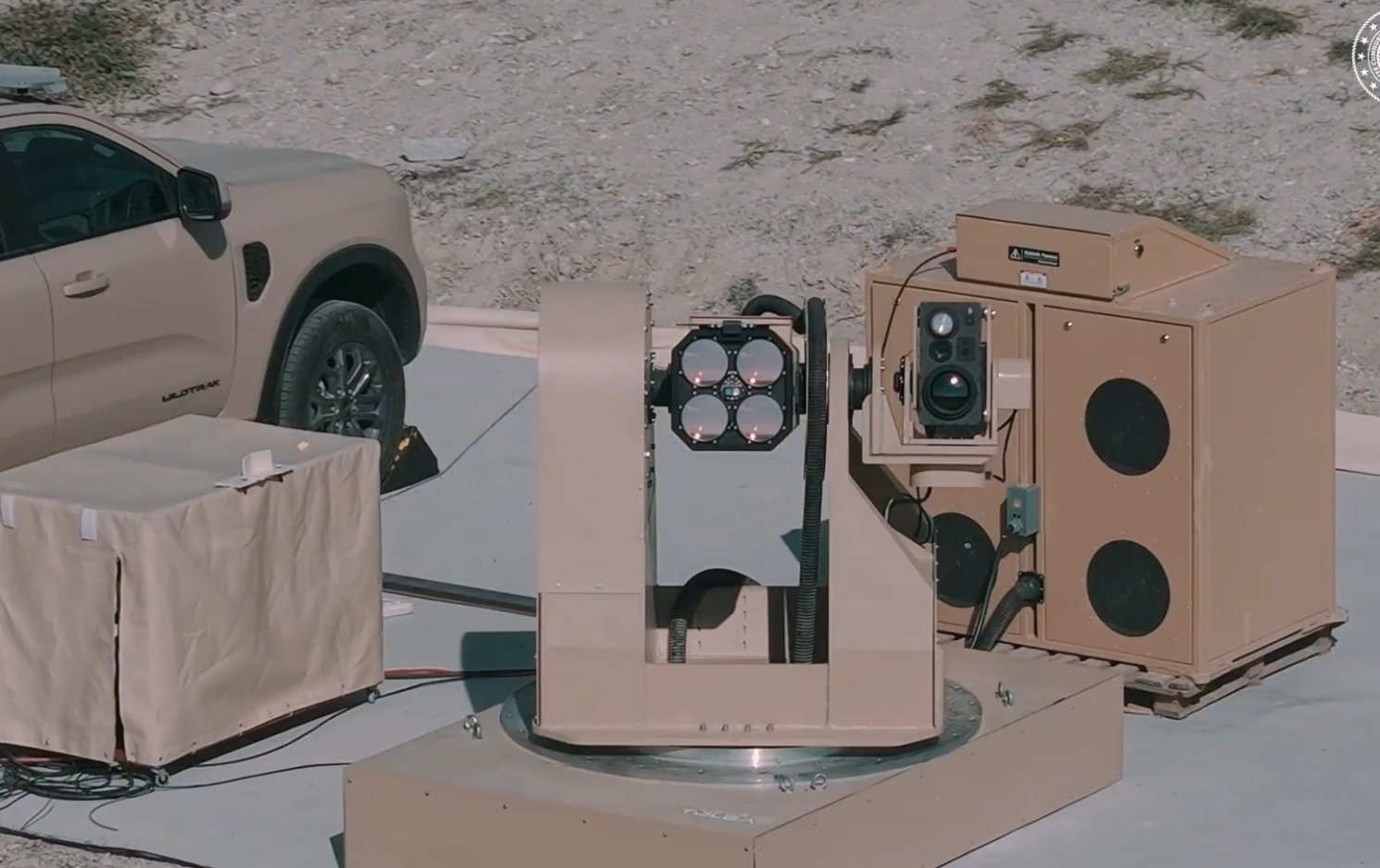
World
ANKARA, — Turkish state-owned defense manufacturer Makina ve Kimya Endüstrisi (MKE) has destroyed a drone at a distance of 760 meters using its new 20-kilowatt (kW) fiber laser during the Ateş Serbest-2026 live-fire exercises in Polatlı, west of Ankara. MKE announced the test on X on October 13, releasing video footage of the laser turret engaging the target. The system uses a dedicated electro-optical sensor to detect and track targets before directing the laser beam. TOLGA LAZER SİLAH SİSTEMİ ATEŞ SERBEST’TE “YAKICI” GÜCÜNÜ GÖSTERDİ! 🔥 Yakın hava savunma sistemimiz MKE TOLGA’nın yeni oyuncusu 20 kW Fiber Lazer Silah Sistemi, Polatlı’da gerçekleştirilen Ateş Serbest-2026 Faaliyeti’nde 760 metre mesafedeki dron hedefini tam isabetle imha etti. MKE Lazer Silah Sistemi, sergilediği bu kabiliyetle yakın hava, kara ve deniz tehditlerine karşı geliştirilen yüksek etkili savunma teknolojilerindeki yetkinliğini sahada ortaya koydu. Asırlık tecrübemiz ve millî gücümüzle geleceğin savunma teknolojilerini inşa etmeye devam ediyoruz. 🇹🇷 @tcsavunma #MillîGüçMKE 🦾🚀🇹🇷 — MKE (@MKEgovtr) October 13, 2026 Laser Engagement Range and Capabilities The 20kW laser, developed for MKE's TOLGA close-in air defense system, combines four 5kW laser units. Its engagement capabilities vary by distance: 2,500–4,500 meters: Dazzles and disrupts drone cameras and optical sensors. 1,500–2,500 meters: Blinds optical and targeting systems. 100–1,500 meters: Physically destroys drones by concentrating heat on critical components, including motors, wiring and structural elements. The 760-meter engagement falls within the system's stated physical-destruction range. MKE has described the laser module as domestically developed using its own research and development infrastructure and national resources. Integration With the TOLGA Air Defense System TOLGA is a modular short-range air defense and counter-drone system designed to address mini and micro UAVs, tactical drones, smart munitions and cruise missiles. Its architecture includes radar, electro-optical sensors, electronic jammers, 12.7mm, 20mm and 35mm guns with specialized anti-drone ammunition, the ENFAL interceptor missile and an acoustic detection system. Detection range can reach up to 10 kilometers in the stated configuration. The laser is integrated into the system's detection, tracking and command-and-control infrastructure. MKE follows an engineering philosophy described as “Effective, Simple, Cheap” (EBU), with laser weapons offering a potential cost advantage against large numbers of low-cost drones because each engagement primarily consumes electricity rather than conventional ammunition or an interceptor missile. Part of Türkiye's Layered Air Defense Network Türkiye is also developing directed-energy systems such as ASELSAN's GÖKBERK and Roketsan's ALKA. These technologies support the country's Steel Dome air defense network, which combines lasers, electronic jammers, guns and missiles to protect military bases, troops and civilian areas. Ateş Serbest is an annual live-fire demonstration held at the General Nahit Şenoğul Firing and Exercise Area. The 2026 event began on September 1 and is scheduled to run until October 22, with Distinguished Observer Day set for October 15. The 760-meter interception demonstrates the TOLGA laser's ability to destroy a drone within its stated engagement range. MKE has not provided further details in the supplied announcement about performance under different weather conditions or sustained operational use.
Read More → Posted on 2026-10-13 14:27:48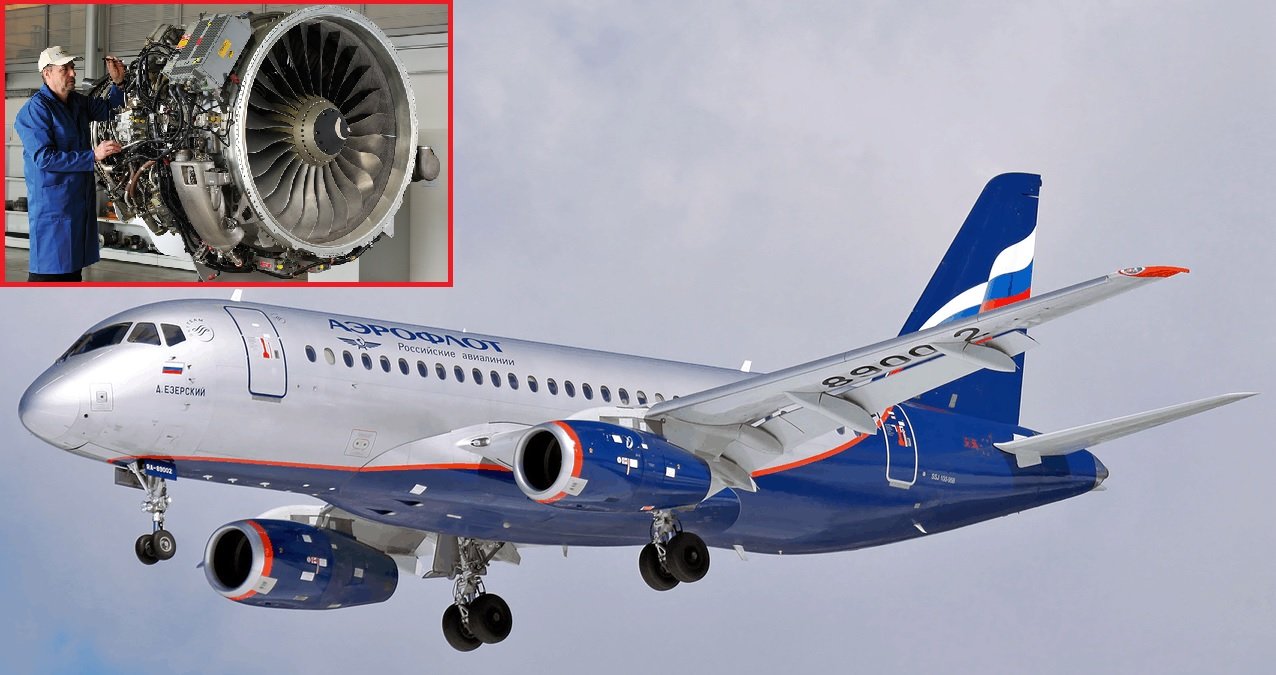
World
MOSCOW, — Russia’s Federal Air Transport Agency (Rosaviatsia) has extended the operational service life of Sukhoi Superjet 100 (SSJ-100) aircraft powered by SaM146 engines to 20 years, 40,000 flight hours, or 20,000 flight cycles. The Main Change Approval (MCA), incorporated into the aircraft’s type certificate data sheet on September 29, 2026, covers the RRJ-95B-100 and extended-range RRJ-95LR-100 variants. It replaces the previous limits of 15 years, 25,000 flight hours, and 15,000 flight cycles, established in 2023. According to manufacturer Yakovlev, the extension is based on structural calculations, full-scale testing of airframe components, and analysis of operational experience. The assessment covers structural strength, fatigue life, and corrosion resistance. SSJ program chief designer Vladimir Lavrov said the revised limits confirm the aircraft’s structural reliability. Yakovlev is continuing work to reach the original design targets of 25 years, 70,000 flight hours, and 54,000 flight cycles in stages. Operating Under Western Sanctions The SSJ-100 entered series production in 2011. Its SaM146 engines were developed by PowerJet, a joint venture between France’s Safran and Russia’s NPO Saturn, part of the United Engine Corporation (UEC). Western sanctions in 2022 disrupted engine maintenance, technical support, and spare-parts supplies. PowerJet suspended its contractual obligations in February 2022, and the European Union Aviation Safety Agency (EASA) suspended the SaM146 engine type certificate in July 2022. Russian operators have continued maintaining the aircraft using existing stocks and domestic capabilities. Russia currently operates 154 SaM146-powered SSJ-100s, including aircraft flown by Rossiya Airlines, part of the Aeroflot Group, Azimuth, and Red Wings. PD-8 Engine and SJ-100 Programme To reduce dependence on foreign components, Russia has developed the Yakovlev SJ-100, which replaces the SaM146 with the domestically developed PD-8 turbofan engine. The PD-8 received type certification from Rosaviatsia in June 2026 after accumulating more than 6,500 operating hours in testing. Serial production has begun, and the first production engines were delivered in August 2026. Certification of the fully localised SJ-100 is continuing, with a significant portion of flight testing completed. Russia is also considering installing PD-8 engines on some existing SSJ-100 aircraft, with development work targeted for completion around 2027. Export Plans and Certification History Russia has expressed interest in exporting SaM146-powered SSJ-100s to countries that have not adopted Western sanctions. Such markets could potentially allow Safran to resume engine support and spare-parts supplies, subject to applicable restrictions and the availability of services. The SSJ-100 became the first Russian passenger aircraft to receive EASA type certification when the agency issued Type Certificate A-176 for the RRJ-95B on February 3, 2012, validating its earlier Russian certification from January 2011. This enabled operations by European airlines and provided a certification basis for markets that follow European aviation standards. The service life extension supports the continued operation of Russia’s existing SSJ-100 fleet while the country advances the PD-8-powered SJ-100 as a domestically supported alternative.
Read More → Posted on 2026-10-13 14:18:01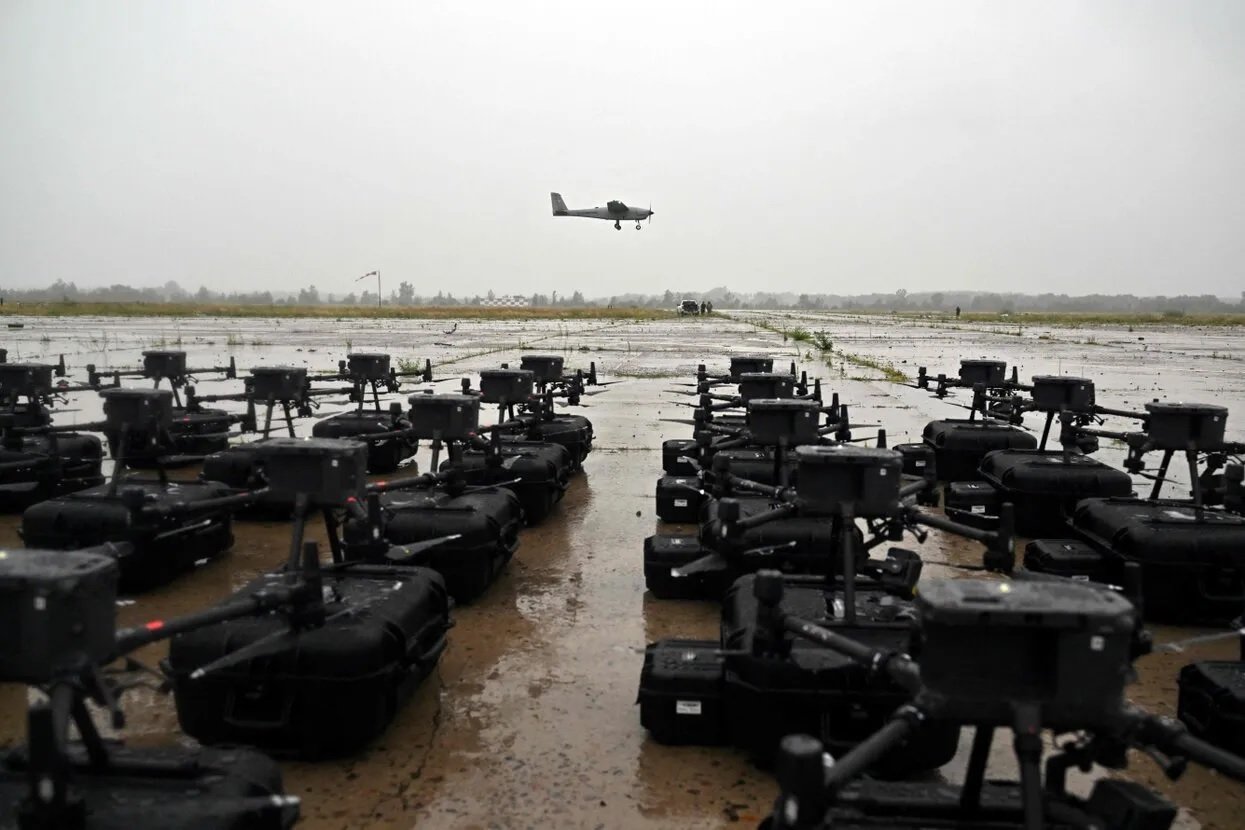
World
MOSCOW, — Russia’s Ministry of Defense has launched a specialized digital platform that gives drone developers access to combat data for training artificial intelligence (AI) and neural-network systems for military unmanned aircraft. The ministry announced the service on social media on October 12. The platform provides access to a database of video footage showing the results of combat operations involving FPV drones, multicopters and fixed-wing unmanned aerial vehicles (UAVs). More Than 40 Organizations Connected According to Russian Deputy Defense Minister Dmitry Shcherbinin, more than 40 organizations involved in AI training are already connected to the platform. Some of these organizations are working to integrate their trained models into combat drone systems. The Ministry of Defense has also developed a unified standardized classifier for machine-learning data. It allows developers to work with the database using a common structure and format. After completing their training work, developers upload the results to the centralized service. The system checks the submitted information for completeness and compliance with the required format. The ministry can then use the processed data to create and train its own neural networks. The ministry said the service uses cryptographic protection and authentication tools and is intended to improve the Russian Armed Forces' ability to adapt to developments in artificial intelligence. Platform Follows July Data Initiative The new service follows an initiative announced by Defense Minister Andrey Belousov in July 2026. He described the creation of a “data showcase” (Vitrina dannykh) that would give drone manufacturers access to combat data for training neural networks, with the goal of processing data directly onboard aircraft. Russia has been developing AI capabilities for unmanned systems in areas including navigation, object recognition and automatic target acquisition. The country's broader unmanned systems development includes the Lancet family of loitering munitions, including the Izdeliye 52, and AI-equipped Molniya drones. One Molniya drone was reported shot down over Zaporizhzhia in June 2026. International Debate Over Autonomous Weapons The Russian initiative comes as countries continue discussions over international rules for autonomous weapons. During closed-door United Nations negotiations in Geneva, the United States and Russia reportedly removed several provisions from a draft document on autonomous weapons. The deleted language included requirements for autonomous systems to operate “predictably” and “reliably”, as well as a requirement for human verification of AI-identified targets before a strike. Reports said cameras were switched off and civil society observers were asked to leave during the discussions. The US and Russian delegations reportedly each deployed approximately 10 lawyers, nearly twice the number of legal experts present in other national delegations. Human rights organizations have raised concerns that removing human-verification requirements could reduce oversight of AI-based decisions involving lethal force. The new Russian platform provides a centralized mechanism for domestic developers to access real combat footage, train AI models and return processed data to the Ministry of Defense under standardized conditions.
Read More → Posted on 2026-10-12 16:12:39Search
Top Trending in 24 Hours
-
 Russia Reportedly Developing Jet-Powered Geran-6 Strike Drone With 600 kg Warhead
-
 Israel Approves NIS 1 Billion Apache Helicopter Deal, Diverting Funds from Arab Communities
-
 Israel Deploys Additional David’s Sling Air Defenses in North Amid Rising Tensions With Iran Ahead of Elections
-
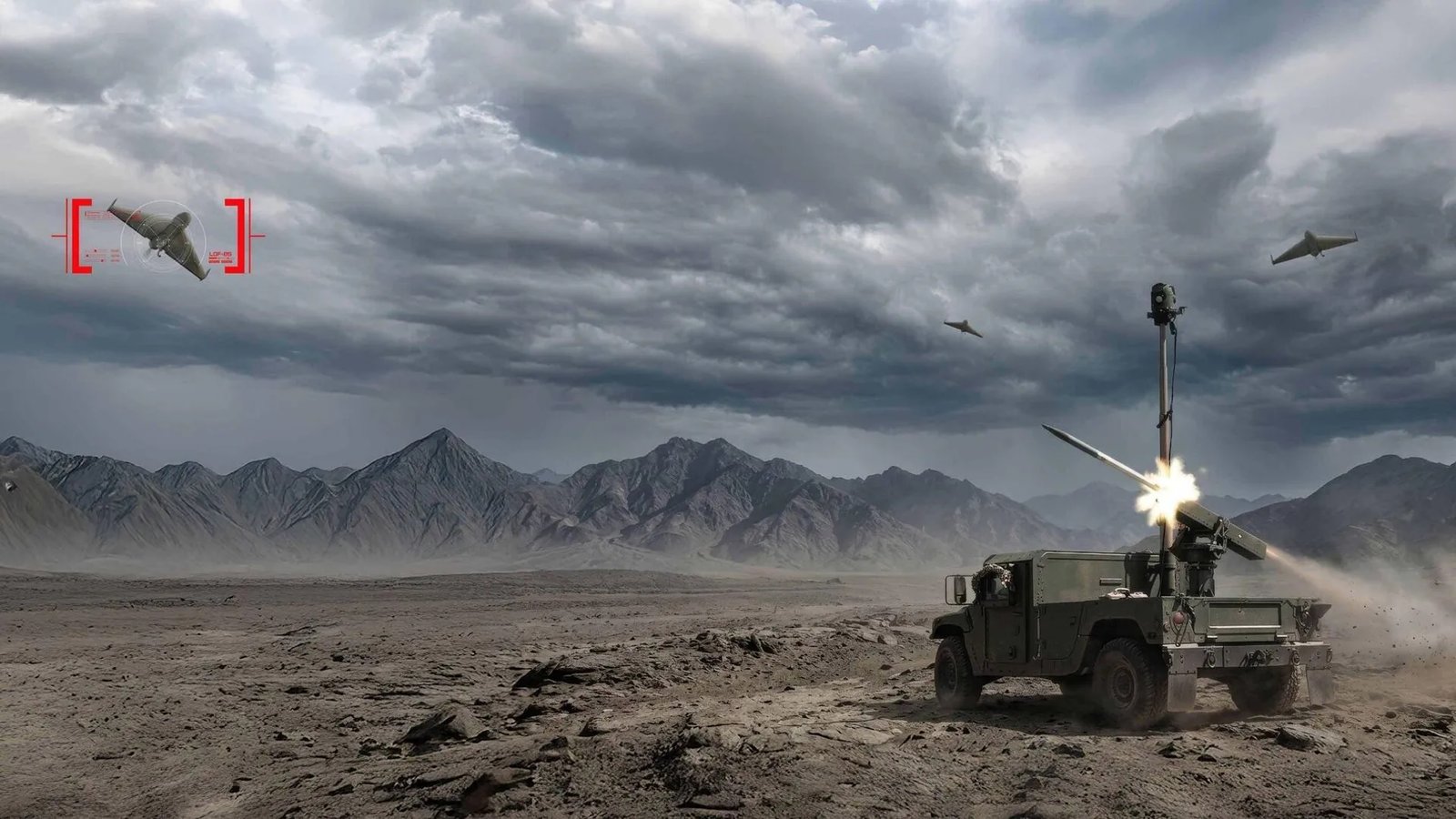 U.S. Army Receives First VAMPIRE Counter-Drone Systems from L3Harris
-
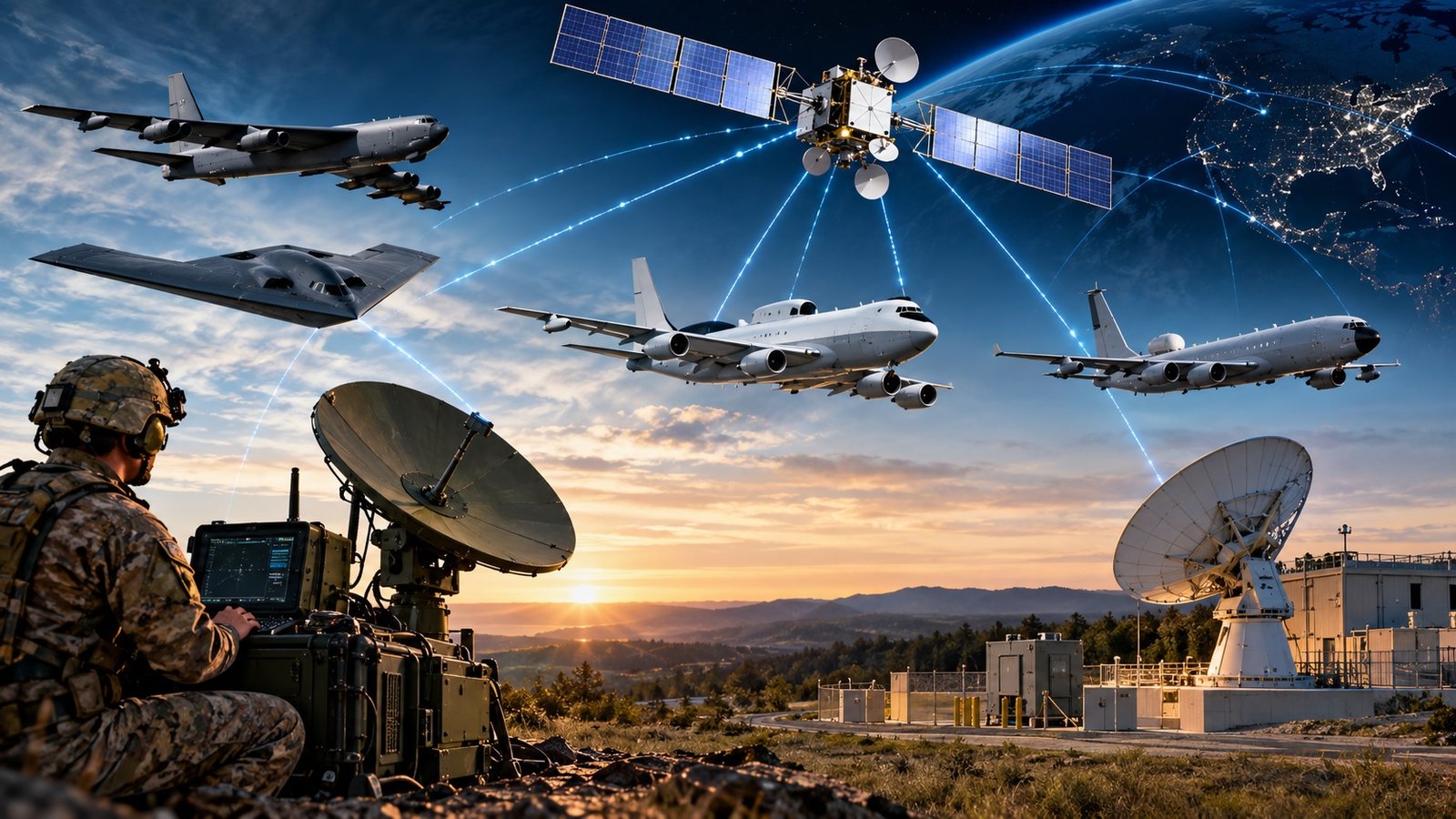 Raytheon Secures $8 Billion Contract to Modernize U.S. Nuclear Communications Network
-
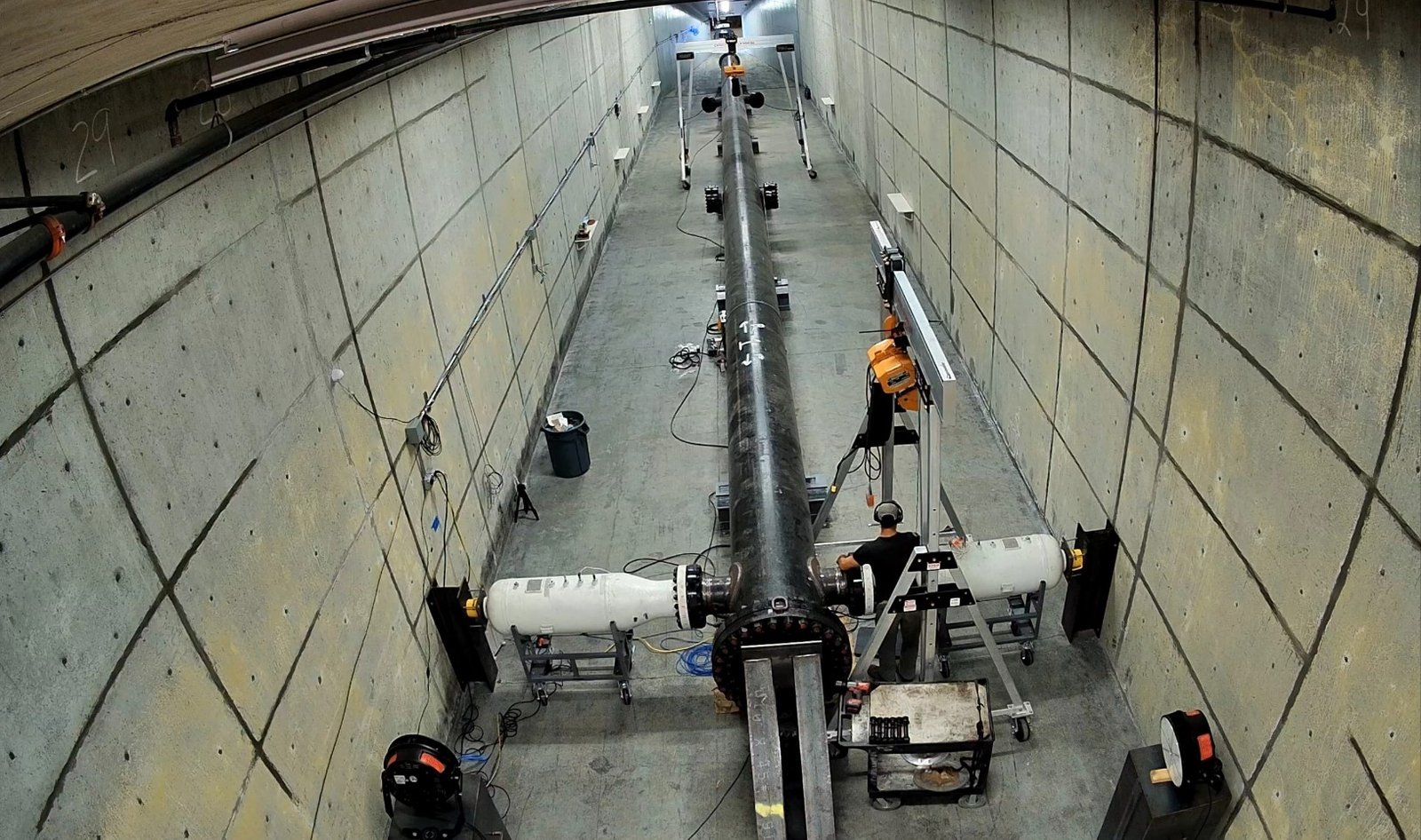 California Startup Raises $20 Million to Develop Space Cannon for Satellite Launches
-
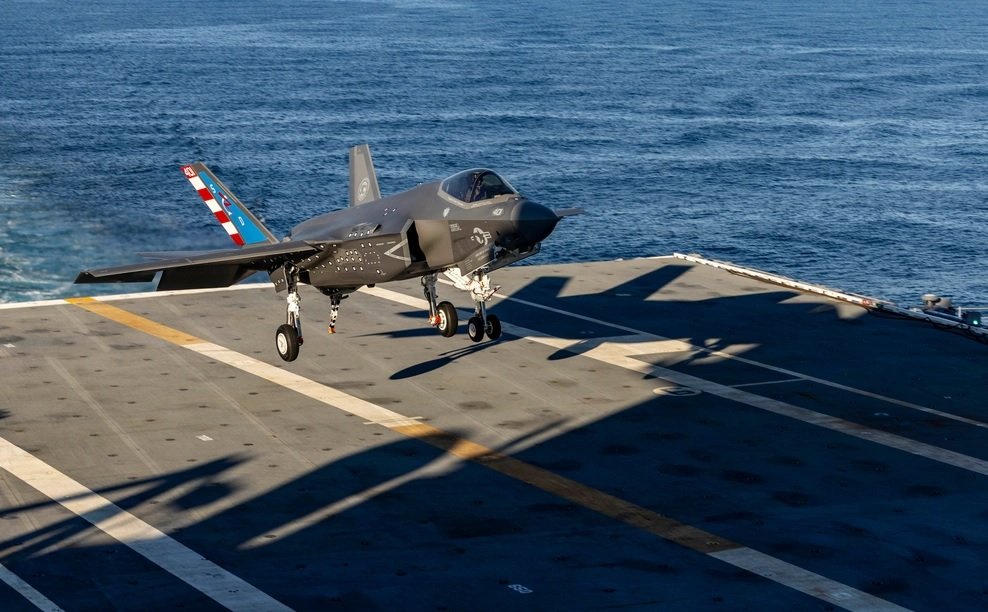 First F-35C Stealth Fighters Conduct Flight Trials Aboard USS John F. Kennedy
-
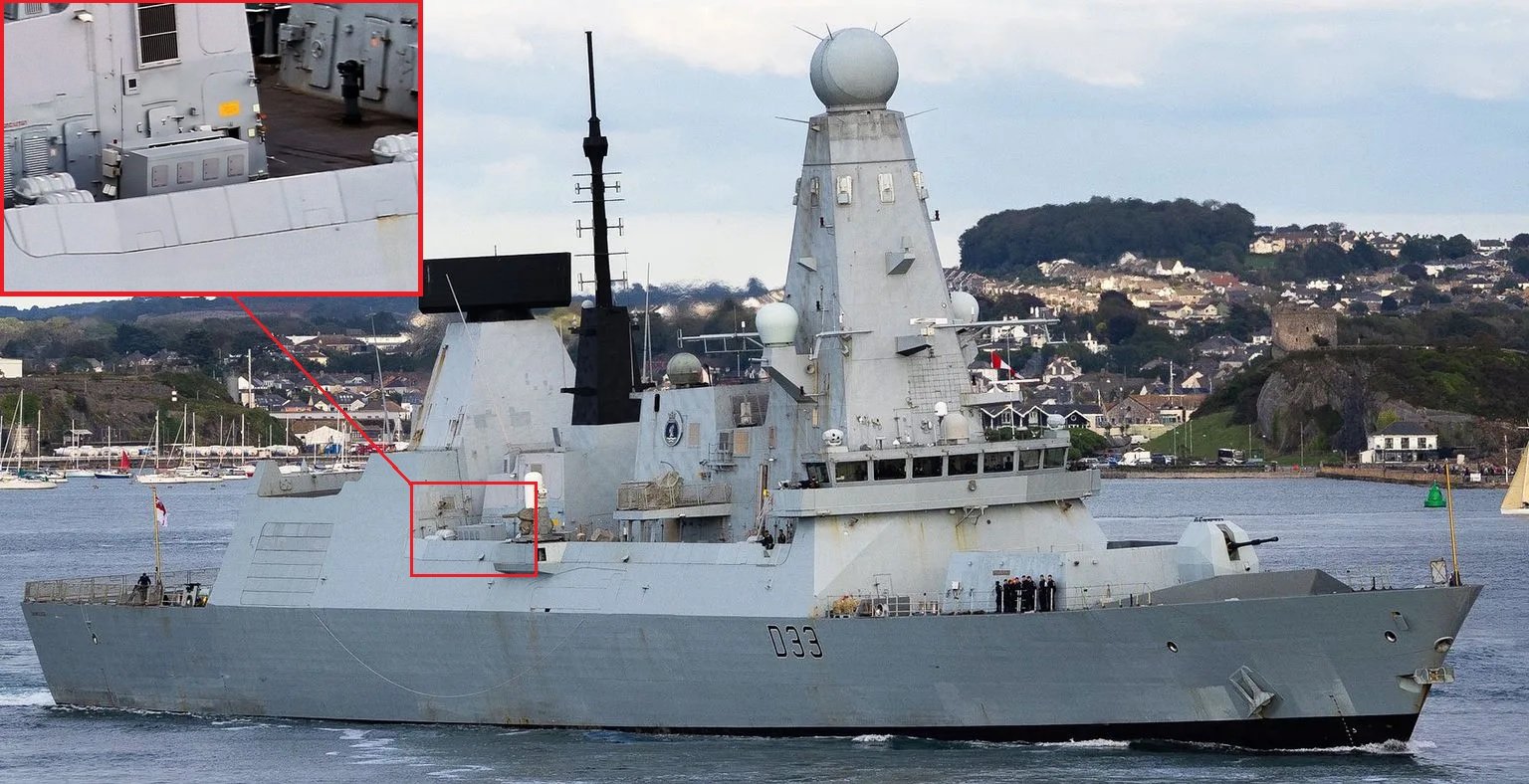 Royal Navy Type 45 Destroyer HMS Dauntless Fitted with New Launchers Believed to be Counter-Drone Interceptors
Top Trending in 4 Days
-
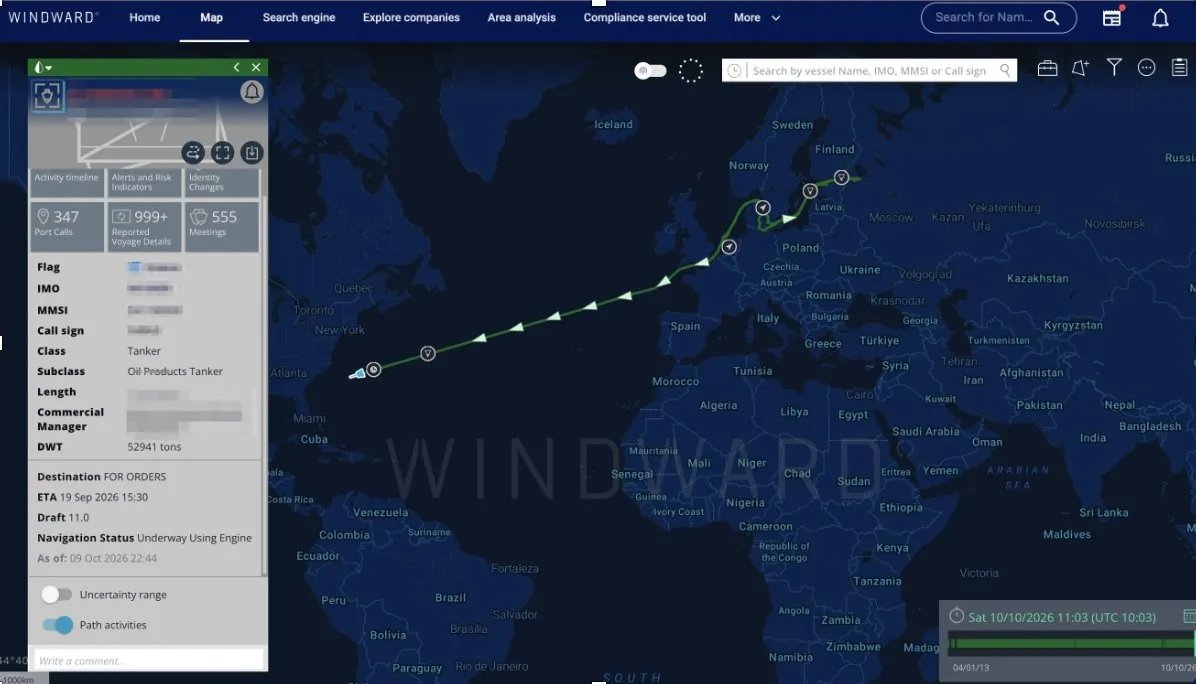 Minerva Zen Tanker Carrying Fertilizer, Not Russian Diesel, to US
-
 IAI and SIG SAUER Complete Live-Fire Test of FIRE STORM 250 Armed Drone
-
 US Military Funds Quantum Sensors for Underground Mapping Under Project Farseer
-
 India to Release AI Regulation Paper Within 30 Days, Add 10,000 GPUs Under IndiaAI Mission
-
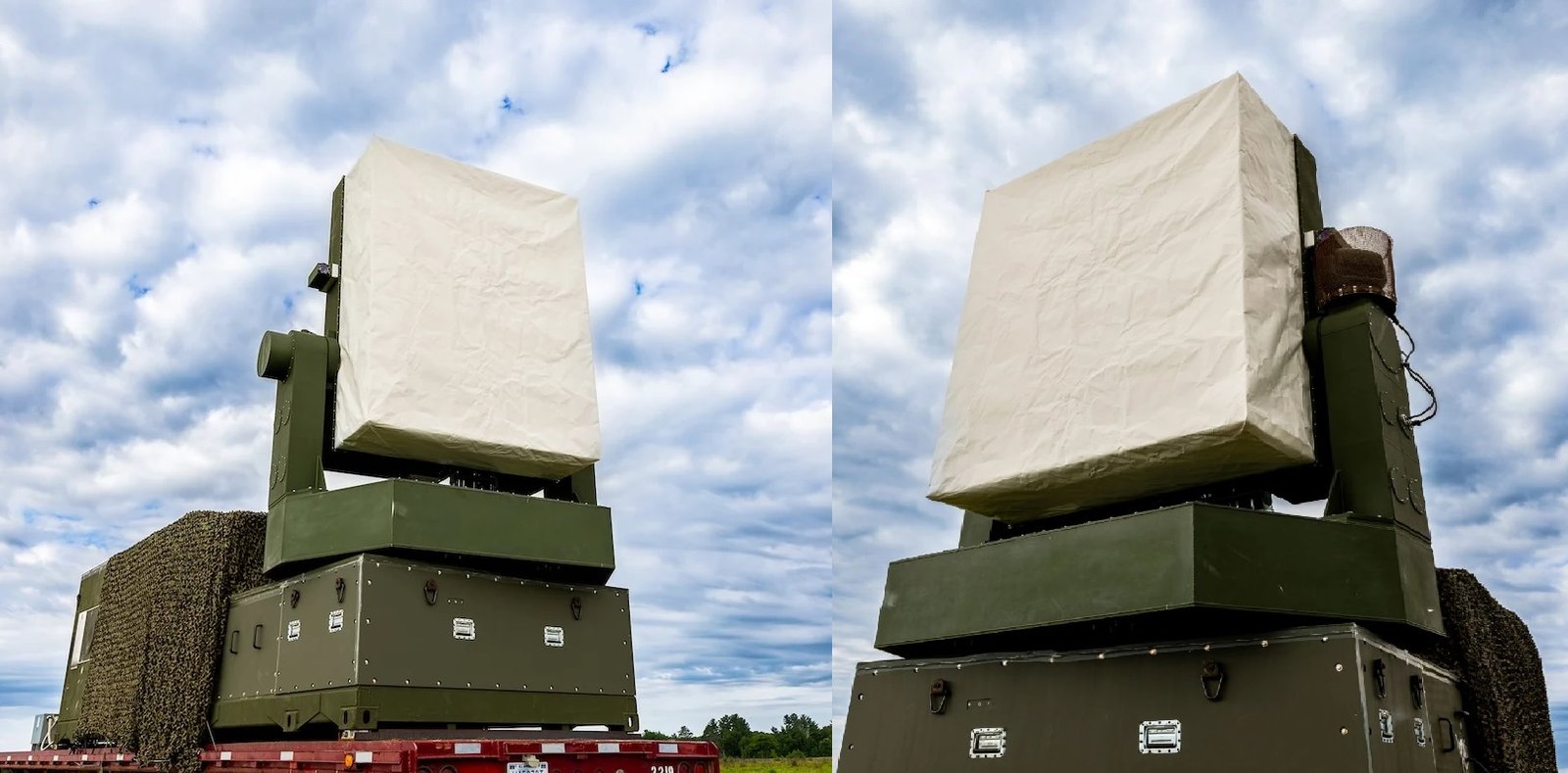 BAE Systems Unveils High Power Microwave Weapon for Drone Defense at AUSA 2026
-
 NASA Opens Final Bidding for Commercial Space Stations to Replace the ISS
-
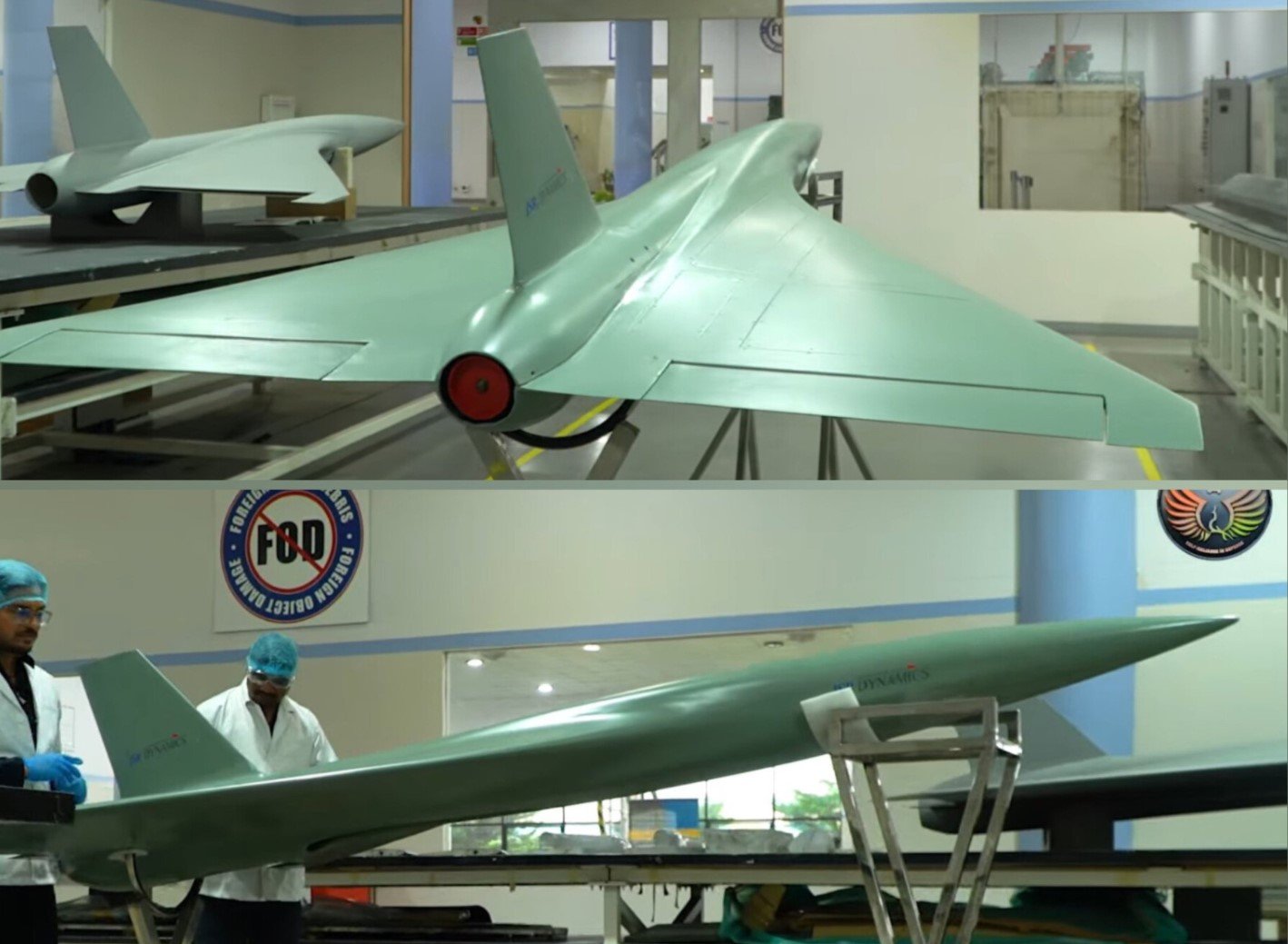 SR Dynamics Unveils New Stealth Strike Drone With 1,000 km Range and 900 km/h Speed
-
 Saudi Arabia Explores $8 Billion Loan as Missile Interceptor Stocks Deplete and Western Support Lags