
U.S
WOODINVILLE, Wash. — Echodyne has officially opened a new $40 million advanced radar manufacturing facility in Woodinville, Washington, significantly expanding its production capacity to meet increasing demand for counter-unmanned aircraft systems (C-UAS), short-range air defense, and other radar applications from the United States and allied customers. The new 86,350-square-foot facility will serve as Echodyne's dedicated manufacturing and operations hub, enabling end-to-end radar production. Once operating at full capacity, the site will be capable of producing more than 2,500 radars per month, equivalent to over 30,000 radar systems annually. The company said it will gradually transfer all manufacturing operations from its current headquarters in Kirkland to the new Woodinville facility over the coming months. Facility Designed for High-Volume Production The new manufacturing site includes approximately 74,350 square feet dedicated to production and 12,000 square feet for warehousing. According to the company, the layout is designed to support flexible manufacturing across multiple radar models while allowing future expansion for additional product lines. The investment is expected to create more than 100 new jobs initially, with the workforce potentially growing to around 200 positions as production increases. Echodyne currently employs about 260 people across the company. The facility is intended to strengthen domestic manufacturing capacity while supporting long-term production requirements from military, security, and commercial customers. Rising Demand for Counter-Drone Radar Demand for advanced radar systems has increased as drones are being used more widely in both military and civilian applications. Echodyne said its radar systems are seeing growing interest for missions including: Counter-UAS (C-UAS) Short-range air defense Force protection Border security Intelligence, surveillance, and reconnaissance (ISR) Critical infrastructure protection Beyond visual line of sight (BVLOS) operations for autonomous systems Recent conflicts, including the war in Ukraine, have demonstrated how low-cost drones can affect military operations, increasing the need for reliable sensors capable of detecting and tracking small aerial threats. At the same time, commercial drone operations such as infrastructure inspection, emergency response, and future delivery services are driving additional demand for airspace monitoring technologies. CEO Highlights Need for Scalable Manufacturing Commenting on the new facility, Eben Frankenberg, Chief Executive Officer of Echodyne, said growing global demand requires not only high-performance radar systems but also the ability to manufacture them in large numbers. "Our global customer base is demanding more radar to be delivered as fast as possible. Drones are driving significant change in both enabling a drone economy and in defending against nefarious drone use. While radar performance will always be the dominant consideration, product availability both now and in a predictable and consistent manner over time is quickly becoming a requirement for any global supplier. The only way to defend against mass is with mass. That requires not just high-performance economical radars, but the ability to manufacture them at scale." MESA Radar Technology Echodyne's radar systems are based on its patented Metamaterials Electronically Scanned Array (MESA®) technology. Unlike conventional electronically scanned array radars that rely on thousands of phase shifters, the MESA architecture uses a simplified approach to electronically steer radar beams. The design allows the company to manufacture radar systems using standard materials and commercial production processes. According to Echodyne, this approach results in radar systems that are: Smaller and lighter Lower in power consumption Less expensive to manufacture Easier to export Capable of maintaining high radar performance The company said its manufacturing process follows the same principles of simplicity and scalability, using modular production methods that allow output to be adjusted according to customer requirements while maintaining consistent product quality. Expanding Role in Defense Programs Echodyne's radar technology is already integrated into systems developed by several major defense companies, including Anduril, Axon, Moog, and Northrop Grumman. The company was also recently selected as the primary radar supplier for Trust Automation's Small UAS Detection System (SUADS). The system is being delivered under a $490 million indefinite-delivery/indefinite-quantity (IDIQ) contract awarded by the U.S. Air Force. Founded in 2014 after being spun out from Intellectual Ventures, Echodyne has focused on developing compact electronically scanned radar systems for defense, security, and commercial markets. Strengthening U.S. Radar Manufacturing With the opening of its new Woodinville manufacturing hub, Echodyne is increasing domestic production capacity for advanced radar systems while preparing to meet growing demand from military, security, and commercial operators. The company expects to continue expanding its workforce and manufacturing output as production ramps up and customer requirements increase. Source : echodyne
Read More → Posted on 2026-07-13 13:09:50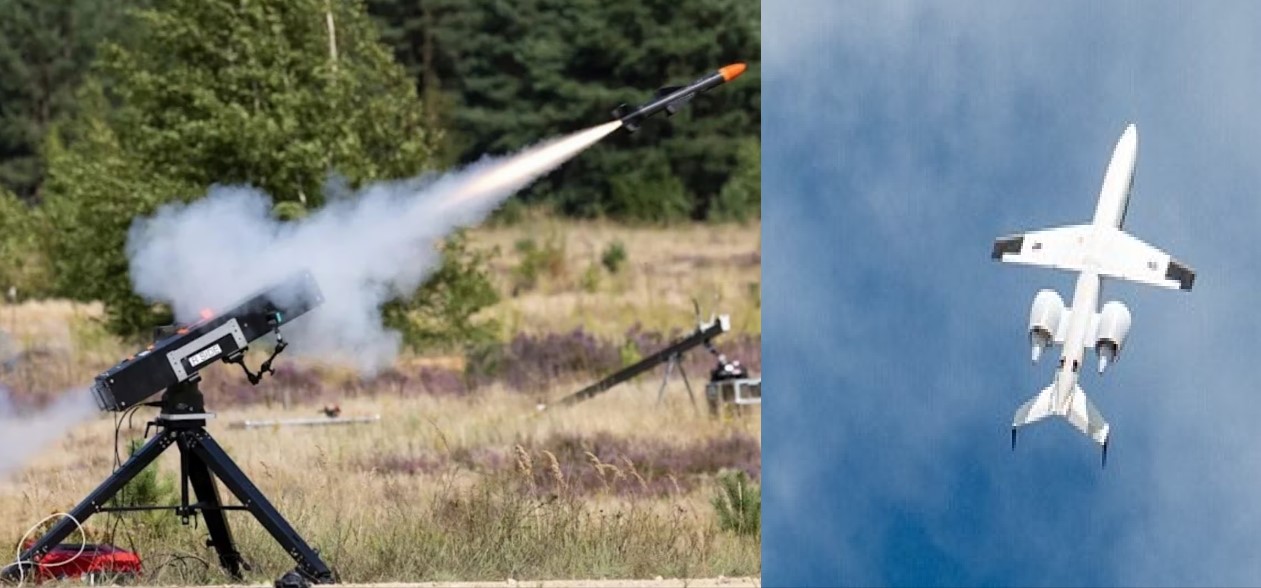
Europe
LONDON, United Kingdom — The UK Ministry of Defence (MOD) has awarded £3.16 million in contracts to Frankenberg Technologies, Greenjets, and Cambridge Aerospace to develop low-cost interceptors capable of countering drones and other airborne threats. The contracts are part of the Low-Cost Air Defence Effectors (LCADE) programme, managed by the National Armaments Director (NAD) Group, and mark the UK's first awards under the multinational Low-Cost Effectors and Autonomous Platforms (LEAP) initiative. LEAP is a joint programme involving the UK, France, Germany, Italy, and Poland to develop affordable interceptors and autonomous defence systems. Each country is running its own national competition before moving to a multinational phase, where the most promising designs will be selected for large-scale production across the partner nations. The programme responds to the growing challenge posed by low-cost, mass-produced drones, which can overwhelm traditional air defence systems that are often expensive to operate and slower to replace. The MOD noted that Russia launched the equivalent of more than 200 drones per day into Ukraine during March 2026, highlighting the need for more cost-effective air defence solutions. The three selected companies, all UK-based SMEs, will now develop and test their interceptor designs while expanding domestic manufacturing capabilities. The investment is expected to support jobs in Cambridge, Milton Keynes, Bristol, and Stevenage, with Cambridge Aerospace becoming one of the newer companies to join MOD programmes. The contracts were delivered by Commercial X, a specialist team within the NAD Group that focuses on accelerating defence procurement and increasing participation from smaller companies. The team has previously supported rapid contracting for programmes involving hypersonic weapons and directed energy systems. The UK says the LCADE programme will strengthen national air defence capabilities while supporting the domestic defence industry. Following the development and testing phase, successful designs will be considered for production at scale under the wider LEAP programme to provide affordable air defence systems for allied forces. Source : gov.uk
Read More → Posted on 2026-07-13 13:56:33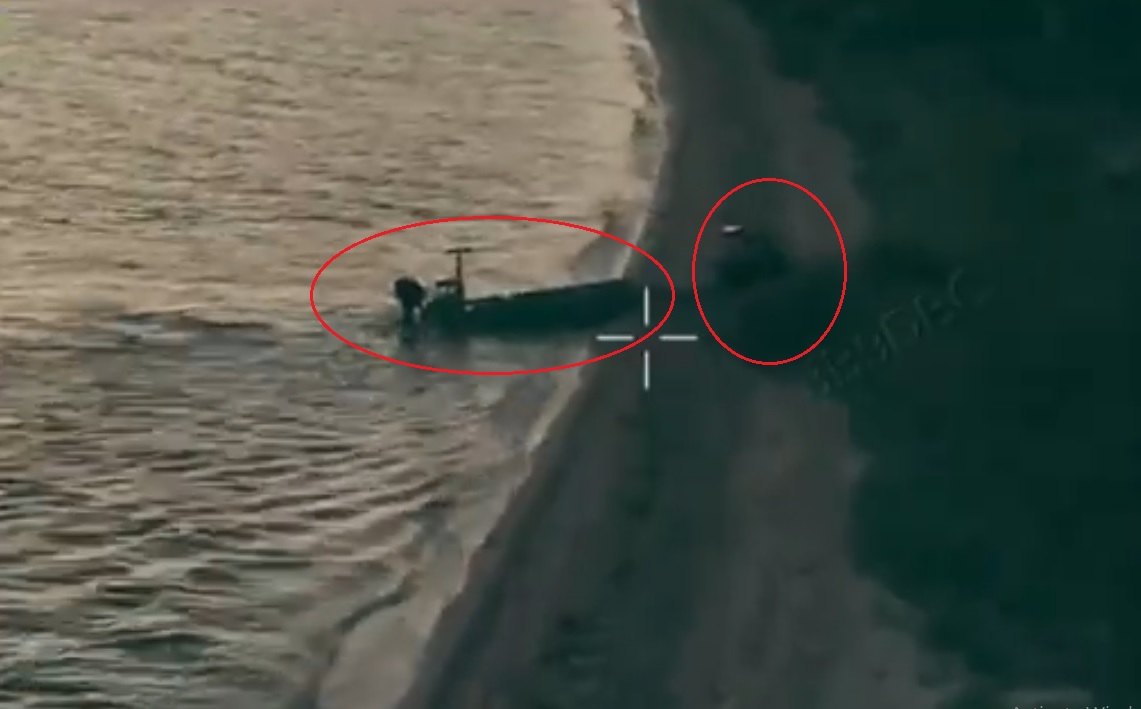
World
MYKOLAIV REGION, Ukraine — Ukrainian forces have carried out what military officials describe as the world's first known combat operation in which an unmanned surface vessel (USV) transported and deployed an armed unmanned ground vehicle (UGV) onto enemy-held territory. The mission took place on the Russian-occupied Kinburn Spit in Ukraine's southern Mykolaiv region. According to the 123rd Separate Territorial Defense Brigade, the operation was conducted by its 1st Unmanned Systems Battalion, marking a new step in the integration of different unmanned systems for frontline combat missions. Unmanned Boat Delivered Armed Ground Robot to Occupied Shore During the operation, operators remotely guided an unmanned maritime platform across the Black Sea to the occupied coastline of the Kinburn Spit. After reaching shore, the vessel successfully unloaded an armed ground robot, which then continued its assigned combat mission behind Russian positions under remote control. The brigade described the mission as the first known combat operation of its kind, stating that the robotic system was delivered by sea, landed on occupied Ukrainian territory, and employed to complete its assigned task. No soldiers. Just machines.Ukraine has carried out the world's first known combat mission in which a sea drone transported and deployed an armed ground robot behind Russian lines on the occupied Kinburn Spit. pic.twitter.com/zyJdFXWxVb — Ivan Khomenko (@KhomenkoIv60065) July 13, 2026 The operation was overseen by Colonel Oleh Makukha, commander of the 123rd Separate Territorial Defense Brigade, while Major Denys Hipik, commander of the 1st Unmanned Systems Battalion, directly coordinated the mission. In its official statement, the brigade said the operation reflects a growing focus on using unmanned systems for high-risk combat tasks in order to reduce the exposure of military personnel to enemy fire. Likely Use of the Ukrainian-Made Rys Ground Robot The Ukrainian military did not officially identify the unmanned ground vehicle used during the mission. However, footage released by the brigade indicates that it was likely the Rys (Lynx) robotic platform developed by the Ukrainian company Roboneers. The vehicle used in the operation appeared to be equipped with a PKT 7.62mm machine gun, a weapon commonly integrated into Ukrainian robotic combat platforms. The Rys family of unmanned ground vehicles is currently employed by Ukrainian forces in several roles, including: Logistics and supply transport Casualty evacuation Engineering support Direct combat support Some variants can also be fitted with specialized equipment for mine-laying and demining operations. The base version of the Rys platform is designed to carry payloads of up to 150 kilograms, while the larger Rys PRO variant can transport up to 300 kilograms. The system can also be equipped with the ShaBlya remote weapon station for armed missions. Kinburn Spit Remains a Highly Contested Area The Kinburn Spit is one of the most heavily contested coastal areas in southern Ukraine. Russian forces maintain extensive surveillance networks in the area using drones, observation systems, and artillery coverage, making conventional amphibious landings particularly dangerous. Using an unmanned surface vessel to transport an armed ground robot allows Ukrainian forces to carry out missions in these heavily defended coastal areas without placing soldiers directly at risk during the initial landing. Part of Ukraine's Expanding Use of Robotic Systems The latest operation reflects Ukraine's continued expansion of robotic systems across battlefield operations. In June 2026, Ukraine's 115th Mechanized Brigade reported using an armed unmanned ground vehicle to provide fire support while clearing Russian positions in the village of Novoplatonivka in the Kharkiv region. The Ministry of Defense has also reported a growing use of unmanned ground vehicles for logistics and casualty evacuation missions, highlighting the increasing role of robotic systems across different military tasks. A New Tactical Application for Sea Drones While Ukrainian sea drones have been widely used throughout the war against Russian naval forces—primarily for strike missions and attacks on maritime targets—the Kinburn Spit operation represents a different application. Instead of serving as a weapon itself, the unmanned surface vessel acted as a transport platform, delivering an armed ground robot directly onto occupied coastline. This effectively turned the maritime drone into an unmanned landing craft capable of inserting robotic systems into contested territory. The mission demonstrates how different categories of unmanned platforms can be combined to conduct operations in areas where conventional troop landings would face significant risks from surveillance, artillery, and drone attacks. According to the 123rd Separate Territorial Defense Brigade, the operation represents "the first known combat mission of this format in the world," reflecting Ukraine's ongoing efforts to integrate maritime and ground robotic systems into coordinated battlefield operations. Source : united24media
Read More → Posted on 2026-07-13 14:22:04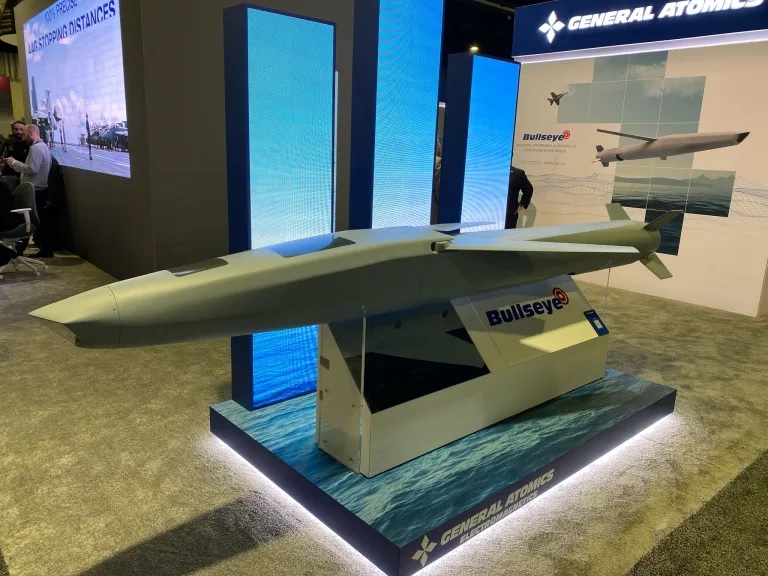
U.S
WASHINGTON — The U.S. Senate Armed Services Committee has advanced a proposal to provide $40 million for the U.S. Marine Corps to integrate and test General Atomics' Bullseye cruise missile as part of the Fiscal Year 2027 National Defense Authorization Act (NDAA). The proposed funding is allocated for the Marine Corps' technology demonstration and prototyping efforts. The initiative is intended to evaluate the missile's operational capabilities while supporting the Pentagon's broader effort to field affordable, mass-produced long-range precision weapons for future military operations, particularly in the Indo-Pacific region. The proposal must still pass the remaining stages of the congressional legislative process before becoming law. If approved in the final NDAA, the funding would enable the Marine Corps to conduct integration and demonstration activities to determine how the Bullseye missile could support future operational requirements. Bullseye Cruise Missile Designed for Long-Range Precision Strike The Bullseye cruise missile was publicly introduced by General Atomics during the Sea Air Space 2025 exhibition. The missile is derived from Rafael Advanced Defense Systems' Ice Breaker cruise missile and is planned for domestic production at General Atomics' manufacturing facility in Tupelo, Mississippi. The company says domestic production will strengthen U.S. supply chains while supporting faster manufacturing and sustained production capacity for future defense requirements. Bullseye weighs less than 1,000 pounds, measures approximately 13 feet (4 meters) in length, and is designed to engage both ground and maritime targets at ranges exceeding 300 kilometers (186 miles). The missile follows a high-subsonic, sea-skimming, and terrain-following flight profile to improve survivability in contested environments. It is equipped with an imaging infrared (IIR) seeker and is designed to continue operating in GPS-denied environments using terrain contour matching and scene-matching navigation. It also includes a man-in-the-loop capability that allows operators to abort or retarget a mission after launch when required. Focused on Marine Corps Operations in the Indo-Pacific The proposed funding aligns with the Marine Corps' effort to strengthen the capabilities of its Marine Littoral Regiments, which are designed to operate in contested maritime environments across the Western Pacific. The 12th Marine Littoral Regiment, based in Japan, has already begun fielding the Navy-Marine Expeditionary Ship Interdiction System (NMESIS) equipped with the Naval Strike Missile. Meanwhile, the 3rd Marine Littoral Regiment, based in the Philippines, has demonstrated similar long-range strike capabilities during military exercises. According to General Atomics, Bullseye is intended to provide an additional long-range precision strike option for these forward-deployed forces, supporting operations in areas where anti-access and area denial (A2/AD) systems present operational challenges. Company promotional material has also highlighted the missile's potential role in addressing current and future security challenges in the South China Sea, including scenarios involving People's Liberation Army facilities on artificial islands. Multiple Launch Options One of the key features of the Bullseye program is its ability to operate from a variety of launch platforms, providing flexibility across different military services. The missile is designed for: Air launch from fighter aircraft, including the F/A-18 Hornet. Ground launch, with integration work currently underway for the M142 High Mobility Artillery Rocket System (HIMARS) and the M270 Multiple Launch Rocket System (MLRS). Sea launch through a containerized system known as "Bullseye in a Box," which carries four missiles inside a standard shipping container. Earlier this year, General Atomics also presented concepts for deploying these containerized launch systems aboard amphibious assault ships. The approach supports ongoing U.S. Navy efforts to increase fleet firepower through modular, containerized weapon systems, providing additional flexibility for future naval operations. Supporting Pentagon Efforts to Expand Precision Weapon Stocks The Bullseye program is part of the Pentagon's broader effort to increase inventories of cost-effective, mass-producible precision-guided weapons while strengthening domestic manufacturing capacity. General Atomics has emphasized that the missile is designed for scalable production within the United States, supporting government efforts to improve supply chain resilience and maintain adequate inventories of long-range strike weapons. If the proposed funding is approved by Congress, the Marine Corps will begin integration and demonstration activities to assess Bullseye's suitability for future operations, particularly in support of expeditionary forces operating across the Indo-Pacific region. Source : navalnews
Read More → Posted on 2026-07-13 14:36:38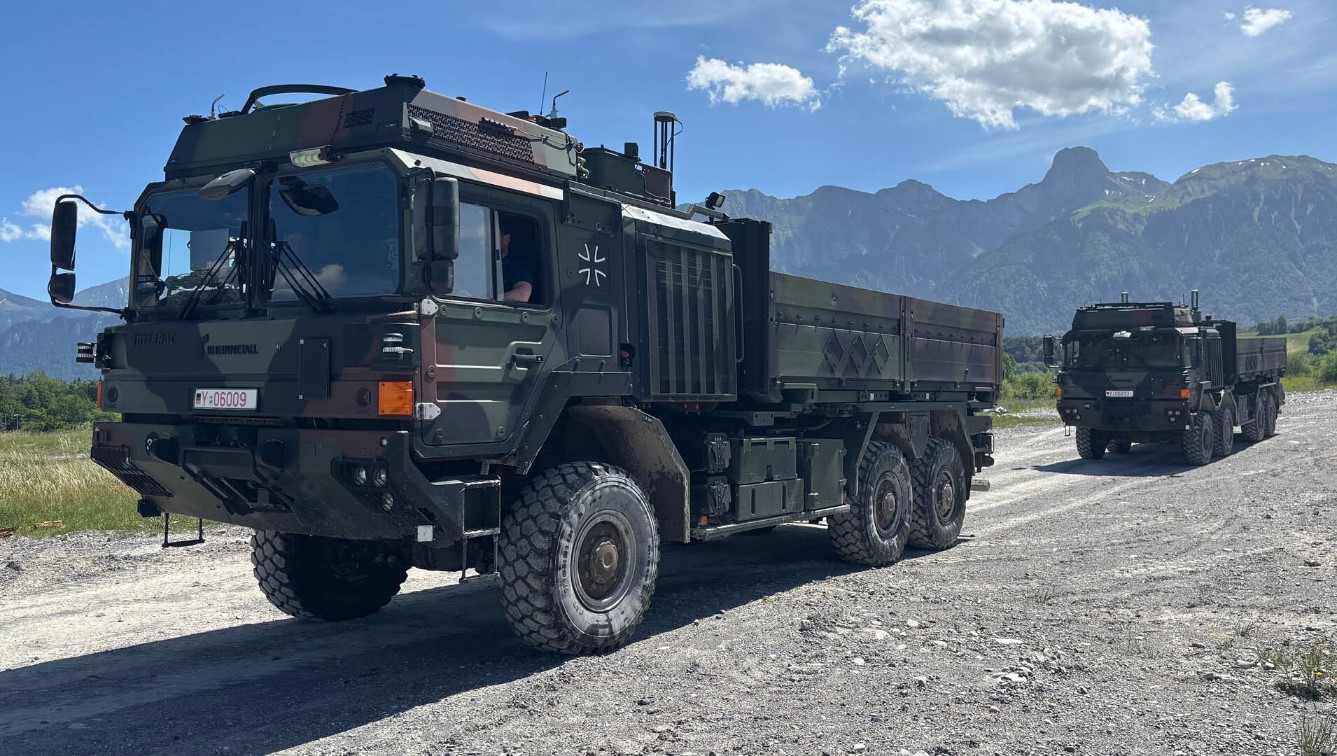
Europe
BERLIN — Rheinmetall MAN Military Vehicles GmbH (RMMV) has assumed full responsibility for the InterRoC VII (Interoperable Robotic Convoy VII) research project on behalf of Germany's Federal Office of Bundeswehr Equipment, Information Technology and In-Service Support (BAAINBw). InterRoC VII is the latest phase of the long-running InterRoC research program, which focuses on developing highly automated convoy technologies for military logistics. The project builds on earlier InterRoC demonstrations that used HX2 military trucks to test autonomous leader-follower convoy operations, where multiple vehicles travel together with minimal human intervention. Focus on Autonomous Military Logistics The primary objective of InterRoC VII is to further develop highly automated convoy control systems capable of supporting military logistics in demanding operational environments. The project is also designed to test interoperable vehicle formations, allowing different types of military vehicles to operate together safely and autonomously. Key areas of development include: Efficient automation technologies Advanced perception and decision-making functions Robust route planning for mixed (heterogeneous) vehicle formations The technologies are intended to improve the reliability and safety of military logistics operations, particularly in off-road environments and areas where communications are limited or disrupted. A major focus of the project is enabling autonomous convoy operations in GNSS-denied environments, where satellite navigation systems such as GPS are unavailable or intentionally jammed. This capability is considered important for military operations in environments affected by electronic warfare or navigation interference. HX Military Trucks Equipped With Autonomous Technology For the InterRoC VII project, RMMV is using vehicles from its established HX family of military logistics trucks. The vehicles are equipped with Rheinmetall's modular PATH sensor kit and a fully integrated drive-by-wire system, allowing software to control steering, braking, and acceleration through the vehicle's existing architecture. The PATH autonomy system is designed with an open system architecture, enabling the integration of additional sensors, artificial intelligence-based software, and mission-specific algorithms as the technology evolves. This modular approach provides a scalable platform that can be adapted for future military requirements. Driveblocks Supports AI and Environmental Perception As part of the project, Driveblocks GmbH is contributing software and artificial intelligence technologies focused on environmental perception and object classification. Its system combines camera and LiDAR sensor data with AI models to detect and understand complex three-dimensional environments. The technology is designed to operate in challenging conditions, including unstructured terrain, dense vegetation, dust, snow, and varying visibility, helping autonomous vehicles make reliable navigation decisions in difficult operational settings. Lessons From ELROB 2026 Integrated Into Project RMMV assumed responsibility for InterRoC VII shortly before achieving a top placement in the "Convoy Scenarios" category at the European Land Robot Trial (ELROB) 2026, held at the Thun military training area in Switzerland. ELROB is one of Europe's leading field trials for testing unmanned ground systems and autonomous military technologies under realistic operating conditions. According to Rheinmetall, capabilities demonstrated during the competition are being directly incorporated into the ongoing development of the InterRoC VII program. Building on Earlier InterRoC Research The InterRoC research series began around four years ago to explore technologies and operational requirements for future autonomous military logistics vehicles. Earlier project phases equipped HX trucks with autonomy kits to evaluate automated convoy operations in realistic conditions. Previous demonstrations included joint testing in Germany and the United States, where researchers validated leader-follower convoy concepts using autonomous logistics vehicles. With InterRoC VII, the research program continues to expand its focus on improving military supply chains through automation while reducing risks to personnel during logistics missions in demanding operational environments. The project also supports broader Bundeswehr efforts to modernize and digitize military mobility through the integration of autonomous technologies. Rheinmetall and BAAINBw have not disclosed financial details or a timeline for completion of the current research phase. Sources: Rheinmetall
Read More → Posted on 2026-07-13 14:56:13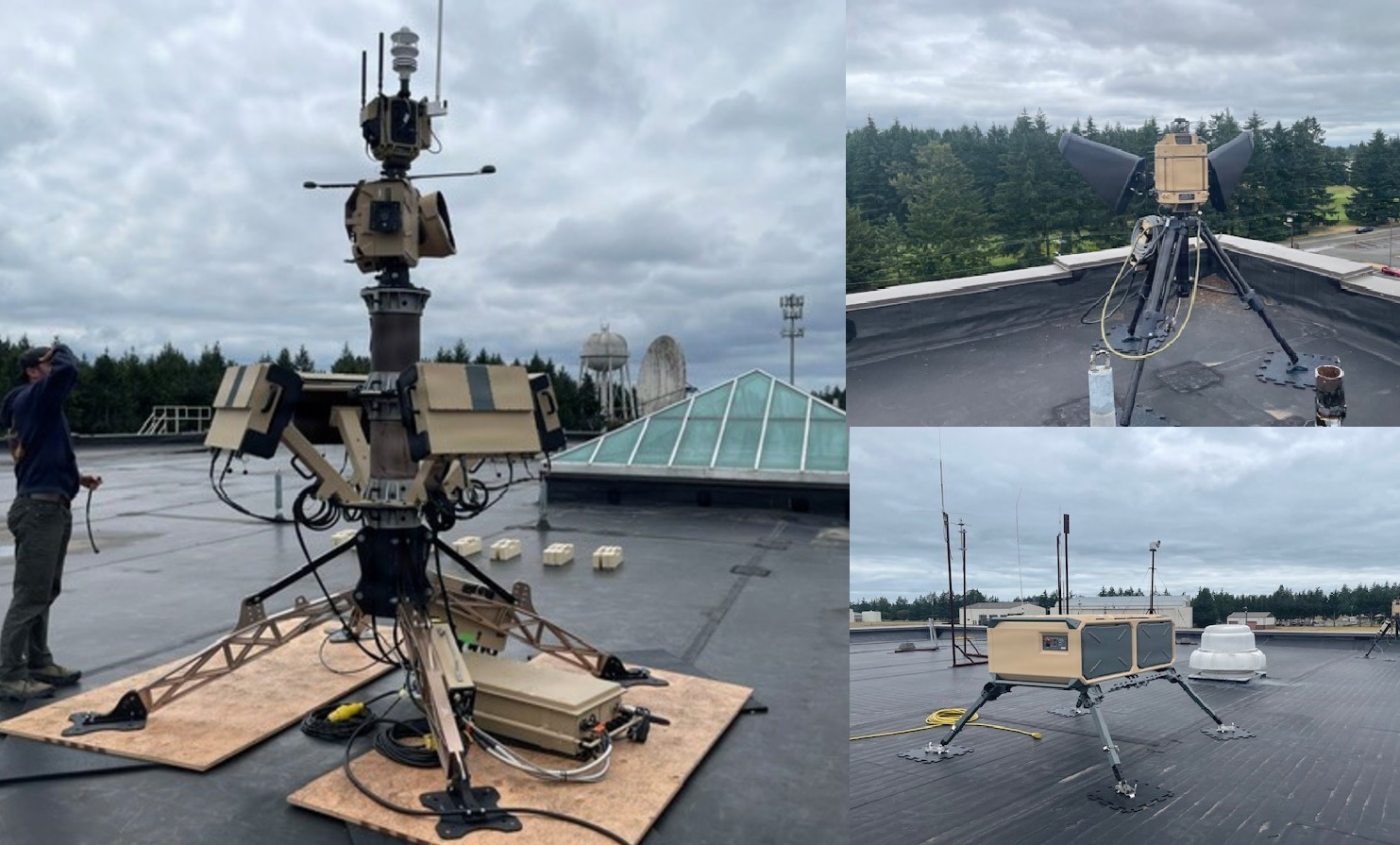
U.S
WASHINGTON — The U.S. Army has begun installing Anduril Industries' counter-unmanned aircraft systems (C-UAS) at Joint Base Lewis-McChord (JBLM) in Washington state, marking the first physical deployment of the company's integrated counter-drone hardware at a U.S. military installation. The move is part of a broader effort to strengthen the protection of military bases against the growing threat posed by small unmanned aerial systems. The project is being managed by Joint Interagency Task Force 401 (JIATF-401), an Army-led organization established by the Department of War in 2025 to unify the military's counter-drone capabilities. Before the creation of JIATF-401, individual military services largely managed their own counter-drone programs, resulting in separate procurement efforts and different combinations of sensors, jammers, and interceptors. The task force now oversees the procurement, testing, integration, and deployment of counter-UAS systems under a common homeland defense strategy. JIATF-401 recently published a handbook titled "Small Drones, Big Problems," which outlines a layered approach to countering unauthorized drones and provides a common operating framework for personnel responsible for defending military installations. Army Maj. Joe Amoroso, Deputy Chief of Strategic Initiatives for JIATF-401, said it is important to establish a common foundation for counter-drone operations while working with government agencies and interagency partners to address the growing threat posed by small unmanned aircraft. Layered Counter-Drone Defense The initial installation at JBLM includes three key systems developed by Anduril Industries, with each performing a specific role in detecting, tracking, disrupting, and defeating hostile drones. SpyGlass Radar The SpyGlass system is a Ku-band phased array radar designed to detect and track multiple aerial targets simultaneously using electronically steered beams instead of traditional rotating radar antennas. According to Anduril, its onboard processing increases detection range by 25 to 30 percent compared with older radar systems, giving security personnel additional time to identify and respond to potential drone threats. Pulsar Electronic Warfare System The Pulsar system is a software-defined electronic warfare (EW) platform that detects and disrupts the radio-frequency signals used by drones for communication and navigation. The system uses edge artificial intelligence to adapt to newly emerging drone frequencies within hours rather than months. Demonstrations have shown it can effectively counter Group 1 unmanned aircraft at distances of up to 2 kilometers (approximately 1.2 miles). Anvil Interceptor The Anvil system is an autonomous kinetic interceptor designed to physically destroy hostile drones by colliding with them. It is intended to defeat Group 1 and Group 2 unmanned aircraft systems, including most commercial quadcopters and small fixed-wing drones capable of carrying cameras or light payloads. The interceptor is designed for situations where electronic warfare measures alone are not sufficient to stop an incoming drone. Faster Deployment Through Industry Collaboration The installation at JBLM was carried out through direct cooperation between government personnel and Anduril engineers. Tommy Hernandez III, Anduril's Air Defense Team Lead, and George Nguyen, Tactical Operations Engineer, worked alongside JIATF-401 personnel to install and integrate the systems on-site. This approach is intended to shorten deployment timelines by allowing government and industry teams to work together during installation and system integration, reducing the delays often associated with traditional military acquisition processes. Why Joint Base Lewis-McChord Was Selected Joint Base Lewis-McChord was selected for the first deployment because of its strategic importance within the U.S. military. Located near Tacoma, Washington, JBLM is the only Army power projection base west of the Rocky Mountains in the continental United States. The installation hosts I Corps and supports the 62nd Airlift Wing, which operates the C-17 Globemaster III strategic airlift fleet. The base plays an important role in moving troops, equipment, and supplies to the Indo-Pacific region during military operations and contingency missions. Its operational importance makes it a priority location for strengthening protection against unauthorized drone activity. Part of a Broader National Counter-Drone Strategy The deployment at JBLM is one element of a wider counter-drone strategy being implemented by JIATF-401 across the United States. In addition to installing standardized counter-UAS systems, the task force is managing a pilot program that is evaluating laser and microwave-based counter-drone technologies at five other military sites. The broader modernization effort also includes a 10-year, $642 million contract awarded to Anduril Industries to deploy counter-UAS systems across U.S. Marine Corps bases. The objective is to create a more standardized and coordinated approach to protecting military installations from increasingly capable and affordable unmanned aircraft. Growing Concern Over Small Drone Threats The widespread availability of inexpensive commercial drones has significantly changed the security environment for military installations. Small unmanned aircraft have been used extensively in recent conflicts, including those in Ukraine and the Middle East, for reconnaissance, surveillance, and attack missions, highlighting the operational impact of low-cost drone technology. Within the United States, military officials have also reported a growing number of unauthorized drone incursions near military facilities over the past decade. These incidents have increased the focus on deploying systems capable of detecting, tracking, disrupting, and, when necessary, physically intercepting drones before they can reach sensitive infrastructure. Army Brig. Gen. Matt Ross, Director of JIATF-401, said that while there is no single solution capable of addressing every drone threat, a proactive and layered defense built in cooperation with government partners can significantly reduce the risks posed by small unmanned aircraft. Source : dvidshub / defence-blog
Read More → Posted on 2026-07-13 15:09:52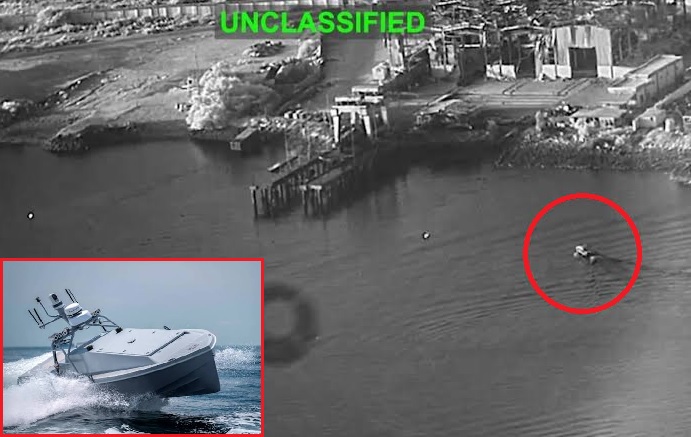
U.S
TAMPA, Fla. —The U.S. Central Command (CENTCOM) has confirmed that it used Corsair unmanned surface vessels (USVs) in combat for the first time during overnight strikes against Iranian military targets on July 12, marking the first known combat employment of the platform by U.S. forces. According to an official statement released by CENTCOM, U.S. forces launched multiple one-way attack surface drones against a submarine and ship maintenance facility at Bandar Abbas Naval Base on Iran's southern coast. CENTCOM also released video footage of the operation on its official X account. Yesterday, using multiple one-way attack surface drones, CENTCOM forces successfully struck a submarine and ship maintenance facility in Iran. Three Corsair unmanned surface vessels hit the port at Bandar Abbas Naval Base, marking the first time American forces have employed sea… pic.twitter.com/bOM2kmgRxz — U.S. Central Command (@CENTCOM) July 13, 2026 The command said three Corsair unmanned surface vessels successfully struck the naval facility, marking the first time American forces have employed sea drones in combat operations. CENTCOM stated that the strikes degraded Iran's ability to continue attacking commercial shipping. The attack was carried out using unmanned maritime systems instead of conventional crewed naval platforms, highlighting the expanding operational role of autonomous surface vessels in modern naval warfare. Corsair Unmanned Surface Vessel The Corsair is an autonomous surface vessel developed by Saronic Technologies for military maritime operations. The platform was officially launched in October 2024 as the company's largest autonomous surface vessel at the time and was designed to support missions for the U.S. Navy and allied forces. The U.S. Navy later awarded Saronic a contract worth more than $392 million to produce multiple Corsair vessels for operational use. Task Force 59, the U.S. Navy's unit responsible for integrating unmanned systems into fleet operations in the Middle East, began fielding the vessels in the region in late March 2026. Corsair Specifications According to Saronic, the Corsair has the following capabilities: Length: 24 feet (7.3 meters) Maximum speed: More than 35 knots Operational range: More than 1,000 nautical miles Payload capacity: More than 1,000 pounds (about 454 kilograms) The vessel is designed for long-duration autonomous missions and can operate under full autonomous navigation or remote human supervision. It is equipped with onboard computing, satellite communications, radar, cameras, and 360-degree passive sensing systems that support day and night operations. Previous Operational Use Before the July 12 strike on Iran, the Corsair had already been used in an operational mission. In June 8, 2026, a Corsair unmanned surface vessel operated by U.S. 5th Fleet Task Force 59 rescued two U.S. Army pilots after their AH-64 Apache helicopter crashed off the coast of Oman. According to CENTCOM, the autonomous vessel recovered the pilots from the water and transported them to a location where they were later hoisted aboard a rescue helicopter. The mission was described as the first publicly reported rescue of military personnel by an autonomous surface vessel. First Combat Use The July 12 operation represents the first confirmed combat use of the Corsair unmanned surface vessel and the first time the U.S. military has employed sea drones in a strike mission. According to CENTCOM, three Corsair USVs struck the submarine and ship maintenance facility at Bandar Abbas Naval Base, damaging infrastructure that supports Iranian naval operations. The command stated that the operation was intended to reduce Iran's ability to conduct future attacks against commercial shipping and released video footage showing the strike. Source : CENTCOM
Read More → Posted on 2026-07-13 15:28:43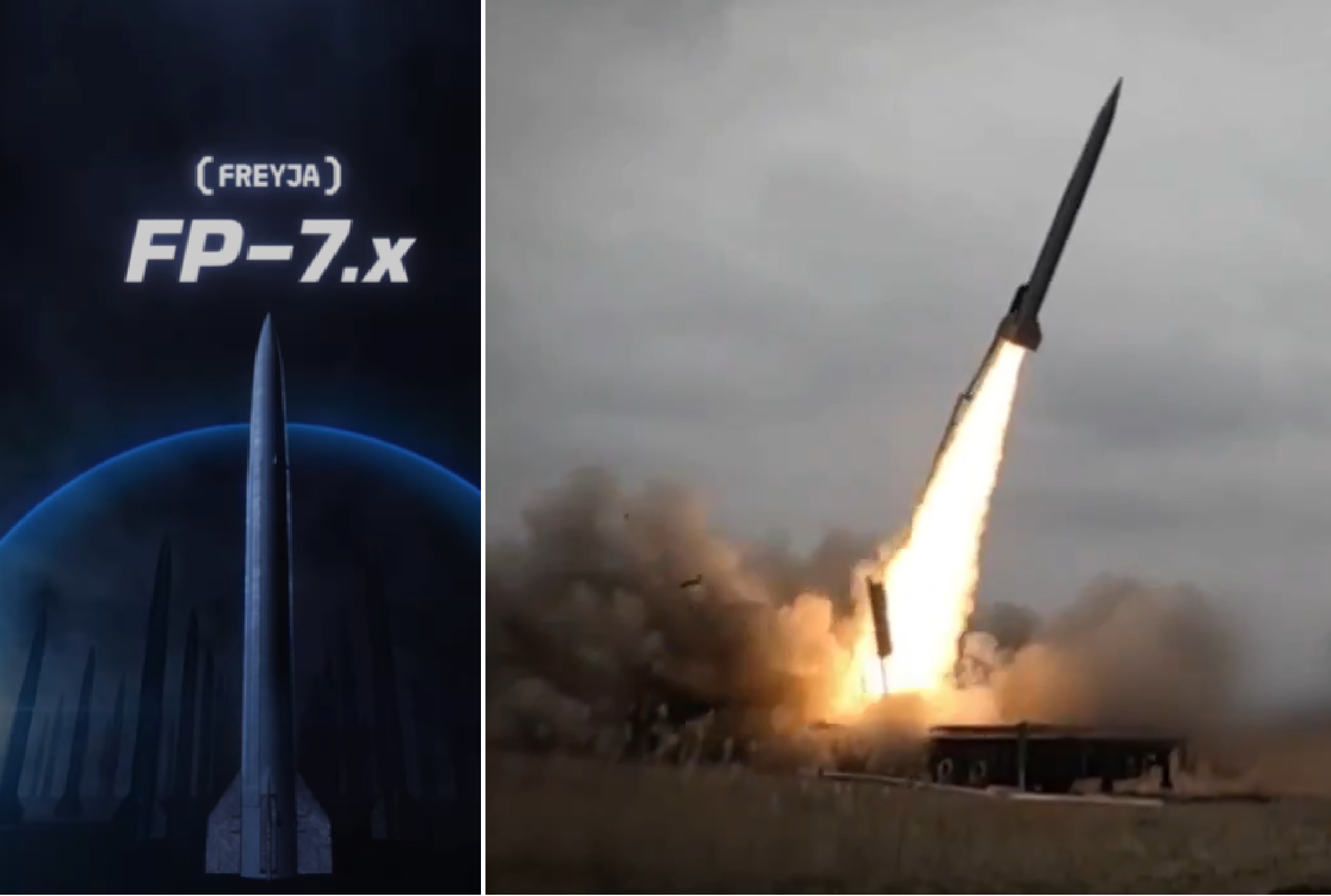
Europe
PARIS / KYIV — Ukraine and nine European partner countries have formally launched the Anti-Ballistic Missile Coalition, a multinational initiative aimed at developing and deploying the FREYJA anti-ballistic missile defense system across Europe. The agreement was announced at the Elysee Palace in Paris following a summit attended by the participating nations. The coalition includes Ukraine, Denmark, France, Germany, Italy, the Netherlands, Norway, Spain, Sweden, and the United Kingdom. According to Ukrainian President Volodymyr Zelenskyy, the coalition's flagship project will support the development and large-scale production of the FREYJA air defense system to establish a shared anti-ballistic missile defense capability across Europe. On the same day, Ukrainian defense company Fire Point publicly unveiled its FP-7.X anti-ballistic interceptor missile, the key interceptor being developed for the FREYJA system. The announcement was made through an Instagram post by the company's Chief Technology Officer, Iryna Terekh, who shared presentation materials and a promotional video introducing both the interceptor and the overall air defense concept. Alongside the video, Fire Point wrote: "FREYJA — PAN-EUROPEAN ANTI-BALLISTIC SHIELD OWNED TOGETHER. Coming soon…" During the presentation, the company described FREYJA as a pan-European anti-ballistic shield that would be jointly owned and supported by participating partner countries. The project is designed to integrate interceptor missiles, radar systems, command-and-control networks, and data-sharing technologies from multiple European defense companies into a single defensive architecture. FP-7.X Interceptor Forms the Core of FREYJA The FP-7.X interceptor has been developed by Kyiv-based Fire Point, a defense company founded in 2022 that initially focused on drones and missile systems before expanding into ballistic missile defense. According to specifications released by Fire Point co-founder Denys Shtilerman and Chief Technology Officer Iryna Terekh, the missile measures 7.25 meters in length and is constructed using lightweight composite materials, including carbon fiber, to reduce weight while improving maneuverability. The interceptor is designed to reach speeds between 1,500 and 2,000 meters per second—approximately Mach 4.4 to Mach 5.9—and intercept incoming ballistic missiles during the terminal phase of flight at altitudes of up to 20 kilometers. Fire Point says that most components of the FP-7 missile family are manufactured in Ukraine, while the overall FREYJA architecture has been designed with an open architecture that integrates with NATO-standard air defense systems and communication networks. European Defense Companies Contribute Key Technologies Rather than operating as a standalone national air defense system, FREYJA has been designed as a distributed "system of systems" that combines technologies from several European defense companies. Under the project: Fire Point serves as the prime contractor, responsible for the development and production of the FP-7.X interceptor and launcher. Germany's Diehl Defence is contributing to the missile's semi-active image infrared seeker, designed to distinguish genuine ballistic missile targets from infrared decoys, including those reportedly used by Russia's Iskander-M missile system. Sweden's Saab is supplying Giraffe 8A and Giraffe 4A radar systems. France's Thales is contributing the Ground Master 400 long-range radar. Germany's HENSOLDT is providing the TRML-4D Active Electronically Scanned Array (AESA) radar. Norway's Kongsberg is supplying the Fire Direction Centre (FDC) command-and-control system. The network is designed to exchange tactical information through NATO-standard Link-16 while using the ASTERIX protocol for secure radar data integration. HENSOLDT Agreement Supports Radar Integration In June 2026, Fire Point signed a Memorandum of Understanding (MoU) with HENSOLDT during the Eurosatory defense exhibition in Paris. The agreement covers the production, testing, and delivery of the TRML-4D radar for the FREYJA program. The AESA radar is capable of tracking approximately 1,500 air targets simultaneously, supporting long-range detection and target tracking for the missile defense network. Designed to Reduce Interception Costs One of the project's principal objectives is to lower the cost of defending against ballistic missile attacks. According to Fire Point, an interception using the FP-7.X is expected to cost approximately $700,000 per missile, compared with an estimated $3.8 million for a Patriot PAC-3 interceptor. The company says reducing interception costs is intended to improve the sustainability of missile defense during prolonged conflicts. Prototype Flight Test Completed Before unveiling the system, Fire Point conducted the first guided flight test of the FP-7.X prototype. According to the company, the missile successfully completed a guided maneuvering flight, demonstrating stable flight characteristics and controlled maneuverability. During the announcement of the successful test, Fire Point disclosed the missile's initial specifications, including a maximum speed of 2,000 meters per second, and confirmed its cooperation with Germany's Diehl Defence on the interceptor's guidance system. The successful flight moved the project beyond the conceptual stage. Fire Point expects to carry out the first operational interception tests by the end of 2027 as development of the complete FREYJA system continues. Toward a Shared European Missile Defense Network The FP-7.X evolved from Fire Point's FP-7 tactical ballistic missile, which was originally developed for ground attack missions with a reported range of up to 200 kilometers. The FP-7.X adapts that technology into an interceptor designed specifically for ballistic missile defense. The FREYJA initiative also represents a broader expansion of Ukraine's defense industry, moving beyond unmanned systems and strike weapons toward advanced missile defense technologies. Through the newly established Anti-Ballistic Missile Coalition, the participating countries plan to combine industrial capacity, financing, research, and technological expertise to accelerate development and prepare the FREYJA system for future large-scale production. According to the participating governments and Fire Point, the long-term objective is to build a jointly developed European anti-ballistic missile defense capability that integrates national technologies into a common defensive network while remaining compatible with existing NATO infrastructure.
Read More → Posted on 2026-07-13 17:15:31
Space & Technology
BENGALURU — Bengaluru-based deep-tech startup Vimag Labs has secured its fifth Indian patent for a new electric motor technology that operates without using rare-earth permanent magnets, marking a significant development for India's electric vehicle (EV) industry. The patented technology could help reduce the global automotive sector's dependence on China's dominant rare-earth magnet supply chain. The newly granted patent, titled "A Robust Rotating Transformer Excited Synchronous Motor and Its Control," protects the core architecture of Vimag Labs' Virtual Magnet Synchronous Motor (VMSM) platform. The company says the technology replaces conventional permanent magnets with a software-controlled electromagnetic system while maintaining performance comparable to existing EV motors. Rare-Earth Dependence in the EV Industry Most modern electric vehicles (EVs) use Permanent Magnet Synchronous Motors (PMSMs) because of their high efficiency, compact size, and strong performance. These motors rely on powerful rare-earth permanent magnets, primarily made from materials such as neodymium, which are embedded inside the rotor to generate torque. However, the global supply chain for these magnets remains heavily concentrated in China. According to the International Energy Agency (IEA), China accounts for approximately 91% of global rare-earth refining and processing and produces around 94% of the world's sintered permanent magnets. This concentration has made the global EV industry vulnerable to export restrictions, geopolitical tensions, and supply disruptions, resulting in higher prices and uncertainty for vehicle manufacturers. For Vimag Labs co-founder and CEO Manish Seth, the idea for developing a rare-earth-free motor emerged during the COVID-19 pandemic in 2020, when a shipment of magnets required for prototype motors remained delayed at Shanghai Port for nearly three months because of lockdown restrictions. How the Virtual Magnet Synchronous Motor Works Unlike traditional PMSMs, the VMSM eliminates physical permanent magnets altogether. Instead, the motor is built using standard copper, steel, and advanced electronics. The magnetic field required for operation is generated dynamically through specially designed copper coils controlled by proprietary software and power electronics. A key feature of the technology is its Rotating Transformer Excitation system, which transfers power wirelessly inside the motor without using brushes or slip rings. This brushless design improves reliability while reducing maintenance requirements. The company's control software continuously regulates the magnetic field in real time, effectively creating what Vimag describes as a "software-defined magnet." Because the magnetic field is generated and adjusted through software, the motor can optimize performance for different operating conditions. The company says the software architecture also enables over-the-air (OTA) updates, allowing improvements to motor performance without changing the hardware. Vimag Labs reports that its 6 kW continuous power prototype is capable of delivering 10 kW peak power with 48–58 Nm of torque, while targeting efficiency and performance comparable to conventional permanent magnet motors. Years of Engineering Behind the Technology According to the company, the patented technology represents more than 87,600 engineering hours of development. Founded in September 2025, Vimag Labs now holds five granted Indian patents, with 10 additional patent applications and 15 trademarks currently in progress. The startup has moved beyond laboratory development and is currently conducting pilot projects with established two-wheeler and passenger vehicle manufacturers. The company is also expanding the platform for light commercial vehicles, heavy commercial vehicles, and industrial systems ranging from 200 kW to 600 kW. Beyond electric mobility, Vimag is exploring applications in robotics, advanced cooling infrastructure, and defense systems. Funding and Commercial Expansion To support commercial production, Vimag Labs recently raised $5 million in a Series A funding round led by Accel, with participation from Chakra Growth Fund and Thinkuvate. The company has also signed a Manufacturing Memorandum of Understanding (MoU) with Jendamark Pvt. Ltd. to scale production of the VMSM platform. Looking ahead, Vimag plans to develop its own Application-Specific Integrated Circuit (ASIC). By integrating the drivetrain control system into a single proprietary chip, the company aims to reduce dependence on external semiconductor suppliers while lowering the electronics bill of materials (BOM) cost by nearly 90%. The company also aims to ship between 1,000 and 10,000 motor units by the end of the year. Potential Impact on China's Rare-Earth Dominance Vimag Labs' technology does not eliminate China's leadership in the rare-earth industry, but it has the potential to reduce dependence on rare-earth permanent magnets if adopted at commercial scale. Today, nearly every permanent magnet EV motor manufactured worldwide relies on rare-earth materials processed in China. If automakers begin adopting magnet-free technologies such as VMSM, demand for rare-earth permanent magnets in the EV sector could gradually decline. The impact, however, will depend on several factors, including: Successful large-scale commercial production. Proven long-term reliability and efficiency in real-world vehicles. Adoption by major global automotive manufacturers. Cost competitiveness compared with existing permanent magnet motors. In the near term, China's position in rare-earth refining and permanent magnet manufacturing is unlikely to change significantly because the country continues to dominate global processing capacity and magnet production. However, wider adoption of alternative motor technologies by multiple manufacturers could gradually reduce China's leverage over one of the EV industry's most critical supply chains. Supporting India's Self-Reliance Goals By removing the need for imported rare-earth permanent magnets and relying on commonly available materials such as copper and steel, Vimag Labs' technology supports India's "Make in India" and "Atmanirbhar Bharat" (Self-Reliant India) initiatives. If successfully commercialized, the VMSM platform could help domestic manufacturers reduce supply chain risks, improve cost stability, and strengthen India's capabilities in electric mobility and advanced motor technologies while providing automakers with an alternative to one of the industry's most concentrated global supply chains.
Read More → Posted on 2026-07-14 10:54:11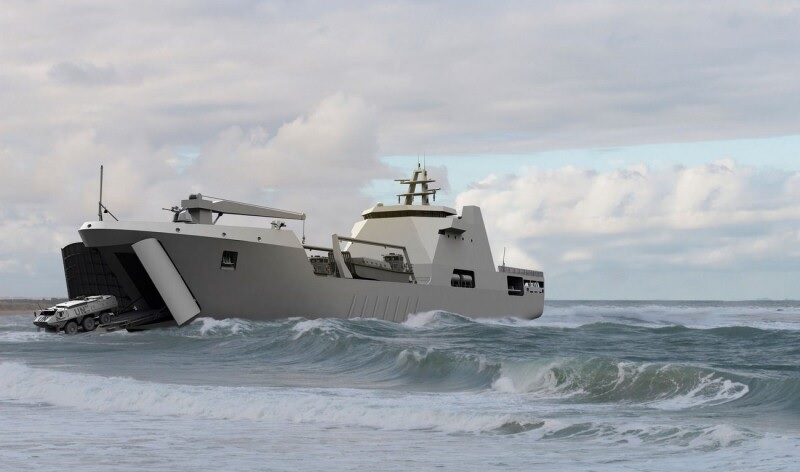
U.S
WASHINGTON, D.C. — The U.S. Navy has awarded a $2.2 billion contract to Florida-based TOTE Services LLC to manage the construction of its new Medium Landing Ship (LSM) program, marking the first time the Navy has adopted a Vessel Construction Manager (VCM) model for a major shipbuilding program. Announced on July 13, 2026, the contract could reach $2.6 billion if all contract options are exercised for the initial batch of up to eight ships. Under the VCM approach, TOTE Services will serve as the prime contractor and report directly to the Navy's Portfolio Acquisition Executive for Maritime. Rather than the Navy managing individual shipyards and suppliers, TOTE will oversee the construction process, coordinate subcontractors, and manage suppliers across multiple U.S. shipyards using commercial shipbuilding practices. According to the U.S. Navy, the new acquisition model is intended to improve cost control, construction schedules, and overall program performance while reducing government oversight. "We are changing the way we do business, and leveraging commercial best practices to improve cost, schedule, and performance," said Will Mahan, performing the duties of Assistant Secretary of the Navy for Research, Development, and Acquisition. He added that adopting the commercial contracting model reduced traditional contracting timelines by nearly 50 percent. Construction to Be Shared Across Multiple Shipyards For the first phase of the program, the U.S. Navy has already designated two shipyards to begin construction. Bollinger Shipyards on the U.S. Gulf Coast will build the lead Medium Landing Ship, while Fincantieri Marinette Marine in Wisconsin will construct the next four vessels. TOTE Services will determine the subcontracting strategy for the remaining three ships included in the initial eight-vessel package. The Navy said distributing construction across multiple shipyards is part of a broader effort to strengthen the U.S. shipbuilding industrial base, which has faced workforce shortages and limited production capacity as the service seeks to expand its fleet. During the procurement process, Crowley Government Services filed a protest, arguing that the Navy's decision to pre-select shipyards reduced the prime contractor's negotiating flexibility and increased commercial risk under the VCM model. The protest was ultimately unsuccessful. Medium Landing Ship Designed for Marine Corps Operations The Medium Landing Ship (LSM) is based on the Dutch-designed Damen LST-100 hull, a design already in service with the Nigerian Navy and also selected by Australia. Each vessel will measure approximately 300 to 350 feet in length and displace between 4,000 and 6,000 tons. The ships are designed to carry around 250 Marines and have an operational range of approximately 4,000 nautical miles (7,408 kilometers). Unlike large amphibious assault ships, the LSM has a relatively simple design and does not include the advanced defensive systems found on major surface combatants. Instead, it is intended to provide a cost-effective platform for transporting Marines, vehicles, equipment, and supplies between islands and coastal areas. The vessels are expected to fill the operational gap between small landing craft and large amphibious warships. Supporting the Marine Corps' Pacific Strategy The Medium Landing Ship is a key element of the U.S. Marine Corps' Expeditionary Advanced Base Operations (EABO) concept. Under this strategy, smaller Marine units are expected to move quickly between islands, establish temporary positions equipped with anti-ship missiles and other capabilities, and relocate before becoming vulnerable to enemy targeting. The concept relies on a larger number of smaller, mobile vessels instead of concentrating forces aboard a limited number of large amphibious ships. Congress Directed Use of the VCM Model The shift to the Vessel Construction Manager (VCM) model was directed by Congress through the Fiscal Year 2026 National Defense Authorization Act, which required the Navy to adopt the approach in an effort to stabilize the Medium Landing Ship program. The decision followed earlier procurement challenges. In 2024, the Navy canceled a previous request for proposals (RFP) after determining that submitted bids were significantly higher than expected. TOTE Services Brings Previous Government Shipbuilding Experience TOTE Services previously introduced the Vessel Construction Manager (VCM) model during the National Security Multi-Mission Vessel (NSMV) program for the U.S. Maritime Administration. The NSMV program includes five training ships for U.S. maritime academies. Three vessels have already been delivered, while the remaining two are expected within the next 12 months. According to previously released program information, the commercial management approach helped achieve construction costs significantly below initial government estimates. "This is a tremendous responsibility and a defining moment for American shipbuilding, the VCM model, and TOTE Services," said Jeff Dixon, President of TOTE Services. "The U.S. is counting on this program to succeed, and our job is clear: steward the work responsibly, cultivate the best talent and expertise, move with urgency, and deliver for the American people." Matthew Paxton, President of the Shipbuilders Council of America, said TOTE's previous work demonstrated that combining government requirements with commercial shipbuilding practices can strengthen American shipyards and support the maritime workforce. Construction Expected to Begin This Year Christopher Miller, the Navy's Portfolio Acquisition Executive for Maritime, said the service is ready to move into the construction phase. "TOTE Services will be an important partner, and we're excited to work with them to continue the momentum on this program and begin bending steel," Miller said. Initial construction is expected to begin later in 2026, with the first Medium Landing Ship scheduled for delivery in the fall of 2029. The U.S. Marine Corps ultimately plans to acquire a fleet of 35 Medium Landing Ships. However, future production beyond the initial eight vessels will depend on the successful execution, cost performance, and funding of the first phase. The contract represents a significant change in the U.S. Navy's ship acquisition process by introducing commercial program management practices into a major military shipbuilding effort while supporting expansion of the U.S. shipbuilding industrial base and advancing the U.S. Marine Corps' future operational requirements. Source : news.usni
Read More → Posted on 2026-07-14 11:25:23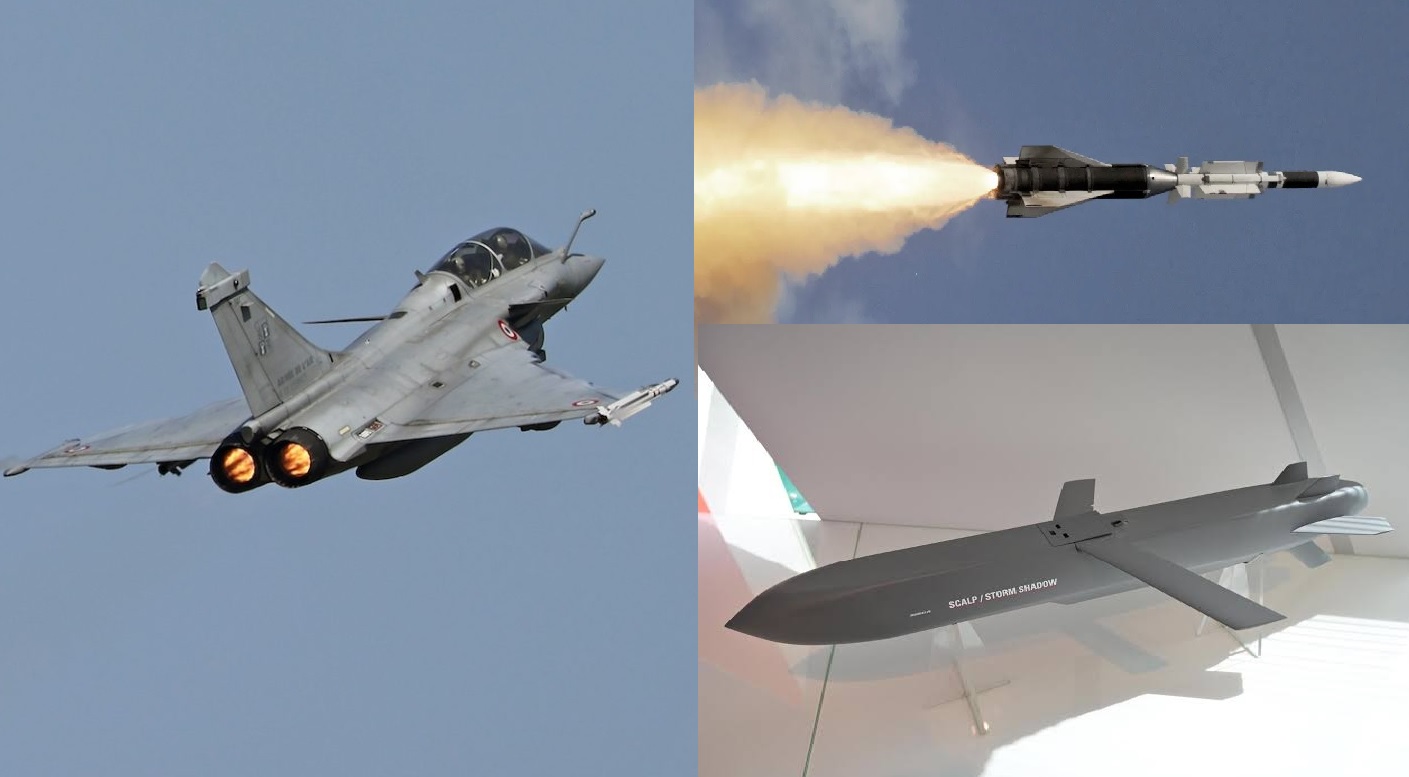
Europe
PARIS — France has approved a major expansion of its defense cooperation with Ukraine by allowing the local production of several French-designed weapons and confirming a delivery timeline for the first batch of Rafale fighter jets. French President Emmanuel Macron announced the decision on July 13 following a meeting of the Coalition of the Willing in Paris, where leaders discussed continued military support for Ukraine. Under the new agreement, Ukraine will receive licenses to manufacture Aster-30 air defense interceptor missiles, SCALP long-range cruise missiles, and AASM Hammer precision-guided bombs on its own territory. France said the move is intended to strengthen Ukraine's domestic defense industry and reduce dependence on continued deliveries of finished weapons from abroad. The decision marks the first time France has approved local production of these advanced French-designed systems in Ukraine. Macron said the agreements build on discussions held with Ukrainian President Volodymyr Zelenskyy and previous understandings reached last year. Ukraine to Produce French-Designed Weapons The licensing agreements cover three key weapon systems already used or planned for use by Ukraine. The Aster-30 is the interceptor missile used by the Franco-Italian SAMP/T air defense system, which Ukraine already operates to defend against missile attacks. Local production is expected to help maintain a more reliable supply of interceptor missiles. The SCALP is a long-range air-launched cruise missile, similar to the UK's Storm Shadow missile already in Ukrainian service. It is designed to strike high-value targets at long distances with precision. The agreement also includes the AASM Hammer, a precision-guided air-to-ground bomb used by combat aircraft for accurate strikes against military targets. Instead of relying entirely on foreign shipments, Ukraine will be able to manufacture these systems domestically under French licenses. The approach is expected to support long-term defense production while easing pressure on allied military stockpiles. The announcement comes as several partner countries increasingly focus on helping Ukraine expand its own defense manufacturing capacity rather than depending solely on external supplies. Rafale Fighter Jet Deliveries to Begin in 2028–2029 Macron also confirmed that Ukraine will receive an initial batch of 16 Rafale multirole fighter jets, with deliveries scheduled to begin between 2028 and 2029. Training for Ukrainian pilots and ground crews is expected to start in the coming months to prepare for the introduction of the aircraft. The 16 aircraft represent the first phase of a broader defense partnership. Ukraine has also signed a letter of intent expressing interest in acquiring up to 100 Rafale fighter jets over the next decade. The Rafale is capable of carrying out air defense, ground attack, reconnaissance, and precision strike missions, making it one of France's primary multirole combat aircraft. France to Supply Additional Air Defense Equipment Alongside the production licenses, Macron said France will provide additional radar systems to Ukraine and deliver next-generation SAMP/T NG air defense batteries. The new systems are intended to strengthen Ukraine's air defense network against continued missile and aerial attacks while complementing previously supplied SAMP/T batteries and interceptor missiles. European Coalition Launches Freyja Anti-Ballistic Missile Project During the Paris summit, Ukraine and several European partners also announced the formation of an Integrated Anti-Ballistic Missile Coalition. The coalition includes France, Germany, the United Kingdom, Italy, Spain, the Netherlands, Sweden, Norway, Denmark, and Ukraine, with participating countries working together to improve protection against ballistic missile threats. As part of the initiative, Ukraine is developing a new anti-ballistic missile system called Freyja in cooperation with European partners. According to President Volodymyr Zelenskyy, the system combines a new interceptor missile developed by the Ukrainian defense company Fire Point with existing European radar and command networks. Ukrainian officials said Freyja is intended to provide a lower-cost alternative to the U.S.-made Patriot air defense system. They estimate each interception could cost about $700,000, compared with approximately $3.8 million for a Patriot interceptor. Zelenskyy said the Freyja system could become operational within the next 12 months, although development and testing will continue as the coalition advances the project. Shift Toward Long-Term Defense Cooperation France's announcement follows a broader trend among Ukraine's allies to expand defense industrial cooperation. Macron noted that the United States has also moved toward allowing Ukraine to manufacture Patriot air defense interceptors under licensing agreements. The Paris summit also included discussions on future military cooperation, training, and continued support for Ukraine's defense capabilities. By combining local weapons production, pilot training, new air defense systems, and long-term industrial partnerships, France and its partners are expanding support beyond immediate military aid and helping Ukraine strengthen its domestic defense capabilities for the years ahead. Source : reuters
Read More → Posted on 2026-07-14 11:36:42
U.S
MELBOURNE, Fla. — L3Harris Technologies has been awarded a $955 million contract by the U.S. Space Force's Space Development Agency (SDA) to build 18 Accelerated Missile Defense Tranche 3 (AMDT3) satellites, supporting the United States' Golden Dome missile defense initiative. The contract, announced on July 13, 2026, is part of the SDA's broader $1.75 billion procurement program to accelerate the deployment of space-based missile tracking capabilities. Alongside the L3Harris award, Sierra Space received a $798 million contract to produce 18 complementary missile warning satellites. Together, the two companies will deliver 36 satellites, which will operate across four orbital planes and are expected to be ready for launch by the end of 2028. Strengthening Space-Based Missile Tracking The AMDT3 satellites will become part of the Proliferated Warfighter Space Architecture (PWSA), the SDA's expanding network of low-Earth orbit military satellites designed to provide continuous global missile warning and tracking. L3Harris' satellites will serve as the missile defense variant of the Tracking Layer. Each spacecraft will carry medium-field-of-view infrared sensors capable of detecting and continuously tracking missile threats, including hypersonic and ballistic missiles. The sensors are designed to generate fire-control quality tracking data, allowing information to be passed to ground-based and airborne missile defense systems to support interception operations. According to the Space Development Agency, the accelerated deployment of these satellites is intended to strengthen missile detection, identification, warning, tracking, and defense capabilities for the United States, its deployed forces, and allied nations against increasingly advanced missile threats. Builds on HBTSS Experience The new contract expands L3Harris' existing work in space-based missile tracking. The company previously developed and launched Hypersonic and Ballistic Tracking Space Sensor (HBTSS) prototypes for the Missile Defense Agency (MDA), successfully demonstrating the performance of its infrared tracking payloads in orbit. The experience gained from the HBTSS program is being applied directly to the AMDT3 satellites, helping reduce development risk while supporting faster deployment of the new tracking constellation. Production to Begin Immediately L3Harris said manufacturing of the tactical payloads will begin immediately. The satellites will be produced at the company's expanded spacecraft manufacturing facility in Fort Wayne, Indiana, while final satellite integration and testing will be carried out at its facility in Florida. Christopher Kubasik, Chairman and CEO of L3Harris, said the company had expanded its production capacity ahead of anticipated demand to support national missile defense priorities and meet the program's delivery schedule. Expanding the Tracking Layer The SDA said the new satellites are part of its effort to accelerate deployment of the Tracking Layer, a key element of the Proliferated Warfighter Space Architecture. The network is designed to provide persistent global coverage by using large numbers of satellites in low-Earth orbit rather than relying on a small number of traditional spacecraft. GP Sandhoo, a Space Force portfolio executive, said the awards accelerate deployment of the Tracking Layer to provide persistent missile warning, detection, identification, tracking, and defense capabilities for the homeland, deployed forces, and allied nations. More Than 70 Missile Defense Satellites on Order With this latest contract, L3Harris now has more than 70 missile tracking and defense satellites on order across multiple U.S. government programs. The company's portfolio includes satellites for the Missile Defense Agency's HBTSS program and the SDA's Tracking Layer Tranches 0, 1, 2, and 3, with five satellites already operating in orbit. Senator Jim Banks of Indiana welcomed the contract, stating that the continued production work in Indiana will strengthen both the country's industrial base and its next generation of space-based missile tracking capabilities. The AMDT3 program represents another step in the U.S. effort to expand its space-based missile warning and tracking network, providing continuous sensor coverage and supporting missile defense systems against evolving threats, including hypersonic and ballistic missiles. Source : l3harris
Read More → Posted on 2026-07-14 11:50:20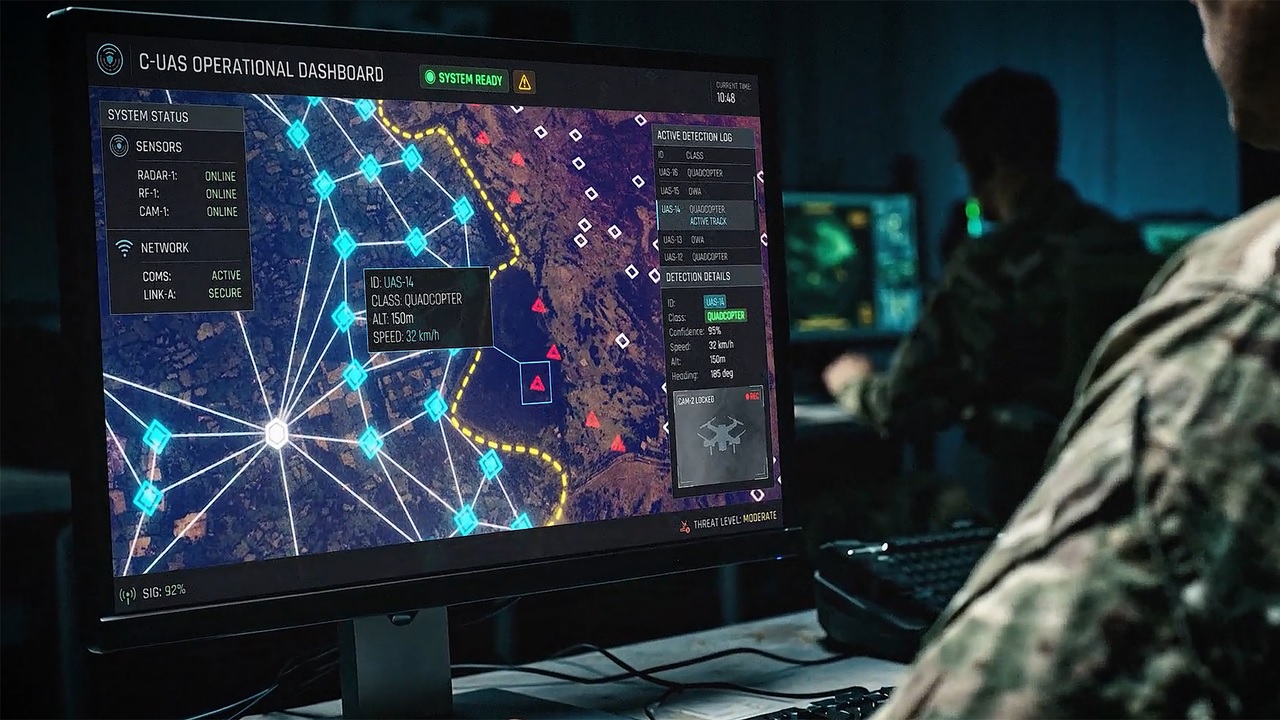
Europe
NORFOLK, U.K. — BAE Systems has completed integration and deployment testing of its Anti-Threat System (BATS), reaching a key milestone in the development of its counter-uncrewed aerial system (C-UAS). The company said the system progressed from its initial concept to field-based testing in just eight months, demonstrating an accelerated development timeline. Developed by BAE Systems' Digital Intelligence business, BATS is a scalable and modular counter-drone platform designed to detect, track, identify, and neutralize hostile uncrewed aerial systems (UAS). The system is intended to provide layered protection for military forces, critical national infrastructure, and other high-value assets facing the growing threat posed by drones. The integration and deployment trials were carried out at a secure testing facility in Norfolk in partnership with MSI-Defence Systems. During the tests, MSI integrated its advanced firing technology with the BATS platform to track airborne threats, validating the system's software-defined and modular architecture. The trials also confirmed the platform's mobility. Engineering teams demonstrated that BATS can be rapidly deployed, dismantled, and reassembled at new locations, allowing it to support changing operational requirements. In addition, the testing verified the system's data collection and analysis capabilities, enabling it to combine real-time intelligence with rapid decision-making to respond to evolving battlefield conditions. According to BAE Systems, BATS uses a sensor fusion network that combines radar, electro-optical/infrared (EO/IR), acoustic, and passive radio frequency (RF) sensors to maintain broad situational awareness. These sensors feed information into an AI-driven command and control system, which classifies threats in real time and recommends the most appropriate response based on the detected drone. "The test demonstrated exactly what BATS is designed to achieve – rapid deployment, seamless integration and the capability for fast, effective response," said Louise Heywood, Head of Strategy at BAE Systems Digital Intelligence. "Moving from concept to field-based testing in just eight months is a testament to our expertise and the agility of everyone involved. This milestone puts us in a strong position as we continue to develop the system at pace and advance to live-fire trials in August," she added. Hadyn White, Senior Military Advisor at MSI Defence Systems, said the demonstration highlighted the value of collaboration between defense companies. "The demonstration successfully showed strong collaboration and illustrated how we can defeat a variety of drone threats by integrating agile technology and expertise from across the defence ecosystem," White said. "We now have a clear way forward to provide an effective defence against drone technologies, which is crucial for modern warfare." The BATS program will now move into live-fire trials later this summer, with testing expected to begin in August. For the first time, the system will demonstrate both kinetic and non-kinetic countermeasures. Non-kinetic methods include targeted radio frequency and GPS denial, allowing hostile drones to be disrupted electronically without physical destruction. Kinetic responses involve physical interceptors designed to neutralize aerial threats directly. The upcoming trials are intended to demonstrate how BATS can select and apply different response options based on the type of drone threat encountered. The rapid development of BATS reflects the increasing demand for adaptable counter-drone systems as uncrewed aircraft become more widely used in military operations and for attacks on critical infrastructure. By combining modular software, multiple sensor types, artificial intelligence, and flexible response options, the system is designed to support military forces in detecting and countering a wide range of drone threats while remaining deployable across different operational environments. With integration and deployment testing now complete, the results from the upcoming live-fire trials are expected to further evaluate the system's operational performance and its ability to integrate kinetic and electronic countermeasures into a single layered defense capability. Source : baesystems
Read More → Posted on 2026-07-14 12:11:34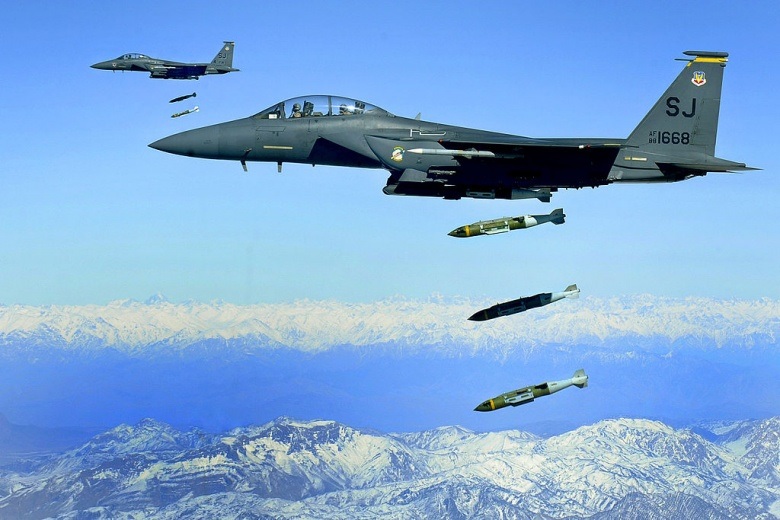
U.S
WASHINGTON — The United States could face shortages of key precision-guided munitions as the ongoing conflict with Iran continues to reduce military stockpiles, according to defense analyst Mark Cancian of the Center for Strategic and International Studies (CSIS). Cancian said the US has likely used between one-third and one-half of its key precision-guided munitions during the conflict, placing significant pressure on existing inventories. Speaking to CNN's Newsroom, Cancian said the United States has used more than 1,000 Patriot interceptor missiles during the conflict. "We have used over a thousand Patriot missiles in this current war. Our allies in the Gulf have also used a lot. Ukraine wants more so there is a tremendous demand for production," Cancian said. Thousands of Precision Weapons Used According to available estimates, US forces have struck more than 13,000 targets, with the conflict costing an estimated $28 billion to $35 billion so far. The US military has reportedly used: More than 1,000 Tomahawk cruise missiles, about ten times the annual US procurement rate. Around 1,100 Joint Air-to-Surface Standoff Missiles-Extended Range (JASSM-ER). Nearly half of its Precision Strike Missiles (PrSMs). About half of its Terminal High Altitude Area Defense (THAAD) interceptors. More than 1,200 Patriot interceptor missiles. Patriot Production Remains Limited The Patriot air and missile defense system is one of the US Army's primary air defense systems. A Patriot battery costs more than $1 billion, while each Patriot interceptor missile costs about $4 million. The United States currently produces around 600 Patriot interceptor missiles each year, far below the number reportedly used during the conflict. Cancian said demand remains high as the US, Gulf allies, and Ukraine all require Patriot interceptors. "If you went and ordered another Patriot today, you probably wouldn't get it for four or five years because of the backlog," he said. Rebuilding Stockpiles Will Take Time Analysts estimate it could take one to four years to restore US precision-guided munition stockpiles to pre-conflict levels, with additional time needed to expand inventories. The Pentagon has signed long-term contracts with defense companies to increase production of precision-guided weapons and missile defense systems. However, production remains constrained by manufacturing capacity, supply chains, and the complexity of advanced missile systems. Defense analysts say the conflict has highlighted the gap between wartime consumption and current production capacity, making stockpile replenishment a key challenge for the US defense industrial base. Source : cnn
Read More → Posted on 2026-07-14 13:27:36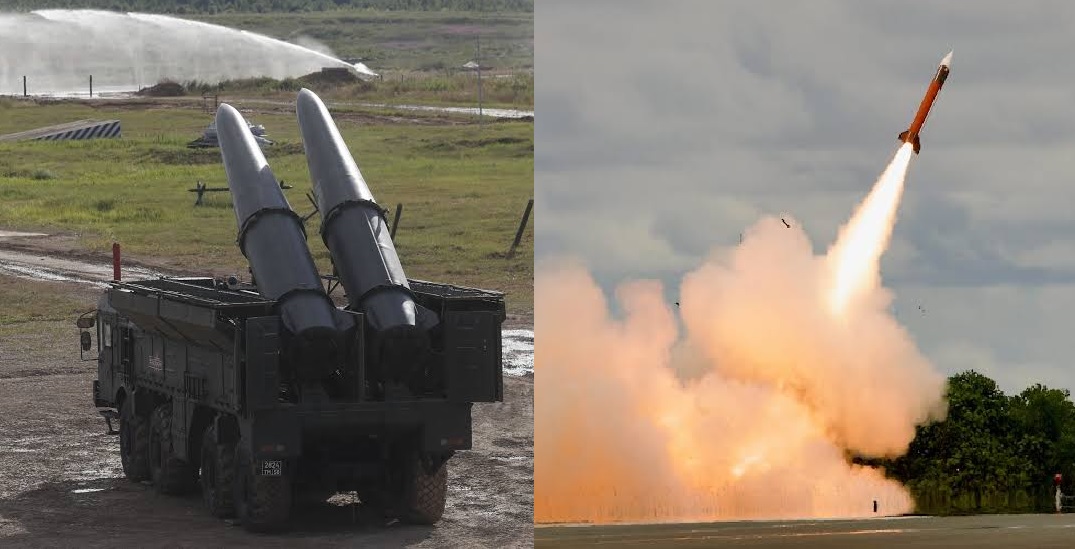
World
KYIV, Ukraine— Ukraine's air defense forces intercepted multiple Russian aerial threats during an overnight attack that included ballistic missiles, guided missiles, and large numbers of drones, according to the Air Force Command of the Armed Forces of Ukraine. The Ukrainian Air Force said the attack began at 6:00 p.m. on July 13 and continued overnight into July 14. According to the military, Russia launched 8 Iskander-M ballistic missiles, 2 Kh-59/69 guided air-to-ground missiles, and 135 strike and other unmanned aerial vehicles (UAVs) from multiple directions. According to the official statement, Ukrainian air defenses shot down or suppressed five Iskander-M ballistic missiles, both Kh-59/69 guided missiles, and 108 enemy UAVs. The intercepted drones included Shahed, Gerbera, Italmas, Banderol loitering munitions, Parody decoy drones, and other UAV types. The interceptions took place across northern, southern, eastern, and central regions of Ukraine. The reported interceptions come after Ukrainian officials acknowledged earlier this month that the country's air defenses had been unable to intercept Russian ballistic missiles during a previous large-scale attack because of a shortage of PAC-3 interceptor missiles for the Patriot air defense system. The latest operation marks the first officially reported successful interception of Russian ballistic missiles since those concerns were raised. According to the Ukrainian Air Force, the drones were launched from Orel, Kursk, Bryansk, Millerovo, and Primorsko-Akhtarsk in Russia, as well as from Russian-controlled areas of Donetsk and Hvardiiske in occupied Crimea. The Kh-59/69 guided missiles were launched from airspace over occupied Crimea. The Air Force reported that ballistic missile impacts and strikes by 25 attack UAVs were recorded at 17 locations, while debris from intercepted weapons fell at 10 additional locations. Information regarding two ballistic missiles was still being verified at the time of the update. Ukraine said the attack was repelled by fighter aircraft, anti-aircraft missile forces, electronic warfare units, unmanned systems units, and mobile fire groups of the Ukrainian Defense Forces. Ukraine Seeks Additional Patriot Interceptors The overnight attack comes as Ukraine continues efforts to strengthen its air defense capabilities against Russia's growing use of ballistic missiles. On July 9, President Volodymyr Zelensky announced that Ukraine would receive a shipment of PAC-3 interceptor missiles for its Patriot air defense systems from the United States in the coming days. Ballistic missiles remain among the most difficult aerial threats to intercept because of their high speed and flight trajectory. Ukraine currently relies primarily on Patriot air defense systems equipped with PAC-3 interceptors to defend against such attacks. Earlier in July, Ukraine's Ministry of Defense announced that the country had taken a step toward purchasing approximately 100 Patriot interceptor missiles using financing from a European Union loan. During a joint press conference with President Volodymyr Zelensky on the sidelines of the NATO summit in Ankara on July 8, U.S. President Donald Trump said the United States could consider granting Ukraine a license to manufacture missiles for the Patriot air defense system. The following day, Polish Minister of National Defense Władysław Kosiniak-Kamysz said Poland would cooperate with Ukraine on the production and maintenance of PAC-3 interceptor missiles. Polish officials also stated that the country had previously supplied five PAC-3 interceptor missiles to Ukraine following consultations within NATO. Clarification on the Official Statement The official statement issued by the Air Force Command of the Armed Forces of Ukraine refers to "Iskander-M/S-400 ballistic missiles." However, this wording appears to be technically inaccurate. The Iskander-M is a short-range ballistic missile, whereas the S-400 is a long-range air defense system, not a ballistic missile. Referring to the S-400 as a ballistic missile is therefore technically incorrect. At the time of publication, the Air Force Command of the Armed Forces of Ukraine had not issued any clarification or correction regarding the terminology used in its official statement. Source : Air Force Command of the Armed Forces of Ukraine
Read More → Posted on 2026-07-14 14:12:06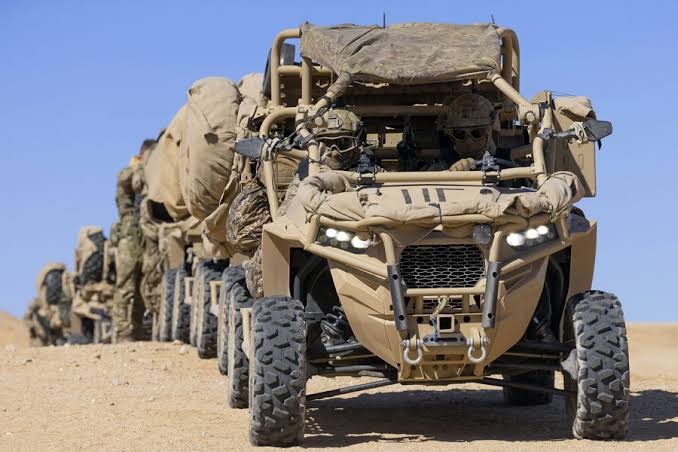
Europe
MINNEAPOLIS — Polaris Government and Defense, a division of Polaris Inc., has secured a $10.6 million contract from the Belgium Ministry of Defence to supply MRZR D4 tactical off-road vehicles for the country's Special Operations Regiment. The purchase marks the first call order under the NATO Support and Procurement Agency (NSPA) framework contract awarded to Polaris in September 2025. The procurement allows Belgium to acquire the vehicles through the NATO framework without conducting additional competitive trials. According to Polaris, the arrangement simplifies the procurement process, provides access to bulk pricing, accelerates deliveries, and supports standardized logistics across NATO member nations. Part of Belgium's Wider Mobility Modernization Program The MRZR D4 vehicles will replace the two-seat Groundhog all-terrain vehicles, which have been in service with Belgium's Special Operations Regiment since 2009. The order forms the main part of a broader €13.4 million mobility modernization package approved by Belgium's Council of Ministers. Under the program, Belgium will acquire 93 Polaris MRZR D4 tactical vehicles and 62 BRP Can-Am Outlander Max Pro HD7 quad bikes, with deliveries scheduled during 2026 and 2027. Compared with the older Groundhog fleet, the four-seat MRZR D4 enables an entire small operational team and its equipment to travel together in a single vehicle. This reduces the number of vehicles required for missions while improving unit coordination during operations. MRZR D4 Designed for Rapid Deployment The MRZR D4 is designed for military operations in challenging environments and offers several capabilities that support expeditionary and special operations missions. The vehicle is powered by a turbocharged three-cylinder 1.0-liter diesel engine capable of operating on standard diesel fuel as well as military aviation fuels such as JP5 and JP8. This multi-fuel capability allows the vehicle to integrate with existing military fuel supply systems. The vehicle has an estimated operating range of approximately 320 kilometers and provides around 318 millimeters of ground clearance, helping it operate across rough terrain. The MRZR D4 also features a collapsible roll cage, allowing it to be transported inside aircraft including the AW101 Merlin, CH-47 Chinook, V-22 Osprey, and various fixed-wing transport aircraft. It can also be transported by sea, supporting rapid deployment in different operational environments. Its modular design allows the platform to be configured for multiple missions, including: Personnel transport Light cargo transport Casualty evacuation Counter-unmanned aerial systems (C-UAS) Direct-fire weapon integration Intelligence, surveillance and reconnaissance (ISR) missions The platform also offers strong off-road mobility, including a one-meter fording capability, allowing it to cross shallow water obstacles. Belgian Military Highlights Operational Benefits Colonel Kristof Van Poecke, Commander of the Belgium Special Operations Regiment, said the new vehicles will significantly improve operational mobility. "With these new vehicles, we are significantly increasing our mobility and operational capabilities. They enable our operators to respond more quickly and flexibly in challenging conditions, where speed and manoeuvrability make the difference. This is an important step to maintain our operational capacity at the highest level." NATO Framework Supports Common Equipment Belgium completed the procurement through the NATO Logistics Stock Exchange (NLSE), a secure online platform that enables NATO member countries to purchase approved military equipment, spare parts, maintenance kits, and training modules. The acquisition is part of a broader NATO effort to improve interoperability by encouraging member nations to operate common equipment. The project is being carried out alongside the United Kingdom, France, Sweden, and Slovakia, which are also acquiring MRZR vehicles through the NSPA framework. Steve Canner, Senior Manager for Europe, Middle East, India, and Africa (EMEIA) at Polaris Government and Defense, said Belgium played an important role in establishing the vehicle under the NATO framework. "The Belgium Ministry of Defence helped establish the MRZR D on the framework contract, with additional partner countries including the United Kingdom. The vehicle's capabilities and commonality with other NATO nations will serve Belgium forces very well and we're proud to support them." Operating the same vehicle platform across allied militaries simplifies training, spare parts availability, maintenance, and logistical support during multinational deployments and joint operations. MRZR Platform in Global Service Polaris introduced the MRZR platform in 2012, and the diesel variants, including the MRZR D4, are now used by more than 50 military and security organizations worldwide. The vehicles have been adapted for a wide range of missions, including special operations, rapid response, medical evacuation, logistics support, counter-drone operations, and sensor integration. Polaris Government and Defense also manufactures other military mobility platforms, including the MRZR Alpha, DAGOR, MV850, and specialized military snowmobiles. The company says it continues to update the MRZR family based on operational feedback from military users. Belgium's latest procurement is expected to strengthen the mobility and deployment capabilities of its Special Operations Regiment while supporting NATO's broader objective of improving interoperability through standardized equipment across allied forces. Source : edrmagazine
Read More → Posted on 2026-07-14 14:20:06
Europe
STOCKHOLM — Saab has highlighted the electronic warfare capabilities of its Gripen E/F fighter, stating that the aircraft can detect, geolocate, and electronically suppress radars operating in the S-band and L-band frequency ranges. These lower-frequency bands are commonly associated with early-warning and anti-stealth radar systems. According to Saab, this capability is provided by the Arexis Electronic Attack Jammer Pod (EAJP) rather than relying solely on the Gripen E's integrated Multi-Functional System – Electronic Warfare (MFS-EW) suite. The external pod is designed for electronic attack and escort missions, extending the aircraft's electronic warfare capabilities beyond self-protection. Arexis Pod Designed for Electronic Attack Missions The Arexis escort jammer pod is based on the same electronic warfare architecture as the Gripen E's onboard MFS-EW system but is optimized for dedicated electronic attack operations. Saab developed the pod to provide higher output power and broader coverage against lower-frequency radar systems used in modern integrated air defense networks. The pod is equipped with Gallium Nitride (GaN)-based Active Electronically Scanned Array (AESA) antennas located in its forward and rear sections. These antennas are designed to operate across the L-band and S-band frequencies, allowing the system to engage radar threats commonly used for long-range surveillance and the detection of low-observable aircraft. DRFM and Direction Finding Support Radar Suppression The Arexis pod combines Digital Radio Frequency Memory (DRFM) technology with interferometric direction finding (DF) to detect, identify, locate, and electronically counter hostile radar emitters. DRFM technology enables the system to capture incoming radar signals, process them, and transmit modified signals back to the radar. This supports a range of electronic attack techniques, including deceptive jamming and the generation of false targets. Interferometric direction finding provides precise geolocation of radar emitters, helping identify the location of enemy air defense systems during operations. Complementing the Gripen E's Integrated MFS-EW Suite The Gripen E's internal MFS-EW system remains responsible for the aircraft's core electronic warfare functions, including electronic support, electronic protection, and self-defense. The system uses multiple distributed antennas around the aircraft to provide wide-area threat detection and integrates with the fighter's AESA radar, Infrared Search and Track (IRST) system, and other onboard sensors through sensor fusion. The addition of the Arexis pod expands these capabilities by providing a dedicated electronic attack solution for missions that require suppression of enemy radar systems operating at lower frequencies. Supporting Escort and SEAD Operations Saab says the Arexis pod is specifically intended for escort and Suppression of Enemy Air Defenses (SEAD) missions. During these operations, an aircraft equipped with the pod can accompany strike packages, detect hostile radar emitters, determine their location, and electronically disrupt their operation during both the ingress and egress phases of a mission. By suppressing or degrading enemy radar performance, the system is intended to improve the survivability of friendly aircraft operating in contested airspace while supporting broader air operations. Continued Focus on Electronic Warfare Electronic warfare remains a major area of development for the Gripen E/F program. Saab has continued to expand the Arexis family with both internal and externally mounted solutions designed to address evolving radar and air defense threats. While the company has outlined the system's design and intended operational role, detailed performance data from real-world operational environments has not been publicly released. Saab has stated that the Arexis architecture is designed to address current and future threat environments and provide advanced electronic attack capabilities alongside the Gripen E/F's multi-role mission profile. Source : X
Read More → Posted on 2026-07-14 14:38:38
U.S
SAN DIEGO — Kratos Defense & Security Solutions has received approximately $400 million in new funding from the U.S. Department of War (DoW) to support selected hypersonic systems and other classified national security programs, the company announced on Tuesday. The funding, which began arriving in June and accelerated through July, will support ongoing work on advanced defense technologies. Kratos said it could not disclose additional information about the specific programs because of security, competitive, and other operational considerations. Kratos specializes in the engineering, development, production, and integration of hypersonic systems, flight vehicles, solid rocket motors, and other high-speed defense technologies. The latest funding is expected to strengthen the company's efforts to deliver affordable, high-performance systems for the U.S. military and allied partners. Funding Expected to Support Growth According to Eric DeMarco, President and Chief Executive Officer of Kratos, the new funding is expected to improve the company's financial position while supporting future growth. DeMarco said the funding will accelerate Kratos' organic growth rate, increase operating cash receipts, and reduce customer receivables, inventory, and other assets where the company had previously invested its own resources to meet customer schedules and program requirements. He added that Kratos continues to focus on developing affordable and mission-relevant defense technologies while improving margins, generating long-term growth, and strengthening future cash flow. Following the announcement, Kratos shares (Nasdaq: KTOS) moved higher in premarket trading. The company currently has a market capitalization of approximately $8.8 billion. Focus on Hypersonic Systems Hypersonic weapons and vehicles, which travel at speeds greater than Mach 5, remain one of the highest modernization priorities for the U.S. military because of their ability to reach targets quickly while operating in demanding environments. Kratos said it is currently the only defense company delivering both propulsion systems and hypersonic flyer vehicles, providing capabilities across multiple stages of high-speed system development and testing. The company's active hypersonic and high-speed portfolio includes: Erinyes Hypersonic Flyer Dark Fury systems Zeus solid rocket motor Oriole solid rocket motor These systems support a range of defense applications, including flight testing, propulsion development, ballistic missile targets, and tactical systems. Company Highlights Manufacturing Capabilities Dave Carter, President of Kratos' Defense and Rocket Support Services Division, said the company has established itself as a leader in high-speed national security systems, including ballistic missile targets, flight test vehicles, and tactical systems. He said Kratos' ability to rapidly design, engineer, develop, test, and field systems that can be produced at lower cost differentiates the company from many traditional defense contractors. Carter also highlighted the company's Nemesis and Kraken initiatives as examples of its ongoing work in advanced high-speed systems. He said Kratos expects to receive additional hypersonic-related contract awards in the coming months. Work to Continue at Secure Facilities Kratos confirmed that work funded under the new contracts will be carried out at secure company facilities and government locations. The company said it will not release deployment schedules, technical specifications, or additional program details because the projects involve classified national security requirements. Expanding Role in Advanced Defense Programs The announcement reflects the U.S. military's continued investment in advanced aerospace and hypersonic technologies as part of broader modernization efforts. Alongside hypersonic systems, Kratos continues to develop technologies in unmanned systems, propulsion, flight testing, defense software, and other national security capabilities. Headquartered in San Diego, Kratos Defense & Security Solutions develops technology, systems, software, and products for defense, national security, and commercial markets, with a focus on reducing cost, shortening development timelines, and delivering operational capabilities more quickly. Source : kratosdefense
Read More → Posted on 2026-07-14 14:49:02
World
NASHUA, N.H. — BAE Systems has been awarded a contract by Boeing to provide its AN/ALQ-250 Eagle Passive Active Warning Survivability System (EPAWSS) for the Republic of Korea Air Force (ROKAF) fleet of 59 F-15K Slam Eagle fighter aircraft. The contract supports South Korea's long-term effort to modernize its F-15K fleet and improve its ability to operate against current and emerging air defense threats. The agreement is part of a Foreign Military Sales (FMS) program managed through South Korea's Defense Acquisition Program Administration (DAPA). The broader modernization project is expected to keep the F-15K fleet operational through 2037 while improving interoperability with U.S. and allied forces. EPAWSS to Strengthen Electronic Warfare Capabilities The AN/ALQ-250 EPAWSS is an all-digital electronic warfare suite designed to replace the F-15K's legacy radar warning receivers. The system provides pilots with 360-degree threat awareness, allowing them to detect, identify, and respond to hostile radar emissions and missile launches from any direction. EPAWSS automatically manages electronic countermeasures, including the deployment of defensive systems such as chaff and flares, reducing pilot workload while improving aircraft survivability in electronically contested environments. The system is designed to operate effectively in dense electromagnetic environments where multiple radar and electronic signals are present. Part of a Broader F-15K Modernization Program The electronic warfare upgrade is one element of South Korea's larger approximately $3.1 billion F-15K modernization program, which is scheduled to continue through 2037. Earlier in 2026, Boeing received a U.S. contract worth up to $2.8 billion to lead the design and integration of avionics and mission system upgrades for the aircraft. The first upgraded aircraft, commonly referred to as the F-15K+, is expected to be delivered by late 2028. In addition to EPAWSS, the modernization package includes: AN/APG-82(V)1 Active Electronically Scanned Array (AESA) radar New mission computers Common Missile Warning System (CMWS) Updated avionics and mission systems These upgrades are intended to improve target detection, tracking, and overall mission effectiveness while enabling closer operational compatibility with South Korea's F-35A stealth fighter fleet. The upgraded F-15Ks are expected to continue performing long-range strike missions and carrying large weapon payloads alongside newer aircraft. Proven System Already in U.S. Service Rather than adopting a new or experimental system, South Korea is procuring an electronic warfare suite that has already completed testing and entered full-rate production. EPAWSS is currently being installed on the U.S. Air Force's F-15EX Eagle II and is also being retrofitted onto existing F-15E Strike Eagle aircraft. BAE Systems says the system is designed for future growth through regular software and firmware updates, allowing new capabilities to be introduced over time. Company Statement Phillip Casalegno, F-15 International Program Director at BAE Systems, said the company is working closely with Boeing, the Republic of Korea Air Force, and regional industry partners throughout the program. "We are working closely with Boeing, the ROKAF and regional industry teams to deliver the most technically advanced EW system for the F-15K aircraft upgrade. Our focus is on providing allies with EW capabilities needed to support regional stability and security." The EPAWSS systems for South Korea's fleet will be designed and manufactured at BAE Systems' facilities in Nashua, New Hampshire, and Austin, Texas. F-15K Fleet Remains a Key Part of South Korea's Air Force South Korea originally acquired 61 F-15K Slam Eagle fighter jets through procurement programs launched in 2002 and 2008. Following two aircraft losses in separate accidents, the operational fleet now consists of 59 aircraft. The F-15K remains one of the Republic of Korea Air Force's primary long-range strike platforms. It is capable of carrying a wide range of precision-guided weapons, including TAURUS KEPD 350 cruise missiles, SLAM-ER stand-off missiles, Harpoon anti-ship missiles, and various guided bombs. The latest EPAWSS contract represents another step in South Korea's effort to extend the service life of its existing fighter fleet while improving electronic warfare capability, survivability, and interoperability with allied air forces. Source : baesystems
Read More → Posted on 2026-07-14 14:55:01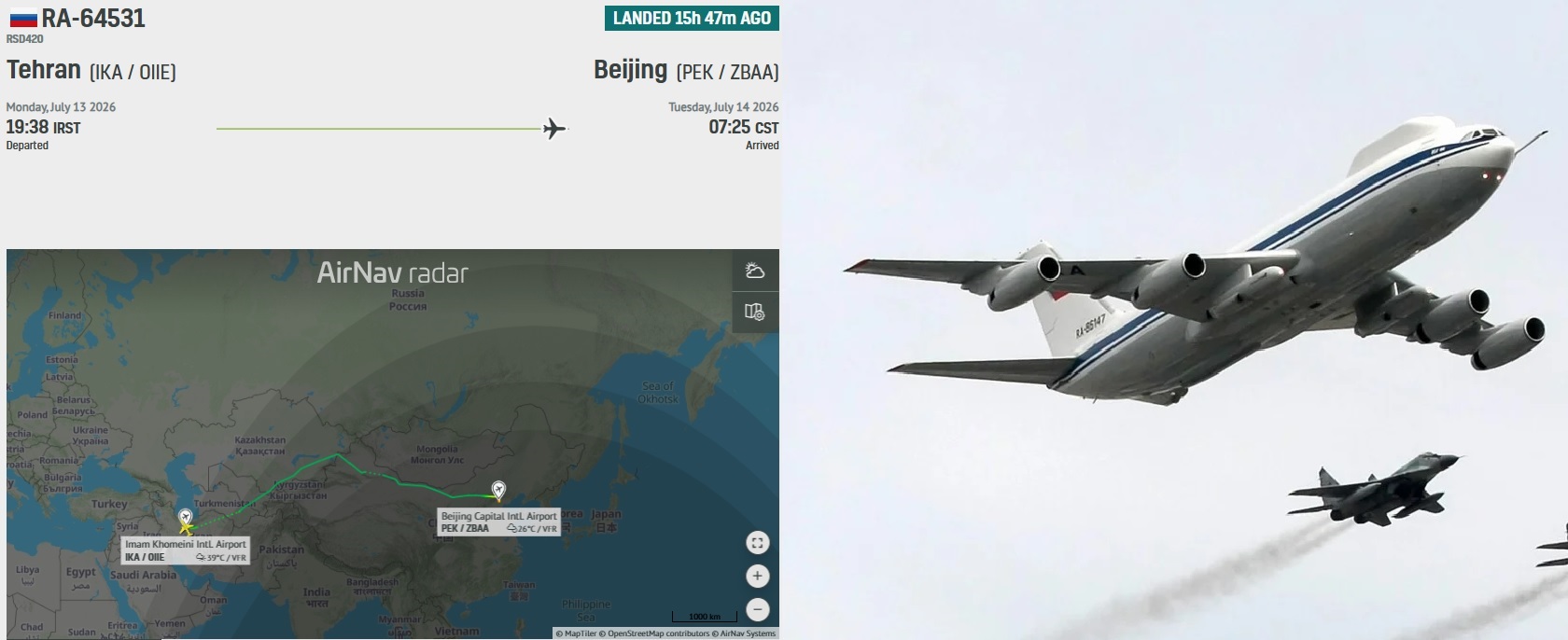
World
MOSCOW/TEHRAN — A Russian Tu-214PU airborne command post aircraft made a brief visit to Tehran on July 13, just hours before the United States launched a large-scale military operation against Iranian targets, according to publicly available flight-tracking data. The purpose of the Russian aircraft's visit has not been officially disclosed by either Moscow or Tehran. Russian Tu-214PU Arrives in Tehran Flight tracking data from AirNav Radar and Flightradar24 showed that the Tu-214PU, bearing registration RA-64531 and operating under the callsign RSD420, departed Moscow's Vnukovo Airport and arrived at Imam Khomeini International Airport in Tehran at approximately 07:35 a.m. Kyiv time on July 13. The aircraft remained in the Iranian capital for around 12 hours before departing at 07:08 p.m. Kyiv time. It then continued east and landed at Beijing Capital International Airport at 02:25 a.m. Kyiv time on July 14. The flight was visible through publicly available ADS-B flight tracking systems, with the aircraft traveling over the Caspian Sea before reaching Tehran. Neither Russian nor Iranian authorities have announced the purpose of the visit. Specialized Airborne Command Post The Tu-214PU is a specialized version of the Tu-214 aircraft designed to serve as an airborne command-and-control platform for the Russian government. It is operated by the Rossiya Special Flight Squadron, which transports senior Russian government officials and operates aircraft configured for state missions. Built at the S. P. Gorbunov Kazan Aviation Plant, the aircraft completed its first flight on December 28, 2018, and entered service with the Rossiya fleet during the summer of 2019. The aircraft is equipped with secure communication systems, satellite communication antennas, relay equipment, encryption units, electromagnetic pulse (EMP) protection, and anti-jamming capabilities. These systems allow government and military leaders to maintain secure communications even if ground-based infrastructure becomes unavailable during emergencies. Although it is often informally referred to as a "doomsday plane", the Tu-214PU is primarily intended to provide secure command and communication capabilities. Unlike Russia's Il-80 airborne command aircraft, it is not considered the country's primary airborne nuclear command platform. U.S. Launches Retaliatory Strikes Across Iran The Russian aircraft's departure from Tehran came only hours before the U.S. Central Command (CENTCOM) began military strikes against Iranian targets. According to CENTCOM, the operation started at approximately 11:45 p.m. Kyiv time on July 13 (about 10:15 p.m. Eastern Time) and continued for more than five hours, ending around 05:15 a.m. Kyiv time on July 14. The United States said it used precision-guided munitions to strike military facilities in Bushehr, Chabahar, Jask, Konarak, Abu Musa, and Bandar Abbas. CENTCOM stated that the operation targeted coastal defense systems, missile launchers, unmanned aerial vehicle (UAV) facilities, and maritime assets. According to the U.S. military, the objective was to reduce Iran's ability to carry out further attacks against commercial shipping operating through the region's strategic sea lanes. The command also said that more than 50,000 U.S. service members remain on combat readiness across the Middle East. Strait of Hormuz Attack Triggered Escalation The latest military escalation followed an attack on commercial shipping in the Strait of Hormuz. On July 13, the United Arab Emirates Ministry of Defence reported that Iranian cruise missiles struck two Emirati oil tankers, Mombasa and Al Bahiyah, while they were transiting the southern shipping lane through Omani territorial waters. The missile strikes caused fires aboard both vessels. One Indian crew member aboard the Mombasa was killed, while eight crew members were injured, including six Indian nationals and two Ukrainian nationals. Officials said four of the injured suffered serious wounds. The Islamic Revolutionary Guard Corps (IRGC) claimed responsibility for the attack. Iranian military officials said the tankers had allegedly disabled their navigation systems, ignored repeated warnings, and entered what Iran described as a prohibited area. Russia-Iran Defense Cooperation The Tehran visit also comes amid expanding Russia-Iran defense cooperation. The two countries signed a 20-year Comprehensive Strategic Partnership Treaty in January 2025, strengthening cooperation across defense, security, and other strategic sectors. Open-source flight records indicate that the same Tu-214PU aircraft also made a visit to Iran earlier in 2026 during another period of heightened regional tensions. Neither Moscow nor Tehran has confirmed whether the July 13 flight was connected to the subsequent U.S. military operation. Source : ndtv / airnavradar
Read More → Posted on 2026-07-14 15:27:48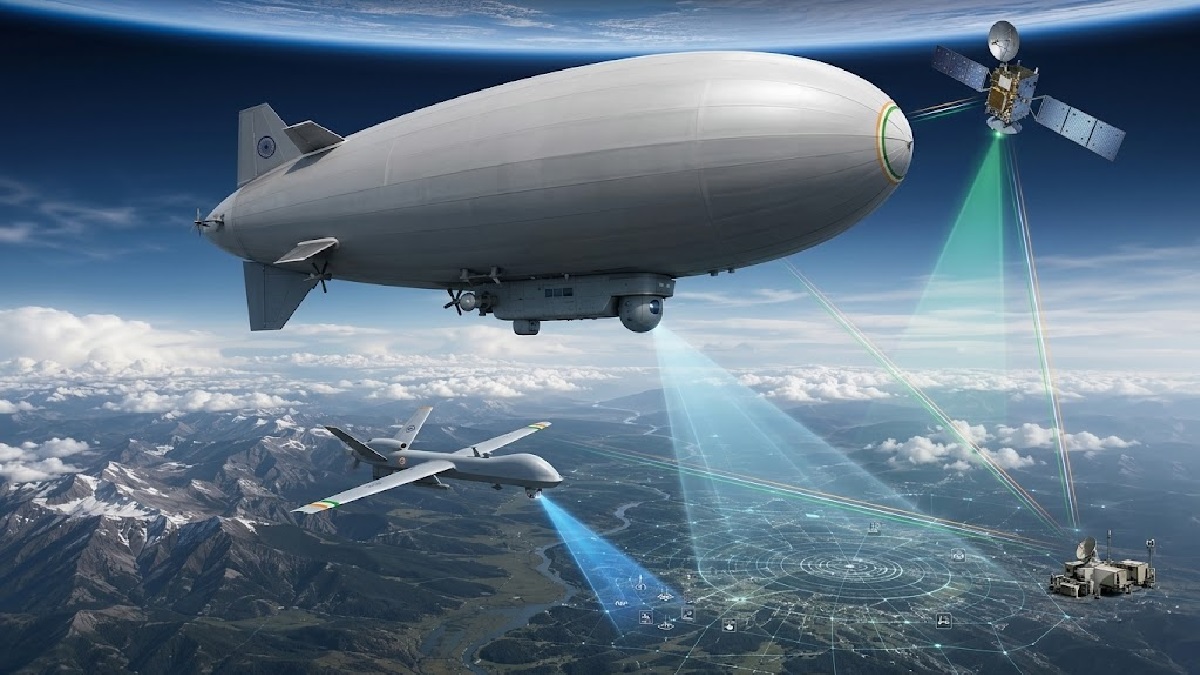
India
New Delhi — India has launched a ₹15,000 crore programme to develop indigenous stratospheric airships aimed at strengthening the country's border surveillance and intelligence capabilities. The project, officially known as the Airship-Based High Altitude Pseudo Satellite (AS-HAPS) programme, is being led by the Directorate of Operations (Remote) of the Indian Air Force. The initiative focuses on developing unmanned, lighter-than-air platforms capable of operating in the stratosphere at altitudes between 20 and 30 kilometres (over 65,000 feet). Flying well above commercial air traffic and weather systems, these airships are designed to remain airborne for days or even months, providing continuous surveillance over designated areas. Equipped with Advanced Surveillance Systems The AS-HAPS platforms will carry a range of advanced military payloads, including Synthetic Aperture Radar (SAR), Electronic Intelligence (ELINT), and Signals Intelligence (SIGINT) systems. They will also be fitted with electro-optical and thermal imaging sensors. These systems will enable persistent monitoring of strategic border regions, enemy airbases, and military movements from distances of up to 550 kilometres. Unlike conventional reconnaissance aircraft, which require frequent sorties, the airships are intended to maintain continuous coverage for extended periods. In addition to surveillance, the platforms are also expected to support long-range communications and intelligence-gathering missions through domestically developed sensor technologies. Approved Under Make-I Procurement Framework The Defence Acquisition Council (DAC), chaired by Defence Minister Rajnath Singh, approved the AS-HAPS programme in February 2026. The project is being implemented under the Ministry of Defence's Make-I procurement category, under which the government can fund up to 70 percent of research, development, and prototype costs for selected private industry partners. The Ministry of Defence has invited several Indian aerospace companies to participate in the programme and plans to select at least two development partners based on their technical capabilities and financial strength. The overall ₹15,000 crore allocation covers prototype development as well as the future procurement of multiple operational airship systems for the armed forces. Bridging the Gap Between Drones and Satellites Stratospheric airships are designed to operate between conventional high-altitude drones and satellites. While most high-altitude drones typically fly at around 12 kilometres, low-Earth orbit satellites operate between 500 and 2,000 kilometres above the Earth. Unlike satellites, which follow fixed orbital paths and revisit specific locations only after certain intervals, stratospheric airships can be repositioned and remain stationed over an area of interest for long durations. This allows them to deliver persistent, real-time surveillance and intelligence. They also offer lower development, launch, and maintenance costs compared with traditional satellites while providing greater operational flexibility. Built on DRDO's Earlier Demonstration The AS-HAPS programme builds on technology already demonstrated by the Defence Research and Development Organisation (DRDO). In May 2025, DRDO successfully conducted the maiden flight trial of its Stratospheric Airship Platform at the Sheopur test facility in Madhya Pradesh. Developed by the Aerial Delivery Research and Development Establishment (ADRDE) in Agra, the airship reached an altitude of around 17 kilometres during a 62-minute flight while carrying an instrumental payload. During the trial, engineers collected data from onboard sensors, evaluated envelope pressure control systems, and tested emergency deflation procedures before safely recovering the platform. The demonstration provided the technical foundation for scaling the technology into operational military-grade systems under the AS-HAPS programme. Strengthening Indigenous Surveillance Capability The AS-HAPS programme forms part of India's broader effort to expand indigenous defence technologies and strengthen long-endurance intelligence, surveillance, and reconnaissance (ISR) capabilities. By combining persistent high-altitude operations with advanced radar, intelligence, and imaging systems, the programme is expected to provide continuous situational awareness along sensitive borders while reducing reliance on conventional surveillance platforms and complementing existing satellite-based monitoring capabilities. Source : outlookbusiness
Read More → Posted on 2026-07-14 15:40:51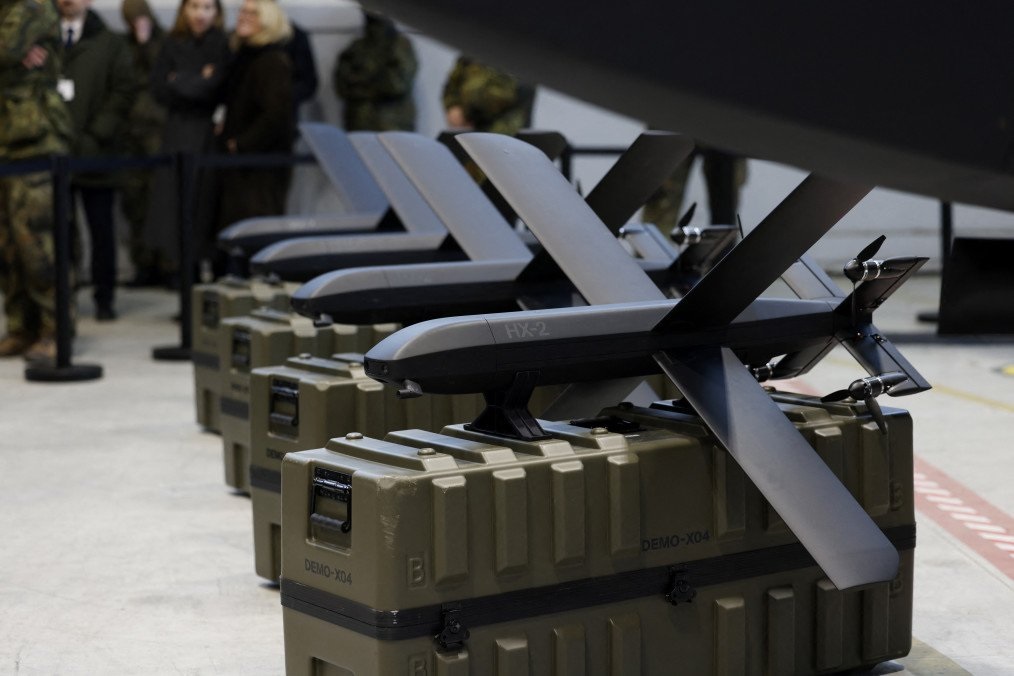
World
MARTINSBURG, West Virginia — European defense technology company Helsing has selected Martinsburg, West Virginia, as the location for its first manufacturing facility in the United States. The company will invest $50 million in the new plant, which will manufacture the HX-2 artificial intelligence-enabled strike drone as part of Helsing's global network of Resilience Factories focused on high-volume military production. The facility will be built in Berkeley County and marks a significant expansion of the Munich-based company's presence in the U.S. defense market. The announcement was made in coordination with West Virginia Governor Patrick Morrisey, who said the state was selected after a competitive nationwide search. Governor Morrisey said the investment reflects West Virginia's skilled workforce, dependable infrastructure, and business-friendly environment. He added that the state's ability to move projects forward quickly played an important role in Helsing's decision. The project is expected to create at least 60 full-time jobs, with an average annual salary of $125,000, making it one of the highest-paying manufacturing investments announced in the region in recent years. To support the workforce needed for the facility, the state will partner with Blue Ridge Community and Technical College and West Virginia Advance to develop customized training programs tailored to Helsing's manufacturing requirements. Once fully operational, the Martinsburg plant is expected to produce more than 2,000 HX-2 drones per month. Helsing plans to achieve initial operating capability by November, with full-rate production expected within one year. The HX-2 is a software-defined loitering munition designed for modern battlefield operations. The drone has an operational range of up to 100 kilometers (62 miles) and can reach speeds of 220 kilometers per hour. It weighs 12 kilograms and can carry a payload of up to 4.5 kilograms, including armor-penetrating shaped charges designed to engage armored vehicles and artillery. One of the system's key features is its onboard artificial intelligence. The HX-2 can navigate using visual landmarks and continue missions even when GPS signals and continuous data links are disrupted by electronic warfare, allowing it to operate in contested environments. The drone has already been deployed in combat. Helsing has delivered thousands of HX-2 drones to Ukrainian forces, where the system has been used on the front lines. The HX-2 has also been evaluated by the U.S. Army during the Project Flytrap exercise in Lithuania, where allied forces tested advanced unmanned systems. The new manufacturing facility supports broader U.S. efforts to strengthen the country's defense industrial base by expanding domestic production capacity for advanced military systems. Establishing production within the United States is expected to improve supply chain resilience while supporting future requirements of U.S. and allied armed forces. Dr. Jennifer McArdle, General Manager of Helsing US, said modern deterrence depends not only on advanced technology but also on the ability to manufacture it rapidly and at scale. "Modern deterrence requires advanced technology and the ability to produce it at speed, at scale, and in sustained volumes," McArdle said. "West Virginia stood out for its skilled workforce, speed to build, manufacturing heritage, and commitment to strengthening the U.S. industrial base. We are excited to build in Appalachia." The West Virginia announcement comes during a period of rapid growth for Helsing. One day before announcing the new U.S. facility, the company revealed it had secured $1.8 billion in new funding, increasing its total valuation to $18 billion and making it one of Europe's largest defense technology startups. The Martinsburg facility represents Helsing's first manufacturing operation in the United States and expands the company's production network as demand for AI-enabled defense technologies and unmanned systems continues to grow among NATO allies and partner nations. Source : helsing.ai
Read More → Posted on 2026-07-14 15:51:51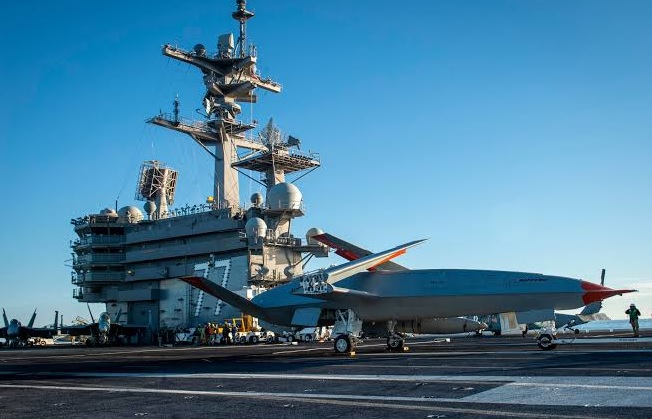
U.S
WASHINGTON, D.C., July 15, 2026 — The U.S. Navy has launched a new effort to develop advanced carrier-based unmanned aircraft as part of its long-term modernization plans, seeking industry proposals for autonomous drones capable of conducting a wide range of combat and support missions from aircraft carriers. On July 14, 2026, the Portfolio Acquisition Executive for Aviation within Naval Air Systems Command (NAVAIR) issued a Sources Sought notice, also known as a Request for Information (RFI), inviting defense companies to submit concepts for a new family of carrier-based unmanned aircraft. The notice is intended to gather information on available technologies and industry capabilities before any formal acquisition program begins. Companies have until August 13, 2026, to submit their responses. The initiative is part of the Navy's Air Wing of the Future program, which aims to reshape carrier aviation by integrating advanced autonomous aircraft alongside manned fighters. The effort also supports the broader Golden Fleet modernization initiative under the Trump administration, which focuses on accelerating the development and fielding of new naval platforms. Eight Mission Requirements The Navy is seeking either a single multi-role unmanned aircraft or a modular family of systems capable of performing multiple missions from aircraft carriers. According to the RFI, the proposed platforms should be able to carry out: Strikes against land targets Strikes against surface ships Air-to-air combat against enemy aircraft and missiles Anti-submarine warfare (ASW) Electronic warfare (EW) Intelligence, surveillance, and reconnaissance (ISR) Aerial refueling Resupply missions for naval task forces For strike missions, the aircraft must have a minimum combat radius of 1,000 nautical miles (approximately 1,852 kilometers or 1,151 miles) without requiring aerial refueling. The requirement reflects the Navy's need to operate carriers farther from hostile coastlines due to the increasing range of modern anti-ship missile systems. High Level of Autonomy Required The Navy expects the new aircraft to perform complex flight and mission tasks with a high degree of autonomy. Proposed systems should be capable of independently handling carrier landing patterns, deck taxiing, dynamic mission retasking, threat avoidance, and automated aerial refueling. The aircraft must also integrate with the Navy's existing Unmanned Carrier Aviation control architecture rather than requiring a separate command system, allowing future platforms to operate within the current infrastructure. Compatible with Existing Aircraft Carriers The new unmanned aircraft must be fully compatible with the launch and recovery systems used aboard both Nimitz-class and Ford-class nuclear-powered aircraft carriers, including catapults and arresting gear. At the same time, the Navy expressed interest in Vertical Takeoff and Landing (VTOL) concepts. Such designs could expand operations beyond aircraft carriers to other naval platforms, including guided missile destroyers (DDGs) and Expeditionary Sea Bases (ESBs), increasing operational flexibility. Flight Deck Space Remains a Key Consideration Carrier flight decks have limited space, making aircraft size and storage an important factor. The Navy is asking companies to explain the "spot factor" of their designs, which measures how much deck space an aircraft occupies compared with the combat capability it provides. Proposals are expected to demonstrate greater combat effectiveness than current fourth-generation aircraft, such as the F/A-18 Super Hornet, while making efficient use of available carrier deck space. Focus on Cost and Production Capacity In addition to operational performance, the Navy is placing significant emphasis on affordability and manufacturing capability. Companies responding to the RFI must describe how they would rapidly increase production during a conflict, provide plans to control unit recurring flyaway costs and long-term sustainment expenses, reduce maintenance requirements, and ensure compatibility with existing Navy logistics and supply chains. The Navy also requested information on planned capital investments, internal research and development efforts, and realistic development schedules. Respondents are expected to outline timelines from initial design through first flight, the first successful arrested carrier landing, and eventual initial operational capability. Building on Existing Unmanned Programs The new effort builds on experience gained through several ongoing Navy unmanned aviation programs. One of them is the MQ-25A Stingray, developed by Boeing, which serves as an unmanned aerial refueling tanker. The aircraft completed its first operational test flight in April 2026 and is progressing toward deployment aboard Nimitz-class and Ford-class carriers. The Navy is also drawing lessons from the Collaborative Combat Aircraft (CCA) program, which is developing lower-cost autonomous "loyal wingman" aircraft designed to operate alongside crewed fighters. Companies including Anduril, Boeing, General Atomics, and Northrop Grumman are developing carrier-capable concepts, while Lockheed Martin is responsible for software architecture that enables a single operator to coordinate multiple unmanned aircraft. Supporting the Future Carrier Air Wing The Sources Sought notice highlights the Navy's long-term objective of reducing reliance on fourth-generation aircraft by introducing a more balanced mix of fifth-generation, sixth-generation, and autonomous unmanned platforms. At this stage, the notice does not represent a contract award or procurement commitment. Instead, it is intended to help the Navy assess available technologies, industry readiness, production capacity, and cost before deciding on the next phase of the program. The information collected through this market survey will help shape future acquisition decisions for the next generation of carrier-based unmanned aircraft designed to support U.S. Navy operations in the coming decades. Source : sam.gov
Read More → Posted on 2026-07-15 10:56:47
World
Seoul, South Korea — South Korea is expanding its airborne electronic warfare capabilities with the procurement of two Bombardier Global 6500 aircraft that will be converted into dedicated electronic warfare platforms for the Republic of Korea Air Force (ROKAF). Bombardier Defense announced on July 14, 2026, that Korean Air has formalized the purchase of the Canadian-built business jets. The aircraft will be extensively modified to carry advanced electronic warfare systems for Stand-Off Jammer (SOJ) missions, allowing them to disrupt enemy radar, communications, and other electromagnetic systems while operating outside hostile airspace. Part of South Korea's Block-I Electronic Warfare Program The acquisition is a key element of South Korea's Defense Acquisition Program Administration (DAPA) Block-I Electronic Warfare System Development Project, which aims to introduce the new electronic warfare aircraft into service by 2034. In wartime operations, the aircraft will support air missions by suppressing or disrupting adversary air-defense networks, creating safer operating conditions for friendly aircraft entering defended airspace. South Korean defense company LIG Nex1 is serving as the program's prime contractor and system integrator under a contract worth approximately 1.56 trillion won (about $1.1 billion). The company will develop and integrate the aircraft's specialized electronic warfare mission systems, including high-performance antennas capable of transmitting powerful radio-frequency jamming signals. According to program details, the jamming systems are expected to provide an operational range of at least 200 kilometers (124 miles), allowing coverage across the Korean Peninsula during missions. Korean Air will carry out the structural modifications to the Global 6500 aircraft and oversee the installation of LIG Nex1's mission equipment before delivery to the Republic of Korea Air Force. Selection Followed Competitive Evaluation The Global 6500 was selected after a competitive bidding process. The Bombardier Defense team, working with Korean Air and LIG Nex1, was chosen over a competing proposal submitted by Korea Aerospace Industries (KAI) and Hanwha Systems. Following the selection, Korean Air became responsible for purchasing the aircraft from Bombardier and managing their conversion into operational electronic warfare platforms. Global 6500 Selected for Special Mission Operations Bombardier Defense says the Global 6500 is well suited for military special mission roles because of its combination of range, endurance, speed, and operating altitude. The aircraft can fly above normal commercial airline traffic while maintaining high cruising speeds and an endurance exceeding 10 hours, making it suitable for long-duration electronic warfare operations. Its airframe is also designed to accommodate major structural modifications required for installing large mission systems, external sensors, antennas, and specialized electronic equipment. Michael Anckner, Vice-President of Worldwide Sales at Bombardier Defense, said: "The Global 6500 aircraft is in demand around the world because of its performance and versatility, and we're extremely proud that it was chosen for two very advanced, yet different defense missions in South Korea." He added that the aircraft's structure is highly adaptable for integrating advanced external sensors required for specialized military missions. Beyond electronic warfare, the Global 6500 family has been adapted for a range of defense roles, including airborne early warning and control (AEW&C), intelligence, surveillance and reconnaissance (ISR), multi-role special missions, medical evacuation, and head-of-state transport. The aircraft platform has also been used as the basis for systems such as Saab's GlobalEye airborne surveillance aircraft. Common Platform with AEW&C Fleet The latest procurement builds on South Korea's earlier decision to select the Global 6500 for its Airborne Early Warning & Control (AEW&C) program in October 2025. That separate program involves four Global 6500 aircraft being modified by an international team led by L3Harris Technologies, with participation from Israel Aerospace Industries (IAI) ELTA Systems, Bombardier, and Korean Air. With both the AEW&C and electronic warfare programs using the same aircraft platform, the Republic of Korea Air Force is expected to benefit from greater fleet commonality. Operating a common airframe can simplify pilot training, maintenance training, reduce logistical requirements, and improve long-term sustainment compared with maintaining different aircraft types for separate missions. Expanding South Korea's Airborne Electronic Warfare Capability The addition of the two Global 6500 electronic warfare aircraft represents another step in South Korea's broader military modernization efforts. Once operational, the aircraft will provide the Republic of Korea Air Force with dedicated stand-off electronic attack capabilities designed to disrupt enemy radar and communication networks while remaining outside heavily defended airspace. Combined with the upcoming AEW&C fleet based on the same platform, the Global 6500 will become an important part of South Korea's growing special mission aircraft capability. Further details regarding the modification schedule and delivery timeline have not been publicly released, although the Block-I Electronic Warfare Project is expected to field the aircraft by 2034. Source : bombardier
Read More → Posted on 2026-07-15 11:07:25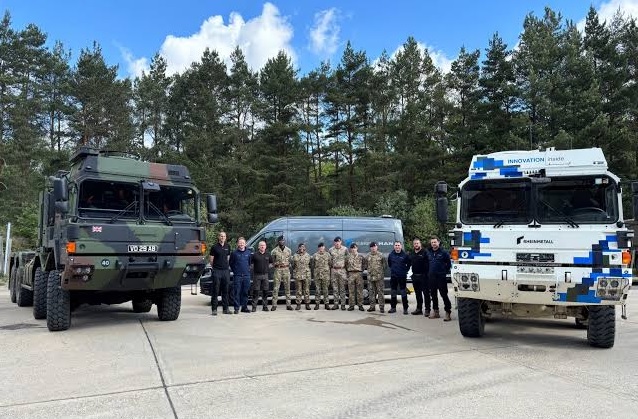
Europe
ALDERSHOT, UK — The British Army has completed its first autonomous HX convoy following a two-week training programme conducted in partnership with Rheinmetall and the UK Ministry of Defence (MoD). The milestone marks another step in evaluating autonomous technologies for future military logistics operations. The training was held at the Combat Service Support Trials and Development Unit (CSS TDU) in Aldershot and involved personnel from 8 Squadron, 27 Regiment Royal Logistic Corps (RLC). The programme aimed to develop the skills needed to plan, manage, and operate autonomous supply vehicles, helping reduce the need to place personnel in high-risk environments while maintaining military logistics. Two Weeks of Practical Training The course was delivered by Rheinmetall specialists from the United Kingdom, Austria, and Canada. During the programme, soldiers trained in key roles including Convoy Commander, Lead Vehicle Driver, and Safety Driver. The exercises progressed from basic vehicle operations to complex convoy missions on both roads and off-road terrain. Training scenarios included blocked routes, simulated disabled vehicles, and dynamic convoy management, reflecting conditions that could be encountered during future operations. The programme concluded with British soldiers successfully operating the UK's first HX autonomous convoy. HX2 "White Pony" Equipped with PATH Autonomous Kit Training was conducted using Rheinmetall's HX2 development vehicle, known as "White Pony." The vehicle was equipped with the PATH Autonomous Kit (A-Kit), developed through the UK Advanced Land Autonomy Centre of Excellence (ALACoE). The platform-agnostic PATH A-Kit can be integrated into existing military vehicle fleets, allowing conventional vehicles to operate autonomously. It combines advanced sensors, AI-enabled navigation, and robotic control software. Unlike systems that rely entirely on satellite navigation, the PATH A-Kit uses LiDAR, cameras, and onboard sensors to map its surroundings in real time, allowing the vehicle to continue operating even in GPS-denied environments where signals are unavailable, jammed, or blocked. Preparing for Project Convergence Capstone 6 The Aldershot training forms part of Project MAIA, the British Army's programme to evaluate autonomous systems for future logistics missions. The experience gained will support the Army's participation in Project Convergence Capstone 6 (PCC6), a multinational military exercise scheduled to take place at Fort Irwin, California. The exercise will provide an opportunity to further assess how autonomous technologies can support military supply operations in realistic operational environments. Rheinmetall on the Training Christoph Müller, CEO of Rheinmetall MAN Military Vehicles, said: "Autonomous technologies are transforming the future of military logistics. Through our collaboration with the UK Ministry of Defence and colleagues across Rheinmetall, we are helping British Army personnel develop the skills and confidence to operate next-generation autonomous capabilities." He added that the milestone demonstrates the value of collaboration between industry and the military and said Rheinmetall looks forward to supporting the British Army during Project Convergence Capstone 6. Broader Focus on Military Autonomy The training reflects a wider effort to explore autonomous logistics across European armed forces. These systems are intended to improve supply operations while reducing the exposure of personnel to hazardous areas. Rheinmetall recently demonstrated the capability of its autonomous logistics technology by securing first place in the "Convoy Scenarios" category at the 2026 European Land Robot Trial (ELROB) in Switzerland. The successful completion of the UK's first HX autonomous convoy provides the British Army with practical experience as it continues evaluating autonomous logistics systems for future military operations. Source : rheinmetall
Read More → Posted on 2026-07-15 11:15:51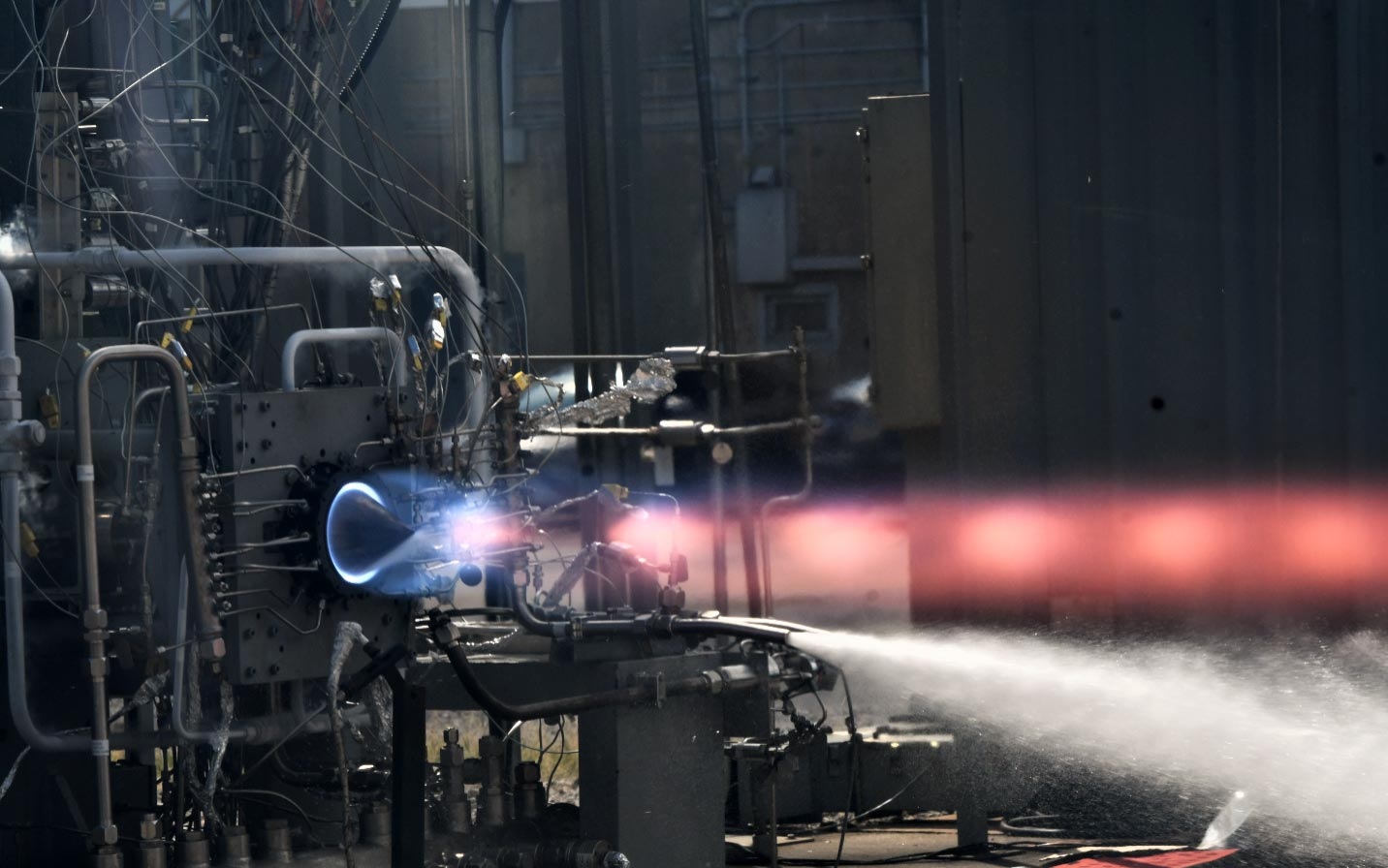
U.S
EDWARDS AIR FORCE BASE, Calif. — The U.S. Air Force is seeking input from the domestic aerospace industry on advanced propulsion technologies that could power the next generation of high-speed missiles by combining the launch power of a rocket with the long-range efficiency of a jet engine. On July 14, 2026, the Air Force Research Laboratory (AFRL) Rocket and Space Propulsion Division at Edwards Air Force Base issued a Request for Information (RFI) focused on Rocket-Based Combined Cycle (RBCC) propulsion systems. Companies have until August 10, 2026, to submit responses. The RFI is not a contract solicitation. Instead, it is intended to help the Air Force evaluate current industry capabilities, available technologies, manufacturing readiness, and the challenges involved before deciding whether to launch a formal acquisition program. Air Force Focuses on Rocket-Based Combined Cycle Technology The AFRL is looking at propulsion systems that combine two different types of engines into a single design. In an RBCC system, a missile would launch using a rocket engine, which provides the high thrust needed from a standstill. After reaching higher speeds, the propulsion system would transition to an air-breathing jet engine, which consumes atmospheric oxygen instead of carrying all of its oxidizer onboard. This approach can improve fuel efficiency during cruise and increase the overall range of the missile. By switching from rocket propulsion to jet-powered flight, future missiles could require smaller onboard fuel supplies than conventional rocket-powered weapons, allowing more space for payload or extended range. Rotating Detonation Rocket Engine at the Center of the Program The Air Force has asked industry to develop concepts based on Rotating Detonation Rocket Engine (RDRE) technology. Unlike conventional rocket engines that rely on continuous combustion, an RDRE uses a continuous supersonic detonation wave that travels around a ring-shaped combustion chamber. This process generates higher chamber pressure and can produce greater thrust from a compact engine. AFRL has been studying rotating detonation propulsion for several years. Since 2021, the laboratory has completed approximately 300 hot-fire tests using methane and oxygen propellants to better understand the technology's performance and operating characteristics. The Air Force now aims to integrate RDRE technology with an air-breathing propulsion system capable of operating across multiple phases of flight. Shift Toward Storable Propellants One of the key objectives outlined in the RFI is replacing cryogenic propellants with storable, non-cryogenic propellants. Earlier RDRE demonstrations relied on liquid oxygen and liquid hydrogen, which require continuous refrigeration and specialized handling. While suitable for space launch systems, these fuels are less practical for military weapons that may remain stored inside aircraft or launch platforms for extended periods. To improve operational readiness, AFRL is requesting concepts that use storable oxidizers such as High Test Peroxide (HTP) together with standard jet fuel or other compatible fuels. Using storable propellants could simplify logistics by allowing future systems to integrate more easily with existing military fuel infrastructure. Technical Requirements for Industry The Air Force outlined several technical priorities that companies must address in their proposals. The propulsion system should: Be suitable for affordable, large-scale production. Avoid reliance on exotic materials, complex manufacturing methods, or difficult supply chains. Maintain a compact size and low weight so it can fit within standard missile or aircraft configurations. Demonstrate a reliable transition from rocket-powered acceleration to air-breathing cruise without engine instability, including preventing inlet unstart during the change in operating mode. Use the air-breathing engine as the primary source of thrust during cruise, while the rocket system provides additional performance support when required. These requirements are intended to improve operational practicality while keeping production costs manageable. Part of Broader U.S. Defense Propulsion Research The AFRL initiative is part of a broader Department of Defense effort to advance rotating detonation propulsion for future missile systems. In January 2026, GE Aerospace and Lockheed Martin announced successful testing of a liquid-fueled rotating detonation ramjet designed for hypersonic missile applications. Conducted at a test facility in Niskayuna, New York, the demonstration showed the engine could ignite at speeds below Mach 3, potentially reducing the size of booster rockets required for future missiles. At the same time, the Defense Advanced Research Projects Agency (DARPA) is supporting similar research through its Gambit program in partnership with RTX. The program aims to develop a mass-producible, high-supersonic standoff missile for air-to-ground missions using rotating detonation engine technology. Industry Survey to Guide Future Development The latest RFI represents another step in the Air Force's effort to assess how ready the U.S. aerospace industry is to support advanced combined-cycle propulsion technologies. While the announcement does not authorize a development program or award contracts, the information collected from industry will help AFRL determine the maturity of available technologies, identify manufacturing capabilities, and shape future research and acquisition decisions. The Air Force has not announced any contract awards or development timeline. Responses received by August 10, 2026, will be used to evaluate the feasibility of advancing Rocket-Based Combined Cycle (RBCC) propulsion for future high-speed missile programs. Source : sam.gov
Read More → Posted on 2026-07-15 11:39:15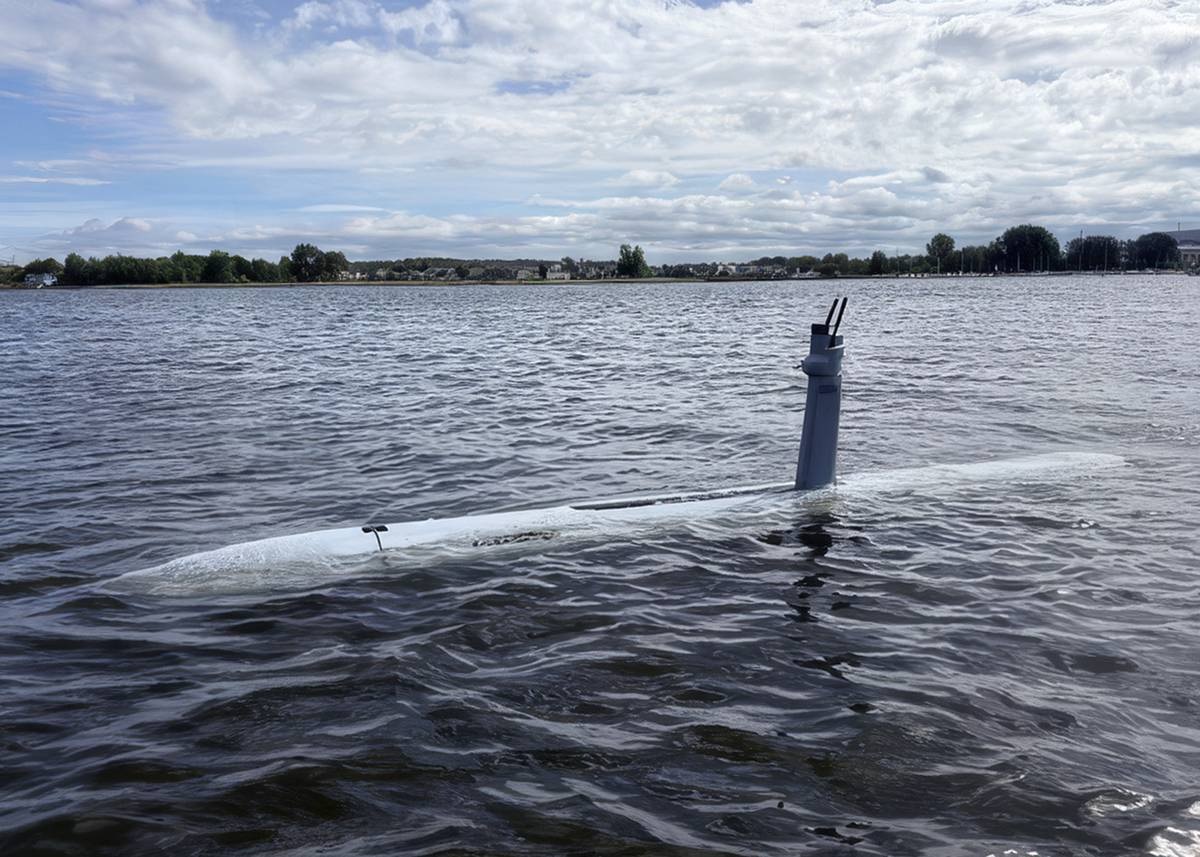
Europe
LÜBECK and ROSTOCK, Germany — German submarine systems company GABLER and defense technology firm FLANQ have successfully completed the Sea Acceptance Test (SAT) of their Torpedo-Tube-Launched Uncrewed Surface Vessel (TTL USV) capability demonstrator, marking a key milestone in the development of autonomous maritime systems for future naval operations. The capability demonstrator, named Ranger, completed sea trials in northern Germany during June 2026, where engineers validated the integration and operation of its core technologies. According to the companies, the trials confirmed the vessel's seaworthiness, while performance data collected during testing verified the system's maturity at the current stage of development. The successful completion of the SAT also marks the end of the proof-of-concept phase. The project is being jointly developed by GABLER and FLANQ under a partnership that formally began in 2025. The collaboration combines GABLER's more than six decades of experience in submarine systems and mission-critical defense manufacturing with FLANQ's expertise in artificial intelligence-enabled autonomy, maritime mission software, open capability architectures, and rapid development of autonomous systems. Designed for Covert Submarine Operations The Ranger is designed to be launched directly from a standard 21-inch (533 mm) submarine torpedo tube, allowing submarines to deploy the vessel without diver assistance. After launch, the vehicle autonomously reaches the surface and carries out intelligence, surveillance, and reconnaissance (ISR) missions. The platform measures 4.5 meters in length and uses a common hull rated for depths of up to 300 meters. To fit inside a standard torpedo tube, it features a folding keel and a collapsible sensor mast. The vessel is powered by an electric drivetrain and includes a mission-configurable payload bay, allowing it to support different mission requirements. The companies said the Ranger is intended to provide naval forces with an autonomous platform that can be deployed discreetly from submarines while expanding operational options during maritime missions. The platform is also being developed with the potential for submarines to deploy and recover uncrewed systems while remaining covert. Strike Variant Also Under Development Alongside the reusable Ranger designed for ISR missions, GABLER and FLANQ are also developing a one-way attack (OWA) version known as Strike, which was previously introduced under the project name Raider. The Strike variant is intended for single-use missions and will carry a user-supplied effector payload in its forward compartment. The concept is designed to allow naval forces to engage high-value targets while reducing the exposure of crewed submarines and other naval platforms to hostile environments. Both Ranger and Strike are based on the same hull design, enabling a common platform for different operational roles. Partnership Progress Since 2025 The cooperation between GABLER and FLANQ was first announced during DALO Industry Days in Denmark in August 2025. One month later, in September 2025, GABLER publicly presented initial concepts for the torpedo-tube-launched uncrewed surface vehicles during an industry event. Following the successful Sea Acceptance Test, GABLER will continue leading the program's commercialization, integration with host platforms, and delivery to naval customers, while FLANQ remains responsible for system design, autonomous technologies, mission software, and rapid manufacturing. Development of the Ranger capability demonstrator will continue toward operational deployment for naval customers, including European and NATO partner forces. Expanding Future Naval Operations Marine autonomous systems are becoming increasingly important in modern naval operations. Uncrewed platforms launched from submarines or surface ships can expand operational flexibility by supporting intelligence gathering, surveillance, force protection, and other maritime missions while reducing risks to personnel. The Ranger project reflects the broader effort to integrate autonomous systems with existing naval platforms. By combining conventional submarines with next-generation uncrewed surface vehicles, naval forces can increase operational capability without requiring major changes to existing fleet structures. The completion of the Sea Acceptance Test provides technical validation as the program moves toward future operational use. Source : marinetechnologynews
Read More → Posted on 2026-07-15 12:20:42
Europe
PARIS — Five European aerospace and defense companies have agreed to establish a new industrial consortium, Bliksem EXO, to develop Europe's first sovereign exo-atmospheric interceptor designed to destroy medium- and intermediate-range ballistic missiles before they re-enter the Earth's atmosphere. The consortium was announced after Thales, Airbus Defence and Space, MBDA Deutschland, Safran Electronics & Defense, and aerospace startup Destinus signed a letter of intent in Paris on July 14. The signing took place at the French Ministry for Europe and Foreign Affairs in the presence of Dutch Prime Minister Rob Jetten. According to Thales, the initiative is intended to strengthen Europe's upper-layer ballistic missile defense capability by developing an interceptor that can engage threats during the midcourse phase of flight, when ballistic missiles travel through space after launch and before re-entering the atmosphere. The future system is designed to counter medium-range ballistic missiles (MRBM) and intermediate-range ballistic missiles (IRBM), including advanced threats such as Russian Oreshnik-class ballistic missiles equipped with separable and maneuverable re-entry warheads. Unlike traditional interceptors that use explosive warheads, Bliksem EXO will employ a kinetic hit-to-kill approach. In this method, the interceptor destroys its target through direct impact rather than carrying an explosive payload, a technology widely used in modern exo-atmospheric missile defense systems. Industry Roles Divided Among Consortium Members Under the preliminary agreement, Destinus will serve as the consortium lead and prime contractor. The company will oversee overall system integration and develop the Exo-atmospheric Kill Vehicle (EKV), the component responsible for intercepting the target in space. The remaining responsibilities have been assigned to the participating companies: MBDA Deutschland will develop the interceptor missile's booster, launch system, and canister. Safran Electronics & Defense will provide the EKV's homing seeker, guidance, navigation, and control systems. Airbus Defence and Space will be responsible for command and control, along with battle management (BMC4I). Thales will supply the complete sensor chain, including radars for early warning, target tracking, and fire control. A mock-up of the related HYDIS2 hypersonic interceptor was also displayed during the Paris Air Show, highlighting ongoing European work on advanced missile interception technologies. Development Schedule The companies plan to sign a binding consortium agreement within the next three months. Joint engineering work is scheduled to begin in August 2026, with the consortium targeting an Exo-atmospheric Kill Vehicle (EKV) space test in 2027. The current letter of intent outlines the companies' intention to cooperate but does not legally commit the participants to funding, procurement, or production of the final interceptor system. Lessons From Ukraine's Missile Defense Experience The consortium said the design, testing, and evaluation of Bliksem EXO will draw on Ukraine's operational experience defending against large-scale Russian missile and air attacks. According to the partners, this operational knowledge will help shape the interceptor's development and testing as Europe works to improve its ability to counter increasingly advanced ballistic missile threats. Linked to Europe's New Anti-Ballistic Missile Initiative The Bliksem EXO announcement came one day after the launch of the Integrated Anti-Ballistic Missile Coalition in Paris on July 13. The coalition includes Ukraine, Denmark, France, Germany, Italy, the Netherlands, Norway, Spain, Sweden, and the United Kingdom. The participating countries aim to build a shared European ballistic missile defense architecture and develop more affordable European alternatives to existing systems such as the U.S. Patriot air defense system. European governments have increased their focus on ballistic missile defense as Ukraine continues to face frequent Russian missile attacks, highlighting the need for stronger regional missile interception capabilities. Once developed, Bliksem EXO is expected to integrate with NATO's Integrated Air and Missile Defense (IAMD) network and operate alongside lower-tier European air defense systems, forming part of a layered missile defense architecture for the continent. Source : thalesgroup
Read More → Posted on 2026-07-15 12:30:20
Space & Technology
WASHINGTON, D.C. — Northrop Grumman's SpaceLogistics subsidiary is preparing to launch its Mission Robotic Vehicle (MRV) and three Mission Extension Pods (MEPs) aboard a SpaceX Falcon 9 rocket no earlier than 5:15 p.m. ET on Tuesday, July 21, 2026. The mission will lift off from Space Launch Complex 40 (SLC-40) at Cape Canaveral Space Force Station, Florida. SpaceX has scheduled a four-hour launch window for the mission, with a backup launch opportunity available on Wednesday, July 22, at the same opening time if weather or technical conditions require a delay. The Mission Robotic Vehicle (MRV) is being developed through a collaboration between Northrop Grumman's SpaceLogistics, the Defense Advanced Research Projects Agency (DARPA), and the U.S. Naval Research Laboratory (USNRL). It is designed as the nation's first privately owned multi-mission robotic spacecraft capable of servicing satellites already operating in space. Robotic Servicing for Geosynchronous Satellites The centerpiece of the spacecraft is the Robotic Servicing of Geosynchronous Satellites (RSGS) payload. The U.S. Naval Research Laboratory (USNRL) designed and built the spacecraft's two highly maneuverable robotic arms, while DARPA funded the development of the RSGS Integrated Robotic Payload. Once the MRV reaches geosynchronous Earth orbit (GEO), approximately 22,236 miles (35,786 kilometers) above Earth, it will be able to perform a range of on-orbit servicing tasks. These include detailed satellite inspections, mechanical repairs, hardware upgrades, and resolving certain anomalies affecting commercial and government spacecraft. Satellites operating in GEO have traditionally been difficult to service after launch. When they run out of fuel or experience minor mechanical issues, they are often retired even though many of their onboard systems remain operational. The MRV is intended to provide a new option by allowing these satellites to receive maintenance while remaining in orbit. Mission Extension Pods to Increase Satellite Lifespan In addition to the robotic servicer, the Falcon 9 will carry three Mission Extension Pods (MEPs), commonly described by project engineers as "satellite jetpacks." After deployment from the launch vehicle, the MRV and each of the three MEPs will independently travel to geosynchronous orbit using onboard solar-electric propulsion systems. Once in position, the MRV will use its robotic arms to capture each Mission Extension Pod and attach it to client satellites that are running low on propellant. The attached pods provide additional propulsion, allowing satellites to continue operating without relying solely on their original fuel supply. Each Mission Extension Pod is designed to support satellites weighing up to about 4,400 pounds (2,000 kilograms) and can extend their operational life by up to eight years. Building on Previous Satellite Servicing Missions The Mission Robotic Vehicle builds on Northrop Grumman's Mission Extension Vehicle (MEV) program, which demonstrated that servicing satellites in orbit is technically feasible. Unlike the MEV, the MRV adds robotic servicing capabilities that can support inspection, maintenance, repairs, and hardware upgrades in addition to mission extension. The spacecraft is also refuelable and includes available data and power interfaces that can support future payloads, providing additional flexibility for future in-space servicing missions. Before launch, the robotic arms underwent extensive testing, including operations inside a cryogenic thermal vacuum chamber, to verify their performance under the extreme temperatures and vacuum conditions found in space. Launch Configuration Because the mission requires placing a heavy payload on a trajectory toward geosynchronous transfer orbit, the Falcon 9 will fly in an expendable configuration, meaning the first-stage booster will not attempt a landing after launch. According to mission officials, this will be the 32nd and final flight for the booster supporting the mission. The MRV mission is expected to demonstrate new capabilities for on-orbit satellite servicing and life extension, supporting commercial, civil, and national security spacecraft while reducing the need to replace satellites that remain functional but have exhausted their onboard propellant or require limited maintenance. Mission updates, including any changes to the launch schedule, are expected as final preparations continue ahead of the July 21 launch. Source : Northrop Grumman
Read More → Posted on 2026-07-15 13:18:20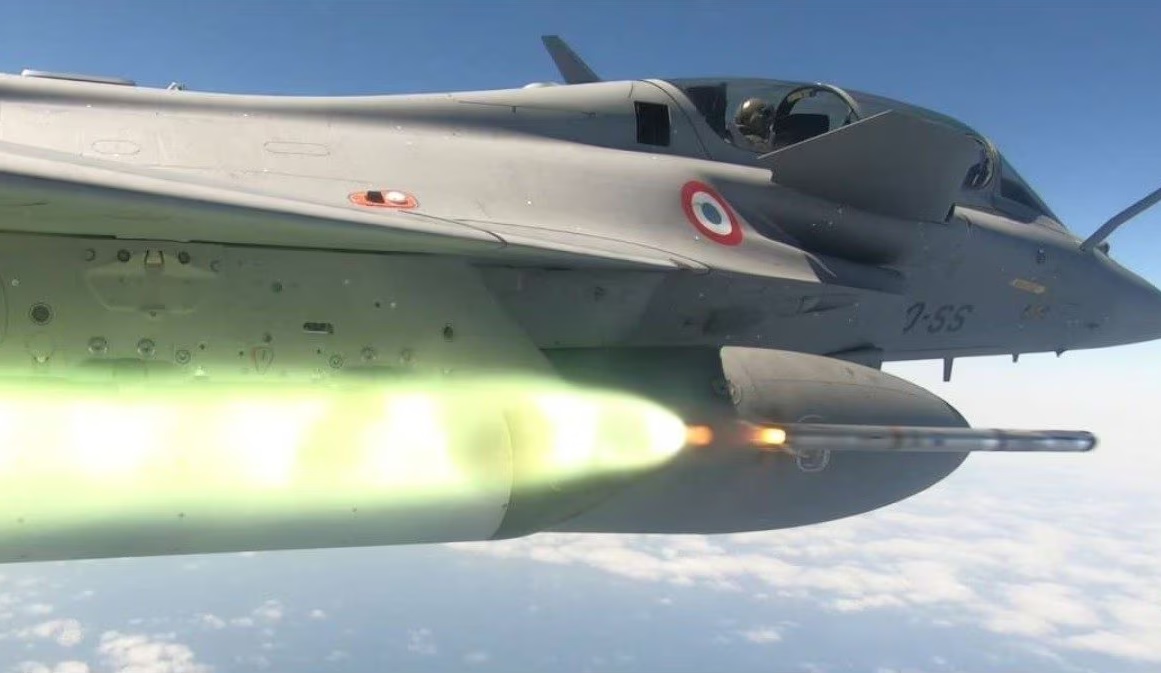
Europe
Paris, France — France has officially integrated a new low-cost anti-drone weapon system onto its Dassault Rafale fighter jets, providing the French Air and Space Force with a more economical way to intercept unmanned aerial vehicles (UAVs). The French Ministry of the Armed Forces and the Directorate General of Armaments (DGA) confirmed the successful completion of the testing campaign for the LADAC (Lutte Anti-Drone sur Avion de Combat) system on July 7, 2026. The new capability equips Rafale fighters with 68-mm Aculeus LG laser-guided rockets, allowing the aircraft to engage drones without relying solely on expensive air-to-air missiles. The system was developed in response to the increasing use of low-cost attack drones, including Iranian-designed Shahed-136-type UAVs, which have been widely used in recent conflicts. A More Cost-Effective Approach to Drone Interception The LADAC program was launched to address the growing cost imbalance in modern air defense operations. During recent missions in the Middle East, air forces frequently used advanced interceptor missiles to destroy relatively inexpensive one-way attack drones. A French MICA air-to-air missile is estimated to cost between $1 million and $2 million per round, while a Shahed-type drone is believed to cost around $50,000 to produce. By comparison, the Thales Aculeus LG 68-mm laser-guided rocket is estimated to cost between $20,000 and $40,000, providing a significantly more affordable option for countering drone threats. The new system is intended to preserve high-value air-to-air missile inventories while improving the sustainability of drone interception missions. How the LADAC System Operates The LADAC system combines existing Rafale sensors and targeting equipment with new guided rocket launchers. The engagement process begins with the Rafale's RBE2 AESA radar, which detects and tracks an incoming drone. After the target is identified, the aircraft's TALIOS targeting pod locks onto it and continuously illuminates it with a laser. The pilot then launches the Aculeus LG laser-guided rockets from JF12/TELSON launcher pods, manufactured by Thales. The rockets follow the reflected laser energy to the target until impact. Each JF12/TELSON launcher carries 12 rockets, allowing a single Rafale to engage multiple drones during one mission without quickly exhausting its primary air-to-air missile inventory. Rapid Development Following Operational Requirements The LADAC program moved from requirement to operational readiness within a relatively short period. Following urgent operational needs identified in late 2025, the DGA awarded the contract and began flight testing in February 2026. The development and evaluation involved several French defense organizations, including the Directorate General of Armaments (DGA), the Center for Military Aviation Expertise (CEAM), Dassault Aviation, and Thales. Testing covered the full operational cycle, including radar detection, target tracking, live launches against drone targets, assessment of the launcher pods' impact on Rafale flight performance, and system reliability in electronic warfare environments. Following the successful validation campaign, the system has reached initial operational readiness. Thales has started preparations for serial production of the LADAC kits, with the first launcher pods expected to be delivered to French Air and Space Force operational units by the end of July 2026. Part of a Wider Shift in Counter-Drone Operations France joins several other countries that have adopted lower-cost precision-guided rockets for air-to-air drone interception. The United States and the United Kingdom have integrated 70-mm APKWS (Advanced Precision Kill Weapon System) laser-guided rockets onto fighter aircraft, including the F-15E Strike Eagle, F-16 Fighting Falcon, and Eurofighter Typhoon. These systems have been used during operations in the Middle East to intercept Iranian drones, demonstrating a broader shift toward using affordable precision-guided weapons against low-cost aerial threats instead of relying exclusively on expensive interceptor missiles. Although the LADAC system is currently intended for the French military, defense officials have indicated that the capability could eventually be made available to international operators of the Rafale fighter jet. The integration of LADAC expands the Rafale's air-to-air capabilities by adding a practical and cost-effective option for countering unmanned aerial threats while making use of the aircraft's existing radar, targeting, and weapons systems. Source : timesofindia
Read More → Posted on 2026-07-15 13:37:27
Space & Technology
New Delhi — The Defence Research and Development Organisation (DRDO) has successfully completed military field trials of an indigenous fiber-based Quantum Key Distribution (QKD) system, marking an important step in strengthening India's secure communication capabilities against future cyber threats. The system was developed in collaboration with Bengaluru-based Taqbit Labs and is designed to provide a scalable and practically secure method of protecting highly sensitive military communications. According to DRDO, the successful field trials demonstrate that the technology is ready for deployment in real-world military environments. Indigenous Quantum Communication Technology The newly tested QKD system builds on earlier laboratory demonstrations and has now been validated under military field conditions. DRDO and Taqbit Labs said the technology has been productized to integrate with existing fiber-optic communication networks, reducing the need for major infrastructure changes. Officials said the successful trials establish the foundation for developing large-scale, multi-hop quantum communication networks capable of securing critical defence and national infrastructure communications. As the system has been designed and developed indigenously, it also strengthens India's efforts toward self-reliance in advanced defence technologies while providing an additional security layer for strategic communication networks. What is Quantum Key Distribution? Quantum Key Distribution (QKD) is an advanced encryption technology that uses the principles of quantum physics to securely exchange encryption keys between two users. Unlike conventional encryption, which depends on complex mathematical algorithms, QKD transmits encryption keys using individual light particles (photons) through optical fiber. Under the laws of quantum mechanics, any attempt to intercept or measure these photons changes their quantum state. This immediately alerts the communicating parties that the transmission has been compromised, allowing them to discard the affected key. Because its security is based on the laws of physics rather than mathematical complexity, QKD is considered resistant to future attacks from powerful quantum computers that could potentially break many existing encryption methods. Benefits for Defence Communications The successful field trials demonstrate several advantages of the indigenous QKD system for military use: Secure exchange of encryption keys using quantum physics. Immediate detection of any interception or eavesdropping attempts. Integration with existing fiber-optic communication infrastructure. Support for longer-distance communication and future multi-hop quantum networks. Enhanced protection for command networks, defence data links, and other sensitive communications. A scalable architecture for expanding secure quantum communication across critical infrastructure. These capabilities are expected to help safeguard India's strategic communication systems against emerging cyber and quantum-related threats. Part of India's Quantum Technology Progress The achievement also supports the objectives of India's National Quantum Mission, launched in 2023 to accelerate research and deployment of quantum technologies across strategic sectors. The military field trials represent a transition from laboratory research to practical deployment, demonstrating the maturity of India's indigenous quantum communication technology. Former DRDO Chairman G. Satheesh Reddy has previously described such developments as important for strengthening India's long-term strategic communication capabilities in the emerging quantum era. India's Position in Global Quantum-Secure Communications With the successful completion of these military field trials, India joins a limited group of countries advancing quantum-secure communication technologies. China is currently regarded as the global leader in Quantum Key Distribution deployment, operating large-scale fiber-optic QKD networks spanning thousands of kilometers and the dedicated Micius quantum communication satellite. The United States and several European countries have established QKD research networks and pilot projects. While many Western defence organizations are also investing heavily in Post-Quantum Cryptography (PQC)—mathematical encryption designed to resist quantum computing attacks—the European Union continues to develop the EuroQCI quantum communication infrastructure. Other countries, including Japan, South Korea, Switzerland, and Australia, have also deployed QKD systems for government, financial, and research applications. Although fully operational military QKD networks remain limited worldwide, India's successful field trials place it among the countries actively moving toward deployable quantum-secure defence communications.
Read More → Posted on 2026-07-15 13:53:21
World
JERUSALEM — Israel has lifted a temporary restriction that blocked additional U.S. aerial refueling aircraft from landing at Ben Gurion Airport after senior American military officials raised concerns over the decision. The issue was resolved following discussions between U.S. and Israeli officials, allowing U.S. military operations to continue while introducing measures to reduce pressure on civilian airport operations. The dispute began when Israel's Transport Ministry, led by Transport Minister Miri Regev, introduced a directive limiting the number of U.S. aerial refueling aircraft parked at Ben Gurion Airport to 20. At the time, between 33 and 34 American tanker aircraft were stationed at the airport. According to Israeli authorities, the restriction was intended to address a shortage of aircraft parking stands ahead of the peak summer travel season. The Israel Airports Authority warned that the continued presence of additional military aircraft could create significant parking constraints, potentially affecting civilian operations and placing up to 50,000 passenger flight bookings at risk of cancellation. The proposed limit prompted an immediate response from senior officials at U.S. Central Command (CENTCOM), who asked Israel to reverse the decision. U.S. officials said the refueling aircraft remain essential for supporting ongoing regional operations and maintaining deterrence capabilities amid continued tensions involving Iran. American officials also emphasized that Ben Gurion Airport remains the preferred operating location for these aircraft because of its advanced infrastructure, established logistics support, and proximity to hotels and other facilities required by flight crews. The U.S. position received support from the Israel Defense Forces (IDF). A senior Israeli military official described the tanker fleet as a strategic asset that plays an important role in joint U.S.-Israel military preparations and said the aircraft should be allowed to operate according to U.S. operational requirements. Following discussions between the two governments, Transport Minister Miri Regev cancelled the landing restriction on July 15, just one day after it was reportedly introduced. Israeli officials said the disagreement did not represent a broader dispute between the allies, and Prime Minister Benjamin Netanyahu also discussed the matter directly with U.S. representatives to ensure continued coordination. As part of the agreed solution, U.S. refueling operations will continue without interruption. However, to reduce congestion at Ben Gurion Airport, only around 20 tanker aircraft will remain parked there. The remaining U.S. aircraft will be relocated to Israeli Air Force bases and other military facilities in coordination with Israel's Defense Ministry. The large U.S. military presence at Ben Gurion Airport dates back to the regional military buildup that began before the conflict with Iran in February 2026. At its peak, approximately 75 U.S. refueling and cargo aircraft were stationed at the airport to support American operations and regional contingency planning. Earlier this month, the United States began returning some of those aircraft to their home bases after diplomatic efforts temporarily reduced regional tensions. However, the Pentagon recently paused further withdrawals following renewed regional escalation, keeping the refueling fleet in Israel to maintain rapid response capability if required. The agreement allows Israel to address growing civilian aviation demands during the busy summer travel season while ensuring that U.S. military aircraft continue to support operational requirements. The outcome also reflects the close coordination between Washington and Jerusalem in balancing civilian airport operations with ongoing defense cooperation. Source : israelnationalnews
Read More → Posted on 2026-07-15 14:07:51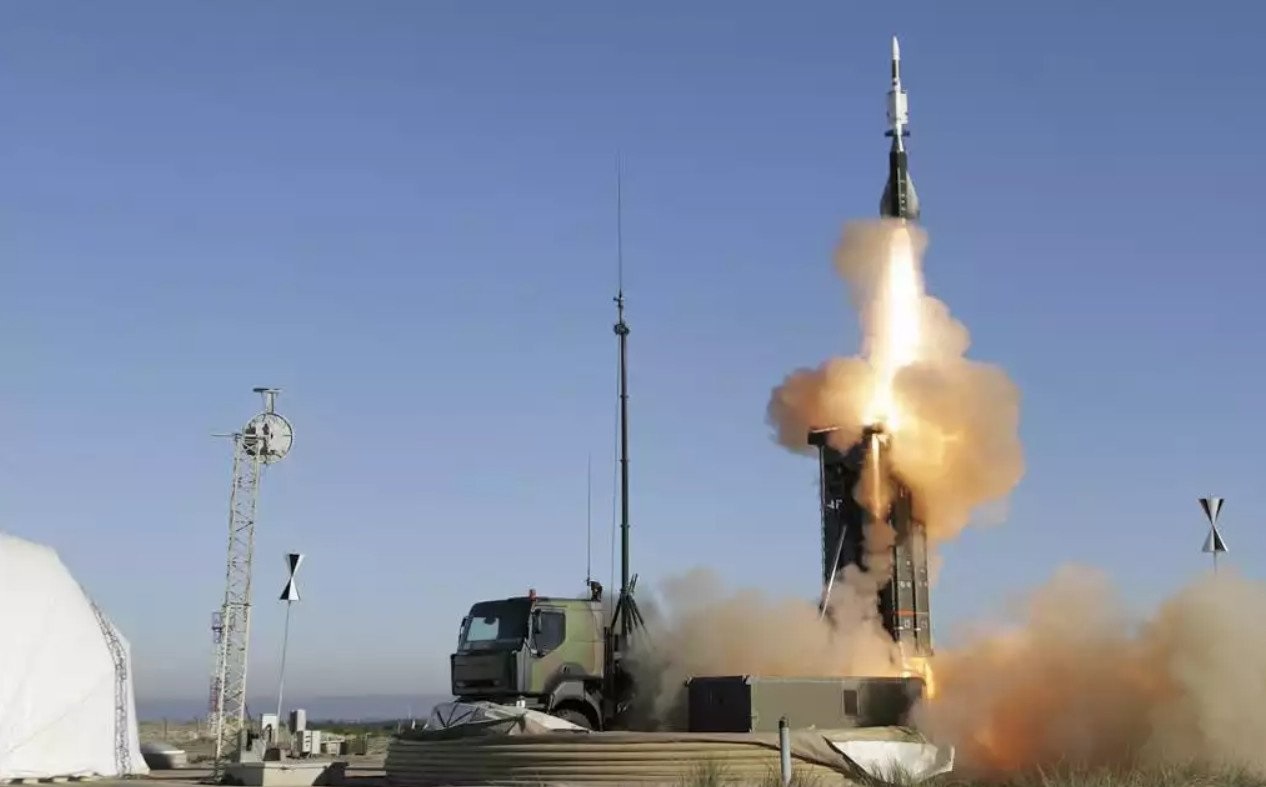
Europe
PARIS, France — France has agreed to strengthen Ukraine's air defense capabilities by supplying two additional SAMP/T air defense batteries this year and accelerating deliveries of Aster 30 interceptor missiles. The announcement follows talks between Ukrainian President Volodymyr Zelenskyy and French President Emmanuel Macron as both countries expanded their long-term defense cooperation. Under the agreement, France will transfer two current-generation SAMP/T air defense batteries before the end of 2026 to reinforce Ukraine's air defense network. France and Italy will also speed up the delivery of Aster 30 interceptor missiles, with additional shipments expected by October 2026 to support the systems already in service. The SAMP/T (Surface-to-Air Missile Platform/Terrain) is a long-range air defense system jointly developed by France and Italy. It is designed to intercept a range of aerial threats, including aircraft, cruise missiles, drones, and certain types of ballistic missiles. A standard SAMP/T battery includes a multifunction radar, command post, and mobile launchers armed with Aster 30 missiles. Depending on the target profile, the Aster 30 missile has an interception range of up to 120 kilometers. Ukraine first received a SAMP/T battery from France and Italy in 2023. The system has since been used to help defend Ukrainian cities and critical infrastructure against aerial attacks. As of July 2026, the operation of at least one SAMP/T battery in Ukraine has been officially confirmed. Ukraine to Become First Operator of SAMP/T NG As part of the broader defense agreement, Ukraine has placed an order for four SAMP/T NG (New Generation) air defense systems, making it the first country scheduled to receive and operate the upgraded version. The SAMP/T NG features improved sensors, upgraded command-and-control capabilities, and compatibility with the Aster 30 Block 1 New Technology (B1 NT) interceptor missile, which offers enhanced performance against certain ballistic missile threats. According to the agreement, the two current-generation SAMP/T batteries being delivered this year will provide additional air defense coverage while production of the SAMP/T NG systems is completed. Once the new systems are delivered and become operational, the temporary batteries are expected to be returned to France. France Grants Missile and Bomb Production Licenses The agreement also marks a significant expansion of defense-industrial cooperation between the two countries. France has granted Ukraine licenses to manufacture several advanced French weapon systems domestically, including: SCALP long-range air-launched cruise missiles. AASM (Hammer) precision-guided air-to-ground bombs. Aster 30 air defense interceptor missiles. The licensed production is intended to strengthen Ukraine's domestic defense industry, reduce reliance on imported stockpiles, and support long-term sustainment of key weapon systems. Cooperation on FREYJA Missile Defense Program France will also participate in Ukraine's FREYJA anti-ballistic missile defense program, providing industrial cooperation and technical support through French defense companies and the French Directorate General of Armaments (DGA). The cooperation aims to accelerate the development of Ukraine's domestic missile defense capabilities against ballistic missile threats. Broader Defense Partnership The agreement reflects a broader expansion of military and technological cooperation between France and Ukraine. Alongside additional air defense systems and accelerated missile deliveries, the partnership focuses on strengthening Ukraine's long-term defense production capacity through local manufacturing and joint industrial projects. The combination of new SAMP/T batteries, future deployment of the SAMP/T NG, accelerated Aster 30 missile deliveries, domestic production of advanced French weapons, and cooperation on the FREYJA program is intended to enhance Ukraine's air and missile defense capabilities while supporting the development of its defense industry. Source : newsukraine
Read More → Posted on 2026-07-15 14:42:25
U.S
DUGWAY PROVING GROUNDS, Utah — Raytheon, an RTX business, has successfully completed a key technology demonstration of its Next Generation Short Range Interceptor (NGSRI), a new surface-to-air missile being developed for the U.S. Army as the future replacement for the long-serving Stinger missile. The demonstration took place on July 15, 2026, at Dugway Proving Grounds in Utah, where Raytheon launched multiple guided missiles using its soldier-portable Command Launch Assembly (CLA). According to the company, every launch successfully detected, tracked, and intercepted Army-simulated aerial threats, achieving direct hits and target destruction. The successful demonstration marks another milestone in the Army's effort to modernize its short-range air defense capabilities against evolving aerial threats, including aircraft, helicopters, and unmanned aerial systems. Advanced Optics and Rocket Motor Improve Performance Raytheon said the NGSRI's improved performance comes from a combination of advanced technologies integrated into both the launcher and the missile. The system uses precision optics in the Command Launch Assembly (CLA) and the missile's seeker, allowing faster target detection and tracking. These sensors are paired with a highly loaded grain solid rocket motor (SRM) developed by Northrop Grumman, which provides greater propulsion and extends the missile's engagement range beyond current legacy systems such as the Stinger. The NGSRI is designed as a fire-and-forget interceptor, allowing operators to launch the missile without continuous guidance after firing. It is being developed for use from both shoulder-mounted launchers and vehicle-mounted platforms, providing flexibility for different operational requirements. Raytheon Highlights Improved Capability Tom Laliberty, President of Land and Air Defense Systems at Raytheon, said the demonstration showed significant improvements over the current Stinger system. "Raytheon's NGSRI saw farther and locked faster, demonstrating superior target acquisition, longer range and greater lethality than Stinger—which is already the world's most in-demand shoulder-fired air defense system." He added that the new interceptor is designed to be easier to manufacture and deploy, making it a more capable, affordable, and rapidly producible weapon for future military requirements. Program Progress Over the past year, Raytheon has carried out several company-funded tests to refine and mature the NGSRI design. In addition, the company has completed two incremental demonstrations under contract with the U.S. Army. Raytheon also confirmed it has previously completed 10 successful subsystem demonstrations, validating key technologies including the missile seeker, solid rocket motor, Command Launch Assembly, warhead, tracking, guidance, aerodynamic control, fuzing, and safety systems. These demonstrations are intended to reduce technical risk as the program moves toward future production decisions. Part of the Army's Air Defense Modernization The NGSRI is being developed under the U.S. Army's Maneuver Short-Range Air Defense (M-SHORAD) Increment 3 program. The objective is to replace the Stinger missile with a modern interceptor capable of countering current and emerging aerial threats while maintaining portability for frontline soldiers. The missile is designed to engage rotary-wing aircraft, fixed-wing aircraft, and Group 2 and Group 3 unmanned aerial systems. It is also engineered for compatibility with existing Stinger infrastructure, including the Stinger Vehicle Universal Launcher used on platforms such as the Sgt. Stout. As the original manufacturer of the Stinger missile and its launchers, Raytheon said it is ensuring full interoperability between the NGSRI and both existing and future mounted platforms. Modular Design for Faster Production Drawing on more than 60 years of air defense experience, Raytheon is incorporating modular system architecture and automated manufacturing processes into the NGSRI program. According to the company, these manufacturing approaches are intended to accelerate development timelines, simplify production, and support higher manufacturing rates if the system enters full-scale production. Army Plans Future Procurement The U.S. Army has indicated that it plans to procure the next-generation interceptor in significant numbers. A recent Request for Information (RFI) outlined potential acquisition of up to 11,000 NGSRI missiles and 2,200 Command Launch Assemblies over a ten-year period, with initial low-rate production expected to begin in fiscal year 2028. Raytheon's NGSRI is one of two competing designs under the program, with Lockheed Martin also developing a competing proposal. The Army aims to select a system that can be fielded around 2028 to strengthen short-range air defense against increasingly advanced aerial threats. The Stinger missile, first introduced in the early 1980s, has served as the U.S. military's primary shoulder-fired air defense weapon for decades and has been widely supplied to allied nations. The NGSRI is intended to build on that capability by providing longer range, improved target acquisition, enhanced performance against modern threats, and compatibility with both portable and vehicle-mounted launch systems. Source : rtx
Read More → Posted on 2026-07-15 14:51:26
U.S
AUSTIN, Texas — SuperCritical Materials, an Austin-based nuclear fuel infrastructure company, has secured an exclusive license from the U.S. Department of Energy (DOE) to commercialize a patented technology that extracts uranium directly from seawater. The agreement, announced on July 14, gives the company exclusive rights to manufacture and deploy the technology at an industrial scale in the United States, with plans to expand into allied countries in the future. The licensed technology was developed through the DOE's Office of Nuclear Energy, with research led by scientists at the Pacific Northwest National Laboratory (PNNL). It is designed to help strengthen long-term domestic nuclear fuel supplies as the United States expands the use of advanced nuclear reactors and works to reduce dependence on imported uranium. Technology Designed to Recover Uranium From Seawater Although uranium exists in seawater at extremely low concentrations of about 3.3 parts per billion, the world's oceans contain an estimated 4.5 billion metric tons of dissolved uranium. According to the DOE, this is more than 1,000 times the world's identified land-based uranium reserves, making it a potential long-term source of nuclear fuel if extraction can be carried out economically. The patented process uses specially treated acrylic fibers coated with proprietary adsorption materials. These fibers are placed in seawater, where they selectively capture dissolved uranium ions and certain other strategic metals. Once the fibers become saturated, they are brought back onshore, where the captured materials are removed through chemical processing. The fibers can then be reused in future extraction cycles. After recovery, the uranium enters the conventional nuclear fuel cycle, including conversion, enrichment, and fuel fabrication before it can be used in nuclear power plants. Commercial Production Plans SuperCritical Materials plans to build its first commercial facility in Texas, although the company has not yet made a final investment decision. The proposed plant is expected to produce approximately 1.85 million pounds (839,150 kilograms) of uranium annually and operate for at least 40 years. According to the company, that level of production could provide enough nuclear fuel to generate electricity for about four million households each year. SuperCritical expects commercial uranium production could begin in 2030 or 2031, subject to project approvals and development. The company said deployment in Texas will require coordination with multiple regulatory agencies, including the Texas Commission on Environmental Quality, the Texas Railroad Commission, and the U.S. Coast Guard. To support its commercialization plans, SuperCritical has raised $4.5 million in private funding and is preparing to seek a public listing on the Nasdaq later this year. Supporting U.S. Nuclear Fuel Security The project comes as the United States seeks to strengthen its domestic nuclear fuel supply chain. The country currently imports much of its enriched uranium from foreign suppliers, including Russia, France, and Germany. In recent years, the U.S. has enacted legislation banning imports of Russian uranium, although temporary waivers remain available until 2028. Alexander Canon Bryan, founder and Chief Executive Officer of SuperCritical Materials, said the company's long-term objective is to strengthen the domestic nuclear fuel industry. "Our long-term goal is to transform the U.S. from a net importer to a net exporter of uranium and nuclear fuels." Bryan said a reliable domestic nuclear fuel supply will be important as electricity demand continues to grow from industries such as artificial intelligence, advanced manufacturing, and robotics. DOE Highlights Long-Term Potential The Department of Energy said laboratory-scale research has already demonstrated that uranium can be extracted from seawater, and continued development could help improve long-term fuel security. Ted Garrish, Assistant Secretary of Nuclear Energy, said: "Uranium extraction from seawater has been demonstrated at lab scale. DOE has invested in proving that this extraction process works. As the United States accelerates advanced nuclear energy deployment, ensuring reliable domestic sources of nuclear fuel becomes increasingly important. This technology represents a potentially significant contribution to America's long-term fuel security and industrial competitiveness." Potential Beyond Uranium In addition to uranium, the adsorption technology can also capture certain strategic and critical minerals dissolved in seawater. SuperCritical said future commercial operations could include recovering these materials alongside uranium, supporting broader U.S. efforts to strengthen domestic supply chains for critical minerals and reduce reliance on foreign sources. While the technology has been successfully demonstrated at the laboratory level, large-scale commercial deployment remains the next step. If successfully developed, seawater uranium extraction could become an additional long-term source of nuclear fuel alongside conventional uranium mining, helping diversify future nuclear fuel supplies as demand for nuclear energy continues to grow. Source : nucnet
Read More → Posted on 2026-07-15 15:09:48
U.S
WASHINGTON — The United States has granted the United Arab Emirates (UAE) expanded access to advanced artificial intelligence (AI) chips and other sensitive technologies after the Gulf nation supported recent U.S. military operations against Iran. The policy change, confirmed by the U.S. Commerce Department, removes many licensing requirements for exports of advanced AI chips, military equipment, commercial satellites, and other dual-use technologies to the UAE. According to The Wall Street Journal, the decision follows the UAE's military support during the recent U.S. campaign against Iran, known as Operation Epic Fury. During the operation, the UAE reportedly carried out dozens of airstrikes against Iranian targets, including a strike on a refinery located on Iran's Lavan Island. Emirati forces also intercepted hundreds of Iranian missiles and helped maintain the safe movement of commercial shipping through the Strait of Hormuz, one of the world's most important energy trade routes. UAE Moved to Highest U.S. Export Category Under the new policy, the U.S. Commerce Department has reclassified the UAE into its highest export tier, placing it alongside close American partners such as European countries, South Korea, and India. Previously, the UAE was subject to stricter export controls that limited access to advanced U.S. technologies. The updated classification allows many sensitive technologies to be exported without the standard licensing process. The decision enables the UAE's state-backed artificial intelligence companies, G42 and Core42, to purchase advanced semiconductors from U.S. manufacturers, including Nvidia, more easily. It also removes regulatory barriers for major American technology companies such as Amazon, Apple, Google, Meta, Microsoft, and OpenAI, allowing them to move forward with plans to build large-scale AI data centers in the UAE. The UAE is currently the only country in the Middle East to receive this level of unrestricted access to U.S. technology. Part of UAE's Technology Strategy The expanded access supports the UAE's long-term strategy to diversify its economy beyond oil by investing in artificial intelligence, cloud computing, and digital infrastructure. The Wall Street Journal also reported that G42 is taking steps toward becoming a U.S. company as part of its broader effort to strengthen technology cooperation with the United States. The Commerce Department's decision follows earlier approvals that allowed shipments of thousands of advanced AI chips to support AI infrastructure projects in the UAE. Companies including Microsoft previously received authorization to supply high-performance Nvidia GPUs for data center projects in the country. Access to advanced processors is expected to support AI model development, expansion of data centers, and other technology initiatives across the UAE. Political and Security Questions Raised The decision has also drawn attention from some members of the U.S. Congress, who have questioned both its timing and potential national security implications. Critics have pointed to financial links between UAE leadership and President Donald Trump's family. Before Trump's second inauguration, Sheikh Tahnoun bin Zayed Al Nahyan, the UAE's National Security Advisor and chairman of G42, directed a $500 million investment to acquire a 49% stake in World Liberty Financial, a cryptocurrency venture launched by the Trump family. Senator Elizabeth Warren said the investment generated significant financial benefits for President Trump shortly before the Commerce Department approved license-free technology exports to the UAE. Representative Sydney Kamlager-Dove has also questioned whether the policy change could represent an improper exchange of financial and political benefits. National security experts have raised separate concerns over the protection of advanced U.S. technology. U.S. intelligence agencies had previously expressed concerns that G42 provided technology to China that could benefit the People's Liberation Army. G42 has denied those allegations. Some former U.S. officials have also argued that hosting some of the world's largest AI data centers outside the United States could increase the risk of unauthorized access to sensitive technologies. U.S. and UAE Defend the Agreement Both the White House and the UAE have rejected allegations of any conflict of interest related to the technology agreement. Jeffrey Kessler of the U.S. Commerce Department described the regulatory change as "one of the most significant achievements of the administration." The department said the UAE has implemented strong security measures designed to prevent sensitive American technology from being diverted or misused. UAE Ambassador to the United States Yousef Al Otaiba welcomed the decision, saying the expanded access strengthens decades of close cooperation between the two countries. U.S. officials have also described the policy as recognition of the UAE's long-standing cooperation on regional security, including its role during recent operations against Iran. The agreement further strengthens bilateral ties while expanding opportunities for U.S. technology companies operating in the Gulf region. Source : wsj
Read More → Posted on 2026-07-15 15:26:07
Europe
KYIV — Ukraine has successfully tested a domestically developed ballistic missile, marking a significant step in the country's efforts to strengthen its indigenous missile capabilities. The successful launch took place on July 14, the same day President Volodymyr Zelenskyy’s government was dismissed as part of a cabinet reshuffle. The announcement was made by outgoing Defence Minister Mykhailo Fedorov in a farewell message reflecting on his seven-month tenure at the Ministry of Defence. Fedorov confirmed that the missile program was developed under the ministry's responsibility and described the timing of the successful test as symbolic, as it coincided with the government's dismissal. According to Fedorov, the development team made several key improvements during the program, including revising the missile's technical requirements, increasing its targeting accuracy, and reducing overall production costs by 30 percent. He did not identify the missile by name but said the project represented an important advancement for Ukraine's domestic missile industry. Ballistic Missile Marks New Capability The successful test represents an important development in Ukraine's long-range strike capability. Unlike drones and cruise missiles, which fly relatively low and are powered throughout most of their flight, ballistic missiles follow a different trajectory. They are launched by rocket propulsion on a steep ascent before following a high-speed arc toward their target, reducing the time available for air defence systems to respond. Ukraine has increasingly focused on expanding its domestic missile production as part of broader efforts to reduce dependence on foreign military supplies while strengthening its defence industry during the ongoing war. Analysts Point to Sapsan Missile System Although Fedorov did not disclose the missile's identity, Ukrainian defence publication Militarnyi assessed that the tested system is likely the 1KR1 Sapsan operational-tactical ballistic missile system, also known by its export designation Hrim-2. Analysts noted that Fedorov specifically described the program as a Ministry of Defence project, making it unlikely to be the privately developed FP-7 or FP-9 ballistic missiles produced by Ukrainian company Fire Point. The Sapsan missile system, developed by the state-owned KB Pivdenne design bureau, reportedly entered serial production and systematic operational use in 2025. According to publicly available information, the missile can carry a 480 to 500-kilogram warhead to ranges of up to 500 kilometers, with reported speeds between Mach 5.2 and Mach 7. Procurement Reforms and Lower Production Costs Fedorov linked the missile program's achievements to wider procurement reforms introduced during his time as Defence Minister. He has promoted greater competition in defence procurement by expanding the use of open tenders instead of traditional closed purchasing processes. Earlier, Fedorov said a competitive tender for 155 mm artillery shells reduced the unit price by approximately $1,000 per shell, generating total savings of around $100 million for Ukraine. It remains unclear whether the reported 30 percent reduction in ballistic missile production costs resulted from procurement reforms, engineering improvements, or a combination of both. Long-Term Missile Production Plans Ukraine has accelerated investment in domestic missile production over the past two years. President Volodymyr Zelenskyy previously confirmed progress toward mass production of the Sapsan missile system in 2025. In March 2026, Ukraine's Defence Procurement Agency signed long-term contracts with domestic manufacturers covering both cruise missiles and ballistic missiles. Initial deliveries are expected to begin this year, with additional deliveries scheduled through 2027. Earlier in June 2026, Fedorov also stated that funding for Ukraine's ballistic missile development program had been fully secured, describing long-range missile capabilities as an important part of the country's defence strategy. Test Coincides With Political Transition The missile launch occurred during a major political transition in Kyiv. Parliament voted to dismiss the government, leading to the resignation of the entire cabinet, including Fedorov. Following the reshuffle, lawmakers approved Serhii Koretskyi, the former head of state energy company Naftogaz, as Ukraine's new prime minister. The cabinet changes have triggered protests in central Kyiv and added political pressure on President Volodymyr Zelenskyy's administration as the war continues. Despite the leadership transition, the successful ballistic missile test indicates that Ukraine's domestic defence development programs are continuing under long-term procurement and production plans. Officials have not released additional technical information about the missile's performance, range during the test, or operational deployment timeline, citing security considerations. Source : Social Post
Read More → Posted on 2026-07-16 10:59:34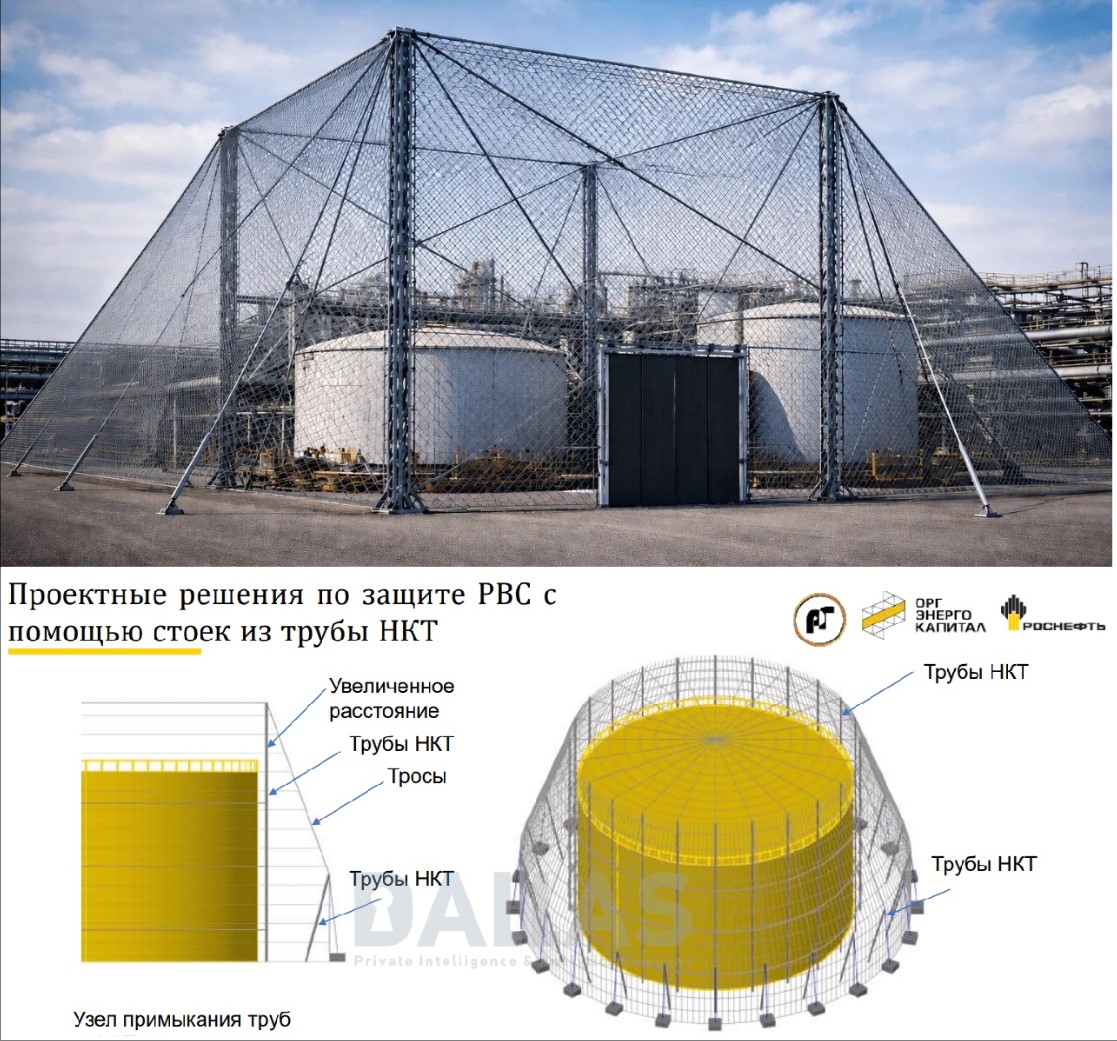
World
MOSCOW — Russia's state-owned defense and technology corporation Rostec has unveiled a new modular protection system called "Pautina" (Web), designed to help protect critical industrial and energy infrastructure from unmanned aerial vehicle (UAV) attacks. The system was developed by RT-Project Technologies, a subsidiary of Rostec, in partnership with Standard Electric. It was presented during a regional mission of the state corporation in the Tver Region. According to the developers, the Pautina system is currently undergoing trial operation at several facilities in Russia's fuel and energy sector to evaluate its performance under real-world conditions. Designed to Protect Critical Infrastructure Rostec said the Pautina system is intended to protect a wide range of facilities, including oil storage sites, fuel terminals, electrical substations, warehouses, and other critical industrial infrastructure. The modular design allows the system to protect facilities of any surface area and structures more than 25 meters high, enabling it to be adapted for different industrial sites. Structure and Installation The Pautina system consists of load-bearing columns, a high-strength mesh, and support structures that together form a continuous protective barrier around a facility. According to Rostec, the structure is assembled entirely using bolted connections, eliminating the need for on-site welding. This installation method allows the system to be deployed in confined spaces and high-fire-risk environments, such as fuel storage facilities. The company said the approach improves installation safety while reducing construction time and overall project costs. All metal components receive factory-applied hot-dip galvanizing, providing long-term protection against corrosion and increasing the durability of the structure. Protection Capabilities According to Rostec, the standard configuration of the Pautina system creates a continuous high-strength protective mesh around a facility that is designed to intercept incoming drones. The company states that the basic version can withstand the impact of a drone weighing up to 200 kilograms traveling at speeds of up to 250 kilometers per hour. Rostec also said the system's protective capabilities can be further enhanced without requiring a complete redesign, although the company did not provide additional technical details. Testing and Deployment The company said the structure has successfully completed field tests for seismic stability. Testing to evaluate its effectiveness against different types of drones is continuing as part of ongoing trial operations at several fuel and energy facilities. Rostec has not released detailed performance data or disclosed how many sites are currently participating in the trial program. Integrated Counter-Drone Protection Alexander Nazarov, Deputy Chief Executive Officer of Rostec State Corporation, said the Pautina system is designed to create a continuous protective barrier capable of stopping many long-range drones used against industrial facilities. He added that the system is intended to operate alongside other Rostec counter-drone technologies, including electronic jamming systems and kinetic interception systems, providing an additional layer of protection for critical civilian infrastructure. Broader Infrastructure Protection Efforts The introduction of the Pautina system comes as Russia continues efforts to strengthen the physical protection of key energy and industrial infrastructure against long-range drone attacks. Earlier this year, leaked confidential documents from the Russian energy company Rosneft highlighted the engineering challenges involved in protecting large industrial facilities from long-range, GPS-guided drones. The documents described the limitations of conventional passive protective measures, including steel cable nets, scaffolding, and shipping containers, which can face structural constraints and regulatory requirements associated with permanent construction. The modular design of Pautina offers an alternative approach by allowing protective structures to be installed more quickly and adapted to different industrial sites without extensive permanent construction. As trial operations continue, the system may see wider deployment across Russia's fuel, energy, and other critical infrastructure sectors if it meets operational requirements during ongoing evaluations. Source : Rostec
Read More → Posted on 2026-07-16 11:22:51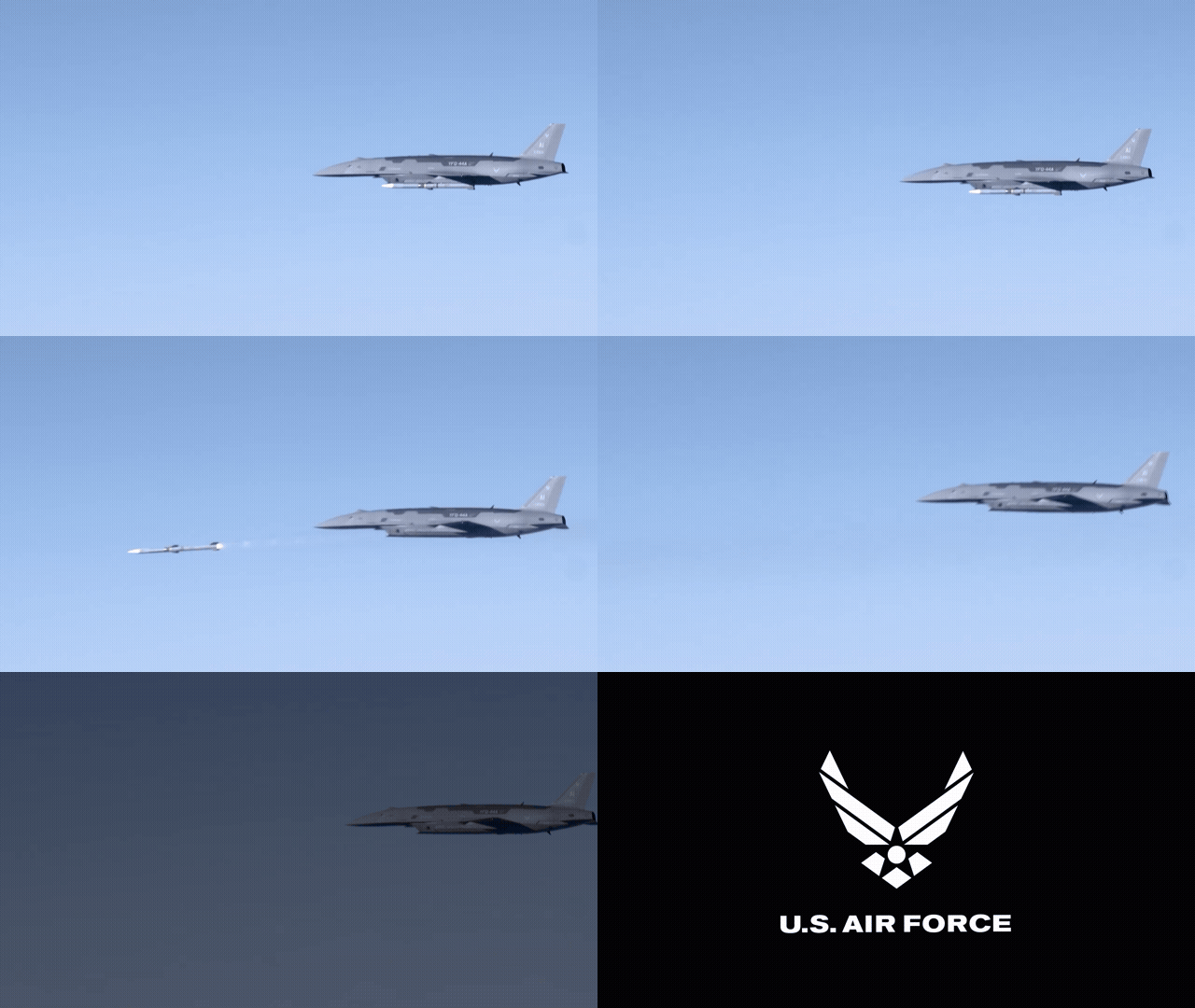
U.S
EDWARDS AIR FORCE BASE, Calif. — The U.S. Air Force has successfully completed the first live missile launch from an unmanned Collaborative Combat Aircraft (CCA), marking a major milestone in the service's effort to develop autonomous wingman drones for future air operations. The test took place over a restricted training range in the Mojave Desert using the YFQ-44A "Fury", an unmanned aircraft developed by Anduril Industries. During the demonstration, the drone launched a live AIM-120 Advanced Medium-Range Air-to-Air Missile (AMRAAM) against a digital target in an end-to-end, beyond-line-of-sight engagement. According to the Air Force, the YFQ-44A operated from Edwards Air Force Base and received target tracking information through Anduril's Lattice software platform, which processed the data before the engagement. Air Force Chief of Staff Gen. Kenneth Wilsbach confirmed that the AIM-120 successfully tracked the target immediately after launch. The live-fire event represents the first successful weapons test by an aircraft in the Air Force's Collaborative Combat Aircraft (CCA) program, which is intended to introduce unmanned aircraft capable of operating alongside crewed fighter jets. Human Operator Controlled the Weapon Release Although the YFQ-44A is designed with advanced autonomous flight and maneuvering capabilities, the Air Force emphasized that the aircraft is not authorized to make autonomous decisions to use lethal force. During the test, a human operator received the target track, evaluated the engagement, and issued the command to launch the missile. The drone fired the AIM-120 only after receiving direct authorization, maintaining human oversight throughout the weapon employment process. Gen. Kenneth Wilsbach described the demonstration as an important step in the CCA program. "This live-fire test is an important next step in the development of Collaborative Combat Aircraft. We're one step closer to delivering capabilities to the warfighter," he said. Mark Shushnar, Anduril's Vice President of Autonomous Airpower, said the demonstration validated the complete operational sequence rather than simply releasing a weapon. According to him, the test confirmed the aircraft's ability to receive target data, process operator instructions, and execute the engagement as intended. Test Followed Months of Development The successful missile launch was the result of a phased testing campaign conducted over several months. Earlier in 2026, the YFQ-44A carried an inert (non-explosive) AIM-120 missile during captive-carry flights to evaluate the aircraft's handling characteristics and aerodynamic performance with the weapon attached. Following those flights, engineers verified the communication links between the aircraft and the missile system in simulated environments to ensure commands from the operator would be transmitted and executed correctly before progressing to a live-fire event. The final missile launch was coordinated by the 412th Test Wing's Air Dominance Combined Test Force, which includes active-duty military personnel, government civilians, and defense contractors responsible for evaluating new air combat systems. Gen. Dale White, the Pentagon's portfolio manager for Critical Major Weapon Systems, said transitioning from inert weapon carriage to an actual missile launch provides valuable flight data that helps validate the program's digital integration models. Part of the Collaborative Combat Aircraft Program The YFQ-44A "Fury" is one of two aircraft selected for Increment 1 of the Air Force's Collaborative Combat Aircraft (CCA) program. The second design is the YFQ-42A, developed by General Atomics. The YFQ-44A completed its first flight on October 31, 2025, and continues to undergo testing as the Air Force moves toward operational deployment. The CCA program aims to field relatively affordable autonomous aircraft that can fly alongside crewed fighters such as the F-35, F-22, and the future F-47. These robotic wingmen are intended to carry additional sensors and weapons, perform higher-risk missions, extend the reach of crewed aircraft, and increase the combat capability available to a single pilot. Rather than replacing human pilots, the aircraft are designed to support crewed operations while keeping human operators responsible for decisions involving the use of weapons. To enable large-scale procurement, the Air Force plans to acquire Collaborative Combat Aircraft at approximately one-third the cost of an F-35A, which has a unit cost of about $83 million. Further Testing Planned The Air Force has already approved production contracts for the first phase of the CCA program. While Anduril's YFQ-44A has now completed the program's first live-fire demonstration, General Atomics is expected to conduct a similar live missile test with its YFQ-42A "Dark Merlin" later this fall. The United States is not alone in developing autonomous combat aircraft. Similar loyal wingman programs are also progressing internationally, including Australia's MQ-28 Ghost Bat and Turkey's Kızılelma, both of which have recently conducted weapon-related testing as countries continue developing unmanned aircraft designed to operate alongside manned fighter fleets. Source : Anduril Industries
Read More → Posted on 2026-07-16 11:32:31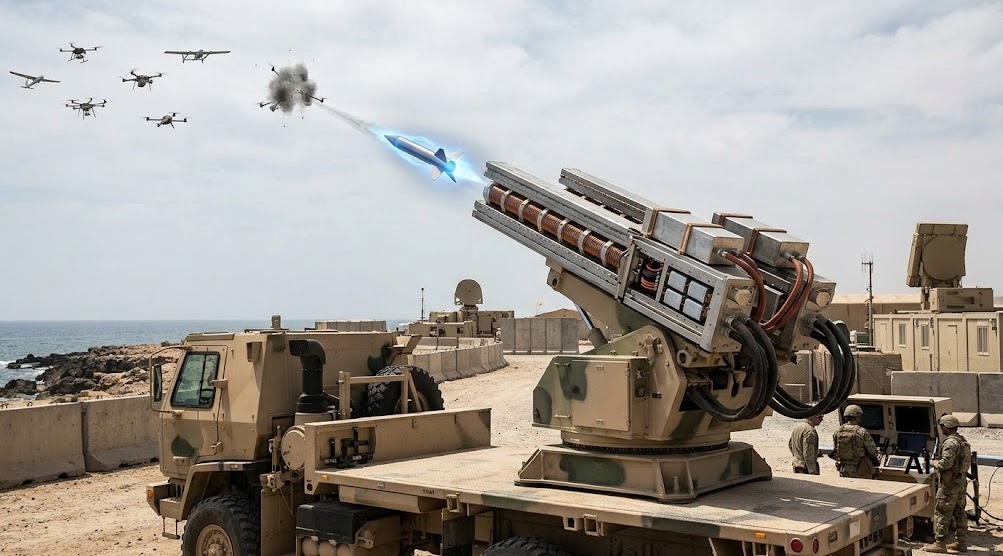 U.S. Army Partners With Auriga Space to Develop Electromagnetic Interceptor System for Drone Threats
U.S
California, United States — The U.S. Army has signed a three-year Cooperative Research and Development Agreement (CRADA) with California-based startup Auriga Space to explore the use of electromagnetic launch technology for counter-drone defense. The research will be carried out in partnership with the Army's Combat Capabilities Development Command Armaments Center (DEVCOM AC), based in New Jersey, United States, to evaluate whether magnetic propulsion can provide an alternative to conventional chemical-propellant interceptor systems. The agreement focuses on developing electromagnetic accelerators capable of launching counter-drone interceptors without relying on traditional rocket motors. The effort comes as the U.S. military looks for more affordable and rapidly deployable solutions to counter the growing threat posed by large numbers of low-cost unmanned aerial systems. Addressing the Cost of Countering Drone Swarms Modern air defense systems rely heavily on conventional interceptors that are effective but costly and time-consuming to manufacture. In contrast, many drones can be produced at a much lower cost, creating an economic challenge for air defense operations. The issue was highlighted during recent U.S. military operations involving Iran, where American forces reportedly fired more than 1,000 Patriot interceptors. According to an analysis by the Center for Strategic and International Studies (CSIS) in Washington, D.C., only 172 interceptors were replenished during the same period. With each PAC-3 Patriot interceptor costing about $4 million, CSIS estimates that U.S. stockpiles may not fully recover from the deficit until at least 2029. Production of conventional missiles also faces supply chain constraints. Many U.S. interceptor systems, including the Patriot and Terminal High Altitude Area Defense (THAAD), use solid rocket motors that depend on ammonium perchlorate, the primary oxidizer for these motors. The United States currently relies on a single domestic producer of this material, limiting the ability to rapidly increase missile production regardless of additional funding. Electromagnetic Launch Technology Auriga Space's approach eliminates the need for solid rocket motors by using electromagnetic propulsion. The technology accelerates projectiles along a launch track using electricity and precisely controlled magnetic fields, based on principles similar to those used in magnetic levitation (maglev) trains. Because the launch process does not rely on chemical propellants or explosions, it reduces mechanical wear on the launcher and removes the dependence on ammonium perchlorate. This allows the launcher to be reused for thousands of engagements while enabling operators to reload and fire again within seconds. The company says the lower operating cost means that, after the launcher is deployed, each engagement primarily involves the cost of the interceptor's warhead and guidance components rather than an entire rocket propulsion system. This rapid reloading capability is intended to provide what the defense industry refers to as a "deep magazine," allowing continuous engagement of multiple aerial targets. Hermes Counter-Drone Platform Auriga's primary counter-drone system, known as Hermes, is a transportable, containerized electromagnetic launch platform designed for deployment in a variety of operational environments. The modular system is intended for use at forward operating bases, aboard naval vessels, and at fixed infrastructure sites requiring protection against drone attacks. Following laboratory validation, Auriga plans to conduct the first outdoor flight test of the Hermes platform later this summer. The demonstration is expected to evaluate the system's performance under operational field conditions. Winnie Lai, founder and CEO of Auriga Space, said the partnership addresses one of the most significant challenges in modern air defense. "Attritable drones cost adversaries far less and are far easier to deploy and replenish than present interceptors, and it's one of the most timely and urgent challenges in modern warfare," Lai said. "Electromagnetic propulsion solves for the structural issues with economics and cadence. It's a working technology we at Auriga are already actively testing, and partnering with DEVCOM AC on further research will bring it that much closer to a deployable capability." Role of the CRADA The collaboration is being conducted under a Cooperative Research and Development Agreement (CRADA), a framework that allows U.S. government laboratories and private companies to share technical expertise, facilities, and research without exchanging funding. Such agreements are commonly used by the Department of Defense, headquartered in Arlington, Virginia, to evaluate emerging technologies before considering future procurement programs. Auriga's Ongoing Defense Programs In addition to the Army partnership, Auriga Space is involved in several U.S. defense research efforts. The company has received a research award from the Missile Defense Agency and a $1.25 million Small Business Innovation Research (SBIR) grant through the U.S. Air Force's innovation organization, AFWERX. Auriga also operates two hypersonic ground-testing systems: Thor, an outdoor electromagnetic test track, and Prometheus, an indoor accelerator. These facilities are used to evaluate how materials and components perform under extremely high-speed conditions. Founded in 2022 by Winnie Lai, formerly a vice president at launch company SpinLaunch, Auriga Space operates a vertically integrated research and development facility in Southern California, where it designs and manufactures its own hardware. The company has raised more than $12 million through venture capital investment and defense-related grants to support the development of its electromagnetic propulsion technologies. Source : interestingengineering
Read More → Posted on 2026-07-16 12:00:32
Europe
SHEFFIELD, United Kingdom — The United Kingdom has delivered the first British-made artillery barrel forgings to Ukraine in almost 20 years, marking the start of a £61 million programme awarded by the UK Ministry of Defence (MoD) to BAE Systems. The programme will provide a total of 150 artillery barrel forgings to support Ukraine's artillery capability. The programme, which was announced by Ukrainian President Volodymyr Zelenskyy last year, marks the return of a manufacturing capability that had not existed in the UK for nearly two decades. First Deliveries Sent for Testing The first shipment includes four development forgings for 105mm and 155mm artillery gun barrels. These initial units have been sent to Ukraine to allow local industry partners to test and validate their manufacturing and integration processes before full-scale production begins. The barrel forgings are manufactured in South Yorkshire before being transported to Ukraine, where they undergo final machining, finishing, and integration into operational artillery systems. Production is currently running at eight barrel forgings per month, with deliveries expected to continue as manufacturing expands under the contract. Rebuilding a Key UK Defence Manufacturing Capability The barrel forgings are being produced at Sheffield Forgemasters, an MoD-owned company employing around 780 skilled workers. The programme restores a sovereign defence manufacturing capability that the UK had relied on overseas suppliers for over the past 20 years. To strengthen domestic heavy engineering and steel production, the UK government invested more than £420 million in Sheffield Forgemasters last year. The programme also coincides with the opening of BAE Systems' new £25 million artillery manufacturing facility in Sheffield. The 94,000-square-foot facility is expected to support around 100 highly skilled engineering and manufacturing jobs, reinforcing Sheffield's role as a centre for UK howitzer production. More than 60 companies across the UK supply chain are also expected to benefit from the programme through manufacturing, engineering, and component production. Defence Secretary Highlights Industrial and Security Benefits UK Defence Secretary Dan Jarvis MBE MP visited Sheffield Forgemasters to meet employees and representatives from BAE Systems as the first deliveries were prepared. "The barrels produced here in South Yorkshire – the first made in Britain in almost two decades – will help Ukraine on the battlefield, while creating valuable skilled jobs in the UK," Jarvis said. He added that the government's £298 billion Defence Investment Plan is designed to strengthen national security, support allies, and expand defence manufacturing across the United Kingdom. BAE Systems: Long-Term Investment Restores Critical Capability Giles Ambrose, Engineering, Technology and Strategy Director for BAE Systems Weapon Systems UK, described the restart of artillery barrel production as an important step for both the company and the UK's defence industry. "Restarting British artillery barrel production in Sheffield is a significant milestone for both BAE Systems and Sheffield Forgemasters," Ambrose said. "It demonstrates the importance of long-term investment in sovereign defence capability." He added that the programme reflects the UK's ability to rebuild critical industrial skills and manufacturing capacity through cooperation between BAE Systems, Sheffield Forgemasters, and suppliers across the country. Supporting Ukraine While Strengthening UK Industry Artillery remains one of the most heavily used weapon systems in the war in Ukraine, with sustained operations placing significant wear on gun barrels. Regular replacement of barrels is necessary to maintain the accuracy, safety, and operational readiness of artillery systems. Under the programme, the UK will continue delivering the remaining 150 artillery barrel forgings as production increases. Alongside supporting Ukraine's defence requirements, the project strengthens the UK's domestic defence manufacturing base, expands industrial capacity, and helps rebuild a strategic capability that had been absent for nearly two decades. Source : baesystems
Read More → Posted on 2026-07-16 12:08:23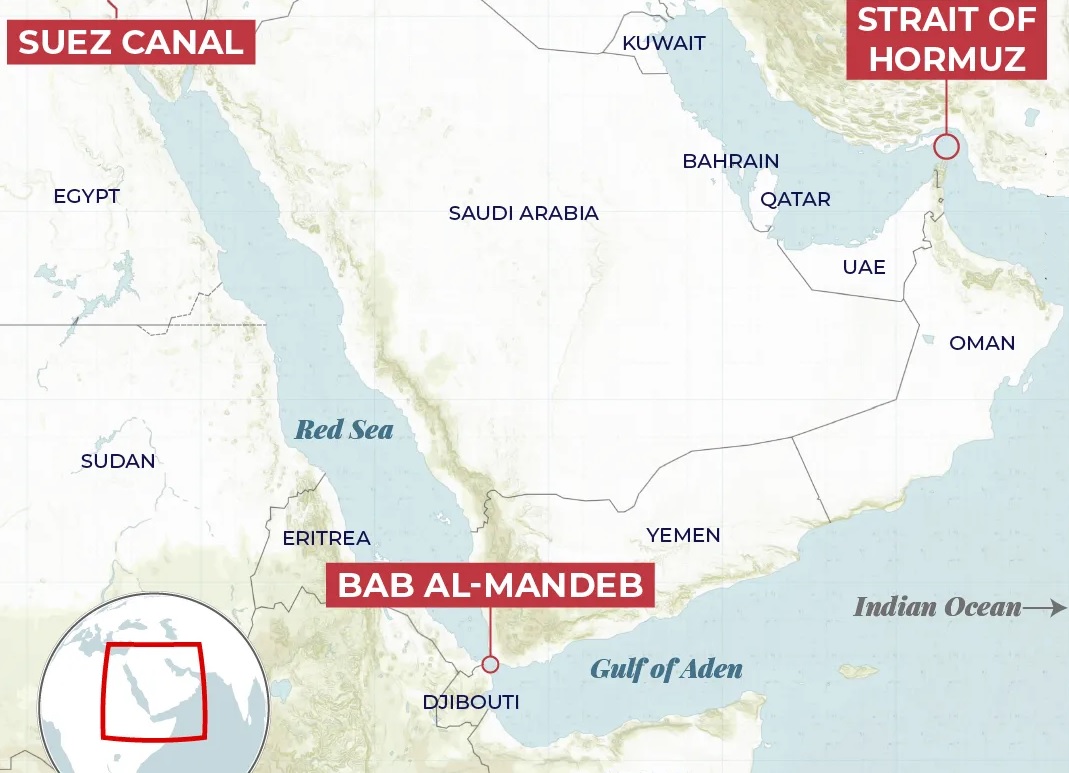
World
DUBAI — Iran has asked Yemen's Houthi movement to prepare to close the Bab el-Mandeb strait, the southern gateway to the Red Sea, if the United States launches strikes on Iranian power infrastructure, according to three regional sources familiar with the matter. The request comes as tensions between Tehran and Washington continue to rise. According to two senior Iranian sources and one regional official, Iran's leadership has discussed the plan internally and recently informed the Houthis to remain ready for possible action. The sources spoke on condition of anonymity because of the sensitivity of the issue. The reported move follows U.S. President Donald Trump's warning earlier this week that the United States could target Iran's power grid. Regional sources said Iran is treating the possibility seriously and views the threat of disrupting another major global shipping route as a potential deterrent. Iran's Foreign Ministry and Houthi representatives did not immediately respond to requests for comment. Houthis Reportedly Ready to Act A source close to the Houthis said the group has already positioned drones and missiles in Yemen near the Gulf of Aden and around areas overlooking the Bab el-Mandeb strait, including the vicinity of the port of Hodeidah. According to the source, the weapons are ready and the group is awaiting further instructions before targeting commercial shipping. The same source said representatives of Iran's Islamic Revolutionary Guard Corps (IRGC) currently in Yemen would decide when any operation should begin. Risk of Disruption at Two Major Maritime Chokepoints The latest development comes after Iran's closure of the Strait of Hormuz earlier this year during the ongoing regional conflict. Before the conflict, the Strait of Hormuz handled about 20% of global energy supplies, making it one of the world's most important oil transit routes. Since the Hormuz closure, Saudi Arabia has redirected a significant portion of its oil exports through pipelines to the Red Sea port of Yanbu. Regional sources estimate that around 70% of Saudi energy exports are now moving through the Red Sea, which currently carries approximately 7% of global energy supplies. If the Bab el-Mandeb strait were also blocked, two of the Middle East's most important oil export routes would be disrupted at the same time, creating additional pressure on global energy markets. Global Trade Could Face Major Disruptions The Bab el-Mandeb strait connects the Gulf of Aden with the Red Sea and serves as a critical gateway to the Suez Canal. Under normal conditions, the Red Sea route carries between 12% and 15% of global maritime trade and approximately 30% of the world's container shipping traffic. A simultaneous disruption of both the Strait of Hormuz and the Bab el-Mandeb would force many commercial vessels to avoid the Red Sea and instead sail around the Cape of Good Hope at the southern tip of Africa. The alternative route typically adds 10 to 15 days to shipping times while increasing fuel costs, freight rates, and marine insurance premiums. Europe would likely face delays in imports of manufactured goods from Asia as well as higher transportation costs for energy supplies from the Gulf. Egypt could also experience significant economic losses because of reduced traffic through the Suez Canal, an important source of foreign currency revenue. Major Asian economies, including India and China, could also experience longer delivery times and higher shipping costs for trade with Europe. Countries in East Africa that depend heavily on imported grain from Europe and the Black Sea region could face additional supply challenges. Saudi Arabia Monitoring Situation Regional sources said Saudi Arabia is taking the reported Iranian-Houthi coordination seriously, particularly after recent Houthi missile attacks on Saudi territory ended a four-year truce. The Houthis said those attacks followed Saudi airstrikes on an airport under their control. Analysts say any expansion of the conflict into Red Sea shipping would increase pressure on energy markets and international trade. Torbjorn Solvedt, Principal Middle East Analyst at Verisk Maplecroft, said that if the conflict spreads to Red Sea export infrastructure and commercial shipping, it would threaten the region's main alternative route for oil exports following the closure of the Strait of Hormuz. One Iranian source said disrupting shipping through the Bab el-Mandeb would not necessarily require advanced military capabilities, adding that even relatively simple attacks could interrupt commercial maritime traffic. Wider Regional Implications The Houthis have not formally entered the current Iran-U.S. conflict but remain closely aligned with Tehran as part of the "Axis of Resistance," a regional network that also includes Lebanon's Hezbollah and Iraqi Shi'ite armed groups. The United States has repeatedly accused Iran of supplying the Houthis with weapons, funding and military training, including support through Hezbollah. Tehran has consistently denied those allegations, saying Washington continues to destabilize the region. Analysts note that any attempt to block both the Strait of Hormuz and the Bab el-Mandeb would significantly affect global energy supplies and international trade. Such a move could increase pressure for coordinated international efforts to secure the two strategic waterways while also raising concerns over further escalation across the Middle East. The situation remains fluid, and there has been no official confirmation from either Iran or the Houthis regarding the reported plan. Source : reuters
Read More → Posted on 2026-07-16 12:37:45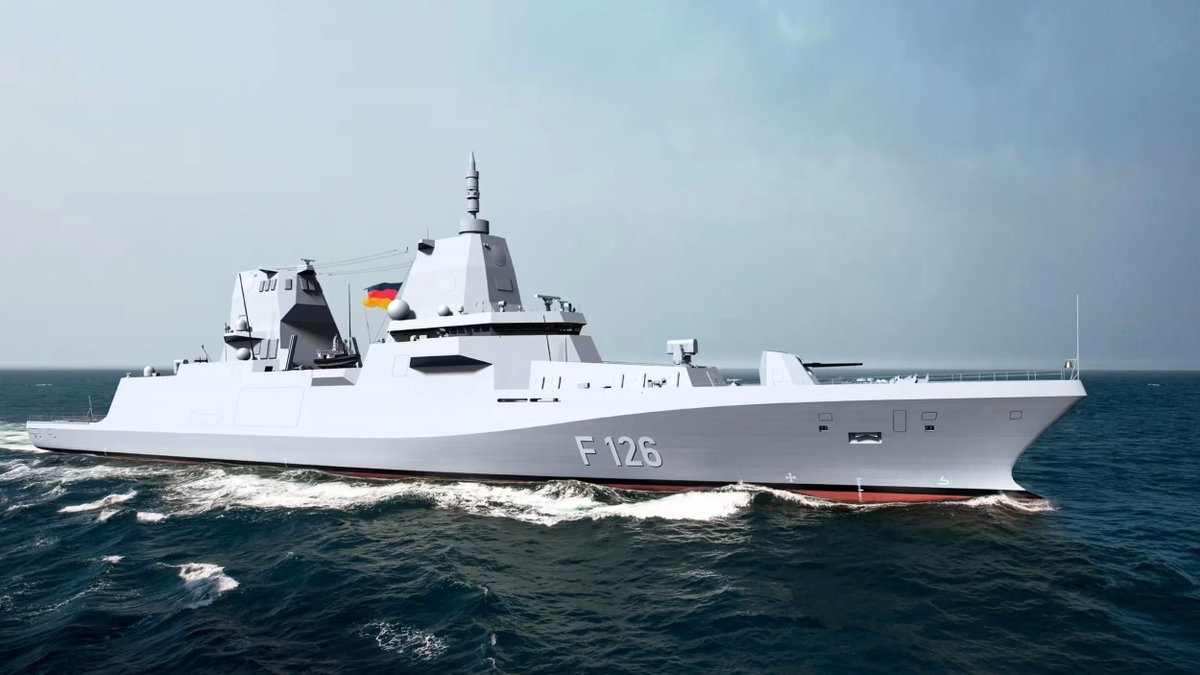 Germany Selects Saab to Supply $830 Million Worth of Combat Systems for Four New MEKO A-200 Frigates
Europe
STOCKHOLM — Swedish defense company Saab has secured a contract worth approximately SEK 8.7 billion (around US$830 million) from thyssenkrupp Marine Systems (TKMS) to supply and integrate combat systems, sensors, and composite structures for the German Navy's new MEKO A-200 DEU class frigates. Under the agreement, Saab will provide equipment for four frigates that will be built in Germany, with TKMS serving as the prime contractor for the program. Saab's deliveries are scheduled to take place between 2029 and 2032. The contract also includes an option to equip additional frigates if Germany expands the program in the future. Contract Supports German Navy Modernization The order is part of Germany's broader effort to modernize its naval fleet and strengthen its capabilities in air, surface, and underwater warfare. The new MEKO A-200 DEU frigates are expected to improve the German Navy's operational readiness while supporting interoperability with NATO partner navies through modern combat management and command-and-control systems. Saab said the integrated combat systems will help simplify joint operations and information sharing with allied naval forces that operate compatible command-and-control networks. Commenting on the contract, Micael Johansson, President and CEO of Saab, said the agreement reflects the company's long-standing partnership with Germany and the Bundeswehr. "It is with great pride that we continue to build on our long and strong relationship and commitment to Germany and the Bundeswehr, while together with TKMS strengthening the German Navy. These deliveries will significantly enhance the Navy's anti-air-, anti-submarine- and anti-surface warfare capabilities," Johansson said. Saab to Deliver Combat Systems, Radars and Composite Structures As part of the contract, Saab will equip the frigates with its 9LV Combat System, which combines a Combat Management System (CMS) and a Fire Control System (FCS). Together, these systems manage sensor data, coordinate weapons, and support command decisions during naval operations. The sensor package includes: Sea Giraffe 4A Fixed Face, a long-range Active Electronically Scanned Array (AESA) surveillance radar capable of detecting targets at distances of up to 400 kilometers and tracking more than 1,000 targets simultaneously. Sea Giraffe 1X, a lightweight multi-mission radar designed to detect low-flying aircraft, unmanned aerial systems, fast attack craft, and sea-skimming missiles at ranges of up to 75 kilometers. Passive sensor systems, which conduct electronic surveillance and detect threats without transmitting signals, helping improve situational awareness while reducing the vessel's electronic signature. Composite Superstructures to Reduce Weight and Radar Signature In addition to the combat systems and sensors, Saab will manufacture composite superstructures for the new frigates. Compared with conventional steel structures, composite materials reduce overall ship weight, improve corrosion resistance and structural durability, and help lower the vessels' radar signature. The lighter structures are also expected to improve operational efficiency, support long-term maintenance, and enhance survivability in modern maritime environments. Cooperation Between Saab and TKMS The project combines Saab's naval combat-system technology with TKMS's shipbuilding expertise. While the frigates will be constructed in Germany, Saab will integrate the ships' combat systems and mission equipment during the delivery period from 2029 to 2032. The agreement also provides an option to equip additional frigates beyond the initial four ships, allowing flexibility for future expansion of the German Navy's fleet. The MEKO A-200 DEU program is expected to become an important element of Germany's naval modernization strategy over the coming decade by introducing updated combat systems, advanced surveillance capabilities, improved survivability, and enhanced interoperability for future national and NATO maritime operations. Source : saab
Read More → Posted on 2026-07-16 13:02:05
World
MELBOURNE, Fla. — L3Harris Technologies and Shield AI have successfully completed the first live flight test integrating L3Harris' Distributed Spectrum Collaboration and Operations (DiSCO™) electromagnetic battle management ecosystem with Shield AI's Hivemind mission-autonomy software, marking a significant step forward in autonomous electronic warfare capabilities. The flight demonstration was conducted using an L3Harris Green Wolf unmanned aircraft system (UAS). It follows a hardware-in-the-loop simulated demonstration completed in February 2026, advancing the technology from simulation to live flight testing. During the test on a live flight range, the unmanned aircraft systems detected, analyzed and responded to electromagnetic threats without human intervention. The Green Wolf, equipped with Hivemind autonomy software, used threat information generated by the DiSCO system to autonomously make flight decisions and reroute follow-on unmanned aircraft through a safe operating zone in real time. According to L3Harris, the demonstration validated the ability of autonomous systems to sense unknown electromagnetic threats, share information across connected platforms, and coordinate responses without requiring direct operator control. The mission also featured the Deceptor™ electronic warfare payload, a compact software-defined system deployed on multiple unmanned aircraft. During the exercise, the payload detected and characterized unknown threats before sharing the information through the DiSCO network. Hivemind then used that data to coordinate the movement of additional unmanned systems through a safe flight path. Lauren Barnes, President of Spectrum Superiority, Communications & Spectrum Dominance at L3Harris, said the demonstration showed how rapidly new technologies can transition into operational capability. "This successful demonstration shows how quickly we can transform concepts into operational capability for the joint force. By pairing autonomous decision-making with advanced spectrum battle management, we're giving warfighters the resilience and speed they need to stay ahead of rapidly evolving threats." Christian Gutierrez, Senior Vice President of Hivemind at Shield AI, said integrating DiSCO with Hivemind created capabilities beyond what either system could achieve independently. "L3Harris brings some of the most advanced electronic warfare capabilities in the world, and pairing DiSCO with Hivemind onboard Green Wolf produced something neither system could deliver alone. This flight test proved Hivemind can compress the sensor-to-decision cycle in real time, enabling autonomous systems to sense, share, and act on spectrum threats faster than ever before." The demonstration also validated the Green Wolf platform as a multi-mission launched effects system capable of supporting distributed and networked electronic warfare operations. During the test, the aircraft was equipped with advanced threat detection and electronic attack capabilities, demonstrating its ability to operate as part of a coordinated unmanned force. Electronic warfare has become increasingly important in modern military operations as armed forces rely heavily on the electromagnetic spectrum for communications, radar, navigation and command-and-control systems. Autonomous technologies are being developed to help military platforms detect, process and respond to rapidly changing spectrum threats faster than human operators can manage in highly contested environments. L3Harris and Shield AI said they will continue expanding the system's mission applications through an open architecture approach, with further development focused on autonomous electronic warfare capabilities at the tactical edge. The companies aim to enhance coordination between unmanned systems while improving their ability to operate in complex electromagnetic environments. Source : shield.ai
Read More → Posted on 2026-07-16 14:01:17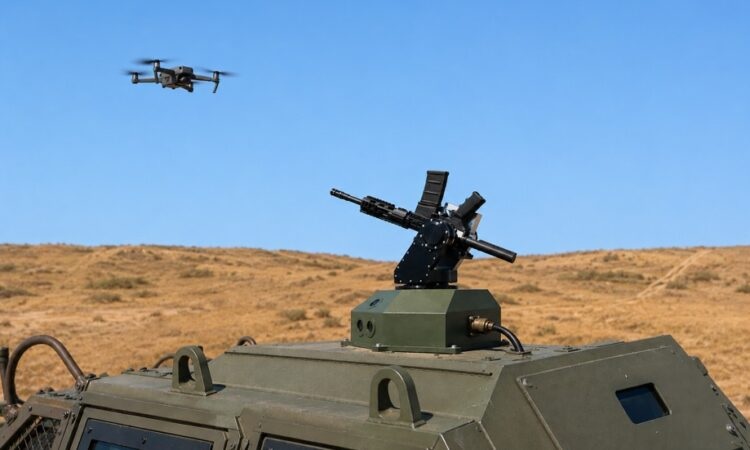
World
TEL AVIV, Israel — Israeli defense technology company Axon Vision has officially launched ForceField, a new artificial intelligence-powered counter-drone system designed to protect maneuvering military forces, tanks, armored vehicles, and other ground units from the growing threat of first-person-view (FPV) drones. The company said ForceField has been developed specifically to counter fiber-optic-controlled FPV drones, a type of drone that cannot be neutralized using conventional electronic warfare systems because it does not rely on radio-frequency communications. Designed to Counter Fiber-Optic FPV Drones FPV drones have become an increasingly common threat on modern battlefields because they allow operators wearing video goggles to guide small drones directly onto targets with high precision. Their relatively low cost and ability to damage expensive military equipment have made them a significant concern for armed forces. A newer generation of FPV drones uses fiber-optic cables instead of wireless radio links to communicate with the operator. Since these drones do not transmit radio signals, traditional electronic warfare jammers cannot disrupt their control systems. This has created a need for new defensive technologies capable of detecting and defeating such threats without relying on electronic jamming. ForceField was developed to address this operational challenge. AI-Based Detect, Understand and Respond Process ForceField is built around Axon Vision's EDGE AI technology, which the company has developed over several years through programs with Israel's Ministry of Defense. The system follows a three-stage operational process: Detect: Passive sensors continuously search for incoming drone threats during both day and night without emitting radar or other active signals that could reveal the location of friendly forces. Understand: Artificial intelligence analyzes and classifies detected objects in real time to determine whether they pose a threat. Respond: The system operates under a Man-on-the-Loop framework, where AI assists with detection and targeting while a human operator retains final authority to approve or stop weapon engagement. Uses Standard Military Ammunition Instead of relying on electronic jamming or laser weapons, ForceField defeats incoming drones using an integrated kinetic response, firing physical projectiles to intercept the target. The system is designed to use standard weapons and ammunition already available in military inventories, eliminating the need for specialized interceptors. This approach helps reduce procurement costs and simplifies logistics by allowing armed forces to use existing ammunition supplies. ForceField functions as a self-contained protective system that can be installed on existing armored vehicles without extensive modifications to onboard electronics. It also operates independently without requiring continuous communication with command centers or external radar networks. Successfully Tested in Live-Fire Trials ForceField completed development following a series of live-fire trials conducted under operationally representative conditions. During the testing, the system successfully detected, tracked and intercepted actual FPV drone targets in real time. In addition to offering ForceField as a complete counter-drone solution, Axon Vision is also making its modular EDGE AI and detection technology available for integration into existing remote weapon stations and defense platforms developed by other manufacturers. Company Expanding International Presence Founded in 2017 by veterans of elite Israeli military technology units, Axon Vision previously raised approximately $26 million through its initial public offering on the Tel Aviv Stock Exchange to support international expansion. The company is currently conducting evaluations of ForceField with customers in Israel and international markets. Its international expansion follows a strategic cooperation agreement signed with Leonardo DRS in late 2025 to introduce AI-enabled counter-drone technologies to the U.S. market. Under that partnership, Leonardo DRS placed a $350,000 order in January 2026 for demonstrator systems that are currently undergoing evaluation by U.S. defense and homeland security agencies. Earlier this year, Axon Vision also announced that its EDGE ClearSky drone detection system successfully completed operational evaluations with an unnamed defense force. ForceField expands the company's portfolio of AI-based defense technologies as militaries seek new methods to counter increasingly capable FPV drone threats, including fiber-optic-controlled systems that cannot be defeated using conventional electronic warfare. Source : unmannedairspace
Read More → Posted on 2026-07-16 14:13:55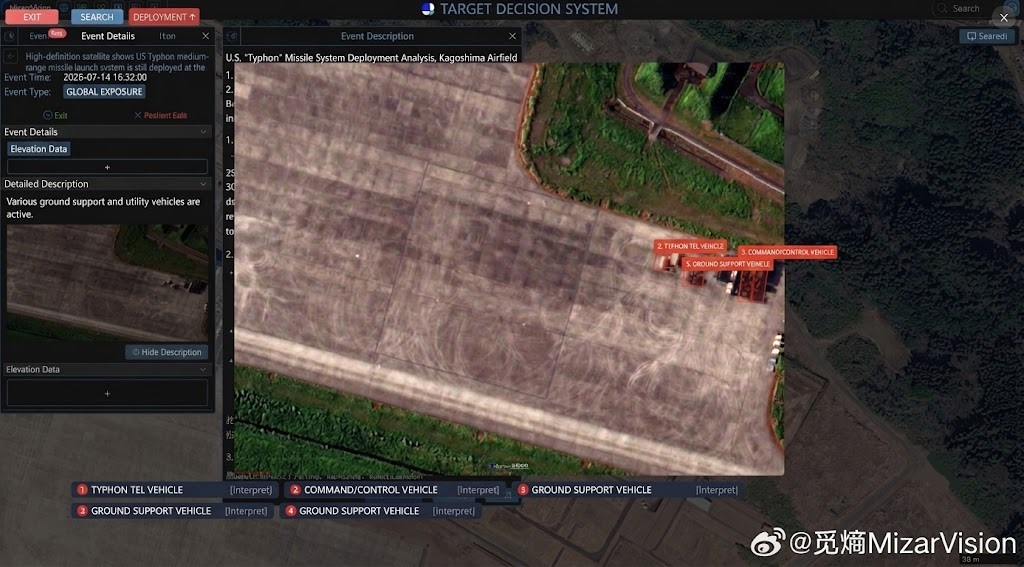
World
TOKYO — Newly published satellite imagery has confirmed the deployment of elements of the U.S. Army's Typhon Mid-Range Capability missile system to Kanoya Air Base in Japan, providing visual confirmation of a deployment that had been announced earlier by U.S. and Japanese authorities. The images, released by Chinese satellite analysis firm MizarVision, show equipment consistent with the Typhon missile battery at the Japan Maritime Self-Defense Force's Kanoya Air Base in Kagoshima Prefecture on the southern island of Kyushu. The deployment is part of a temporary U.S.-Japan military cooperation program focused on joint training and interoperability. Satellite Imagery Confirms Deployment According to MizarVision's analysis, the satellite images identify several components associated with the Typhon system, including truck-mounted launchers, a battery operations center, and supporting equipment. While the deployment itself had already been publicly announced, the newly released imagery provides visual confirmation that the system has arrived at the base. The Typhon system was transported to Japan by the U.S. Army's 3rd Multi-Domain Task Force, based at Fort Shafter, Hawaii, under plans announced by Japan's Ministry of Defense in May 2026. Typhon Missile System Capabilities The Typhon Mid-Range Capability is a mobile, ground-based missile system designed to launch both Tomahawk land-attack cruise missiles and SM-6 multipurpose missiles. The Tomahawk cruise missile has an operational range of approximately 1,600 kilometers (994 miles), enabling long-range precision strikes against land targets. The SM-6 missile is designed for multiple missions, including intercepting aircraft, incoming missiles, while also being capable of engaging maritime and ground targets. Military analysts note that the Typhon system was developed to provide the U.S. Army with long-range precision strike capabilities after the United States withdrew from the Intermediate-Range Nuclear Forces (INF) Treaty in 2019, allowing the development and deployment of ground-launched missiles previously restricted under the agreement. Joint Exercises in Japan The Typhon deployment supports a series of U.S.-Japan military exercises aimed at improving operational coordination in the Western Pacific and East China Sea. The system participated in Valiant Shield 2026, a biennial multinational exercise conducted from June 22 to July 1 across Japan, Hawaii, Guam, and surrounding waters. Following that exercise, the Typhon battery is expected to remain in Japan for Orient Shield, the annual U.S.-Japan ground forces exercise scheduled for September. Japanese officials have stated that no live firing of either the Typhon system or the High Mobility Artillery Rocket Systems (HIMARS) will take place while they are stationed at Kanoya Air Base. After the training activities conclude, the Typhon system is scheduled to be moved to a U.S. military facility in Japan for storage by mid-October. This marks the system's second temporary deployment to Japan. During its first visit in September 2025, the Typhon battery was stationed at Marine Corps Air Station Iwakuni for the Resolute Dragon exercise before being withdrawn from the country several months later. Strategic Significance The deployment has drawn attention because of the Typhon system's long-range strike capability. According to Chinese military analyst Fu Qianshao, speaking to the South China Morning Post, the Tomahawk missile's approximately 1,600-kilometer range means that, if launched from Kyushu, it could theoretically reach major Chinese coastal areas, including Shanghai and parts of Fujian and Zhejiang provinces. Although the deployment is temporary and intended for military exercises, it reflects broader efforts by the United States and Japan to strengthen joint operational capabilities and deterrence in the Indo-Pacific region. Regional Response China and Russia have repeatedly criticized the deployment of U.S. land-based missile systems in the Indo-Pacific. Following the announcement of the Typhon deployment, China's Foreign Ministry described the system as a "strategic offensive weapon," arguing that its presence could affect regional security and increase the risk of an arms race. The deployment comes as the United States continues expanding the operational use of the Typhon system in the region. Earlier this year, the U.S. Army used the system to launch a Tomahawk missile during the Balikatan military exercises in the Philippines. Japan is also preparing to receive its own Tomahawk cruise missiles later this year as part of its plans to strengthen long-range strike capabilities under its updated national defense strategy. The temporary deployment of the Typhon missile system to Kanoya Air Base highlights the continuing expansion of U.S.-Japan defense cooperation, with both countries emphasizing improved interoperability and preparedness through joint training while confirming that no live missile launches are planned during the current deployment. Source : MizarVision
Read More → Posted on 2026-07-16 14:33:19
U.S
WASHINGTON — US Vice President JD Vance has alleged that certain elements within the Israeli government supported a well-funded influence campaign aimed at undermining Washington's diplomatic negotiations with Iran. Vance made the remarks during an interview on The Joe Rogan Experience podcast released on Wednesday. Vance claimed the campaign sought to shape American public opinion against a recently negotiated US-Iran memorandum of understanding (MOU). Citing a Time magazine report and filings under the Foreign Agents Registration Act (FARA), he said former Trump campaign manager Brad Parscale and his firm, Clock Tower X, were hired through an advertising agency working on behalf of the Israeli government. According to Vance, the campaign was officially presented as an effort to combat online antisemitism but was instead used to influence opinion against the negotiations. He also alleged that some individuals involved in the campaign personally targeted him because of his role in the administration's diplomatic efforts with Iran. Speaking on the podcast, Vance described the effort as a "very discreet, extremely well-funded campaign" intended to derail the negotiations. He said his responsibility was to act in the interests of the American people, despite criticism directed at him during the talks. Brad Parscale rejected the allegations, stating that claims he worked against the administration or the US-Iran negotiations were false. He maintained that the campaign's purpose was to strengthen support for Israel among younger Americans and not to interfere with US diplomacy. Israeli officials had not issued an immediate public response to Vance's comments. Earlier this week, Vance also said that criticism from some hardline Israeli cabinet members was based on what he described as misinformation. The remarks come as US-Iran negotiations continue alongside renewed military tensions. Although President Donald Trump recently ordered the resumption of coordinated airstrikes against Iran, Vance said diplomatic efforts remain active. He reiterated that the administration's priorities are preventing Iran from acquiring a nuclear weapon and ensuring the continued free flow of global energy supplies through the Strait of Hormuz. Source : timesofindia
Read More → Posted on 2026-07-16 14:50:38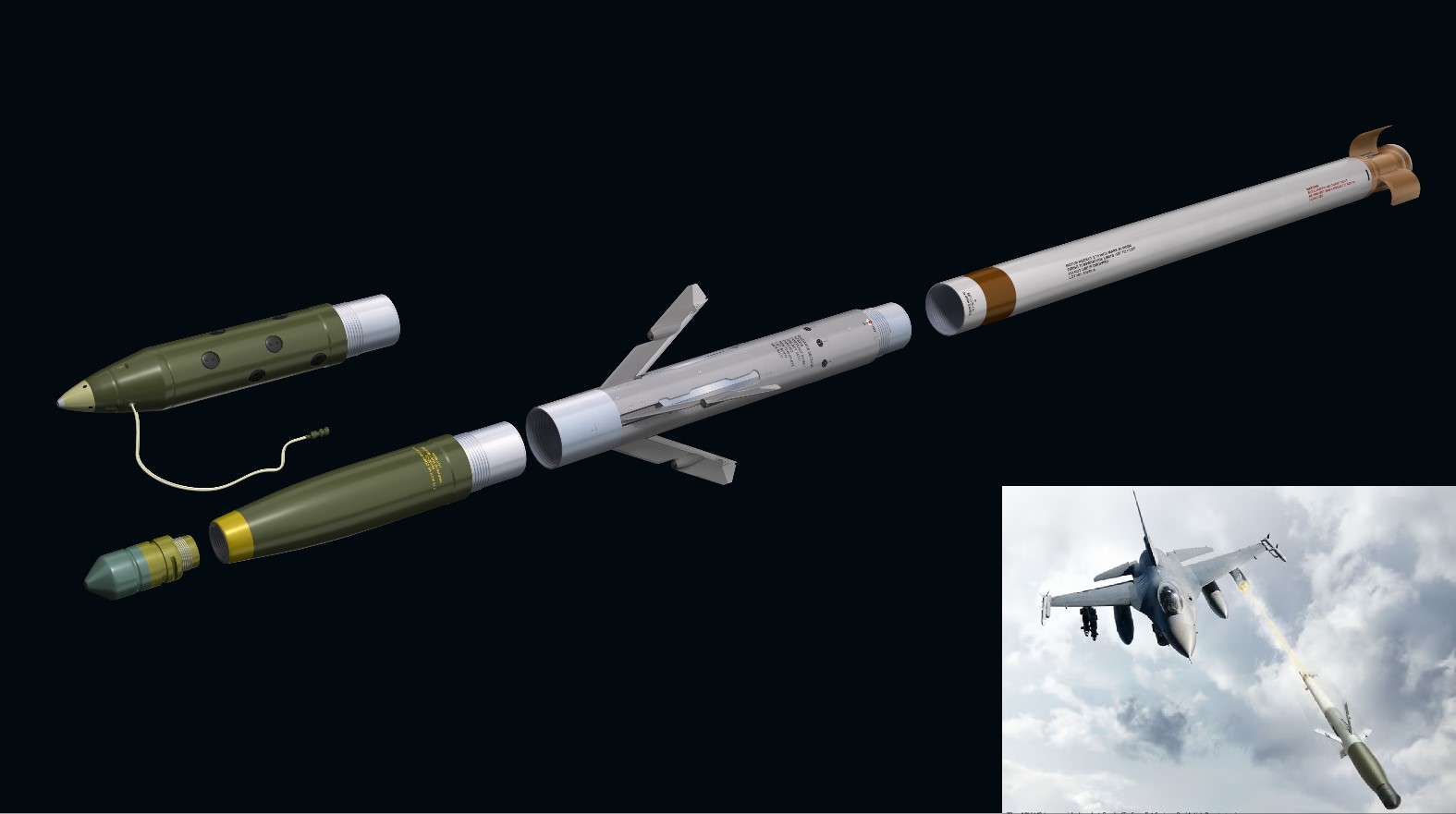
U.S
WASHINGTON — The U.S. Department of State has approved a possible Foreign Military Sale (FMS) to the Kingdom of Saudi Arabia for Advanced Precision Kill Weapon Systems (APKWS II) and related equipment, with an estimated total value of $1.96 billion. The proposed sale is intended to strengthen Saudi Arabia's homeland defense, improve interoperability with U.S. and allied forces, and enhance its air-to-air and air-to-ground self-defense capabilities. The U.S. government said the proposed sale supports its foreign policy and national security objectives by improving the security of Saudi Arabia, a Major non-NATO Ally, which it described as a force for political stability and economic progress in the Gulf region. Package Includes 20,000 APKWS II Guidance Sections Saudi Arabia has requested the purchase of up to 20,000 APKWS II laser-guided guidance sections, consisting of: Up to 10,000 APKWS II air-to-air guidance sections Up to 10,000 APKWS II air-to-ground guidance sections The proposed package also includes a range of non-major defense equipment and support items, including: LAU-131 A/A launchers Mk-152 high-explosive warheads MK66 rocket motors Inert MK66 rocket motors Proximity fuzes WTU-1/B practice warheads Test support equipment Launch and employment equipment Spare and repair parts Publications and technical documentation Personnel training, training equipment, and support equipment Transportation U.S. Government and contractor engineering, technical, logistics, and program support services The principal contractor for the proposed sale is BAE Systems, based in Nashua, New Hampshire. APKWS II Converts Standard Rockets into Precision Weapons The Advanced Precision Kill Weapon System II (APKWS II) is a laser-guidance kit that converts standard 70 mm (2.75-inch) Hydra rockets into precision-guided weapons. Instead of using a completely new missile, the system installs a laser guidance section between the rocket motor and the warhead, allowing existing rockets to strike targets with greater accuracy. The system is designed for both air-to-air and air-to-ground missions and provides a lower-cost precision engagement option compared with larger guided missiles. Its accuracy helps reduce collateral damage while engaging drones, lightly armored vehicles, and other designated targets. APKWS II has been integrated on multiple fixed-wing aircraft and helicopters operated by the U.S. military and international partners. Strengthening Saudi Arabia's Defense Capabilities According to the U.S. State Department, the proposed sale will improve Saudi Arabia's ability to deter current and future threats by strengthening homeland defense. It will also augment the kingdom's operational aircraft and enhance both its air-to-air and air-to-ground self-defense capabilities. U.S. officials stated that Saudi Arabia will have no difficulty absorbing the equipment and services into its armed forces because it already operates compatible aircraft and weapon systems. The package also includes training, maintenance assistance, and logistics support to ensure effective operation and sustainment of the systems. Program Support and Implementation Implementation of the proposed sale will require the assignment of 15 additional U.S. Government representatives and 15 U.S. contractor representatives to Saudi Arabia for an extended period. Their responsibilities will include program oversight, technical reviews, training, and in-country maintenance support. The U.S. government also stated that it is not aware of any offset agreement associated with the proposed sale. Any such agreement would be negotiated separately between Saudi Arabia and the contractor if required. Congressional Review Required The Defense Security Cooperation Agency (DSCA) has notified the U.S. Congress of the proposed Foreign Military Sale in accordance with U.S. law. The notification begins the congressional review process and does not constitute a final contract. Final terms, delivery schedules, and implementation timelines will be determined if the sale proceeds following the review period. The U.S. government further stated that the proposed sale will not alter the basic military balance in the region and will have no adverse impact on U.S. defense readiness. Source : state.gov
Read More → Posted on 2026-07-16 15:09:28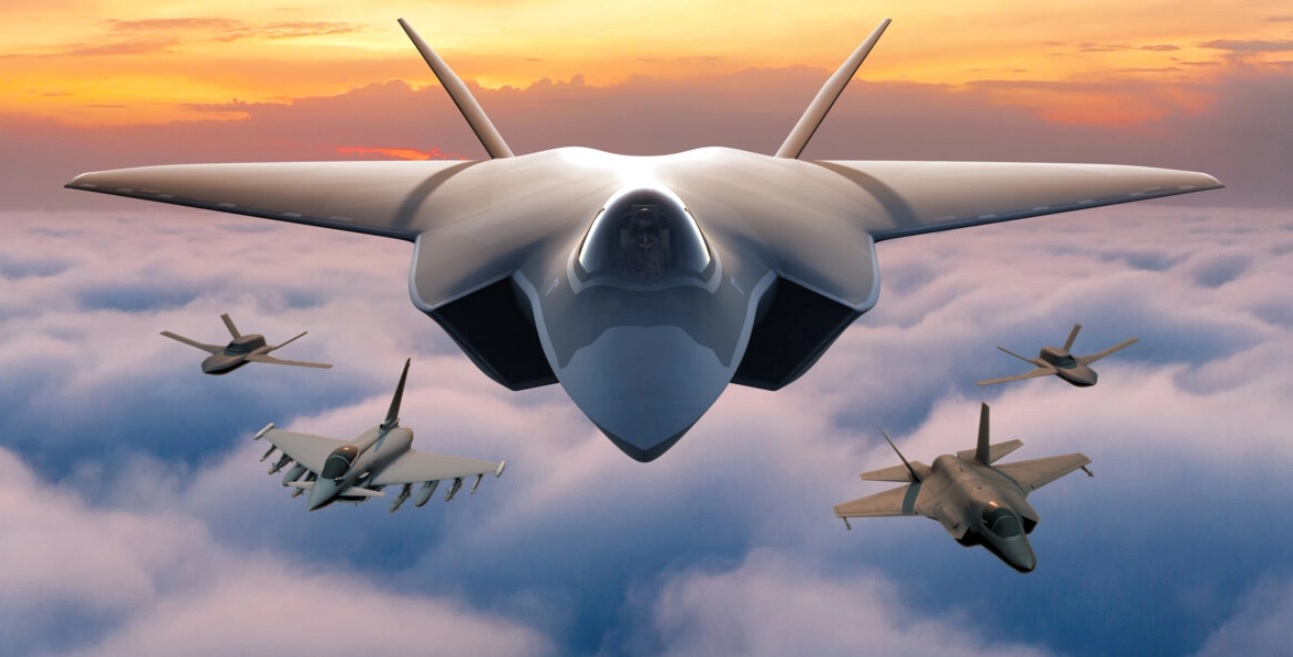
Europe
LONDON — The United Kingdom has officially named its new autonomous Collaborative Combat Aircraft (CCA) programme StormFighter, marking a significant step in the Royal Air Force (RAF)’s future air combat strategy. The announcement was made by Minister for Defence Readiness and Industry Luke Pollard during his keynote speech at the Global Air and Space Chiefs’ Conference in London on July 16. StormFighter is part of a £300 million investment in collaborative combat aircraft outlined in the UK's Defence Investment Plan, published on July 2, 2026. The programme aims to develop autonomous aircraft capable of operating alongside the RAF's crewed fighter fleet, including the Eurofighter Typhoon, F-35 Lightning II, and the future Tempest fighter under the Global Combat Air Programme (GCAP). Autonomous Aircraft to Support Crewed Fighters According to Luke Pollard, StormFighter will be designed to work in close coordination with crewed combat aircraft, providing additional protection and offensive capabilities during future air operations. "We are maximising our air power in the eye of the storm of future combat," Pollard said during the conference. He added that the programme is intended to help transform the Royal Air Force into Europe's first sixth-generation air force. He also described the autonomous aircraft as serving as both a "guardian angel" and an "attack dog" for crewed fighters, supporting operations in increasingly complex combat environments where drones, sixth-generation aircraft, and advanced electronic warfare systems are expected to operate together. Builds on Earlier UK Autonomous Programmes StormFighter expands on previous UK efforts to integrate autonomous systems into air operations. One of these is Storm Shroud, an uncrewed electronic warfare system introduced in 2025 to operate alongside Typhoon aircraft by disrupting and suppressing enemy radar systems. The programme also follows Project Vanquish, which has been testing jet-powered autonomous aircraft in support of F-35B operations. These projects are part of the UK's broader effort to develop Collaborative Combat Aircraft capable of working as force multipliers for crewed platforms. Several defence companies, including BAE Systems and Boeing, have already expressed interest in participating in the StormFighter programme. A formal set of programme requirements is expected to be issued by the UK government. Part of Wider Defence Investment Plan StormFighter forms part of the UK's £298 billion Defence Investment Plan, which includes £31 billion for air and space capabilities over the next four years. Within that investment, the government has increased overall funding for drones and advanced uncrewed systems to £5 billion, reflecting a greater focus on autonomous military technologies. Other major air and space investments announced under the plan include: £8.6 billion for the design and testing phase of the Global Combat Air Programme (GCAP). £1.1 billion to upgrade and sustain the Typhoon fleet into the 2040s. Funding to support future F-35A capabilities. More than £4.5 billion for transport aircraft fleets, including the A400M Atlas, Voyager, and C-17 Globemaster III. £360 million to modernise the UK's military jet training system, including future aircraft for the Red Arrows. Pollard said the investments are intended to build a hybrid, digitally integrated and AI-enabled air force, combining crewed and autonomous aircraft to strengthen future operational capabilities. Focus on Future Air Combat Collaborative Combat Aircraft (CCA) are increasingly becoming a priority for several air forces as they seek to integrate autonomous systems with manned aircraft. These aircraft are designed to perform missions such as reconnaissance, electronic warfare, decoy operations, and strike support while remaining under the supervision of human operators. The United Kingdom's StormFighter programme reflects this approach by developing autonomous aircraft that can operate as part of a networked force alongside existing and next-generation fighter aircraft. The announcement was made during the Global Air and Space Chiefs' Conference, which brings together military leaders, defence industry representatives, and experts to discuss developments in air and space power. This year's conference focused on topics including space operations, nuclear capabilities, integrated air and missile defence, and future air combat technologies. Source : gov.uk
Read More → Posted on 2026-07-16 15:23:34
U.S
WASHINGTON — The U.S. Department of the Navy has officially approved its Strategy to Weaponize Data and Artificial Intelligence, establishing a roadmap to build a data-ready, AI-enabled Navy and Marine Corps capable of accelerating decision-making and maintaining maritime superiority. The strategy, signed by Acting Secretary of the Navy Hung Cao, takes effect immediately and reflects more than a year of collaboration led by the Department of the Navy Chief Data and AI Officer (DON CDAO), working alongside artificial intelligence communities across both the Navy and the Marine Corps. According to the Department of the Navy, the strategy is designed to transform how data and artificial intelligence are used across the service, enabling commanders to process information more quickly and make better operational decisions in increasingly complex maritime environments. Building an AI-First Force The new roadmap positions artificial intelligence as a core element of future naval operations rather than simply a supporting technology. The Department said the strategy will help turn data into a practical warfighting advantage by integrating AI into mission planning, operational decision-making, and digital modernization efforts. “This strategy positions the Department of the Navy to out-learn and out-fight any adversary by rapidly deploying data and artificial intelligence,” Acting Secretary Hung Cao said. “It is our roadmap to building an ‘AI-first’ Fleet, one that turns information into warfighting advantage and enables faster, better decisions.” The Department said the overall objective is to reduce the time needed to collect, process, analyze, and act on operational information while improving the speed and quality of military decision-making. Five-Step Bits2Effects Cycle A key element of the strategy is the introduction of the Bits2Effects Cycle, described by the Navy as a five-step digital adaptation framework. The framework is intended to integrate data and artificial intelligence for mission impact, allowing the Department to rapidly learn, adapt, and improve during both peacetime and wartime operations. Officials said the framework will help transform digital information into operational capability, enabling the Navy and Marine Corps to respond more effectively to evolving operational requirements. Six Strategic Priorities The strategy identifies six major priorities that will guide implementation across the Department of the Navy. Accelerating Operational AI The Department will identify the most promising artificial intelligence projects, rapidly evaluate their performance, and expand successful capabilities for full-scale implementation across the fleet. Improving Data Readiness The strategy calls for standardizing, simplifying, and scaling data management practices so mission-relevant information can be easily discovered, accessed, and securely shared across commands. Optimizing Data and AI Infrastructure The Navy plans to develop reliable, secure, and modular digital environments that include the hardware, software, and data required to support the full range of artificial intelligence capabilities. Streamlining Data and AI Governance The Department will modernize governance processes to speed innovation, simplify organizational decision-making, and move risk determinations to the lowest appropriate operational level. Building a Data and AI-Ready Workforce The strategy emphasizes recruiting, training, and qualifying personnel with the technical skills needed to meet operational requirements and keep pace with the rapid evolution of artificial intelligence technologies. Strengthening Partnerships and Collaboration The Department will continue working with industry, academic institutions, federal stakeholders, allies, and international partners to accelerate the development and delivery of advanced data and AI solutions. Aligning Existing Innovation Efforts Barry Tanner, performing the duties of the Chief Information Officer for the Department of the Navy, said the strategy brings together ongoing innovation efforts under a single vision. “This strategy formalizes the direction the Department has already been moving,” Tanner said. “Every day, our Sailors, Marines, civilians, and industry partners are finding new ways to leverage data and artificial intelligence to solve operational challenges. This strategy aligns those efforts under a common vision, accelerates innovation, and ensures we continue to outpace our competitors in an increasingly data-driven battlespace.” Supporting Future Naval Operations According to the Department of the Navy, the strategy represents a significant step in strengthening warfighting effectiveness in the digital era. By combining artificial intelligence, high-quality data, and modern digital technologies, the Department aims to accelerate learning, improve operational effectiveness, and provide commanders with faster, more informed decision-making tools. Officials said the efficiencies generated through improved use of data and AI are expected to return valuable resources—including time, funding, and personnel—to mission priorities while supporting the long-term goal of maintaining U.S. maritime superiority. The strategy is effective immediately and will serve as the Department of the Navy's roadmap for integrating data and artificial intelligence across future naval and Marine Corps operations. Source : navy.mil
Read More → Posted on 2026-07-16 16:25:28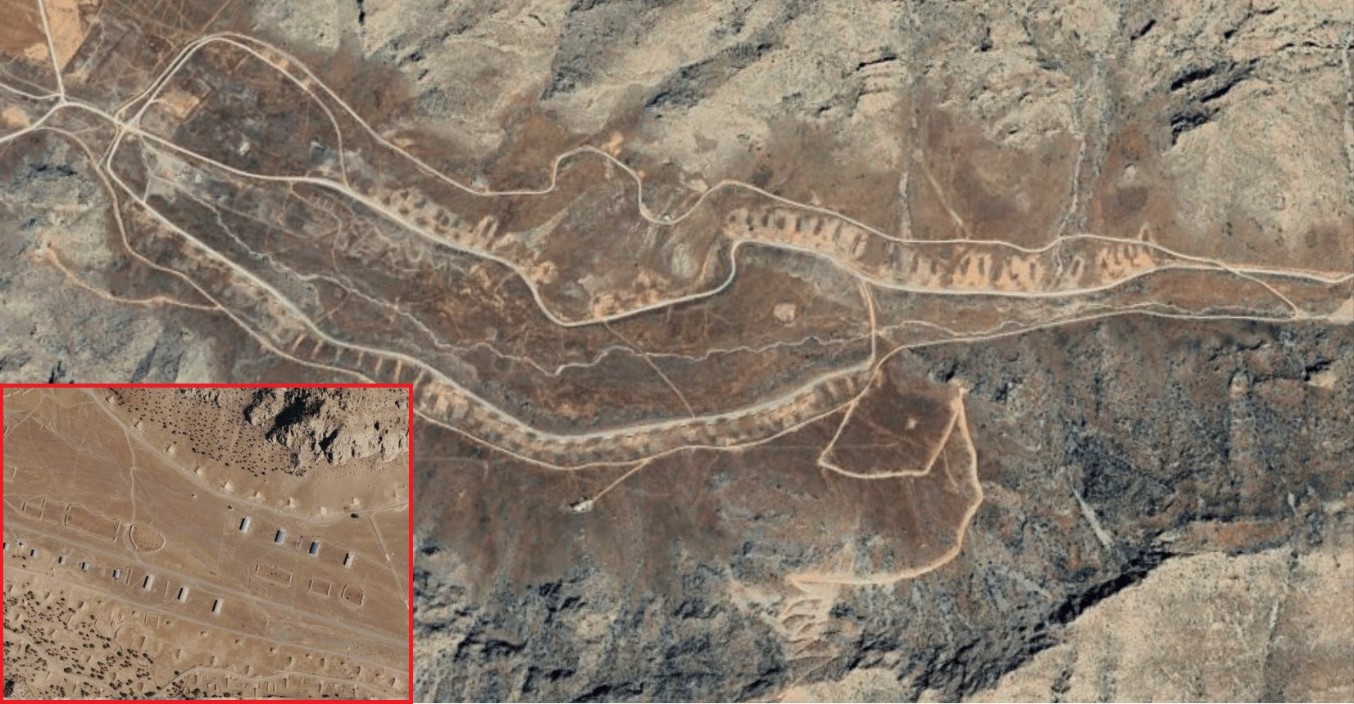
World
KHORRAMABAD, Iran — The U.S. Air Force and Air National Guard reportedly carried out overnight airstrikes against military targets in western Iran, with the Islamic Revolutionary Guard Corps (IRGC) Aerospace Force's Imam Ali Missile Base near Khorramabad in Lorestan Province appearing to be among the primary targets. According to numerous eyewitness accounts, the strikes were conducted in at least two separate waves, with the first explosions reported at approximately 03:47–03:48 local time and a second round of strikes occurring around 03:55–03:57. Residents across Khorramabad reported powerful explosions that shook buildings throughout the city. Several witnesses said the first blast occurred at around 03:47, while others described repeated explosions shortly afterward, suggesting multiple munitions struck the target area during the opening phase of the operation. Explosions Reported Across Multiple Cities The effects of the strikes were also reported outside Khorramabad. In the nearby city of Borujerd, residents said they heard exceptionally loud detonations between 03:48 and 03:50. Some witnesses described hearing a roaring sound in the sky before a powerful explosion, while others believed the sounds were caused by military aircraft or missile activity. One resident said the noise was louder than thunder and unlike anything previously experienced. A second wave of explosions was later reported. Witnesses in Borujerd said another powerful blast occurred at approximately 03:55, while residents in Khorramabad confirmed another major explosion at around 03:57, describing it as the second significant detonation of the night. Further reports came from Alisht in Lorestan Province's Selseleh County, where residents heard two separate loud detonations at approximately 03:47 and 03:56. Local witnesses noted that missile-related activity has previously been associated with the area but said they could not determine whether the sounds came from missile launches or incoming strikes. Timeline of Reported Events 03:47 – First powerful explosions reported in Khorramabad. 03:48 – Additional heavy explosions heard across Khorramabad, with residents reporting buildings shaking. 03:48–03:50 – Residents in Borujerd reported loud detonations and roaring sounds in the sky. 03:55 – Another major explosion reported near Borujerd. 03:56 – Additional loud detonations reported in Alisht, Lorestan Province. 03:57 – Second major wave of explosions reported in Khorramabad. The eyewitness reports indicate the overnight operation involved at least two distinct waves of strikes separated by roughly ten minutes. Imam Ali Missile Base The Imam Ali Missile Base, located near Khorramabad in the Zagros Mountains, is one of the IRGC Aerospace Force's major missile facilities. The installation is built into the mountainside and is widely reported to include underground tunnels, storage bunkers, operational facilities, and missile launch infrastructure designed to protect strategic assets. The base has been associated with Iran's ballistic missile program, including the Shahab-3 medium-range ballistic missile, which has an estimated range of about 1,300 kilometers and is capable of carrying a payload of approximately 800 to 1,200 kilograms. Open-source satellite imagery and previous defense analyses have also identified underground tunnel networks, storage areas, and positions for mobile transporter erector-launchers (TELs) at the site. Damage Assessment Remains Unclear As of now, there has been no official confirmation regarding the extent of damage to the Imam Ali Missile Base or other military facilities in western Iran. It also remains unclear whether underground missile storage areas or launch infrastructure were affected. Based on eyewitness reports from Khorramabad, Borujerd, and Alisht, the overnight operation appeared to involve sustained strikes against military targets in western Lorestan Province while broader military operations were reportedly taking place elsewhere in Iran. Independent verification of the reported impacts and a full battle damage assessment have not yet been released. Source : X
Read More → Posted on 2026-07-16 16:35:02
World
TEL AVIV, Israel — Israel Aerospace Industries (IAI) has introduced HYPNOSIS, a navigation warfare system designed to counter drone swarms and other Global Navigation Satellite System (GNSS)-guided aerial threats using electronic warfare instead of direct kinetic interception. The system has been developed as a "soft-kill" defense layer that disrupts and deceives satellite navigation signals used by drones and guided munitions. By targeting their navigation systems rather than destroying them with interceptor missiles, HYPNOSIS is intended to strengthen multi-layered air defense while reducing reliance on costly kinetic interceptors. Designed to Counter Large Drone Swarms Large-scale drone swarm attacks have become an increasing concern for military planners, as dozens or even hundreds of low-cost drones can be launched simultaneously against strategic infrastructure, military facilities, and critical civilian assets. Such attacks can overwhelm traditional missile-based air defense systems and rapidly consume interceptor stockpiles. HYPNOSIS has been developed to address this challenge by disrupting the satellite navigation links that many modern drones rely on for positioning and guidance. Instead of engaging every incoming drone with a missile, the system interferes with their navigation, causing them to lose their intended flight path before reaching their targets. How HYPNOSIS Works The system exploits the dependence of many unmanned aerial systems and guided munitions on continuous GNSS data, including GPS and other satellite navigation constellations. HYPNOSIS combines electronic jamming and spoofing techniques to interfere with navigation signals. Jamming blocks or overpowers satellite signals received by the drone. Spoofing transmits false navigation information, causing the drone to calculate an incorrect position or course. Once these navigation signals are disrupted or replaced with false data, the affected drone can no longer accurately identify or reach its designated target. Rather than physically destroying incoming threats, the system neutralizes them by disrupting their navigation capabilities. Networked and Autonomous Architecture HYPNOSIS is built around a network of mobile jamming and spoofing stations that can be deployed around high-value locations, including military bases, energy infrastructure, air defense sites, and other strategic facilities. These stations are connected to a central Command and Control (C2) center, which continuously analyzes incoming threats and coordinates the response across the network. According to IAI, the system can operate autonomously, allowing the C2 center to detect, track, and respond to multiple threats approaching from different directions simultaneously. This machine-speed operation reduces the need for continuous manual operator intervention during high-volume drone attacks. The mobility of the stations also allows operators to position the system according to operational requirements and the protection needs of specific locations. Integration with Existing Air Defense Systems HYPNOSIS is designed to complement existing multi-layered air defense architectures rather than replace traditional hard-kill systems. The system can be integrated with radar networks, electro-optical sensors, command-and-control systems, and kinetic interceptor systems, allowing operators to combine electronic warfare with conventional air defense measures. By neutralizing a significant number of incoming threats electronically, military forces can preserve interceptor missiles for drones or missiles that are not affected by electronic countermeasures. This approach helps improve the efficiency of air defense operations while reducing the cost of defending against large numbers of low-cost aerial threats. Strategic Role in Modern Air Defense The increasing use of commercial and military drones in recent conflicts has highlighted the need for additional layers of protection beyond traditional interceptor-based systems. Large drone swarms can saturate missile defenses, making electronic warfare an increasingly important component of modern air defense strategies. HYPNOSIS provides a non-kinetic option that focuses on disrupting navigation rather than physically destroying incoming threats. When used alongside radar, surveillance systems, and interceptor missiles, it adds another layer of protection for military installations, energy infrastructure, air defense sites, and other critical assets. Navigation warfare technologies such as jamming and spoofing are gaining importance as many unmanned aerial systems continue to rely on satellite-based positioning and timing for accurate navigation. By targeting these signals, defense forces can reduce the effectiveness of GNSS-guided threats while conserving interceptor missiles for more complex or higher-priority targets. The introduction of HYPNOSIS reflects the broader trend toward integrated, networked, and layered air defense systems that combine detection, electronic warfare, and kinetic interception to counter evolving aerial threats, particularly the growing use of low-cost, mass-produced drones. Source : calcalistech
Read More → Posted on 2026-07-17 09:41:58
Space & Technology
New Delhi — Reliance Jio has received a major boost for its satellite communications ambitions after India's space regulator found its proposal for a constellation of around 1,600 Low Earth Orbit (LEO) satellites to be technically sound, according to government officials familiar with the matter. The assessment was carried out jointly by the Indian National Space Promotion and Authorisation Centre (IN-SPACe), the Indian Space Research Organisation (ISRO), and the Wireless Planning and Coordination (WPC) wing of the Department of Telecommunications. The technical clearance marks an important step toward establishing India's first large-scale indigenous non-geostationary (NGSO) LEO satellite constellation, which is expected to expand broadband connectivity, improve digital infrastructure, and strengthen India's long-term space and communications capabilities. Technical Review Opens Door for Next Regulatory Steps Following the technical evaluation, the government can now support Reliance Jio in securing international approvals required for the project. One of the key next steps will be coordination with the International Telecommunication Union (ITU) to obtain orbital slots and spectrum rights while ensuring compatibility with other satellite operators worldwide. These filings are necessary to prevent interference between satellite networks and enable global coordination for satellite operations. As of now, neither IN-SPACe nor Reliance Jio has publicly commented on the latest regulatory developments. Planned Network Offers High Data Capacity According to officials, Jio's proposed satellite network is designed to provide 4.5 to 5 terabits per second (Tbps) of total data capacity over India, making it the highest planned satellite capacity for the Indian market so far. The satellites are expected to operate at an altitude of approximately 650 kilometres, with around 32 satellites visible over India at any given time, allowing continuous coverage across the country. The proposed constellation is intended to support both: Fixed Satellite Services (FSS), including broadband internet and cellular backhaul for remote telecom towers. Mobile Satellite Services (MSS), including direct-to-device connectivity that would allow compatible smartphones to connect directly to satellites in areas without terrestrial mobile coverage. To support operations, Reliance Jio plans to establish 20 to 22 ground stations across India. Comparison with Other Satellite Operators The proposal places Jio among the largest planned satellite communication projects focused on the Indian market. For comparison: SpaceX's Starlink, which operates more than 10,000 satellites globally, has approval for around 600 gigabits per second (Gbps) of capacity over India. Amazon's Project Kuiper plans to provide approximately 3 Tbps of capacity but is still awaiting full regulatory authorisation from IN-SPACe. If implemented as planned, Jio's network would offer significantly higher planned capacity within India than either of these proposed services. Supporting India's Strategic and Sovereign Communications Officials said the project is expected to contribute to India's efforts to build sovereign satellite communication capabilities and reduce dependence on foreign satellite networks for critical connectivity. The proposal has gained importance as governments worldwide increasingly focus on secure communications, strategic control of data infrastructure, and resilient satellite networks. Initial discussions within the government have also explored the possibility of integrating defence-related payloads on some satellites in the future. If approved, these payloads could support military communications, surveillance, and secure data transmission for strategic operations. IN-SPACe's assessment also noted that the constellation's orbital architecture has been designed to allow coexistence with future Indian satellite constellations, providing room for further domestic expansion in the sector. Investment and Long-Term Plans Industry estimates suggest that building and deploying a constellation of this scale could require an investment of $10 billion to $15 billion (approximately ₹95,000 crore to ₹1.42 lakh crore). Reliance Jio has already secured a Global Mobile Personal Communications by Satellite (GMPCS) licence and other preliminary approvals for satellite services. The company is currently following a dual strategy by leasing satellite capacity from existing global operators for near-term services while simultaneously developing its own indigenous satellite network for long-term operations. Once deployed, the constellation is expected to improve broadband access in remote villages, islands, border regions, and other underserved areas where conventional terrestrial networks remain limited. The project also aligns with India's broader push to expand domestic capabilities in satellite communications, digital infrastructure, and space technology while supporting both commercial connectivity and strategic national interests. Source : economictimes
Read More → Posted on 2026-07-17 10:09:10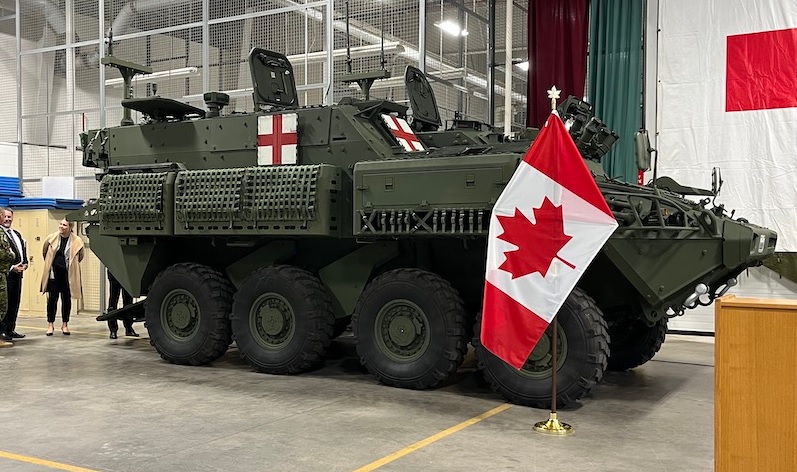
World
OTTAWA — The Canadian government has announced a nearly $2 billion investment to procure 190 additional Armoured Combat Support Vehicles (ACSVs) under a new strategic partnership with General Dynamics Land Systems-Canada (GDLS-Canada). The four-year program is aimed at modernizing the Canadian Armed Forces (CAF) while strengthening Canada's domestic defence industry and supply chain. Prime Minister Mark Carney announced the investment on July 16 in London, Ontario, alongside Defence Minister David McGuinty. The agreement makes GDLS-Canada the first company selected as a Strategic Partner under Canada's newly introduced Defence Industrial Strategy Strategic Partnership Framework. Canadian Army to Expand ACSV Fleet The procurement will increase the Canadian Armed Forces' ACSV fleet from 360 to 550 vehicles. The additional vehicles will mainly support training activities at military bases across Canada, helping prepare personnel before operational deployments. The new vehicles will gradually replace the Canadian Army's aging LAV II Bison and M113 tracked vehicle fleets. They are built on the Light Armoured Vehicle 6.0 (LAV 6.0) platform, allowing multiple vehicle variants to share the same chassis. Using a common platform simplifies maintenance, reduces training requirements, lowers long-term sustainment costs, and improves fleet availability. The new fleet will include eight mission-specific variants: Ambulance Command post Troop and cargo transport Electronic warfare Maintenance and recovery Mobile repair team Fitter/cargo Engineer The ACSVs are equipped with advanced armour protection designed to withstand mines, improvised explosive devices (IEDs), and direct enemy fire while maintaining the mobility needed to operate alongside front-line combat units. Long-Term Strategic Partnership The agreement establishes a long-term framework for Canada's Armoured Combat Vehicle-Wheeled program, covering vehicle delivery, sustainment, modernization, and future fleet development. Under the Defence Industrial Strategy's Strategic Partnership Framework, selected companies commit to investing in Canadian research and development, expanding domestic supply chains, and supporting Canadian jobs. In return, the federal government serves as an anchor customer, providing long-term procurement certainty that can reduce acquisition risks, accelerate project approvals, and support future export opportunities. Domestic Manufacturing and Economic Impact The government said all 190 vehicles will be designed, sourced, and assembled in Canada. Production will take place at GDLS-Canada's facility in London, Ontario, using Canadian engineering expertise and domestically supplied materials. Officials estimate the partnership will create or sustain more than 6,000 high-paying jobs each year over the next eight years. The production program will involve a network of more than 600 Canadian suppliers located across over 100 communities. Major contributors include: InterPro in Regina, supplying the raw steel used for armoured vehicle hulls. Thales Canada in Saint-Laurent, providing thermal imaging systems. IMP Aerospace & Defence in Enfield, manufacturing specialized operational components. The government said the partnership is intended to strengthen Canada's sovereign defence manufacturing capability by supporting domestic production and expanding local industrial capacity. Part of Canada's Defence Modernization The procurement forms part of Canada's broader effort to modernize the Canadian Armed Forces and increase defence spending. According to the government, Canada is reaching NATO's target of spending 2% of GDP on defence for the first time since the end of the Cold War. The ACSV fleet already supports Canadian military operations. Existing vehicles are currently deployed with the Canadian-led NATO Multinational Brigade in Latvia as part of Operation REASSURANCE. Canada has also provided military assistance to Ukraine through the ACSV program. The government has previously donated 89 Armoured Combat Support Vehicles to Ukraine and announced an additional 35 vehicles during the 2026 NATO Summit in Turkey earlier this month. The newly announced procurement is expected to provide the Canadian Armed Forces with additional modern support vehicles for training and operational requirements while reinforcing Canada's long-term domestic defence industrial base. Source : pm.gc.ca
Read More → Posted on 2026-07-17 10:24:14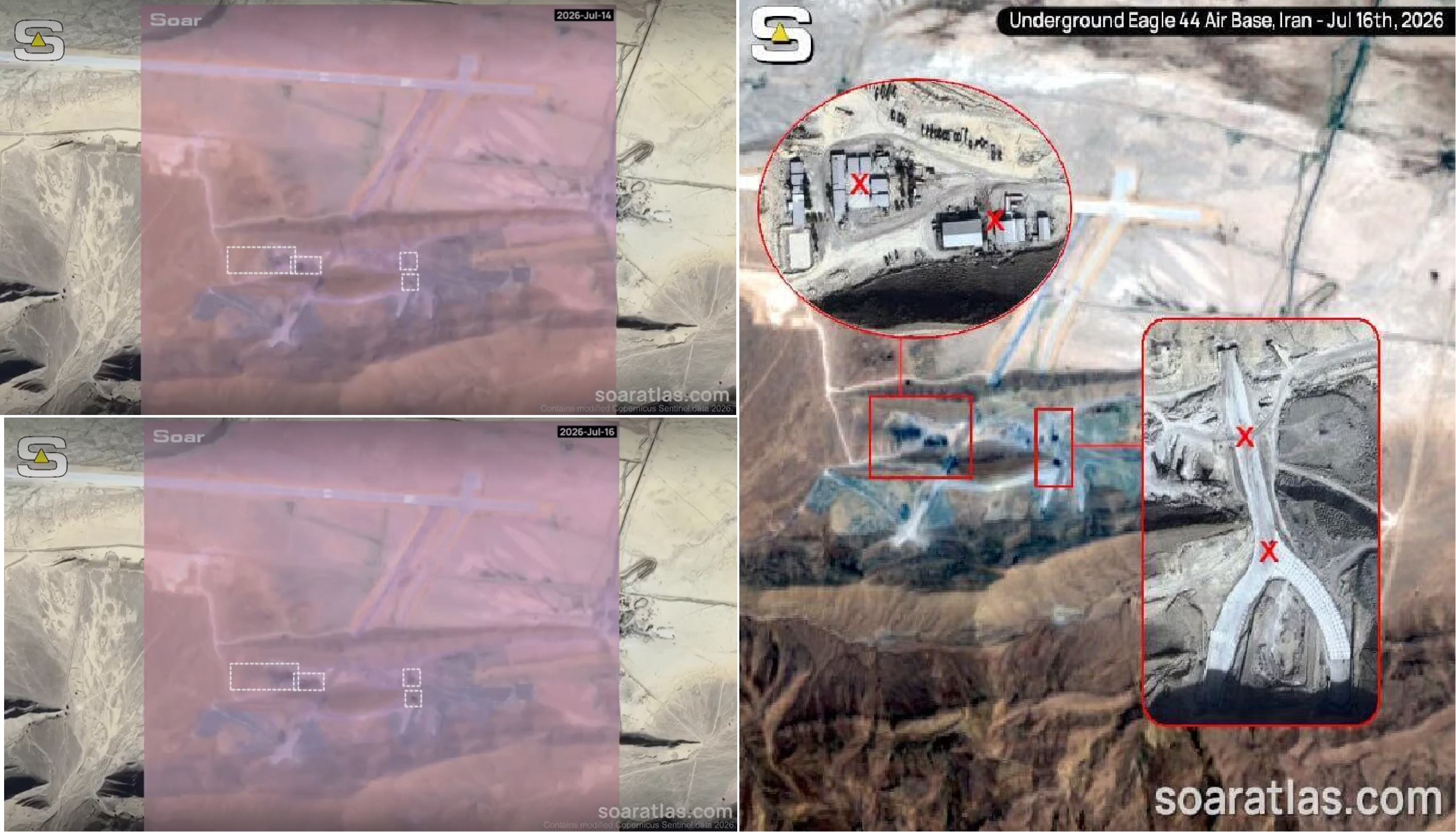
World
New satellite imagery released by Soar Atlas confirms that Oghab 44, the underground emergency support base of the Iranian Air Force's 9th Tactical Fighter Base, was struck by the U.S. military in the early hours of July 16, 2026. The imagery provides visual evidence of damage at the military facility near Bandar Abbas in southern Iran. According to the released images, two impact sites are visible along the taxiway connecting the underground tunnel complex to the runway, while two additional strikes hit nearby infrastructure. Several buildings belonging to the base's construction unit were damaged, and the imagery also shows impacts affecting taxiways and tunnel entrances used to access the underground complex. Oghab 44 is believed to house the last three or four operational F-4E Phantom II fighter aircraft still in service with the Iranian Air Force, although the exact number of aircraft at the site has not been independently confirmed. Underground Base Designed for Protected Air Operations Located in Hormozgan Province, about 160 kilometers (100 miles) north of the Strait of Hormuz, Oghab 44 is the first tactical underground air base built by the Iranian Air Force to accommodate fighter aircraft, bombers, and unmanned aerial systems. Construction of the underground facility began in mid-2013, while work on its surface runway started approximately eight years later. Iran officially revealed the existence of the base in February 2023, when state media released footage showing fighter aircraft, including F-4 Phantom jets, and drones operating inside the underground complex. The facility was named Oghab 44 (Eagle 44) because it was unveiled 44 years after the 1979 Islamic Revolution. The underground base was designed to improve the survivability of Iran's air assets by protecting aircraft and support infrastructure from potential air attacks. It includes aircraft hangars, maintenance and repair facilities, command posts, navigation equipment, fuel storage areas, and an alert section for rapid operations. According to information released by Iranian authorities when the base was unveiled, aircraft can also be equipped inside the underground complex with electronic warfare systems and precision-guided munitions, including Yasin, Qaem, and Asef missiles. Satellite Images Show Damage to Key Infrastructure The latest Soar Atlas imagery highlights damage to infrastructure supporting aircraft movement between the underground tunnel network and the runway. The visible strike locations include: Two impact sites along the taxiway linking the tunnel complex to the runway. Two additional strikes on surrounding infrastructure. Damage to construction unit buildings. Impacts affecting taxiways and tunnel entrances. The released imagery provides visual confirmation of physical damage to parts of the base, although the full operational impact on the facility has not been independently assessed. Part of Broader Military Operations The strike on Oghab 44 comes amid renewed military hostilities following the breakdown of a regional ceasefire agreement. Earlier this month, U.S. Central Command (CENTCOM) reported carrying out airstrikes against approximately 80 Iranian military targets, including air defense systems, coastal radar sites, and military facilities in the Bandar Abbas region. U.S. officials said those operations were intended to reduce Iran's ability to threaten commercial shipping routes through the Strait of Hormuz. Earlier satellite imagery released during spring 2026 had also indicated previous damage near tunnel entrances at Oghab 44, including impact craters that affected access between the underground complex and the runway. The latest imagery provides additional evidence of further strikes at the facility. Iran has not released an official damage assessment or casualty figures related to the July 16 strike, and no independent verification of personnel losses has been reported. However, the newly released satellite imagery offers the clearest visual confirmation so far that multiple areas of the underground air base were hit during the operation.
Read More → Posted on 2026-07-17 10:46:23
World
TEHRAN, Iran — On July 17, Iran's Energy Ministry has asked citizens across the country to reduce air conditioner use to help stabilize electricity supplies after recent power disruptions in southern Iran, where infrastructure serving the Bandar Abbas region was reportedly damaged. The ministry has urged residents to switch off air conditioners for at least one hour during peak electricity demand, generally between 10–11 a.m. and 4–5 p.m., as well as during evening hours. Officials said the measure is intended to reduce pressure on the national power grid while repair work continues. The appeal comes as southern Iran faces extreme summer temperatures. According to Iranian state media, some areas have recently recorded temperatures exceeding 120 degrees Fahrenheit (about 49°C), increasing electricity demand for cooling. Authorities said electricity has been restored in parts of the affected region, but power disruptions continue in locations where transmission lines and other infrastructure sustained damage. The Energy Ministry said reducing electricity consumption nationwide could help maintain a more stable supply for southern provinces. Iran's electricity network frequently experiences heavy demand during the summer, when air conditioning accounts for a significant share of power consumption. In previous years, officials have used public conservation campaigns, scheduled outages, and restrictions on some industrial users to reduce pressure on the grid during periods of high demand. Bandar Abbas, located on the Strait of Hormuz, is one of Iran's most important port cities and a key transportation and commercial hub. Recent reports of damage to infrastructure in the area have contributed to ongoing electricity supply challenges. The ministry said the nationwide conservation effort is intended to support regions still experiencing intermittent power as restoration work continues. Source : foxnews
Read More → Posted on 2026-07-17 11:35:37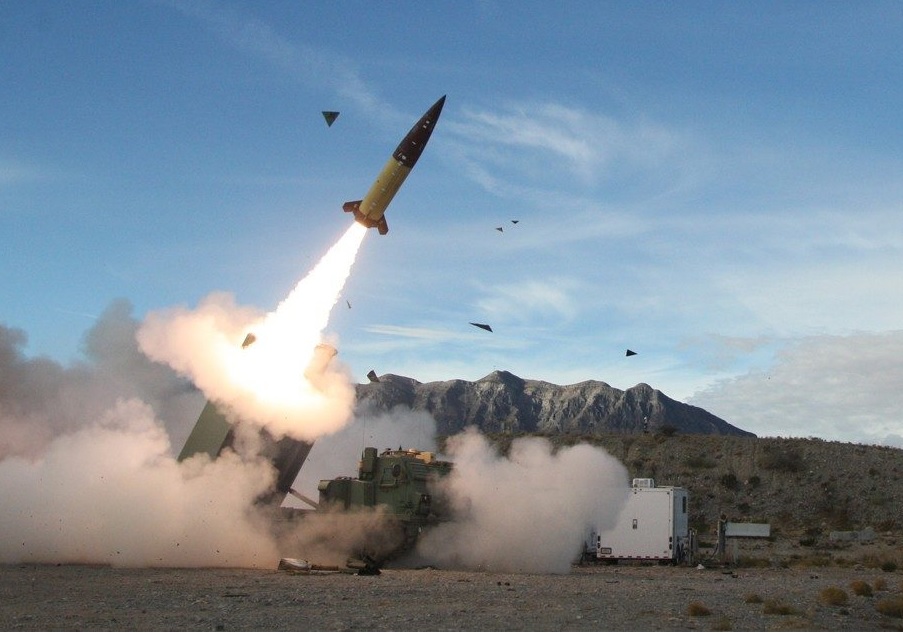
U.S
Washington — The U.S. Department of War has finalized a $439.4 million production contract with Lockheed Martin to supply MGM-140 Army Tactical Missile System (ATACMS) short-range ballistic missiles to Taiwan under the Foreign Military Sales (FMS) program. The agreement is fully funded at the time of signing, allowing production to proceed immediately without waiting for additional budget approvals. The missiles and related operational equipment will be delivered to Taiwan through February 28, 2031. Although the initial production contract is valued at $439.4 million, U.S. financial documents indicate the overall acquisition value for the ATACMS guided missiles and launch assemblies is expected to reach approximately $896.7 million. The contract is being managed by the U.S. Army Contracting Command at Redstone Arsenal, Alabama. The initial payment was made using Foreign Military Sales funds designated for Taiwan, the U.S. government program that enables allied and partner nations to purchase American-made defense equipment under Washington's oversight. Under this arrangement, Taiwan is funding the acquisition. ATACMS to Equip Taiwan's HIMARS Fleet The missiles are intended for use with the M142 High Mobility Artillery Rocket System (HIMARS) launchers that Taiwan has been receiving from the United States since October 2024. ATACMS is a precision-guided short-range ballistic missile capable of striking targets at distances of up to 300 kilometers. It is designed to engage high-value military targets such as command centers, air defense systems, logistics hubs, and other critical military infrastructure. The missile is launched directly from the mobile HIMARS platform, allowing rapid deployment and repositioning. Despite releasing the contract's financial details and delivery schedule, U.S. officials have not disclosed how many ATACMS missiles Taiwan will receive. The Department of War and the State Department have followed their usual practice of withholding missile quantities in Taiwan-related arms sales for operational security reasons. Part of a Larger Taiwan Weapons Package The production contract follows a broader U.S. arms package approved in December 2025, when the Trump administration authorized what was described as the largest U.S. weapons sale to Taiwan, valued at more than $11 billion. That package included 420 M57 ATACMS missiles, including newer longer-range variants, 82 additional HIMARS launchers, and more than 1,200 precision-guided rockets. The approval significantly expanded Taiwan's planned long-range strike capability. The earlier phase of Taiwan's HIMARS program included 29 HIMARS launchers and hundreds of guided rockets. Much of that equipment has already been delivered, providing Taiwan with an operational HIMARS capability that will be expanded further through the new ATACMS production contract. Taiwan Continues Defense Modernization Taiwan has continued to modernize its armed forces through investments in missile systems, artillery, and other defense equipment. Officials in Taipei have described these acquisitions as part of a broader effort to strengthen the island's defensive capabilities. The combination of HIMARS launchers and ATACMS missiles provides Taiwan with a mobile, precision long-range strike capability that can engage military targets at significant distances while allowing launchers to relocate quickly after firing. Regional Security Environment The contract comes amid continued military tensions across the Taiwan Strait. Beijing considers Taiwan a breakaway province and has repeatedly opposed U.S. arms sales to the island. At the end of December 2025, the People's Liberation Army (PLA) conducted large-scale military exercises around Taiwan. During the drills, Chinese state broadcaster CCTV aired footage highlighting Taiwan's HIMARS launchers during a simulated strike scenario. According to Taiwan's Central News Agency, military analysts said Beijing views Taiwan's expanding HIMARS and ATACMS inventory as a significant capability because the missiles could conduct precision strikes against military infrastructure, including rocket force positions and logistics facilities. Researchers from Taiwan's Institute for National Defense and Security Research also noted that ATACMS launched from Taiwan's outlying islands could reach much of China's Fujian Province. Deliveries Scheduled Through 2031 With funding already committed and the production contract now finalized, Lockheed Martin will manufacture the missiles in the United States, with most production work taking place in Texas. Deliveries of the missiles and associated equipment are scheduled to continue until February 28, 2031. The agreement represents another step in ongoing U.S.-Taiwan defense cooperation and will further expand Taiwan's long-range precision strike capability as it continues integrating new HIMARS launchers and supporting missile systems into its armed forces. Source : war.gov
Read More → Posted on 2026-07-17 12:06:12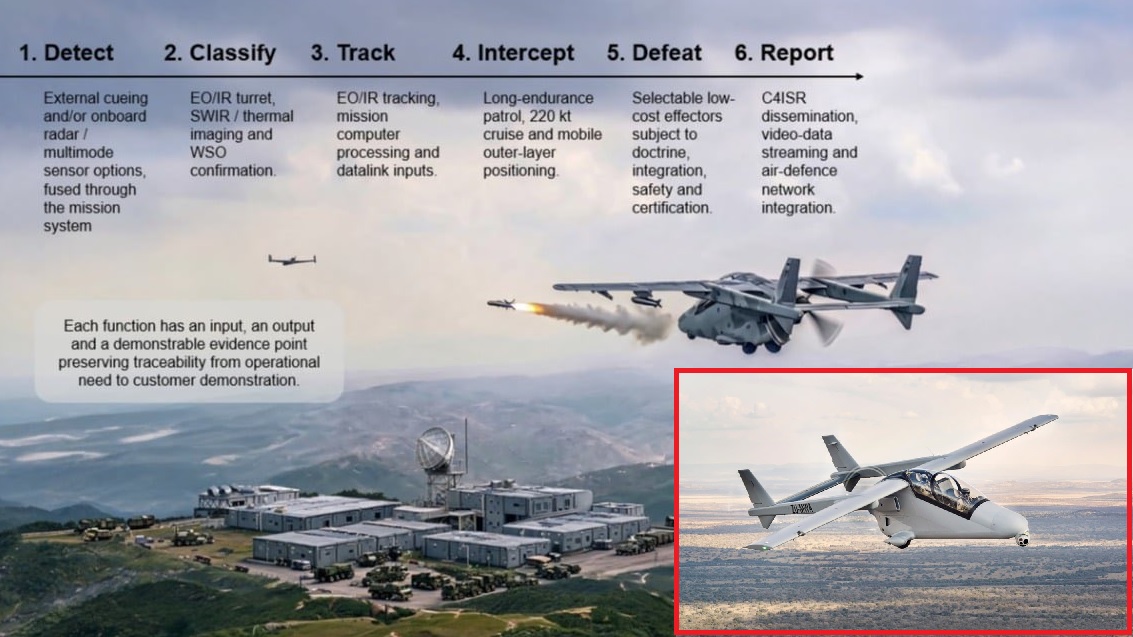
World
PRETORIA, South Africa — Paramount Aerospace Industries has unveiled a dedicated counter-unmanned aerial system (C-UAS) configuration for its Mwari aircraft, introducing an airborne solution designed to detect, track, and engage one-way attack drones targeting critical infrastructure. The announcement, made on July 16, 2026, comes as low-cost attack drones increasingly threaten military bases, power plants, ports, and other strategic facilities. Unlike conventional air defense systems that rely on fixed ground-based radar networks, the Mwari can conduct airborne surveillance and intercept threats while on patrol, making it suitable for areas with limited radar coverage. Addressing the Growing Drone Threat One-way attack drones, also known as kamikaze drones or loitering munitions, are inexpensive and can be launched in large numbers, creating a significant challenge for conventional air defense systems that often rely on costly interceptors. The widespread use of these drones in conflicts such as Ukraine and the Middle East has highlighted the growing need for affordable and flexible counter-drone solutions. The threat has also expanded beyond battlefields, prompting governments and infrastructure operators to seek better protection for critical facilities. Paramount Aerospace Industries CEO Lee Connolly said the rapid proliferation of low-cost one-way attack drones has created new vulnerabilities for defense forces and infrastructure operators while placing increasing pressure on existing air defense networks. He said the Mwari addresses one of the biggest operational challenges by conducting airborne patrols to detect drones before they reach protected areas. Once a target is identified, the aircraft can immediately transition from surveillance to interception. Connolly also noted that the aircraft's modular architecture allows it to be configured according to each customer's existing air defense systems and operational requirements. Human-in-the-Loop Operations The counter-UAS configuration is operated by a two-person crew using advanced electro-optical sensors for day and night surveillance. The system enables operators to visually identify and track suspected drone targets before engagement, ensuring that human decision-making remains part of the process. According to Paramount, recent upgrades also enable the platform to engage Medium Altitude Long Endurance (MALE) drones operating between 20,000 and 30,000 feet, expanding its capability against a broader range of unmanned aerial threats. Aircraft Capabilities Originally developed as the Advanced High Performance Reconnaissance Light Aircraft (AHRLAC), the Mwari first flew near Pretoria in July 2014. It is regarded as the first fully indigenous military aircraft developed in Africa since Denel's Rooivalk attack helicopter. Paramount later partnered with Boeing to develop the aircraft's mission systems. The aircraft is powered by a Pratt & Whitney PT6A-66B turboprop engine producing 950 horsepower (710 kilowatts). It has a maximum cruise speed of approximately 500 km/h (311 mph), a service ceiling of 9,450 meters (31,000 feet), and a ferry range approaching 3,700 kilometers (2,300 miles). For long-endurance patrol missions, the Mwari can loiter at 110 knots and remain airborne for up to 10 hours with external fuel tanks. It requires only 550 meters for takeoff, allowing operations from remote or unprepared airstrips while maintaining an operating cost of under $1,200 per flight hour. A key feature of the aircraft is its Interchangeable Mission System Bay (IMSB), which enables crews to replace sensors and mission equipment in less than two hours. The aircraft also has six wing-mounted hardpoints that support different mission payloads. For counter-drone operations, the Mwari can carry 20mm rapid-fire cannon pods with an engagement range of approximately 800 meters, while guided rockets or new-generation multi-role air-to-air missiles provide engagement ranges of up to 4,000 meters. Its open-architecture design also allows integration of weapons and mission systems from multiple suppliers. Flexible Counter-Drone Solution Paramount designed the Mwari to complement existing air defense systems rather than replace them. The aircraft provides airborne detection and interception for locations where permanent radar infrastructure is unavailable or limited. Its modular design also allows operators to integrate existing weapons, sensors, and future technologies without replacing the aircraft itself. According to the company, this approach enables the platform to adapt as drone threats and counter-UAS technologies continue to evolve while supporting different operational and procurement requirements. Source : edrmagazine
Read More → Posted on 2026-07-17 12:17:47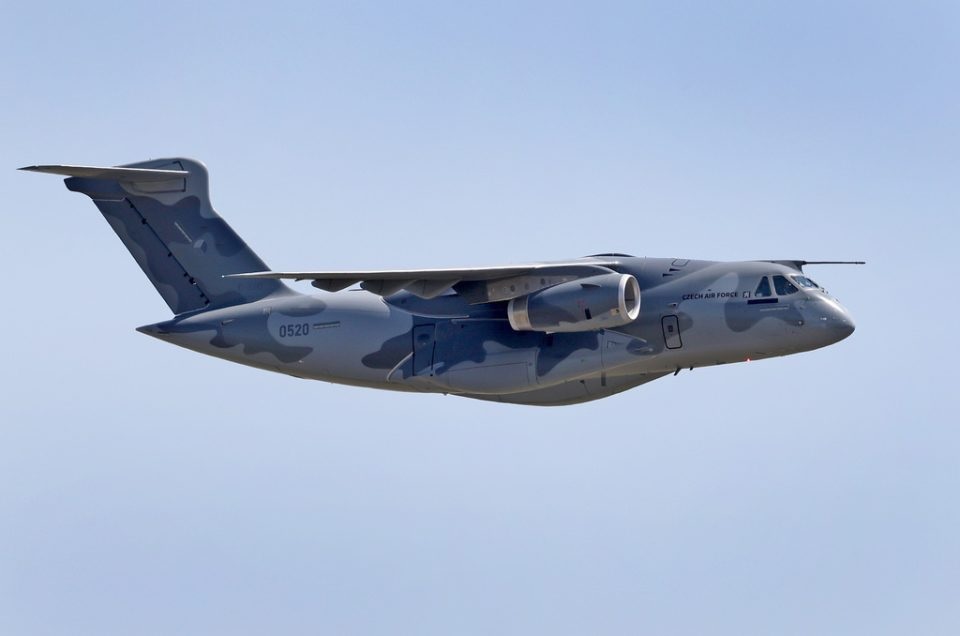
Europe
PRAGUE, Czech Republic — The Czech Air Force has officially inducted its first Embraer C-390 Millennium multi-mission transport aircraft during a handover ceremony held at Prague Kbely Air Base on July 16, marking a significant modernization of the country's military airlift capability. The delivery comes just 20 months after the Czech Republic signed the acquisition agreement in October 2024, reflecting the rapid execution of the procurement program. The aircraft arrived in Czech airspace several days before the ceremony after a ferry flight from Embraer's production facility in Brazil and was escorted by two Czech JAS 39 Gripen fighter jets. The official handover ceremony was attended by Czech Minister of Defence Jaromír Zůna, Chief of the General Staff General Miroslav Hlaváč, Czech Air Force Commander General Petr Tománek, and Bosco da Costa Junior, President and CEO of Embraer Defense & Security. The Czech Republic ordered two C-390 Millennium aircraft under a contract valued at approximately CZK 11.3 billion (around $508 million or €450 million). The agreement includes pilot and maintenance training, initial spare parts, ground support equipment, air-to-air refueling kits, and the MAFFS II aerial firefighting system. The second aircraft is scheduled for delivery in 2027. Expanding Airlift and Multi-Mission Capabilities The arrival of the C-390 Millennium marks a transition from the Czech Air Force's older and smaller transport aircraft to a modern medium airlift platform capable of supporting a wide range of military and humanitarian missions. Designed as a next-generation military transport aircraft, the twin-engine C-390 Millennium can carry up to 26 tonnes of payload, transport 80 troops or 64 fully equipped paratroopers, and reach speeds of up to 470 knots. It is also capable of operating from temporary or unpaved runways, increasing its flexibility during military deployments and disaster response operations. The aircraft is designed to perform multiple missions using a single platform, including: Cargo and troop transport Equipment and personnel airdrops Medical evacuation (MEDEVAC) Search and rescue (SAR) Humanitarian assistance Aerial firefighting using the MAFFS II system When equipped with its removable air-to-air refueling (AAR) kit, the C-390 can also serve as both an aerial tanker for fighter aircraft and a receiver for in-flight refueling. Czech Military Highlights Operational Benefits Minister of Defence Jaromír Zůna described the delivery as an important milestone for the Czech Armed Forces. He said the aircraft will significantly improve the military's ability to transport personnel, equipment, and humanitarian assistance while supporting both national missions and operations alongside NATO allies. According to the minister, the new aircraft will enhance the readiness, flexibility, and operational effectiveness of the Czech Armed Forces for years to come. Brigadier General Jaroslav Falta, Commander of the 24th Air Transportation Base, where the aircraft will be stationed, said the C-390 provides the Czech Air Force with an important strategic airlift capability. He noted that the aircraft will enable the transport of heavy and oversized cargo over long distances while strengthening support for NATO missions and emergency response operations within the Czech Republic. Falta also emphasized that the effectiveness of the new capability depends on the professionalism and dedication of Czech Air Force personnel. Czech Aerospace Industry Plays a Key Role The C-390 program also strengthens cooperation between Embraer and the Czech aerospace industry. Czech aircraft manufacturer Aero Vodochody produces the wing leading edges, rear fuselage sections, cargo ramp, and all aircraft doors for every C-390 built worldwide, making the company an important supplier across the global production line rather than only for aircraft delivered to the Czech Republic. Meanwhile, state-owned aerospace company LOM Praha will provide in-country maintenance and lifecycle support for the Czech Air Force's C-390 fleet. Bosco da Costa Junior said the Czech Republic has been an important partner in the C-390 program from its early stages and highlighted the long-term contribution of Czech industry to the aircraft's development and production. He added that Embraer will continue supporting the Czech Air Force throughout the aircraft's operational service. Growing International Fleet With the delivery of its first aircraft, the Czech Republic joins a growing group of C-390 Millennium operators and customers that are increasing cooperation in training, maintenance, and logistics. In addition to the Brazilian Air Force, the aircraft has been selected by Portugal, Hungary, the Netherlands, Austria, the Republic of Korea, Sweden, the United Arab Emirates, Slovakia, Lithuania, and Uzbekistan. For the Czech Armed Forces, the introduction of the C-390 Millennium improves interoperability with NATO partners while providing a modern transport aircraft capable of supporting military operations, humanitarian missions, disaster relief, and international deployments. Military officials have also indicated interest in expanding the fleet beyond the current order of two aircraft in the future. Source : edrmagazine
Read More → Posted on 2026-07-17 13:51:50
U.S
BROWNSVILLE, Texas — Defense technology and autonomous maritime systems company Saronic has selected Brownsville, Texas, as the location for its new advanced shipyard, Port Alpha, a $3.24 billion project designed to expand U.S. shipbuilding capacity and modernize maritime manufacturing. The announcement follows a year-long nationwide site selection process that evaluated locations across the East, West, and Gulf Coasts. Brownsville was chosen based on its existing infrastructure, workforce availability, large development area, and multimodal transportation network, including access to deepwater shipping channels, rail, highways, and port facilities. Construction of Port Alpha is expected to begin in 2026, with the shipyard scheduled to become operational in 2028. Expanding U.S. Shipbuilding Capacity Saronic said Port Alpha is being designed to introduce software-defined production to American shipbuilding, allowing advanced digital manufacturing processes to improve production efficiency and scale. The shipyard will initially occupy 835 acres at the Port of Brownsville, with room for future expansion to nearly 4,400 acres. During its first phase, the facility will be capable of building vessels up to 850 feet in length. Future expansion plans could enable construction of ships exceeding 1,200 feet. Although Saronic is best known for developing autonomous surface vessels, the company has also outlined plans to build fully crewed warships equipped with advanced technologies as part of its long-term strategy. Saronic Co-Founder and CEO Dino Mavrookas said the investment is intended to strengthen America's industrial and shipbuilding capabilities. "America's maritime future depends on our ability to build again," Mavrookas said. "Built from the ground up to deliver ships at a speed and scale not seen since World War II, this investment is about more than constructing a shipyard. It is about rebuilding the industrial capacity, workforce, and manufacturing advantage required to ensure American maritime leadership for decades to come." Economic Impact and Job Creation Port Alpha is expected to become one of the largest economic development projects in modern Texas history. According to Saronic, the project could create up to 10,000 direct jobs over the next decade. Employment opportunities will include skilled trades such as welding, machining, and fabrication, along with positions in robotics, software engineering, naval architecture, advanced manufacturing, and other technical fields. Texas Governor Greg Abbott said the shipyard is expected to provide approximately $750 million in annual payroll for Texas workers once the facility reaches full capacity. To secure the investment, the State of Texas approved an $80 million grant through the Texas Enterprise Fund, along with a $78,000 Veteran Created Job Bonus. Separately, Cameron County officials approved a $211 million tax incentive package for the project. Saronic estimates that over a 10-year period, Port Alpha could generate approximately $160 billion in regional economic impact for Cameron County and $264.5 billion for the State of Texas. The company also plans to work with Texas universities, regional technical colleges, and local educational institutions to establish workforce training and apprenticeship programs. Saronic has stated that at least 35 percent of the workforce is expected to be hired locally, supporting long-term employment opportunities in South Texas. Supporting National Maritime Goals The announcement comes as the United States continues efforts to strengthen its domestic shipbuilding industry. Port Alpha aligns with recent federal initiatives, including the SHIPS for America Act, the Maritime Action Plan, and the Executive Order on Restoring America's Maritime Dominance, which aim to increase U.S. commercial and defense shipbuilding capacity, strengthen the maritime industrial base, and reduce dependence on foreign shipbuilding. The new shipyard is intended to support both autonomous and conventional vessel production while expanding the nation's manufacturing capacity for future commercial and defense requirements. Building on Existing Manufacturing Operations Port Alpha expands Saronic's growing manufacturing network. Earlier in 2025, the company acquired a shipyard in Franklin, Louisiana, supported by a $300 million investment to add 300,000 square feet of production space. That facility is focused on manufacturing Saronic's 180-foot Marauder autonomous surface vessel, which the company said was designed and launched in less than one year. The Brownsville shipyard will complement the Louisiana facility by significantly increasing overall production capacity and supporting larger vessel construction. Community Response Local economic development officials welcomed the investment, describing it as a major opportunity for job creation and regional economic growth. Gilberto Salinas, President and CEO of the Greater Brownsville Economic Development Corporation, said projects of this scale help create long-term employment opportunities and contribute to economic development in the region. At the same time, some residents and community organizations have raised concerns about the project's environmental impact and the expansion of defense manufacturing in South Texas. Groups including the South Texas Environmental Justice Network have called for careful review of environmental considerations associated with the development. Saronic has stated that it will work with educational institutions, local partners, suppliers, and regional stakeholders as development of Port Alpha moves forward. Once operational, Port Alpha is expected to become one of the largest advanced shipbuilding facilities in the United States, supporting the production of autonomous vessels, future crewed ships, and expanded domestic maritime manufacturing capacity. Source : Saronic
Read More → Posted on 2026-07-17 14:01:38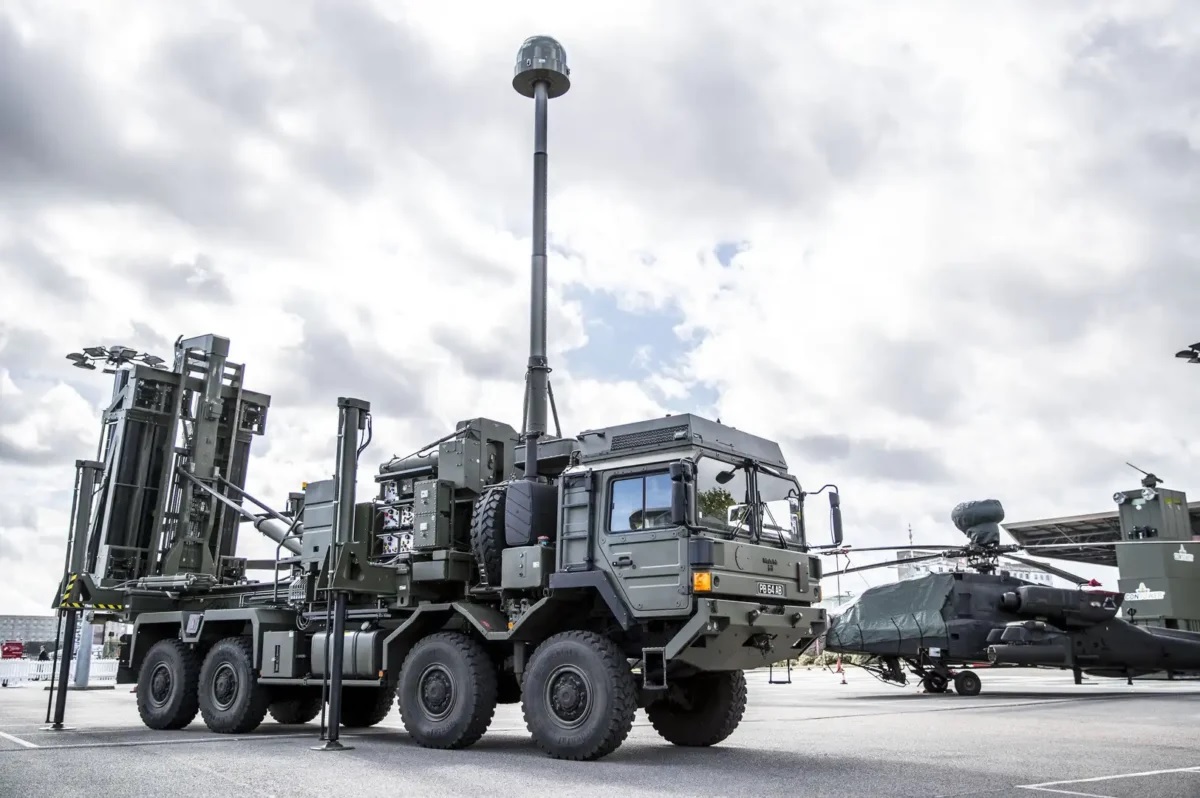
Europe
LONDON — The UK Ministry of Defence (MoD) has confirmed that its programme to double the British Army's fleet of deployable Sky Sabre air defence systems remains on schedule. Under the current timeline, new operating centres will be delivered by the end of 2026 and are expected to enter active service in 2027. The expansion is part of the £350 million Capability Uplift Package 1 (CUP1) under the wider Land Ground Based Air Defence (LGBAD) Programme. Alongside the new operating centres, the package includes additional Land Ceptor launchers and associated support vehicles, all of which are contracted for delivery in 2027. The update was provided by Defence Minister Luke Pollard in a written parliamentary response to Conservative MP Stuart Anderson, who had asked when the government's commitment to double the Army's operational Sky Sabre systems would be completed. Pollard said the Defence Investment Plan commits more than £350 million to increase the number of deployable Sky Sabre missile systems operated by the British Army. "The Defence Investment Plan commits over £350 million to double the number of deployable Sky Sabre air defence missile systems operated by the Army. Together, these investments will double the number of deployable Sky Sabre systems operated by the Army," Pollard stated. He also said the Ministry of Defence is examining additional improvements to the Sky Sabre capability beyond the current expansion. However, he did not provide further details, citing ongoing commercial negotiations. Sky Sabre Air Defence System Sky Sabre entered service with the British Army in 2021, replacing the Rapier air defence system that had been in service for more than four decades. It serves as the UK's primary medium-range ground-based air defence system and is designed to counter a wide range of aerial threats, including combat aircraft, helicopters, drones and cruise missiles. The system combines three main components: Saab Giraffe Agile Multi-Beam (AMB) 3D radar, which provides 360-degree surveillance at ranges of up to 120 kilometres. Surface to Air Missile Operations Centre (SAMOC) command-and-control system supplied by Rafael, enabling real-time information sharing with Royal Navy ships, Royal Air Force (RAF) aircraft and NATO allies through tactical data links. MBDA Land Ceptor launchers armed with Common Anti-Air Modular Missiles (CAMM), capable of reaching speeds of around Mach 3 (approximately 2,300 mph) and engaging targets at ranges of up to 25 kilometres. One of Sky Sabre's key capabilities is its ability to track multiple targets simultaneously and guide up to 24 missiles against 24 separate targets at the same time, improving its effectiveness against complex aerial attacks. Expansion to Strengthen Air Defence Capability The planned expansion is intended to increase the British Army's ability to deploy medium-range air defence systems both within the UK and during overseas operations. Additional launchers, operating centres and support vehicles will provide greater operational flexibility and increase the number of deployable units available for military missions. Sky Sabre has already been used in operational deployments. Following the start of the Russia-Ukraine conflict in 2022, personnel and Sky Sabre systems from the 16th Regiment Royal Artillery were deployed to Poland to help strengthen NATO's eastern flank and support the alliance's integrated air defence mission. The investment also forms part of the UK's broader effort to modernise its ground-based air and missile defence capabilities under the Land Ground Based Air Defence (LGBAD) Programme. In addition to expanding the Sky Sabre fleet, the Defence Investment Plan includes wider initiatives to improve air defence readiness, including investment in counter-drone capabilities and upgrades to existing systems. With deliveries of the new operating centres due by the end of 2026 and additional launchers and support vehicles scheduled for 2027, the Ministry of Defence said the programme remains on track to achieve its objective of doubling the British Army's deployable Sky Sabre air defence systems. Source : ukdefencejournal
Read More → Posted on 2026-07-17 14:26:59
World
WASHINGTON — The United States has expanded its military air campaign against Iran for a sixth consecutive night, carrying out strikes on transportation infrastructure, energy facilities, and maritime-related targets across southern Iran. The latest operations mark a broader phase of the campaign, extending beyond earlier attacks on air defenses, radar systems, and missile sites. According to Iranian state and semi-official media, U.S. forces struck at least five bridges in Hormozgan Province, including the Kehvarstan (Kahurestan) Bridge, Gariveh Bridge, and the Bandar Abbas–Shiraz Bridge near Bandar Khamir. The reported damage disrupted traffic along the Bandar Abbas–Kehvarstan–Lar corridor and forced the closure of additional highways linking Bandar Abbas with neighboring provinces. The strikes were reportedly conducted using precision-guided munitions launched by aircraft, drones, and naval platforms under the direction of the U.S. Central Command (CENTCOM). While CENTCOM has confirmed strikes against military targets, it has not specifically listed the bridges among the targets in its official statements. Campaign Expands to Logistics and Transport Networks The latest wave reflects a shift in U.S. operations from primarily targeting Iran's coastal air defense systems, missile positions, and maritime assets to also focusing on transportation infrastructure that supports military logistics. Bandar Abbas is Iran's largest commercial port and also hosts major naval facilities used by both the Iranian Navy and the Islamic Revolutionary Guard Corps (IRGC) Navy. The city's road and rail network serves as an important route for transporting fuel, military equipment, ammunition, and mobile missile systems toward Iran's southern coastline. Military analysts note that damage to bridges and transport routes can slow the movement of military supplies and create logistical bottlenecks. However, Iran still retains alternative road networks and the ability to establish temporary crossings where required. Chabahar Port and Other Locations Also Hit The campaign also expanded geographically during the latest operations. Iranian reports said a U.S. airstrike destroyed a maritime surveillance tower at Chabahar Port, Iran's only major deep-water port on the Gulf of Oman. The port provides direct access to the Indian Ocean without passing through the Strait of Hormuz, making it strategically important for both commercial shipping and regional maritime activities. Reports indicated that the strikes also damaged the maritime traffic control tower, two marine piers, including the Shahid Beheshti dock, and nearby port facilities. Power outages affected parts of Chabahar after three electricity transmission lines were reportedly damaged, although Iranian authorities later said some electricity services had been restored. Additional explosions were reported near Iranshahr Airport, a railway station in Bandar Khamir, and in the areas of Qeshm Island, Sirik, Bushehr, and Ahvaz. Iran's Energy Ministry urged residents to reduce electricity consumption and limit air conditioning use after damage to parts of the regional power grid during a period of high summer temperatures. Naval Blockade Continues The expanded air campaign comes alongside the renewed U.S. naval blockade of Iranian ports, which resumed on July 14 after the collapse of a temporary ceasefire. According to CENTCOM, U.S. forces disabled the Curaçao-flagged oil tanker M/T Belma after the vessel allegedly ignored repeated warnings while attempting to sail toward Iran's Kharg Island oil export terminal. U.S. officials said aircraft fired Hellfire missiles into the ship's smokestack to stop its movement. CENTCOM also reported that U.S. Marines boarded one vessel suspected of attempting to breach the blockade, redirected three additional commercial ships, and neutralized another vessel during enforcement operations. Washington says the blockade is intended to protect commercial shipping and maintain freedom of navigation in the Strait of Hormuz, one of the world's most important maritime trade routes through which a significant share of global oil exports passes. President Donald Trump said U.S. military operations would continue as Washington seeks what he described as a permanent settlement following the breakdown of the ceasefire. Casualties Reported Iranian state broadcaster IRIB reported that strikes near Bandar Khamir killed seven people and injured nine, while another strike in a residential area of Bandar Abbas left one person dead and eight others injured. Hossein Kermanpour, spokesperson for Iran's Health Ministry, said that at least 38 people have been killed and more than 400 injured across the country during several days of U.S. strikes. These casualty figures have not been independently verified. Iran Responds with Regional Attacks Iran has continued retaliatory operations following the U.S. strikes. Iranian military officials claimed they targeted U.S. logistics facilities in Kuwait and a special operations command center at al-Tanf in Syria. Iranian forces also reported launching drone and missile attacks against U.S. military facilities in Bahrain and Jordan. Independent verification of these claims remains limited. Sirens were also activated in Qatar and Bahrain amid the regional security situation following the latest exchanges. Regional Situation Remains Tense The United States maintains more than 50,000 military personnel across the Middle East. The latest combination of infrastructure strikes, attacks on maritime facilities, and naval interdiction reflects an effort to disrupt Iran's military logistics supporting operations around the Strait of Hormuz. The exchanges have continued since the reported collapse of a temporary ceasefire, with both Washington and Tehran maintaining military operations. While the United States says its actions are intended to reduce threats to commercial shipping and regional security, Iranian officials have described the strikes as an escalation and continue repair work on damaged infrastructure where possible. The situation remains fluid, and many battlefield claims from both sides have not been independently verified. International observers continue to monitor developments closely because of their potential impact on regional security, global shipping, and energy markets.
Read More → Posted on 2026-07-17 14:42:56
India
NEW DELHI — Russia has formally offered India the opportunity to jointly produce the advanced T-90MS main battle tank in India, expanding decades of defense cooperation between the two countries and supporting New Delhi's efforts to strengthen domestic defense manufacturing. The proposal was made by Rosoboronexport (ROE), Russia's state-owned defense export agency and part of the Rostec state corporation. Under the plan, production would follow a phased approach, beginning with the assembly of T-90MS tanks in India using technology kits supplied by Russia before gradually transitioning to full-scale manufacturing of components by Indian industry. The T-90MS is the export version of Russia's latest T-90M main battle tank, designed and manufactured by Uralvagonzavod, a subsidiary of Rostec. Proposal Builds on Existing India-Russia Tank Production Russia's offer comes shortly after a major milestone in India's armored vehicle manufacturing program. In May 2026, the Heavy Vehicles Factory (HVF) at Avadi near Chennai completed production of the 1,000th license-built T-90 Bhishma tank for the Indian Army, marking 25 years of cooperation in T-90 manufacturing. According to an ROE representative speaking to RT India, the technology already transferred to India for T-90 production provides a strong industrial foundation for manufacturing the newer T-90MS. "The technical foundation created by the technologies already transferred significantly reduces both the cost and the time needed to establish production of the T-90MS and combat vehicles based on it at Indian enterprises," the ROE representative said. India began licensed production of the T-90S Bhishma after a 2001 agreement with Russia, and the two countries later signed a $2.8 billion contract in 2019 for additional T-90 tanks. The existing manufacturing infrastructure and supply chain are expected to simplify any future transition to the T-90MS platform. Compatibility with India's Existing Fleet One of the key advantages highlighted by Russia is the high level of commonality between the T-90MS and India's existing fleet of T-72 Ajeya and T-90 Bhishma tanks. Because many systems and components are shared, adopting the T-90MS would require only limited changes to logistics, maintenance, and training. Existing maintenance equipment, simulators, repair facilities, and technical expertise could continue to be used with relatively minor modifications. Russia also said the platform can integrate Indian-developed systems where required, supporting India's goal of increasing indigenous content in defense equipment. Upgraded Protection, Firepower and Digital Systems The T-90MS incorporates several improvements over earlier T-90 variants. The tank features an upgraded protection package that includes explosive reactive armor (ERA), slat armor, active protection systems, and electronic warfare (EW) systems designed to counter unmanned aerial vehicles (UAVs). Its differentiated armor layout is intended to improve survivability against multiple battlefield threats. The platform is equipped with a modern digital fire-control system built around an integrated onboard information and command architecture, improving target acquisition and battlefield management. Its firepower has also been enhanced through compatibility with newer ammunition types and guided missile systems, providing greater engagement capability against armored and fortified targets. Russia Highlights Combat Experience Russian defense officials have promoted the T-90M series by citing operational experience during the ongoing conflict in Ukraine. Earlier this year, Rostec CEO Sergey Chemezov stated that the T-90M was "head and shoulders above" comparable NATO tanks. Representatives from Uralvagonzavod also told TASS that the platform had demonstrated strong combat performance when compared with Western tanks such as the M1 Abrams and Leopard 2. These statements reflect Russia's assessment of the platform based on operational experience. Supports India's Armored Modernization The proposal comes as India continues a broad modernization of its armored forces. The Indian government is implementing a five-year modernization program valued at approximately $7.8 billion, aimed at extending the service life and improving the combat capability of existing armored platforms. The program includes upgrades for around 790 T-72 Ajeya tanks, 200 T-90 Bhishma tanks, 500 BMP-2 infantry fighting vehicles, and 230 armored recovery vehicles. Rosoboronexport said it is prepared to offer technologies developed for the T-90MS for incorporation into India's ongoing T-90S upgrade program. Linked to India's Future Tank Program Beyond upgrades to existing fleets, Russia is also seeking participation in India's Future Ready Combat Vehicle (FRCV) program, also known as Project Ranjeet. The FRCV program aims to acquire approximately 1,770 next-generation main battle tanks to replace the Indian Army's aging T-72 fleet over the coming decades. Russia has indicated that it is open to joint development of future armored vehicles alongside India, while the proposed local production of the T-90MS could serve as a bridge between current modernization efforts and future tank programs. No agreement has been signed for T-90MS production in India, and discussions are expected to focus on production timelines, technology transfer, localization levels, and integration with India's existing defense manufacturing ecosystem. Source : rt
Read More → Posted on 2026-07-17 14:53:46
World
TOWNSVILLE, Queensland — The Australian Army has successfully completed its first live-fire exercise with the newly introduced AH-64E Apache Guardian attack helicopters on Australian soil, marking a major milestone in the country's effort to build its next-generation attack helicopter capability. The live-fire activity took place during Exercise Possum Guns at the Townsville Field Training Area, where crews from the 1st Aviation Regiment tested the Apache's weapon systems in realistic training conditions. During the exercise, the helicopters successfully engaged simulated targets using the 30mm M230 chain gun, 70mm rockets, and AGM-114 Hellfire missiles. According to the Australian Department of Defence, the exercise represents an important step in the Apache program, moving the fleet beyond its initial delivery and familiarization phase toward routine operational training and integration into joint military operations. Building Operational Readiness The exercise involved not only pilots but also maintainers and support personnel responsible for sustaining the aircraft during operations. Personnel from the 1st Aviation Regiment, supported by the 16th Aviation Support Battalion, carried out refuelling, rearming, hot refuelling, and gunnery procedures to validate the logistical and operational processes required for the expanding Apache fleet. Before conducting the live-fire missions, Army crews completed Exercise Possum Walk, which focused on handling, loading, and flying with inert ordnance. The earlier exercise allowed crews to validate operating procedures safely before transitioning to live weapons training. It also included daytime and nighttime operations using night-vision goggles. Major General David Hafner, Commander Australian Army Aviation, said regular domestic live-fire training is essential to maintaining operational proficiency. "Live-fire training is a vital part of preparing our aviation crews for operations. Conducting it regularly in Australia helps maintain the high level of proficiency needed to operate effectively." He described the event as a significant achievement for Army Aviation. "Conducting our first live-fire in Australia demonstrates that we are building a capable, safe and sustainable Attack Helicopter capability. Our aircrew, maintainers and support personnel will now conduct routine live-fire training and continue to integrate the Apache's advanced capabilities into joint force operations." Australia's AH-64E Apache Program Australia is acquiring 29 Boeing-built AH-64E Apache Guardian helicopters from the United States under Project LAND 4503 through the Foreign Military Sales (FMS) program. The helicopters will replace the Australian Army's retiring Tiger Armed Reconnaissance Helicopter (ARH) fleet. The first six Apaches arrived in Townsville after deliveries began in late 2025. The aircraft were transported aboard Royal Australian Air Force C-17 Globemaster transport aircraft and are now operated by the 1st Aviation Regiment, which has relocated to Townsville as part of Defence's investment in northern Australia. The remaining helicopters are scheduled to be delivered by 2029, with the fleet gradually expanding as new aircraft enter service. The program is also supported by a seven-year, A$306 million contract awarded to Boeing Defence Australia, covering maintenance, engineering support, training, logistics, and sustainment activities. Defence has also invested in infrastructure upgrades at RAAF Base Townsville to support long-term Apache operations. Enhanced Capability Lieutenant Colonel Jason Perrins, Commanding Officer of the 1st Aviation Regiment, said the AH-64E provides a significant technological improvement over the Army's previous attack helicopter fleet. He noted that the aircraft's upgraded sensors allow crews to detect and identify targets at greater distances, while its enhanced digital networking improves information sharing and situational awareness across the integrated force. The AH-64E also combines advanced reconnaissance systems, precision weapons, communications, and battlefield networking, enabling it to support reconnaissance, offensive operations, and close combat missions alongside other Australian Defence Force assets. Supporting Australia's Defence Strategy The Apache program forms a key part of Australia's 2026 National Defence Strategy and Integrated Investment Program, which focus on strengthening the Australian Defence Force's ability to conduct littoral manoeuvre and long-range strike operations. As additional helicopters enter service, routine live-fire training on Australian soil will help build operational proficiency and accelerate the integration of the Apache fleet into joint force operations. The successful completion of Exercise Possum Guns marks the transition of the Apache program from aircraft delivery and initial flight operations to sustained domestic weapons training, bringing the Australian Army closer to achieving full operational capability with its new attack helicopter fleet. Source : defence.gov.au
Read More → Posted on 2026-07-18 11:25:09
U.S
ALLENTOWN, Pennsylvania — Mack Defense has received a new order from the U.S. Army for 115 additional M917A3 Heavy Dump Trucks (HDTs) to support the Army National Guard's engineering, infrastructure, and disaster relief missions. The latest order follows a separate purchase of 91 M917A3 trucks announced a month earlier. Combined, the two recent orders represent 206 trucks. Mack Defense has stated the combined total as 208 trucks, with the two purchases together representing an investment of more than $84 million. The new procurement is part of a five-year contract awarded to Mack Defense in June 2025, which allows the company to produce up to 450 M917A3 Heavy Dump Trucks with a maximum contract value of $221.8 million. Military Version of a Commercial Truck The M917A3 Heavy Dump Truck is based on Mack's commercially available Granite model but has been extensively modified for military operations. Compared with the commercial version, the truck features heavier-duty rear axles, all-wheel drive, increased suspension ride height, anti-lock braking systems (ABS), and upgraded control systems designed to operate in challenging terrain and demanding military environments. The vehicle has a 27-ton payload capacity and is used to transport sand, gravel, dirt, construction debris, and other heavy materials needed for military engineering projects. The trucks support the construction and repair of airfields, roadways, landing strips, supply facilities, motor pools, and other military infrastructure. They are also regularly used by the Army National Guard during domestic emergency response operations, including clearing debris and supporting recovery efforts after storms, floods, and other natural disasters. Funding and Contract Background The latest order is covered under the Army's current five-year procurement agreement signed in 2025. The previous order for 91 trucks was funded through the 2026 National Defense Appropriations Act, which allocated $47 million for the program. The funding was announced in June 2026 by U.S. Representative Ryan Mackenzie, who said the investment supports both military readiness and domestic manufacturing. The Army's partnership with Mack Defense began before the current agreement. In 2018, the company received a $296 million firm-fixed-price contract covering up to 683 heavy dump trucks over seven years. Under that contract, the Army placed multiple production orders as funding became available through annual appropriations. Across both contracts, more than 625 M917A3 Heavy Dump Trucks have been produced for the U.S. military. Production in Pennsylvania All M917A3 trucks are assembled on a dedicated military production line at the Mack Experience Center in Allentown, Pennsylvania. Mack Defense established the production line in 2021 through a $6.5 million investment, allowing military vehicle manufacturing to operate separately from the company's commercial truck production while using the engineering expertise and workforce at its nearby Lehigh Valley Operations facility in Macungie, Pennsylvania. Supporting Army Modernization The M917A3 program reflects the U.S. Department of Defense's approach of adapting proven commercial vehicle platforms for military service. Using an existing commercial design allows the Army to field new equipment more quickly while reducing development costs compared with designing entirely new military vehicles. The trucks undergo military-specific modifications and government testing before entering service. Orders under the current contract are placed in stages as annual funding is approved, supporting steady production while meeting the operational requirements of the Army, Army Reserve, and Army National Guard. The newly ordered M917A3 Heavy Dump Trucks will strengthen the Army National Guard's ability to support military engineering missions, domestic emergency response, and disaster recovery operations across the United States. Source : volvogroup
Read More → Posted on 2026-07-18 11:44:47
World
MOSCOW — Russia has introduced a newly modified Mi-8 helicopter equipped with an electronic warfare (EW) system designed to counter unmanned aerial systems (C-UAS) by disrupting the satellite navigation used by Ukrainian long-range strike drones. The previously undocumented configuration was first seen in photographs shared by Russian military blogger Kirill Fedorov on his Telegram channel. While Russian authorities have not officially released technical details, analysis of the images provides insight into the system's likely purpose and design. Specialized Antenna Configuration Images of the helicopter show several panel antennas mounted at different angles along the aircraft's fuselage. The arrangement provides approximately 180-degree coverage on one side, and analysts believe a similar installation is likely fitted on the opposite side to provide 360-degree protection. Each antenna panel is connected by only two cables, suggesting the system operates on two separate channels or frequency bands rather than functioning as a broad-spectrum jammer. Based on the antenna configuration, analysts believe the system is designed to target the fixed-frequency Global Navigation Satellite System (GNSS) signals used by long-range strike drones instead of the wider range of radio frequencies typically used by frontline first-person-view (FPV) drones. Possible Operating Method Defense analysts have proposed two primary explanations for the dual-channel configuration. One possibility is dual polarization, where each cable controls a different antenna polarization. This would allow the system to transmit jamming signals in multiple polarizations, helping maintain effectiveness regardless of the orientation of a drone's navigation antenna. Another theory is dual-band operation, with one channel targeting the L1 satellite navigation band (approximately 1.5–1.6 GHz) and the other covering the L2 or L5 bands (around 1.2 GHz). Such a configuration could interfere with multi-band GNSS receivers commonly installed on modern long-range strike UAVs. Mobile Navigation Jamming Against Long-Range Drones Many long-range drones use satellite navigation together with Inertial Navigation Systems (INS). While INS allows a drone to continue flying if satellite signals are lost, its positional accuracy gradually decreases because it calculates location based on movement rather than external navigation signals. By installing the EW system on a Mi-8 helicopter, Russian forces can rapidly deploy the platform to areas facing potential drone attacks and create mobile zones of satellite navigation interference. Extended GNSS disruption forces drones to rely on INS for longer periods, increasing navigation errors before they reach their intended targets. Analysts note that this concept is similar to the use of airborne electronic warfare platforms for creating mobile jamming coverage, an approach that Ukraine has also explored using light aircraft. Different From Existing Mi-8 Electronic Warfare Variants Russia already operates dedicated electronic warfare helicopters, including the Mi-8MTPR-1 equipped with the Rychag-AV system. Those aircraft are primarily intended for radar suppression and communications jamming over longer distances. The newly observed configuration on a standard Mi-8 appears to serve a different role by focusing specifically on satellite navigation jamming against long-range unmanned aerial vehicles. The exact designation, technical specifications, operational range, and deployment numbers of the new system have not been officially disclosed. Russia Expands Mi-8 Helicopter Production The appearance of the new EW-equipped Mi-8 comes as Russia increases production of the helicopter under its state defense program. According to a report by the private analytical firm Dallas Analytics, the Kazan Helicopter Plant is scheduled to manufacture 72 Mi-8MTV-1 multipurpose helicopters between 2026 and 2027. The report states that at least 37 helicopters are expected to be delivered to the Russian military during 2026, significantly exceeding earlier estimates of around 20 aircraft per year. The Kazan facility works with suppliers including Russian Helicopters, United Engine Corporation, and Concern Radio-Electronic Technologies, which provide engines, avionics, and electronic systems for the aircraft. The Mi-8 family continues to serve in multiple roles across the Russian military, including troop transport, logistics, attack support, search and rescue, and electronic warfare missions. The addition of a satellite navigation-jamming configuration represents another adaptation of the platform aimed at countering long-range drone operations. Source : militarnyi
Read More → Posted on 2026-07-18 11:57:08
Space & Technology
WASHINGTON — NASA and The Charles Stark Draper Laboratory (Draper) have mutually agreed to terminate the CP-12 lunar lander mission after years of development delays and technical changes pushed the project's schedule well beyond NASA's planned timeline. The CP-12 mission was part of NASA's Commercial Lunar Payload Services (CLPS) program, an initiative that partners with private companies to deliver scientific instruments and technology to the Moon in support of the agency's Artemis program. Following the cancellation of the main agreement, ispace technologies U.S. (ispace-U.S.) announced on July 15, 2026, that its subcontract with Draper had also been terminated. The U.S.-based subsidiary of Japan's ispace was responsible for developing the lunar lander and providing transportation services for the mission. NASA awarded Draper the CP-12 task order in July 2022 with a total contract value of $73 million. According to reports, NASA paid approximately $43 million for work completed before the project was ended. Development Delays Led to Mission Cancellation The CP-12 mission was originally planned for launch in 2025, but several engineering changes significantly delayed its development. In 2023, the lander's hardware was redesigned to better integrate NASA's scientific payloads. The redesign included moving to a larger unified platform known as Ultra (APEX 1.0) to accommodate the instruments more effectively. Additional changes followed in 2025, when the project team decided to replace the spacecraft's propulsion system. In March 2026, ispace announced that its Japanese and U.S. lunar lander designs would be combined into a new ULTRA lander configuration, along with further engine modifications. Although Draper and ispace proposed revised development plans, the cumulative technical changes pushed the estimated mission readiness to 2030–2031. NASA determined that the revised schedule no longer aligned with the agency's operational priorities, leading both organizations to end the project by mutual agreement. Mission Was Intended for the Moon's Far Side The CP-12 mission was designed to deliver three major scientific investigations to the Schrödinger basin, a large impact crater located on the Moon's far side. The planned payloads included: Farside Seismic Suite (FSS): Two seismometers designed to detect moonquakes, meteorite impacts, and study differences between the Moon's near and far sides. The investigation is led by NASA's Jet Propulsion Laboratory. Lunar Interior Temperature and Materials Suite (LITMS): Instruments including a heat-flow probe and electrical conductivity sensors to study the Moon's subsurface temperature and internal structure. The project is led by the Southwest Research Institute. Lunar Surface Electromagnetics Experiment-Lite (LuSEE-Lite): Instruments intended to measure electric and magnetic fields on the lunar surface and examine interactions with the solar wind and lunar dust. Together, these scientific instruments were expected to improve understanding of the Moon's interior, geological activity, and surface environment, supporting future Artemis exploration and long-term lunar surface operations. NASA Plans to Fly the Science Payloads on Future Missions Although the CP-12 mission has been canceled, NASA intends to use the completed scientific instruments on future CLPS missions or other Artemis-related lunar missions whenever possible. Reassigning the payloads may require additional planning because most commercial lunar landers currently under development are designed for the Moon's near side. Missions to the far side require communication relay satellites since the lunar far side cannot directly communicate with Earth, making such missions more technically complex. Part of a Broader CLPS Program The cancellation of CP-12 is not the first program adjustment within NASA's Commercial Lunar Payload Services (CLPS) initiative. In 2019, NASA terminated a CLPS contract awarded to Orbit Beyond, while another CLPS mission ended in 2022 after Masten Space Systems filed for bankruptcy. Despite the end of the CP-12 project, ispace-U.S. said the decision does not change its long-term plans in lunar exploration. The company stated it will continue developing lunar technologies and intends to compete for future opportunities under CLPS 2.0, the next phase of NASA's commercial lunar delivery program, which is expected to support more frequent lunar missions. Draper, which has a long history of contributing guidance technology to NASA's Apollo program, had led overall mission management, systems engineering, navigation, integration, testing, and mission assurance for CP-12, while ispace-U.S. was responsible for providing the lunar lander. The mission's cancellation reflects NASA's continued focus on maintaining realistic schedules while advancing commercial lunar exploration through the CLPS program. Source : SpaceNews
Read More → Posted on 2026-07-18 12:10:13
Space & Technology
SRIHARIKOTA — Skyroot Aerospace successfully launched its Vikram-1 rocket from the Satish Dhawan Space Centre in Sriharikota on Saturday, becoming the first private Indian company to place a rocket into Earth’s orbit. The mission, named Mission Aagaman ("Arrival" in Sanskrit), marks a major milestone for India’s commercial space sector and makes India the third country after the United States and China to demonstrate private orbital launch capability. The four-stage Vikram-1 rocket lifted off from the Indian Space Research Organisation’s (ISRO) First Launch Pad at 12:05 PM IST after a planned delay of about 35 minutes from the original 11:30 AM launch time to complete navigation-related checks. Despite cloudy weather conditions, the mission proceeded as planned. After a flight lasting approximately 16 minutes, the rocket successfully deployed its payloads into a 450-kilometre Low Earth Orbit (LEO) with an inclination of around 60 degrees, completing its maiden orbital flight on the first attempt. Vikram-1 Designed for Small Satellite Launches Standing 24 metres tall, Vikram-1 is built using all-carbon composite structures to reduce weight while maintaining strength. The launch vehicle is designed to provide rapid and on-demand launch services for the growing small satellite market and is capable of carrying payloads of up to 350 kilograms to Low Earth Orbit. The rocket uses three solid-propellant stages—Kalam-1200, Kalam-250, and Kalam-100—followed by a liquid-fuelled Orbital Adjustment Module. The upper stage is powered by a 3D-printed engine capable of performing precise orbital manoeuvres and multiple restarts in space, allowing accurate deployment of satellites. Payloads Carried on Mission Aagaman The maiden flight carried a mix of technology demonstration payloads, commercial satellites, international payloads, and symbolic items. Among the commercial payloads was Skyroot's SCOPE satellite platform, which will collect flight performance data to support future missions. The rocket also deployed Grahaa Space's SOLARAS CubeSat and Cosmoserve Space's EMBRACE robotic arm demonstration, designed to test technologies for future orbital debris removal missions. The mission also carried international payloads from Germany's DCubed, including the uD3PP and mD3RN technology demonstrations. Several symbolic payloads were included as part of the mission. These included a handwritten postcard from Prime Minister Narendra Modi bearing the message "Vande Mataram", handwritten messages from Skyroot employees, investors, policymakers, and supporters, and "Diamond Lotus", also known as "Cosmic Bloom," a lab-grown diamond artwork created by Bengaluru-based Cosmos Diamonds to demonstrate infrastructure for high-value commercial space applications. In addition, the rocket carried an 18-carat gold miniature rocket featuring micro-sculptures of Indian scientists C. V. Raman, Vikram Sarabhai, and A. P. J. Abdul Kalam, recognising their contributions to India's scientific and space programmes. Eight Years of Development Skyroot Aerospace was founded in 2018 by former ISRO engineers Pawan Kumar Chandana and Naga Bharath Daka. The development of Vikram-1 took approximately eight years and involved nearly 1,000 personnel supported by a supply chain of more than 400 companies. The company had previously demonstrated its launch technology through the Vikram-S suborbital mission in 2022. The successful orbital launch of Vikram-1 now establishes Skyroot as India's first private company to independently reach orbit. According to the company, Vikram-1 was fully designed and manufactured in India, supporting the country's expanding domestic space manufacturing capabilities. Government Congratulates Skyroot Team Following the successful launch, Prime Minister Narendra Modi congratulated the Skyroot team and described the mission as a defining moment for India's private space sector. He said the achievement reflects the innovation and entrepreneurial capabilities of India's youth and highlights the impact of the government's space-sector reforms that opened orbital launch opportunities to private companies. The Prime Minister also spoke with Skyroot co-founders Pawan Kumar Chandana and Naga Bharath Daka after the mission. External Affairs Minister S. Jaishankar also welcomed the successful launch, describing it as another important step in India's space journey. Flight Data to Support Future Missions Besides deploying its payloads, Mission Aagaman is expected to provide important flight data on the rocket's propulsion, stage separation, guidance, navigation, and control systems. The information gathered during the mission will be used to refine Vikram-1 and support future commercial launch operations. The mission also demonstrates India's growing capability to provide dedicated launch services for small satellites, a market that continues to expand globally as demand increases for Earth observation, communications, scientific research, and technology demonstration missions. Agnikul Cosmos Advances Reusable Launch Technology In a separate development within India's private space industry, Agnikul Cosmos has announced plans for Mission-02, which aims to recover the first-stage booster of its Agnibaan rocket and reuse its upper stage as an in-orbit platform. If successful, the mission would represent an important step toward reusable launch technology in India's commercial space sector, helping reduce launch costs and improve operational efficiency. Skyroot Aerospace's successful Vikram-1 mission, together with ongoing efforts by other private companies, reflects the continued expansion of India's commercial space ecosystem as private industry takes on a larger role alongside ISRO in the country's space programme. Source : ANI
Read More → Posted on 2026-07-18 12:57:45
U.S
WINDSOR, Colo. — Slingshot Aerospace has been awarded a $69.2 million Small Business Innovation Research (SBIR) Phase III contract by the U.S. Space Force to develop and deliver its MENTAT artificial intelligence-powered mission rehearsal and training platform. The 4.5-year contract, the largest single award in the company's history, is part of the U.S. Space Force's Operational Test and Training Infrastructure (OTTI) program, which is designed to improve how military personnel prepare for operations in space. The award builds on earlier work funded through a Strategic Funding Increase (STRATFI) contract that supported the development of Slingshot's Digital Space Twin. Founded in 2017, Slingshot Aerospace provides satellite tracking, data fusion, modeling, simulation, and space domain awareness technologies for government and commercial customers. The company is based in El Segundo, California, with headquarters in Windsor, Colorado. AI-Based Mission Training The MENTAT platform is designed to help U.S. Space Force Guardians conduct realistic mission rehearsals using artificial intelligence. Instead of relying only on scheduled exercises, Guardians will be able to access training simulations from their regular workstations, enabling more frequent preparation for space missions. The system supports training for detecting unusual satellite activity, assessing potential adversary actions, coordinating responses, and making operational decisions under realistic conditions. TALOS AI Powers the Platform At the core of MENTAT is TALOS (Thinking Agent for Logical Operations and Strategy), an AI agent that uses behavior cloning to replicate realistic spacecraft tactics and maneuvers. Unlike traditional simulations that depend on pre-programmed scripts, TALOS dynamically responds to changing mission scenarios. It operates within Slingshot's Digital Space Twin, which combines live orbital data, astrodynamics models, and threat information to create an up-to-date simulation of the space environment. Supporting Space Force Readiness The contract continues Slingshot Aerospace's work with the U.S. Space Force. In January 2026, the company received a $27 million OTTI contract to expand AI-based training capabilities, and TALOS has already been tested with the 57th Space Aggressors Squadron. MENTAT is built around Slingshot's Sense → Fuse → Decide → Act framework, integrating data from the company's sensor network and other sources to support mission planning and operational awareness. The company also develops Agatha AI, a tool for anomaly detection in space operations. According to Slingshot Aerospace CEO Tim Solms, TALOS enables Guardians to train against realistic orbital scenarios with greater speed, scale, and accessibility by bringing AI-powered mission rehearsal directly into their operational environment. Growing Role of AI in Space Operations The contract reflects the U.S. Department of Defense's broader effort to expand the use of artificial intelligence in military operations and highlights the increasing role of commercial technology in defense programs. As the number of satellites and activities in orbit continues to grow, demand is increasing for AI-powered tools that improve space domain awareness, mission planning, simulation, and operator training. Through this contract, Slingshot Aerospace will continue developing technologies that support the U.S. Space Force's operational readiness and protection of U.S. and allied interests in space. Source : slingshot
Read More → Posted on 2026-07-18 13:21:15
U.S
WASHINGTON — The U.S. Naval Sea Systems Command (NAVSEA) has awarded a $418.497 million firm-fixed-price contract to NorthStar Maritime Dismantlement Services to dismantle the ex-USS Enterprise (CVN-65), the world's first nuclear-powered aircraft carrier. The work will be carried out in Mobile, Alabama, with completion expected by September 2030. The contract marks the final phase of the carrier's disposal and the first time the U.S. Navy has assigned the complete dismantling of a nuclear-powered aircraft carrier to a commercial contractor. The project is expected to provide a model for retiring the Navy's Nimitz-class aircraft carriers in the future, beginning with USS Nimitz. NorthStar Wins Contract After Reopened Competition NorthStar Maritime Dismantlement Services, a subsidiary of NorthStar Group Services, specializes in nuclear facility decommissioning and is partnering with Modern American Recycling and Radiological Services (MARRS) for the dismantling work. The company was initially awarded the contract in June 2025 with a bid of $536.7 million. However, a competing bidder challenged the award, claiming technical issues with the federal Procurement Integrated Enterprise Environment (PIEE) system prevented a timely proposal submission. In February 2026, the U.S. Court of Federal Claims ordered the Navy to reopen the competition. NorthStar won the rebid with a final price of $418,497,668, reducing the project cost by more than $118 million, or about 22 percent, compared with its original offer. The Navy has obligated approximately $415.5 million from Fiscal Year 2025 Operations and Maintenance funds for the contract. Commercial Dismantling Plan The Navy selected a commercial disposal approach, known as Alternative 3, in 2023. Officials estimated the approach would save approximately $600 million and reduce the project timeline to about five years compared with completing the work at Puget Sound Naval Shipyard, where the process was expected to take around 15 years. The dismantling project includes recycling non-hazardous steel and other reusable materials while packaging low-level radioactive waste from the propulsion system according to Nuclear Regulatory Commission (NRC) requirements for disposal at licensed facilities. Planning estimates indicate that around 35,000 tons of recycled steel from the ship could be reused, with some material potentially supporting construction of the future USS Enterprise (CVN-80), a Gerald R. Ford-class aircraft carrier. Before the contract was awarded, Huntington Ingalls Industries' Newport News Shipbuilding completed reactor defueling and prepared the propulsion components for disposal. The carrier's propulsion system consisted of eight Westinghouse A2W pressurized-water nuclear reactors housed in four reactor compartments. A Historic Carrier Commissioned in 1961, USS Enterprise became the world's first nuclear-powered aircraft carrier and served the U.S. Navy for more than 50 years. The carrier took part in the Cuban Missile Crisis, the Vietnam War, and later operations in the Middle East. In 1964, it participated in Operation Sea Orbit, becoming part of the first all-nuclear naval task force to complete a global voyage without refueling. The ship was decommissioned in 2012, and reactor defueling was completed in 2017. It has remained at Newport News Shipbuilding while the Navy finalized its disposal plans. In 2021, the American Nuclear Society designated USS Enterprise a Nuclear Historic Landmark. Although proposals were made to preserve the carrier as a museum, the Navy determined that its unique reactor configuration made preservation impractical. Preparing for Future Carrier Retirements The Enterprise project will provide the Navy with practical experience for dismantling future nuclear-powered aircraft carriers. Lessons from the project are expected to support the retirement of the Navy's Nimitz-class fleet while allowing public naval shipyards to focus on maintaining and modernizing active warships. Work will begin after the transfer of custody and completion of the required regulatory approvals. Source : interestingengineering
Read More → Posted on 2026-07-18 13:40:23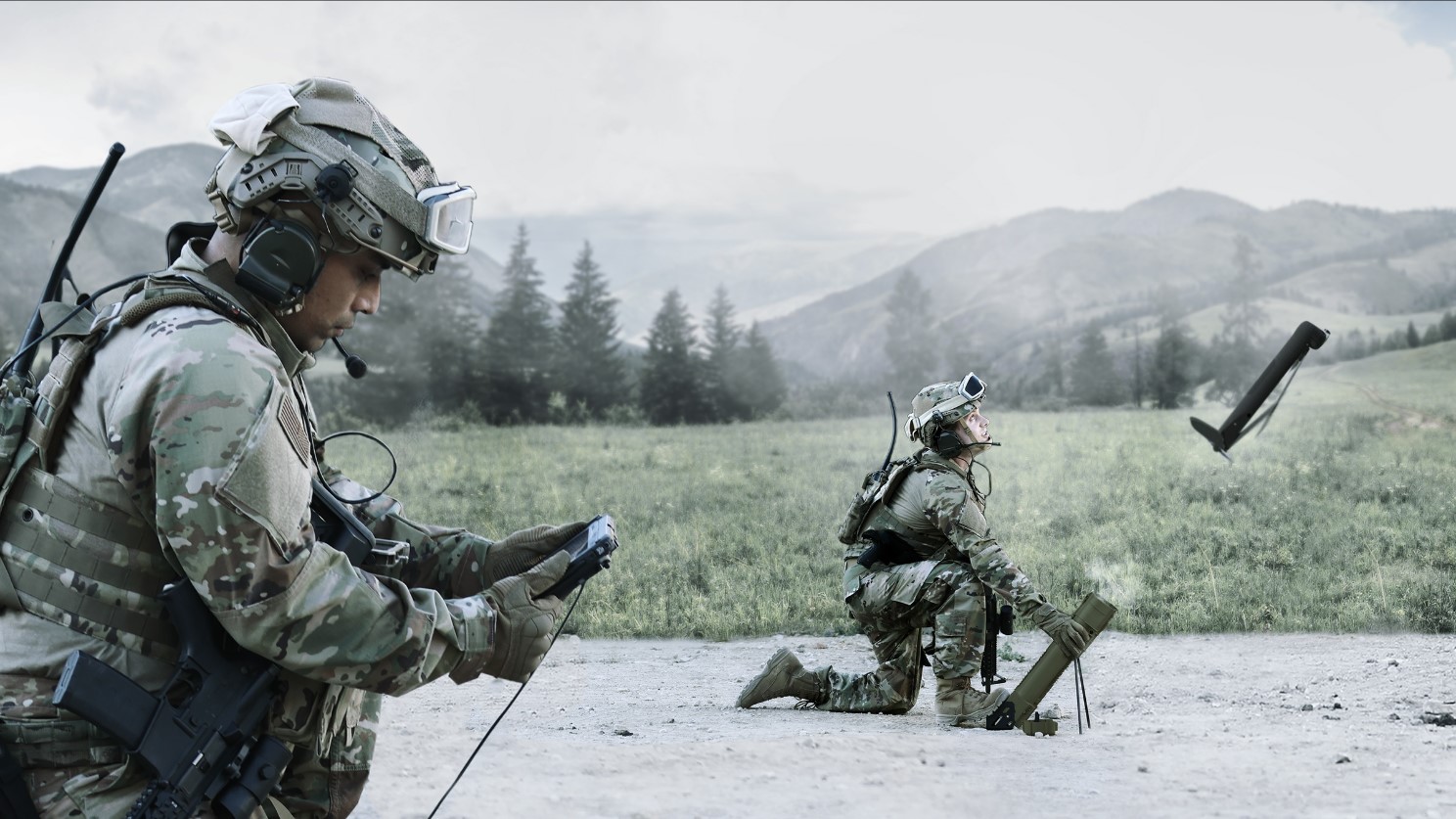
U.S
WASHINGTON, D.C. — The U.S. State Department has approved a potential Foreign Military Sale (FMS) to Greece for Switchblade 300 Block 20 Lethal Miniature Aerial Missile Systems, with an estimated value of $80.1 million. The Defense Security Cooperation Agency (DSCA) formally notified the U.S. Congress of the proposed sale on July 16, 2026, allowing the process to move forward. According to the U.S. government, Greece has requested 350 Switchblade 300 Block 20 (SB300B20) systems and 35 Fire Control Systems (FCS), along with related equipment, training, spare parts, logistics support, and technical assistance. The proposed acquisition will be carried out through the U.S. Foreign Military Sales (FMS) program. The package also includes components for the Switchblade 600 system, tactical battery chargers for the Switchblade 300, smart chargers for the Switchblade 600, Selective Availability Anti-Spoofing Module (SAASM) Global Positioning System equipment, field service representative support, engineering assistance, operator training, and U.S. government and contractor technical and logistics support. AeroVironment Inc., based in Simi Valley, California, will serve as the principal contractor for the proposed sale. Switchblade 300 Block 20 Capabilities The Switchblade 300 Block 20 is a lightweight, tube-launched loitering munition designed for use by small ground units. Compact enough to be carried in a soldier's backpack, the system can be deployed quickly to engage personnel, light vehicles, and other tactical targets. The Block 20 variant offers more than 20 minutes of endurance and an operational range of up to 30 kilometers when used with an extended-range antenna. It is equipped with high-resolution electro-optical and infrared (EO/IR) sensors, allowing operators to receive live video and identify targets before engagement. The system supports modular warheads, including fragmentation and Explosively Formed Penetrator (EFP) options, enabling it to engage different target types. It also features a wave-off capability, allowing operators to abort an attack before impact if the tactical situation changes or non-combatants are detected. U.S. Assessment According to the State Department, the proposed sale supports U.S. foreign policy and national security objectives by strengthening the defense capabilities of Greece, a NATO ally, and contributing to stability in Europe. U.S. officials said the acquisition will improve Greece's ability to address current and future threats, participate in coalition operations, and increase interoperability with U.S. and allied forces. The department also stated that Greece is expected to integrate the systems into its armed forces without difficulty. The U.S. government further noted that the proposed transfer will not alter the basic military balance in the region, will not require additional U.S. government or contractor personnel to be assigned to Greece, and will not affect U.S. defense readiness. Officials also said they are not aware of any offset agreements associated with the proposed sale. Next Steps State Department approval does not finalize the transaction. The approval authorizes the U.S. government to proceed with negotiations toward a Letter of Offer and Acceptance (LOA) between the United States and Greece. The final value of the agreement, delivery schedule, and other contractual terms will be determined during those negotiations. The proposed purchase is part of Greece's ongoing effort to modernize its armed forces with advanced precision-strike and unmanned systems. The Switchblade family of loitering munitions has been used in multiple conflicts in recent years and is widely recognized for its portability, precision, and ability to provide small units with rapid tactical strike capability. Source : state.gov
Read More → Posted on 2026-07-18 14:51:03
World
GUANGZHOU — China is advancing construction of what appears to be the world's largest naval replenishment ship, according to recent satellite imagery and defense analysis. The vessel, under construction at Longxue Island near Guangzhou, is significantly larger than China's existing fleet support ships and is expected to strengthen the People's Liberation Army Navy (PLAN) ability to sustain long-range naval operations. The ship is being built at the CSSC Offshore and Marine Engineering Company (COMEC) shipyard, a subsidiary of the China State Shipbuilding Corporation (CSSC). The facility, formerly known as Guangzhou Shipyard International (GSI), has traditionally focused on commercial shipbuilding but has increasingly taken on military and dual-use naval projects in recent years. 🔎🇨🇳PLAN Amphibious Ambition: China’s Dual Paths to Cross-Strait Dominance Visible▶️PLAN Power Check: Imagery (Sept 29) from Longxue Island's COMEC Shipyard shows two strategic tracks for amphibious lift: continued production of logistics assets and high-tech combat… pic.twitter.com/VUUH96OTkO — MT Anderson (@MT_Anderson) October 10, 2025 Largest Replenishment Ship Under Construction Satellite imagery from Planet Labs and assessments by defense analysts indicate that the vessel measures approximately 271 meters (885 feet) in length and 37 meters (121 feet) in beam, making it substantially larger than China's current Type 901 fast combat support ships. Based on its dimensions, analysts estimate the vessel's displacement could range between 60,000 and 70,000 tons, although official specifications have not been released. The ship's overall design closely resembles an enlarged version of the Type 901. Visible features include a forward superstructure with bridge wings and a mast, a separate stern superstructure with exhaust stacks, multiple midship replenishment stations for transferring fuel and cargo at sea, and a large stern flight deck with an integrated helicopter hangar for vertical replenishment operations. A photograph released by CSSC in May 2026 showed the vessel's stern section with a large hangar featuring two openings. Satellite imagery captured on July 2, 2026, confirmed continued construction progress and revealed additional openings on the starboard side of the stern superstructure that may provide access for small boats or crew movement. Open-source naval observers tracking the project have also reported that the flooded dry dock and the vessel's position alongside the berth indicate the ship was likely launched by mid-July 2026, with outfitting work expected to continue. Built to Support Carrier Strike Groups The new replenishment ship is expected to become a key logistics platform for the PLAN's growing blue-water fleet. China currently operates two Type 901 fast combat support ships ' Hulunhu and Chaganhu ' along with several Type 903 and Type 903A replenishment vessels. These ships provide fuel, aviation fuel, ammunition, food, spare parts, and other supplies to naval task groups while underway. The larger size of the new vessel suggests it will carry significantly greater quantities of fuel, dry stores, ammunition, and other supplies, allowing Chinese carrier strike groups to remain deployed for longer periods without returning to port. This capability is particularly important for China's conventionally powered aircraft carriers, including Liaoning and Shandong, whose propulsion systems, embarked aircraft, and escort ships require continuous resupply during extended operations. The ship is also expected to support large amphibious assault vessels such as the Type 075 and the newer Type 076, both of which require substantial logistical support during long-distance deployments. Shipyard Expands Military Construction COMEC has historically built commercial vessels, including oil tankers, liquefied natural gas (LNG) carriers, semi-submersible heavy-lift ships, and offshore wind construction platforms. In recent years, however, the shipyard has expanded into specialized military and dual-use projects. Previous construction work has included a stealth trimaran drone ship, modular jack-up barges designed for amphibious operations, a research vessel with carrier-like characteristics, and domestically produced Zubr-class heavy hovercraft. The new replenishment ship represents one of the shipyard's most significant naval logistics projects to date. Design Focused on Logistics Defense intelligence firm Janes has described the vessel as a scaled-up evolution of the Type 901 design. According to the firm's assessment, the ship features a broad, slab-sided hull with a large midsection optimized for carrying high volumes of fuel, ammunition, and supplies rather than maximizing speed. The visible refueling gantries positioned along both sides of the hull indicate it is designed to conduct underway replenishment of multiple vessels. The vessel's final propulsion system, defensive armament, and full technical specifications have not been disclosed. Its predecessor, the Type 901, is equipped with four 30mm H/PJ-13 Gatling-type close-in weapon systems for self-defense. Importance of At-Sea Replenishment Modern naval operations depend heavily on replenishment ships to sustain deployments far from home ports. While aircraft carriers and warships can remain at sea for extended periods, they require regular deliveries of fuel, aviation fuel, ammunition, food, spare parts, and other supplies. The importance of this capability has also been highlighted during recent U.S. Navy operations in the Middle East. Although U.S. aircraft carriers are nuclear-powered, their escort ships and embarked aircraft still require conventional fuel and logistical support. During the Navy League's Sea-Air-Space exposition in April 2026, Robert Hein, Director of Maritime Operations for the U.S. Navy's Military Sealift Command, said logistical operations had become more challenging after traditional regional refueling options became less accessible, leading the service to establish continuous tanker rotations to keep deployed warships supplied. The U.S. Navy has also acknowledged that its warships currently cannot reload vertical launch system (VLS) missiles while underway, requiring ships to leave operational areas and return to secure ports for rearming. Expanding China's Blue-Water Logistics Construction of the new replenishment ship reflects China's continued investment in naval logistics as it expands carrier operations and long-range deployments. China has also been developing overseas port access and logistics facilities, although it still operates a much smaller overseas support network than the United States. A larger replenishment fleet allows the PLAN to reduce dependence on foreign ports by providing fuel, supplies, and ammunition directly at sea. Construction of the vessel has progressed rapidly throughout 2026, with major hull sections added between March and May before launch preparations. If outfitting and sea trials proceed as expected, defense analysts assess the ship could enter PLAN service between 2027 and 2028, providing China with its largest and most capable fleet replenishment vessel to date. Source : TWZ
Read More → Posted on 2026-07-18 15:18:09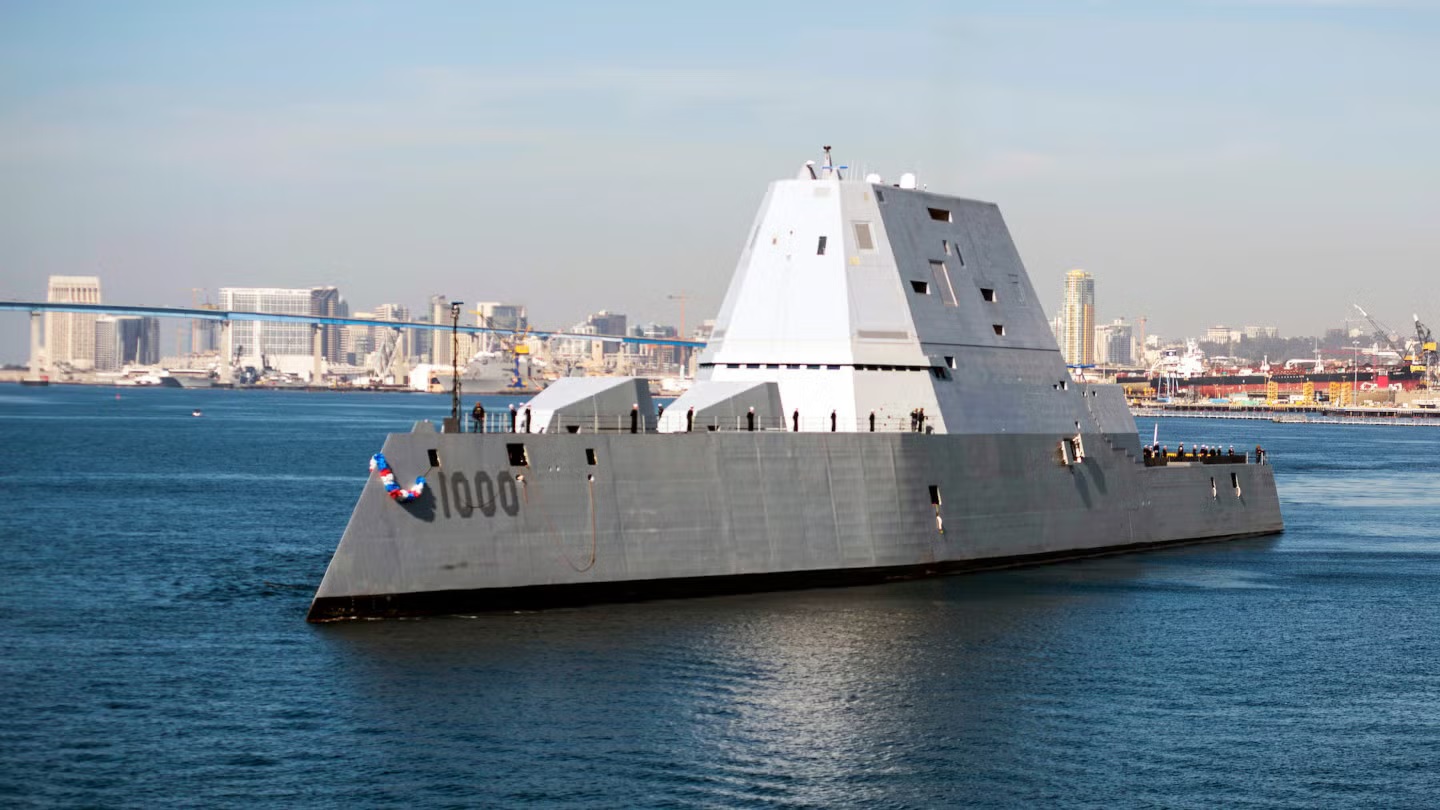
U.S
WASHINGTON — The U.S. Navy's effort to equip its three Zumwalt-class stealth destroyers with the Conventional Prompt Strike (CPS) hypersonic missile has fallen about 24 months behind schedule, according to a July 2026 report by the Government Accountability Office (GAO). The delay has been attributed to complex ship system issues, unexpected shipyard work, and production challenges affecting both the ships and the missiles. The modernization is centered on USS Zumwalt (DDG-1000), which is set to become the Navy's first surface combatant capable of launching the CPS hypersonic weapon. The ship was originally expected to return to service with its new capability by September 2025, but that timeline has slipped to late 2026. As a result, the first live at-sea launch of the missile from the destroyer has been delayed from 2025 to 2027. Extensive Modernization Underway The upgrade program, known as the Build Yard Modernization Period (BYMP), involves major structural and system changes to the ship. The most significant modification is the removal of the ship's two 155mm Advanced Gun Systems (AGS), which are being replaced with four 87-inch vertical launch tubes. Each launcher will carry three Conventional Prompt Strike missiles, giving USS Zumwalt a total capacity of 12 hypersonic missiles. The modernization also includes converting ballast tanks into fuel tanks to increase operational range, upgrading software, improving crew accommodations, and carrying out reliability improvements across multiple ship systems. Work on USS Zumwalt began in 2023 at Huntington Ingalls Industries' Ingalls Shipbuilding in Pascagoula, Mississippi. The destroyer completed builder's sea trials in January 2026 after leaving dry dock in December 2024. By January 2026, the modernization was reported to be 94% complete, although progress slowed because of additional work that had not been anticipated. Integrated Power System Caused Additional Delays According to the GAO, one of the biggest challenges emerged during the first complete shutdown and restart of the ship's Integrated Power System (IPS) since the Navy accepted the vessel. The IPS is an integrated electric propulsion system powered by gas turbines and generators capable of producing up to 78 megawatts of electricity. The system supplies power for both propulsion and the ship's advanced sensors while providing substantial reserve electrical capacity for future technologies. During modernization, equipment failures within the complex electrical system created delays. Engineers also discovered that significantly more electrical cabling in the forward section of the ship had to be removed and replaced than originally expected to install the new missile launchers. To support the additional work, the Navy modified its contract with Huntington Ingalls Industries in August 2025, adding approximately 230,000 labor hours at an additional cost of $20 million. Upgrade Costs Continue to Increase The cost of modernizing the three Zumwalt-class destroyers has also risen. According to the GAO, estimated modernization costs have increased from $1.8 billion to more than $2 billion for the three ships: USS Zumwalt (DDG-1000) USS Michael Monsoor (DDG-1001) USS Lyndon B. Johnson (DDG-1002) The overall DDG-1000 acquisition program now costs nearly $32 billion, averaging about $10.6 billion per ship, including research and development expenses. USS Michael Monsoor is expected to begin its modernization in February 2027 after completing fleet operations, while USS Lyndon B. Johnson, which remains under activation, is incorporating lessons learned from Zumwalt during construction. As of January 2026, its combat systems were reported to be 96% complete, mission systems 54% complete, and delivery has shifted from April 2027 to 2028. CPS Missile Production Faces Manufacturing Challenges The Conventional Prompt Strike (CPS) weapon is a boost-glide hypersonic missile jointly developed by the U.S. Navy and U.S. Army. The missile uses a rocket booster to carry an unpowered hypersonic glide vehicle to high altitude before it separates and maneuvers through the atmosphere toward its target at extremely high speed. Its speed and maneuverability are intended to make interception significantly more difficult than conventional missiles. The Army employs the same missile and glide body in its Long-Range Hypersonic Weapon (LRHW), known as Dark Eagle. While the Army launches the weapon from mobile ground launchers using a hot-launch system, the Navy will fire it from ships and future Block V Virginia-class submarines using a cold-gas launch system. Despite sharing the same missile technology, the GAO said the Department of Defense lacks a comprehensive long-term strategy to coordinate investments across its nearly $50 billion hypersonic weapons portfolio. Because the Navy and Army manage procurement separately, the watchdog said opportunities to address common production challenges are being missed. Missile Costs Increase as Production Slows The GAO also highlighted continued manufacturing problems. Prime contractor Lockheed Martin is currently producing only six to seven CPS missiles annually, well below the approximately 12 missiles per year needed to stabilize production. According to the report, production has been affected by: Labor-intensive manufacturing processes Difficulties applying heat-resistant coatings Workforce turnover Complex engineering instructions for new workers Program cost estimates have also increased significantly. Conventional Prompt Strike Program 2020 Estimate 2024 Estimate Total Lifecycle Cost $31 billion $41 billion Planned Missile Procurement 262 missiles 224 missiles Estimated Unit Cost (2026) — About $67 million per missile Land-based testing of the shared missile has recorded both successful and unsuccessful test events, leading the Navy to revise its testing schedule. The first live launch from USS Zumwalt is now planned for the third quarter of fiscal year 2027, although the GAO noted program officials consider the timeline optimistic and dependent on successful testing. Operational Limitations Remain Although the modernization will provide the Navy with its first non-nuclear surface-launched hypersonic strike capability, the GAO noted several operational limitations. Only three Zumwalt-class destroyers exist, making continuous deployment challenging. In addition, each ship will carry only 12 CPS missiles, and the launch tubes cannot be reloaded while at sea, requiring the destroyer to return to port once its missiles have been expended. The report also raised concerns about long-term sustainment. The Zumwalt class uses several proprietary systems, including the AN/SPY-3 radar and specialized computing environments that are unique within the Navy's surface fleet. These systems are increasingly expensive to support, and replacing them with more common Navy equipment could cost an additional $1 billion to $2 billion. According to the GAO, the Navy has not yet fully documented how it plans to sustain the unique destroyers throughout their expected 35-year service life, which extends into the 2050s. Despite the delays and rising costs, the modernization is expected to give the Zumwalt class a new long-range strike role and provide the U.S. Navy with a surface-based hypersonic capability using the Conventional Prompt Strike (CPS) weapon. Source : gao.gov
Read More → Posted on 2026-07-18 15:47:01
U.S
WASHINGTON — The U.S. military has completed its eighth consecutive night of strikes against Iranian military targets, following the deadly Iranian missile attack on Muwaffaq Salti Air Base in Jordan that killed two American service members on July 17. According to the U.S. Central Command (CENTCOM), the latest round of operations concluded at approximately 11:30 p.m. ET on July 18. The strikes targeted Iranian military coastal surveillance networks, air defense facilities, maritime assets, and missile and drone storage sites. CENTCOM also said the operation targeted Islamic Revolutionary Guard Corps (IRGC) personnel accused of carrying out the July 17 attacks on U.S. forces in Jordan. The command said the strikes were intended to further reduce Iran's ability to threaten U.S. and partner forces operating in the region. In its operational update, CENTCOM also highlighted the scale of the American military presence in the Middle East, stating that more than 50,000 U.S. military personnel are currently deployed across the region. "More than 50,000 U.S. men and women in uniform are operating across the Middle East. They remain highly vigilant, focused, lethal, and ready," CENTCOM said. Two U.S. Troops Killed in Jordan The latest U.S. operation came after an Iranian ballistic missile and drone attack on Muwaffaq Salti Air Base (MSAB), also known as Al-Azraq Air Base, in Jordan on July 17. CENTCOM confirmed that two U.S. service members were killed in action, while one additional service member remains missing. Four other American personnel were medically evacuated to hospitals in Jordan, where they received treatment before being discharged. Several additional service members who sustained minor injuries have since returned to duty. The identities of the deceased and the missing service member have not been released, as CENTCOM said it is withholding their names for at least 24 hours until next of kin have been notified. The deaths increase the total number of U.S. military personnel killed since the current conflict escalated on February 28 to 16. Muwaffaq Salti Air Base serves as one of the U.S. military's key operational and logistics hubs in the Middle East and hosts a significant number of American tactical aircraft. Satellite-based fire detection data from NASA's Fire Information for Resource Management System (FIRMS) detected a fire near the runway area following the attack. Videos circulating on social media also appeared to show impacts at the base. However, CENTCOM has not confirmed any damage to military equipment or infrastructure. Iranian Attacks Across the Region The exchange of strikes has expanded beyond Jordan, with Iran targeting multiple countries that host U.S. military facilities. In Kuwait, officials said Iranian ballistic missiles and drones struck a power generation and water desalination facility, causing a large fire and damaging electricity generation units. Authorities said the fire was brought under control and repair work is ongoing. The incident marked the second attack on the facility in two days. The Gulf Cooperation Council (GCC) condemned the strike on Kuwait's civilian infrastructure, describing it as a violation of international law. Iran also targeted Prince Sultan Air Base in Saudi Arabia, according to reports. In Bahrain, the Bahrain Defence Force reported intercepting incoming Iranian drones and missiles before they reached their targets. The Jordanian Armed Forces also said they intercepted at least 10 Iranian missiles that entered Jordanian airspace during the attacks. Ceasefire No Longer in Effect The latest military exchanges effectively end the temporary ceasefire established in June under the Islamabad Memorandum of Understanding (MoU). Iranian Deputy Foreign Minister Kazem Qaribabadi announced that Tehran has suspended its commitments under the agreement, citing ongoing U.S. military operations. Iran's Supreme Leader Mojtaba Khamenei also accused the United States of violating the understanding and said the previous diplomatic framework no longer held credibility. Meanwhile, senior Iranian military adviser Major General Mohsen Rezaei warned through Iranian state media that Tehran could move beyond proportional retaliation and launch broader offensive military operations if U.S. strikes continue. Ongoing U.S. Operations CENTCOM said recent operations have focused on degrading Iran's military capabilities by targeting coastal surveillance systems, command networks, air defense sites, missile and drone infrastructure, maritime assets, and other military facilities. The command said U.S. forces remain prepared to conduct further operations as directed while continuing to protect American personnel, partner forces, and regional security interests across the Middle East.
Read More → Posted on 2026-07-19 10:20:31
World
MIKHAILOVSK, Russia — Ukrainian Defense Forces launched coordinated drone strikes against three oil storage facilities in Russia's Stavropol Krai during the night of July 18–19, targeting fuel infrastructure located about 600 kilometers from the Ukrainian border, according to Ukrainian and Russian reports. The operation was carried out by the Security Service of Ukraine (SBU) and focused on oil depots in and around the city of Mikhailovsk. According to the independent Russian Telegram channel Astra, local residents reported hearing gunfire and drones flying overhead before a large explosion and a fire broke out at one of the targeted facilities. Photos and videos shared online showed flames rising from the industrial area. Stavropol Krai Governor Vladimir Vladimirov confirmed that emergency services responded to the incident. He said firefighters were dealing with two separate fire hotspots in the industrial zone of the Vyazniki settlement, along with a third fire in the northern part of the city of Stavropol. He added that flammable materials were detonating at the affected industrial facilities as crews worked to contain the fires. Open-source intelligence (OSINT) analysis conducted by Astra, using publicly available photos, videos, and location data, identified the affected sites as several major fuel storage depots. One of the facilities in the village of Vyazniki is owned by Russia's state-controlled oil company Rosneft. A second fire was reported at an industrial site located at 1 Promyslovaya Street, where the companies Korona and MK-Nefteprodukt operate. The analysis also indicated that the Stavropol oil depot at 19 Kolomiytseva Street, operated by LUKOIL-Yugnefteprodukt LLC, was among the facilities hit. According to publicly available information, the LUKOIL-operated depot is a major fuel logistics hub. It contains 42 storage tanks with a combined capacity of approximately 57,600 cubic meters and is used for the receipt, storage, and distribution of automotive gasoline, diesel fuel, and lubricants. The latest strike marks the third reported Ukrainian drone attack on the LUKOIL-Yugnefteprodukt facility within the past two weeks. The depot was first targeted on July 9, followed by another strike on the night of July 13, which also caused a fire at the site. The SBU has previously stated that repeated attacks on Russian fuel infrastructure are intended to disrupt fuel supplies supporting Russian military operations and reduce oil revenues that finance the country's war effort. In a separate incident reported by the Ukrainian military outlet Militarnyi, Ukrainian strike drones also hit an oil depot in Noginsk, in Russia's Moscow region. The facility reportedly contains 24 storage tanks with a combined storage capacity of approximately 11,500 cubic meters. The attacks on fuel infrastructure coincided with Ukrainian maritime operations in the Black Sea. On the same day, the SBU said its "Mamai" maritime drone struck the Avero, a Suezmax-class tanker that Ukraine says is part of Russia's so-called "shadow fleet." According to the SBU, the vessel was transporting crude oil to countries including China and India in violation of international oil embargo restrictions. Russian authorities confirmed the fires and the deployment of emergency response teams but did not provide detailed information on the extent of the damage or the operational impact of the strikes. Firefighting operations were continuing at the affected facilities.
Read More → Posted on 2026-07-19 10:41:44 Russian Scientists Develop Bacteria-Based ‘Biocement’ Technology to Strengthen Arctic Infrastructure
Space & Technology
MOSCOW — Researchers at Russia's Far Eastern Federal University (FEFU) have developed a bacteria-based soil stabilization technology that converts loose sand into a solid, stone-like material, offering a new approach to building roads, pipelines, and industrial infrastructure in the Russian Arctic. The technology is based on Microbial-Induced Calcite Precipitation (MICP), also known as biocementation, a process that uses naturally occurring bacteria to produce calcium carbonate (calcite)—the mineral found in limestone, chalk, and seashells. The calcite binds sand grains together, creating a strong, load-bearing foundation without using conventional cement-based materials. How the Technology Works Scientists isolate naturally occurring bacteria from coastal soils and combine them with a specially prepared nutrient solution before applying the mixture to sandy ground. As the bacteria consume nutrients, they trigger a biochemical reaction that forms calcium carbonate crystals. These crystals fill the gaps between sand particles and act as a natural cement, binding the grains into a dense, stone-like structure. Researchers say the level of soil strengthening can be adjusted by controlling factors such as bacterial concentration, nutrient supply, and treatment time, allowing the process to be adapted for different engineering needs. Addressing Arctic Construction Challenges The Russian Arctic presents significant construction challenges because repeated freeze-thaw cycles can weaken road foundations and damage pipelines and industrial infrastructure. Conventional asphalt and concrete surfaces often crack, shift, or deform under these conditions. Laboratory tests have shown that soil treated through the MICP process gains higher mechanical strength and improved resistance to water erosion, creating a more stable foundation for infrastructure. The method could be used beneath roads, railways, pipelines, storage facilities, industrial platforms, and other structures built on sandy ground. Environmental Benefits Researchers say the biological approach offers environmental advantages over traditional soil stabilization methods. Unlike conventional cement production and some chemical grouting techniques, the process uses naturally occurring microorganisms and does not produce harmful by-products during soil strengthening. The technology may also help clean contaminated sites. According to the researchers, the bacteria can bind heavy metals and radioactive elements by converting them into water-insoluble mineral forms, helping reduce the movement of pollutants through soil and groundwater. Potential Applications The technology could support infrastructure projects in remote Arctic regions, including oil and gas operations, by reinforcing foundations for wells, pipelines, processing facilities, and transport infrastructure. Using locally available sandy soils may also reduce the need to transport large volumes of conventional construction materials to isolated locations. MICP has been studied internationally for applications such as soil stabilization, erosion control, foundation improvement, and concrete crack repair. The FEFU research focuses on adapting the technology for Arctic conditions, where stable ground is critical for long-term infrastructure performance. Scientists continue laboratory and field testing to evaluate the long-term durability of the treated soil under Arctic conditions. If larger-scale trials are successful, the technology could provide a more sustainable option for strengthening infrastructure in northern regions.
Read More → Posted on 2026-07-19 10:52:56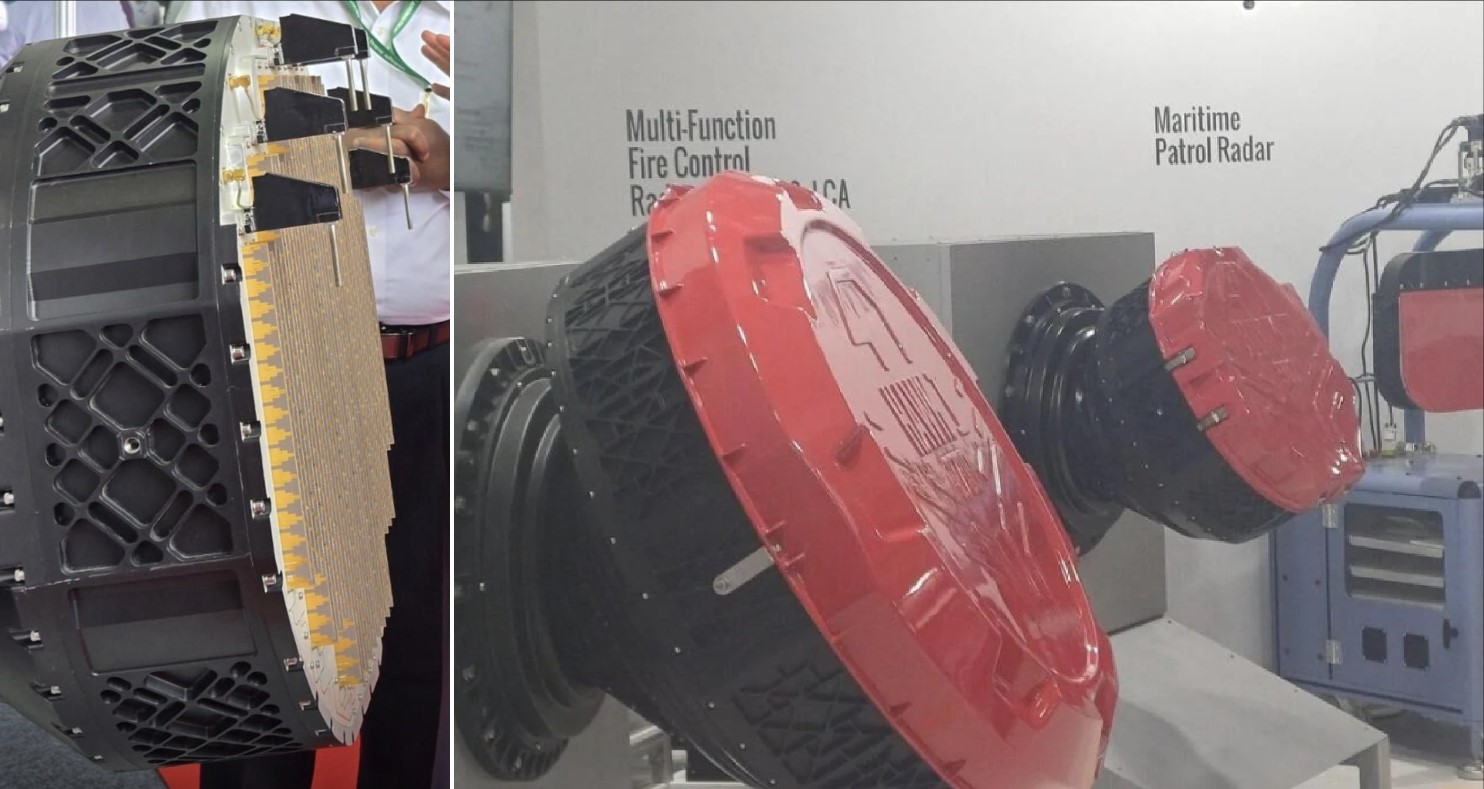
India
NEW DELHI — Chennai-based defence technology company Data Patterns has unveiled the Hawk-I 900, an indigenous Gallium Nitride (GaN)-based Active Electronically Scanned Array (AESA) radar prototype designed for lightweight fighter aircraft. The radar is intended for integration into the Indian Air Force's MiG-29UPG, the Indian Navy's MiG-29K, and future upgrades of the LCA Tejas Mk1. The Hawk-I 900 expands India's indigenous fighter radar portfolio and is being developed as a modern replacement for ageing imported radar systems used on legacy fighter aircraft. Designed for Multi-Role Operations The Hawk-I 900 is an X-band AESA radar equipped with approximately 876 Transmit/Receive Modules (TRMs). According to Data Patterns, it can detect fighter-sized targets at ranges exceeding 150–200 kilometres, while simultaneously tracking and engaging more than 20 targets. The radar supports air-to-air, air-to-surface, and maritime missions and is designed for all-weather operations. It also incorporates a swashplate mechanical repositioner, combining mechanical and electronic steering to provide wider scanning coverage. Data Patterns has positioned the Hawk-I 900 as a plug-and-play replacement for the Russian-origin Zhuk-ME radar used on India's MiG-29UPG and MiG-29K fleets. The older radar has faced reported reliability issues, including overheating, lower mean time between failures (MTBF), and reduced performance in hot and humid maritime conditions. GaN Technology The Hawk-I 900 uses Gallium Nitride (GaN) semiconductor technology instead of the older Gallium Arsenide (GaAs) technology found in many legacy radar systems. GaN technology enables higher power output from each Transmit/Receive Module (TRM), improving detection range and target resolution. It also offers better thermal management, allowing the radar to operate more efficiently under demanding conditions while requiring less cooling. In addition, the radar is designed with Low Probability of Intercept (LPI) capability, advanced frequency hopping, and improved resistance to electronic jamming. As an AESA radar, it also eliminates mechanically moving antenna components, improving reliability and reducing maintenance requirements. Part of a Broader Indigenous Radar Family The Hawk-I 900 has been developed alongside the larger Hawk-I 2700 AESA radar, which features approximately 2,400–2,700 TRMs and a reported detection range of around 350 kilometres. The larger system is being positioned for the Indian Air Force's Su-30MKI Super Sukhoi upgrade programme. Together, the two radars provide indigenous AESA solutions for both lightweight and heavy fighter aircraft, supporting India's efforts to expand domestic defence manufacturing and reduce dependence on imported combat sensors. The Hawk-I 900 is also being considered as a domestic radar option for future LCA Tejas Mk1 upgrades alongside the DRDO Uttam AESA radar. Ground Testing Completed Data Patterns has completed ground testing of the Hawk-I series, including evaluations of signal processing, thermal management, and electromagnetic compatibility. The company has requested aircraft from the Indian armed forces, including a MiG-29K, to begin airborne trials. These flight tests will assess the radar's performance during real-world operations, including high-G manoeuvres. According to industry estimates, an indigenous radar solution could reduce fighter upgrade costs by 30–40% compared with imported alternatives while reducing dependence on foreign spare parts. If flight testing is successful, the Hawk-I 900 could support the continued modernisation of India's MiG-29 fleet and strengthen indigenous capabilities in airborne radar technology.
Read More → Posted on 2026-07-19 11:03:34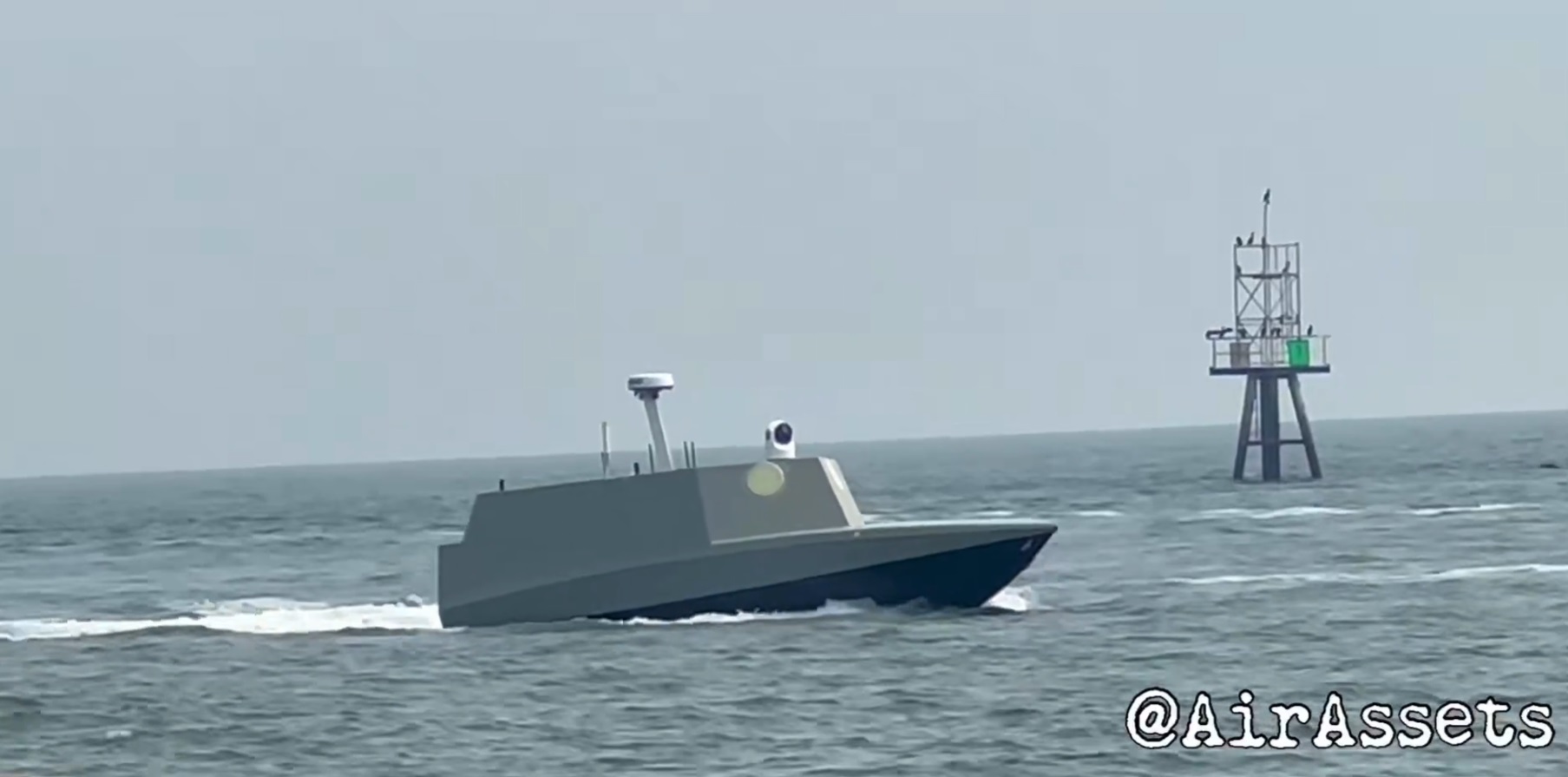
U.S
VIRGINIA BEACH, Va., July 19, 2026 — An unidentified uncrewed surface vessel (USV) was recently spotted departing Naval Amphibious Base Little Creek under the escort of a U.S. Navy security boat. Images shared by the open-source military tracking account Aviation and Naval Assets show a vessel that does not match any publicly known U.S. Navy unmanned surface vessel currently in service. The sighting, reported on July 18 or 19, occurred as the vessel departed the Virginia Beach installation, which serves as the home of the U.S. Navy's Atlantic Fleet amphibious forces and a major center for Naval Special Warfare training. The base's focus on amphibious and special operations makes it a logical location for testing emerging maritime technologies. Vessel Equipped With Multiple Sensors Published images indicate the vessel carries a commercial marine radar similar to Simrad navigation systems used for navigation and collision avoidance. It is also fitted with a rotating electro-optical turret combining daylight and thermal imaging cameras for surveillance and navigation in low-visibility conditions. Hull-mounted mesh networking antennas are visible, allowing unmanned platforms to exchange data directly with one another during coordinated operations. According to Aviation and Naval Assets, the vessel also appears to carry two synthetic aperture radar (SAR) antennas mounted at the rear. SAR technology creates high-resolution images by combining radar data collected while the platform is moving, enabling detailed surface mapping, target identification, and detection of objects in complex maritime environments. At the front, the vessel appears to feature millimeter-wave radar or collision-avoidance sensors to help it safely navigate around other vessels, buoys, and floating debris during autonomous operations. The rear deck includes a structure resembling a landing or deployment platform. While its purpose has not been confirmed, it could support the launch and recovery of smaller payloads such as aerial drones, underwater inspection systems, or other mission equipment. Navy Has Not Identified the Platform The U.S. Navy has not publicly identified the vessel, its manufacturer, or the program it belongs to, which is common during the early stages of prototype testing. The sighting comes as the Navy advances its Medium Unmanned Surface Vessel (MUSV) program. In late May 2026, the service awarded $15 million contracts to Sea Machines, Leidos, Saronic Technologies, Galliano Marine Services, PacMar Technologies, Birdon, and Huntington Ingalls Industries to develop prototype vessels. Sea trials began in June and will continue through October 2026. Each prototype is required to autonomously travel 2,500 nautical miles while carrying a 25-ton payload. The Navy plans to procure 81 MUSVs by fiscal year 2031, although it remains unclear whether the vessel seen at Little Creek is part of the MUSV competition, a Naval Special Warfare project, or another testing program. Autonomous Maritime Programs Continue to Expand The U.S. Navy is increasing the use of uncrewed surface vessels for missions including surveillance, intelligence collection, maritime monitoring, and fleet support. Recent examples include the Saildrone Surveyor, which expanded its role during the RIMPAC exercise, and Textron Systems' TSUNAMI family of USVs, demonstrated during the Navy's Fleet Experimentation (FLEX) event in May 2026 and currently used for missions such as counter-narcotics and search-and-rescue operations. Autonomous naval technology is also advancing internationally. In March 2026, China demonstrated a swarm of L30 uncrewed surface vessels near Zhuhai, highlighting the continued global development of autonomous maritime systems. The U.S. Navy has not released additional information about the unidentified vessel, and its role remains unknown. However, the sighting reflects ongoing efforts to evaluate new autonomous technologies for future naval operations.
Read More → Posted on 2026-07-19 11:14:59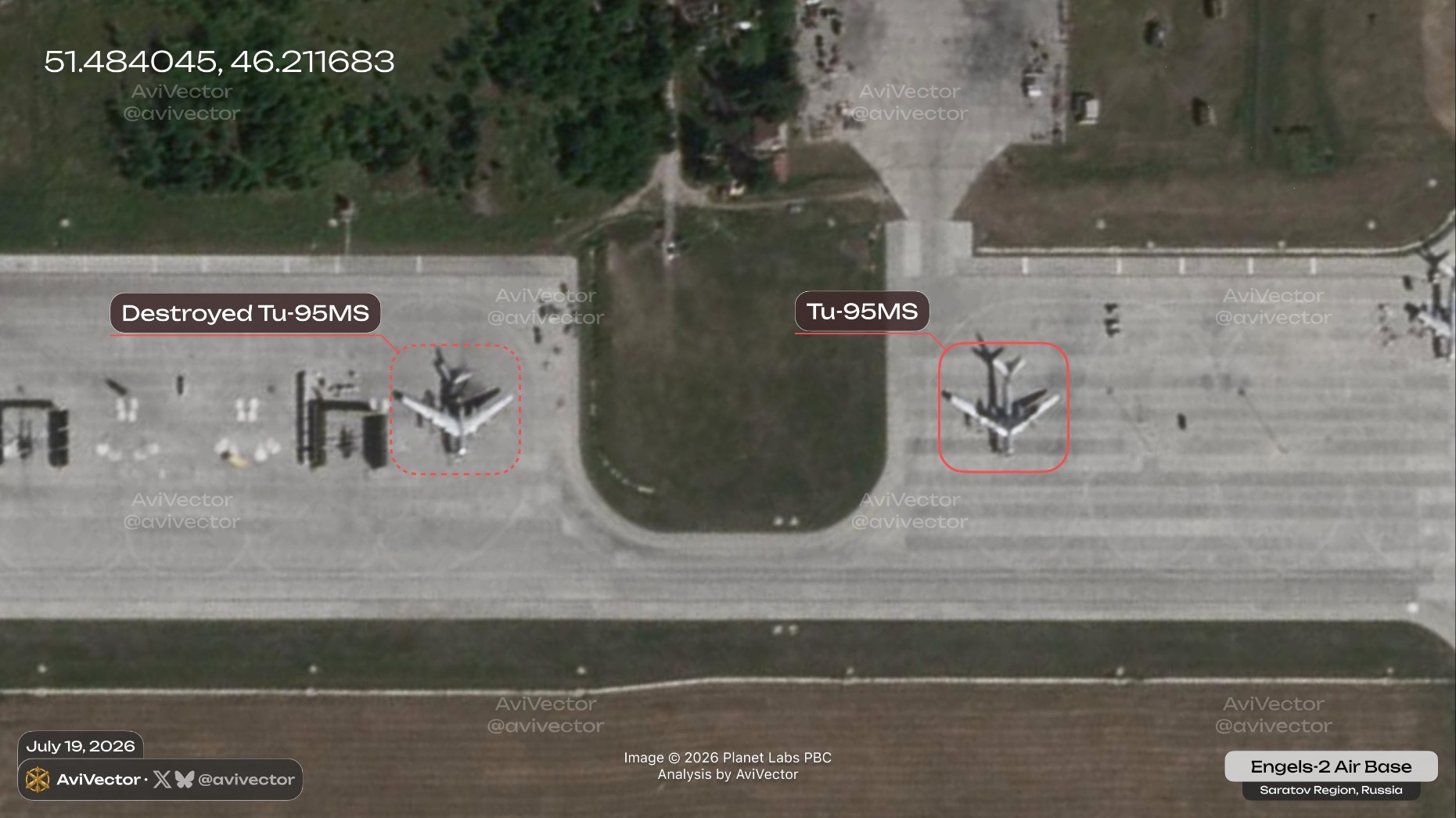
World
SARATOV REGION, Russia — Commercial satellite imagery released on Saturday appears to confirm the destruction of a Russian Tu-95MS strategic bomber at Engels-2 Air Base following a Ukrainian drone strike carried out earlier this week. The images, published by open-source intelligence group AviVector using Planet Labs satellite imagery, show a Tu-95MS bomber on the tarmac with severe structural damage. The aircraft's tail section appears to have been completely separated from the fuselage, while damage extends into the internal weapons bay. 🔻 Satellite images of 🇷🇺 Engels-2 Air Base as of July 19, 05:10 UTCOn the night of July 16, the Security Service of Ukraine destroyed a Tu-95MS strategic bomber at Engels-2 Air Base.Two Tu-95MS were at Engels Air Base for a long period of time and conducted rotations,… pic.twitter.com/60707jLmGj — AviVector (@avivector) July 19, 2026 According to AviVector and analysis by investigative project Skhemy, part of Radio Free Europe/Radio Liberty, the drone strike triggered a fire that destroyed the rear section of the aircraft. Analysts assessed that the extent of the damage makes the bomber beyond repair. AviVector also noted that two Tu-95MS bombers had been stationed at Engels-2 for an extended period for routine maintenance, crew rotations, and training. Drone Strike Reported on July 16 The attack took place in the early hours of July 16. Saratov Region Governor Roman Busargin reported a drone threat at approximately 1:47 a.m. local time. Around 2:30 a.m., residents began reporting explosions and multiple drones over the area on social media, followed by a large fire at the Engels-2 military airfield. On July 17, Ukrainian President Volodymyr Zelenskyy said the operation was carried out by the Security Service of Ukraine (SBU). He stated that Engels-2 Air Base, located about 800 kilometers from the Ukrainian border, is one of Russia's main bases used to launch long-range cruise missile attacks against Ukrainian cities. The SBU also said its drones traveled approximately 800 kilometers to reach the target. If confirmed, the satellite imagery would provide the first independent visual evidence indicating the destruction of an aircraft rather than damage limited to airfield infrastructure. Importance of the Tu-95MS Fleet The Tu-95MS is a modernized version of the Soviet-era Tu-95 strategic bomber and is used to carry Kh-101, Kh-555, and Kh-55 long-range cruise missiles. Although the original Tu-95 first flew in 1952, the Tu-95MS variant remains one of Russia's primary long-range missile carriers. Production of new Tu-95 aircraft ended in August 1992, meaning destroyed airframes cannot be directly replaced. Some aircraft have since been upgraded to the Tu-95MSM standard with improved engines, navigation systems, and increased missile-carrying capability. Before the latest strike, Russia was reported to operate around 31 Tu-95MS bombers and 27 Tu-95MSM aircraft. Open-source monitoring project Oryx, which documents equipment losses based on photographic evidence, has previously recorded at least 10 Tu-95MS losses since the start of the full-scale war, most of them while parked at Russian air bases. The Engels incident had not yet been added to its verified count at the time of publication. Engels-2 Remains a Key Strategic Air Base Engels-2 Air Base hosts Russia's 184th Heavy Bomber Aviation Regiment and the 121st Guards Heavy Bomber Aviation Regiment, making it one of the country's most important bases for long-range aviation. Following previous Ukrainian drone attacks, Russia strengthened defenses at the base by constructing at least 17 hardened aircraft shelters designed for the large Tu-95 and Tu-160 bombers. Ground crews also painted two-dimensional aircraft decoys on the tarmac in an effort to complicate drone targeting and satellite observation. Despite these protective measures, the July 16 strike appears to have successfully reached the airfield. Bombers Relocated to Russia's Far East The attack follows a series of Ukrainian long-range operations targeting Russia's strategic aviation fleet. After earlier attacks, including Operation Spiderweb in June 2025, Russian military commanders relocated a number of strategic bombers to Ukrainka Air Base in Russia's Far East to reduce their exposure to Ukrainian drone strikes. Operating bombers from the Far East significantly increases mission distances. A Tu-95MS based at Ukrainka must fly roughly 7,000 kilometers to reach the launch area near Saratov before returning approximately 5,400 kilometers, resulting in a round trip of up to 12,400 kilometers and nearly 23 hours of flight time. While relocating aircraft reduces the risk of attacks on the ground, the longer missions increase fuel consumption, maintenance requirements, airframe wear, and the workload on flight crews. The newly released satellite imagery provides additional visual evidence supporting Ukrainian claims that a Tu-95MS bomber was destroyed during the July 16 strike. Further independent analysis and any future official statements may provide additional confirmation regarding the full extent of the damage.
Read More → Posted on 2026-07-19 14:22:47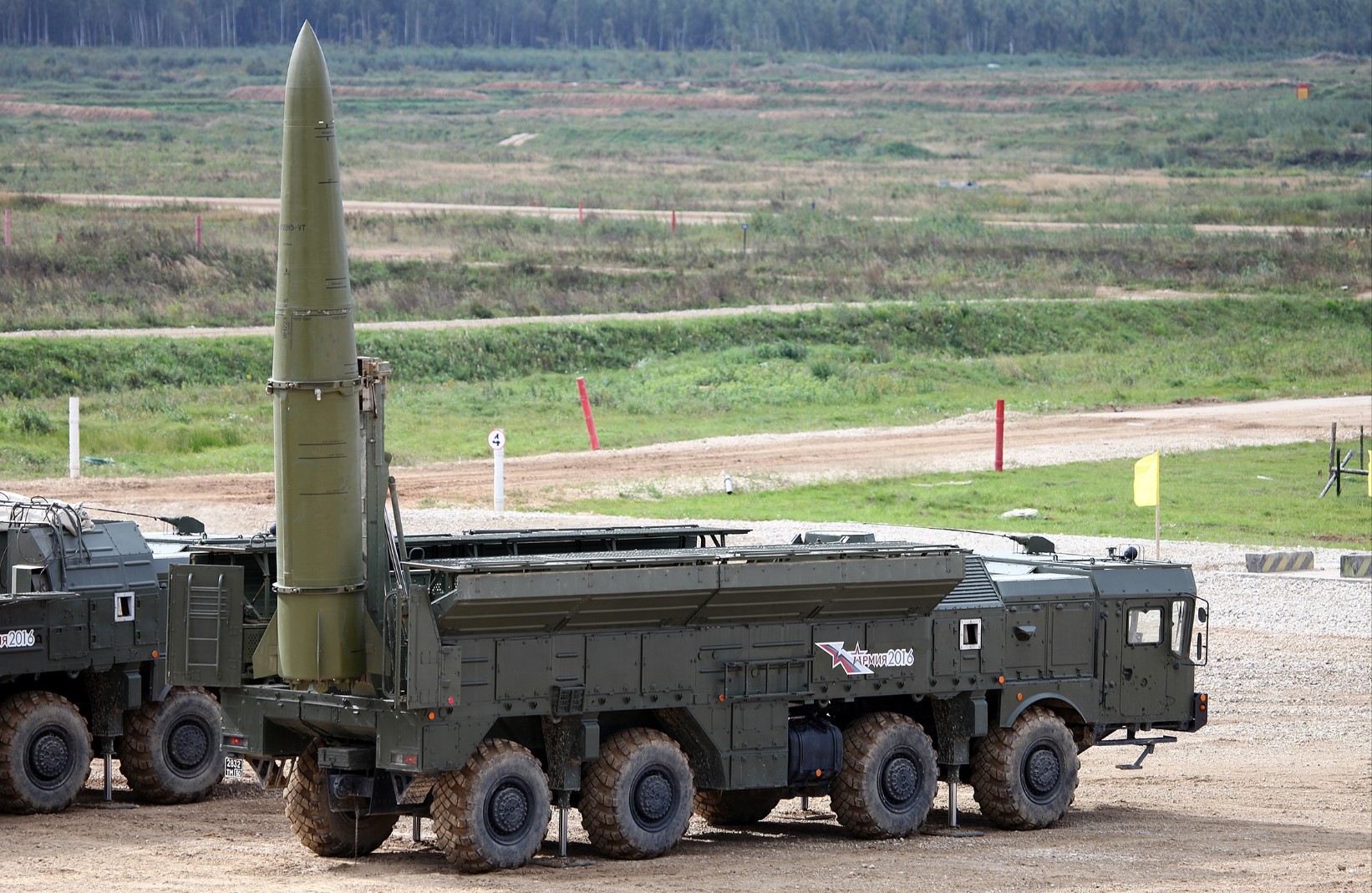
World
KYIV — Russian forces have launched more ballistic missiles during the first 19 days of July than the country's defense industry is estimated to produce in an entire month, according to an analysis by Ukrainian defense outlet Militarnyi based on reports from the Ukrainian Air Force and regional air commands. The analysis indicates that Russia has also used about two-thirds of its planned annual production of the 3M22 Zircon missile in less than three weeks, highlighting the high pace of missile strikes against Ukraine during July. Missile Usage Exceeds Monthly Production According to the analysis, Russian forces launched 107 ballistic missiles and 20 3M22 Zircon missiles between July 1 and July 19. The total includes the large-scale overnight attack on Kyiv on July 19, during which Iskander, Zircon, and RM-48U ballistic missiles were reportedly used, based on Monitorwar tracking data. The launch rate marks a noticeable increase compared with June. During the entire month of June 2026, Russia fired 102 Iskander-M and S-400 ballistic missiles, along with two Kh-47M2 Kinzhal missiles and 15 Zircon missiles. The Defense Intelligence of Ukraine (DIU) estimates that Russia's defense industry manufactures around 100 ballistic missiles per month, including approximately 60 9M723 missiles for the Iskander-M system and 40 RM-48U missiles for the S-400 system. With 107 ballistic missiles launched in the first 19 days of July, Russian missile usage has already exceeded its estimated monthly production capacity. Zircon Missile Use Reaches Two-Thirds of Annual Production Plan The pace of Zircon missile use has also drawn attention. According to DIU estimates cited by Militarnyi, Russia plans to manufacture 30 Zircon missiles during 2026. By launching 20 Zircon missiles since the beginning of July, Russian forces have already used roughly 67% of the planned annual production. The figures suggest that operational use of the missile is significantly outpacing its estimated manufacturing rate. Stockpiles Remain but Some Inventories Have Declined Before the July 19 attack, DIU assessed that Russia possessed more than 100 Iskander-M (9M723) missiles, over 400 RM-48U missiles, and more than 120 Zircon missiles. Although these reserves remain substantial, some missile inventories have declined over time. DIU estimates indicate that Russia held around 200 Iskander-M missiles in December 2025, suggesting a reduction in available stock over recent months. Military analysts cited by Militarnyi say the current rate of missile use may reflect an effort to place sustained pressure on Ukraine's air defense network by conducting large, concentrated missile strikes. At the same time, continued launches at the current pace would gradually reduce missile inventories faster than they can be replaced through production. Analysis Questions Zircon's Flight Characteristics The increasing combat use of the 3M22 Zircon, which has an estimated unit cost of about $5 million, has led researchers to examine its technical characteristics more closely. Independent missile technology analyst Fabian Hinz assessed available launch footage, missile debris and other open-source information, concluding that the Zircon appears to operate as a quasi-ballistic missile rather than a scramjet-powered hypersonic cruise missile. According to Hinz, the missile uses a solid-fuel rocket engine rather than a scramjet propulsion system. He also argues that available evidence does not show the air intake that would normally be expected on a scramjet-powered hypersonic cruise missile. Instead of following a conventional ballistic trajectory, the Zircon is assessed to fly along a quasi-ballistic flight path, combining a gliding phase with atmospheric maneuvers. Further analysis by the Kyiv Scientific Research Institute of Forensic Expertise, based on recovered missile debris, suggests the Zircon travels at approximately Mach 5.5 during most of its flight, briefly accelerates, and slows to around Mach 4.5 during the terminal phase before impact. Hinz noted that hypersonic weapons represent a range of capabilities rather than a single category and that the Zircon's maneuvering characteristics continue to present a difficult target for air defense systems. Air Defense Interceptions Despite its speed and maneuverability, Ukrainian Air Force reports state that Western-supplied air defense systems, including the Patriot, have intercepted a number of Zircon missiles during the conflict. The July launch figures underline the high operational tempo of Russian long-range missile strikes while also highlighting the gap between estimated missile production and current usage. Whether Russia can sustain this level of missile expenditure over a longer period will depend on future production rates, existing stockpiles, and operational requirements. Source : militarnyi
Read More → Posted on 2026-07-19 15:16:51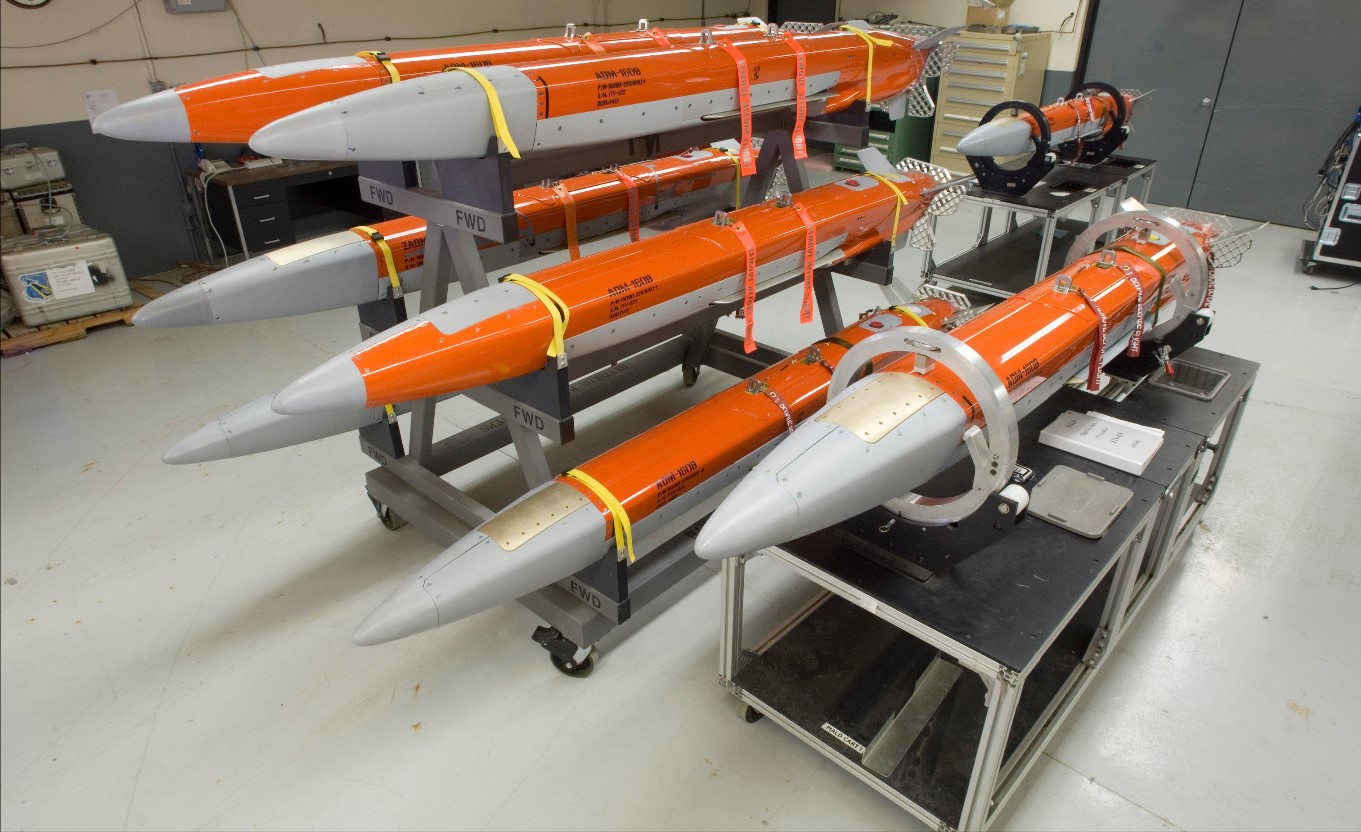
U.S
TUCSON, Arizona — Raytheon, an RTX business, is preparing to restart full-scale production of the ADM-160 Miniature Air-Launched Decoy (MALD) to meet increasing demand from the United States and NATO allies for systems designed to improve aircraft survivability in contested airspace. The company said it could begin delivering new MALD systems within two years of receiving a production contract, supported by its existing production line in Tucson, Arizona, where sustainment, assembly, and testing activities have continued, allowing for a faster production restart. The renewed effort comes as the United States and its allies seek to replenish stocks of decoy systems following lessons from recent conflicts, including the war in Ukraine, where advanced integrated air defense systems and drone threats have highlighted the need for expendable decoys to protect crewed aircraft, unmanned systems, and long-range strike weapons. Existing Production Line Supports Faster Restart Raytheon said the Tucson facility already has the tooling, manufacturing equipment, and testing infrastructure needed to resume production. “Every piece of major tooling is in place. We're not rebuilding a line; we're re-energizing it,” said Justin Jenia, Vice President of Strike Initiatives for Raytheon's Air & Space Defense Systems. According to the company, many engineers and technicians who have supported the MALD program for more than two decades remain involved in sustainment and modernization work. Raytheon has also invested internal research and development funding over the past two years to improve manufacturing efficiency and modernize production. How the MALD System Works The ADM-160 MALD is a lightweight, jet-powered, air-launched decoy designed to replicate the radar signature and flight profile of U.S. and allied combat aircraft. The baseline version carries no explosive warhead. Instead, it is intended to draw enemy radar attention and interceptors away from high-value aircraft and weapons. Weighing less than 300 pounds and offering a range of approximately 500 nautical miles, MALD flies into contested airspace, prompting enemy air defense systems to detect, track, and potentially engage the decoy instead of operational aircraft or strike weapons. Its modular design allows the nose section to be changed for different missions, including: MALD-J electronic warfare and radar jamming variant. Configurations carrying kinetic warheads. Future sensor or mission payloads. The system received wider public attention in May 2023 after it was first reported to have been used by the Ukrainian Air Force to support long-range strike operations against Russian air defenses. Manufacturing Improvements Raytheon said it has introduced several manufacturing upgrades to support future production. The company has qualified 3D-printed (additively manufactured) airframes, reducing production time while making it easier to adapt the decoy for different payloads. Raytheon has also successfully demonstrated launching MALD from cargo aircraft, allowing large numbers of decoys to be deployed without relying on fighter aircraft. Initial production will continue using the Pratt & Whitney TJ150 turbojet engine, while the company is evaluating 3D-printed engines for future versions to reduce manufacturing costs and shorten production timelines. European Production Plans Alongside production in Arizona, Raytheon plans to establish a second manufacturing line in Europe, subject to regulatory approvals. The proposed facility would support a "built in Europe, for Europe" approach aimed at increasing industrial capacity and supplying NATO allies more efficiently. Supporting "Affordable Mass" The production restart aligns with the military concept of "affordable mass," which focuses on deploying larger numbers of lower-cost systems that can complicate enemy defenses. “Affordable mass means fielding weapons in large numbers that the enemy still has to take seriously,” said J.D. Word, Director of Tactical Strike Requirements and Capabilities at Raytheon. “MALD delivers that – a proven, modular, lower-cost system that soaks up enemy fire and protects the assets that truly matter.” Operational Background Raytheon assumed responsibility for the MALD program after its initial development by Northrop Grumman. The ADM-160B entered U.S. service around 2009–2010, followed by the ADM-160C MALD-J electronic attack variant. According to the company, the combination of an active industrial base, experienced workforce, and existing production infrastructure enables a faster restart than establishing a new manufacturing line. Production quantities and delivery schedules will depend on future contract awards from the United States and allied nations.
Read More → Posted on 2026-07-19 15:52:57
Space & Technology
NEW DELHI — Bharat Heavy Electricals Limited (BHEL) has successfully designed, manufactured, and tested India's first indigenous 1200 kV Ultra High Voltage Alternating Current (UHVAC) transformer, marking a significant milestone in the country's power transmission sector and supporting the government's "Make in India" initiative. The newly developed single-phase auto transformer has a capacity of 333 MVA with a voltage rating of 1150/400/33 kV. BHEL said the transformer was designed and manufactured entirely using its in-house research and development capabilities. Following successful type testing to international standards, India has joined a small group of countries with the capability to manufacture equipment for the 1200 kV AC transmission class. Developed Using Indigenous Technology According to BHEL, the project was completed after nearly two years of engineering design optimization, material evaluation, and testing to meet global performance and reliability standards. The company noted that design parameters and manufacturing technologies for 1200 kV transmission equipment are among the most closely guarded in the global power equipment industry, with very limited technology transfer available internationally. To meet the stringent quality requirements, the transformer was manufactured in a dust-free, climate-controlled transformer production facility at BHEL's plant in Bhopal, ensuring structural precision and electrical reliability. To Be Installed at India's 1200 kV National Test Station The transformer was developed under a collaborative program with the Power Grid Corporation of India (PowerGrid) and is scheduled for installation at the 1200 kV National Test Station in Bina, Madhya Pradesh. The test station was established by PowerGrid to evaluate domestically developed ultra-high-voltage transmission equipment under real operating conditions before potential commercial deployment. At present, India's highest commercial AC transmission voltage is 765 kV. The introduction of 1200 kV transmission technology represents the next stage of grid development, enabling the transfer of significantly larger amounts of electricity over long distances with lower transmission losses. Such ultra-high-voltage transmission systems are designed to transport electricity efficiently from large power generation centers to major demand regions while improving overall grid efficiency. Comparison with Global UHVAC Transformer Programs Although India's new transformer operates at the 1200 kV voltage class, the highest AC transmission voltage level tested globally, several countries have developed higher-capacity transformers for their ultra-high-voltage transmission networks. Japan Japan's Tokyo Electric Power Company (TEPCO) was among the earliest organizations to develop ultra-high-voltage AC technology through its 1100 kV UHVAC program. The project used a 3000 MVA transformer bank, consisting of three individual 1000 MVA single-phase auto transformers, for experimental high-capacity transmission. China China operates the world's largest commercial 1000 kV UHVAC transmission network. Manufacturers including China XD Group and SPECO-Toshiba have developed ultra-high-voltage transformers with capacities ranging from 1000 MVA to 1200 MVA per unit, supporting long-distance transmission across multiple provinces. Russia (Former USSR) The former Soviet Union was an early pioneer in ultra-high-voltage AC transmission, constructing more than 2,300 kilometers of 1150 kV transmission lines. The program demonstrated the technical feasibility of long-distance ultra-high-voltage power transmission using specially designed high-capacity single-phase transformers. BHEL's Transformer in Global Context BHEL's newly developed transformer is rated at 333 MVA per single-phase unit. In a standard three-phase substation configuration, three such transformers would operate together as a transformer bank with a combined capacity of approximately 1000 MVA, placing India's overall system capacity in line with comparable ultra-high-voltage installations used internationally. Technical Comparison Country AC Voltage Level Transformer Capacity Status India (BHEL) 1200 kV 333 MVA per phase (~1000 MVA three-phase bank) Successfully tested; scheduled for installation China 1000 kV 1000–1200 MVA per unit Commercially deployed Japan 1100 kV 1000 MVA per phase (3000 MVA bank) Experimental development Russia (Former USSR) 1150 kV High-capacity custom single-phase transformers Historical deployment Strengthening India's Power Equipment Capability The successful development of the indigenous 1200 kV UHVAC transformer expands India's domestic manufacturing capability for advanced power transmission infrastructure. The achievement reduces dependence on imported ultra-high-voltage equipment and provides an indigenous technological foundation for future expansion of next-generation transmission systems if higher-voltage networks are adopted in the country. With successful testing completed, the transformer's installation at the National Test Station in Bina will support further evaluation of India's domestically developed 1200 kV transmission technology under field conditions.
Read More → Posted on 2026-07-19 16:30:54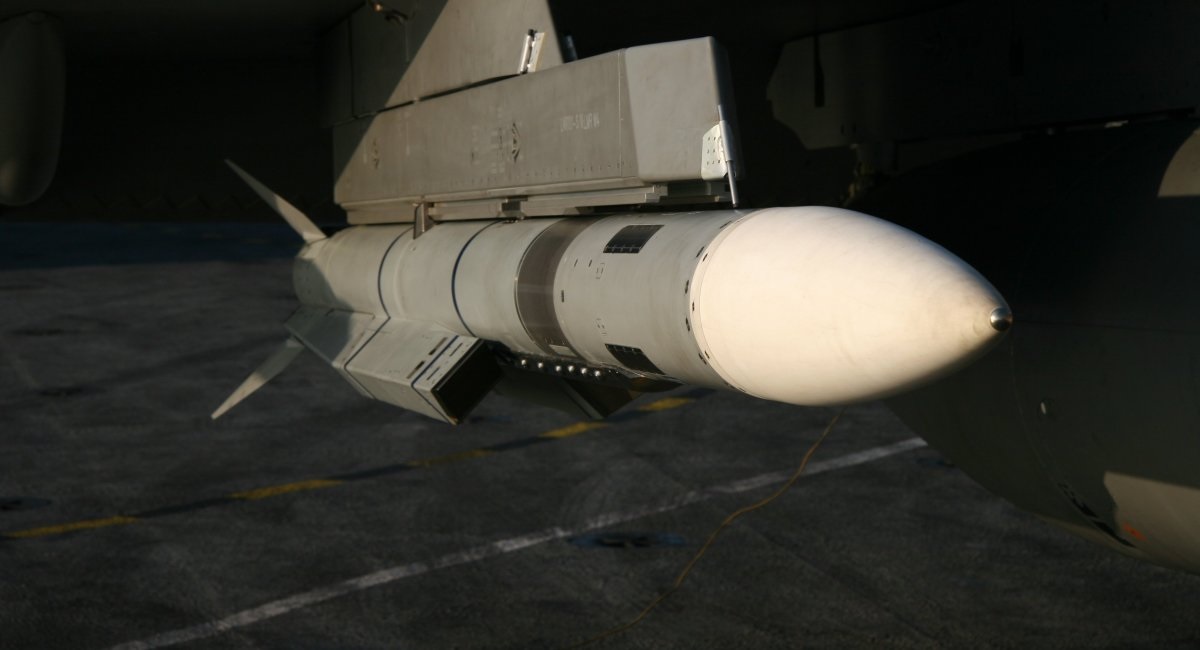
Europe
LONDON — The United Kingdom has decided not to proceed with a mid-life upgrade of its Meteor beyond-visual-range (BVRAAM) air-to-air missile, choosing instead to direct investment toward the development of its next-generation Future Air Superiority Effectors (FASE) programme. According to information from the British Ministry of Defence, the Meteor missile will remain in its current configuration and continue in service through routine maintenance rather than undergoing a major modernization programme. The missile is expected to remain operational with the Royal Air Force (RAF) into the 2040s. The decision reflects the UK's strategy of prioritizing future air combat capabilities over incremental upgrades to existing weapons. UK Shifts Investment to Future Air Combat Capabilities On July 3, 2026, UK Minister for Defence Readiness and Industry Luke Pollard confirmed that the government would not continue with the Meteor mid-life upgrade programme. "We are not continuing with the mid-life upgrade of the Meteor. We want to invest in the next generation of capabilities faster than the previous generation of capabilities," Pollard said. Instead of upgrading the current missile, funding is being redirected to the Future Air Superiority Effectors (FASE) programme, which is currently in its pre-concept phase. FASE aims to develop a family of advanced air combat effectors, including a new long-range air-to-air missile capable of engaging targets from extended stand-off distances. The future weapons are expected to be compatible with both manned combat aircraft and future uncrewed air platforms. To support the programme, the United Kingdom and France signed a memorandum of understanding (MoU) on April 1, 2026, launching a 12-month joint study. The study will examine future air combat threats, evaluate emerging missile technologies, and establish a roadmap for the development of a successor to the Meteor missile. Meteor to Remain in RAF Service into the 2040s Although the mid-life upgrade has been cancelled, the Meteor missile will continue to play a key role in the RAF's air combat capability. The missile entered RAF service in 2018 on the Eurofighter Typhoon, where it serves as the service's primary beyond-visual-range air-to-air missile. Production of the missile is expected to continue to meet operational requirements, while support will focus on routine maintenance rather than extensive modernization. The F-35B Lightning II is expected to become the second RAF aircraft equipped with the Meteor under the fighter's Block 4 upgrade programme, with integration expected in the early 2030s. The missile has already completed successful flight tests on the F-35B, while ground integration work is continuing for the F-35A variant. Meteor Programme and Technical Features The Meteor missile is developed by MBDA through a multinational European programme involving the United Kingdom, Germany, Italy, France, Sweden, and Spain. It is currently in operational service with partner nations on the Eurofighter Typhoon, Dassault Rafale, and Saab Gripen, while integration is also underway for the F-35A, F-35B, and South Korea's KF-21 fighter aircraft. One of the Meteor's defining features is its solid-fuel variable-flow ducted rocket (ramjet) propulsion system. Unlike conventional rocket motors that provide thrust only during the initial phase of flight, the ramjet delivers controlled thrust throughout the missile's flight, enabling it to maintain energy until interception and providing a large no-escape zone against maneuvering targets. The missile uses an active radio-frequency (RF) seeker for all-weather engagements and combines inertial mid-course guidance with autonomous terminal guidance. A two-way data link allows it to receive updated target information during flight, including data from third-party platforms, supporting network-enabled air combat operations. Meteor carries a blast-fragmentation warhead equipped with both impact and RF proximity fuses to increase the probability of destroying its target. The missile weighs approximately 190 kilograms, measures 3.7 metres in length, has a 178-millimetre diameter, and supports both rail and ejection launch methods, allowing integration across multiple fighter aircraft. Focus Turns to the FASE Programme The Future Air Superiority Effectors (FASE) programme is intended to deliver a new generation of air-to-air weapons capable of addressing future threats, including advanced combat aircraft, increasingly sophisticated missiles, and evolving electronic warfare systems. The ongoing UK-France study will help define future operational requirements, assess enabling technologies, and establish a development roadmap for the new missile family. While some Meteor partner nations, including Germany, have expressed interest in pursuing modernization of the existing missile, the United Kingdom has chosen to concentrate its resources on developing a successor alongside France. For the foreseeable future, the Meteor will continue to meet the RAF's long-range air combat requirements while the FASE programme advances toward the next generation of air superiority weapons for the Eurofighter Typhoon, F-35B, and future combat aircraft. Source : militarywatchmagazine
Read More → Posted on 2026-07-19 16:39:03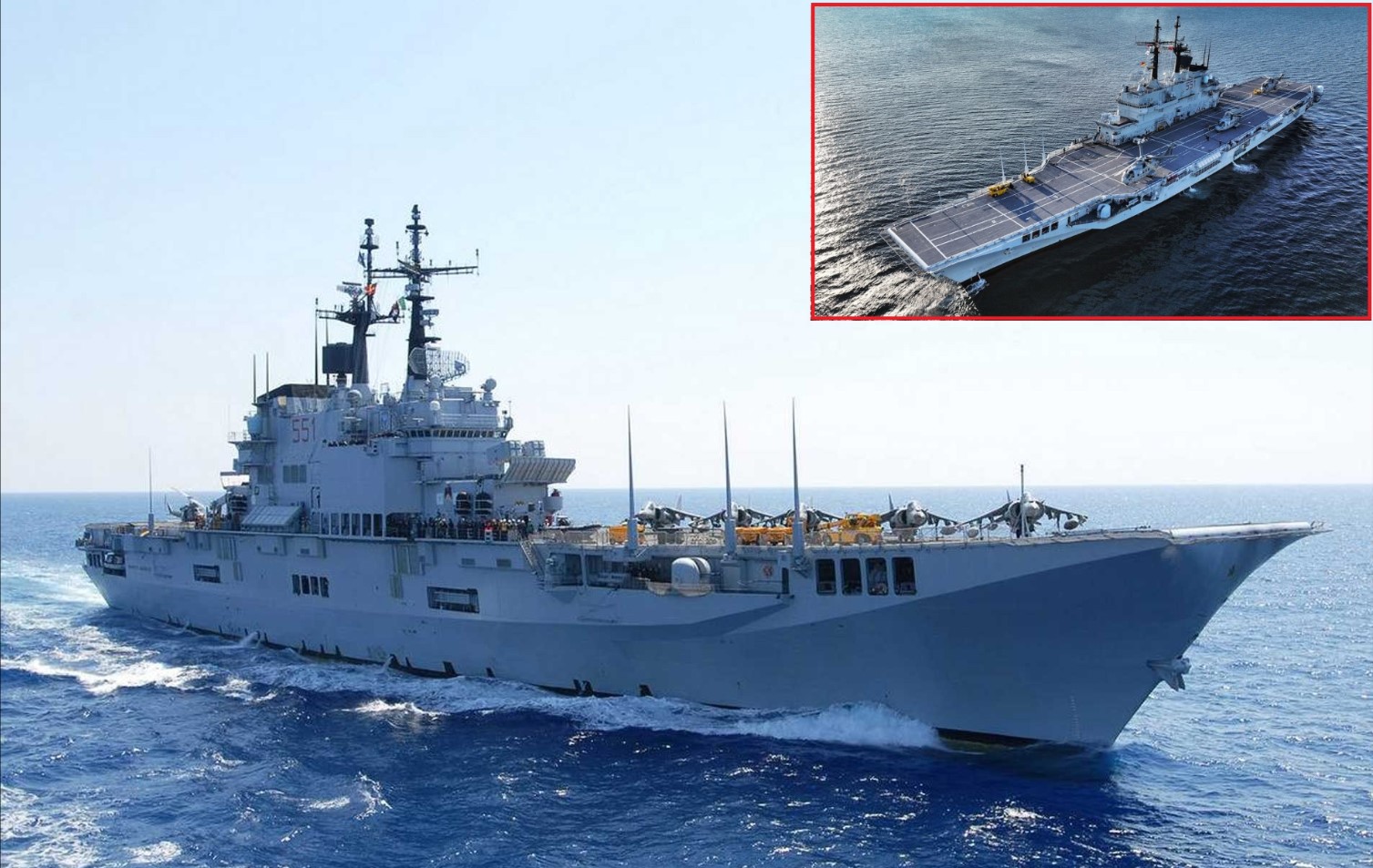
World
JAKARTA — Indonesia's Ministry of Defence has confirmed that the former Italian Navy aircraft carrier Giuseppe Garibaldi is scheduled to arrive in Indonesian waters on September 20, 2026, marking a major step in the country's naval modernization efforts. The timeline was announced during a meeting with Commission I of the Indonesian House of Representatives on July 20. The government aims to have the carrier in Indonesia before October 5, allowing it to take part in celebrations marking the anniversary of the Indonesian National Armed Forces (TNI). Lampung Selected as Home Port The 180-meter-long carrier will be based at Ratai Bay in Lampung, located at the southern tip of Sumatra facing the strategic Sunda Strait. While the Ministry of Defence and the Indonesian Navy (TNI AL) have not publicly explained why Lampung was selected over other naval bases, preparations at the site are progressing. Construction work to support the vessel's arrival is underway, including upgrades to berthing and mooring facilities, dredging to provide sufficient water depth, and improvements to electrical infrastructure. According to the ministry, work on the carrier's berthing area has reached 76% completion. To prepare for the ship's delivery, the Indonesian Navy has also sent 100 personnel to Italy for technical and operational training before they crew the vessel during its voyage to Indonesia. In addition, the navy has established a simulated flight deck at Juanda Naval Air Station in Surabaya to train pilots and flight deck crews. Transfer and Modernization Costs The Giuseppe Garibaldi, which was decommissioned by the Italian Navy in late 2024, is being transferred to Indonesia as a grant under a free cession arrangement approved by the Italian Parliament earlier this year. The transfer is intended to strengthen defence cooperation between Italy and Indonesia. According to the Ministry of Defence, acquiring a used aircraft carrier offers a faster and more affordable option than building a new vessel. The ministry estimates the cost of transporting the ship from Italy to Indonesia at €54 million (around Rp900 billion). However, the refurbishment and modernization program will require a much larger investment. During the parliamentary meeting, Commission I member Tubagus Hasanuddin said upgrade costs could range between Rp7.2 trillion and Rp16.8 trillion (approximately €350 million to €818 million), depending on the combat systems and modernization package selected by the Indonesian Navy. The Ministry of Defence said Indonesian defence companies and domestic shipyards will participate in the retrofit work, with PT PAL Indonesia expected to play a major role. Additional funding has also been approved for helicopters and related support systems. Delivered Without Offensive Weapons Before its transfer, the carrier will have its offensive weapon systems removed. It will retain only the essential propulsion, safety, and habitability systems required for the voyage to Indonesia. After arriving, the vessel is expected to undergo an extensive modernization program, including conversion for helicopter and unmanned aerial vehicle (UAV) operations, upgraded command-and-control systems, and other mission equipment. The ship is also expected to receive a new Indonesian Navy name after entering service. Parliamentary Support and Operational Challenges All political parties represented in Commission I expressed support for the acquisition during the July 20 meeting. At the same time, lawmakers highlighted several issues that will require careful planning, including securing long-term funding for maintenance and operations, adapting Indonesia's naval and defence doctrine to operate an aircraft carrier, and ensuring domestic defence industries gain meaningful technology transfer and industrial experience through the modernization program. Expanding Indonesia's Maritime Capabilities Once modernization is complete, the Giuseppe Garibaldi is expected to serve primarily as a command headquarters ship capable of supporting helicopter and UAV operations. The vessel is also planned to support maritime security missions, joint military operations, humanitarian assistance, disaster relief, and logistics across Indonesia's archipelago. The acquisition forms part of Indonesia's broader naval modernization program and closer defence cooperation with Italy. When it enters service, Indonesia is expected to become the second Southeast Asian country to operate a flat-deck aircraft carrier platform after Thailand's HTMS Chakri Naruebet. Source : navalnews
Read More → Posted on 2026-07-20 11:31:26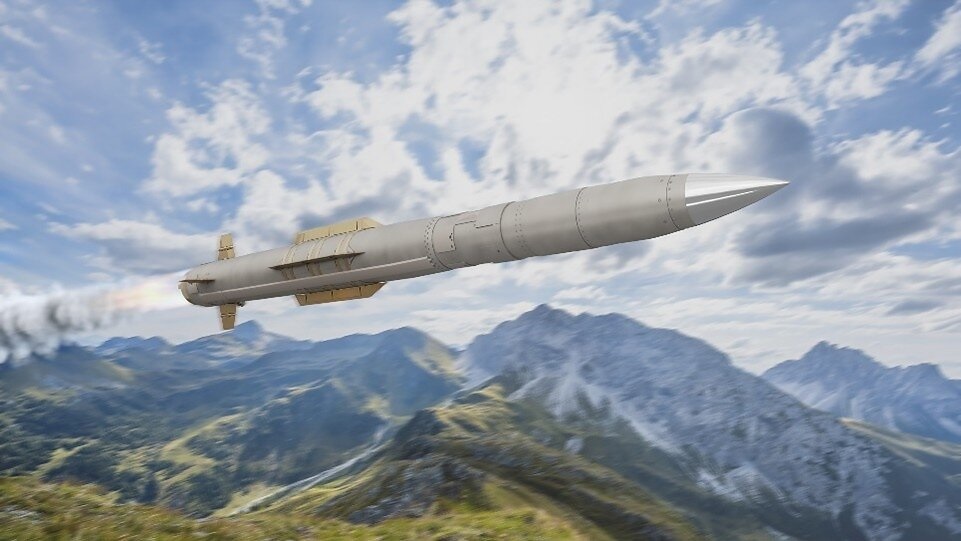
U.S
FARNBOROUGH, England — On July 20, 2026, Lockheed Martin has announced the development of the PAC-3 Adapted Capability Effector (PAC-3 ACE), a new lower-cost interceptor designed for the Patriot air and missile defense system. The announcement was made on Monday during the Farnborough International Airshow, with the company saying the new missile is intended to help the United States and allied nations strengthen their air defense capabilities while reducing interceptor costs. According to Lockheed Martin, the PAC-3 ACE will cost less than half the price of the company's current PAC-3 Missile Segment Enhancement (MSE) interceptor. U.S. Army budget documents estimate that a single PAC-3 MSE missile costs about $4 million. The lower-cost design is intended to allow military operators to procure larger numbers of interceptors without significantly increasing defense spending. Lockheed Martin expects the PAC-3 ACE to reach initial production within approximately 36 months, a relatively short timeline for a major missile defense program. The company said the accelerated schedule is possible because the interceptor is built using existing Patriot technologies and infrastructure rather than being developed as an entirely new system. Designed to Increase Interceptor Availability The new interceptor has been developed in response to lessons from recent conflicts, where military forces have faced large-scale attacks involving inexpensive drones, rockets, and missiles. Such attacks can force air defense units to use costly interceptors against relatively low-cost threats, creating a significant cost imbalance. The PAC-3 ACE is designed to improve "magazine depth," referring to the number of interceptors that can be purchased, stockpiled, and deployed within available budgets. By lowering the cost of each interceptor, military operators can maintain larger inventories to support sustained air defense operations. Compatible with Existing Patriot Systems The PAC-3 ACE is designed to integrate directly with the existing Patriot weapon system and uses the current PAC-3 fire control system and software. It will also be compatible with the U.S. Army's Integrated Battle Command System (IBCS), allowing it to operate within the same digital command network already used by Patriot batteries. Because it relies on existing command-and-control architecture, the interceptor can be introduced without requiring entirely new training programs or logistics systems. This approach is also intended to reduce research and development costs while speeding deployment. Like the PAC-3 MSE, the PAC-3 ACE uses hit-to-kill technology, destroying incoming targets through direct impact instead of using an explosive warhead. According to the company, the interceptor is designed to engage multiple types of aerial threats, including: Air-breathing aircraft Cruise missiles Close-range ballistic missiles Short-range ballistic missiles Production to Include European Partners Lockheed Martin also announced that the PAC-3 ACE will be jointly developed and produced with European industry partners rather than relying solely on U.S.-based manufacturing. The company said this production strategy is intended to strengthen the transatlantic defense industrial base, improve interoperability among NATO allies, and enable partner nations to build interceptor stockpiles closer to home. Distributed manufacturing is also expected to help improve supply chain resilience as demand for air defense systems continues to increase. The announcement follows a broader trend among defense companies to expand munitions production across Europe in cooperation with allied industries. Expanding Air Defense Options The Patriot air defense system has served as a key ground-based air and missile defense platform for the United States and numerous allied nations for decades. While the PAC-3 MSE remains the system's most advanced interceptor, its cost has increased interest in more affordable options that can complement existing capabilities during high-volume engagements. Lockheed Martin has not disclosed the exact unit price of the PAC-3 ACE or the specific engineering changes that enable its lower cost. However, the company said the interceptor's use of proven Patriot technology and existing infrastructure is expected to reduce development costs while allowing production to begin within about three years. The introduction of the PAC-3 ACE reflects growing international demand for cost-effective air defense solutions that can expand interceptor inventories while maintaining compatibility with existing Patriot systems. Source : lockheedmartin
Read More → Posted on 2026-07-20 11:42:29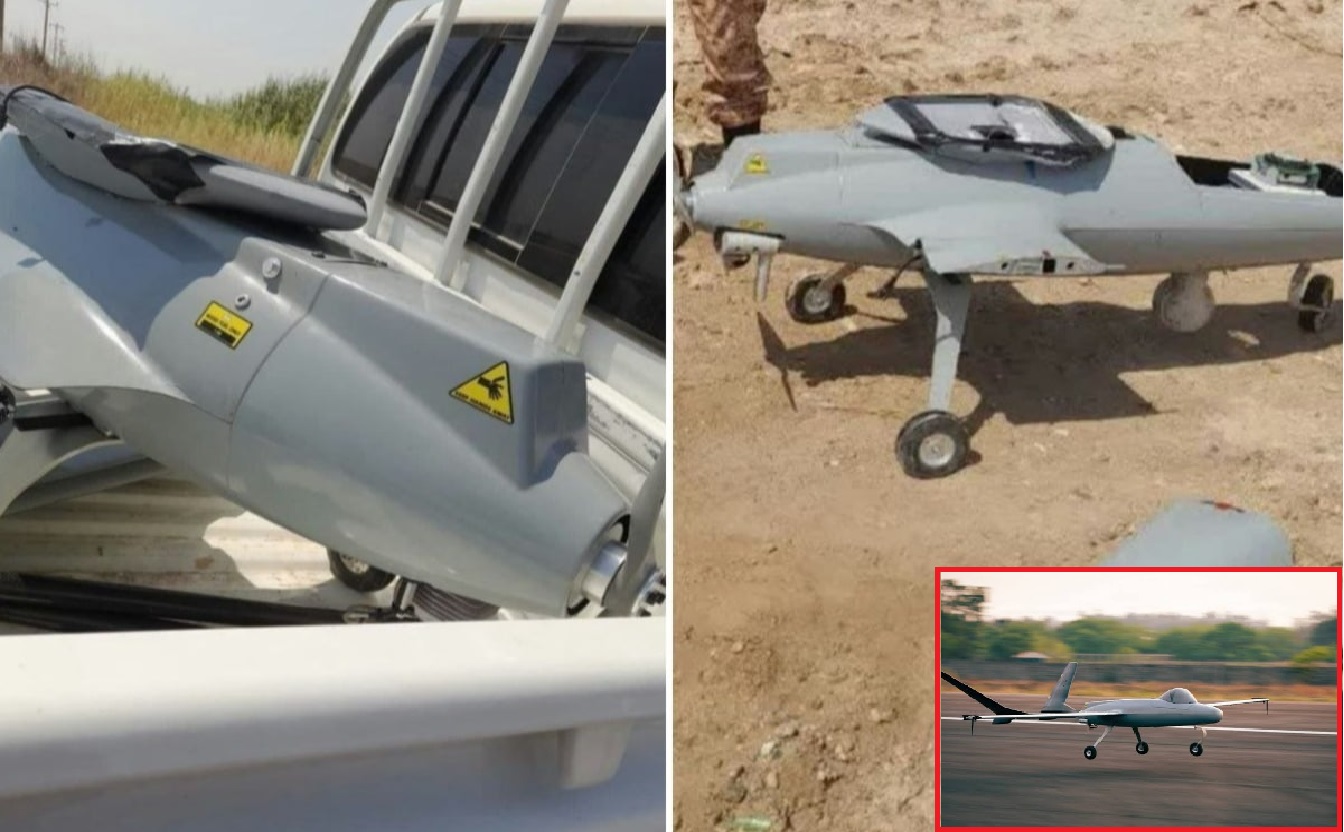
World
TEHRAN / WASHINGTON — Iran's Islamic Revolutionary Guard Corps (IRGC) has claimed it recovered a Polish-built Tiguar-M tactical unmanned aerial vehicle (UAV) after it was allegedly shot down over southern Iran. Images released by the IRGC Ground Forces' 48th Fath Brigade show the recovered aircraft in Kohgiluyeh and Boyer-Ahmad Province. According to Iranian officials, the drone was operated by the U.S. Army. However, neither the U.S. Department of Defense nor independent Western sources have confirmed the claim, and the exact operator of the aircraft has not been independently verified. The drone shown in the released photographs has been identified as the Tiguar-M, a tactical UAV developed by Warsaw-based uAvionics. The platform received wider public attention earlier this year after it was used by U.S. Army Special Forces during Exercise Balikatan 2026 in the Philippines. Between April 20 and 24, soldiers from the U.S. Army's 1st Special Forces Group (Green Berets) tested the Tiguar-M in Laoag, Philippines, with the exercise focusing on the drone's long-range communication capabilities in areas with limited infrastructure. Images from that exercise showed at least one aircraft equipped with a modified satellite communication system similar to the configuration seen on the recovered drone displayed by the IRGC. Photographs released by Iranian authorities appear to show the UAV fitted with an improvised Starlink or Starshield satellite communications terminal mounted on the fuselage. The field modification would allow beyond-line-of-sight communications over long distances. Standard production versions of the Tiguar-M are equipped with a conventional SATCOM antenna. The Tiguar-M is designed as a long-endurance tactical reconnaissance platform. It measures approximately 2.32 meters in length, has a 4.1-meter wingspan, and a maximum takeoff weight of 25 kilograms. Powered by a hybrid propulsion system, the drone has a claimed endurance of more than 20 hours and a maximum range of up to 1,800 kilometers. It can carry up to 11 kilograms of intelligence, surveillance, and reconnaissance (ISR) payloads, including electro-optical and infrared sensors for day and night operations. The platform also features a triple-redundant flight controller, a recovery parachute, and a modular design that allows it to be transported in compact cases for rapid deployment. According to the manufacturer, it complies with civil aviation standards in Poland and the United States for drones in its weight category and is not subject to certain U.S. export restrictions. Open-source defense analyst Babak Taghvaee of The Crisis Watch has reported on the IRGC's identification of the recovered aircraft as a Tiguar-M. However, visual identification of the drone model alone does not confirm who was operating it at the time it was brought down. BREAKING: The IRGC has released images of a Polish-built Tiguar M UAV allegedly operated by the U.S. Army and shot down over southern Iran by the IRGC Ground Forces' 48th Fath Brigade in Kohgiluyeh and Boyer-Ahmad Province.The Tiguar M is the military version of the… pic.twitter.com/reYaF53PJ6 — Babak Taghvaee - The Crisis Watch (@BabakTaghvaee1) July 19, 2026 If the aircraft was operated by U.S. forces, it would indicate the use of small, relatively low-cost ISR drones for missions such as intelligence gathering, target support, and battle damage assessment. Compared with larger reconnaissance aircraft, platforms such as the Tiguar-M are less expensive to operate and easier to replace while providing persistent surveillance capabilities. The claim comes amid continuing military operations between the United States and Iran. The United States resumed military strikes against Iran on July 8, and by July 17, U.S. Central Command (CENTCOM) said it had completed a seventh consecutive night of strikes targeting Iranian surveillance facilities, military logistics sites, underground weapons storage locations, and maritime infrastructure using fighter aircraft, drones, warships, and naval forces. Iran has also announced several claimed drone interceptions during the past two weeks. Iranian state media, including IRNA and Tasnim, previously reported that the IRGC Aerospace Force had shot down a U.S. MQ-9 Reaper over the Ahvaz and Persian Gulf region using a newly deployed air defense system. Those claims have likewise not been confirmed by U.S. officials. At present, the circumstances surrounding the reported recovery of the Tiguar-M remain unverified outside Iranian statements. While the released images appear to show a Tiguar-M UAV, they do not independently establish who operated the aircraft or the circumstances under which it was recovered. Further confirmation from official sources has not yet been provided.
Read More → Posted on 2026-07-20 12:32:33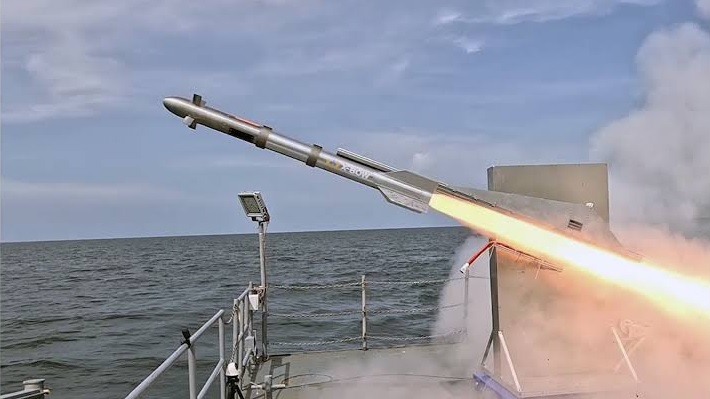
U.S
FARNBOROUGH, England — U.S. defense technology company X-Bow Systems has introduced Buckler, a new low-cost interceptor designed to defeat Group 3 drones at supersonic speeds. Unveiled at the 2026 Farnborough International Airshow, the company said the system is intended to provide an affordable and scalable air defense option as militaries face increasing drone threats. According to X-Bow Systems, Buckler is priced at less than US$100,000 per interceptor, making it significantly less expensive than many traditional air defense interceptors. The company said the system is designed to help address the growing challenge of countering large numbers of lower-cost drones and cruise missiles without relying on high-cost interceptors for every engagement. The interceptor is based on an in-house developed airframe and propulsion system, with X-Bow manufacturing its airframe, solid rocket motor, and propellant internally. The company said this vertically integrated production approach provides greater control over costs, product quality, and manufacturing capacity while reducing dependence on external suppliers. X-Bow founder and Chief Executive Officer Jason Hundley said the system was developed to address the changing economics of modern air defense. "You can't win a war of attrition trading million-dollar interceptors against thousand-dollar threats," Hundley said. "Buckler has flown, it comes in under US$100,000, and we build its airframe and propulsion ourselves — the part of the industrial base that is so stressed by today's munitions demands. This is our answer to the call from the U.S. and its allies: affordable capability, at scale." Focus on Affordable Air Defense The company said Buckler is intended to provide armed forces with a practical option for defending against Group 3 unmanned aerial systems (UAS), which are larger drones capable of carrying heavier payloads and operating at greater ranges than smaller tactical drones. The growing use of relatively inexpensive drones in recent conflicts has highlighted the high cost of using advanced interceptors against low-cost aerial threats. X-Bow said Buckler is designed to help reduce this cost imbalance by enabling forces to deploy larger numbers of interceptors while managing defense budgets more effectively. A key part of the program is X-Bow's in-house production of solid rocket motors (SRMs), which the company identified as one of the main bottlenecks in the current defense industrial supply chain. By manufacturing the critical propulsion components internally, X-Bow said it can increase production more rapidly when required. The company added that its manufacturing network includes both fixed production facilities and deployable manufacturing units. According to X-Bow, these production methods are already being used across several other defense programs, demonstrating their ability to support larger-scale manufacturing. Flight Testing Completed The launch of Buckler follows a successful flight test that validated the interceptor's propulsion system and overall flight performance. X-Bow said the flight demonstration was supported by earlier ground testing, including motor static-fire and igniter tests. According to the company, these milestones indicate that Buckler has progressed beyond the concept stage and is now a flight-tested system. X-Bow is presenting Buckler to the U.S. military and allied nations seeking cost-effective ways to strengthen air defenses against increasing drone and cruise missile threats. The company said the interceptor is designed to be produced in larger quantities to meet operational requirements while maintaining a lower unit cost. Source : prnewswire
Read More → Posted on 2026-07-20 13:54:01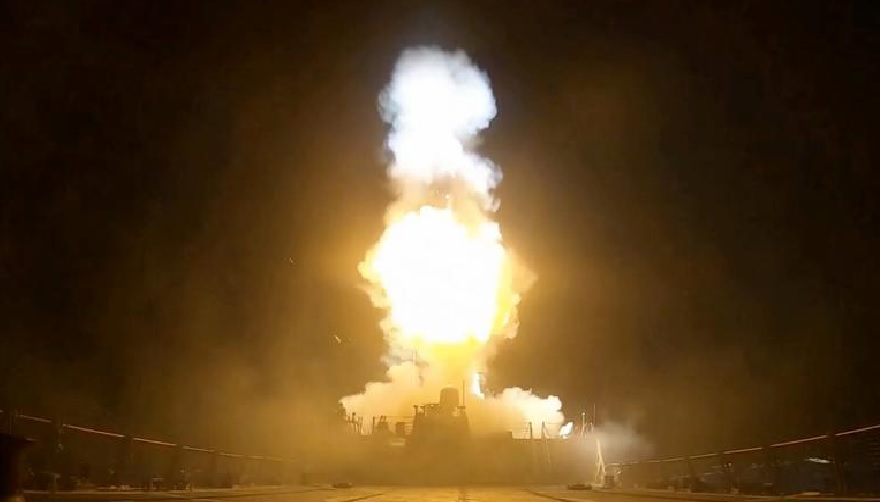
U.S
WASHINGTON / DUBAI — The United States carried out a ninth consecutive night of airstrikes against Iranian military installations, continuing its campaign to reduce Iran's ability to threaten commercial shipping in the Strait of Hormuz as regional tensions continue to escalate. U.S. Central Command (CENTCOM) said it successfully completed the ninth consecutive evening of strikes at 10 p.m. ET on July 19. According to U.S. Central Command (CENTCOM), the three-hour operation targeted military command centers, integrated air defense systems, coastal surveillance sites, communications networks, maritime capabilities, and missile and drone launch positions in southern Iran. CENTCOM said the strikes were intended to reduce Iran's capability to attack commercial vessels and civilian mariners transiting the Strait of Hormuz. The operation is part of a broader U.S. air and maritime campaign that has struck more than 140 Iranian military targets since the latest phase of the conflict began. It also supports the renewed U.S. naval blockade of Iranian ports following the collapse of a 60-day interim cessation arrangement reached in June. Campaign Targets Command Network The U.S. campaign is focused on disrupting the command-and-control network that coordinates attacks on merchant shipping rather than targeting only individual missile launchers or drones. Military targets have included communications centers, command headquarters, coastal observation posts, radar systems, IRGC naval infrastructure, and facilities supporting missile and drone operations. Explosions were reported in several Iranian locations, including Tabriz, Bushehr, Chabahar, and Bandar Mahshahr. Coastal military facilities around Bandar Abbas, Jask, Konarak, Abu Musa, and Greater Tunb have also been targeted to reduce radar coverage and anti-ship missile capabilities. The operations rely on surveillance aircraft, satellites, and electronic intelligence systems to identify military targets and assess strike results. The sustained campaign has reportedly forced Iranian units to relocate launch systems more frequently and reduce radio communications. Strait of Hormuz Remains the Focus The Strait of Hormuz, about 34 kilometers wide at its narrowest point, carries around 20 percent of global oil shipments and a significant share of Qatar's liquefied natural gas exports. To support maritime security, the U.S. has expanded its naval presence in the region. During the first blockade from April 13 to June 18, U.S. forces redirected more than 140 vessels and disabled nine. Since the blockade resumed, CENTCOM said that by July 19 it had redirected six commercial vessels and disabled one. Operations are supported by the destroyers USS John Finn and USS Donald Cook, while Marines from the 11th Marine Expeditionary Unit have conducted inspections of commercial vessels. On July 15 near Kharg Island, U.S. forces used Hellfire missiles to disable the tanker M/T Belma by striking its smokestack, stopping the vessel without damaging its cargo tanks. On July 20, the United Kingdom Maritime Trade Operations (UKMTO) reported that a vessel caught fire and drifted about eight nautical miles northwest of Kumzar, Oman, after being struck by an unidentified projectile. The crew abandoned the ship and was rescued by a tug. Iran's Islamic Revolutionary Guard Corps (IRGC) also claimed that two oil tankers attempting to use the southern shipping route were immobilized after explosions. Regional Attacks Continue Iran has continued missile and drone attacks against U.S. positions and partner nations across the region. The United States has confirmed that 17 service members have been killed since the conflict escalated. On July 17, an Iranian ballistic missile and drone attack in Jordan killed two U.S. service members. The remains of a third service member, previously reported missing, were later recovered. On July 18, another U.S. service member was killed and one was injured in northern Iraq during the controlled disposal of an unexploded Iranian drone. Iranian attacks have also prompted missile interceptions over Jordan, while Kuwait activated its air defense systems following drone attacks on a power generation and desalination facility. In Bahrain, home to the U.S. Fifth Fleet, warning sirens sounded after the U.S. Embassy warned of potential Iranian strikes near central Manama. Oil Prices Rise The conflict has continued to affect global energy markets. Brent crude oil rose above $91 per barrel, while the average price of regular gasoline in the United States returned to about $4 per gallon. U.S. Secretary of State Marco Rubio said Iran was attempting to use the Strait of Hormuz as leverage and called on international partners to help protect freedom of navigation. U.S. Energy Secretary Chris Wright said maintaining the uninterrupted flow of oil and natural gas through the strait remains a key U.S. objective. Military operations continue as the United States seeks to reduce Iran's ability to threaten commercial shipping through one of the world's most important maritime trade routes, while Iran continues to rely on dispersed mobile missile and drone systems to sustain its operations. Source : CENTCOM
Read More → Posted on 2026-07-20 14:05:18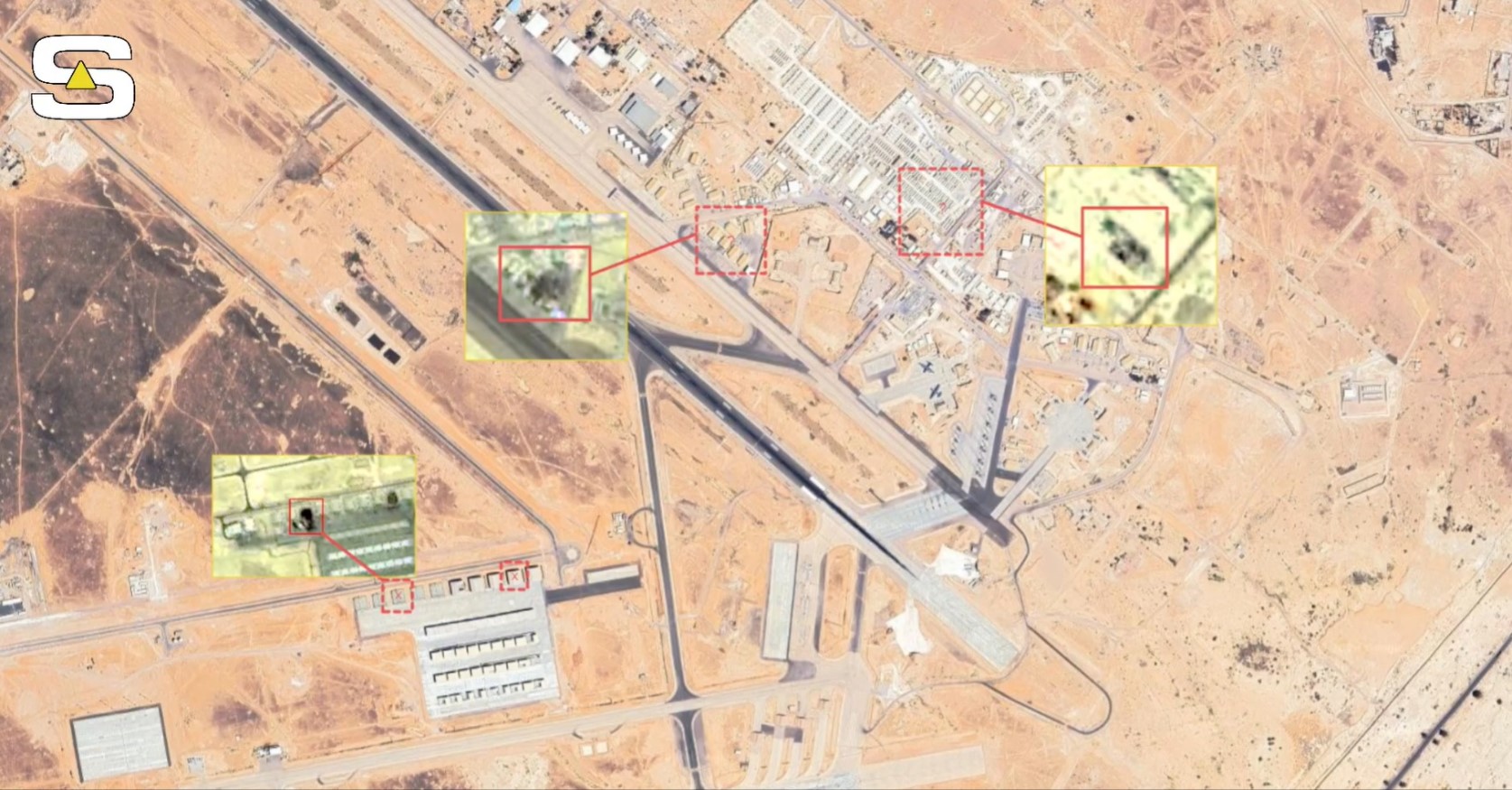
World
AMMAN, Jordan — Newly released commercial satellite imagery has provided a clearer picture of the damage at Jordan's Muwaffaq al-Salti Air Base, indicating that the Iranian missile strike caused more extensive damage than initially reported. 🚨Satellite imagery gives us a better look of the full damage at Muwaffaq al-Salti Air Base, Jordan.Low-res previews from July 19 (SV NEO-1) show the base was hit again. Two hangars struck, a major impact is visible in the housing area, and multiple shelters were destroyed. pic.twitter.com/vNZ9Z1M1Ju — Soar (@SoarAtlas) July 20, 2026 Satellite imagery published by Solar Atlas and captured by the SV NEO-1 commercial satellite on July 19 shows multiple impact sites across the air base, including aircraft hangars, drone facilities and troop housing. The imagery provides one of the clearest publicly available views of the strike and its effects on the installation. Satellite Imagery Shows Multiple Impact Areas The July 19 imagery shows that the base was struck in several locations. At least two aircraft hangars were hit, while multiple aircraft and drone shelters across the installation appear to have been destroyed. The imagery also shows a major impact in the U.S. troop housing area, where American service members were killed during the attack. 🛰 Significantly more damage is visible at Muwaffaq al-Salti Air Base in Jordan.The base was not struck by a single missile but by what appears to have been a large, highly accurate salvo.Another hangar on the ISR/CAS apron was hit, while a major impact is visible in the… https://t.co/d7wUGImjxL pic.twitter.com/QM5U6LnHjV — Egypt's Intel Observer (@EGYOSINT) July 20, 2026 Independent open-source intelligence group Egypt's Intel Observer (EGYOSINT), which reviewed the imagery, assessed that the pattern of impacts indicates the base was struck by what appears to have been a large, highly accurate missile salvo rather than a single missile. According to the group, another hangar on the base's Intelligence, Surveillance and Reconnaissance/Close Air Support (ISR/CAS) apron was also hit, suggesting multiple operational areas were targeted during the strike. Drone Hangars Sustain Heavy Damage EGYOSINT's assessment identified extensive damage around 31°49'53"N, 36°47'29"E, where three drone hangars previously associated with U.S. MQ-9 Reaper operations appear to have been heavily damaged or destroyed. 🛰 🇯🇴🇺🇸 Before-and-after GIF of Iranian satellite imagery provides a closer look at the extensive damage to three drone hangars (31°49'53"N, 36°47'29"E) at Muwaffaq al-Salti AB.At least one U.S. MQ-9 Reaper drone also appears to have been damaged by missile shrapnel. https://t.co/dIvYfKxc4Q pic.twitter.com/nzmQvr4CsM — Egypt's Intel Observer (@EGYOSINT) July 20, 2026 The imagery also indicates that at least one U.S. MQ-9 Reaper drone appears to have sustained missile shrapnel damage. The assessment is based on commercially available satellite imagery and remains part of ongoing open-source analysis. Earlier commercial satellite imagery captured around July 10 had already shown damage to newly constructed hangars within the U.S.-operated section of the base. The latest imagery provides a more complete assessment of the strike's impact across the installation. U.S. Casualties Confirmed The satellite imagery also shows severe damage in the troop housing area, consistent with official casualty reports released after the attack. According to U.S. Central Command (CENTCOM), Iranian ballistic missiles and drones targeted Muwaffaq al-Salti Air Base on July 17. The attack killed two U.S. service members, while another service member was initially reported missing. Four additional U.S. personnel were injured and later discharged from Jordanian hospitals after receiving treatment. U.S. officials also confirmed that unidentified remains were recovered from the site. Strategic Role of Muwaffaq al-Salti Air Base Located approximately 100 kilometers east of Amman, Muwaffaq al-Salti Air Base serves as a key hub for U.S. and coalition air operations in the Middle East. The base supports intelligence, surveillance and reconnaissance missions, drone operations, logistics and fighter aircraft deployments, including MQ-9 Reaper drones and aircraft such as the F-15E Strike Eagle and F-16 Fighting Falcon. Iranian Claims and Ongoing Assessment The Islamic Revolutionary Guard Corps (IRGC) claimed responsibility for the strike, stating that it used precision ballistic missiles, including the Khyber-Shakan, to target U.S. command-and-control facilities and aircraft storage areas. Jordanian authorities initially reported that air defense systems intercepted several incoming missiles. However, the latest commercial satellite imagery published by Solar Atlas, together with independent analysis by EGYOSINT, indicates that multiple projectiles reached the base and struck military infrastructure. Open-source analysts continue to examine newly available imagery to determine the full extent of the damage. Additional high-resolution commercial satellite imagery may provide further confirmation of damaged facilities and equipment. As of July 20, 2026, assessments remain ongoing. The latest satellite imagery provides the clearest publicly available visual evidence of the strike, allowing independent observers to compare the physical damage with official statements and better understand the impact on one of the region's most important U.S.-supported air bases.
Read More → Posted on 2026-07-20 14:40:07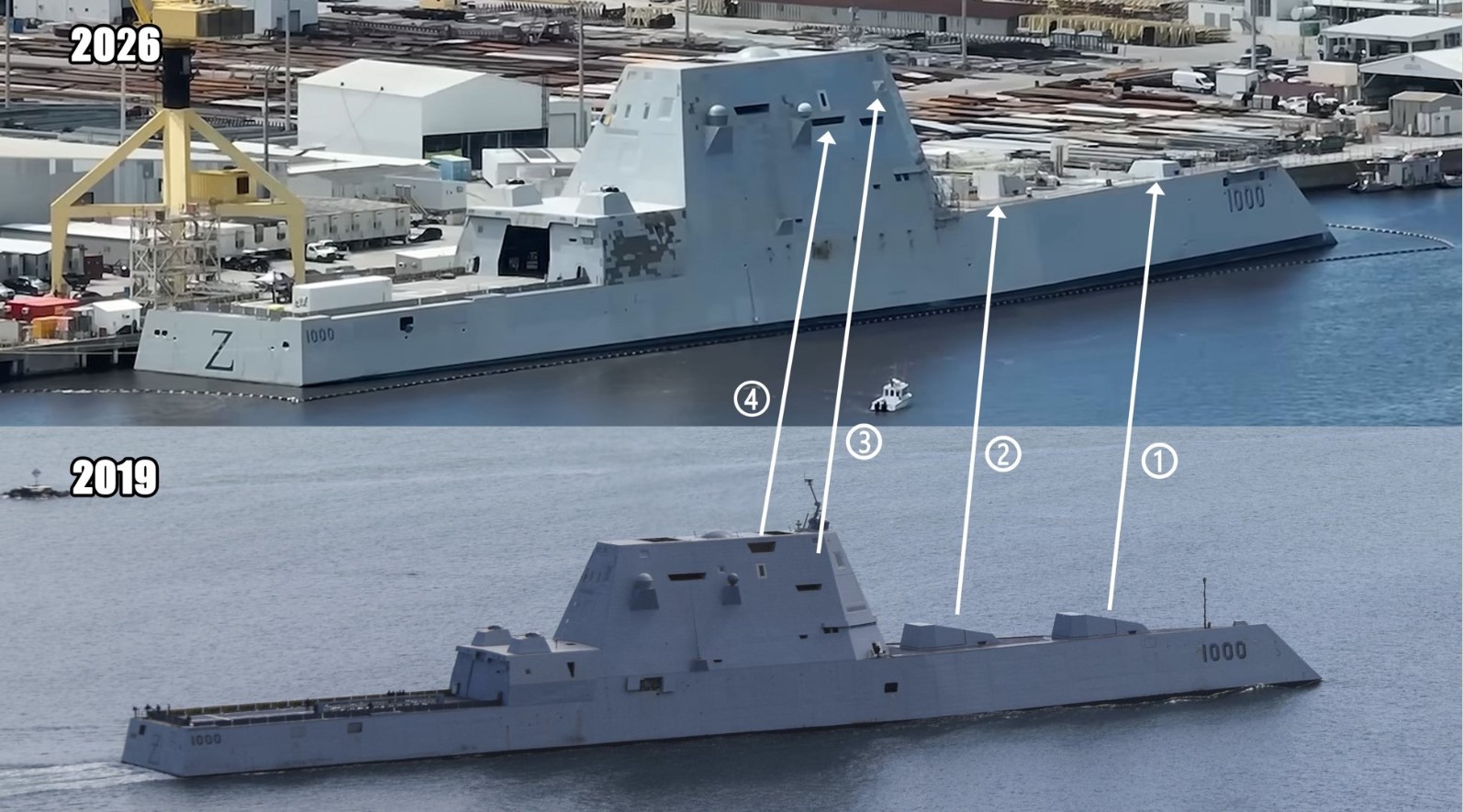
U.S
PASCAGOULA, Miss. — The U.S. Navy's stealth destroyer USS Zumwalt (DDG-1000) is in the final stages of a major modernization program that will transform the ship into a platform for long-range hypersonic weapons. Recent images from Bloomberg Television's YouTube video published on July 18, 2026, and analyzed by X account @lfx160219, show several visible external modifications made during the ship's refit at Huntington Ingalls Industries' Ingalls Shipbuilding facility in Pascagoula, Mississippi. The Navy expects USS Zumwalt to officially return to service in September 2026 after completing its modernization work. Major External Changes Visible The latest images highlight several significant structural modifications made to prepare the destroyer for its new role with the Intermediate-Range Conventional Prompt Strike (IR CPS) hypersonic missile system. The most noticeable change is the removal of the ship's forward 155mm Advanced Gun System (AGS) turret. In its place, engineers have installed four large missile launch tubes protected by a newly designed wave-deflector structure. The ship's No. 2 AGS turret at the aft has also been removed, leaving only the stealth gun housing in its original position. Another visible modification is the addition of a new mounting base for the FLIR 380HD electro-optical/infrared (EO/IR) sensor system, which is expected to improve the ship's surveillance and targeting capabilities. Engineers have also relocated the gas turbine air intakes lower on the hull to help prevent the engines from drawing in exhaust gases from the ship's funnels. From Naval Gunfire Support to Hypersonic Strike The modernization represents a major shift in the Zumwalt class's mission. The destroyers were originally designed around two 155mm Advanced Gun Systems to provide long-range naval gunfire support during amphibious operations. However, the program faced a major setback after the specialized Long-Range Land Attack Projectile (LRLAP) became too expensive for operational use, with each round costing approximately $800,000. To address this issue, the Navy removed the AGS mounts and installed Advanced Payload Modules, allowing the space previously occupied by the gun magazines to be used for the IR CPS hypersonic missile system. Each Zumwalt-class destroyer is planned to carry 12 Conventional Prompt Strike (CPS) missiles. Modernization Program and Delays The Navy's Build Yard Modernization Period (BYMP) for USS Zumwalt began in 2023 and is currently running about 10 months behind its original schedule. According to government oversight reports and program officials, much of the delay resulted from additional work required during installation of the new missile launch system. Contractors had to remove significantly more cabling than originally expected from the ship's forward section before the new launch tubes could be installed. The complexity of the destroyer's 78-megawatt Integrated Power System also contributed to the engineering challenges during the refit. A July 2026 Government Accountability Office (GAO) report also stated that the broader program to equip the Navy's three Zumwalt-class destroyers with hypersonic weapons is running about two years behind schedule, citing integration challenges, additional cabling work, reliability concerns, and missile production timelines. Hypersonic Missile Testing Ahead Following its expected return to service in September 2026, USS Zumwalt will serve as the U.S. Navy's primary sea-based test platform for the Intermediate-Range Conventional Prompt Strike weapon. The ship is expected to conduct the first at-sea test launch of the baseline IR CPS hypersonic missile system by June 2027. The missile uses a two-stage rocket booster to deploy an unpowered hypersonic glide vehicle capable of traveling at speeds above Mach 5. An enhanced version of the IR CPS featuring anti-ship capability is planned for testing before September 2030, further expanding the Zumwalt's long-range maritime strike role. Wider Zumwalt-Class Modernization Modernization work is also planned or underway for the Navy's other two Zumwalt-class destroyers—USS Michael Monsoor (DDG-1001) and USS Lyndon B. Johnson (DDG-1002). In addition to integrating hypersonic weapons, the Navy is making other modifications to the class, including converting ballast tanks into additional fuel storage to increase operational range and endurance for longer deployments. With its expected return to service in September 2026, USS Zumwalt will become the first U.S. Navy surface combatant prepared to support operational testing of the Conventional Prompt Strike hypersonic missile system, marking the next phase of the Navy's effort to field long-range hypersonic strike capability at sea.
Read More → Posted on 2026-07-20 15:13:36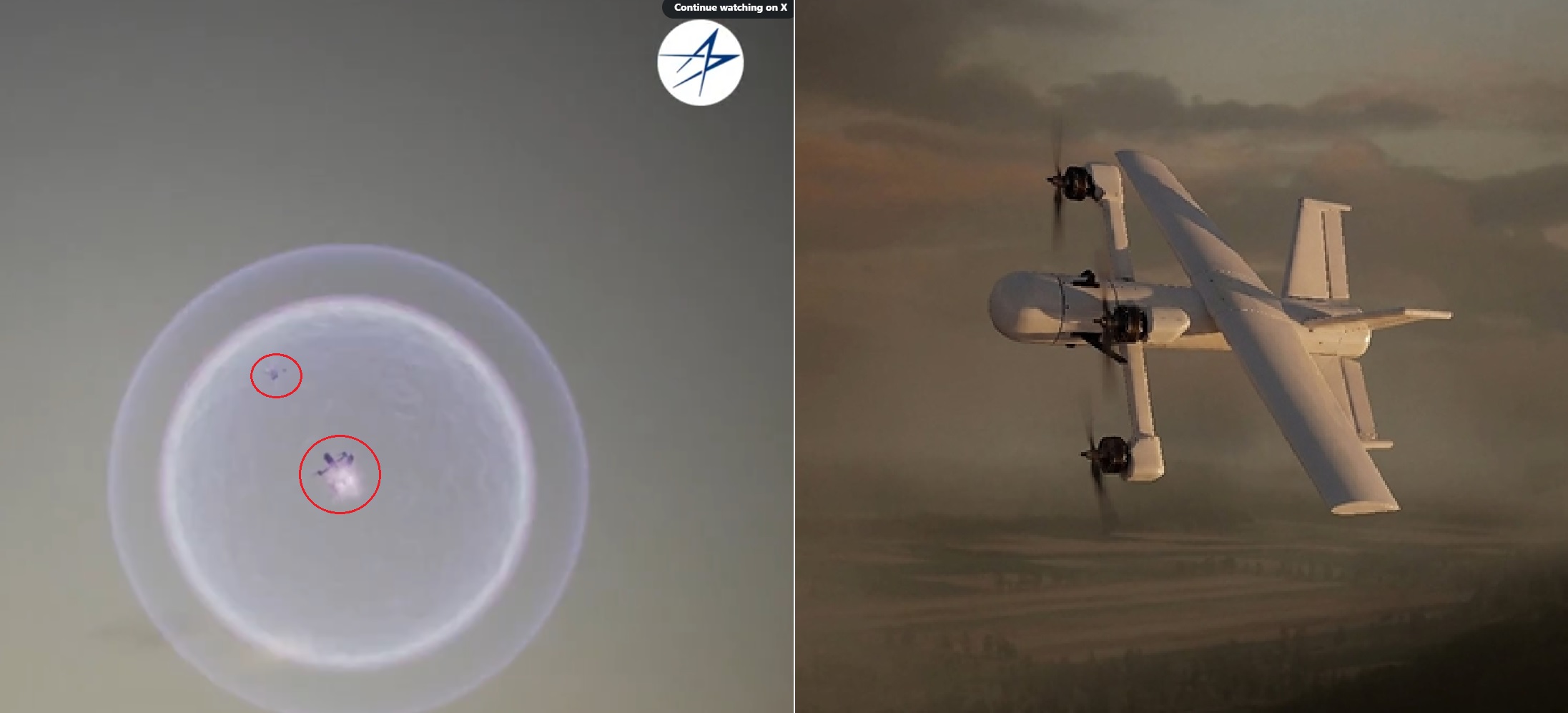
U.S
FARNBOROUGH, England — Lockheed Martin has introduced the MORFIUS X-Rotor, a reusable airborne counter-drone system designed to defeat large groups of unmanned aerial vehicles (UAVs) using high-power microwave (HPM) technology. The system was unveiled at the 2026 Farnborough International Airshow as the company expands its counter-unmanned aerial systems (C-UAS) portfolio to address the increasing use of drone swarms on modern battlefields. According to Lockheed Martin, the ground-launched MORFIUS X-Rotor can neutralize more than 50 enemy drones during a single flight by emitting bursts of high-power microwave energy that disrupt or disable the electronics of multiple UAVs simultaneously. Unlike conventional air defense systems that rely on single-use interceptor missiles, the MORFIUS X-Rotor is designed to be recovered after a mission and reused, reducing the cost of countering low-cost drone threats. The MORFIUS™ X-Rotor is a portable, cost‑effective counter‑drone system that can neutralize up to 50 enemy drones in a single mission. Designed for rapid reuse and rapid deployment. pic.twitter.com/J3tvFrgkuf — Lockheed Martin (@LockheedMartin) July 20, 2026 The company said the system follows a "one-to-many" engagement approach, allowing a single platform to engage multiple drones in one mission instead of using individual interceptors against each target. This is intended to help military forces respond more efficiently to large drone swarms while lowering the cost per engagement. High-Power Microwave Counter-Drone Capability The MORFIUS X-Rotor carries a lightweight high-power microwave payload that is activated once the system reaches its target area. The microwave energy disables the electronic systems of multiple drones without relying on explosive warheads or kinetic interceptors. Lockheed Martin said the system is designed to be sensor and command-and-control agnostic, allowing it to integrate with a wide range of existing military sensors and command networks. It does not require dedicated fire-control radars or proprietary guidance systems, making it compatible with existing air defense architectures. "MORFIUS sets a new benchmark for counter-drone capability—delivering a high kill rate while keeping the cost per kill low," said Randy Crites, Vice President and General Manager of Advanced Programs at Lockheed Martin Missiles and Fire Control. "By leveraging a lightweight, field-reusable high-power microwave architecture, we provide the most effective, low-cost solution on the market today," he added. Built on Years of Development The MORFIUS X-Rotor is the latest version of Lockheed Martin's MORFIUS high-power microwave program, which the company has been developing and testing since 2017. The X-Rotor builds on earlier MORFIUS variants while introducing an updated design focused on improving performance against drone swarms. Lockheed Martin said the microwave technology is intended to disable hardened electronic targets while minimizing collateral damage, providing a non-kinetic option for countering unmanned aerial threats. Testing and Prototype Production The company has completed a series of demonstrations and evaluations in Arizona, California, and Oklahoma, where the system's flight performance, target interception capability, and overall effectiveness were assessed. Lockheed Martin is now accelerating prototype production of both the MORFIUS X-Rotor platform and its high-power microwave payload. Additional flight tests are planned as the company continues development toward operational deployment. Supporting Counter-Drone Requirements Lockheed Martin said the MORFIUS X-Rotor aligns with the U.S. Department of Defense's 2025–2028 Rapid Response Counter-UAS Roadmap, which emphasizes affordable, scalable, and rapidly deployable solutions to counter increasingly capable drone threats. The company also released demonstration videos showing the MORFIUS X-Rotor engaging simulated drone swarms. As drone technology continues to evolve, the reusable high-power microwave system is intended to complement existing layered air defense systems by providing a non-kinetic capability against multiple unmanned aerial threats in a single mission.
Read More → Posted on 2026-07-20 15:24:13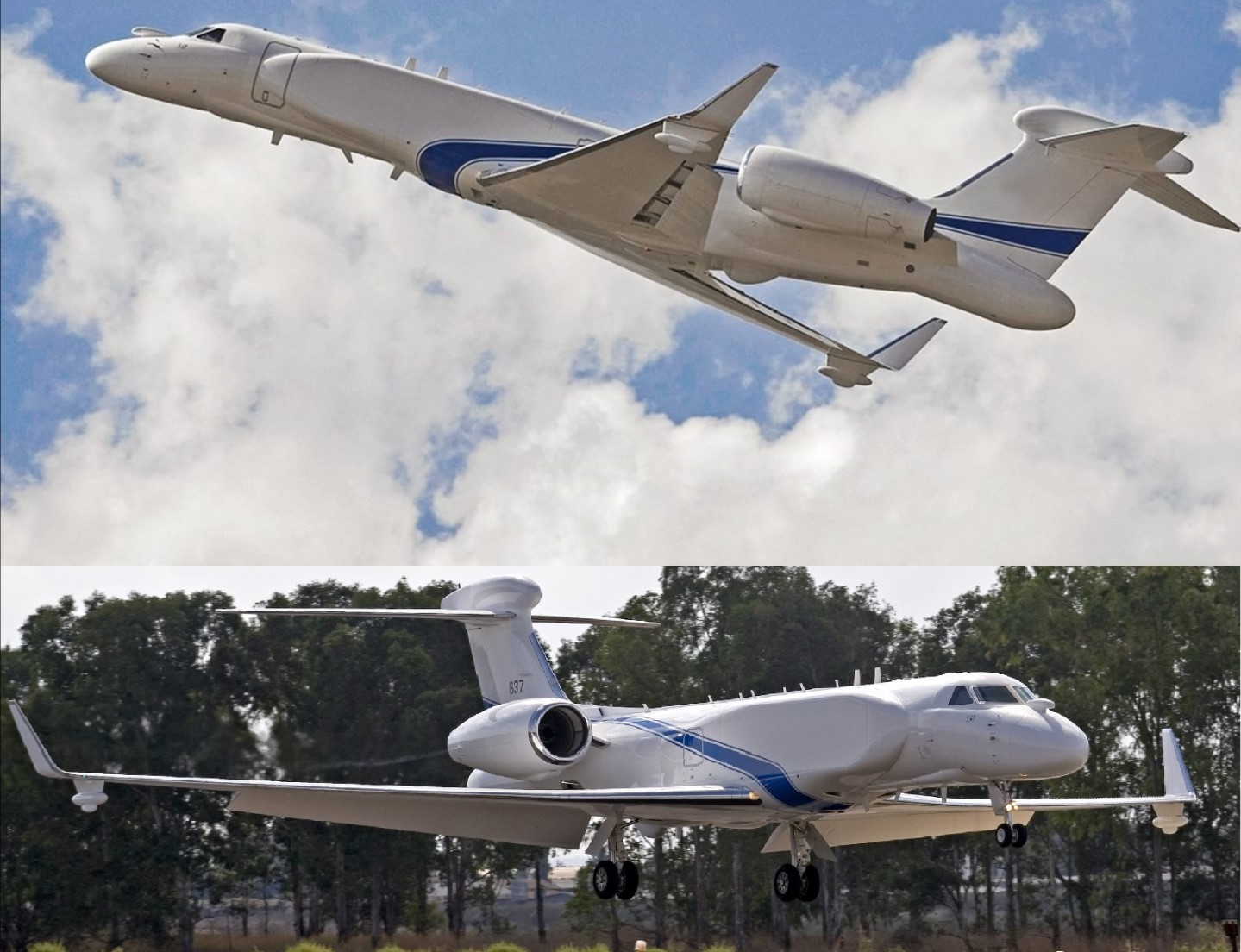
World
TEL AVIV — Israel Aerospace Industries (IAI) has officially unveiled ELLYON, a new multi-mission aircraft that combines advanced electronic attack (EA) capabilities with intelligence, surveillance, target acquisition, and reconnaissance (ISTAR) into a single airborne platform. Presented in Tel Aviv on July 20, ELLYON is designed to provide military operators with one aircraft capable of conducting intelligence collection, electronic warfare, and real-time mission coordination. By combining capabilities that traditionally require multiple specialized aircraft, the platform is intended to shorten the intelligence-to-action cycle while supporting stand-off operations from hundreds of kilometers away, reducing exposure to hostile threats. Integrated Intelligence and Mission System ELLYON features an integrated suite of sensors and communication systems, including: Long-range Synthetic Aperture Radar (SAR) with Ground Moving Target Indication (GMTI) Signals Intelligence (SIGINT) Electro-optical and infrared sensors Wide-band satellite communications (SATCOM) An AI-based mission management system processes data from these sensors, generates actionable intelligence, and rapidly shares it with command centers, ground control stations, and other aircraft operating in the mission area. Electronic Attack Capabilities The aircraft is designed to conduct electronic attack missions across the electromagnetic spectrum. According to IAI, it can perform radar jamming and communications jamming simultaneously during a single mission, enabling it to disrupt both airborne threats and ground-based integrated air defense systems. ELLYON also includes a self-protection suite with automated threat detection, early warning systems, and electronic countermeasures to enhance survivability during operations. Flexible Aircraft Integration IAI developed ELLYON as a platform-agnostic system that can be integrated onto various large commercial business jet airframes based on customer requirements. The platform also incorporates technologies from IAI ELTA's existing airborne intelligence and electronic warfare programs, including sensor miniaturization, advanced algorithms, and AI-based software. Statements from IAI Boaz Levy, Chairman of the Board at IAI, said the company has long experience in developing intelligence aircraft and that ELLYON brings together intelligence collection, electronic attack, and AI-driven mission management in a single platform. "IAI has been at the forefront of developing advanced intelligence aircraft, combining technological innovation and operational expertise. ELLYON continues this legacy by integrating advanced intelligence collection, Electronic Attack and AI-driven mission management into a single platform, providing a decisive operational advantage in evolving battlespace." Dror Bar, CEO of ELTA Systems and Executive Vice President at IAI, said the aircraft combines stand-off operations with the ability to sense, understand, and influence the electromagnetic environment. "ELLYON represents a technological leap forward, combining stand-off operations with the ability to sense, understand and shape the electromagnetic battlespace. ELLYON shortens intelligence-to-action cycles and enhances freedom of action in the most demanding operational environments." ELLYON joins IAI ELTA's family of special-mission intelligence aircraft, which the company said have accumulated extensive operational experience supporting air defense and intelligence missions with the Israel Defense Forces (IDF) and international partners.
Read More → Posted on 2026-07-20 15:39:12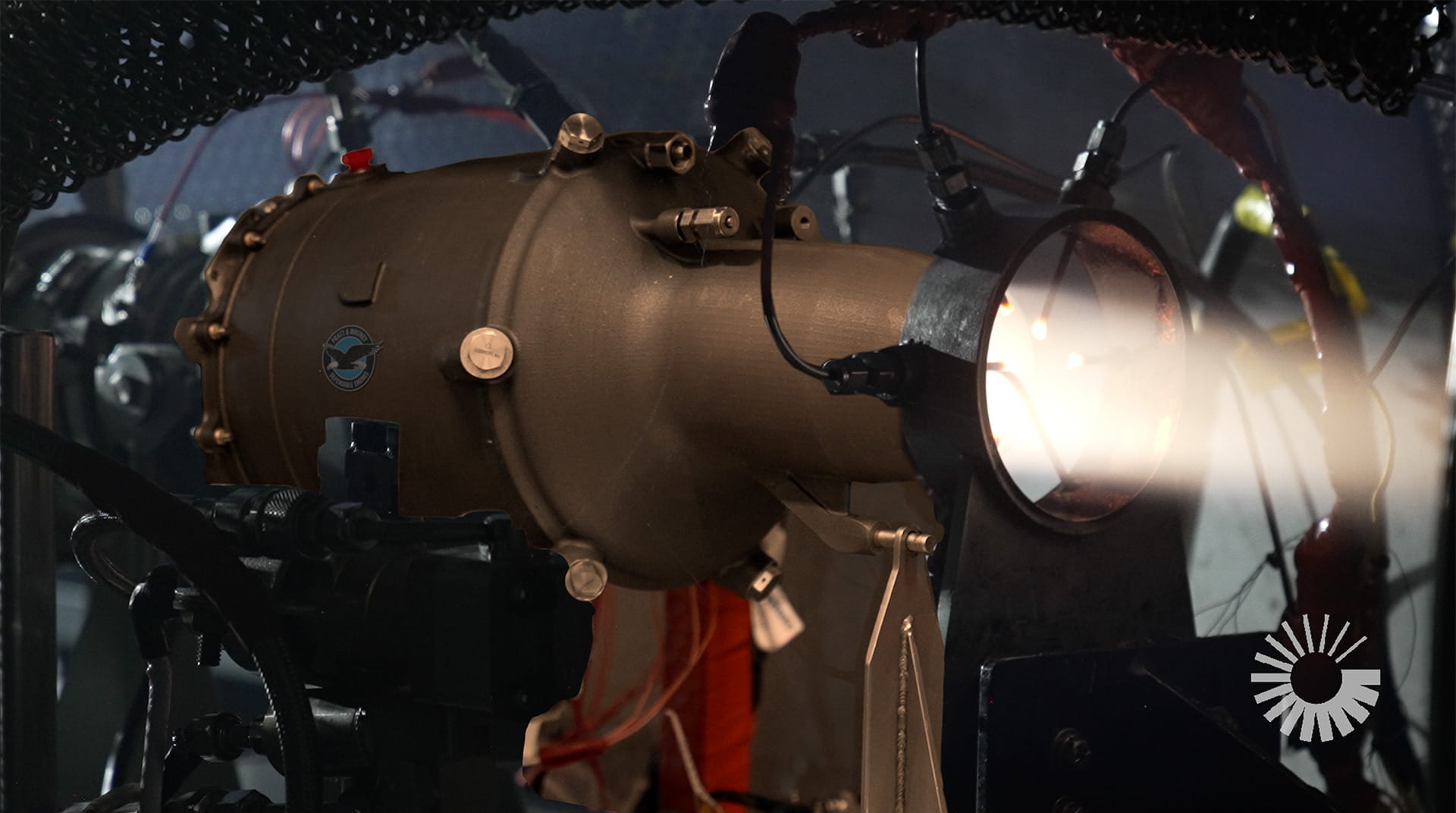
U.S
LONDON — Pratt & Whitney, an RTX business, announced at the Farnborough International Airshow that it has successfully completed demonstration testing of its additively manufactured TJ150 turbojet engine, marking an important step in the company's use of 3D printing technology for military propulsion systems. The TJ150 is a compact turbojet engine developed for expendable applications, including certain autonomous systems and weapons. These systems are typically designed for missions lasting only minutes or hours, making simplified designs and faster production an important requirement. According to Pratt & Whitney, nearly 60% of the TJ150 engine by volume was produced using additive manufacturing, commonly known as 3D printing. The additively manufactured sections include major static components as well as rotating hardware, demonstrating the use of the technology across critical parts of the engine. The demonstration testing evaluated the performance of the 3D-printed materials under realistic operating conditions. The company said the tests confirmed that the engine meets the durability requirements for its intended military missions while providing valuable data on the use of additive manufacturing in propulsion systems. As part of the TJ150 program, Pratt & Whitney invested in additive manufacturing capabilities to support future production and scalability. Engineers consolidated more than 50 individual hot-section components into a small number of additively manufactured parts, reducing assembly complexity. The company also successfully tested a 3D-printed rotating turbine wheel, one of the key components operating under high temperatures and rotational loads. Jill Albertelli, President of Military Engines at Pratt & Whitney, said additive manufacturing allows the company to move more quickly from concept to operational capability. She added that the experience gained from the TJ150 program is already being applied to other propulsion projects, including the Pratt & Whitney Valox engine family. The company's production strategy focuses on improving manufacturing speed and flexibility, particularly as demand increases for propulsion systems intended for short-duration missions. By reducing the number of individual components and simplifying production, additive manufacturing can help shorten manufacturing timelines while supporting higher production rates. Additive manufacturing builds components layer by layer from digital designs instead of using conventional machining or casting methods. The process provides greater design flexibility, reduces the total number of parts required, and can lower production time and manufacturing costs compared with traditional production methods. Pratt & Whitney said the successful TJ150 demonstration expands its experience with advanced manufacturing technologies and supports its broader efforts to modernize military engine production. As of July 20, 2026, the company is evaluating the next phase of the TJ150 program based on the results of the demonstration testing. Source : prnewswire
Read More → Posted on 2026-07-20 15:49:34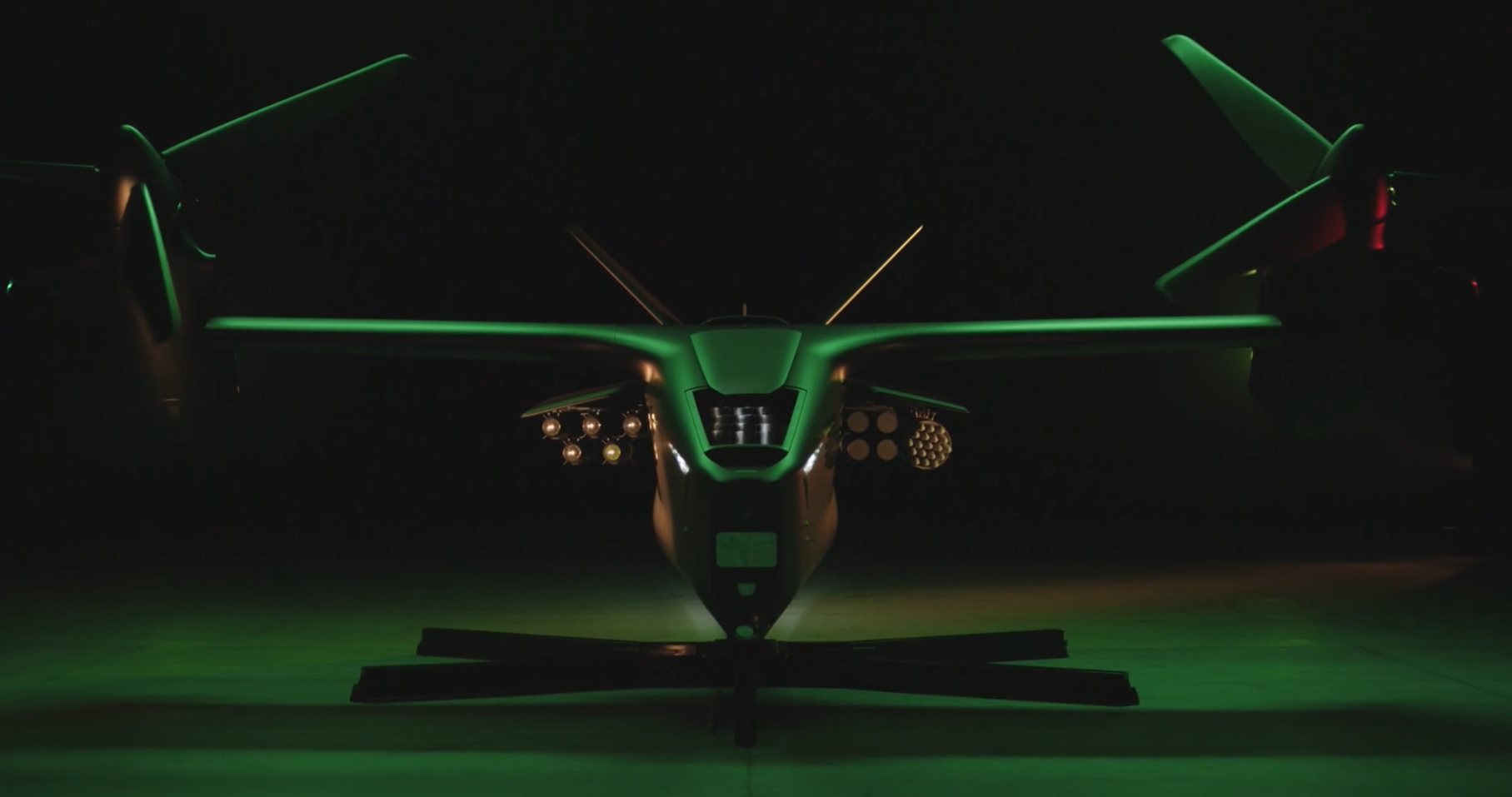
Europe
FARNBOROUGH, England, July 20, 2026 — Anduril Industries and Archer Aviation (NYSE: ACHR) on Monday unveiled Thunder, a Group 5 Autonomous Air Vehicle (AAV) designed to operate alongside crewed attack and assault helicopters, increasing combat capability while reducing risk to pilots in contested environments. The aircraft was introduced at the Farnborough International Airshow as part of a strategic partnership between Anduril and Archer Aviation that combines Archer's electric vertical takeoff and landing (VTOL) technology with Anduril's autonomous mission systems. The companies said Thunder is a dual-use platform that brings commercial VTOL technology into military applications while sharing a common development baseline for both defense and commercial variants. The modern battlefield is a robotic kill zone. Attack helicopters and their crews face more sophisticated threats than ever before. In this new era of maneuver warfare, we need eyes for what’s ahead and a shield for what we can’t afford to lose. Thunder is a Group 5… pic.twitter.com/0gWwAKZFJC — Anduril Industries (@anduriltech) July 20, 2026 Built as a New Military Platform According to the companies, Thunder has been under development since 2024 and was designed from the ground up rather than adapted from Archer's commercial air taxi aircraft. Archer Aviation CEO Adam Goldstein said the program followed a "first principles" approach to develop a purpose-built vertical lift aircraft capable of meeting military operational requirements. The aircraft uses a series hybrid-electric powertrain combined with Optimum Speed Tiltrotor (OSTR) technology, allowing its rotors to adjust rotational speed for improved efficiency during different phases of flight. This enables Thunder to perform vertical takeoffs and landings like a helicopter while transitioning to efficient wingborne forward flight, providing greater speed, range and endurance. The hybrid-electric propulsion system is designed to provide sufficient range for long-distance self-deployment. For transport, Thunder can also be packed into a standard shipping container, allowing movement by air, road, rail or sea into operational areas. Designed for Multiple Mission Types Thunder is intended to operate as an autonomous attack rotorcraft that supports crewed helicopters such as the AH-64 Apache or flies independently in autonomous formations. The aircraft features modular internal payload bays in both the main fuselage and nose section, allowing operators to configure it for different mission requirements. These payloads include precision-guided weapons, rockets, launched effects, electronic warfare systems, counter-unmanned aerial system (counter-UAS) equipment and standard cargo. According to Anduril, the main payload module can be configured to carry: Up to 10 air-to-ground missiles, including AGM-114 Hellfire, AGM-179 JAGM or Anduril's Barracuda-100M Up to 16 launched effects, including the Altius-600 Up to 76 individual 70mm rockets In addition, the nose payload module can simultaneously carry 12 counter-UAS effectors, enabling the aircraft to engage aerial threats while carrying weapons for ground attack missions. The company said the platform's open architecture allows future mission systems and payloads to be integrated as operational requirements evolve. Supporting Crewed Aviation Anduril said Thunder is designed to complement, rather than replace, existing crewed aircraft. The company said pairing multiple Thunder aircraft with platforms such as the Apache could significantly increase available firepower without requiring additional pilots while helping crews operate at greater stand-off distances. Its autonomous software is designed to enable coordinated operations between crewed and uncrewed aircraft while providing a shared tactical picture across formations. Developed for Contested Environments The companies said the platform was developed in response to changing battlefield conditions, where the widespread use of drones, loitering munitions, persistent intelligence, surveillance and reconnaissance (ISR) systems, and low-cost air defense systems has increased the risks faced by conventional attack helicopters. Thunder is intended to provide additional combat effects in these contested environments by combining autonomous operation with a large payload capacity, extended range and vertical lift capability. Testing and Future Plans Anduril and Archer said they have completed multiple test flights using full-scale surrogate aircraft to validate the platform's core technologies. The first flight of the production Thunder aircraft is planned for 2027. Alongside the defense-focused Thunder program, Archer Aviation said it plans to announce a commercial version of the platform, known as Halo, along with its first commercial launch partners later this week. Following the announcement, Archer Aviation shares rose more than 14% in Monday morning trading, reflecting investor interest in the company's expansion into the defense sector.
Read More → Posted on 2026-07-20 15:57:46
Europe
LONDON — The international consortium developing the propulsion system for the Global Combat Air Programme (GCAP) has moved closer to ground-testing its next-generation engine demonstrator after completing a series of major design reviews. The engine development team, comprising Italy's Avio Aero, Japan's IHI Corporation, and the United Kingdom's Rolls-Royce, confirmed that the all-new centerline engine demonstrator is nearing final design approval. The demonstrator is a key step in reducing technical risks before the propulsion system enters full-scale development for the GCAP fighter aircraft. GCAP is a joint program between the United Kingdom, Italy, and Japan to develop a next-generation stealth combat aircraft expected to enter service around 2035. The three companies said they have completed more than 100 subscale component tests, while manufacturing of engine components is progressing across facilities in all three partner nations. The upcoming ground-testing phase will provide critical performance data needed to finalize the design of the aircraft's full power and propulsion system. In addition to validating new technologies, the engine demonstrator will help the partners evaluate manufacturing methods, engineering tools, and development processes intended to reduce the overall program timeline. Unlike previous-generation fighter engines, the GCAP propulsion system is being designed to deliver not only thrust but also the electrical power and thermal management required for advanced radar systems, sensors, electronic systems, and future weapons. Phil Townley, Director of Future Programmes for Defence at Rolls-Royce, said the engine is being developed as a "flying power station" capable of handling the significant electrical and thermal demands of next-generation mission systems. He added that the trilateral partnership is enabling the companies to work as a single team despite operating across three countries. IHI Corporation is contributing advanced Japanese engine technologies, materials, and manufacturing expertise to the program. Noriyuki Nakamura, Senior Technical Advisor at IHI, said the company is combining its latest technologies with the experience of Rolls-Royce and Avio Aero to develop the propulsion system that will serve as the "heart" of the future combat aircraft. He also highlighted the importance of building long-term cooperation and trust among the participating companies. Edoardo Curti, General Manager of Avio Aero's Defense Business Unit, described the completion of the recent design reviews as a significant milestone. He said the achievement reflects the partners' shared commitment to developing next-generation propulsion technology while strengthening long-term industrial cooperation under the GCAP program. To support closer coordination, the three companies recently opened a dedicated Collaboration Hub in Reading, United Kingdom. The facility allows engineers from Italy, Japan, and the UK to work together alongside representatives from the GCAP Agency and Edgewing, the industrial joint venture responsible for the aircraft's overall design and delivery. Edgewing was established by BAE Systems, Leonardo, and Japan Aircraft Industrial Enhancement Co. Ltd. In July 2026, the GCAP Agency awarded the company a £4.6 billion (approximately $6.1 billion) contract to carry the fighter aircraft into its detailed design and testing phase. The program targets a crewed demonstrator flight by the end of 2027. The proximity of the engine consortium to Edgewing is intended to ensure close integration between the propulsion system and the aircraft's airframe, electrical architecture, and thermal management systems throughout development. Beyond its military objectives, the GCAP engine program also supports the aerospace industries of the three partner nations. According to the consortium, the propulsion program currently sustains more than 9,000 highly skilled aerospace jobs worldwide while contributing to the long-term development of engineering and manufacturing expertise. With design reviews completed and component testing continuing, the consortium's immediate priority is to transition the engine demonstrator to ground testing, marking the next major stage in validating the propulsion system for the GCAP fighter aircraft. Source : rolls-royce
Read More → Posted on 2026-07-20 16:39:10
U.S
CINCINNATI — GE Aerospace and Shield AI have successfully completed integration, actuation, and engine light-off testing of the propulsion system for the X-BAT autonomous vertical take-off and landing (VTOL) strike fighter, marking an important milestone ahead of the aircraft's planned flight tests later this year. The testing was conducted at GE Aerospace's Peebles, Ohio, facility and focused on integrating the Axisymmetric Vectoring Exhaust Nozzle (AVEN) with the F110-GE-129E fighter engine. Engineers from both companies modified the AVEN hardware, integrated it with the engine, completed functional system checks, and successfully performed an engine light-off to verify the propulsion system's operation. The campaign represents the first fully integrated test combining the AVEN's hardware, controls, and engine systems to execute coordinated thrust-vectoring nozzle movements since the technology was originally developed in the 1990s. Flight-Proven AVEN Nozzle Adapted for X-BAT The AVEN nozzle provides the thrust vectoring required for the X-BAT to perform vertical take-off, landing, and transition between vertical and conventional flight. The technology was originally developed for a multi-axis thrust-vectoring program using the experimental F-16 VISTA (Variable-stability In-flight Simulator Test Aircraft) during the 1990s. During that program, the nozzle accumulated 73 hours of ground testing and 135 flight hours across 95 flights. Rather than developing a new nozzle from the beginning, Shield AI refurbished the flight-tested AVEN hardware for the X-BAT program. However, the company said the aircraft's tail-sitting design requires significantly faster nozzle gimbaling to maintain stability during vertical flight than was required in the original F-16 program. Armor Harris, Senior Vice President of Aircraft Engineering at Shield AI, said the AVEN system is central to the aircraft's ability to operate without runways. "X-BAT is designed to take off and land vertically from anywhere—no airbase, no runway—and that capability lives or dies with propulsion. The AVEN is what makes vertical flight possible on a platform this size and this capable. Taking hardware with a flight-proven track record and adapting it for that mission has let us move through development at an incredible pace instead of starting from zero." Designed for Runway-Independent Operations Shield AI publicly unveiled the X-BAT in late 2025 as a long-range Collaborative Combat Aircraft (CCA) powered by the company's Hivemind autonomy software. The aircraft is designed to operate independently or alongside crewed aircraft in contested environments where traditional airbases and runways may not be available. Unlike conventional fighter aircraft, the X-BAT launches vertically from a trailer-mounted platform and requires a clearing of approximately 100 by 100 feet. The aircraft uses the F110 engine's afterburner during vertical take-off to generate maximum thrust, while landings are performed using military power. Despite its runway-independent design, the aircraft has dimensions comparable to a fighter aircraft, measuring about 26 feet (7.9 meters) in length with a 39-foot (11.9-meter) wingspan. Its twin internal weapons bays are similar in size to those of the F-35 and are designed to carry up to 2,000-pound-class weapons internally. The X-BAT has a combat radius of 1,000 nautical miles, a maximum range exceeding 2,000 nautical miles, and is capable of operating at altitudes of up to 50,000 feet. The aircraft also generates 80 kilowatts of onboard electrical power, supporting electronic warfare (EW) systems, intelligence, surveillance and reconnaissance (ISR) payloads, and both active and passive radar capabilities. F110 Engine Powers the X-BAT Program The successful engine light-off follows Shield AI's selection of GE Aerospace in November 2025 to provide propulsion and testing support for the X-BAT program. The F110 engine family, which recently marked 40 years of continuous production, has accumulated more than 11 million flight hours in operational service and remains one of the most widely used high-thrust fighter engines. Doogie Russell, Vice President of Edison Works at GE Aerospace, said the testing combines proven propulsion technology with a new autonomous aircraft design. "The integration of AVEN into our F110-GE-129E engine and a successful light off represents a full-circle moment for our GE Aerospace team. By combining our proven experience in developing propulsion systems with Shield AI's next-generation vehicle development, we are integrating the best of past, present, and future products to create a revolutionary aircraft." Flight Testing Planned Later This Year Following completion of the ground testing campaign at Peebles, the integrated AVEN propulsion system is entering final preparations for flight evaluation. The X-BAT prototype is scheduled to begin flight testing later in 2026, with the recent propulsion tests validating a key system required for the aircraft's vertical flight capability. The program is intended to demonstrate a runway-independent autonomous strike aircraft capable of operating from ships, islands, trailers, and other remote locations while carrying fighter-sized payloads over long distances. Source : shield.ai
Read More → Posted on 2026-07-20 16:53:54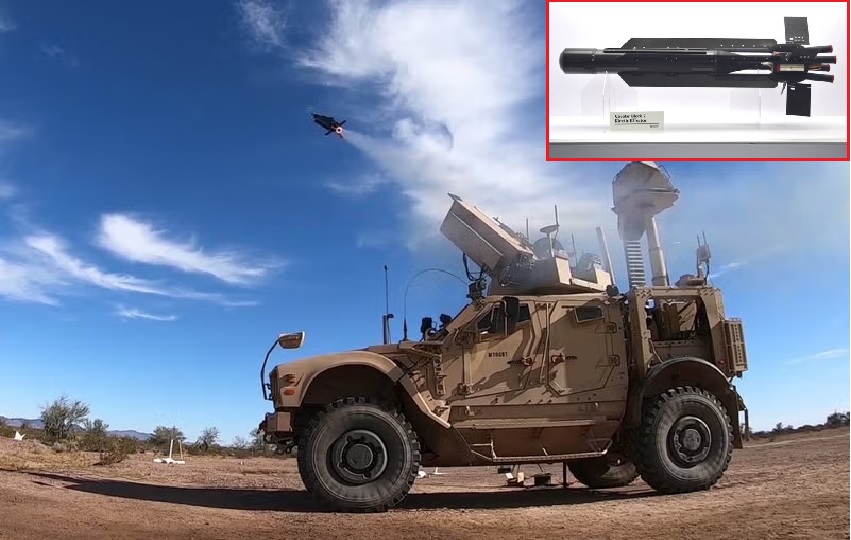
Europe
FARNBOROUGH, UK — Raytheon is significantly increasing production of its Coyote counter-unmanned aircraft system (C-UAS) interceptor to meet growing demand under the U.S. Army's Low, Slow, Small Unmanned Aircraft Integrated Defeat System (LIDS) program following the system's operational success in the Middle East. The production expansion comes after the U.S. Army approved the disclosure of 600 successful combat intercepts achieved by the Coyote system during its deployment as part of Operation Epic Fury, highlighting its role in countering drone threats in active operations. Speaking during a media briefing at the Farnborough International Airshow, Tom Laliberty, president of Raytheon's Land and Air Defense Systems business, said integrated air and missile defense remains one of the military's highest priorities as the use of unmanned aerial systems continues to increase. "The system is now in wide use, and it has been significantly successful combating Class 1 through 3 drones," Laliberty said. He added that Raytheon has tripled Coyote production over the past year and plans to double output again by the end of next year, reaching a production rate of approximately 300 missiles per month. The Coyote interceptor operates together with Raytheon's Ku-band Radio Frequency Sensor (KuRFS) radar, which provides 360-degree detection, tracking and identification of small airborne targets. Integrated within the Army's LIDS architecture, the combined system is designed to detect and defeat unmanned aerial threats in both fixed-site and mobile configurations. Raytheon currently offers two interchangeable Coyote variants that can be launched from the same launcher depending on mission requirements. The Coyote Block 2 is an expendable interceptor equipped with a kinetic warhead that physically destroys individual drones during interception. The Coyote Block 3NK is a reusable and rechargeable variant fitted with a high-power microwave (HPM) payload designed primarily to defeat drone swarms using non-kinetic effects. After completing its mission, the interceptor can be recovered, recharged and redeployed. Raytheon recently demonstrated the Block 3NK's capabilities during a U.S. Army exercise in Tucson, Arizona, where the system successfully defeated multiple drone swarms before completing its full mission cycle of launch, engagement, recovery and reuse. The company is also evaluating upgrades to the Coyote family, including improvements to its seeker and propulsion systems, to enable faster engagements and interceptions at greater altitudes as drone threats continue to evolve. Laliberty said recent conflicts have highlighted the growing importance of layered air defense systems capable of handling large-scale attacks involving different types of weapons. He pointed to operations in the Middle East and the ongoing war between Ukraine and Russia, where attackers have increasingly combined expensive precision-guided weapons with large numbers of lower-cost drones launched from multiple directions. According to Laliberty, defending against these attacks requires military forces to protect numerous assets simultaneously while selecting the most appropriate interceptor for each threat. He emphasized that effective command-and-control systems are essential for coordinating multiple layers of air defense and ensuring that different systems work together efficiently. "As you bring these lower-cost technologies together, the other thing that's really important is the ability to have command and control that spans these layers so that you do the appropriate target or threat to weapon assignment," Laliberty said. He added that integrated air defense allows operators to use a Coyote interceptor against lower-cost drone threats, such as a Shahed unmanned aircraft, while preserving higher-value systems like the Patriot missile for more advanced threats. Raytheon's production expansion also aligns with broader U.S. Army procurement efforts. In September 2025, the Pentagon awarded the company a $5.04 billion contract covering Coyote systems, launchers and KuRFS radars, with work scheduled to continue through 2033. Earlier contracts also included additional orders for hundreds of Coyote interceptors to support operational requirements. The continued increase in production reflects the U.S. Army's focus on expanding affordable, scalable counter-drone capabilities as unmanned aerial threats become a larger component of modern military operations. By integrating Coyote interceptors, KuRFS radars, command-and-control networks and electronic warfare capabilities within the LIDS architecture, the Army aims to provide comprehensive protection against a wide range of drone threats while improving the cost-effectiveness of layered air defense. Source : nationaldefensemagazine
Read More → Posted on 2026-07-21 06:20:04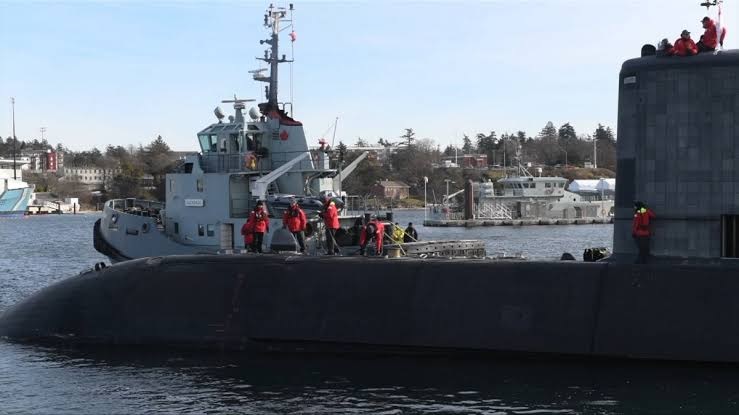
World
OTTAWA — The Government of Canada has awarded Babcock Canada a six-year contract extension worth more than $1 billion to continue providing in-service support for the Royal Canadian Navy's Victoria-class submarine fleet, ensuring the submarines remain operational as the country prepares to transition to a new generation of vessels over the next decade. The extension to the Victoria In-Service Support Contract (VISSC) allows Babcock Canada to continue serving as the fleet's prime contractor, a role it has held for more than 18 years. The agreement also includes options to extend support through to the end of the Victoria-class submarines' operational life, which is expected in the mid-to-late 2030s. The contract is intended to maintain Canada's existing submarine capability while the country advances the Canadian Patrol Submarine Project (CPSP), which will replace the current fleet with up to 12 Type 212CD conventionally powered submarines. Maintaining Canada's Victoria-Class Fleet The Royal Canadian Navy currently operates four Victoria-class submarines, originally built between 1983 and 1990, acquired by Canada in the late 1990s, and brought into service in the early 2000s. As the submarines approach four decades of service, sustaining the fleet requires extensive engineering, maintenance, upgrades, refits, and periodic deep maintenance. The Victoria-class is considered an "orphan class" because no other navy currently operates the submarines, meaning many original replacement parts are no longer produced. To address this challenge, Babcock Canada reverse-engineers obsolete components and manufactures replacement parts through a Canadian supply chain. The company also works with Canadian shipyards, including Seaspan's Victoria Shipyards, to carry out major maintenance periods. HMCS Corner Brook is currently deployed in the Pacific Ocean participating in RIMPAC, the world's largest international maritime exercise, while the remaining three submarines are undergoing scheduled maintenance. Supporting the Transition to Canada's Future Fleet The VISSC extension is intended to ensure uninterrupted submarine support until Canada's next-generation fleet enters service. Earlier in July 2026, Prime Minister Mark Carney announced that Germany's ThyssenKrupp Marine Systems (TKMS) had been selected as the preferred bidder under the Canadian Patrol Submarine Project. Initial deliveries of the new submarines are expected between 2032 and 2034, while the Victoria-class fleet will continue operating into the mid-to-late 2030s to avoid a capability gap. Tony March, Chief Executive Officer of Babcock Canada, said the company is proud to continue supporting the Royal Canadian Navy. "Supporting the men and women of the Royal Canadian Navy with a safe and capable submarine fleet is something Babcock is hugely proud of, and this contract extension continues our longstanding partnership and delivery of this important sovereign and strategic capability," March said. He said the extension will strengthen support for the Victoria-class fleet while helping maintain Canada's submarine sustainment workforce and engineering expertise during the transition to the future fleet. Economic Impact According to Babcock Canada, work under the Victoria In-Service Support Contract has contributed more than $3.2 billion to Canada's gross domestic product since 2008. The program supports more than 1,500 jobs annually, including over 1,300 engineering and technical positions, and works with a network of more than 450 Canadian suppliers. Babcock also collaborates with Canadian universities, colleges, Indigenous communities, and small and medium-sized businesses to support workforce development, technical training, and innovation in the submarine sector. Babcock has also indicated it intends to compete for the sustainment contract for Canada's future Type 212CD submarine fleet, building on the experience and industrial capabilities developed through more than 18 years of supporting the Royal Canadian Navy's Victoria-class submarines. Source : bnnbloomberg.ca
Read More → Posted on 2026-07-21 06:35:28
U.S
ANDOVER, Mass. — Raytheon, a business of RTX, has received a $1.8 billion contract modification from the U.S. Navy to continue the production and sustainment of the AN/SPY-6(V) family of radar systems, supporting the Navy's ongoing modernization of its surface fleet. The contract extension builds on the original hardware production and sustainment agreement awarded to Raytheon in March 2022. According to the company, the modified agreement includes contract options that, if fully exercised, would increase the total cumulative value to $3.39 billion. The SPY-6 family of active electronically scanned array (AESA) radars is designed to detect and track multiple threats simultaneously, including ballistic missiles, cruise missiles, hostile aircraft, and surface ships. The radar provides greater detection range and improved sensitivity compared with legacy U.S. Navy radar systems. Raytheon said the SPY-6 radar is currently operational aboard two commissioned U.S. Navy ships and has been installed on 11 additional vessels that are undergoing various stages of sea trials and testing. Over the next decade, the Navy plans to deploy the radar across more than 50 ships, including Flight III Arleigh Burke-class destroyers, frigates, aircraft carriers, and amphibious assault ships. “This contract extension reflects the Navy’s confidence in our ability to deliver advanced, reliable and scalable radar solutions,” said Barbara Borgonovi, president of Naval Power at Raytheon. “Our continued investment and commitment to ramping production will ensure the fleet has the sensing advantage to stay ahead of evolving threats for decades to come.” The SPY-6 radar family is the result of more than a decade of design, testing, and manufacturing work, and Raytheon said the system has been validated through operational performance at sea. To support the Navy's planned deployment schedule, Raytheon has invested more than $800 million to modernize its radar manufacturing facilities and expand production capacity. The company said these upgrades are expected to double SPY-6 production by 2028, helping improve long-term hardware availability while reducing overall costs for the Navy. Manufacturing work under the contract will be carried out at several U.S. facilities. Approximately 30% of the production will take place in Andover, Massachusetts, where Raytheon is expanding its engineering workforce to support the program. Additional work will be performed in San Diego, California; Scottsdale, Arizona; and Syracuse, New York. According to the U.S. Department of Defense, the base contract work is scheduled for completion by July 2031. If all contract options are exercised, work could continue through October 2031. Source : rtx
Read More → Posted on 2026-07-21 14:52:51
U.S
WASHINGTON — Lockheed Martin is expanding its U.S. munitions production capacity through four factory and workforce initiatives across Pennsylvania, Florida and Arkansas as part of a long-term investment strategy worth more than $9 billion. According to the company, the investment is intended to increase manufacturing capacity, improve supply-chain resilience and meet rising demand for advanced defense systems. Lockheed Martin said the projects are already increasing production output, improving manufacturing efficiency and strengthening its defense workforce. The expansion supports several key missile programs, including the Terminal High Altitude Area Defense (THAAD) system, Patriot Advanced Capability-3 (PAC-3) interceptor and Precision Strike Missile (PrSM). Pennsylvania expansion In Pennsylvania, Lockheed Martin plans to invest more than $60 million to expand its existing facility in Archbald. The project will double the site's physical size and create more than 700 jobs. The company has also leased a new 150,000-square-foot facility in nearby Jessup, which will manufacture cable-and-harness systems for PrSM, THAAD, PAC-3, Apache sensors and other defense programs. Phased production at the Jessup facility is scheduled to begin in 2027. Lockheed Martin said the additional space will accommodate more tooling, test equipment and hardware. The facility will also introduce advanced manufacturing technologies, including digital projection harness boards, a modular digital-twin production floor for rapid assembly-line reconfiguration, and advanced material-handling automation to improve manufacturing scale and speed. Florida production improvements In Orlando, Florida, the company has combined three older paint bays into a single high-performance paint facility that supports THAAD, PrSM and other missile systems. According to Lockheed Martin, the new layout enables manufacturing teams to reconfigure production cells in hours instead of weeks. Improved temperature and humidity controls, together with a high-efficiency oven, have reduced cure times by 15%. The Orlando facility also includes five recirculating paint booths, a second high-efficiency oven to reduce production bottlenecks, and sensor-based mix-room controls designed to improve paint consistency and reduce rework. At its Ocala, Florida facility, Lockheed Martin has introduced a Progressive Work Smart Assembly Line for missile control unit and seeker subassemblies. The company said the assembly line uses modular and flexible workstations to improve material flow and reduce waste. Early production results indicate an approximately 50% reduction in hours per unit for both missile control unit and seeker builds. Lockheed Martin said it plans to expand the smart-line manufacturing approach to additional production sites and missile programs to accelerate delivery of systems to military forces. Workforce expansion in Arkansas To support increased manufacturing capacity, Lockheed Martin is also expanding its workforce in Camden, Arkansas. The company's high school hiring initiative reached a staffing record in its fourth year, with more than 40 candidates transitioning into full-time positions this year to support higher munitions production. The program, conducted in partnership with the U.S. Department of Labor, has now brought more than 90 apprentices into Lockheed Martin's workforce. According to the company, the partnership helps develop a skilled workforce for national security manufacturing while providing local workers with a structured pathway into advanced manufacturing and defense-related careers. The workforce expansion aligns with the recent groundbreaking of a new Munitions Acceleration Center in Camden, which is intended to increase production of THAAD and PAC-3 interceptors. Lockheed Martin said the four initiatives combine factory expansion, advanced manufacturing technologies, automation and workforce development to strengthen munitions production capacity for current and future U.S. and allied defense requirements. Source : lockheedmartin
Read More → Posted on 2026-07-21 15:13:38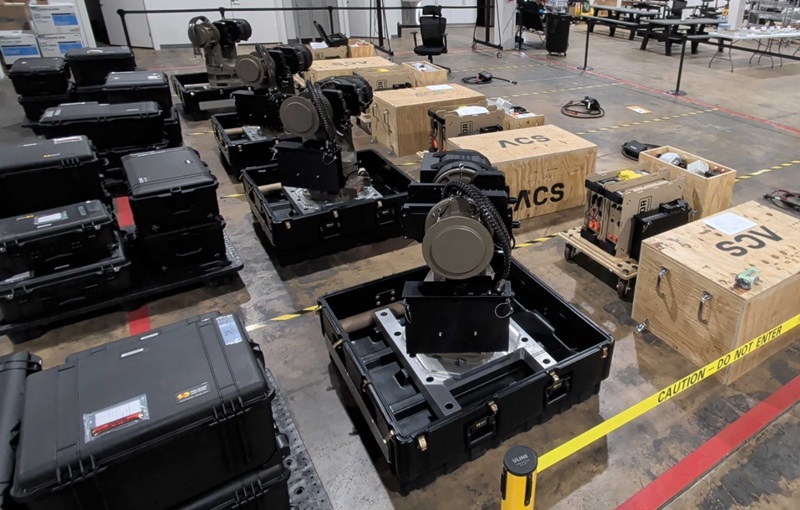
U.S
WASHINGTON — The United States Marine Corps has selected the Bullfrog autonomous weapon station, developed by Texas-based Allen Control Systems (ACS), for integration into its Light Marine Air Defense Integrated System (L-MADIS), strengthening the service's expeditionary counter-unmanned aerial system (C-UAS) capability. The selection was made under a prototype Other Transaction Agreement (OTA) as part of the Marine Corps' Ground Based Air Defense (GBAD) program. The initial contract is valued at approximately $6.2 million, while the Marine Corps has requested $1.27 billion for GBAD capabilities in its fiscal year 2027 budget. AI-Guided Robotic Mount for Existing Weapons Rather than introducing a new firearm, Bullfrog is a robotic weapon station designed to convert existing military weapons into AI-assisted precision systems. The version selected by the Marine Corps is configured around the M240 machine gun, enabling it to detect, track and engage aerial targets with significantly reduced operator workload. The system weighs approximately 300 pounds (136 kilograms) without ammunition and fires standard 7.62×51mm NATO ammunition at a maximum cyclic rate of 850 rounds per minute. Bullfrog uses computer vision and artificial intelligence to manage target detection, tracking and engagement. It relies on a fully passive sensor suite, using optical cameras and onboard data processing instead of radar or other active emissions. This approach allows the system to track targets without broadcasting signals that could reveal its position to enemy electronic warfare systems. Despite its high level of automation, Bullfrog operates under a human-in-the-loop model. The system performs target tracking and firing calculations, but a human operator must authorize every engagement before the weapon fires. According to Allen Control Systems, Bullfrog is designed to engage Group 1 through Group 3 unmanned aerial systems, ranging from small commercial quadcopters to tactical fixed-wing drones weighing up to 1,320 pounds (599 kilograms). Depending on the installed weapon, the system has a maximum effective range of up to 1,500 meters against point targets. Integration with L-MADIS The Bullfrog weapon station will be integrated into the Marine Corps' Light Marine Air Defense Integrated System (L-MADIS), the service's most expeditionary counter-drone platform currently in operation. L-MADIS consists of two Polaris MRZR all-terrain vehicles operating together. One vehicle serves as a command-and-control platform, while the second carries an electronic warfare suite designed to detect, jam and disrupt hostile drones. The addition of Bullfrog provides L-MADIS with a kinetic counter-drone capability, allowing Marines to physically engage drones if electronic jamming is ineffective, particularly against autonomous drones operating without active radio links. "The Marine Corps requires the most sophisticated and accurate possible capabilities to carry out its critical missions," said Mike Wior, co-founder and Chief Executive Officer of Allen Control Systems. "We are honored to support Marines with fast, scalable, and cost-effective counter-drone solutions that integrate seamlessly into existing platforms," he added. Lower-Cost Drone Interception The system is intended to provide a lower-cost method of defeating drones by using standard machine gun ammunition instead of missile interceptors. According to Allen Control Systems, using conventional ammunition can reduce the cost of intercepting drones to as little as $10 per engagement, allowing forces to respond to multiple drone threats without relying on limited stocks of more expensive interceptor missiles. Previous Testing and Military Adoption Bullfrog attracted attention during the Department of Defense's Technology Readiness Experimentation event at Camp Atterbury, Indiana, in August 2024, where it successfully engaged drone targets during a two-week evaluation attended by military officials, including former Undersecretary of Defense for Research and Engineering Heidi Shyu and representatives from U.S. Special Operations Command. The system has also been validated by Joint Interagency Task Force 401, the Pentagon's counter-drone coordination unit. In December 2025, the U.S. Army Applications Lab awarded Allen Control Systems a $4.5 million contract to evaluate Bullfrog integration across five Army combat vehicles. The company also confirmed that Bullfrog systems have already been deployed with U.S. Army and U.S. Navy units. Internationally, Allen Control Systems has secured export contracts with South Korea and the United Arab Emirates, and has signed a memorandum of understanding for local co-production in Romania. Multiple Weapon Configurations In addition to the M240 variant selected by the Marine Corps, Allen Control Systems manufactures Bullfrog configurations designed for the M2 machine gun, M230 30mm automatic cannon, and M134 Gatling-style rotary gun, allowing the system to be adapted for different operational requirements. Company Background Allen Control Systems is headquartered in Austin, Texas, and was founded by Mike Wior, Steven Simoni, and Luke Allen, two of whom previously served as U.S. Navy nuclear engineers. The company recently completed a $200 million Series B funding round in June 2026 at a $2.2 billion valuation, with plans to expand its manufacturing capacity to support growing defense demand. Source : breakingdefense
Read More → Posted on 2026-07-21 15:21:41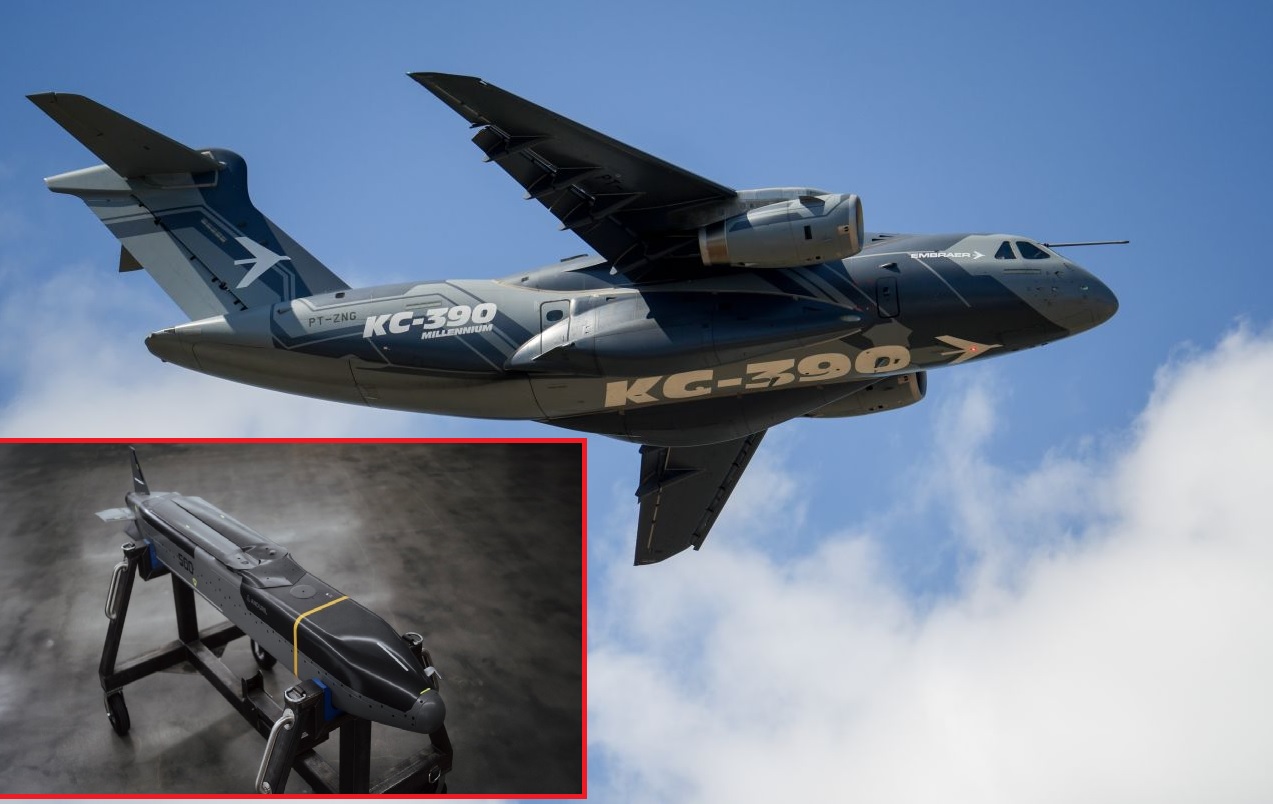
U.S
FARNBOROUGH, U.K. — Brazilian aerospace company Embraer and U.S. defense technology firm Anduril Industries have signed a Memorandum of Understanding (MoU) to evaluate the integration of the pallet-launched Barracuda-500M (B-500M) stand-off cruise missile with the Embraer C-390 Millennium military transport aircraft. The agreement, announced during the 2026 Farnborough International Airshow, aims to expand the C-390 Millennium's operational role beyond tactical air mobility while maintaining its primary transport capabilities. Under the collaboration, the companies will study the use of the Barracuda-500M through roll-on/roll-off mission systems and conventional aerial-delivery procedures. Instead of permanently modifying the aircraft into a dedicated strike platform, the palletized launch system would enable the C-390 to deploy dozens of cruise missiles directly from its cargo compartment. This concept is intended to provide massed stand-off effects during dispersed operations while allowing the aircraft to continue performing its transport missions. The approach is designed to support agile combat employment by giving military operators the ability to rapidly configure the aircraft for different mission requirements without structural changes. The C-390 Millennium is a twin-engine military transport aircraft capable of carrying 26 tons of payload and reaching speeds of 470 knots, according to Embraer. The company says the aircraft flies faster and farther than other medium-sized military transport aircraft. The aircraft is designed to perform a wide range of missions, including troop and cargo transport, equipment and personnel airdrops, medical evacuation, search and rescue, firefighting, and humanitarian assistance. It can also operate from temporary or unpaved runways. With quick-installation air-to-air refueling equipment, the C-390 can serve as both an aerial tanker and a receiver. Anduril describes the Barracuda-500M as a software-defined, affordable cruise missile developed to rapidly rebuild and expand U.S. and allied munitions inventories. The company says the missile family has been designed for hyper-scale commercial production, requiring 50% fewer parts, 95% fewer tools, and half the manufacturing time compared with traditional cruise missiles. Barracuda-500M Specifications Feature Specification Propulsion Turbojet Top Speed 930 km/h (approximately 500 knots) Operational Range More than 930 km (500 nautical miles) Payload Capacity More than 45 kg (100 lbs) According to Anduril, the first successful flight test of the pallet-launched Barracuda-500M was completed in September 2024. Since then, the company says it has conducted dozens of additional flight tests to validate the missile's maturity, modularity, and payload performance. These tests included demonstrations of Networked Collaborative Autonomy, terminal target engagements, and payload performance validation. The Embraer agreement represents another potential application for the Barracuda-500M. It follows Anduril's localized production agreement with Poland's PGZ and procurement framework agreements with the U.S. Department of War under the Family of Affordable Mass Missiles (FAMM) program. To support anticipated production demand of up to 8,000 missiles annually, Anduril is shifting manufacturing to its 5-million-square-foot Arsenal-1 facility in Ohio. For Embraer, the integration study introduces an additional mission concept for the C-390 Millennium as the aircraft continues to expand its international customer base. The C-390 has been selected by the air forces of Brazil, Portugal, Hungary, the Republic of Korea, the Netherlands, Austria, the Czech Republic, Uzbekistan, Sweden, the United Arab Emirates, Slovakia, and Lithuania. Bosco Da Costa Junior, President and CEO of Embraer Defense & Security, said the collaboration represents another step in expanding the aircraft's capabilities. "This collaboration with Anduril marks another important step in the evolution of the C-390 Millennium. By exploring the integration of stand-off launch capabilities for palletized, kinetic, and non-kinetic effects, we are further expanding the aircraft's flexibility to meet the evolving needs of modern air forces. Together, we are developing innovative solutions that strengthen mission versatility, support agile combat employment, and increase operational possibilities for our customers worldwide." Greg Kausner, Senior Vice President for Global Defense at Anduril, said the integration would provide allied militaries with an additional stand-off strike option using an existing airlift platform. "Integrating the pallet-launched Barracuda-500M with Embraer's C-390 Millennium gives allied militaries a new way to generate massed, stand-off effects from a proven airlift platform. Anduril's Barracuda family of systems delivers rapidly producible, operationally relevant capabilities to meet the growing demand for affordable, scalable munitions." The Memorandum of Understanding establishes a framework for studying the integration of the pallet-launched Barracuda-500M with the C-390 Millennium, combining Embraer's multi-mission transport aircraft with Anduril's stand-off cruise missile concept to evaluate an additional operational capability for future military operators. Source : Embraer
Read More → Posted on 2026-07-22 14:24:06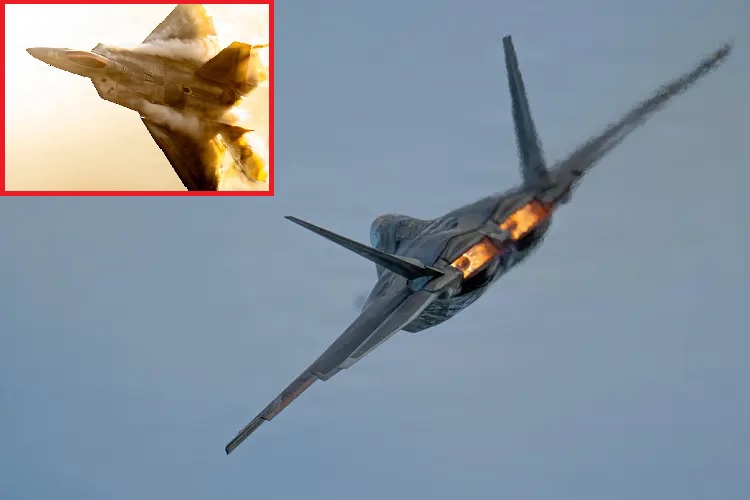
U.S
RED OAK, Texas — Qarbon Aerospace has been awarded a contract to manufacture composite structures for the sustainment of the U.S. Air Force's F-22 Raptor fleet, marking the company's return to the fifth-generation fighter program that it previously supported during the aircraft's development phase. During the early 2000s, Qarbon Aerospace produced horizontal stabilizers for the F-22. The company said the new contract builds on its earlier experience, with its composite manufacturing expertise and long-standing relationship with Lockheed Martin supporting the sustainment requirements of the program. The F-22 Raptor remains one of the most advanced fighter aircraft in the U.S. Air Force inventory. Since production of new F-22 aircraft ended in 2012, maintaining the operational fleet through sustainment, maintenance, repairs, and modernization has become a key focus. Composite materials are an important part of the aircraft's structure, contributing to its performance, strength-to-weight ratio, and low-observable characteristics. Under the contract, Qarbon Aerospace will manufacture structural composite assemblies to support the long-term sustainment of the operational F-22 fleet. The company stated that its established manufacturing capabilities and experience with advanced composite structures position it to meet the program's technical requirements. "The F-22 is one of the most capable aircraft ever flown, and we are proud to be manufacturing for the program again," said Michael Canario, Chief Executive Officer of Qarbon Aerospace. "Defense is a core part of who Qarbon is, and we are committed to being the Tier 1 partner the U.S. defense industry counts on for its most advanced programs." The contract further expands Qarbon Aerospace's defense portfolio. The company has supported U.S. defense programs for decades by producing structures and assemblies for fixed-wing aircraft, rotorcraft, and space platforms. It said defense remains a central part of its business strategy, and it continues to invest in additional manufacturing capacity and defense-related opportunities. Qarbon Aerospace traces its aviation heritage to the Aeroplane Vought Company, established in 1917. Headquartered in Red Oak, Texas, the company specializes in advanced composite components and assemblies for commercial aircraft, military aircraft, spacecraft, and business jet programs. The company operates nearly two million square feet of manufacturing space across its primary facilities in Red Oak, Texas; Milledgeville, Georgia; and Rayong, Thailand. Its production capabilities range from individual component fabrication to large-scale assembly, supported by proprietary thermoplastics technologies and long-standing relationships with major original equipment manufacturers. Qarbon Aerospace has contributed to several defense programs, including completed wings for Northrop Grumman's High Altitude Long Endurance (HALE) platform, the Pratt & Whitney F135 engine duct, Boeing V-22 Osprey empennage components, and structures for the T-7A Red Hawk trainer. The new F-22 sustainment contract supports broader U.S. Air Force efforts to maintain fleet readiness through maintenance, upgrades, repairs, and logistics support. Industry partners such as Qarbon Aerospace provide specialized components, including advanced composite structures, that help keep the aircraft operational. For Qarbon Aerospace, the award aligns with its focus on delivering complex aerostructures for advanced military aircraft while supporting the long-term sustainment requirements of the F-22 Raptor fleet. Source : finance.yahoo
Read More → Posted on 2026-07-22 14:33:33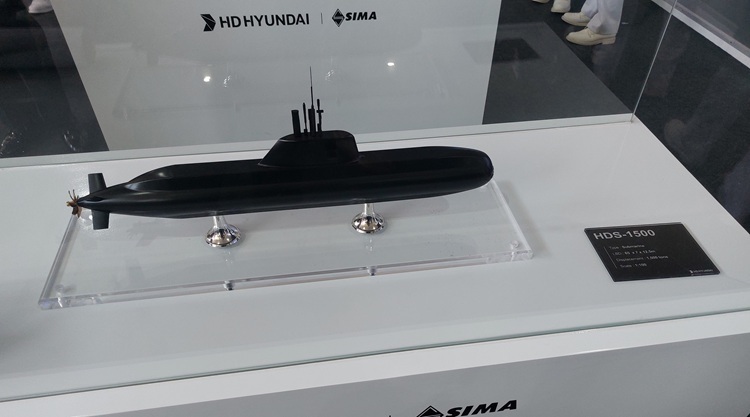
World
LIMA, Peru — South Korea's HD Hyundai Heavy Industries (HD HHI) and Peru's state-owned SIMA Shipyard have completed the basic design of the HDS-MGP next-generation submarine, marking an important milestone in their joint effort to strengthen Peru's submarine construction and maintenance capabilities and support the development of a regional submarine industry in Latin America. The milestone was presented to senior officials of the Peruvian Navy during the "Presentation of the Vision for the Construction of Peru's Next-Generation Submarine", held on July 14, 2026, at the Peruvian Navy Headquarters. Representatives from HD HHI, SIMA, and the Peruvian Navy reviewed the progress of the joint development program, the submarine's technical capabilities, and the long-term objectives of the partnership. HDS-MGP Designed for Peru's Operational Requirements The HDS-MGP (Hyundai Design Submarine – Marina de Guerra del Perú) is based on HD HHI's proprietary HDS-1500 design. The conventional submarine measures 65 meters in length and has a displacement of 1,500 tons. According to HD HHI, the submarine has been customized to meet Peru's operational requirements and the maritime conditions along the Pacific coast. The design also considers underwater terrain that frequently exceeds 3,000 meters in depth, reflecting the country's operating environment. Building Local Submarine Construction and Maintenance Capability A key objective of the program is to enable SIMA Shipyard to independently build, maintain, and support the HDS-MGP submarines in Peru. HD HHI said it is working closely with SIMA and local industrial partners to establish a self-sustaining submarine industrial ecosystem. The cooperation covers submarine construction, as well as maintenance, repair, and overhaul (MRO), while also focusing on technology transfer and workforce development. According to the companies, the initiative is expected to support local employment, strengthen Peru's maritime industrial base, and contribute to the country's broader economic growth. Peru's Experience Supports Regional Vision Peru has operated submarines for decades and has provided submarine education and training to neighboring countries. HD HHI plans to build on this operational experience as part of the joint development program. The companies said the long-term goal is to position Peru as a regional hub for submarine construction, maintenance, repair, and logistics support, while creating opportunities for future submarine exports within Latin America. Partnership Timeline The HDS-MGP program is part of a broader defense and shipbuilding partnership that has expanded steadily since 2024. April 2024: HD HHI and SIMA signed a 640.6 billion KRW (approximately $462.9 million) contract for the local construction of four naval vessels, including a 3,400-ton frigate, a 2,200-ton offshore patrol vessel, and two 1,500-ton amphibious landing ships. The agreement was described by the companies as the largest defense export contract in Latin America's history. November 2024: The companies signed a Memorandum of Understanding (MoU) to begin joint submarine development. April 2025: HD HHI and SIMA signed a Memorandum of Agreement (MoA) to expand cooperation on a customized 1,500-ton submarine. During the same period, HD HHI also received Approval in Principle (AIP) from classification society DNV for the HDS-1500 design. November 2025: Both companies signed a Letter of Intent (LoI) to advance detailed terms for the submarine's joint design and production. December 19, 2025: HD HHI and SIMA signed the formal Joint Development Agreement for a Next-Generation Submarine at SIMA's facilities in Lima. Program Progress The basic design phase began in January 2026 and was completed after approximately 11 months. The companies said the successful completion of the design phase demonstrates close cooperation throughout the project and allows the program to move toward securing a formal contract for the joint construction of the HDS-MGP submarine. Meanwhile, the BALOG amphibious vessel, which is being built under the April 2024 naval shipbuilding agreement, is scheduled to be launched later this year. Source : navalnews
Read More → Posted on 2026-07-22 14:44:17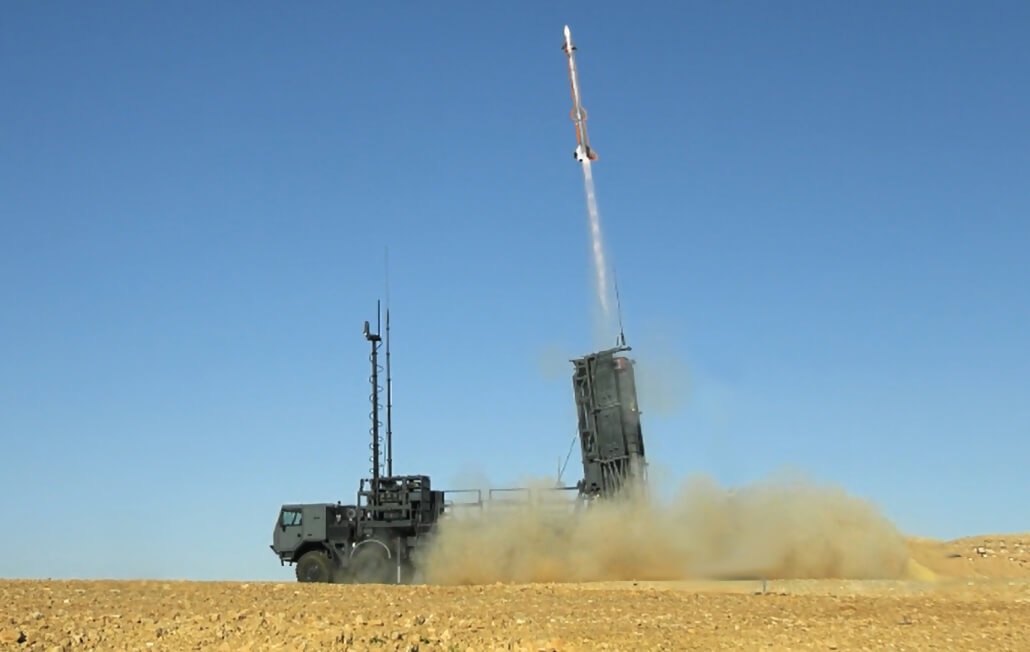
Europe
ATHENS, Greece — Greece is preparing to approve a €3 billion package of Israeli-made air and missile defense systems that will form the foundation of its new "Achilles’ Shield" integrated air defense network. Final authorization is expected from the Government Council for National Security (KYSEA), marking a major step in the country's long-term military modernization program. The procurement is part of Greece's broader defense modernization plan, valued at €28 billion and scheduled to run through 2036. The program aims to replace aging Soviet-era air defense systems, including the S-300, OSA-AK, TOR-M1, and Hawk batteries, while strengthening the country's air and missile defense capabilities. Once operational, the Achilles’ Shield network will provide a multi-layered air defense architecture designed to counter a range of aerial threats, including drones, cruise missiles, aircraft, and tactical ballistic missiles. Multi-Layered Air Defense Network Under the proposed government-to-government agreement with Israel, Greece plans to acquire several Israeli air defense systems. The package includes Rafael Advanced Defense Systems' SPYDER All-in-One and David's Sling, along with the Barak MX air defense system developed by Israel Aerospace Industries (IAI). David's Sling is intended to provide protection against tactical ballistic missiles and other longer-range aerial threats, forming the middle and upper layer of the defense network. The Barak MX and SPYDER systems will provide short- to medium-range air defense, with the ability to engage drones, helicopters, aircraft, cruise missiles, and precision-guided threats. The network will also incorporate EL/M-2084 Multi-Mission Active Electronically Scanned Array (AESA) radars supplied by ELTA, a subsidiary of IAI. According to the available information, each mobile radar can track up to 1,200 airborne targets at ranges of up to 475 kilometers. Rather than operating as separate air defense batteries, Achilles’ Shield is designed as an integrated network in which radar and target information will be shared across multiple systems. The network is also planned to operate alongside Greece's upgraded F-16 Viper fighter aircraft, future F-35 fighters, and Belharra-class frigates. Greek Industry Participation A key requirement of the program is domestic industrial participation. The Greek Ministry of National Defense has required that at least 25% of the program's value involve local industry. Greek companies, including Hellenic Aerospace Industry (HAI) and Intracom Defense, are expected to participate in manufacturing, assembly, and support activities. Their work is expected to include the production of selected components, maintenance support, and the development of the central Command, Control, Communications, Computers, and Intelligence (C4I) system that will coordinate the different layers of the Achilles’ Shield network. The arrangement is also expected to support technology transfer and enable Greek companies to participate in the future supply chains of Rafael and IAI while expanding domestic maintenance capabilities. Part of Wider Defense Modernization The Achilles’ Shield project is one of the largest individual programs within Greece's long-term defense modernization effort. In addition to air defense, the modernization plan includes upgrades to the F-16 Viper fleet, the acquisition of F-35 fighter aircraft, naval modernization programs, artillery systems, transport aircraft, and unmanned systems. The package currently under KYSEA's review also includes additional defense equipment, including V-BAT vertical takeoff unmanned aircraft for army surveillance, Heron unmanned aerial vehicles, British-built mini-submarines, and C-390 Millennium transport aircraft. Greece-Israel Defense Cooperation The planned procurement reflects the growing defense partnership between Greece and Israel. In April 2026, Greece signed a $750 million agreement with Israel's Elbit Systems for PULS multiple rocket launchers. Greece, Israel, and Cyprus also continue to conduct joint military exercises focused on regional security and the protection of energy infrastructure in the Eastern Mediterranean. Following KYSEA's approval, representatives from Israel's Defense Export and International Cooperation Directorate (SIBAT) are expected to travel to Athens to finalize contracts with Greece's General Directorate for Defense Armaments and Investments under the government-to-government agreement. Implementation of the program is expected to take place over several years as Greece continues its long-term military modernization through 2036. Source : ekathimerini
Read More → Posted on 2026-07-22 14:53:35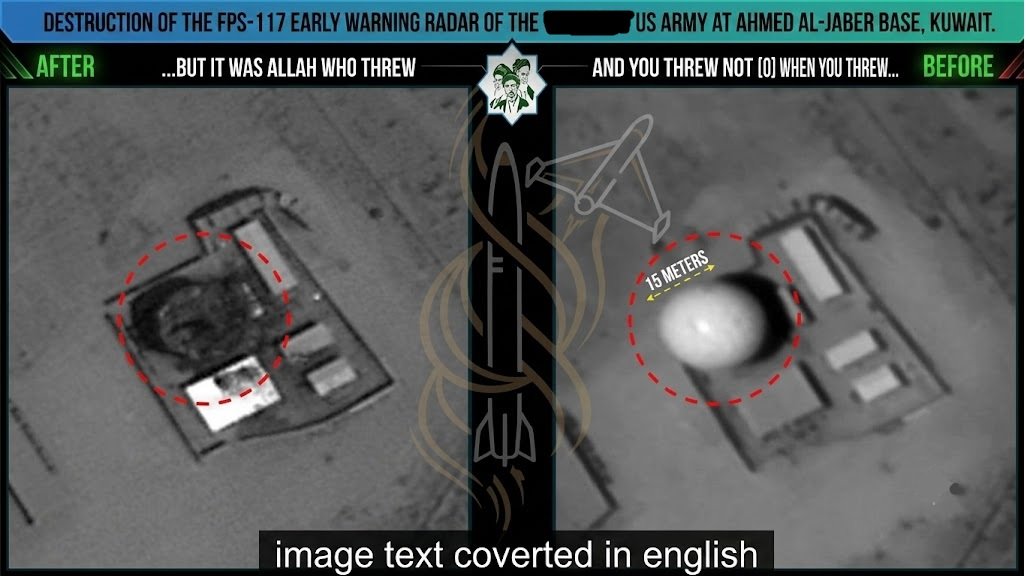
World
KUWAIT CITY — The Islamic Revolutionary Guard Corps (IRGC) Aerospace Force has claimed it destroyed an AN/FPS-117 early-warning radar at Kuwait's Ahmed Al-Jaber Air Base during its latest military operation. According to the IRGC, the strike targeted a strategic long-range air-surveillance radar operated by Kuwait and integrated into U.S. and coalition air-defense networks across the Gulf. The IRGC said the attack marks the second AN/FPS-117 radar it has claimed to destroy since the war began. According to Iranian military statements, the first was a similar radar installation in Bahrain. The AN/FPS-117 is a Lockheed Martin-built long-range three-dimensional air-surveillance radar with a detection range of approximately 470 kilometers. The system is designed to provide early warning by detecting aircraft, drones, and missiles over long distances and is used as part of Kuwait's air-defense infrastructure. Ahmed Al-Jaber Air Base is one of Kuwait's principal military installations and has long hosted U.S. and coalition aircraft supporting regional operations. Iranian sources also released what they described as post-strike imagery captured by Iran's Khayyam reconnaissance satellite. According to those sources, the satellite image shows the aftermath of the reported attack at Ahmed Al-Jaber Air Base. The reported strike comes amid continuing military exchanges in the region. However, independent verification of the reported destruction of the AN/FPS-117 radar remains limited in publicly available sources. As of the latest available information, U.S. and Kuwaiti authorities have not publicly confirmed the IRGC's claim or released detailed assessments regarding the reported damage. The AN/FPS-117 provides long-range air surveillance and early warning capabilities, supporting airspace monitoring across the Gulf through its integration with coalition air-defense networks. Ahmed Al-Jaber Air Base remains one of Kuwait's key military facilities and has hosted U.S. and coalition aircraft for many years.
Read More → Posted on 2026-07-22 15:20:10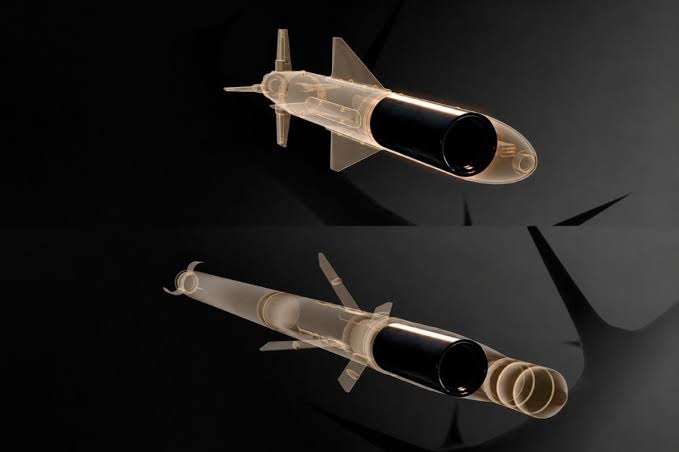
Europe
LONDON — BAE Systems has unveiled BlackThorn, a new family of modular, multi-role warheads developed for autonomous systems, loitering munitions, counter-drone interceptors, missiles, and other low-cost weapon platforms. The system was introduced during the Farnborough International Airshow 2026, held from 20 to 24 July. Designed around a common modular architecture, BlackThorn enables manufacturers to integrate the same warhead family across multiple weapon platforms without developing a new warhead for each system. The design allows users to select the required caliber and terminal effect based on mission requirements. Modular Design Across Multiple Calibers The BlackThorn family is available in 40 mm, 70 mm, and 120 mm caliber options, with the largest variant having an actual diameter of 127 mm. The 40 mm version is intended for small unmanned aerial vehicles (UAVs), mini-missiles, and compact interceptor systems. According to BAE Systems, it measures 96 mm in length and weighs approximately 0.35–0.37 kg, depending on configuration. The 70 mm variant is designed for larger platforms, including attack helicopters, maritime autonomous systems, and larger strike drones. It measures 186 mm in length and weighs between 2.2 kg and 2.35 kg. The 127 mm variant is available in lengths ranging from 225 mm to 305 mm and weighs between 3.25 kg and 12.4 kg, depending on the selected configuration. All BlackThorn variants share a common platform-agnostic architecture and incorporate electronic safety and arming systems. Multiple Warhead Effects The modular family supports several warhead effects, including blast, enhanced fragmentation, explosively formed penetrator (EFP) for anti-armor missions, and multi-effect shaped charge configurations. This approach enables a single warhead family to engage a wide range of targets while reducing the requirement to stock multiple specialized munitions. According to BAE Systems, the warheads are currently in low-rate initial production for testing and evaluation at the company's Glascoed facility in Wales. The company said the development process combined modeling, simulation, digital engineering, and testing, supported by its experience in warhead design, energetic materials, and fuzing technology. Frankenburg Technologies Becomes First Customer BAE Systems also announced that Frankenburg Technologies, an Estonia-based defense company operating across the United Kingdom and Europe, has become the first customer for the BlackThorn family. The company selected the 40 mm enhanced fragmentation variant for integration into its Mark I short-range air defense missile. Mark I Interceptor Specifications The Mark I is a compact, solid-fuel interceptor designed to engage Class I, II, and III unmanned aerial systems. According to Frankenburg Technologies, the missile: Measures 660 mm in length. Has a 60 mm diameter. Weighs under 2 kg at launch. Can intercept targets at distances of up to 2 km. Can engage targets at altitudes of up to 1,500 meters. Is designed to intercept propeller-driven drones flying at 150–200 km/h and jet-powered drones traveling at 400–650 km/h. Uses fire-and-forget guidance and proximity fuzing. The company aims to manufacture approximately 100 missiles per day, or around 10,000 missiles annually. Frankenburg Technologies has also secured a UK Ministry of Defence contract to establish domestic manufacturing capacity under the Low-Cost Air Defence Effectors program. Partnership Reflects Broader Procurement Trend The collaboration between BAE Systems and Frankenburg Technologies reflects a broader trend in European defense procurement, where established defense manufacturers are partnering with newer companies to accelerate the development and production of military systems. Company Statements Scott Jamieson, Managing Director of BAE Systems Maritime and Land Defence Solutions, said: "BlackThorn combines decades of expertise in warhead design, energetic materials and fuzing with our proven experience in delivering high-volume munitions to demonstrate a new way of thinking about payloads for a range of platforms that meet the demands of the modern battlefield. This innovation provides an advanced, affordable solution that meets the evolving needs of our customers." Dan Hallett, Managing Director of Frankenburg Technologies UK, said: "Frankenburg was founded to deliver affordable mass at the speed demanded by modern warfare. Our collaboration with BAE Systems brings together advanced UK warhead technology and low-cost missile manufacturing to create a scalable interceptor capability. Together, we are proving that effective air defence can be delivered quickly, at scale, and at a price point that enables mass deployment." BAE Systems said BlackThorn is intended to support the growing demand for attritable platforms, autonomous systems, missiles, and counter-drone capabilities by providing a modular payload that can be integrated across multiple weapon systems. Source : baesystems
Read More → Posted on 2026-07-22 15:52:38
Europe
FARNBOROUGH, England — BAE Systems has officially unveiled Brontanax, the United Kingdom's first domestically designed uncrewed autonomous Collaborative Combat Aircraft (CCA), during the Farnborough International Airshow. Named Brontanax, a title derived from the Ancient Greek words for "thunder" and "king," the aircraft has been developed to operate alongside crewed combat aircraft, expanding frontline capabilities while reducing risk to pilots. BAE Systems described the platform as an operational prototype rather than a technology demonstrator. The company said Brontanax is designed to increase "combat mass" at a significantly lower cost than traditional fighter aircraft. It is intended to work alongside existing crewed platforms, including the Eurofighter Typhoon, under the control of either a mission commander or a Typhoon pilot. Designed for Frontline Support Brontanax is approximately the size of a BAE Systems Hawk jet trainer and has been developed to carry out multiple frontline support missions. Its planned roles include electronic warfare, where it can disrupt and degrade enemy communications and radar systems, and precision strike missions against both airborne and ground-based targets. The aircraft also features an open architecture and modular design, allowing capabilities to be updated as operational requirements evolve. Developed by FalconWorks The aircraft was designed and built by FalconWorks, BAE Systems' advanced projects division, at the company's Warton facility in Lancashire. According to BAE Systems, development has been funded through the company's own research and development investment. More than 500 BAE Systems employees contributed to the programme alongside over 75 UK aerospace companies and small and medium-sized enterprises (SMEs). The company also stated that the programme draws on more than 25 years of experience in uncrewed and autonomous systems development. Testing and Future Plans Following its public debut at Farnborough, Brontanax is being prepared for ground-based testing at the Warton facility. Flight testing in UK airspace is scheduled to begin in 2027, and the aircraft is also expected to participate in a NATO exercise in 2027. BAE Systems said it aims for Brontanax to be available for military service before the end of the decade. Linked to UK's Storm Fighter Programme The unveiling comes after the UK Government published its Defence Investment Plan, which includes a £300 million commitment to the Storm Fighter sovereign autonomous Collaborative Combat Aircraft programme. The investment is intended to support the UK's domestic development of autonomous combat aircraft and strengthen the country's defence industrial capability. UK Defence Secretary Wes Streeting, who attended the unveiling, described Brontanax as an important achievement for British engineering and manufacturing. "Built at BAE Systems in Warton by British engineers, backed by British businesses large and small, this aircraft demonstrates that the UK has the skills, the technology and the determination to lead the world in combat air power," Streeting said. He added that the government's £300 million investment would help accelerate the development of autonomous combat aircraft in the UK. RAF Vision Air Chief Marshal Sir Harv Smyth, Chief of the Air Staff, said Collaborative Combat Aircraft are a key element of the Royal Air Force's future force structure. According to Smyth, the RAF aims to become "Europe's first sixth-generation air force" by integrating crewed and uncrewed aircraft to improve survivability and combat effectiveness in increasingly complex operational environments. BAE Systems said Brontanax has been developed to support human-machine teaming by extending the reach and capability of crewed aircraft while reducing risk to pilots. The company has also stated that the aircraft is designed with strong stealth characteristics and aims to deliver around 70–80% of the capability of a traditional fighter aircraft at significantly lower cost, potentially less than 25% of the cost of a crewed platform. Further details on the aircraft's payloads, performance and future production plans are expected as the flight test programme progresses. Source : baesystems
Read More → Posted on 2026-07-22 16:02:08
Europe
FARNBOROUGH, UK — The UK Ministry of Defence (MoD) has awarded BAE Systems a £708 million contract to continue developing critical technologies for the Global Combat Air Programme (GCAP), strengthening the United Kingdom's contribution to the multinational sixth-generation combat aircraft programme. Announced during the Farnborough International Airshow, the contract supports the UK's national Future Combat Air System (FCAS) programme and builds on work carried out since 2018 under Team Tempest. BAE Systems to Lead UK Technology Development Under the agreement, BAE Systems will continue as the UK's lead system integrator for GCAP. The company will work with Leonardo UK, MBDA UK, Rolls-Royce, the Ministry of Defence, and the wider UK supply chain to develop and integrate key national technologies. The work includes advanced software, artificial intelligence, digital networks, digital engineering, physical infrastructure, and advanced manufacturing technologies such as robotics, augmented reality, and additive manufacturing. Contract Covers Broader Future Combat Air System The funding extends beyond the development of the UK's sixth-generation crewed fighter, Tempest, and also supports the wider Future Combat Air System. BAE Systems will carry out operational analysis and concept development for an integrated combat air system that includes advanced weapons networks and uncrewed air systems (UAS). The announcement also coincided with the unveiling of Brontanax, BAE Systems' autonomous Collaborative Combat Aircraft prototype designed to operate alongside crewed aircraft, including Tempest and the Eurofighter Typhoon. Builds on Team Tempest Programme The contract continues work that began in 2018 through Team Tempest, a partnership comprising BAE Systems, Leonardo UK, MBDA UK, Rolls-Royce, and the UK Ministry of Defence. According to the MoD, the programme currently supports around 4,500 people involved in researching, evaluating, and developing future combat air capabilities. The nationwide supply chain includes approximately 600 British-based companies and academic institutions, with around 90% of the jobs located outside London and the South East. A significant portion of the design and assembly work is carried out at BAE Systems' facilities in Warton and Samlesbury, Lancashire. Part of Wider UK Investment in GCAP The £708 million contract forms part of the UK government's wider commitment of £8.6 billion to the Global Combat Air Programme over the next four years. Since 2018, the UK government has invested more than £5 billion in the domestic Future Combat Air System programme. The award specifically funds UK sovereign technologies and complements the broader GCAP partnership between the United Kingdom, Italy, and Japan. It also follows the recently announced £4.6 billion contract awarded to the Edgewing joint venture to support the programme through the end of 2027. Officials Highlight Long-Term Benefits Richard Berthon, Director of Future Combat Air at the Ministry of Defence, said the investment secures the UK's freedom of action to ensure the armed forces remain equipped for future threats. Declan Holland, Managing Director of Future Combat Air Systems at BAE Systems, said the contract builds on progress across the UK's defence sector and brings together industry and academic partners to advance next-generation combat air technologies. Programme Continues Toward 2035 Service Entry The announcement also follows Canada's confirmation as the first Observer Nation to join the GCAP partnership. Meanwhile, development of the UK's combat air demonstrator continues at BAE Systems' facilities in Samlesbury and Warton, where the aircraft is in final assembly. The demonstrator is expected to make its first flight by the end of 2027, while the full GCAP combat aircraft remains on track to enter service in 2035. Source : baesystems
Read More → Posted on 2026-07-22 16:18:43
U.S
FARNBOROUGH, England — GE Aerospace and Magellan Aerospace Corporation have signed a strategic Memorandum of Understanding (MoU) to establish maintenance, repair, and overhaul (MRO) capabilities in Canada for the F414-GE-39E engine that powers the Saab JAS 39 Gripen E fighter aircraft. The agreement, announced at the Farnborough Air Show, is conditional on the Government of Canada selecting the Gripen E for the Royal Canadian Air Force (RCAF) future fighter fleet. If the aircraft is not selected, the agreement will not take effect. Agreement Depends on Canada's Fighter Decision The MoU comes as the Canadian government continues reviewing its future fighter aircraft procurement. Prime Minister Mark Carney's government is reassessing the country's fighter acquisition after pausing its existing contract for 88 Lockheed Martin F-35 aircraft following recent U.S. tariffs introduced by President Donald Trump. As the review continues, Saab and its industry partners are highlighting domestic industrial participation as part of their proposal for the Gripen E. Earlier, Saab also signed a Memorandum of Understanding with Canadian company CAE to provide domestic flight simulation and pilot training if the Gripen E is selected. Domestic F414 Engine Support Planned Under the proposed agreement, GE Aerospace would train and license Magellan Aerospace to become Canada's domestic centre of excellence for F414 engine sustainment. Maintenance, repair, and overhaul (MRO) activities would be carried out at Magellan's facility in Mississauga, Ontario. The companies said the arrangement would provide in-country engine sustainment capabilities for a future RCAF Gripen E fleet while supporting operational readiness and long-term engine availability. Building on a Long-Standing Partnership The agreement expands a partnership between GE Aerospace and Magellan Aerospace that spans more than six decades across military and commercial engine programmes. Magellan already manufactures components for the F414 engine family, including under a 2025 amendment to the companies' revenue-sharing agreement supporting programmes such as South Korea's KF-21 fighter. According to the companies, the proposed initiative would strengthen Canada's sovereign aerospace capabilities by keeping specialized maintenance expertise, infrastructure, and skilled technical personnel within the country. They added that it aligns with Canada's Defence Industrial Strategy and its "build, partner, buy" approach by supporting the domestic defence industrial base. Company Statements Paul Ferraro, Vice President of Defense Engines & Services at GE Aerospace, said the agreement builds on the companies' long-standing relationship and would provide the Royal Canadian Air Force with in-country F414 engine sustainment capabilities to support fleet readiness if the Gripen E is selected. Haydn Martin, Vice President of Business Development, Marketing, and Contracts at Magellan Aerospace, said the agreement reflects the companies' shared objective of developing sovereign aerospace capabilities in Canada. He said that, if the Gripen E is selected, Magellan would provide maintenance, repair, and overhaul services while supporting highly skilled Canadian jobs, developing advanced technical expertise, and strengthening Canada's long-term defence industrial capacity. F414 Engine According to GE Aerospace, the F414 engine has accumulated more than five million flight hours, with over 1,600 engines delivered to eight nations. The engine features a six-module architecture designed to simplify maintenance and help reduce life-cycle costs. GE Aerospace said it provides unrestricted performance on demand, rapid throttle response, and zero throttle restrictions. Instead of scheduled overhauls, the F414 uses an on-condition maintenance approach intended to maximize engine availability and keep aircraft operational for longer periods. Source : geaerospace
Read More → Posted on 2026-07-23 14:48:18
India
Bhubaneswar — India's Defence Research and Development Organisation (DRDO) successfully conducted the maiden flight test of the Kusha M1 long-range surface-to-air missile from APJ Abdul Kalam Island off the Odisha coast on Thursday. During the trial, the missile intercepted an electronic target simulating a high-speed, high-altitude aerial threat, successfully validating its performance. The Kusha M1, the first interceptor in the Project Kusha family, has an engagement range of approximately 150 kilometres. The @DRDO_India has successfully conducted the maiden flight test of Long-Range Surface-to-Air Missile Kusha today from the APJ Abdul Kalam Island off the coast of Odisha. pic.twitter.com/wCV3SMCIqJ — Alpha Defense™🇮🇳 (@alpha_defense) July 23, 2026 Project Kusha is an indigenous long-range air defence programme designed to counter threats such as fighter aircraft, cruise missiles, unmanned aerial vehicles (UAVs), and other large airborne targets as part of India's layered air defence network. The system is being developed in three variants: M1 (150 km), M2 (250 km), and M3 (350–400 km). According to DRDO, the missiles, radars, and command-and-control systems have been developed by its laboratories in collaboration with Indian industry partners. The Indian Air Force is the primary user of the system, with plans to procure five squadrons. Full operational deployment is targeted for the 2028–2030 period. Defence Minister Rajnath Singh congratulated the DRDO team and described the successful maiden flight as an important milestone for India's indigenous defence capabilities. Source : timesofindia
Read More → Posted on 2026-07-23 14:57:44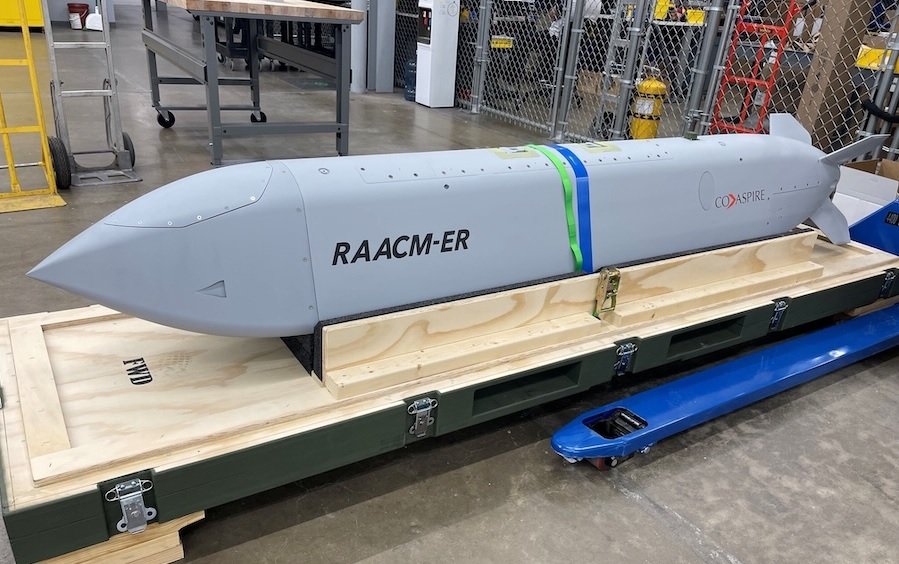
U.S
WASHINGTON — The U.S. Navy has awarded Virginia-based CoAspire a $70 million Prototype Other Transactional Agreement (OTA) to develop a ground-launched version of its Rapidly Adaptable Affordable Cruise Missile-Extended Range (RAACM-ER) under the Coalition Heterogeneous Affordable Offensive Strike (CHAOS) program. The agreement was brokered through CMG Networks on behalf of the Naval Aviation Systems Consortium. Under the contract, CoAspire will design, build, test, and deliver the system to the Navy's Program Executive Office for Munitions (PMX-201). The CHAOS program is focused on Foreign Military Sales (FMS) and is intended to provide U.S. allies and coalition partners with an affordable, scalable, and ground-launched precision strike capability for engaging both maritime and land targets. To meet the program's requirements, CoAspire is adapting its turbojet-powered RAACM-ER cruise missile with a new booster and launcher system to create a mobile ground-based strike platform. The missile uses GPS-assisted navigation together with a long-wave infrared seeker, enabling it to engage fixed land targets as well as moving ships at sea. Doug Denneny, CEO and founder of CoAspire, said the company is pleased to support the U.S. Navy under the CHAOS program. "CoAspire is thrilled to support the U.S. Navy with this much-needed, affordable, mid-range maritime strike weapon. We, and our 56 first-tier suppliers across almost every state, are excited to support PMX-201, NAVAIR, and our coalition partners with an affordable cruise missile solution." Focus on Affordable and Scalable Production According to CoAspire, the RAACM family is designed to support rapid and cost-effective manufacturing. The company uses additive manufacturing (industrial 3D printing) to produce the missile's fuselage, reducing reliance on traditional tooling and lowering manufacturing costs. The manufacturing approach also reduces the number of internal structural components, creating additional internal space for a larger fuel tank. CoAspire says this allows engineers to develop structural modifications and new variants in months rather than the years typically required through conventional aerospace manufacturing. The company also prioritizes the use of commercial off-the-shelf (COTS) components to help reduce supply chain constraints. Part of Wider U.S. Affordable Munitions Effort The CHAOS ground-launched missile shares significant engineering with the RAACM-ER GHOST configuration, which CoAspire is developing under the Low-Cost Containerized Munition (LCCM) program. The LCCM program, supported by the Office of the Under Secretary of War for Research and Engineering and the U.S. Army, aims to procure tens of thousands of low-cost cruise missiles beginning in 2027 to strengthen munition stockpiles for future operational requirements. CoAspire is also participating in the U.S. Air Force's Family of Affordable Mass Missiles (FAMM) initiative through a multi-year framework agreement covering an air-launched version of the RAACM. By adapting the RAACM-ER for ground launch under the CHAOS program, the U.S. Navy aims to provide allied nations with access to an affordable cruise missile that can be produced at scale using the same manufacturing base supporting other RAACM variants. Source : navalnews
Read More → Posted on 2026-07-23 15:04:07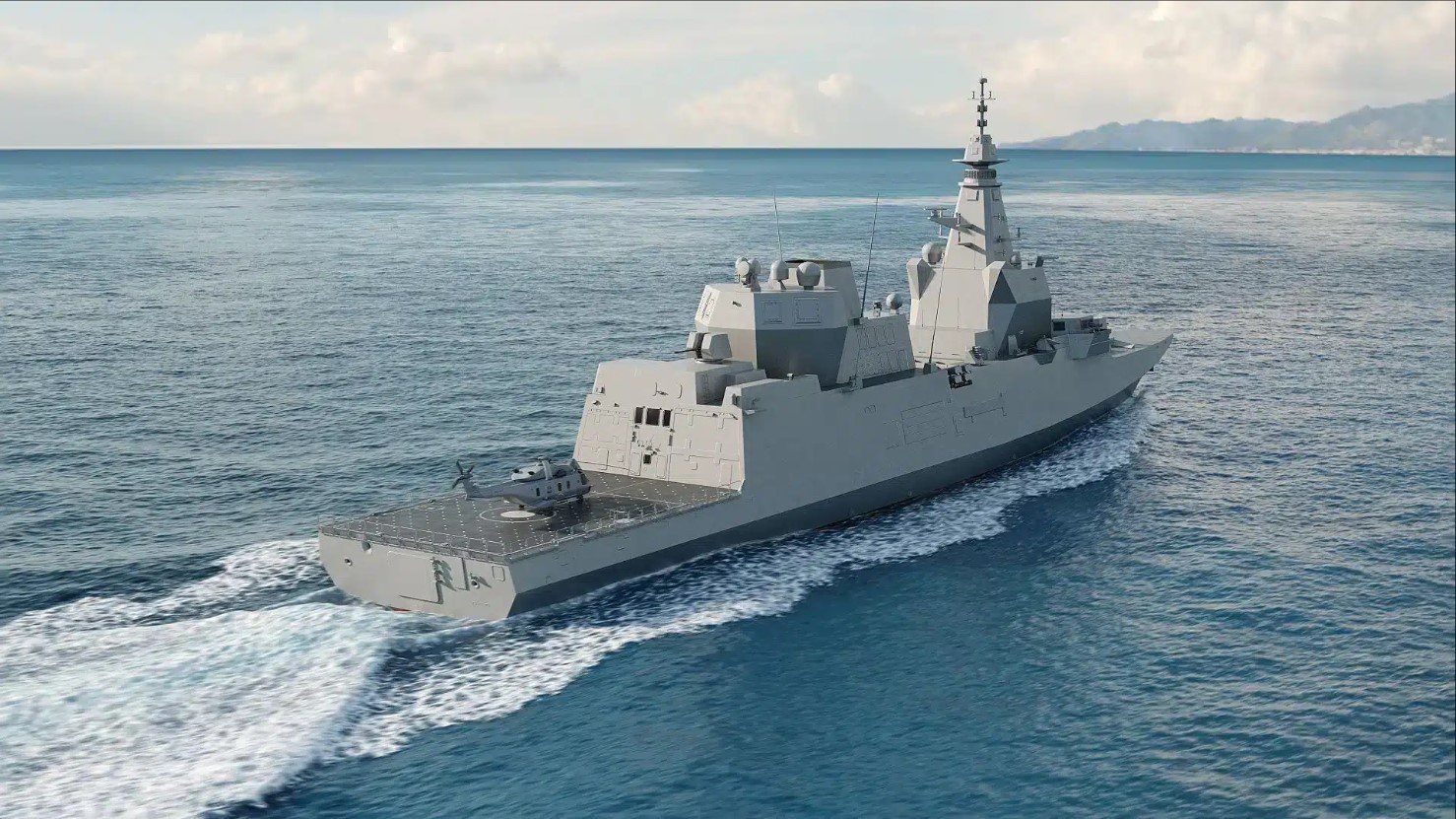
Europe
Rome/Lisbon — Portugal has finalized a €3.9 billion state-to-state agreement with Italy for the acquisition of three FREMM EVO multi-mission frigates, marking one of the country's largest naval procurement programmes in recent years. The agreement was signed on July 20, 2026, at the Army Palace in Rome during a visit by Portuguese Prime Minister Luís Montenegro and was overseen by Italian Prime Minister Giorgia Meloni. The contract assigns Italian shipbuilder Fincantieri to construct the three frigates, with deliveries to the Portuguese Navy scheduled between 2029 and 2030. Portugal will also become the first export customer for the FREMM EVO variant. Procurement Through EU SAFE Programme The €3.9 billion acquisition represents approximately 67.2% of Portugal's €5.8 billion allocation under the European Union's Security Action for Europe (SAFE) financing instrument. The SAFE programme is designed to accelerate defence procurement while strengthening Europe's defence industrial base. Rather than a conventional commercial shipbuilding contract, the programme has been structured as a government-to-government agreement. The contract is managed through the Organisation for Joint Armament Cooperation (OCCAR), while industrial execution will be carried out by Orizzonte Sistemi Navali, a joint venture between Fincantieri and Leonardo. According to the available information, Italy's proposal was selected over competing offers, including Naval Group's FDI and Navantia's F-110, primarily because Fincantieri was able to meet the delivery schedule required under the SAFE programme. FREMM EVO Specifications The FREMM EVO is an advanced version of the European multi-purpose frigate and incorporates updated propulsion, combat management, radar, and anti-submarine warfare systems. Specification Details Length 144 metres Displacement 6,500–6,700 tonnes Propulsion CODLAG (Combined Diesel-Electric and Gas) Gas Turbine 32 MW General Electric LM2500+ Maximum Speed More than 27 knots Range 6,000 nautical miles at 15 knots Endurance Up to 45 days The CODLAG propulsion system combines a gas turbine with electric propulsion. According to the available information, this configuration reduces machinery noise transmitted through the hull during anti-submarine operations, lowering the vessel's acoustic signature. Combat Systems and Sensors The frigates will be equipped with the cyber-resilient SADOC 4 combat management system. Their sensor suite includes dual-band active electronically scanned array (AESA) radars operating in both C-band and X-band. The C-band radar is designed for wide-area surveillance, while the X-band radar provides high-resolution tracking of smaller and faster targets, including low-altitude cruise missiles. For anti-submarine warfare, each vessel will carry a multi-layer sonar suite consisting of: Hull-mounted sonar Variable-depth sonar Towed-array sonar The ships will also integrate dedicated anti-drone radar and counter-unmanned aerial system (C-UAS) capabilities. Fleet Modernisation The three FREMM EVO frigates will replace ageing vessels within the Portuguese Navy's five-frigate fleet. The Vasco da Gama (MEKO 200) and Bartolomeu Dias (Karel Doorman) class frigates, originally designed in the early 1990s, are approaching the end of their service lives. The new ships form part of Portugal's broader naval modernisation programme. The programme also includes the planned 2027 delivery of the NRP D. João II, a 7,000-tonne multipurpose drone carrier currently under construction by Damen in Romania. Long-Term Support Package Beyond construction of the vessels, the agreement includes a comprehensive 30-year operational support package covering: Logistical sustainment Spare parts integration Crew preparation and training programmes Technology transfer to Portuguese defence industries Infrastructure upgrades at the Arsenal do Alfeite near Lisbon The infrastructure improvements are intended to support domestic maintenance of the frigates through the 2050s. Production Schedule To meet the delivery timeline required under the SAFE programme, Fincantieri will begin construction of the Portuguese frigates after completing two FREMM EVO ships currently being built for the Italian Navy. Deliveries to Portugal are scheduled to take place between 2029 and 2030. Source : navalnews
Read More → Posted on 2026-07-23 15:18:49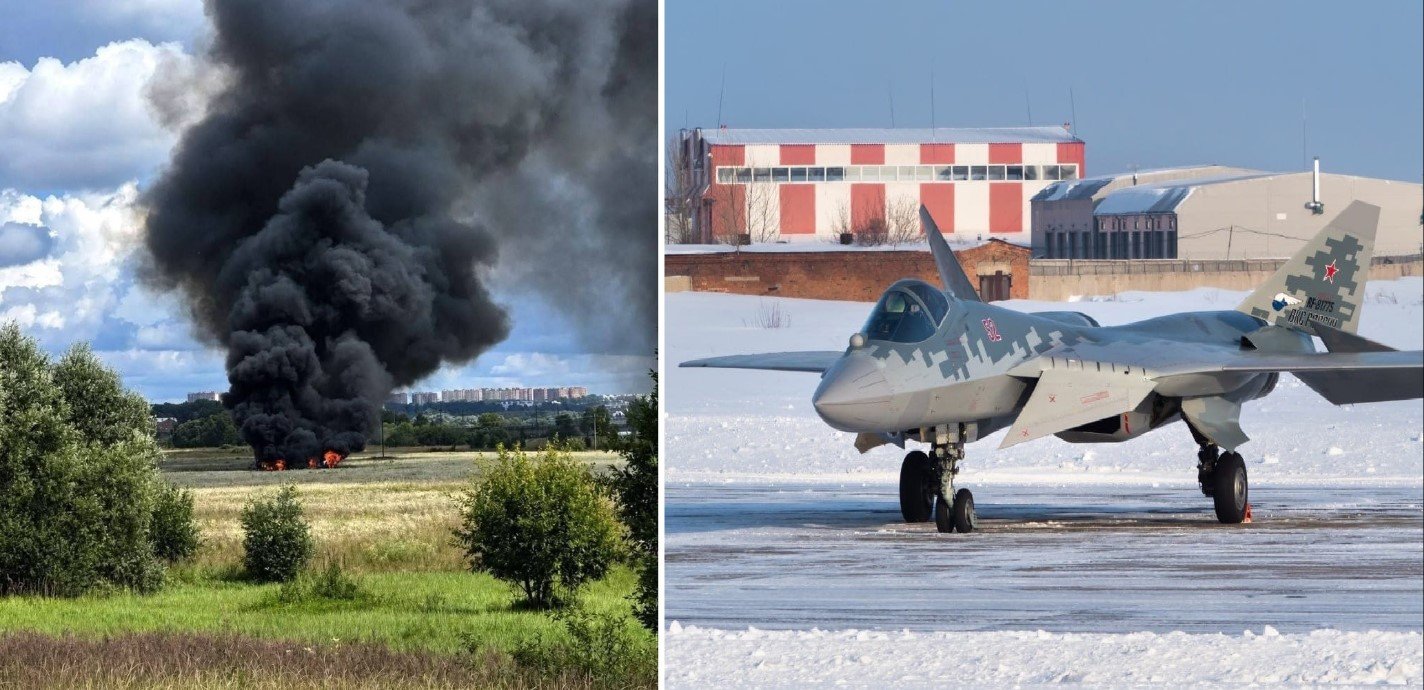
World
MOSCOW REGION — A Russian Su-57 multirole fighter jet crashed during a training flight in the Moscow Region on Thursday afternoon. The pilot ejected safely before the aircraft crashed, and no casualties or injuries on the ground were reported. The crash occurred in the Odintsovo District near Zvenigorod, between the Shikhovo neighborhood and the village of Lutsino. Eyewitnesses reported that the aircraft crashed in an open field and caught fire. Photos shared by local Telegram channel Zven_Info showed a large fire and thick black smoke rising from the crash site. Russia's Ministry of Defense confirmed through TASS that an unarmed military training aircraft crashed and that the pilot survived. The ministry did not officially identify the aircraft type. However, Telegram channel Mash reported that the aircraft was a Su-57 fighter. Russia's Investigative Committee has opened a criminal case under Article 351 of the Russian Criminal Code to examine possible violations of flight rules or pre-flight preparation procedures. A Ministry of Defense commission is also investigating the accident. Unofficial claims from some Russian military bloggers suggested the aircraft may have been brought down by friendly fire, but these claims have not been confirmed by Russian authorities. The Su-57 is Russia's fifth-generation stealth fighter developed by Sukhoi and entered service in late 2020. Thursday's accident follows the 2019 crash of the first production-model Su-57 and reported damage to two Su-57 aircraft during Ukrainian drone strikes in 2024.
Read More → Posted on 2026-07-23 15:33:12
Europe
FARNBOROUGH, England — European defence company Destinus has unveiled Vorexon, a concept for a new ground-based interceptor system designed to protect high-value military and infrastructure sites from artillery rockets and certain artillery shells. The concept was presented during the Farnborough International Airshow. Addressing the Cost of Modern Air Defence The Vorexon concept is intended to address one of the major challenges facing modern air defence systems: the high cost of intercepting low-cost incoming threats. In recent conflicts, including the war in Ukraine, forces have fired large numbers of artillery rounds each day. Using traditional air defence missiles against every incoming projectile can become costly over time. Rather than attempting to defend entire areas, Destinus says Vorexon is designed to protect only critical locations that are most important to military operations. Designed for Point Defence According to Destinus, Vorexon is intended to defend specific high-value targets such as command posts, air defence radars, ammunition depots, bridges, and logistics hubs. The system would operate as part of a wider integrated air defence network instead of functioning independently. External radars would detect incoming artillery rockets and shells, calculate their flight paths, and determine whether they are heading toward protected sites. Only those projectiles assessed as threatening the designated locations would be selected for interception. Destinus said every engagement would require authorisation from a human operator before an interceptor is launched. Planned Performance Under the current concept, the Vorexon interceptor is being designed with a planned top speed of more than Mach 2 and an engagement range of over 20 kilometres. The company noted that these are development targets and will require further testing. The interceptor is planned to be launched from multi-round canister launchers, which could be deployed in either fixed or mobile configurations. Focus on Critical Threats Destinus Chief Executive Officer Mikhail Kokorich said the objective is not to intercept every incoming artillery round but to identify and defeat only those that pose a threat to critical assets. According to the company, this approach is intended to provide effective protection while improving the cost efficiency of defending high-value sites against repeated artillery attacks. Built on Existing Defence Experience Founded in 2021, Destinus has grown to around 750 engineers working across facilities in the Netherlands, Germany, Spain, and Ukraine. The company also produces the Ruta cruise missile system, which has been in use in Ukraine since 2023. Destinus said experience gained from that programme is contributing to the development of the Vorexon interceptor. Similar Approach to Low-Cost Drone Defence Destinus said the concept follows a similar approach to recent efforts to develop lower-cost interceptors for drone threats. Ukraine has introduced lower-cost drone interceptors to counter inexpensive aerial threats while preserving more expensive air defence missiles for higher-priority targets. Vorexon applies a similar concept to artillery rockets and certain shells, which travel significantly faster and provide much less warning time before impact. Development Timeline Destinus has set a development milestone for Vorexon in 2027. The company has not announced a timeline for when the system could enter operational service. According to Destinus, Vorexon is being developed as a European point-defence solution that could be integrated into larger air defence networks to protect critical military and infrastructure assets. Source : destinus
Read More → Posted on 2026-07-23 16:15:00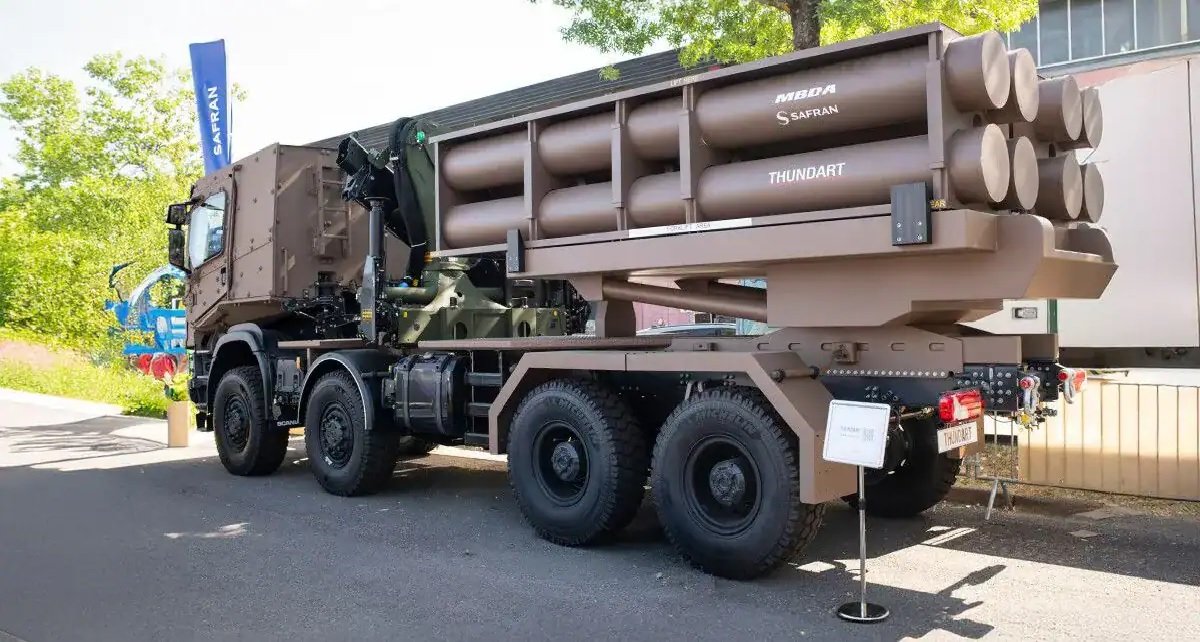
Europe
PARIS — Prototypes of France's next-generation THUNDART long-range rocket system could soon undergo battlefield testing in Ukraine, according to reports citing an anonymous source. The reported deployment has not been officially confirmed, and neither MBDA, Safran, nor the French Ministry of Armed Forces has issued a statement verifying the claim. According to the monitoring group French Aid to Europe, the reported objective is to obtain a "combat-proven" designation by evaluating the system in real combat conditions against Russian forces. However, the information remains unverified. 🚨 🇫🇷🇺🇦 Selon une source anonyme, des prototypes du système THUNDART, qui sera la future capacité de frappe dans la profondeur de l’armée de Terre et qui va succéder aux LRU, devraient être testés en Ukraine pour obtenir le label “combat-proven”. pic.twitter.com/I8HGDoAap5 — French Aid to Europe 🇨🇵 🇪🇺 (@aidefranceukr) July 23, 2026 THUNDART Selected as France's Future Long-Range Strike System THUNDART is being jointly developed by MBDA and Safran Electronics & Defense as the successor to the French Army's Lance-Roquettes Unitaire (LRU) rocket artillery system, a modernized version of the M270 platform that is nearing the end of its service life. The system was selected under France's Frappe Longue Portée Terrestre (FLPT) programme managed by the French defence procurement agency (DGA). On June 15, 2026, French Armed Forces Minister Catherine Vautrin announced that the government had entered exclusive negotiations with the MBDA-Safran consortium after THUNDART was chosen over competing proposals from Thales and ArianeGroup, as well as a late offer from Lockheed Martin to supply the HIMARS rocket system. French authorities have prioritized a domestically developed, ITAR-free system that can be manufactured, modified, and exported without requiring U.S. export approval. Ukraine's 'Test in Ukraine' Programme If the reported deployment takes place, it would align with Ukraine's "Test in Ukraine" initiative launched by the state-backed defence innovation platform Brave1 in July 2025. The programme allows foreign defence manufacturers to provide developmental weapon systems directly to Ukrainian forces for operational evaluation. In return, manufacturers receive detailed battlefield reports to help improve system performance and development. At the programme's launch, Mykhailo Fedorov, Ukraine's former minister for digital transformation and defence, said the initiative provides battlefield feedback that cannot be replicated through laboratory testing. The programme focuses on systems including drones, missiles, and robotic ground vehicles. Technical Features THUNDART is designed to significantly increase the French Army's long-range precision strike capability. The system will fire 227 mm guided rockets with an initial range of up to 150 kilometres, nearly doubling the approximately 70 to 80-kilometre range of the current LRU rockets. A second development phase aims to extend the system's range to up to 500 kilometres by 2035. Each rocket carries a 100-kilogram-class warhead and uses a guidance system combining GPS and inertial navigation (INS) technology derived from Safran's AASM Hammer precision-guided bombs. According to available information, the AASM guidance system has been used extensively by the Ukrainian Air Force and has demonstrated resistance to electronic warfare and GPS jamming, contributing to its selection for THUNDART. Launcher and Mobility The launcher will be mounted on an armoured Scania 8×8 truck chassis capable of travelling at speeds of up to 80 km/h on roads. Each launcher will carry a pod containing eight rockets and will include an integrated lifting crane, allowing crews to reload the system independently without requiring additional support equipment. THUNDART completed its first demonstration launch on April 14, 2026, at the Île du Levant test site in France. France's Long-Term Procurement Plan France plans to field at least 13 THUNDART systems by 2030, with the fleet expected to expand to 26 launchers in the future. The programme is intended to provide the French Army with a sovereign long-range strike capability while reducing dependence on foreign export controls for future upgrades and international sales. Export Prospects Belgium has expressed interest in becoming the first export customer for THUNDART. According to Belgian defence officials, the commander of the Belgian Land Forces intends to acquire the same system selected by France. Belgium is also working to accelerate its long-range artillery procurement plans to 2030 to align with the development of a future combined-arms brigade with the French military. If reports of prototype testing in Ukraine are confirmed, the system could gain operational experience before entering full service, potentially supporting future export opportunities. However, there has been no official confirmation from MBDA, Safran, or the French Ministry of Armed Forces that THUNDART prototypes will be deployed to Ukraine.
Read More → Posted on 2026-07-23 16:27:45
U.S
MELBOURNE, Florida — Northrop Grumman has received a contract valued at up to $1.196 billion from the U.S. Department of Defense to manufacture and deliver three additional E-2D Advanced Hawkeye airborne early warning and command aircraft for the U.S. Navy. The aircraft are scheduled for delivery by the end of December 2031. The sole-source, undefinitized contract obligates approximately $583.4 million in fiscal year 2026 aircraft procurement funding at the time of the award. The procurement is being managed by the Naval Air Systems Command (NAVAIR), headquartered in Patuxent River, Maryland. Aircraft to Be Built in Block II Configuration The three aircraft will be produced in the Block II configuration. According to the contract details, this configuration includes improvements to mission systems, computing architecture, and other capabilities to keep the platform effective in modern operations. The E-2D Advanced Hawkeye is the U.S. Navy's carrier-based airborne early warning and command aircraft. It provides 360-degree surveillance, command and control, battle management, and theater missile defense. The aircraft also supports carrier strike groups by providing long-range situational awareness and can track multiple air and surface targets while directing friendly aircraft during operations. Production Across Multiple Facilities Manufacturing and assembly work will be carried out at several Northrop Grumman facilities across the United States and overseas. Approximately 30% of the work will be performed in Melbourne, Florida, followed by 18% in St. Augustine, Florida, and 14% in Liverpool, New York. Additional component manufacturing will take place at other locations in the United States, as well as in France and the United Kingdom. Contract Supports Production Line Continuity The latest order helps maintain continuity of the E-2D production line. Before this award, initial funding had already begun for a planned production wind-down because of a recent lack of domestic and international orders. Northrop Grumman currently has a production backlog of approximately 28 E-2D aircraft. The new contract helps sustain production, the workforce, and the supply chain in the near term while the company continues efforts to secure additional orders. Focus on Future Export Opportunities Northrop Grumman is working with the U.S. federal administration to support potential E-2D sales to international customers. Defense industry discussions have identified Egypt, India, and Poland as potential export markets. Poland is reportedly evaluating the E-2D Advanced Hawkeye as a possible replacement for its Saab 340AEW airborne early warning aircraft. Japan already operates the E-2D, and the company continues to pursue additional international opportunities. Modernization of Existing Fleet Continues In addition to manufacturing new aircraft, Northrop Grumman is carrying out modernization work on E-2D aircraft already in service. The upgrades include structural and fuel system modifications to support the installation of an aerial refueling probe, extending the aircraft's operational endurance. The modernization program also includes cockpit improvements and the replacement of selected avionics components to keep the fleet updated for future operational requirements. Program Continues Through New Order The new contract supports continued production of the E-2D Advanced Hawkeye while helping maintain the program's manufacturing base through the end of the decade. It also supports ongoing investment in the U.S. Navy's airborne early warning and command capabilities as Northrop Grumman continues production, fleet modernization, and efforts to secure future domestic and international orders. Source : in.investing
Read More → Posted on 2026-07-23 16:41:06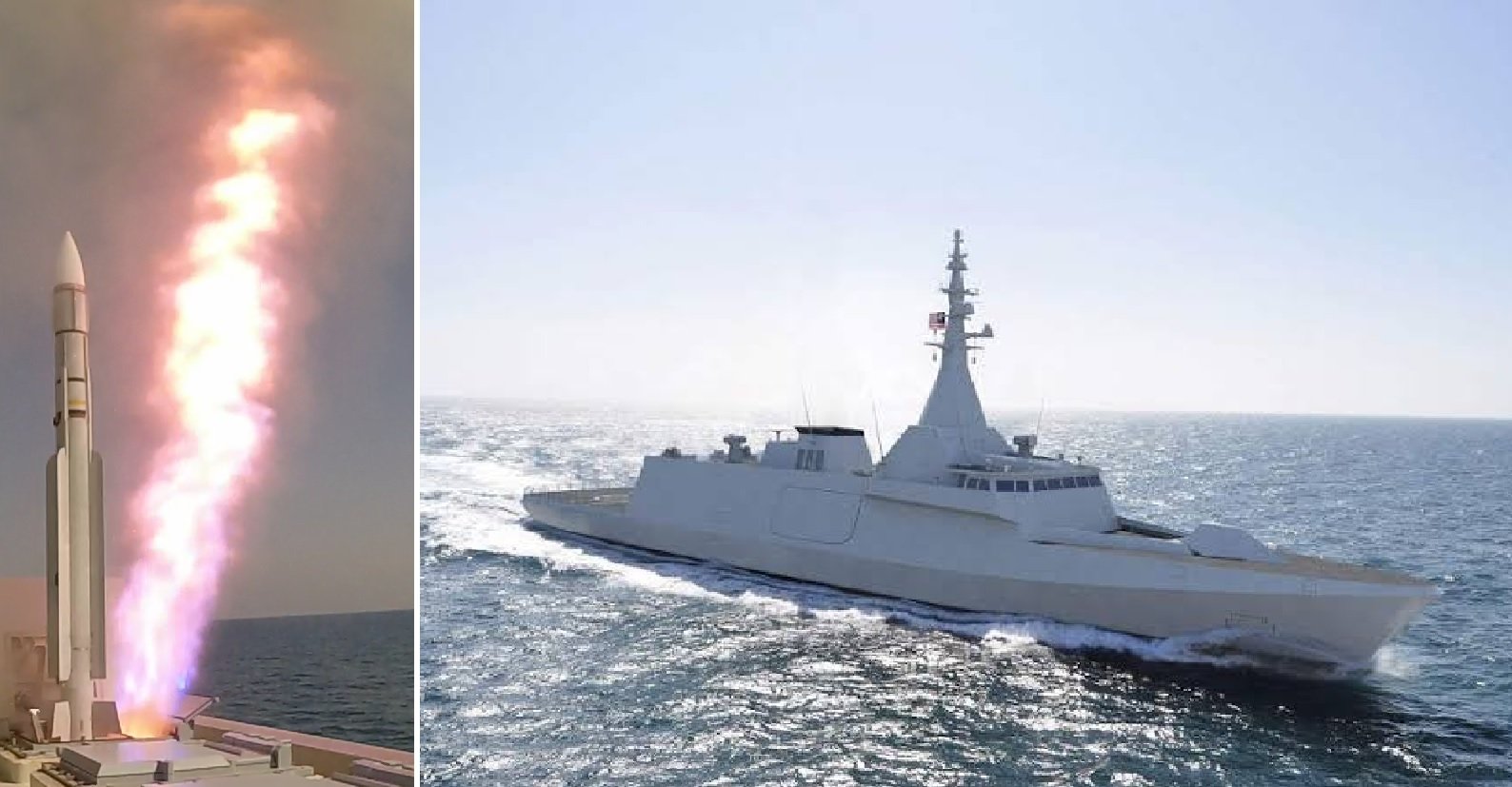
World
FARNBOROUGH, UK — The Malaysian Ministry of Defence (MINDEF) has signed a Letter of Acceptance (Surat Setuju Terima, or SST) with MBDA France for the procurement of the Vertical Launch MICA (VL MICA) surface-to-air missile system for the Royal Malaysian Navy (RMN). The agreement was finalized on July 20, 2026, during the opening day of the Farnborough International Airshow in the United Kingdom. Although the full contract has not yet been signed, the SST was formally signed by MINDEF Secretary-General Datuk Lokman Hakim Ali on behalf of the Malaysian government. According to MINDEF, the procurement is an essential complementary contract for the Royal Malaysian Navy's Maharaja Lela-class Littoral Combat Ship (LCS) programme. The ministry said the missile system will provide the ships with point-defence air capabilities required for operational missions. In an official statement issued on July 22, MINDEF said the acquisition is intended to ensure the LCS fleet has air defence capabilities that meet the operational requirements of the Royal Malaysian Navy. The ministry also said the procurement supports Malaysia's efforts to strengthen its maritime defence posture in response to evolving regional geopolitical developments. Following the announcement, an MBDA spokesperson confirmed the milestone in a statement to Naval News, saying, "A letter of agreement has been signed and a contract has to be signed without delay to secure VL MICA manufacturing timeline for the Royal Malaysian Navy." The SST follows an earlier Letter of Intent (LOI) issued during the DSA 2026 exhibition in Malaysia for the procurement of 29 VL MICA missiles. VL MICA Air Defence System The Vertical Launch MICA is a fire-and-forget surface-to-air missile system designed to provide 360-degree, all-weather point defence against a range of airborne threats, including anti-ship missiles, precision-guided munitions, aircraft, and unmanned aerial vehicles (UAVs). The system is available with two seeker options: active radar (MICA RF) and imaging infrared (MICA IR). It uses vertical launch canisters integrated into the ship and supports high-rate salvo engagements. Malaysia has selected the legacy VL MICA missile rather than the newer VL MICA NG variant. The selected version has a maximum interception range of up to 20 kilometres. Maharaja Lela-Class LCS Programme The Maharaja Lela-class ships, also known as the Second Generation Patrol Vessel-Littoral Combat Ship (SGPV-LCS), are based on Naval Group's Gowind 2500 design. Malaysia selected the design in late 2011 after it was chosen over the MEKO 200 and Sigma-class proposals. The production contract was signed in July 2014 with Boustead Naval Shipyard, which now operates as Lumut Naval Shipyard (LNS). The programme originally called for six ships but was later revised to five following a government review. The project has experienced delays over the years due to various challenges, including cost issues and equipment deliveries. Construction is now progressing under direct oversight by the Malaysian government and Lumut Naval Shipyard. The lead ship, Maharaja Lela (LCS 1), began sea trials in April 2026 and continued further testing in May. LCS 3, Sharif Mashor, was launched in February 2026, while LCS 2 and LCS 3 have been seen in the fitting-out stage at the Lumut Naval Shipyard. Delivery of the first vessel is targeted for December 2026. Closing an Important Capability Gap MINDEF said the acquisition marks an important step toward completing the weapons fit of the Maharaja Lela-class fleet by providing the ships with the required point-defence air capability. The procurement addresses a key capability gap for the Royal Malaysian Navy and supports the operational readiness of the LCS fleet as construction and sea trials continue. Comparison with LMS Batch II Programme The procurement timeline for the LCS air defence system differs from the Royal Malaysian Navy's Littoral Mission Ship (LMS) Batch II programme. For the LMS Batch II fleet, MINDEF signed a contract with South Korea's LIG Defense & Aerospace in April 2026 for the Haegung (K-SAAM) surface-to-air missile system. That procurement moved ahead while vessels under the LMS Batch II programme, contracted in 2024, continue to be built in Turkey. Source : navalnews
Read More → Posted on 2026-07-24 13:11:54
Europe
ROME — Fincantieri and the Organisation for Joint Armament Co-operation (OCCAR) have signed the eighth contract amendment for Italy’s U212 Near Future Submarine (NFS) programme, introducing new technological upgrades, expanding long-term support activities, and accelerating the delivery schedule for the Italian Navy’s next-generation submarines. The agreement, valued at approximately €317 million, was signed in Rome on July 23, 2026, by OCCAR Director Joachim Sucker and Fulvio Palermo, Head of Project Management for Fincantieri’s Naval Vessels Division. The contract covers the four U212 NFS submarines currently under construction at Fincantieri’s Muggiano Integrated Shipyard in La Spezia. Fourth Submarine Delivery Moved to 2032 One of the key changes under the amendment is the revised delivery schedule for the programme’s fourth submarine, NFS4. Originally planned for delivery in 2034, the submarine is now scheduled to be handed over in 2032, two years earlier than previously planned. According to OCCAR, the revised schedule supports the Italian Navy’s objective of receiving one new U212 NFS submarine each year beginning in 2029. Construction of all four submarines is currently underway simultaneously at the Muggiano shipyard. OCCAR described the parallel construction of four complex submarines as a major industrial undertaking requiring close cooperation between the Italian Navy, OCCAR, and Fincantieri. New Technologies and System Upgrades The contract amendment introduces several new capabilities for the U212 NFS class. Among the main additions are advanced torpedo countermeasure systems developed by WASS, Fincantieri’s specialist company for underwater systems. These systems will be installed on Italian Navy submarines for the first time. The agreement also includes upgraded rescue interfaces designed to ensure compatibility with modern Remotely Operated Vehicle (ROV) intervention procedures and the Italian Navy’s SAVER (Submarine Assistance, Ventilation & Rescue) system. The programme is also progressing through a complex phase of onboard systems integration, particularly on the first U212 NFS submarine. Key technologies being integrated include a domestically developed lithium-ion propulsion battery system and a new-generation Combat Management System. According to Fincantieri, these technologies are intended to improve the submarines’ acoustic stealth, operational endurance, overall efficiency, and cyber resilience compared with the previous U212A class. Expanded Lifecycle Support In addition to construction and technology upgrades, the amendment expands Integrated Product Support (IPS) activities assigned to Fincantieri. The expanded support framework is intended to provide logistical and technical support throughout the submarines’ service life, helping maintain operational availability and efficiency for the Italian Navy. Programme Continues Between 2029 and 2032 With the latest amendment, deliveries of the four U212 NFS submarines are scheduled between 2029 and 2032. The U212 NFS programme builds on the earlier U212A submarines while introducing increased national technological content and improved system integration. According to Fincantieri, the programme is part of its broader strategy in the underwater sector, covering platform design, proprietary technologies, specialist systems, and advanced services. Fincantieri’s Muggiano Integrated Shipyard, which has built more than 100 submarines over more than a century of shipbuilding, remains the production site for the programme. Fincantieri CEO Highlights Programme Pierroberto Folgiero, Chief Executive Officer and Managing Director of Fincantieri, said the agreement reinforces the company’s role in developing Italy’s underwater capabilities and strengthens its position in the strategic underwater sector. He said the U212 NFS programme demonstrates Fincantieri’s ability to combine shipbuilding expertise, proprietary technologies, and specialist know-how. Folgiero added that advancing the delivery of the fourth submarine to 2032 reflects the company’s ability to translate innovation into operational results while supporting the Italian Navy’s plan to receive a new submarine every year starting in 2029. Source : fincantieri
Read More → Posted on 2026-07-24 13:20:46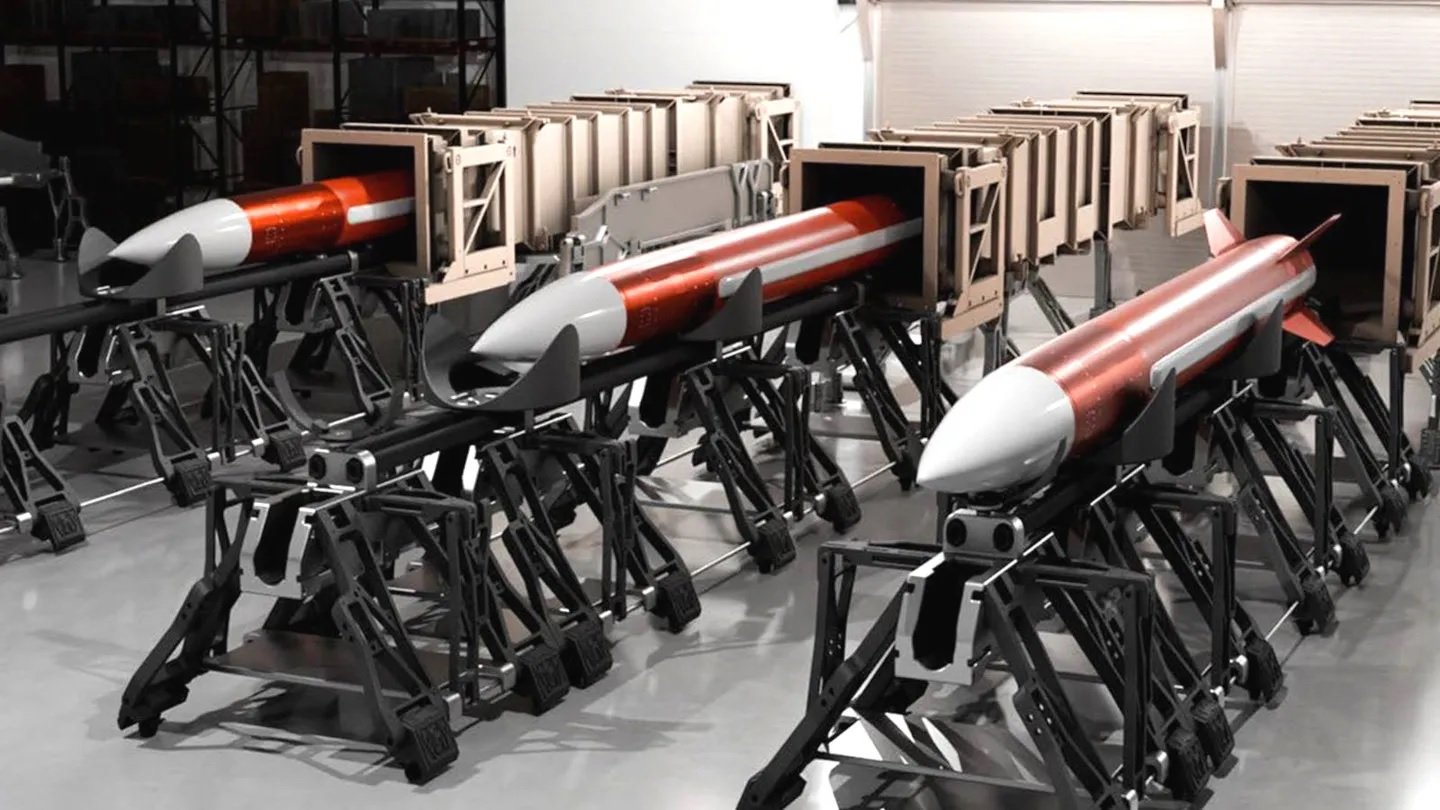
U.S
WASHINGTON — The U.S. Army has placed its first domestic order for newly produced PAC-2 Guidance Enhanced Missile-Tactical (GEM-T) Patriot interceptors in more than three decades, marking a significant change in its Patriot missile procurement strategy as it works to replenish air defense stockpiles. Although PAC-2 interceptors are older and generally less capable than the newer PAC-3 variants, the Army is returning to domestic procurement of the missile as it seeks to rebuild its Patriot inventory. The domestic production order was announced by RTX during its second-quarter fiscal 2026 earnings call on July 23. Christopher Calio, President and CEO of RTX, said the company received nearly $20 billion in awards during the quarter, resulting in a book-to-bill ratio of 2.4. “These bookings included over $5 billion of GEM-T Patriot effectors, driven by international customers, and our first domestic GEM-T production order in over 30 years,” Calio said during the earnings call. The domestic order is linked to a $441.6 million U.S. Army contract modification awarded on April 30, 2026, for the procurement of Patriot GEM-T missiles in support of Operation Epic Fury, the ongoing U.S. military campaign against Iran. Contract work is being carried out in Chambersburg, Pennsylvania. Shift in Procurement Strategy For many years, the U.S. Army focused its domestic Patriot missile procurement on the newer PAC-3 Missile Segment Enhancement (MSE) interceptors produced by Lockheed Martin. During that period, the Army did not place new domestic production orders for Raytheon's PAC-2 interceptors, instead relying on existing PAC-2 inventories and upgrading older MIM-104D missiles to the GEM-T configuration. The latest order marks the first return to domestic procurement of newly built PAC-2 GEM-T missiles in more than 30 years. Stockpile Replenishment Drives the Order The new procurement comes as the Pentagon seeks to rebuild Patriot missile inventories following extensive air defense operations. According to a Center for Strategic and International Studies (CSIS) report published in May, U.S. forces fired an estimated 1,060 to 1,430 Patriot interceptors against Iranian ballistic missiles and drone swarms. At the same time, continued demand for Patriot systems from operations involving Ukraine, Israel, and the Gulf region has increased pressure on missile production and defense industry capacity. To help restore munitions inventories, the Trump administration has requested $67.1 billion in supplemental military funding, with a significant portion allocated to replenishing missile stockpiles. PAC-2 GEM-T and PAC-3 Serve Different Roles The Guidance Enhanced Missile-Tactical (GEM-T) is an upgraded version of the PAC-2 Patriot interceptor. It is designed to improve performance against tactical ballistic missiles, cruise missiles, aircraft, and drones. Unlike the PAC-3 interceptor, which uses a hit-to-kill approach, the GEM-T employs a blast-fragmentation warhead combined with a proximity fuze. Current Patriot launchers are capable of carrying both PAC-2 GEM-T and PAC-3 interceptors at the same time, allowing operators to select the most suitable interceptor based on the type of threat. Raytheon produces the PAC-2 family of Patriot interceptors, while Lockheed Martin manufactures the PAC-3 series. Congress Seeks Answers on Patriot Inventories The renewed purchase of PAC-2 GEM-T missiles has also drawn attention in Congress. In a June report accompanying the draft Fiscal Year 2027 National Defense Authorization Act (NDAA), the House Armed Services Committee questioned the Army's long-standing emphasis on PAC-3 procurement and noted that the PAC-2 GEM-T has effectively complemented the PAC-3 MSE during real-world engagements. The committee directed the Secretary of the Army to provide a briefing by March 1, 2027, covering: The capabilities and limitations of PAC-2 GEM-T and PAC-3 MSE interceptors against current and emerging threats. Current Patriot missile stockpile levels, remaining shelf life, and planned deliveries under the Future Years Defense Plan (FYDP). The Army's Total Munitions Requirement for the Patriot system. Options to address inventory shortages, including additional PAC-2 procurement and potential next-generation air and missile defense systems. Production Will Take Time Although the Army has awarded the $441.6 million contract for new PAC-2 GEM-T missiles, rebuilding Patriot inventories is expected to be a long-term effort. Patriot interceptors are complex precision-guided weapons with lengthy production timelines, and new missile contracts typically require several years from award to final delivery. The latest procurement reflects the Army's effort to restore missile inventories while maintaining a mix of PAC-2 GEM-T and PAC-3 interceptors to meet current and future air and missile defense requirements. Source : twz
Read More → Posted on 2026-07-24 13:50:00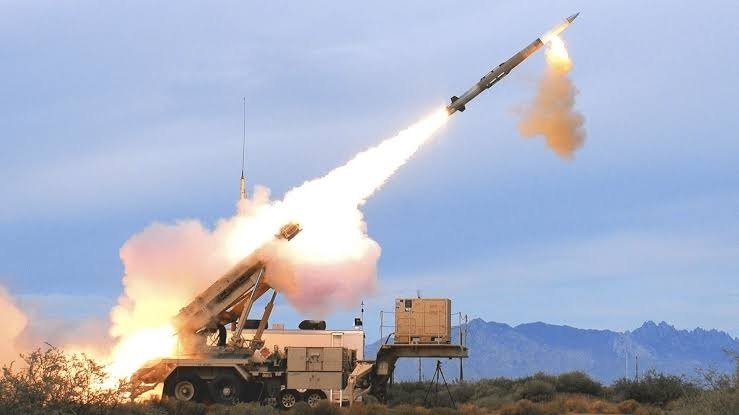
World
WASHINGTON — Poland has proposed creating a trilateral cooperation framework with the United States and Ukraine to manufacture missiles for Patriot air defense systems. The proposal is intended to ensure production takes place in a secure location while helping meet the growing global demand for Patriot interceptors. The proposal was presented by Poland's Deputy Minister of National Defence, Magdalena Sobkowiak-Czarnecka, during meetings with officials from the Pentagon and the U.S. State Department in Washington. According to Sobkowiak-Czarnecka, the proposed arrangement would allow the three countries to work together while addressing security concerns surrounding missile production. "We proposed that this should be a trilateral cooperation framework, involving the United States, Ukraine, and Poland, because it is about securing the production process and ensuring that this manufacturing takes place in a safe location," she said. She noted that Patriot missile interceptors are in high demand worldwide and said the cooperation could benefit all three countries by supporting production in a secure environment. Detailed negotiations on the proposal are expected to begin soon. Proposal Aims to Address Security Concerns The initiative follows the recent NATO summit in Ankara, where U.S. President Donald Trump announced that Washington would grant Ukraine a license to manufacture Patriot missile interceptors. While the licensing decision would allow Ukraine to produce the interceptors, U.S. officials have expressed concerns about establishing a manufacturing facility inside Ukraine because such a site could become a target for Russian airstrikes. Poland has proposed hosting the production effort on its territory, arguing that manufacturing in Poland would provide a safer location while supporting Ukraine's production program. Sobkowiak-Czarnecka said the proposal directly addresses the security concerns raised by the American side. Poland Expands Role in Patriot Support The proposal builds on earlier statements by Poland's Minister of National Defence, Władysław Kosiniak-Kamysz, who said Poland intends to cooperate with Ukraine on the production and maintenance of PAC-3 missiles used in Patriot air defense systems. PAC-3 interceptors are designed to counter ballistic missile threats. Kosiniak-Kamysz also said Poland is preparing to play a broader role in regional air defense support. Poland has signed an agreement with the United States, Germany, the Netherlands, and Sweden to establish a European service and maintenance center for PAC-3 missiles. Although Ukraine has received approval to manufacture Patriot interceptors, the issue of whether similar production rights will be extended to other European countries remains unresolved. When asked whether other European allies could also receive authorization to manufacture the interceptors, President Trump said the matter is still under consideration. Kosiniak-Kamysz stated that regardless of future licensing decisions for other countries, Poland is expected to play an important role in supporting Ukraine's Patriot missile production. Discussions Also Cover U.S.-Poland Defense Cooperation During her visit to Washington, Sobkowiak-Czarnecka also proposed establishing a dedicated regional Patriot maintenance and service center in Poland. She said Poland's expanding defense industry and its location on NATO's eastern flank make it well suited for such a role. The discussions in Washington also covered plans to expand the U.S. military presence in Poland. According to Sobkowiak-Czarnecka, special working groups have already been formed within the U.S. government and Poland's Ministry of National Defence to prepare for an increased troop presence. She also expressed optimism that an agreement could be signed in the coming weeks for a $4 billion U.S. credit line for Poland under the Foreign Military Financing (FMF) program. The funding is intended to support the purchase of additional American defense equipment as Poland continues to modernize its armed forces. Source :
Read More → Posted on 2026-07-24 13:52:49
World
WASHINGTON — A civil nuclear cooperation agreement signed between the United States and Saudi Arabia has quickly become the focus of debate after questions emerged over uranium enrichment and a subsequent statement by President Donald Trump that appeared to change key aspects of the agreement. On July 22, U.S. Energy Secretary Chris Wright and Saudi Energy Minister Prince Abdulaziz bin Salman signed a Section 123 agreement in Washington under the U.S. Atomic Energy Act. The agreement establishes the legal framework for American companies to support the development of Saudi Arabia's civilian nuclear power program. Saudi Arabia considers nuclear energy a key part of its Vision 2030 economic diversification strategy. The kingdom currently uses a significant portion of its crude oil for domestic electricity generation and aims to expand nuclear, solar, and wind energy to reduce domestic oil consumption, increase oil available for export, and lower carbon emissions. Michael Ratney, former U.S. Ambassador to Saudi Arabia and now a senior adviser at the Center for Strategic and International Studies (CSIS), wrote in a commentary published on July 23 that Saudi Arabia's interest in nuclear power is driven primarily by economic and energy needs rather than prestige. Questions Over Uranium Enrichment Discussion surrounding the agreement intensified after press reports indicated that Saudi Arabia could eventually pursue domestic uranium enrichment following a multiyear study on its commercial viability. Saudi Arabia has domestic uranium deposits and has repeatedly expressed interest in developing the entire nuclear fuel cycle, from uranium mining to reactor fuel production, instead of relying entirely on foreign suppliers. Uranium enrichment is considered a sensitive technology because it can produce fuel for civilian nuclear reactors but, at higher enrichment levels, can also produce material suitable for nuclear weapons. According to the information discussed following the agreement, only a limited number of countries currently operate uranium enrichment facilities. The reported possibility of future enrichment raised concerns among nonproliferation experts because the agreement does not require Saudi Arabia to adopt the nonproliferation "gold standard," under which a country legally commits not to pursue domestic uranium enrichment or fuel reprocessing. It also does not require Saudi Arabia to adopt the International Atomic Energy Agency's (IAEA) Additional Protocol, which provides for expanded inspection authorities. Matthew Kroenig, a nonproliferation expert at the Atlantic Council, argued that allowing Saudi Arabia to obtain enrichment capabilities would be a strategic mistake. Alicia Sanders-Zakre, Head of Policy at the International Campaign to Abolish Nuclear Weapons (ICAN), also expressed concern, describing the arrangement as lacking stronger nonproliferation safeguards. Ratney noted that even if a domestic enrichment facility would require significant investment and many years to develop, Saudi Arabia places considerable political importance on maintaining the option to pursue it. Trump's Statement Introduces New Questions The day after the agreement was signed, President Donald Trump posted on social media that the nuclear agreement would be linked to Saudi Arabia normalizing relations with Israel under the Abraham Accords. He also stated that the agreement would not include uranium enrichment and would be for non-military purposes only. The statement came after U.S. officials had publicly announced the agreement without mentioning normalization as a formal condition. Ratney said the move introduced additional uncertainty into an agreement that was already attracting scrutiny. He wrote that the statement appeared to be an effort to respond to criticism from nonproliferation advocates and Israeli officials following the announcement. Ratney also noted that Saudi Arabia has consistently maintained that normalization with Israel depends on concrete progress toward the establishment of a Palestinian state, a position that remains unchanged. Congressional Review The agreement will now undergo a 90-day review by the U.S. Congress. Lawmakers can block the agreement only by securing a veto-proof majority in both the House of Representatives and the Senate. The nuclear agreement follows several other areas of expanding U.S.-Saudi cooperation during the current administration, including agreements involving F-35 fighter jets and economic partnerships in artificial intelligence. As the congressional review proceeds, discussions are expected to continue over uranium enrichment, nonproliferation safeguards, and the diplomatic conditions surrounding the agreement. While the framework establishes cooperation on Saudi Arabia's civilian nuclear energy program, several policy and implementation questions remain under review.
Read More → Posted on 2026-07-24 14:15:46
World
ADELAIDE — The Australian government has announced an additional AUD 4.6 billion investment to expand the Osborne Naval Shipyard in South Australia, strengthening the industrial infrastructure required for the AUKUS nuclear-powered attack submarine (SSN) program. Deputy Prime Minister and Minister for Defence Richard Marles announced the funding on Friday during the Labor Party's national conference in Adelaide. The latest allocation increases the federal government's confirmed investment in the Osborne precinct to AUD 8.5 billion, following the AUD 3.9 billion announced in February 2026. The funding will support the facilities, workforce capacity, and industrial capabilities needed to build, sustain, and operate Australia's future SSN-AUKUS submarine fleet. The government has also stated that the overall Osborne shipyard project is expected to involve around AUD 30 billion over the coming decades. Building Australia's Submarine Industry The Osborne Naval Shipyard will become the construction hub for five conventionally armed, nuclear-powered SSN-AUKUS submarines. The submarines will be built through a joint venture between ASC Pty Ltd and BAE Systems Australia, supported by a wider network of engineering companies and suppliers. According to the Albanese government, the AUKUS submarine program is expected to create nearly 10,000 jobs in South Australia. Around 1,100 people are currently working at the Osborne precinct in site operations, design, and project management. To support the long-term workforce needed for the program, a dedicated Skills and Training Academy Campus is scheduled to begin operations in the first quarter of 2028. The academy will replicate a submarine construction environment and will be able to train up to 1,000 learners at the same time, preparing engineers, technicians, and skilled tradespeople for Australia's future nuclear-powered submarine fleet. Maintaining Capability Before SSN-AUKUS Australia currently operates six Collins-class diesel-electric submarines, commissioned between 1996 and 2003. The submarines are 77.8 metres long, displace about 3,400 tonnes when submerged, and are equipped with Mk 48 Mod 7 CBASS heavyweight torpedoes and UGM-84 Sub Harpoon anti-ship missiles. They perform intelligence gathering, anti-submarine warfare, and maritime surveillance missions. Because the SSN-AUKUS submarines are not expected to enter service until the early 2040s, the government is extending the operational life of the Collins-class fleet. Canberra is investing up to AUD 11 billion to keep the submarines in service into the early 2040s through upgrades and sustainment work. At the same time, the government is upgrading the Henderson shipyard in Western Australia to support the maintenance of future nuclear-powered submarines and the construction of the Royal Australian Navy's future Mogami-class frigates. Future SSN-AUKUS Fleet Under the AUKUS partnership, Australia will acquire at least three Virginia-class nuclear-powered submarines from the United States before building five SSN-AUKUS submarines domestically. The SSN-AUKUS design is based on the United Kingdom's Astute-class submarine experience while incorporating advanced United States technologies. The submarines will be fitted with a next-generation Rolls-Royce nuclear reactor designed to operate throughout the vessel's service life without refuelling. They will also use a combat management system based on the AN/BYG-1 architecture used on the US Navy's Virginia-class submarines and will be armed with Mk 48 Mod 7 heavyweight torpedoes and Tomahawk land-attack cruise missiles. The shared combat systems and operational procedures are intended to improve interoperability between the Royal Australian Navy, the US Navy, and the Royal Navy. Program Progress The AUKUS partnership, announced in 2021, remains Australia's largest defence acquisition program. The agreement replaced Australia's previous plan to acquire 12 Shortfin Barracuda diesel-electric submarines from France's Naval Group. Australia had originally planned to receive newly built Virginia-class submarines from the United States as an interim capability. However, due to production pressures within the US naval industrial base, Australia is now expected to receive at least three Virginia-class submarines transferred from the operational inventory of the US Navy. The additional investment in the Osborne Naval Shipyard reflects the Australian government's continued commitment to expanding the country's submarine industrial base while supporting the transition from the Collins-class fleet to the future SSN-AUKUS submarines. Construction of the first Australian-built SSN-AUKUS submarines is expected in the early 2040s. Source : abc.net.au
Read More → Posted on 2026-07-24 15:01:13
World
TEHRAN — U.S. airstrikes targeted military infrastructure across central Iran early Friday, including a missile base associated with the Islamic Revolutionary Guard Corps (IRGC) Aerospace Force near Taft in Yazd Province, according to Iranian officials and local reports. The strike near Taft was reported at approximately 03:30 local time. Residents said a powerful explosion occurred in the mountainous Bam-e Taft and Shirkuh area southwest of the city. Witnesses described seeing a bright flash followed by a large cloud of dust, with the blast shaking nearby homes. Local reports indicated the attack was carried out using missiles, as residents said they did not hear aircraft flying over the area before the explosion. Iranian state television later confirmed that an explosion had occurred outside the city of Taft. The targeted site near Taft is associated with the IRGC Aerospace Force, which is responsible for Iran's missile capabilities. Additional Strikes Reported in Markazi and Isfahan Iranian authorities also reported strikes in other parts of central Iran during the same period. In Markazi Province, the Deputy Governor said two projectiles struck a location outside the city of Khondab at approximately 03:05 local time. Khondab is home to Iran's heavy-water production facility and a nuclear complex located about 250 kilometers southwest of Tehran. Shortly before the Khondab strike, authorities in Isfahan Province reported another attack. The Deputy Governor of Isfahan said an area in Na'in County was targeted at around 03:00 local time and described it as an American attack. Borujerd Reports Clarified Initial reports from the western city of Borujerd suggested that two explosions had been heard overnight. However, subsequent local updates clarified that no verified explosions had occurred within or near the city. Authorities said the sounds were caused by military aircraft flying overhead at high speed. Damage and Casualty Information Not Yet Released Iranian authorities have not released details regarding damage or casualties resulting from the strikes. IRGC-affiliated media outlets, including Fars News and Tasnim News, were among the first Iranian outlets to acknowledge explosions in Taft, Khondab, and Na'in early Friday. Iranian state media described the incidents as American attacks. U.S. officials had not issued public statements specifically addressing these reported strikes at the time of writing. The reported attacks come amid continued military activity between the United States and Iran. According to previous statements from U.S. Central Command, American forces have been conducting consecutive nightly strikes against Iranian military targets as part of operations aimed at reducing threats posed by the IRGC. Source : X
Read More → Posted on 2026-07-24 15:08:57
U.S
WASHINGTON — The U.S. Space Development Agency (SDA) has awarded General Dynamics Mission Systems a contract with a ceiling value of $400.4 million to develop the ground segment for Tranche 3 of the Proliferated Warfighter Space Architecture (PWSA), the Pentagon's low Earth orbit satellite network designed to provide missile warning, missile tracking, and resilient military communications. The cost-plus-award-fee, cost-plus-fixed-fee, and cost-no-fee letter contract was awarded on July 24, 2026, and covers software development, testing, integration, and operations and maintenance of the ground segment mission and service applications required to support Tranche 3 capabilities. At the time of the award, the SDA obligated $60,665,380 in fiscal year 2026 research, development, test and evaluation (RDT&E) funding. The work is scheduled to continue through September 30, 2030 under contract FA2401-26-C-0003, which was awarded as a sole-source acquisition. Ground Segment to Support Tranche 3 Operations The ground segment forms the operational backbone of the satellite constellation. It includes the software, communications infrastructure, mission applications, and operations centers used to command satellites, manage missions, direct tracking activities, and deliver data to military users. General Dynamics Mission Systems, headquartered in Fairfax, Virginia, will perform the work across multiple locations, including Scottsdale, Arizona; Seattle, Washington; Grand Forks, North Dakota; Redstone Arsenal, Alabama; and Chantilly, Virginia. The contract team is based in Scottsdale, while the company's space business is headquartered in Chantilly. The new contract continues General Dynamics' role in developing the PWSA ground architecture. The company received a contract worth approximately $324.5 million in 2022 to establish the ground operations and integration segment for Tranche 1. In 2024, the SDA awarded a $491 million contract modification to expand that work for Tranche 2. The Tranche 3 award extends the existing ground architecture rather than introducing a new system. Supporting the Tracking Layer The Proliferated Warfighter Space Architecture is a network of satellites in low Earth orbit designed to provide resilient military space capabilities, including communications, missile warning, missile tracking, and related missions. The Tracking Layer is responsible for detecting missile launches and generating tracking data that supports missile intercept operations. The new ground segment will support the operation and integration of the Tranche 3 Tracking Layer satellites after they are deployed. In December 2025, the SDA awarded approximately $3.5 billion in contracts to build 72 Tranche 3 Tracking Layer satellites. Lockheed Martin, Rocket Lab, Northrop Grumman, and L3Harris Technologies each received contracts to manufacture 18 satellites, with launches planned no earlier than fiscal year 2029. PWSA Expansion Continues The PWSA is being developed through a spiral acquisition approach, with new tranches introducing additional capabilities at regular intervals. According to the SDA, Tranche 1 is planned to include 154 operational satellites—126 Transport Layer satellites and 28 Tracking Layer satellites—along with four demonstration spacecraft operating at an altitude of approximately 1,000 kilometers (620 miles). As of mid-July 2026, the agency had placed 63 Tranche 1 satellites into orbit, including more than 60 data transport satellites. Initial warfighting capability for Tranche 1 is expected in 2027. Existing Operations Centers The Tranche 3 ground segment will integrate with the SDA's existing Space Operations Centers located in Grand Forks, North Dakota, and Redstone Arsenal, Alabama, which currently manage Tranche 1 satellite operations. Once the Tranche 3 Tracking Layer satellites enter service, the new ground infrastructure will support their integration with the existing PWSA architecture, enabling command, control, mission management, and operational support across the expanding satellite network. Source : gurufocus
Read More → Posted on 2026-07-25 12:06:49
World
DUBAI — Kuwait and Bahrain reportedly carried out joint airstrikes against military targets inside Iran earlier this month, marking the first known direct military action by the two Gulf nations against Tehran since the start of the 2026 Iran war. According to The Wall Street Journal, which cited people familiar with the matter, Bahraini and Kuwaiti fighter jets targeted Iranian drone and missile storage depots, along with other military installations. The operation reportedly took place sometime after July 11. Israeli military sources, who were briefed by their Emirati counterparts, said the participating aircraft landed safely at an airbase in the United Arab Emirates (UAE) after completing the mission. UAE Provided Intelligence and Defensive Air Cover The report said the UAE supported the operation by providing targeting intelligence and defensive air cover for the Bahraini and Kuwaiti aircraft. The UAE had previously carried out its own strikes against Iranian targets earlier in the conflict, including an attack on an oil refinery on Lavan Island in April. To reduce the risk of Iranian retaliatory attacks, Bahrain and Kuwait also repositioned part of their air forces. According to the report, fighter aircraft from Bahrain's Sheikh Isa Air Base and Kuwait's Ahmad Al-Jaber Air Base and Ali Al-Salem Air Base were relocated to the UAE's Al Dhafra Air Base. Operational indications also suggested that some aircraft may have been dispersed to at least one additional Emirati airbase. Strikes Follow Weeks of Iranian Attacks The reported operation followed weeks of Iranian drone and missile attacks on Bahrain and Kuwait. Both countries host major U.S. military facilities, including Sheikh Isa Air Base in Bahrain and Ali Al-Salem Air Base and Ahmad Al-Jaber Air Base in Kuwait. Iranian attacks have also targeted civilian infrastructure. Earlier this week, Kuwait's Foreign Ministry said Iran struck a power plant and a water desalination facility. Bahraini authorities have previously reported attacks on Sheikh Isa Air Base, while Kuwait has also reported strikes targeting its international airport and other infrastructure. According to the report, Bahrain and Kuwait launched the operation after concluding they could no longer continue absorbing repeated attacks without a direct military response. The reported targets included drone and missile storage depots believed to support those attacks. Regional Military Involvement Expands The reported participation of Bahrain and Kuwait would further broaden regional military involvement in the conflict. The UAE and Saudi Arabia were already involved during the early stages of the war, with the UAE taking a more active military role by conducting multiple strikes against Iranian targets. Bahrain established diplomatic relations with Israel under the 2020 Abraham Accords. Iran has carried out repeated attacks against Bahrain and Kuwait during the conflict, while largely avoiding direct attacks on Saudi Arabia and the UAE. Kuwait and Bahrain are considered particularly vulnerable because of their geography and their dependence on the Strait of Hormuz for energy exports and regional trade. Bahrain is an island nation connected to Saudi Arabia by a causeway, while Kuwait lies at the northern end of the Gulf and borders Iraq. Regional officials have also said Kuwait has faced attacks from both Iran and militia groups in Iraq allied with Tehran. Conflict Continues to Escalate The wider conflict has continued to intensify following the collapse of the ceasefire extension signed in June. Fighting has included Iranian drone and missile attacks on Gulf states and vessels operating in the Strait of Hormuz, while U.S. and partner forces have conducted repeated airstrikes on Iranian military infrastructure, including command centers, drone storage facilities, coastal surveillance sites and other military targets. The U.S. military said Friday marked the 13th consecutive night of strikes on Iranian targets. Separately, U.S. President Donald Trump told Axios on Thursday that he was considering "a massive attack" on Iran. No Official Confirmation At the time of publication, the governments of Bahrain, Kuwait and the UAE had not officially confirmed the reported fighter-jet operation. Kuwait's ambassador denied any involvement in the reported strikes, while Bahrain had not issued a public statement. The Wall Street Journal report was based on unidentified sources familiar with the matter and did not provide details on the number of aircraft involved, the extent of damage, or the exact bases from which the aircraft operated. The report therefore remains based on unnamed sources and has not been officially confirmed by the governments involved. Source : WSJ
Read More → Posted on 2026-07-25 12:19:03
Europe
LONDON — The UK Ministry of Defence (MOD) has awarded a contract worth up to £400 million to equip the British Army with Tekever AR5 unmanned aerial vehicles (UAVs), replacing the Army's ageing Watchkeeper fleet under Project CORVUS. The 10-year procurement programme will introduce a new tactical surveillance capability for the British Army, with the AR5 providing longer endurance, improved sensor capability, and real-time intelligence support for military operations. Under the agreement, an initial order of six AR5 drones will be delivered, while up to 24 aircraft are expected to enter service by 2029. Subject to contract signature and final approvals, the first systems are scheduled to begin entering service later this year. The contract also includes at least five years of sustainment support, with options for further extension. New Tactical Surveillance Capability The Tekever AR5 is a fixed-wing, medium-altitude tactical uncrewed aircraft with a 7.3-metre wingspan. It has a maximum take-off weight of around 180 kg, cruises at 100 km/h, and offers an endurance of up to 20 hours. The aircraft can also operate from short, unpaved airstrips, providing greater deployment flexibility. The drone can carry a 50 kg payload of surveillance equipment, including ultra-high-resolution cameras, maritime radar, and advanced radio frequency (RF) sensors. According to the Ministry of Defence, these capabilities will provide commanders with real-time intelligence to support battlefield decision-making and help protect deployed personnel. Defence Secretary Highlights Investment Defence Secretary Wes Streeting said the AR5 had already demonstrated its capability in operational environments. "Proven in Ukraine and designed to protect British soldiers globally, we've chosen the UK-based Tekever AR5 drone to supply our personnel with kit that will keep them ahead of emerging threats. This investment will support our troops on deployment, while driving re-industrialisation and backing British innovation." The AR5 has already been used by Ukraine's Armed Forces and has also supported UK maritime surveillance operations, including monitoring small-boat crossings in the English Channel. Manufacturing and Industrial Impact The AR5 drones will be manufactured at Tekever's new production facility in Swindon, which is expected to handle activities ranging from research and development to full-scale production. According to the Ministry of Defence, the programme is expected to sustain and create hundreds of highly skilled jobs across Tekever's UK operations, supporting the country's defence and technology sector. Tekever was founded in Portugal and has expanded its presence in the United Kingdom in recent years. Tekever UK Managing Director Karl Brew said Project CORVUS represents a significant development for the British Army's future capabilities. "CORVUS represents a major step change in delivering cutting edge autonomy to the British Army. This isn't about a platform, it's about building and sustaining sovereign capability that stays one step ahead of our adversaries. Through CORVUS, TEKEVER aims to create a new type of partnership between government and industry where we will ensure a constant cycle of capability evolution that delivers decisive advantage to our end users." Replacing the Watchkeeper Fleet The contract marks the beginning of the replacement of the British Army's Watchkeeper unmanned aircraft system, which entered service in 2014. Developed by Thales UK based on an Israeli design, the Watchkeeper programme experienced years of delays and faced operational challenges during its service life. As the Watchkeeper fleet reaches the end of its operational life, the Ministry of Defence said the Tekever AR5 will provide improved endurance, enhanced sensor capability, and greater reliability, strengthening the Army's tactical reconnaissance capability for future operations. Source : gov.uk
Read More → Posted on 2026-07-25 13:11:12
India
NAGPUR, MAHARASHTRA — Solar Defence and Aerospace Ltd. (SDAL), a subsidiary of Solar Industries India Limited, has demonstrated its indigenous Bhargavastra vehicle-mounted counter-swarm drone system to a visiting Indian Army team in Nagpur. The July 24 demonstration was conducted as part of a status review under a Project Sanction Order (PSO) of the Ministry of Defence's Make-II initiative, which supports industry-funded prototype development. #WATCH | Nagpur, Maharashtra: Solar Defence and Aerospace Ltd. (SDAL) demonstrated "Bhargavastra", an indigenous, vehicle-mounted, multi-layered Counter-Swarm Drone System designed to provide affordable and highly effective protection against the rapidly growing threat of… pic.twitter.com/IefshrHa2J — ANI (@ANI) July 24, 2026 Indigenous Hard-Kill Counter-Drone System Bhargavastra has been developed entirely in India to counter the growing threat posed by weaponised drones, loitering munitions and autonomous drone swarms. Unlike conventional soft-kill systems that rely on electronic jamming or spoofing, Bhargavastra uses a hard-kill approach, physically intercepting and destroying aerial threats, including autonomous drones that can resist electronic countermeasures. The system has been developed in collaboration with Economic Explosives Limited for its kinetic engagement capability. Multi-Layer Engagement Capability Bhargavastra features a two-layer interception architecture designed to engage different types of aerial threats. The first layer uses unguided micro-rockets to neutralise dense drone swarms within a blast radius of about 20 metres. The second layer employs precision-guided micro-missiles capable of engaging evasive or high-value targets at ranges of up to 2.5 kilometres. According to the company, a single 7.5-ton class all-terrain launcher vehicle can carry 64 guided and unguided munitions arranged in 8×8 cassettes. The launcher is designed to fire multiple rounds in rapid succession, enabling simultaneous engagement of multiple targets while providing 360-degree coverage. Advanced Detection and C4I Network The system's Command and Control Vehicle (CCV) integrates a Command, Control, Communication and Intelligence (C4I) architecture equipped with: A primary radar An Electro-Optical/Infrared (EO/IR) surveillance and tracking system Passive Radio Frequency (RF) sensors These sensors provide multi-layer detection, tracking and classification of aerial threats before automatically assigning targets to the launcher. According to SDAL, the radar can detect: Medium-to-large unmanned aerial vehicles (UAVs) at distances of up to 10 kilometres Micro-drones at distances of around 6 kilometres The company stated that the complete process from target recognition to interception takes less than 16 seconds. Indian Army Observes Full System Demonstration During the July 24 demonstration, SDAL presented the complete Bhargavastra configuration, including the Command and Control Vehicle and launcher vehicle. To evaluate the system, the company flew a live swarm of drones. The radar and sensor suite successfully detected the targets, while the C4I system generated a real-time air situational picture, issued a drone attack alert and automatically assigned targets to the launcher. The complete firing sequence and targeting process were demonstrated to the visiting Indian Army officers. However, no live rocket firing was carried out, as firing within the plant premises was restricted because of safety protocols. Designed for Multiple Operational Environments Bhargavastra has been designed for deployment across a wide range of operational conditions, including: Plains Deserts Mountainous terrain up to 5,000 metres above mean sea level The system also features an open architecture designed for integration with the Indian Armed Forces' existing network-centric operations, including compatibility with air defence networks such as Akashteer. By using micro-rockets and micro-missiles instead of larger surface-to-air missiles, Bhargavastra is intended to provide a more cost-effective solution for countering drone threats. Development Status SDAL, based in Nagpur, developed Bhargavastra entirely in India. Earlier component trials were conducted in 2025 at the Seaward Firing Ranges in Gopalpur, Odisha. The company said internal trials are expected to be completed within the next two to three months, after which the system will be ready for user trials. The July 24 demonstration marked another stage in the evaluation of the indigenous counter-swarm drone system under the Ministry of Defence's Make-II programme. Source : ANI
Read More → Posted on 2026-07-25 13:26:11 Satellite Images Confirm Damage to Russian Avitek Plant After Ukrainian FP-5 Flamingo Missile Strike
World
KIROV, Russia — Satellite imagery has confirmed damage to a production hall at the Avitek plant in the Russian city of Kirov following a Ukrainian FP-5 Flamingo cruise missile strike carried out on the morning of July 24, 2026. The satellite images, published by the Dnipro OSINT community, show a hole measuring approximately 21.5 by 24 meters in the roof of one of the plant's production buildings. Analysis of the imagery indicates that the strike directly damaged the facility. Additional photographs taken by eyewitnesses show that the building's window frames were bent outward by the blast. According to the image analysis, this pattern suggests the main explosion occurred inside the building, causing significant internal damage rather than being limited to the roof. Residents of Kirov reported hearing explosions at around 7:00 a.m. local time. Shortly afterward, smoke was seen rising from the area of the plant, and videos showing the aftermath were shared on social media. Kirov is located more than 1,200 kilometers from the Ukrainian border, making it one of the deeper strikes reported inside Russian territory. The use of the FP-5 Flamingo cruise missile was confirmed by Denys Shtilerman, chief designer and co-owner of the Ukrainian company Fire Point, who also shared video footage of a missile launch linked to the operation. According to OSINT Varta, JSC Vyatka Machine-Building Enterprise Avitek is part of the Almaz-Antey defense concern and specializes in the production of aviation equipment and pilot rescue systems. The facility is Russia's only serial producer of ejection seats for fighter and attack aircraft, including those used on Su-34 and Su-57 aircraft. It also manufactures anti-aircraft guided missiles, target missiles, aerial target simulators, and components associated with cruise missiles, including the Kh-101 and Kh-59. Avitek is under sanctions imposed by the United States, the European Union, Ukraine, Canada, Switzerland, and New Zealand because of its role in Russia's military-industrial complex. Russian regional authorities reported casualties following the strike. Governor Alexander Sokolov said that six people were killed and 26 others were injured. Ukrainian sources have reported higher casualty figures in some accounts. Ukrainian President Volodymyr Zelenskyy also confirmed the strike, stating that the facility supplies components for Russian aircraft and missile systems. The FP-5 Flamingo is a ground-launched cruise missile developed by Fire Point. The strike on the Avitek plant marks another confirmed use of the missile against a Russian defense-related facility in 2026. Source : militarnyi
Read More → Posted on 2026-07-25 13:44:16
U.S
KEYPORT, Washington — The U.S. Navy has successfully evaluated a counter-unmanned underwater vehicle (C-UUV) capability during Exercise Lanternfish 2026, demonstrating integrated technologies designed to detect, track, and classify autonomous underwater threats in realistic port protection scenarios. The multinational capability development and demonstration event brought together technology and personnel from the United States, the United Kingdom, and Australia to assess emerging undersea defense technologies and strengthen cooperation between the U.S. Navy, AUKUS partners, and industry. Joint Technology Demonstration The demonstration combined Ultra Maritime's Sea Spear deployable sonar system with Anduril Industries' Seabed Sentry autonomous undersea system and the Lattice battle management platform. During operations in the waters off Keyport, Washington, Sea Spear consistently detected, tracked, and classified medium- and large-diameter unmanned underwater vehicles (UUVs), also known as autonomous underwater vehicles (AUVs). The system provided persistent acoustic sensing and transmitted track data for further processing. Sea Spear is a lightweight deployable sonar system that can operate from both manned and unmanned platforms. Depending on mission requirements, it can function either as a permanent installation or as an attritable asset. The system is intended to support persistent sensing in ports, maritime choke points, remote locations, and other strategically important waterways. Integration with Navy Command-and-Control Network As part of the exercise, acoustic tracks generated by Sea Spear were received by Anduril's Seabed Sentry, which then published the data to the Lattice battle management platform. Lattice processed the acoustic information and transmitted the operational picture through the U.S. Navy's cUxV command-and-control (C2) architecture. This allowed operators at the Navy's Unmanned Operations Center (UOC) to monitor both subsea and surface assets in real time. According to the demonstration, Seabed Sentry was able to detect an autonomous underwater vehicle and automatically send an alert through the Navy's existing command-and-control system without requiring a human operator to manually relay the information. Open Architecture Supports Interoperability The exercise also demonstrated end-to-end integration between Ultra Maritime's sensing technology, Anduril's software, and the Navy's command-and-control architecture used during the exercise. Using Lattice's open software architecture, the system incorporated acoustic tracks from Sea Spear and delivered the resulting operational picture into the Navy's C2 network. According to the participating companies, this integration was completed without custom engineering between the participating systems in the exercise environment. Lattice, previously employed in air defense and counter-intrusion operations, was adapted for the undersea domain through Seabed Sentry, enabling edge processing and fusion of acoustic data. Focus on Emerging Undersea Threats Exercise Lanternfish focused on technologies designed to address the increasing use of autonomous underwater systems that can operate in ports, harbors, coastal waterways, and other critical maritime areas. According to the exercise information, these systems can pose threats to ports, pipelines, undersea cables, and other maritime infrastructure. Traditional harbor defense systems have primarily been designed to detect larger submarines and surface vessels, while smaller autonomous underwater vehicles require specialized sensors, faster data processing, and integrated command-and-control capabilities. The demonstration showed how deployable acoustic sensors and an integrated command-and-control network can support the detection and tracking of autonomous underwater threats while providing operators with a common operational picture across multiple domains. Multinational Collaboration Lanternfish is a multinational capability development and demonstration event involving autonomous underwater vehicle and subsea technologies from Australia, the United Kingdom, and the United States. The exercise is intended to enhance collaboration among the U.S. Navy, AUKUS partners, and industry in the development and evaluation of future undersea capabilities. Ultra Maritime-Anduril Partnership The demonstration builds on the exclusive partnership between Ultra Maritime and Anduril Industries, announced in April 2025. The partnership combines Ultra Maritime's Sea Spear deployable acoustic arrays and AI-enabled acoustic processing with Anduril's undersea autonomy systems, including Dive XL, Seabed Sentry, and the Lattice software framework. The collaboration aims to support distributed undersea surveillance for U.S. and allied forces. Ultra Maritime develops anti-submarine warfare solutions across airborne, surface, and undersea domains and operates in the United States, Canada, the United Kingdom, and Australia. The company continues to invest in autonomous undersea sensing technologies to support scalable and distributed surveillance networks. No Procurement Decision Announced The U.S. Navy has not announced any procurement decisions related to the technologies demonstrated during Exercise Lanternfish 2026. The event served as an operational capability demonstration to evaluate the integration of autonomous sensing, acoustic processing, and command-and-control technologies under realistic conditions. Source : prnewswire
Read More → Posted on 2026-07-25 14:22:46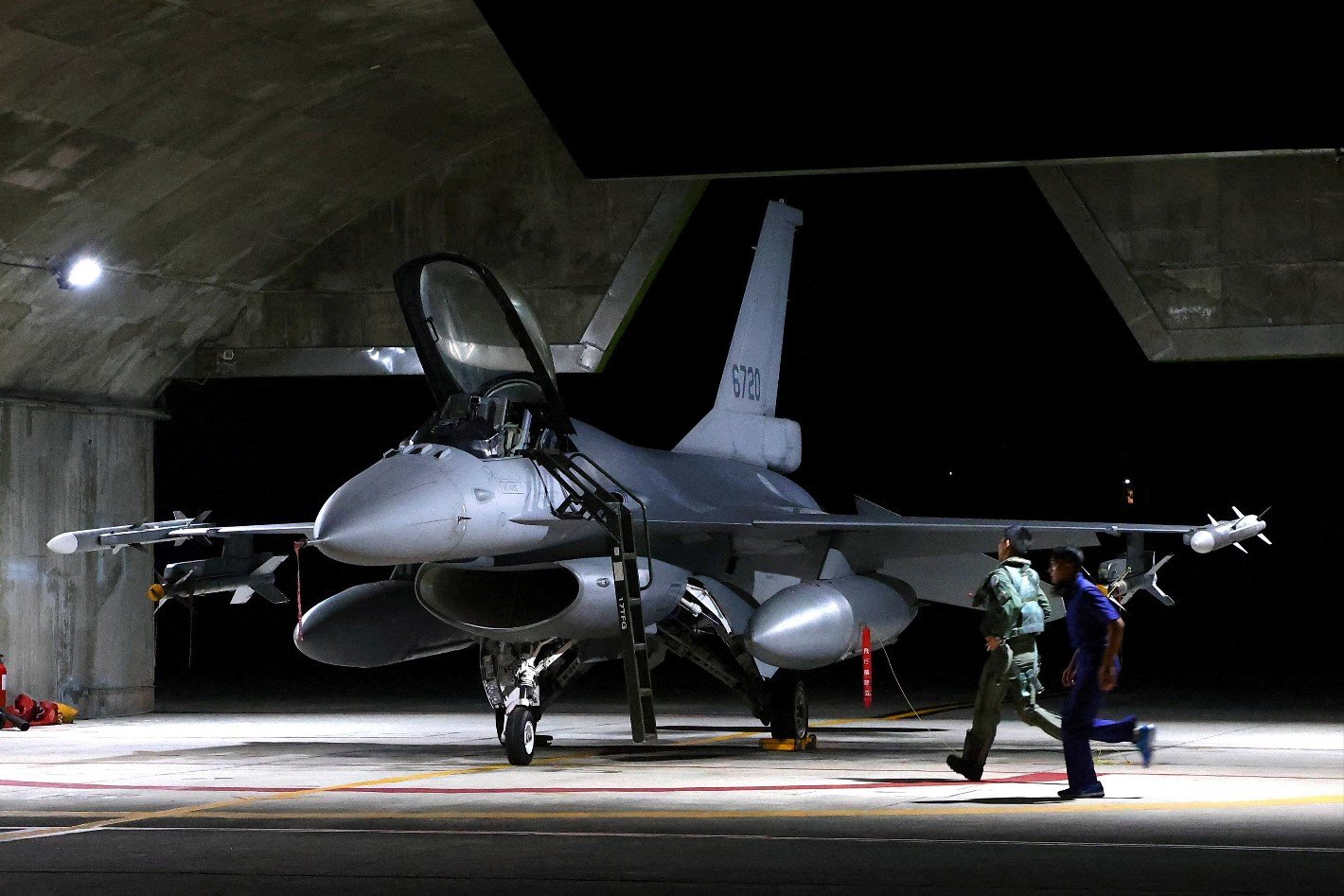
World
TAIPEI — Taiwan's Ministry of National Defence has confirmed it is seeking compensation from the United States and Lockheed Martin over repeated delays in the delivery of 66 F-16 Block 70 fighter aircraft ordered for the Republic of China Air Force. Rather than pursuing direct financial compensation, the ministry is prioritizing practical support that will improve the long-term readiness and sustainment of the future fleet. The aircraft were ordered under an $8.2 billion agreement signed in 2019 through the U.S. Foreign Military Sales (FMS) program. The original contract called for all 66 fighters to be delivered by the end of 2026. However, the program has faced repeated delays due to global supply chain disruptions and labor shortages following the COVID-19 pandemic and the Russia-Ukraine war. According to Taiwanese officials, only two aircraft have been completed so far, and both remain in the United States. First Delivery Now Expected in September 2026 Speaking before the Legislative Yuan's Foreign Affairs and National Defense Committee, Lieutenant General Lee Ching-ran, Chief of Staff of the Air Force Command, said the first F-16 Block 70 is now expected to arrive at Republic of China Air Force facilities in September 2026, instead of the original schedule. Lee told lawmakers that Taiwan has repeatedly raised the issue with U.S. authorities and has requested the U.S. government to assist in seeking compensation from Lockheed Martin. "There are many ways to seek compensation," Lee said during the hearing. He emphasized that the ministry's priority is not cash reimbursement but support that strengthens long-term operational readiness. Focus on Operational Support Taiwanese officials said practical compensation could include: Additional spare parts inventories Engineering and maintenance support Software upgrades Extended warranty coverage According to defense officials, these forms of compensation can help reduce long-term maintenance costs, improve aircraft availability, and strengthen fleet readiness more effectively than direct financial payments. Lockheed Martin has reportedly increased its workforce and introduced a two-shift production schedule at its Greenville, South Carolina, production facility in an effort to accelerate aircraft assembly. Despite these measures, military officials acknowledged that the original delivery timeline cannot be met. Taiwan has already paid more than $4.87 billion toward the procurement but is still awaiting the arrival of its first aircraft. FMS Process Limits Legal Options The compensation process is also influenced by the structure of the procurement. The F-16 acquisition was conducted through the U.S. Foreign Military Sales (FMS) program rather than a Direct Commercial Sale (DCS). As a result, Taiwan has limited legal avenues to pursue direct claims against Lockheed Martin. In late 2025, Premier Cho Jung-tai said the government had not ruled out legal action against the manufacturer. However, he noted that the FMS framework limits the ability to seek direct compensation in the same manner as commercial defense contracts. Instead, Taiwan plans to continue requesting remedial support to offset the operational impact of the delayed deliveries. Delays Add to Broader U.S. Arms Backlog The delayed F-16 deliveries are part of a wider backlog affecting U.S. defense equipment ordered by Taiwan. By the end of 2025, the value of undelivered U.S. military equipment ordered by the Republic of China Armed Forces had exceeded $21 billion, reflecting broader delays across multiple procurement programs. Modernizing Taiwan's F-16 Fleet Taiwan's current procurement follows its 1992 purchase of 140 F-16A/B Block 20 fighters, many of which have since been upgraded to the F-16V standard. The new F-16 Block 70 aircraft are intended to further modernize the Republic of China Air Force as security concerns across the Taiwan Strait continue. The first production F-16 Block 70 for Taiwan was rolled out and underwent acceptance testing in the United States during 2025 and early 2026. A Ministry of National Defence delegation also visited the production facility in March 2026 to inspect the aircraft. Although production is reported to be operating at full capacity, the first aircraft is still scheduled to arrive in Taiwan in September 2026. Taiwan Continues to Seek Practical Compensation Taiwanese officials said they will continue working with the U.S. government and Lockheed Martin to accelerate deliveries while pursuing practical forms of compensation that improve the long-term readiness, maintenance, and operational support of the incoming F-16 Block 70 fleet. Source : militarywatchmagazine
Read More → Posted on 2026-07-25 14:32:01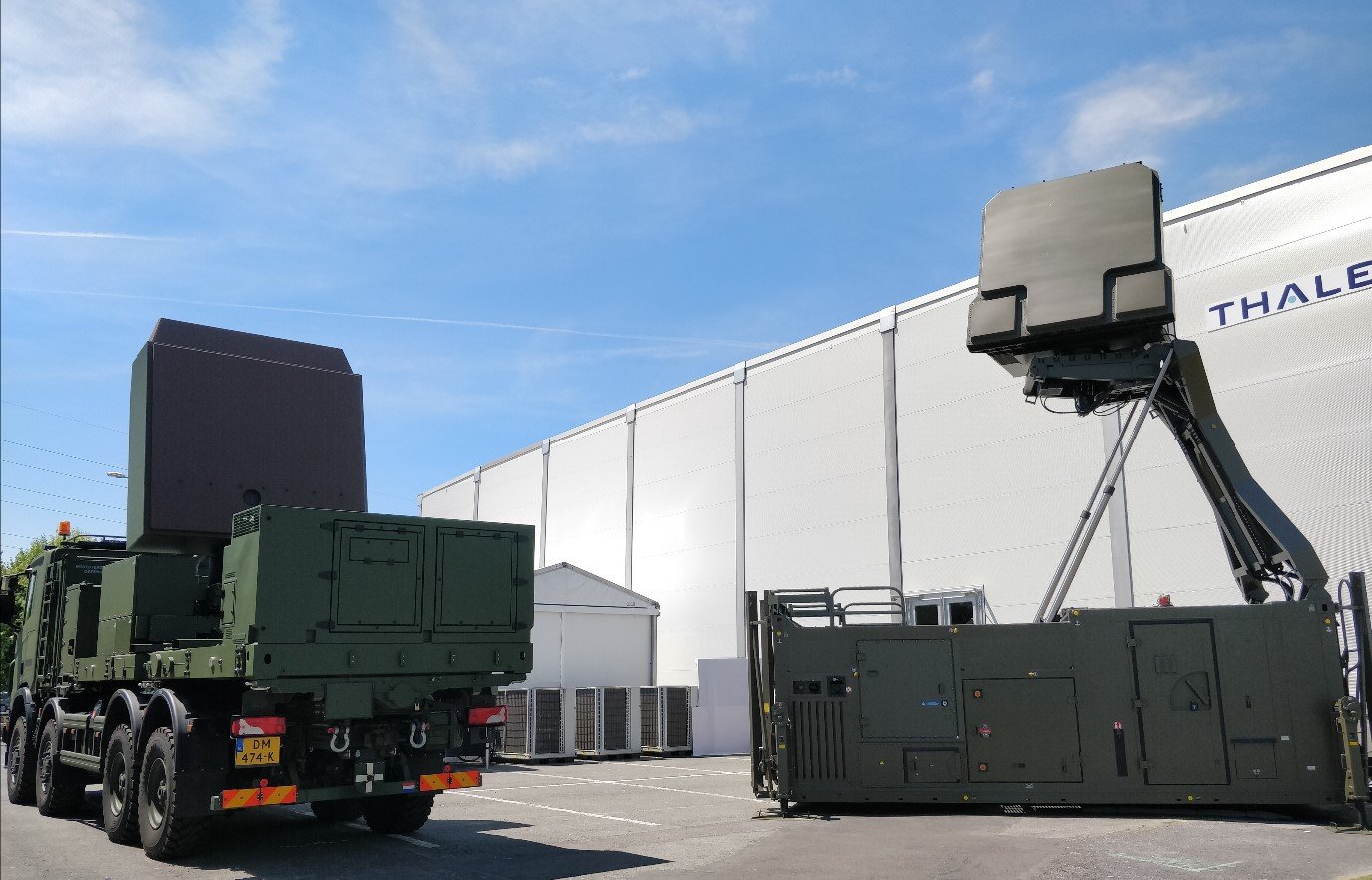
Europe
BUCHAREST / PARIS — Romania and France have signed a government-to-government agreement for the acquisition of 12 Thales Ground Master 200 Multi-Mission All-in-one (GM200 MM/A) air defense radars, strengthening Romania's air surveillance capabilities as part of its ongoing military modernization programme. The agreement was signed between the Romanian General Directorate for Armaments and France's Direction Générale de l'Armement (DGA) and was officially announced on July 24, 2026. The procurement is intended to enhance Romania's national defense framework and reinforce the protection of NATO's eastern flank. Acquisition Funded Under EU SAFE Programme The purchase is financed through the European Union's Security Action for Europe (SAFE) programme, a €150 billion financial instrument adopted in May 2025 to support joint defense investments and address critical capability gaps among EU member states. The radar acquisition forms part of Romania's broader military modernization programme, which also includes a recently finalized agreement for 12 Airbus military helicopters. France is managing the procurement through its French Acquisition for Strategic Partners (FASt) mechanism, operated by the DGA on behalf of partner nations. Commenting on the agreement, Patrick Pailloux, France's Director General for Armaments, said the orders are being executed through the FASt mechanism and noted that the programme further strengthens Franco-Romanian cooperation by supporting Romania's decision to equip its armed forces with French industrial solutions. GM200 MM/A Radar Capabilities The Ground Master 200 MM/A (GM200 MM/A) is a combat-proven, medium-range 4D Active Electronically Scanned Array (AESA) radar built on software-defined technology. According to Thales, the radar has an instrumented range of up to 350 kilometers and is designed to detect and track a wide variety of aerial threats, including low-flying drones, aircraft and missiles. The system is capable of carrying out multiple missions simultaneously, including: Air surveillance Surface surveillance Weapon coordination Rocket, Artillery and Mortar (RAM) sense-and-warn missions Its all-in-one design integrates the radar, mast and power generator into a single 20-foot ISO shelter, making the system fully vehicle-mobile. The radar can be deployed in less than 15 minutes, allowing rapid operational deployment when required. Strengthening Low-Altitude Air Defense Improving the detection of low-altitude threats has become an operational priority for Romania. Earlier this month, Interim National Defence Minister Radu Miruta highlighted the importance of acquiring the new radar systems to improve the country's ability to detect low-flying drones operating near its borders. Although deliveries are scheduled to begin in 2027, the first radar unit has been expedited and is expected to arrive within 11 months. Industrial Cooperation in Romania The agreement also includes an industrial cooperation component aimed at expanding Romania's domestic radar expertise. Thales, which has operated in Romania for more than two decades and currently employs more than 850 people in the country, will establish a new Radar Competence Centre to support the programme. Romania already hosts one of the company's global engineering competence centres. Pascale Sourisse, Senior Executive Vice-President for International Development at Thales, said the company fully supports Romania's ambition to develop long-term industrial capacity and expertise in the radar sector. She added that the new Radar Competence Centre will support the agreement while expanding partnerships with Romanian industry, strengthening localization, sustaining operational readiness and contributing to future NATO and European initiatives involving Romania. Programme Timeline The purchase was approved in May 2026 under the EU SAFE loan programme. According to related reporting, the acquisition of the 12 GM200 MM/A radars is valued at approximately €247 million, while the overall programme is estimated at around €258 million. Full deliveries are expected to be completed by 2030. Source : thalesgroup
Read More → Posted on 2026-07-25 15:06:13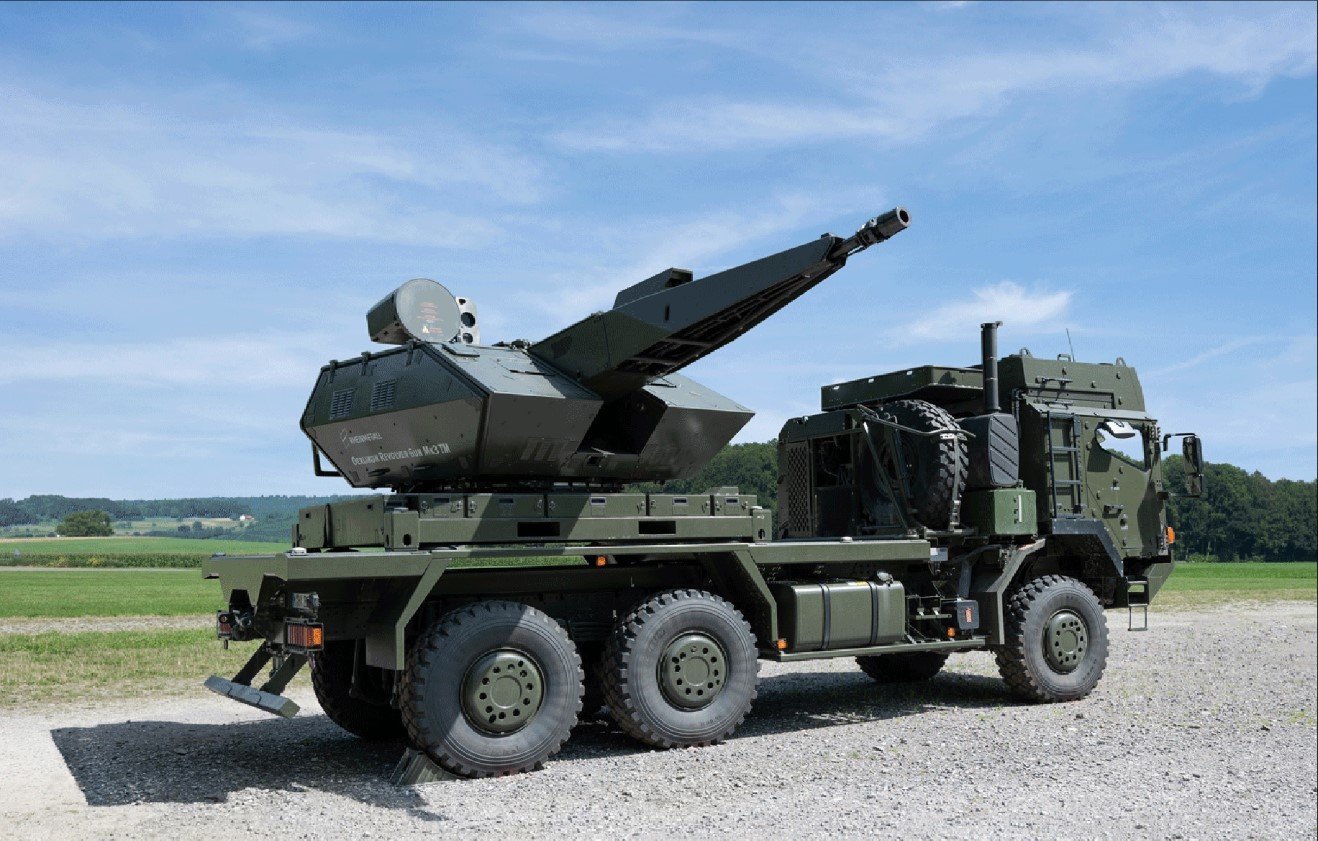
World
BEIJING — China has imposed export controls on 14 European Union entities, prohibiting the export of dual-use goods to the listed organizations with immediate effect. The measure, announced by China's Ministry of Commerce (MOFCOM) on Friday, comes in response to the European Union's latest sanctions package against Russia. According to MOFCOM, the decision was taken to safeguard China's national security and interests while fulfilling its international non-proliferation obligations. The ministry said the action was implemented under the Export Control Law of China and the Regulations on Export Control of Dual-Use Items. The move follows the European Union's 21st package of sanctions against Russia, which included restrictions on 14 companies from mainland China and Hong Kong over allegations that they supplied dual-use goods and technologies to Russia for use in the war in Ukraine. Export Restrictions Take Effect Immediately Under the new measures, Chinese exporters are prohibited from supplying dual-use items to the 14 listed European entities. Dual-use items include goods, technologies, software and materials that can be used for both civilian and military purposes. The restrictions also extend beyond China's borders. MOFCOM said overseas organizations and individuals are prohibited from transferring or supplying Chinese-origin dual-use items to the listed entities. Any ongoing related transactions must cease immediately. However, the ministry noted that Chinese exporters may apply for special permission in exceptional cases if shipments are considered necessary. Companies Added to China's Export Control List The 14 entities placed on China's export control list are: Italy: Lafert S.p.A. and Garnet S.r.l. Germany: Sindlhauser Materials GmbH, Rheinmetall AG and Antraco Chemie-Handelsgesellschaft mbH France: InPACT S.A., III-V LAB and Cavok UAS Poland: Vigo Photonics S.A. and Politechnika Wroclawska Netherlands: IHC Merwede Holding B.V. Czech Republic: TATRA TRUCKS a.s. Bulgaria: Opticoelectron Group Lithuania: Ekspla UAB Defense and Industrial Companies Among Those Affected Several companies on the list have operations related to defense, advanced technology and manufacturing. German defense company Rheinmetall AG supplies equipment used by the Ukrainian Armed Forces, including Marder 1A3 infantry fighting vehicles, Skynex air defense systems, Caracal tactical vehicles, 35 mm ammunition for Gepard anti-aircraft systems and NATO-standard 155 mm artillery ammunition. Czech manufacturer Tatra Trucks produces heavy all-wheel-drive vehicles and specialized chassis used as the platform for several Ukrainian military systems, including the Neptune coastal missile system, the Bureviy multiple rocket launcher and certain versions of the Bohdana self-propelled howitzer. The list also includes Italian electric motor manufacturer Lafert S.p.A., Polish technology company Vigo Photonics S.A., Dutch shipbuilder IHC Merwede Holding B.V., Bulgarian optics manufacturer Opticoelectron Group, Polish research institution Politechnika Wroclawska, Lithuanian laser manufacturer Ekspla UAB, and other companies from Germany, France and Italy. European Union Reviewing China's Measures The European Commission said it is reviewing China's latest export control measures. European Commission spokesperson Paula Pinho said the EU will consult with member states and the affected companies while seeking clarification from Chinese authorities. "We will seek clarification with our counterparts in China in order to better understand what is at stake," Pinho said. Tatra Trucks Expects No Operational Impact Tatra Trucks said it does not expect the Chinese restrictions to affect its business operations. Company spokesperson Andrej Čírtek said the company does not use Chinese components or technologies covered by the new export controls in the production of its vehicles. "We do not use components or technologies supplied by China that are subject to these export restrictions in the production of our vehicles," Čírtek said. He added that the company does not expect any impact on production, supply chains or customer deliveries. Rheinmetall had not issued a public response to China's export control decision at the time of publication. Part of Broader China-EU Trade Measures China's latest export controls represent its direct response to the European Union's latest sanctions package targeting Chinese companies over alleged exports of dual-use goods to Russia. The measures add to the series of reciprocal trade and export restrictions introduced by China and the European Union in connection with sanctions related to Russia's war in Ukraine. Source : mofcom.gov.cn
Read More → Posted on 2026-07-25 15:20:54
U.S
AUSTIN, Texas — Oracle has secured a 10-year enterprise software contract with the U.S. Department of War with a potential value of up to $6.99 billion. The agreement, awarded under the Department of War's Enterprise Software Initiative (ESI), is intended to centralize software procurement across multiple defense organizations through a single contracting framework. The contract includes a five-year base period valued at $3.31 billion and a five-year option period. If the option is exercised in full, the total contract value will reach $6.99 billion. The Naval Information Warfare Center Pacific awarded the single-award indefinite-delivery/indefinite-quantity (IDIQ) contract after it was negotiated by the Department of the Navy on behalf of the wider Department of War. According to department officials, it is the first direct-award contract with Oracle for department-wide use of Oracle's on-premises software. Centralizing Enterprise Software Procurement The agreement is designed to replace fragmented software purchasing across defense organizations with a centralized enterprise procurement model. It will support the Department of War, the U.S. Coast Guard, and the U.S. Intelligence Community, allowing participating organizations to acquire Oracle technologies and services through a common contract vehicle. Department officials said the new framework is expected to improve visibility into software usage and spending while reducing duplicate purchases across participating organizations. According to government projections, consolidating Oracle software licenses under the agreement is expected to save at least $441 million over the life of the contract. Contract Covers Multiple Oracle Technologies Under the agreement, participating organizations will be able to place individual task orders for: Oracle on-premises software Software support services Software-as-a-Service (SaaS) applications Cloud technologies Artificial intelligence capabilities Professional services Pricing, deliverables, and performance requirements will be established through individual task orders rather than being fixed across the entire contract. Department of War Highlights Enterprise Benefits Honorable Kirsten A. Davies, Chief Information Officer for the Department of War, said the agreement will strengthen the department's digital infrastructure while improving enterprise software management. "This nearly $7 billion agreement with Oracle strengthens our digital ecosystem, supporting our warfighters with secure, scalable technology to dominate current and future missions." Davies added that the centralized procurement approach will improve visibility into how Oracle software is purchased, funded, and used across participating defense organizations. Department of the Navy Focuses on Operational Readiness Barry Tanner, Performing the Duties of the Department of the Navy Chief Information Officer, said the agreement will support faster delivery of software across naval operations. "For the Department of the Navy, this agreement supports faster delivery of secure, scalable software from the shore enterprise to the tactical edge for our Navy and Marine Corps teams. Reducing fragmented procurement and advancing enterprise standardization will strengthen interoperability, reduce cybersecurity risk, and help us focus resources on resilient capabilities that can scale, integrate, and endure in contested conditions." Oracle Says Agreement Simplifies Technology Procurement Oracle said the Enterprise Software Initiative (ESI) provides a standardized procurement path for its commercial technologies, including cloud services, artificial intelligence, on-premises software, and professional services. Kim Lynch, Executive Vice President, Government, Defense & Intelligence, Oracle, said the initiative is intended to simplify technology acquisition for defense organizations. "For the Department of War, the challenge is not just finding the right technology, it's doing so quickly, compliantly, and at scale, without getting bogged down by complex procurement processes. ESI is designed to address those challenges by creating a more standardized and efficient path to Oracle cloud and AI technology tuned to support mission-critical scenarios." Transition to Begin in Summer 2026 Oracle has supplied technology to the department since the 1990s. Agencies are expected to begin transitioning to the Enterprise Software Initiative contract vehicle during the summer of 2026. To support the transition, Oracle said it will establish dedicated program operations and standardized intake processes to help route requests efficiently and maintain consistent support across participating defense organizations. Source : Oracle
Read More → Posted on 2026-07-25 15:45:16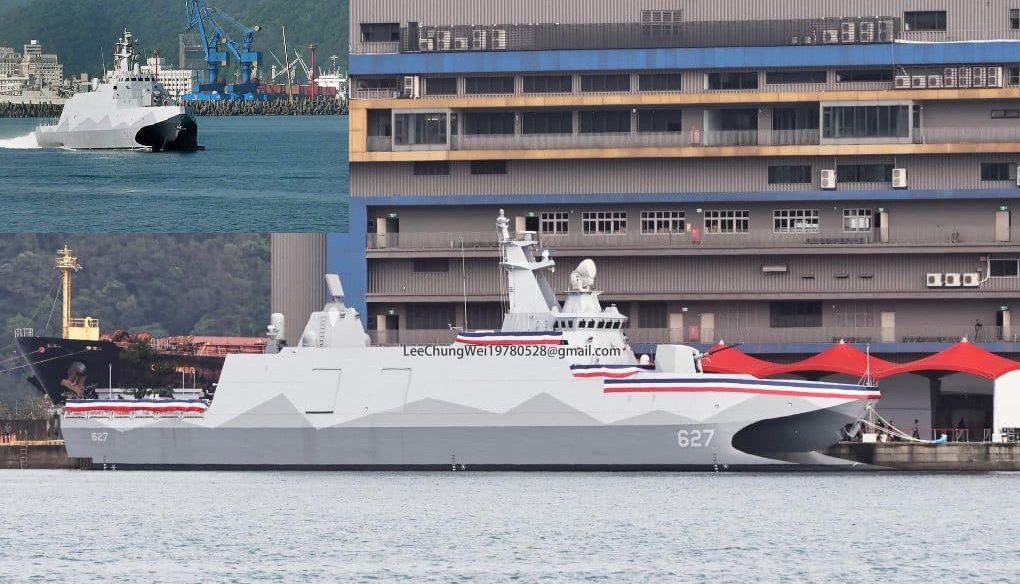
World
KAOHSIUNG, Taiwan — The Republic of China (ROC) Navy officially commissioned ROCS Tan Chiang (PGG-627), the first Batch 2 Tuo Chiang-class catamaran corvette, during a ceremony held on July 24 at Tsoying Naval Base in Kaohsiung. The commissioning marks another step in Taiwan's naval modernization and domestic warship construction program. Taiwanese President Lai Ching-te presided over the ceremony at the island's largest naval facility. Senior officials attending included Minister of National Defense Wellington Koo, National Security Council Secretary-General Joseph Wu, and Navy Commander Admiral Chiang Cheng-Kuo. Sister ships Tuo Chiang and Ta Chiang also participated in the event. Tan Chiang is the eighth vessel in the Tuo Chiang-class and the first ship of the second production batch (Batch 2/Flight II). The ROC Navy plans to commission a total of 12 Tuo Chiang-class corvettes by the end of 2026. In his remarks, President Lai thanked Navy personnel, research and development teams, Lungteh Shipbuilding, and companies across Taiwan's defense supply chain for overcoming technical challenges to bring the new warship into service. He said that building warships domestically supports Taiwan's defense autonomy, allows maintenance without foreign assistance, and strengthens military resilience. Fire-Control Radar Changed for Batch 2 The most significant change introduced with the Batch 2 vessels is the replacement of the fire-control radar. The first production batch of Tuo Chiang-class corvettes is equipped with the Thales STIR 1.2 EO Mk2 fire-control radar. However, after the French government did not approve further export licenses for the Thales radar systems to Taiwan, the ROC Navy adopted the Leonardo NA-30S Mk2 fire-control radar for the second production batch. Beginning with ROCS Tan Chiang, all Batch 2 corvettes will use the Leonardo NA-30S Mk2, a dual-band X-band and Ka-band radar featuring a low-observable antenna design intended to improve tracking performance against sea-skimming missiles and low-flying targets. The follow-on ships are divided into two production groups. The first group—Ta Chiang (PGG-619), Fu Chiang (PGG-620), Hsu Chiang (PGG-621), Wu Chiang (PGG-623), An Chiang (PGG-625), and Wan Chiang (PGG-626)—uses the STIR 1.2 EO Mk2 radar, while the second group, beginning with Tan Chiang, is fitted with the Leonardo system. Taiwan has operated STIR-series radars since the 1980s. Designed for High-Speed Coastal Operations Built by Lungteh Shipbuilding, the Tuo Chiang-class is designed for coastal warfare using asymmetric tactics against larger naval forces. The corvette features a 65-meter wave-piercing catamaran hull with low radar observability, providing improved stability at sea while reducing its radar cross-section. Powered by MTU diesel engines driving waterjets, the vessel has a full-load displacement of approximately 685–732 tonnes and can reach speeds of 40 to 45 knots. Its engine exhaust is also pre-cooled to reduce the ship's infrared signature. Despite its relatively compact size, the vessel carries a substantial weapons package. It is armed with up to eight Hsiung Feng II subsonic anti-ship missiles, eight Hsiung Feng III supersonic anti-ship missiles, 16 TC-2N (Sea Sword II) medium-range surface-to-air missiles, an Otobreda 76mm main gun, and a Phalanx Close-In Weapon System (CIWS). According to the information provided, the ships can also fire Hsiung Feng III supersonic extended-range missiles against land and sea targets at ranges of up to 400 kilometers. Peacetime and Wartime Missions According to Taiwan's Ministry of National Defense, the Tuo Chiang-class corvettes perform a wide range of missions during both peacetime and wartime. During peacetime, the vessels conduct maritime patrols, escort transport ships to offshore islands, participate in readiness exercises, and operate alongside larger surface combatants to help secure sea lines of communication. They are also tasked with providing rapid defense of offshore islands and responding to operational contingencies. In wartime, the corvettes support sea-control operations as part of surface combat task groups and can independently command and control missile boats. Their missions include joint counter-blockade and strike operations, engaging hostile naval forces approaching Taiwan's coastline, extending operational reach, patrol and port-area defense, reconnaissance, offensive and defensive minelaying, support for special operations, infiltration missions, and transporting supplies to offshore islands. Remaining Batch 2 Ships Construction of the five Batch 2 vessels began in 2024, with deliveries scheduled between March and December 2026. Tan Chiang was delivered in March 2026 before entering service during the commissioning ceremony on July 24. The remaining vessels are expected to join the ROC Navy by the end of the year, completing the planned 12-ship Tuo Chiang-class fleet.
Read More → Posted on 2026-07-26 12:21:45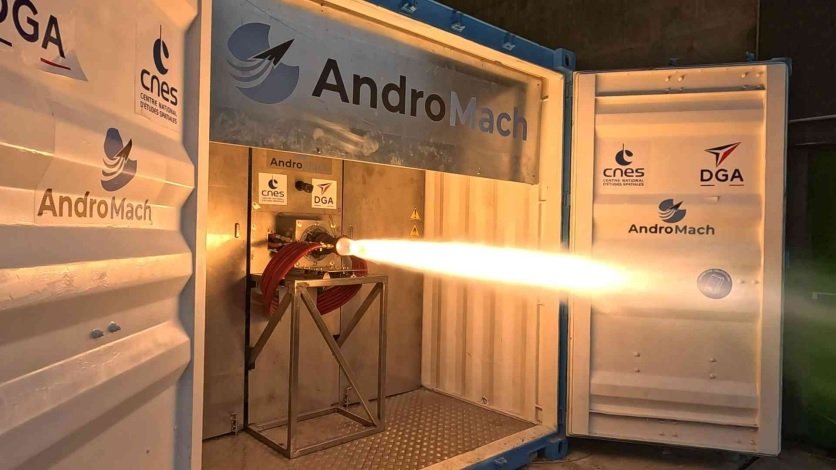
Europe
GIRONDE, France — French aerospace startup AndroMach has successfully completed the qualification test campaign for its reusable cryogenic rocket engine, Banger, after conducting 21 consecutive hot-fire ignitions without a single failure. The milestone validates the engine's repeated ignition capability and reusability, paving the way for flight testing of the company's Envol suborbital hypersonic drone. The successful qualification campaign was confirmed by France's Direction Générale de l'Armement (DGA) on 22 July 2026. Engine Qualification Campaign The qualification tests were carried out in December 2025 at the DGA Essais de Missiles (DGAEM) test center in Saint-Médard-en-Jalles, Gironde, in southwestern France. The campaign received technical support from the Centre National d'Études Spatiales (CNES), France's national space agency. During the campaign, the Banger engine accumulated approximately seven minutes of total burn time across 21 successful ignitions, demonstrating reliable restart capability and hardware reusability after repeated firings. According to the DGA, the main objective of the tests was to study the engine's behavior during startup under demanding thermal and mechanical conditions while identifying the most suitable operating parameters. Engineers, technical experts, and technicians from DGAEM provided test engineering, operational support, and safety management throughout the campaign. Banger Rocket Engine Developed entirely in-house by AndroMach, the Banger engine is a reusable cryogenic rocket engine that uses liquid oxygen (LOX) and propane as propellants. The engine is designed to be fully reusable and re-ignitable, allowing multiple ignition cycles without replacing major hardware. The company also states that several engine components are manufactured using metal 3D-printing technology. Envol Hypersonic Drone The Banger engine will power Envol, a four-meter-long unmanned suborbital hypersonic drone designed for scientific, industrial, and defense missions. Envol features a dual-propulsion configuration. It takes off from a conventional runway using two jet engines before igniting the Banger rocket engine during flight. According to AndroMach, the vehicle is designed to reach speeds of Mach 5 and an altitude of approximately 200 kilometers before gliding back to a runway landing. As a suborbital vehicle, Envol is intended to complete missions without entering orbit, with a planned turnaround time of less than six hours between flights. The drone is designed to carry payloads of up to approximately 30 kilograms. Planned Applications According to the DGA, Envol is being developed for a range of civilian and defense-related missions. Its planned applications include: Conducting microgravity and atmospheric research during suborbital flights. Performing in-flight qualification of aerospace technologies, materials, and hardware in hypersonic and near-space conditions. Serving as a high-speed target vehicle with complex flight profiles for evaluating civilian and military detection, tracking, and interception systems. Company Background AndroMach was founded in September 2023 by engineers from the Institut Polytechnique des Sciences Avancées (IPSA). The company focuses on reusable propulsion systems and hypersonic flight technologies as part of France's growing New Space sector. Development Roadmap With the qualification of the Banger engine completed, AndroMach will move to the next stage of the Envol program. According to the company's development roadmap: Envol XP1, the commercial prototype, is scheduled for its first flights during 2026–2027. Envol XP2, the industrial version, is planned for 2027–2028. First commercial operations are targeted for 2028. The company is also preparing a crowdfunding campaign through the Souvtech Invest platform to support the next phase of development. DGA Support The DGA described the successful engine qualification campaign as an important milestone for the Envol program. It also highlighted the contribution of its ALIENOR innovation cluster, which supports New Space companies and technology development in France's Nouvelle-Aquitaine region. Source : techtimes
Read More → Posted on 2026-07-26 12:46:23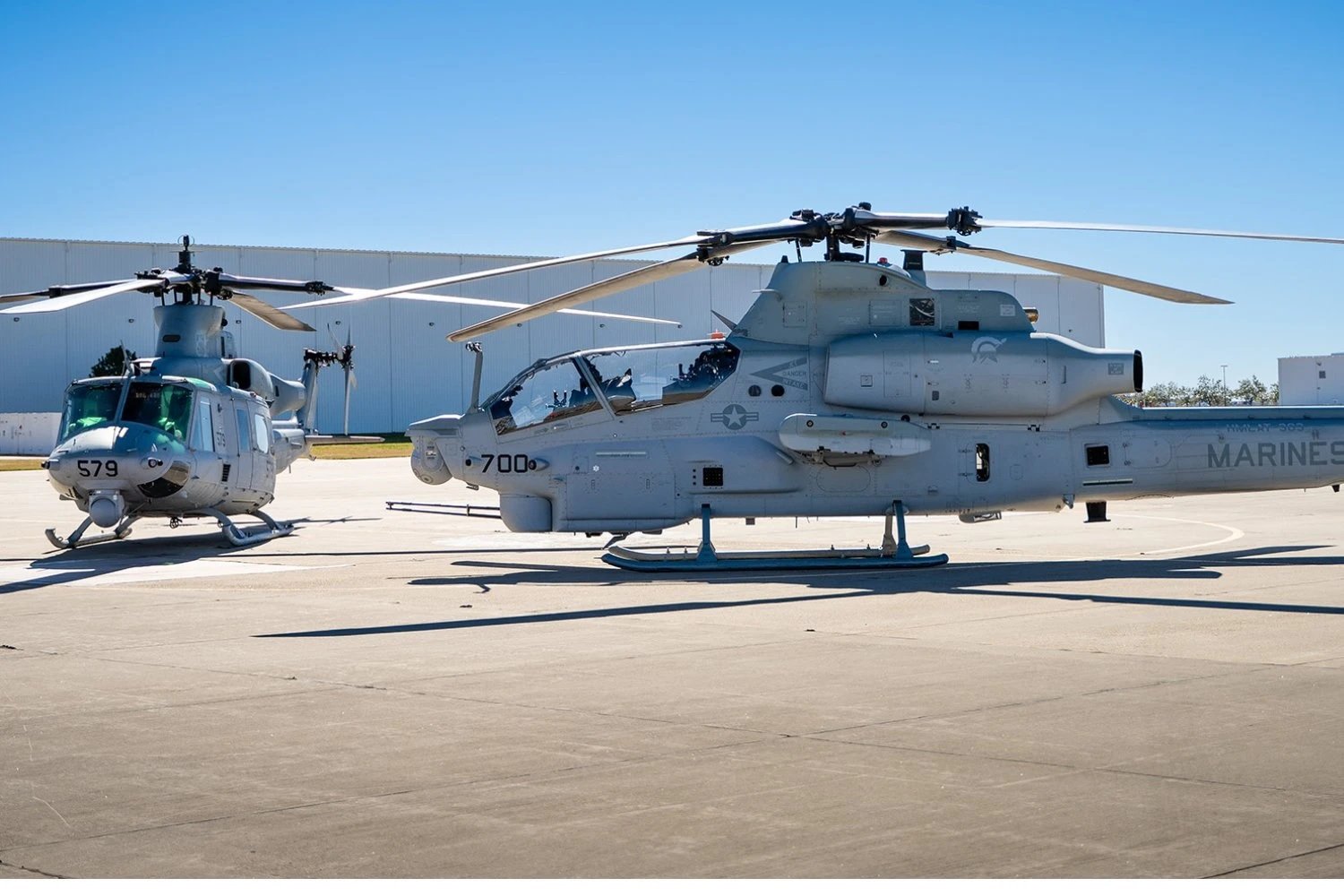
U.S
WASHINGTON — The U.S. Department of War has awarded Bell Textron a $33.64 million contract to continue modernization of the U.S. Marine Corps' AH-1Z Viper and UH-1Y Venom helicopter fleet under the Structural and Power Improvements for Next-Generation Effects (SPINE) program. Awarded on July 24, 2026 through Naval Air Systems Command (NAVAIR), the contract supports upgrades that increase the helicopters' structural strength, electrical power generation and digital architecture. These improvements are intended to provide the foundation for integrating future mission systems, advanced sensors, secure communications and networked combat capabilities. Contract Covers Aircraft Kits and Critical Components The contract, valued at $33,642,332, includes: Nine aircraft installation A-kits Two D-kits designated as mission kits Associated hardware, labor, materials and spares 12 rotorcraft station control units 12 alternating-current generators 12 generator control units 12 tube assemblies Seven combining gearboxes The contract combines fixed-price incentive, firm-fixed-price and cost-plus-fixed-fee elements and is scheduled for completion by July 2028. SPINE Program Builds Foundation for Future Upgrades The SPINE program, previously known as the Structural Improvement and Electrical Power Upgrade (SIEPU), is designed to improve the H-1 fleet's structural integrity, electrical capacity and onboard digital systems. Rather than introducing new weapons under this contract, the program provides the infrastructure needed to support future integration of advanced sensors, processors, encrypted radios, electronic warfare equipment, weapon interfaces and mission systems. Bell completed the first fully modified AH-1Z Viper and UH-1Y Venom helicopters in March 2026 at its Amarillo Assembly Center following a 19-month modification effort. The aircraft were subsequently transferred to Naval Air Station Patuxent River for final configuration work and flight testing. Improved Electrical and Digital Architecture The modernization package increases available electrical power for onboard systems while enabling advanced digital capabilities, including: Link 16 connectivity Advanced data buses Improved mission computers Enhanced defensive systems The Marine Corps has already demonstrated two-way Link 16 and Advanced Networking Wideband Waveform connectivity between the AH-1Z, UH-1Y and a portable ground station. These upgrades are intended to support future networking with other military platforms while handling increased data and power demands from modern mission equipment. AH-1Z Viper Remains the Primary Focus The AH-1Z Viper is the main platform being modernized under the SPINE program. The attack helicopter currently features: Third-generation Target Sight System Helmet-mounted cueing system Six wing stations Three-barrel 20 mm cannon Precision-guided rockets Air-to-ground missiles Air-to-air capability The UH-1Y Venom will receive the same electrical and digital improvements to enhance its performance in armed utility, escort, command-and-control and sensor relay missions. The Marine Corps currently operates 186 AH-1Z Viper helicopters and 131 UH-1Y Venom helicopters. The two aircraft share approximately 85 percent component commonality, reducing maintenance requirements, spare parts and logistics support for mixed H-1 detachments. Supporting Future Weapons Integration A major objective of SPINE is to prepare the H-1 fleet for future weapons and mission systems by providing sufficient electrical power and digital capacity. One capability associated with the broader H-1 modernization roadmap is the Precision Attack Strike Munition (PASM), identified as the L3Harris Red Wolf launched effect. According to L3Harris, Red Wolf has completed dozens of flight tests, including a low-altitude launch from an AH-1Z helicopter. The company states the system has demonstrated ranges of up to 200 nautical miles while supporting beyond-line-of-sight communications and autonomous over-the-horizon engagement functions. Operational range depends on factors including launch altitude, payload, flight profile, target geometry and communications availability. The July 24 contract does not procure Red Wolf or any other new weapon systems. Instead, it upgrades the aircraft so future systems can be integrated. The AH-1Z will continue operating with existing weapons, including: 20 mm cannon Advanced Precision Kill Weapon System (APKWS) rockets AGM-179 Joint Air-to-Ground Missile (JAGM) The Marine Corps has previously demonstrated JAGM employment against a moving vessel in the Philippine Sea. Planned AIM-9X integration and future counter-unmanned aircraft system capabilities remain part of the helicopter's longer-term modernization roadmap. Supporting Distributed Operations The SPINE program aligns with the Marine Corps' distributed operations concept, particularly in the Indo-Pacific region. Marine aviation units increasingly operate from: Amphibious assault ships Expeditionary sea bases Forward arming and refueling points Temporary island locations Operations from the expeditionary sea base USS Miguel Keith have demonstrated the ability of mixed AH-1Z and UH-1Y detachments to operate beyond traditional amphibious formations. The upgraded aircraft are expected to receive targeting information from platforms including F-35B aircraft, MQ-9A drones, surface ships and ground units while operating at low altitude or behind terrain, expanding their role in networked operations. Modernization Focused on Future Growth Although the SPINE program improves the H-1 fleet's electrical capacity, connectivity and digital architecture, it does not eliminate the operational challenges of rotary-wing missions in contested environments. Aircraft deployed from dispersed locations will continue to require fuel, maintenance, munitions, secure communications and force protection while remaining vulnerable to air defenses, electronic warfare, fighters and long-range fires. The program's primary objective is to ensure the Marine Corps' existing H-1 fleet has the structural, electrical and digital capacity needed to integrate future technologies and mission systems as they become available.
Read More → Posted on 2026-07-26 13:01:24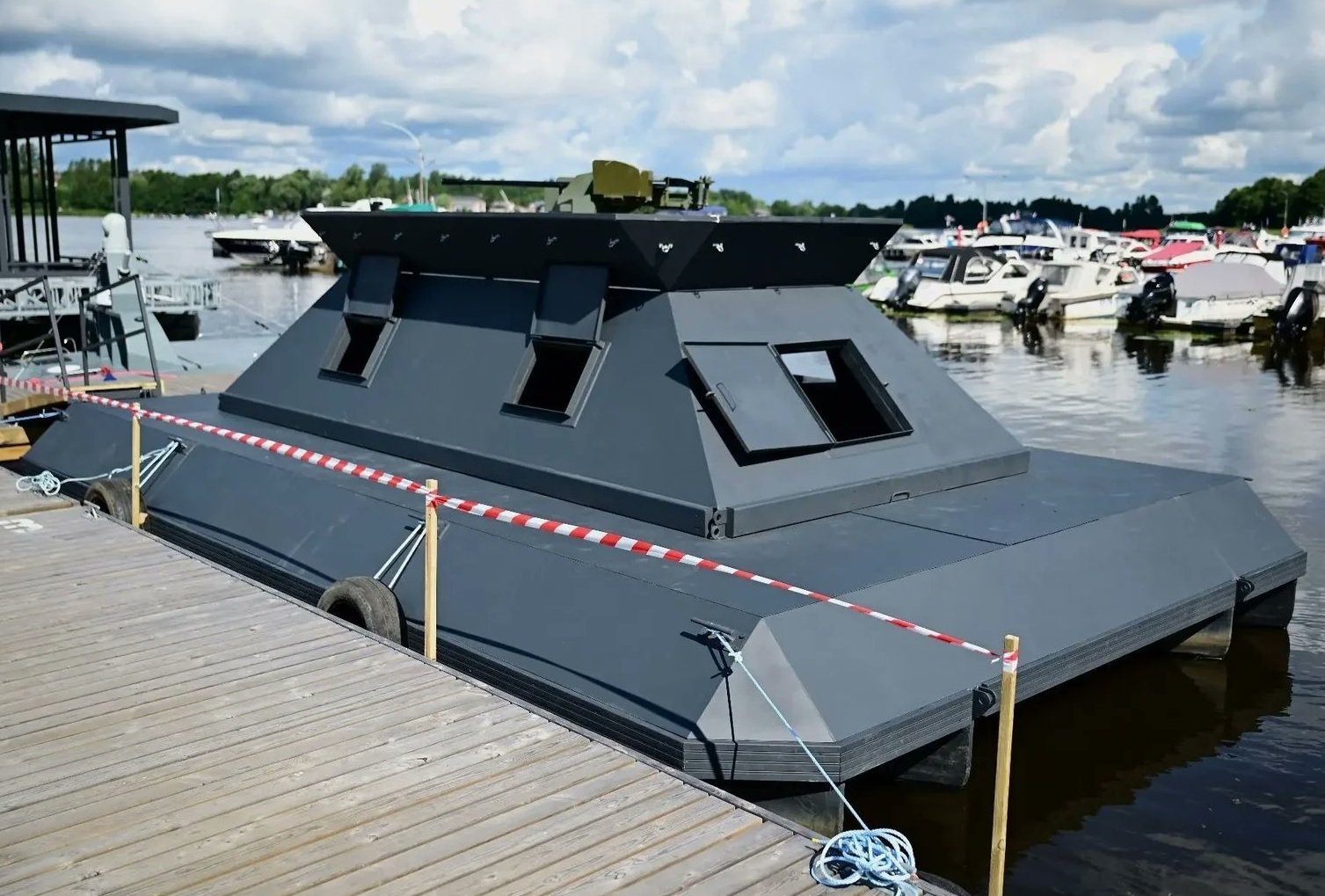
World
VYBORG, Russia — Russia has unveiled an experimental floating fire support platform known as the Plot-40 (Плот-40), a new system designed to help protect naval bases, ports, energy facilities and other coastal infrastructure from uncrewed surface vessels (USVs) and unmanned aerial vehicles (UAVs). The prototype was presented during a working visit to Vyborg by Alexander Drozdenko, governor of Russia's Leningrad region, who also released photographs and videos of the platform. According to regional officials, the project was launched after an analysis of recent attacks on naval facilities identified vulnerabilities in traditional defence systems against modern uncrewed threats. Designed as a stationary or semi-stationary platform, the Plot-40 is intended to remain at sea for extended periods while serving as a surveillance and fire support post for the protection of critical maritime infrastructure. Prototype Designed for Long-Endurance Coastal Protection The Plot-40 is equipped with a roof-mounted remotely operated machine-gun module. However, several technical and operational details have not been disclosed. Officials have not confirmed whether the weapon system requires an onboard operator or whether the platform is intended to use artificial intelligence for automatic target classification and engagement. The platform's displacement has also not been made public. According to Drozdenko, one of the platform's key advantages is its ability to remain deployed at sea for long periods while continuously monitoring surrounding waters. He also stated that production of the Plot-40 will be fully localized within the Leningrad region and that no comparable platform is currently in service elsewhere in Russia. The showcased system is a working prototype. Following its assembly, the project received preliminary approval from a specialized research institute of the Russian Navy, allowing it to proceed with its initial on-water demonstrations. Developed by Marinplast The Plot-40 was presented by the Vyborg-based company Marinplast (ООО "Маринпласт"), which specializes in floating piers, pontoons and related marine structures. Company head Sergey Nemtsov briefed Governor Drozdenko on the project during the presentation. Regional authorities said production of the platform has been localized within the Leningrad region and confirmed that support for similar projects developed by local enterprises will continue. Broader Focus on Uncrewed Naval Systems The Vyborg presentation also included prototype uncrewed surface vessels currently undergoing trials for strike and reconnaissance missions, reflecting Russia's broader efforts to expand the use of unmanned systems in naval operations. Among the projects highlighted was the Briz (Breeze) uncrewed surface logistics vessel, developed jointly by the Russian companies Sea Project (Si Proekt) and Bezekipazhnaya Logistika (Unmanned Logistics). The Briz resembles a rigid-hulled inflatable boat (RHIB) fitted with additional equipment superstructures and is being promoted by its developers for civilian applications. The vessel includes an internal cargo compartment in the bow with automated doors and is powered by a Yaroslavl diesel engine. It is equipped with remote and autonomous navigation systems, an Automatic Identification System (AIS), and collision avoidance technology. During recent testing, the Briz completed a voyage from the Northern Dvina River to the Solovetsky Islands in the White Sea while carrying a 150 kg payload. According to the developers, the vessel completed the one-way journey in 21 hours and operated autonomously for more than 90 percent of the round trip. At maximum capacity, the Briz is designed to transport up to 500 kg of cargo over long distances. The developers have described the Briz as a platform for delivering parcels and humanitarian aid to remote settlements in Russia's Arkhangelsk region. Response to Evolving Maritime Threats The introduction of the Plot-40 and continued testing of the Briz reflect Russia's ongoing efforts to strengthen the use of unmanned and automated systems for maritime operations. According to regional officials, the Plot-40 project was initiated after recent attacks demonstrated that conventional coastal defence systems require additional capabilities to counter emerging threats from uncrewed surface vessels and aerial drones. The experimental platform is intended to provide persistent surveillance and defensive fire support around naval facilities and other critical coastal infrastructure while remaining deployed at sea for extended periods.
Read More → Posted on 2026-07-26 13:16:31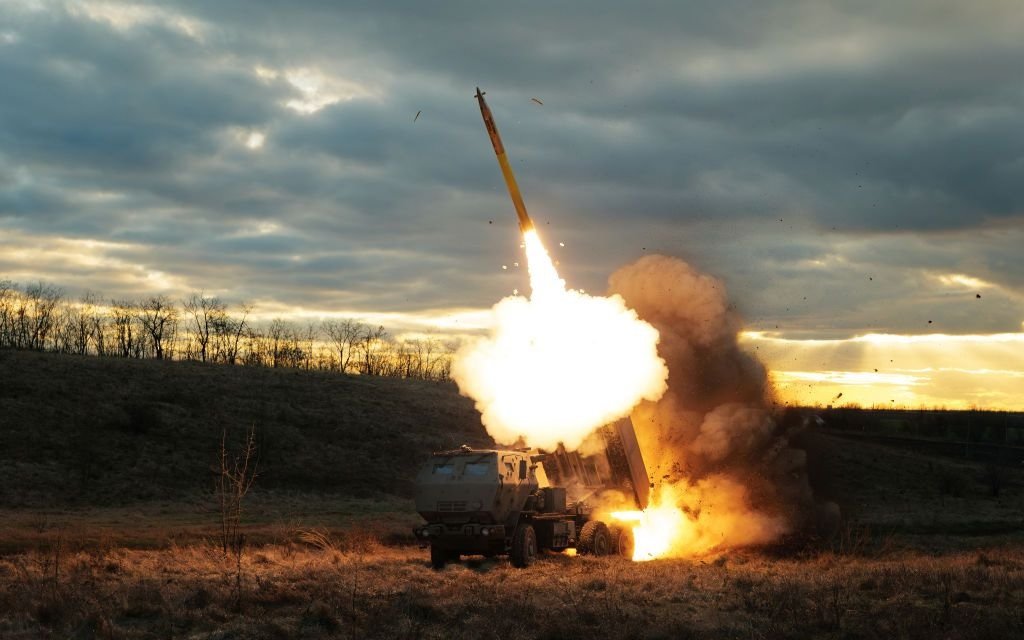
U.S
WASHINGTON — U.S. military commanders are selectively intercepting Iranian missiles and explosive-laden drones in an effort to preserve the Pentagon's shrinking stockpile of interceptor missiles, according to an NBC News report citing two senior U.S. officials. The officials said commanders are prioritizing the interception of projectiles assessed to pose a direct threat to U.S. troops, critical military facilities, or regional allies. Missiles and drones that radar analysis determines are heading toward areas without personnel or other non-essential locations may be allowed to reach their targets rather than being intercepted. Shift in Air Defense Strategy According to NBC News, the current approach marks a change from earlier stages of the conflict, when air defense operators generally attempted to intercept a broader range of incoming threats approaching U.S. military bases. Under the revised strategy, every incoming missile or drone is evaluated individually. Air defense operators analyze its trajectory, projected impact point, and the immediate risk to personnel before deciding whether to launch an interceptor. The officials said operators are trained not to expend interceptor missiles on threats that are expected to miss critical targets. They also told NBC News they were not aware of any incidents in which a projectile intentionally allowed through had resulted in casualties among U.S. military personnel or civilians. High Attack Volume Straining Interceptor Stocks The reported change comes as U.S. air defense systems continue to face sustained pressure from a large number of Iranian missile and drone launches. According to the report, Iran has fired nearly 9,000 projectiles since the conflict began. The continued pace of attacks has significantly reduced U.S. inventories of advanced interceptor systems, including Patriot, THAAD (Terminal High Altitude Area Defense), and SM-series interceptors. Recent estimates cited in the report indicate: Approximately 60% of the U.S. Patriot missile stockpile has been used. Roughly 80% of available THAAD interceptors have been expended. Significant portions of SM-3 and SM-6 interceptor inventories have also been used to counter missile and drone attacks. Officials noted that replacing these interceptor missiles will take years because of production timelines and limited manufacturing capacity, even as manufacturing has been expanded. Ongoing Iranian Attacks According to NBC News, Iran has continued launching ballistic missiles and drones against U.S. military outposts and civilian infrastructure across Gulf nations in recent weeks, including Kuwait, Bahrain, and Jordan. The continued attacks have required U.S. commanders to carefully manage available interceptor inventories while maintaining protection for deployed forces and key facilities. Strategic Impact The reported shortage of interceptor missiles is also influencing military planning at the highest levels of the U.S. government. According to the report, the Trump administration temporarily shelved plans for a broader military escalation against Iran after senior military advisers, including the chairman of the Joint Chiefs of Staff, warned that further offensive operations could significantly reduce U.S. Central Command's remaining air defense inventory. Officials said preserving interceptor missiles for threats most likely to cause casualties or major operational damage has become a key priority as the conflict continues. Pentagon Response The Pentagon has not issued a formal public response to the NBC News report. U.S. officials have continued to emphasize that protecting American personnel remains the highest priority in defensive operations against Iranian missile and drone attacks. The reported interception strategy reflects an effort to balance that objective with the need to conserve limited interceptor stocks amid a sustained campaign of incoming threats. Source : NBC
Read More → Posted on 2026-07-26 13:33:09
U.S
WASHINGTON — Previously unreleased documentary footage has revealed that late U.S. Sen. Lindsey Graham abandoned plans to urge President Donald Trump to support Israeli military strikes against Hezbollah in Lebanon after Israeli Prime Minister Benjamin Netanyahu advised against expanding the conflict. The footage, filmed by documentary director Alex Holder and reviewed by The Wall Street Journal following Graham's death earlier this month, provides a behind-the-scenes look at the South Carolina Republican's foreign policy efforts and his close communications with Trump, Netanyahu and other world leaders. The documentary has not yet been released publicly. Graham Planned to Lobby Trump According to the documentary footage, Graham was preparing to travel to Florida in early March to persuade President Trump to support a joint U.S.-Israeli military operation targeting Hezbollah in Lebanon. Before making the trip, Graham held a telephone conversation with Netanyahu on March 4 to discuss the proposal and the broader regional security situation. Netanyahu Advised Against Expanding the Conflict During the call, Netanyahu urged Graham not to push for military action against Hezbollah while Israel was focused on Iran. "We're concentrating right now on Iran," Netanyahu said during the conversation. The Israeli prime minister explained that while threatening Hezbollah with a large-scale attack could help deter the group, carrying out such an operation could remove any remaining restraint. "If we tell Hezbollah that we're going all the way, we threaten them, but if we actually do it, then they have no reason not to go all the way against us. And right now that's not our interest," Netanyahu said. According to the footage, Netanyahu cautioned that bringing the United States into military action against Hezbollah while the broader conflict involving Iran was underway would go "too far, too fast." Graham Dropped the Proposal Graham accepted Netanyahu's assessment during the call. Speaking from his Senate office, he replied that the prime minister's advice was "good counsel" and subsequently abandoned his plan to lobby Trump to support military strikes against Hezbollah. The documentary indicates that the planned meeting with Trump to advocate for the proposal did not move forward. Documentary Highlights Graham's Foreign Policy Efforts Beyond the Hezbollah discussion, the documentary captures several of Graham's international engagements during his final years. The footage shows him traveling to Saudi Arabia to meet Crown Prince Mohammed bin Salman, where he sought Saudi support for military action against Iran. It also documents meetings with Ukrainian President Volodymyr Zelenskyy and Ukrainian military commanders, along with strategy discussions with former U.S. National Security Advisor Jake Sullivan. Views on U.S. Middle East Policy The documentary also shows Graham expressing frustration with Trump's preliminary agreement involving Iran despite their close political relationship. In the footage, Graham says Secretary of State Marco Rubio should lead U.S. diplomatic efforts related to Middle East negotiations. Unreleased Footage Reviewed After Graham's Death The documentary remains unreleased, but excerpts reviewed by The Wall Street Journal provide new details about Graham's private efforts to influence U.S. foreign and defense policy and his close coordination with Israeli leadership during the conflict involving Iran. Graham, a longtime Republican senator from South Carolina known for his focus on foreign policy and strong support for Israel, died on July 12 at the age of 71 following a brief illness. Preliminary findings from the District of Columbia medical examiner listed the cause of death as an aortic dissection related to arteriosclerotic cardiovascular disease. According to the report, Netanyahu adjusted his travel schedule to attend Graham's funeral service later this month and is also scheduled to meet President Trump at the White House around the same time. Source : WSJ
Read More → Posted on 2026-07-26 13:53:27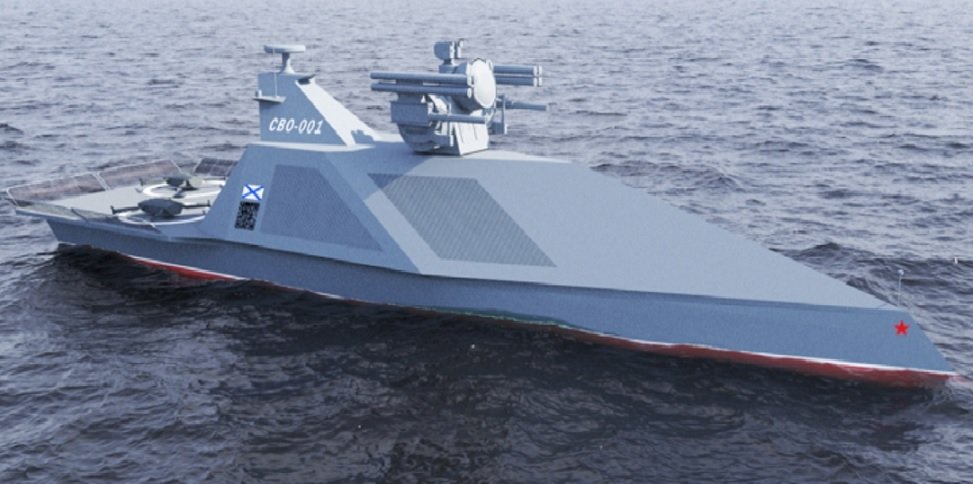
World
MOSCOW, July 26 — Russia is expanding its naval unmanned capabilities while advancing plans for larger surface combatants and continuing the modernization of its strategic naval forces, according to Russian Navy Commander-in-Chief Admiral Alexander Moiseyev. Speaking on the Zvezda television channel during Russia's Navy Day, observed on the last Sunday of July, Moiseyev outlined several ongoing naval programs, including the creation of dedicated unmanned units, development of new warships, and continued upgrades to the country's strategic submarine fleet. First Dedicated Unmanned Regiment Established Moiseyev said the Russian Navy officially established its first regiment dedicated entirely to unmanned systems on July 1 as part of the Northern Fleet. The regiment consists of two divisions of unmanned surface vessels (USVs) and one division of unmanned underwater vehicles (UUVs). He added that Russia plans to expand this capability with a second unmanned systems regiment scheduled to join the Pacific Fleet in 2027. The Navy is also developing larger unmanned naval platforms. According to Moiseyev, construction has already begun on a 500-ton unmanned surface vessel. The platform is intended primarily for anti-submarine warfare as well as underwater search, surveillance, and other complex underwater missions. Plans for a Larger Ocean-Going Warship Alongside unmanned systems, Moiseyev announced plans for a new ocean-going warship with a displacement of about 9,500 tons. The planned vessel would be significantly larger than Russia's current Project 22350 frigates, which have a full-load displacement of around 5,400 tons, reflecting the Navy's continued focus on expanding its blue-water operational capabilities. Admiral Nakhimov Nears Return to Service Moiseyev also said the modernized guided-missile cruiser Admiral Nakhimov is completing its final sea trials and is expected to return to active service before the end of this year. The Admiral Nakhimov, a Kirov-class nuclear-powered cruiser, has undergone extensive modernization and has completed multiple phases of sea trials in recent months. Strategic Naval Deterrence Addressing Russia's strategic naval forces, Moiseyev confirmed that a carrier vessel designed for the Poseidon nuclear-powered unmanned underwater vehicle is already in active service. He also said the Navy's Borei-class strategic nuclear submarines, armed with Bulava submarine-launched ballistic missiles, are expected to remain in service for another 30 to 40 years. These submarines are replacing older-generation strategic missile submarines as part of the fleet's long-term modernization program. Navy Day Observations Moiseyev's remarks were made as Russia marked its annual Navy Day. In recent years, authorities have scaled back large public celebrations, including the traditional main naval parade in St. Petersburg. The information is based on statements made by Admiral Alexander Moiseyev during an interview broadcast on the Zvezda television channel and reported by Xinhua.
Read More → Posted on 2026-07-26 14:20:17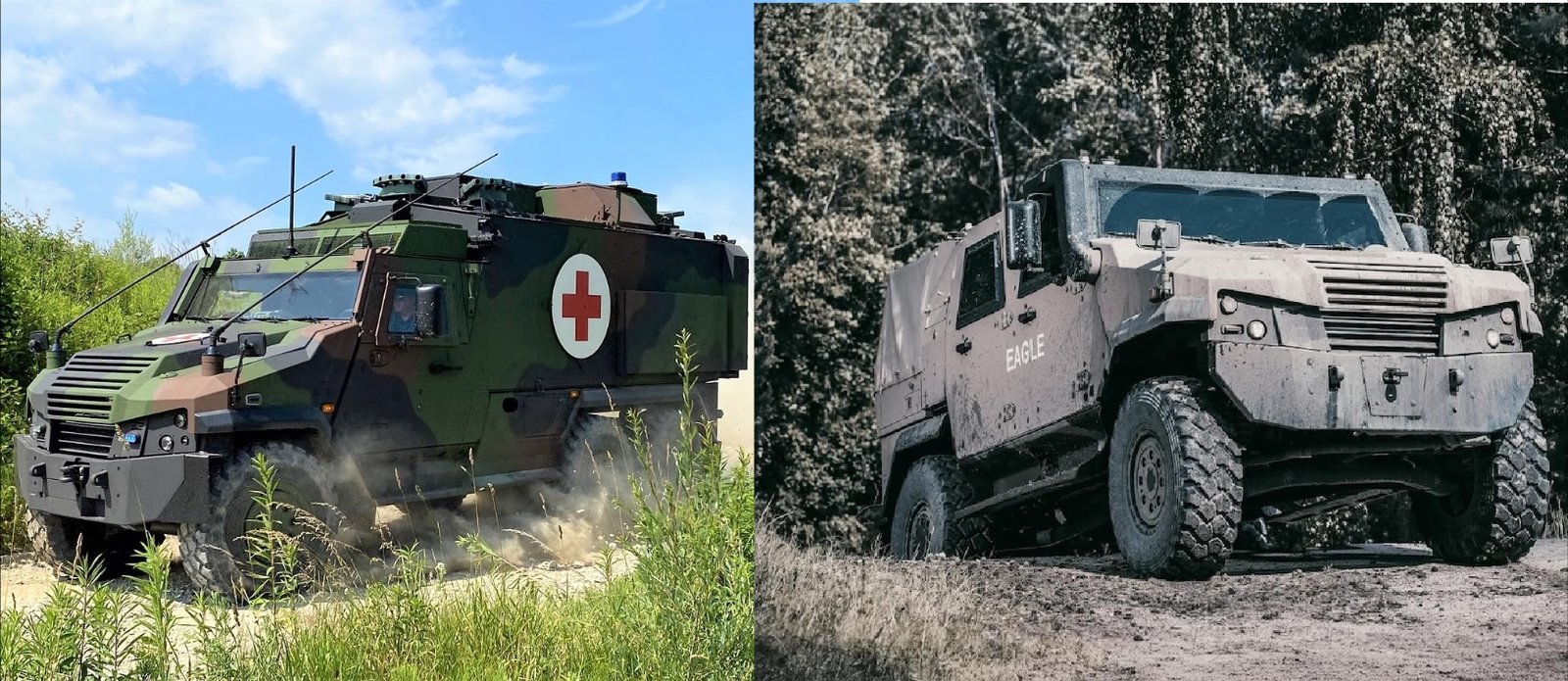
Europe
INDIANAPOLIS / BERLIN — Allison Transmission Holdings, Inc. has secured a major supply agreement to provide fully automatic transmissions for approximately 3,000 EAGLE V armored vehicles ordered by Germany's Armed Forces (Bundeswehr). The vehicles will be manufactured by General Dynamics European Land Systems (GDELS), with deliveries scheduled to begin in 2027. The transmission contract supports one of Germany's largest protected vehicle procurement programs in recent years. The agreement between the Bundeswehr and GDELS also includes an option for up to 2,000 additional vehicles, bringing the total framework to 5,000 EAGLE V vehicles. According to GDELS, the framework agreements are valued at approximately 4 billion euros, with nearly 3,000 vehicles ordered immediately. Two EAGLE V Variants Included The initial procurement covers two specialized variants of the EAGLE V platform: EAGLE V 4×4 command-and-control vehicles EAGLE V 6×6 medium protected ambulance vehicles Deliveries of both variants are expected to begin in 2027. Allison 2500 SP Selected for Entire Fleet Under the agreement, Allison's 2500 Specialty Series (SP) fully automatic transmission will remain the exclusive transmission option for all EAGLE vehicle variants. The SP Series is designed for demanding defense applications, providing power transfer to the wheels and vehicle control in difficult terrain. The transmission is widely used in defense, national security, and emergency-service vehicles. Transmission units will be delivered to GDELS production lines through Sterki AG, Allison Transmission's authorized dealer and distributor in Switzerland. GDELS Expands Manufacturing in Germany To support production of the expanded EAGLE V fleet, GDELS is establishing and expanding manufacturing capacity across Germany. Series production will involve facilities located in: Rhineland-Palatinate Baden-Württemberg Bavaria Mecklenburg-Western Pomerania The expanded production network is intended to support deliveries beginning in 2027. Long-Standing Partnership Between Allison and GDELS The latest order extends a partnership between Allison Transmission and GDELS that has supported the EAGLE vehicle family for more than two decades. Since production of the EAGLE IV began in 2005, every EAGLE model has been equipped with Allison's 2500 SP transmission as standard equipment. Bundeswehr Expanding EAGLE Fleet The German Armed Forces already have significant experience operating the EAGLE platform. According to Allison Transmission: About 670 EAGLE IV and EAGLE V vehicles have been procured by the Bundeswehr since 2008. Germany also ordered 80 EAGLE V 6×6 protected ambulance vehicles, with deliveries for that contract beginning in May 2025. The latest procurement will substantially increase the number of EAGLE vehicles in Bundeswehr service. Vehicle Roles The two EAGLE V variants are designed for different operational missions. EAGLE V 4×4 Command-and-Control Vehicle The EAGLE V 4×4 serves as a mobile command center, supporting tactical coordination through integrated communication and command systems. EAGLE V 6×6 Protected Ambulance The EAGLE V 6×6 is configured as a protected ambulance, capable of transporting rescue teams and operating as a mobile medical unit when staffed with emergency physicians. GDELS describes the EAGLE V as one of the advanced protected multi-purpose vehicles in its class. Framework Agreements Announced in 2025 In December 2025, GDELS announced that Germany's Federal Office of Bundeswehr Equipment, Information Technology and In-Service Support (BAAINBw) had awarded the company two framework agreements covering: EAGLE V 4×4 command-and-control vehicles EAGLE V 6×6 medium protected ambulance vehicles The framework agreements cover up to 5,000 vehicles, with nearly 3,000 ordered immediately at a value of about 4 billion euros. Allison Highlights Operational Reliability Commenting on the agreement, Taner Gider, Executive Director of EMEA Sales at Allison Transmission, said: "Allison is honored that GDELS entrusts the reliability and performance of our transmissions. This performance is backed by Allison's global support network that delivers the specialized expertise and response capabilities necessary to maintain operational readiness when every second counts." Gider added that Allison's decades of experience in defense applications, supported by its manufacturing and engineering capabilities, have made the company a preferred choice in the industry. The new supply agreement further strengthens Allison Transmission's role in the EAGLE vehicle program as GDELS prepares to begin deliveries of the expanded EAGLE V fleet to the Bundeswehr in 2027. The procurement is part of Germany's framework agreement for up to 5,000 EAGLE V vehicles, aimed at expanding the Bundeswehr's fleet of protected command-and-control and medical support vehicles.
Read More → Posted on 2026-07-26 15:05:54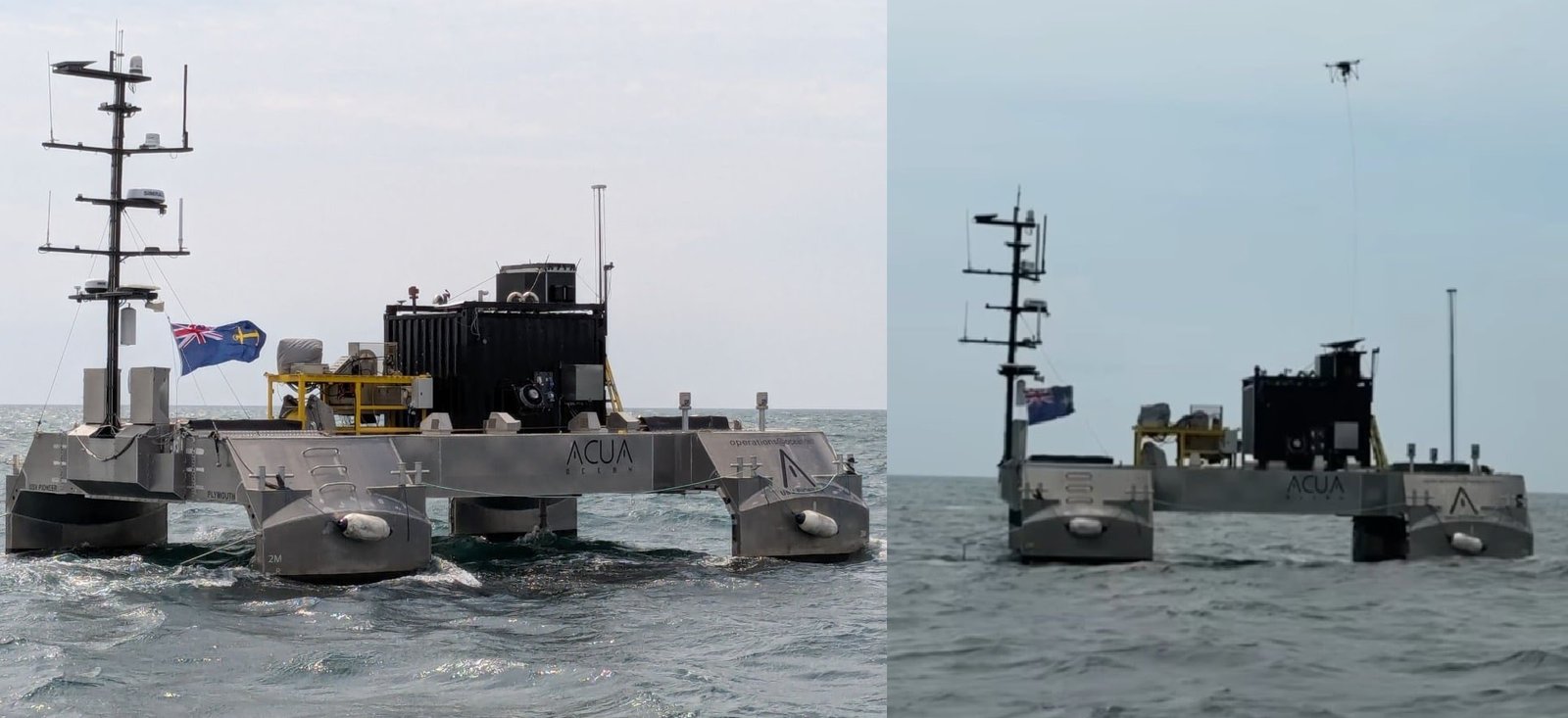
Europe
LONDON — British maritime robotics company ACUA Ocean and American sensor and drone manufacturer Teledyne FLIR Defense have successfully demonstrated an integrated autonomous maritime system capable of launching and recovering a tethered drone from an uncrewed surface vessel (USV) without any personnel on board either platform. The two-day demonstration was conducted for the UK Ministry of Defence (MOD) and offshore industry partners under the UK Defence Innovation (UKDI) programme. According to the companies, the trial validated an integrated system combining an uncrewed surface vessel (USV) with a tethered uncrewed aerial system (T-UAS) to provide persistent intelligence, surveillance and reconnaissance (ISR) over extended periods. Autonomous Vessel and Drone Operated Together The demonstration used ACUA Ocean's USV Pioneer together with Teledyne FLIR Defense's SkyCarrier autonomous drone launch and recovery platform. Installed on the deck of the Pioneer, the SkyCarrier automatically deployed and recovered a SkyRanger R70 drone during open-ocean operations. The launch and recovery platform is housed inside a protective container that unfolds into an articulating landing pad, enabling autonomous take-off and landing even while the host vessel is moving or operating on uneven surfaces. According to Teledyne FLIR Defense, the system supports launch and recovery while the host vehicle is travelling at speeds of up to 50 km/h (31 mph). The USV Pioneer is the United Kingdom's first uncrewed vessel certified by Lloyd's Register for remote operation and is capable of operating either remotely or autonomously. Tethered System Enables Continuous Surveillance During the trials, the SkyRanger R70 remained connected to the Pioneer through a managed power and data tether. The tether continuously supplies electrical power from the vessel, eliminating the drone's dependence on its onboard battery while maintaining a direct data connection. This allows the aircraft to remain airborne for extended periods without repeatedly landing for battery replacement or recharging. According to the companies, the configuration creates a persistent aerial surveillance capability while keeping the drone positioned directly above the vessel throughout the mission. Onboard AI and ISR Capability The SkyRanger R70 is equipped with multiple embedded NVIDIA processors that perform real-time artificial intelligence processing onboard. The drone uses four dedicated computer vision cameras for autonomous object detection and classification without relying on remote processing. It also carries a stabilised electro-optical and infrared sensor suite designed to provide Group 2 intelligence, surveillance and reconnaissance (ISR) capability on a Group 1 airframe. Stable Platform Supports Open-Ocean Operations ACUA Ocean said the Pioneer's seakeeping performance was a key factor in supporting tethered drone operations. During tests conducted in January 2026, the vessel operated in 4.25-metre (13.9-foot) wave heights while achieving a 60 percent reduction in roll and a fourfold reduction in peak roll rates compared with traditional monohull vessels. According to the company, this stability enables sustained tethered drone operations in challenging open-ocean conditions. Previous Royal Navy Demonstrations The Pioneer has already completed multiple demonstration contracts for the Royal Navy, supporting intelligence, surveillance and reconnaissance (ISR) and anti-submarine warfare (ASW) tracking missions. The vessel also completed a 100-hour continuous offshore operation in June 2026 without physical human intervention. According to ACUA Ocean, the UKDI-funded demonstration confirmed the successful integration of the tethered drone system with the Pioneer's modular payload architecture and validated its operational performance during open-ocean trials. Designed for Long-Endurance Maritime Missions The companies said the integrated system addresses a requirement identified by the Royal Navy and wider UK defence community for persistent surveillance across both air and sea domains while reducing the need to place personnel in repetitive or hazardous environments. They added that the combined capability supports missions including: Intelligence, surveillance and reconnaissance (ISR) Anti-submarine warfare (ASW) support Mine countermeasures Protection of undersea cables Security of offshore energy infrastructure According to ACUA Ocean, the integrated air-and-surface system is designed to provide multi-week ocean endurance. Company Statements Neil Tinmouth, CEO of ACUA Ocean, said the demonstration represents an important milestone for UK maritime autonomy. "Securing UKDI funding for this demonstrator is a significant milestone for ACUA Ocean and for UK maritime autonomy more broadly. Integrating the SkyRanger R70 with the Pioneer creates something genuinely new: a persistent, deployable multi-domain ISR capability that the Royal Navy can put to sea today. Teledyne FLIR Defense bring a battle-proven, operator-trusted UAS to a platform that is built, certified and ready. We look forward to demonstrating what this system can do." Richard Cunha, Principal Product Director for Unmanned Aerial Systems at Teledyne FLIR Defense, said the combination expands the scope of maritime surveillance missions. "The SkyRanger R70 has earned its reputation in the most demanding operating environments in the world. Pairing it with the Pioneer Mk2's exceptional sea-keeping capability and endurance opens up a new class of persistent maritime ISR mission that simply wasn't possible before." UKDI Supports Defence Innovation The project was funded by UK Defence Innovation (UKDI), the Ministry of Defence's organisation responsible for supporting early-stage defence technologies. UKDI operates with a ring-fenced annual budget of at least £400 million to accelerate the development and delivery of new capabilities for the UK Armed Forces. According to ACUA Ocean and Teledyne FLIR Defense, the successful demonstration supports continued development of the integrated system and its potential future deployment at scale.
Read More → Posted on 2026-07-26 15:13:58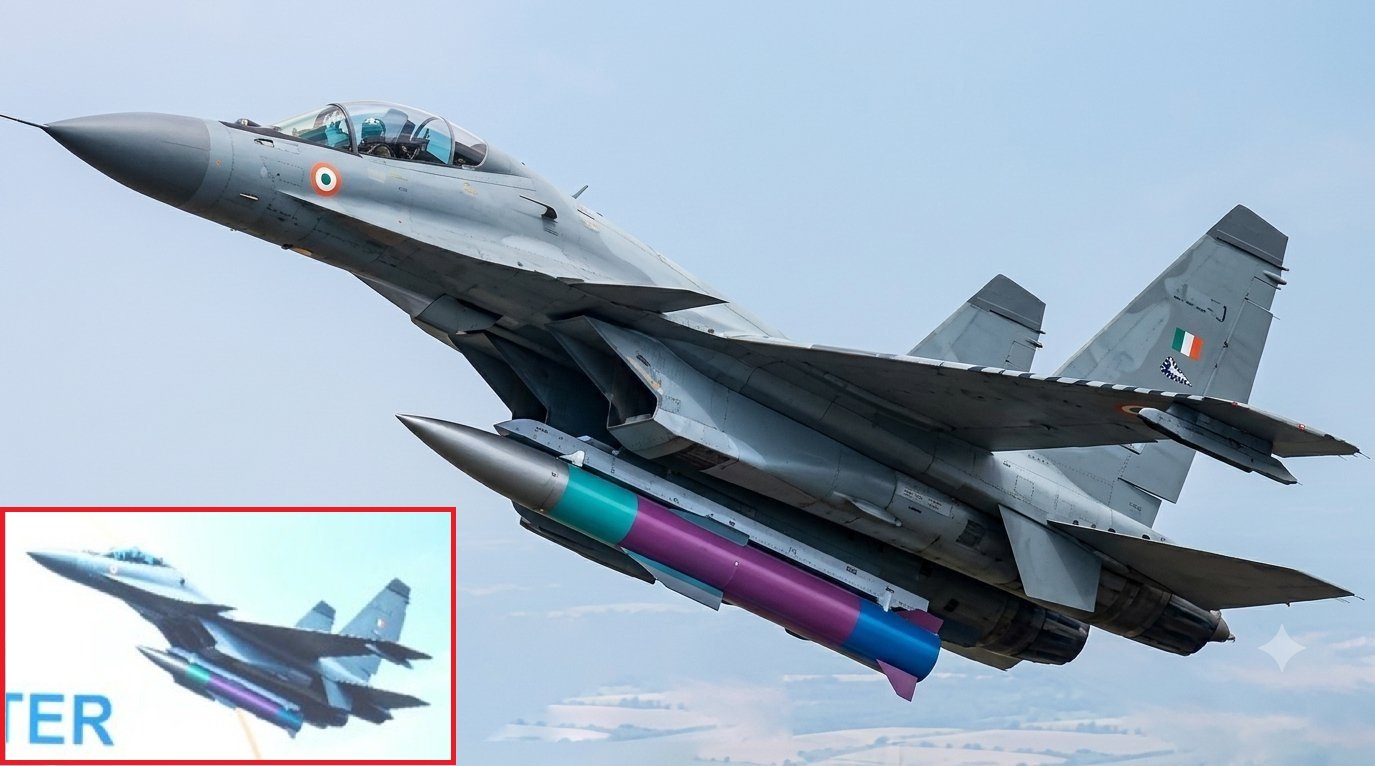
India
NEW DELHI — India's Defence Research and Development Organisation (DRDO) is developing a new long-range air-launched ballistic missile (ALBM) for the Indian Air Force (IAF), with the weapon being designed for integration with the Su-30MKI fighter aircraft. The project is expected to enhance the IAF's long-range precision strike capability by allowing fighter aircraft to engage strategic targets from stand-off distances. Based on currently available information, the new long-range ALBM is more likely to be the Rudram-4 Long-Range Stand-Off Weapon (LRSOW) than a direct air-launched version of the Pralay ballistic missile. However, DRDO has not officially identified the programme, and no formal confirmation has been issued regarding the missile's designation. The missile is being developed using technology derived from the indigenous Pralay surface-to-surface tactical ballistic missile programme, which recently completed user evaluation trials. By adapting the Pralay platform for air launch, DRDO aims to provide the IAF with a new deep-strike capability while expanding the operational flexibility of the missile. Pralay-Based Air-Launched Missile Under Development According to available information, the air-launched missile is expected to carry a 500 kg-class warhead and deliver strikes at ranges of more than 700 km. Some assessments indicate the missile's range could approach 1,000 km, depending on payload configuration and launch altitude. However, DRDO has not officially confirmed its final operational range. The missile is expected to follow a manoeuvrable quasi-ballistic trajectory and travel at hypersonic speeds exceeding Mach 5. This flight profile is intended to reduce enemy reaction time while improving survivability against modern air defence systems. The weapon is planned to support Penetration-Cum-Blast (PCB) warheads, enabling it to engage hardened military infrastructure such as underground bunkers, command centres, radar installations and fortified facilities. Engineering Challenges for Su-30MKI Integration The Pralay missile was originally developed as a solid-fuel, canisterised quasi-ballistic missile with a reported range of 150–500 km and the ability to carry warheads weighing between 350 kg and 1,000 kg. Adapting the system for air launch presents major engineering challenges. Reports indicate the ground-launched Pralay is approximately five tonnes in weight and belongs to the nine-metre-class. Reducing its weight while maintaining performance is considered essential for safe carriage by the Su-30MKI. The Su-30MKI currently operates the air-launched BrahMos supersonic cruise missile, which weighs about 2.5 tonnes. Integrating a heavier ballistic missile would likely require significant engineering work, including possible structural and hardpoint modifications to the aircraft. According to available reports, flight testing of the air-launched Pralay variant is projected for the 2028–29 timeframe. Rudram-4 LRSOW Also Advancing Alongside the Pralay-derived ALBM, DRDO is also developing the Rudram-4, also known as the Long-Range Stand-Off Weapon (LRSOW). The Defence Acquisition Council (DAC) granted Acceptance of Necessity (AoN) for the programme in 2023, allowing the project to move forward. According to information linked to DRDO, Rudram-4 is intended to be a lighter stand-off weapon with a range in the 1,000–1,500 km class, speeds exceeding Mach 5, and compatibility with the Su-30MKI, Mirage 2000 and Rafale fighter aircraft. The missile is being developed for precision strikes against command centres, radar installations, hardened military targets and air defence systems. It is expected to use inertial navigation, satellite navigation, and imaging infrared or passive seekers for terminal guidance. Progress of the Rudram Missile Family The Rudram missile programme has continued to expand with multiple variants under development. Rudram-1 is an air-to-surface anti-radiation missile (ARM) designed to detect, track and destroy enemy radar and air defence systems. Rudram-2 is a longer-range air-to-surface missile that retains anti-radiation capability while expanding its ability to engage a wider range of ground targets. The missile is designed to fly at hypersonic speed. Rudram-3 is an extended-range air-to-surface missile that also retains anti-radiation capability and is designed to fly at hypersonic speed, providing greater stand-off strike capability. Rudram-4 (Long-Range Stand-Off Weapon/LRSOW) is being developed as a hypersonic, long-range air-to-surface missile intended to engage enemy radar systems, command centres, air defence assets and hardened military targets from extended stand-off distances. These earlier variants have progressed through integration and testing on the Su-30MKI platform, providing experience for future developments within the Rudram family. Large Missile Renders Draw Attention Recent open-source digital renders have shown a Su-30MKI carrying a large stand-off weapon comparable in size to the air-launched BrahMos missile. The images have generated discussion regarding India's long-range air-launched missile programmes. Separately, some commentary has linked these discussions to Israel's Golden Horizon air-launched ballistic missile, with open-source estimates mentioning ranges between 800 km and 2,000 km, depending on the source. However, neither India nor Israel has officially confirmed any acquisition or joint development involving the Golden Horizon missile. Expanding India's Long-Range Strike Capability The combination of a Pralay-derived air-launched ballistic missile and the Rudram-4 Long-Range Stand-Off Weapon (LRSOW) is expected to provide the Indian Air Force with additional long-range precision strike options from existing fighter aircraft. Both programmes are being developed by DRDO with participation from public and private sector production partners. Official details regarding final specifications, testing milestones, production schedules and induction timelines have not yet been announced.
Read More → Posted on 2026-07-26 15:40:28
U.S
WASHINGTON — President Donald Trump has temporarily paused plans to expand U.S. military strikes against Iran after senior military officials warned that a broader campaign could significantly reduce the supply of Patriot air defense interceptors needed to protect American forces across the Middle East. According to a report by The New York Times, the decision followed 13 consecutive days of U.S. military strikes against Iranian targets. The pause came after a high-level White House meeting on Friday attended by Cabinet members and senior advisers, including Vice President JD Vance and Chairman of the Joint Chiefs of Staff Gen. Dan Caine. Military Warns of Shrinking Patriot Missile Stocks During the meeting, military leaders reportedly informed the president that while expanding military operations against Iran remained operationally feasible, doing so could dangerously reduce the number of Patriot interceptor missiles available to U.S. Central Command (CENTCOM), which oversees American military operations across the Middle East. The concern comes as the Pentagon has already used more than 1,200 Patriot interceptor missiles in recent months, placing significant pressure on available inventories. Defense officials warned that any further large-scale operations could affect the military's ability to defend U.S. forces and bases across the region. The importance of maintaining sufficient interceptor stocks was reinforced after an Iranian ballistic missile recently penetrated U.S. air defenses in Jordan, killing three American service members. Broader Strike Options Were Under Consideration Before the decision to pause the expansion, the Trump administration had been considering a multi-stage bombing campaign against additional Iranian military targets. Options under review reportedly included strikes on coastal radar systems, anti-ship missile launchers, attack boats, energy facilities, and certain nuclear-related sites. Other reported options included targeting railway bridges used to transport military supplies. At the same time, the Pentagon has continued moving additional weapons, military equipment, and logistical support to the Middle East to maintain readiness if the security situation changes or diplomatic efforts fail. Officials Assess Risks of Wider Conflict Officials also evaluated the broader consequences of an expanded military campaign. According to the report, advisers warned that increased strikes could lead to stronger Iranian retaliation, place additional pressure on Gulf allies, disrupt global energy markets, slow the global economy, and worsen existing refugee challenges in the region. Diplomatic Window Opens The pause has also created an opportunity for renewed diplomatic engagement. Hours before the decision took effect, an Omani delegation arrived in Tehran to discuss a possible framework for reopening the Strait of Hormuz, one of the world's most important maritime routes for global oil shipments. Speaking to reporters on Friday, President Trump said the U.S. military remains prepared for military action but emphasized that diplomacy is currently the preferred approach. "We're talking to them right now. I think they're getting more and more serious as the days go by," Trump said. He also added that he does not believe Tehran is ready to reach an immediate agreement. Trump: Military Ready, Diplomacy Preferred Earlier in the week, Trump had stated that U.S. forces were "locked and loaded" and ready to act if necessary. In a separate interview on Thursday, he said he was considering a military operation that would be "bigger than ever before," but by Friday he had decided to delay any major expansion of the campaign. White House Reaffirms Diplomatic Approach White House Communications Director Steven Cheung said the administration continues to favor a negotiated solution while keeping military options available. Cheung said President Trump "has always been consistent in saying he prefers a diplomatic solution," but added that all options remain available if Iran continues activities that threaten the Strait of Hormuz or U.S. regional partners. Military Readiness Maintained During Pause Following the temporary halt, U.S. strikes paused for the first time in nearly two weeks after 13 consecutive nights of operations. At the same time, the administration has continued economic pressure on Iran through additional Treasury sanctions targeting companies and individuals linked to Iranian financial networks. Defense officials stressed that the pause does not represent an end to military planning. Instead, it is intended to preserve critical air defense resources while allowing diplomatic efforts to continue. U.S. forces remain on alert, and additional military assets continue to be positioned across the Middle East to ensure readiness if negotiations do not produce results. Strategic Impact The developments highlight how the availability of key air defense munitions, particularly Patriot interceptor missiles, has become an important factor in shaping U.S. military planning as tensions with Iran continue. Source : aa.com.tr
Read More → Posted on 2026-07-26 15:54:37
World
GUMI, South Korea — South Korean defense company LIG Nex1 has officially begun assembling the first prototype missiles for the Republic of Korea (ROK) Navy's Ship-to-Air Missile-II (KSAM-II) program, marking a key milestone in the development of the country's next-generation indigenous long-range naval air-defense system. According to a July 14 report by Asia Business Daily, production of the first flight-test prototype missiles is starting this month at LIG Nex1's dedicated missile assembly and inspection facility in Gumi. The facility, which held its completion ceremony in March 2026, includes specialized assembly lines, inspection rooms, and blast-resistant work areas designed to support the production of advanced guided missiles. The KSAM-II is being developed as a domestically produced replacement for the U.S.-made Standard Missile-2 (SM-2) and is intended to become the primary long-range air-defense missile for the ROK Navy's future surface combatants. Dedicated Production Facility Supports Program The Gumi facility represents an important step in South Korea's effort to strengthen its domestic missile manufacturing capability. According to the report, the plant is equipped with dedicated assembly and inspection areas designed specifically for missile production. The first flight-test missiles now entering production will be used during the program's development and testing phase, which is scheduled to continue through 2030. Missile Design and Assembly Process The KSAM-II is derived from the anti-aircraft missile variant of South Korea's L-SAM air-defense system. The missile measures approximately six meters in length and consists of three main sections: A forward guidance section containing electronic systems. A central body housing the warhead and propulsion system. A rear booster. Each interceptor passes through approximately 20 assembly stages, with the complete manufacturing process taking around three months per missile. According to Asia Business Daily, the final assembly stage alone requires about 20 workers, reflecting the complexity of the production process. Advanced Seeker and Performance Targets The KSAM-II is equipped with a third-generation high-precision seeker incorporating a 1-kilowatt Gallium Nitride (GaN) Solid-State Power Amplifier (SSPA). According to the reported specifications, the seeker is designed to provide improved detection, tracking, and interception performance against aerial threats, including small supersonic cruise missiles. Reports state it can detect and track targets as small as 0.3 meters while processing tracking data at a high rate of up to 100 calculations per second for trajectory prediction. The missile is also designed to: Reach speeds of around Mach 5. Withstand maneuvering loads of up to 17G during flight. Planned Integration on KDDX Destroyers The KSAM-II has been designed for the Korean Vertical Launching System (K-VLS) and will be carried at a ratio of one missile per launch cell. The missile is planned for deployment aboard the ROK Navy's future KDDX stealth destroyers, where its primary mission will be to intercept hostile aircraft and incoming anti-ship missiles, providing long-range protection as part of the ships' layered air-defense capability. A 1:3 scale model of the KSAM-II was publicly displayed by LIG Nex1 during MADEX 2025, alongside the existing K-SAAM (Haegung) missile. Program Value and Localization Goals LIG Nex1 was selected as the prime contractor for the KSAM-II program in 2024 after receiving a KRW 330.6 billion system-development contract from South Korea's Defense Acquisition Program Administration (DAPA). Including future production, the total program cost is estimated at approximately KRW 690 billion. One of the program's primary objectives is to achieve a localization rate exceeding 90 percent, allowing the ROK Navy to reduce dependence on imported missile systems and strengthen domestic control over procurement, maintenance, and stockpile management. Development Timeline Development of the KSAM-II is expected to continue until 2030. Before entering operational service, the missile is expected to complete more than ten flight tests as part of its certification process. Separate reports have also discussed a possible future sea-based ballistic missile interceptor concept linked to the KSAM-II program and drawing on M-SAM-III technology. However, South Korean authorities have not officially announced an operational anti-ballistic missile (ABM) variant, and the concept remains in the planning stage. The start of prototype missile assembly at the Gumi facility marks the transition of the KSAM-II program from system development into the production of flight-test hardware, representing another step toward fielding an indigenous long-range naval air-defense capability for the Republic of Korea Navy. Source : asiae.co.kr
Read More → Posted on 2026-07-27 10:07:07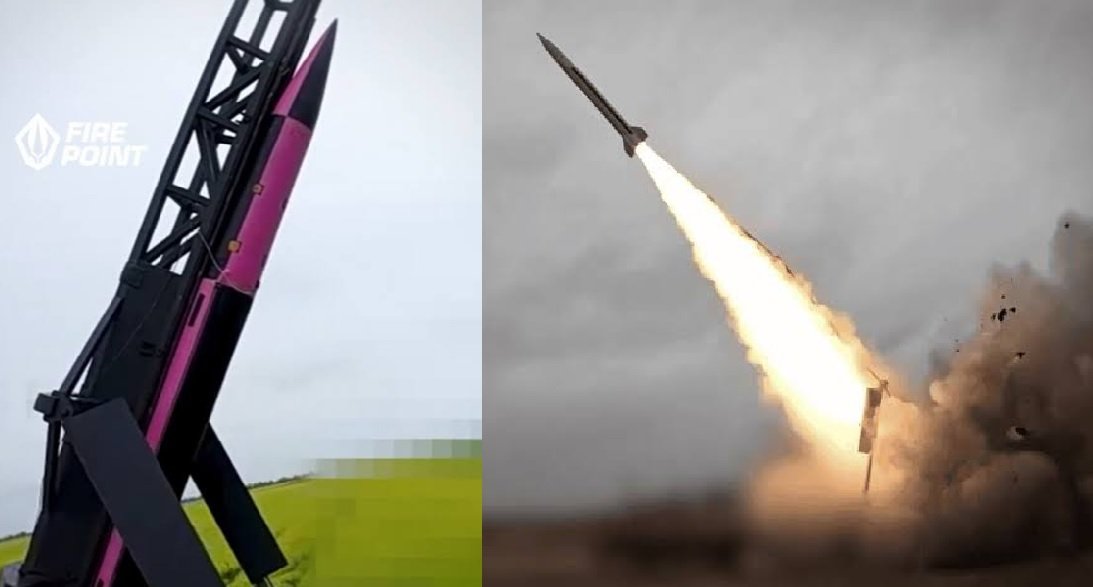
Europe
KYIV, Ukraine — Ukraine and a coalition of European partners are accelerating the development of the Freyja anti-ballistic missile defense system, with a minimum viable product (MVP) targeted for the first half of 2027 and a working prototype expected by the middle of 2027. The multinational program was launched following the formation of an anti-ballistic coalition at a summit in Paris on July 13, 2026. The meeting brought together leaders from 10 European nations, senior European officials and representatives from major defense companies to begin coordinating the development of a new European missile defense capability. According to Davyd Aloian, Deputy Secretary of Ukraine's National Security and Defence Council (NSDC), an international steering committee will soon begin estimating the program's research and development costs as the project moves into its next phase. Reducing Dependence on Patriot Ukraine currently relies heavily on the U.S.-made Patriot air defense system to intercept Russian ballistic missiles. While European systems such as the Franco-Italian SAMP/T and Germany's IRIS-T have demonstrated strong performance against aircraft, cruise missiles and drones, Patriot remains the primary system in Ukraine's inventory with a proven operational record against ballistic missile threats. Ukrainian officials say the Freyja program is intended to strengthen Europe's missile defense capacity, reduce dependence on limited Patriot interceptor stocks, expand defense production within Europe and provide a scalable missile defense solution that participating nations can adapt to their own requirements. Officials have also pointed to production timelines, stock availability and political factors affecting Patriot interceptor supplies as reasons for pursuing an additional European capability. Open Architecture Design Unlike traditional missile defense programs led by a single nation or manufacturer, Freyja is being developed as a multinational system based on an open architecture. Ukraine will provide the launcher and interceptor missile, while European partners will contribute radar technologies, sensors, guidance systems, communications networks and battle-management software. The architecture is designed to allow participating countries to integrate nationally developed components without replacing existing equipment. Ukrainian President Volodymyr Zelenskyy has compared the concept to "Lego blocks," describing a system in which countries can add compatible technologies developed by their own industries. Davyd Aloian said manufacturers are developing a framework built around interchangeable components. Under this approach, a participating country could integrate systems such as a Danish Weibel radar or a Swedish Saab radar within the overall Freyja network while maintaining common operational standards. Fire Point Leads Ukrainian Contribution Ukrainian defense technology company Fire Point is serving as the lead industrial partner and primary design authority for the project. The company is responsible for developing the launcher and the FP-7.X interceptor, which forms the core of Ukraine's contribution to the system. The interceptor is designed as a lower-cost alternative to existing high-end interceptors. Fire Point has also signed a memorandum of understanding (MoU) with Germany's HENSOLDT to cooperate on radar integration. Under the agreement, HENSOLDT will provide its TRML-4D active electronically scanned array (AESA) radar, which is capable of tracking up to 1,500 targets simultaneously. "We lacked the radars to implement FREYJA—now we have them, and we can move from concept to practical implementation of a pan-European anti-ballistic shield," said Iryna Terekh, Chief Executive Officer and Chief Technology Officer of Fire Point. European Defense Industry Participation Several European defense companies are contributing specialized technologies to the program rather than replacing national defense capabilities. Confirmed participants include: Fire Point (Ukraine) – Launcher and FP-7.X interceptor. HENSOLDT (Germany) – TRML-4D AESA radar. Eurosam (France/Italy) – Missile defense integration expertise. Leonardo (Italy) – Sensor and defense technologies. Thales (France) – Air defense systems expertise. Saab (Sweden) – Radar and surveillance capabilities. Additional companies that have participated in related discussions include Diehl Defence, Kongsberg Defence & Aerospace, MBDA, Safran and Weibel Scientific. Coalition Members The coalition includes Ukraine and nine founding European partner countries: Denmark France Germany Italy Netherlands Norway Spain Sweden United Kingdom The Paris summit was also attended by NATO Secretary General Mark Rutte, European Commission President Ursula von der Leyen, and European Council President António Costa. Funding and Next Steps Ukraine is considering establishing a dedicated funding mechanism to coordinate financial contributions from partner countries and support research, development and future production. According to Aloian, direct participation by industry alongside governments is expected to reduce bureaucratic delays and keep the coalition focused on practical implementation. The international steering committee is expected to convene shortly to begin cost assessments and coordinate the next stage of development. Technical Challenges Ahead Although the program has entered an accelerated development phase, significant technical work remains before the system can become operational. The project will require the integration of interceptor missiles, tracking radars, guidance technologies, communications systems and battle-management software developed by multiple manufacturers into a single missile defense architecture. Officials say extensive testing will be necessary to validate system performance. Long-term operational development beyond the prototype stage will depend on testing results, sustained funding, industrial coordination and continued political support from participating governments. Freyja Development Timeline Milestone Status Anti-ballistic coalition launched Completed (July 13, 2026, Paris) International steering committee Expected to convene shortly Minimum viable product (MVP) Targeted for the first half of 2027 Working prototype Targeted for mid-2027 Long-term operational development To be determined following testing The Freyja program combines Ukraine's operational experience in defending against ballistic missile attacks with the industrial capabilities of European defense companies. Through its open architecture approach, the initiative aims to expand Europe's missile defense capacity while allowing participating nations to integrate their own technologies into a common anti-ballistic defense network.
Read More → Posted on 2026-07-27 10:17:05
Europe
FARNBOROUGH, UK — Defense technology company QinetiQ has unveiled HELENA, its new coherent beam combination (CBC) high-energy laser source product family, at the Farnborough International Airshow, while announcing a £20 million company-funded investment to accelerate the development and production of laser-directed energy weapon (LDEW) technology. The HELENA product family is designed to serve as the core laser source for laser-directed energy weapon systems intended for defensive operations against drones and other advanced threats. According to QinetiQ, the technology has been verified against targets at range and in challenging atmospheric conditions. The system uses a scalable, high-brightness architecture that enables integration into laser weapon systems for both land and maritime applications. Industry specifications indicate that the HELENA portfolio can provide power outputs ranging from 20 kW to 150 kW. QinetiQ also said it intends to operate as a merchant supplier of laser source technology that can be integrated into a variety of LDEW systems. £20 Million Investment to Expand Production Alongside the product launch, QinetiQ announced a £20 million self-funded investment to expand its laser technology portfolio and increase manufacturing capacity for future laser weapon programs supporting the UK Ministry of Defence (MOD) and allied international markets. The investment will increase development and production capabilities at the company's facilities in Farnborough and Malvern, while final assembly, integration, and testing of HELENA systems will take place at the Farnborough site. QinetiQ said its current directed energy weapon activities directly support 150 jobs across the company. Supporting the DragonFire Program QinetiQ has more than 25 years of experience in laser and directed energy weapon technology and remains a core member of the UK MOD's DragonFire consortium alongside MBDA and Leonardo. In February 2019, the company delivered its first 50 kW coherent beam combination laser source to the UK Ministry of Defence as part of the DragonFire concept demonstrator program. A variant of HELENA technology is used in the DragonFire system. Following successful live-fire trials, DragonFire laser-directed energy weapon systems are scheduled to be integrated onto the Royal Navy's Type 45 destroyers from 2027. Two units have been contracted for installation on the ships, with the first integration planned for 2027. Designed for Multiple Defensive Roles According to QinetiQ, HELENA systems are designed for a range of operational requirements. Lower-power systems of around 30 kW are intended for installation on ground vehicles to provide short-range air defence against unmanned aerial vehicles, while higher-power systems of 150 kW or more are intended for counter-missile and counter-UAV missions on fixed installations and naval vessels. The company said laser-directed energy weapons offer a low cost per shot and near-infinite magazine depth, allowing them to complement existing air defence systems, particularly against low-cost drones that have become widely used in recent conflicts. CEO Statement Steve Wadey, Group CEO of QinetiQ, said directed energy weapons are moving from the development stage toward operational deployment. "Directed Energy Weapons are quickly moving from development to deployment to change the game in battlefield economics against the drone threat, and QinetiQ has been at the forefront of this technology for two decades," Wadey said. He added: "The investment announced today demonstrates our commitment to accelerating both the development and manufacture of sovereign laser technology, ensuring we can meet the growing demand from the UK and our international allies and provide them with the operational advantage on the battlefield." Source : ukdefencejournal.org.uk
Read More → Posted on 2026-07-27 10:27:39
Europe
LEEUWARDEN, Netherlands — The Royal Netherlands Air and Space Force hosted an intensive phase of the multinational Weapons Instructor Course (WIC) at Leeuwarden Air Base from July 6 to July 10, bringing together allied air force personnel to improve the integration of fifth-generation aircraft into large-scale multinational air operations. The training focused on employing the F-35 Lightning II as part of a broader multinational combat network rather than as a standalone fighter platform. The course supports NATO's ongoing efforts to improve interoperability, operational readiness and coordinated decision-making among allied forces operating in contested environments. Four Allied Nations Participate The Leeuwarden phase of the course brought together 24 selected participants from Belgium, Denmark, the Netherlands and Norway. The group included fighter pilots, intelligence officers, air battle managers, tactical airlift crews and ground-based air defence personnel, reflecting the multi-domain coordination required in modern air warfare. The Weapons Instructor Course is conducted by the Weapons School of the 323 Air Combat Development Centre at Leeuwarden Air Base. Recognized as a major European center for tactical air warfare training, the base has supported advanced military aviation training since the 1950s and hosts the course every two years. Originally established as a national training program, the Weapons Instructor Course has gradually expanded into a multinational framework that supports NATO air operations. Large-Scale Flight Operations During the July training phase, participants planned and led Large Force Employment (LFE) missions designed to replicate complex operational environments. Flight operations were conducted in as many as three waves each day, with individual waves involving up to 20 military aircraft. Most sorties took place in Dutch airspace over the North Sea. The exercises brought together multiple aircraft types and support assets, including: Dutch and Danish F-35 Lightning II fighter aircraft. Finnish Air Force F/A-18 Hornet fighter aircraft. Commercially operated "red air" aircraft providing adversary support to simulate realistic threats. The Finnish Air Force contributed five F/A-18 Hornets and approximately 50 personnel during the flying phase of the exercise. Focus on Integrated Air Operations Rather than concentrating solely on fighter operations, the course trained participants to integrate multiple capabilities during multinational missions. The curriculum combined fifth-generation aircraft with intelligence, command and control, electronic warfare and ground-based air defence systems. Students also learned to plan and command complex multinational air operations involving multiple aircraft and supporting assets. According to NATO, this integrated approach is intended to strengthen interoperability and improve the speed and effectiveness of allied decision-making during coalition operations. The use of the F-35 is particularly significant because the Netherlands, Denmark, Norway and Belgium all operate or are introducing the aircraft into their air forces, allowing them to develop common tactics and operational procedures. Danish F-35s Join the Course The July exercise also marked the first time Danish F-35 fighter aircraft operated from Leeuwarden Air Base as part of the Weapons Instructor Course after arriving at the base in May. The deployment continues the long-standing operational cooperation between the Netherlands and Denmark, which previously worked together extensively while operating the F-16 before transitioning to the F-35. Course Continues in Norway The Weapons Instructor Course lasts approximately six months and is jointly organized by the Netherlands and Norway. Following the academic and flying phases in the Netherlands, the program will move to Norway later this year for a large-scale final exercise. The next phase is intended to further strengthen cooperation among allied air forces across Northern Europe. Preparing Future Tactical Leaders Graduates of the Weapons Instructor Course earn the qualification of Weapon Instructor and return to their respective air forces as senior tactical specialists. They are responsible for training fellow personnel, developing tactical expertise and supporting future multinational air operations within their national forces. Finland's participation also supports preparations for the arrival of its F-35A aircraft later in 2026 while helping improve interoperability between fourth-generation F/A-18 fighters and fifth-generation F-35 aircraft during the transition period. The Weapons Instructor Course remains an important part of NATO's efforts to enhance collective readiness by enabling allied air forces to train together using common aircraft platforms, integrated command structures and coordinated air defence capabilities for future alliance missions.
Read More → Posted on 2026-07-27 10:37:42
World
KYIV, Ukraine — North Korea is preparing to send up to 30,000 additional military personnel to Russia, according to Ukrainian President Volodymyr Zelensky. If confirmed, the deployment would be the largest foreign military deployment in the history of the Korean People's Army (KPA) and would mark another major step in the growing military partnership between Moscow and Pyongyang. In his nightly address around July 25, 2026, Zelensky said Russia has been preparing facilities in the Voronezh region since June to receive the additional North Korean personnel. He also stated that North Korea is preparing to supply Russia with additional ballistic missile launchers. Reuters and several other international media outlets reported Zelensky's remarks. Neither the Russian government nor North Korean authorities have officially confirmed the reported deployment. Voronezh Identified as Main Staging Area According to Zelensky, preparations for the new deployment have been taking place in Russia's Voronezh region, which lies near the Ukrainian border. The region serves as an important transportation and logistics hub linking Russian territory with operational areas in Kursk and the Donbas. If the reported deployment proceeds, the additional personnel would join thousands of North Korean troops and engineers already operating in Russia. Existing North Korean Military Presence South Korea's National Intelligence Service (NIS) reported in late 2025 that North Korea had already transferred thousands of military personnel to Russia. At that time, nearly 10,000 personnel were stationed near the Russia-Ukraine border for guard duties, while around 1,000 combat engineers supported mine clearance operations. By early 2026, South Korean intelligence assessed that approximately 10,000 combat troops and 1,000 engineer troops were deployed in Russia's Kursk region. So far, North Korean personnel have mainly carried out rear-area security, border defense, engineering work, and mine clearance operations. Their deployment has also provided operational experience alongside Russian forces and exposure to modern battlefield tactics and military equipment. Large-Scale Ammunition Supplies North Korea has also become one of Russia's major suppliers of artillery ammunition. Estimates indicated that more than six million artillery rounds had been delivered to Russia by the end of 2024. Later South Korean military intelligence assessments increased that figure to more than 12 million rounds, calculated as 152 mm artillery shells. By the second quarter of 2025, nearly half of the artillery rounds fired by the Russian Army were reportedly supplied by North Korea. South Korean intelligence also assessed that at least six Russian artillery units were receiving between 50 and 100 percent of their daily ammunition from North Korean stockpiles. Heavy Weapons Delivered to Russian Forces In addition to ammunition, North Korea has supplied military equipment that has appeared on the battlefield. Equipment transfers have included the 170 mm M1989 Koksan self-propelled howitzer and the Bulsae-4 anti-tank missile system. South Korean and Ukrainian intelligence reported that more than 120 Koksan artillery systems had been delivered by early 2025. Several of these systems were later observed moving through occupied Crimea toward combat areas in the Donetsk region. Reports also indicate that Korean People's Army artillery units equipped with 170 mm systems have operated in support roles since late 2024. Industrial Support for Drone Production North Korea's support has also extended to Russia's defense industry. Reports during 2025 stated that around 5,000 North Korean industrial workers were sent to the Alabuga facility in Russia's Republic of Tatarstan, where Geran-2 attack drones are manufactured. Later assessments referred to plans involving larger numbers of workers to help expand production at the same facility. Military Technology Exchange Defense analysts assess that the growing cooperation benefits both countries. Russia receives additional manpower, artillery ammunition, military equipment, and industrial support, while North Korea is believed to be seeking access to advanced Russian military technology. According to analysts, Pyongyang is interested in Russian assistance related to: Tactical nuclear warhead miniaturization Solid-fuel intercontinental ballistic missile (ICBM) technology Warhead separation technology Advanced military technologies Analysts have also assessed that Russia could provide support involving advanced combat aircraft, including the Su-35 or Su-57, as well as technical assistance for North Korea's nuclear submarine program. Manned combat aviation remains one of the areas where North Korea's domestic defense industry has limited capabilities. Growing Military Cooperation North Korean personnel have gained operational experience through their deployment alongside Russian forces. Reports indicate they have received information on NATO-supplied military systems and have operated in active combat zones. However, the extent of any direct engagement between North Korean forces and NATO-linked personnel has not been independently confirmed. If the reported deployment of up to 30,000 additional troops takes place, it would significantly expand North Korea's role in supporting Russia's military operations and further deepen military cooperation between the two countries. As of publication, Russia and North Korea have not officially confirmed the reported troop deployment or the additional military assistance described by President Zelensky. Source : militarywatchmagazine
Read More → Posted on 2026-07-27 10:52:00
World
SANAA, Yemen — Yemen's Houthi movement claimed on Sunday that its air defense forces shot down a Saudi-operated Turkish-made Bayraktar Akıncı unmanned combat aerial vehicle (UCAV) over Al Jawf Governorate in northern Yemen. Houthi military spokesperson Brigadier General Yahya Saree said the drone was brought down while carrying out what he described as "hostile operations" in Yemeni airspace. According to Saree, the aircraft was hit using an "appropriate weapon." Media affiliated with the Houthis released footage that they said showed the drone, bearing tail number 20703, spinning out of control after being struck before crashing. Images released by the group also showed wreckage displaying the same tail number, which they associated with the Royal Saudi Air Force. Saudi Arabia has not issued an official statement on the claim, and the reported incident has not been independently verified. If confirmed, this would be the first reported loss of a Bayraktar Akıncı drone inside Yemen. The claimed shootdown is the second Saudi-operated drone that the Houthis have reported downing in July 2026. Earlier this month, on July 14, the group said it had shot down a Chinese-made Wing Loong II unmanned combat aerial vehicle over Al-Bayda Governorate. The reported incident took place over Al Jawf Governorate, a northern region bordering Saudi Arabia that has remained one of the key front lines in Yemen's conflict. The governorate has long served as a Houthi stronghold and is strategically important because it connects northern Yemen with the country's eastern governorates while sharing a border with Saudi Arabia. The claim comes amid renewed tensions between the Houthis and the Saudi-led coalition. A day before the reported drone incident, the Houthis announced missile and drone attacks targeting Saudi Aramco facilities in the Red Sea cities of Yanbu and Jizan. Saudi authorities issued air raid alerts in those areas but did not confirm any damage. Those Houthi attacks followed Saudi-led coalition airstrikes on Houthi military targets in Yemen's Hodeidah Governorate, marking another round of military exchanges after the breakdown of a prolonged truce. The Bayraktar Akıncı is a Turkish-developed high-altitude, long-endurance unmanned combat aerial vehicle produced by Baykar. It entered service with the Turkish Armed Forces in 2021 and is designed to conduct reconnaissance and precision strike missions. The aircraft has a maximum takeoff weight of about 6 tons and can carry more than 1,500 kilograms of payload. It is equipped with radar, satellite communications, electronic warfare systems, and advanced sensor suites for intelligence, surveillance, reconnaissance, and strike operations. Saudi Arabia signed a major defense agreement with Baykar in July 2023 to acquire the Bayraktar Akıncı. The agreement, described by the company as its largest defense and aviation export contract, also included technology transfer and cooperation on local production. Industry estimates have valued the deal at around $3 billion, with the drones intended to enter service with both the Royal Saudi Air Force and the Royal Saudi Naval Forces. Saudi authorities have not commented on the reported loss of the aircraft, and no independent confirmation of the incident has been released.
Read More → Posted on 2026-07-27 11:09:09
World
MOSCOW — Russia's state-owned defense conglomerate Rostec has delivered a new batch of upgraded BMP-3 infantry fighting vehicles (IFVs) to the Russian Armed Forces, the company announced on July 27, 2026. The vehicles were produced by Rostec's High Precision Systems division at the Kurganmashzavod plant. According to Rostec, production and shipment volumes of the BMP-3 have increased significantly since the start of Russia's full-scale invasion of Ukraine in February 2022. The company said current output is now three times higher than previous levels, reflecting the expansion of Russia's defense manufacturing during the conflict. Bekhan Ozdoev, industrial director of Rostec's weapons cluster and a member of the bureau of Russia's Union of Machine Builders, said production has increased every year since the conflict began and that the vehicle's design continues to evolve based on operational experience. "Since the start of the special military operation, the volume of products shipped by High Precision Systems has increased every year. Today it already exceeds previous figures threefold," Ozdoev said. "At the same time, taking front-line experience into account, the design of combat vehicles is also changing." He added that this year's BMP-3s have received reinforced protection for the hull bottom against mine blasts, along with improved armor fragmentation resistance on the front and rear sections. Factory-Installed Protection Against Modern Battlefield Threats The latest BMP-3 vehicles are leaving the factory with a range of protection upgrades that previously were often added by frontline units in the field. According to Rostec, the upgraded vehicles feature additional protective measures covering the hull from all directions, including protection against attacks from above. The vehicles are fitted with reinforced mine protection for the hull bottom, improved fragmentation protection on the front and rear sections, and upgraded electronic systems intended to improve mobility and weapon effectiveness. The modernized BMP-3s are also equipped with upgraded electronic warfare (EW) systems designed to counter drones and remotely guided munitions. In addition, the vehicles are fitted with cage armor intended to provide extra protection against first-person-view (FPV) drones and are equipped with "Nakidka" signature reduction covers designed to reduce thermal and radar visibility. These upgrades reflect lessons learned from combat, where loitering munitions, FPV drones and extensive minefields have become major threats to armored vehicles. Rostec did not disclose the number of BMP-3s included in the latest delivery, and its production figures could not be independently verified. BMP-3 Remains Russia's Main Infantry Fighting Vehicle The BMP-3 entered Soviet service in the late 1980s as the successor to the BMP-1 and BMP-2. It is designed to transport infantry while providing direct fire support during combat operations. The vehicle has a crew of three and can carry up to seven soldiers. In its standard configuration, it weighs approximately 18.7 tonnes and is powered by a 500-horsepower UTD-29M diesel engine. It can reach speeds of around 70 km/h on roads and remains fully amphibious, using water jets to travel at approximately 10 km/h in water. Its primary armament consists of a 100 mm gun capable of launching anti-tank guided missiles, a coaxial 30 mm autocannon, and machine guns. The BMP-3 has remained in continuous production for decades and has also been exported to several countries. Kurganmashzavod, which manufactures the vehicle, is part of Rostec's High Precision Systems holding and remains Russia's primary BMP-3 production facility. Heavy Battlefield Losses Continue The increased production comes as Russia continues to replace armored vehicles lost during the conflict in Ukraine. According to the Netherlands-based open-source intelligence group Oryx, which documents equipment losses using verified photographs and video evidence, at least 819 Russian BMP-3 infantry fighting vehicles have been visually confirmed as lost since 2022. Because Oryx records only visually confirmed losses, the actual number is likely higher. Defense analysts have also noted that the BMP-3's original aluminum alloy armor, developed to keep the vehicle lightweight and amphibious, offers limited protection against modern anti-tank guided missiles, mines, precision artillery and other battlefield threats. Kurganets-25 Program Still Delayed Russia has been developing the Kurganets-25 infantry fighting vehicle as a future replacement for the BMP family. However, the program has experienced years of development delays and has not entered large-scale operational service. As a result, Russia continues to rely on upgraded BMP-3 vehicles equipped with modern protection systems, including reinforced mine protection, anti-drone measures and electronic warfare equipment, while production of the long-serving platform continues to expand. Independent analysts note that production claims released by Russian defense manufacturers are difficult to verify because of limited publicly available information on Russia's defense industry output.
Read More → Posted on 2026-07-27 12:10:19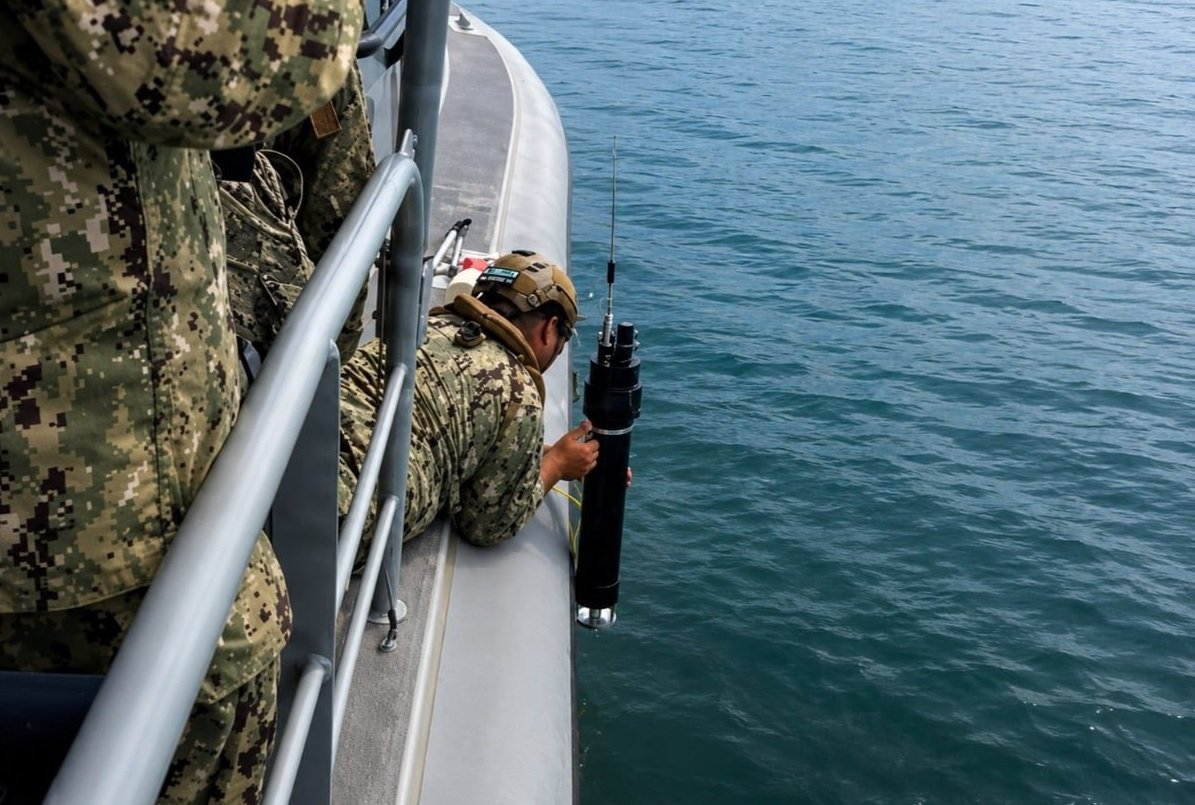
U.S
FORT IRWIN, Calif. — The U.S. Army, Navy and Space Force have successfully completed the first maritime test of the Hammer of the Gods electronic warfare (EW) system during Project Convergence Capstone 6 (PC-C6), marking the system's debut in a naval environment. The mid-July 2026 experiment was conducted as part of the Army-led Project Convergence Capstone 6 at Fort Irwin, California. According to a report published on July 26, 2026, by Sgt. Sar Paw of the Army's 5th Mobile Public Affairs Detachment, the trial demonstrated the system's ability to deliver electronic warfare and command-and-control capabilities in a maritime setting while supporting joint military operations. First Maritime Deployment Hammer of the Gods is not a conventional weapon. It is a highly deployable electronic warfare emitter designed to broadcast electromagnetic signals while maintaining a low electromagnetic signature. This allows the system to operate closer to contested areas with a reduced chance of being detected by adversary sensors. The system provides an expanded suite of electronic warfare and command-and-control capabilities. Electronic warfare uses the electromagnetic spectrum to disrupt an adversary's communications, radar and other electronic systems while protecting friendly military networks. Ground-based versions of Hammer of the Gods have been used in military exercises and demonstrations over the past two years. However, Project Convergence Capstone 6 marked the first time the system has been deployed and tested at sea. Adapting the System for Maritime Operations Moving the system from land to a maritime environment introduced several operational challenges. Unlike land-based exercises, naval operations require equipment to function under constant platform movement, exposure to saltwater and radar clutter generated by the ocean surface. The maritime trial was supported by U.S. Space Forces Pacific and Naval Base San Diego. Organizers designed the experiment to meet the learning objectives of both the U.S. Army Space and Missile Defense Command and U.S. Space Forces Pacific, allowing multiple services to evaluate the technology under realistic operating conditions. Joint Force Integration Lt. Col. Darrin Hall, Chief of Modeling, Simulation and Integration for U.S. Space Forces Pacific, said the experiment highlighted the importance of joint testing for future military operations. "Joint experimentation is how we prepare for future fights. By integrating space, cyber and conventional forces into realistic scenarios, we strengthen our ability to operate as one joint team in contested environments," Hall said. The experiment reflected the Department of Defense's continued effort to develop and integrate cross-service capabilities early in their development, particularly for operations in contested electromagnetic environments. Focus on Counter-PNT Capabilities A primary objective of the maritime demonstration was evaluating the system's counter-Positioning, Navigation and Timing (counter-PNT) capabilities. PNT systems support military navigation, communications and precision targeting by providing the data required for GPS-enabled operations. They are widely used across military platforms for navigation, command and control, and precision-guided weapons. During the exercise, the joint force tested how Hammer of the Gods could disrupt an adversary's PNT capabilities while maintaining operational effectiveness through resilient mesh networking, extending communications and operational reach in a maritime environment. Hall emphasized the importance of protecting friendly forces while operating in environments where PNT systems may be disrupted. "Positioning, Navigation and Timing is the foundation of modern military operations. Understanding how to protect and operate through PNT disruption ensures our forces can continue to shoot, move and communicate effectively," Hall said. He added that counter-PNT capabilities directly affect the targeting backbone used by long-range artillery, guided missiles and cruise munitions. "Without PNT data, modern weapon precision drops sharply, resulting in delayed missions, missed objectives, or severe collateral damage." According to Hall, the experiment demonstrated that counter-PNT capabilities could be deployed, controlled and recovered during real-world maritime operations while extending operational reach through resilient mesh networking. Part of Project Convergence Capstone 6 The Hammer of the Gods demonstration formed one element of the broader Project Convergence Capstone 6, which ran from July 20 to July 29, 2026 and brought together Army, joint and multinational participants to evaluate future military technologies and operational concepts. A key objective of PC-C6 is validating the Next Generation Command and Control (NGC2) architecture. The initiative is designed to replace fragmented legacy systems with a unified, data-centric network that incorporates artificial intelligence and commercial software to improve decision-making across the joint force. By integrating systems such as Hammer of the Gods into the NGC2 architecture, the U.S. military is evaluating how electronic warfare, command-and-control and resilient networking capabilities can operate together in contested electromagnetic environments. Significance of the Test The successful maritime demonstration marks the first operational sea-based test of Hammer of the Gods and provides valuable data for future development of joint electronic warfare capabilities. The experiment also demonstrated continued cooperation among the U.S. Army, Navy and Space Force in testing technologies designed to support future multi-domain operations across land, sea, space and the electromagnetic spectrum.
Read More → Posted on 2026-07-27 12:23:51
World
GENEVA — A public diplomatic dispute has emerged between the United States and France following a United Nations General Assembly vote to extend the mandate of U.N. High Commissioner for Human Rights Volker Türk for another four-year term. The disagreement began after the General Assembly approved the extension with 144 votes in favor, 10 against, and 13 abstentions. Türk's new term will begin on October 12, 2026, following a proposal by U.N. Secretary-General António Guterres. The United States voted against the extension, joining Israel, Russia, Argentina, North Korea, Nicaragua, Mali, and other countries in opposing the appointment. Russia had proposed extending Türk's mandate only until the end of 2026, but that proposal was rejected. A U.S. request to postpone the vote was also rejected. The US used to be a beacon of human rights. Not anymore. Today, it stands alongside North Korea, Nicaragua, Mali & Russia, isolated. And the world no longer listens to it.#AmericaAlone https://t.co/GLNMsYEH9n pic.twitter.com/UTVvljTMeO — France ONU Genève 🇫🇷🇺🇳 (@FranceONUGeneve) July 25, 2026 The vote was followed by a public exchange on the social media platform X between the U.S. and French missions to the United Nations. Before the vote, U.S. Deputy Ambassador Jeff Bartos criticized the U.N. human rights system, saying it had been "losing credibility for decades." He accused Türk of leading the institution to its "deathbed" and described the reappointment process as dysfunctional, arguing that the agenda item had been introduced at the last minute. Bartos also said the United States would reassess its engagement, participation, and funding for the United Nations. After the vote, the Permanent Mission of France to the United Nations in Geneva responded by criticizing Washington's position. In a post on X, the French mission stated that the United States was once a "beacon of human rights" but was "not anymore." It added that the U.S. now stood alongside North Korea, Nicaragua, Mali, and Russia in opposition to the vote and said the country was becoming increasingly isolated on the issue. The French statement prompted a strong response from American officials. U.S. Representative to the United Nations Mike Waltz described France's comments as "shameful." He said France had supported "someone who lectures free, sovereign democracies like the United States, the United Kingdom, and Israel, while cozying up to the most brutal oppressors in the world." The dispute also spread to other American political figures. U.S. Congressman Randy Fine replied to the French mission's post by making a reference to France's military history, writing, "Don't you have someone to surrender to?" Türk, an Austrian jurist, has faced criticism from several governments during his tenure. His office has repeatedly criticized Israel's military operations in Gaza and its policies toward Palestinians. Israel's Foreign Ministry has accused the Office of the High Commissioner for Human Rights of bias under his leadership. The United States and Russia have also raised concerns about aspects of Türk's record and the timing of the reappointment process, arguing that the decision should have been left to the next U.N. secretary-general. Despite opposition from the United States and several other countries, the General Assembly approved Türk's reappointment, securing another four-year term as the head of the U.N. human rights office. The exchange between U.S. and French officials remained limited to public statements and social media posts following the vote. No additional official statements from either government were immediately reported.
Read More → Posted on 2026-07-27 13:03:57
World
OSLO — Swedish defense company Saab has received a contract worth 10.1 billion Swedish crowns ($1.04 billion) to supply two GlobalEye Airborne Early Warning and Control (AEW&C) aircraft to an undisclosed customer in the Middle East. The company announced the order on Monday and said deliveries are scheduled for 2030. Saab did not identify the customer, stating that no additional information about the country or the agreement would be released because of the nature of the defense industry, customer-related circumstances, and national security considerations. The order represents another export contract for Saab's GlobalEye airborne surveillance platform, which has attracted growing interest from countries seeking advanced intelligence, surveillance, and early warning capabilities. Saab President and CEO Micael Johansson said the order reflects increasing international demand for the aircraft. "This order underscores our commitment to providing customers with mission-proven, multi-domain AEW&C capability. The increasing international interest in GlobalEye reflects its effectiveness and reliability in modern air defence operations," Johansson said. GlobalEye Airborne Surveillance System GlobalEye is Saab's Airborne Early Warning and Control (AEW&C) platform designed to provide long-range surveillance across air, sea, and land. The aircraft is built on the Bombardier Global 6000/6500 business jet and combines Saab's Erieye Extended Range (ER) Active Electronically Scanned Array (AESA) radar with additional sensors and a multi-domain command and control system. The aircraft is equipped with active and passive sensors that provide real-time detection, tracking, and identification of objects across multiple operational environments. According to Saab, the system supports situational awareness and early identification of potential threats. Its sensor suite includes: Erieye ER AESA radar for long-range air surveillance. Maritime surveillance radar for monitoring targets at sea. Electro-optical sensors for visual observation and target identification. Electronic Support Measures (ESM) for detecting and analyzing electronic emissions. The integrated sensor package enables operators to monitor aircraft, ships, cruise missiles, drones, and selected ground targets simultaneously while sharing real-time information with air defense networks, naval forces, and ground units. The Bombardier Global 6000/6500 platform provides more than 12 hours of operational endurance in typical configurations. The aircraft has a range of approximately 11,100 kilometers, can fly at speeds of around Mach 0.85, and typically operates with a combined flight and mission crew of seven to nine personnel. Unlike earlier airborne warning aircraft primarily designed for air surveillance, GlobalEye is intended for multi-domain surveillance, allowing military commanders to receive a comprehensive operational picture from a single airborne platform. Middle East Remains an Important Market The latest order further strengthens Saab's presence in the Middle East, where countries continue investing in intelligence, surveillance, reconnaissance (ISR), and integrated air defense capabilities. The United Arab Emirates remains the launch customer and the only publicly confirmed Middle Eastern operator of the GlobalEye system. The UAE has received five aircraft under previous contracts. Saab has also received orders from Sweden for the platform and has previously discussed interest from other countries in the region, including Qatar and Saudi Arabia. Airborne early warning aircraft such as GlobalEye extend radar coverage beyond the limitations of ground-based radar systems, improving the detection of low-flying aircraft, cruise missiles, and unmanned aerial systems while supporting faster decision-making during air defense operations. Adds to Saab's Order Backlog The new contract adds to Saab's growing order backlog as governments continue investing in advanced surveillance and integrated defense systems. Headquartered in Sweden, Saab develops and manufactures systems across aeronautics, weapons, command and control, sensors, and underwater systems. The company employs approximately 28,000 people. Saab stated that deliveries of the two GlobalEye aircraft will be completed in 2030, while no further information regarding the customer or the contract will be disclosed.
Read More → Posted on 2026-07-27 13:55:31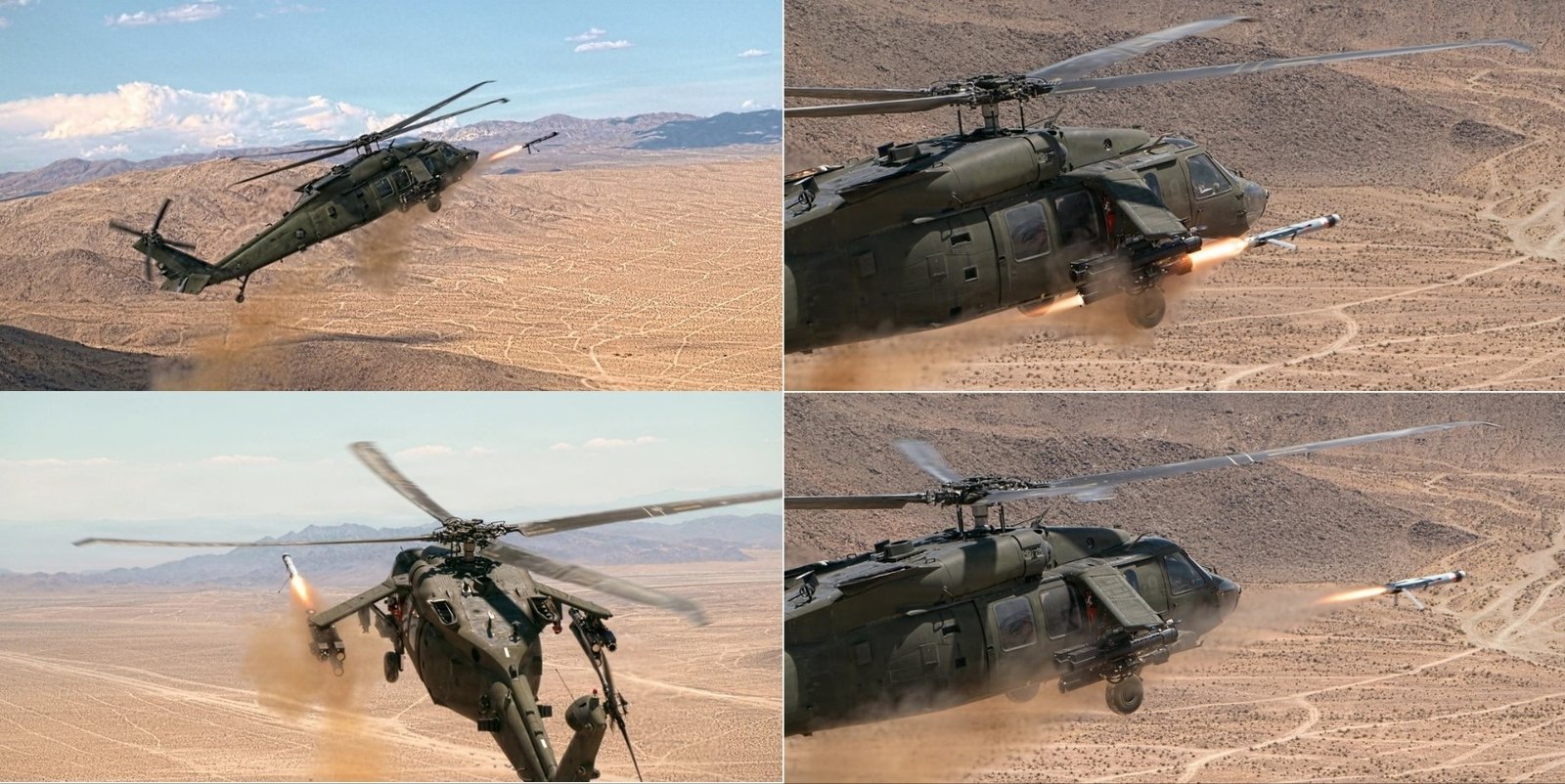
U.S
FORT IRWIN, Calif. — The U.S. Army demonstrated a networked drone strike sequence during Project Convergence-Capstone 6, showing how multiple air-launched drones can work together to locate, identify, and destroy enemy air defense threats while keeping crewed aircraft away from high-risk areas. The demonstration took place during the Army's large-scale experimentation event held at Fort Irwin, California, from July 20 to July 29, 2026. The exercise focused on the Army's Launched Effects (LE) family of air-launched drones, which are designed with different payloads and mission roles rather than as a single standardized platform. During the demonstration, two Active/Passive Infrared Launched Effects carried out the military's detect, identify, locate, and report mission by finding a simulated adversary threat and transmitting its location to friendly forces. A third weaponized Launched Effect equipped with a Long-Range Precision Munition (LRPM) then carried out the strike against the identified target. The Army said this approach enables reconnaissance and strike missions to be divided among different drones, reducing the need to send crewed aircraft into heavily defended airspace. Designed for Different Mission Roles The Launched Effects portfolio includes multiple variants developed for different operational requirements. Some are equipped for reconnaissance missions to locate and track enemy positions, while others carry electronic warfare payloads designed to disrupt enemy communications and radar systems. Additional variants are armed to engage targets directly. Rather than relying on a single drone to perform every task, the Army is developing a family of systems that can operate together depending on mission requirements. Reducing Risk to Crewed Aircraft The Army said the concept is intended to help aviation units operate against Integrated Air Defense Systems (IADS), which combine radar, surface-to-air missiles, and anti-aircraft guns to defend contested airspace. By using relatively low-cost and expendable drones to enter these areas first, Army Aviation aims to reduce the exposure of crewed aircraft and pilots while creating opportunities for follow-on operations. The capability is also intended to support ground maneuver forces by targeting enemy artillery, rocket systems, and other threats operating deep inside contested areas. Networked "Wolfpack" Operations A key element of the demonstration was the networking between the drones. The medium-range Launched Effects used the Integrated Tactical Network operating within the Army's Next Generation Command and Control (NGC2) architecture to send real-time targeting information to corps-level commanders. According to the Army, treating the flow of targeting data as a core part of the weapon system helps accelerate strike decisions by rapidly sharing target information across the force. The Army also demonstrated the ability for multiple Launched Effects to operate as a coordinated "wolfpack." In this concept, several drones can approach a target simultaneously from different directions and altitudes, making it more difficult for traditional air defense systems to respond. Because the drones are designed to be expendable, commanders can accept the loss of individual platforms when required to complete the mission. Long-Range Precision Munition Reaches New Milestone In a separate demonstration during Project Convergence-Capstone 6, a crewed aircraft launched a production-line Long-Range Precision Munition into contested airspace. According to the Army, the munition independently identified and destroyed a high-priority target, marking an important milestone for the medium-range lethal capability. The Army plans to field the LRPM at scale by fiscal year 2027. Government contracting documents indicate an anticipated funding line of $100 million to $200 million to deliver 200 to 600 fieldable LRPM prototypes supporting this medium-range lethal capability. Standardized Launch and Control Systems To support operational deployment across Army Aviation, the service is also developing two supporting systems: the Launched Effects Dispenser for Ground and Rotorcraft (LEDGR) and the Universal Vehicle Control (UVC) system. These systems are designed to provide a standardized interface that allows aircrews to launch and control different Launched Effects variants without requiring separate launch hardware or dedicated cockpit software for each payload. Both systems are scheduled to support fielding at scale by fiscal year 2027. Army Continues Evaluating Future Variants Project Convergence has served as the Army's experimentation event since 2020, providing an environment to evaluate how sensors, weapons, and command-and-control networks operate together across the joint force and with allied and partner nations. Capstone 6 included thousands of participants from the joint force, allies, partners, and industry. In addition to systems moving toward fielding, the Army evaluated emerging medium-range Launched Effects technology demonstrators featuring increased speed and longer range. These platforms remain in the technology demonstration phase and are not yet formal programs of record. Dan Bailey, Deputy Director of the Aviation Future Capability Directorate, said the systems are intended to operate as connected combat capabilities rather than independent platforms. "Launched Effects are not just stand-alone tools; they are networked combat enablers. By standardizing our launch and control systems, we're giving the Combat Aviation Brigades the flexibility to dynamically deploy multiple capabilities, share critical targeting data on the fly, and secure a decisive overmatch against peer adversaries." The Army has not disclosed the specific adversary air defense systems replicated during the demonstration, the exact number of Launched Effects used in the wolfpack sequence, or the long-term procurement quantities planned for the Long-Range Precision Munition program after fielding begins.
Read More → Posted on 2026-07-27 14:10:35
U.S
NEW YORK/LONDON — Global financial markets shifted on Monday as a temporary pause in U.S. military strikes on Iran pushed oil prices sharply lower, easing concerns over a wider regional conflict. The de-escalation improved investor risk appetite, sending the U.S. dollar lower against several major currencies ahead of a busy week of monetary policy decisions by the Federal Reserve, the Bank of England (BoE), and the Bank of Japan (BoJ). The biggest market reaction came in the energy sector. Brent crude, the global oil benchmark, fell 7.5% to settle at $89.42 per barrel after the U.S. military temporarily halted its two-week air campaign in Iran. Tehran said it would also suspend its counterattacks as long as the United States maintained the pause, raising hopes that diplomatic efforts could reduce tensions. Earlier this month, the conflict had briefly pushed Brent crude above $100 per barrel. The sharp decline in oil prices helped improve overall market sentiment and eased concerns that higher energy costs could keep inflation elevated. Dollar Weakens Ahead of Federal Reserve Meeting The U.S. Dollar Index (DXY), which measures the U.S. currency against a basket of six major currencies, slipped 0.1% to 101.34. Currency markets are now focused on the Federal Reserve's July 28-29 policy meeting, where investors are awaiting guidance on interest rates. Federal Reserve Chair Kevin Warsh, who succeeded Jerome Powell in May 2026, has offered limited forward guidance on future policy decisions. As a result, markets have frequently adjusted their interest-rate expectations in recent weeks in response to softer U.S. inflation data and geopolitical developments in the Middle East. According to the CME Group FedWatch Tool, traders currently assign a 33% probability that the Federal Reserve will raise interest rates by a quarter percentage point on Wednesday. That is down from 37% at the end of last week but remains about double the probability priced in one week earlier. "It could be that the market is not particularly well-informed after this meeting because Warsh doesn't like to give forward guidance, and there is so much uncertainty, particularly with respect to how long the Iran war will last," said Jane Foley, Head of FX Strategy at Rabobank. Despite Monday's decline, investors continue to hold a positive outlook on the U.S. dollar. Data from the Commodity Futures Trading Commission (CFTC) showed that net long positions in the dollar increased to $45.37 billion in the week ending July 20, the highest level of bullish positioning since 2015. Later this week, investors will also closely watch the release of U.S. second-quarter Gross Domestic Product (GDP) data and core Personal Consumption Expenditures (PCE) inflation, the Federal Reserve's preferred inflation measure, for further indications on the strength of the U.S. economy. Yen, Euro and Pound React Against the Japanese yen, the dollar fell 0.1% to 163.645 yen, marking its sharpest daily decline since July 10. Despite the move, the yen remains close to its weakest level against the dollar in around 40 years. The Bank of Japan is scheduled to announce its policy decision on Friday. While the central bank is widely expected to keep interest rates unchanged, analysts expect policymakers to leave open the possibility of future rate increases to help limit further weakness in the yen. So far, verbal interventions by Japanese officials have had only limited impact on the currency. "There is a sense of walking on eggshells when the Fed and Japan's authorities are prepared to be less predictable and when there is not a great understanding of what could happen next between the U.S. and Iran," wrote Paul Mackel, Global Head of FX Research at HSBC. "We still side with favouring the dollar." In Europe, the euro rose 0.2% to $1.130, while the British pound eased about 0.1% to $1.331 after giving up earlier gains. Even with Monday's slight decline, sterling remained on track for its second consecutive session of gains, recovering from last week's multi-week low of $1.330. The Bank of England is expected to leave interest rates unchanged when policymakers meet on Thursday. The central bank continues to monitor inflation risks linked to recent increases in oil prices. The meeting comes shortly after Prime Minister Andy Burnham and Finance Minister John Healey formally took office. Norwegian Crown Falls, Cryptocurrencies Rise The decline in oil prices also affected commodity-linked currencies. The Norwegian crown, which had been among July's strongest major currencies due to higher oil prices, fell 0.6% to 9.642 per U.S. dollar. Meanwhile, cryptocurrencies moved higher. Bitcoin gained about 1% to $65,155.60, while Ether rose 2.5% to $1,961.29, reaching its highest level since June 2. Markets Await Central Bank Decisions With geopolitical tensions temporarily easing, investors are now shifting their attention to a series of major central bank meetings and key U.S. economic data releases. Decisions by the Federal Reserve, Bank of England, and Bank of Japan, along with upcoming GDP and inflation figures, are expected to shape market expectations for interest rates and global financial markets in the coming days.
Read More → Posted on 2026-07-27 14:31:03
India
ARNBOROUGH, July 2026 — The Global Combat Air Programme (GCAP), the United Kingdom, Italy and Japan's joint effort to develop a sixth-generation stealth fighter, has entered a critical phase as programme leaders set the end of 2026 as the practical deadline for countries seeking to join as full partners. The timeline was outlined by Leonardo Chief Executive Officer Lorenzo Mariani during the Farnborough International Airshow, where he said nations interested in joining the programme should make their decision within the next 12 months to avoid affecting the project's schedule. "My personal opinion 2026… maximum one year from now," Mariani said, noting that while governments will ultimately decide on new members, the industrial partners are working against a fixed timeline to deliver the aircraft by 2035. The Global Combat Air Programme was launched in 2022 by the United Kingdom, Italy and Japan to develop a supersonic sixth-generation stealth fighter. The aircraft is intended to replace the Eurofighter Typhoon in some European air forces and Japan's Mitsubishi F-2 fleet. The consortium is targeting entry into service by 2035, with the first demonstrator aircraft planned before the end of 2027. Canada Becomes First Observer Nation The programme expanded for the first time on July 21, 2026, when Canada became the first observer nation following a meeting of defence ministers from the United Kingdom, Italy, Japan and Canada. Observer status provides Canada with greater visibility into GCAP's governance, technological capabilities and industrial structure. However, it does not make Ottawa a full programme partner and carries no obligation to fund aircraft development or purchase the future fighter. Canada's participation marks the first formal expansion of GCAP beyond its three founding members while preserving the existing partnership structure. £4.6 Billion Contract Advances Detailed Design GCAP moved from its conceptual phase into detailed engineering on July 3, 2026, after the GCAP Agency awarded an 18-month contract worth £4.6 billion (approximately US$6.1 billion) to Edgewing. Edgewing serves as the programme's prime contractor and brings together BAE Systems of the United Kingdom, Leonardo of Italy and the Japan Aircraft Industrial Enhancement Company (JAIEC). The contract covers the advanced concept and assessment phase as well as detailed design work through the end of 2027. It follows an earlier £686 million contract awarded in April. The programme also received long-term financial backing after the UK Government's Defence Investment Plan committed £8.6 billion (approximately US$11.5 billion) to GCAP over the next four years. Germany Examines Joining After FCAS Setback GCAP's progress comes as Germany reassesses its future combat aircraft plans following the effective end of the Franco-German-Spanish Future Combat Air System (FCAS) programme in June 2026. At the Farnborough Airshow, Airbus Defence and Space said it is open to participating in GCAP. Michael Schoellhorn, head of Airbus' defence division, said the company would consider joining if it secured a significant industrial role and leadership responsibilities. "What we're ready to do is to join something or to build something where we have a significant portion of the work and the leadership. That's currently being explored," Schoellhorn said. Mariani said German participation would strengthen the programme because of Germany's aerospace industry, funding capability and previous experience on collaborative fighter programmes such as the Eurofighter Typhoon. At the same time, he cautioned that adding new partners during the current phase could affect programme timelines and require adjustments to industrial work-sharing arrangements. France Pursues Separate Fighter Programme While GCAP continues to expand, France's Dassault Aviation is pursuing a separate next-generation fighter programme. The company has said discussions are ongoing with the French government regarding an alternative programme that could produce a demonstrator aircraft in 2031 or 2032. Dassault Chief Executive Officer Éric Trappier has also stated that the company requires sufficient industrial control and a programme focused on French requirements. With FCAS no longer advancing as a multinational fighter programme, GCAP remains the principal multinational sixth-generation fighter project currently open to additional partners. The United States and China continue developing their own sixth-generation aircraft programmes without seeking international partners. India Faces a Limited Decision Window India is among the countries closely watching developments in the programme. In March 2026, the 20th Report of the Indian Standing Committee on Defence stated that the Indian Air Force (IAF) was examining possible collaboration with one of the two European sixth-generation fighter programmes that were active at the time—GCAP and FCAS. The committee recommended that the Ministry of Defence establish a roadmap for acquiring next-generation combat aircraft. The report also highlighted that the IAF currently operates 29 active fighter squadrons against an authorised strength of 42 squadrons. Earlier this year, Japanese officials approached Indian counterparts regarding possible participation in GCAP, building on previous discussions held with the United Kingdom during the earlier Tempest programme. Reports have indicated that an invitation was extended for India to consider participation. Some Japanese commentary has suggested India could contribute manufacturing capability and investment to the programme, while discussions have also noted that joining after the major design and industrial work-share decisions are completed could present additional considerations. If India decides to become a full partner, Mariani's comments indicate that a decision would need to be made by the end of 2026 to avoid affecting the programme's development schedule. GCAP is targeting its first demonstrator flight before the end of 2027 and aims to introduce the sixth-generation fighter into operational service by 2035. At present, the United Kingdom, Italy and Japan remain the programme's full partners, while Canada is its first observer nation.
Read More → Posted on 2026-07-27 15:14:47
Space & Technology
ARDABIL PROVINCE, Iran — Iran has officially connected its first geothermal power plant to the national electricity grid, marking the country's entry into geothermal electricity generation and expanding its renewable energy portfolio. The pilot geothermal facility is located near the dormant Sabalan volcano in Meshginshahr, Ardabil Province. The project was inaugurated by Iranian Energy Minister Abbas Aliabadi after completing engineering, installation, testing, trial operations, and synchronization with the national grid. Built with an investment of €10 million, the Sabalan Geothermal Power Plant currently generates 5.4 megawatts (MW) of electricity. Geological studies indicate the underground geothermal reservoir has the potential to support electricity generation of up to 250 MW through future expansion. Developed After Foreign Firms Withdrew The Sabalan geothermal project was originally planned with foreign participation. However, European companies withdrew from the project following U.S. sanctions, requiring Iranian companies to continue development using domestic engineering capabilities. Iranian engineers adapted drilling technologies commonly used in the country's oil and gas industry to complete the geothermal wells. According to project officials, the drilling process was technically demanding because engineers had to penetrate volcanic rock to depths of approximately 3,000 meters, passing beneath a clay layer around 500 meters thick that seals the geothermal reservoir. At those depths, underground temperatures exceed 240°C to 250°C, creating conditions suitable for geothermal power generation. The extreme heat and abrasive volcanic formations caused rapid wear on drilling equipment and fluids, leading Iranian teams to develop specialized drilling methods and domestic technical capabilities during the project. How the Power Plant Generates Electricity The Sabalan plant produces electricity by extracting naturally heated, pressurized water from deep underground. As the water reaches the surface, the pressure decreases, causing it to rapidly convert into steam. The steam is then directed through turbines that generate electricity before being supplied to the national power grid. Because the geothermal fluid contains high levels of dissolved minerals and salts, it can cause corrosion and scaling in industrial equipment. To address these challenges, MAPNA Group redesigned turbine components and developed corrosion-resistant alloys and protective coatings for use at the facility. Project planners also intend to utilize the remaining geothermal heat, estimated at 70°C to 100°C, after electricity generation. The residual heat is expected to support district heating in Meshginshahr as well as agricultural applications, including greenhouse farming and aquaculture. The remaining geothermal fluid is planned to be reinjected into the underground reservoir. Potential for Future Expansion Officials say the current 5.4 MW facility serves as a pilot project to demonstrate geothermal technology in Iran. The Sabalan geothermal reservoir has an estimated capacity of up to 250 MW, providing room for future development. Government surveys have also identified 18 additional geothermal sites across Iran that could be considered for future projects. According to available studies, Sabalan is among the country's high-temperature geothermal regions suitable for commercial electricity production, while other identified areas include Mahallat and the Makran region. Strengthening Domestic Renewable Energy Capability The completion of the Sabalan project has provided Iranian companies with practical experience across the exploration, drilling, engineering, construction, commissioning, and operation of geothermal power systems. Officials say the project has also contributed to the development of domestic capabilities in geothermal equipment and technology, reducing reliance on imported expertise and supporting future renewable energy projects under existing international sanctions. As geothermal power operates without fuel combustion during electricity generation, the technology can provide continuous renewable electricity. However, operators must maintain careful management of geothermal fluids through brine handling, reinjection, and continuous monitoring to reduce equipment scaling, corrosion, and potential environmental impacts, including groundwater protection. With the Sabalan plant now connected to the national grid, Iran has established its first operational geothermal power station and laid the foundation for future geothermal energy development using domestically developed technology.
Read More → Posted on 2026-07-27 15:20:27
World
BEIJING — Chinese robotics company Unitree has introduced its latest unmanned ground vehicle (UGV), the Super Athlete AS2-W, a four-wheeled robot that combines legged and wheeled mobility. The new platform is designed to improve movement across different types of terrain by combining the obstacle-crossing ability of legged robots with the speed and efficiency of wheeled systems on flat surfaces. According to information published on Unitree's official website, the AS2-W weighs approximately 25 kg, including its 648 Wh (15,000 mAh) battery. The robot is designed to carry a continuous payload of up to 16 kg while moving, while its structure can support a static payload of up to 150 kg when stationary. Mobility and Performance The AS2-W uses a hybrid wheeled-legged design with 16 degrees of freedom, 7-inch oversized wheels, and industrial-grade joint modules capable of generating up to 95 N·m of peak torque. According to Unitree, the robot can reach a maximum speed of more than 6 meters per second on flat terrain. The company states that the robot can travel more than 30 kilometers on a single battery charge when operating without a payload, with a runtime of more than three hours. When carrying its maximum continuous payload of 16 kg, the operating range is approximately 25 kilometers, while runtime exceeds two hours. The AS2-W is designed to move across a variety of outdoor environments. According to the manufacturer, it can climb 45-degree slopes, cross 30-centimeter stairs, and overcome obstacles up to 80 centimeters high. Unitree's demonstration video also shows the robot traveling over rocky terrain and regaining mobility after falling from elevated platforms. Its chassis is constructed from aluminum alloy and high-strength engineering plastic and carries an IP54 rating for dust and water resistance. The operating temperature range is listed as –20°C to 55°C. Standing dimensions are 721 mm × 493 mm × 521 mm, while the supported supply voltage ranges from 36 V to 50.4 V. Autonomous Navigation and Computing For autonomous operation, the AS2-W uses Unitree's ISS 3.0 (Intelligent Side-follow System) navigation software. The company states that the system provides centimeter-level positioning accuracy for autonomous tracking. The robot is equipped with a high-performance AI expansion module capable of 150 TOPS (trillion operations per second) for on-device data processing. Unitree says the platform supports developer SDKs and APIs for secondary development and integration of AI applications. Depending on configuration, the AS2-W can also be equipped with industrial-grade 64- to 128-line LiDAR, an HD camera, dual encoders, and local air cooling. Connectivity options include Wi-Fi 6, Bluetooth 5.2, GPS, and 4G, with the company stating that GPS and 4G functions are disabled by default and require user authorization before activation. Civilian Applications Unitree markets the Super Athlete AS2-W primarily as a civilian platform intended for security patrols, industrial inspection, and outdoor exploration. The company also offers the robot in standard and education configurations, with custom industry solutions available for specialized applications. Unitree states that the product includes a 12-month warranty and notes that published performance figures are based on laboratory testing and may vary under actual operating conditions. The company also advises users not to modify the robot or operate it in hazardous ways. Reported Military Use According to reports citing Chinese military sources, similar quadrupedal robotic platforms were deployed by the People's Liberation Army (PLA) during the China-Mongolia "Steppe Partner 2026" joint military exercise. Chinese military personnel and state media referred to these systems as "Robotic Wolves." During the exercise, the unmanned platforms were reportedly used in combat reconnaissance and fire-support roles alongside aerial drones, armored vehicles, and artillery during simulated combat operations. According to the reported information, these robotic platforms were used to conduct reconnaissance in hazardous areas, relay battlefield information, and support defensive operations while reducing the need to expose personnel to direct risk.
Read More → Posted on 2026-07-27 15:27:55
Europe
OBERKOCHEN, Germany — German defense electronics company HENSOLDT has received its first contract to supply the CAIRAS (Compact Airborne Infrared Reconnaissance and Alert System) missile warning system for Helsing’s CA-1 Europa autonomous combat aircraft. The initial order covers three CAIRAS systems and represents the first concrete delivery of self-protection and passive optronic reconnaissance equipment under the strategic partnership between HENSOLDT and Helsing. The contract also marks the first deployment of HENSOLDT’s Airborne Missile Protection System (AMPS) on an unmanned aerial vehicle (UAV), extending the company's airborne self-protection technology from manned aircraft to autonomous combat platforms. Self-Protection Expands to Autonomous Combat Aircraft Airborne self-protection systems have traditionally been developed for crewed aircraft to protect pilots and aircrew from missile threats. As autonomous combat aircraft are expected to operate in increasingly contested environments, similar defensive capabilities are becoming an important part of their design. For the CA-1 Europa, HENSOLDT will integrate CAIRAS into the AMPS-MR (Airborne Missile Protection System for Multi-Role) configuration. The system combines the CAIRAS missile warning system with HENSOLDT's Kalætron radar warning system and a countermeasure dispenser designed to release decoys against detected threats. According to HENSOLDT, this is the first time the AMPS system will be installed on an unmanned aircraft. Christina Canitz, Head of the Optronics Division at HENSOLDT, said the integration represents an important step in the evolution of aircraft survivability. "The integration of CAIRAS into an unmanned system marks a turning point: self-protection was long a matter for manned platforms. Now it is becoming a fundamental requirement for autonomous systems that must survive and make decisions independently. With CAIRAS as part of the AMPS suite, we are demonstrating that HENSOLDT is thinking ahead for this new generation of aircraft from the outset, rather than retrofitting them with protection." Passive Missile Detection Without Active Emissions CAIRAS uses dual-color infrared technology to passively detect and track approaching missiles at an early stage without transmitting radar or electromagnetic signals that could reveal the aircraft's position. The system consists of a central processing unit and up to seven latest-generation infrared sensors, providing 360-degree spherical coverage around the aircraft. HENSOLDT states that the configuration offers a high probability of detecting incoming threats while reducing false alarms. Because the CA-1 Europa operates without a pilot, it depends entirely on onboard sensors to detect threats and support autonomous defensive actions. The passive operation of CAIRAS allows the aircraft to identify and locate incoming fire while maintaining a low electromagnetic signature. Supporting Situational Awareness and Autonomous Operations Beyond missile warning, CAIRAS also contributes to the CA-1 Europa's situational awareness. Infrared imagery collected by the sensors can be processed into a real-time panoramic view of the aircraft's surroundings. The collected sensor data can be transferred to HENSOLDT's Multi-Domain Operations Core (MDOcore) software suite, where information from multiple sensors is fused into a single operational picture. The processed data supports Helsing's Centaur artificial intelligence system, enabling the autonomous combat aircraft to assess its environment, execute missions, and respond to threats, including the deployment of countermeasures. Partnership Between HENSOLDT and Helsing The order is the first operational outcome of the strategic partnership established between HENSOLDT and Helsing in February 2026 to support the development of the CA-1 Europa autonomous combat aircraft. Under the agreement, HENSOLDT is responsible for providing onboard sensor technologies, including radar, optronics, self-protection systems, and electromagnetic warfare capabilities. Helsing provides the advanced artificial intelligence technologies required for autonomous flight, networked operations, and large-scale data processing. About the CA-1 Europa and HENSOLDT The CA-1 Europa is an autonomous uncrewed combat aerial vehicle in the three-to-five ton class being developed by Helsing and its subsidiary Grob Aircraft. The platform combines Helsing's Centaur AI software and mission system with Grob Aircraft's aircraft design and manufacturing expertise. It is designed as a multi-role autonomous combat aircraft capable of operating independently or as part of a swarm while emphasizing European technology and supply chains. Supporting the platform is HENSOLDT, a European defense electronics company headquartered in Taufkirchen near Munich, Germany. Under its partnership with Helsing, HENSOLDT is providing sensor technologies covering radar, optronics, self-protection, and electromagnetic warfare for the CA-1 Europa. The company develops sensor solutions, electronics, and software for air, land, sea, cyber, and space applications. In the 2025 financial year, HENSOLDT reported turnover of €2.46 billion, employed approximately 9,500 people, and is listed on the Frankfurt Stock Exchange as part of the MDAX index.
Read More → Posted on 2026-07-28 10:32:04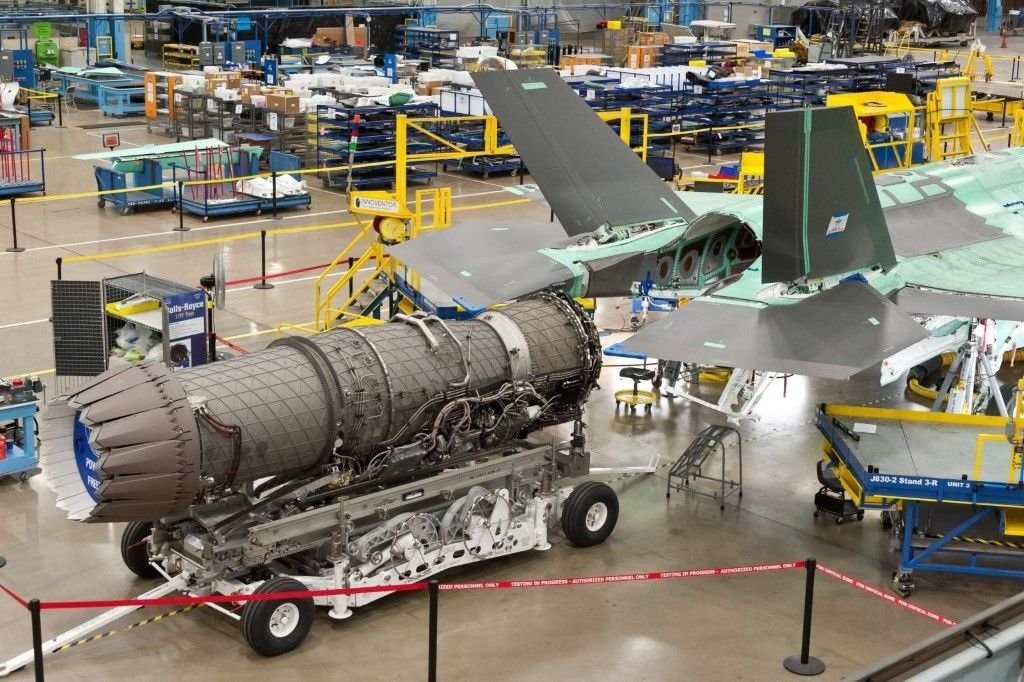
U.S
EAST HARTFORD, Conn. — RTX Corp.'s Pratt & Whitney Military Engines division has received a $53.8 million order from the U.S. Navy to carry out specialized engineering work on the F135 engine, the powerplant used in all variants of the F-35 Lightning II fighter aircraft. The award was issued under a fixed-price incentive (firm-target), cost-plus-fixed-fee structure against a previously established basic ordering agreement. Unlike production contracts for new engines, this order covers non-recurring engineering (NRE), which includes one-time design, testing, evaluation, and engineering activities required to identify, analyze, and correct technical issues affecting the engine during its service life. According to the U.S. Navy's contract announcement, the engineering work will focus on the early identification, development, and qualification of corrections for both potential and existing operational issues within the F135 engine. The effort also includes evaluating operational flight data to determine how long specific engine components can safely remain in service. The Navy said the work is intended to continue the engine's maturation, improve operational readiness, and reduce long-term maintenance and life-cycle costs across the F-35 fleet. The order supports all U.S. military services operating the F-35, including the U.S. Air Force, U.S. Marine Corps, and U.S. Navy, which fly the F-35A, F-35B, and F-35C variants, respectively. It also supports F-35 Cooperative Program Partners and Foreign Military Sales (FMS) customers. Pratt & Whitney states that more than 1,300 F135 engines currently power F-35 aircraft operated by the United States and approximately 20 allied nations, making the engine one of the most widely used fifth-generation fighter powerplants. Focus on Sustainment and Engine Reliability The F135 produces more than 40,000 pounds (18,144 kilograms) of thrust and is described by Pratt & Whitney as the most powerful fighter engine currently in production. Over its service life, the engine has undergone multiple engineering improvements to address technical and sustainment challenges. A 2023 U.S. Government Accountability Office (GAO) report estimated that sustainment issues related to the F135 could add approximately $38 billion in unplanned maintenance costs over the lifetime of the global fleet. According to the GAO, one of the primary factors behind these costs has been an engine cooling system that proved undersized for the increasing demands of the aircraft's advanced sensors and electronic systems. The report also noted that sustainment challenges have affected maintenance planning and operating costs. In addition to long-term sustainment efforts, Pratt & Whitney has implemented engineering fixes over the years to address issues such as premature wear on protective coatings inside turbine blades and harmonic resonance vibration that affected a limited number of engines. The newly awarded engineering order is intended to continue addressing such technical issues as they arise while supporting improvements in engine reliability and availability. Funding Shared Across the Global F-35 Program Funding for the order includes $14 million from the U.S. Navy's Fiscal Year 2026 Research, Development, Test and Evaluation (RDT&E) budget. The F-35 Cooperative Program Partners are contributing $22.3 million, reflecting the shared investment in sustaining the multinational F-35 fleet. The contract was awarded without competitive bidding, with the Naval Air Systems Command (NAVAIR) at Patuxent River, Maryland, serving as the contracting activity. Work to Continue Through 2028 Engineering work under the order will be carried out at seven locations across the United States and Puerto Rico: East Hartford, Connecticut – 74% Middletown, Connecticut – 7% West Palm Beach, Florida – 7% Indianapolis, Indiana – 6% Windsor Locks, Connecticut – 3% Aguadilla, Puerto Rico – 2% North Berwick, Maine – 1% The work is scheduled for completion by December 2028. Parallel Efforts on Production and Sustainment The engineering order comes as Pratt & Whitney and the F-35 Joint Program Office continue work on the F135 engine while advancing production for Lots 18 and 19. Earlier in March 2026, RTX and the U.S. Department of Defense finalized a $6.6 billion contract modification for F135 engine production covering Lots 18 and 19 following earlier production and sustainment negotiations. The latest engineering order complements those production efforts by focusing on resolving technical issues, improving engine performance over time, and supporting long-term sustainment for the growing global fleet of F-35 aircraft.
Read More → Posted on 2026-07-28 10:44:58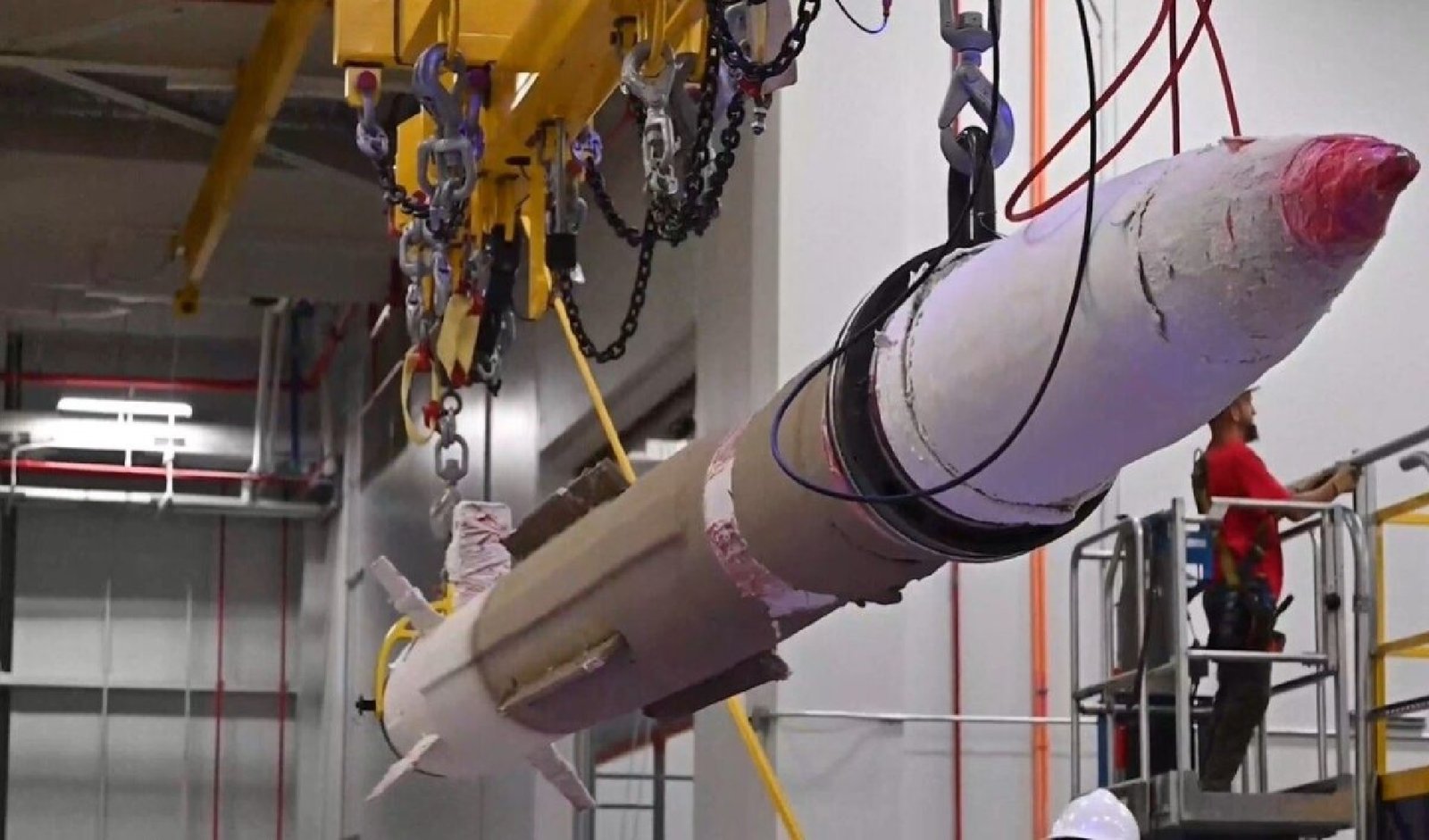
U.S
MELBOURNE, Fla./WASHINGTON — L3Harris Technologies, Lockheed Martin and the U.S. Department of War (DoW) have signed a seven-year framework agreement to nearly triple production of propulsion components for the PAC-3 Missile Segment Enhancement (MSE) interceptor, supporting a broader effort to expand U.S. missile manufacturing capacity. L3Harris said the agreement will become the company's largest PAC-3 propulsion award once the contract is formally finalized later this year. The framework agreement uses U.S. multi-year procurement authorities under the Department of War's Acquisition Transformation Strategy. According to the department, the approach is intended to provide defense suppliers with stable, long-term demand, allowing them to expand manufacturing capacity while reducing procurement delays through closer cooperation with the defense industrial base. Under the agreement, L3Harris will increase production of three key propulsion-related components for the PAC-3 MSE interceptor: the advanced two-pulse solid rocket motor, Attitude Control Motors (ACMs), and the Lethality Enhancer. The two-pulse solid rocket motor provides the interceptor with the speed and range required to engage airborne threats. The Attitude Control Motors enable precise maneuvering during flight, while the Lethality Enhancer is designed to increase the interceptor's kill radius, supporting engagements against threats including cruise missiles. The PAC-3 MSE is a ground-based interceptor designed to counter advanced tactical ballistic missiles, cruise missiles and enemy aircraft. It is part of the Patriot air and missile defense system. "Rebuilding the Arsenal of Freedom requires moving with speed and precision to scale the production of critical munitions," said Michael P. Duffey, Under Secretary of War for Acquisition and Sustainment. "Today's agreements with L3Harris are a decisive win for the Warfighter, underscoring our commitment to sending clear demand signals to the entire supply chain," Duffey added. The Department of War said the framework is part of its wider effort to place U.S. defense acquisition on a wartime footing by accelerating production of critical defense systems and strengthening the industrial base through long-term procurement planning. Ken Bedingfield, President of Missile Solutions at L3Harris, said the long-term agreement will allow the company to significantly increase production rates. "This critical, long-term agreement will allow us to continue to move at unprecedented speed and produce PAC-3 propulsion at rates never before seen," Bedingfield said. "We are actively preparing our facilities and our suppliers to meet the required ramp as well as introducing additional capacity to support future needs of the DoW and our allies and strengthen the Arsenal of Freedom," he added. L3Harris manufactures PAC-3 MSE motors at its facility in Camden, Arkansas. The company said the site includes dedicated processing bays and automated digital X-ray equipment that have reduced inspection times and shortened production cycles. The production increase is part of a broader expansion of L3Harris' solid rocket motor business. The company said it is investing billions of dollars to expand manufacturing capacity by constructing about 60 facilities and adding or upgrading nearly one million square feet of manufacturing and office space across its production sites in Arkansas, Alabama and Virginia. The new framework also follows similar multi-year agreements across the PAC-3 MSE industrial base involving prime contractor Lockheed Martin, seeker manufacturer Boeing and multi-component supplier Honeywell. According to the Department of War, these agreements are intended to strengthen the supply chain supporting PAC-3 MSE production. The seven-year framework provides L3Harris and its suppliers with a longer planning horizon for production while supporting the U.S. government's broader effort to increase domestic missile manufacturing capacity through sustained, long-term procurement commitments.
Read More → Posted on 2026-07-28 11:32:02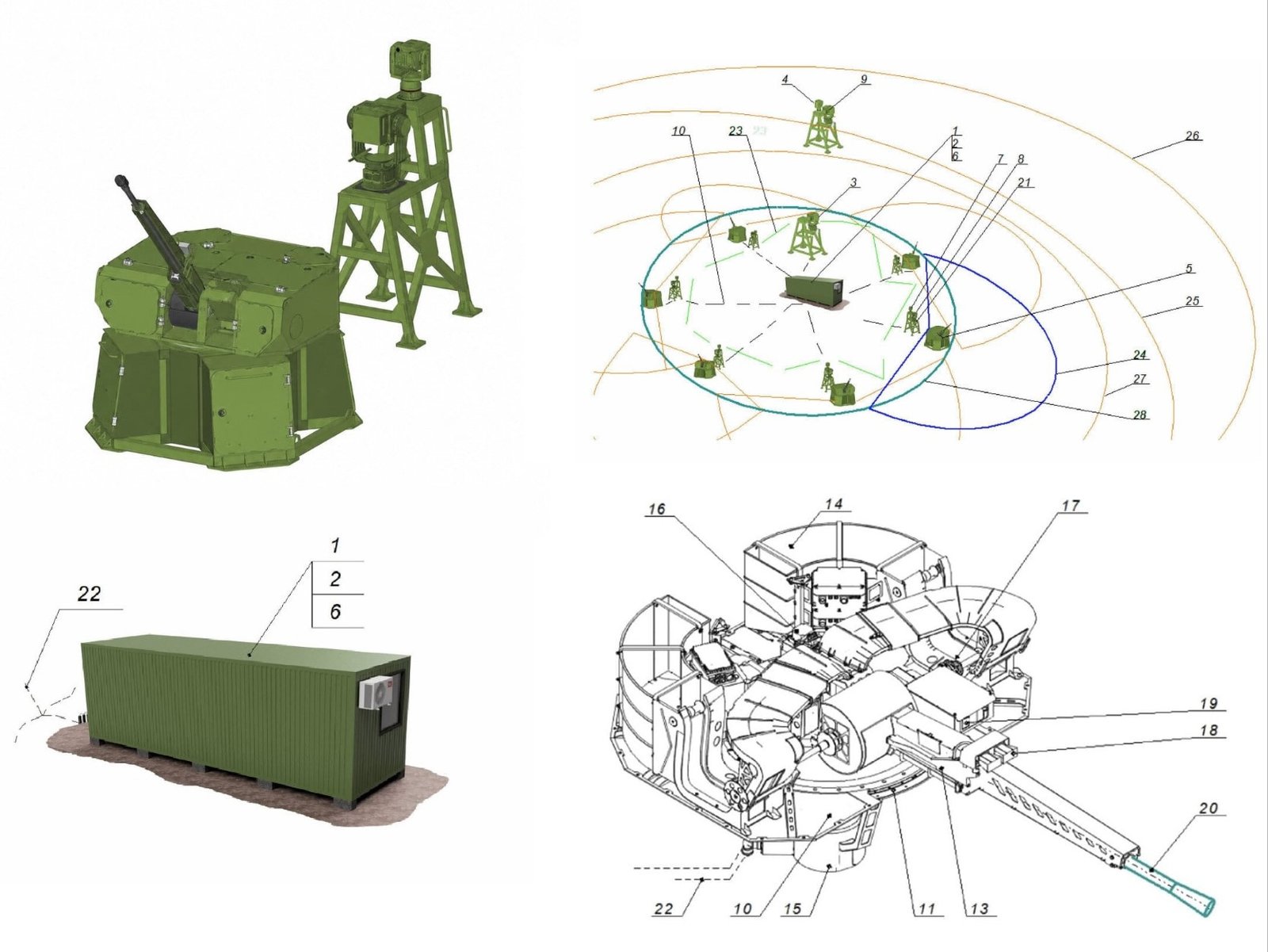
World
MOSCOW — Newly published patent documents from the Russian Federation's Federal Service for Intellectual Property have revealed detailed technical specifications of the ZAK-30 Citadel anti-drone system, providing new information about its architecture, operating concept, and autonomous engagement capabilities. The ZAK-30 Citadel was first presented by Russian state-owned defense conglomerate Rostec on May 25, 2026. The company describes it as a short-range anti-aircraft artillery complex designed to protect stationary facilities, including military sites and critical infrastructure, from attacks by individual unmanned aerial vehicles (UAVs) and drone swarms. The system is projected to reach its initial operational capability by July 2026. Distributed Architecture for Facility Protection According to the patent documents, the ZAK-30 Citadel is built around a distributed network of sensors, combat modules, and command systems. All components assigned to protect a stationary facility are connected through cable communication lines for data exchange. The system receives electrical power through cables connected either to a stationary power source at the protected facility or to a mobile power supply unit. Its main components include: Command Post (CP) housed in a container-based unit Observation Radar Station (RLS-O) Tracking Radar Station (RLS-N) Fire Control System (FCS) Combat modules equipped with missiles and/or artillery systems Command Post Coordinates Target Engagement The container-based command post serves as the control center of the system. It houses the commander's automated workstation and the primary fire control systems. According to the patent, the command post receives information from remote modules, processes incoming target data, and determines the order in which aerial threats should be engaged. The centralized fire control system also coordinates simultaneous remote fire control across multiple anti-aircraft weapon systems operating within the network. Radar Network Provides Detection and Tracking The ZAK-30 Citadel employs two dedicated radar systems with separate roles. The Observation Radar Station (RLS-O) establishes the primary detection zone by searching for incoming aerial threats. Once a target enters the designated engagement area, the Tracking Radar Station (RLS-N) takes over. The electrically driven radar continuously tracks the UAV, calculates its flight path, and provides targeting data for engagement. According to the patent, the use of multiple radars with range-selective capabilities creates several overlapping detection and engagement zones, allowing the system to provide round-the-clock protection against groups of small unmanned aerial vehicles. Modular Weapon Configuration The patent states that the ZAK-30 Citadel supports a modular armament configuration. Depending on operational requirements, the system can be equipped with: 7.62-mm machine guns 12.7-mm machine guns Vertically launched missile launchers A 30-mm automatic cannon The 30-mm automatic cannon is designed to fire programmable ammunition equipped with delayed-action fuses. The programmable airburst rounds contain shrapnel to increase the probability of intercepting small aerial targets. According to Rostec, the fire control system calculates the optimal detonation point based on the target's trajectory, allowing fewer rounds to be used compared with conventional ammunition. Autonomous Engagement Process The patent explains that each aerial target is engaged autonomously according to algorithms integrated into the fire control system. If the first shot does not destroy the target, the system automatically recalculates the firing solution by analyzing the projectile's initial velocity and the measured miss distance. Remote combat modules continue tracking the UAV throughout the engagement. If the target remains inside, or re-enters, the acceptable engagement zone, the system automatically fires the next corrected shot without manual intervention. Integration With Regional Air Defense Network Beyond operating as a standalone system, the patent states that the command and control unit can receive target designations from external command assets within a regional air defense network. This capability allows the ZAK-30 Citadel to coordinate engagements with other anti-aircraft systems, supporting integrated air defense operations rather than functioning independently. Intended Role According to defense industry analysts, the ZAK-30 Citadel has an effective engagement range of approximately 1.2 kilometers and is intended primarily to protect high-value infrastructure, including military installations and oil refineries, from recurring drone attacks. Analysts estimate that protecting a single large industrial facility could require a network of six to ten Citadel units. They also estimate the cost of each system at 3.5 million to 7.2 million euros. They further note that the system's operational effectiveness will depend heavily on the availability and large-scale production of the 30-mm programmable ammunition required to defeat small drone threats.
Read More → Posted on 2026-07-28 11:37:48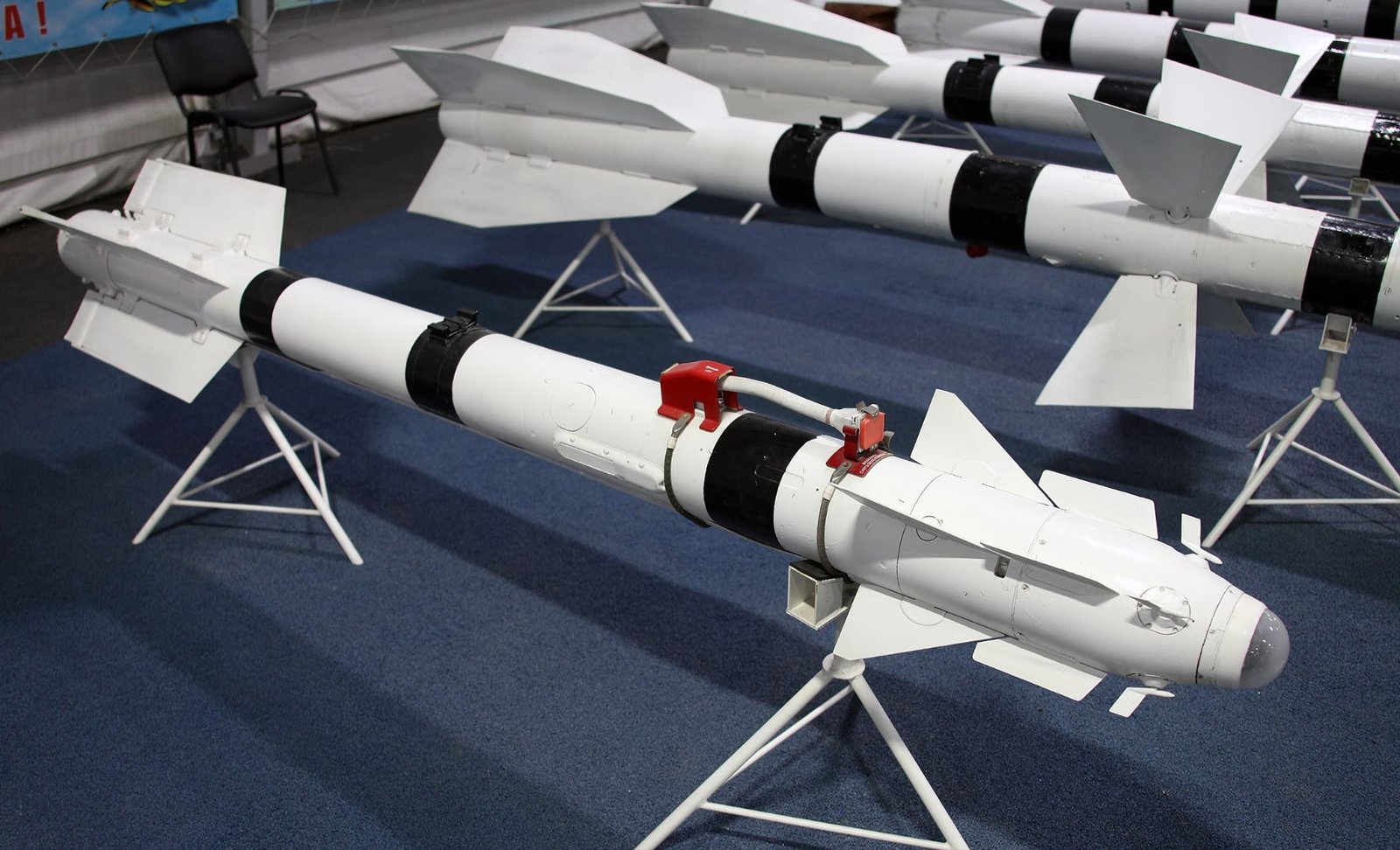
World
MOSCOW — Russia is reportedly considering greater use of ageing Soviet-era air-to-air missiles to intercept Ukrainian long-range one-way attack drones, as the growing scale of drone warfare increases pressure on modern air defence resources. The approach reflects a wider challenge facing militaries around the world: how to defeat relatively inexpensive unmanned aircraft without rapidly consuming stocks of costly modern interceptor missiles. Rising Drone Threat Creates Cost Challenge Long-range one-way attack drones have become an increasingly important feature of the Russia-Ukraine conflict. Russia has frequently used fighter aircraft to intercept Ukrainian drones targeting strategic locations, but this has raised questions over the cost of using advanced air-to-air missiles against comparatively low-cost unmanned systems. Recent footage released in late July 2026 showed a Russian Aerospace Forces Su-35 fighter making multiple attempts to intercept a Ukrainian FP-1 long-range attack drone. The video renewed attention on the economic and operational challenges of defending against large numbers of drones. While many single-use attack drones are reported to cost less than $10,000, larger systems such as the FP-1 are estimated to cost approximately $55,000, according to open-source reports and Ukrainian media. FP-1 Drone Production Expands The FP-1 is a long-range one-way attack drone developed by the Ukrainian company Fire Point. According to available reports, the drone has a range of up to 1,600 kilometers and can carry a warhead weighing between 60 kilograms and 120 kilograms. The drone uses a relatively simple airframe that includes plywood structural elements. Reporting from 2025 and 2026 indicates that production has increased significantly, with estimates ranging from dozens to around 100 drones per day. Some variants have also demonstrated longer operational ranges during specific strikes. The increasing availability of long-range drones has added to the challenge of protecting strategic infrastructure while managing the cost of air defence operations. Soviet-Era Missile Stockpiles Under Consideration One option reportedly under discussion is the use of Soviet-era air-to-air missiles that remain in storage from the Cold War period. During the final decades of the Cold War, the Soviet Union produced large numbers of air-to-air missiles in preparation for a possible large-scale conflict with NATO. Although many of these weapons have been replaced by newer missile systems in frontline service, estimates suggest that more than 10,000 missiles from three major types remain in storage. The missiles include: R-27 medium-range radar-guided and infrared-guided missiles R-73 short-range infrared-guided missiles R-60 short-range air-to-air missiles Many of these ageing missiles are approaching the end of their service lives but are still considered capable of engaging slow-moving, non-manoeuvring targets such as long-range drones. Using these missiles could reduce the need to expend newer and more expensive weapons while also lowering the long-term cost of storing and eventually disposing of ageing stockpiles. R-27 Remains Capable Against Drone Targets The R-27 entered service in 1982 and was developed for the MiG-29 and Su-27 fighter aircraft. The missile is available in both radar-guided and infrared-guided versions. Until the mid-2020s, it remained one of the primary air-to-air weapons carried by Russian fighters, including the Su-30SM and Su-35. Available assessments indicate that all variants remain suitable for engaging relatively slow and low-cost drone targets. R-73 and R-60 Offer Additional Options The R-73 is designed for shorter-range engagements and was regarded as one of the most capable visual-range air-to-air missiles developed during the Cold War. Equipped with a highly manoeuvrable infrared seeker, it is considered effective against drones that lack advanced countermeasures or evasive manoeuvres. The older R-60, which preceded the R-73, has more limited range, manoeuvrability and seeker performance. It has not been carried on frontline Russian fighter aircraft for decades, making it one of the most expendable missiles available for use against relatively simple aerial targets. Conserving Modern Missiles Using older Soviet-era missiles against drones would allow Russia to extract additional operational value from inventories produced decades ago while preserving more advanced weapons for higher-priority threats. Modern air-to-air missiles are generally intended to counter advanced combat aircraft, cruise missiles and long-range precision-guided weapons. Employing legacy missiles against less demanding targets could help conserve these newer systems for missions where their capabilities are most needed. A Broader Air Defence Trend The reported consideration of Soviet-era missiles highlights a broader trend in modern warfare. As long-range drone attacks become more frequent, militaries are increasingly seeking cost-effective ways to maintain effective air defences without exhausting stocks of advanced precision weapons. Footage released in late July 2026 showing a Su-35 attempting to intercept a Ukrainian FP-1 drone has drawn attention to these cost and inventory considerations. However, Russian authorities have not officially confirmed whether Soviet-era air-to-air missiles are being routinely used for drone interception missions.
Read More → Posted on 2026-07-28 11:49:44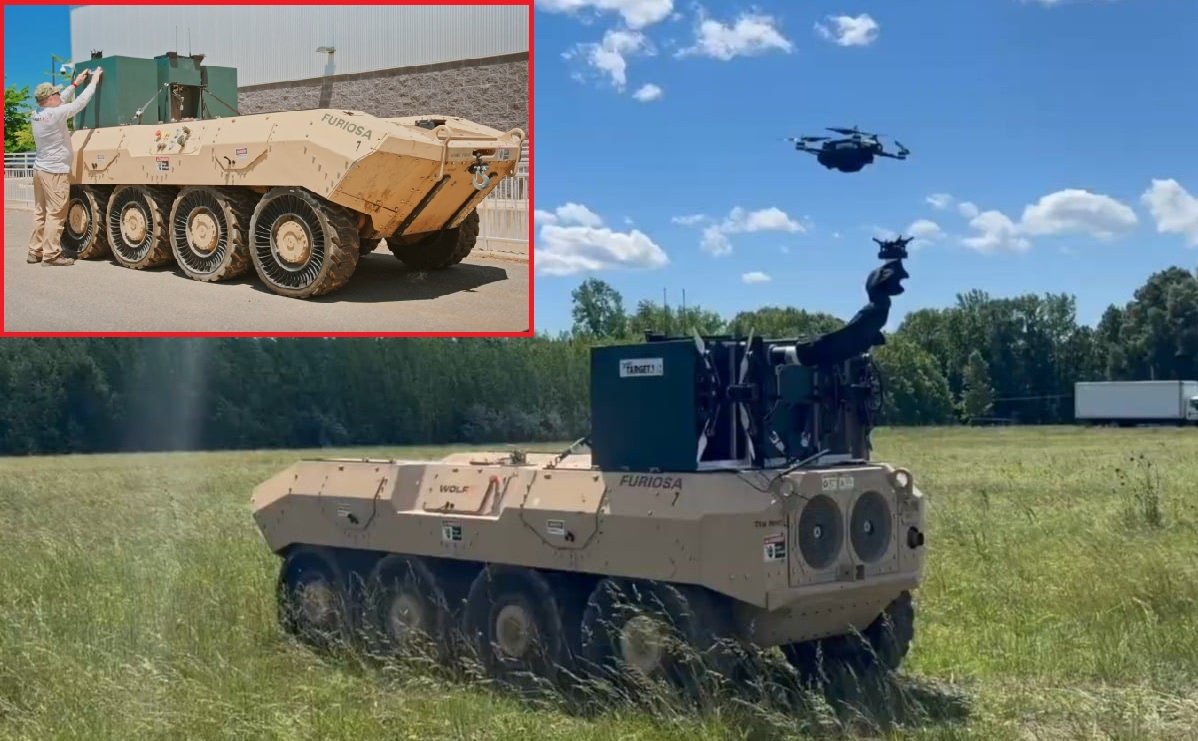
U.S
RIDGEFIELD, Connecticut — Robotics and autonomy company Target Arm Inc. has integrated its Ralar 2 autonomous drone launch and recovery system with unmanned ground vehicles (UGVs) developed by HDT Global, creating what the company describes as an autonomous mobile drone base. The integration was announced on July 27, 2026, through the company's social media channels. The integration combines Target Arm's Ralar 2 technology with HDT Global's Hunter WOLF and WOLF-X unmanned ground vehicle platforms. The system enables certified drones to launch, land, recharge, and relaunch while the host vehicle remains in motion, eliminating the need to stop the vehicle or rely on a human operator to manually manage drone operations in the field. Drone Operations Without Stopping the Vehicle Traditional drone operations typically require a vehicle, ship, or other host platform to remain stationary during takeoff and landing. This process often requires human involvement and can slow operations while increasing risk in situations where stopping a vehicle may expose it to potential threats or interrupt time-sensitive missions. According to Target Arm, its Ralar (Robotic Arm Launch and Recovery) technology is designed to remove this limitation. Using AI-assisted software, a precision sensor engine, and a robotic arm, the Ralar 2 system can recover drones directly from the air while the host platform is moving. After recovery, the drone is placed into an automated magazine that can hold up to 10 aircraft, where batteries are recharged before the drone is prepared for another mission. The entire process is designed to operate autonomously. Target Arm states that both its Ralar 1 and Ralar 2 systems are designed to support autonomous drone launch, recovery, recharging, and relaunch operations from moving platforms operating on land, at sea, or in the air. The systems can be installed on cars, trucks, all-terrain vehicles, unmanned ground vehicles, boats, ships, and aircraft. Integrated with Hunter WOLF and WOLF-X The Ralar 2 system has been integrated with two of HDT Global's unmanned ground vehicle platforms: the Hunter WOLF and the WOLF-X. The Hunter WOLF (Wheeled Offload Logistics Follower) is a rugged 6×6 unmanned ground vehicle used in military and industrial applications. It is capable of carrying payloads of up to 2,800 pounds across difficult terrain, including steep slopes, narrow trails, and dense vegetation. The platform uses a hybrid diesel-electric drivetrain and can provide up to 15 kilowatts of electrical power while supporting logistics, reconnaissance, and other missions. The WOLF-X is an 8×8 wheeled robotic combat vehicle equipped with a hybrid powertrain, advanced suspension, and airless tires. The platform is designed for mobility in demanding environments and can also accommodate modular mission payloads. According to Target Arm, integrating the Ralar 2 system with these platforms allows a single unmanned ground vehicle to support unmanned aerial operations without requiring a separate team to launch or recover drones. Field Demonstration Showcases the System Video released with the announcement shows the integrated system during a recent field demonstration. The footage features a technician inspecting equipment mounted on a tan-colored unmanned ground vehicle marked "FURIOSA." The compact platform is equipped with multiple sensor and camera housings and is designed to travel across rough terrain without an onboard human operator. Roughly the size of a small all-terrain vehicle, the platform is intended for environments where human access may be difficult or impractical. Applications Beyond Military Operations While unmanned ground vehicles such as the Hunter WOLF are widely used for transporting equipment, reconnaissance, and carrying sensor payloads, the addition of autonomous drone launch and recovery expands their operational capability. Target Arm says the technology has applications beyond defense. The company identifies several potential uses, including search and rescue operations, logistics and package delivery, maritime operations involving moving boats or ships, and protection of critical infrastructure such as power plants, pipelines, and water systems. The company states that the ability to continuously launch, recover, recharge, and redeploy drones from a moving platform could support operations that require persistent aerial coverage without interrupting the movement of the host vehicle. Previous U.S. Army Collaboration In June 2026, Target Arm announced a multi-year Cooperative Research and Development Agreement (CRADA) with the U.S. Army Combat Capabilities Development Command Ground Vehicle Systems Center. The agreement is focused on demonstrating the Ralar system as a modular mission payload for U.S. Army ground platforms. Target Arm is a service-disabled veteran-owned small business headquartered in Ridgefield, Connecticut. The company was founded by CEO Jeffrey A. McChesney and develops autonomous launch and recovery technologies for unmanned systems. The integration of the Ralar 2 system with HDT Global's Hunter WOLF and WOLF-X platforms represents another step toward combining unmanned ground and aerial systems into a single autonomous platform capable of conducting drone operations while remaining in motion.
Read More → Posted on 2026-07-28 11:57:59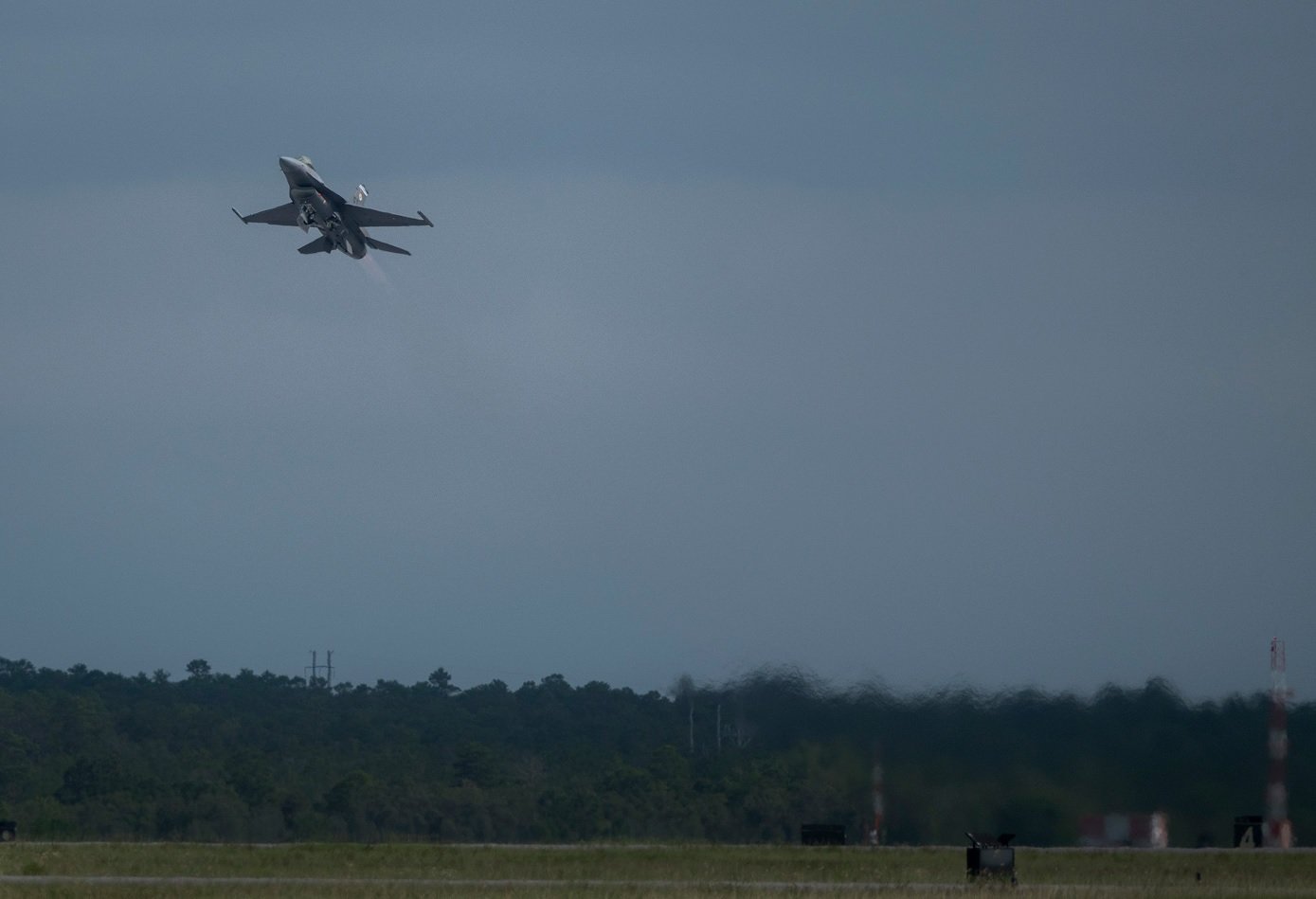
U.S
EGLIN AIR FORCE BASE, Fla. — The U.S. Defense Advanced Research Projects Agency (DARPA) and the U.S. Air Force have begun flight testing of standard F-16 fighter aircraft controlled by an artificial intelligence (AI) agent under the Viper Experimentation and Next-generation Operations Model (VENOM) program. The latest milestone moves AI flight technology from simulation environments and specialized research aircraft to operational F-16 fighters modified for autonomous testing. According to DARPA, the effort is intended to accelerate the development and testing of trusted autonomous air combat capabilities using conventional military aircraft. The VENOM program is a joint initiative between DARPA and the U.S. Air Force and builds directly on DARPA's earlier Air Combat Evolution (ACE) program, which developed the AI algorithms used for autonomous flight. From Experimental Aircraft to Standard F-16 Fighters The new flight tests follow earlier demonstrations conducted with the X-62A Variable In-flight Simulation Test Aircraft (VISTA), a specially modified research aircraft used during the ACE program. During those tests, an AI agent successfully controlled the aircraft during within-visual-range air combat against human pilots. VENOM expands that work by adapting standard F-16 fighters into autonomous-capable flying testbeds. DARPA said using operational aircraft provides a more practical platform for developing and evaluating AI technologies intended for future military aviation. Testing is being conducted at Eglin Air Force Base, Florida, with support from the 96th Test Wing. According to DARPA, modified F-16s first flew in June 2026 to verify that the new autonomous systems operated safely with the aircraft. In July 2026, flight testing advanced to missions in which an AI agent controlled the aircraft while a pilot remained in the cockpit to supervise operations. VENOM Autonomy Kit Enables AI Flight Without Changing Core Software The autonomous capability is provided through the VENOM Autonomy Kit (VAK), which was designed and integrated by multiple contractors during the ACE program. The system connects directly with the F-16's flight controls and mission systems while leaving the aircraft's core software unchanged. According to DARPA, this approach simplifies integration and allows AI capabilities to be tested on standard fighters without modifying the jet's underlying software. During testing, the aircraft remain fully crewed. A pilot can switch between manual flying and AI control using a physical switch inside the cockpit. DARPA describes this arrangement as a "human-on-the-loop" approach, where the pilot continuously monitors the AI's actions and can immediately take back control if required. The agency said this provides a safe environment for evaluating autonomous flight systems while maintaining human oversight throughout each mission. "These groundbreaking flight tests of VENOM-modified F-16s advance the infrastructure needed to develop trusted, autonomous air combat capabilities," said Brig. Gen. James "Fangs" Valpiani, Ph.D., DARPA program manager. "The Air Force and DARPA team has automated flight controls and sensors on a standard F-16 without changing the jet's core software. This enables an efficient pipeline for developing dominant AI for aerial combat, allowing us to rapidly innovate for the warfighter." VENOM Aircraft to Support DARPA's AIR Program Following the initial flight testing, the VENOM fleet will become the primary flying test platform for DARPA's Artificial Intelligence Reinforcements (AIR) program. While the ACE program concentrated mainly on close-range air combat, AIR is intended to evaluate AI agents in more complex operational scenarios, including beyond-visual-range engagements and multi-aircraft operations. According to DARPA, the program will also support future operational concepts in which human pilots command and coordinate teams of autonomous uncrewed aircraft, including efforts associated with the Collaborative Combat Aircraft (CCA) program. "The emerging threat environment, especially as it relates to aerial combat, is growing increasingly complex," Valpiani said. "AI has tremendous potential to help humans manage this complexity in beyond-visual-range combat, but many hard questions remain concerning the performance and trustworthiness of combat AI in the extreme fog and friction of modern warfare. The AIR program aims to apply cutting-edge combat agents to operationally relevant scenarios to address these questions and field war-deterring, war-winning capabilities to our warfighters." Leadership Changes Announced DARPA also announced leadership changes as the program transitions into its next phase. Brig. Gen. James Valpiani will conclude his tenure as DARPA program manager later this month. Lt. Col. Patrick "Dice" Highland, Ph.D., who recently joined DARPA, will become the incoming AIR program manager. "I'm incredibly proud of the AIR program's role in advancing our nation's combat autonomy, demonstrated by this VENOM milestone," Highland said. "We now have the opportunity to create dominant autonomy for beyond-visual-range, multi-ship combat. These flights give us an early glimpse of how AI agents may begin actively transforming air warfare." Terry Wilson, Ph.D., Director of AI Development and Transition for the Air Force Research Laboratory's Autonomy Capability Team, will continue serving as deputy program manager for both the VENOM and AIR programs to provide technical and operational continuity across participating organizations. "I share Gen. Valpiani's deep appreciation for the incredible dedication of our DARPA and industry teammates, joint engineers, the System Program Office, Eglin's test and maintenance crews, and the entire AIR and VENOM ecosystem which has made this milestone possible," Wilson said. "I look forward to unleashing the VENOM platform and moving these capabilities out of simulation and into the sky." Future Testing DARPA plans to expand live flight testing under the AIR program by evaluating AI models in increasingly complex operational scenarios. The agency said the objective is to accelerate AI model development while supporting future multi-ship autonomous air combat operations. According to DARPA, a total of six F-16 aircraft are planned for the VENOM fleet. All aircraft will remain crewed during testing, with human pilots supervising AI-controlled flights as the program continues to mature autonomous combat aviation technologies. Source : Darpa
Read More → Posted on 2026-07-28 12:20:01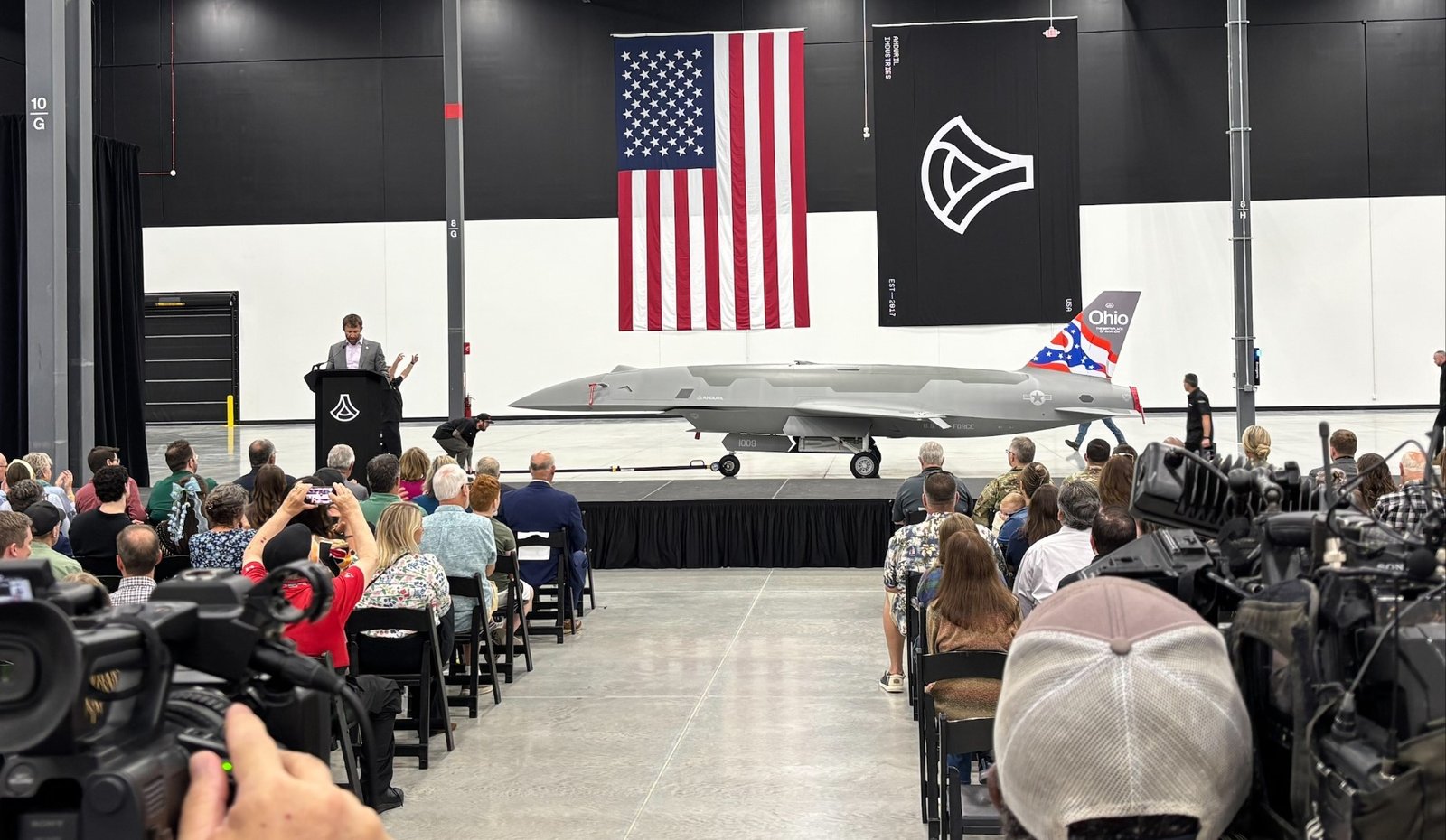
U.S
ASHVILLE, Ohio — Anduril Industries has unveiled the first YFQ-44A Fury autonomous combat aircraft manufactured at its new Arsenal-1 facility in Pickaway County, marking the start of production at the Ohio site roughly 18 months after the company announced plans for the project. The aircraft, known as the YFQ-44A Fury, is the first product built at Arsenal-1 and is being produced for the U.S. Air Force's Collaborative Combat Aircraft (CCA) program. The unveiling took place on Monday, July 27, 2026, about 557 days after the company publicly announced the project in January 2025. The YFQ-44A is designed to operate alongside crewed fighter aircraft as an autonomous "loyal wingman." According to Anduril, the aircraft is intended to perform missions considered too dangerous for human pilots, including scouting hostile airspace, operating in formation with fighter jets, and carrying out air combat missions. John Malone, Anduril's head of production for autonomous airpower and the Fury program, said the aircraft is designed to increase combat capability by taking on higher-risk operations. "It multiplies the force. So it goes into fights that are more dangerous than you want to put a piloted aircraft in," Malone said. The first completed aircraft also pays tribute to Ohio's aviation heritage. Its rudder carries the Ohio state flag along with the phrase "Birthplace of Aviation." Manufacturing Begins at Arsenal-1 The unveiling marks the beginning of active manufacturing at Arsenal-1, even as construction continues across parts of the campus. While the primary hangar used to assemble the aircraft is still being completed and another planned building remains under construction, production of the Fury is already underway. Malone said building the first aircraft required months of collaboration between engineers, technicians and production teams. Early employees hired for the Ohio facility traveled to Anduril's California operations for assembly training before returning to Pickaway County to begin manufacturing. He noted that the development process involved continuous learning and problem-solving as the team worked through technical challenges before completing the first production aircraft. The facility currently employs about 140 workers across three production shifts, while the company continues hiring, with approximately 95 open positions listed. Once fully staffed, Arsenal-1 is expected to produce up to 12 Fury aircraft per month, with annual production capacity projected at approximately 150 aircraft. Anduril co-founder Matt Grimm said the company intends to rapidly expand production rather than follow traditional defense manufacturing timelines. "We have no plans to do this slowly or by the old playbook," Grimm said during Monday's event. U.S. Air Force Production Program The Fury is being built under the U.S. Air Force's Collaborative Combat Aircraft (CCA) program. In June 2026, the U.S. Air Force selected Anduril for the production phase of the program. Under the contract, the company will deliver an initial batch of FQ-44 aircraft for testing, validation and eventual operational use, while the agreement also allows for additional purchases in future years. According to Anduril, the program progressed from a prototype award in 2024 to a production contract in 2026, which the company described as the fastest transition for a fighter aircraft program in more than 50 years. Flight testing of the YFQ-44A began in late 2025, and the aircraft has undergone integration work involving mission autonomy software and inert munitions. Ohio Leaders Highlight Aerospace Investment The unveiling was attended by Ohio Governor Mike DeWine, One Columbus President Jonas Peterson, and other state and local officials. DeWine said Ohio's business environment helped support the project's rapid development and pointed to CNBC's recent ranking of Ohio as the top state for business climate. He said the state continues working to strengthen its aerospace and defense manufacturing sector and described Ohio as "the aerospace capital of the world." Peterson said the Arsenal-1 project is expected to strengthen central Ohio's position as a destination for additional aerospace, defense and advanced technology companies. Major Investment and Job Creation Arsenal-1 is located on approximately 500 acres near Rickenbacker International Airport, about 30 minutes south of Columbus. The site is planned as a 5-million-square-foot hyperscale manufacturing campus designed with flexible production lines and movable workstations that allow manufacturing capacity to be adjusted as demand changes. In addition to the Fury, the facility is expected to manufacture other Anduril systems, including Roadrunner and Barracuda. To support the project, JobsOhio awarded Anduril $310 million in grants distributed over 10 years through 2035. The Ohio Department of Development's Tax Credit Authority also approved a 2.59% refundable Job Creation Tax Credit through 2055, which state officials estimate could provide more than $450 million in tax incentives. In return, Anduril has committed to investing $910 million in the project and creating 4,008 jobs by 2035. State officials say this represents the largest single direct job creation commitment in Ohio's history, surpassing the previous record held by Intel. Average annual salaries at the fully staffed facility are projected to exceed $132,000. The completion of the first YFQ-44A Fury marks the beginning of serial production at Arsenal-1 and represents a key milestone in the expansion of the U.S. Air Force's Collaborative Combat Aircraft (CCA) program as well as Ohio's growing aerospace manufacturing sector.
Read More → Posted on 2026-07-28 12:29:03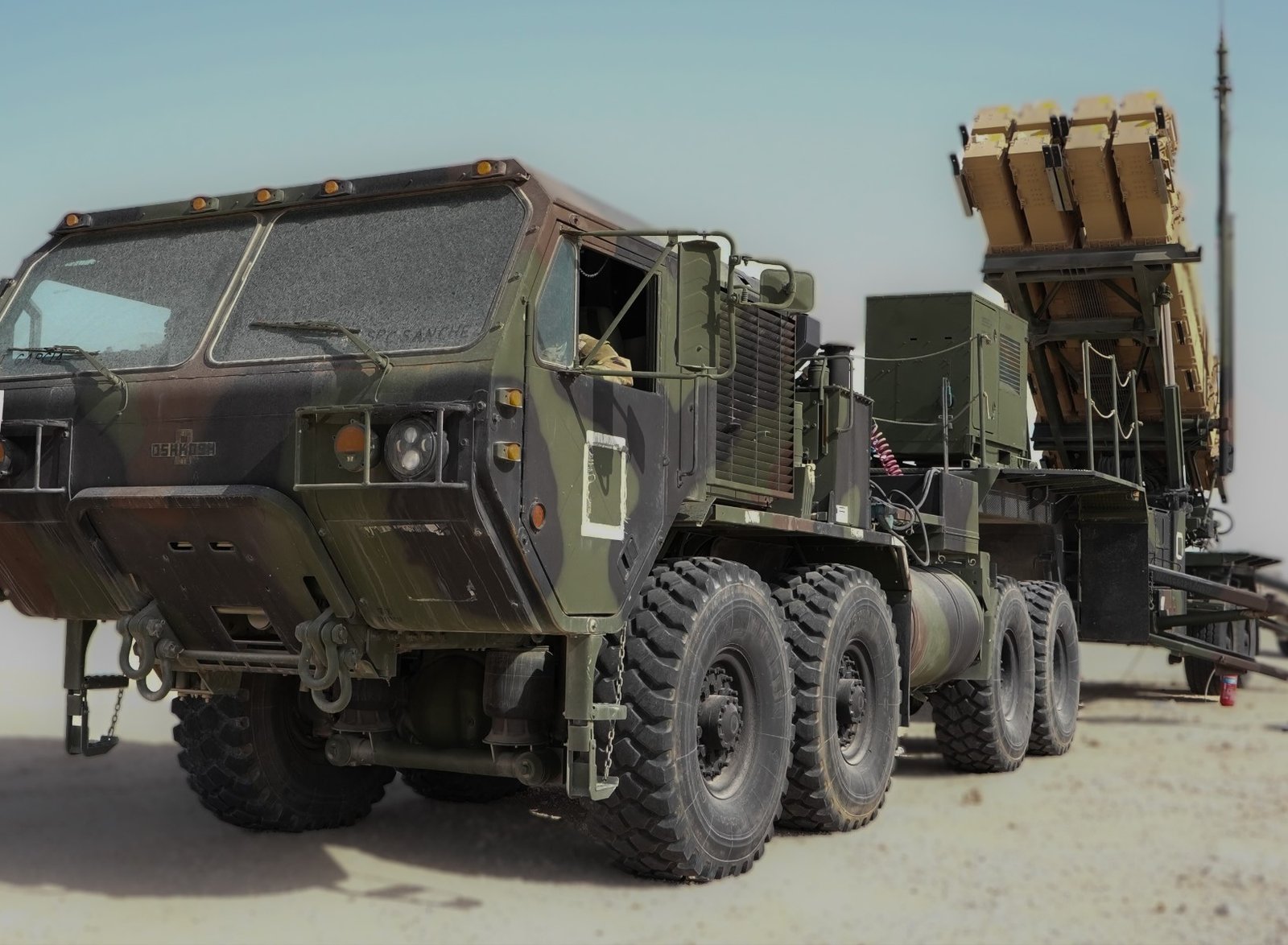
U.S
GRAND PRAIRIE, Texas — The U.S. Army has awarded Lockheed Martin Missiles and Fire Control a contract worth up to $347.5 million to continue development of new Patriot missile defense technologies designed to address a long-standing limitation in the system's radar coverage. The contract, awarded on July 1, 2026, funds Phase 2 of the Missile Segment Enhancement (MSE) Containerized Launcher and Remote Interceptor Guidance 360 Degrees (RIG-360) Containerized System program. Lockheed Martin Missiles and Fire Control, based in Grand Prairie, Texas, will carry out the work. The Phase 2 award follows a $61 million Phase 1 contract issued by the U.S. Army in May 2026 for the initial development and demonstration of the same technologies. The Army Contracting Command at Redstone Arsenal, Alabama, awarded the Phase 2 contract on a sole-source basis, citing Lockheed Martin's proprietary technical data. Addressing Patriot's Radar Coverage Limitation Current Patriot air defense batteries rely on the AN/MPQ-65 radar, which is designed to track and engage threats within a fixed 120-degree sector rather than providing full 360-degree coverage. When a missile, aircraft, or drone approaches from outside that sector, the radar cannot generate the precise fire-control tracking data required by the PAC-3 interceptor. The new Phase 2 program is intended to eliminate this operational limitation by improving how Patriot interceptors receive guidance during engagements. The importance of expanding radar coverage has gained increased attention as modern cruise missiles, ballistic missiles, and unmanned aerial systems are capable of approaching from multiple directions. Containerized Launcher for Greater Flexibility One major part of the program is the MSE Containerized Launcher. Instead of installing Patriot launchers on the traditional M903 launcher vehicle, the new design places the launcher inside a standard shipping container. This allows the launcher to be transported by suitable trucks and positioned at improvised deployment locations. By distributing launchers across a wider area, the U.S. Army aims to make individual launch sites more difficult to locate while providing greater deployment flexibility for Patriot batteries. RIG-360 Designed for All-Direction Guidance The second major component is the Remote Interceptor Guidance 360 Degrees (RIG-360) system. RIG-360 is a hemispherical guidance device designed to provide continuous tracking and guidance information to Patriot interceptors regardless of the direction from which a threat approaches. The system is intended to supply the missile with guidance data using information from available sensors, helping overcome the directional limitation of the legacy radar. Integration with the Army's IBCS Network Both the Containerized Launcher and the RIG-360 system will integrate with the U.S. Army's Integrated Battle Command System (IBCS). IBCS enables missiles launched from one location to use tracking and targeting information collected by different sensors elsewhere on the battlefield, allowing multiple air defense assets to operate as a connected network. The U.S. Army successfully demonstrated this networked capability during a 2021 live-fire PAC-3 MSE engagement. Since then, IBCS has entered full-rate production and has been fielded operationally with allied forces in Poland. Eight Development Increments Planned According to the contract, Phase 2 work will be carried out through eight development increments, including five increments for the Containerized Launcher and three increments for the RIG-360 system. Development will progress through hardware-in-the-loop laboratory testing, design maturity reviews, environmental qualification testing, live-fire flight testing, and final manufacturing validation. The phased approach is intended to identify and resolve design issues before wider production. Part of Broader Patriot Modernization The new contract comes as demand for Patriot air defense systems and interceptors continues to increase. In April 2026, Lockheed Martin received a separate $4.76 billion U.S. Army contract to manufacture PAC-3 MSE interceptors through mid-2030. Approximately 94 percent of that contract's funding is expected to come from Foreign Military Sales (FMS) customers. The company also introduced the PAC-3 Adapted Capability Effector (ACE) during the Farnborough International Airshow on July 20, 2026. According to Lockheed Martin, the new interceptor is priced at less than half the cost of a standard PAC-3 MSE interceptor and is intended to increase Patriot magazine capacity while allowing higher-cost PAC-3 MSE interceptors to be reserved for more demanding threats. The newly awarded Phase 2 contract will continue the development and demonstration of the Containerized Launcher and RIG-360 systems as the U.S. Army advances the next stage of Patriot air defense modernization.
Read More → Posted on 2026-07-28 14:14:45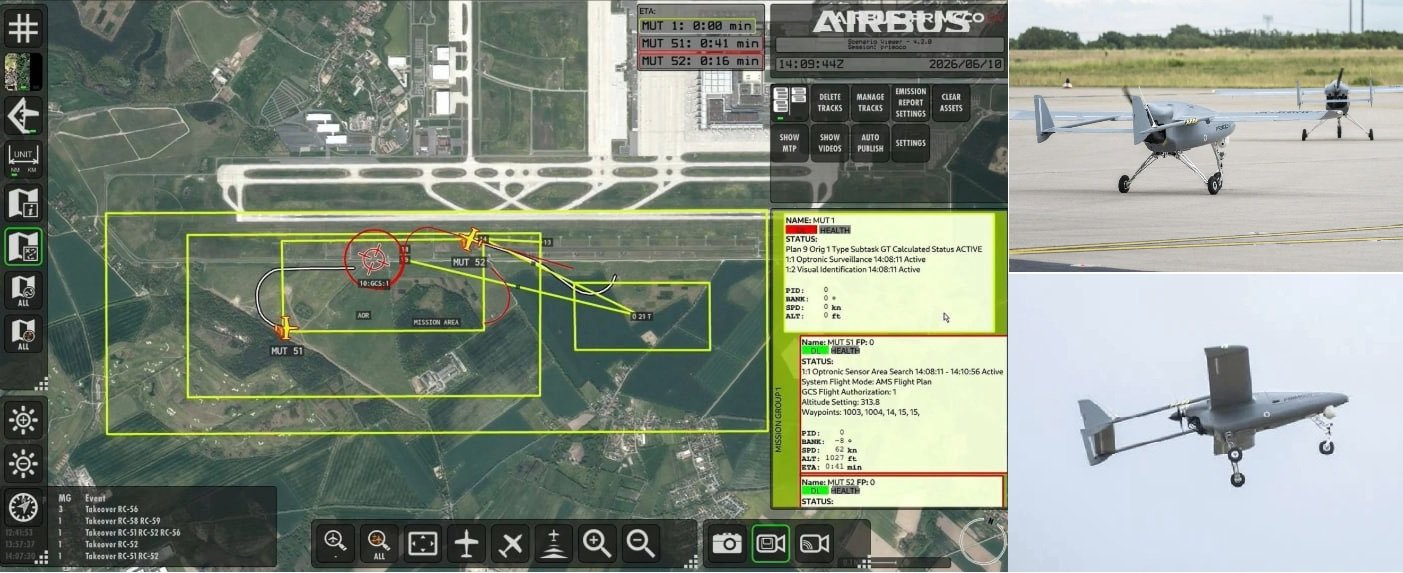
World
BERLIN — Airbus has successfully completed Europe's first live public demonstration of an autonomous collaborative drone operation during the ILA Berlin Air Show 2026, showcasing two Primoco One 150 uncrewed aerial vehicles (UAVs) operating together as a coordinated team using the company's MARS Autonomy software. The demonstration took place on 10 and 11 June 2026 at Berlin ExpoCenter Airport, marking the first time autonomous collaborative operations involving multiple uncrewed aircraft have been performed live at a major public aerospace trade show in Europe. Instead of requiring separate commands for each aircraft, the two UAVs operated as a single coordinated network using shared distributed intelligence. The demonstration highlighted how multiple drones can work together under the supervision of a single operator, reducing the need for continuous manual control while keeping humans responsible for critical decisions. MARS Autonomy Enables Coordinated UAV Operations The demonstration was powered by MARS (Multiplatform Autonomous Reconfigurable and Secure) Autonomy, Airbus' artificial intelligence-based software suite designed to coordinate multiple crewed and uncrewed platforms in real time. The software enables connected platforms to exchange information automatically. If one UAV detects an object or target of interest, that information is immediately shared across the network, allowing the entire team to respond without requiring additional operator input. According to Thomas Schmitt, Programme & Product Manager for Crewed-Uncrewed Teaming & Autonomy at Airbus Defence and Space, the operator only needs to assign the mission objective, while the software distributes tasks among the connected platforms. "In a real-world operation, the operator's command is very simple. Do locate all surface-to-air missile systems in a specified area, do transmit their coordinates and video feed. After that, the Airbus system autonomously distributes tasks among the platforms, which are connected into a single network." During the ILA Berlin demonstration, the two Primoco One 150 UAVs completed two autonomous missions: Teamed multi-role surveillance Teamed surveillance for accelerated response Throughout both missions, MARS Autonomy managed non-critical flight operations, dynamic task allocation, and flight management. The human operator remained in continuous supervision of the mission and retained authority over all critical decisions and the ability to intervene whenever necessary. Primoco One 150 UAV Used for Demonstration The aircraft used for the demonstration was the Primoco One 150, a Czech-built mid-size UAV designed for multiple mission types. The platform has a maximum take-off weight of 150 kilograms, can carry a payload of up to 30 kilograms, and cruises at approximately 120 km/h. Its other specifications include: Maximum take-off weight: 150 kg Payload capacity: Up to 30 kg Flight endurance: Up to 15 hours Ground control range: Up to 200 km Ferry range: Up to 2,000 km The Primoco One 150 is primarily used for reconnaissance missions. Airbus also confirmed that testing is underway on a version equipped with miniature air-to-air missiles. Designed for Multiple Mission Types Airbus said MARS Autonomy has been developed as a platform-agnostic software architecture, allowing integration with both Airbus and third-party crewed and uncrewed systems. The software is intended to support a broad range of missions, including: Automated surveillance and data fusion Suppression and destruction of enemy air defence systems Joint combat and precision strike operations Communications relay Autonomous cargo logistics for troop resupply Convoy protection The system also supports both crewed-uncrewed teaming and fully uncrewed operations. Operational Deployment Planned Later in 2026 Airbus said the first operational deployment of MARS Autonomy on the Primoco One 150 is scheduled for later in 2026. Before the public demonstration in Berlin, Airbus had conducted testing of the teaming software with Primoco UAVs during 2024 and 2025 at Písek-Krašovice Airport in the Czech Republic. The successful flights at ILA Berlin demonstrated the system's readiness for operational use in collaborative autonomous missions. MARS Autonomy is part of Airbus' broader MARS Mission System, which is being developed to support future collaborative uncrewed combat aircraft, including the U740 Valkyrie, which Airbus plans to bring to operational capability by 2029.
Read More → Posted on 2026-07-28 14:27:14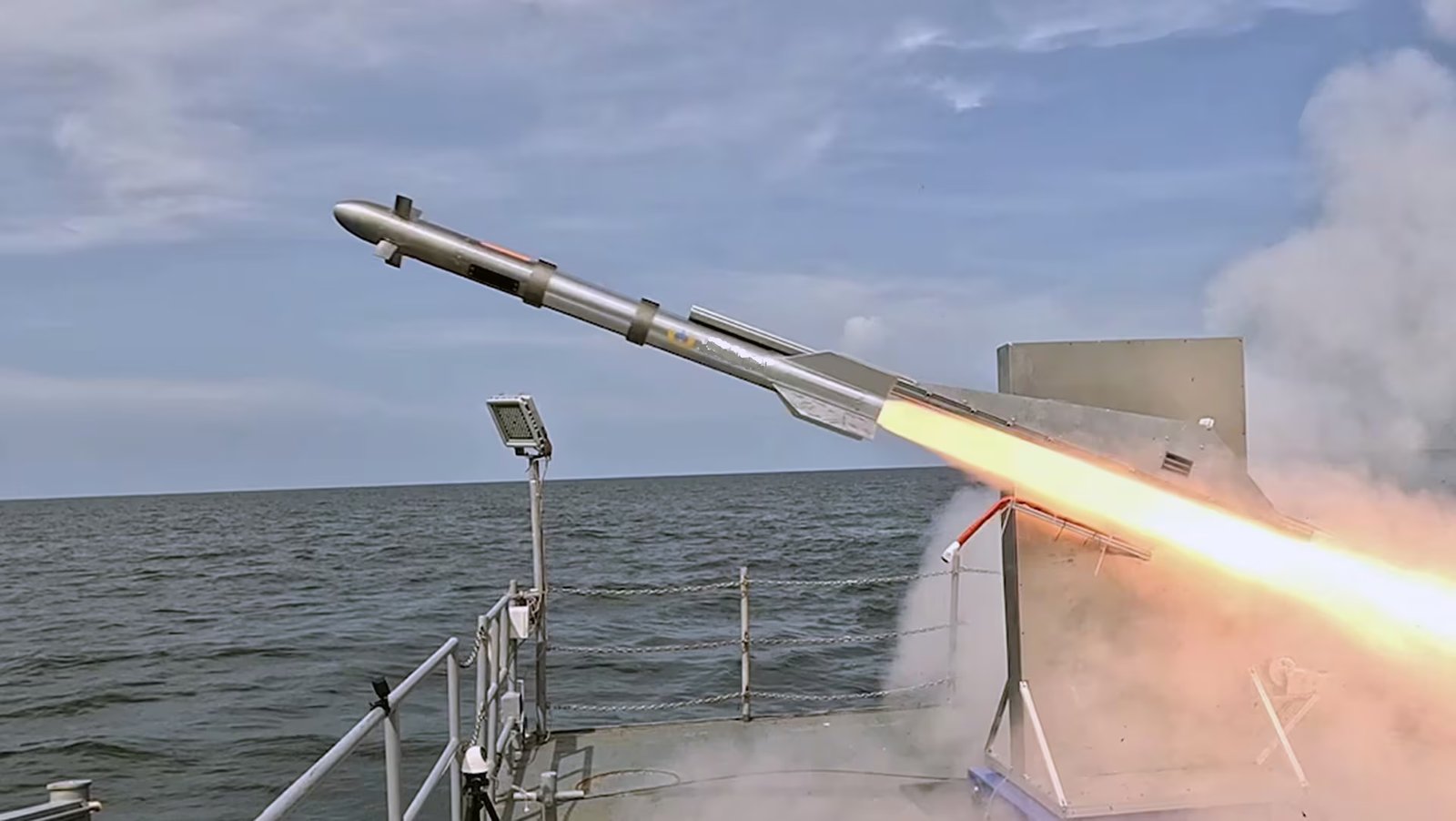
U.S
Washington, D.C. — The U.S. Department of Defense (DoD) has launched a new initiative to accelerate the development of affordable, mass-produced long-range precision strike weapons as it looks to supplement its inventory of high-cost guided munitions with scalable alternatives. Managed by the Defense Innovation Unit (DIU), the new Ground-Based Affordable Mass (G-BAM) challenge invites defense companies and technology firms to propose mature, low-cost strike systems that can be rapidly tested, certified, and moved into production. The initiative is designed to support sustained military operations by providing commanders with more affordable long-range strike options while preserving high-end precision weapons for priority targets. The announcement comes as recent conflicts and ongoing regional tensions have highlighted the challenges of relying heavily on expensive precision-guided weapons. According to the DIU, future conflicts will require the Joint Force to generate long-range effects at a scale, cost, and pace that current inventories alone cannot support. Focus on Affordable Long-Range Strike Systems The G-BAM program aims to complement existing high-end precision munitions rather than replace them. By fielding lower-cost weapons in larger numbers, the Pentagon intends to expand the range of targets that can be engaged while maintaining sufficient stocks of advanced munitions for missions requiring higher-end capabilities. The effort aligns with the Direct Reporting Portfolio Manager for Unmanned Systems (DRPM-UxS), a recently established office focused on rapidly fielding low-cost autonomous systems at scale. The DoD is seeking systems that can be demonstrated within 60 to 90 days and transitioned into production within 12 to 18 months, reflecting one of the department's fastest acquisition timelines for a long-range strike capability. Technical Requirements The Defense Innovation Unit has outlined several mandatory performance and production requirements for proposed systems. The preferred system should include: Minimum range of 600 nautical miles. Payload capacity of at least 35 pounds, with more than 100 pounds strongly preferred. All-up flyaway cost below $250,000 at production scale. Existing manufacturing capacity or a credible plan to produce more than 100 systems per month. Ground launch capability without proprietary launch infrastructure, with remote, low-signature, and containerized launch methods preferred. In addition, the Pentagon is seeking systems capable of operating in contested environments, including those affected by electronic warfare and GPS disruption. Desired capabilities include automatic target recognition, autonomous terminal guidance, alternative or redundant Position, Navigation and Timing (PNT) technologies for GPS-denied environments, and compatibility with existing targeting, command-and-control, and fires networks. The department has not specified whether the final solution must be a missile or a one-way attack drone. Instead, it is seeking any ground-launched autonomous precision strike system that meets the required operational objectives. Submission and Demonstration Timeline Companies interested in participating must submit either a pitch deck of no more than 15 slides or a white paper of up to five pages by August 5, 2026, at 11:59 p.m. Eastern Time. Each submission must also include a recorded video showing the proposed system operating in a real-world environment. The competition is open to both U.S. and international vendors, and prior combat use is not required, although demonstrated operational performance is considered an advantage. Selected participants will advance to a Phase II flight demonstration scheduled for early November at a government test site. During the event, each team will provide a 30-minute system presentation followed by technical discussions with government and allied experts. Each Phase II participant will receive a $250,000 cash prize and must provide at least three representative inert systems while limiting its demonstration team to no more than eight personnel. The highest-rated proposals may receive up to $5 million to deliver operational test quantities directly to military units. Transition Opportunities Beyond the prize competition, successful participants may become eligible for additional government contracting opportunities. These include Prototype Other Transaction agreements under 10 U.S.C. § 4022, follow-on production contracts, and Army Small Business Innovation Research (SBIR) Direct-to-Phase II awards of up to $2 million for qualifying U.S. small businesses. The Pentagon has allocated up to $250 million for prize execution and follow-on transition activities associated with the G-BAM challenge. The UK Ministry of Defence is also supporting the initiative by contributing expertise related to long-range strike systems. Part of a Broader Pentagon Strategy The G-BAM challenge is one element of the Pentagon's broader effort to develop lower-cost, mass-producible precision strike capabilities. Related initiatives include the Family of Affordable Mass Missiles (FAMM-BAR) program, which is developing methods to launch cruise missiles from standard cargo aircraft, and the Low-Cost Containerized Missiles program, which focuses on reducing the cost of advanced strike weapons. Through these efforts, the Department of Defense aims to expand production capacity, reduce operational costs, and improve the ability to sustain long-duration military operations while reducing dependence on limited inventories of expensive precision-guided munitions. Source : Defensenews.com
Read More → Posted on 2026-07-28 14:41:17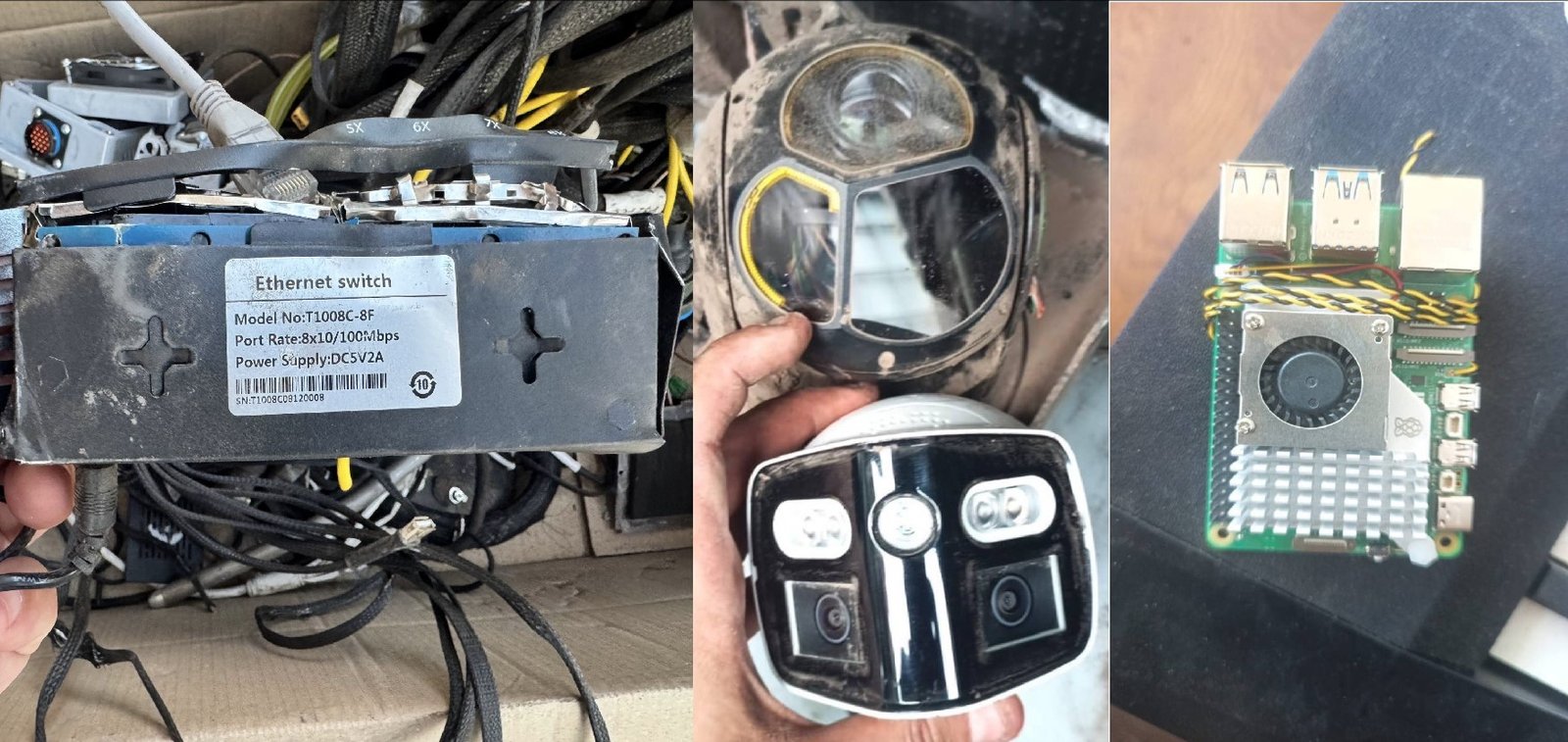
World
ODESA, Ukraine — Russian forces have deployed a modified version of the Geran-series one-way attack drone, known as the Seeker variant, featuring upgraded optical targeting, autonomous terminal guidance, and mesh-network communication systems. The new configuration is designed to engage high-value and dynamic targets, expanding the capabilities of the baseline Geran-2, the Russian-produced version of the Iranian Shahed-136. Information on the upgraded drone comes from the examination of a Seeker-equipped Geran-2 recovered near Odesa, statements by Ukrainian specialists, and open-source imagery analyzed through mid-to-late July 2026. According to the recovered airframe, the Seeker variant incorporates a multi-sensor package that enables operators to identify and engage targets with greater precision than earlier versions, which primarily relied on pre-programmed flight paths and fixed target coordinates. Dual-Camera Targeting System One of the main upgrades is a dual-camera arrangement connected to a mesh modem through an onboard Ethernet switch. One camera provides a rearward view, allowing operators to monitor the surrounding airspace and maintain situational awareness during flight. The second forward-facing camera is designed for target acquisition and includes zoom capability. Analysis of the recovered drone showed that this optical unit also includes day and thermal imaging functions as well as a laser rangefinder, enabling operators to identify and measure the distance to intended targets. The system allows the operator to locate and lock onto a target before the drone begins its final attack phase. Autonomous Terminal Guidance The Seeker variant also incorporates an automatic target recognition (ATR) system supported by onboard processing built around a Raspberry Pi single-board computer architecture. During an attack, the operator uses the drone's camera feed transmitted through the mesh network to identify a target, typically from approximately one kilometer away. After the target is selected and locked, the onboard guidance system takes control of the final approach. This autonomous terminal guidance enables the UAV to continue toward the designated target even if communication with the operator is interrupted during the final stage of flight. Mesh Network and Telemetry The upgraded drone uses mesh-network modems with dedicated antennas to maintain communication between the UAV and its operator. Unlike conventional direct radio links, mesh networking is designed to route data through multiple available paths, supporting command transmission and live video feeds. The Geran-2 recovered near Odesa was also fitted with a commercial LTE modem. According to the available analysis, this modem is used for transmitting real-time flight telemetry. Designed for High-Priority Targets Ukrainian radio-technology specialist and Defense Ministry adviser Serhii Beskrestnov, known by the callsign Flash, described the Seeker as a modification intended to locate and strike particularly important targets. According to the available information, the Seeker equipment package can be integrated into Geran-2 through Geran-4 airframes. Jet-powered Geran-4 Seeker variants have also appeared more frequently in recent months. The combination of electro-optical sensors, thermal imaging, operator video transmitted through the mesh network, onboard target recognition, and autonomous terminal guidance enables the drones to engage both fixed and moving targets. Similar Systems Observed on Other UAVs Open-source analysis has also identified similar camera systems, mesh communication equipment, and autonomous terminal-guidance components on Gerbera unmanned aerial vehicles, suggesting that these technologies are being adopted across related drone platforms. The Seeker modification represents an incremental development of the long-range Geran UAV family. Based on the analysis of recovered airframes, statements from Ukrainian specialists, and publicly available imagery, the upgraded configuration introduces enhanced sensing, communication, and terminal guidance capabilities while maintaining the overall design of the Geran platform.
Read More → Posted on 2026-07-28 15:27:59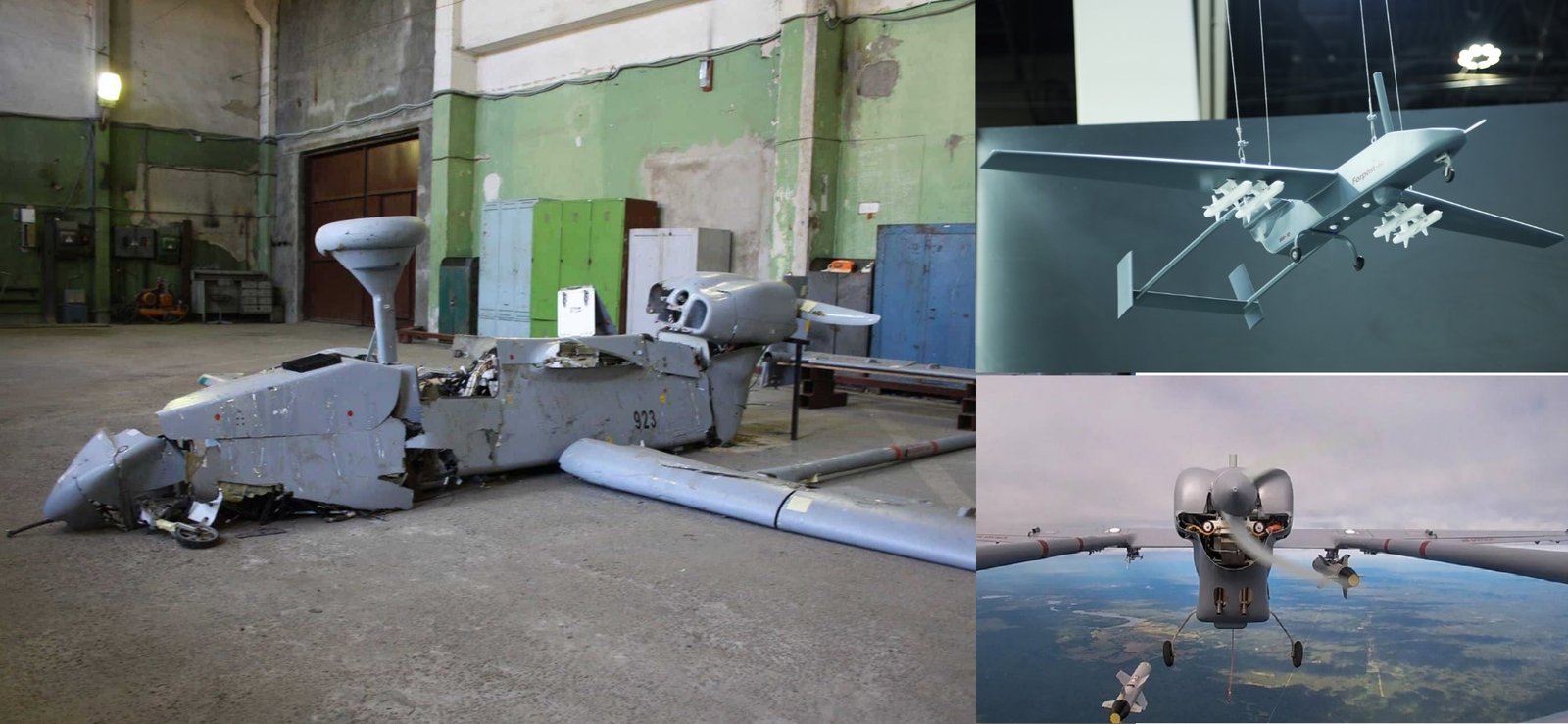
World
KYIV, Ukraine — Ukrainian forces have shot down a Russian Forpost-R multirole unmanned aerial vehicle (UAV) over Russia's Kursk region using a domestically developed Chaklun-KM interceptor drone, marking another confirmed loss of one of Russia's relatively rare reconnaissance and strike drone platforms. According to Ukraine's Unmanned Systems Forces, the interception took place on July 27, 2026, during an operation carried out by drone pilots from the 7th Battalion "Topota" of the 414th Separate Unmanned Systems Brigade, commonly known as "Magyar's Birds." Commander of Ukraine's Unmanned Systems Forces, Robert Brovdi, known by the callsign "Magyar," said the Chaklun-KM interceptor successfully engaged the target at an altitude of 4.3 kilometers (approximately 14,100 feet) over Russia's Kursk region. Video of the interception was later released by the brigade. ⚡️A Russian Forpost-R has been hunted down and shot down – a heavy, high-value strike and reconnaissance UAV capable of carrying guided munitions.The platform, capable of carrying KAB-20 laser-guided aerial bombs, was detected and destroyed on July 27, 2026, over Russia’s Kursk… pic.twitter.com/kCViSek7aC — 414 Magyar's Birds (@414magyarbirds) July 27, 2026 The downed aircraft was identified as a Forpost-R, a reconnaissance and strike UAV capable of carrying guided aerial munitions. According to available records, this is the sixth visually confirmed destruction of a Forpost-R since the start of Russia's full-scale invasion of Ukraine and the second such drone destroyed by the 414th Brigade, following an earlier interception in April 2025. The successful engagement highlights the increasing use of dedicated interceptor drones by Ukrainian forces to counter Russian reconnaissance and strike UAVs operating at higher altitudes. Russian Forpost-R Drone The Forpost is a Russian reconnaissance and strike unmanned aerial system produced under license from the Israeli IAI Searcher Mk II, originally developed by Israel Aerospace Industries. Russia first acquired the platform in 2009, purchasing two Searcher II UAVs for evaluation at a cost of US$12 million. In 2010, Russia signed a US$300 million agreement to assemble the drones from Israeli-supplied kits at the Kazan Helicopter Plant. Localized production began in 2012 at the Ural Civil Aviation Plant, where the aircraft entered service under the name Forpost. Each Forpost system consists of the unmanned aircraft and a ground control station. The original version is equipped with electro-optical and infrared imaging systems that enable day-and-night reconnaissance missions. It has an operational range of up to 250 kilometers when using a directional antenna and an endurance of up to 18 hours. Russia introduced the upgraded Forpost-R in 2019. The newer version is powered by the domestically produced APD-85 engine and has a maximum take-off weight of 500 kilograms. Its service ceiling is 5 kilometers, and unlike the original model, it can carry light guided munitions for strike missions. KAB-20 Guided Bomb One of the primary weapons carried by the Forpost-R is the KAB-20 guided aerial bomb, which is also used by Russia's Orion unmanned aerial system. The KAB-20 measures 900 millimeters in length, has a 130-millimeter body diameter, and a 350-millimeter wingspan. The munition weighs 21 kilograms, including a 7-kilogram high-explosive fragmentation warhead. When released from high altitude, its maximum stand-off range is up to 8 kilometers. The bomb is produced in two known variants. The KAB-20L uses laser guidance, while the KAB-20S employs a satellite navigation guidance system and was officially accepted into Russian service in April 2023. There have also been reports suggesting Russia has been developing a version capable of targeting mobile phone signals. However, no confirmed information has been released regarding its adoption or operational use. Previous Ukrainian Interceptions Ukrainian forces have been engaging Forpost-family drones since the Anti-Terrorist Operation (ATO) in the Donbas. The first confirmed interception occurred in August 2014, when an Israeli-made IAI Searcher UAV with board number 920 was shot down near Vilkhivchyk (then known as Novopetrivske). Later that year, additional IAI Searcher drones with board numbers 905 and 916 were also shot down. On May 4, 2015, reports indicated that another IAI Searcher had been destroyed, although further details were limited. On May 20, 2015, Ukrainian forces confirmed the destruction of a Russian Forpost UAV with board number 923. The last known interception during the ATO period occurred in October 2016, when an IAI Searcher carrying board number 915 was shot down. The latest interception over the Kursk region adds another confirmed loss to the Forpost-R fleet and demonstrates the continued use of Ukrainian-developed interceptor drones against Russian reconnaissance and strike UAVs operating near the battlefield.
Read More → Posted on 2026-07-28 15:46:17
World
TAMPA, Fla., July 28 — U.S. Central Command (CENTCOM) and the United Arab Emirates (UAE) have reached an agreement to establish their first bilateral military task force focused on accelerating the development and deployment of artificial intelligence (AI) applications for defense operations. The new unit, named Task Force Talon Synapse, is scheduled to officially launch in the coming weeks and will be headquartered in Abu Dhabi. The task force will include approximately 20 American and Emirati personnel with expertise in artificial intelligence, data science, and cybersecurity. According to CENTCOM, the task force will work on safely and effectively integrating AI technologies into joint military operations. Its main areas of focus will include improving intelligence support, protecting critical civilian and military infrastructure, and monitoring the regional security environment across the Middle East. CENTCOM Commander Adm. Brad Cooper described the initiative as an important step in expanding cooperation between the two countries. “This will be a historic milestone as we work with one of our most capable regional partners to rapidly deliver evolving AI advancements to our warfighters,” Cooper said in a public statement. “Together, we and our Emirati partners share a strong commitment to adopting AI applications that will foster innovation at speed and scale.” The concept for Task Force Talon Synapse was first discussed last year during meetings between Adm. Brad Cooper and Sheikh Tahnoon bin Zayed Al Nahyan, the UAE's National Security Advisor and Deputy Ruler of Abu Dhabi. CENTCOM officials later traveled to the UAE last month, where they met with Emirati defense officials and AI industry leaders to finalize operational planning for the new task force. The agreement reflects the growing defense and technology partnership between the United States and the UAE. The Emirates has made significant investments in artificial intelligence in recent years, including establishing the Mohamed bin Zayed University of Artificial Intelligence in 2019 and appointing a federal Minister of State for Artificial Intelligence. The initiative also follows broader U.S.-UAE cooperation in AI and advanced technology. Recent developments include plans for a joint U.S.-UAE AI campus and changes to U.S. export rules related to advanced computing hardware. CENTCOM said the task force will help both countries integrate emerging AI technologies into defense operations while strengthening intelligence capabilities, infrastructure protection, and regional security cooperation. The command announced the agreement through its official channels on July 28, with Task Force Talon Synapse expected to begin operations in the coming weeks.
Read More → Posted on 2026-07-28 15:54:44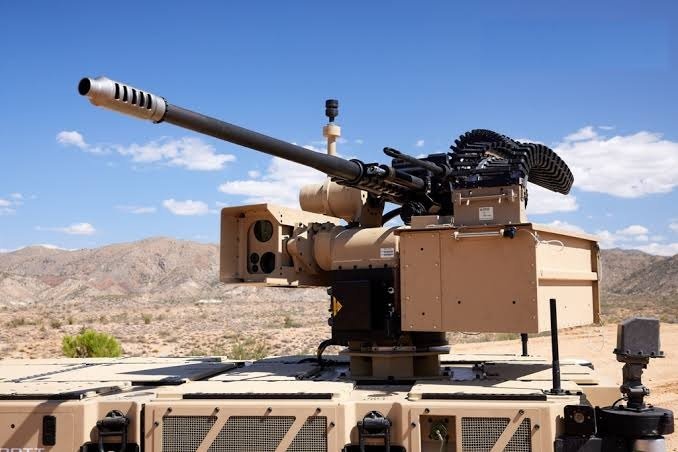
U.S
PLYMOUTH, Minn. — Northrop Grumman is advancing its M230LF Dual Feed Bushmaster Chain Gun and specialized ammunition as militaries seek more effective solutions to counter the growing use of unmanned aerial systems (UAS) on modern battlefields. The company developed the dual-feed configuration to address changing battlefield requirements, where military forces must respond quickly to both aerial drone threats and ground targets. The system allows operators to switch instantly between two different ammunition types without stopping to reload or changing weapons, reducing response time as threats change during combat. According to Northrop Grumman, drones are increasingly being used for intelligence collection, penetrating traditional defenses, and conducting precision attacks. Conventional weapon configurations often required operators to use mixed ammunition belts or separate weapon systems to engage different target types. The M230LF Dual Feed is designed to eliminate that limitation by enabling ammunition selection at the push of a button. "Seeing the emerging needs of the warfighter as C-UAS threats evolve, our team moved with urgency," said Rylan Harris, director of business development for Northrop Grumman armament systems. "We saw where the battlefield was going and built a solution to meet it." Dual-feed design for multiple battlefield threats The M230LF Dual Feed is based on Northrop Grumman's Bushmaster family of chain guns, which evolved from the original M230 cannon used on the AH-64 Apache attack helicopter and its ground-oriented M230LF variant. Its primary feature is a dual-feed mechanism that provides two separate ammunition feed paths. Operators can select the appropriate round immediately without manually changing ammunition belts or replacing the weapon. This enables the same cannon to engage unmanned aircraft overhead and armored or vehicle targets on the ground using different ammunition. Northrop Grumman said the system is intended to improve operational flexibility while simplifying engagement of multiple target types during combat operations. Two ammunition types for different missions The M230LF Dual Feed uses two 30×113 mm ammunition types developed by Northrop Grumman for different operational roles. The XM1211 High Explosive Proximity round was developed with the U.S. Army specifically for counter-unmanned aircraft system (C-UAS) missions. Equipped with a proximity sensor, the round detonates when it detects a target nearby rather than requiring a direct impact. The resulting fragmentation is intended to improve effectiveness against small, fast-moving drones that are difficult to hit directly. Northrop Grumman said the XM1211 has demonstrated effectiveness against unmanned aircraft in real-world applications. If the proximity sensor does not detect a target, the round is designed to self-destruct at maximum range. The second ammunition type, the XM1198 High-Explosive round, is designed to engage armored ground targets and hostile vehicles. "We built this technology because the need is real — and it's ready now to help protect those on the front lines," Harris said. "In the end, defeating drones comes down to reliable capability and the Bushmaster Dual Feed with our proximity ammunition will win the fight." Development and production Northrop Grumman first unveiled the M230LF Dual Feed in October 2024. The company said the system reached Technology Readiness Level (TRL) 6, completed internal live-fire testing, and planned additional demonstrations. The dual-feed cannon maintains a similar weight profile to the existing single-feed M230LF while sharing about 60 percent of its components with the earlier model. According to the company, this commonality is intended to simplify maintenance, reduce logistical requirements, and support existing operators. Northrop Grumman also confirmed it will continue producing the single-feed M230LF for customers who do not require the dual-feed capability. The weapon has an adjustable firing rate of 50 to 200 rounds per minute. The company said the M230LF Dual Feed is suitable for integration on remote weapon stations mounted on 4×4, 6×6, and 8×8 land vehicles, and it has also been demonstrated on systems such as Saab's Trackfire remote weapon station fitted to the CB90 combat boat. Northrop Grumman said the system is intended to provide a kinetic counter-UAS capability against Group 1 and Group 2 unmanned aerial systems while retaining the ability to engage armored ground targets. Expanding manufacturing capacity As global demand for gun-based counter-drone systems continues to grow, Northrop Grumman is expanding production capacity for both the M230LF Dual Feed cannon and its associated ammunition. The company said its investments include manufacturing equipment, production facilities, and tooling to increase output and reduce lead times. "Our advanced ammunition is demonstrating real-world effectiveness against drones, and we're continuing to ramp production on these critically needed rounds to meet escalating global C-UAS threats," Harris said. In December 2025, Northrop Grumman received a U.S. Army contract valued at more than $200 million to produce XM1211 High Explosive Proximity rounds. Production is taking place at company facilities in Minnesota, West Virginia, and Virginia. By combining counter-drone and anti-armor capabilities within a single weapon system, Northrop Grumman is positioning the M230LF Dual Feed Bushmaster Chain Gun as a flexible solution for military forces responding to evolving battlefield threats.
Read More → Posted on 2026-07-28 15:59:09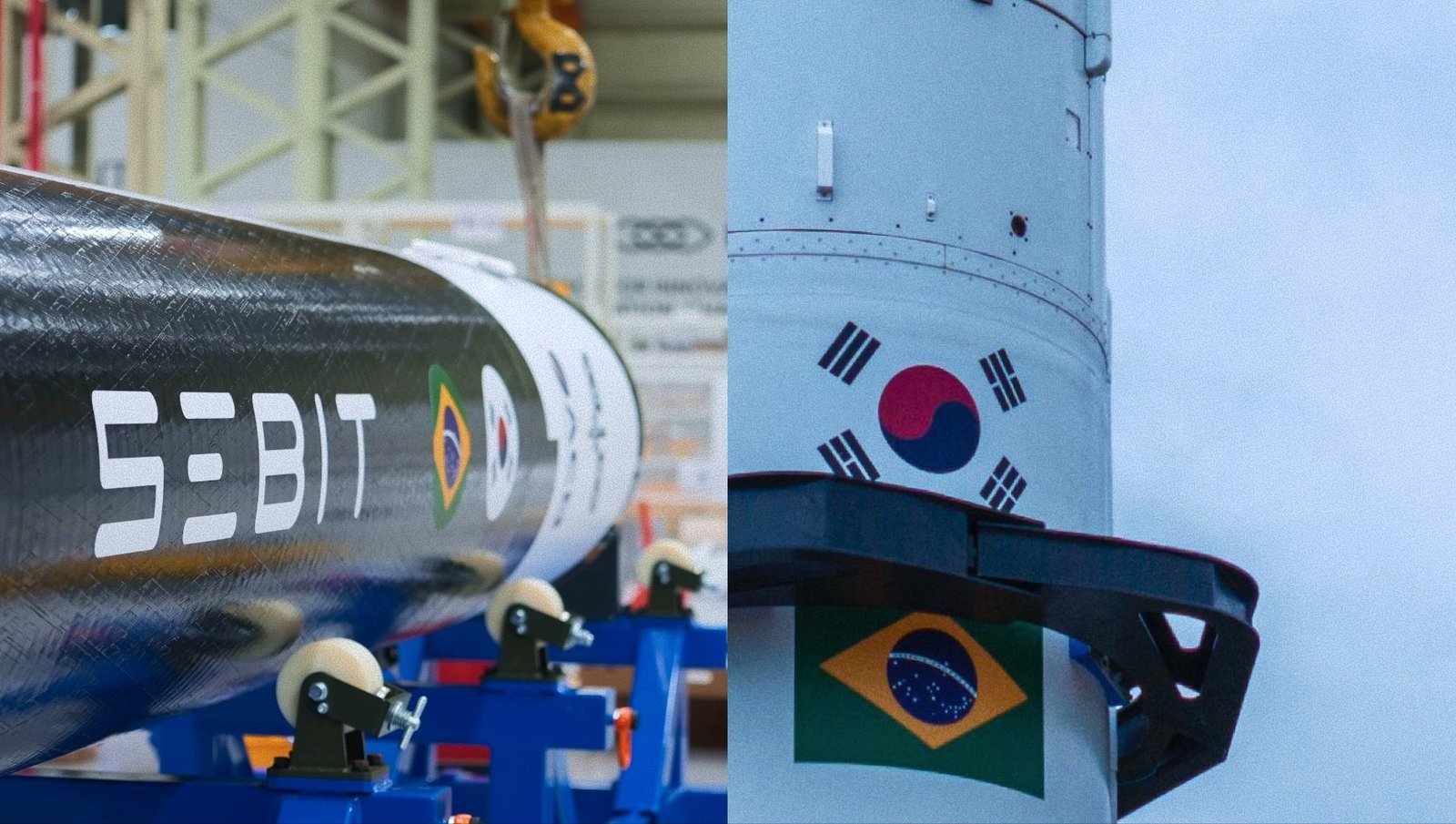
Space & Technology
BRASILIA — South Korea and Brazil have signed a memorandum of understanding (MOU) on space cooperation, marking a new phase in bilateral aerospace relations and expanding collaboration in commercial space launches, satellite data sharing, lunar exploration, and the development of the space industry. The agreement was signed on July 27, 2026, during a summit in Brasilia between South Korean President Lee Jae Myung and Brazilian President Luiz Inácio Lula da Silva. The MOU was concluded between the Korea AeroSpace Administration (KASA) and Brazil's Space Agency (AEB) for the peaceful use of outer space. First Space Agreement with Latin America The agreement is KASA's first space cooperation pact with a Latin American country and follows earlier discussions between the two governments, including a summit held in Seoul in February 2026. The MOU is intended to strengthen long-term cooperation in the space sector while providing a framework for scientific, technological, and commercial collaboration. Focus on Commercial Space Launches A key objective of the agreement is to simplify launch licensing regulations and administrative procedures for South Korean aerospace companies seeking to use Brazil's Alcântara Space Center. Located near the equator, the Alcântara Space Center offers geographical advantages for certain satellite missions by reducing fuel requirements for specific orbital trajectories, making it an attractive location for commercial launch providers. By streamlining regulatory procedures, the agreement aims to create a more predictable environment for commercial launches and improve access to Brazilian launch infrastructure for South Korean companies looking to expand their presence in Latin America. Broader Areas of Cooperation In addition to launch operations, the two space agencies agreed to cooperate in several areas, including: Development of the space industry and space economy Launch licensing regulations Satellite data sharing Lunar exploration Scientific, technological, and commercial activities related to the peaceful use of outer space Building on INNOSPACE's Alcântara Mission The agreement builds on recent cooperation between the two countries. In December 2025, South Korean launch company INNOSPACE carried out Korea's first commercial space launch attempt from the Alcântara Space Center using its HANBIT-Nano rocket under the Spaceward mission. The mission carried eight small satellites and payloads from Brazil, India, and South Korea. Although the rocket experienced an anomaly and failed shortly after liftoff, later analysis attributed the failure to a gas leak. Despite the outcome, the mission marked the first commercial orbital launch attempt from Brazilian territory in 22 years and became an important milestone in bilateral space cooperation. Officials said the operational and logistical experience gained during the mission helped lay the foundation for the new agreement. Support for Future Launch Activities According to South Korean officials, the MOU will provide practical support for Korean aerospace companies by reducing launch-related administrative barriers and improving access to Brazilian launch facilities. The agreement is expected to make commercial launch planning more predictable while supporting future space activities between the two countries. INNOSPACE has also continued to identify the Alcântara Space Center as a primary launch site and has indicated plans for additional missions from the facility. Leaders Highlight Expanding Partnership Following the summit, President Luiz Inácio Lula da Silva invited President Lee Jae Myung to return to Brazil in September for a planned joint space launch at the Alcântara Space Center. President Lee said the agreement would strengthen cooperation in commercial launches, satellite data sharing, and space exploration while further expanding collaboration between the two countries' space sectors. Part of Broader Bilateral Cooperation The space cooperation agreement was one of seven memorandums of understanding signed during the July 27 summit. The broader package also included agreements covering supply chains, critical minerals, energy, defense, trade, and cultural exchanges, reflecting efforts by both governments to deepen their strategic partnership. The two leaders also adopted a joint statement describing 2026 as the beginning of a new phase in bilateral relations, with expanded cooperation across multiple sectors, including commercial space and advanced technology.
Read More → Posted on 2026-07-28 16:09:17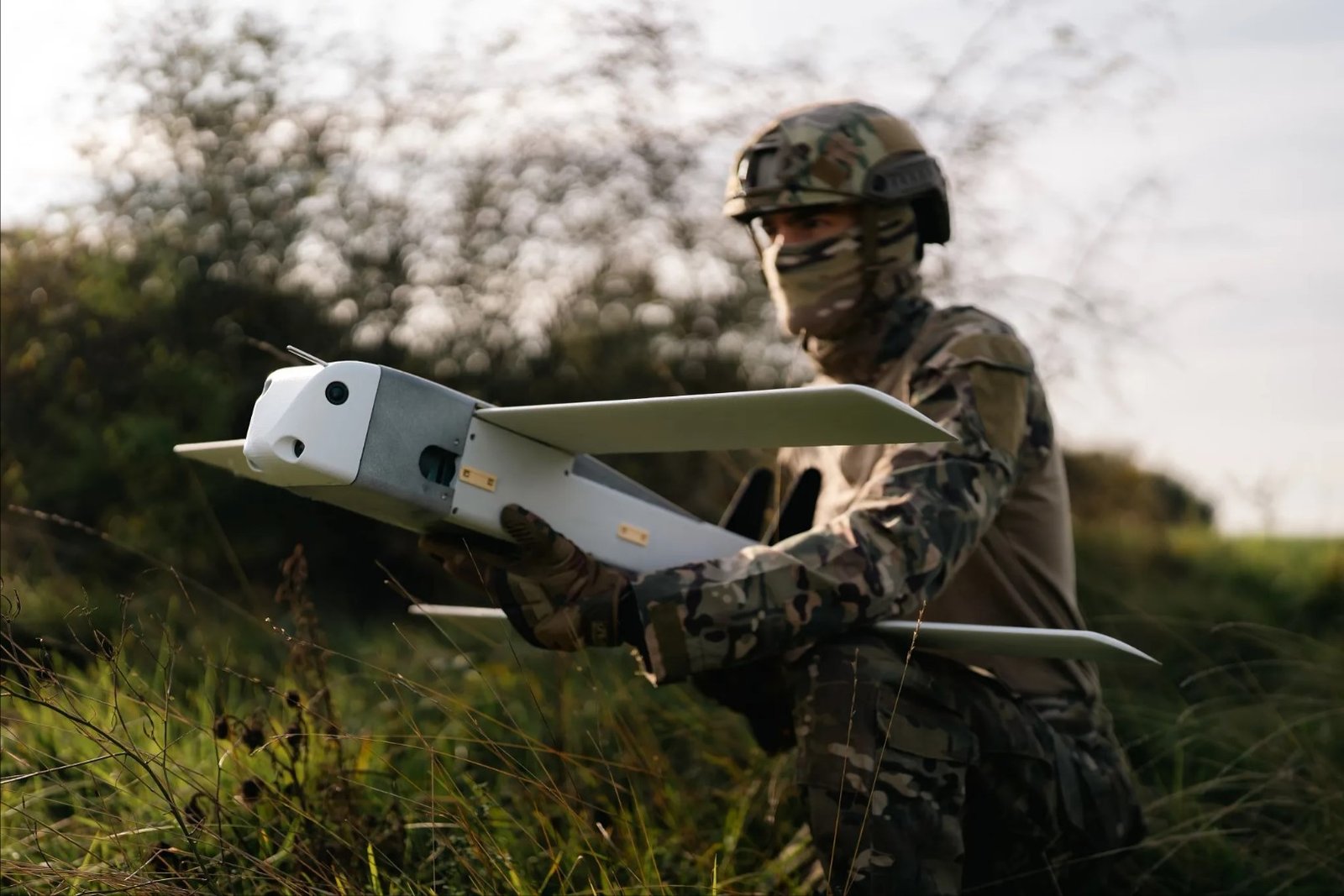
Europe
BRUSSELS, Belgium — The European Defence Agency (EDA) has selected five European defence technology companies to advance to the field-testing phase of its Sentinel Strike Challenge, a competition designed to evaluate next-generation loitering munition systems under realistic operational conditions. The selected companies will deploy their systems this autumn at the Santa Margarida Military Training Area in central Portugal as part of the Hub for European Defence Innovation (HEDI) Operational Experimentation Campaign 2026 (OPEX26). The challenge aims to provide European defence ministries with objective performance data rather than select systems for procurement. Five Companies Advance to Stage 2 Following a highly competitive first stage that attracted more than 140 expressions of interest from organizations across Europe, the EDA selected the five highest-ranked proposals based on technical maturity, operational relevance, safety, and demonstration feasibility. The companies advancing to the operational field trials are: Helsing (Germany) Destinus (Netherlands) C-Astral (Slovenia) UAVision (Portugal) Spirit Aeronautical Systems (Greece) Each company has received a €30,000 Stage 1 prize and will now compete for a share of the €1.8 million Stage 2 prize fund. Five other companies also placed in the top ten but will not participate in the field-testing phase. They are Renegade UxS and Robotto from Denmark, Cerberon Defence Systems from Germany, THALES LAS from France, and ALTUS LSA from Greece. Each has been awarded a €10,000 Stage 1 prize. Operational Trials in Portugal The second stage of the competition will be conducted at the Campo de Instrução Militar de Santa Margarida, an active military training area located about 130 kilometers northeast of Lisbon. Covering approximately 62 square kilometers, the facility includes firing ranges, vehicle courses, and specialized military infrastructure suitable for operational experimentation. The field trials will form part of the OPEX26 campaign and will be carried out alongside the Portuguese Army's ARTEX26 technological experimentation exercise. The combined activities are intended to create a regulatory environment that allows prototype defence technologies to be evaluated under realistic, degraded, and contested operational conditions. According to the current schedule: System acceptance: 21–25 September 2026 Operational experimentation: 28 September–9 October 2026 High-visibility demonstration event: 14 October 2026 (subject to confirmation) Demonstrations may include live-fire activities, subject to safety requirements and host-nation authorization. Focus on Class I Loitering Munitions The Sentinel Strike Challenge focuses on Class I aerial loitering munition systems with a maximum take-off mass of up to 25 kilograms and an operational range of up to 40 kilometers. Often referred to as attack drones, loitering munitions are designed to search for targets before conducting a precision strike. Military personnel from EU Member States will assess each system across the complete precision strike mission cycle, including: Mission planning and preparation Deployment Launch or release Target detection and identification Target tracking Precision engagement Post-engagement damage assessment The evaluation will also compare system performance and resilience when operating under the same operational scenarios. Data Collection, Not Procurement The EDA has emphasized that the Sentinel Strike Challenge is not a procurement competition. Advancing to Stage 2 or winning the challenge does not guarantee future defence contracts or deployment. Instead, the programme is intended to generate objective and comparable operational data that can help European defence ministries assess emerging loitering munition technologies before making future capability and investment decisions. By testing multiple systems in the same operational environment with direct involvement from military users, the challenge aims to provide practical evidence on system performance under realistic conditions. Responding to Rapid Technological Change According to the EDA, recent conflicts have accelerated the development and operational use of loitering munitions, with technological advances often moving faster than traditional defence acquisition cycles. The Portugal trials are designed to provide a common testing environment where participating systems can be evaluated under consistent operational conditions, allowing defence organizations to compare capabilities using standardized data. Winners to Be Announced in 2027 The Sentinel Strike Challenge has a total prize budget of €2 million, including up to €200,000 for Stage 1 and up to €1.8 million for Stage 2. Following the completion of the operational trials in Portugal, the overall winners are expected to be announced in early 2027, with an award ceremony planned during the European Defence Agency Annual Conference. Source : eda.europa.eu
Read More → Posted on 2026-07-29 12:05:34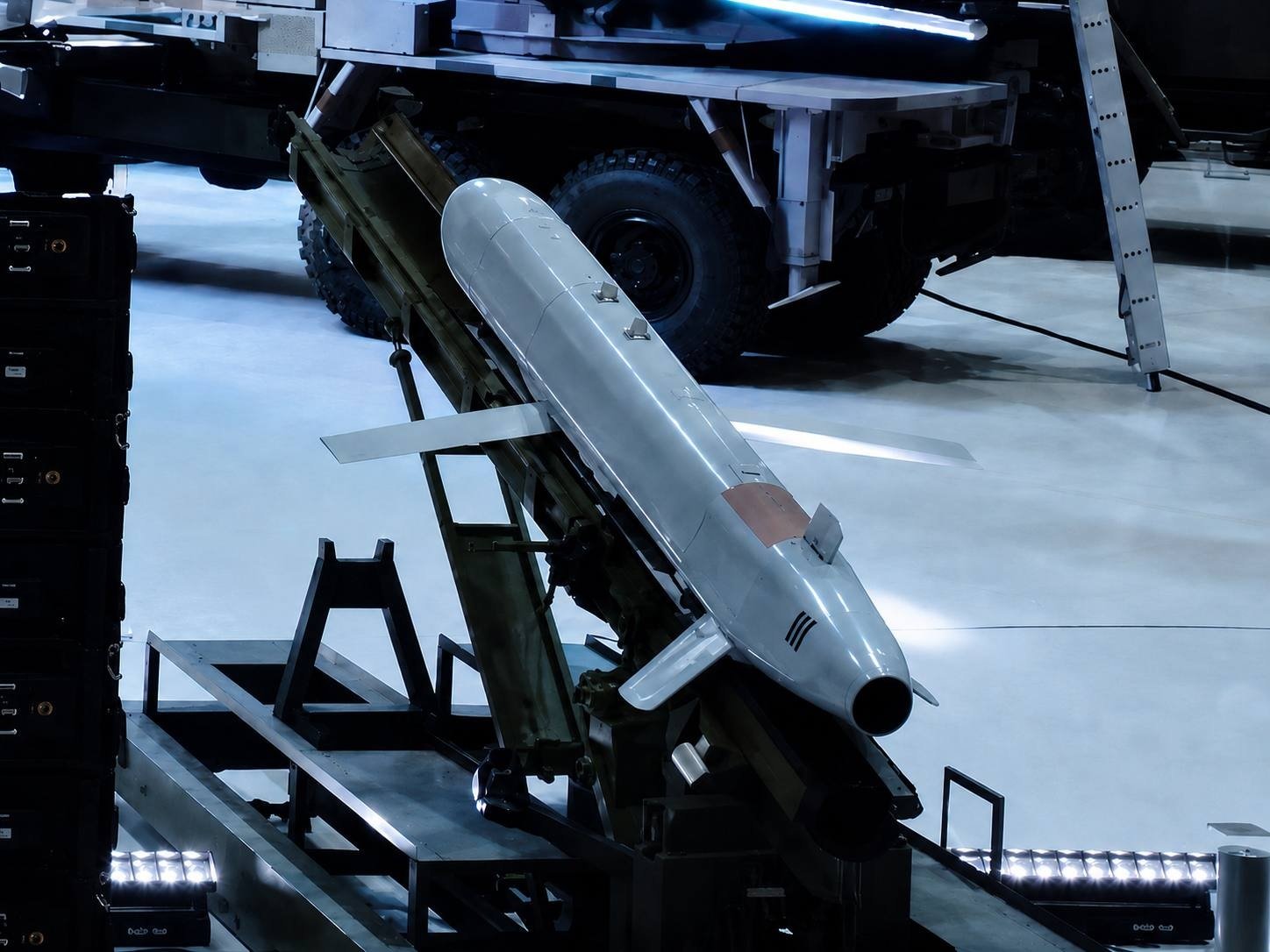
World
Moscow — Recent images indicate that Russia, S8000 Banderol cruise missile, ground-based launcher, Kronshtadt Group, Orion UAV, and Mi-28 attack helicopter have become central to a new development, marking the first public appearance of a launcher designed to fire the weapon from a ground vehicle. Until now, the missile had been associated with air-launched platforms, including the Kronshtadt Orion unmanned aerial vehicle (UAV) and the Mi-28 attack helicopter. A photograph published by the Colonel GSh Telegram channel shows a compact launcher mounted on a platform that appears intended for installation on a pickup-type vehicle. The emergence of the system suggests that Russia is expanding the available launch options for the Banderol missile, allowing it to be deployed without relying exclusively on aircraft. A ground-based launcher could increase operational flexibility by enabling missile launches from mobile land vehicles. However, military analysts note that launching a cruise missile from a stationary ground position requires more energy than releasing it from an aircraft already in flight. As a result, unless the ground-launched version has been modified, its operational range would likely be lower than the air-launched variant. Analysts say maintaining the missile's original range could require changes such as a more powerful engine or a reduction in payload weight. No official information has been released confirming whether the ground-launched version has undergone such modifications. S8000 Banderol Cruise Missile The S8000 Banderol, developed by Russia's Kronshtadt Group (also referred to as Kronstadt Group or Kronstadt JSC), is a small jet-powered cruise missile designed with an emphasis on relatively low production costs and simplified manufacturing. Ukrainian Defense Intelligence (HUR) first disclosed the missile's existence and published technical details and component lists in May 2025. The missile has reportedly been in service since 2025 and has been used by Russian forces during the conflict with Ukraine. Before the appearance of the new launcher, it was primarily associated with the Orion UAV, with reports also identifying the Mi-28 attack helicopter as a launch platform. Specifications According to available technical information, the S8000 Banderol has the following characteristics: Length: Approximately 5 meters Fuselage diameter: 30 centimeters Wingspan: Approximately 2.2 meters Maximum speed: 620–650 km/h Cruising speed: 520–560 km/h Maximum stated range (air-launched): Up to 500 kilometers Fuel load: 50–65 kilograms The missile is powered by a Chinese Swiwin SW800Pro (also identified in some reports as the SW800Pro-A95) commercially available turbojet engine. The engine weighs 8.5 kilograms, operates at up to 65,000 rpm, and produces up to 81.6 kgf of thrust. The Banderol carries an OFBCh-150 high-explosive fragmentation warhead with a total mass of 114.3 kilograms, including 49.5 kilograms of explosive material. The explosive mixture consists of HMX (octogen) combined with aluminum powder and a plasticizer. Some reports also refer to a warhead weight of up to 150 kilograms. The missile uses a combination of inertial navigation and satellite guidance. It is also reported to be equipped with the Kometa-M8 jamming-resistant antenna system, designed to improve resistance to electronic warfare. Foreign Components Technical information published by Ukrainian Defense Intelligence indicates that the missile incorporates a range of foreign-made components sourced from multiple countries. Identified parts reportedly include the Chinese turbojet engine, Japanese batteries, South Korean servo drives, Australian telemetry modules, and various U.S.-manufactured electronic components, along with components from other countries. Operational Significance The appearance of a ground-based launcher expands the potential deployment methods for the S8000 Banderol beyond aircraft-based platforms. The system could allow the missile to be launched from mobile ground vehicles, increasing deployment flexibility. Reports published in July 2026 also indicated increased use of the Banderol missile, with Ukrainian sources documenting multiple strikes over a short period. The newly observed launcher represents the first publicly known ground-based launch system for the missile, although no official Russian announcement has been made regarding its operational status or performance.
Read More → Posted on 2026-07-29 12:13:19
U.S
WASHINGTON — Teledyne FLIR Defense, a division of Teledyne Technologies Incorporated, has received an order from AeroVironment (AV) to supply its Argus XL counter-drone detection platform for the U.S. Air Force's Titan Multi-Sensor (Titan MS) system. The company announced the award on July 29, 2026. The order supports the Pentagon's Domestic Shield Program, which is focused on protecting U.S. military installations and critical infrastructure from the growing threat posed by small unmanned aircraft systems (sUAS) operating within the United States. Part of $500 Million Pentagon Counter-Drone Contract The Argus XL order is part of a broader three-year, $500 million Indefinite Delivery/Indefinite Quantity (IDIQ) sole-source contract awarded by the Pentagon to AeroVironment. The contract supports the Joint Interagency Task Force 401 (JIATF-401) Domestic Shield Program, which is accelerating the deployment of counter-drone capabilities across the U.S. military. Earlier in July 2026, JIATF-401 issued an $80.5 million task order to AeroVironment under the larger contract for the delivery of the Titan Multi-Sensor (Titan MS) system. The initial deployment will strengthen layered air defense for Air Force Global Strike Command, the organization responsible for the nation's bomber fleet and land-based nuclear missile force. JIATF-401 Expanding Counter-Drone Capabilities JIATF-401 was established by the Pentagon to address the increasing threat posed by small, low-cost drones targeting military bases and critical infrastructure. According to the Department of War, the task force had committed more than $600 million by April 2026 to rapidly field counter-drone systems in support of both the Domestic Shield Program and Operation Epic Fury. Brig. Gen. Matt Ross, director of JIATF-401, has previously said the task force's primary objective is to rapidly deliver counter-drone capabilities to military forces operating both within the United States and overseas. Col. Jason Idleman, chief of the Multi-Domain Operations Division at JIATF-401, said the task force continues working to strengthen the military services' ability to protect personnel and installations from evolving drone threats. Titan MS Combines AI and Multiple Sensors The Titan Multi-Sensor (Titan MS) system serves as the central command and sensor-fusion platform within the defense architecture. It combines data from radar, electro-optical cameras, infrared sensors, and radio-frequency detectors into a single operational picture. Using artificial intelligence and machine learning, the system is designed to detect, identify, classify, track and support the defeat of both remotely piloted and fully autonomous unmanned aircraft systems, reducing the need for operators to monitor multiple independent sensor feeds. Argus XL Provides Frontline Drone Detection Teledyne FLIR Defense's Argus XL will serve as the primary detection component within the Titan MS system. The fixed-site, multi-sensor platform combines radar, electro-optical cameras and infrared imaging to detect and track multiple aerial threats during both day and night, including in poor weather conditions. Its thermal imaging capability enables operators to identify drones by their heat signatures in darkness or through heavy cloud cover. The system also integrates with third-party radio-frequency sensors and counter-drone defeat systems capable of jamming, disabling or destroying confirmed threats. According to Teledyne FLIR Defense, Argus XL provides near-hemispherical coverage over protected locations and can detect and track small and micro drones that older radar systems may struggle to distinguish from birds and other airborne objects. Company Executives Highlight Importance of Early Detection Dr. JihFen Lei, President of Teledyne Defense and Aerospace Group and Senior Vice President of Teledyne Technologies, said the company is pleased to support AeroVironment on the program. "We are proud to collaborate with AV to deliver advanced counter-drone technology that enables the U.S. military to detect, classify, track, and respond to increasingly complex unmanned aerial threats," Lei said. He added that Argus XL, Cerberus XL and other Teledyne FLIR Defense counter-UAS systems provide proven, mission-ready capabilities that are integrated into the Titan MS solution. Lei also emphasized the importance of detection in counter-drone operations, stating: "When countering drone threats, operators can't defeat what they can't find." Domestic Shield Focuses on Protecting Military Bases and Critical Infrastructure AeroVironment Chairman, President and Chief Executive Officer Wahid Nawabi said the broader $500 million Domestic Shield program is intended to protect Americans and the critical infrastructure that supports the country's economy and national security. With Teledyne FLIR Defense supplying the Argus XL detection platform and AeroVironment integrating the Titan MS system, the deployment supports the Pentagon's ongoing effort to strengthen layered counter-drone defenses for Air Force Global Strike Command installations and other critical sites under the Domestic Shield Program.
Read More → Posted on 2026-07-29 12:31:47
World
KYIV, Ukraine — New footage circulating online appears to show Ukraine operating an upgraded, highly mobile version of its STASH short-range air defense system mounted on a Ford F-350 chassis. The video, published on July 28, 2026, and attributed on social media to Ukraine's 208th Anti-Aircraft Missile Brigade, shows the system tracking and intercepting a Russian Shahed/Geran-series strike drone. The footage has not been independently authenticated by Ukrainian authorities at the time of writing. If confirmed, it would represent the first public appearance of the truck-mounted STASH configuration, several months after the system entered Ukrainian service in a trailer-mounted form. New Mobile Configuration The latest version of the STASH system integrates an Israeli-origin RADA radar, a launcher armed with U.S.-made AGM-114L Longbow Hellfire missiles, and fire-control equipment on a single modified Ford F-350 heavy-duty truck. The July 28 footage is described as showing the interception of a jet-powered Shahed/Geran-type drone. Compared with slower propeller-driven variants, jet-powered drones reduce the time available for air defense crews to detect and engage incoming threats. The AGM-114L Longbow Hellfire, originally developed for anti-armor missions, uses a millimeter-wave active radar seeker that provides a fire-and-forget capability. Once launched, the missile can continue tracking its target without requiring continuous guidance from the launcher. The system's Israeli-origin RADA radar is paired with the missile launcher to detect and engage low-altitude aerial targets. Open-source reporting identifies the radar as the RPS-42 Active Electronically Scanned Array (AESA) radar, an S-band system designed to detect slow and low-flying targets. Publicly available information states that some configurations have an instrumented detection range of about 30 kilometers. Public reporting also indicates the AGM-114L has an engagement range of roughly 7 to 11 kilometers, depending on flight trajectory, and carries an approximately 9-kilogram warhead. The missile has been adapted for aerial targets, including drones and helicopters. Evolution From Trailer-Mounted System The STASH system first appeared in Ukrainian service in May 2026. During a large Russian drone attack on May 1, Ukraine's Air Command West released footage showing the system operating from a concealed four-wheeled trailer configuration. The attack reportedly involved more than 400 unmanned aerial vehicles, with at least 58 drones reported shot down in the western sector. At the time, STASH was presented as a compact, low-profile platform designed to defend against low-altitude threats such as Shahed-type drones. The newly observed Ford F-350 configuration replaces the separate trailer and towing vehicle by integrating the radar, launcher, and fire-control system onto a single platform. Defense analysts note that this arrangement can reduce deployment and relocation time while allowing crews to move more quickly between firing positions. A vehicle-mounted configuration may also reduce the time spent at launch locations and improve the ability to reposition during large-scale drone attacks. Ukraine has not released official information regarding the new version's mobility requirements, crew size, or operational doctrine. Links to V2X Tempest Platform Open-source intelligence and defense analysts have linked STASH to the Tempest mobile fires platform developed by American defense company V2X. V2X introduced Tempest in October 2025 during the Association of the United States Army exhibition. The platform was designed as a commercially based, rapid-response air defense system capable of engaging multiple classes of unmanned aircraft while operating with limited exposure. Early Tempest demonstrations used lightweight all-terrain vehicles, commonly described as Can-Am Maverick X3-style buggies, equipped with dual Hellfire launchers and a compact RADA RPS-42 AESA radar. While publicly available information indicates that STASH uses components or design concepts derived from Tempest, it has not been officially confirmed whether the Ford F-350 configuration is a production variant supplied by V2X or a Ukrainian-developed integration based on the original design. Role in Ukraine's Air Defense Network STASH is part of Ukraine's layered short-range air defense network developed to counter Russian one-way attack drones. The system is intended to engage lower-altitude aerial threats, allowing longer-range surface-to-air missile systems to be reserved for more demanding targets. Open-source reporting notes that the AGM-114L Hellfire missile is relatively expensive compared with the drones it is used to intercept, meaning operators may prioritize higher-value targets or employ the system when other interceptors are unavailable. The deployment of mobile STASH systems by units such as the 208th Anti-Aircraft Missile Brigade, which is tasked with defending southern regions including Kherson and Mykolaiv, reflects Ukraine's continued effort to strengthen defenses against persistent drone attacks using radar-guided interceptors and mobile air defense platforms.
Read More → Posted on 2026-07-29 12:42:04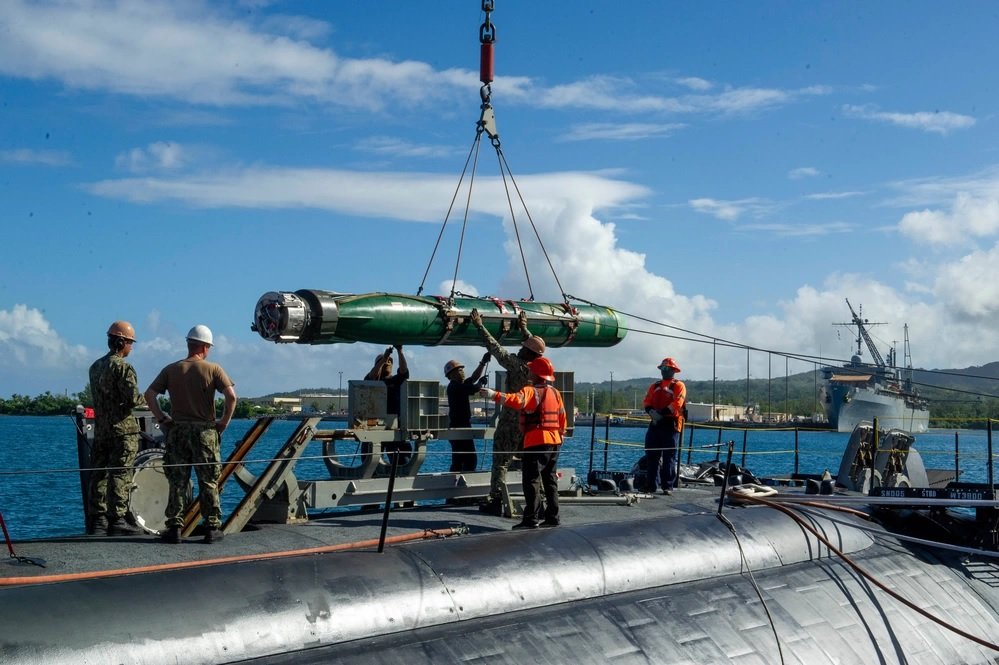
U.S
WASHINGTON — The U.S. Congress has directed the U.S. Navy to conduct a comprehensive review of its torpedo inventory, production capacity, testing infrastructure, and modernization plans under the National Defense Authorization Act (NDAA) for Fiscal Year 2027. The measure is intended to ensure the Navy maintains enough undersea weapons to support operations in two major regional conflicts at the same time. The legislation requires Secretary of the Navy Hung Cao to begin the effort within 90 days after the NDAA becomes law. The review will cover torpedo inventory levels, industrial production, testing systems, supply chain resilience, and future modernization programs. A key requirement of the legislation is the establishment of mandatory inventory floors for every class of U.S. Navy torpedoes and related undersea weapons. These minimum stockpile levels are intended to ensure the Navy maintains sufficient reserves for wartime requirements. The inventory floors will apply to the MK-48 Advanced Capability (ADCAP) heavyweight torpedo, the MK-54 lightweight torpedo, advanced torpedo variants, training and testing rounds, and torpedo countermeasures. The required stockpile levels will be based on Navy assessments of projected torpedo expenditure during a conflict involving two peer or near-peer maritime adversaries. In addition to setting inventory requirements, the NDAA directs the Navy to evaluate the current condition of the U.S. undersea weapons industrial base. The review will identify production bottlenecks affecting key areas, including energetic materials, propulsion systems, acoustic seekers, guidance electronics, specialty metals, undersea weapon integration, manufacturing facilities, and reliance on single-source suppliers. The legislation also requires the Navy to develop a plan to increase production capacity to support both routine peacetime manufacturing and rapid wartime surge production. The plan will examine options such as establishing second-source suppliers for critical components, expanding government-owned and private manufacturing facilities, increasing cooperation between public and private industry, and making greater use of multi-year procurement authority to improve long-term production planning. Congress has also instructed the Navy to strengthen supply chains for sensitive and difficult-to-source components that could become vulnerable during future conflicts. The NDAA further calls for modernization of the Navy's undersea weapons testing infrastructure. Planned improvements include upgrades to target vessels, expansion of undersea test ranges, improvements to digital testing models, and enhanced environmental testing to verify weapon performance in deep-water and Arctic operating conditions. The legislation also directs the Navy to improve resistance to advanced acoustic countermeasures and develop more efficient wartime transportation and logistics methods for undersea weapons. Secretary Cao must submit a comprehensive report within 120 days after the NDAA is enacted. The report will outline the Navy's findings, recommended actions, wartime expenditure estimates, industrial base requirements, production expansion plans, testing improvements, and measures to reduce supply chain risks. Following submission of the report, Secretary Cao is expected to present the findings during congressional hearings, where lawmakers will review production risks, inventory requirements, testing strategies, and investment plans needed to meet future operational demands. The congressional review comes as the Navy continues work on several next-generation undersea warfare programs. Among them is the MK-58 Compact Rapid Attack Weapon (CRAW), developed by Raytheon. The MK-58 is designed for both offensive anti-submarine operations and defensive use as a hard-kill anti-torpedo weapon capable of intercepting incoming torpedoes. According to previously released program information, the weapon uses an electric propulsion system for quiet operation and a stored chemical propulsion system for high-speed intercepts. Its compact size could also allow submarines to carry multiple MK-58 weapons in space typically occupied by a single larger torpedo. The MK-58 was selected over the RAPTOR low-cost heavyweight torpedo. The Navy is also continuing development of improved defensive countermeasures. In February 2026, Ultra Maritime received a contract to develop the next-generation Acoustic Device Countermeasure (ADC) MK6. The system is designed to produce tailored acoustic signatures intended to confuse and divert advanced enemy torpedoes away from U.S. naval vessels. According to the House version of the FY2027 NDAA, the torpedo-related provisions are included in Section 130 under Navy programs. The bill has passed the House of Representatives and, as of late July 2026, remains under consideration.
Read More → Posted on 2026-07-29 12:55:41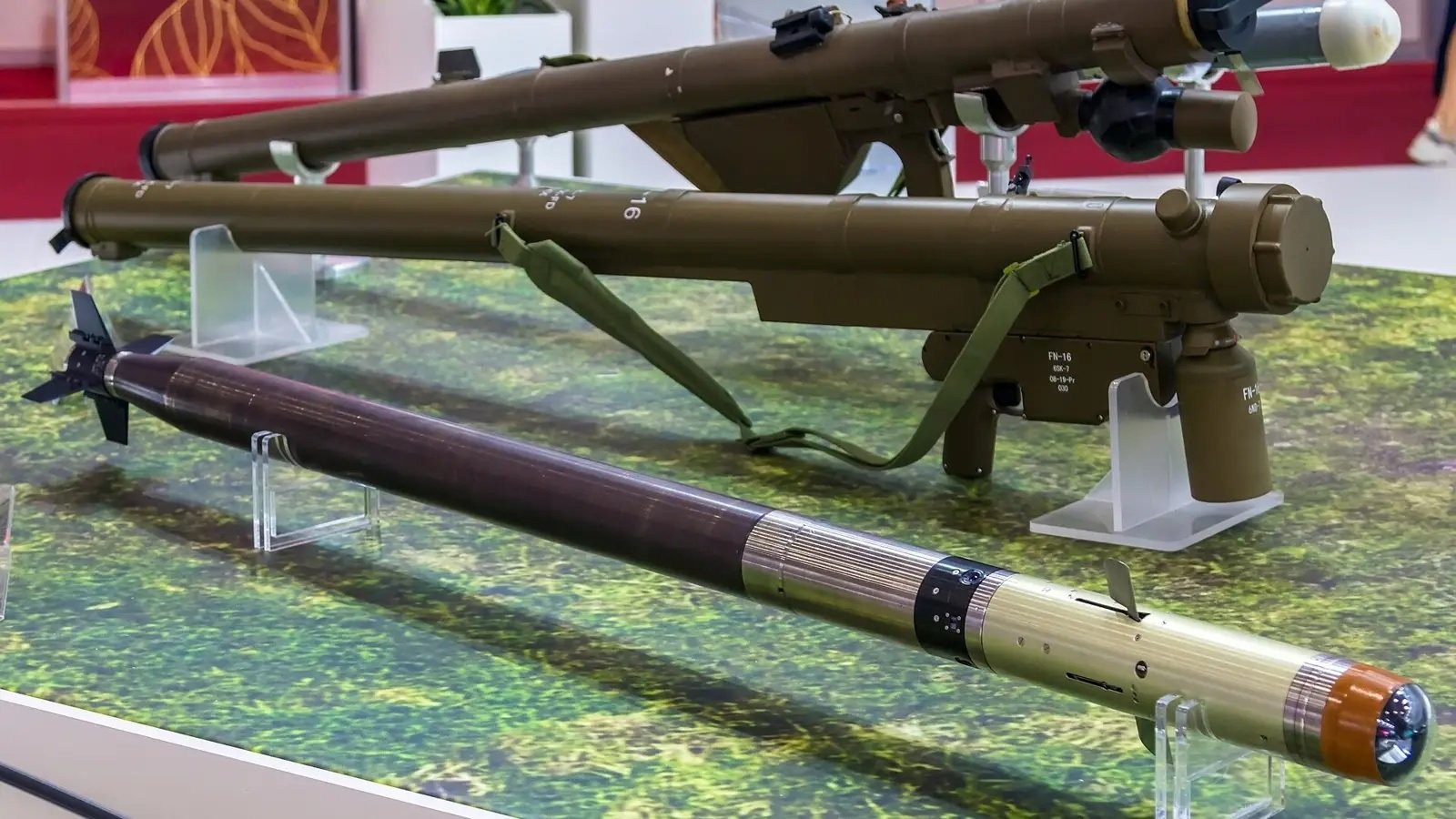 Iran to Receive Up to 400 Chinese QW-12 and FN-16 MANPADS System Within Weeks Under $70 Million Deal
World
TEHRAN — Iran is expected to receive the first shipment within weeks under a contract for up to 400 Chinese-made man-portable air defence systems (MANPADS), according to three sources familiar with the agreement cited by Reuters. The reported contract, valued at $60 million to $70 million, covers between 300 and 400 shoulder-fired air defence missile systems, including the QW-12 and FN-16. If completed as planned, it would represent one of Iran's largest known efforts to strengthen its short-range air defence network since the start of its conflict with the United States and Israel. According to the sources, the agreement was signed with Zhongqing Baoshang International Investment, a Hong Kong-based company that acted as an intermediary between the Iranian side and the Chinese supplier. The company's parent firm, Beijing-based Zhong Qing Bao Shang Group, did not respond to Reuters' request for comment. Focus on Strengthening Short-Range Air Defences The reported purchase comes as Iran seeks to improve protection for military facilities, energy infrastructure and other strategic sites following months of military exchanges involving the United States and Israel. Recent strikes by the United States and Israel have targeted facilities associated with Iran's missile, drone and air-defence programmes. Iran has responded with ballistic missile and drone attacks. Defence analysts note that these developments have highlighted the importance of mobile air-defence systems that can be deployed rapidly around key locations. Unlike fixed air-defence batteries, MANPADS can be carried and operated by small teams, allowing them to be moved quickly and making them more difficult to locate and target. These systems are designed primarily to engage low-flying aircraft, helicopters and drones. QW-12 and FN-16 Missile Systems The reported contract includes the Chinese QW-12 and FN-16 shoulder-fired surface-to-air missile systems. The FN-16 is an upgraded version of the earlier FN-6. It uses a dual-color infrared and ultraviolet (IR/UV) quasi-imaging seeker designed to improve target discrimination and increase resistance to electronic countermeasures such as flares. It is a fire-and-forget missile system with a reported engagement range of up to 6 kilometers. The QW-12 is considered by defence analysts to be less advanced than newer QW-series variants such as the QW-18 and QW-19, but it remains capable of providing short-range protection against low-altitude threats, including drones. The system is reported to offer improved anti-jamming performance while retaining the direct targeting and safe-launch features of earlier models. A European security source told Reuters that authorities were aware of several contracts under discussion involving possible sales of QW-series MANPADS to Iran, including the QW-12, QW-18 and QW-19. Another security source in the Middle East said Iran had sought both QW-12 and QW-18 systems but was unaware that a deal had already been finalized. Planned Delivery Route Sources familiar with the agreement said the initial shipment is planned to be flown from Urumqi in western China before passing through Pakistan en route to Iran. They said it remains unclear whether the final stage of transportation would be completed by air or overland. The sources also cautioned that although the agreement has reportedly been signed, delivery schedules, quantities and other details could still change. Two Western intelligence sources and an Iranian official told Reuters that Tehran has also explored overland routes for transporting Chinese military supplies and dual-use components in a more discreet manner. China and Pakistan Reject the Reports China's Foreign Ministry denied the reports, stating that they were "completely groundless" and adding that China has consistently worked to promote peace and end the conflict. Pakistan's military media wing, the Inter-Services Public Relations (ISPR), also rejected claims that Pakistan would facilitate the transfer of Chinese air-defence systems to Iran, describing such reports as "absolutely concocted and false." Iran's Foreign Ministry did not immediately respond to Reuters' request for comment, while Pakistan's Foreign Ministry also did not provide a response. Broader Defence Procurement Efforts Reuters previously reported that Iran was close to reaching a separate agreement with China involving anti-ship cruise missiles, although it said it could not independently confirm whether that deal had moved forward. The reported MANPADS contract reflects Iran's continuing efforts to strengthen its military capabilities despite long-standing sanctions and restrictions on defence imports. The country continues to rely on a combination of domestic defence production and selected foreign suppliers to maintain and expand its military readiness. Source : Reuters
Read More → Posted on 2026-07-29 13:06:53
U.S
WASHINGTON — The U.S. Federal Communications Commission (FCC) has adopted new rules blocking the import, marketing, and sale of new foreign-made advanced robotic devices and connected power inverters that are considered national security risks. The decision primarily affects Chinese manufacturers and is part of a broader U.S. effort to strengthen the security of critical technology supply chains. The measures, announced on July 28 and effective immediately, apply only to new device models that have not yet received FCC equipment authorization. Existing models that were previously authorized can continue to be imported, sold, marketed, and used in the United States. Software and security updates for already authorized products will continue to be permitted through at least January 1, 2029. The restrictions do not apply to fixed stationary industrial robotic arms, which are exempt from the new rules. FCC Expands Covered List The FCC updated its Covered List, preventing newly designated products from obtaining the equipment authorization required for sale in the United States. According to the FCC, national security agencies concluded that certain foreign-produced advanced robotic devices and connected power inverters create unacceptable risks to U.S. economic and national security and could threaten critical infrastructure. In a statement, the FCC said these devices could create supply chain vulnerabilities capable of disrupting U.S. economic and national security while also introducing cybersecurity risks. FCC Chairman Brendan Carr said the agency is acting to secure America's critical supply chains and that the FCC will continue working alongside national security agencies to address emerging technology risks. Concerns Over Advanced Robots The new rules define advanced robotic devices as mobile robots, including humanoid robots and quadruped robotic systems, commonly known as robot dogs. According to the FCC, these network-connected robots collect large amounts of data through cameras, sensors, microphones, and other onboard systems. Officials warned that such information could potentially be exploited by malicious actors for surveillance, support foreign intelligence operations, or allow remote control of the robots through cyberattacks. The restrictions are intended to reduce risks associated with connected robotic systems that may become increasingly common in industrial, commercial, research, and consumer environments. Power Inverters Also Included The FCC also added connected power inverters to the Covered List. Power inverters convert direct current (DC) electricity into alternating current (AC) and are widely used in renewable energy systems, battery storage, power grids, and data centers. According to the FCC, the remote connectivity features built into many modern inverters could introduce cybersecurity vulnerabilities if exploited. Officials warned that compromised inverters could potentially be used to disable equipment, collect sensitive data, enable unauthorized remote access, or support cyberattacks targeting critical infrastructure. The agency noted that these risks become increasingly important as inverter-based energy resources continue expanding across the U.S. electricity grid. Conditional Approval Process The updated rules include a process allowing manufacturers to seek Conditional Approval for affected products. For advanced robotic devices, approvals can be granted by the Department of War. For power inverters, approvals may be issued by either the Department of War or the Department of Homeland Security if those agencies determine that specific products or classes of products do not present unacceptable national security risks. Devices receiving Conditional Approval would remain eligible for FCC equipment authorization. Sources familiar with the process indicated that the FCC is expected to exempt many non-Chinese suppliers, consistent with previous actions involving foreign drones and networking equipment. Impact on Chinese Manufacturers China currently dominates much of the global humanoid robotics industry. According to research firm Omdia, approximately 15,000 humanoid robots are expected to ship globally in 2025. Chinese companies Unitree and AGIBOT each shipped more than 5,000 units, while U.S. companies including Tesla and Figure AI shipped significantly fewer during the same period. Reports estimate that China controls around 85% of the global humanoid robot market, while Counterpoint Research estimates that Unitree holds just under one-fifth of the global market. Unitree was recently added to the Pentagon's list of companies alleged to have links to the Chinese military, a designation Beijing rejects. The company also partnered with Nvidia to integrate the company's Blackwell AI chips into future robotic systems. Nvidia has stated that data collected by these robots remains within the United States and that many of Unitree's customers are U.S. academic and research institutions. Tesla CEO Elon Musk has also acknowledged China's manufacturing strength, stating that Chinese companies are likely to become Tesla's largest long-term competitors in the humanoid robot market. Concerns Over the Inverter Market China is also the world's largest manufacturer of power inverters, led by companies including Sungrow Power Supply and Huawei. Chinese manufacturers have expanded their presence in Western markets by offering lower-priced products. The U.S. Department of Defense is already prohibited from purchasing solar photovoltaic cells, modules, or power inverters produced by foreign entities of concern. Officials have also pointed to lessons from the Volt Typhoon cyber campaign disclosed in 2023, in which attackers compromised privately owned routers to help conceal cyber operations targeting U.S. critical infrastructure. Industry and Political Response U.S. Representative John Moolenaar, chairman of the House Select Committee on China, welcomed the FCC's decision, saying it protects the United States and strengthens the country's robotics industry. Treasury Secretary Scott Bessent recently warned that Chinese artificial intelligence companies could face sanctions if they are found to have stolen U.S. intellectual property. Industry analysts, however, said the restrictions are unlikely to significantly slow China's overall robotics development because of its large domestic manufacturing base and access to other export markets. Morgan Stanley projects that the global humanoid robotics market could reach $15 billion by 2030. Morningstar analyst Kangyuxiao Li said the restrictions may shield U.S. developers from price competition but are unlikely to materially affect China's broader robotics industry. Lian Jye Su, chief analyst at Omdia, said the policy could disrupt existing research and development cooperation between U.S. and Chinese technology companies. China Criticizes the Decision The Chinese Embassy in Washington criticized the U.S. action, urging Washington to stop targeting Chinese companies and threatening them with sanctions. The embassy said China would take necessary measures to protect the interests of its businesses. Speaking in Beijing, Chinese Foreign Ministry spokesperson Mao Ning said the United States was overstretching the concept of national security to suppress Chinese companies. She said protectionism would not improve U.S. competitiveness and would instead harm the interests of American businesses and consumers. Mao added that China would take all necessary measures to protect the legitimate rights and interests of Chinese companies. Broader U.S.-China Technology Strategy The latest restrictions are part of broader U.S. efforts to reduce dependence on foreign technology supply chains and strengthen cybersecurity protections for critical infrastructure. The FCC has previously added certain foreign drones, drone components, and networking equipment to its Covered List over national security concerns. The new measures also come ahead of a planned September meeting between U.S. President Donald Trump and Chinese President Xi Jinping, where technology, trade, and national security issues are expected to remain key topics of discussion.
Read More → Posted on 2026-07-29 13:25:56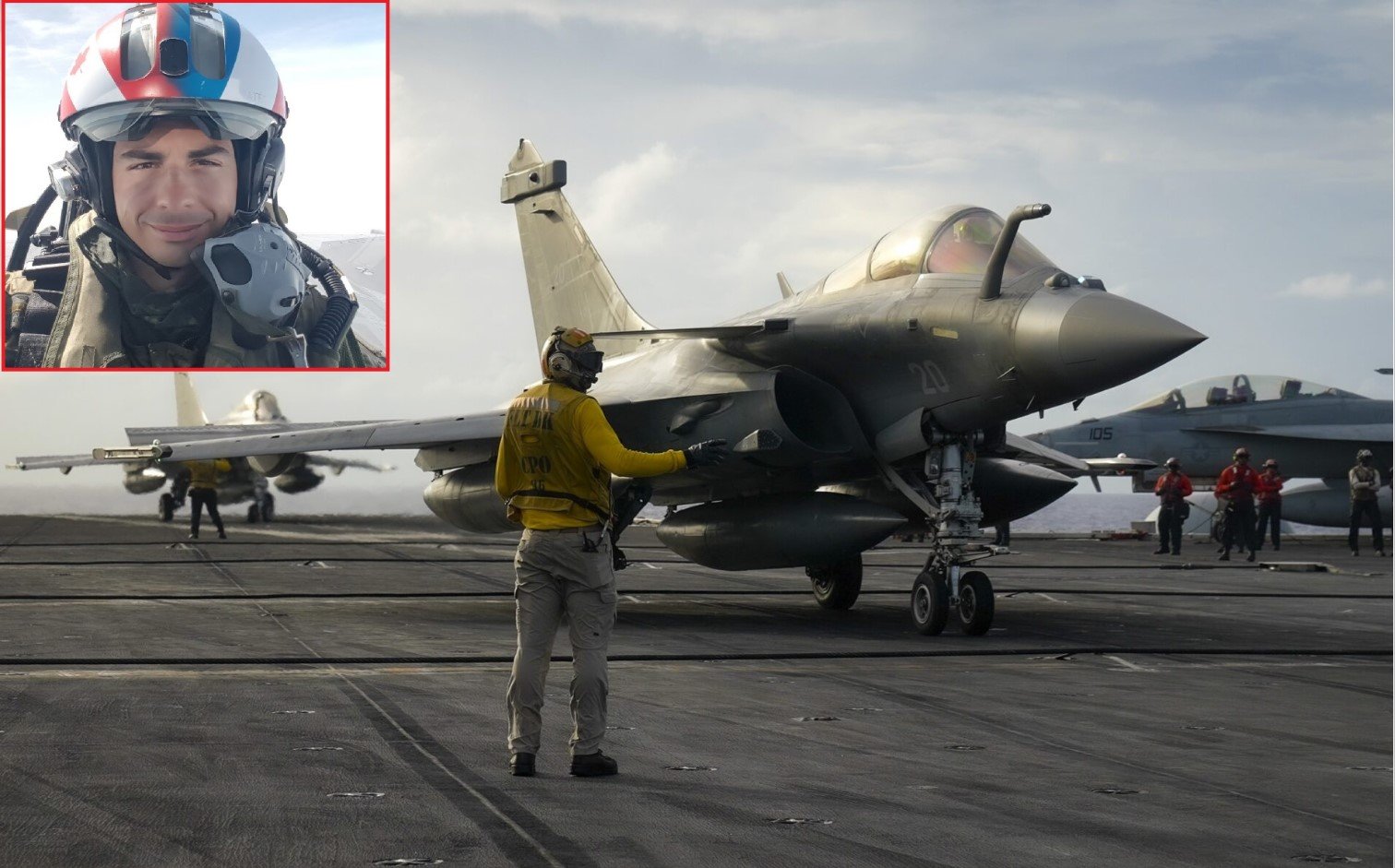
Europe
PARIS — Pierre-Henri Chuet, a former French Navy Rafale pilot and well-known aviation YouTuber, has been placed under formal investigation and judicial supervision in France over alleged intelligence activities linked to China. The investigation is being conducted by France's General Directorate for Internal Security (DGSI). Chuet was questioned by the agency, his home was searched, and he was later presented before an investigating magistrate during the week of July 20, 2026. Under French law, being placed under "mise en examen" (formal investigation) means an investigating judge has found sufficient evidence to justify a judicial inquiry. It is not a conviction or a finding of guilt. Chuet faces four charges: Disclosure of national defence secrets by a person entrusted with them. Intelligence activities with a foreign power. Collection of information concerning the fundamental interests of the nation. Delivery of sensitive information to a foreign state. The case focuses on two trips Chuet made to China in September 2018 and August 2019 while he was still serving in the French Navy. Investigators allege he did not inform his military chain of command, as required by French military regulations. The trips were reportedly arranged and financed by a South African aviation company. During the visits, Chuet allegedly conducted training seminars for Chinese military personnel, with payments reportedly made through his UK-based company, Mach 3 Management. A British pilot also accompanied him during the sessions. According to investigative reports, the seminars covered Catapult Assisted Take-Off But Arrested Recovery (CATOBAR) carrier operations and precision GPS landing procedures. France is one of the few countries outside the United States with extensive operational experience in CATOBAR carrier aviation, making such expertise strategically valuable. The South African intermediary involved has been linked to a broader pattern of recruitment of former Western military pilots. Companies including the Test Flying Academy of South Africa (TFASA) have previously been examined by authorities in the United Kingdom, Spain, and the United States over training provided to Chinese military personnel. The French Ministry of the Armed Forces referred the matter to the Paris prosecutor's office on February 19, 2025, leading to a preliminary investigation that was first reported by French media in April 2025. Chuet has denied any wrongdoing. He told Le Canard Enchaîné that he hosted only two three-day seminars, said the second trip in 2019 did not go well, and stated that he has not returned to China since. A dual French-Canadian national, Chuet flew Super Étendard and Rafale M fighters from the aircraft carrier Charles de Gaulle. He also trained with the U.S. Navy as an exchange officer, completed about 200 carrier landings, and participated in operations in Iraq following the November 2015 attacks in Paris. He left the French naval air arm around 2021 after a medical discharge following a stroke. Since leaving military service, Chuet has worked as an airline pilot, business consultant, author, corporate speaker, defence commentator, and aviation content creator under the name "Até Chuet," where he has built a YouTube audience of more than 560,000 subscribers. The investigation comes amid broader Western concerns over Chinese intelligence activities involving former military personnel. Following the India-Pakistan conflict in May 2025 (Operation Sindoor), French intelligence and the U.S.-China Economic and Security Review Commission concluded that China carried out a coordinated disinformation campaign using deepfakes, AI-generated images, and manipulated video game footage to falsely portray the performance of India's Rafale fighters. French officials assessed that the campaign aimed to undermine the Rafale's international reputation and promote China's J-35 fighter. French authorities have emphasized that Chuet's current legal case is related to the alleged unauthorized transfer of sensitive military knowledge during his naval service, not to his later activities as an aviation commentator or YouTube creator. The judicial investigation remains ongoing, and no verdict has been reached.
Read More → Posted on 2026-07-29 13:38:42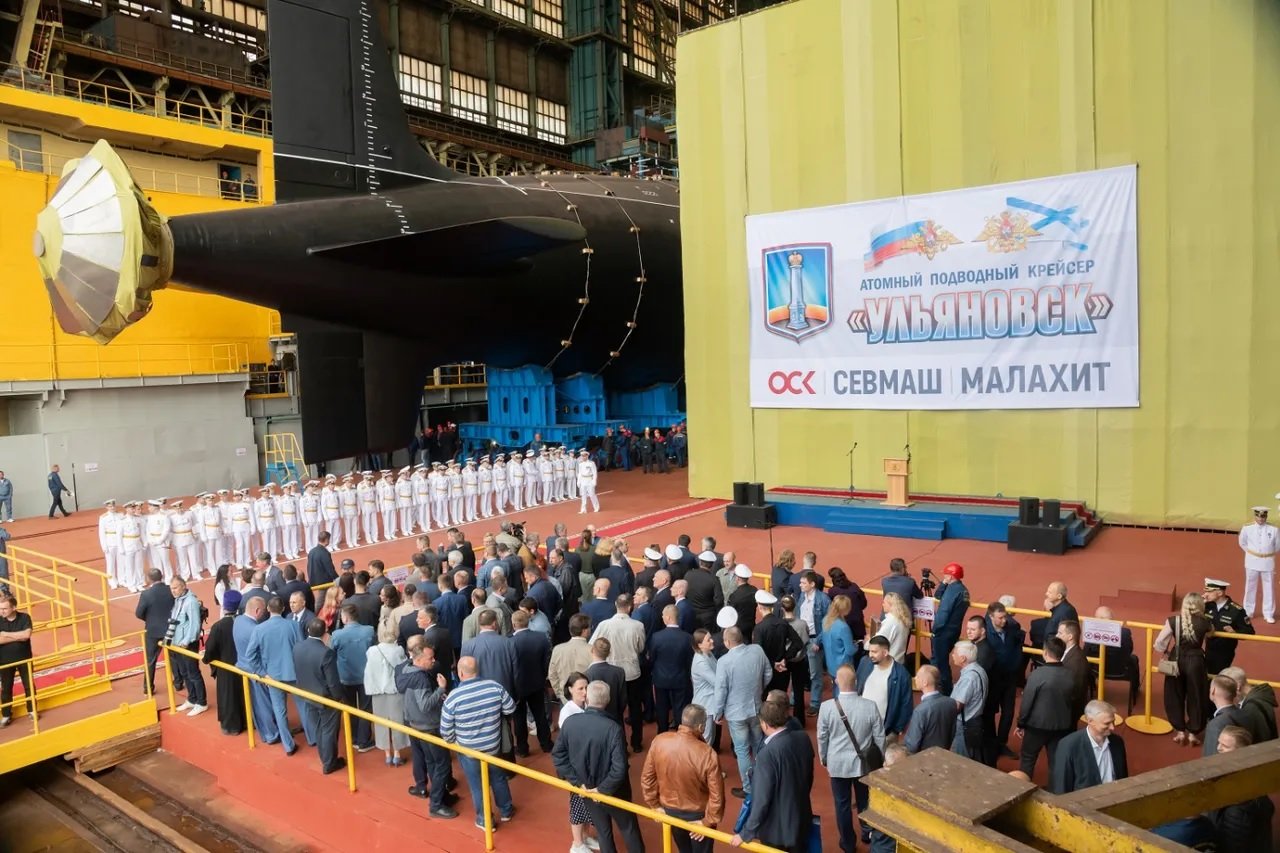
World
SEVERODVINSK, Russia — Russia has completed another milestone in its naval modernization program after the United Shipbuilding Corporation (USC)'s Sevmash shipyard rolled out the Ulyanovsk, the latest Project 885M (Yasen-M) class nuclear-powered attack submarine. The rollout ceremony, held on July 28 at Sevmash in Severodvinsk, marked the completion of the submarine's slipway construction phase. The event was attended by Russian Navy Commander-in-Chief Admiral Alexander Moiseyev and Deputy Prime Minister Yury Trutnev. Although the submarine has now left the covered construction hall, it is not yet ready for operational service. According to the Russian Defense Ministry, Ulyanovsk is scheduled for delivery to the Russian Navy by December 2027 after completing its remaining construction work, testing, and acceptance trials. Rollout Marks Transition to Testing Phase Moving the submarine out of the construction hall confirms that its hull and major internal systems have been assembled. The vessel will now enter the fitting-out stage before beginning a comprehensive testing program. The next phase includes mooring trials, followed by sea trials and state trials. During these tests, engineers and the crew will evaluate the submarine's propulsion system, navigation equipment, weapons integration, deep-diving performance, and overall operational readiness. The full testing period is expected to last roughly a year or more before the submarine is formally handed over to the Russian Navy. Once commissioned, Ulyanovsk will become part of Russia's Northern Fleet, which is responsible for operations across the Arctic, the Barents Sea, and the North Atlantic. Sixth Submarine of the Modernized Yasen-M Series Ulyanovsk was laid down on 27 July 2017 and is the sixth submarine of the modernized Project 885M (Yasen-M) series. Five submarines from the broader Yasen and Yasen-M family are already in service: Severodvinsk (original Yasen class) Kazan Novosibirsk Krasnoyarsk Arkhangelsk The previous Yasen-M submarine, Perm, launched in 2025 and is currently undergoing trials. Sevmash remains the only Russian shipyard responsible for constructing the Yasen and Yasen-M class submarines and has built Russia's nuclear submarines for decades. Multi-Role Nuclear Attack Submarine The Project 885M Yasen-M is an upgraded version of the original Yasen-class submarine and is designed to perform multiple missions, including: Anti-submarine warfare Anti-surface warfare Long-range land-attack missions The submarine measures approximately 130 meters in length and has a displacement of around 8,600 tonnes surfaced and 13,800 tonnes submerged. It is powered by an advanced pressurized water nuclear reactor driving a single-shaft propulsion system, with diesel engines and batteries available as backup power sources. The submarine is designed to operate at depths of approximately 600 meters. Missile and Torpedo Armament The Yasen-M class is equipped with an eight-silo vertical launch system (VLS) capable of carrying 32 to 40 missiles. Its missile load can include: Kalibr land-attack and anti-ship cruise missiles P-800 Oniks anti-ship missiles 3M22 Zircon hypersonic missiles (expected) The submarine also carries 10 angled 533 mm torpedo tubes, positioned amidships rather than in the bow. This arrangement allows space for the large MGK-600 Irtysh-Amfora spherical sonar array in the forward section. The torpedo tubes are capable of launching heavyweight torpedoes, anti-submarine rockets, and naval mines. Design Focuses on Reduced Detectability The Yasen-M design incorporates several measures intended to reduce acoustic and magnetic signatures during underwater operations. These include the use of low-magnetic steel, natural coolant circulation within the nuclear reactor to reduce machinery noise, and a single-hull design intended to improve stealth. Part of Russia's Long-Term Fleet Modernization Russia continues to expand the Yasen-M program as it replaces older Soviet-era attack submarines. On 17 June 2026, Sevmash laid the keel for the ninth Yasen-M submarine, Murmansk, marking the first new keel laying for the class in six years. Russia has stated plans to build approximately 10 to 12 Yasen and Yasen-M submarines by 2035 to replace the aging Oscar II, Akula, and Sierra II attack submarine classes. Next Steps Before Commissioning While the rollout marks an important construction milestone, Ulyanovsk still has several stages to complete before entering operational service. Following fitting-out work, the submarine will undergo mooring, sea, and state trials before its planned delivery to the Russian Navy by December 2027. After commissioning, it is expected to strengthen the capabilities of Russia's Northern Fleet as part of the country's ongoing undersea fleet modernization program.
Read More → Posted on 2026-07-29 13:48:03
World
WASHINGTON — U.S. and partner forces intercepted multiple ballistic missiles launched by Iran's Islamic Revolutionary Guard Corps (IRGC) toward U.S. military positions in the Middle East on the evening of July 28, according to U.S. Central Command (CENTCOM). CENTCOM said the missiles were launched from Iran at approximately 5:45 p.m. Eastern Time (ET) in what it described as an "attempted surprise attack." The command confirmed that all incoming missiles were successfully intercepted and that no casualties or damage were reported. "U.S. forces remain vigilant and at a high state of readiness," CENTCOM said in a statement following the interceptions. The command did not identify the specific military installation that was targeted. At 5:45 p.m. ET today, Islamic Revolutionary Guard Corps forces launched multiple ballistic missiles from Iran in an attempted surprise attack on U.S. forces based in the Middle East. All Iranian missiles were successfully intercepted. U.S. forces remain vigilant and at a high… — U.S. Central Command (@CENTCOM) July 28, 2026 Jordan Reports Missile Interceptions Jordanian military officials said the country's air defense systems intercepted and destroyed five missiles launched from Iran. Local reports said the interceptions took place over Jordan during the early hours of July 29 local time. Iranian state media, citing the IRGC, reported that the missiles were aimed at Muwaffaq Salti Air Base in Jordan and a U.S. Central Command facility located there. CENTCOM has not confirmed the intended target. The reported target matches the location of an earlier Iranian attack. On July 17, 2026, Iranian ballistic missiles and drones struck the same base. During that attack, two U.S. service members were killed while responding to the strike, one additional service member was listed as missing in action, and four others were evacuated to hospitals in Jordan, according to CENTCOM. End of a Brief Pause in Fighting The July 28 missile launch followed a short period without publicly announced large-scale exchanges between the United States and Iran. Earlier, President Donald Trump had paused a U.S. bombing campaign against Iranian-linked targets after nearly two weeks of military operations. The latest missile attack marks a renewed exchange of hostilities after that temporary lull. CENTCOM said U.S. military personnel worked alongside partner forces to provide air defense during the latest attack but did not disclose the number of missiles fired or additional operational details. Air Defense Response The United States continues to maintain air defense systems across the region to protect military bases and partner facilities. These include systems such as the MIM-104 Patriot and SM-3, although CENTCOM did not identify which interceptor systems were used during the July 28 engagement. The command also did not release information on the missiles' flight paths or other operational details beyond confirming that all incoming ballistic missiles were intercepted successfully. Operation Epic Fury Casualty Figures The latest interception occurred during the wider conflict between the United States and Iran, which began in late February 2026 under Operation Epic Fury. According to the U.S. military's casualty accounting released as of July 16, 2026, 14 U.S. service members had died during Operation Epic Fury. Of those, seven were killed during combat operations, while seven died from non-combat causes or remained under review at the time of that report. The U.S. Army accounted for eight of the deaths, while the U.S. Air Force accounted for six. No casualties were reported for the Navy, Marine Corps, or Space Force in that official accounting. CENTCOM has not announced any additional casualties following the July 28 missile interceptions and said U.S. and partner forces remain prepared to respond to further threats in the region.
Read More → Posted on 2026-07-29 14:41:09
World
SHANGHAI, China — A Chinese company has started manufacturing domestic immersion deep ultraviolet (DUV) lithography machines, marking an important step in the country's efforts to strengthen its semiconductor manufacturing capabilities following export restrictions on advanced chipmaking equipment. According to a report by The Information, the immersion DUV lithography systems are expected to be delivered later this year to major Chinese semiconductor manufacturers, including Semiconductor Manufacturing International Corp. (SMIC), Hua Hong Semiconductor, and ChangXin Memory Technologies (CXMT). The development comes after export controls imposed by the United States and the Netherlands restricted China's access to advanced lithography equipment, including certain systems produced by Dutch chip equipment manufacturer ASML. Immersion DUV lithography machines are essential tools used to print microscopic circuit patterns onto silicon wafers during semiconductor manufacturing. These systems are widely used to produce mature semiconductor technologies and can also support more advanced chip production through multi-patterning techniques. Reports identify Shanghai Aishengna Electronic Technology Group, a state-backed Chinese company, as the manufacturer behind the new immersion DUV systems. The company has reportedly brought together engineering teams from several domestic startups to develop the equipment as part of China's broader effort to expand domestic semiconductor manufacturing capabilities. Initial Production Remains Limited Current production plans remain relatively modest. Reports indicate that China aims to manufacture about five immersion DUV machines in 2026, with production expected to increase to around 20 units in 2027. By comparison, ASML plans production capacity for approximately 130 immersion DUV lithography systems in 2026, with additional expansion planned afterward. Industry analysts note that manufacturing lithography machines is only one part of the challenge. Long-term performance, production reliability, wafer throughput, alignment accuracy, maintenance, and manufacturing yields remain key factors for large-scale commercial semiconductor production. Reports also indicate that the new Chinese systems still rely on some imported Japanese components, while delays from domestic suppliers have affected production schedules this year. DUV Systems Can Produce Advanced Chips Through Multi-Patterning Immersion DUV lithography systems are primarily used to manufacture 28-nanometer semiconductor chips directly. They can also support production of smaller technology nodes, including 7nm chips, by using a process known as multi-patterning. However, producing advanced chips without access to extreme ultraviolet (EUV) lithography requires significantly more processing steps. Reports indicate that manufacturing a 7nm chip using DUV typically requires approximately 34 exposure steps, compared with about nine exposures using EUV technology. Each additional exposure increases the possibility of alignment errors, raises manufacturing complexity, and increases production costs. Estimates cited in industry reports suggest that wafer costs can rise by 40 to 50 percent compared with leading EUV-based manufacturing processes, while production yields are often lower than half, increasing the cost of each functioning chip. China's Domestic Equipment Industry Continues to Expand China has continued increasing the use of domestically produced semiconductor manufacturing equipment despite export restrictions. According to industry data cited in recent reports, the domestic share of China's chipmaking equipment increased from approximately 25 percent in 2024 to around 35 percent in 2025. Domestic suppliers account for more than 40 percent of etching equipment, while locally produced lithography equipment remains below 10 percent of the market. A lithography scanner contains thousands of highly precise components supplied through a specialized global manufacturing network that has developed over decades. Analysts note that replicating this supply chain remains one of the most difficult aspects of developing competitive lithography systems. Market Reaction and Analyst Views The reports initially affected semiconductor equipment stocks. ASML shares fell following the publication of the news and were trading about 1.8 percent lower on Tuesday during a broader decline across semiconductor stocks. Despite the decline, the company's shares remain up more than 123 percent for the year. Analysts said the reports demonstrate China's continued progress toward semiconductor self-reliance but are unlikely to significantly affect ASML's competitive position in the near future. Stephane Houri, Head of Equity Research at ODDO BHF, told CNBC that the development should be viewed cautiously, noting that China's production could remain limited to lower-end applications. Analysts also point out that the domestic systems primarily replace equipment that ASML is already restricted from exporting to China under existing export controls, limiting the immediate commercial impact on the Dutch company. ASML Continues to Benefit From Global AI Demand Although export controls have reduced ASML's sales into China—from roughly one-third of company revenue in 2024 to around one-fifth more recently—the company continues to benefit from strong demand outside China. ASML has raised its 2026 sales guidance to between €43 billion and €45 billion, supported by continued investment in artificial intelligence infrastructure by semiconductor manufacturers worldwide. Industry analysts note that progress in immersion DUV technology does not automatically translate into success with EUV lithography, which required decades of development and extensive investment by ASML and its technology partners. Broader Supply Chain Challenges Remain The latest development highlights how export controls have encouraged countries to strengthen domestic semiconductor supply chains rather than eliminate demand for advanced manufacturing equipment. A similar trend occurred in 2019, when Japan restricted exports of three key semiconductor chemicals to South Korea. Korean companies subsequently reduced dependence on Japanese materials from 34 percent of imports to 25 percent by sourcing supplies from Belgium and Taiwan. India's semiconductor manufacturing program is also expected to rely initially on imported equipment. The planned semiconductor fabrication facility at Dholera is expected to begin operations using imported tools while gradually developing a domestic supply chain for advanced semiconductor manufacturing equipment. China's production of domestic immersion DUV lithography machines represents a notable milestone in its semiconductor development efforts under export restrictions. However, industry analysts continue to highlight that expanding production, improving reliability, increasing yields, and developing a complete domestic supply chain remain key challenges before the new systems can compete at scale with established global manufacturers.
Read More → Posted on 2026-07-29 15:03:01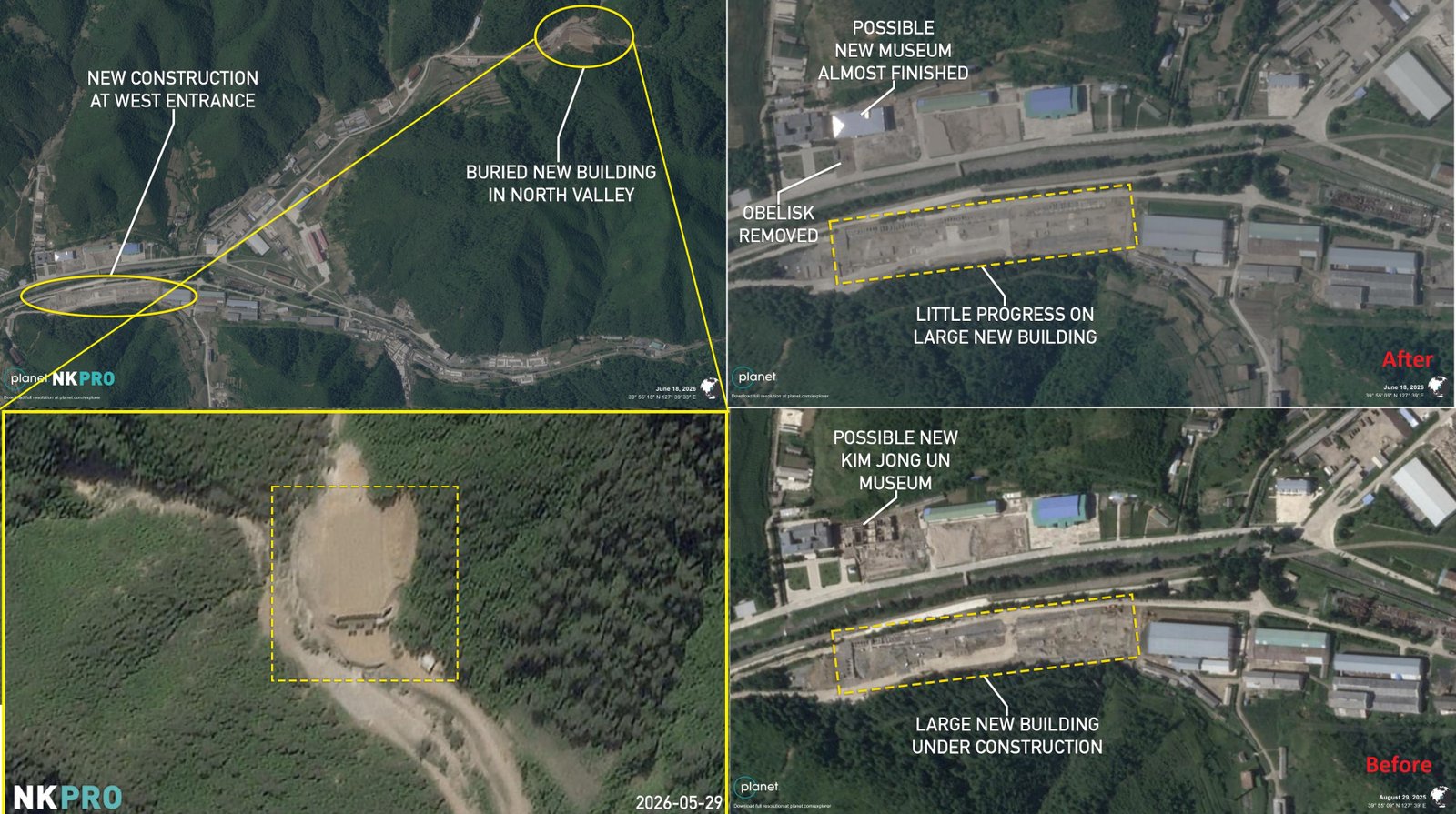
World
HAMHUNG, North Korea — North Korea has constructed a new production building at its primary short-range ballistic missile factory and later buried the structure beneath earth, according to an analysis of Planet Labs satellite imagery published by NK Pro on July 29. Analysts say the move appears intended to improve protection for one of the country's most important missile production sites as Pyongyang continues expanding its manufacturing capacity. The facility, known as the February 11 Factory, or Plant No. 11, is part of the Ryongsong Machine Complex in Hamhung. It is the only publicly known manufacturer of the Hwasong-11 series of short-range ballistic missiles (SRBMs), designated KN-23 by Western countries. The missiles have been used by Russian forces in strikes against Ukraine since late 2023, while Ukrainian officials have also said North Korea has supplied Russia with launchers and other military equipment. New Building Buried Beneath Earth According to NK Pro's analysis, a new building measuring approximately 65 meters by 35 meters and standing two to three stories high was constructed in a secluded valley at the northern end of the complex between late 2024 and February 2026. Satellite imagery shows the structure was fully completed before being covered with earth between March and May 2026, effectively integrating it into the adjacent mountainside. The building's internal layout, featuring a large open central hall surrounded by smaller rooms, closely resembles assembly and inspection facilities seen at other North Korean weapons production sites. Designed to Improve Protection and Safety Analysts assess that the buried structure follows North Korea's cut-and-cover construction method, which provides greater protection than conventional above-ground buildings. The design is believed to serve two purposes. Covering the facility with earth can reduce its vulnerability to aerial attack while also helping contain the effects of accidental explosions during missile manufacturing. However, analysts note that such structures provide less protection than production facilities excavated deep inside mountains. Satellite imagery and state media footage from Kim Jong Un's visits indicate that the factory's most sensitive machining equipment is already located inside underground tunnels, while above-ground buildings are primarily used for final missile assembly and inspection. Several existing buildings at the complex are also protected by packed-earth berms designed to limit blast damage from industrial accidents. Key Missile Production Site The February 11 Factory remains one of North Korea's most significant missile manufacturing facilities. Images released during Kim Jong Un's inspections, including photographs published following a visit in June 2026, showed rows of Hwasong-11 missiles inside assembly halls. Previous state media images have also suggested the factory may manufacture airframes for longer-range missiles and satellite launch vehicles (SLVs). Open-source monitoring has consistently identified the site as North Korea's principal production center for the Hwasong-11 missile family. Larger Expansion Project Appears Stalled The newly buried facility is part of a broader effort to expand production capacity at the factory. In August 2025, North Korean construction crews demolished three existing buildings near the western entrances to the underground production tunnels to make room for a much larger structure measuring at least 330 meters long and 50 meters wide. Satellite imagery shows foundations were completed around the perimeter, while partial walls for edge rooms were erected on the northern and western sides. The design also suggests a large open central area suitable for missile assembly or inspection. However, imagery indicates construction has shown little or no progress since November 2025, suggesting the project has been suspended or significantly delayed. If completed, the facility would substantially increase missile assembly capacity and could support higher production for North Korea's own military requirements as well as future exports. Part of Wider Military Construction The construction at Hamhung reflects North Korea's continued investment in protected military infrastructure. The country has previously used similar earth-covered construction methods at the Hagap site, which open-source assessments have linked to North Korea's nuclear program. Satellite imagery also continues to show tunneling activity at sensitive military locations in Songgan and Kusong. Growing Military Cooperation with Russia The developments at the February 11 Factory coincide with expanding military cooperation between North Korea and Russia. On July 25, 2026, Ukrainian President Volodymyr Zelenskyy, citing Ukrainian intelligence, said Russia is seeking an additional 30,000 North Korean troops and is preparing to receive new North Korean ballistic missile launchers. He also stated that facilities in Russia's Voronezh region have been prepared since June to accommodate the additional personnel. Ukraine has previously stated that North Korea has supplied Russia with Hwasong-11 ballistic missiles, artillery systems, and other military equipment used during the war. Other Changes at the Factory Satellite imagery also shows continued redevelopment at the February 11 Factory beyond missile production facilities. A new building under construction near the western gate, begun in May 2025, appears close to completion and is believed to be a history museum dedicated to Kim Jong Un. It is located next to an existing museum honoring former leaders Kim Il Sung and Kim Jong Il. In mid-June 2026, the factory's main "Tower of Immortality" monument, a common feature at North Korean industrial sites, was dismantled. The reason for its removal has not been disclosed. Ongoing Modernization Effort The February 11 Factory has been inspected by Kim Jong Un several times in recent years, with state media regularly highlighting missile production activities at the site. The latest satellite imagery indicates that North Korea continues to modernize and reorganize one of its most important missile manufacturing complexes. Although one major expansion project appears to have stalled, the completion and burial of the new production building demonstrate continued efforts to strengthen the protection and operational resilience of the facility.
Read More → Posted on 2026-07-29 15:29:01
World
KHASAN/TUMANGANG — Russia and North Korea are nearing completion of their first direct road bridge across the Tumen River, a project both governments say is intended to improve trade, tourism and cross-border transport. However, analysts and open-source researchers have raised questions over whether the crossing could also support military logistics as cooperation between the two countries continues to expand. The new bridge links Khasan in Russia's Far East with Tumangang in North Korea. It is approximately one kilometer long and seven meters wide, with two traffic lanes. Including the approach roads, the entire transport crossing extends about 4.7 kilometers. The bridge is located next to the existing Friendship Bridge, a rail-only crossing completed in 1959. Recent commercial satellite imagery analyzed by researchers, including reports by The Guardian and the U.S.-based 38 North project, indicates that the bridge's main structure is largely complete. North Korea has finished its section of the project, including customs, border control and quarantine facilities. Construction on the Russian side is still ongoing. Satellite images show work continuing on a large border checkpoint, supporting infrastructure and other facilities. Reports also indicate that Russia is building a 10-lane border checkpoint and a helicopter landing pad as part of the project. Construction began in early 2025 following an agreement signed during Russian President Vladimir Putin's visit to Pyongyang in June 2024, where Putin and North Korean leader Kim Jong Un concluded a comprehensive strategic partnership agreement. Russian officials had previously targeted June 19, 2026, for the bridge's opening after an April ceremony marking the joining of the two sections. That deadline passed without the crossing becoming operational. As of late July 2026, no revised opening date has been announced. Putin has previously stated that the bridge is expected to open before the end of 2026. Governments Present Economic Purpose Moscow and Pyongyang have consistently described the bridge as an infrastructure project aimed at expanding trade, improving logistics, promoting tourism and supporting economic development in border regions. Russian Transport Minister Andrey Nikitin has said the crossing will increase bilateral trade, improve transport links, strengthen cultural ties and help develop nearby border areas into economic centers. North Korean state media has also presented the bridge as a project that will facilitate travel and the movement of goods. The bridge is estimated to cost around $100 million. Official bilateral trade between Russia and North Korea totaled approximately $34 million in 2024. Tourism between the two countries also remains limited. Around 10,000 Russian tourists visited North Korea in 2025, mostly through organized tours to Pyongyang, which is located nearly 500 kilometers from the new border crossing. Analysts Question Economic Justification Despite the official explanation, several analysts argue that the project's scale exceeds current economic demand. A recent investigation by the Ukrainian human rights organization Truth Hounds, reported by The Guardian, concluded that the bridge's economic justification appears limited when compared with current trade and tourism figures. The organization suggested the crossing could provide a more flexible transport route for personnel, equipment and other cargo as military cooperation between Russia and North Korea has increased since 2024. Road Transport Offers Different Logistics Advantages According to Truth Hounds lead investigator Nazar Myhun, road transport offers practical advantages over rail and sea transport from a logistics perspective. He said trucks are generally more difficult to monitor using satellite imagery because road networks provide many possible routes, making continuous tracking more challenging than monitoring fixed railway lines. Myhun also noted that trucks can be loaded and unloaded more quickly than railway cars, reducing the amount of time cargo remains stationary. He added that railway cars often reveal the type of cargo they are carrying, especially when open railcars are used, while standard transport trucks generally appear similar in satellite images regardless of their contents. Unlike trains, which operate through fixed railway terminals, trucks can be dispatched from many different locations, providing greater operational flexibility. Direct Route Independent of Chinese Infrastructure The new road bridge will also provide Russia and North Korea with a direct land connection that does not rely on Chinese infrastructure. Once operational, the crossing will complement the existing Friendship Bridge and create the first direct road link between the two countries. Infrastructure work on the Russian side, including customs buildings, access roads and related facilities, remains the primary requirement before the bridge can begin operations. Commercial satellite imagery has continued to track steady progress throughout 2025 and 2026, confirming that while the bridge structure is largely complete, work on Russian border infrastructure remains unfinished. As of late July 2026, both governments have not announced a new opening date.
Read More → Posted on 2026-07-29 15:39:57
World
TAIPEI — U.S. defense technology company Shield AI and Taiwan-based Thunder Tiger Corp. have successfully completed Hivemind's first multi-asset autonomous teaming demonstration on water, validating Shield AI's Hivemind artificial intelligence (AI) pilot aboard Thunder Tiger's SeaShark unmanned surface vessels (USVs) during a coordinated maritime mission in Taiwan. The demonstration, held at Dapeng Bay in Pingtung County, marked the first time Hivemind has coordinated multiple autonomous maritime platforms in a live mission and the first integration of the software with maritime radar and Automatic Identification System (AIS) data. Two Autonomous Drone Boats Complete ISR Mission The demonstration involved Thunder Tiger's SeaShark 600 and SeaShark 800 unmanned surface vessels (USVs) conducting a coordinated intelligence, surveillance, and reconnaissance (ISR) mission. Equipped with Shield AI's Hivemind autonomy software, the vessels used maritime radar, onboard imagery, and AIS data to autonomously plan mission waypoints, search a designated maritime area, identify a target vessel of interest, and coordinate to escort the vessel out of the designated search zone—all without human intervention in mission execution. According to reports from the demonstration, Hivemind divided the search area into separate sectors and assigned one USV to each vessel. After one SeaShark detected the target boat, it immediately shared the information with the second USV. The second vessel then calculated an optimized interception route, allowing both autonomous boats to complete the escort mission in coordination. Personnel from Taiwan's National Chung-Shan Institute for Science and Technology (NCSIST) and the Coast Guard Administration attended the demonstration. Shield AI: Mission Autonomy Can Scale Across Domains Nathan Michael, Chief Technology Officer at Shield AI, said the demonstration highlighted the ability of Hivemind to operate across multiple domains and platforms. "Hivemind continues to prove that true mission autonomy can scale across domains, platforms, and functional assets, unlocking new capabilities for distributed intelligence and maritime security missions," Michael said. "As we continue working with Thunder Tiger to expand the scale and sophistication of autonomous maritime teams, these systems will fundamentally reshape maritime surveillance operations and strengthen deterrence through resilient, intelligent operations." Partnership Began Earlier This Year Shield AI and Thunder Tiger announced a strategic partnership and memorandum of understanding (MoU) in May 2026 to integrate the Hivemind AI pilot across Thunder Tiger's unmanned systems portfolio for dual-use maritime missions. Thunder Tiger manufactures a range of unmanned aerial and surface systems, including Blue UAS-approved first-person view (FPV) platforms that meet cybersecurity and supply-chain standards for U.S. and allied defense applications. Building on the demonstration, both companies said they will continue collaborating on additional sensor integrations, more advanced autonomous behaviors, larger autonomous teams, and open-ocean operations. During the event, Maximilian Chen, Shield AI's Director of Government Relations for Asia, said a fleet of five Hivemind-equipped USVs using autonomous route planning could cover up to 8.3 times their combined search area, highlighting the efficiency gains possible through coordinated autonomous operations. Thunder Tiger Highlights Maritime Security Gene Su, Board Director and General Manager of Thunder Tiger Corp., said autonomous maritime systems will play an increasingly important role in Taiwan's security. "As an island nation, the maritime domain is increasingly critical to Taiwan's security. By integrating AI pilots into our portfolio, we can enable distributed, networked teams that coordinate dynamically to build a more complete understanding of the maritime environment—improving the ability to detect, classify, and identify contacts while helping operators respond with greater speed, scale, and effectiveness," Su said. He added that the demonstration represents an important step toward advancing resilient autonomous maritime capabilities and that the partnership with Shield AI is expected to continue delivering increasingly sophisticated autonomous systems. Thunder Tiger Chairman William Chen also highlighted the growing importance of unmanned aerial vehicles (UAVs) and unmanned surface vessels (USVs), referencing lessons from the Russia-Ukraine war. He called for legislative action on a drone procurement bill as Taiwan continues expanding its unmanned defense capabilities. Strengthening Taiwan's Maritime Defense The demonstration comes as Taiwan continues to invest in asymmetric defense capabilities to strengthen maritime surveillance and coastal defense. Taiwan's Ministry of National Defense has sought funding for coastal reconnaissance drones, attack drones, and unmanned surface vessels as part of broader efforts to build distributed maritime capabilities. The integration of autonomous AI software such as Hivemind could provide several operational advantages as China continues expanding both its naval fleet and unmanned maritime systems. Unlike conventionally operated drones that rely on continuous communications with operators, Hivemind processes sensor information and makes navigation and mission decisions onboard the vessel. This allows autonomous USVs to continue operating even when communications are degraded or disrupted by electronic warfare. Autonomous teams of drone boats can also patrol multiple sectors simultaneously, share information in real time, coordinate target tracking, and maintain persistent surveillance over larger maritime areas. These capabilities can improve maritime awareness while complementing manned naval assets with lower-cost unmanned platforms. China has also accelerated the development and testing of unmanned surface vessels for the People's Liberation Army Navy (PLAN), increasing the emphasis on resilient and distributed autonomous maritime systems on both sides of the Taiwan Strait. Lessons from the Ukraine-Russia War Interest in autonomous drone boats has grown significantly following their operational use during the Ukraine-Russia war. Since 2022, Ukraine has employed unmanned surface vessels such as the MAGURA and Sea Baby in operations against Russian naval assets and military infrastructure in the Black Sea. These systems have been used to strike warships and other maritime targets, demonstrating how relatively low-cost unmanned platforms can challenge larger conventional naval forces and influence naval operations. Military planners have drawn lessons from these operations, particularly the value of distributed unmanned systems for surveillance, reconnaissance, maritime security, and coordinated operations while reducing risks to personnel. Taiwan's continued investment in autonomous maritime platforms reflects a broader effort to strengthen coastal defense and maritime situational awareness using unmanned technologies. Hivemind Across Multiple Military Platforms Shield AI said Hivemind enables military platforms to sense, decide, and act independently without human intervention in those functions. Before the Taiwan maritime demonstration, Hivemind had already been integrated with more than 30 different platforms, including F-16 fighter aircraft, jet-powered unmanned aerial vehicles, helicopters, drone boats, and ground vehicles. Founded in 2015, Shield AI develops autonomy software and aircraft, including the V-BAT and X-BAT systems. Thunder Tiger Corp., listed on the Taiwan Stock Exchange, manufactures unmanned aerial and surface systems for defense, inspection, and other applications, with its FPV platforms holding Blue UAS approval.
Read More → Posted on 2026-07-29 16:24:18
World
TOKYO — Japan's Ministry of Defense announced on July 30 that the Japan Maritime Self-Defense Force (JMSDF) has successfully conducted its first live-fire test of a U.S.-made Tomahawk cruise missile from the Aegis guided-missile destroyer JS Chokai (DDG-176), marking a major step in the country's efforts to strengthen its stand-off strike capability. The live-fire test was carried out on July 29 (Japan time) in the Pacific Ocean while JS Chokai was deployed to the United States as part of Japan's Tomahawk acquisition and training program. The U.S. Navy supported the event by providing the test range, monitoring the surrounding airspace and waters, and assisting with test planning. Japanese officials emphasized that the missile launch was conducted by the JMSDF crew. The successful launch makes Japan the third country outside the United States, after Australia and the Netherlands, to fire a Tomahawk missile from a surface combatant. It is also the fourth country outside the United States to launch the missile overall, following the United Kingdom, which operates Tomahawks from submarines. Test Verified Launch Procedures and Missile Flight Officials from Japan's Acquisition, Technology & Logistics Agency (ATLA) said the test confirmed that JS Chokai and its crew successfully completed the full launch sequence, including all required operational procedures. The test also verified the missile's flight to its designated target. ATLA did not disclose several operational details, citing coordination with the U.S. Navy and the need to protect Japan's defense capabilities. The agency withheld information including the precise test location beyond the Pacific Ocean, the type of target used, the missile's flight range, guidance procedures, the number of missiles launched, and whether the missile was a Block IV or Block V Tomahawk. Months of Preparation Before the Launch Japan's Ministry of Defense announced in March 2026 that JS Chokai had been modified to operate Tomahawk cruise missiles. Officials said the months leading up to the live-fire test were used to verify the newly installed equipment and train the ship's crew in launch procedures. At the time of the announcement, Defense Minister Shinjiro Koizumi said Japan's stand-off defense capability is intended to ensure that any potential adversary understands that attacks against Japan by naval vessels, amphibious forces, or other means can be effectively countered. Following the completion of its deployment in the United States, JS Chokai is expected to return to its homeport in Sasebo around September 2026. Officials declined to say when the Tomahawk capability will officially enter operational service, stating that releasing such information could reveal details about Japan's defense readiness. No Additional Live-Fire Tests Planned ATLA officials said Japan currently has no plans to conduct similar live-fire tests on the other JMSDF Aegis destroyers that are being upgraded to operate Tomahawk missiles. According to the agency, additional shipboard firing tests are not considered necessary because the Mk 41 Vertical Launching System and Tomahawk launch equipment already have a long operational record with the U.S. Navy. Officials said the successful test aboard JS Chokai confirmed the integration of the Tomahawk weapon system with Japan's combat system. Upgrades Planned for Five Aegis Destroyers Japan has allocated approximately 113.6 billion yen (about $694 million) through fiscal year 2026 to equip five of its eight JMSDF Aegis destroyers with Tomahawk launch capability. The ships are: JS Chokai JS Kirishima JS Haguro JS Myoko JS Atago Modification work on Haguro and Kirishima began during fiscal year 2025. Contracts for the required equipment for Atago and Myoko have already been awarded, with modification work scheduled to begin during fiscal year 2026. Funding for upgrades to the remaining three Aegis destroyers will be considered from fiscal year 2027 onward, although officials said it is too early to estimate the cost. Japan is also building two Aegis System Equipped Vessels (ASEVs) scheduled to enter service in fiscal years 2027 and 2028. While the vessels are intended to operate Tomahawk missiles in the future, ministry officials said they are not expected to have Tomahawk launch capability when they first enter service. Tomahawk Procurement Program Remains on Schedule Japan plans to acquire up to 400 Tomahawk cruise missiles through the U.S. Foreign Military Sales (FMS) program at a total cost of approximately 169.4 billion yen (about $1.03 billion). The procurement schedule remains unchanged: Up to 200 Block IV missiles are scheduled for delivery between fiscal years 2025 and 2027. Up to 200 Block V missiles are scheduled for delivery between fiscal years 2026 and 2027. ATLA confirmed that deliveries began during fiscal year 2025, but officials declined to disclose how many missiles have been delivered or provide a detailed delivery timeline, citing operational security. They stated that the acquisition program remains on schedule. Officials also confirmed that Japan does not plan to purchase more than the approved 400 Tomahawk missiles. Future expansion of Japan's stand-off strike capability is expected to rely primarily on domestically developed long-range missiles currently under development. The Ministry of Defense said it announced the successful test as part of its policy of informing taxpayers about the progress of major defense programs funded with public money. Once the current modification program is completed, five of the JMSDF's eight Aegis destroyers will be equipped with Tomahawk launch capability, while upgrades for the remaining three ships are expected to be considered under future budgets. The Tomahawk is a long-range, subsonic cruise missile with a range of more than 1,600 kilometers. Australia conducted its first surface-ship Tomahawk launch from HMAS Brisbane in December 2024, while the Netherlands carried out its first launch from HNLMS De Ruyter in March 2025.
Read More → Posted on 2026-07-30 11:18:24
U.S
SAN DIEGO, California — A small autonomous sea drone developed by California-based startup Seasats captured close-range video and collected data on a Chinese People's Liberation Army (PLA) Navy Type 052D guided-missile destroyer in Philippine waters earlier this summer, highlighting the growing role of low-cost unmanned surface vessels in maritime surveillance. According to Seasats, its Lightfish autonomous surface vessel approached the Chinese warship on June 16, approximately 105 kilometers (65 miles) northwest of Luzon Island, within the Philippines' Exclusive Economic Zone (EEZ). The company shared the footage with Reuters, which independently verified its authenticity. Reuters confirmed the vessel as a PLA Navy Type 052D guided-missile destroyer by matching its deck layout, mast, crane, and superstructure with archived imagery. The news agency also verified the location using Seasats' navigation data and confirmed the date through the original file metadata. The incident is believed to be the first publicly reported case of a private U.S. company releasing verified close-range footage of a Chinese warship recorded by one of its autonomous sea drones. Low-Cost Drone Tracks Billion-Dollar Warship The encounter highlights how relatively inexpensive autonomous vessels are increasingly being used for maritime surveillance. The Lightfish drone costs about $240,000, while the Chinese Type 052D guided-missile destroyer is valued at roughly $1 billion. Seasats CEO Mike Flanigan said the company successfully navigated the drone close to the destroyer and recorded extensive video and other data during the mission. The Lightfish is the smallest vessel in Seasats' current lineup. It can be transported in the back of a standard pickup truck, deployed from a small boat or boat ramp, and launched or recovered within minutes by one or two operators. The hybrid-powered vessel is designed for long-duration missions of up to six months and can operate in Sea State 6 conditions with waves reaching 20 feet (6 meters). Equipped for Maritime Surveillance Lightfish drones can carry a range of surveillance and sensing systems, including: Electro-optical cameras Infrared cameras Signals intelligence equipment Electronic warfare payloads Active sonar Passive sonar These systems enable the vessel to collect visual, electronic, and underwater information during extended autonomous missions. By comparison, the Type 052D destroyer is a major surface combatant measuring approximately 156 meters in length, with a full-load displacement of around 7,000 tons and a crew of about 280 personnel. Previous Encounters With Chinese Naval Ships Seasats said this was not its first encounter with Chinese naval vessels. The company stated that its autonomous surface drones have previously operated near Type 052 destroyers, Type 055 destroyers, and Type 056 corvettes during missions over the years. According to the company, the drones' small size and low profile often allow them to operate without being visually detected. However, Seasats noted that both the drones and the naval vessels emit electronic signatures through their radar and other scanning systems. Regional Tensions Continue The encounter occurred against the backdrop of continuing territorial disputes in the South China Sea, where China maintains an extensive maritime presence despite the 2016 Permanent Court of Arbitration ruling that rejected its broad claims over much of the sea. The Armed Forces of the Philippines recently reported monitoring 26 Chinese navy and coast guard vessels operating in key areas of the disputed waters. The Philippine Coast Guard has also reported an increased presence of Chinese maritime forces, including warships, in the area compared with 2024. China and Philippines Respond Asked about the June 16 footage, the Chinese Embassy in Washington said it had no information to provide and was unfamiliar with the incident. Separately, China's Foreign Ministry defended the country's military activities, stating they are conducted in accordance with international law and international practices. Foreign Ministry spokesperson Mao Ning said relevant parties should avoid approaching Chinese naval vessels at close range, warning that such actions could increase the risk of accidental incidents at sea or in the air. The Philippine Embassy said it would continue reminding all parties to avoid actions that could escalate tensions, particularly if found trespassing within the Philippines' Exclusive Economic Zone (EEZ). Company Expands Production Founded six years ago and based in San Diego, California, Seasats has raised more than $40 million in funding. The company has also received more than $100 million in U.S. government contracts, including an $89.2 million U.S. Navy production award and a $24 million award under the Accelerate the Procurement and Fielding of Innovative Technologies program. In addition to the Lightfish, Seasats is preparing to begin production of its larger Quickfish autonomous surface vessel, while a third platform, Heavyfish, remains in the design phase.
Read More → Posted on 2026-07-30 11:33:00
Europe
BARROW-IN-FURNESS — The UK government has awarded BAE Systems a £5.9 billion contract to continue construction of the Royal Navy's Dreadnought-class nuclear deterrent submarines, marking the next phase of the UK's programme to replace its aging Vanguard-class fleet. The contract forms the central part of a wider £8.4 billion funding package approved by Parliament to support the organisations responsible for maintaining and renewing the UK's nuclear deterrent. Of the total package, £5.9 billion has been allocated to BAE Systems, while the remaining £2.5 billion will support companies across the wider UK defence supply chain. The investment will advance construction of all four submarines in the Dreadnought class, which are being built to maintain the UK's Continuous at Sea Deterrent (CASD) capability. Contract Supports Construction of All Four Submarines The agreement, known as Delivery Phase 4, funds the next stage of work across the entire Dreadnought fleet. Construction of the lead submarine, HMS Dreadnought, is continuing at BAE Systems' shipyard in Barrow-in-Furness, with delivery to the Royal Navy planned for the early 2030s. The contract also provides funding to continue construction of the second submarine, HMS Valiant, progressing it toward its sea trials phase. In addition, it covers fabrication and outfitting work on the third and fourth submarines, HMS Warspite and HMS King George VI, which remain in the early stages of construction. Once completed, the four submarines will replace the Royal Navy's existing Vanguard-class fleet and ensure the continuation of the UK's Continuous at Sea Deterrent (CASD). Dreadnought-Class Features According to BAE Systems, the Dreadnought class will be the largest and most technologically advanced submarines ever built for the Royal Navy. Each submarine measures 153.6 metres in length and will be powered by a Rolls-Royce nuclear propulsion system manufactured in Derby, providing virtually unlimited operational range without the need for refuelling during service. The submarines will be equipped to carry and launch Trident II D5 ballistic missiles. They will also become the first Royal Navy submarines designed specifically for mixed-gender crews, featuring separate accommodation areas and customised day-and-night lighting systems. The programme is being delivered in partnership with the Ministry of Defence's Defence Nuclear Enterprise, which oversees the operation, maintenance and renewal of the UK's nuclear deterrent. Major Investment Across the UK Supply Chain The Dreadnought programme continues to support a large national industrial network. During the last financial year, BAE Systems spent £1.3 billion across the Dreadnought supply chain. Total programme expenditure has now reached £8.9 billion, supporting work across more than 1,500 UK suppliers. The wider Defence Nuclear Enterprise currently supports around 47,000 jobs across approximately 6,000 companies throughout the UK. The Dreadnought programme itself supports around 30,000 jobs, including more than 7,000 BAE Systems employees working directly on the project. The government has also said the wider investment package aims to create 22,000 apprenticeships by 2035, helping develop the future defence manufacturing workforce. Barrow Remains the Centre of UK Submarine Construction Barrow-in-Furness continues to play a central role in the UK's submarine-building industry. BAE Systems has invested £1 billion in its Barrow shipyard over the past four years to expand production capacity for the Dreadnought programme. During the same period, the workforce at the site has increased from 11,000 to approximately 16,000 employees, reflecting the scale of the programme. The company is also investing in local training and community facilities through the Team Barrow partnership and the £200 million Barrow Transformation Fund. In September 2025, King Charles III granted Barrow-in-Furness official Royal Port status in recognition of the town's longstanding contribution to UK defence and submarine construction. Government and Industry Highlight Strategic Importance BAE Systems Chief Executive Charles Woodburn said the Dreadnought programme is essential to the UK's long-term security and depends on the country's industrial base. "The Dreadnought programme is of vital strategic importance to the UK, underpinning the security of our nation and our allies for decades to come. Its delivery depends on the strength of our national industrial base, with thousands of skilled workers right across the country playing their part in the mission to deliver this critical capability to the Royal Navy." Defence Secretary Wes Streeting said the UK's nuclear-armed submarines remain a key part of national security and described the investment as supporting both defence capability and British industry. He said the funding secures delivery of the Dreadnought-class fleet while supporting thousands of skilled jobs and strengthening Barrow's long-standing role in submarine construction. Prime Minister Andy Burnham said protecting the country remains the government's primary responsibility and added that the programme also supports domestic manufacturing by creating opportunities for future generations of skilled workers. Programme Remains on Schedule The UK government said the Dreadnought programme remains on track, with HMS Dreadnought expected to enter Royal Navy service in the early 2030s. The latest investment ensures continued progress across all four submarines while supporting the industrial base, supply chain and workforce required to deliver one of the UK's largest long-term defence programmes.
Read More → Posted on 2026-07-30 11:52:51
World
BEIJING — China has rejected media reports claiming it plans to supply Iran with hundreds of Chinese-made shoulder-fired air-defense missile systems, calling the reports "not true" and without any factual basis. Speaking at a regular press briefing in Beijing on Thursday, Chinese Foreign Ministry spokesperson Mao Ning said the reports were "groundless" and stressed that China has consistently worked to promote peace and de-escalation. She said Beijing has made its position on such issues clear on multiple occasions. China has denied reports that Iran will receive up to 400 Chinese-made shoulder-fired air-defense missile launchers. Foreign Ministry spokeswoman Mao Ning called the claim "not true" and said it has "no factual basis," adding that China supports peace and an end to the conflict. pic.twitter.com/LYnHql6OkK — The Defense News (@TheDefenseNews) July 30, 2026 The denial follows a Reuters report published on July 29, which cited three unnamed sources claiming that Iran was expected to receive an initial shipment of up to 400 Chinese-made man-portable air-defense systems (MANPADS), including the QW-12 and FN-16 models. The report said the alleged contract covered 300 to 400 systems and was valued at $60 million to $70 million. According to the report, the alleged deal involved Zhongqing Baoshang International Investment, a Hong Kong-based intermediary, with shipments reportedly planned from Urumqi in western China through Pakistan before reaching Iran. Reuters noted that delivery schedules, quantities, and other details could still change. Pakistan also denied the claims. The country's military media wing, Inter-Services Public Relations (ISPR), described reports that Pakistani territory would be used as a transit route as "absolutely concocted and false" and "devoid of truth." The reported purchase emerged amid Iran's efforts to strengthen its short-range air-defense capabilities following months of conflict involving the United States and Israel. However, both China and Pakistan have publicly stated that no such arms transfer is taking place. China has also previously said it strictly controls military exports in accordance with its laws and international obligations, while reiterating its support for regional stability and efforts to reduce tensions.
Read More → Posted on 2026-07-30 12:04:08
World
WARSAW — A Russian Kh-101 cruise missile entered Polish airspace and crashed in eastern Poland early Thursday during one of Russia's largest overnight missile and drone attacks on Ukraine, prompting a military response from Poland and an official investigation into the incident. The missile crashed in an undeveloped field near the village of Tarnawa-Kolonia in Biłgoraj County, Lublin Voivodeship, approximately 95 kilometers (59 miles) from the Ukrainian border. Polish authorities confirmed that the explosion caused a large crater but resulted in no casualties or structural damage. Missile Entered Polish Airspace According to the Operational Command of the Polish Armed Forces, the missile followed a complex flight path before entering Poland. Tracking data showed it first entered Ukrainian airspace over the Sumy region, flew across western Ukraine toward the Volyn region, and then crossed into Polish territory. The Polish military released the following timeline of the incident: 3:16 a.m. (Polish time): Poland scrambled military aircraft in response to the large-scale Russian attack on Ukraine. 3:29 a.m.: An aerial target approached within 5 kilometers (3.1 miles) of the Polish border. 3:40 a.m.: The object was detected flying westward over Polish territory, and an F-16 fighter jet was dispatched to identify and intercept it. 3:46 a.m.: The missile disappeared from Polish military radar. Around 4:00 a.m.: Residents reported a powerful explosion that shook windows in nearby homes. To verify radar data, the military later dispatched a Mi-24 helicopter to the area. The helicopter crew located the impact site in a rural field near Tarnawa-Kolonia. Crash Site Under Investigation Local Polish media began reporting the explosion and the emergency response by 5:58 a.m. Kyiv time. Police, firefighters and other security services secured the area while investigators examined the impact site. According to local reports, the impact created a crater measuring approximately 10 meters wide and 5 meters deep, with missile fragments scattered across an area of about 200 meters. The site is located roughly 2 kilometers from the nearest residential buildings. Ukraine has also offered assistance with the investigation. Polish Government Responds Polish Prime Minister Donald Tusk, who visited the crash site, said all available evidence indicates the projectile was a Russian Kh-101 cruise missile, although authorities are continuing to verify its exact type and origin. "All the indications are that it was a Russian Kh-101 cruise missile, but we want to be 100% certain about the type of missile and who launched it," Tusk said during an emergency coordination meeting. Tusk said the Polish military had tracked the missile throughout the incident and was prepared to shoot it down if it had continued deeper into Polish airspace or posed a threat to populated areas. He added that investigators are also determining whether the crater was caused by the missile's warhead detonating or by the impact itself. According to Tusk, there is no indication that Poland was the intended target. He also confirmed discussing the incident with President Karol Nawrocki. Polish Air Defences Activated Polish Defence Minister Władysław Kosiniak-Kamysz described the night as highly demanding for Poland's air defence and surveillance systems. He said Polish F-16 fighter aircraft had been operating near the border from around 2:00 a.m., while reconnaissance aircraft and allied aerial refuelling aircraft were also activated. Air raid alerts were issued in Lublin and other parts of the province as a precaution. Monitoring channels, including eRadar and Strategic Aviation, also reported a cruise missile crossing into Polish airspace over Lublin Voivodeship during the attack. Part of a Large-Scale Russian Strike on Ukraine The airspace violation occurred during a major overnight Russian missile and drone attack across Ukraine. According to the Ukrainian Air Force Command, Russia launched 74 missiles and 284 drones during the attack. The missiles included: 61 Kh-101 and Kalibr cruise missiles Four Zircon and Oniks missiles Nine Iskander-M, S-400 and KN-23 ballistic missiles Ukraine said its air defence forces intercepted or suppressed 55 missiles and 265 drones. The primary targets included the Kyiv and Lviv regions, while strikes were also reported in Dnipropetrovsk, Sumy, Vinnytsia, Poltava, Mykolaiv, and Ivano-Frankivsk. According to Ukrainian authorities, the overnight attack killed at least eight people and injured dozens more, while causing damage across multiple regions. Ukraine Calls for Stronger Air Defences Ukrainian Foreign Minister Andrii Sybiha said the missile's entry into Poland demonstrated that strengthening Ukraine's air defence capabilities is important for the security of the wider Euro-Atlantic region. He also described the missile's flight into Poland as a violation of NATO airspace. Investigation Continues The Polish government has launched an investigation to determine the exact circumstances surrounding the missile's entry into Polish airspace, confirm the projectile's identity, and establish whether the crater resulted from the missile's impact or the detonation of its warhead. Authorities have reiterated that no injuries or damage to buildings were reported, while security services continue to examine the crash site.
Read More → Posted on 2026-07-30 13:20:46
Europe
COWES, Isle of Wight — GKN Aerospace has completed the engineering, manufacture, and integration of flight-ready wings, fins, and control surfaces for Brontanax, the United Kingdom's first Collaborative Combat Aircraft (CCA) prototype developed by BAE Systems. The delivery marks a key milestone for the Brontanax programme and demonstrates the rapid pace at which the aircraft has progressed from a clean-sheet design to a flight-ready prototype. According to GKN Aerospace, the programme also highlights an accelerated approach to military product development and supply chain management. Composite Structures Built for Flight-Ready Prototype BAE Systems selected GKN Aerospace's advanced composite manufacturing and assembly capabilities to produce the aircraft's primary aerodynamic structures. The components were engineered to meet the technical requirements of the Brontanax prototype while supporting the programme's compressed development schedule. To deliver the project, GKN Aerospace combined expertise from its global network of facilities, drawing on specialist capabilities in composite manufacturing, novel tooling design, and complex product assembly. The flight-ready wings, fins, and control surfaces were manufactured at the company's composite design and assembly facility in Cowes on the Isle of Wight. The delivery also coincides with a significant local milestone, marking 125 years of aerospace innovation on the Isle of Wight. According to GKN Aerospace, the project demonstrates its ability to manufacture airworthy prototype structures while continuing to support established high-volume commercial aerospace programmes. Brontanax Collaborative Combat Aircraft Brontanax is an uncrewed autonomous aircraft designed to operate alongside crewed combat aircraft, including the Typhoon. The platform is intended to provide electronic warfare and precision strike capabilities against both airborne and ground targets. The aircraft is similar in size to a Hawk trainer and has a maximum take-off weight of more than five tonnes. BAE Systems unveiled a full-size model of Brontanax at the Farnborough International Airshow on 22 July 2026 and confirmed that a flightworthy prototype has been built at its Warton facility in Lancashire. Rapid Development Programme Development of Brontanax began in 2022 under BAE Systems' FalconWorks rapid development unit. The programme has involved more than 500 BAE Systems employees and approximately 75 UK suppliers. BAE Systems has invested more than £400 million of its own funding in the project to date. According to the company, the programme will move into its next development phases with power-on planned before the end of the third quarter of 2026, followed by ground trials during the first half of 2027. The first flight is planned for later in 2027 from an undisclosed Royal Air Force site. Company Statements Rupert Dix, Senior Vice President Defence at GKN Aerospace, said the programme demonstrates the company's ability to rapidly transform advanced aircraft concepts into flight-ready structures. "This is the latest example of GKN Aerospace's ability to turn complex, clean-sheet designs into flight-ready reality at an unprecedented pace. By combining our advanced engineering with cutting-edge manufacturing, we are actively shaping the future of next-generation combat air power for the UK and our global allies." Mark Wilson, Head of Autonomous Collaborative Platforms at BAE Systems, said GKN Aerospace played an important role in meeting the programme's demanding schedule. "The rapid progression from concept to prototype integration is a remarkable achievement. GKN Aerospace's industrial expertise, agility and commitment to collaboration have been pivotal in delivering high-quality, flight-ready structures within an extraordinarily compressed timeline." Strengthening UK Defence Manufacturing GKN Aerospace said the Brontanax programme expands its role in supporting the UK's next-generation combat air capabilities while demonstrating the strength of its domestic engineering and manufacturing base. The company added that it intends to continue applying its UK industrial capabilities to current and future defence programmes and will use the experience gained from the rapid-development project to support customers across its wider international business network.
Read More → Posted on 2026-07-30 13:39:43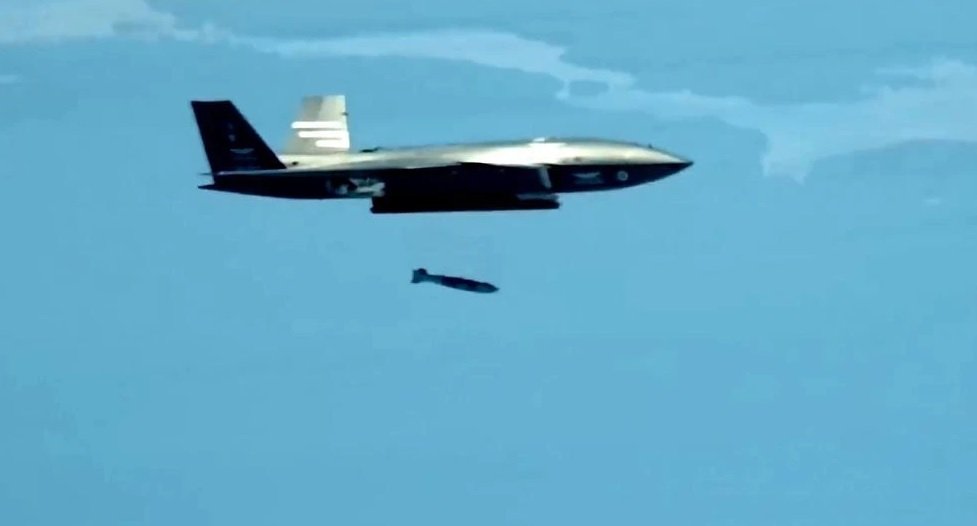
World
ÇORLU, Türkiye — Türkiye's Bayraktar KIZILELMA unmanned combat aircraft has successfully completed its first live-fire tests using its internal weapons bay, marking an important step in the platform's low-observable strike capability. During the tests, the aircraft accurately released two domestically developed smart munitions—ROKETSAN's TEBER-82 and ASELSAN's TOLUN-P—from its internal weapons compartment and achieved direct hits on their designated targets. Baykar, the developer of KIZILELMA, announced the results on July 30, 2026. The tests were conducted at the Çorlu Flight Training and Test Center in Tekirdağ using the serial production aircraft with tail number S2. According to the company, KIZILELMA first conducted a successful internal-bay firing of the ROKETSAN-produced TEBER-82 on July 25. A second test followed on July 28, when the aircraft successfully released ASELSAN's TOLUN-P munition from its internal weapons bay. In both flights, the aircraft took off from Çorlu, flew to the target area, released the weapons from the internal compartment, and accurately struck the designated targets. The successful releases represent the first time both munitions have been fired from KIZILELMA's internal weapons bay. They had previously been tested from the aircraft's external under-wing hardpoints. 🇹🇷 Türkiye's Bayraktar KIZILELMA successfully completed its first live-fire tests from its internal weapons bay, releasing the TEBER-82 and TOLUN-P smart munitions and hitting designated targets. The milestone strengthens the UCAV's low-observable precision strike capability. pic.twitter.com/VDvmkPfjL7 — The Defense News (@TheDefenseNews) July 30, 2026 Internal Weapons Bay Supports Low-Observable Operations The successful use of the internal weapons bay is an important capability for low-observable combat aircraft. Carrying weapons inside the fuselage helps reduce the aircraft's radar cross-section compared with external stores, while also preserving aerodynamic performance by minimizing drag. Baykar said the successful tests confirm KIZILELMA's ability to conduct precision strikes while maintaining a lower radar signature. Internal carriage is intended to improve the aircraft's effectiveness during operations in heavily defended environments and support deeper penetration missions using domestically developed weapons. Munitions Used During the Tests The two precision-guided munitions used during the trials were developed by Turkish defense companies. The TEBER-82, developed by ROKETSAN, is a guidance kit that converts standard MK-82 general-purpose bombs into precision-guided weapons. It uses inertial navigation, GPS, and a semi-active laser seeker for guidance. According to the available specifications, it has a range of 2 to 28 kilometers, weighs approximately 270 kilograms, offers a circular error probable of less than three meters, and can engage both fixed and moving targets. It also includes an optional proximity sensor. Following the successful firing, ROKETSAN CEO Murat İkinci said the internal weapons station test had been completed successfully and highlighted the continued cooperation between the companies. The TOLUN-P, developed by ASELSAN, is an INS/GNSS-guided gliding munition in the 250-pound class designed for precision strikes. According to ASELSAN CEO Ahmet Akyol, its integration involved the SADAK-4T smart pneumatic rack, enabling the weapon to be carried inside KIZILELMA's internal weapons bay. Builds on Previous Weapons Integration The internal weapons bay tests expand KIZILELMA's ongoing weapons integration program. The aircraft has previously completed firing tests with the Gökdoğan air-to-air missile, the JET-230 air-to-surface supersonic missile, LGK-82 guidance kits, and external carriage and release of both TOLUN and TEBER-82 munitions. In mid-July 2026, KIZILELMA successfully test-fired the JET-230 missile at a range exceeding 120 kilometers. According to previous program milestones, the aircraft also became the first unmanned fighter to destroy a jet-powered aerial target using a beyond-visual-range air-to-air missile in November 2025. In December 2025, two KIZILELMA prototypes completed an autonomous close-formation flight. Platform Overview Bayraktar KIZILELMA is Türkiye's first jet-powered unmanned combat aircraft and is designed as a low-observable, single-engine multirole platform. The aircraft has an overall payload capacity of approximately 1.5 tons distributed between its internal weapons bays and external under-wing stations. Depending on configuration, its maximum takeoff weight ranges from approximately 6 to 8.5 tons. Broader Significance Defense analysts note that data collected during KIZILELMA's internal weapons bay testing could support the development of other Turkish low-observable aircraft programs that also use internal weapon bays, including TUSAŞ's ANKA-III unmanned combat aircraft and the KAAN fifth-generation fighter. The successful completion of the internal-bay live-fire tests marks another step in validating KIZILELMA's ability to integrate domestically produced precision-guided weapons while supporting low-observable strike operations.
Read More → Posted on 2026-07-30 13:47:25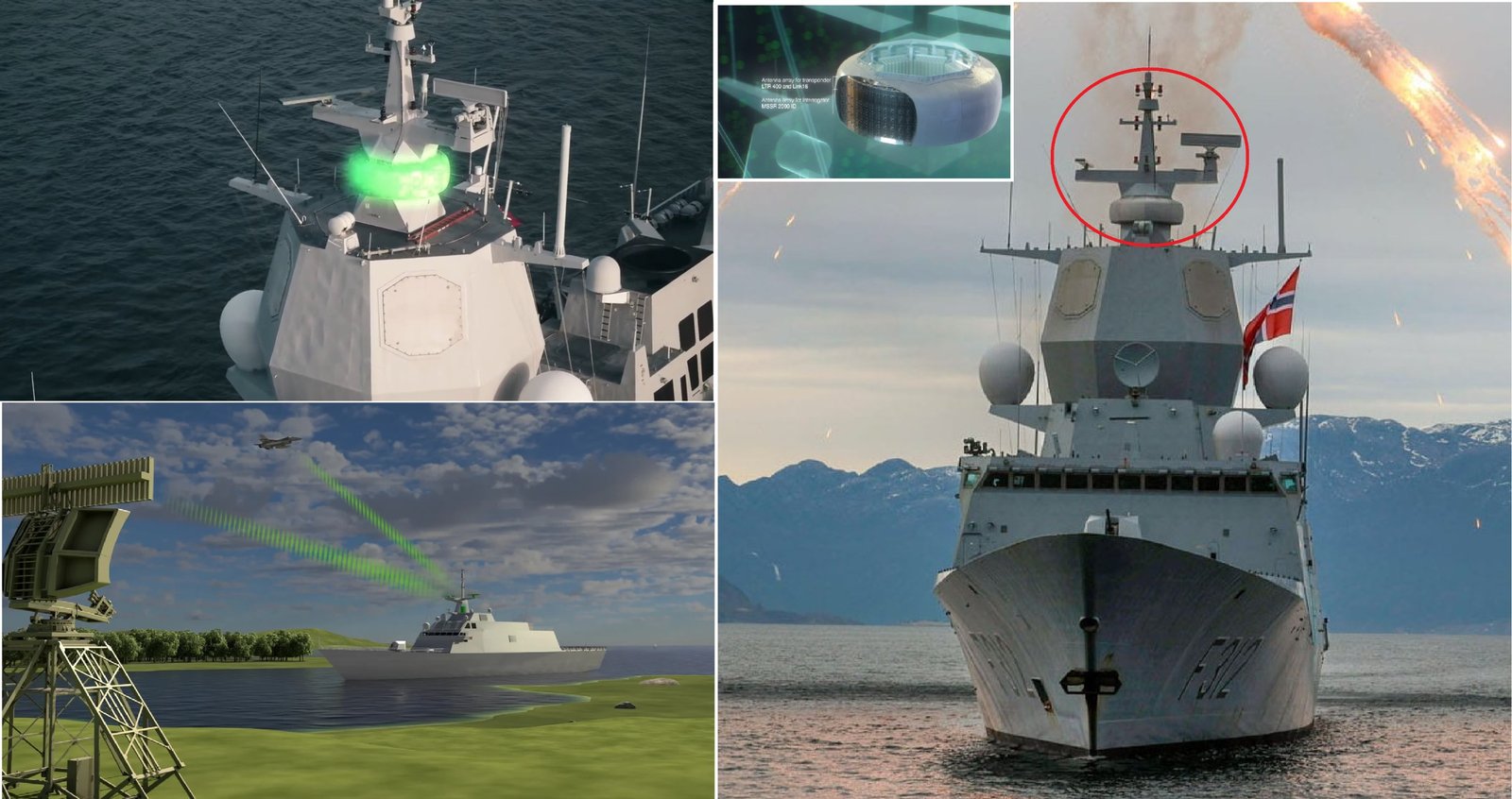
Europe
OSLO, July 30, 2026 — According to Naval Analyses (@D__Mitch), which cited visual evidence, industry sources and defense procurement information, the Royal Norwegian Navy's Fridtjof Nansen-class frigates have been equipped with HENSOLDT's NESIS 4000 electronically steered, non-rotating Identification Friend or Foe (IFF) antenna system as part of an upgrade that has received little public attention. The analysis indicates that the modernization has been underway since 2019. The upgrade replaces the traditional mechanically rotating IFF antenna with HENSOLDT's fixed, electronically scanned NESIS 4000 system. Comparisons between older and more recent photographs of the frigates show a clear change in the design of the ships' main masts. Earlier images display rotating antennas mounted at the masthead, while newer photographs show the circular, fixed mast structure associated with the NESIS 4000. HENSOLDT, the German sensor specialist, introduced the NESIS 4000 in April 2019. The system is based on Active Electronically Scanned Array (AESA) technology and electronically steers interrogation beams instead of relying on a rotating mechanical antenna. The fixed, ring-shaped antenna can also be integrated lower within a ship's mast structure. According to HENSOLDT, the electronically steered design enables faster identification of friendly and unknown contacts compared with conventional rotating systems. The NESIS 4000 provides continuous 360-degree coverage with an operational range of up to 200 nautical miles. The company also states that the system can track up to 2,000 targets simultaneously across its full coverage area. The fixed design removes moving mechanical parts, reducing mechanical wear and maintenance requirements during service. Positioning the antenna lower within the mast also reduces the ship's radar cross-section (RCS) and infrared signature compared with a rotating antenna installed at the top of the mast. The system supports real-time "lock-on track" operation and includes a fully passive operating mode. By using data links such as ADS-B and Mode 5 Level 2 reception, the frigate can monitor surrounding air and maritime activity without actively transmitting signals that could reveal its position. Evidence that the system has entered operational service on Norwegian frigates has also emerged from industry sources. A LinkedIn post by a HENSOLDT-linked individual showed HNoMS Roald Amundsen fitted with the NESIS 4000 integrated into its mast. A company comment on the post described it as the first operational use of the new product on a frigate. The post dates to approximately 2022. The Fridtjof Nansen class was built by Spain's Navantia and delivered to Norway between 2006 and 2011. Five frigates were originally constructed, with four remaining in service following the loss of HNoMS Helge Ingstad in 2018. The frigates serve as the Royal Norwegian Navy's primary surface combatants and are equipped with the Aegis combat system and the Lockheed Martin AN/SPY-1F radar as their primary sensor. Additional onboard systems include a Reutech air and surface surveillance radar. HENSOLDT had previously supplied its MSSR 2000 I secondary radar for military IFF applications to the Norwegian Navy and several other operators. Although Norway has announced various modernization programs for the Nansen-class fleet over the years, public references to the installation of the NESIS 4000 have remained limited. Official Norwegian defence statements and standard open-source descriptions of the frigates have not highlighted the modification in detail. The installation of the NESIS 4000 represents a transition from conventional rotating IFF antennas to electronically steered fixed-array technology aboard the Royal Norwegian Navy's surface combatants. The upgrade provides continuous 360-degree identification capability at extended range while reducing the ships' overall radar and infrared signatures and lowering long-term maintenance requirements.
Read More → Posted on 2026-07-30 14:08:27
Europe
WILHELMSHAVEN, Germany — Rheinmetall has secured a mid-three-digit million euro contract to modernize the German Navy's F123-class frigate Bayern, extending the vessel's operational service life until at least 2035 while upgrading its systems to meet current operational requirements. The agreement was finalized at the end of the second quarter of 2026. The modernization work will be carried out at Rheinmetall's Neue Jadewerft shipyard in Wilhelmshaven and is scheduled to continue through 2029. Comprehensive Service-Life Extension Commissioned in 1996, Bayern is a 143-meter frigate belonging to the Brandenburg-class (F123), a class of four ships primarily designed for anti-submarine warfare (ASW). The modernization program is intended to keep the frigate operationally ready while updating its systems to current technological standards. The vessel is currently berthed at the Neue Jadewerft facility, where crews are removing major components in preparation for the next phase of the project. After this stage is completed, the ship will be transferred to the shipyard's dry dock for the main modernization work. Key Systems to Be Upgraded The overhaul will include upgrades across several major areas of the frigate. The ship's Combat Management System (CMS) will be completely replaced, while the radar sensor suite will be modernized to support current operational requirements. Essential shipboard engineering systems will also undergo refurbishment, including the vessel's propulsion and drive systems, to improve long-term reliability and support continued service. In addition, Rheinmetall will upgrade selected anti-submarine warfare (ASW) capabilities, enhancing the frigate's effectiveness in future deployments. Rheinmetall Highlights Naval Modernization Expertise Tim Wagner, CEO of Rheinmetall's Naval Systems division, said the company is focused on delivering the modernization project on schedule. "We are now fully focused on delivering the project on schedule. The Neue Jadewerft shipyard has many years of experience in the modernization and maintenance of naval vessels—particularly frigates—and possesses extensive expertise in integrating complex maritime systems. Combined with our close cooperation with all project partners and our customer, these capabilities provide the foundation for delivering the ship to the German Navy on time and to the required quality standards." Strengthening Rheinmetall's Naval Services Business Rheinmetall said the contract demonstrates the importance of its service business within the Naval Systems division. The company noted that long-term maintenance, modernization and lifecycle support remain core activities that help maintain the operational readiness of naval platforms over many years. The contract also provides a significant addition to Rheinmetall's order book. It follows the German government's cancellation of the delayed F126 frigate program, a project Rheinmetall had expected to manage. Supporting Future German Navy Operations The F123-class frigates continue to serve as part of the German Navy's surface fleet. The service-life extension program for Bayern is designed to ensure the vessel remains operational through at least 2035, with upgraded combat, engineering, sensor and anti-submarine warfare systems that meet current operational requirements.
Read More → Posted on 2026-07-30 14:17:53
World
Damietta, Egypt — A drone strike on a U.S.-owned floating gas storage vessel at Egypt's Damietta Port has raised new security concerns over energy infrastructure in the eastern Mediterranean, highlighting the growing risks facing maritime energy routes amid the ongoing Middle East conflict. The incident occurred on July 29, when an unmanned aerial vehicle struck the Energos Winter, a U.S.-owned floating storage and regasification unit (FSRU) operating under the Marshall Islands flag while it was docked at Damietta Port during cargo operations. According to the Egyptian cabinet, a preliminary investigation confirmed that a drone caused the fire aboard the vessel. The blaze later spread to the GasLog Salem, a Bermuda-flagged liquefied natural gas (LNG) carrier. The Egyptian Ministry of Petroleum and Mineral Resources said there were no injuries or fatalities. Firefighting and security teams quickly brought the fire under control, and both vessels were moved away from the terminal to prevent further damage. Authorities also confirmed there was no damage to the port's infrastructure, and operations at other berths were expected to resume soon. Maritime security firm Ambrey and trading sources identified the targeted vessel as the Energos Winter, which is owned by U.S.-based Energos Infrastructure and has a storage capacity of about 138,250 cubic metres. The vessel's operations are managed by a subsidiary of Norway's Wilhelmsen Group, while it is leased by Egypt's state-owned Egyptian Natural Gas Holding Company. The second vessel affected by the fire, GasLog Salem, is operated by a Greek shipping company. Verified video footage released by news agencies showed emergency crews and tugboats working to extinguish the flames as smoke rose from the vessels. Investigation Continues No country or armed group has claimed responsibility for the attack, and Egyptian authorities said investigations remain ongoing. The strike took place against the backdrop of the wider Middle East conflict that began in late February 2026 involving the United States, Israel and Iran. Since then, commercial shipping through the Strait of Hormuz, the Red Sea, and the Bab el-Mandeb Strait has faced repeated disruptions due to attacks and security threats, affecting regional energy exports and maritime traffic. Saudi Arabia has adjusted some of its oil export routes in response to security risks in the Persian Gulf, while Yemen's Iran-backed Houthi movement has announced measures targeting Saudi shipping. Two Iranian officials, speaking anonymously to The New York Times, described the Damietta explosion as a drone attack intended to demonstrate that global shipping and energy supplies could face greater disruption if the regional conflict expands further. However, they did not confirm whether Iran or any regional ally was responsible for carrying out the attack. Iranian state media had previously listed Damietta among potential locations linked to separate tensions involving Ukraine, but no official Iranian statement has claimed responsibility for the strike. U.S. President Donald Trump said he had been briefed on the incident and stated that Iran or its proxies were responsible, adding that the United States would respond strongly. Strategic Importance of Damietta Damietta Port is located on Egypt's Mediterranean coast near the northern entrance of the Suez Canal and serves as an important hub for the country's liquefied natural gas (LNG) operations. Egypt has increasingly relied on floating storage and regasification units (FSRUs) such as the Energos Winter to support natural gas imports for electricity generation and industrial demand, alongside remaining LNG export activities at the terminal. The attack has also drawn attention to the security of maritime routes that connect major global energy chokepoints. The Strait of Hormuz remains one of the world's most important energy corridors, traditionally handling about 20% to 25% of global seaborne oil trade. Ongoing disruptions in Hormuz and the Bab el-Mandeb Strait have already affected commercial shipping, prompting some producers to redirect exports through alternative routes linked to the Red Sea and the Suez Canal. Security analysts cited in reports said the Damietta incident appears intended to demonstrate that energy infrastructure along alternative export routes could also be vulnerable during the conflict. However, no official investigation has confirmed the motive behind the attack. Shipping Security Concerns Maritime security companies said the strike increases concerns that the conflict could spread beyond previously affected areas. Many commercial shipping companies have already reduced or rerouted traffic through parts of the Red Sea and the Persian Gulf because of security risks. A drone strike at a Mediterranean port near the Suez Canal introduces an additional security concern for vessels operating through Egyptian facilities. Egyptian authorities said they are continuing to investigate the incident while taking measures to safeguard national security and critical infrastructure. Although analysts noted that the direct impact on global LNG supplies from this single incident is limited because Egypt is not a major global gas exporter, the attack adds to broader concerns over the security of regional energy transportation routes as tensions in the Middle East continue.
Read More → Posted on 2026-07-30 14:32:30
U.S
WASHINGTON — The U.S. Department of Defense has awarded California-based Impulse Space a $27.77 million contract modification to supply two additional Mira maneuverable spacecraft for the U.S. Space Force, strengthening the service's space domain awareness capabilities in low Earth orbit (LEO). The award, announced on July 29, 2026, was issued as Modification P00010 to the company's existing Small Business Innovation Research (SBIR) Phase III contract (FA8809-25-C-B001). The modification increases the total contract value from approximately $35.04 million to $62.81 million. At the time of the award, $19.75 million in fiscal year 2025 procurement funds had been obligated. The contract is managed by Space Systems Command at Kirtland Air Force Base, New Mexico. Engineering and production work will be carried out at Impulse Space's facility in Redondo Beach, California, with completion scheduled by March 31, 2030. Supporting Space Domain Awareness Missions The two additional Mira spacecraft will host U.S. government-furnished surveillance payloads designed to support space domain awareness (SDA) missions in low Earth orbit. These payloads will detect, track, identify and assess satellites, orbital debris and other objects operating in space. Space domain awareness is a key mission for the U.S. Space Force, providing information needed to monitor activity in orbit, protect national security space assets and assess potential threats. The spacecraft will enable government sensors to operate from maneuverable platforms that can reposition after launch as mission requirements change. Maneuverable Platform for Changing Orbital Requirements Unlike conventional satellites that generally remain in fixed orbital paths, the Mira spacecraft is designed as a maneuverable orbital transfer vehicle capable of changing orbits during a mission. This allows operators to reposition payloads and sensors to improve observation and coverage when needed. The spacecraft uses an onboard propulsion system together with autonomous guidance software to carry out repeated orbital maneuvers throughout its mission. This flexibility enables government and commercial payloads to be moved between operational orbits after deployment. Transition from Prototype to Operational Capability The latest award was made under the SBIR Phase III program, which is intended for technologies that have already demonstrated military value and are transitioning into operational use rather than research and development. The purchase of two additional Mira spacecraft indicates that the Space Force considers the platform suitable for continued operational missions. The repeat procurement also reflects Impulse Space's growing role as a supplier for national security space programs. Founded in 2021 by propulsion engineer Tom Mueller, Impulse Space focuses on in-space transportation systems. The company has also been selected for the Space Force's National Security Space Launch (NSSL) Phase 3 Lane 1 program, expanding opportunities to support future government space missions. Previous Missions and Space Force Programs Impulse Space has previously flown the Mira platform on multiple missions, including LEO Express flights that demonstrated high-thrust orbital maneuvers and payload operations. An earlier SBIR Phase III contract worth $34.5 million, awarded in 2024, covered two Mira spacecraft for the Space Force's VICTUS SURGO and VICTUS SALO tactically responsive space demonstration missions planned for 2026. The new contract covers only the two spacecraft. Launch services and the government-furnished payloads will be provided separately. Mira Spacecraft Specifications According to Impulse Space, the Mira spacecraft offers capabilities designed for missions requiring orbital mobility and precision. Key specifications include: Propulsion: Proprietary Saiph bipropellant thrusters using nitrous oxide and ethane. Payload Capacity: Up to 300 kilograms (660 pounds). Delta-v Performance: 500–550 meters per second for a 300 kg payload, and up to 900 meters per second for a 100 kg payload. Guidance and Control: Autonomous guidance software, reaction wheels and thrusters. Pointing Accuracy: Better than 10 arcseconds, supporting stable operation of sensitive optical payloads. Expanding Flexible Space Architecture The procurement is part of the Space Force's broader effort to build a more distributed and flexible space architecture by incorporating commercial spacecraft alongside traditional national security satellites. U.S. defense officials have highlighted increased activity by China and Russia involving spacecraft capable of complex maneuvers, close-proximity operations and orbital inspection missions. In response, the Space Force is expanding its ability to monitor the orbital environment using maneuverable platforms that can reposition sensors as operational requirements evolve. With the addition of two more Mira spacecraft, the Space Force continues to expand its use of commercially developed maneuverable vehicles to support persistent space domain awareness operations in low Earth orbit.
Read More → Posted on 2026-07-30 15:25:15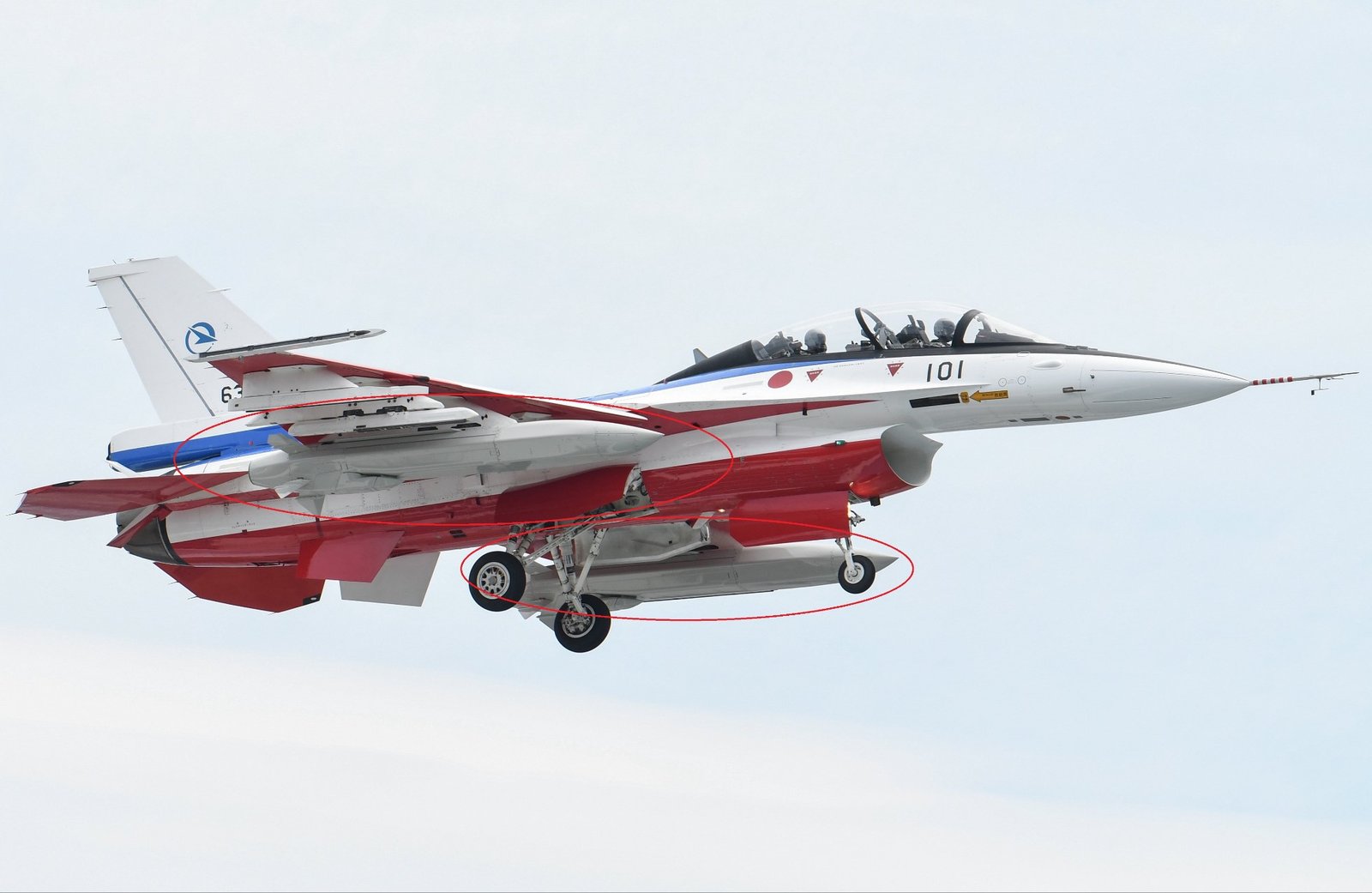
World
TOKYO — The Japan Air Self-Defense Force (JASDF) has begun captive-carry flight tests of its new air-launched Type 25 cruise missile on the Mitsubishi F-2 fighter, marking an important milestone in the development of Japan's next-generation stand-off strike capability. The first flight tests took place on July 30, 2026, from Gifu Air Base, where an F-2B test aircraft (tail number 63-8101) assigned to the Air Development and Test Wing (ADTW) was photographed carrying two missiles beneath its inboard wing pylons. Images of the flight were shared on the social media platform X by the account @AKEBOVO. An accompanying F-2A prototype (tail number 63-8501) flew alongside the test aircraft during the evaluation. 7/30 岐阜基地 RJNG 2nd岐阜基地「夏の夕べ」で飲んで帰るだけのつもりでしたが、ラッキーでした🍻 pic.twitter.com/0N5IfXBXXH — ih168 (@ih1681) July 30, 2026 Captive-Carry Flight Testing The aircraft carried what appear to be inert test versions of the air-launched Type 25 missile. During captive-carry testing, missiles remain attached to the aircraft throughout the flight while engineers evaluate their effects on the aircraft's aerodynamic performance, structural loads, handling characteristics, and overall flight stability. These tests are a standard part of missile integration before progressing to separation trials, in which the missile is safely released from the aircraft, followed by live-fire testing. Air-Launched Version of the Type 25 Missile The new air-launched weapon is based on Japan's Type 25 Surface-to-Ship Guided Missile (25SSM), previously known as the upgraded Type 12 (12SSM-ER) coastal defense missile. Japan officially redesignated the ground-launched system as the Type 25 Surface-to-Ship Guided Missile in March 2026 and has already started deploying it to Japan Ground Self-Defense Force units, including Camp Kengun in Kumamoto Prefecture. The missile is designed to engage both surface ships and land targets, providing a common long-range strike capability across multiple branches of Japan's Self-Defense Forces. Multi-Platform Missile Family The Type 25 missile family has been developed by Mitsubishi Heavy Industries as a standardized long-range weapon that can be launched from land-based systems, aircraft, surface ships, and submarines. In September 2025, Mitsubishi Heavy Industries signed a contract with Japan's Ministry of Defense to produce ship- and submarine-launched cruise missiles. The contract was officially announced in October 2025. According to current plans, submarine-launched variants will be fired through the torpedo tubes of Japan's Sōryū-class and Taigei-class submarines. A future submarine being developed by Kawasaki is also planned to feature dedicated vertical launch cells for these long-range weapons. Missile Specifications Public information on the air-launched Type 25 remains limited. However, the ground-launched version is reported to have a range of about 1,000 kilometers, while earlier estimates for the improved Type 12 missile family placed its range between 1,000 and 1,500 kilometers against surface ships with a displacement of up to 15,000 metric tons. Because the air-launched variant begins its flight at altitude and does not require a launch booster, it is expected to achieve a similar or greater range. The missile is approximately 9 meters long and carries a warhead weighing about 300 kilograms. Its guidance system combines inertial navigation with GPS correction during the cruise phase before switching to an active radar seeker for terminal guidance. The seeker uses an active phased-array antenna, enabling improved target detection in complex environments while increasing resistance to electronic countermeasures. Deployment Timeline Japan has accelerated development of stand-off strike weapons in recent years as part of its broader defense modernization program. The ground-launched Type 25 entered service in 2026, while the ship-launched and air-launched variants are scheduled for designation and deployment around fiscal year 2027. The first operational F-2 fighters equipped with the air-launched Type 25 are planned to be based at Hyakuri Air Base. Next Phase of Testing The start of captive-carry flight testing represents the latest stage in integrating the Type 25 cruise missile with the F-2 fighter. Following completion of aerodynamic and structural evaluations, the program is expected to move to missile separation tests and later live-fire trials before the weapon enters operational service. The Type 25 is intended to provide Japan with a common long-range strike weapon capable of engaging both maritime and land targets from multiple launch platforms, including aircraft, ground launchers, surface ships, and submarines.
Read More → Posted on 2026-07-30 15:42:32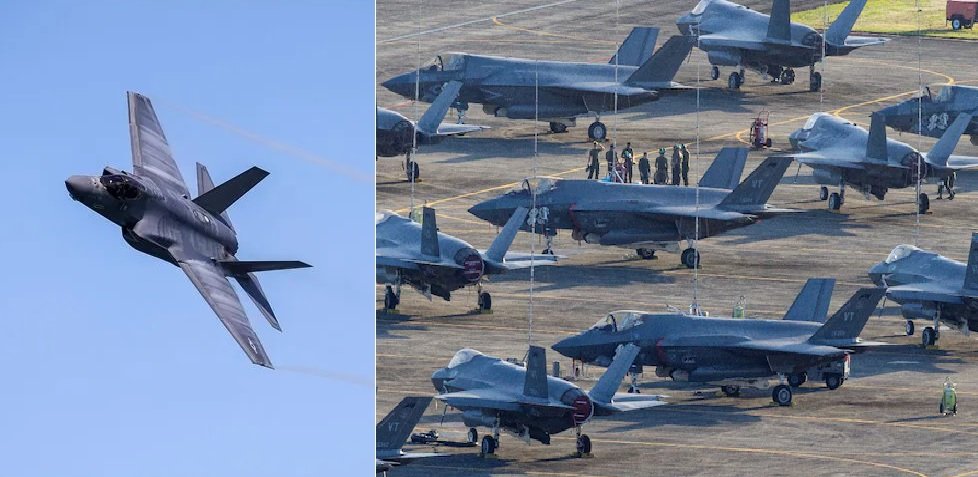
World
WASHINGTON — U.S. Central Command (CENTCOM) has stated that no American military aircraft were destroyed or damaged during recent Iranian attacks, directly rejecting claims made by Iran's Islamic Revolutionary Guard Corps (IRGC). The IRGC had announced that its forces destroyed three U.S. F-35 fighter jets and damaged three others during retaliatory strikes. It also claimed that U.S. personnel were killed in the attack. CENTCOM denied those claims, stating that all missiles and drones launched during the attacks were either intercepted or failed to reach their intended targets. Over the past few hours, Iranian state media have continued to report false claims by the Islamic Revolutionary Guard Corps (IRGC) – three in particular.🚫 FIRST CLAIM: The IRGC (again) claims free and open routes through the Strait of Hormuz are dangerous for commercial… pic.twitter.com/J34ILmDvyk — U.S. Central Command (@CENTCOM) July 30, 2026 According to Iranian statements, the operation was carried out in response to U.S. strikes on targets on Iran's Qeshm Island. The IRGC said it launched ballistic missiles at deployment areas and aircraft maintenance facilities at Al-Azraq Air Base, also known as Muwaffaq Salti Air Base, in Jordan. Jordan's armed forces confirmed that five missiles launched from Iran entered Jordanian airspace but said all were intercepted by the country's air defense systems. Jordan described the incident as the latest in a series of similar missile interceptions in recent days. CENTCOM also responded to Iranian claims regarding the security situation in the Strait of Hormuz. The command rejected Iranian assertions that commercial shipping through the strategic waterway has become unsafe because of U.S. military operations. Instead, CENTCOM said the immediate threat to civilian vessels comes from the IRGC's verbal threats and attempted attacks. The U.S. command reiterated that the Strait of Hormuz remains an international waterway open to commercial transit and said U.S. forces continue to support the safe movement of merchant vessels through the area. Iran has maintained that it controls aspects of the Strait of Hormuz and has issued warnings related to maritime traffic. The IRGC has stated that the strait is under the control of its naval forces. CENTCOM rejected those claims, saying the waterway is governed by international maritime regulations and is not under IRGC jurisdiction. CENTCOM also denied Iranian reports that the commercial oil tanker M/T Nora had broken through a U.S. naval blockade. The command said the vessel did not breach the blockade and added that enforcement operations remain in place. According to CENTCOM, more than 20 U.S. warships, hundreds of aircraft, and thousands of service members are involved in enforcing the maritime measures. The operations target ships entering or leaving Iranian ports while allowing unrestricted passage for vessels that are only transiting the Strait of Hormuz. The command said U.S. forces have redirected multiple commercial vessels as part of those enforcement activities. The latest statements come as military exchanges between the United States and Iran continue. CENTCOM said U.S. forces recently conducted strikes against IRGC targets in Iran, including command centers, missile and drone facilities, coastal sites, and maritime capabilities. The strikes followed what the command described as attempted Iranian ballistic missile attacks against U.S. personnel in the region. CENTCOM said those missiles were intercepted before reaching their targets. The command also said that more than 50,000 U.S. service members remain deployed across the Middle East. The latest developments highlight the continuing exchange of military operations and conflicting official accounts from Washington and Tehran. While Iran has reported successful attacks on U.S. military assets and control over maritime activity in the Strait of Hormuz, CENTCOM has rejected those claims, maintaining that no U.S. aircraft were lost, missile attacks were intercepted, and commercial shipping continues through the international waterway under U.S. support.
Read More → Posted on 2026-07-30 15:56:51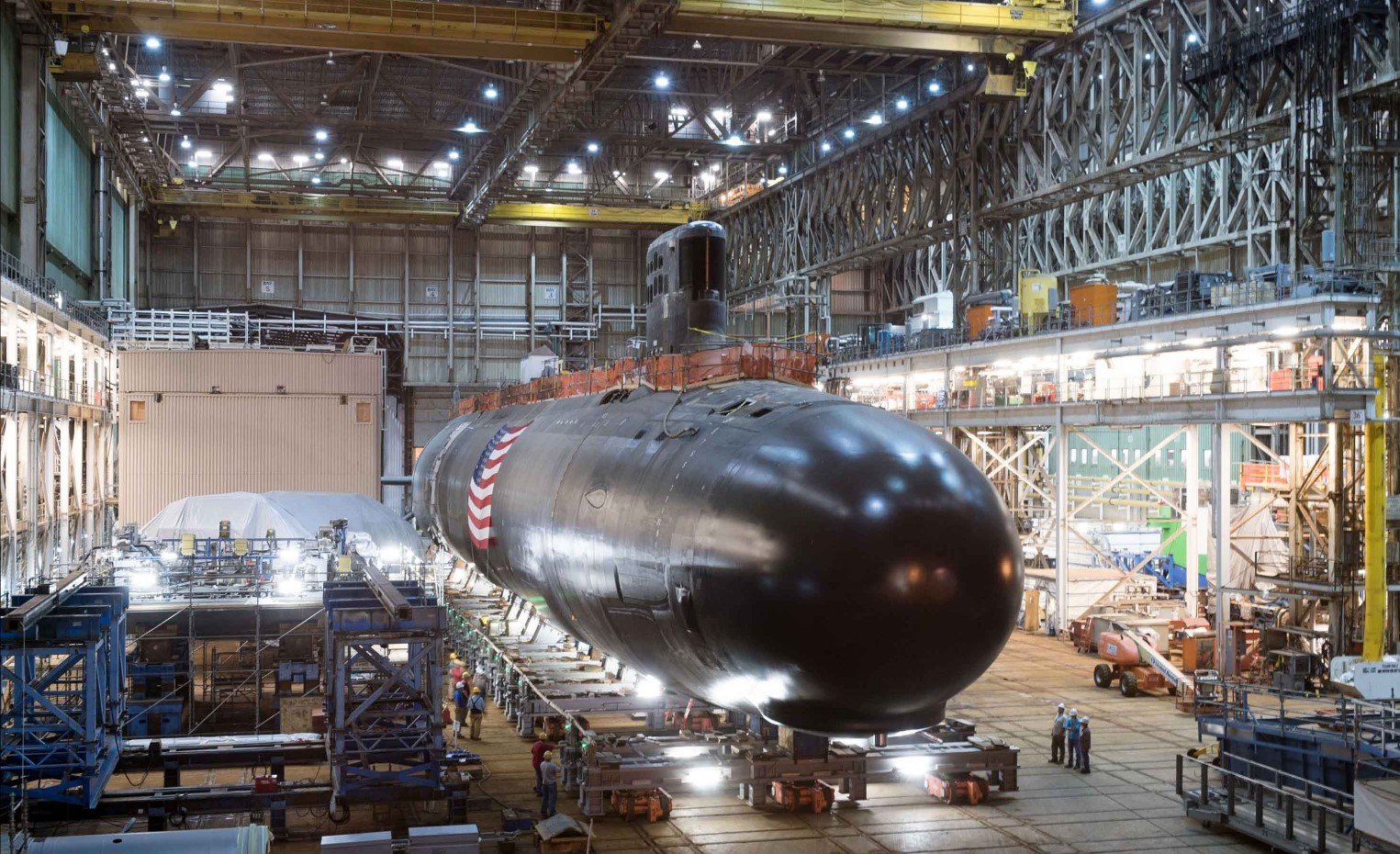
World
CANBERRA, Australia — Australian steel manufacturer Bisalloy Steel has secured a purchase order valued at approximately US$2 million to supply HY80 submarine-grade steel plate for the construction of U.S. Navy Virginia-class fast attack submarines. The order was placed by General Dynamics Electric Boat (GDEB), the lead contractor for the Virginia-class submarine program. The contract marks the first time that Australian-produced steel has entered the supply chain for the U.S. Navy's nuclear-powered Virginia-class submarines. The Australian Government announced the milestone on July 29, 2026, describing it as a significant step in expanding Australia's contribution to the trilateral submarine industrial base established under the AUKUS security partnership between Australia, the United Kingdom, and the United States. The order is also expected to support broader efforts by the United States to strengthen its submarine industrial base by expanding production capacity and improving long-term supply chain resilience for key materials used in submarine construction. Australian Production of HY80 Steel The production of the submarine-grade steel is being carried out through a domestic Australian supply chain. BlueScope Steel manufactures the raw steel plate at its Port Kembla facility in New South Wales. The material is then processed by Bisalloy Steel, based in Unanderra in the Illawarra region, where it undergoes specialized processing and heat treatment to produce the finished HY80 steel. Bisalloy is Australia's only manufacturer of quenched and tempered high-strength steel plate. HY80, short for High Yield 80, is a high-strength steel developed for demanding naval applications. It is designed to provide the strength, toughness and weldability required for critical submarine structural components operating in challenging maritime environments. Qualification Through the DIVQ Program Before receiving the order, Bisalloy successfully qualified to meet the U.S. Navy's structural steel standards through the Australian Government's Defence Industry Vendor Qualification (DIVQ) Program. The DIVQ Program helps Australian companies satisfy the strict technical and manufacturing requirements needed to participate in U.S. submarine construction and sustainment programs. The qualification process involved extensive testing and close collaboration between Bisalloy, BlueScope, the Australian Submarine Agency (ASA), General Dynamics Electric Boat, the U.S. Naval Sea Systems Command (NAVSEA), and the U.S. Navy Direct Reporting Portfolio Manager for Submarines. Submarine steel production requires strict control over every stage of manufacturing. Each batch must consistently meet specific chemical, mechanical and fracture property requirements. The qualification process confirmed that the Australian supply chain could reliably manage alloy composition, heat treatment, mechanical testing and detailed production records in accordance with U.S. Navy standards. Support for AUKUS Industrial Cooperation Australian Minister for Defence Industry Pat Conroy said Australian-made submarine-grade steel will be used in the construction of U.S. Navy Virginia-class submarines for the first time, demonstrating the growing contribution of Australian industry to the AUKUS submarine industrial base. Conroy said the order provides valuable production experience for Australian industry, supports skilled jobs and helps build the industrial capability needed for Australia's future nuclear-powered submarine program under AUKUS. He added that the achievement creates opportunities for Australian companies to compete for future work while raising domestic technical standards. Kylie Wright, Head of Workforce and Supply Chain at the Australian Submarine Agency, described the order as a significant achievement for Australian industry. She said it demonstrates that Australian companies can meet the rigorous standards required by one of the world's most advanced submarine programs and reflects the close collaboration across the AUKUS partnership. Strategic Importance The United States is expanding capacity across its submarine industrial base and has identified steel supply as a key priority. The inclusion of Australian suppliers is intended to strengthen resilience within the trilateral supply chain while supporting increased submarine production and maintenance requirements. Rowan Melrose, Managing Director and CEO of Bisalloy Steel Group, said the company's first order for the Virginia-class program represents an important milestone for both Bisalloy and Australian manufacturing. He said the achievement reflects years of work to meet U.S. Navy qualification standards and positions the company to pursue additional opportunities within allied defence supply chains. The Defence Industry Vendor Qualification (DIVQ) Program forms part of Australia's AUKUS Submarine Industry Strategy, which aims to prepare Australian businesses to meet the standards required for U.S. and UK submarine programs while developing the industrial capability, workforce and skills needed to support Australia's future nuclear-powered submarine enterprise.
Read More → Posted on 2026-07-30 16:34:36
Space & Technology
HEFEI, China — Chinese scientists have completed the construction and testing of the world's largest superconducting magnet designed for a nuclear fusion reactor, marking a key milestone for the country's next-generation fusion energy program. The announcement was made by the Institute of Plasma Physics (ASIPP) under the Chinese Academy of Sciences in Hefei, Anhui Province. The newly completed component will support the Burning Plasma Experimental Superconducting Tokamak (BEST), China's next-generation "artificial sun" fusion reactor. The main component is a toroidal field (TF) superconducting magnet, which is designed to confine the ultra-hot plasma required for nuclear fusion. The D-shaped magnet measures 21 metres in length, 12 metres in width and 3.3 metres in height, and weighs 582 metric tonnes. According to ASIPP, it is the largest superconducting fusion magnet ever built. Researchers said the magnet has 1.3 times the volume of the equivalent toroidal-field magnet being built for the International Thermonuclear Experimental Reactor (ITER) in France and can store three times more magnetic energy, enabling it to generate stronger magnetic fields. A total of 16 toroidal-field magnets will eventually be installed around the BEST reactor to form a magnetic ring. Together, they are designed to produce a 6.5-tesla magnetic field at the centre of the plasma chamber. Magnetic confinement for fusion Tokamak fusion reactors are designed to reproduce the same nuclear fusion process that powers the Sun by combining light hydrogen isotopes to release energy. To sustain fusion, hydrogen plasma must be heated to temperatures exceeding 100 million degrees Celsius, approximately six times hotter than the Sun's core. At such temperatures, no physical material can directly contain the plasma. Instead, the toroidal-field magnet creates a powerful magnetic field that suspends the superheated plasma inside a doughnut-shaped vacuum chamber, preventing it from coming into contact with the reactor walls. Central solenoid coil completes testing Alongside the toroidal-field magnet, ASIPP also completed full-parameter and full-load testing of a high-temperature superconducting central solenoid coil, another key component of the BEST reactor. Researchers compare the central solenoid to a spark plug in a car engine because it initiates and drives the plasma current required to maintain a stable fusion reaction. During testing, the coil operated with a stable current of 60 kiloamperes and stored 6.03 megajoules of energy. According to the research team, its key performance indicators reached internationally leading levels. Developed using a fully domestic supply chain ASIPP said both superconducting magnet systems were developed entirely using a 100% domestic supply chain over a six-year development program. Chinese researchers produced all core materials locally, including superconducting tapes, high-strength cryogenic stainless steel and insulation materials, eliminating reliance on foreign suppliers. According to ASIPP Director Song Yuntao, the project achieved full localisation of core materials and manufacturing processes. The development program also resulted in 47 authorised patents and the establishment of several technical standards. Engineers said the magnet is designed to operate for approximately 60 years at temperatures close to minus 269 degrees Celsius while carrying very high electrical currents under strong mechanical stress and radiation conditions. Supporting China's next-generation fusion program The newly completed magnets are intended for the Burning Plasma Experimental Superconducting Tokamak (BEST), which is designed to move beyond current laboratory research by demonstrating sustained burning plasma. China's existing Experimental Advanced Superconducting Tokamak (EAST), often referred to as an "artificial sun," has previously achieved a world record by maintaining plasma at 100 million degrees Celsius for 1,066 seconds in steady-state high-confinement mode. Construction of the BEST experimental reactor is scheduled to be completed by the end of 2027. If the project proceeds as planned, China aims to demonstrate experimental electricity generation from controlled nuclear fusion around 2030. The BEST program also forms part of a broader roadmap that includes the future China Fusion Engineering Demonstration Reactor. Unlike conventional nuclear fission power plants, nuclear fusion does not produce greenhouse gas emissions during operation and generates significantly less long-lived radioactive waste. Researchers noted that while successful testing of the superconducting magnets represents a major engineering milestone, full reactor assembly and sustained operation under extreme conditions remain important steps before practical fusion power can be demonstrated.
Read More → Posted on 2026-07-30 16:39:41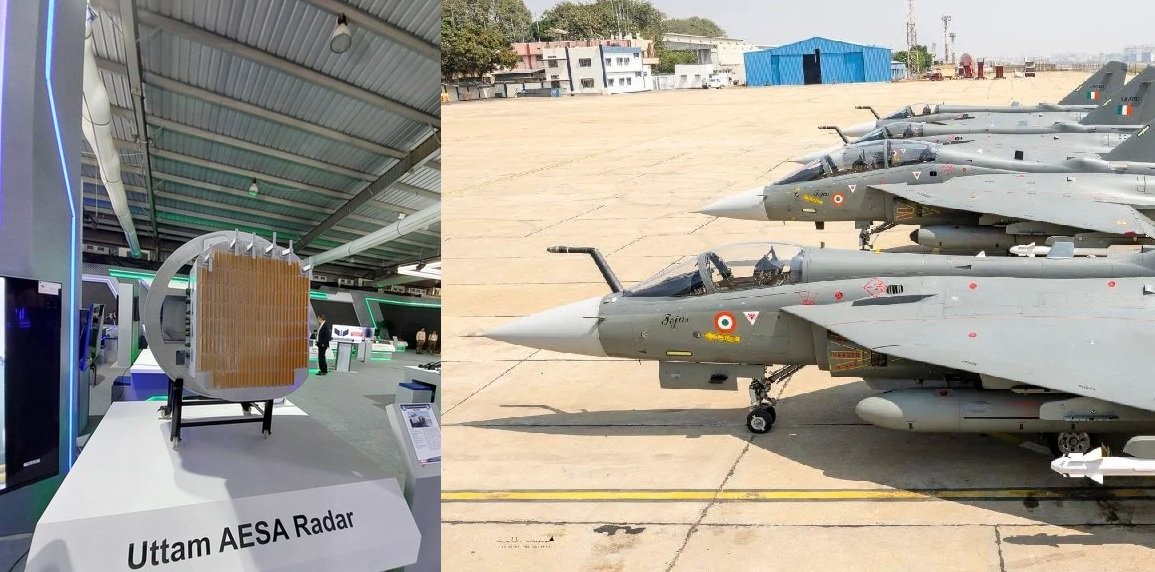
India
HYDERABAD — Astra Microwave Products Limited has secured a confirmed domestic work order worth ₹2,205.23 crore from Hindustan Aeronautics Limited (HAL) for the production and supply of key components of the indigenous Uttam Active Electronically Scanned Array (AESA) radar, marking a significant step in the large-scale production of India's indigenous fighter radar programme. According to the company's disclosure under SEBI regulations, the order has been awarded by a domestic government enterprise under the Ministry of Defence. The contract value is inclusive of all applicable taxes and GST. Astra Microwave also stated that neither its promoters nor promoter group companies have any interest in the awarding entity, and the transaction is not classified as a related-party transaction. Under the contract, Astra Microwave will manufacture and supply 122 Active Antenna Array Units (AAAU) and 121 Interface Frames for the Uttam radar. The company said the order will be executed over a period of five years. The Uttam AESA radar is an indigenous fire-control radar developed by the Electronics and Radar Development Establishment (LRDE) under the Defence Research and Development Organisation (DRDO). It is intended for integration on the Tejas Mk1A and Tejas Mk2 fighter aircraft. The radar uses a large number of Transmit/Receive (T/R) modules to improve detection, tracking and targeting performance. According to the information provided by the company, the radar configuration includes more than 980 T/R modules. The Uttam radar is expected to gradually replace the Israeli-made ELM-2052 AESA radar on later batches of Tejas fighter aircraft. Astra Microwave has been the production partner for the Active Antenna Array Unit of the Uttam radar. The company had earlier indicated that discussions with HAL were at an advanced stage, with a formal order expected during the July–September 2026 period. The contract has now been finalized within that timeframe. The new order significantly strengthens Astra Microwave's order pipeline. As of 31 March 2026, the company's standalone order book stood at approximately ₹2,141 crore. The HAL contract substantially increases that order book and provides multi-year revenue visibility through a strategic indigenous defence programme. The contract also supports HAL's production ramp-up of the Uttam AESA radar for integration into Indian Air Force Tejas fighter aircraft and aligns with India's ongoing efforts to increase indigenous content in military aviation systems. For Astra Microwave, the order represents an expansion of its role in the country's defence manufacturing ecosystem. By supplying core radar hardware for the Tejas programme under a long-term execution schedule, the company will support the production of one of India's key indigenous airborne sensor systems over the next five years.
Read More → Posted on 2026-07-30 16:47:30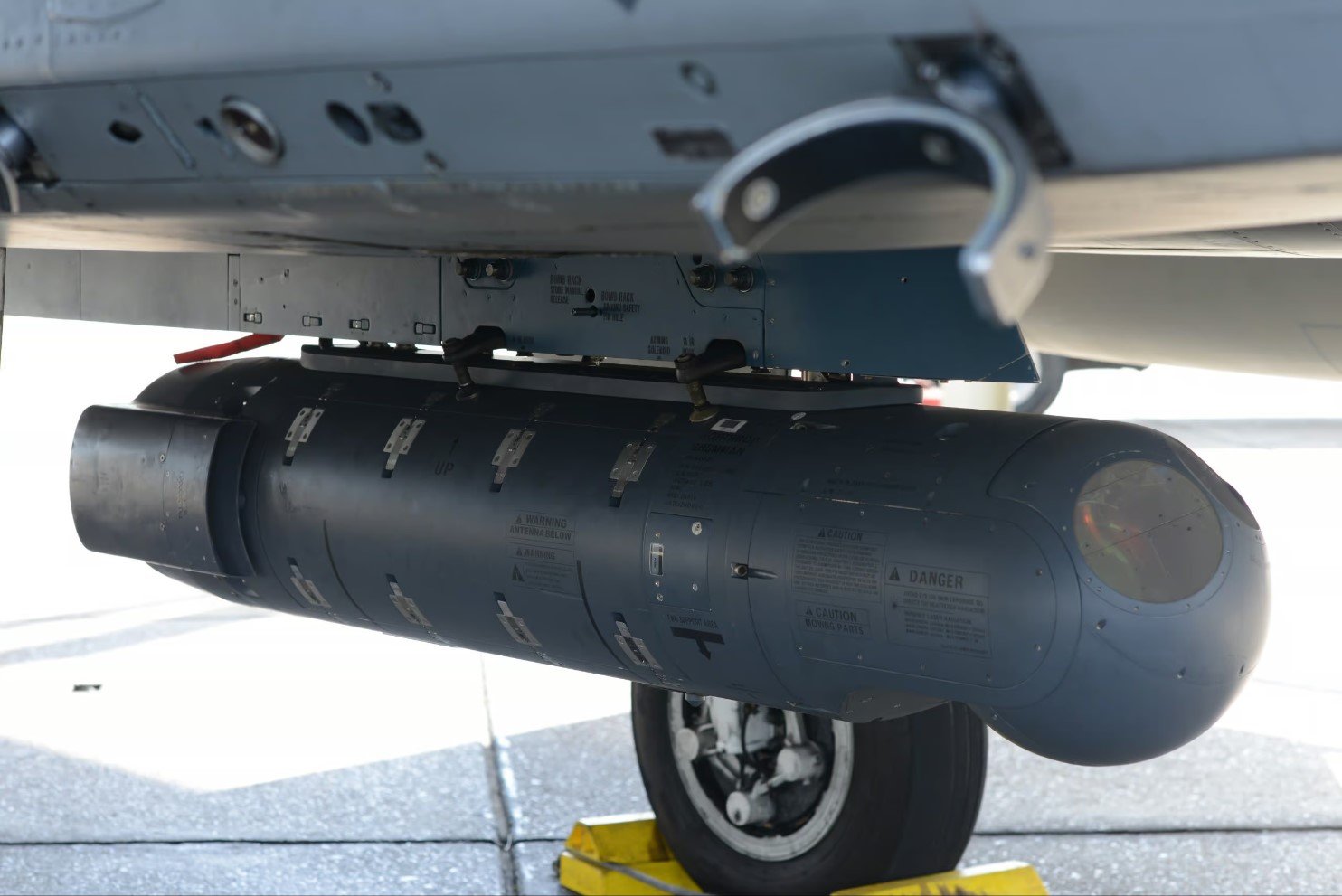
U.S
ROLLING MEADOWS, Ill. — The U.S. military has awarded Northrop Grumman Systems Corp. a multiyear indefinite-delivery/indefinite-quantity (IDIQ) contract with a maximum value of $1.84 billion to continue the production, sustainment, and modernization of the AN/AAQ-28 LITENING Comprehensive Advanced Targeting Pod (CATP). The contract, announced in the U.S. Department of War's contracts list for July 30, 2026, allows the government to place orders under the agreement through Dec. 31, 2035. It covers the production and delivery of new LITENING targeting pods, along with operational support, sustainment, and modifications for systems already in service. An initial obligation of approximately $42.9 million in fiscal 2026 operations and maintenance funds was made at the time of the award. The contract begins immediately, with details of the initial execution phase remaining limited. The firm-fixed-price agreement was awarded through a sole-source acquisition managed by the Precision Attack Contracting Branch at Robins Air Force Base, Georgia, under contract number FA8540-26-D-B001. All manufacturing and engineering work will be carried out at Northrop Grumman's facility in Rolling Meadows, Illinois. Advanced Targeting System The AN/AAQ-28 LITENING is an electro-optical and infrared (EO/IR) targeting pod designed to detect, acquire, identify, and track targets at extended ranges. It provides targeting and surveillance capabilities for a wide range of military missions. The system incorporates a high-resolution forward-looking infrared (FLIR) sensor, a charge-coupled device (CCD) television camera for daytime operations, and a laser designator for guiding precision-guided munitions. The pod weighs 459 pounds (208 kilograms) and measures just over seven feet in length. It is mounted externally on aircraft and features a modular architecture that allows capability upgrades over time without requiring a complete replacement of the system. Operational Service According to Northrop Grumman, more than 900 LITENING targeting pods have been delivered to U.S. forces and international customers. The company states that the systems have achieved operational availability of up to 95 percent. The global LITENING fleet has accumulated more than 3 million flight hours, with a significant share recorded during combat operations. In addition to precision strike missions, the targeting pod supports: Precision targeting Close air support Air superiority missions Intelligence, surveillance, and reconnaissance (ISR) Humanitarian assistance and disaster relief monitoring Compatible Aircraft The LITENING targeting pod is integrated across a range of crewed and uncrewed aircraft, including: A-10 Thunderbolt II AV-8B Harrier II F-15E Strike Eagle F-16 Fighting Falcon F/A-18 Hornet B-52 Stratofortress C-130 Hercules MQ-9 Reaper Its compatibility with multiple aircraft types has contributed to its widespread use across different mission sets involving both manned and unmanned platforms. Industry Partnership Northrop Grumman produces the LITENING targeting pod in partnership with Rafael Advanced Defense Systems of Israel. The company's Rolling Meadows, Illinois, facility serves as a primary production location for the program. The new contract ensures continued production, sustainment, and modernization of the LITENING targeting pod fleet through the end of 2035, supporting the operational readiness of aircraft already equipped with the system while allowing future orders for additional pods under the IDIQ framework.
Read More → Posted on 2026-07-31 10:42:31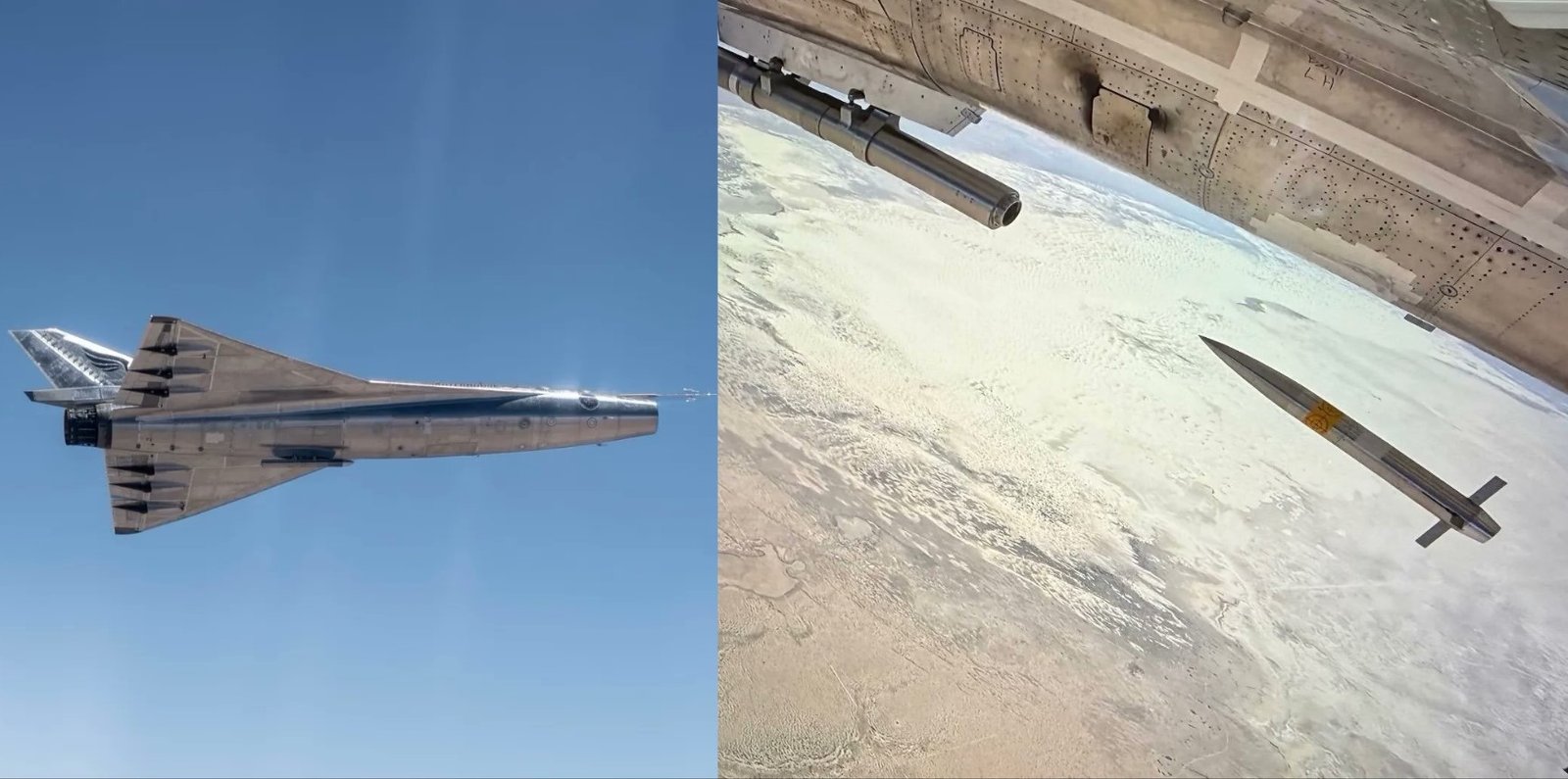
U.S
El Segundo, California — The U.S. Defense Innovation Unit (DIU) and Atlanta-based hypersonic aircraft company Hermeus have successfully completed an unmanned stores separation flight test with the Quarterhorse uncrewed aerial vehicle (UAV), marking another milestone in the Hypersonic and High-Cadence Airborne Testing Capabilities (HyCAT) program. The successful flight demonstrated that the Quarterhorse aircraft can safely release an external payload during flight, an important requirement for military aircraft designed to carry and deploy equipment such as munitions, sensor pods, or electronic warfare systems. Until this capability is validated, an aircraft remains primarily a research and testing platform rather than one capable of operational payload deployment. DIU described the achievement as another important milestone for the HyCAT program, noting that the stores separation test was completed during the program's fifth flight since spring 2026. "Another huge HyCAT milestone, a successful unmanned stores separation flight test with Hermeus. This was only the program's 5th flight since the Spring. Tests like this usually take years. We're moving 4x as fast," DIU stated. Stores Separation Test Validates Safe Payload Release A stores separation test verifies that an external payload can be released safely without striking the aircraft or disrupting its flight. The process is considered a critical certification step for any military aircraft expected to carry external stores. The challenge becomes greater at high subsonic and transonic speeds, where airflow around the aircraft and released object becomes increasingly complex. If a payload does not separate correctly, it could collide with the aircraft or create flight instability. The successful demonstration provides engineers with flight data that can be used to model payload releases at progressively higher speeds as the Quarterhorse flight test program expands. HyCAT Program Aims to Accelerate Hypersonic Testing The HyCAT program was launched by the Defense Innovation Unit in early 2023 to accelerate hypersonic flight testing by working with commercial aerospace companies instead of relying solely on traditional defense acquisition processes. Hypersonic flight testing has historically faced challenges including limited wind tunnel capacity, restricted access to specialized test ranges, and the technical complexity of sustained flight above Mach 5. Through partnerships with private industry and the use of commercial investment alongside government funding, DIU aims to shorten development timelines and generate flight data more rapidly than conventional programs. Quarterhorse Supports Future High-Speed Aircraft Development The aircraft used during the test was Hermeus' Quarterhorse, an uncrewed experimental aircraft developed to mature technologies for future high-speed military aircraft. According to Hermeus, Quarterhorse is powered by its Chimera turbine-based combined-cycle (TBCC) propulsion system, built around a modified General Electric J85 turbojet core. The engine is designed to operate as a conventional turbojet at lower speeds before transitioning to another propulsion mode as the aircraft approaches higher-speed flight, allowing one propulsion system to support multiple flight regimes. Earlier in 2026, Hermeus reported that Quarterhorse reached Mach 1.21, approximately 930 miles per hour (1,497 km/h), during a previous flight. The company plans to expand the aircraft's flight envelope toward Mach 3 by 2027. Expanded DIU-Hermeus Partnership DIU first selected Hermeus for the HyCAT program in November 2023 with a contract valued at $23 million to demonstrate propulsion, thermal management, power generation, and mission-system technologies. In May 2026, the partnership expanded through a $159 million contract modification, increasing the total contract ceiling to $219 million. Under the updated agreement, Hermeus will continue Quarterhorse flight testing throughout 2026 and 2027 while providing flight data to DIU, the U.S. Air Force, and the U.S. Navy. The expanded work includes high-Mach flight demonstrations and high-speed payload release testing to support future military aircraft concepts. Hermeus has stated that Quarterhorse is intended as a technology development platform rather than an operational aircraft. The company plans to apply the knowledge gained from Quarterhorse to its future uncrewed aircraft, Darkhorse. Hermeus describes Darkhorse as a reusable, multi-mission hypersonic uncrewed aircraft intended for strike and reconnaissance missions. The company has said the platform will incorporate propulsion, structural, and thermal management technologies validated through the Quarterhorse flight test program. Defense analysts have also noted that future high-speed uncrewed aircraft could complement programs such as the U.S. Air Force's Collaborative Combat Aircraft initiative or operate independently in strike and electronic attack roles. HyCAT Continues to Expand The HyCAT program has recorded additional progress during 2026. In February, Rocket Lab's HASTE suborbital launch vehicle carried the DART AE hypersonic testbed, developed by Australian company Hypersonix, during the Cassowary Vex mission. The flight exceeded Mach 5 and collected propulsion, trajectory, and vehicle performance data under hypersonic flight conditions. DIU is also advancing the next phase of the program, HyCAT 2, which includes work with California-based NXTRAC to develop guidance, navigation, and control technologies for future hypersonic test vehicles. The latest stores separation demonstration adds another validated capability to the Quarterhorse flight test program and provides additional flight data to support the continued development of future high-speed military aircraft under the HyCAT initiative.
Read More → Posted on 2026-07-31 11:25:39
U.S
WASHINGTON — The U.S. military has received its first batch of 2,000 F10 first-person view (FPV) strike drones manufactured by Ukrainian company F-Drones, marking the first official export of fully assembled Ukrainian-made combat drones to the United States. F-Drones confirmed the delivery to the Ukrainian defense publication Militarnyi, stating that the shipment represents a significant step for Ukraine's defense industry. According to the company, this is the first time the Ukrainian government has authorized the export of complete, combat-ready domestically produced military drones. Previous approvals issued during the current period of martial law were limited to the export of specific components and technologies rather than finished weapons systems. Ukraine's State Service of Export Control granted the export permit on July 1, 2026, with support from the state-owned enterprise Spetstechnoexport. The drones were manufactured in Ukraine before being delivered to the United States. Acceptance Process and Training The newly delivered F10 drones are currently undergoing the U.S. military's standard acceptance process. Once the hardware successfully completes quality checks, U.S. military personnel will begin training on operating the drones. F-Drones said it has already submitted a separate application to Ukraine's State Service for Export Control seeking approval to provide training services for U.S. personnel. "These units are currently undergoing the acceptance process. Once it is completed, training for U.S. military personnel will begin, covering how to operate our UAVs," the company stated. The company added that the current agreement includes an option for the delivery of up to 1,000 additional F10 drones after the acceptance process is completed. Part of the Pentagon's Drone Dominance Program The delivery is part of the Gauntlet I phase of the Pentagon's Drone Dominance Program, a U.S. Department of Defense initiative aimed at rapidly acquiring more than 200,000 tactical drones by 2027. The program is backed by approximately $1 billion to $1.1 billion in funding and focuses on procuring drones capable of delivering lethal effects in demanding battlefield conditions. F-Drones secured its place in the program together with its U.S. partner, UDD Tech Corp. (Ukrainian Defense Drones Tech Corp.). During the Gauntlet I evaluations held at Fort Benning, Georgia, in February 2026, the F10 drone was tested by U.S. soldiers in field operations and long-range strike scenarios. The system finished sixth among 25 competing platforms and was selected among the top-performing companies to receive prototype procurement contracts. Manufacturing Partnership in the United States To expand cooperation with the U.S. defense sector, UDD Tech Corp. is establishing a manufacturing facility in Holland, Ohio. According to the company, the goal is to gradually shift from importing completed Ukrainian-made drones to manufacturing the systems within the United States. F-Drones Chief Executive Officer Stas Khutor said exports help strengthen Ukraine's defense industry rather than reduce supplies available to its armed forces. "Exports are a tool for scaling up production, attracting investment, advancing technology, raising quality standards, and strengthening international cooperation. It does not mean 'less for the front line'. On the contrary, a stronger industry means stronger Armed Forces," Khutor said. Gauntlet II Evaluations Underway The Drone Dominance Program consists of four competitive Gauntlet phases, with Gauntlet II now underway. F-Drones and UDD Tech Corp. have qualified for the second phase, which will focus on night operations, urban environments, and close-quarters combat. As part of the upcoming evaluations, the company plans to deliver 120 additional F10 drones for use by U.S. military personnel during testing. According to company information, the trials are scheduled for late August 2026 at Camp Grayling, Michigan, where U.S. military operators will independently evaluate the drones across multiple combat mission scenarios. The results of the Gauntlet II evaluations will help determine future procurement decisions. Depending on performance, F-Drones could become eligible for a follow-on agreement covering up to 9,000 additional drones. Expanding International Cooperation Alongside its U.S. partnership, F-Drones is also expanding its presence in Europe. The company recently became a founding member of the Ukraine–EU Drone Alliance, an initiative established to strengthen cooperation between Ukrainian and European drone manufacturers and increase production capacity for unmanned systems. The first shipment of 2,000 F10 FPV drones marks both the beginning of operational deliveries to the U.S. military and the first officially approved export of fully assembled Ukrainian combat drones, reflecting growing defense-industrial cooperation between Ukraine and the United States.
Read More → Posted on 2026-07-31 12:40:38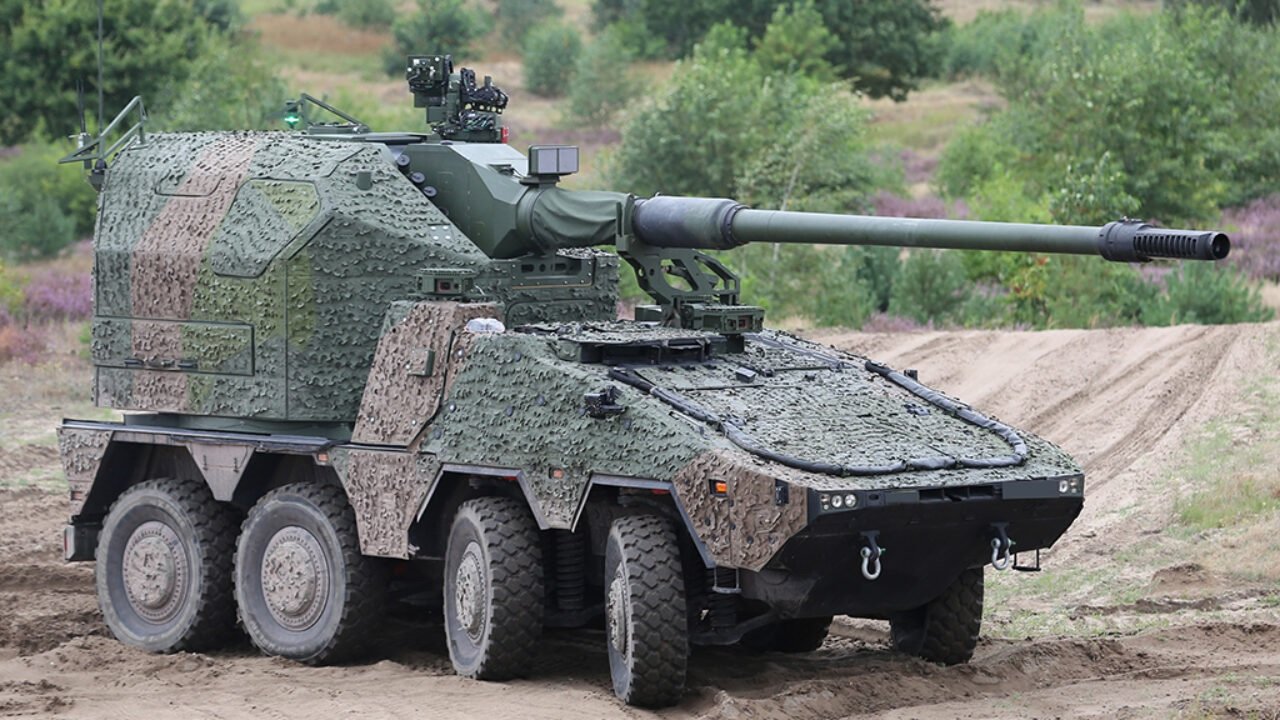
Europe
DÜSSELDORF, Germany — Rheinmetall has secured a contract to supply the core weapon systems for 72 RCH 155 wheeled howitzers ordered by the British Army under the United Kingdom's joint artillery modernization programme with Germany. The supply contract, awarded in the second quarter of 2026, is valued in the low three-digit million-euro range. It follows the UK's order for 72 RCH 155 systems announced in May 2026, with the overall acquisition valued at nearly £1 billion, including initial training and in-service support. OCCAR Managing Joint UK-Germany Programme The procurement is being carried out through the Organisation for Joint Armament Cooperation (OCCAR), which awarded the main contract to ARTEC GmbH, a joint venture between Rheinmetall and KNDS Deutschland. Both companies are participating in the programme as subcontractors. The programme is part of the broader UK-Germany defence cooperation established under the Trinity House Agreement, signed in 2024, which aims to strengthen defence collaboration and improve interoperability between the two countries and within NATO. Rheinmetall to Manufacture Key Weapon Systems in the UK Germany and the United Kingdom are currently qualifying the 155 mm L/52 remote-controlled weapon system for service with both armies. Once the qualification process is complete, Rheinmetall will supply 72 elevating masses together with associated onboard tools. The company will also produce training materials and technical documentation to support the introduction of the new artillery systems. Manufacturing of the weapon systems—including the barrel, breech, recoil system, and trunnions—will take place at Rheinmetall's new gun production facility in Telford, United Kingdom, which is being brought into service in phases. Deliveries of the weapon systems are scheduled from May 2028 through June 2031. In support of the UK's domestic defence industry, Rheinmetall plans to manufacture the gun barrels using British steel supplied by Sheffield Forgemasters. UK Production to Support Hundreds of Jobs The programme also includes significant manufacturing work within the United Kingdom. KNDS UK will produce the BOXER drive modules, including the chassis, engine, and drivetrain, at its facility in Stockport. According to Rheinmetall, the programme is expected to support at least 500 jobs across the UK, including 100 new skilled positions in Telford, 100 jobs in Stockport, and approximately 300 roles across the wider British supply chain. RCH 155 to Replace AS90 Artillery The RCH 155 combines the GTK Boxer wheeled armoured vehicle with an automated artillery module derived from the Panzerhaubitze 2000. The system is equipped with an unmanned, fully automated turret housing a 155 mm gun, allowing it to be operated by a crew of two soldiers from within the protected drive module. The wheeled howitzer is capable of travelling at speeds of up to 100 km/h and can fire while moving, providing greater mobility during operations. It can fire up to eight rounds per minute with a maximum range of up to 70 km, depending on the ammunition used. The British Army is acquiring the RCH 155 to replace the AS90 self-propelled howitzers transferred to Ukraine in 2023. The system is also expected to eventually replace the Army's interim Archer capability. Deliveries Begin in 2028 Deliveries of the complete RCH 155 systems to the British Army are scheduled to begin in 2028. Alongside the UK programme, Rheinmetall is continuing to expand its production capacity for 155 mm weapons and ammunition as part of its broader manufacturing activities across Europe.
Read More → Posted on 2026-07-31 12:47:39
World
RIYADH — Saudi Arabia and 13 other countries have officially established the Multinational Maritime Defense Coalition, a new regional security initiative aimed at protecting international shipping lanes across the Red Sea, Bab al-Mandab Strait, and Gulf of Aden. The coalition was announced following a high-level meeting hosted by the Saudi Ministry of Defense in Riyadh, where chiefs of staff and military representatives from 43 countries and a European Union delegation discussed maritime security challenges. According to Saudi officials, 51 countries and organizations were invited to the meeting, with participants attending both in person and via video conference. Fourteen Countries Join as Founding Members A joint declaration was signed by 14 countries, marking the formal launch of the coalition and the start of its founding procedures. The founding members are: Middle East & Gulf: Saudi Arabia, Bahrain, Kuwait, Qatar, Jordan, Yemen (internationally recognized government) Africa: Egypt, Sudan, Djibouti, Somalia, Nigeria Asia: Turkey, Pakistan, Bangladesh Saudi Arabia will serve as the coalition's founding and leading state. The Kingdom will host the alliance's permanent headquarters, General Secretariat, Joint Operations Coordination Center, and Joint Maritime Operations Center. Coalition Focuses on Maritime Security According to the joint declaration, the coalition is a framework for maritime defense cooperation designed to strengthen security in some of the world's busiest shipping corridors. Its objectives include: Enhancing maritime security. Protecting freedom of navigation. Securing international trade and energy supply routes. Safeguarding shared maritime interests in the Red Sea, Bab al-Mandab Strait, and Gulf of Aden. Officials emphasized that the coalition is purely defensive and does not target any state, alliance, or international organization. All activities will be conducted in accordance with international law, United Nations conventions, and established international norms while respecting the sovereignty of participating countries. Cooperation Through Joint Operations Member countries will complete their domestic procedures before formally joining the coalition's charter. The alliance plans to strengthen cooperation through: Intelligence and information sharing. Operational planning. Joint military exercises. Training and capacity building. Joint maritime operations. Military planners from participating and interested countries will continue work on finalizing the coalition's charter, organizational structure, command-and-control arrangements, and operating mechanisms. Saudi officials said the initiative will remain open to additional countries that share its objectives and complete the required national procedures. Response to Growing Maritime Threats The Saudi Ministry of Defense said the coalition was established in response to increasing threats against commercial vessels, oil tankers, and maritime infrastructure in the region. According to the ministry, these security risks have affected navigation safety, disrupted global supply chains, and impacted the international economy, highlighting the need for stronger multilateral defense cooperation. The coalition's formation comes amid renewed tensions in the Red Sea. In late July, Yemen's Houthi group announced a maritime blockade targeting Saudi-linked vessels and later claimed responsibility for attacks on several commercial ships. Saudi Arabia has also carried out airstrikes against Houthi military facilities in Yemen's Hodeidah province, targeting sites that it said were being used to threaten international maritime traffic. Strategic Importance of the Waterways The coalition's operational area includes the Bab al-Mandab Strait, a key maritime chokepoint connecting the Red Sea with the Gulf of Aden and the Arabian Sea. Together with the Suez Canal, the route forms one of the shortest maritime links between Europe and Asia and carries a significant share of global seaborne trade, including crude oil, liquefied natural gas (LNG), and container cargo. Recent disruptions in the region have prompted some commercial vessels to use longer alternative routes, increasing transit times and shipping costs. Some Regional States Yet to Join Although the coalition received broad international support during the Riyadh meeting, not all regional partners joined as founding members. The United Arab Emirates and Oman, both members of the Gulf Cooperation Council (GCC), did not sign the joint declaration. The United States participated in the discussions in Riyadh but did not formally join the coalition. Saudi officials said the alliance remains open to additional countries, with further steps to finalize its charter and begin joint maritime activities expected in the coming period.
Read More → Posted on 2026-07-31 13:06:49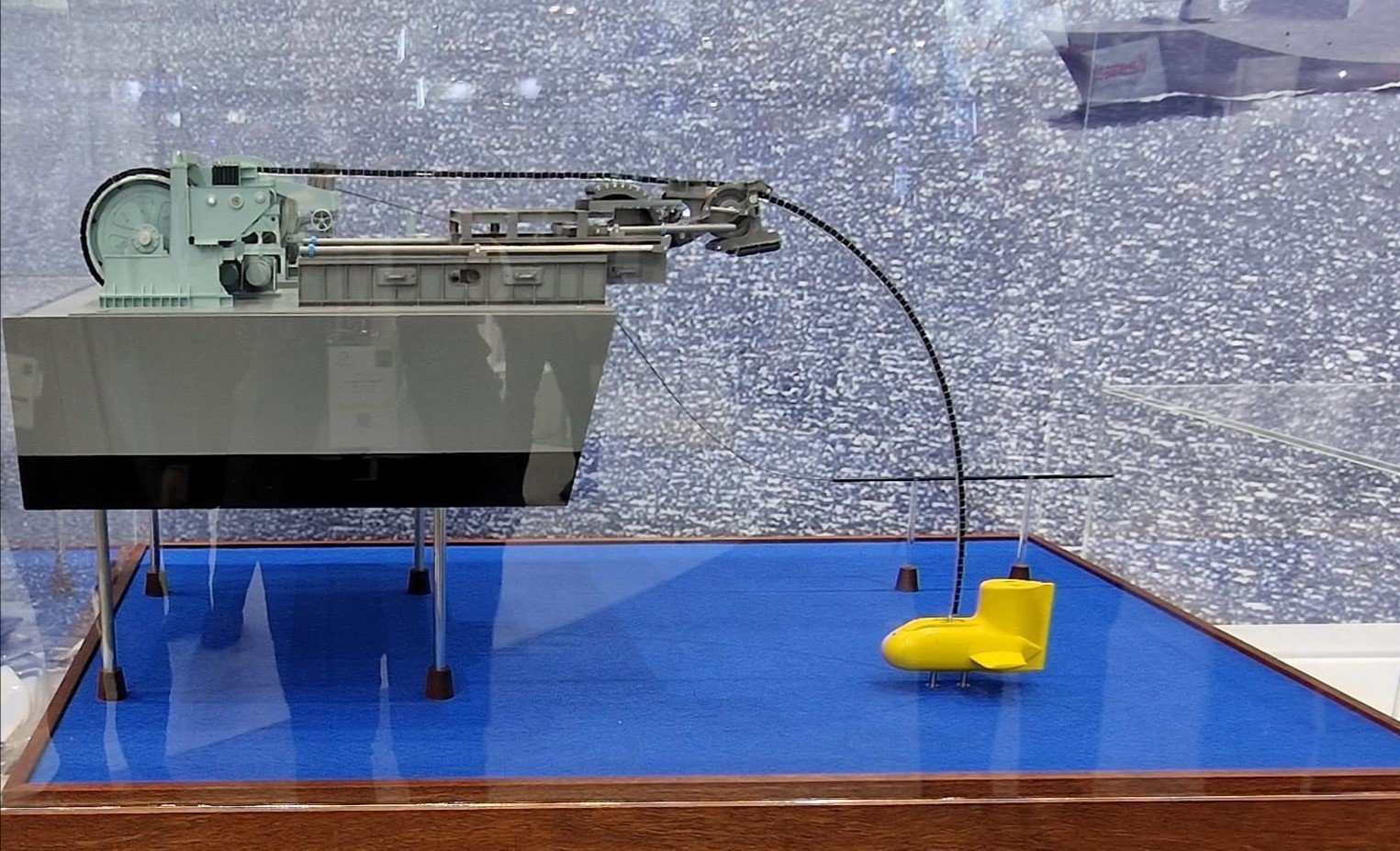
World
TOKYO — Oki Electric Industry (OKI) has signed an agreement with Mitsubishi Heavy Industries (MHI) to supply OQQ-25 towed passive sonar systems and related equipment for the Royal Australian Navy (RAN)’s next-generation general-purpose frigates under Australia’s SEA 3000 program. The agreement marks OKI’s first overseas defense equipment transfer project and covers the first three of Australia’s planned fleet of 11 Upgraded Mogami-class (06FFM) frigates. First Three Frigates to Be Built in Japan Australia selected Japan’s Upgraded Mogami-class frigate in August 2025 after evaluating the design and the performance of systems already integrated into Japan’s existing Mogami-class ships. In April 2026, Australia finalized a multi-billion-dollar agreement with the Japanese government and Mitsubishi Heavy Industries for the construction of the first three frigates. The initial three vessels will be built at MHI’s Nagasaki Shipyard & Machinery Works in Japan, with the first ship scheduled for delivery in December 2029. The remaining eight frigates are planned to be constructed at the Henderson Defence Precinct in Western Australia. OQQ-25 Sonar Selected for Proven Performance The OQQ-25 is a towed passive sonar system designed to detect submarines and other underwater targets by receiving acoustic signals through sensors towed behind the ship. Australia selected the sonar because it is already integrated into Japan’s Mogami-class frigates and has an established operational record. Using an existing, ship-integrated system helps reduce technical risks during construction and integration. Integration with Australia's ASW Network While the OQQ-25 is already part of the Upgraded Mogami design, it will need to operate alongside the Royal Australian Navy’s existing anti-submarine warfare (ASW) assets. Australia’s Hunter-class frigates will use the Thales CAPTAS-4 sonar system. Defence analysts note that the OQQ-25 will need to integrate with the RAN’s wider ASW network, including P-8A Poseidon maritime patrol aircraft and CAPTAS-4-equipped ships, particularly during multi-static anti-submarine warfare operations that involve different sonar systems working together. Upgraded Mogami-Class Frigate Capabilities Australia’s SEA 3000 program is intended to expand and modernize the Royal Australian Navy’s surface combatant fleet. The Upgraded Mogami-class frigates are approximately 142 meters long and displace up to 6,200 tonnes. The ships are designed to operate with a highly automated crew of 92 sailors and officers, reach a top speed of 30 knots, and have a range of up to 10,000 nautical miles. Each frigate will be equipped with a 32-cell vertical launch system (VLS) capable of launching surface-to-air and anti-ship missiles. The ships will also feature a flight deck designed to operate the Royal Australian Navy’s MH-60R Seahawk helicopter. Other Key Systems for the Frigates Alongside the sonar contract, several other major suppliers have been selected for the program. Rolls-Royce will provide MT30 gas turbines, NEC will supply integrated mast technologies, and Raytheon’s SeaRAM close-in weapon system has also been contracted for the Australian frigates. OKI Expands Its International Defense Business OKI has developed underwater acoustic technologies for more than 90 years and has supplied and supported sonar systems for the Japan Maritime Self-Defense Force throughout their operational lifecycle. The Australian contract supports the company's Management Plan 2031, which identifies defense and maritime businesses as key growth areas. OKI said it is expanding its production and overhaul capacity to meet increasing defense demand and plans to use its experience from Japan to support maritime safety and security in international markets. The value of the contract has not been disclosed.
Read More → Posted on 2026-07-31 13:18:27
U.S
ARLINGTON, Va. — RTX subsidiary Pratt & Whitney has received a nearly $1.3 billion undefinitized contract to supply spare parts for the F135 engine, the propulsion system that powers all three variants of the F-35 Lightning II fighter aircraft. The Indefinite Delivery, Indefinite Quantity (IDIQ) contract is intended to fund the initial spare parts requirements for fiscal year 2026. Managed primarily by the U.S. Department of Defense's Naval Air Systems Command, the contract action modification is valued at $1,295,745,898. Under the agreement, Pratt & Whitney will provide deployable spare packages, depot lay-ins, and associated support equipment to support F-35 operations. Supporting Global F-35 Operations The contract will provide both common and depot spare parts for the F-35 global spares pool, along with country-specific spare parts for international operators. According to the company, the contract supports the operational requirements of the U.S. Air Force, U.S. Marine Corps, and U.S. Navy, as well as non-U.S. Department of Defense participants and international F-35 customers. Pratt & Whitney said it has delivered more than 1,500 production F135 engines to operators across 20 allied nations. The company's global F-35 sustainment network currently provides maintenance, logistics, and technical support services for aircraft operating from 42 military bases and 13 ships worldwide. "Ensuring the F135 remains mission-ready is critical to the success of the F-35 enterprise," said Chris Johnson, Vice President of Pratt & Whitney's F135 Program. "This contract will help strengthen our global sustainment network to ensure operators around the world can continue to rely on the F135's unmatched performance," he added. Work to Continue Through 2030 Work under the contract will be carried out at multiple Pratt & Whitney facilities through 2030. The majority of the work will take place in Connecticut, including East Hartford, which will account for 59.6% of the work, and Middletown, which will account for 16.7%. Additional manufacturing and support activities will be conducted in Maine, Texas, Washington, Rhode Island, and California. Pratt & Whitney stated that no funds will be obligated at the time of contract award. Instead, funding will be provided through individual orders issued during the life of the contract. F135 Engine Core Upgrade In addition to supporting current F-35 operations, Pratt & Whitney is continuing work on the F135 Engine Core Upgrade, which has been selected as the official propulsion modernization solution for the F-35 program. The company said the upgrade will use the existing F135 sustainment network and is intended to improve fleet readiness while supporting the long-term operational requirements of F-35 operators around the world.
Read More → Posted on 2026-07-31 13:35:47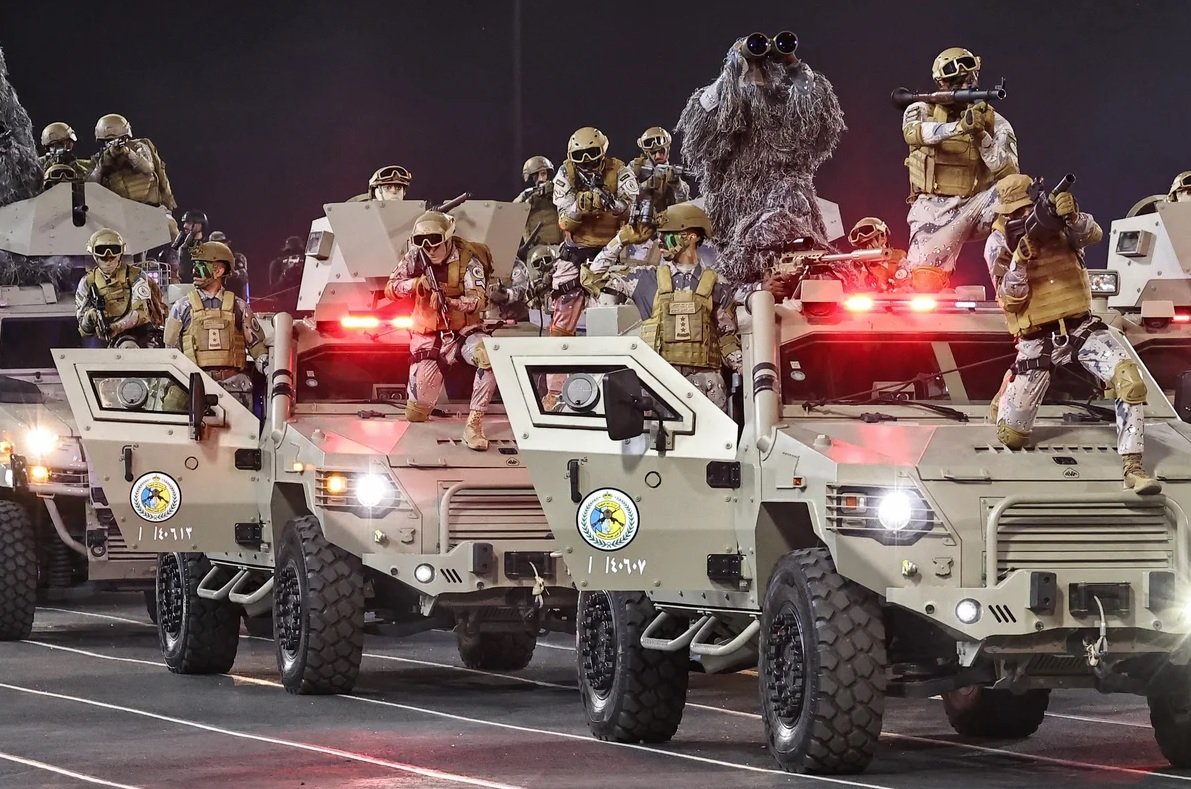
World
RIYADH — Saudi Arabia is preparing a major military operation against Yemen's Houthi movement that could include a maritime campaign and a possible ground offensive in central Yemen, according to Yemeni sources. The reported preparations come as Riyadh seeks to protect its oil export routes through the southern Red Sea and the Bab al-Mandab Strait, both of which have become increasingly important for the kingdom's energy exports. Troop Repositioning and Maritime Preparations According to Yemeni sources, Saudi forces have been withdrawing from eastern Yemen and concentrating troops for a possible advance into al-Bayda governorate. The Houthis took control of the central governorate during 2020 and 2021. Alongside the reported troop movements, Saudi Arabia is organizing a maritime effort to improve the protection of commercial shipping from Houthi attacks in the Red Sea and the Bab al-Mandab Strait. The dual approach reflects Riyadh's focus on securing both land and maritime areas as threats to regional shipping continue. Saudi Arabia Expands International Maritime Support Saudi Arabia is also working to build broader international support for maritime security operations. The Saudi Ministry of Defence said on Thursday that 14 countries, including Turkey, Pakistan, Egypt, Sudan and Djibouti, issued a joint statement supporting a multinational maritime defence coalition. Riyadh has also invited the United States and several European countries, including Germany, France, the United Kingdom and Italy, to participate in the initiative. The European Union already operates the Aspides naval mission in the Red Sea, which is focused on protecting commercial shipping in the region. Houthi Blockade and Recent Military Exchanges The latest developments follow the Houthis' announcement on July 20 that they were imposing a blockade on Saudi ships. The Iran-aligned group, which controls Yemen's capital Sana'a and much of the country's Red Sea coastline, said the blockade would remain in place until Saudi Arabia ends what it describes as its blockade of Yemen. The Houthis have denied reports that they plan to impose tolls on all commercial vessels and have said the dispute is linked to Yemen's future rather than being a direct extension of the wider regional conflict involving Iran. Military exchanges have continued in recent weeks. On July 25, Houthi forces said they had struck oil transport infrastructure inside Saudi Arabia linking oilfields in the Eastern Province to a Red Sea export hub. Saudi Arabia later carried out airstrikes on sites in the Houthi-controlled port of Hodeidah that the kingdom said were being used to threaten commercial shipping. Around the same period, a third Saudi commercial vessel was also attacked in the Red Sea. Strategic Importance of the Red Sea The security of Red Sea shipping has become increasingly important for Saudi Arabia's energy exports. Before the current wider regional conflict, up to 80 percent of Saudi crude exports moved through the Strait of Hormuz. With that route affected, the kingdom has increasingly relied on the Red Sea. More than half of Saudi oil is now transported overland to export terminals at the port of Yanbu. Any disruption to shipping through the Red Sea would place additional pressure on Saudi Arabia's export capacity. Diplomatic Efforts Continue Saudi Defence Minister Prince Khalid bin Salman held an urgent meeting with U.S. President Donald Trump and Vice President JD Vance on Wednesday to discuss possible next steps. Saudi officials have said the kingdom intends to defend its territory and energy infrastructure while continuing to pursue diplomatic efforts to address broader disagreements between the United States and Iran. Meanwhile, talks between Oman and Iran over the Strait of Hormuz are continuing. Iran has called for commercial shipping to use a northen route closer to its coastline. Any agreement that reopens the waterway could reduce pressure on maritime traffic through both the Strait of Hormuz and the Red Sea. Situation Remains Unfolding Saudi Arabia continues to reposition forces inside Yemen while expanding international support for maritime protection measures. At the same time, exchanges of strikes between Saudi Arabia and the Houthis continue, leaving the security situation in Yemen and key regional shipping routes under close watch.
Read More → Posted on 2026-07-31 14:08:02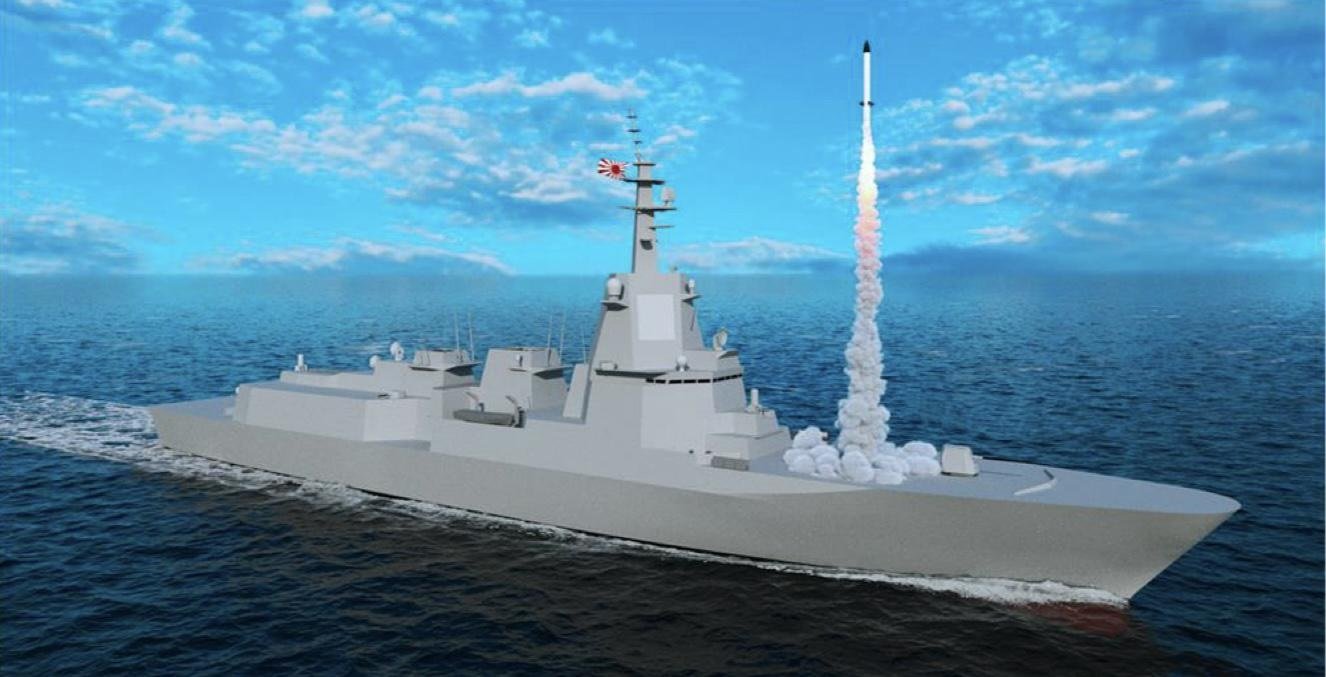
World
TOKYO — Japan is advancing the construction of two Aegis System Equipped Vessels (ASEV), large surface combatants designed primarily for ballistic missile defense that are expected to become the largest active destroyer-sized warships in the world when they enter service. The ASEV program was launched as a sea-based alternative to Japan's cancelled Aegis Ashore missile defense system and has become a key part of the country's efforts to strengthen missile defense and maritime security amid the evolving security environment in East Asia. The first ASEV was laid down on July 18, 2025, at Mitsubishi Heavy Industries' Nagasaki shipyard, while the second began construction on February 5, 2026, at Japan Marine United's Isogo shipyard in Yokohama. According to Japan's Ministry of Defense, the first vessel is scheduled to launch in fiscal year 2026 and enter service in March 2028, with the second expected to launch in fiscal year 2027 and be commissioned in March 2029. The Ministry of Defense has approved the construction of two vessels under the program. Procurement costs are estimated at approximately 392 billion yen per ship, while the overall two-ship program is estimated at around 1 trillion yen (approximately $7.1 billion). Largest Surface Combatants in Japan's Fleet Each ASEV measures approximately 190 meters in length with a 25-meter beam, making the ships significantly larger than Japan's existing Aegis destroyers, including the Maya class. According to the Ministry of Defense, the vessels have a standard displacement of about 12,000 tons, while full-load displacement estimates range between 14,000 and 16,000 tons. At full load, the ships are expected to be larger than most active destroyers worldwide, including China's Type 055 class. For comparison, China's Type 055 destroyer has a displacement of about 13,000 tons, is approximately 180 meters long, and carries 112 vertical launch system (VLS) cells. 128 Vertical Launch Cells The ASEV's primary combat capability is centered on a 128-cell Mk 41 Vertical Launch System, arranged with 64 cells forward and 64 aft. This gives the vessel a larger missile capacity than Japan's Maya-class destroyers, which carry 96 VLS cells, and 16 more cells than the Type 055. The planned missile inventory includes: SM-3 Block IIA interceptors for ballistic missile defense. SM-6 missiles for air and missile defense. Evolved SeaSparrow Missiles (ESSM). Tomahawk cruise missiles for long-range land-attack missions. Extended-range Type 12 surface-to-ship missiles, capable of engaging both maritime and land targets. The future Glide Phase Interceptor (GPI), being jointly developed by Japan and the United States to intercept hypersonic glide vehicles. The integration of Tomahawk cruise missiles and the extended-range Type 12 missile will also support Japan's developing counterstrike capability. Advanced Radar and Combat Systems The ships will be equipped with Lockheed Martin's AN/SPY-7(V)1 Active Electronically Scanned Array (AESA) radar, derived from technology used in the U.S. Long Range Discrimination Radar. Japanese defense officials state that the SPY-7 provides approximately five times the tracking capability of the older SPY-1 radar installed on the Japan Maritime Self-Defense Force's current Aegis destroyers. The radar arrays are mounted above the bridge to improve detection of low-altitude threats, including sea-skimming missiles. Additional sensors and systems include: AN/SPQ-9B horizon-search radar. Three AN/SPG-62 fire-control illumination radars. AN/SLQ-32(V)6 electronic warfare system. Additional Armament and Propulsion Besides its missile systems, the ASEV will be fitted with a Mk 45 Mod 4 5-inch naval gun, Phalanx Close-In Weapon Systems (CIWS), and facilities to operate two SH-60 helicopters. The ships are planned to use Rolls-Royce MT30 gas turbines for propulsion and are expected to achieve speeds of approximately 30 knots. Crew size is estimated at around 240 personnel. Strengthening Japan's Missile Defense The ASEV program originated after Japan cancelled the land-based Aegis Ashore missile defense system in 2020. The new vessels are designed to provide persistent ballistic missile surveillance, tracking, and interception, allowing the Japan Maritime Self-Defense Force's existing Kongō, Atago, and Maya-class Aegis destroyers to focus more on fleet air defense, anti-submarine warfare, and other multi-mission operations. Due to their size and capabilities, the vessels are expected to be designated as guided-missile cruisers rather than destroyers. Once commissioned, they will become a central component of Japan's sea-based ballistic missile defense architecture while supporting the country's expanding long-range strike capability.
Read More → Posted on 2026-07-31 14:24:44
World
KYIV — Ukrainian investigators are examining the accuracy of North Korea's KN-23 short-range ballistic missile after discovering a second impact site linked to Russia's overnight missile attack on Ukraine on July 30, 2026. According to Ukrainian officials, Russian forces launched two North Korean KN-23 ballistic missiles during the attack. One missile struck a private home in the village of Radushne near Kryvyi Rih in Ukraine's Dnipropetrovsk region, while the second landed in an open field approximately 3.5 kilometers (2.2 miles) away. The distance between the two impact sites has become a key focus of the investigation, with Ukrainian authorities assessing the missile's operational accuracy. Second KN-23 Impact Site Located Vladyslav Vlasiuk, Ukraine's presidential commissioner for sanctions policy, confirmed that investigators had located the second impact crater. "A fragment of a second North Korean ballistic missile KN-23, which Russia used during the shelling of Ukraine on July 30, has been found," Vlasiuk said. He stated that the second missile exploded in an empty field rather than a populated area. According to Vlasiuk, there were no potential military or infrastructure targets within a 5-kilometer radius of the impact site. "The first missile of this type hit a private home in Radushne near Kryvyi Rih. The second KN-23 exploded in a field. Between these 'hits' is 3.5 km. There are no potential targets within a 5 km radius," he said. Civilian Casualties in Radushne The first missile struck the home of the Voronov family in Radushne, completely destroying the house. Initial assessments from Vlasiuk reported six fatalities, including three children, while several minors were initially unaccounted for following the strike. Local reports identified the victims as parents Artem Voronov, 47, and Olena Voronov, 41, along with children including Mark, 17; Azarii Ilai, 11; and Emilia, 6. Other family members present included additional siblings and a 1.5-year-old grandson. Later, Ukrainian President Volodymyr Zelensky confirmed that the final death toll had risen to 10 members of the family. In his evening address on July 30, Zelensky condemned the attack and said North Korean-made weapons were being used against Ukrainian civilians far from the front lines. Questions Over Missile Accuracy The KN-23 is a solid-fueled, road-mobile short-range ballistic missile developed by North Korea. Military analysts have frequently noted its similarities in appearance and performance to Russia's Iskander-M ballistic missile system. Vlasiuk described the KN-23 as "practically a full analog of the Russian Iskander." Recent intelligence assessments have indicated that Russian engineers have been working with North Korea to improve the KN-23's accuracy using combat experience gained during the war in Ukraine. Some assessments have suggested that the missile's reported margin of error had been reduced from more than one kilometer to between 1 and 5 meters. However, Ukrainian officials say the latest strike near Kryvyi Rih raises new questions about the missile's real-world performance. Ukrainian defense sources have previously reported that a significant number of North Korean missiles used by Russia have failed to follow their programmed flight paths or have exploded before reaching their intended targets. Shared Components Under Investigation Investigators are also examining debris recovered from the missile strike. According to Vlasiuk, investigators have identified structural similarities between the KN-23 and Russia's Iskander-M missile, including identical Western-manufactured components found inside both systems. He said the findings suggest that the supply networks enabling Russia to obtain foreign electronics, sensors and guidance components despite international sanctions may also be supporting North Korea's missile program. Ukrainian officials are continuing to examine the recovered missile remnants as part of the investigation. Expanding Russia-North Korea Military Cooperation The use of KN-23 missiles reflects the growing military cooperation between Russia and North Korea, which has expanded since 2022. According to Ukrainian and Western assessments, North Korea has supplied Russia with ballistic missiles, large quantities of artillery shells and military personnel to support Russian operations. Commenting on the partnership, Vlasiuk said: "One of the examples of Russia's dependence on North Korea's military assistance. North Korean missiles kill Ukrainian civilians just like Russian ones do. And everyone who ensures the military partnership between Moscow and Pyongyang and the supply of critical components for the defense industry must bear responsibility for this." Part of a Larger Missile and Drone Attack The July 30 strike formed part of a broader Russian overnight attack involving more than 70 missiles and hundreds of drones, according to Ukrainian officials. The barrage caused casualties and damage in multiple regions, including Lviv. Ukrainian Air Force communications head Yurii Ihnat said radar data and operational reports suggested that KN-23 ballistic missiles may have been used alongside Iskander-M ballistic missiles and S-400 missile systems during the attack. Ukrainian air defenses intercepted a significant portion of the incoming missiles and drones, while investigators continue to examine the impact sites and missile debris to determine additional details about the weapons used. Russia and North Korea have not publicly commented on the reported use of KN-23 missiles in the July 30 strike.
Read More → Posted on 2026-07-31 15:03:52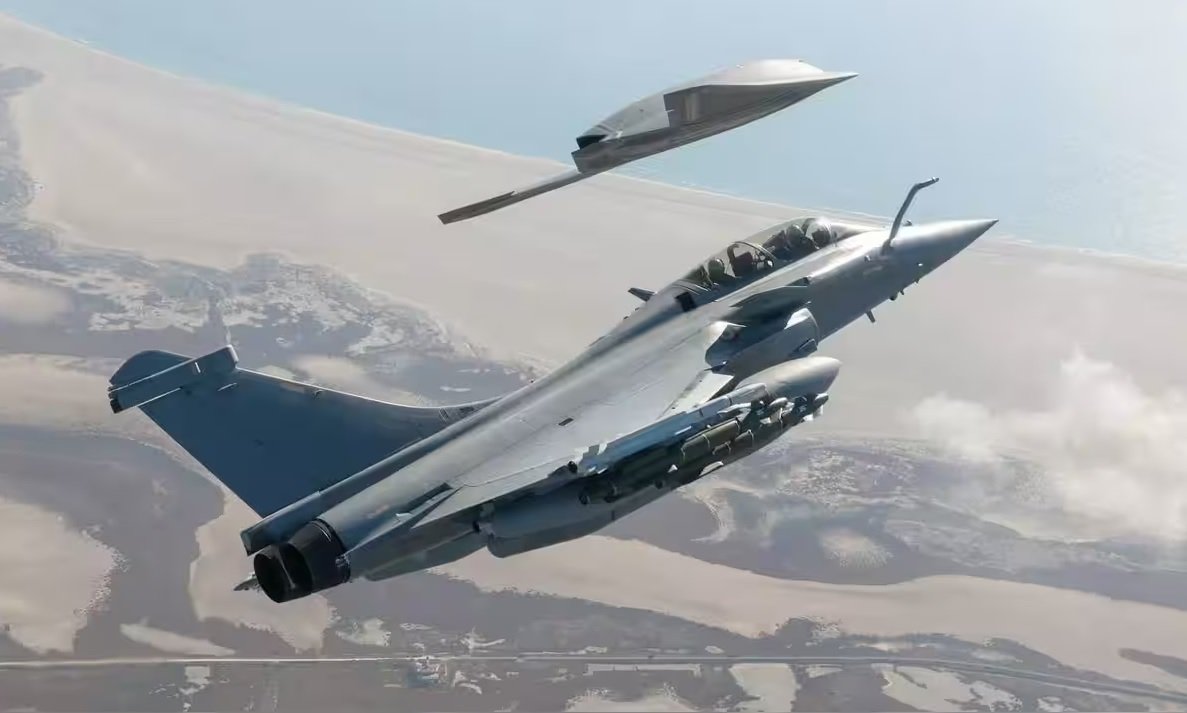
Europe
PARIS — The French Ministry of the Armed Forces has awarded the first preparatory engineering contracts for the €1.5 billion reconstruction of Air Base 116 (BA 116) at Luxeuil-Saint-Sauveur, officially launching a long-term modernization project that will transform the site into France's fourth nuclear-capable air base. The initial contracts, awarded on July 25, 2026, begin the engineering and site-preparation phase of the project, which follows the strategic force restructuring announced by French President Emmanuel Macron during his visit to Luxeuil on March 18, 2025. Under the plan, the base will host two Strategic Air Forces squadrons operating approximately 50 two-seat Rafale F5 fighter aircraft equipped to carry the future ASN4G hypersonic nuclear missile. The transformation will restore Luxeuil's nuclear deterrence mission, a role the base lost in 2011. The Defence Infrastructure Service will oversee the reconstruction in coordination with the French Air and Space Force, while the Directorate General of Armaments will synchronize infrastructure work with the delivery of aircraft, weapons, communications systems, simulators, and other operational equipment. Engineering Work Begins Before Major Construction The first contracts cover engineering studies, site surveys, design preparation, utility assessments, and planning work required before large-scale construction begins in 2027. The reconstruction will take place within the base's existing 477-hectare footprint and will modernize nearly every major facility surrounding its 2,433-meter NATO-standard concrete runway. Planned upgrades include reconstruction of the runway surface, taxiways, aircraft parking aprons, roads, vehicle areas, hangars, maintenance buildings, utilities, water supply, drainage networks, accommodation, dining facilities, and operational headquarters. The project also includes construction of specialized facilities such as a dedicated information technology building, a separate simulator complex, nuclear-certified storage facilities, secure mission planning areas, classified information systems, protected communications networks, aircraft servicing areas, weapons preparation facilities, and restricted-access operational zones. Much of the existing infrastructure dates back to the 1950–1953 modernization of the base, making replacement of aging buildings and support networks a key part of the project. Personnel to Increase Significantly The conversion to a nuclear mission will require a major increase in manpower over the coming decade. Permanent military and civilian personnel at the base are expected to increase from about 1,200 in 2025 to nearly 2,000 by 2035. Maintenance staff will expand from around 300 to approximately 800 personnel, while the pilot population is expected to quadruple. The future force structure will require more personnel because the nuclear mission will be carried out by two-seat Rafale aircraft, with each mission involving both a pilot and a weapon systems officer. The weapon systems officer is responsible for navigation, communications, electronic warfare, threat monitoring, mission timing, tanker coordination, and nuclear weapon procedures, allowing the pilot to focus on flying and tactical mission execution. This operating model also increases the need for simulator training, mission rehearsals, instructors, and classified planning staff. Flying Operations to Pause During Reconstruction To allow unrestricted access across the airfield during construction, all flying operations at Luxeuil are expected to stop from 2029 to 2032. The temporary suspension follows the planned end of Mirage 2000-5F operations in 2029 and will continue until the arrival of the first Rafale F5 aircraft in 2032. During this period, the air base will temporarily be absent from France's fighter-base network while extensive work is carried out across the runway, taxiways, parking aprons, and central operational facilities. Peak construction activity is expected to involve between 1,500 and 2,000 workers, creating a temporary workforce comparable to or larger than the base's current permanent population. Managing the project will require dedicated entry points for civilian contractors, separation of classified and non-classified areas, management of heavy construction traffic, and coordination with nearby municipalities regarding accommodation, transportation, roads, and public services. Rafale F5 and ASN4G to Form Future Nuclear Force Luxeuil will become the first French air base specifically designed around the Rafale F5 and ASN4G weapon system. The first Rafale F5 aircraft are expected to arrive in 2032. The first squadron is planned to become operational in 2033, followed by a second squadron in 2036, with full dual-squadron readiness targeted the same year. During infrastructure planning, the two future squadrons are provisionally designated RAF7, scheduled for 2033, and RAF8, planned for 2036. The planned inventory of approximately 50 aircraft suggests a nominal strength of about 25 fighters per squadron, although operational availability will vary due to maintenance, training, upgrades, and aircraft servicing requirements. The Rafale F5 standard is being developed with enhanced computing capability, sensor fusion, electronic warfare architecture, communications capacity, and weapon interfaces required for integration with the ASN4G missile and future uncrewed combat aircraft. The ASN4G, currently under development by MBDA, is intended to replace the ASMPA-R after 2035. The missile is designed to achieve hypersonic speed, maneuver during flight, and reduce the probability of interception by future air-defense and missile-defense systems. It is planned to equip both the French Strategic Air Forces and French Naval Aviation, maintaining France's airborne nuclear deterrent from both land-based and carrier-based aircraft. France's Fourth Nuclear Air Base France currently operates three nuclear-capable air bases: Saint-Dizier, Istres, and Avord. Once completed, Luxeuil will become the country's fourth nuclear air base. The July 2026 contract awards mark the beginning of the engineering and planning phase that will determine how the entire installation is rebuilt within its existing footprint over the coming decade, preparing the base to support the future Rafale F5 fleet and ASN4G nuclear missile system.
Read More → Posted on 2026-07-31 16:31:09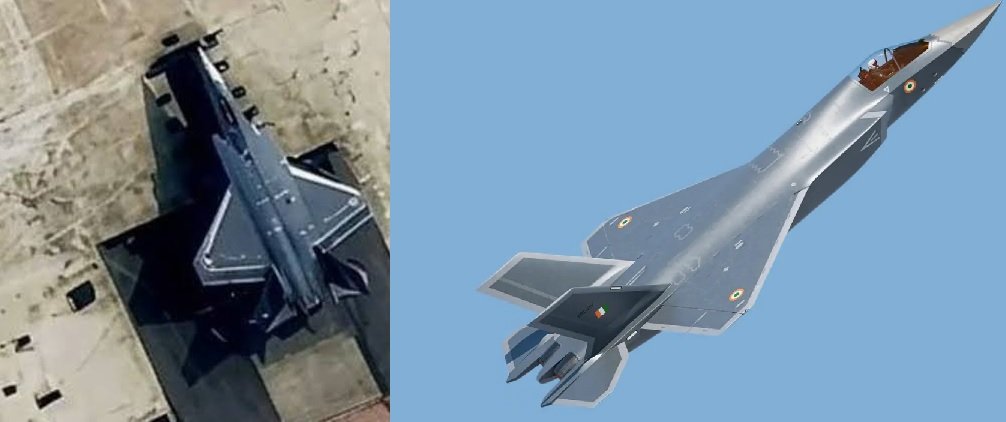
India
NEW DELHI — The Aeronautical Development Agency (ADA) has re-issued the Request for Proposal (RFP) for the prototype development phase of India's Advanced Medium Combat Aircraft (AMCA) programme, introducing revised project terms and extending the bid timeline for shortlisted industry participants. The updated tender sets the opening of bids for August 28, 2026, at 2:00 PM, after competing aerospace consortiums sought additional time to prepare their proposals. The revised documents include changes to flight testing, financial rules, maintenance costs, testing infrastructure and material handling requirements while keeping the programme focused on selecting an industry partner for prototype development. The AMCA is India's indigenous fifth-generation stealth multirole fighter being designed by ADA under the Defence Research and Development Organisation (DRDO). The aircraft is planned as a single-seat, twin-engine platform for the Indian Air Force, featuring a low-observable design, internal weapons bays, advanced avionics, sensor fusion and multirole capability. The Cabinet Committee on Security (CCS) had earlier approved the prototype development phase of the programme with an estimated budget of around ₹15,000–15,800 crore. Three Private-Sector Teams Competing The prototype development tender has been issued to three shortlisted private-sector bidders: Tata Advanced Systems Limited (TASL) (bidding independently) Larsen & Toubro–Bharat Electronics Limited consortium with Dynamatic Technologies Bharat Forge–BEML consortium with Data Patterns Hindustan Aeronautics Limited (HAL) is not participating in this stage of prototype development. Under the tender conditions, the winning bidder will be required to establish a new dedicated company within three months of contract award to execute the project. The company will operate from ADA's Core Integration and Flight Testing Centre at Puttaparthi, Andhra Pradesh, whose foundation stone was laid in May 2026. Revised Flight Testing Plan The re-issued tender expands the flight testing programme for the AMCA prototypes. The selected industry partner will be required to manufacture and test five different flying prototypes. According to the revised project schedule, the complete flight test programme will include 1,800 test flights, to be completed by the 84th month of the project. Earlier project timelines outlined in the RFP also targeted the first prototype flight approximately 30 months after contract signing, with completion of the full flight test campaign before the programme moves toward series production. Financial Rules Updated The revised tender replaces the use of the London Interbank Offered Rate (LIBOR) for interest calculations related to specific payments and refunds. Instead, all such calculations will now be based on the State Bank of India's Marginal Cost of Funds Based Lending Rate (SBI MCLR). Maintenance Cost Formula Revised ADA has also updated the maintenance cost framework for the prototype fleet. The estimated annual maintenance cost for the five prototypes has been fixed at 5% of the total prototype cost. Future revisions to these costs will now be linked to the Consumer Price Index (CPI) and Wholesale Price Index (WPI) instead of the previously used Consumer Price Index for Industrial Workers (CPI-IW). Additional Testing Equipment Required The revised tender introduces an additional testing requirement for the selected partner. Along with the previously required Mobile Electromagnetic Interference (EMI) and Electromagnetic Compatibility (EMC) testing setup, the project now mandates the installation of a dedicated Lightning Test Rig to support aircraft testing under severe weather conditions. Government Clarifies Material Handling Responsibility The updated RFP also clarifies responsibility for government-supplied materials. According to the revised conditions, government insurance coverage will apply only while the materials are in transit. After delivery, the selected industry partner will be responsible for the storage, handling and protection of these materials in accordance with prescribed safety and security requirements. Next Steps The technical and commercial evaluation process will begin after bids are opened on August 28, 2026. The revised tender remains focused on selecting an industry partner to work with ADA on building and flight-testing the AMCA prototypes under the programme's defined technical and development schedule. Based on the current programme timeline, the first prototype rollout is planned for the late 2020s, followed by flight testing before the aircraft's planned induction in the 2030s.
Read More → Posted on 2026-07-31 16:39:25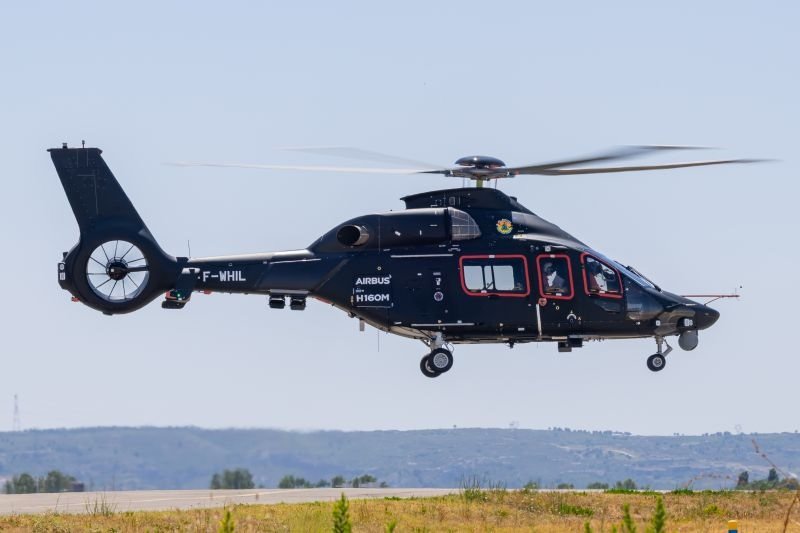
Europe
MARIGNANE, France — Airbus Helicopters has completed the maiden flight of the second prototype of its H160M Guépard military helicopter, marking the next phase of the aircraft's flight test campaign under France's Joint Light Helicopter (Hélicoptère Interarmées Léger – HIL) programme. The second prototype made its first flight in a distinctive all-black paint scheme, setting it apart from the civilian-style H160 helicopters already in service and from the first military prototype. The H160M, known as Guépard (French for "cheetah"), is the military version of the Airbus H160 medium helicopter. It is being developed to provide a common helicopter platform for the French Army, Navy, and Air and Space Force, replacing several legacy helicopter types currently in service or recently retired. France to Acquire 169 H160M Helicopters France plans to procure 169 H160M Guépard helicopters under the HIL programme. The new fleet will replace five existing helicopter types: Gazelle Alouette III Dauphin Panther Fennec The fleet consolidation is intended to simplify maintenance, logistics, spare parts management, and crew training across the three military services. France has so far ordered an initial batch of 30 aircraft. The overall planned fleet includes 80 helicopters for the French Army, 49 for the French Navy, and 40 for the French Air and Space Force. Initial deliveries to the French Army are scheduled to begin in late 2028. Three Prototypes Supporting Development Airbus is using three flying prototypes to support different phases of the H160M development programme. The first prototype completed its maiden flight on 18 July 2025. It has accumulated more than 72 flight hours, focusing on validating the helicopter's flight characteristics and overall performance. During 2026, the aircraft conducted weapons firing trials at Cazaux, validating the integration of 12.7 mm machine gun pods, door-mounted machine guns, and the self-protection system's flare dispensers. Further testing will include guided rockets as well as risk-reduction studies for the MBDA Akeron LP missile. The second prototype, which has now completed its first flight, will focus on environmental testing. The aircraft will undergo hot and cold weather trials to evaluate system performance in extreme operating conditions, including desert and arctic environments. The third prototype is scheduled to join the flight test campaign in 2027. It will be configured for naval operations and will validate maritime-specific equipment and shipboard compatibility required by the French Navy. Military Systems and Mission Equipment The H160M is a six-tonne-class helicopter powered by two Safran Arrano turboshaft engines. According to Airbus, the helicopter incorporates 68 patented technologies designed to improve efficiency, safety, environmental performance, acoustic performance, and maintenance compared with earlier helicopter designs. For military operations, the Guépard is equipped with a dedicated mission system that includes: Thales FlytX avionics suite Airbus-developed mission system Safran Euroflir 410 electro-optical sensor Thales AirMaster C radar The helicopter also features an automated self-protection suite that operates across the electromagnetic and optical spectrum to deploy countermeasures against threats. Using Airbus' HForce modular weapon system, the H160M can be equipped with: 12.7 mm machine gun pods Guided rockets 7.62 mm pintle-mounted machine guns for door gunners Native Drone Cooperation Capability The H160M is the first helicopter in Airbus' product range designed from the outset with a native drone cooperation system. The capability enables helicopter crews to work directly with unmanned aircraft, allowing real-time information sharing and extending reconnaissance and situational awareness beyond the helicopter's onboard sensors. Production Continues Alongside Flight Testing Airframe production is already underway at Airbus' facility in Donauwörth, Germany, while final assembly is carried out in Marignane, France. Manufacturing is progressing in parallel with the ongoing flight test programme. Airbus has also highlighted the operational experience gained from the French Navy's interim use of six civilian H160 helicopters for maritime search-and-rescue missions. Those aircraft have accumulated more than 5,000 flight hours over more than two years of operations, providing operational experience that supports the H160M programme. The successful first flight of the second prototype expands the H160M test campaign into environmental qualification while development continues toward the planned introduction of the helicopter into French military service beginning in late 2028.
Read More → Posted on 2026-07-31 17:08:15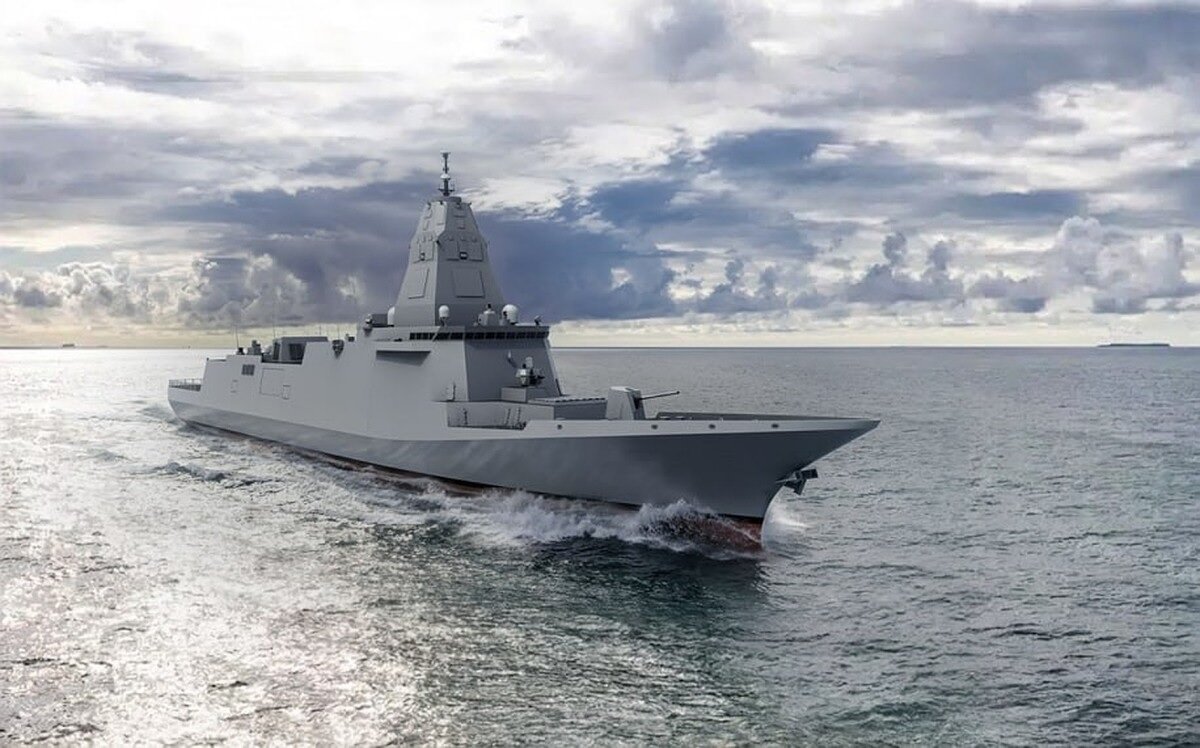
World
SEOUL — South Korea's Defense Acquisition Program Administration (DAPA) has signed a contract with Hanwha Ocean for the detailed design and construction of the lead ship of the Republic of Korea (ROK) Navy's Next-Generation Destroyer (KDDX) program, officially moving the project into its development and construction phase. The KDDX program is valued at KRW 7.8 trillion (approximately US$5.4 billion) and will deliver six next-generation guided-missile destroyers in the 6,000–7,000-ton class for the ROK Navy. The agreement signed on July 31, 2026, covers the detailed design and construction of the first ship and is worth approximately KRW 838 billion (about US$580–585 million). Under the current schedule, the lead destroyer is expected to be delivered by June 30, 2032, while the remaining five ships are planned for sequential delivery through 2036. DAPA also expects procurement of the follow-on ships to begin around late 2028. Hanwha Ocean Selected After Competitive Evaluation The contract follows Hanwha Ocean's selection as the preferred bidder in early July 2026 after a closely contested evaluation against HD Hyundai Heavy Industries (HD HHI). According to DAPA, Hanwha Ocean outscored HD Hyundai Heavy Industries by 0.5867 points in the final evaluation. Although HD HHI completed the KDDX basic design phase in December 2023, a 1.2-point security deduction related to past procurement irregularities, including issues involving military secrets, affected its final score. After review and objection procedures were completed, DAPA proceeded with the signing of the main contract. The award marks a notable shift in South Korea's naval shipbuilding industry. While HD Hyundai Heavy Industries has traditionally led the detailed design and construction of the country's major surface combatants, Hanwha Ocean will now take the primary role in building the ROK Navy's next-generation destroyer. The company has previously built Ulsan-class frigates and has extensive experience in naval shipbuilding, particularly submarines. Designed as South Korea's First Indigenous Aegis-Equivalent Destroyer The KDDX class is intended to replace the aging Gwanggaeto the Great-class (KDX-I) destroyers and become a core asset of the ROK Navy's Task Fleet Command. Unlike the Sejong the Great-class (KDX-III) destroyers, which rely substantially on the U.S.-made Aegis combat system, the KDDX is being developed as South Korea's first fully indigenous Aegis-equivalent surface combatant, often referred to as the country's "Korean Aegis" destroyer. The ships will incorporate several domestically developed systems, including: Integrated Mast (I-MAST) housing an indigenous dual-band S/X phased-array multi-function radar and communication systems. A domestic Combat Management System (CMS) for command and control. An Integrated Electric Propulsion System (IEPS) designed to reduce the ship's acoustic signature while supporting future high-energy weapon integration. Korean Vertical Launch System (KVLS-I and KVLS-II) cells capable of deploying domestically developed surface-to-air and strike missiles. Advanced indigenous sonar systems. New Technologies Planned for the KDDX During the detailed design and construction phase, Hanwha Ocean plans to incorporate several technologies intended to improve the destroyer's operational capability and long-term support. Among the planned features is a digital twin framework that will support ship design, construction, maintenance, and lifecycle management. The destroyer will also include a multi-layered counter-unmanned aerial system (anti-drone) suite to address emerging unmanned aerial threats. To strengthen network-centric operations, the design includes a high-bandwidth 5G-based wired and wireless communications network. Additional technologies under consideration include manned-unmanned teaming (MUM-T) combat systems, enhanced cybersecurity measures to protect operational networks, and automation technologies aimed at reducing crew requirements in response to long-term naval manpower constraints. DAPA Highlights Strategic Importance Jung Jae-jun, Head of DAPA's Advanced Capabilities Program Bureau, described the KDDX project as a national program that brings together South Korea's warship construction and defense industry capabilities. He said DAPA will continue examining execution strategies for follow-on vessels to support timely deployment that meets future operational requirements. He added that successful completion of the KDDX program is expected to strengthen the international competitiveness of South Korean naval shipbuilding and support future warship export opportunities. Following the contract signing, Hanwha Ocean said detailed design work will begin immediately under the agreement, which runs through June 30, 2032 for the lead ship. The KDDX program represents an important step in South Korea's ongoing naval modernization effort and expands the country's role in developing advanced indigenous surface combatants.
Read More → Posted on 2026-08-01 11:52:14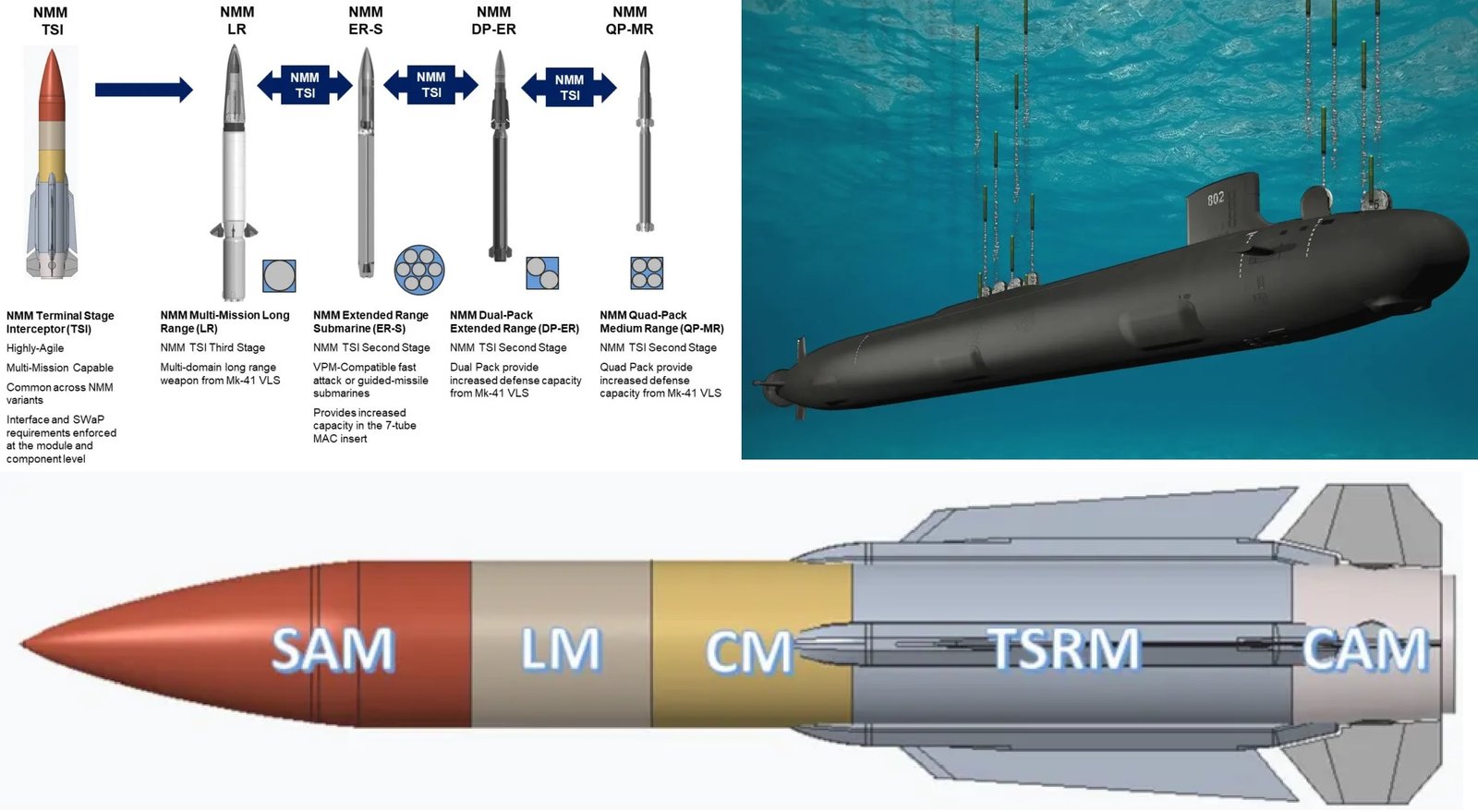
U.S
WASHINGTON — The U.S. Navy has outlined new details of its Naval Modular Missile (NMM) program, a next-generation family of modular surface-to-air interceptors designed to improve fleet air defense, increase missile capacity aboard warships, and introduce a submarine-launched air-defense capability for future attack submarines. The program is built around a common Terminal Stage Interceptor (TSI) that can be combined with different rocket boosters and launch canisters to create multiple missile variants for different missions and platforms. The Navy says the modular approach is intended to simplify production, improve logistics, and provide greater flexibility across the fleet. Information on the program comes from a draft Request for Solutions contracting notice issued by Naval Sea Systems Command (NAVSEA), which was first reported by Aviation Week. NAVSEA also held an industry day earlier this year to gather feedback from potential suppliers. While the effort has existed since at least 2021, only limited information had previously been made public. The U.S. Navy has requested $311 million in its Fiscal Year 2027 budget as a new-start effort to begin NMM development. Budget documents state that the long-term objective is to eventually replace the Navy's existing inventory of Standard missiles with the new modular missile family while providing advanced defensive and offensive capabilities for the U.S. Navy, the Joint Force, allies, and partners. Modular Terminal Stage Interceptor Forms the Core of the Program At the center of the NMM program is the 10-inch diameter Terminal Stage Interceptor (TSI), which serves as a common front-end section for all missile variants. According to NAVSEA contracting documents, the interceptor consists of five modules: Seeker Assembly Module (SAM) Lethality Module (LM) Command Module (CM) Terminal-Stage Rocket Motor (TSRM) Control Actuation Module (CAM) The Navy describes the TSI as a highly agile, multi-mission interceptor built using current technologies. While detailed performance requirements have not been publicly released, the contracting notice indicates the missile is intended to counter advanced aerial threats, including maneuvering supersonic and hypersonic weapons. The Navy has not finalized seeker requirements. However, potential seeker options mentioned in the documents include active radar, imaging infrared, and passive radiofrequency systems. A multi-mode seeker could improve performance against increasingly sophisticated electronic countermeasures. The focus on advanced missile defense reflects operational experience from recent conflicts in the Middle East and observations from the war in Ukraine, as well as the continued development of high-speed anti-ship missiles by countries including China and Russia. Four Missile Variants Planned Using the common TSI, the Navy plans to develop four primary All-Up-Round (AUR) variants for different operational requirements. Long-Range (LR) The Long-Range (LR) variant is intended for launch from the Mk 41 Vertical Launching System (VLS) installed on U.S. Navy surface combatants. The missile uses a 21-inch rocket motor, leveraging existing Navy investments in propulsion technology already associated with the Standard Missile-3 (SM-3) Block IIA and the developing SM-6 Block IB. According to Navy documents, the LR missile is designed to provide multi-mission hypersonic capability, allowing faster engagement of long-range aerial threats and supporting future long-range kill chains. One LR missile will occupy a single Mk 41 VLS cell. Dual-Pack Extended Range (DP-ER) and Quad-Pack Medium Range (QP-MR) To increase the number of interceptors carried aboard surface ships, the Navy also plans two slimmer missile variants: Dual-Pack Extended Range (DP-ER) Quad-Pack Medium Range (QP-MR) These missiles are designed to fit two or four missiles, respectively, into a single Mk 41 VLS cell. Currently, the Evolved Sea Sparrow Missile (ESSM) is the primary Navy surface-to-air interceptor that can be multi-packed into Mk 41 launch cells. Increasing magazine depth would allow warships to conduct more defensive engagements before needing to return to port for reloading. The Navy is also developing methods for reloading vertical launch systems at sea to further improve operational flexibility. Submarine-Launched ER-S Variant One of the most significant elements of the NMM program is the Extended-Range Submarine (ER-S) variant, which is planned for deployment aboard future Block V Virginia-class nuclear-powered attack submarines equipped with the Virginia Payload Module (VPM). The VPM adds four large vertical launch tubes to Block V submarines. Under current plans, the ER-S missiles would be loaded using a seven-cell Multiple All-Up-Round Canister (MAC) adapter previously used on Ohio-class guided-missile submarines. The U.S. Navy does not currently operate a dedicated submarine-launched surface-to-air missile capability. According to program documents, the ER-S missile is expected to provide submarines with localized defense against airborne threats such as anti-submarine warfare aircraft while also expanding their contribution to wider fleet air-defense operations. 【P1】 The submarine currently under construction appears to be USS Arizona (SSN-803), the second Block V Virginia-class attack submarine. 【P2】 is likely the Virginia Payload Module (VPM), a key feature of the Block V variant.USS Arizona will be the first Virginia-class… https://t.co/lNVxk5TZfe pic.twitter.com/oUJLZEMkGd — 笑脸男人 (@lfx160219) July 30, 2026 Submarine multiple all-up-round canister (MAC) evolution:1⃣Ohio-class SSGN: 7-round MAC backfit into each Trident missile tube2⃣Block III Virginia: two VPTs on the bow with 6-round MAC3⃣Block V Virginia (starting w/803): keep Block II VPT, add four 7-round MAC amidships pic.twitter.com/5oAVbKbZEK — 🇺🇸𝗢𝗹𝗱 𝗦𝘂𝗯𝗺𝗮𝗿𝗶𝗻𝗲𝗿⚓️ (@USN_Submariner) August 6, 2024 Potential Role in Networked Air Defense Navy planning documents describe how submarines equipped with ER-S missiles could operate as part of a wider networked air-defense architecture. Using targeting information provided by offboard sensors—including Aegis-equipped surface ships, space-based tracking systems, or aircraft—a submarine could contribute to engagements against airborne threats while remaining integrated into broader fleet operations. The Navy also notes that the LR and ER-S variants are planned to achieve hypersonic speeds, allowing faster engagement of distant threats and potentially improving response against time-sensitive targets. Military planners also recognize operational considerations associated with the submarine-launched concept. Launching a large interceptor generates infrared, radar, and acoustic signatures that could reveal a submarine's position, requiring commanders to balance defensive benefits with stealth requirements. Production Strategy Focuses on Modular Manufacturing A major objective of the NMM program is to improve production capacity and strengthen the defense industrial base. Rather than relying on a single supplier, the Navy's modular open-architecture approach is intended to allow multiple contractors to manufacture TSI components and rocket motors, increasing competition and reducing supply chain constraints. According to contracting documents, the Navy is targeting production of 1,000 TSI interceptors per year within five years of contract award. Budget documents also indicate the Navy plans to use multiple acquisition approaches, including Other Transaction Authorities (OTA), marketplace platforms, and alternatives to traditional Federal Acquisition Regulation (FAR) procurement methods to expand the supplier base. Program Supports Future Fleet Air Defense The Fiscal Year 2027 budget request states that the Naval Modular Missile (NMM) program is intended to address increasingly capable anti-access and area-denial (A2/AD) threats while providing greater magazine capacity and more adaptable missile options across the fleet. If developed as planned, the NMM family would introduce a standardized interceptor architecture for surface ships while adding a new submarine-launched air-defense capability for future Virginia-class submarines equipped with the Virginia Payload Module (VPM), expanding the Navy's options for defending against advanced aerial threats. Source : TWZ
Read More → Posted on 2026-08-01 12:08:45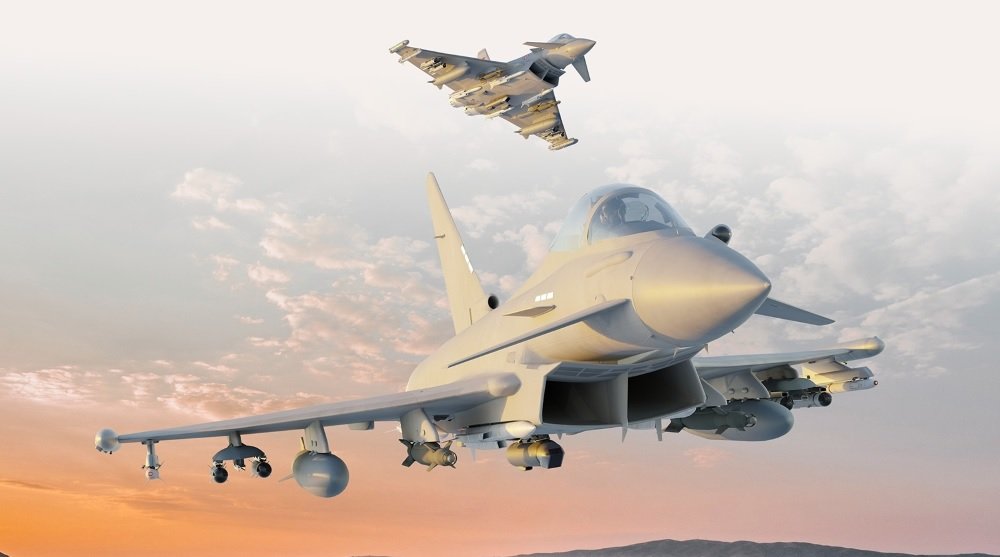
World
LONDON — Production of Türkiye's first fleet of 20 Eurofighter Typhoon fighter jets has officially begun in the United Kingdom, marking a major milestone in the defense agreement signed between Ankara and London in October 2025. BAE Systems confirmed in its first-half 2026 financial results that manufacturing of components is now underway at its facilities in the United Kingdom and across the Eurofighter partner nations. Final assembly of all 20 aircraft will take place at the company's Warton facility in Lancashire, England. The £5.4 billion (approximately $7.2 billion) agreement covers the production of 20 newly built Eurofighter Typhoon aircraft, along with weapons, training and long-term support. The order also helps sustain Typhoon production at Warton into the 2030s. Deliveries Planned in Three Phases The Turkish Air Force will receive the aircraft in three batches to support the gradual introduction of the new fleet. Six aircraft will be delivered in 2030 Eight aircraft will follow in 2031 The final six aircraft will arrive in 2032 Latest Production Standard Türkiye's aircraft will be built in the Tranche 4 production standard, the latest version currently in production. According to defense reports, the aircraft will be equipped with the Leonardo ECRS Mk 0 Active Electronically Scanned Array (AESA) radar. The Tranche 4 standard also includes updated sensors, avionics and structural improvements. The aircraft will be integrated with: MBDA Meteor beyond-visual-range air-to-air missiles Brimstone precision ground-attack missiles Advanced short-range air-to-air missiles Weapons integration is being carried out by BAE Systems in cooperation with MBDA. Training and Support Package In March 2026, the United Kingdom and Türkiye signed a separate agreement covering training, logistics and technical support for the Typhoon fleet. Reports have valued the package at around £2.5 billion, while other reports indicate it could be worth up to £2.6 billion. The agreement includes high-fidelity flight simulators, electronic warfare systems, spare parts, technical assistance and support services for an initial three-year period after the aircraft enter service. The Royal Air Force will train 10 Turkish instructor pilots and nearly 100 Turkish maintenance personnel to help Türkiye develop its own long-term training and maintenance capability. Turkish personnel are expected to begin travelling to the United Kingdom in August 2026, following the signing of a separate technical and logistics support agreement on March 25, 2026. BAE Systems Statement Simon Barnes, Group Managing Director of BAE Systems' Air sector, said: "We're proud to support the UK's partnership with Türkiye by delivering a trusted defence capability that deepens collaboration and reinforces shared security commitments. Türkiye's acquisition of Typhoon strengthens this partnership and enhances the country's advanced combat air capabilities." Strengthening Türkiye's Air Force With this order, Türkiye will become the tenth operator of the Eurofighter Typhoon, joining Germany, Italy, Spain, the United Kingdom, Austria, Kuwait, Oman, Qatar and Saudi Arabia. The Eurofighter Typhoon is a twin-engine multirole combat aircraft produced by the European consortium of BAE Systems, Airbus and Leonardo. It entered service in 2003 and is designed for air-to-air, air-to-ground and reconnaissance missions. Separately, Türkiye is also discussing the possible acquisition of second-hand Eurofighter Typhoon aircraft from Qatar and Oman to bridge the gap before deliveries of its newly built aircraft begin in 2030. No agreement has been announced.
Read More → Posted on 2026-08-01 12:19:06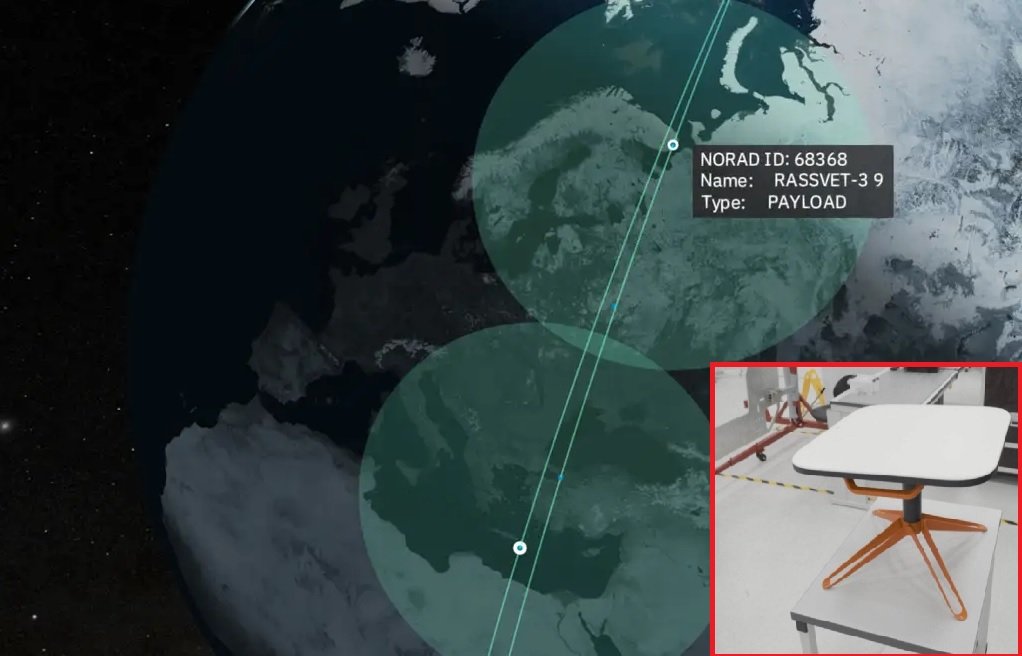
World
MOSCOW — Russia's Bureau 1440 has reached a new milestone in the deployment of its low-Earth orbit (LEO) Rassvet satellite constellation, with the first operational group now providing at least two stable communication windows over Ukraine each day, according to trajectory analysis shared by satellite communications expert Volodymyr Stepanets. Speaking to Ukrainian defense publication Militarnyi, Stepanets said the first batch of 16 Rassvet communications satellites, launched in late March 2026, has formed a configuration capable of supporting regular satellite connectivity over Ukraine. As of July 31, 2026, 12 satellites had reached their planned operational altitude of 550 kilometers, three satellites were still gradually ascending, and one satellite had burned up, reportedly due to a manufacturing defect. According to Stepanets, the current satellite formation provides at least two communication windows per day, each lasting between one and one-and-a-half hours. Additional satellite passes occur more frequently, with multiple satellite chains moving across different regions at intervals of about 1.5 hours, creating relatively dense coverage. Tracking data from the N2YO satellite monitoring service shows that the Rassvet satellites pass within line of sight over Ukraine four times each day. However, only two or three of those passes rise high enough above the horizon to provide stable communication links with ground terminals. During these communication windows, the satellite network could theoretically support communications and control for Russian military systems, including maritime drones and heavier strike and reconnaissance unmanned aerial vehicles (UAVs) such as the Geran-2, Geran-3, and Geran-4 series. Ground Terminals Designed for High-Speed Connectivity Bureau 1440 has also completed development of the base version of its subscriber terminal and is preparing to begin mass production. The terminals measure up to 60 centimeters in length and width, weigh less than 15 kilograms, and provide bandwidth of up to 1 Gbit/s. They are designed to operate in temperatures ranging from -40°C to +40°C. Like SpaceX's Starlink terminals, the Rassvet terminals use active phased-array antenna technology, enabling them to automatically locate satellites, establish connections, and maintain links without manual antenna positioning. Once production increases, the terminals are expected to be introduced into Russian military service. Potential applications include deployment at command posts, aboard military vehicles and naval vessels, and integration with long-range strike and reconnaissance UAVs, including future Geran-5 variants, the Garpiya, and other unmanned platforms. Defense analysts also assess that the communication links could support guidance for cruise missiles, glide bombs, and similar systems. Second Satellite Batch Launched Russia launched a second batch of 16 Rassvet satellites in late July 2026. If these satellites follow the same deployment timeline as the first group, they are expected to reach operational altitude by October or November 2026, adding two more daily communication windows over Ukraine. Bureau 1440's official roadmap targets the start of commercial operations in 2027 as part of its plan to build a domestic low-Earth orbit broadband communications network. Earlier company plans outlined expansion of the constellation to 250 satellites by 2027, 730 satellites by 2030, and more than 900 satellites by 2035. Based on those targets, maintaining the planned schedule would require launching approximately 16 satellites each month. So far, however, launches have taken place at a rate of roughly one mission every four months. Even at the current pace, analysts estimate that a fourth batch of satellites could be launched by March 2027. If deployment continues as expected, the constellation could become large enough to provide continuous satellite coverage over Ukraine by mid-summer 2027. According to Ukrainian defense experts cited by Militarnyi, this timeline provides a limited period for the development and deployment of electronic countermeasures before the Rassvet constellation reaches continuous operational capability. Rassvet Program Development Bureau 1440, a company within IKS Holding, began developing the Rassvet satellite program through the experimental Rassvet-1 and Rassvet-2 missions conducted in 2023 and 2024. The project transitioned to operational satellite deployments in 2026 and is intended to establish Russia's domestic low-Earth orbit broadband communications network. Source : militarnyi
Read More → Posted on 2026-08-01 13:15:44
U.S
DAYTON, Ohio — The U.S. Air Force's Boeing F-47 next-generation fighter remains on schedule for its first flight in 2028, according to a senior Air Force official, as the aircraft advances into a key stage of development under the Next Generation Air Dominance (NGAD) program. Speaking at the Life Cycle Industry Days conference in Dayton, Ohio, on Wednesday, Gen. Dale White, director of Critical Major Weapon Systems and the Pentagon's direct reporting portfolio manager for major defense programs, said the F-47 has entered the Engineering and Manufacturing Development (EMD) phase with what he described as "unprecedented maturity." "The F-47 will fly in this administration," White said, referring to the timeline outlined in the fiscal year 2027 budget request. F-47 Enters Engineering and Manufacturing Development The EMD phase focuses on maturing, integrating and testing the aircraft's systems before production. White said the program is benefiting from "extreme teaming" with industry partners. The phase will produce a small number of test aircraft for evaluation, although he did not disclose how many. It also includes priced options for low-rate initial production (LRIP), establishing a path toward future manufacturing. The Boeing F-47 is the crewed fighter component of the Air Force's broader NGAD "family of systems," which also includes Collaborative Combat Aircraft (CCA) designed to operate alongside the fighter during future missions. Air Force officials have said the F-47 features a modular design that allows new technologies to be integrated over time while supporting long-range strike operations in contested environments. Earlier Air Force information states the aircraft is intended to provide air superiority, with a combat radius greater than 1,000 nautical miles and speeds above Mach 2. Air Force Plans to Buy 185 Aircraft The Air Force plans to procure at least 185 F-47 fighters, roughly matching the size of the F-22 Raptor fleet that the new aircraft is intended to replace. President Donald Trump announced Boeing's selection for the program in March 2025, officially moving forward with the NGAD fighter effort. At the time, Trump said: "In terms of all of the attributes of a fighter jet, there's never been anything even close to it, from speed to maneuverability, to what it can have, to payload. America's enemies will never see it coming." More Than $5 Billion Requested for Development The F-47 program received approximately $3.45 billion in fiscal year 2026 funding. The fiscal year 2027 budget request includes more than $5 billion for continued development, representing a 65% increase over the previous year's funding. Budget projections indicate that research and development spending is expected to peak at around $5.25 billion in 2028 before gradually declining in subsequent years. Including previous allocations, total funding for the program is approaching $8.5 billion. Boeing began manufacturing the first F-47 airframe in late 2025. Air Force leaders have previously stated that experimental work on technologies supporting the aircraft had already been underway for several years before the formal development contract was awarded. White's remarks reaffirmed that the 2028 first-flight schedule remains unchanged as the Air Force continues engineering, manufacturing and flight-test preparations for its next-generation air superiority fighter. In addition to the F-47, White oversees a defense portfolio valued at nearly $250 billion, including the B-21 Raider bomber and the Sentinel and Minuteman III strategic missile programs.
Read More → Posted on 2026-08-01 13:30:39
Europe
MADRID, Spain — Spanish satellite operator Hisdesat has selected Airbus Defence and Space as the prime contractor for the development and construction of the SpainSat NG-III secure communications satellite, completing the industrial framework of the SPAINSAT NG Programme, a public-private partnership with the Spanish Ministry of Defence. The agreement, signed on July 31, will see Airbus design, integrate, and test the satellite, while Thales Alenia Space will serve as co-contractor. Financial terms of the contract were not disclosed. Supporting Spain's Secure Communications Network SpainSat NG-III will become part of Europe's most advanced secure military satellite communications constellation. The satellite is designed to provide high-capacity, encrypted command-and-control communications for the Spanish Armed Forces, government users, NATO, allied forces, and users under the European GOVSATCOM initiative. According to Airbus, the new satellite builds on the design of earlier SpainSat NG spacecraft while introducing improvements that increase operational flexibility, expand available bandwidth, and strengthen protection against jamming and other electronic threats. Advanced Payload and Protection Built on Airbus' Eurostar Neo platform, SpainSat NG-III will carry advanced X-band receive and transmit active antennas developed by Airbus in Spain. The company said these antennas deliver the performance of 16 conventional antennas and can reconfigure coverage up to 1,000 times per second, enabling rapid detection and mitigation of electronic interference, including jamming and spoofing attempts. Thales Alenia Space in Spain will develop the satellite's UHF and military Ka-band payloads while leading the assembly, integration, and testing of the communications module at its Tres Cantos facility. The satellite also incorporates hardened features designed to withstand high-altitude nuclear events and electromagnetic pulses (EMP). Airbus said it meets NATO requirements for signal intelligence, anti-jamming, and anti-spoofing capabilities. Launch Planned for 2030 SpainSat NG-III will follow a 48-month development schedule, with launch planned for the third quarter of 2030 and full operational capability expected in early 2031. Once operational alongside SpainSat NG-I, which launched in January 2025, the constellation will provide continuous geostationary communications coverage from North and South America across Europe, Africa, the Middle East, and eastward to Singapore, covering roughly two-thirds of the Earth's surface. Replacing SpainSat NG-II The new satellite is being developed after SpainSat NG-II, launched in October 2025, suffered non-recoverable damage following what its operator described as a space particle impact while transferring to its final geostationary orbit in January 2026. SpainSat NG-III will restore the lost capability and complete the planned constellation. The programme remains one of the largest space hardware initiatives undertaken by Spain's aerospace sector and continues to involve Airbus, Thales Alenia Space, and more than ten Spanish aerospace companies supplying subsystems and hardware. Alain Fauré, Head of Space Systems at Airbus Defence and Space, said SpainSat NG-III will reinforce Spanish and European strategic autonomy by providing mission-critical communications for Spain, NATO, and allied forces.
Read More → Posted on 2026-08-01 13:41:09
Science
MURMANSK, Russia — Russian scientists have identified a previously unknown rare-earth mineral, named Kola ashcroftine, at the Kirovsky mine in the Khibiny massif on the Kola Peninsula in the Murmansk region, according to the Russian Ministry of Science and Higher Education. The discovery was made by researchers from the Kola Science Center of the Russian Academy of Sciences, St. Petersburg State University, and the A.E. Fersman Mineralogical Museum. After comparing the specimen with existing mineral databases and finding no match, the research team confirmed that it represented a new mineral species. New Mineral Contains Rare-Earth Element Yttrium Kola ashcroftine contains the rare-earth element yttrium along with silicon, potassium, sodium, calcium, manganese, fluorine, and carbonate groups. According to the ministry, the presence of calcium, manganese, and fluorine distinguishes the mineral from related species, while its crystal structure ranks among the most complex known to science. The Khibiny massif, where the mineral was found, is one of Russia's best-known geological regions and is recognized for its rich deposits of rare minerals and rare-earth elements. Crystal Structure Among the Most Complex Known In appearance, Kola ashcroftine resembles ashcroftine-(Y), a rare pink, transparent and brittle silicate mineral previously reported from Greenland, Canada and Italy. However, the newly discovered mineral forms extremely thin, microscopic needle-like crystals. A scientific study published in the journal Minerals in May 2026 described the mineral under the designation KA (Kola ashcroftine). Researchers determined its idealized chemical formula as: K₆(Na₄Ca)(Y₈Ca₃Mn)Si₂₈O₆₈(OH)₂₈F₂·9H₂O Single-crystal X-ray diffraction analysis showed that the mineral has a tetragonal crystal structure built from silicate nanotubules measuring approximately 2 nanometers in diameter. Researchers said this unique internal architecture places Kola ashcroftine among a small group of very complex minerals. According to the Russian Ministry of Science and Higher Education, it ranks within the top 3.5% of the most structurally complex minerals currently known to science. Scientists also noted that the mineral is related to ashcroftine-(Y), although exact equivalence remains under discussion because historical structural data for the original ashcroftine material is limited. Estimated Value Exceeds Gold by Volume Due to its rarity and unique composition, Kola ashcroftine has been assigned a high estimated value. According to the Russian Ministry of Science and Higher Education, a thin coating of the mineral on host rock is valued at approximately $145 (about 12,470 rubles) per millimeter, making it more valuable than gold by volume. The estimate specifically refers to the mineral coating on rock rather than the bulk mineral itself. Further Research Planned Researchers said they will continue studying Kola ashcroftine to better understand its physical and chemical properties and to evaluate its potential practical and industrial applications. The discovery adds another mineral species to the Kola Peninsula's long history of mineralogical discoveries and further highlights the scientific importance of the Khibiny massif as a source of rare minerals and rare-earth elements. The announcement comes shortly after Rosgeology reported the discovery of Russia's largest ore gold deposit near the Fedorovskoye-Kedrovskoye area on the border of the Khakassia and Kuzbass regions.
Read More → Posted on 2026-08-01 13:56:19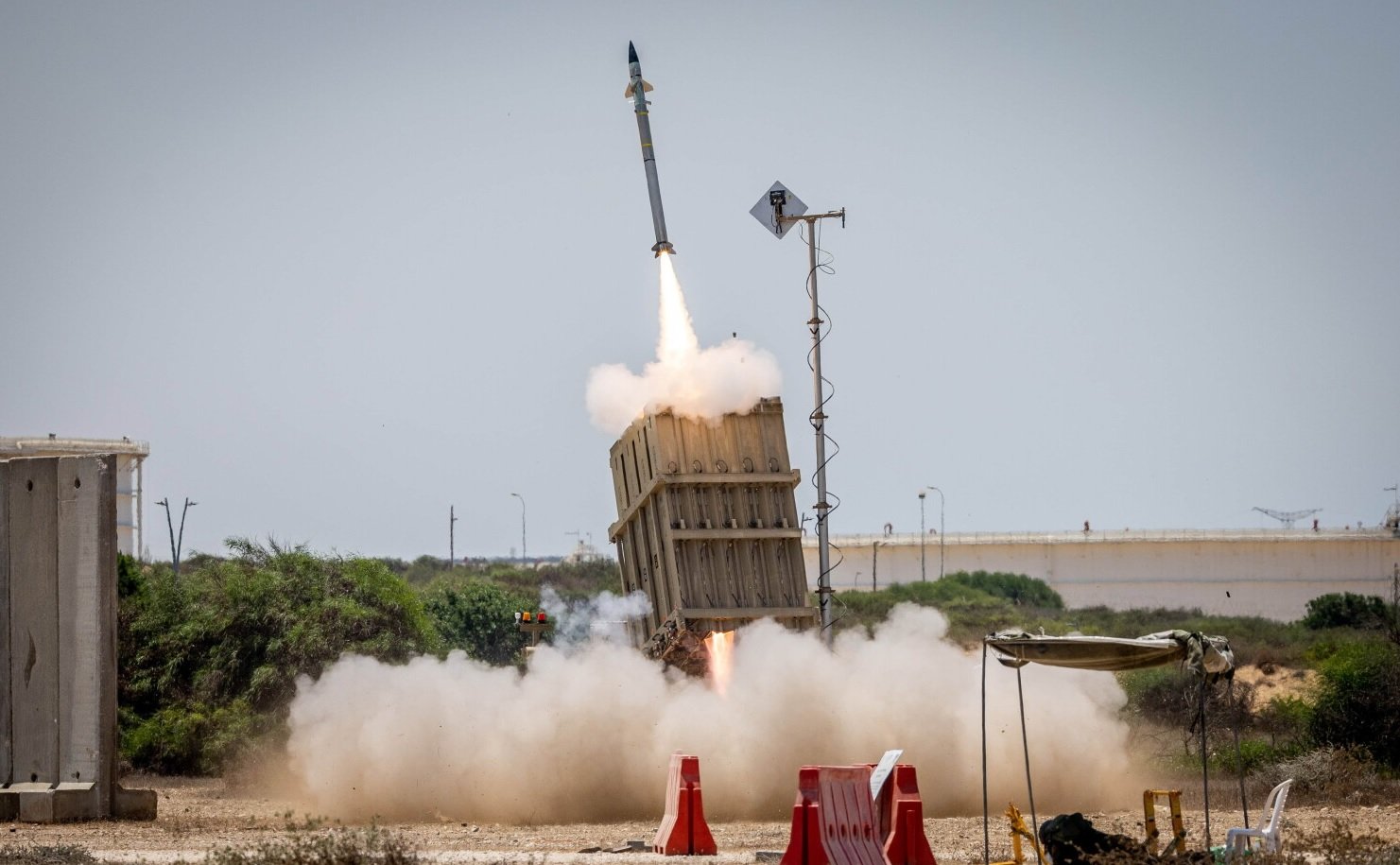
World
WASHINGTON, D.C. — Israel has blocked the United States from transferring two U.S.-owned Iron Dome air defense batteries to Ukraine, a decision that has drawn renewed attention as U.S. lawmakers debate legislation that would expand defense cooperation between Washington and Jerusalem. The issue has highlighted the complexities surrounding jointly developed military systems and raised questions among some members of Congress about future U.S. authority over the transfer of defense equipment to partner nations. Israel Prevented Transfer of U.S.-Owned Iron Dome Systems In 2023, U.S. Senators Lindsey Graham and Chris Van Hollen urged the United States to send two Iron Dome air defense batteries owned by the U.S. Army to Ukraine. The lawmakers said the systems could help protect Ukrainian civilians from Russian attacks and noted that each battery is capable of protecting approximately 150 square kilometers. Although the batteries were purchased and maintained using U.S. funds, the Iron Dome system was jointly developed by the United States and Israel. Under the joint-production agreement, Israel retains the authority to approve or reject transfers of the system to third countries. Israeli Prime Minister Benjamin Netanyahu exercised that authority and blocked the transfer. Israeli officials said the decision was based on concerns that the system's classified technology could be captured on the battlefield and eventually fall into the hands of Iran if deployed in Ukraine. At the time, Senators Graham and Van Hollen emphasized that they were not asking Israel to provide its own Iron Dome batteries but to allow the United States to transfer the American-owned systems. Israel has previously restricted transfers of Iron Dome technology to other countries for similar technology security reasons. Israel's Position on Military Assistance to Ukraine Israel has provided humanitarian assistance to Ukraine throughout the conflict, including field hospitals, water purification systems, and armored ambulances. However, it has consistently avoided supplying lethal weapons or advanced air defense systems. Former British Defence Secretary Ben Wallace has also said that he urged the Israeli government to provide broader military assistance to Ukraine. According to Wallace, Israeli officials declined because they did not want to risk relations with Russia. Patriot Systems Used Instead After the Iron Dome transfer was blocked, the United States pursued another option to strengthen Ukraine's air defenses. In early 2025, Israel returned older U.S.-owned Patriot air defense batteries that had been stored in Israel to the United States. The systems were subsequently refurbished and routed through Poland before being redirected to support Ukraine's air defense. Israeli officials stated that Israel did not directly transfer Patriot systems to Ukraine. Instead, the batteries were first returned to U.S. ownership, after which the United States decided how to use them. The Israeli Prime Minister's Office confirmed the return of the systems to the United States while stating it was not formally aware of their final destination. Debate Over New U.S.-Israel Defense Integration The Iron Dome dispute has gained renewed attention as Congress considers new provisions in the National Defense Authorization Act (NDAA). The House of Representatives has approved its version of the defense bill, including Section 219, which would expand cooperation between the U.S. and Israeli defense industries. The proposal has received support from the American Israel Public Affairs Committee (AIPAC). The measure promotes expanded joint research, development, and co-production in several areas, including: Artificial intelligence Cybersecurity Biotechnology Unmanned and autonomous systems Missile defense Counter-drone technology Supporters say the proposal would strengthen long-standing defense cooperation and advance joint technological development between the two countries. However, critics from both political parties have raised concerns that deeper industrial integration could increase Israel's influence over the future transfer of certain jointly developed U.S. weapons systems to third countries. Representatives Thomas Massie and Ro Khanna have argued that broader cooperation could create situations similar to the Iron Dome case, where the United States is unable to transfer a jointly developed system without Israeli approval. In the Senate, some lawmakers are seeking to block or amend the corresponding provision, known as Section 1217, arguing that it could complicate U.S. decision-making authority over military technology. The Senate's initial procedural vote on the defense bill failed in mid-July, and discussions over the legislation are expected to continue through the fall before Congress finalizes the annual defense authorization bill. The Iron Dome episode has become a prominent example in the ongoing debate over how jointly developed defense systems are managed. While supporters of expanded cooperation view the partnership as important for shared security and technology development, critics argue that the case demonstrates the practical limitations that can arise when transfer authority is shared between partner nations.
Read More → Posted on 2026-08-01 14:12:34
U.S
SAN DIEGO — A U.S. Marine Corps F-35B Lightning II fighter aircraft crashed while approaching the runway at Marine Corps Air Station (MCAS) Miramar on Friday morning, July 31, after the pilot ejected safely before impact. The pilot sustained non-life-threatening injuries and is recovering in stable condition, according to the U.S. Marine Corps. The crash occurred at approximately 10:00 a.m. local time near the runway, just south of Miramar Road near Mitscher Way. According to base air traffic control audio, the aircraft was on a short final approach to the runway when the incident occurred. An eyewitness near the base reported seeing two military aircraft descending toward the runway. The first aircraft landed normally, while the second appeared to slow significantly, almost hovering, before the pilot ejected at an altitude of about 100 feet. The aircraft then crashed into a dirt field, breaking into two large sections across a scorched area roughly the size of a football field. The F-35B was assigned to Marine Aircraft Group 11 (MAG-11), which operates under the 3rd Marine Aircraft Wing headquartered at MCAS Miramar. Officials confirmed the pilot was the aircraft's sole occupant, and no other injuries were reported. Emergency response teams from MCAS Miramar and the San Diego Fire-Rescue Department arrived at the scene shortly after the crash. The impact ignited a vegetation fire that spread across several acres. Firefighters used firefighting foam and white flame retardant to suppress the flames and successfully extinguished the brush fire by early afternoon. In a statement, the 3rd Marine Aircraft Wing confirmed that the pilot's parachute deployed successfully. The pilot was recovered at the crash site and transported to a local medical facility for evaluation and treatment. Military officials have not released the pilot's identity. The Marine Corps has classified the accident as a Class A mishap, the military's highest aviation accident category. The classification is used when an aircraft is destroyed, a fatality occurs, or property damage exceeds $2 million. In this incident, officials confirmed the aircraft was destroyed. Military personnel secured the crash site, and an investigation has been launched to determine the cause of the accident. Officials have not released details about the flight or the circumstances that led to the crash. "Our primary focus remains on supporting emergency teams at the scene, ensuring thorough site security, and conducting an exhaustive review into the circumstances surrounding this aircraft mishap," a base public affairs officer said. The F-35B Lightning II is the short takeoff and vertical landing (STOVL) variant of the F-35 fighter aircraft. The Marine Corps operates the aircraft from amphibious assault ships, expeditionary sites, and conventional airfields. Marine Aircraft Group 11, part of the 3rd Marine Aircraft Wing based at MCAS Miramar in Southern California, provides combat-ready aviation forces and supports the training of Marine and Navy pilots. A single F-35B aircraft costs more than $100 million to produce. The investigation into the crash remains ongoing, and the Marine Corps said additional information will be released as it becomes available.
Read More → Posted on 2026-08-01 14:18:26
U.S
SEATTLE — Boeing has received an $11,381,402 cost-plus-fixed-fee order from the U.S. Department of Defense to develop, test, and deliver updated flight control software for the P-8A Poseidon maritime patrol aircraft. The award, announced in a U.S. Department of Defense contracts notice dated July 31, 2026, supports continued modernization of the aircraft's flight-critical systems. The contract covers the development of updated aircraft-loadable black label software for the Enhanced Digital Flight Control System (EDFCS), which manages the P-8A's autopilot functions. Black label software refers to flight-critical software that has completed the military's highest level of safety certification. The software package will be installed as an operational retrofit on aircraft already in service. Software Update to Correct Six Autopilot Issues According to the contract notice, the updated software will resolve deficiencies identified during software design description, developmental testing, and operational testing of the P-8A autopilot. The corrections are intended to improve the aircraft's automated flight control performance. The update addresses six specific issues: Altitude acquire problems, affecting the aircraft's ability to climb or descend to a selected altitude and maintain it. Autopilot placard speed exceedance, caused by delayed throttle retard, which can allow the aircraft to exceed its maximum certified operating speed. Pitch oscillations during airspeed climbs and descents. Unexpected autopilot mode switching from altitude acquire mode to vertical speed mode after a speed command change. Slow auto-throttle response, reducing how quickly engine power adjusts to pilot commands. Bank limit margin tuning, refining the aircraft's bank angle during automated turns. The Department of Defense stated that these deficiencies were identified through the normal developmental and operational testing process. The contract announcement does not mention any accidents or immediate safety concerns associated with the identified issues. P-8A Poseidon Remains a Key Maritime Patrol Aircraft The P-8A Poseidon is a militarized version of the Boeing 737-800ERX and serves as the U.S. Navy's primary maritime patrol and anti-submarine warfare aircraft. It was developed to replace the aging P-3 Orion fleet. The aircraft is equipped with an open-systems mission computing architecture that integrates radar, acoustic sensors, electronic support measures, and infrared sensors into a single tactical system. Operated by a nine-person crew, the P-8A is designed to detect, track, and engage submarines and surface vessels using torpedoes, anti-ship missiles, and other weapons carried in its internal weapons bay and on external wing pylons. International Fleet Supports Continued Modernization The P-8A is operated by the U.S. Navy, Royal Australian Air Force, Royal Air Force (United Kingdom), and the Royal Norwegian Air Force. Other operators and customers include India (P-8I variant), New Zealand, the Republic of Korea, Germany, and Canada. As the international fleet continues to expand, software updates such as this one help maintain common flight control standards and support ongoing modernization across partner nations. Contract Details All development, testing, and integration work will be performed at Boeing's facilities in Tukwila, Washington, with completion expected by February 2028. The $11,381,402 order is funded by the Royal Australian Air Force, with funding obligated at the time of award. According to the contract notice, none of the funds will expire at the end of the current fiscal year. The order was not competed and was issued by Naval Air Systems Command (NAVAIR) in Patuxent River, Maryland, under a previously awarded basic ordering agreement. The contract provides Boeing with approximately two years to complete development, testing, and formal delivery of the updated flight control software package for the P-8A Poseidon fleet.
Read More → Posted on 2026-08-01 15:11:31
World
MOSCOW — A modernized Russian T-80BVM main battle tank fitted with what appears to be a refined anti-drone protection system and an upgraded side armor package has been photographed on a railway flatcar in Russia. The image, which circulated on social media as a screenshot, shows the vehicle being transported in July 2026 toward an undisclosed destination. While the exact destination of the tank and the receiving military unit remain unknown, the sighting highlights Russia's continued efforts to improve armored vehicle protection against the growing threat posed by first-person-view (FPV) drones and loitering munitions. However, the screenshot alone does not independently verify the precise filming location beyond the July 2026 timeframe claimed in the social media post. Updated Anti-Drone Protection Visible The most noticeable feature in the image is a redesigned turret-mounted anti-drone shield. The wire-mesh or slat-armor structure, commonly known among Russian and Ukrainian troops as the "Mangal" or "barbecue grill," is intended to detonate shaped-charge warheads carried by FPV drones and loitering munitions before they can strike the tank's thinner top armor. The photograph also appears to show an updated arrangement of explosive reactive armor (ERA) along the side skirts and turret. ERA uses explosive-filled armor blocks that detonate outward when hit, helping disrupt incoming anti-tank projectiles before they reach the vehicle's main armor. Although the image suggests further refinements to the protection package, the presence of additional onboard systems cannot be confirmed from the available photograph. T-80BVM Modernization The T-80BVM is the latest modernization of the Soviet-era T-80BV main battle tank. It was first publicly unveiled during Russia's Zapad military exercise in 2017 and entered service with the Russian Ground Forces in 2018. Unlike the diesel-powered T-72 family, the T-80BVM is powered by a GTD-1250 series gas turbine engine producing approximately 1,250 horsepower, providing high mobility across a variety of terrain. Its modernization also introduced the Relikt explosive reactive armor (ERA) system, replacing the earlier Kontakt-1 ERA. Relikt provides improved protection against both shaped-charge warheads and kinetic energy projectiles and covers major sections of the hull front, side skirts, and turret frontal arc. Follows Recent Factory Upgrades The configuration seen in the July 2026 image closely follows recent upgrades introduced by Russian tank manufacturer Uralvagonzavod. On May 9, 2026, ahead of Victory Day, Rostec—the state-owned defense conglomerate that owns Uralvagonzavod—announced the delivery of upgraded T-90M, T-80BVM, and T-72B3M tanks to Russian forces. According to Rostec, the vehicles incorporated lessons learned from combat operations and feedback from frontline personnel. The upgraded tanks featured reinforced anti-drone cages, additional explosive reactive armor on the side skirts and rear sections, and the Volnorez electronic warfare system. Volnorez uses two omnidirectional antennas to jam drone control signals at distances of 600 to 1,000 meters, providing an additional layer of protection against FPV drone attacks. Continued Evolution Against Drone Threats Military Watch Magazine reported that the anti-drone cage designs introduced in the May 2026 deliveries represented a further evolution of protective measures first adopted by Russian forces in 2022. Similar approaches to improving top-attack protection have since appeared in several other countries, including South Korea and Israel. If the July 2026 rail transport image reflects another updated version of the design, it suggests Uralvagonzavod continues refining the protection package based on operational experience rather than adopting a fixed configuration. The latest sighting also reflects the growing importance of drone protection as unmanned aerial systems continue to influence battlefield tactics and armored vehicle survivability. Protection Comes With Operational Trade-Offs Additional protective structures can improve resistance against drone attacks but may also create operational limitations. Analysis published by The National Interest, citing data from the Dutch open-source intelligence group Oryx, which documents equipment losses through verified photographs and videos, reported that 35 Russian T-80BVM tanks have been captured by Ukrainian forces since 2022. According to the same analysis, some of those vehicles carried heavier anti-drone cage designs, often referred to online as "cope cages." While these structures may improve protection against top-attack drones, they can also reduce crew visibility, restrict turret traverse, and limit aiming angles, potentially affecting the tank's responsiveness during combat. Expert Reaction Commenting on the railway image, an account associated with armored vehicle specialist Andrey Tarasenko described the visible configuration as "a step forward compared to the previous one, no joke." The comment suggests the design represents a meaningful improvement over earlier protection layouts. However, the technical reasons behind that assessment and the credentials associated with the circulating account could not be independently verified. Ongoing Battlefield Adaptation The latest sighting adds to the growing record of incremental upgrades being made to Russian armored vehicles as manufacturers continue adapting tanks to counter the widespread use of FPV drones and loitering munitions. While the available image does not confirm where the tank is being deployed, it provides another indication that Russian industry is continuing to refine the T-80BVM's protection package based on operational experience and evolving battlefield requirements. Source : defence-blog
Read More → Posted on 2026-08-01 15:30:25
U.S
HUNTSVILLE, Ala. — The U.S. Department of War's Office of Strategic Capital (OSC) has announced a conditional loan commitment of up to $820 million to Performance Drone Works (PDW) to expand domestic manufacturing of critical drone components, a move aimed at strengthening the U.S. defense industrial base and reducing reliance on foreign-controlled supply chains. The funding, announced on July 31, 2026, will support the development of high-volume manufacturing capacity for essential drone components used in Group 1 and Group 2 uncrewed aircraft systems (UAS). The financing will be combined with private capital to help establish a larger domestic production base that can supply multiple U.S. drone manufacturers. Expanding Domestic Drone Component Production According to the Office of Strategic Capital, the project will create a new high-volume source of American-made drone components for the broader U.S. unmanned aircraft ecosystem. The expanded manufacturing capacity is intended to support both Performance Drone Works and other domestic manufacturers producing Group 1 and Group 2 UAS. The components planned for production include propulsion systems, power and control systems, vision systems, and other enabling technologies. The initiative is designed to address supply-chain bottlenecks and improve the availability of critical components across the domestic drone industry. The Department of War said the investment supports broader efforts to build a more secure and resilient supply chain for robotics and autonomous systems used in national security applications. Manufacturing Expansion in Huntsville Performance Drone Works will leverage its existing manufacturing infrastructure at Drone Factory 01 in Huntsville, Alabama, a 90,000-square-foot facility that integrates engineering, flight testing, systems integration, production, and fulfillment under one roof. The company develops multi-mission aerial robotic systems for defense, government, public safety, and allied customers. Its Huntsville facility also supports production of systems including the C100 multi-mission quadcopter and AM platforms for U.S. and allied defense missions. Supporting Executive Order 14307 The loan commitment supports President Donald Trump's Executive Order 14307, "Unleashing American Drone Dominance," which was signed on June 6, 2025. The executive order directs federal agencies to prioritize U.S.-manufactured unmanned aircraft systems, expand domestic production, and reduce dependence on foreign suppliers. David A. Lorch, Director of the Office of Strategic Capital and Senior Advisor to Deputy Secretary of War Steve Feinberg, said PDW is among several domestic manufacturers selected to receive OSC loan commitments under the initiative. "PDW will be one of several domestic component producers receiving OSC loan commitments in support of President Trump's Executive Order 14307, 'Unleashing American Drone Dominance.' Expanding domestic component production will benefit manufacturers throughout the ecosystem and improve supply-chain resilience," Lorch said. Focus on Supply-Chain Resilience The Office of Strategic Capital said the financing is intended to strengthen the domestic supply chain by increasing production of components that are currently vulnerable to foreign-controlled supply sources. James R. Shanahan, Senior Managing Director at OSC, said the agency is focused on eliminating manufacturing bottlenecks affecting drones and autonomous systems. "We are squarely focused on identifying and addressing bottlenecks in critical supply chains, including drones and autonomous systems. OSC's transaction with PDW, along with private capital crowded in alongside it, will support the construction of significant new manufacturing capacity to address vulnerabilities across the drone supply chain," Shanahan said. Supporting the Defense Industrial Base Emil Michael, Under Secretary of War for Research and Engineering, said strengthening domestic manufacturing capacity is essential for meeting the Department of War's drone production objectives. "Achieving Secretary Hegseth's mandate for drone dominance requires a secure and resilient industrial base here at home. The Office of Strategic Capital is strengthening the domestic supply chain for critical drone components to ensure American manufacturers can deliver the capabilities that our warfighters need," Michael said. PDW Highlights Importance of Domestic Manufacturing PDW Holdings, Inc., the parent company of Performance Drone Works, said the financing would help establish domestic production of drone and robotics components that currently rely on foreign-controlled supply chains. James Slider, CEO of PDW, said expanding U.S. manufacturing capacity is important for ensuring future operational readiness. "America's ability to respond tomorrow depends on the industrial capacity we build today. This conditional commitment from the Department of War's Office of Strategic Capital would support the critical need of strengthening domestic manufacturing and restoring America's ability to build the capabilities our nation depends on," Slider said. He added that the company is committed to delivering reliable capabilities to operators supporting U.S. and allied missions. Matt Higgins, Co-Founder and Executive Chairman of PDW, said the financing would help establish a stronger domestic drone component ecosystem. "For more than a decade, the United States has been dependent on foreign technology and has lacked a domestic drone component ecosystem. This financing would allow us to build the components necessary for a thriving, sovereign dual-use drone industry and help to secure our nation's industrial future," Higgins said. Conditional Commitment Pending Final Approval The Office of Strategic Capital noted that the announcement represents a conditional loan commitment, not a finalized loan agreement. Before financial close, Performance Drone Works must complete customary financial, legal, technical, and other due diligence requirements. Once those conditions are satisfied, the financing can proceed. The announcement reflects the Office of Strategic Capital's broader mission of providing financing that strengthens the U.S. industrial base and supports secure domestic supply chains for technologies considered important to national security.
Read More → Posted on 2026-08-01 15:40:32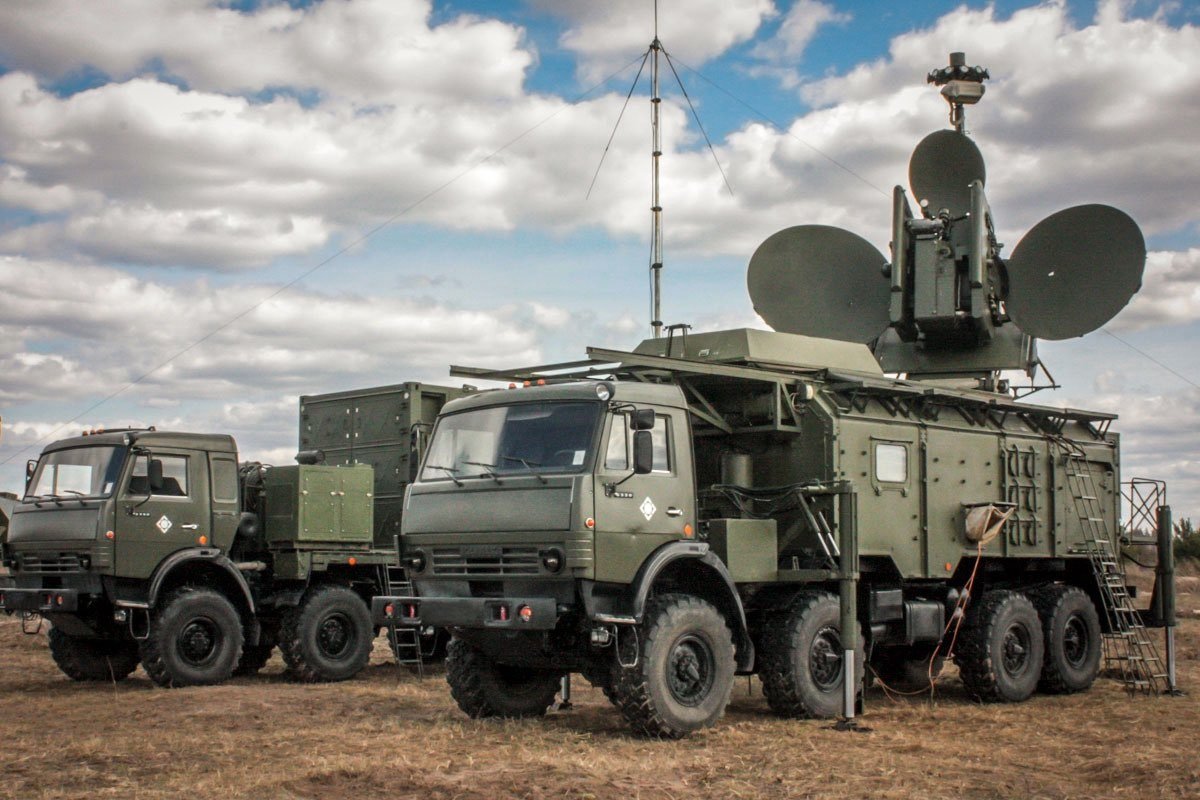
World
WASHINGTON — Russia is reportedly providing Iran with satellite surveillance and signals intelligence that is helping Tehran locate U.S. military forces across the Middle East and improve its ability to counter American military operations, according to U.S. and European officials cited by NBC News. The report, published on July 31, 2026, states that the intelligence sharing includes satellite imagery and signals intelligence collected from communications networks, radar systems, and military equipment. Officials familiar with the matter told NBC News that the information is helping Iran identify U.S. military positions and interfere with American-made aircraft and precision-guided munitions used in strikes against Iranian targets. Intelligence Support to Iran According to U.S. and European officials, the intelligence support is assisting Iran in two key ways. It is helping Tehran identify the locations of U.S. military forces for potential aerial attacks while also improving its ability to jam American-made aircraft and precision-guided weapons during military operations. Officials said the intelligence package combines satellite imagery with signals intelligence, allowing Iran to monitor military activity more effectively. The information is also helping Tehran strengthen the protection of key military assets by improving early warning capabilities against incoming airstrikes. In addition, officials said the intelligence enables Iran to update target databases, conduct post-strike damage assessments, and improve the effectiveness of drone and missile operations against ships, aircraft, and other military targets. Satellite Imagery Strengthens Military Planning Defense analysts cited in the reports said Russia's satellite capabilities provide Iran with access to military-grade imagery that it cannot produce on its own because of its limited number of military satellites. According to the officials, the satellite imagery supports mission planning, target identification, and battle damage assessment, making Iran's long-range drone and missile operations more effective. The reported intelligence sharing follows earlier reports that Russia had provided Iran with satellite imagery that could assist in identifying U.S. military positions. Conflict Enters Sixth Month The reported intelligence cooperation comes as the conflict between the United States and Iran, which began in February 2026, enters its sixth month. According to NBC News, Iran has launched thousands of missiles and drones targeting U.S. military bases, regional infrastructure, and commercial shipping near the Strait of Hormuz. U.S. air defense systems have intercepted most of the attacks, although some strikes caused damage. The report states that at least 18 U.S. service members have been killed during the conflict. Estimates of damage to U.S. military facilities and equipment range between $10 billion and $30 billion. Expert Assessment Jim Lamson, a former CIA analyst and senior research associate at the James Martin Center for Nonproliferation Studies, told NBC News there are increasing indications that Iran is incorporating Russian technical and operational assistance into its long-range strike operations. According to Lamson, the available information suggests Tehran is benefiting from Russian expertise as well as intelligence support during the ongoing conflict. U.S. Administration Response The Trump administration has largely downplayed the reported significance of Russia's assistance. On July 24, President Donald Trump said he accepted Russian President Vladimir Putin's statement that Moscow was not selling weapons to Iran and was not directly participating in the conflict. Responding to earlier reports that Russia had shared satellite imagery with Tehran, Trump said he did not believe such activity was occurring at a significant level and described any assistance as "very unimpactful." Defense Secretary Pete Hegseth told lawmakers that Russia and China have been enabling some of Iran's activities but did not provide additional details. A White House official also told NBC News that actions by outside countries had not increased Iran's ability to target Americans. Expanding Russia-Iran Military Cooperation The reported intelligence sharing reflects the broader military relationship between Russia and Iran. Russia previously assisted in constructing Iran's Bushehr civilian nuclear power plant and has maintained nuclear cooperation with Tehran for years. Military ties expanded further after Iran supplied Russia with Shahed drones following Russia's full-scale invasion of Ukraine. In January 2026, Russia and Iran signed a comprehensive strategic partnership agreement covering defense, trade, energy, and security cooperation. The agreement did not establish a formal mutual defense pact. Western governments have previously stated that Iran supplied Russia with thousands of drones and other military equipment for use during the war in Ukraine. Some analysts view Moscow's reported intelligence assistance as part of the broader military cooperation between the two countries. China's Reported Role China has also been linked in reports to limited assistance for Iran, including access to a surveillance satellite and discussions involving shoulder-launched missiles. Beijing has denied providing military assistance to Tehran. According to the accounts cited by NBC News, Russia's role in providing satellite surveillance and signals intelligence appears more extensive. International Reaction The reported intelligence sharing has also drawn attention from Ukraine. Ukrainian President Volodymyr Zelenskyy said Ukrainian intelligence had detected active Russian satellite surveillance of U.S. military facilities and critical infrastructure in the Gulf. He claimed the collected imagery was later transferred to Iranian authorities. No Official Comment From Moscow or Tehran Officials emphasized that the reported intelligence sharing does not indicate Russia is directing individual Iranian military operations. However, they said the continued flow of satellite imagery and electronic intelligence is one factor that has helped Iran maintain greater resilience than some U.S. officials had expected during the conflict. As of August 1, 2026, neither the Russian government nor the Iranian government had publicly commented on the reported intelligence-sharing arrangements.
Read More → Posted on 2026-08-01 15:50:20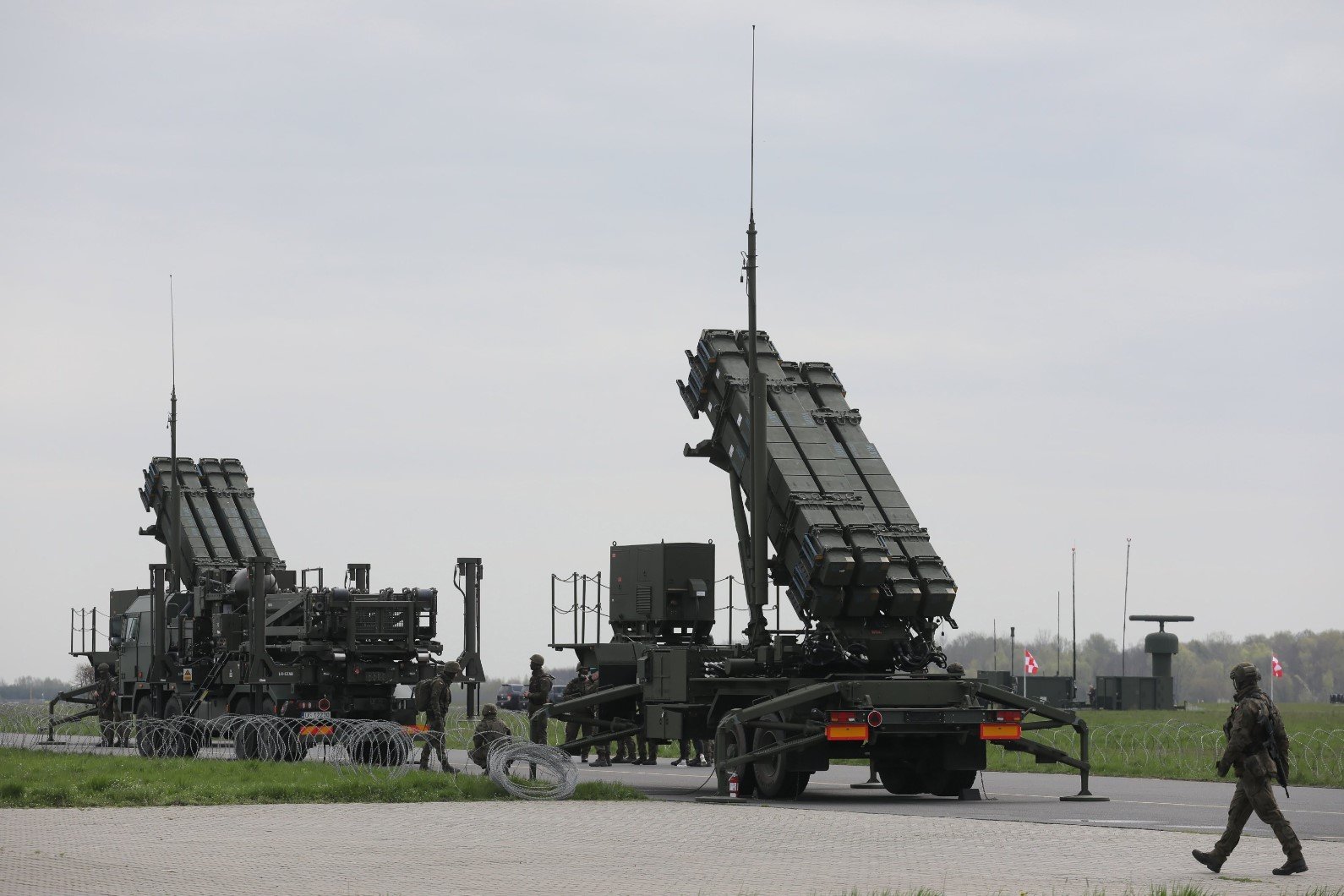
World
KYIV — Ukraine intercepted only one of 27 Russian ballistic missiles launched during a large-scale overnight attack after running short of Patriot interceptor missiles, Ukrainian President Volodymyr Zelenskyy said, as he renewed calls for Western partners to urgently replenish the country's air defense stocks. The overnight assault targeted Kyiv and several other regions across Ukraine, causing civilian casualties, damaging residential buildings and public infrastructure, and highlighting the growing pressure on Ukraine's air defense network as the war enters its fifth year. Large-Scale Missile and Drone Attack According to Ukrainian officials, Russian forces launched 35 missiles, including 27 ballistic missiles, along with 185 attack drones of various types during the night of July 31 to Aug. 1, 2026. Kyiv was the primary target, while attacks were also reported in the Dnipro, Sumy, Kharkiv and Poltava regions. Ukraine's Air Force managed to intercept only one ballistic missile, with Zelenskyy saying the limited success was directly linked to the lack of Patriot interceptor missiles. "Only one ballistic missile was intercepted, simply because there are no interceptors for the Patriot systems," Zelenskyy wrote on X. He said the shortage of Patriot interceptors is allowing Russia to continue conducting ballistic missile attacks against Ukrainian cities. "It is critical that partners hear that these capabilities are needed not somewhere in stockpiles for hypothetical scenarios but here and now to contain and stop the Russian war in Ukraine. Every package of ballistic missile interceptors saves the lives of our people. And every night without them results in more casualties," Zelenskyy said. Casualties and Damage Across Kyiv The attack caused widespread destruction across the Ukrainian capital. According to Zelenskyy and Ukrainian officials, nine people were killed and 28 others were injured, including four children who suffered shrapnel wounds and lacerations. Prosecutors said seven people died in Kyiv's Darnytskyi district, located on the left bank of the Dnipro River, while two people were killed in the Solomyanskyi district on the city's right bank. Authorities reported damage across seven districts of Kyiv, where the strikes hit: 18 residential buildings A school The Lithuanian Embassy Infrastructure facilities Several fires broke out following the attacks, while power outages were reported in parts of the city. The Lithuanian Foreign Ministry said the embassy sustained damage, including broken windows and damaged solar collectors, while debris was scattered across the embassy compound. No embassy staff were injured, although two missiles reportedly landed nearby. Ukrainian Officials Call for More Air Defense Kyiv Mayor Vitali Klitschko said emergency services worked throughout the night to respond to the attack and added that the city continues expanding shelter capacity as Russian missile and drone strikes intensify. Ukrainian Foreign Minister Andrii Sybiha said strengthening Ukraine's air defense remains essential. "It is the battle for the skies that will define the trajectory of this war. The stronger the air shield over Ukraine, the closer peace becomes." Sybiha also urged international partners to provide additional air and missile defense systems along with interceptor missiles. Second Major Strike on Kyiv in One Week The latest barrage marked the second major Russian attack on Kyiv within a week. Ukrainian officials said an earlier attack on Thursday killed nine people, including six members of one family in a village near Kryvyi Rih. During that earlier wave of attacks, a suspected Russian cruise missile also entered Polish airspace. The latest strike occurred during the fifth year of Russia's full-scale invasion of Ukraine. Fighting continues along approximately 1,200 kilometers of frontline, while Ukrainian officials and military analysts say Russian ground advances have slowed significantly this year even as both sides continue long-range missile and drone strikes. Patriot Shortage Remains a Key Concern Ukraine has relied on the U.S.-made Patriot air defense system as its primary capability for intercepting ballistic missiles. Zelenskyy and other Ukrainian officials have repeatedly called on partner nations to supply additional Patriot interceptors and related air defense capabilities, saying they are urgently needed to protect civilians and critical infrastructure from continued missile attacks.
Read More → Posted on 2026-08-01 16:19:37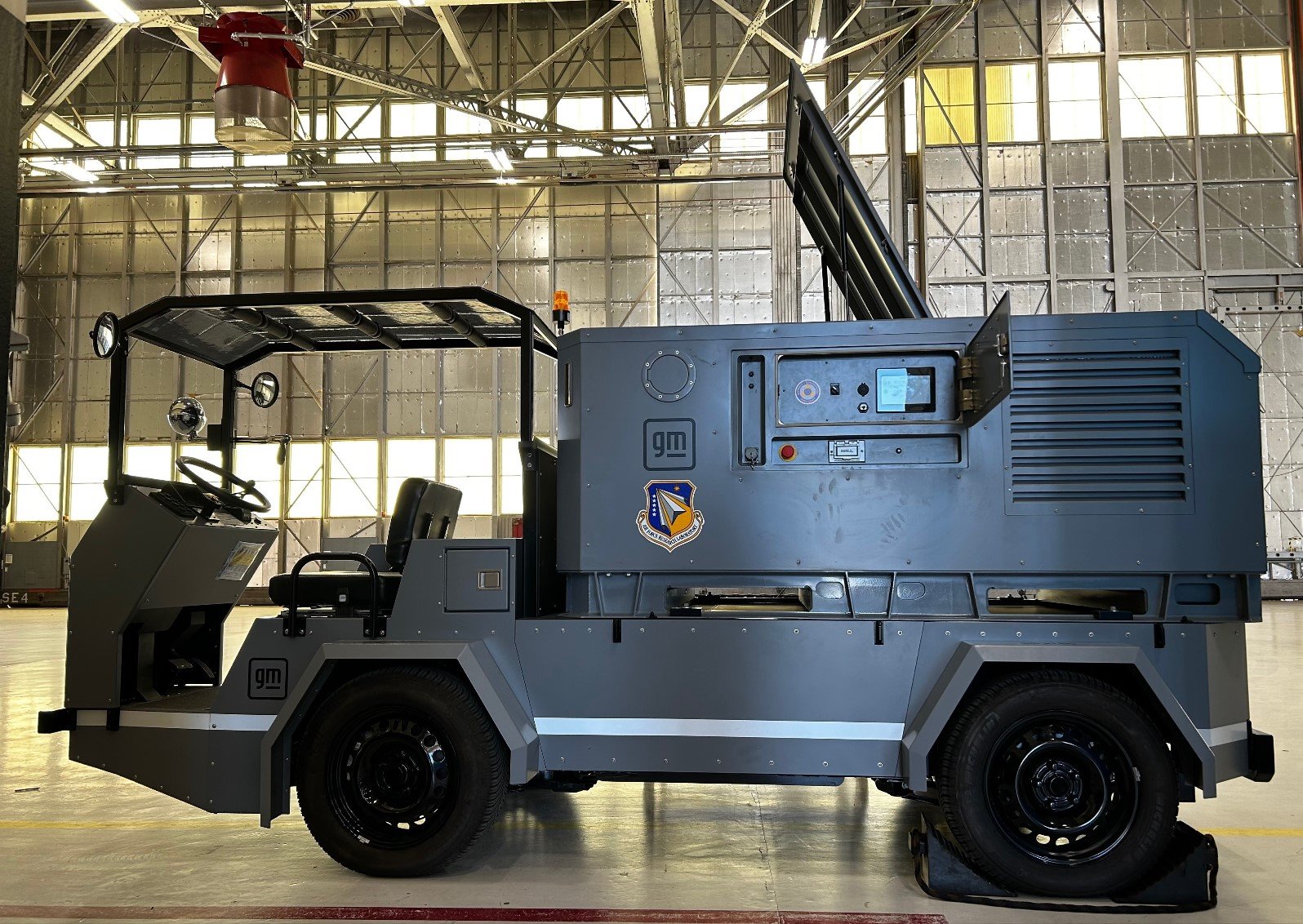
U.S
FORT IRWIN, Calif. — The U.S. Army has successfully tested silent hybrid power systems capable of operating command posts for several hours using battery power alone during Project Convergence Capstone 6 (PC-C6), reducing the need for continuously running diesel generators while supporting mission-critical command and control operations. The demonstration took place during Project Convergence Capstone 6, held at Fort Irwin, California, from July 20 to July 29, 2026. The large-scale Army experimentation event brought together approximately 10,000 participants from the U.S. joint force and multinational allies to evaluate more than 90 future warfare technologies under realistic operational conditions. According to GM Defense, two command posts from the 4th Infantry Division operated for periods ranging from three to eight hours using only battery power through the company's EPIQ hybrid power system. During these periods, the diesel generator remained off and activated only when needed to recharge the system's batteries. The command nodes supported mission-critical electrical loads ranging from 9 to 30 kilowatts, providing power for division and brigade command and control functions, as well as intelligence, fires, network, and sustainment systems. Traditionally, Army command posts rely on diesel generators operating continuously to power computers, communications equipment, radios, and other essential systems. Constant generator use creates both noise and heat that can be detected by enemy forces using acoustic sensors or thermal imaging systems. By allowing command posts to operate for hours without the generator running, the hybrid power system reduces both the acoustic signature and the thermal signature of deployed headquarters. The approach also lowers fuel consumption and reduces generator operating hours, helping extend generator service life. Supporting the Army's Next Generation Command and Control Project Convergence Capstone 6 also served as the Army's largest field evaluation to date for its Next Generation Command and Control (NGC2) initiative. The Army formally established NGC2 as a program of record in April 2025. The program is intended to modernize how Army maneuver forces conduct command and control by integrating transport, data, applications, and communications into a unified operational framework. During the exercise, Maj. Gen. Patrick Ellis, commanding general of the 4th Infantry Division, described NGC2 as a full-stack approach to command and control rather than a single technology. He said the 10-day exercise allowed the division to test the complete system under Fort Irwin's terrain and climate while collecting data that will help inform future Army modernization efforts. The 4th Infantry Division, based at Fort Carson, Colorado, has served as the Army's lead unit for NGC2 experimentation over the past year. In July 2025, the Army awarded Team Anduril a $99.6 million Other Transaction Authority agreement to deliver a prototype NGC2 architecture for the division. The effort has continued to advance, with the Army announcing in late June 2026 that Anduril had been selected to lead the common data layer baseline for the program as it moves toward continuous delivery. Brig. Gen. Shane Taylor of the Army's Program Executive Office for Command, Control, Communications and Networks said timely and integrated data will be critical for supporting commanders' decision-making in future operations, adding that NGC2 is designed as a long-term effort involving continuous contracting and investment rather than a single contract. Reliable Power Becomes a Key Requirement As the Army introduces more advanced battlefield technologies, dependable power has become an increasingly important requirement for field operations. Systems such as artificial intelligence tools, autonomous platforms, and expeditionary sensors require reliable electrical power to remain operational during deployments, making power sustainment a key component of the Army's modernization efforts. GM Defense was not the only company demonstrating hybrid power technology during Project Convergence Capstone 6. INTRACOM DEFENSE (IDE) also deployed its Tactical Hybrid Generator and GENAIRCON vehicle power system with 4th Infantry Division platforms during the exercise. The company said its systems provided assured power sustainment and silent operation for NGC2 command nodes. Following the demonstration, GM Defense said the exercise showed that its EPIQ hybrid power system can keep command and control systems operating while reducing acoustic and thermal signatures, lowering fuel consumption, and extending generator life. The company stated that these capabilities are particularly relevant for operations in contested environments, where reducing the detectable noise and heat produced by traditional generators can help command posts remain operational while limiting their exposure to enemy detection.
Read More → Posted on 2026-08-02 10:40:42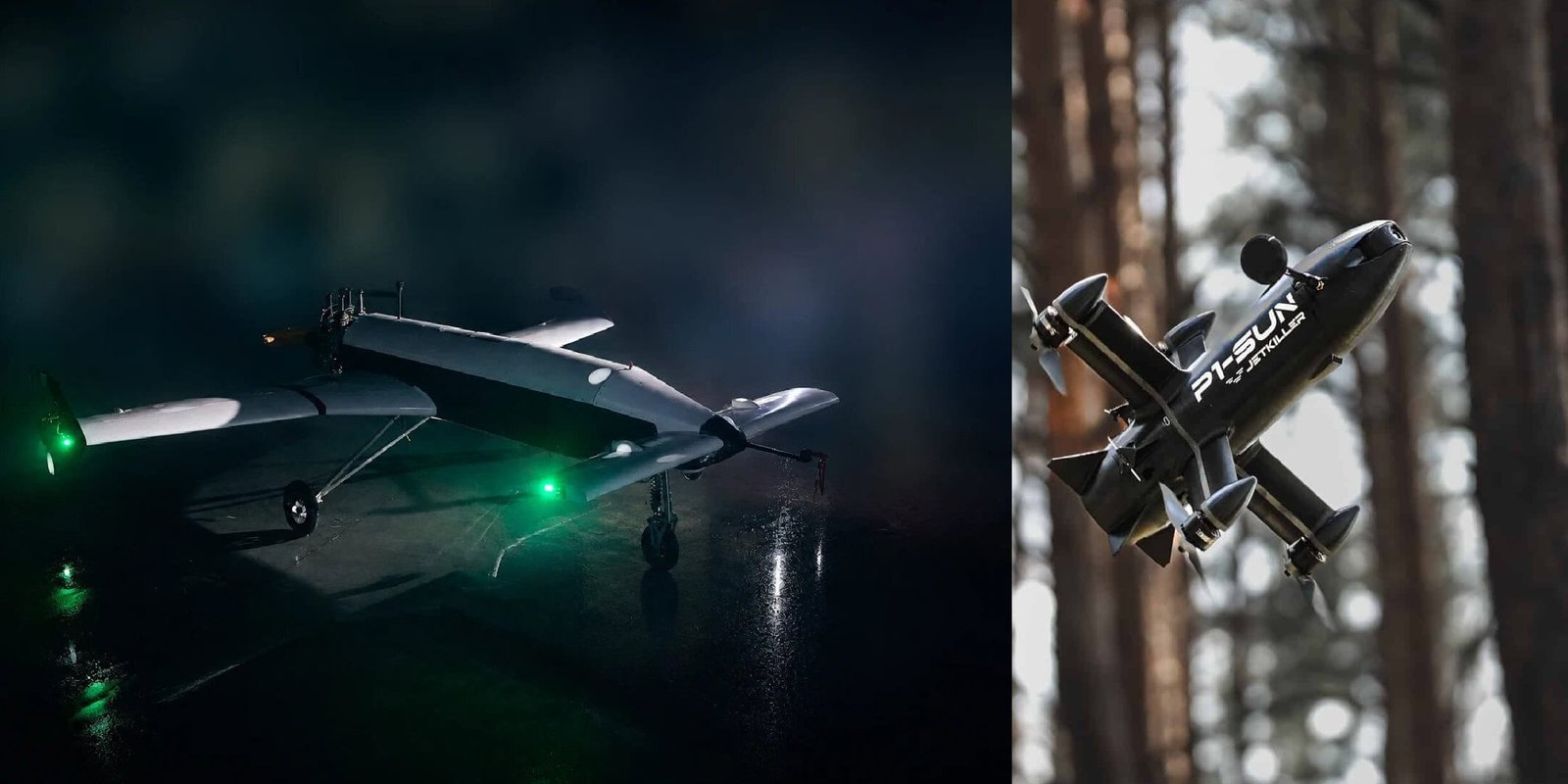
World
KYIV — Ukrainian defense technology company SkyFall has introduced two new unmanned aerial systems (UAVs)—a long-range strike drone and a high-speed interceptor drone—expanding its portfolio of military UAVs already in service with the Ukrainian Defense Forces. The new systems were presented to international media, including Bloomberg, during the Farnborough International Airshow in the United Kingdom in late July 2026. SkyFall is already known in Ukraine's defense sector for developing the Vampire bomber drone, Shrike first-person-view (FPV) drones, and earlier versions of the P1-SUN interceptor. New Mid-Range Strike Drone SkyFall's latest attack platform, currently referred to as the Mid-Strike system, is a fixed-wing drone with a wingspan of approximately 3.5 meters and a maximum operational range of up to 600 kilometers. The propeller-powered drone is designed to carry a 40–50 kilogram payload. Depending on mission requirements, it can be equipped with different types of warheads, including fragmentation and high-explosive fragmentation (HE-FRAG) warheads, as well as other payloads. According to SkyFall, the estimated unit cost ranges between $25,000 and $30,000, depending on the selected configuration. The company stated that the drone has already demonstrated successful performance in combat conditions and is currently in serial production. SkyFall also confirmed that it has signed contracts with international partners to support deliveries of the system to the Ukrainian Defense Forces. To meet planned demand, the manufacturer aims to increase production capacity to 1,000 units per month by the end of this year. SkyFall has not yet announced an official name for the new strike drone. P1-SUN JetKiller Interceptor Alongside the strike drone, SkyFall also unveiled the P1-SUN JetKiller, a new interceptor drone developed to counter jet-powered Shahed attack drones, which fly significantly faster than earlier propeller-driven variants. According to the company, the JetKiller was developed in three months and was introduced for the first time at the Farnborough International Airshow. The interceptor has a maximum speed of 370 km/h, compared with the 310 km/h top speed of the previous P1-SUN model. It has an operational range of up to 30 kilometers, can fly at altitudes of up to 9,000 meters, remains airborne for up to 15 minutes, and carries a 500-gram warhead designed to destroy hostile drones in flight. Multiple Configuration Options SkyFall said the JetKiller is available in several configurations to suit different operational requirements. The interceptor can be equipped with day or night cameras, available in either analog or digital versions. It is also offered with an optional artificial intelligence (AI) module designed to support terminal guidance. According to the manufacturer, the AI system automatically detects, tracks, and acquires targets, and can lock onto them at distances of up to 1 kilometer. SkyFall said the module processes targeting information faster than human reaction time, helping operators engage aerial targets more quickly in complex combat conditions. Combat Trials and Production Plans SkyFall stated that the P1-SUN JetKiller is completing its combat trials and has already intercepted more than a dozen jet-powered Shahed drones during testing. The company plans to begin serial production in August 2026 and has set a production target of up to 50,000 interceptor drones per month. The introduction of the new Mid-Strike drone and the P1-SUN JetKiller expands SkyFall's existing family of unmanned systems, which already includes the Vampire bomber drone, Shrike FPV drones, and previous P1-SUN interceptor variants that have been supplied for use by the Ukrainian Defense Forces.
Read More → Posted on 2026-08-02 10:47:39
U.S
CAMP DAVID, Maryland — U.S. President Donald Trump said the United States has not agreed to grant Ukraine a license to produce Patriot missile defense systems, signaling that discussions with Kyiv are still ongoing and that no final decision has been made. Speaking to reporters during a Cabinet meeting at the Camp David presidential retreat on Friday, Trump said the advanced air defense technology is "a hard thing to give away" and stressed the need for caution before allowing another country to manufacture the system. "These weapons are incredible. We have to be very careful about letting somebody build them," Trump said. He added that Washington and Kyiv are still "talking about it," but emphasized that no agreement has been finalized. The comments differ from Trump's remarks less than three weeks earlier at the NATO Summit in Ankara, Turkey, where he told Ukrainian President Volodymyr Zelenskyy, "We're going to give a license to you to make Patriots." At the time, Trump also said the administration had not yet informed the companies involved in manufacturing the Patriot system, referring to Lockheed Martin and RTX, which produce components for the missile defense system. Signs that the administration's position was changing emerged on Thursday when Trump told the Financial Times that he was "not sure" whether he would approve a production license for Ukraine. Trump's latest remarks came after a White House meeting with Zelenskyy on July 28. While Zelenskyy described the meeting as productive and said it included discussions on Patriot production licenses, Trump clarified that although several topics—including Patriot systems and Tomahawk missiles—were discussed, no agreement was reached. During the Camp David meeting, Trump distinguished between the two weapons, describing the Patriot as a defensive system and the Tomahawk as an offensive weapon. Patriot Production Remains a Priority for Ukraine Ukraine has repeatedly identified the Patriot missile defense system as one of its highest defense priorities because of its role in intercepting Russian ballistic missiles during continued attacks on Ukrainian cities and infrastructure. Following a recent phone call with U.S. Vice President JD Vance, Zelenskyy said on the social media platform X that securing the defense technology "remains a top priority." "We agreed that our teams will stay in touch and work through everything discussed today," Zelenskyy wrote. "I thank the United States for its support of Ukraine and our people." Ukraine's embassy in Washington did not immediately respond to requests for comment following Trump's latest statements. Despite the uncertainty surrounding the proposed production license, Ukraine has continued discussions with U.S. defense industry representatives. Zelenskyy recently met with representatives from Lockheed Martin to discuss joint capabilities and possible co-production arrangements. "Our teams are already working on specific solutions to move to co-production as quickly as possible and increase our capabilities to protect lives," Zelenskyy said after the meeting. No official licensing or co-production agreement has been announced. U.S. Stockpile Concerns The debate over Patriot production is taking place as the United States continues to manage its inventory of advanced air defense systems. American Patriot systems have been used extensively in the Middle East, including against Iranian ballistic missile attacks. During the Cabinet meeting, Trump referred to recent interceptions over Jordan, describing how U.S. forces successfully intercepted incoming Iranian missiles. He also confirmed that his envoys, Jared Kushner and Steve Witkoff, will visit Ukraine as part of broader efforts related to the ongoing war. Defense analysts have noted that even if Washington approves a production license, establishing Patriot manufacturing capability in Ukraine would likely take years. The Patriot system is technologically complex, costly to produce, and depends on a specialized global industrial supply chain. Talks between the United States and Ukraine on Patriot production and potential co-production arrangements remain ongoing, with no final agreement announced by either government.
Read More → Posted on 2026-08-02 10:54:01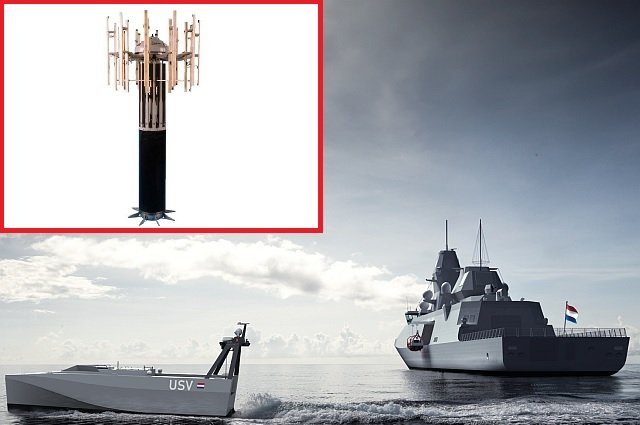
Europe
ROTTERDAM — The Netherlands has officially started the design phase for a new fleet of 12-metre unmanned surface vessels (USVs) that will operate with the Royal Netherlands Navy's future anti-submarine warfare (ASW) frigates. The vessels are intended to expand underwater surveillance, improve submarine detection, and strengthen the navy's anti-submarine warfare capabilities. The agreement to begin the design work was signed in Rotterdam on July 29 by representatives of the Dutch Ministry of Defence, Dutch Naval Design (DND), and defense company Thales. The project follows a framework agreement signed on April 10, 2024, which established the initial requirements for the vessels and outlined a four-year roadmap toward technological readiness. The design phase is expected to conclude in the first quarter of 2027. Designed to Support Future ASW Frigates Under the program, each new Royal Netherlands Navy ASW frigate will carry one 12-metre unmanned surface vessel in its mission bay. The USVs will be deployed and recovered using a dedicated cradle-type launch and recovery system. The vessels are being developed to extend the frigates' underwater surveillance range while allowing them to detect and track hostile submarines from greater distances. According to the Dutch Ministry of Defence, this approach is expected to improve reaction times while reducing the need for crewed warships to operate close to potential submarine threats. The unmanned vessels are also expected to support deterrence operations in areas with increased submarine activity. Compact Flash Sonar to Be Integrated A central element of the project is the integration of the Compact Flash dipping sonar produced by Thales Underwater Systems France. A separate agreement covering the delivery of the sonar systems was signed alongside the vessel design contract. By deploying the sonar from an unmanned platform, the Royal Netherlands Navy will be able to expand its underwater surveillance area while helping the crewed frigate avoid revealing its own position. The ministry said the capability will allow frigates to search for and track submarines from greater stand-off distances. Long-Endurance Operations The Dutch Ministry of Defence said the new USVs are expected to have a minimum operating endurance of at least 96 hours, enabling them to conduct extended anti-submarine warfare and deterrence missions. The ministry also noted that the distributed operating concept will allow the unmanned vessels to perform several tasks traditionally carried out by embarked helicopters. Officials expect this approach to improve operational efficiency while increasing the fleet's underwater surveillance coverage. Dutch Naval Design to Lead Development The design work has been awarded to Dutch Naval Design (DND), a partnership that brings together government organizations, industry, universities, and research institutions. The proposal was submitted by participating organizations operating under the USV Alliance consortium. Companies involved in the wider effort are also contributing model-based systems engineering and cybersecurity support as part of the design process. Part of the Netherlands-Belgium ASW Frigate Program The unmanned vessels form part of the broader Anti-Submarine Warfare Frigate (ASWF) program, a joint procurement initiative between the Royal Netherlands Navy and the Belgian Navy to replace their aging M-class multi-purpose frigates. The frigates themselves are being constructed by Dutch shipbuilder Damen. The Dutch Ministry of Defence said the USVs will contribute to the future anti-submarine warfare capabilities shared by both countries and reflect the growing role of unmanned systems in modern naval operations. Belgium's Position Remains Unchanged Belgium's defence minister recently criticized aspects of the wider frigate program, citing delays, cost increases, and design changes, and suggested the possibility of seeking alternatives to Damen for shipbuilding. However, the Dutch Ministry of Defence's announcement launching the USV design phase did not indicate any change to Belgium's participation in either the unmanned vessel project or the broader joint anti-submarine warfare program.
Read More → Posted on 2026-08-02 11:10:57
Europe
BERLIN — German drone manufacturer Quantum Systems has introduced survivability upgrades for its Vector reconnaissance drone, adding artificial intelligence (AI)-powered interceptor evasion capabilities and a new camouflage design to improve operations in contested environments. The company announced the upgrades on LinkedIn, saying the enhancements are designed to help the Vector counter and evade enemy interceptor drones. The improvements are being introduced through retrofit programs for drones already in service as well as on newly produced aircraft. One of the most visible changes is the drone's yellow fuselage, adopted as a camouflage measure. According to the company, the colour makes the aircraft more difficult to detect against dry Ukrainian fields during the summer months. To improve survivability, the upgraded Vector is equipped with a rear-facing thermal imaging camera that monitors for interceptors approaching from behind. When a threat is detected, the drone's onboard AI identifies it and automatically performs an evasive manoeuvre without requiring operator input. Three-Phase Modernization Program Quantum Systems began rolling out the countermeasure modules as a retrofit program for older Vector drones in March 2026. According to Oleksandr Berezhnyi, Managing Director of Quantum Systems in Ukraine, the modernization program includes three phases: AI Integration: Installation of a new artificial intelligence system, requiring replacement of the drone's nose section to accommodate onboard processing hardware. Evasion Upgrade: Installation of dedicated interceptor evasion modules. Power Upgrade: Replacement of older batteries with new ones that provide extended flight time. Deliveries of the Vector AI began in April 2026, with the latest production models shipping from Germany with AI processing and interceptor evasion modules already installed. The Vector AI also adds onboard computing, AI-supported object detection and tracking, and improved resilience in contested environments, building on the platform's operational experience in Ukraine. Reliant UAS Also Upgraded Alongside the Vector, Quantum Systems has upgraded its Reliant long-range reconnaissance unmanned aircraft system (UAS). The latest Reliant features a hybrid-electric power unit and a payload capacity of up to 9 kilograms, enabling it to carry a wider range of mission equipment, including electro-optical sensors, laser target designators, synthetic aperture radar (SAR), signals intelligence (SIGINT), electronic warfare payloads, SATCOM, and relay systems. The platform can be assembled by a two-person team, operated by one person, and requires only a 10-by-10-metre area for launch and recovery. It is also fully integrated into Quantum Systems' MOSAIC UXS software ecosystem and has enhanced capability to operate in environments where GPS signals and communication links are jammed or denied.
Read More → Posted on 2026-08-02 11:20:18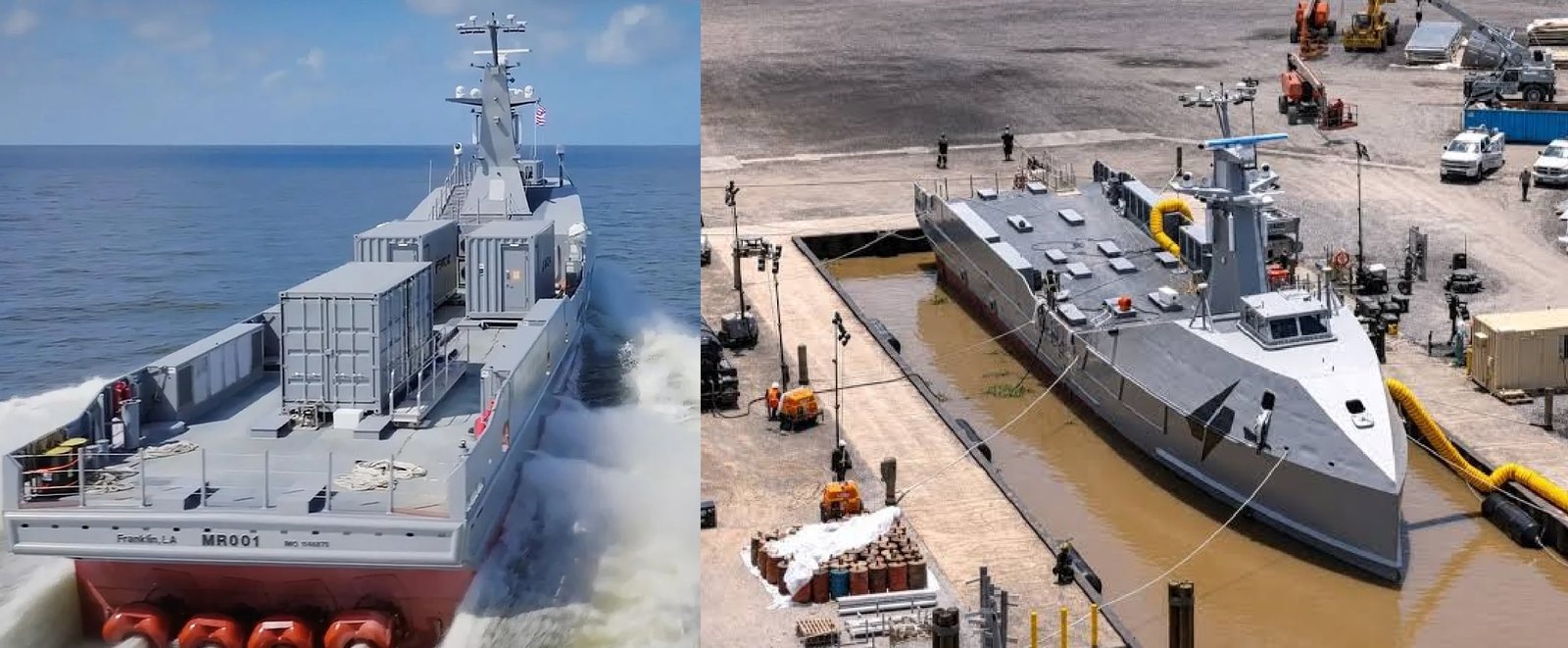
U.S
FRANKLIN, La. — Saronic Technologies has confirmed that its first Marauder Medium Unmanned Surface Vessel (MUSV) has progressed from an initial design concept to on-water trials in less than 12 months, marking a significant milestone in the company's effort to accelerate autonomous ship development for both defense and commercial applications. The Austin, Texas-based defense technology company said the first Marauder hull is currently undergoing intensive sea trials for more than 12 hours a day, seven days a week, to validate its autonomous systems, reliability, and performance under real-world maritime conditions. According to the company, the testing program is designed to evaluate the vessel's autonomous capabilities at range and in challenging operating environments before potential operational deployment. "The team took Marauder from initial design to on-water trials in under 12 months. Now we're running it on the water 12+ hours a day, seven days a week, proving out the autonomy at range and in conditions that don't cooperate," Saronic said in a company update. "We're pushing the system hard, it's the same bar we've held on every vessel we've fielded, and we're holding it here. We're putting in the work that matters and we're glad to be doing it." Designed for Long-Range Autonomous Operations The 54.9-meter (180-foot) Marauder is designed to conduct extended missions without a crew onboard. The vessel can operate either fully autonomously or under remote human supervision. According to Saronic, the platform has a maximum speed exceeding 25 knots, a range of up to 5,400 nautical miles, and a payload capacity of up to 150 metric tons. Official specifications state the vessel can travel 5,400 nautical miles at a base load of 25 metric tons or 4,100 nautical miles when carrying its maximum 150-metric-ton payload. It has a cruise speed of 12 knots. The ship features a modular aft deck capable of carrying the equivalent of four 40-foot ISO shipping containers or eight 20-foot containers, allowing operators to reconfigure the vessel for different mission requirements without major structural changes. Saronic says the platform is intended to support a wide range of missions, including logistics, intelligence, surveillance and reconnaissance (ISR), communications relay, decoy operations, maritime domain awareness, research, and seabed monitoring. Recent sea trial footage released by the company showed the vessel equipped with navigation radars and optical sensors while carrying three 20-foot containers during testing. First Hull Built at Louisiana Shipyard The first Marauder hull, designated MR-001, was launched from Saronic's shipyard in Franklin, Louisiana, in late May 2026 before entering sea trials shortly afterward. The company said the rapid development timeline was made possible by integrating vessel design, manufacturing, and autonomy software development within a single production system. Saronic also uses modern aluminum shipbuilding techniques, modular construction methods, and commercial components to support faster production. Marauder is powered by diesel engines with waterjet propulsion and incorporates a software-based fleet intelligence platform that provides operators with real-time visibility into vessel systems, telemetry, and operational status. The system also allows remote intervention when necessary, while every major hardware component is designed with a software interface for monitoring and control. Additional Vessels Already Under Construction Saronic is already building three additional Marauder hulls at its Franklin facility. According to the company, construction of the second hull is progressing approximately 25 percent faster than the first at the same stage. The second vessel was flipped in March 2026 and is currently being outfitted with mechanical, electrical, and autonomy systems. The third and fourth hulls remain in earlier stages of construction. To increase production capacity, Saronic is expanding its Franklin shipyard through a $300 million investment. The project will add more than 300,000 square feet of production space, three new slips, expanded warehouse facilities, and a dedicated assembly line for large vessels. The expansion is expected to be completed by the end of 2026 and is intended to support production of up to 20 Marauder vessels annually. The company has also announced plans for a larger future manufacturing facility in Texas. U.S. Navy MUSV Program Saronic has been selected by the U.S. Department of the Navy as one of seven companies advancing to the at-sea testing phase of the Medium Unmanned Surface Vessel (MUSV) Marketplace program. The other selected companies are Sea Machines, Leidos, Galliano Marine Services, PacMar Technologies, Birdon, and Huntington Ingalls Industries. The MUSV Marketplace program is intended to evaluate mature commercial unmanned surface vessel technologies for potential naval use while accelerating the introduction of autonomous systems into the fleet through a faster acquisition process. Companies that successfully complete at-sea testing are eligible for $15 million and possible follow-on production contracts. Testing under the program is scheduled to continue through October 2026. Saronic's selection builds on its existing work with the U.S. Navy, including a production contract for its 24-foot Corsair autonomous surface vessel. Marauder is part of Saronic's family of autonomous surface vessels that share a common autonomy software architecture, ranging from the 24-foot Corsair and 52-foot Mirage to the 180-foot Marauder. Company Highlights Development Timeline Saronic Co-Founder and CEO Dino Mavrookas said the development pace represents an uncommon achievement in modern U.S. shipbuilding. "I'm incredibly proud of our team for achieving this milestone. Designing, building, and launching an entire new class of ships in under a year is a feat the American shipbuilding industry hasn't seen in generations," Mavrookas said. "It's what happens when design, production, and manufacturing are fully integrated under one roof. With multiple hulls already underway and our shipyard continuing to grow, this is what revitalizing American shipbuilding actually looks like — autonomous ships delivered at speed and scale, with the production capacity to back it up." As of early August 2026, the first Marauder continues intensive on-water testing while additional vessels progress through construction at Saronic's Louisiana shipyard. The U.S. Navy's MUSV Marketplace evaluations are also continuing as scheduled through October 2026.
Read More → Posted on 2026-08-02 12:55:17
World
WASHINGTON — Iran's Kheibar Shekan medium-range ballistic missile has emerged as a significant challenge for U.S. and allied missile defense systems during the ongoing conflict in the Middle East. U.S. defense officials have raised concerns about the missile's performance and the tactics used in its employment, which are placing increasing pressure on regional air defense networks and interceptor inventories. According to reports citing U.S. officials, Iranian forces are no longer relying on predictable ballistic missile trajectories. Instead, they are employing varied flight paths, different speeds, maneuverable re-entry vehicles, and coordinated drone attacks. These saturation tactics require U.S. and allied air defense systems to launch larger numbers of interceptors while reducing the probability of successful interceptions. Kheibar Shekan's Design and Capabilities The Kheibar Shekan was unveiled by the Islamic Revolutionary Guard Corps (IRGC) Aerospace Force in 2022 as a third-generation solid-fuel medium-range ballistic missile. It has a reported range of up to 1,450 kilometers, measures 11.4 meters in length, weighs approximately 4.5 tons, and carries a 550-kilogram explosive warhead. A key feature of the missile is its solid-fuel propulsion, which allows significantly faster launch preparation than older liquid-fuel ballistic missiles. This reduces the time launch crews are exposed before firing and enables rapid relocation after launch. The missile is carried on 10-wheel commercial transporter-erector-launchers (TELs), providing high road mobility. This allows launch units to fire and quickly move to new positions, making them more difficult to target. Efforts to destroy Iranian missile forces before launch have also been complicated by extensive underground missile facilities that enable operations to resume quickly after attacks. Analysts have linked the missile's development to Iran's acquisition of North Korean Hwasong-10 ballistic missile technology during the 2000s. The Hwasong-10 itself was derived from the Soviet R-27 Zyb submarine-launched ballistic missile. Maneuverable Re-entry Vehicle Increases Interception Difficulty Unlike conventional ballistic missiles that follow relatively predictable paths during the final stage of flight, the Kheibar Shekan is equipped with a maneuverable re-entry vehicle featuring a tri-conic design. The missile's nose section can adjust its flight path during the terminal phase, making interception more difficult. During atmospheric re-entry, the missile is estimated to travel at speeds between Mach 2 and Mach 3. These late-stage maneuvers shorten the available engagement window for missile defense systems and require interceptors to respond to rapid trajectory changes. Pressure on U.S. and Allied Missile Defenses Regional missile defense relies primarily on U.S. Army THAAD and Patriot batteries, along with U.S. Navy Aegis destroyers equipped with SM-3 and SM-6 interceptors. Repeated missile engagements have placed increasing demands on interceptor inventories. U.S. officials have expressed concern about the long-term sustainability of maintaining current interception rates if large-scale missile attacks continue. The financial balance also favors the attacking side. Reports note that the Kheibar Shekan is relatively inexpensive to produce, while a single THAAD interceptor launch costs more than $15.5 million. By launching large salvos designed to saturate defenses, Iran can force defending forces to expend significant numbers of costly interceptors even when many incoming missiles are destroyed. Military analysts also note that this approach allows Iran to preserve more advanced missile systems, including the Fattah 2, which incorporates a hypersonic glide vehicle intended for higher-priority targets. Radar Losses Reduce Situational Awareness The effectiveness of regional missile defenses has also been affected by damage to key radar infrastructure. In March 2026, the Israeli newspaper Haaretz reported that up to 80 percent of Iranian missiles launched against Israel were reaching their targets, indicating declining interception performance during sustained attacks. According to reports, the Islamic Revolutionary Guard Corps (IRGC) has targeted several high-value radar systems supporting U.S. and allied missile defense operations. Reported losses include the AN/FPS-132 early-warning radar in Qatar and two AN/TPY-2 radars located in Jordan and the United Arab Emirates. The AN/TPY-2 radar is a critical component of the THAAD ballistic missile defense network. Damage to these forward-deployed radar sites has reduced situational awareness for U.S. and Israeli air defense systems, increasing reliance on offshore ship-based radars and the remaining AN/TPY-2 radar station in Turkey. Continuing Impact on Regional Air Defense Operations Recent reporting, including coverage published in July 2026, indicates that the Kheibar Shekan has become one of the missiles most frequently used in Iranian attacks against U.S. bases and other military assets. U.S. officials say Iranian forces continue adapting launch methods by varying missile trajectories, speeds, terminal maneuvers, and coordinating attacks with drones based on observed interception patterns. Although U.S. and allied missile defense systems continue to intercept many incoming missiles, officials acknowledge that some have penetrated defensive networks. The Kheibar Shekan's combination of solid-fuel readiness, road mobility, maneuverable re-entry capability, and coordinated employment tactics continues to present a significant operational challenge for U.S. and allied missile defense forces across the region. Source : militarywatchmagazine
Read More → Posted on 2026-08-02 13:59:49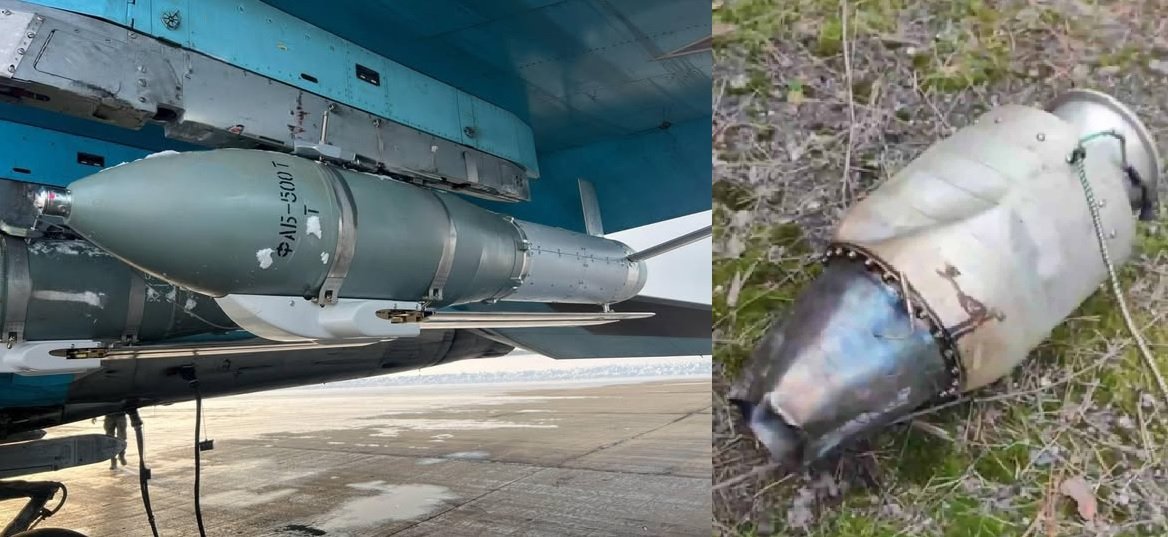
World
PAVLOHRAD, Ukraine — Russian forces carried out three guided aerial bomb attacks on the Ukrainian city of Pavlohrad during the final 10 days of July, raising indications that extended-range aerial munitions may have been used in the strikes. Pavlohrad, located in Ukraine's Dnipropetrovsk region about 75 kilometers from the front line, was hit on July 20, July 23, and July 30, according to local authorities and Suspilne Dnipro. The three attacks killed seven people and injured more than 45 others. The strikes have drawn attention because of the reported distance between the suspected launch points and the impact locations. Open-source intelligence (OSINT) researcher Clément Molin assessed that the Russian aircraft likely released the weapons from approximately 150 kilometers away, a range exceeding that of standard Russian glide bombs. The estimated launch distance has led analysts to suggest that Russia may have resumed using the UMPB-5R, a guided aerial bomb fitted with a jet engine to extend its range. Three attacks in 10 days The first strike on July 20 marked the first reported use of guided aerial bombs near residential buildings in Pavlohrad. According to local authorities, two people were killed and around 15 others were injured, including children. The attack caused fires in apartment buildings and surrounding areas, while several vehicles were also damaged. A second strike followed on July 23, when a guided aerial bomb hit a food industry business at around 11:20 a.m. The attack killed three people and injured at least 19 others, including a two-year-old girl. The strike triggered a fire at the facility. Later updates reported that the number of injured increased, with several people remaining hospitalized the following day, some in serious condition. On July 30, another guided aerial bomb struck the city, killing two people and injuring five others. Regional officials reported fires and damage in residential areas. UMPB-5R suspected due to extended range According to Clément Molin's analysis, the estimated 150-kilometer flight distance from the aircraft's launch point to Pavlohrad suggests the possible use of the UMPB-5R rather than a conventional glide bomb. The UMPB-5R first appeared in limited numbers during late spring and early summer 2025. One of its earliest documented uses occurred on October 18, 2025, when Ukrainian prosecutors reported that a UMPB-5R struck Lozova in Ukraine's Kharkiv region after traveling approximately 130 kilometers. Fragments recovered from the Lozova strike, photographed by military communications specialist Serhii Flash in October 2025, showed remnants of a jet engine matching the Chinese-made Swiwin SW800Pro-Y. The same engine model has also been identified in Russia's S8000 Banderol missile. According to Ukraine's Defense Intelligence (DIU), fitting the UMPB-5R with this jet engine increases its maximum range to up to 200 kilometers. Recent Russian tests of similar powered aerial munitions have reportedly achieved flight distances of 193 kilometers. Photos published in October 2025 showed the SW800Pro-Y turbojet mounted on the bomb. The commercial engine reportedly produces about 80 kilograms of thrust and weighs approximately 10 kilograms. Analysts also note that powered glide bombs of this type can exceed 400 kilometers per hour during the terminal phase of flight. Because of their speed, interception by anti-aircraft drones is considered largely ineffective, requiring conventional surface-to-air missile systems such as the Hawk-3 or Buk for engagement. Other long-range guided bombs in Russian service The UMPB-5R is not the only longer-range aerial weapon available to Russian aircraft. In October 2025, reports indicated that Su-34 aircraft had been equipped with upgraded UMPK-500 unified glide and correction modules for FAB-500T aerial bombs. The upgraded module features an extended tail section and larger wings, with Russian sources claiming a range of more than 100 kilometers. Operational estimates indicate the bomb can reach up to 160 kilometers when released from altitudes between 12 and 14 kilometers. The design is reported to have served as the basis for the powered UMPB-5R. Russian aircraft also carry the Grom-E1 guided bomb, which uses a rocket engine derived from the Kh-38 tactical missile. The weapon carries a 315-kilogram high-explosive fragmentation warhead and has a reported strike range of 10 to 120 kilometers. It is designed for launch from altitudes between 500 and 12,000 meters at aircraft speeds of 140 to 445 meters per second. The integration of jet and rocket propulsion into guided aerial bombs enables launch aircraft to release munitions from greater distances behind the front line, reducing their exposure to Ukrainian air defense systems. The three attacks on Pavlohrad during the final days of July highlight Russia's continued use of long-range aerial strike capabilities against targets well behind the front line. Local officials said the city is facing an increasing threat from such attacks, which provide residents with shorter warning times before impact. Source : militarnyi
Read More → Posted on 2026-08-02 14:20:17
World
GOMEL, Belarus — Belarus is establishing a new airborne assault brigade near its southern border with Ukraine as part of an expansion of its Special Operations Forces (SOF), with the unit expected to strengthen the country's rapid-response military capabilities. The new formation, designated the 37th Separate Airborne Assault Brigade, will be based in the Gomel region, approximately 40 kilometers (25 miles) from the Ukrainian border. The development was confirmed by Alexander Ilyukevich, commander of the Special Operations Forces of the Belarusian Armed Forces, in comments reported by Belarusian military television and independent media on Aug. 2, 2026. Ilyukevich said the brigade's formation is actively underway, with several military units and subunits already established. "Several military units and subdivisions have already been formed. Personnel have already been drafted, officers have been recruited, and planned training is underway to prepare them for their intended purpose," he said. According to Ilyukevich, the formation process began in early 2026. One battalion has already been created, while a second battalion is scheduled to be established before the end of this year. The brigade will also include combat support units, artillery units, air defense units, and reconnaissance units. The brigade is expected to relocate to its permanent base near Gomel in 2027. Once established, the 37th Separate Airborne Assault Brigade will become the fourth airborne assault brigade within Belarus' Special Operations Forces. The existing formations include the 103rd Separate Guards Airborne Brigade in Vitebsk, the 38th Separate Guards Air Assault Brigade in Brest, and the 5th Separate Special Purpose Brigade near Maryina Gorka, south of Minsk. The plan to create the brigade was first outlined by former Special Operations Forces commander Major General Vadim Denisenko. In August 2025, Denisenko said the decision to station the unit in the Gomel region was made to reinforce Belarus' southern direction, which he described as the country's "most restless direction" from a security perspective. At that time, Denisenko said one battalion of what was then referred to as the 37th Separate Airborne Assault Guards Brigade had already been formed. He also announced broader expansion plans for the Special Operations Forces, including the addition of an anti-aircraft missile regiment and progress toward establishing a rocket artillery regiment. The Special Operations Forces are among the highest-readiness ground combat units in the Belarusian Armed Forces, and the creation of the new brigade expands their presence in the southern part of the country. Construction of a military compound for the unit in the Homiel district has also been reported in recent months as preparations continue for the brigade's permanent deployment. The new brigade's location places Belarusian rapid-response forces close to Ukraine's northern border. Belarusian officials have previously described the border situation as stable while continuing military development in the southern region. Belarus and Russia also maintain close defense cooperation, with reports indicating that a significant share of components for Russia's Oreshnik missile system are manufactured in Belarus.
Read More → Posted on 2026-08-02 14:52:35
World
BAMAKO, Mali — A large shipment of military vehicles has reached Mali aboard a Russian cargo ship under U.S. sanctions, according to an investigation by BBC Verify, providing new equipment to Malian and Russian forces as the country's military government faces an intensifying rebel offensive in the north. The shipment was first revealed in footage broadcast by Malian state television on July 25, showing a convoy of armored vehicles arriving in the capital, Bamako. Defense analysts identified the convoy as including BTR-82A armored personnel carriers, BMP-3 infantry fighting vehicles, Tigr armored vehicles, and Chinese-made VP11 armored vehicles. BBC Verify Traces Shipment to Sanctioned Russian Vessel According to BBC Verify, ship-tracking data linked the delivery to the Mikhail Britnev, a Russian cargo vessel sanctioned by the United States in 2024. Tracking records show the vessel departed Baltiysk, Russia's Baltic Sea port in the Kaliningrad region, on June 18 before sailing through the North Sea and entering the English Channel. BBC Verify reported that the cargo ship was escorted through the Channel by a Russian Navy Ropucha-class landing ship, although the UK Ministry of Defence declined to comment on the reported escort. After leaving the Channel, the Mikhail Britnev switched off its tracking transponder and disappeared from publicly available tracking data. It reappeared only as it approached the Port of Lomé, Togo, where it docked on July 9, according to ship-tracking records reviewed by BBC Verify. Satellite images taken before the vessel departed Baltiysk appeared to show trucks, armored personnel carriers, and light infantry vehicles matching those later seen in Bamako, according to experts who examined the imagery. Vehicles Transported Overland Through Togo and Burkina Faso Malian state television reported that the armored vehicles were moved overland from Togo, passing through Burkina Faso before arriving in Mali. The route highlights growing military cooperation between Russia and several West African countries. Burkina Faso is also governed by a military junta with close ties to Moscow, while Togo signed a military cooperation agreement with Russia late last year. BBC Verify also identified Baltiysk as an important departure point for Russian military shipments to West Africa. The investigation noted that the bulk carrier Sabetta loaded what appeared to be military vehicles there in February before later docking in Conakry, Guinea, a port previously linked to Russian weapons transfers. Another tanker was also observed loading military vehicles at Baltiysk on June 6. Delivery Comes as Mali Faces Renewed Rebel Pressure The arrival of the military equipment comes as Mali's ruling junta faces continued attacks from Jama'at Nusrat al-Islam wal-Muslimin (JNIM) and Tuareg separatist groups, which have expanded their control across parts of northern Mali. Recent fighting has been reported around the northern town of Anefis, while clashes have also occurred near Niono and other areas of central Mali. According to BBC Verify, the new shipment is intended to resupply Malian and Russian forces operating against the rebel groups. Russia Continues Military Support Through Africa Corps Russia has supported Mali's military government since French forces withdrew from the country in 2022. The Wagner Group initially led Russia's security presence in Mali. Its role has since been taken over by the Africa Corps, which operates under the Russian Ministry of Defence. BBC Verify has previously confirmed footage showing Africa Corps conducting air strikes against rebel positions, although the force has struggled to halt recent rebel advances. Analysts Assess Military Significance Charlie Werb, an analyst with Aldebaran Threat Consultants, said the latest shipment could help Malian and Russian forces strengthen future operations in areas currently controlled by rebel groups. Analysts at defense intelligence firm Janes also assessed that the newly delivered vehicles could support logistics, operational planning, and combat missions. Werb said Russia has maintained military assistance since the conflict entered a new phase on April 25. "The Kremlin has maintained steady military support since the conflict entered a new phase on 25 April by bringing in fresh forces, weapons, and equipment," Werb said. "The delivery highlights that despite recent setbacks, Mali remains central to Russia's strategy in Africa, and the Africa Corps is a key pillar in Bamako's fight against militant groups." Human Rights Concerns Continue Mali's security situation has also drawn international attention. Amnesty International has called for a war crimes investigation following reports that at least 19 Malian soldiers were summarily executed after an ambush earlier this month. The findings published by BBC Verify are based on ship-tracking data, satellite imagery, verified state television footage, and analysis by defense experts, providing a detailed account of the route used to transport the military vehicles from Russia to Mali.
Read More → Posted on 2026-08-02 15:09:04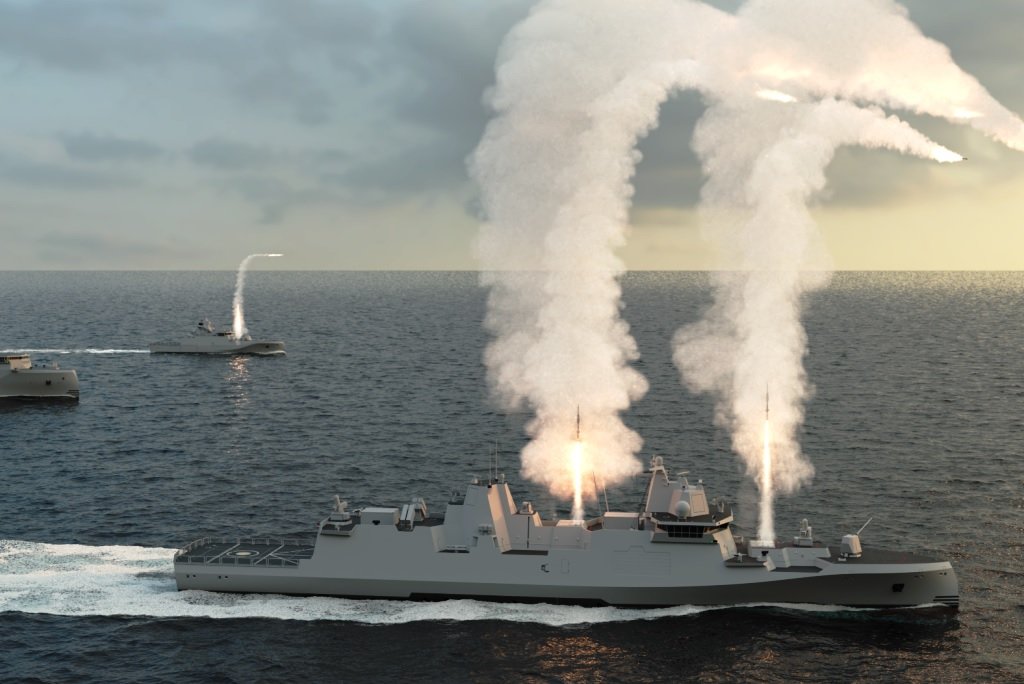
U.S
DÜSSELDORF, Germany — German defence company Rheinmetall has officially unveiled the GMF140, a next-generation guided-missile frigate designed for NATO and allied navies. Measuring 140 metres in length and displacing approximately 6,000 tonnes, the new surface combatant is intended to meet evolving naval requirements across air defence, missile defence, anti-submarine warfare, and long-range strike missions. The company said the GMF140 will first be offered as part of a procurement campaign in North America, before being marketed to countries modernising their naval fleets across Europe, the North Atlantic, and the Indo-Pacific. Designed for Multi-Mission Naval Operations Rheinmetall said the GMF140 has been designed to operate in high-threat blue-water environments while retaining the flexibility to support expeditionary, littoral, and coalition operations. The frigate is intended to carry out a wide range of missions, including: Anti-Air Warfare (AAW) against conventional airborne threats. Ballistic Missile Defence (BMD), including the detection, tracking, and interception of ballistic and hypersonic weapons. Anti-Submarine Warfare (ASW) using a low-signature hull, integrated acoustic management, and advanced sonar systems. Long-range strike missions against distant targets. According to Rheinmetall, the vessel has been designed as a flexible platform capable of supporting modern naval operations while maintaining compatibility with allied forces. Combat System and Sensor Suite The GMF140 is built around an open-architecture combat system designed to support future upgrades and interoperability with allied navies. Its primary combat system is based on the US-developed Aegis Combat System, with the option to integrate Lockheed Martin's CMS330 Combat Management System where required. Rheinmetall said the open architecture enables the integration of a wide range of European sensors and weapon systems. The frigate can also be equipped with several US-sourced primary radar options capable of supporting full ballistic missile defence tracking. These radar systems are designed to detect, track, and engage conventional aircraft as well as ballistic and hypersonic threats. According to the company, the combination of the Aegis Combat System, advanced radar, and combat management architecture provides surveillance and fire-control performance typically associated with much larger surface combatants. Proposed Weapons and Mission Systems Rheinmetall's proposed configuration includes a broad range of weapons and mission systems to support the frigate's multi-role capabilities. The planned armament includes: 64 strike-length Vertical Launch System (VLS) cells for air-defence, ballistic missile-defence, and land-attack missiles. One 5-inch main gun. Dedicated anti-ship missiles. Torpedo launchers for anti-submarine warfare. Laser systems. Close-In Weapon Systems (CIWS) for point defence. The ship is also designed to operate US or European maritime helicopters and unmanned systems, extending its surveillance, anti-submarine, and engagement capabilities beyond the ship itself. Rheinmetall said the final configuration—including secondary armament, electro-optical sensors, electronic warfare equipment, decoy systems, and other defensive systems—can be customised to meet individual customer requirements. Anti-Submarine Warfare Features For anti-submarine operations, the GMF140 combines a low-signature hull with integrated acoustic management, along with both hull-mounted and towed sonar systems. These features are intended to improve underwater detection while reducing the vessel's acoustic signature during operations. Digital Design and Crew Requirements According to Rheinmetall, the GMF140 is a digitally integrated and minimally crewed platform developed with an emphasis on operational efficiency, survivability, NATO interoperability, and future upgrades. Additional details released during the unveiling state that the frigate has: A top speed of 30 knots A core crew of about 90 personnel Accommodation for approximately 35 additional personnel The company also noted that the 64 VLS cells provide greater missile capacity than several existing frigate classes of similar size. Initial Focus on North America Rheinmetall said its first marketing effort for the GMF140 will focus on North America, with the design later being offered to allied navies seeking new multi-mission surface combatants. The company is positioning the GMF140 as a future-ready frigate that combines air defence, ballistic missile defence, anti-submarine warfare, and long-range strike capabilities within an open and interoperable architecture designed for long-term fleet modernisation.
Read More → Posted on 2026-08-03 12:00:21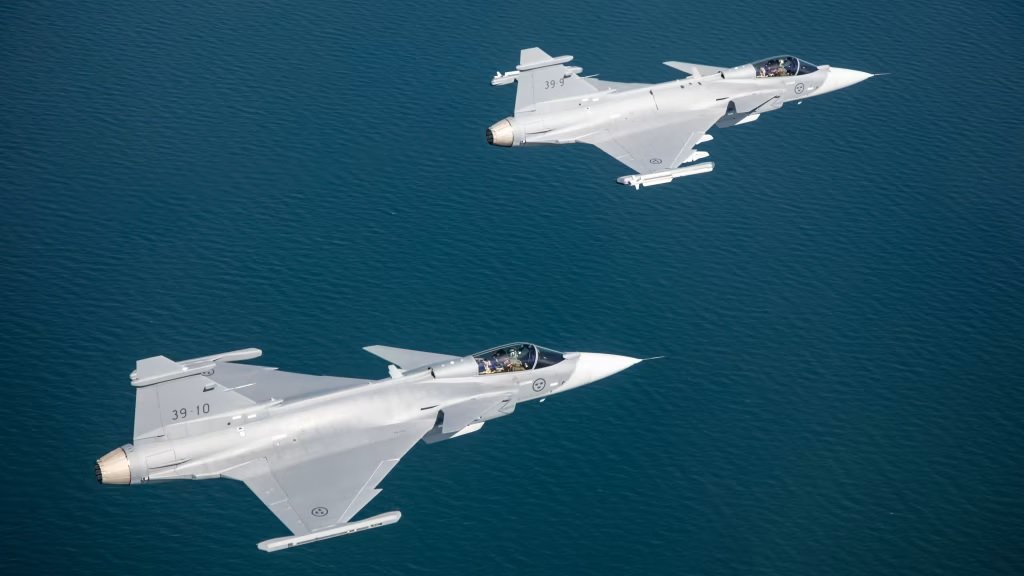
Europe
BRUSSELS — The European Commission has disbursed €3.47 billion to Ukraine under the defence window of the European Union's €90 billion Ukraine Support Loan, providing funding for Gripen fighter jets, missiles, air-defence systems and advanced drone technology. The payment, made on July 30, 2026, is intended to accelerate Ukraine's access to military equipment as the country continues its defence against Russia. According to the European Commission, the latest tranche includes funding under the first procurement schedule for drones and will also support the acquisition of long-range jet-powered drones, missiles, air-defence equipment and Gripen fighter jets. The Commission said additional financing for drones, ammunition, missiles and air-defence systems is expected to be approved and released in the coming weeks. European Commission President Ursula von der Leyen said the latest funding is aimed at strengthening Ukraine's air defence while expanding defence cooperation between Ukraine and European industry. "Today, we are investing an additional €3.47 billion to help protect Ukraine's skies. With this new disbursement under our €90 billion loan package, we are helping Ukraine defend its people. We are also bringing our defence industries closer together, combining Europe's industrial scale with Ukraine's unmatched innovation. This is our new Drone Deal taking shape." The European Commission said the funding supports both Ukraine's immediate defence requirements and deeper industrial cooperation between Ukraine and Europe through the emerging "Drone Deal," which combines European manufacturing capacity with Ukrainian defence innovation. Ukrainian Prime Minister Serhii Koretskyi confirmed the transfer and said the overall €90 billion Ukraine Support Loan is expected to cover around two-thirds of Ukraine's total financial needs during 2026 and 2027. Structure of the €90 Billion Ukraine Support Loan The European Union's Ukraine Support Loan is divided into two main components. €60 billion is allocated to strengthen Ukraine's defence capabilities and expand its domestic defence industrial capacity. €30 billion is designated for state budget support, helping Ukraine maintain essential public services and strengthen economic resilience. According to a Council decision adopted on April 23, 2026, up to €45 billion was made available to Ukraine for 2026. This includes €28.3 billion for defence industrial capacity and €16.7 billion for budget support. The budget support portion is divided equally between additional financing for the Ukraine Facility and a new Macro-Financial Assistance (MFA) operation, each capable of providing up to €8.35 billion. Latest in a Series of EU Payments The €3.47 billion transfer follows several recent EU disbursements to Ukraine. On June 25, the European Commission released €3.2 billion through its Macro-Financial Assistance programme to support Ukraine's state budget. This was followed by €3.9 billion under the defence window on June 30, and another €1.1 billion on July 15. With the latest payment, recent defence disbursements under the programme now total €8.47 billion. The European Union plans to provide €28.3 billion during 2026 to strengthen Ukraine's defence industrial capacity. The allocation is expected to be finalised by September, with additional payments scheduled to continue through the end of the year. Additional Financing Expected On July 30, the Council of the European Union also approved updates to the Ukraine Plan, a framework covering administrative and anti-corruption reforms linked to Ukraine's prospective European Union membership. The approval clears the way for an additional €8.3 billion in future financing. The European Commission said further funding for ammunition, drones, missiles and air-defence systems is expected to be approved in the coming weeks. According to the Commission, the European Union and its member states have provided more than €220 billion in overall support to Ukraine and Ukrainians since Russia launched its full-scale invasion. This figure includes €3.8 billion generated from proceeds linked to immobilised Russian assets. The Commission said the Ukraine Support Loan is financed through EU borrowing on the capital markets and backed by the EU budget. The loan is structured to be repaid from future Russian reparations to Ukraine. Funding is subject to conditions, including adherence to the rule of law and anti-corruption efforts. Defence products financed under the programme are expected, in principle, to be sourced from the European Union, the European Economic Area (EEA), EFTA countries and Ukraine, with limited exceptions for urgent operational requirements.
Read More → Posted on 2026-08-03 12:08:47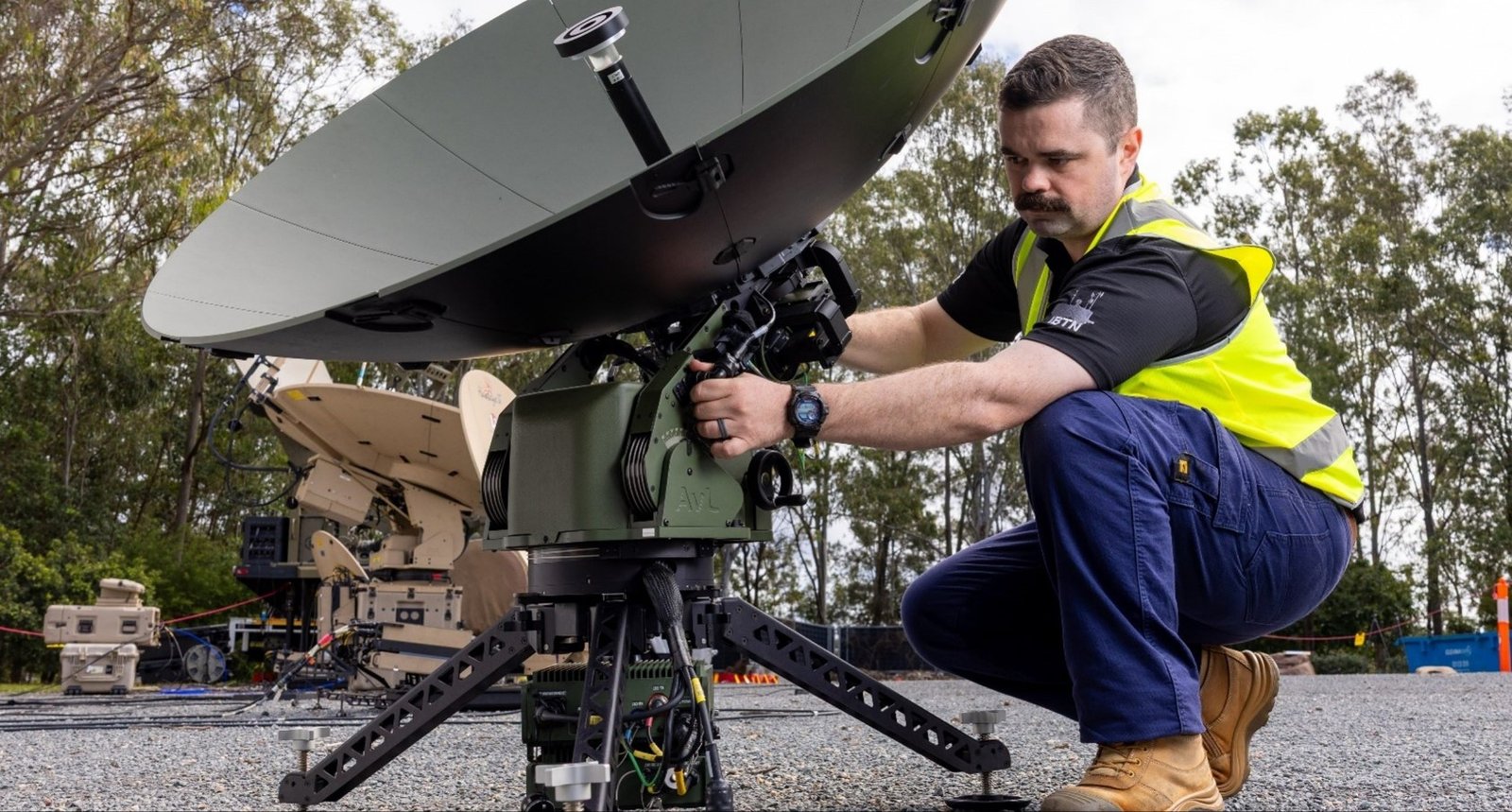
World
BRISBANE, Queensland — Boeing Defence Australia (BDA) has been awarded its second contract under Australia's LAND 4140 program to supply next-generation Class Two Beyond Line-of-Sight (BLOS) satellite communications (SATCOM) ground terminals for the Australian Defence Force (ADF). The contract, announced on Aug. 3, is part of the broader LAND 4140 Land C4 Modernisation Project, which is upgrading the Australian Army's command, control, communications and computers (C4) systems. The new SATCOM capability is intended to provide faster, more reliable and uninterrupted connectivity for military personnel operating in complex operational environments. Next-Generation SATCOM Capability Under the LAND 4140 BLOS SATCOM program, Boeing Defence Australia will deliver Class Two satellite communication ground terminals that support secure, high-speed communications beyond the line of sight. According to the company, the terminals will use high-speed, wideband SATCOM links to enable reliable data exchange across the force, helping maintain communications during military operations. Matt Buckle, Director of Joint Systems at Boeing Defence Australia, said the capability builds on the company's experience in delivering enterprise-wide communications systems for Defence. "This capability will connect Australia's Integrated Force across multiple domains," Buckle said. "Underpinned by high-speed, wideband SATCOM links, the advanced BLOS system will ensure uninterrupted data flow that allows the Australian Defence Force to connect when needed and operate with confidence when it matters most." Built on the Integrated Battlefield Telecommunications Network Buckle said the new capability also supports Defence's ongoing software modernisation efforts by building on the secure Integrated Battlefield Telecommunications Network (IBTN). The IBTN was previously delivered by Boeing Defence Australia under the Currawong program and reached Final Operating Capability in 2024. The network now serves as the foundation for the next-generation integrated communications network being developed under LAND 4140. Second Major LAND 4140 Contract The SATCOM award is Boeing Defence Australia's second major contract under the LAND 4140 program. Earlier in 2026, the company was selected as the systems integrator for the LAND 4140 Battlefield Management System (BMS). That contract became effective on March 6, 2026, with an operative date scheduled for September 2026 and an initial term of five years. As systems integrator, Boeing Defence Australia is responsible for coordinating software applications, services and stakeholders to deliver a unified command and control capability for the Australian Army. The Battlefield Management System is designed to consolidate software, geospatial information, navigation and targeting data into a single command and control platform. Supporting Faster Command and Control According to Boeing Defence Australia, the combination of the Battlefield Management System and the new Class Two BLOS SATCOM terminals will improve the speed at which command and control information, situational awareness data and targeting information can be processed and shared across the force. The integrated capability is intended to strengthen communications between military units and improve information flow during operations. LAND 4140 Modernisation Program LAND 4140 is Australia's land C4 modernisation program, aimed at improving decision-making and strengthening the integration of command and control, intelligence, sensors and weapon system effectors for joint land force operations. Tranche 1 of the program includes: Beyond Line-of-Sight (BLOS) SATCOM High-capacity data networking ICT mobility Network modelling Modular open system standards Boeing Defence Australia's Defence Communications Experience Boeing Defence Australia has supported the Australian Defence Force's communications and network modernisation programs for more than a decade. The company previously delivered the Integrated Battlefield Telecommunications Network under the Currawong program, contributed to the SEA 1442 maritime communications project, and serves as a subcontractor on the AIR 6500 joint air battle management system. The latest LAND 4140 SATCOM contract further expands Boeing Defence Australia's role in supporting the Australian Defence Force's ongoing communications and command-and-control modernisation efforts.
Read More → Posted on 2026-08-03 12:45:10
Europe
STOCKHOLM — Swedish defence company Saab plans to increase annual production of its GlobalEye airborne surveillance aircraft from about two aircraft per year to six by around 2030, following recent selections of the platform by NATO and Canada that have significantly expanded the programme's international order outlook. Saab President and Chief Executive Officer Micael Johansson announced the higher production target during the company's second-quarter 2026 earnings call. The new goal represents an increase from Saab's earlier plan to produce four GlobalEye aircraft annually. Johansson said the company is preparing additional manufacturing capacity to maintain delivery schedules as expected orders extend well into the next decade. “I would rather say that we go from two a year now and should aim for six a year in the 2030 timeframe,” Johansson said. He added that Saab prefers to build capacity for a higher production rate because output can be reduced later if demand is lower than expected. NATO and Canada Drive Growing Demand The planned production expansion is largely supported by recent international decisions to acquire the GlobalEye airborne early warning and surveillance system. Earlier in 2026, Canada selected GlobalEye as its preferred solution and is currently negotiating with Saab for the purchase of six aircraft. NATO has also selected GlobalEye to replace the alliance's ageing E-3A Airborne Warning and Control System (AWACS) fleet based at Geilenkirchen, Germany. The requirement covers up to 10 aircraft, which will operate as a shared NATO capability. According to Saab, the NATO programme is backed by 11 member countries: Belgium, Canada, Denmark, Germany, Latvia, Lithuania, Luxembourg, the Netherlands, Norway, Romania and Sweden. Formal negotiations with the NATO Support and Procurement Agency (NSPA) are currently under way. Johansson described the NATO selection as a major industrial milestone that demonstrates the strategic value of Sweden and Saab providing advanced airborne surveillance capabilities to the alliance. Additional Orders Strengthen Production Outlook Beyond the expected NATO and Canadian contracts, Saab said it continues to pursue several additional GlobalEye opportunities, although Johansson did not identify potential customers. In late July 2026, the company received an order worth SEK 10.1 billion (approximately $1 billion) for two GlobalEye aircraft from an undisclosed Middle Eastern customer, with deliveries scheduled for 2030. GlobalEye aircraft are already operational with the United Arab Emirates. France has also ordered two aircraft. Saab said maintaining an active production line enables the company to offer comparatively short delivery times, helping address airborne surveillance capability requirements among prospective customers. Saab Expanding Manufacturing Capacity To support the planned increase in production, Saab is expanding its facilities in Linköping, Sweden, where Bombardier Global 6500 business jets are converted into mission-configured GlobalEye aircraft. The company also plans to establish a production and support hub in Canada while evaluating an additional European site to support NATO and other regional customers. Johansson said the required infrastructure expansion will not involve exceptionally large investments, as part of the additional production capacity will be developed through industrial partnerships with customer nations. GlobalEye Programme Supports Saab's Business Growth GlobalEye remains a key programme within Saab's Surveillance business. The company reported strong second-quarter 2026 financial results, including order bookings of SEK 68.39 billion and organic sales growth of nearly 30%. Johansson also confirmed that profit margins on major platforms such as GlobalEye remain strong. GlobalEye Surveillance Capabilities GlobalEye is designed to monitor air, maritime and land activities simultaneously while serving as a networked command-and-surveillance platform. Its primary radar sensor has a detection range exceeding 650 kilometres, allowing the aircraft to operate at stand-off distances from hostile areas. The aircraft also carries passive sensors capable of detecting systems observing the platform. Information collected from multiple sensors is fused and processed using artificial intelligence to provide operators with a single operational picture. The data can then be shared in real time with combat aircraft, naval vessels, ground command centres and land forces to support operational decision-making. Johansson described GlobalEye as a networked command-and-surveillance node rather than a stand-alone intelligence platform. Saab Advances Unmanned Airborne Surveillance System Alongside the manned GlobalEye programme, Saab is continuing flight testing of an unmanned airborne early warning system developed with General Atomics. The sensor package, known as LoyalEye, is being integrated with the MQ-9B unmanned aircraft and is intended to complement, rather than replace, the GlobalEye platform by providing a lower-tier airborne surveillance capability. According to Johansson, the system has completed its first flight and is already being offered to prospective customers while flight testing continues. Saab said it is prepared to begin commercial discussions with interested buyers as development progresses.
Read More → Posted on 2026-08-03 13:01:01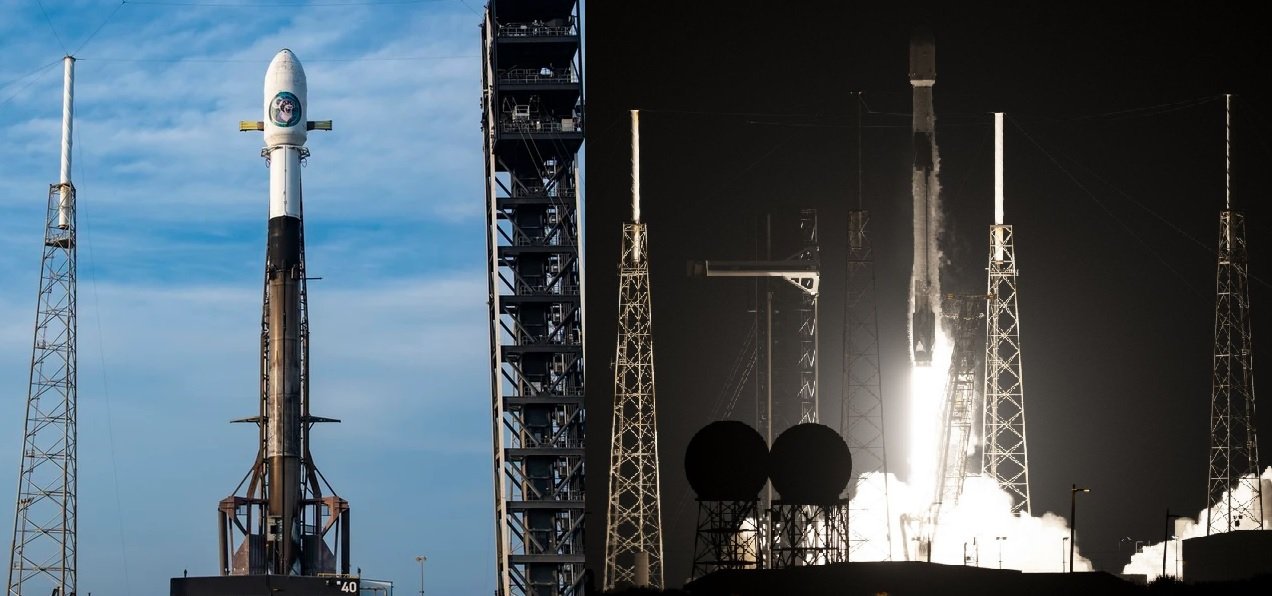
U.S
CAPE CANAVERAL, Fla. — SpaceX successfully launched the classified NROL-95 mission for the U.S. National Reconnaissance Office (NRO) early Thursday, marking the agency's fourth national security space launch of 2026 and continuing the deployment of its next-generation intelligence satellite constellation. The mission lifted off aboard a Falcon 9 rocket from Space Launch Complex 40 at Cape Canaveral Space Force Station in Florida at 3:10 a.m. EDT on July 30, 2026. The launch was carried out in partnership with the U.S. Space Force Space Systems Command's System Delta 80 and Space Launch Delta 45. Successful Booster Recovery Following stage separation, the Falcon 9's first-stage booster successfully returned to Earth, landing at Landing Zone 2 at Cape Canaveral Space Force Station. The booster, designated B1096, completed its seventh flight and flew after a 75-day turnaround. It had previously supported the KF-01 satellite, the Interstellar Mapping and Acceleration Probe (IMAP) solar wind mission, the classified NROL-77 mission, the GPS III-9 navigation satellite launch, the CRS-34 cargo resupply mission to the International Space Station (ISS), and one Starlink mission. The recovery and reuse of Falcon 9 first-stage boosters is part of SpaceX's standard launch operations, helping lower the cost of reaching orbit compared with traditional expendable launch vehicles. Fourth National Security Launch of 2026 The NROL-95 mission is the National Reconnaissance Office's fourth national security space launch this year. Earlier NRO missions in 2026 included: NROL-105 — January 16 NROL-172 — May 11 NROL-179 — June 19 All three previous missions were launched aboard Falcon 9 rockets from Vandenberg Space Force Base in California. According to the NRO, the increased launch cadence is part of its long-term proliferated architecture initiative. Shift to a Distributed Satellite Network Historically, U.S. reconnaissance relied on a relatively small number of large, highly expensive satellites. The NRO's proliferated architecture represents a shift toward deploying hundreds of smaller, lower-cost satellites across multiple orbital planes. According to the agency, this approach is designed to: Reduce single points of failure. Maintain intelligence coverage if individual satellites are lost. Increase revisit rates over locations on Earth. Speed the delivery of intelligence data to military and government users. The NRO began deploying this architecture with the NROL-146 mission on May 22, 2024. By April 2025, the constellation had grown to more than 150 satellites. NRO officials have stated that the network supports missions including ground moving target indication (GMTI), which tracks vehicles and other moving objects from orbit, while also contributing to a broader space-based sensing and targeting architecture for the U.S. intelligence community and the Department of Defense. Role of the National Reconnaissance Office The National Reconnaissance Office develops, launches, and operates U.S. intelligence and reconnaissance satellites that provide imagery and signals intelligence to military commanders, the intelligence community, and civilian government agencies. The NROL-95 mission is also the third NRO launch conducted by SpaceX under the National Security Space Launch (NSSL) Phase 2 contract. Officials from the NRO and Space Systems Command said the partnership supports reliable access to space for national security payloads. Mission Details Remain Classified Consistent with standard NRO practice, officials have not disclosed the number of satellites carried by NROL-95, their capabilities, or their final orbital parameters. While the payload remains classified, publicly released information confirms the mission's successful launch, booster recovery, and its role in expanding the NRO's next-generation distributed reconnaissance satellite network.
Read More → Posted on 2026-08-03 13:14:03
U.S
WALLOPS ISLAND, Va. — Raytheon, an RTX business, has delivered and installed the first SPY-6(V)4 radar array at the U.S. Navy's Surface Combat Systems Center on Wallops Island, Virginia, marking a significant milestone in the Navy's Flight IIA Arleigh Burke-class destroyer modernization program and the broader SPY-6 backfit program. The installation is the first step toward validating the radar system before it is deployed aboard an operational destroyer. Shore-based testing at Wallops Island is expected to reduce the amount of testing required after installation on a ship, helping shorten shipyard time and support a more efficient upgrade process. Land-Based Testing Before Ship Installation The Surface Combat Systems Center at Wallops Island provides an open-water environment along the Atlantic Ocean, allowing engineers to evaluate the radar in conditions similar to those at sea. Before being installed aboard a warship, the SPY-6(V)4 will undergo a comprehensive series of tests to verify integration with its dedicated power system and ensure compatibility with the Navy's combat systems. According to Raytheon, conducting these evaluations ashore will reduce the amount of shipboard testing required during installation. "By leveraging the Wallops test site, we'll be able to integrate SPY-6(V)4 with its dedicated power system before it reaches the ship, reducing the amount of testing needed on DDG 91," said Barbara Borgonovi, president of Naval Power at Raytheon. "That means less time in the shipyard, more time dedicated to the mission, and a smoother path for future backfit ships." Initial testing is scheduled to begin later this year and continue through mid-2028. USS Pinckney to Become the First Ship Equipped with SPY-6(V)4 The first destroyer selected to receive the new radar is USS Pinckney (DDG 91). The ship is scheduled to undergo its radar modernization from late 2026 through 2028. By completing extensive testing at Wallops Island before ship installation, the U.S. Navy and Raytheon aim to keep the program on schedule while simplifying the transition from shore-based evaluation to operational deployment. Designed Specifically for Flight IIA Destroyers The SPY-6(V)4 is one of four variants in Raytheon's SPY-6 radar family and is the only version specifically developed for installation on existing Flight IIA Arleigh Burke-class destroyers. As part of the Navy's DDG MOD 2.0 modernization program, the radar is intended to replace the legacy AN/SPY-1D(V) radar currently installed on these ships. The radar features four fixed phased-array faces, with 24 Radar Modular Assemblies (RMAs) on each face. The modular architecture provides continuous 360-degree coverage while supporting scalability, improved reliability and lower maintenance requirements. Improved Detection and Tracking Capability Compared with the legacy AN/SPY-1D(V), the SPY-6(V)4 offers higher sensitivity, greater power density through gallium nitride (GaN) technology, improved detection of smaller and faster threats at longer ranges, and the ability to track substantially more targets simultaneously. The radar is designed to detect and defend against a wide range of threats, including: Ballistic missiles Hypersonic missiles Cruise missiles Hostile aircraft Anti-air threats Anti-surface threats It also supports electronic warfare operations while maintaining performance in complex clutter environments. Wallops Testing Supports Fleet Modernization The Wallops Island testing effort brings together the U.S. Navy, NASA's Wallops team, and industry partners. The objective is to validate the radar's performance and system integration before shipboard installation, reducing testing requirements for individual vessels and supporting a more efficient modernization process across the fleet. SPY-6 Family Continues to Expand The SPY-6 family shares common hardware and software across all variants, allowing the U.S. Navy to use a modular radar architecture across multiple classes of ships. The family includes: SPY-6(V)1 – Four fixed array faces with 37 RMAs each for Flight III Arleigh Burke-class destroyers. SPY-6(V)2 (Enterprise Air Surveillance Radar – Rotator Variant) – One rotating array with nine RMAs for amphibious ships and Nimitz-class aircraft carriers. SPY-6(V)3 (Fixed Variant) – Three fixed array faces with nine RMAs each for Ford-class aircraft carriers and guided-missile frigates. SPY-6(V)4 – Four fixed array faces with 24 RMAs each for existing Flight IIA Arleigh Burke-class destroyers. The common design is intended to improve reliability while reducing maintenance requirements across the fleet. Production Expansion to Meet Future Demand According to Raytheon, two commissioned U.S. Navy ships are already operating SPY-6 radar variants, while 11 additional vessels have received the radar and are currently undergoing testing before entering service. The U.S. Navy plans to deploy SPY-6 radars on more than 50 ships over the next decade as part of its surface fleet modernization effort. To support future demand, Raytheon has invested $800 million to modernize its radar manufacturing facilities and expects to double SPY-6 production output by 2028. The installation of the first SPY-6(V)4 radar array at Wallops Island marks an important step in preparing the radar for operational deployment on Flight IIA destroyers while supporting the U.S. Navy's long-term effort to modernize its existing surface fleet with advanced radar capabilities.
Read More → Posted on 2026-08-03 13:25:50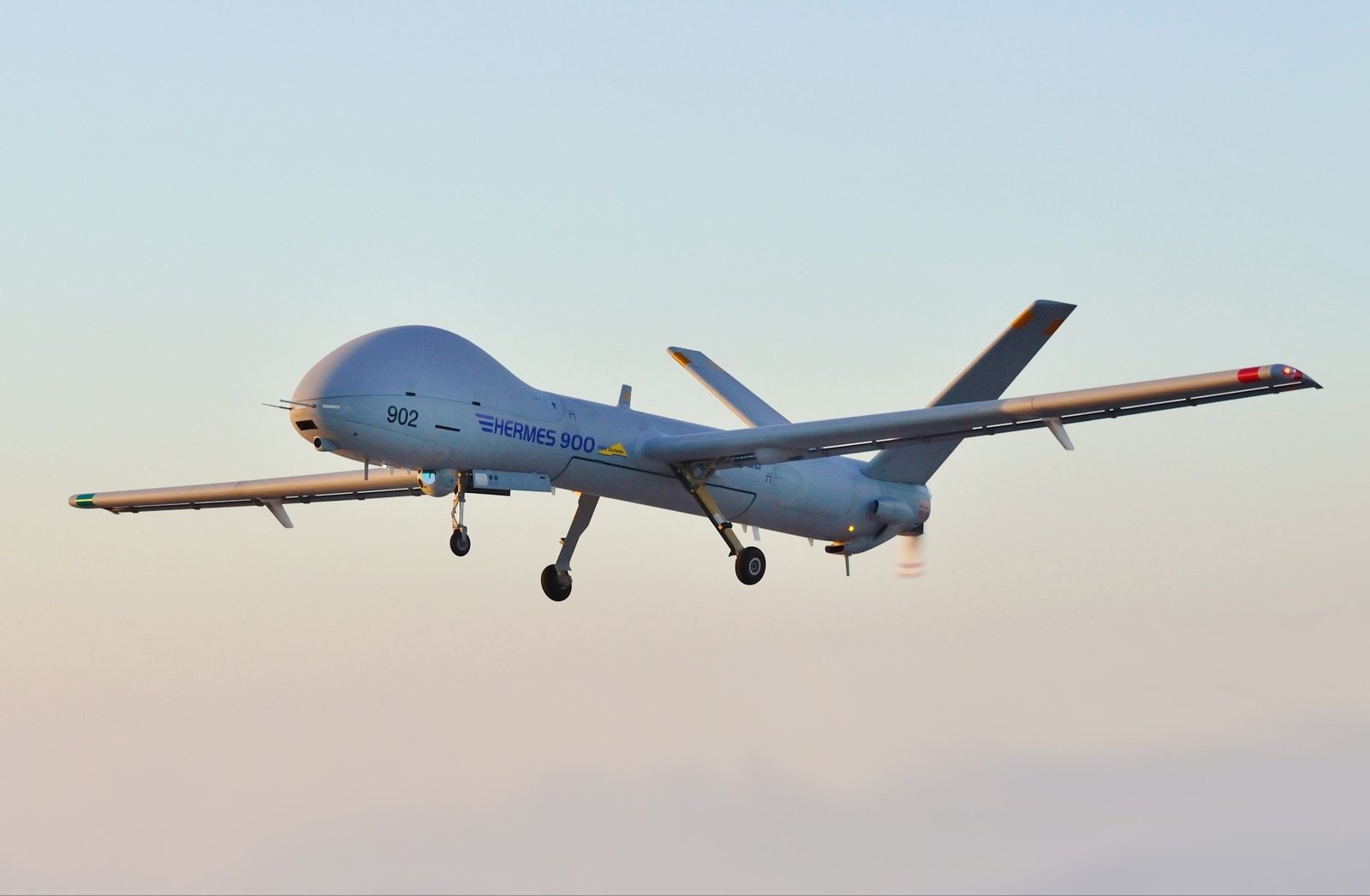
World
TEL AVIV — Leaked internal documents from Israeli defense company Elbit Systems indicate the company held advanced discussions with the United Arab Emirates (UAE) over the possible sale of drones, loitering munitions, and intelligence systems valued at up to approximately $1.3 billion, according to documents published by hacker group Handala and reports by multiple media outlets. The documents, which cover the period from late 2021 to early 2023, include internal correspondence, pricing proposals, sales presentations, and requests from the UAE related to advanced surveillance and intelligence capabilities. However, the leaked material does not confirm whether the specific transactions described were ultimately completed. The documents were published by the pro-Iran hacker group Handala, which claimed it obtained the files after compromising the private Gmail account of an Elbit Systems official who allegedly used the account for internal business communications. The contents were first reported by Drop Site News and later covered by Haaretz, The Times of Israel, and other media outlets. Hermes 900 and SkyStriker proposals According to a 2021 internal Elbit memo cited in the reports, Israel's Defense Ministry approved the company to offer the Hermes 900 surveillance drone and SkyStriker short-range loitering munitions to the UAE. The Hermes 900 is one of Elbit's advanced unmanned aerial systems, designed to provide high-resolution, multi-angle surveillance imagery that operators can review in real time. The leaked correspondence shows that in March 2022, approximately two months after Iran-backed Houthi rebels launched attacks on an airport and oil facilities in Abu Dhabi, the UAE submitted an urgent request for six Hermes 900 systems, with each system consisting of three aircraft. Elbit proposed a price of $40 million per system. According to the leaked documents, the UAE later expressed interest in increasing the planned purchase to 15 systems, bringing the potential value of the proposed deal to about $1.3 billion. Separate documents cited by Drop Site News describe an April 2022 proposal from Elbit's UAE subsidiary covering two Hermes 900 systems—a total of six aircraft—along with SkEye wide-area surveillance sensors, ground control stations, training, logistics support, and related equipment. That package was valued at approximately $154 million, while additional upgrades increased the proposed value to around $225 million. Internal notes described the requirement as urgent and stated the systems were intended to improve detection of missile and drone launches beyond UAE borders while also supporting domestic security missions. Hermes 650 and intelligence capabilities The leaked archive also shows Elbit presenting its Hermes 650 unmanned aircraft to the UAE in March 2023, about one year before the drone was publicly unveiled at a defense exhibition in Singapore. According to the presentation, the Hermes 650 includes signal intelligence (SIGINT) and electronic warfare capabilities. The sales material also stated that the platform can operate alongside Elbit's SkyStriker loitering munitions and attack drones produced by Aeronautics, another Israeli defense company. The documents further include an undated confidential Emirati "airborne SIGINT wish list", requesting four Elbit surveillance aircraft together with cyber, electronic warfare, and related intelligence capabilities to be delivered within 42 months of reaching an agreement. Growing Israel-UAE defense cooperation Elbit Systems established an office in the UAE after Israel and the UAE normalized diplomatic relations under the 2020 Abraham Accords, which opened the way for expanded defense and commercial cooperation between the two countries. The company has publicly confirmed only one defense contract with the UAE—a $53 million agreement announced in January 2022 to supply defense systems for Emirati aerial refueling aircraft. In November 2025, Elbit announced a separate $2.3 billion contract to provide unspecified "strategic equipment" to an unnamed international customer. French publication Intelligence Online, later cited by Globes and other media outlets, reported that the customer was the UAE. The reported contract was described as covering electronic defense systems for aircraft, with deliveries planned over an eight-year period. Company response Elbit Systems declined to comment on the reported negotiations. In a statement quoted by Haaretz, the company said it "does not comment on business matters relating to its customers" and added that "the materials presented do not accurately reflect the company's business activities." The UAE Ministry of Defense has not publicly commented on the reports. Regional security context Defense cooperation between Israel and the UAE has continued to expand amid regional security challenges. During the conflict involving Iran that began on February 28, Israel deployed Iron Dome air defense systems and operating personnel to the UAE. According to contemporaneous reports, the deployment was authorized by Israeli Prime Minister Benjamin Netanyahu following discussions with UAE President Mohamed bin Zayed Al Nahyan. The deployment marked the first reported operational use of the Iron Dome system outside Israel or the United States. The systems intercepted Iranian missiles launched toward the UAE during the conflict. Iron Dome is produced by Rafael, the parent company of Aeronautics. The leaked documents, however, do not include signed contracts, delivery records, or other evidence confirming that the proposed Hermes drone sales discussed between 2021 and 2023 were finalized. Publicly confirmed records remain limited to Elbit's 2022 aircraft protection contract with the UAE and the separate $2.3 billion strategic equipment contract announced in 2025, which has been widely reported to involve the UAE but has not been officially identified by Elbit. Source : timesofisrael
Read More → Posted on 2026-08-03 13:47:56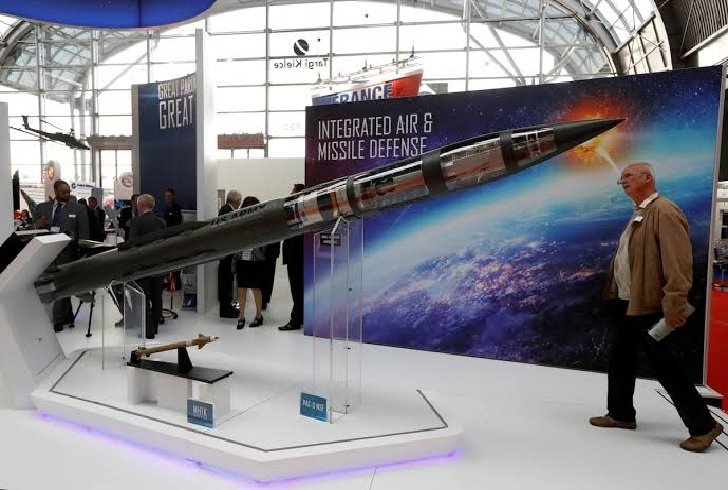
U.S
ARLINGTON, Va. — Northrop Grumman has signed two multiyear framework agreements worth more than $3 billion with the U.S. Department of War and Lockheed Martin to expand production of critical components for the Patriot Advanced Capability-3 Missile Segment Enhancement (PAC-3 MSE) and Terminal High Altitude Area Defense (THAAD) missile interceptor systems. The agreements are designed to provide long-term production certainty for suppliers, allowing investments in manufacturing facilities, supply chains, and workforce expansion to increase the output of key air and missile defense components for the United States and allied partners. The announcement comes as the United States continues efforts to replenish air defense inventories following extensive use of missile defense systems in recent conflicts, including Ukraine and Iran. It also follows the recent expansion of Lockheed Martin's Patriot interceptor contract, which increased to nearly $59 billion. Two Framework Agreements The agreements are divided into two separate programs covering components for the PAC-3 MSE and THAAD interceptor systems. The first agreement, valued at approximately $2 billion, covers the production of solid rocket motors and ignition safety devices for the PAC-3 MSE interceptor. Under the agreement, Northrop Grumman will serve as a second source for PAC-3 MSE solid rocket motors while also increasing production of ignition safety devices. The PAC-3 MSE interceptor uses hit-to-kill technology and is powered by a dual-pulse solid rocket motor that improves interceptor performance in altitude and range. The second agreement, worth approximately $1 billion, is a seven-year framework focused on THAAD components. Northrop Grumman said the agreement is expected to quadruple its THAAD component production while significantly increasing monthly deliveries. According to the U.S. Department of War, the two agreements are intended to help triple PAC-3 interceptor production and quadruple THAAD production, supporting higher output of missile defense systems. Production Capacity Expansion To support the increased production requirements, Northrop Grumman is expanding manufacturing capacity across several U.S. facilities. At its Utah facilities, the company is doubling solid rocket motor production capacity. At the Allegany Ballistics Laboratory in Rocket Center, West Virginia, production capability for tactical solid rocket motors is being nearly tripled, with the expansion targeted for completion by 2027. The company's Elkton, Maryland, facility is also increasing production capacity by 25 percent. These investments support the U.S. Army's objective of increasing annual PAC-3 MSE missile production from approximately 600 interceptors per year to thousands of units in the near term. THAAD Component Manufacturing Northrop Grumman has supplied components for the THAAD interceptor program since 2002. The company manufactures interceptor shell cores, aft bulkheads, heat shield assemblies, along with structural components including mid-body shells, muzzle covers, and rail car assemblies. Production takes place at the company's San Diego, California, facility, which uses proprietary bonding technology designed for high-temperature kinetic intercept missions and has operated for approximately 50 years. Company and Government Statements Ben Davies, corporate vice president at Northrop Grumman, said the company's investments in manufacturing and supply chains have positioned it to rapidly increase production. "Our long-term investments in breakthrough manufacturing technologies and resilient supply chains let us pivot from steady production to a production surge in record time. As one of America's leading producers of solid rocket motors, we're supporting the administration's push to accelerate munitions output." Davies said the agreements provide the production capacity needed to meet growing defense requirements. Michael P. Duffey, Under Secretary of War for Acquisition and Sustainment, said the framework agreements are an important part of expanding missile interceptor production. "Building the Arsenal of Freedom requires robust, dynamic supply chains at every level of the industrial base. Framework agreements with munition components suppliers like Northrop Grumman are vital to accelerating the tripling of PAC-3 and quadrupling of THAAD interceptor production." Long-Term Investment in Missile Production Northrop Grumman said it has invested more than $2 billion in munitions technologies and manufacturing facilities since 2019, including more than $1 billion dedicated to solid rocket motor production. Over more than 70 years of propulsion manufacturing, the company has delivered more than 1.3 million solid rocket motors. Its portfolio also includes fixed ammunition, warheads, and fuzes supplied to all branches of the U.S. military. The Department of War said the agreements also reflect a broader acquisition strategy that directly engages key component suppliers alongside prime contractors. The approach is intended to provide manufacturers with long-term demand certainty, enabling investments in production capacity, tooling, facility upgrades, and workforce development. The initiative involves the Munitions Acceleration Council, the Economic Defense Unit, the Missile Defense Agency, and the Office of the Under Secretary of War for Acquisition and Sustainment as part of efforts to strengthen the U.S. missile defense industrial base.
Read More → Posted on 2026-08-03 14:01:01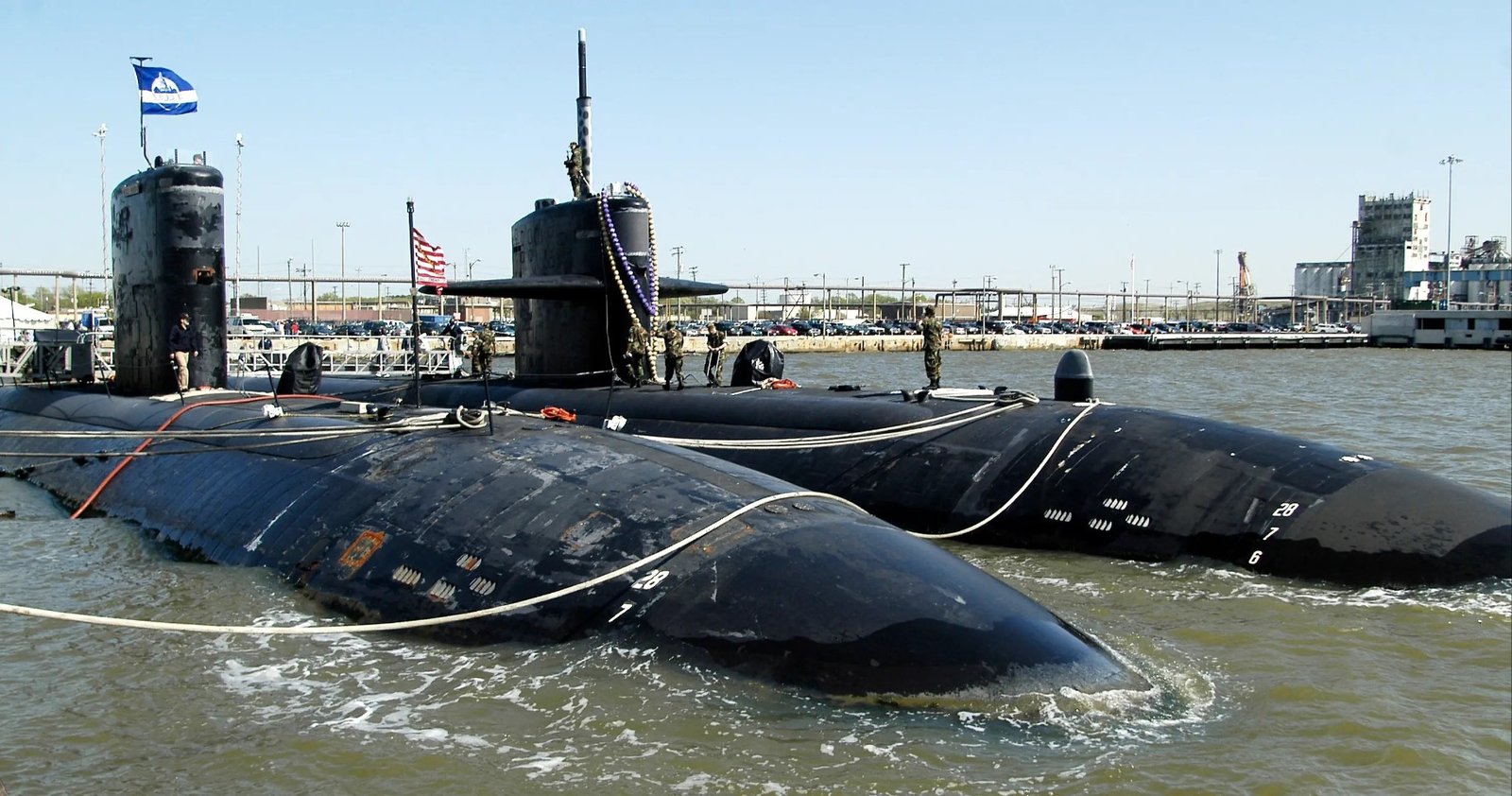
U.S
WASHINGTON — The United States remained the world's largest arms exporter during the 2021–2025 period, accounting for 42% of global major arms exports, according to the Stockholm International Peace Research Institute (SIPRI). The figure represents an increase from 36% in 2016–2020, while France ranked second with a 9.8% share. Despite its dominant position in the global defense trade and one of the world's largest defense industrial bases, the United States has remained absent from one of the most valuable segments of the international arms market—the export of conventional submarines. Recent procurement programs by two close US partners illustrate this gap. On July 6, 2026, Canadian Prime Minister Mark Carney announced that Germany's ThyssenKrupp Marine Systems (TKMS) had been selected as the preferred supplier for the Canadian Patrol Submarine Project (CPSP). Negotiations are underway for a fleet of up to 12 conventionally powered submarines, in what the Canadian government has described as the country's largest defense procurement program. Estimates place the project value at roughly US$30 billion or more, depending on the final scope and industrial participation. South Korea's Hanwha Ocean was the other shortlisted bidder. At the same time, India is advancing Project 75(I). Negotiations between TKMS and Mazagon Dock Shipbuilders for the construction of six Type-214 conventional submarines have reached an advanced stage. Cost discussions have been completed, and the agreement—valued at around €8 billion (approximately Rs 90,000 crore)—is expected to move toward approval by the Cabinet Committee on Security (CCS) and could be signed in the coming months, possibly as early as September 2026. Although both Canada and India are strategic partners of the United States, no US defense company participated as a bidder in either submarine program. A Navy Built Around Nuclear Submarines The United States operates one of the world's largest submarine fleets. According to Global Firepower's 2026 assessment, both the United States and Russia operate 66 submarines each, while China fields 61. However, the composition of these fleets differs significantly. The US Navy's entire combat submarine fleet is nuclear-powered, while Russia and China continue to operate a combination of diesel-electric and nuclear-powered submarines. This was not always the case. Following the Second World War, the United States possessed a large fleet of diesel-electric submarines. More than 200 submarines had been built during the war, and 232 remained in commission afterward. Between the early 1950s and the 1970s, the US transferred many of these submarines to allied nations, including Turkey, Spain, Italy, Greece, the Netherlands, Canada and Taiwan. During that period, the United States accounted for roughly one-quarter of global diesel-electric submarine exports. The direction of US submarine development changed permanently in 1954 with the commissioning of USS Nautilus, the world's first nuclear-powered submarine. Nuclear propulsion provided virtually unlimited submerged endurance, higher sustained underwater speed and global operating range. Following Nautilus, the US Navy built only three additional diesel-electric attack submarines—the Barbel class. By the early 1960s, all newly built US combat submarines were nuclear-powered. The final diesel-electric attack submarine, USS Blueback, was decommissioned in 1990, completing the Navy's transition to an all-nuclear submarine force. The United States has not exported a submarine since 1973, when two Tench-class submarines, including USS Cutlass (later commissioned by Taiwan as ROCS Hai Shih), were transferred to Taiwan. Why the United States Does Not Export Submarines Several long-standing policy, legal and industrial factors explain why the United States remains outside today's international submarine market. Protection of Advanced Technology Modern US nuclear-powered submarines, including the Virginia-class, incorporate highly sensitive technologies such as nuclear propulsion systems, acoustic quieting methods, sonar suites and combat systems. These technologies are protected under the US Munitions List, the International Traffic in Arms Regulations (ITAR), the Arms Export Control Act, and additional restrictions contained in the Atomic Energy Act, making their export subject to strict legal controls. Naval Strategy and Security Considerations The US Navy has historically opposed the widespread export of advanced submarine technology, particularly modern diesel-electric submarines. Navy officials have argued that the global proliferation of increasingly quiet conventional submarines could complicate future US naval operations in coastal and littoral waters. For this reason, Washington has maintained strict control over submarine-related technologies for decades. Industrial Capacity Industrial capacity is another major factor. US shipyards are currently focused on meeting domestic naval requirements, with plans to increase Virginia-class submarine production to two to three boats annually through the 2040s. Existing production commitments leave little additional capacity for export construction even if policy restrictions were eased. Rare Exceptions to US Policy The United States has rarely shared nuclear submarine technology. The first exception is the 1958 US–UK Mutual Defense Agreement, which established long-term cooperation on nuclear propulsion between the United States and the United Kingdom, beginning with the reactor used in HMS Dreadnought. This arrangement is considered alliance cooperation rather than a commercial export program. The second exception is the AUKUS security partnership announced in 2021. Under current plans, the United States intends to transfer up to three Virginia-class nuclear-powered attack submarines to Australia beginning in the early 2030s. Australia will later build its own nuclear-powered submarines based on a future UK-Australian design under the AUKUS framework. Nuclear Submarine Transfers Remain Extremely Rare Only six countries operate nuclear-powered submarines: the United States, Russia, China, France, the United Kingdom and India. The only known transfers of nuclear-powered submarines have been two Soviet/Russian leases to India—the Charlie I-class K-43 (INS Chakra, 1988–1991) and the Akula-class INS Chakra II (2012–2021). China has exported conventional submarines, including an agreement to supply eight Hangor-class diesel-electric submarines to Pakistan under a program valued at about US$5 billion, but it has not transferred nuclear propulsion technology. European and Asian Shipbuilders Dominate the Market Because the United States no longer builds diesel-electric submarines, maintains strict controls on nuclear propulsion technology and remains focused on domestic submarine production, it has effectively stayed outside the international conventional submarine market. As a result, major conventional submarine export programs continue to be led by shipbuilders in Germany, France, Russia, China, Spain and South Korea, while recent procurement decisions in Canada and India further reinforce the absence of US defense companies from this sector. Source : eurasiantimes
Read More → Posted on 2026-08-03 14:14:06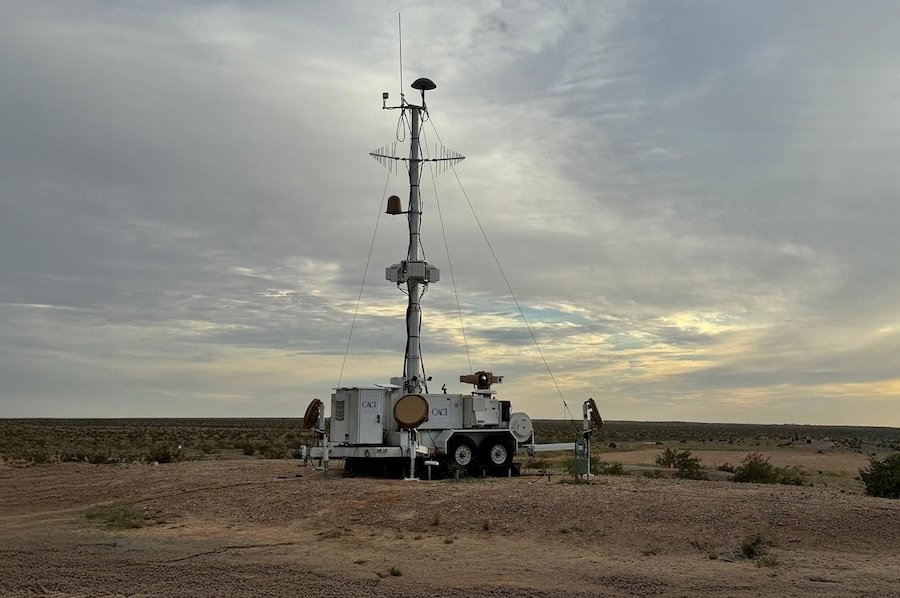
U.S
WASHINGTON — The U.S. Department of Defense has awarded CACI International a three-year indefinite-delivery/indefinite-quantity (IDIQ) contract worth up to $500 million to provide its SkyValor counter-unmanned aerial system (C-UAS) and related technologies to the U.S. military. The contract will support the Pentagon's Joint Interagency Task Force 401 (JIATF-401), which oversees day-to-day counter-drone operations and related procurements across the joint force. The effort is part of Domestic Shield, a JIATF-401 initiative focused on strengthening drone defense for U.S. military installations, borders, and critical infrastructure. According to the U.S. Department of Defense, the Army Contracting Command at Detroit Arsenal, Michigan, awarded the firm-fixed-price contract on July 28, 2026, following a competitive process that received 50 bids. The contract is scheduled to run through July 15, 2029. The initial task order, valued at $25 million, covers the delivery of SkyValor systems for deployment at critical mission locations. Neither the Department of Defense nor CACI has publicly identified the deployment sites or disclosed how many systems will ultimately be delivered under the agreement. SkyValor Designed for Continuous Counter-Drone Operations SkyValor is a trailer-based counter-drone system designed to detect, track, and defeat hostile unmanned aircraft systems. It provides early warning, long-range detection, and non-kinetic defeat capabilities against both small and larger drones, including cellular-enabled platforms. According to CACI, the system combines automated sense-and-shoot algorithms, radio-frequency sensing, and artificial intelligence-enabled electronic warfare. In some cases, SkyValor can jam drone targets from more than 40 miles away. It also offers low-collateral defeat options, including capture nets that can engage targets from about four miles away, helping reduce risks to surrounding areas. The company said the system is designed for 24/7 automated sensing and can address threats ranging from small first-person-view (FPV) drones to larger Group 5 unmanned aircraft. Additional Variants Included Under the Contract The IDIQ contract provides JIATF-401 with flexibility to order additional CACI counter-drone systems as part of a layered defense approach. These include: CORIAN v3, a permanent fixed-site version of the SkyValor system focused on radio-frequency capabilities. BEAM (Backpackable Electronic Attack Module), a portable, low size, weight, and power system that provides radio-frequency detection, direction finding, and electronic attack capabilities. According to the company, both systems can be configured for fixed or mobile operations. A separate contract will also provide a truck-mounted variant of SkyValor, giving military forces a highly mobile counter-drone capability. Operational Testing Led to Full-Rate Production Before the contract award, JIATF-401 conducted operational evaluations of SkyValor at Marine Corps Air Station Yuma, Arizona. During the testing, the system successfully detected and defeated multiple small unmanned aircraft systems operating beyond visual line of sight. Following the evaluations, JIATF-401 approved SkyValor for deployment at critical sites, and CACI announced that the system has entered full-rate production. The new award follows an earlier JIATF-401 Commercial Solutions Opening contract for four SkyValor units, including one integrated onto a heavy-duty truck. Officials Highlight Need for Layered Drone Defense Col. Tony Lindh, Deputy Director for Rapid Acquisitions at JIATF-401, said the contract structure provides the flexibility needed to rapidly field counter-drone technologies. "Moving at the speed of relevance requires acquisition reform and contracts like this enable the procurement agility we need to rapidly deliver c-UAS technology to our warfighters," Lindh said. He added that using an IDIQ contract helps avoid overly specific product-focused programs and allows the task force to procure multiple systems because no single solution can address every drone threat. CACI President and Chief Executive Officer John Mengucci said the company is preparing to deliver operational systems following successful testing. "Warfighters need a decisive advantage against drone threats that are faster, more accessible, and harder to detect. With successful operational evaluations complete, we are moving SkyValor into full-rate production to deliver mission-ready protection where it is needed most," Mengucci said. The contract is part of the Department of Defense's ongoing effort to expand counter-drone capabilities as the military continues to strengthen protection for personnel, installations, and other critical locations through a layered air defense approach. Neither CACI nor JIATF-401 has disclosed the total number of SkyValor systems expected to be procured under the agreement beyond the initial task order.
Read More → Posted on 2026-08-03 14:52:15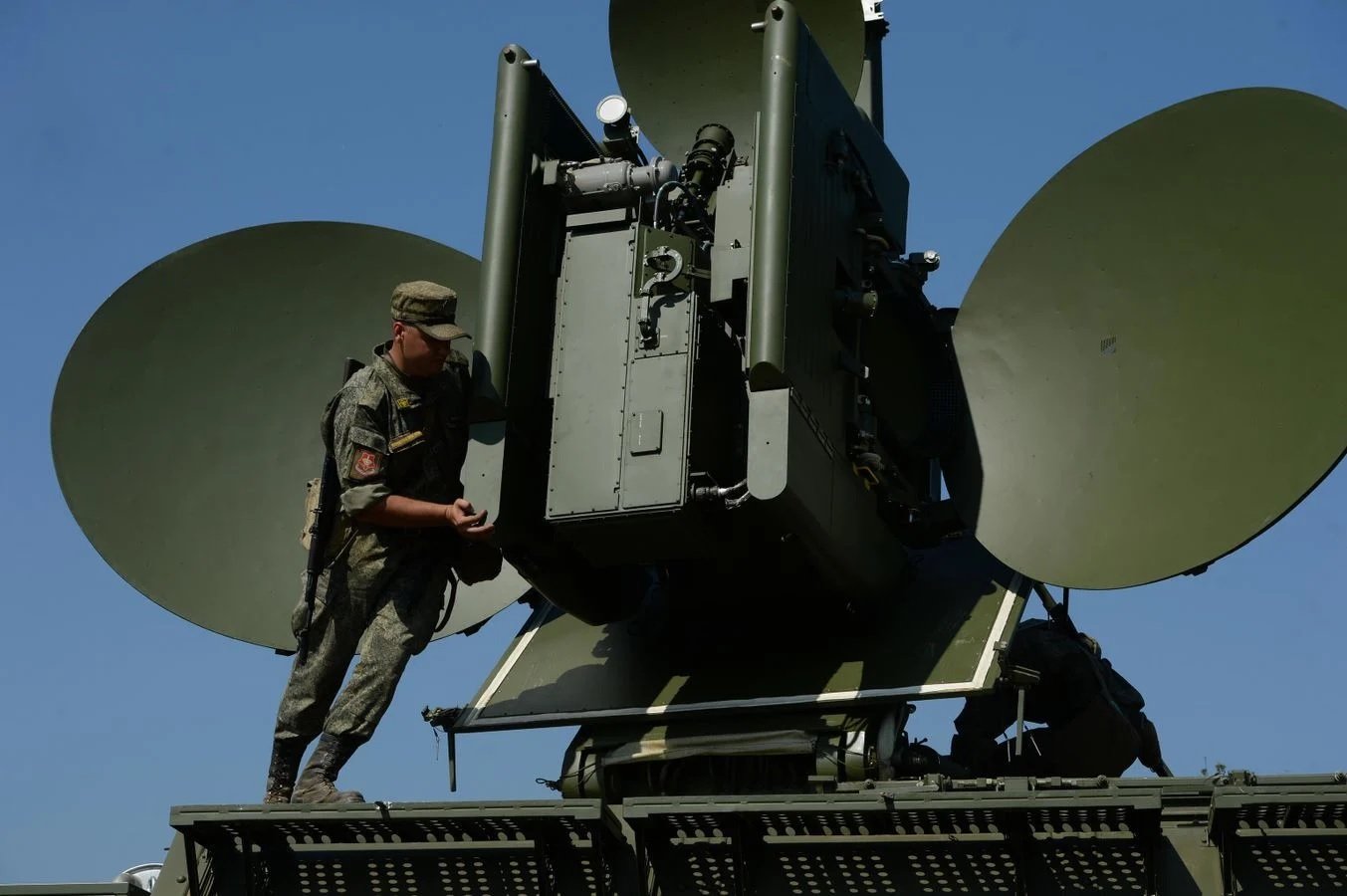
World
Kyiv — Russia has expanded the deployment of electronic warfare (EW) systems along the Novorossiya highway and border regions, making it more difficult for Ukrainian forces to carry out drone strikes, according to Serhii "Flash" Beskrestnov, an electronic warfare specialist and advisor to Ukraine's Ministry of Defense. Beskrestnov said Ukrainian forces had previously conducted active attacks on Russian infrastructure using medium-range unmanned aerial vehicles (UAVs), particularly during June and July. Those strikes targeted several sections of the Novorossiya highway, disrupting traffic and logistics while affecting travel to the Crimean Peninsula and the supply of the region. According to Beskrestnov, Russian forces have responded by expanding the use of electronic warfare systems designed to interfere with Starlink satellite communication terminals used for drone control. Ukrainian drone operators are recording increased activity from these systems, which has made remote control of attack drones more difficult. He also stated that Russia has established a radiographic network along border areas and key highways, while anti-aircraft interceptor drones are conducting regular patrols over the roads. These combined measures have significantly complicated Ukrainian drone operations along the corridor. The Novorossiya highway, also known as the R-280 route, serves as a major land corridor connecting Russian-controlled areas in southern Ukraine with Crimea and is used for military logistics. Independent reporting has previously confirmed that Ukrainian medium-range drone operations targeted vehicles, fuel transports, and related infrastructure along the route earlier in 2026, leading to temporary traffic restrictions and reported supply challenges in occupied territories. New EW System Targets Starlink Communications Beskrestnov identified one of the newly deployed Russian systems as the Volna Kupol Garant, which he said is designed to disrupt Starlink satellite communications rather than directly jamming the drone itself. According to his description, the system was developed by the Simferopol-based company Russian Kupol and operates using eight satellite dishes pointed toward the sky. Each dish transmits interference on one of Starlink's communication channels within the 14 to 14.5 GHz frequency range, with the goal of preventing satellites from communicating with ground-based Starlink terminals. Beskrestnov said a single Volna Kupol Garant complex is mounted on six trailers and can disrupt Starlink communications across an area of approximately 20 square kilometers. The increased use of Starlink-equipped drones has become an important feature of the conflict because satellite communications allow operators to maintain control over UAVs across long distances, where conventional ground-based jamming systems have historically been less effective. Battlefield Impact and Countermeasures According to Beskrestnov, the new electronic warfare network, combined with interceptor drone patrols, has reduced the effectiveness of Ukrainian drone strikes along the Novorossiya highway, at least in the near term. He added that Ukrainian specialists are continuing to develop alternative approaches to overcome the new defensive measures. He also noted that the Volna Kupol Garant system has a potential weakness. Because it emits strong radio-frequency signals and consists of multiple large antenna arrays, it is relatively easy to detect. Beskrestnov stated that Ukraine's 422nd Separate UAV Battalion has already located and destroyed at least two of these complexes in recent weeks. Russian forces have also introduced other protective measures, including changes to convoy operating practices, alongside the deployment of electronic warfare systems. Some of the EW installations themselves have reportedly been targeted during Ukrainian operations. The developments reflect the continuing technological competition between the two sides, with both adapting their tactics as electronic warfare, satellite communications, and unmanned systems play an increasingly important role in operations along the front.
Read More → Posted on 2026-08-03 15:04:25
U.S
SAN FRANCISCO — U.S.-based robotics startup Foundation Future Industries has tested its humanoid robots in Ukraine for logistics and reconnaissance missions, marking an early step in evaluating the technology for potential military support roles while continuing development for industrial applications. Founded in 2024, the San Francisco company, also known as Foundation Robotics, developed the Phantom humanoid robot, which stands about 5 feet 9 inches tall, weighs approximately 180 pounds, and can carry a 44-pound payload. The company has secured approximately $24 million in research contracts from the U.S. Army, Navy, and Air Force to study the use of humanoid robots for inspection, logistics, and weapons handling. Earlier this year, Foundation deployed two unarmed Phantom MK-1 robots to Ukraine for logistics and scouting tasks. According to the company, this was the first known use of humanoid robots in an active combat zone. The robots were used for supply pickup operations and movement through hazardous areas, helping perform tasks that normally expose soldiers to risk. Foundation plans to send an upgraded Phantom 2 later this year. The company says the new model is expected to offer roughly double the payload capacity along with improved water and dust resistance. Focus on Military Support CEO and co-founder Sankaet Pathak said the company's current focus is on logistics and reconnaissance, not combat operations. He said humanoid robots could reduce risks to military personnel by operating in dangerous areas before soldiers. Pathak also said Foundation would build armed versions of the Phantom if requested by the U.S. military. The company said any use of force is intended to remain under human control in most situations, although Pathak noted that fully autonomous decisions could be required in some time-sensitive scenarios. Foundation is also exploring "kinetic" systems, referring to weapons-related capabilities, and may present related developments in the coming months. The U.S. military has not publicly deployed humanoid robots in combat roles, and Pentagon policy continues to emphasize human judgment in decisions involving the use of force. Foundation's military agreements remain at the research and testing stage. Dual-Use Platform and Expansion Plans Foundation says the Phantom is designed as a dual-use platform for both military and commercial applications. The robots have also been tested in logistics and manufacturing environments. The company says the humanoid design enables the robot to work with existing tools, equipment, buildings, and stairways without requiring changes to current infrastructure. Foundation has partnered with AMD on processors for future models and plans to lease its robots rather than sell them outright. The company plans to build around 40 robots in the near term, increase production to 10,000 units the following year, and reach tens of thousands of robots by the end of 2027, with reports citing targets between 40,000 and 50,000 units. Government Contracts and Future Plans Eric Trump, son of the U.S. president, is an investor and the company's chief strategy adviser. Foundation and Trump's representatives have said he has no role in day-to-day management or decisions involving government contracts. Foundation says its work supports U.S. manufacturing and competitiveness with China in the robotics sector. The company expects lessons from the Ukraine deployment to support future work with the U.S. military and aims to begin broader deployment discussions within the next 12 to 18 months. It has also reported discussions with the Department of Homeland Security on possible non-combat applications, including border-related tasks. Debate Over Autonomous Weapons The development of humanoid military robots continues to draw debate among governments, human rights organizations, and technology experts. The United Nations Secretary-General has called for international rules to restrict or ban lethal autonomous weapons systems, while the Catholic Church has also expressed opposition to autonomous weapons. Critics warn that greater autonomy in military systems could increase the risk of targeting errors, reduced accountability, and faster conflict escalation. Supporters, including Pathak, argue that robots could improve operational precision and reduce risks to both soldiers and civilians by performing the most dangerous tasks. Experts also note ongoing technical challenges, including reliable navigation, object manipulation, and performance in damaged or complex terrain, while questioning whether humanoid robots will ultimately prove more practical than other robotic systems already in service. As of August 2026, the Phantom remains unarmed in all reported field deployments. Foundation continues developing the platform for industrial and defense applications as debate over the future role of humanoid robots in military operations continues.
Read More → Posted on 2026-08-03 15:21:54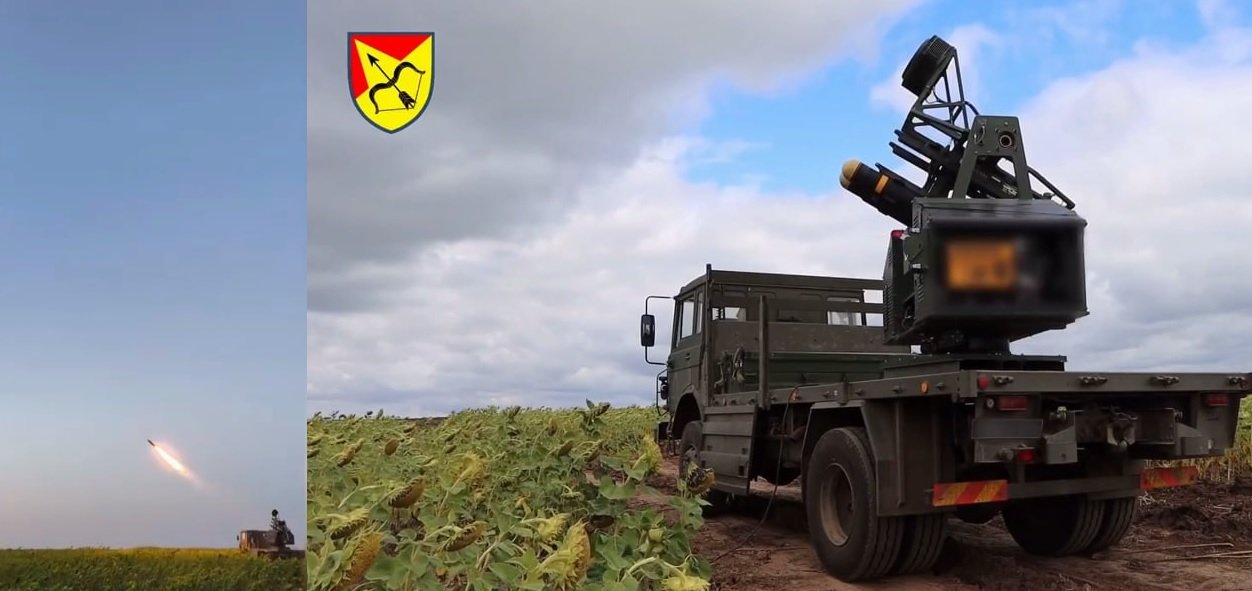
World
KYIV, Ukraine — Ukraine's 302nd Air Defense Missile Brigade has officially unveiled a mobile version of the STASH short-range air defense system, marking the first formal public presentation of the platform by the Ukrainian military. The system was shown in an official video released by the brigade. In its latest configuration, the launcher is mounted on a Dutch-made DAF YA 4442 military transport truck, replacing earlier trailer-mounted and pickup truck versions that had only appeared in unofficial footage and open-source reports. STASH is built around the AGM-114L Longbow Hellfire, an American-made missile originally developed as an air-to-ground weapon for helicopters and aircraft to destroy tanks and armored vehicles. Unlike laser-guided Hellfire variants, the AGM-114L uses a millimeter-wave active radar seeker, allowing it to operate in fire-and-forget mode by locking onto targets after launch without requiring continuous guidance. The launcher carries up to four Hellfire missiles and is paired with RADA's Multi-Mission Hemispheric Radar, an active electronically scanned array (AESA) radar designed to detect and track low-signature aerial targets such as small drones. The system is intended primarily to counter unmanned aerial vehicles (UAVs), including Shahed and Geran-type attack drones. With an engagement range of approximately 8 to 11 kilometers and a flight speed of about Mach 1.3 (roughly 425 meters per second), STASH falls into the short-range air defense (SHORAD) category. It is designed for defending specific sites against slow-moving drones and is not intended to intercept faster threats such as cruise missiles or ballistic missiles. STASH shares its core missile and radar components with the Tempest counter-drone system developed by the American company V2X, which has reportedly been used by Ukrainian forces since early 2026. However, STASH uses a simpler truck- or trailer-mounted configuration that is better suited for protecting fixed locations while reducing complexity and maintenance requirements. The move to the DAF YA 4442 platform indicates Ukraine's efforts to standardize the system on a more practical and mobile chassis. Using a common military truck allows faster deployment, easier relocation, and simpler logistics while expanding short-range air defense coverage. The STASH system forms part of Ukraine's layered air defense network, providing localized protection against low-altitude drone threats while allowing higher-end air defense systems to remain available for more advanced aerial targets.
Read More → Posted on 2026-08-03 15:35:24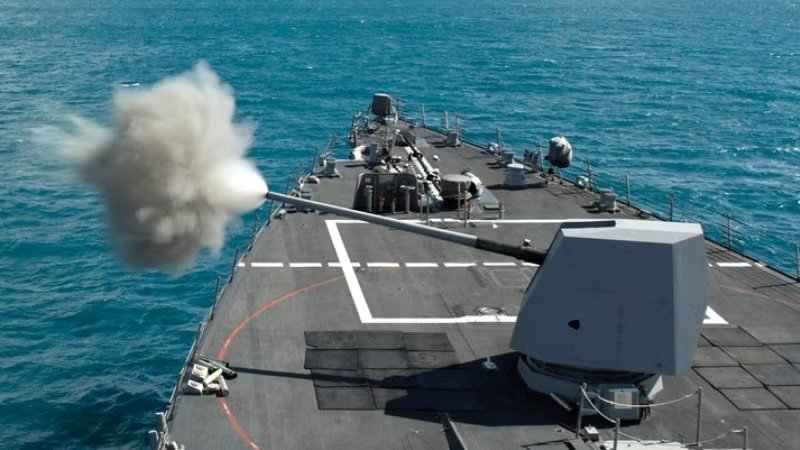
Europe
LONDON — Diehl Defence and BAE Systems have expanded their cooperation to develop joint maritime defence solutions for the German market and international armed forces, following the signing of a memorandum of understanding (MoU) covering technical integration across both companies' defence portfolios. The collaboration will primarily focus on integrating Diehl Defence's 127 mm (5-inch) ammunition family with BAE Systems' Mk 45 naval gun. The companies are giving particular attention to the Mk 45 Mod 4 variant, which is intended for both German and international customers. Under the cooperation, the Mk 45 naval gun will be combined with Diehl Defence's high-precision, long-range 127 mm ammunition. BAE Systems is one of the world's major suppliers of 127 mm naval gun systems and provides defence, aerospace and security technologies. The Mk 45 is a widely used 5-inch naval gun system operated by several navies. The Mk 45 Mod 4 version features a longer 62-calibre barrel and is designed to support extended-range capabilities. In addition to naval gun integration, the companies will expand their cooperation in guided missile systems. Diehl Defence and BAE Systems will examine the potential integration of the IRIS-T missile family with BAE Systems' launching systems as part of the technical work covered by the agreement. Dr. Harald Buschek, Chief Program Officer at Diehl Defence, said the partnership is intended to deliver tailored maritime defence solutions by combining the strengths of both companies. "By working together to explore these technical synergies, we can develop customized solutions for our customers' complex maritime defence requirements. By combining our systems with BAE Systems' platforms, we can enhance the effectiveness and operational capability of maritime defence systems." Jason Casciotti, Vice President of Weapons Systems at BAE Systems, said the cooperation reflects the company's commitment to supporting allied nations through long-term industrial partnerships. "Our collaboration with Diehl Defence builds on BAE Systems' commitment to meeting the needs of our allies through strong local strategic relationships. We are investing in more than just military equipment; we are investing in German defence and local economic growth. Advanced firepower will continue to play a critical role at sea and by combining our battle-tested capabilities, we are focused on delivering superior, integrated solutions that provide the best possible capabilities for the US and its allies." The cooperation brings together Diehl Defence's ammunition and missile technologies with BAE Systems' naval weapons portfolio. According to the companies, the next phase of the partnership will focus on advancing the technical work required for the proposed integrations. The announcement was published by Diehl Defence on August 3, 2026.
Read More → Posted on 2026-08-03 16:20:46
World
ANKARA / BAKU — Turkish defense technology company HAVELSAN has delivered selected critical capabilities of its Air Force Information Command and Control System (AICCS), also known as HvBS, to the Azerbaijani Air Force, marking another step in the growing defense cooperation between Türkiye and Azerbaijan in command and control technologies. The Air Force Information Command and Control System (AICCS) is designed to support the planning, execution, monitoring, and assessment of air operations through an integrated digital environment. By bringing key command and control functions into a unified digital architecture, the system enables air forces to manage operations more efficiently while improving coordination across operational headquarters. Integrated Command and Control for Air Operations According to HAVELSAN, the delivered capabilities allow personnel at operational headquarters to work with a common operational picture, manage mission and operational data in real time, centrally monitor mission-critical information, and accelerate operational decision-making. The company said the integrated architecture improves the speed, accuracy, and effectiveness of operational planning, coordination, and mission execution. It also reduces operational preparation time from several hours to just a few minutes, allowing air forces to respond more quickly and maintain greater operational agility during mission planning and execution. Battle Management and Resource Planning The AICCS architecture consists of two primary subsystems: the Battle Management System (BMS) and the Resources Management System (RMS). The Battle Management System (BMS) supports strategic, operational, and tactical command functions, while the Resources Management System (RMS) manages human resources, logistics, and financial activities. Together, these subsystems provide a comprehensive digital framework for managing air force operations. In addition to supporting operational planning and execution, the AICCS also supports intelligence and flight training processes. The system enables secure information exchange across different levels of command and allows operational plans to be adjusted in real time as mission conditions change. Open and Modular Architecture A key feature of the AICCS is its open and modular design, allowing it to integrate with existing command and control infrastructures while providing flexibility for future expansion as operational requirements evolve. The modular architecture enables the system to be adapted without replacing existing infrastructure, supporting long-term capability development for users. International Deployment HAVELSAN said the AICCS has already been exported to both Pakistan and Azerbaijan, reflecting the company's growing international presence in defense software and command and control technologies. The company also stated that the system has been examined by NATO and has successfully completed four of the six technical analysis and evaluation stages required under NATO's selection program, demonstrating its compatibility with demanding operational standards. Expanding Türkiye–Azerbaijan Defense Cooperation The latest delivery represents another milestone in defense industrial cooperation between Türkiye and Azerbaijan, particularly in the areas of defense software and command and control systems. HAVELSAN said the deployment highlights the increasing international adoption of its indigenous engineering capabilities and mission-critical defense software for allied air forces. The company did not disclose the contract value or the exact scope of the delivered capabilities.
Read More → Posted on 2026-08-04 11:40:35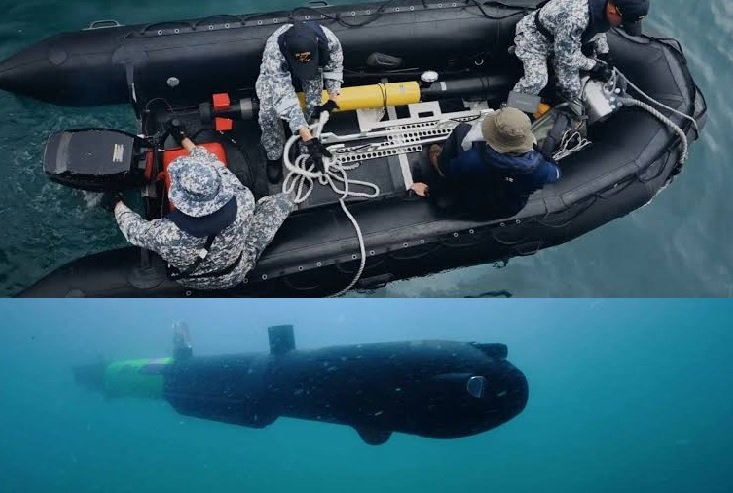
World
SINGAPORE — The Republic of Singapore Navy (RSN), in collaboration with the Defence Science and Technology Agency (DSTA) and French company RTsys Underwater Technologies, has officially deployed several COMET-MCM autonomous underwater vehicles (AUVs) to strengthen mine countermeasure operations in the Singapore Strait. The COMET-MCM systems are designed to detect, locate and identify naval mines and other suspicious objects on the seabed during the early stages of mine countermeasure missions. The deployment adds an autonomous capability to the RSN's existing mine countermeasure approach while reducing risks to personnel operating in potentially hazardous waters. Protecting One of the World's Busiest Shipping Routes The Singapore Strait is one of the world's busiest and most strategically important maritime routes. According to the announcement, nearly 150,000 ships pass through the strait each year, making it one of the most heavily used sea lanes for international trade. Any disruption caused by underwater threats such as naval mines could affect maritime traffic, regional shipping and trade across the Asia-Pacific. To strengthen maritime security, the RSN has introduced autonomous underwater technology that can carry out mine detection missions while reducing operator workload and limiting crew exposure to dangerous areas. COMET-MCM Designed for Early Mine Detection The COMET-MCM vehicles form part of the RSN's mine countermeasure operations and are used during the initial phase of missions to detect, locate and identify objects on the seafloor before further investigation and neutralization. The systems were developed by RTsys Underwater Technologies in partnership with DSTA, which managed the integration of the vehicles to meet the Singapore Navy's operational requirements. The autonomous vehicles are manufactured at RTsys's factory in Lanester, Brittany, France. Technical Capabilities The COMET-MCM is a two-man portable autonomous underwater vehicle measuring 1.9 meters in length, with a 150-millimeter hull diameter and weighing 35 kilograms. According to RTsys, the vehicle has a maximum operating depth of 300 meters and can reach speeds of up to 10 knots. It can operate for up to 20 hours at a cruising speed of 3 knots or approximately 7 hours at 7 knots. The system is equipped with a Klein high-resolution side-scan sonar and a low-light HD camera for underwater detection and identification missions. Its navigation suite includes GPS, inertial navigation, Doppler velocity log and Long Baseline (LBL) acoustic positioning, enabling accurate positioning while mapping large underwater areas. The COMET-MCM can operate either independently or as part of a coordinated fleet in swarm mode. Missions are preprogrammed before launch, allowing the vehicles to conduct autonomous operations while reducing operator workload, speeding reconnaissance and limiting the time crews spend in hazardous environments. During missions, the vehicles can transmit real-time tracking information to surface operators, complementing data collected by traditional minehunter sonar systems. Supporting Complete Mine Countermeasure Operations Data gathered by the COMET-MCM supports the full sequence of mine countermeasure operations, including detection, classification, identification and neutralization. When a potential mine or underwater contact is detected, it can be further examined using remotely operated systems or Explosive Ordnance Disposal (EOD) divers. The RSN also uses RTsys's SONADIVE handheld underwater navigation and sonar system to support divers during these missions. The system features a 12-inch display designed for underwater visibility, provides up to six hours of battery life, and allows divers to navigate accurately while communicating through an acoustic modem. It enables tactical data and text message exchanges with other divers and surface units at ranges of up to 2.2 kilometers. Decade-Long Cooperation The deployment reflects more than a decade of cooperation between the Republic of Singapore Navy, DSTA and RTsys in the field of autonomous underwater robotics. Pierre-Alexandre Caux, Sales Director at RTsys Underwater Technologies, said the operational deployment demonstrates international recognition of the company's underwater robotics and acoustic technologies. "The COMET-MCM is the result of more than a decade of cooperation with navies worldwide. Its operational deployment by the Republic of Singapore Navy is further recognition of our expertise in underwater robotics and acoustics. It demonstrates our ability to meet the demanding requirements of the world's most advanced navies in tackling the challenges of mine warfare. Finally, the COMET-MCM highlights how technological innovation can enhance national operational sovereignty." The Republic of Singapore Navy also emphasized the importance of the new capability for safeguarding a major international shipping route. "The Singapore Strait is a vital artery for global trade. With the COMET-MCMs, we are enhancing our ability to detect and identify underwater threats with greater precision, efficiency, and safety for our crews." The operational deployment of the COMET-MCM autonomous underwater vehicles strengthens the RSN's mine countermeasure capabilities by adding autonomous underwater detection and identification systems to support existing mine warfare operations while improving efficiency and reducing risks to personnel.
Read More → Posted on 2026-08-04 11:48:48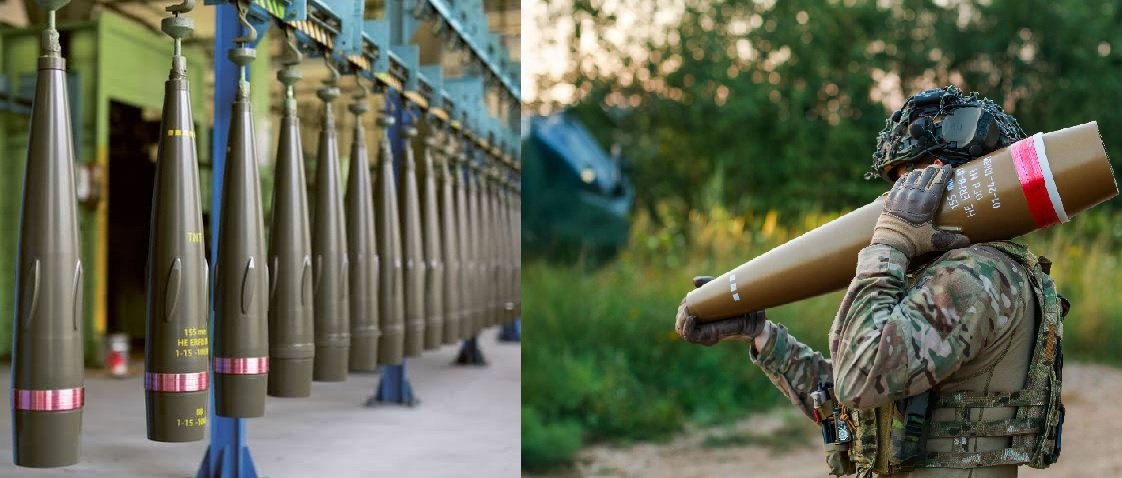
Europe
BAUTZEN, Germany — Czechoslovak Group (CSG) has acquired a 57-hectare industrial site in Gnaschwitz, Saxony, from chemical and explosives manufacturer MAXAM, marking another step in the company's strategy to strengthen Europe's defence supply chain and expand the production of critical energetic materials. The acquisition was completed through CSG Energetic Materials Germany GmbH, the group's German subsidiary. While the financial terms of the land purchase were not disclosed, CSG said it will invest more than €100 million during the first phase of development. The investment will establish production facilities for nitroglycerin and nitroglycerin-based products, which are key raw materials used in propellant charges for small-, medium-, and large-calibre ammunition. The site will also manufacture ammunition and ammunition components. According to the company, the project is expected to create up to 125 new jobs once the planned developments are fully operational. Second Strategic Production Site in Germany The Gnaschwitz facility becomes CSG's second production site in Germany, following its acquisition of the MSM Walsrode plant in Bomlitz, Lower Saxony. That transaction involved the purchase of a nitrocellulose production facility and industrial park from U.S.-based International Flavors & Fragrances (IFF). The agreement was signed in October 2024 and completed in May 2025. At the Walsrode facility, CSG has been expanding production of industrial nitrocellulose, another essential material used in propellants, explosives and artillery ammunition. In June 2025, the company also announced plans to establish its own military-grade nitrocellulose production capacity within two years. Nitrocellulose has both civilian and military applications and, together with nitroglycerin, forms a critical part of the manufacturing process for propellants and explosives used in large-calibre artillery ammunition. Building a Vertically Integrated Ammunition Supply Chain By bringing production of both nitrocellulose and nitroglycerin under its control, CSG is creating a vertically integrated production chain for large-calibre artillery ammunition. The company said this integrated manufacturing network will cover the complete production process, including energetic raw materials, explosives, propellant charges, shell bodies, and the final assembled ammunition. Nitroglycerin produced at the Gnaschwitz facility will supply both CSG's Medium & Large Calibre and Ammo+ divisions, as well as external customers. Site Offers Capacity for Future Expansion The Gnaschwitz industrial site has a history in energetic materials production dating back to 1874. CSG said the site's existing infrastructure provides significant room for future expansion, including the possible production of medium-calibre ammunition, 120 mm mortar ammunition, and tank ammunition. Even after the current investment phase is completed, the company said substantial capacity will remain available for further development. Expansion into the United States Alongside its investments in Europe, CSG is also expanding its manufacturing presence in the United States. The company plans to establish jet engine production for unmanned aerial systems (UAS) through Firecrest Aerospace, a joint venture created by CSG subsidiaries CSE USA and AviaNera Technologies, a Czech company specializing in compact, high-performance propulsion units for unmanned aviation. The U.S. project includes an initial investment of up to USD 15 million in Stevens Point, Wisconsin. Assembly operations are expected to begin in the coming months, with larger-scale production planned for 2027. Company Statement Commenting on the acquisition, Jan Marinov, CEO of CSG Defence Systems, said the Gnaschwitz investment strengthens the group's vertical integration while improving the security of supply for strategic energetic materials and supporting the resilience of the European defence industrial base. The combined investments in Germany and the United States reflect CSG's strategy to expand its manufacturing capabilities, strengthen production of critical energetic materials, and support ammunition manufacturing through an integrated industrial supply chain.
Read More → Posted on 2026-08-04 12:05:56
World
TEHRAN, Iran — Iran prepared retaliatory missile strikes against three locations in Ukraine following the July 25 attack on a vessel in the Caspian Sea, but suspended the planned operation after diplomatic communications with Kyiv, according to a senior Iranian official. General Mohsen Rezaei, an adviser to Iran's Supreme Leader, said during an appearance on Iranian state television that Iran's armed forces had completed preparations for the strikes. He stated that the operation was halted after Ukrainian officials reportedly said the attack on the Iranian vessel had been unintentional. "We were prepared to strike three locations in Ukraine, but after they said the attack had been a mistake, we put our response on hold to assess their claim," Rezaei said. He added that the retaliatory operation was ultimately called off. Rezaei did not identify the three intended targets or provide evidence supporting his claims. His statements have not been independently verified. Caspian Sea Incident The planned response followed a military operation in the Caspian Sea on July 25, which has become the center of a dispute between Iran and Ukraine. Iran said Ukraine attacked an Iranian commercial vessel carrying civilian cargo, causing an explosion that killed one sailor and injured another. Tehran condemned the incident as a violation of international law and said attacks on Iranian citizens and interests were unacceptable. Ukraine presented a different account of the operation. President Volodymyr Zelensky and Ukraine's Security Service (SBU) confirmed that Ukrainian Defense Forces conducted long-range strikes in the Caspian Sea. According to the SBU, the operation targeted the Russian missile boat Molnyia along with two cargo ships, Port Olya 2 and Begey, which Ukraine said were operating under international sanctions. Ukraine stated that the vessels were transporting Iranian-made missile and drone components intended for Russian forces. Separate reports identified one of the ships involved as the Iranian-owned cargo vessel Ana. Kyiv maintained that its military operation targeted vessels involved in transporting military cargo rather than civilian shipping. Diplomatic Contacts Followed the Incident Diplomatic efforts began soon after the July 25 operation. On July 28, Ukrainian Foreign Minister Andrii Sybiha spoke by telephone with Iranian Foreign Minister Abbas Araghchi. According to Iranian officials, Araghchi formally protested the strike and told Ukraine that Iran expected compensation for the damage and casualties. Iranian officials also said Ukraine described the incident as unintentional during the diplomatic exchanges, which prompted Tehran to suspend its planned military response. Sybiha later described the call as a "frank conversation" and said Ukraine's military operations are conducted solely in defense against Russian aggression and are not intended to target civilian vessels or civilians. Ukraine has not publicly confirmed or denied the specific Iranian claim that it apologized or formally acknowledged the incident as a mistake beyond the statements made following the foreign ministers' discussion. Both sides indicated during the diplomatic contacts that they did not seek further escalation. Missile Capability If Iran had decided to carry out the planned operation, several of its ballistic missile systems have the theoretical range to reach Ukrainian territory. According to the CSIS Missile Defense Project infographic published in March 2026, Iranian missile systems including the Sejjil, Emad, Ghadr-110, Shahab-3, and Khorramshahr-2 have the range to reach Ukraine. Such missiles would present a significant challenge for Ukraine's existing air defense network if employed. However, there is no independent confirmation that any missile operation was actually prepared beyond the statements made by General Rezaei. Previous False Strike Claims This is not the first time reports of Iranian strikes on Ukraine have appeared publicly. In April 2026, Iranian propaganda outlets circulated videos claiming that Iran had launched missile strikes against Kyiv, Kharkiv, and Dnipro. The footage was later identified as AI-generated, and no such strikes occurred. Wider Context The Caspian Sea has become an important transport route linking Iran and Russia. Analysts from the Armed Conflict Location & Event Data Project (ACLED) have noted that Ukraine has increasingly targeted Russian-linked maritime and oil infrastructure since May as part of efforts to disrupt Moscow's wartime logistics. The Caspian Sea shipping route has been identified as one of the supply corridors connecting Iran and Russia. Iran and Russia have also expanded military cooperation in recent years. Tehran has supplied technology and components used in the production of Shahed attack drones, which Russian forces continue to use in strikes against Ukraine. For now, Iran's reported plans to strike Ukraine remain based solely on statements made by General Mohsen Rezaei on Iranian state television. No independent evidence has been presented to confirm that preparations for such an operation were completed, and Ukrainian authorities have not publicly confirmed the specific Iranian account of the diplomatic exchanges.
Read More → Posted on 2026-08-04 12:16:19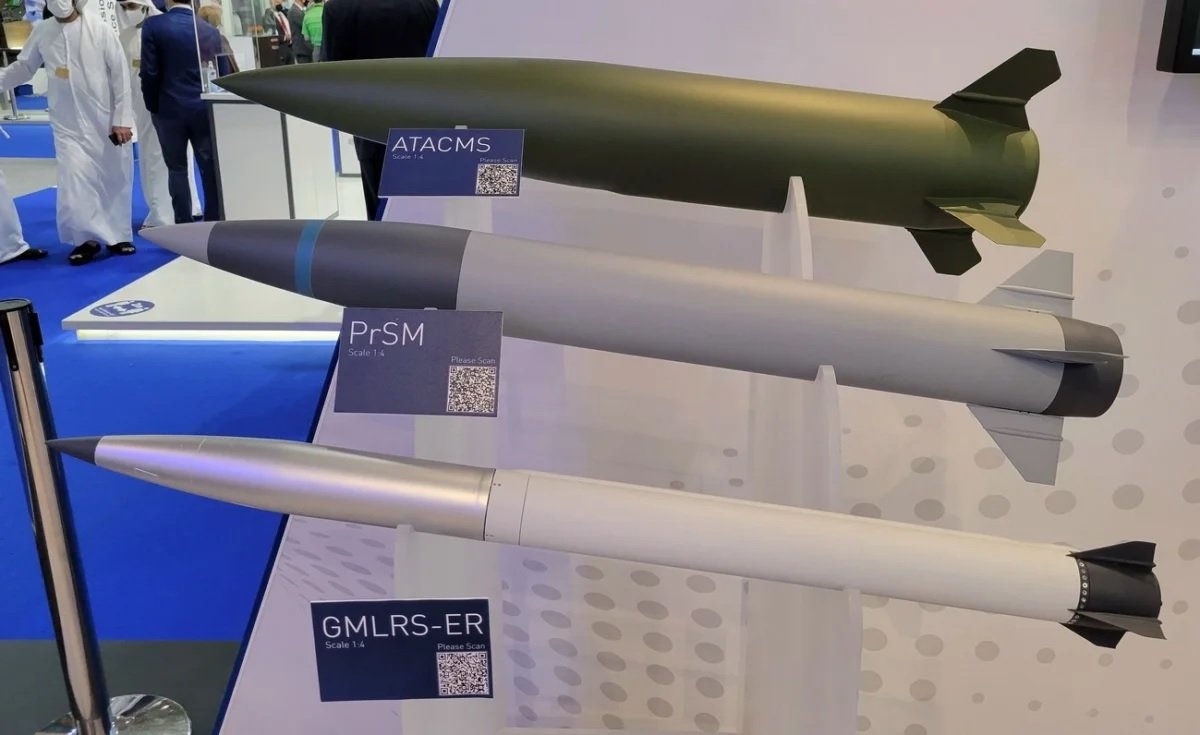
U.S
WASHINGTON — The United States has used a significant portion of its long-range precision missile inventory during the five-month conflict with Iran, prompting internal discussions about military readiness for future contingencies, according to people familiar with U.S. defense data. Three sources cited by Reuters said the U.S. Army has expended "virtually all" of its available Army Tactical Missile System (ATACMS) missiles and the newer Precision Strike Missile (PrSM) during the campaign. The scale of the reduction in these stockpiles has not previously been reported. The missiles are among the U.S. military's primary long-range surface-to-surface precision weapons, allowing forces to strike targets from stand-off distances without exposing piloted aircraft to heavily defended airspace. Readiness Concerns Emerge Although the exact number of remaining missiles remains classified, the sources said the rapid use of ATACMS and PrSM has triggered internal discussions within the U.S. government about maintaining sufficient inventories for other potential conflicts, particularly involving China or Russia. A fourth person familiar with the matter said U.S. Central Command (CENTCOM), which oversees military operations in the Middle East, has largely exhausted the land-based long-range missiles that were deployed in the region before the conflict. According to the source, those stocks have since been replenished by transferring missiles from other U.S. military inventories worldwide. Defense analysts note that while such transfers help sustain ongoing operations, they also reduce the number of munitions immediately available for other regions if multiple crises occur simultaneously. Defensive Missile Inventories Also Decline The reduction is not limited to offensive weapons. A recent assessment by the Center for Strategic and International Studies (CSIS) estimated that between February and July the United States used approximately 65% of its available Patriot missile interceptors, while inventories of Terminal High Altitude Area Defense (THAAD) interceptors declined by at least 38%. Two sources familiar with internal U.S. government data said those estimates are broadly consistent with official figures. Patriot and THAAD systems form a key part of the U.S. missile defense network, providing protection against incoming ballistic missile threats. One source also said the United States has used slightly less than half of its global inventory of Tomahawk cruise missiles since the conflict began. Reuters said it could not independently verify that figure. Tomahawk cruise missiles are launched from U.S. Navy destroyers and submarines and are widely used to strike heavily defended targets from long distances. Stand-Off Weapons Favored According to one source, the extensive use of ATACMS and PrSM reflects a deliberate operational approach that relied heavily on long-range stand-off weapons instead of higher-risk missions involving manned aircraft. Military analysts have long regarded such weapons as an important capability because they enable precision strikes while reducing risks to pilots and aircraft operating in contested airspace. White House and Pentagon Respond Asked about reports of declining missile inventories, President Donald Trump said the United States still possesses "far more munitions than anyone in the world" and "far more than we need." In a statement released by the White House, Trump also said U.S. defense companies are "making more munitions than they have ever made before" while expanding manufacturing facilities and production capacity. Pentagon spokesman Sean Parnell also rejected concerns about military readiness. "America's military is the most powerful in the world and has everything it needs to execute at the time and place of the President's choosing," Parnell said. He added that the U.S. military continues to maintain a deep arsenal capable of protecting American interests while conducting operations across multiple combatant commands. Production Efforts Underway The increased operational demand has placed additional pressure on U.S. defense manufacturers. Lockheed Martin, which produces ATACMS, PrSM and THAAD interceptors, is expected to play a major role in expanding production as the U.S. Army transitions from ATACMS to PrSM. Raytheon, a business of RTX that manufactures Patriot interceptors and Tomahawk cruise missiles, has also reached a tentative multi-year agreement with the Pentagon to increase Tomahawk production as part of broader efforts to rebuild U.S. missile inventories. Defense analysts caution that replacing advanced precision-guided missiles is a lengthy process because production depends on complex supply chains, specialized components and extended manufacturing timelines. As a result, increased production is unlikely to immediately restore depleted inventories. Debate Over Strategy and War Powers Military leaders have warned in recent weeks that inventories of defensive missile systems, particularly Patriot interceptors, have declined during the campaign, according to two sources. Several media reports last week said those concerns contributed to President Trump's decision not to authorize another large-scale offensive against Iran. However, one U.S. official disputed that account, saying diplomatic pressure from Gulf states was the primary reason for the decision. The conflict has also renewed debate in Washington over presidential war powers. Congress has not issued a formal declaration of war or approved a specific authorization for the use of military force related to the conflict with Iran. Overall Stockpiles Lower Than Before Conflict While U.S. Central Command has continued operations by drawing missiles from global inventories, officials familiar with the data said the overall U.S. stockpile of key long-range strike weapons and missile defense interceptors is now lower than it was before the Iran conflict began. The reduction has intensified discussions within the U.S. government about balancing ongoing military operations with maintaining sufficient inventories for potential future contingencies in other regions.
Read More → Posted on 2026-08-04 12:50:28
World
BUCHAREST, Romania — Turkish defense company ASELSAN has completed the integration of an extensive suite of Turkish-developed naval systems aboard the Romanian Naval Forces' newest warship, Contraamiral August Roman (pennant number 261). The program marks the first export of a warship built in Türkiye to a member of both NATO and the European Union, representing an important milestone for the Turkish defense industry. The vessel was originally built for the Turkish Navy as the Hisar-class patrol vessel Akhisar (P 1220) by ASFAT at the Istanbul Naval Shipyard. Romania acquired the ship through a government-to-government agreement signed in December 2025, with the contract valued at approximately €223 million. Ownership was transferred to Romania on June 16, 2026, and the ship was officially commissioned into the Romanian Naval Forces on June 20, 2026 after being renamed Contraamiral August Roman. Integrated Turkish Naval Systems To meet the Romanian Navy's operational requirements, ASELSAN equipped the corvette with an integrated package of surveillance, fire-control, communications, navigation, and identification systems designed to improve the ship's operational and combat capabilities. The vessel's primary sensor suite includes the CENK 200 search and target-detection radar and the AKREP 100-N fire-control radar. For reconnaissance, surveillance, and targeting, the ship is fitted with the AHTAPOT 100 electro-optical system. For secure long-range communications, ASELSAN integrated the ACROSAT 3210M X-band satellite communications system, while the KARETTA 500 anti-jam system protects the vessel's satellite navigation signals from electronic interference. ASELSAN also reported that the ship carries several additional systems, including the ALPER LPI radar, TAKS naval gun fire-control system, ARTNET integrated communications system, IDENTA identification friend-or-foe (IFF) system, ACROSAT Ku-band satellite communications, ANS inertial navigation system, and the MİTOS electronic chart display and information system. According to the company, the integrated package was selected to strengthen the corvette's surveillance, communications, fire-control, and navigation capabilities. From Turkish Navy Program to Romanian Service The warship was constructed under Türkiye's MILGEM program at the Istanbul Naval Shipyard. Construction began with the vessel being laid down on August 15, 2021, followed by its launch on September 23, 2023. The ship was handed over in December 2024, after which sea trials began. Although completed for the Turkish Navy, it was not placed into operational service. Romania moved to acquire the ready-built platform through a government-to-government agreement as part of its naval modernization efforts. Following the transfer of ownership on June 16, 2026, the vessel entered Romanian service as Contraamiral August Roman and was formally commissioned on June 20, 2026. It later arrived at the Port of Constanța on July 10, 2026. Ship Specifications and Current Armament The Contraamiral August Roman displaces approximately 2,300 tonnes and measures 99.56 metres in length with a 14.42-metre beam. The vessel has a maximum speed of 24 knots, a range of 4,500 nautical miles, and an endurance of 21 days. It operates with a crew of around 104 personnel and is capable of supporting helicopter and unmanned aerial vehicle (UAV) operations. The corvette is currently armed with an MKE 76mm main gun, an ASELSAN GOKDENIZ close-in weapon system (CIWS), and remotely operated 12.7mm machine guns. The vessel has been assigned to the Romanian Navy's 50th Corvette Division. Planned Capability Upgrades Romanian defense officials have described Contraamiral August Roman as the country's first modern warship. While the ship entered service with its initial combat configuration, Romania plans to allocate an additional €42 million during the second half of 2026 to procure further combat systems. According to Romanian plans, the future upgrades will include vertical launching systems (VLS) for air defense, torpedo capabilities, and the integration of Naval Strike Missiles (NSM) through funding provided under the European Union's SAFE program. Strategic Importance for ASELSAN The delivery expands ASELSAN's role in Romania's naval modernization program and places the company's systems aboard a warship operated by a NATO and European Union member state. ASELSAN said the program strengthens its position in the international market for naval sensors, communications, navigation, and fire-control systems. The company added that the successful integration reflects growing international demand for its naval technologies and supports its expanding participation in allied fleet modernization programs.
Read More → Posted on 2026-08-04 13:13:41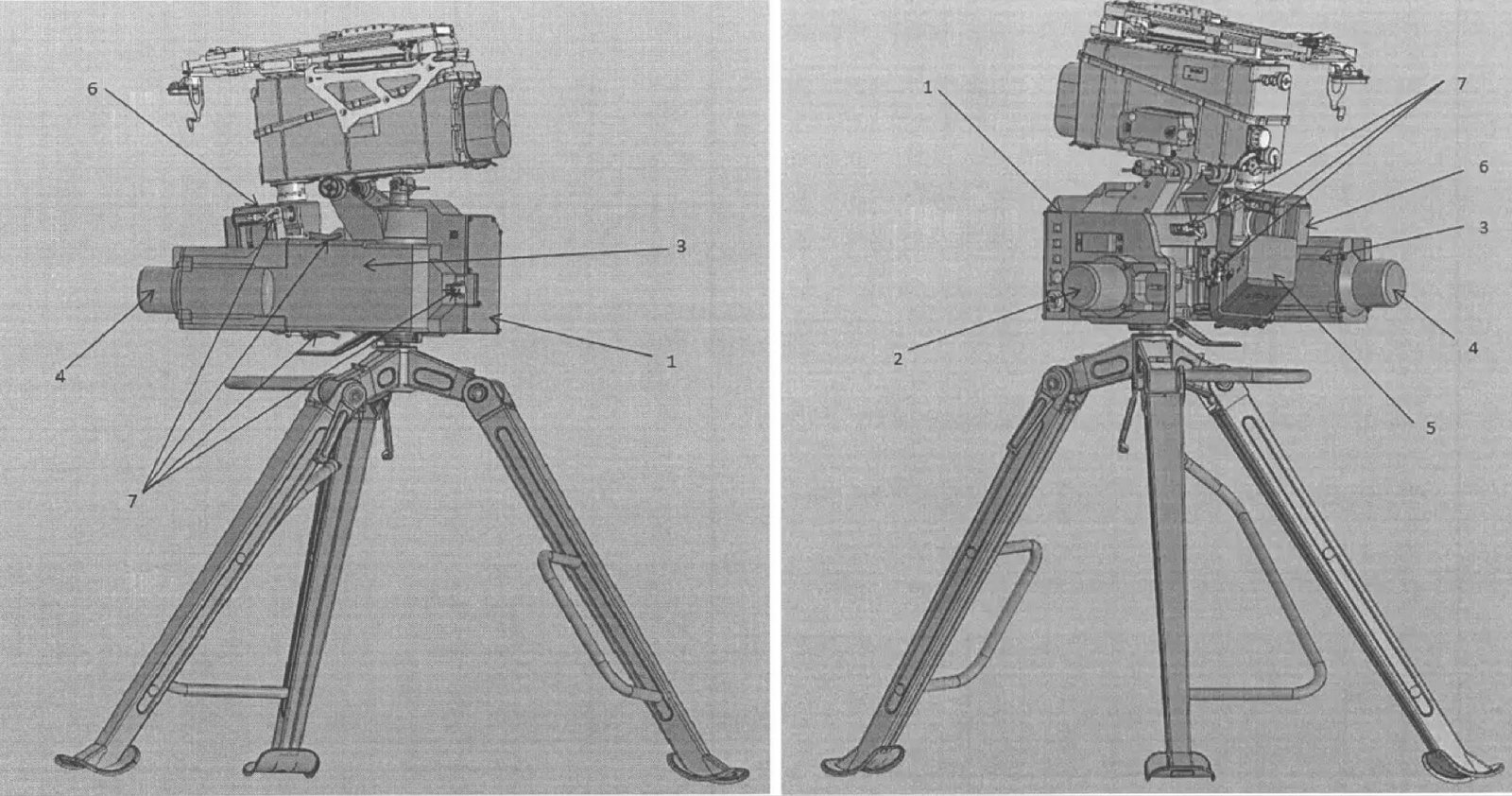
World
MOSCOW — Specialists at JSC All-Russian Research Institute "Signal" (VNII Signal) have patented a remote-control attachment for portable anti-tank missile systems (ATGMs), allowing operators to aim and fire missiles from a distance without making permanent modifications to the standard launcher. The patented system is designed as a removable attachment that can be installed quickly in the field. According to the patent, all major components are secured using adjustable fasteners, enabling rapid assembly and disassembly. This approach allows operators to switch back to the launcher's standard manual operation whenever required. Remote-Control Operation The attachment enables full remote control of the launcher through an operator's console. The system includes: Electric drives for horizontal and vertical guidance A trigger mechanism drive A video camera A command processing unit A module for remotely switching optical sight magnification An operator's control console During operation, the image from the launcher's optical sight is transmitted to the operator's console in real time. From the control panel, the operator can aim the launcher, adjust the optical magnification, and launch the missile while remaining at a safer distance from the firing position. Commands to the guidance drives and other actuators are transmitted through either wired connections or encrypted radio communication channels. Modular Design According to the patent, the system is intended to solve a key technical challenge of providing remote launcher operation without altering the original structure of the weapon. Unlike systems that require permanent modifications, the new device functions as a quick-install attachment. Once removed, the launcher can immediately return to its conventional manual operating mode. The developers said earlier technical solutions either required extensive modifications to the launcher or did not allow operators to quickly switch back to manual control. The new design addresses both of these limitations through its removable and modular configuration. Production Status The developers stated that the patented remote-control device has already been incorporated into one of the mass-produced products, indicating that the technology is being integrated into serial production. Comparison With Existing Systems The operational concept is similar to the Ukrainian Stugna-P, also known as Skif, which has long featured a remote-control panel connected by cable, allowing operators to control the launcher from a protected position. The newly patented Russian system provides comparable remote-operation capability through an attachable kit that does not require permanent modifications to the launcher. The modular design also allows the attachment to be removed quickly, restoring standard manual operation when needed. Focus on Operator Survivability The patent, reported in late July 2026, reflects efforts to improve operator survivability by allowing portable anti-tank missile launchers to be operated from a safer position while maintaining compatibility with existing launcher systems and avoiding the need to manufacture entirely new missile platforms.
Read More → Posted on 2026-08-04 13:24:02
U.S
YUMA PROVING GROUND, Ariz. — The U.S. Army and its government research partners have successfully completed a live-fire test of a hypersonic warhead using a cannon-based launch system, demonstrating a new testing capability that could provide a lower-cost and more efficient alternative to traditional rocket-based hypersonic testing. The milestone, detailed in the July 30, 2026 edition of The Outpost, the official publication of Yuma Proving Ground, marks the successful demonstration of a new method for evaluating hypersonic warhead performance and lethality. The effort was carried out jointly by Lawrence Livermore National Laboratory (LLNL) and the U.S. Army Combat Capabilities Development Command Armaments Center (DEVCOM-AC). LLNL, a U.S. Department of Energy research laboratory, specializes in advanced weapons science, while DEVCOM-AC is responsible for developing weapons and munitions technologies for the U.S. Army. Lower-Cost Alternative to Rocket-Based Testing Hypersonic weapons are designed to sustain speeds above Mach 5, or approximately 3,836 miles per hour (6,174 km/h). At these speeds, much of their effectiveness comes from the kinetic energy generated by their mass and velocity, in addition to any explosive payload. Traditionally, testing hypersonic warheads has required dedicated rocket-propelled test vehicles. Officials said this approach is expensive and faces limitations, including restricted flight-test ranges, limited wind tunnel availability, and complex logistics. The new cannon-based approach allows engineers to accelerate a warhead to hypersonic speeds using a gun system instead of a rocket. This enables researchers to study warhead behavior, flight characteristics, and impact performance while reducing the cost and complexity of testing. Project Began with Proof-of-Concept Testing According to officials, the program began about two years ago as a concept for conducting hypersonic warhead lethality assessments. These assessments measure how effectively a warhead damages or destroys its intended target after impact. Before moving to live ordnance, the LLNL and DEVCOM-AC team conducted an inert proof-of-concept test using a non-explosive version of the warhead. The purpose of the test was to validate the underlying engineering and physics while reducing safety and financial risks. Data collected from the inert firing confirmed the feasibility of the concept and allowed engineers to refine the design before proceeding to live-fire testing. Yuma Proving Ground Supported Test Operations Personnel at Yuma Proving Ground played a central role in integrating the testing system and supporting both the inert and live-fire events. Located in southwestern Arizona, the proving ground includes more than 1,300 square miles of desert testing area and nearly 2,000 square miles of restricted airspace, providing facilities for large-scale weapons testing. How the Live-Fire Test Was Conducted On the day of the test, personnel moved to designated safety bunkers while the launch sequence began. A test-purpose truck positioned the Integrated Launch Package at the firing location. After the fuze was armed, the gun crew loaded the warhead followed by the propelling charge. Throughout the countdown, teams monitored real-time telemetry data to track the weapon's performance. Following the launch, engineers reviewed telemetry data along with high-speed camera footage of the warhead's flight and impact. Officials confirmed that the test performed as expected and met its planned objectives. Key Engineering Components The successful demonstration relied on several specialized engineering developments. Engineers designed a sabot package, a structural carrier that stabilizes the projectile while it travels through the gun barrel before separating safely after the projectile exits the muzzle. The team also carried out detailed interior ballistic analysis to evaluate the forces acting on the warhead during launch and ensure it could withstand the stresses generated during firing. In addition, DEVCOM-AC integrated an electronic safe-and-arm fuze, designed to prevent premature detonation while ensuring the warhead arms correctly before impact. Before manufacturing any test hardware, the program underwent multiple peer reviews to verify engineering models and confirm the safety of the testing approach. Addressing Hypersonic Testing Challenges U.S. hypersonic development programs have faced testing capacity limitations for several years due to limited wind tunnel access, restricted flight-test ranges, and the high cost of rocket-based testing. Officials said the cannon-launched method provides an additional testing option that can help improve efficiency while supporting hypersonic warhead evaluation at relevant speed and scale. In a related development, Kratos Defense completed a $50 million, 68,000-square-foot payload integration facility in Crane, Indiana, in July 2026. The facility is designed to prepare multiple experimental hypersonic payloads simultaneously, supporting increased testing activity. Program Milestone Officials said the successful live-fire demonstration validates a concept that began as an experimental idea about two years ago. According to the project team, the cannon-based testing method provides a practical platform for evaluating hypersonic warhead lethality while enabling faster data collection for multiple hypersonic programs. They added that the capability can help accelerate development efforts by providing a complementary testing method alongside traditional rocket-based evaluations.
Read More → Posted on 2026-08-04 13:35:09
India
BENGALURU — Hindustan Aeronautics Limited (HAL) has achieved a new development milestone in its indigenous HTFE-25 (Hindustan Turbo Fan Engine) programme, with the engine's core successfully reaching 99.5% of its maximum speed during acceleration trials. The achievement marks further progress in the development of India's 25 kN thrust-class turbofan engine, which is being designed for military and civil aviation applications. According to HAL's latest Directors' Report, the company has so far built two core engines and one full-engine technology demonstrator under the programme. The core engine has completed light-up, acceleration, and speed trials up to 99.5%, while additional development trials are continuing. The HTFE-25 is a low-bypass turbofan engine being designed and developed by HAL's Aero Engine Research and Design Centre (AERDC) in Bengaluru. The engine is intended to power basic and advanced military trainer aircraft, small business jets, and large unmanned aerial vehicles (UAVs). HAL states that the engine can be used in two different aircraft configurations. In a single-engine configuration, it is designed for aircraft in the 5-ton weight class, while a twin-engine configuration is intended for aircraft weighing up to the 9-ton class. The HTFE-25 has a length of 1,730 mm, a diameter of 590 mm, and a dry weight of approximately 350 kg. It is designed to produce 25 kN of dry thrust and features a bypass ratio of 0.5, an air mass flow of 43 kg/s, and a thrust-to-weight ratio of around 7.27. As part of its development, HAL has incorporated 3D-printed Ti-6Al-4V components, a titanium alloy commonly used in aerospace applications because of its high strength and low weight. The engine programme has undergone several stages of testing since the first successful core engine run on December 14, 2015. Development activities have included sea-level performance trials, cold-weather starting tests, and hot-weather high-altitude trials at Leh. HAL has also built and successfully operated a full-engine technology demonstrator. Earlier acceleration trials had reached about 55% of the engine's rated speed. The latest achievement of 99.5% speed represents a significant advance in the core engine evaluation process. HAL stated that sea-level performance trials on the core engine have also been completed satisfactorily, while further testing remains in progress. The company has also explored afterburner integration, with basic afterburner tests conducted during earlier stages of development. HAL estimates the potential market for the HTFE-25 at 200 to 250 engines, based on its technical feasibility assessment. The programme is supported by a dedicated design and testing facility at AERDC, inaugurated in late 2023, which includes specialised test beds for accelerated engine development and evaluation. The HTFE-25 programme is part of HAL's wider indigenous aero-engine development efforts, alongside projects such as the HTSE-1200 turboshaft engine. According to HAL, development and certification work on the HTFE-25 is continuing. Based on the company's latest updates, flight-worthiness testing and final certification are currently targeted within the next four to five years. The successful progress of the HTFE-25 programme is expected to strengthen India's indigenous aero-engine development capability and provide a domestically developed propulsion option in the 25 kN thrust class for future aviation platforms.
Read More → Posted on 2026-08-04 13:46:37
U.S
WASHINGTON — The U.S. Air Force has launched a new effort to expand competition for fighter aircraft engines, seeking new manufacturing partners as it works to address production delays, quality control issues, and supply chain challenges affecting several military aviation programs. The Air Force recently issued a Request for Information (RFI) inviting industry feedback on future fighter engine production. Responses are due by Aug. 28, and the information gathered will help shape the service's long-term acquisition strategy for engines used in the Boeing F-15EX Eagle II and Lockheed Martin F-16 Fighting Falcon. According to the RFI, the current defense industrial base is facing significant challenges, including production delays, quality control issues, critical obsolescence, diminishing manufacturing sources, and shortages of raw materials required for key engine components. "The government will pursue a strategic competition requiring industry to innovate manufacturing and guarantee supply chain resiliency," the RFI states. Air Force Plans Long-Term Engine Procurement The Air Force expects demand for more than 180 fighter engines annually by 2034 and is preparing a multiyear procurement strategy designed to strengthen manufacturing capacity and improve long-term supply stability. The procurement effort covers engines for both U.S. Air Force requirements and Foreign Military Sales (FMS) programs. The F-15EX and F-16 fleets have traditionally used Pratt & Whitney F100 or GE Aerospace F110 engines. As part of the new approach, the Air Force intends to increase industrial competition while encouraging manufacturers to invest in production capability and supply chain resilience. Engine Programs Continue to Face Delays The procurement initiative follows continuing engine-related problems across several major Air Force programs. A 2025 Government Accountability Office (GAO) report found that the F-35 Lightning II engine contractor continued to miss contract performance requirements after two decades of production. According to the report, Pratt & Whitney delivered all 123 F-35 engines late in 2024, with an average delivery delay of 155 days, compared with 68 days in 2023. Aircraft deliveries were also delayed by an average of 238 days during 2024. The Air Force's B-52 Commercial Engine Replacement Program has also experienced significant delays. A July 2026 GAO report stated that the program, which will install Rolls-Royce F130 engines, has seen costs increase by approximately $3 billion. The report also found that initial operational capability has slipped by more than 15 months, while overall engine program costs have increased by more than 38 percent since 2018, with initial operational capability now projected for 2033. New Procurement Strategy Focuses on Lifecycle Performance To improve future engine programs, the Air Force has outlined five foundational pillars that will guide its new procurement and sustainment approach. Rather than focusing primarily on the initial purchase price, future acquisitions will place greater emphasis on an engine's total lifecycle cost, including reliability, maintenance requirements, long-term support, and operational performance. The Air Force said future suppliers will be expected to deliver propulsion systems that are more capable, more reliable, and lower in cost while supporting a stronger industrial base. "We will implement an acquisition strategy that prioritizes ease of maintenance and establishes a resilient, sustainable supply chain from day one," the Air Force said. Officials said the objective is to reduce maintenance demands, improve logistics efficiency, minimize aircraft downtime, and ensure a steady supply of replacement parts to support flightline readiness. Industry Must Demonstrate Production Capacity The RFI requires prospective suppliers to demonstrate that they can meet stringent producibility requirements and rapidly increase production to support both U.S. military requirements and Foreign Military Sales customers. Companies have been asked to provide information on engine development and manufacturing timelines, along with the minimum production volume needed to justify private investment in advanced automation, facility expansion, and tooling modernization. The Air Force is also seeking details on how these investments could reduce long-term unit costs while improving manufacturing efficiency. Supply Chain Risks Remain a Key Concern The Air Force is placing particular emphasis on supply chain resilience as global competition for critical materials continues to grow. Manufacturers responding to the RFI have been asked to identify major production bottlenecks that could limit future engine output, including dependence on specialized titanium and nickel alloys and limitations in advanced casting and forging capacity. The RFI also requests information on material constraints associated with critical raw materials, including the impact of restrictions on rare earth elements, as the Air Force evaluates the long-term capacity of the U.S. defense industrial base to support future fighter engine production. Industry responses will help inform the Air Force's next steps as it develops its future fighter engine acquisition strategy for the F-15EX, F-16, and related programs. Source : Defense News
Read More → Posted on 2026-08-04 14:00:42
U.S
WASHINGTON — The U.S. Navy has officially reclassified 19 future Virginia-class submarines equipped with the Virginia Payload Module (VPM) as guided-missile submarines (SSGNs), recognizing their expanded long-range strike capability as the service prepares to retire its Ohio-class guided-missile submarine fleet. The redesignation applies to Block V and Block VI Virginia-class submarines fitted with the Virginia Payload Module. Previously classified as nuclear-powered fast attack submarines (SSNs), the vessels will now carry the SSGN designation to reflect their significantly increased conventional strike capacity. Chief of Naval Operations Adm. Daryl Caudle said the new designation accurately represents the strike capability, operational flexibility and global reach of VPM-equipped submarines. He added that the change comes as the Navy begins retiring its Ohio-class SSGNs and positions the Virginia-class fleet to continue that mission with greater survivability and adaptability. Virginia Payload Module Expands Strike Capability The Virginia Payload Module is a hull extension inserted into the middle section of the submarine. According to the Navy, the module measures about 70 to 84 feet in length and contains four large vertical payload tubes. Each tube can carry seven Tomahawk land-attack cruise missiles, adding 28 missiles to the submarine's vertical-launch capacity. Combined with the submarine's two existing Virginia Payload Tubes, which each hold six Tomahawk missiles, a VPM-equipped Virginia-class submarine can carry 40 vertically launched Tomahawk missiles. Earlier Virginia-class submarines carried 12 Tomahawk missiles in their vertical launch systems or payload tubes. The larger payload tubes are also designed to accommodate future payloads, including the Intermediate-Range Conventional Prompt Strike (IRCPS) hypersonic missile. The Navy has also identified the potential to deploy unmanned underwater vehicles (UUVs), specialized seabed warfare systems, and future surface-to-air missiles using the same payload spaces. In addition to the new payload module, the submarines will continue to carry four 21-inch torpedo tubes, capable of launching Mk 48 heavyweight torpedoes, Tomahawk cruise missiles, and Harpoon anti-ship missiles. They also retain the ability to deploy and recover unmanned underwater vehicles, while selected boats can support special operations forces through Dry Deck Shelters. USS Arizona to Be First Virginia-Class SSGN The future USS Arizona (SSGN 803), the second Block V submarine currently under construction, will become the first Virginia-class submarine equipped with the Virginia Payload Module. The Navy expects the submarine to be delivered in fiscal year 2029. The lead Block V submarine, the future USS Oklahoma, is being built without the payload module and will retain its SSN configuration. Under current acquisition plans, the Navy will field 11 Block V submarines and nine Block VI submarines. Excluding USS Oklahoma, the remaining 19 submarines equipped with the Virginia Payload Module will receive the new SSGN designation. Ohio-Class Retirement Drives Transition The redesignation comes as the Navy begins retiring its four Ohio-class guided-missile submarines, which have served as the fleet's primary conventional strike platforms for more than two decades. USS Georgia completed its final patrol in late July 2026 and is scheduled to begin formal inactivation in 2027. The remaining three submarines—USS Ohio, USS Florida, and USS Michigan—are scheduled to retire by the end of fiscal year 2029. An Ohio-class SSGN can carry up to 154 Tomahawk cruise missiles, although typical operational loads are lower. By comparison, a Virginia-class submarine equipped with the Virginia Payload Module carries 40 vertically launched Tomahawk missiles. Based on missile capacity, approximately four VPM-equipped Virginia-class submarines provide a strike volume comparable to one Ohio-class SSGN. Fleet Transition Extends Into 2038 The Navy does not expect all 19 Virginia-class SSGNs to enter service until fiscal year 2038, creating a transition period after the retirement of the Ohio-class fleet. Virginia-class submarine production also remains below the Navy's objective of building two boats per year, with officials expecting that production rate to be achieved sometime during the 2030s. Construction demand is further affected by U.S. commitments under the AUKUS partnership to provide Virginia-class submarines to Australia. Last week, the Navy awarded a $76.6 billion contract covering the construction of nine Block VI Virginia-class submarines and five Columbia-class ballistic missile submarines, supporting long-term modernization of the U.S. undersea fleet. Navy Highlights Expanded Operational Role Vice Adm. Rob Gaucher, Director of Submarine Programs, said the redesignation recognizes the increased lethality provided by the Virginia Payload Module and will allow the Navy to surge additional strike power when required. The Navy said VPM-equipped Virginia-class submarines will continue performing their existing missions, including anti-submarine warfare, anti-surface warfare, intelligence collection, mine warfare, and support for special operations forces. The additional payload capacity is intended to strengthen Distributed Maritime Operations by providing fleet commanders with greater long-range precision strike capability from a stealth platform. The redesignation formally marks the Navy's transition from the Ohio-class guided-missile submarine fleet to a new generation of Virginia-class submarines with expanded conventional strike capabilities while maintaining their broad undersea warfare mission.
Read More → Posted on 2026-08-04 16:04:48
Europe
LONDON — The UK Ministry of Defence (MOD) has awarded BAE Systems a £135 million contract to maintain and repair the Royal Navy's torpedo inventory under the Torpedo Repair and Maintenance (TRAM) programme. The three-year agreement will run from July 2026 to June 2029, ensuring the continued availability of two of the Royal Navy's primary torpedo systems. The funding forms part of the UK government's £298 billion Defence Investment Plan, which outlines defence investment over the next four years. Contract Covers Spearfish and Sting Ray Torpedoes The TRAM contract includes maintenance and repair support for the Spearfish heavyweight torpedo and the Sting Ray lightweight torpedo, both of which are key elements of the Royal Navy's underwater warfare capability. The Spearfish heavyweight torpedo is carried by the Royal Navy's Astute-class attack submarines and Vanguard-class ballistic missile submarines. It serves as the fleet's primary heavyweight torpedo. The Sting Ray lightweight torpedo is designed for anti-submarine warfare and is deployed from submarines, surface warships and maritime patrol aircraft. It is currently used on Type 23 frigates, will also equip the future Type 26 frigates, and is launched from Merlin HM2 and Wildcat helicopters, as well as maritime patrol aircraft including the P-8A Poseidon. Sole-Source Award Based on Design Authority The Ministry of Defence awarded the contract to BAE Systems without a competitive tender. According to a contract award notice published in late July, the sole-source award was approved because BAE Systems is the original Design Authority for both the Spearfish and Sting Ray torpedoes. The MOD stated that no other supplier has the necessary expertise, technical knowledge and infrastructure to provide the required support without creating unacceptable risks to safety and system performance. Contract Supports More Than 300 UK Jobs The agreement will support approximately 315 jobs across the United Kingdom. This includes 150 highly skilled engineering and technician positions within BAE Systems, with around 100 jobs based in Portsmouth and 50 across Edinburgh, Chelmsford and sites near Glasgow. The contract will also sustain an additional 165 jobs throughout the company's UK supply chain. UK Minister for Defence Readiness and Industry Luke Pollard said the agreement supports both national security and the domestic defence industry. "This is defence spending doing exactly what it should – keeping our country safe while securing 315 skilled jobs and creating new opportunities across our country. We are proud to be backing British jobs, British skills and British industry." Officials Highlight Operational Importance Scott Jamieson, Managing Director of BAE Systems' Maritime and Land Defence Solutions, said the company has maintained high levels of torpedo availability for the UK Armed Forces since 2019. "Since 2019 we have delivered consistently high levels of torpedo availability for the UK Armed Forces, supporting both the successful entry into service of Spearfish and the ongoing operational readiness of Sting Ray. As a trusted partner to UK Defence, we are proud to underpin the nation's Continuous At Sea Deterrent and anti-submarine warfare capability through exceptional reliability, availability and performance." Rear Admiral Matt Stratton, Royal Navy Director of Naval Acquisition, said the extension ensures uninterrupted torpedo support for the fleet. "This contract extension ensures the Royal Navy retains a safe, reliable and continuous torpedo support capability. It is a critical enabler of our operational readiness and directly supports the UK's Continuous At Sea Deterrent." Richard Murray, Director Lethality and Protect at the National Armaments Director Group – Materiel, said the extension secures continued reliable support for the UK's torpedo capability and reflects close cooperation between the Royal Navy, the National Armaments Director Group and industry. Bridge to the WHITEHEAD2 Programme Defence officials described the TRAM agreement as a transitional contract that will bridge current torpedo maintenance operations to the long-term WHITEHEAD2 programme. Scheduled to begin in 2029, WHITEHEAD2 is intended to deliver a modernised and comprehensive torpedo support solution for the Royal Navy while ensuring long-term support for its underwater weapons capability. Part of Wider UK Naval Investment The torpedo maintenance agreement follows another major contract awarded to BAE Systems in late July. On 29–30 July 2026, the UK government awarded the company a £5.9 billion contract for the next phase of work on the Dreadnought-class nuclear-powered ballistic missile submarines. The Dreadnought class is being developed to replace the Royal Navy's Vanguard-class submarines in the early 2030s and will continue supporting the UK's Continuous At Sea Deterrent. Maintaining Fleet Readiness The new TRAM agreement will keep the Royal Navy's existing torpedo inventory maintained and serviceable through June 2029, ensuring continued support for submarine, surface fleet and maritime aviation operations while preparations continue for the transition to the WHITEHEAD2 programme.
Read More → Posted on 2026-08-04 16:14:17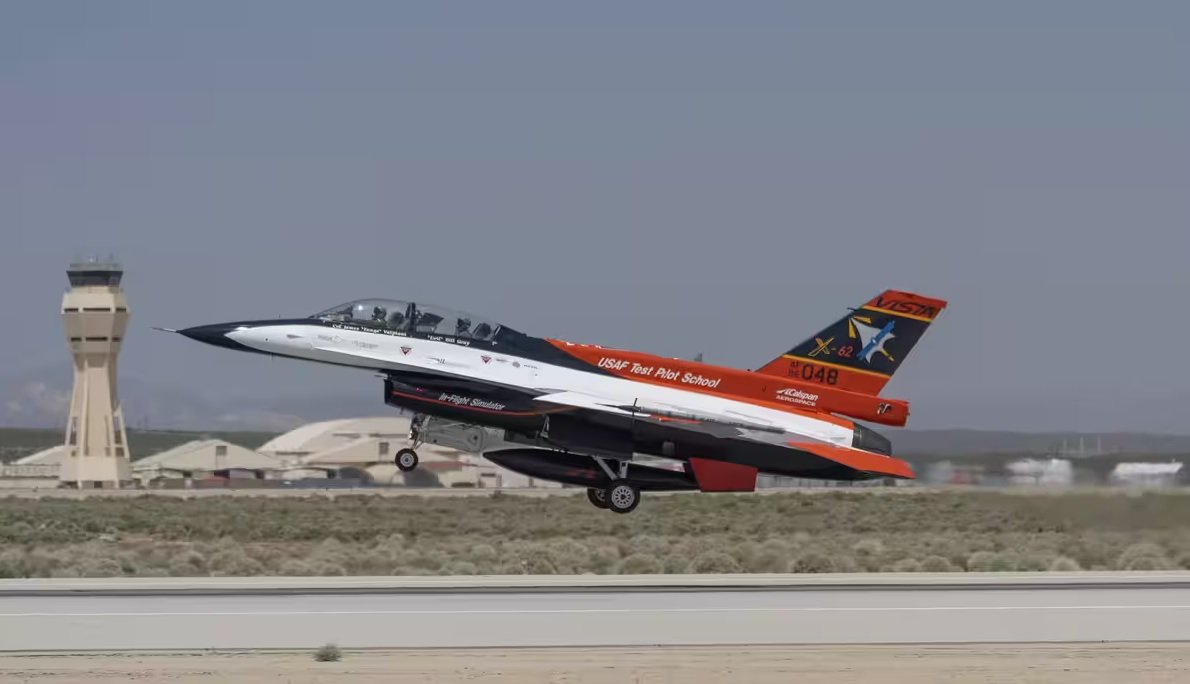
U.S
EDWARDS AIR FORCE BASE, Calif. — Lockheed Martin Skunk Works and the U.S. Air Force Test Pilot School (TPS) have completed a flight test campaign demonstrating an artificial intelligence (AI) agent directly controlling a fighter aircraft during live intercept missions using operational onboard sensor data. During the campaign, the U.S. Air Force's X-62 Variable In-flight Simulation Test Aircraft (VISTA) completed 27 AI-controlled intercepts against a live T-38 target aircraft across eight flights. The tests demonstrated the AI system's ability to receive live sensor information, make tactical decisions, and control the aircraft during real-world intercept maneuvers without relying on simulated target data. AI Demonstrates Real-Time Sensor-to-Action Capability The X-62, a heavily modified F-16 used for advanced flight research and autonomy testing at Edwards Air Force Base, was equipped with Lockheed Martin's Legion Pod, an operational infrared search-and-track (IRST) sensor. During each intercept, the Legion Pod continuously tracked the T-38 target aircraft and securely transmitted live targeting data to the onboard AI agent. Using only this real-time sensor information, the AI autonomously controlled the X-62 and maneuvered the aircraft into tactical intercept positions. The flight tests successfully connected target detection, autonomous decision-making, and aircraft control in real time, completing what engineers describe as the "sensor-to-action loop." According to Lockheed Martin, the campaign marked the transition from AI operating with simulated target information to using live data from an operational onboard sensor during flight. Three-Month Development and Integration Lockheed Martin said the project validated the complete software development process, including AI development, simulation, training, integration, ground testing, and live flight operations. The company completed AI-agent integration and all required ground testing within three months using its proprietary "Supermassive" AI agent generation capability, which is designed to accelerate software development and system integration. The successful campaign also expands the U.S. Air Force Test Pilot School's work in integrating mission-critical onboard AI and operational autonomy into advanced flight testing. Company Officials Highlight Operational Benefits Ron Fehlen, vice president and general manager of Lockheed Martin Skunk Works, said the latest flight series demonstrated the AI's ability to operate on an operational combat aircraft using live sensor data. "Our ongoing partnership with TPS is driving important progress with this latest flight test series demonstrating that our AI can effectively and reliably close the sensor to action loop aboard an operational combat aircraft. Our autonomous agents consumed classified infrared search and track feeds and executed combat-critical maneuvers in real time. This achievement marks a decisive advance toward delivering AI augmented air dominance for the United States." Stacy Kubicek, vice president and general manager of Lockheed Martin Sensors and Global Sustainment, said reliable sensor data becomes more valuable when it is directly connected to AI systems capable of taking action. "Our ability to provide reliable sensor data is critical, but the real advantage comes when that data can connect seamlessly with AI to take action. This project demonstrates how sensing and autonomous AI can come together as a force multiplier to make faster, more informed action in complex environments." Lockheed Martin added that allowing AI to perform complex tracking and maneuvering tasks gives pilots more time to focus on broader tactical awareness, improving effectiveness and survivability during complex operations. Future Mission Systems Upgrade Planned Building on the successful completion of the 27 AI-controlled intercepts, Lockheed Martin plans to carry out a Mission Systems Upgrade for the X-62. According to the company, the future architecture will integrate advanced combat systems, sensors, and airborne AI agents within a next-generation mesh communications network. The upgrade is intended to support future uncrewed and AI-assisted fighter operations. X-62 Continues to Support Advanced Flight Research Skunk Works has supported the X-62 program for decades through its open hardware and software architecture, allowing the aircraft to serve as a flexible platform for testing new technologies. Originally designated NF-16D before being redesignated X-62A, the aircraft has been used for variable-stability flight research and, more recently, for autonomy and artificial intelligence flight testing, including earlier work under the DARPA Air Combat Evolution (ACE) program. The latest flight campaign further expands the U.S. Air Force Test Pilot School's experience in testing onboard AI and autonomous flight technologies using operational aircraft and live sensor data. The results of the flight test campaign were announced on August 4, 2026.
Read More → Posted on 2026-08-04 16:18:48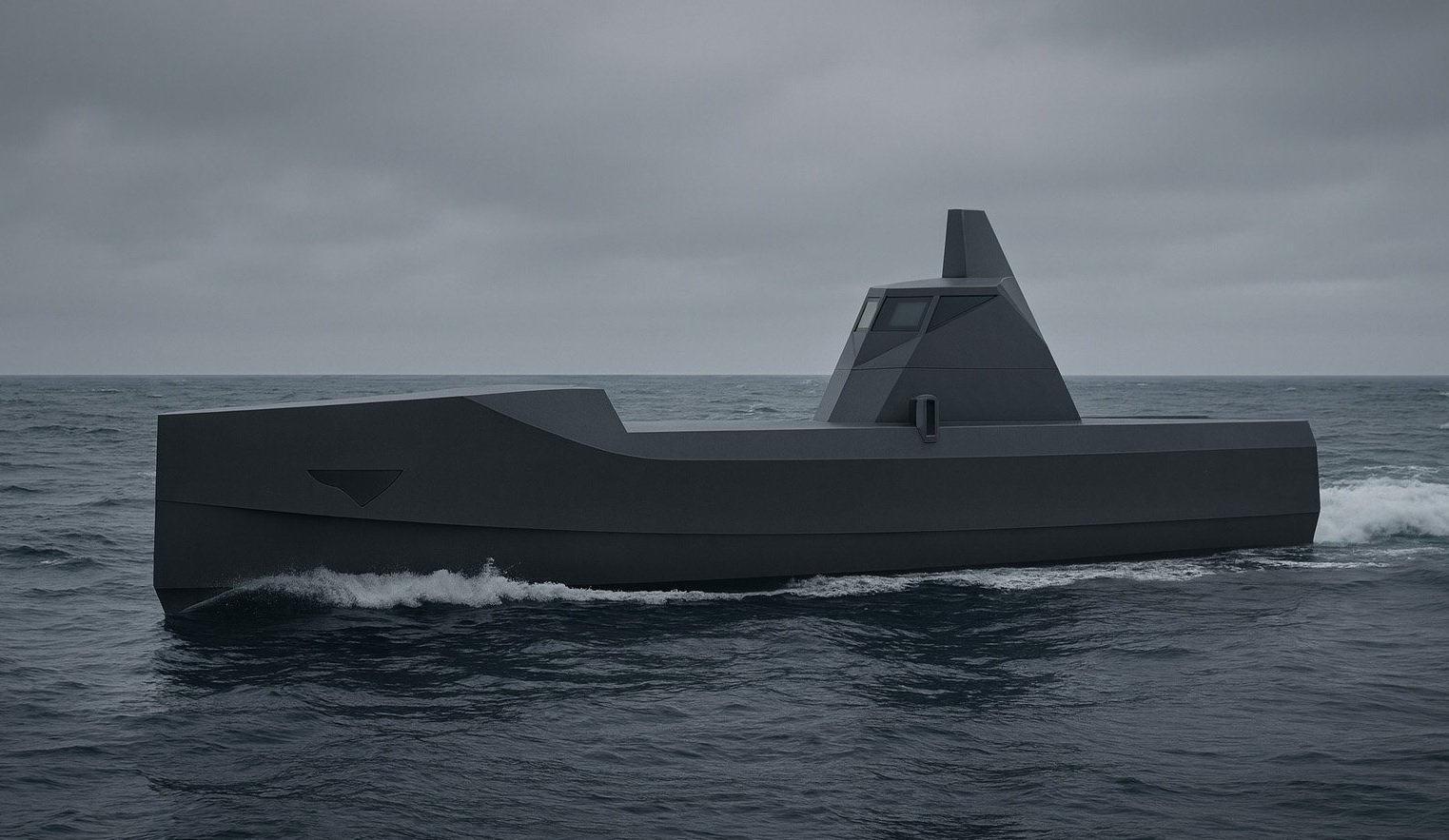
U.S
BALTIMORE — Anduril Industries is in advanced negotiations to establish a major manufacturing and testing facility for unmanned surface vessels (USVs) at Maryland's historic Sparrows Point industrial site, a move that would significantly expand the company's autonomous maritime production capacity if the agreement is finalized. The Southern California-based defense technology company has signed a memorandum of understanding (MoU) with the operators of the 3,300-acre Tradepoint Atlantic industrial complex in Baltimore County. The site, formerly operated by Bethlehem Steel, includes a deep-water port and has a long history of steel production and shipbuilding. The proposed investment could reach the hundreds of millions of dollars, with plans to convert part of the site into a manufacturing and testing hub for autonomous military boats. However, negotiations are still underway, no lease has been signed, and the project could still be abandoned if a final agreement is not reached. Maryland Governor Wes Moore's office has participated in the discussions, and any completed agreement is expected to include state incentives. Strategic Location for Naval Production Sparrows Point offers several logistical advantages for defense manufacturing. Located near Washington, D.C., the site is also close to the U.S. Coast Guard's largest shipyard at Curtis Bay, allowing easier testing of new vessels and smoother integration with existing military fleets. The deep-water port further supports manufacturing, sea trials, and transportation of completed vessels. Growing Demand for Autonomous Surface Vessels The proposed facility comes as the U.S. Department of Defense continues expanding the use of uncrewed systems across naval operations. Recent military operations have increased demand for autonomous platforms that can perform surveillance, reconnaissance, logistics, and other missions while reducing risks to personnel. Defense planners have also emphasized deploying larger numbers of lower-cost autonomous systems as militaries increasingly face inexpensive drones that often require much more expensive interceptor missiles to defeat. Operational Use Highlights Expanding Role Autonomous surface vessels have already demonstrated their operational value in recent missions. In June 2026, a 24-foot autonomous Corsair unmanned surface vessel built by Saronic Technologies successfully located and rescued two U.S. Army Apache helicopter crew members after their aircraft was shot down near the Strait of Hormuz. The mission marked a notable example of an autonomous vessel conducting a personnel recovery operation without placing additional crews at risk. The same class of vessels was later used during operations against Iranian shipping and submarine infrastructure at Bandar Abbas Naval Base in July 2026, marking the first reported combat use of U.S. unmanned surface vessels. Although surveillance remains their primary mission, these operations demonstrated their expanding operational roles. Anduril Expanding Manufacturing Capacity The Sparrows Point project aligns with Anduril's broader effort to increase defense production. The company completed a $5 billion Series H funding round in May 2026, led by Thrive Capital and Andreessen Horowitz, valuing the company at $61 billion. Following the investment, Anduril announced plans to roughly double its weapons production capacity. The company has also expanded its autonomous maritime programs through partnerships in the United Kingdom and with South Korea's HD Hyundai Heavy Industries to develop and produce autonomous surface vessels. In addition to surface systems, Anduril manufactures autonomous underwater vehicles, including the Dive-LD and Ghost Shark. Future U.S. production is also planned at American shipyards, including a facility at the former Foss Shipyard in Seattle, where the company has already invested. Technology Still Faces Reliability Challenges Despite increasing investment and growing military interest, autonomous maritime technology continues to face technical hurdles. During testing, unmanned vessels have reportedly misidentified objects, crashed, stalled, or drifted off course. The U.S. Navy is also working to improve the reliability of autonomous piloting software for operations in unpredictable open-water environments. In one May 2025 exercise off the California coast, more than a dozen Anduril drone boats operating with the company's Lattice software failed to complete their assigned missions and instead entered a fail-safe idle mode. Historic Industrial Site Could Gain New Role Sparrows Point has long been one of America's most important industrial locations. The property was once home to one of the world's largest steel mills and an active shipyard that produced merchant vessels and warships during both World Wars under Bethlehem Steel. Today, Tradepoint Atlantic is redeveloping the site as a modern industrial and logistics center. If the negotiations are successfully completed, the Anduril project would represent another example of the U.S. defense industry repurposing historic industrial facilities to expand domestic production of autonomous maritime systems.
Read More → Posted on 2026-08-04 16:27:00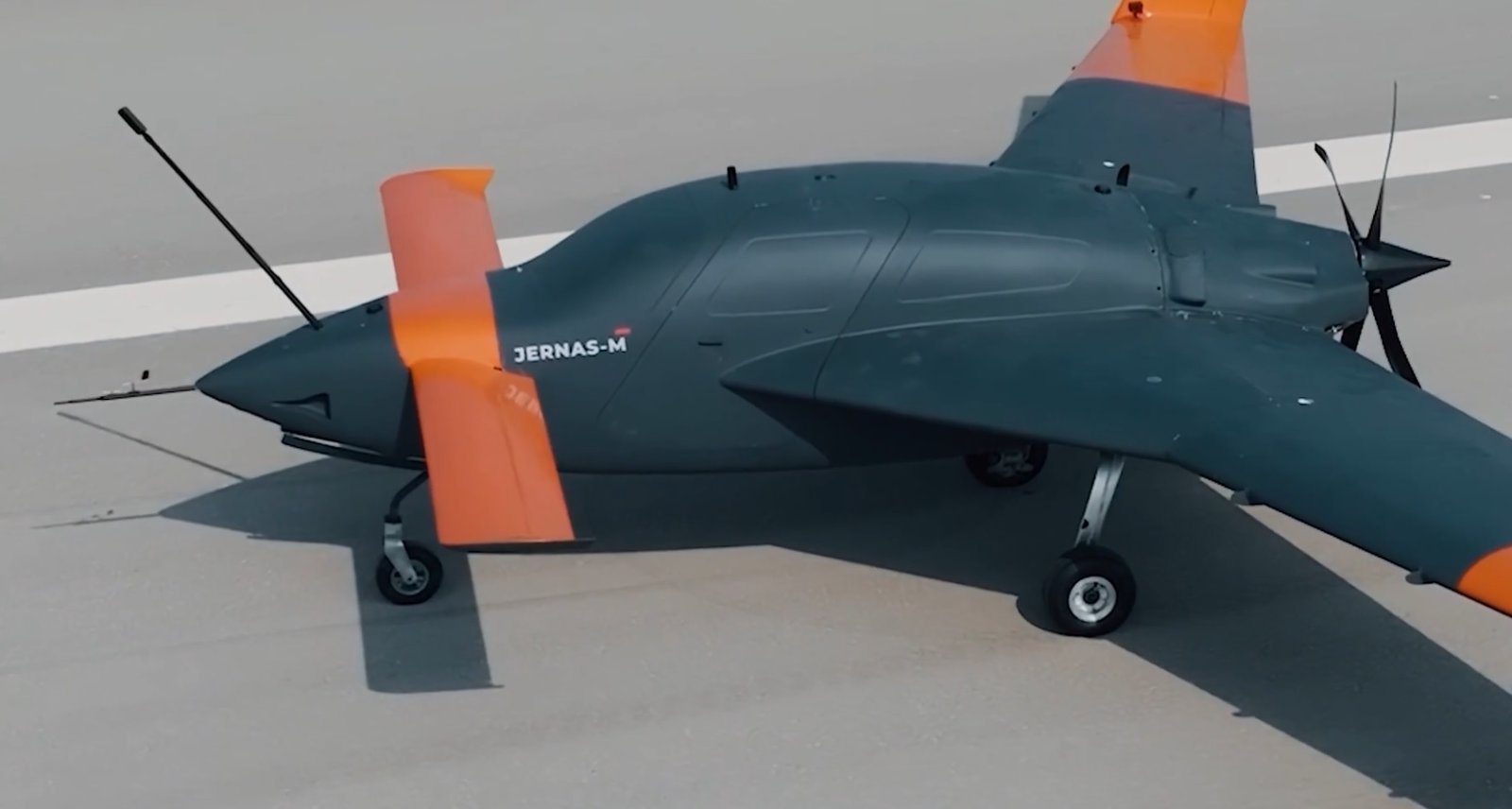
World
ABU DHABI — Abu Dhabi-based EDGE Group has released new flight test footage of its JERNAS-M unmanned aircraft, a medium-altitude, long-endurance (MALE) platform developed for intelligence, surveillance, reconnaissance (ISR), target tracking, and multi-mission operations. The state-owned Emirati defence company shared the video on X, describing the JERNAS-M as a dependable and cost-effective solution designed for continuous surveillance and modern air defence missions. According to EDGE, the platform provides persistent monitoring and target tracking while supporting long-endurance operations. Built for constant vigilance.JERNAS-M provides dependable surveillance and target tracking in an efficient, cost-effective solution built for modern air defence. Delivering the capability that matters, where it matters most. pic.twitter.com/vY1StwATD1 — EDGE (@_edgegroup) August 4, 2026 Developed by ADASI The JERNAS-M is being developed by ADASI, EDGE Group's autonomous systems subsidiary. The aircraft made its public debut at the Dubai Airshow 2025, where EDGE introduced 42 new defence products. Alongside the JERNAS-M, ADASI also unveiled the Strike fixed-wing weapon carrier and the Vortex-E counter-drone interceptor as part of its expanding unmanned systems portfolio. The JERNAS-M builds on the earlier JERNAS-S programme, which is a smaller variant of the platform. Flight Performance and Specifications According to EDGE's published specifications, the JERNAS-M has a 10-metre wingspan, an empty weight of 590 kilograms, and a maximum take-off weight of 1,200 kilograms. The aircraft is powered by an EP918Ti-185H four-stroke, four-cylinder horizontally opposed engine producing 185 horsepower at 5,800 rpm. It operates on standard automotive gasoline and carries 350 litres of fuel, with reported fuel consumption of approximately 17 litres per hour. EDGE lists both the maximum and cruising speed at 240 km/h. For intelligence, surveillance and reconnaissance (ISR) missions, the aircraft can remain airborne for up to 20 hours. When carrying its maximum payload of 280 kilograms, endurance is reduced to 12 hours. The drone has a line-of-sight operational range of 200 kilometres, while its maximum operating altitude is 30,000 feet, according to official specifications. Mission Payloads The JERNAS-M is designed as a multi-mission platform capable of carrying different mission systems. According to EDGE, it can be equipped with: Electro-optical sensors Radar systems Electronic warfare payloads In a strike configuration, the aircraft can carry one RASH MK81 bomb together with four RASH-3 munitions, according to the company's published specifications. The aircraft operates from conventional runways using tricycle landing gear and features a forward canard, winglets on the main wings, and a rear-mounted pusher propeller. Airframe Design Flight test footage released by EDGE shows an aircraft with a composite airframe featuring a forward canard, rear-mounted pusher propeller, cockpit canopy shape, fuselage design and landing gear arrangement that closely resemble the Velocity composite kit aircraft produced by Velocity Inc. of Sebastian, Florida, since the 1980s. The civilian Velocity aircraft is designed for homebuilt aviation and traces its aerodynamic heritage to Burt Rutan's Long-EZ design. EDGE has not issued an official statement confirming that the JERNAS-M is based on the Velocity airframe. However, adapting an existing civilian aircraft design is a recognised aerospace development approach that can reduce structural development work, flight testing requirements and programme costs compared with developing an entirely new airframe. Development Timeline Speaking to EDR On-Line, Marcus de Jonge, Chief Development Officer at ADASI, said the current JERNAS-M is a pre-prototype aircraft that completed its first flights shortly before the opening of the Dubai Airshow in 2025. According to de Jonge: An updated JERNAS-M design is scheduled to fly in late 2026. Production is planned for 2027. He also said the smaller JERNAS-S, which features an 8-metre wingspan, 630-kilogram maximum take-off weight, and 155-kilogram payload, is further advanced and is expected to enter production in 2026. Wider Unmanned Systems Strategy At the Dubai Airshow 2025, EDGE also announced a joint venture with U.S. defence technology company Anduril focused on the Omen runway-independent unmanned aircraft. While the partnership is centred on a different platform, industry observers have noted that cooperation in software and production could support the international reach of EDGE's wider unmanned systems portfolio. The JERNAS-M forms part of EDGE's broader effort to expand its autonomous capabilities across air, land and sea domains. Positioned in the medium-altitude, long-endurance (MALE) category, the platform is intended to provide extended surveillance, reconnaissance and target-tracking capabilities while offering a lower-cost option than many purpose-built systems in the same class.
Read More → Posted on 2026-08-05 11:28:50
U.S
LONG BEACH, Calif. — Rocket Lab Corporation has secured a $397 million contract from the U.S. Space Force to develop, launch, and operate a constellation of advanced Flatellites under the Space-Based Airborne Moving Target Indicator (SB-AMTI) program. The satellites will provide persistent space-based tracking of airborne threats and support the Space Force's next-generation sensing architecture. The award is part of a $615 million package of three firm-fixed-price Other Transaction Authority (OTA) agreements announced by Space Systems Command on Aug. 4, 2026. Besides Rocket Lab, Systems & Technology Research (STR) also received a contract, while the identity of the third recipient has not been disclosed for operational security reasons. SB-AMTI Program Aims to Expand Space-Based Surveillance The SB-AMTI program is led by the Portfolio Acquisition Executive for Space-Based Sensing and Targeting. Its objective is to create a resilient network capable of detecting and tracking airborne threats—including aircraft, cruise missiles, and other moving targets—in real time. Unlike traditional airborne surveillance platforms, the program is designed to provide persistent coverage from orbit. The architecture combines satellites, secure communications links, and ground processing systems. Artificial intelligence will assist in processing large volumes of sensor data, filtering background clutter, and identifying moving targets. According to the Space Force, the move toward space-based sensing is intended to reduce reliance on conventional surveillance aircraft, which face increasing operational challenges in contested environments where advanced anti-access and area-denial (A2/AD) systems can restrict their ability to operate. Rocket Lab to Develop, Launch and Operate Flatellites Under the contract, Rocket Lab will build multiple Flatellites, a next-generation flat satellite platform designed for deployment in large constellations. The spacecraft will carry advanced space-based sensors along with high-bandwidth, low-latency communications links to transmit tracking data. The satellites will be launched aboard Rocket Lab's upcoming Neutron medium-lift rocket, which is currently targeting a late-2026 debut. Following deployment, Rocket Lab will operate the satellites from secure ground facilities and provide tracking information directly to the U.S. Space Force. The contract covers spacecraft development, launch services, and on-orbit mission operations. It also includes an option for additional Flatellites within the total contract value, although Rocket Lab has not disclosed the number of satellites included in the initial award. Focus on Multiple Technologies and Supplier Diversity According to the Space Force, this second task order is intended to expand the supplier base and evaluate multiple sensing technologies rather than relying on a single technical solution. The agency said this approach supports long-term competition while advancing different technologies for the airborne moving target indication mission. Col. Ryan Frazier, Acting Space Force Portfolio Acquisition Executive for Space-Based Sensing and Targeting, said the program is focused on broadening available capabilities. "With these new partnerships, we are exploring unique innovations and technologies and fundamentally different ways to accomplish the airborne moving target indication mission." Rocket Lab also said the inclusion of its Neutron launch vehicle will increase vendor diversity within the SB-AMTI program. Rocket Lab Highlights Vertically Integrated Capabilities Rocket Lab Founder and Chief Executive Officer Sir Peter Beck said the company is well positioned to support the Space Force because it provides satellite manufacturing, launch services, and mission operations through a vertically integrated business model. "Rocket Lab is honored to play a key role in the SB-AMTI program, which is critical to expanding the Space Force's layered, resilient tracking architecture. Our vertically integrated, constellation-class satellite capabilities, mission operations, and launch services uniquely position us to deliver innovative solutions that meet the urgent needs of the Space Force. We are proud to contribute to the deployment of a resilient space-based sensing layer that will enhance the Joint Force's ability to operate in contested airspace." Part of a Broader Space Force Acquisition Strategy The latest award follows an earlier $4.16 billion Space Force contract awarded to SpaceX to establish an initial SB-AMTI constellation, with satellites expected to be fielded by 2028. Space Force officials have stated that the overall program will involve multiple vendors and different sensor designs as the architecture expands. According to the Space Force, the acquisition strategy is intended to mature emerging technologies, leverage commercial investment, and maintain long-term competition while developing the future SB-AMTI tracking network. Expanding Rocket Lab's Defense Portfolio The contract further strengthens Rocket Lab's role in U.S. national security space programs. The company has previously supported missions for the U.S. Space Force, National Reconnaissance Office (NRO), Defense Advanced Research Projects Agency (DARPA), and NASA. The SB-AMTI award also follows two recent milestones for the company. Last week, Rocket Lab secured a $266 million suborbital launch contract, and earlier this year it completed the Victus Haze responsive space mission, further expanding its participation in U.S. defense and space operations.
Read More → Posted on 2026-08-05 11:42:57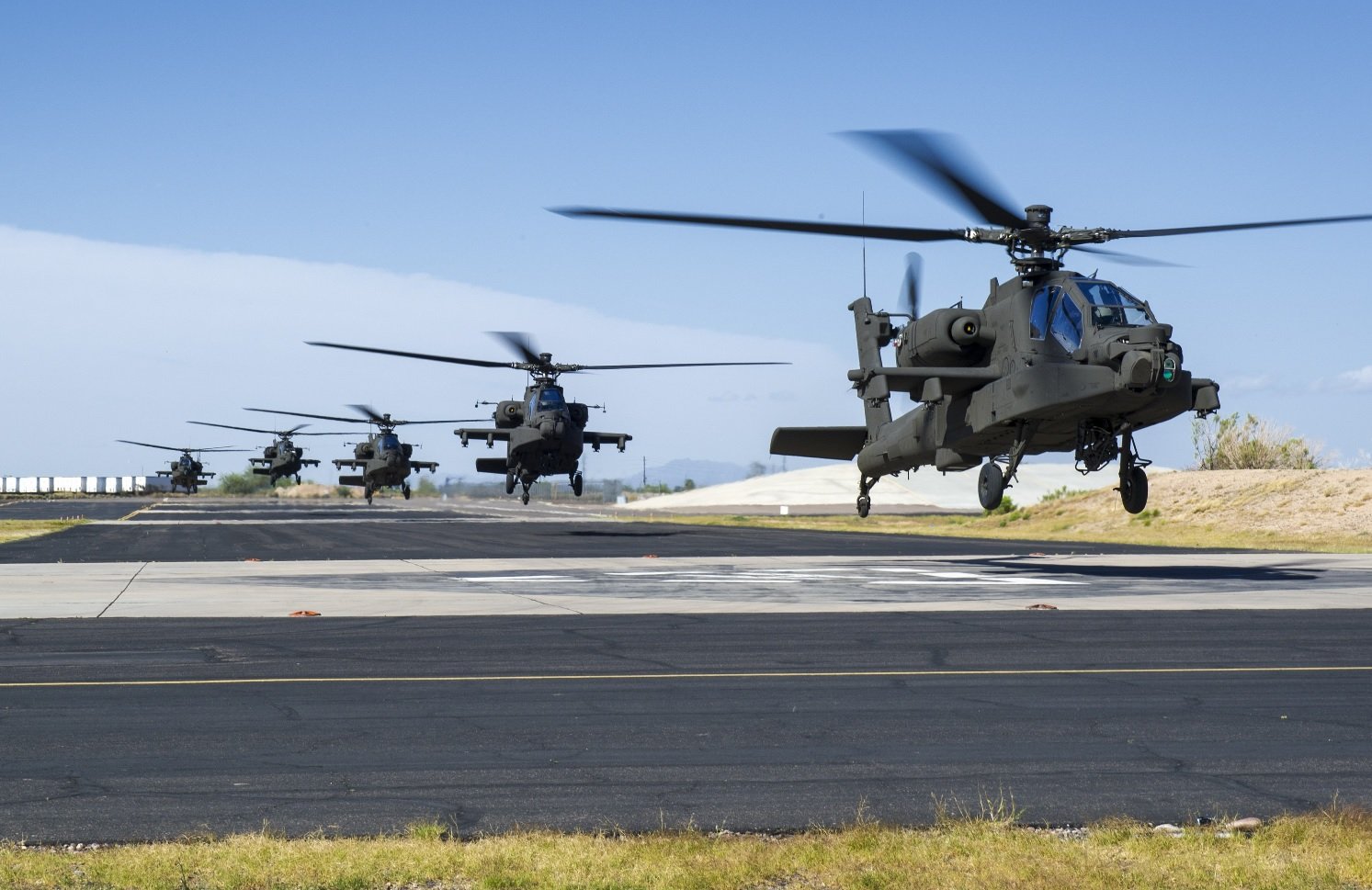
U.S
REDSTONE ARSENAL, Ala. — The U.S. Army is moving forward with plans to award a sole-source contract to Boeing for the remanufacture of up to 12 AH-64E Apache attack helicopters as part of its continued effort to modernize the Army's primary heavy attack and reconnaissance aircraft while addressing aging components across the fleet. The U.S. Army Contracting Command at Redstone Arsenal, Alabama, published a notice on Aug. 4, 2026, announcing its intent to negotiate the contract directly with Boeing rather than open it to competitive bidding. Interested parties have until Aug. 19, 2026, to submit capability statements if they wish to challenge the proposed acquisition approach. The planned work will be carried out as a 53-month effort under an existing Boeing contract. In addition to the remanufacture of up to 12 AH-64E helicopters, the program includes work to manage and correct obsolescence in critical electronic components that have become outdated or difficult to obtain. Boeing Remains the Only Practical Source According to the Army, Boeing is the sole designer, developer, manufacturer, and systems integrator of the AH-64 Apache helicopter. The Army does not own a complete production-level technical data package, including the engineering drawings and manufacturing instructions required to build the aircraft. It also does not hold the rights to Boeing's proprietary technical data developed over decades of Apache production. Because of these legal and technical limitations, the Army stated that no other company can realistically manufacture a fully functional Apache helicopter, making Boeing the only practical source for the work. Remanufacturing Continues Long-Term Modernization Strategy Rather than producing entirely new helicopters, the Army continues to rely on remanufacturing existing aircraft as its preferred modernization approach for the Apache fleet. The same process was previously used to convert older AH-64A helicopters into the AH-64D configuration. More recently, Boeing's facility in Mesa, Arizona, has remanufactured hundreds of AH-64D helicopters into the current AH-64E standard now operated by the U.S. Army and several allied nations. The latest effort will also focus on replacing obsolete electronic components. As older technologies leave production, engineers must redesign and requalify replacement parts to maintain aircraft availability and long-term fleet support. AH-64E Provides Expanded Operational Capabilities The AH-64E is the U.S. Army's primary heavy attack and reconnaissance helicopter, designed to engage ground targets and provide combat support for ground forces. The aircraft is equipped with a 30-millimeter cannon, 2.75-inch rockets, laser-guided and radar-guided Hellfire missiles, and the Joint Air-to-Ground Missile (JAGM). Its digital network architecture enables crews to control unmanned aerial vehicles from the cockpit while sharing real-time intelligence and targeting information with other joint forces, improving battlefield coordination. Boeing is also continuing efforts to expand the helicopter's capabilities. Current integration work includes launched effects, which are small drones deployed directly from the aircraft, directed-energy weapons, and the Lockheed Martin-Rafael Spike NLOS (Non-Line Of Sight) long-range missile. Recent live-fire testing has demonstrated the AH-64E's ability to employ the Spike NLOS missile against targets at distances of up to 32 kilometers (20 miles), extending the aircraft's engagement range beyond that of Hellfire-equipped configurations. International Orders Continue to Support Production Demand for the AH-64E remains strong among U.S. allies, helping sustain Boeing's production and remanufacturing lines beyond domestic Army requirements. The United Kingdom completed delivery of its fleet of 50 remanufactured AH-64E helicopters earlier this year. Other international customers are also progressing with deliveries. Australia is acquiring 29 AH-64E helicopters, with deliveries underway and six aircraft already in the country as of mid-2026. India's Army completed the induction of six AH-64E helicopters by late 2025, in addition to the 22 Apache helicopters already operated by the Indian Air Force. Morocco has received 12 of its 24 ordered AH-64E helicopters. Meanwhile, Poland has finalized the purchase of 96 AH-64E Apache helicopters through the U.S. Foreign Military Sales program, with deliveries expected to begin in 2028. Supporting Fleet Readiness Work under the planned Army program is expected to take place primarily at Boeing's Mesa, Arizona, facility, consistent with previous Apache remanufacture programs managed by Army Contracting Command at Redstone Arsenal. The proposed contract reflects the U.S. Army's continued investment in sustaining the AH-64E fleet through aircraft remanufacture and electronic component modernization while maintaining the industrial capability that supports both U.S. military requirements and Apache operators around the world.
Read More → Posted on 2026-08-05 11:50:58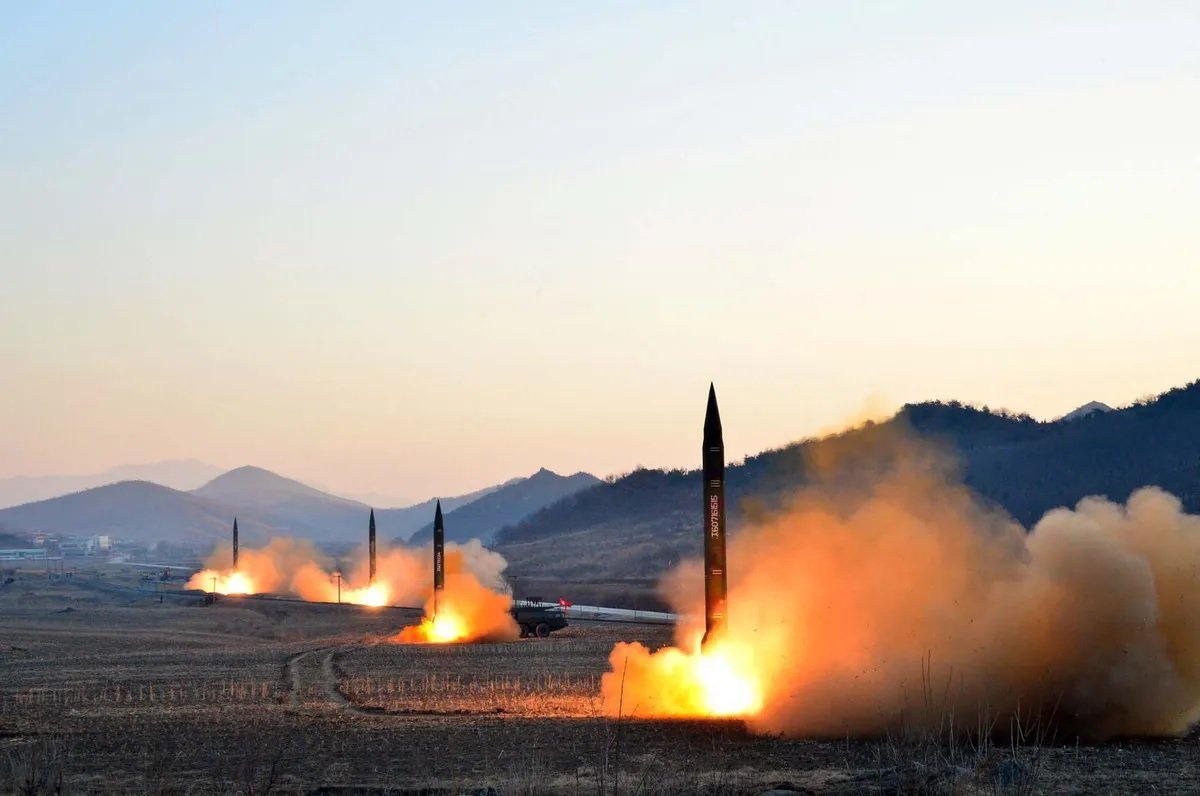
World
LONDON — A North Korean missile unit has started deploying to western Russia and could eventually operate with 120 ballistic missiles and six launchers in support of Russia's military campaign against Ukraine, according to Ukraine's Main Directorate of Intelligence (HUR). The reported deployment marks a further expansion of military cooperation between Moscow and Pyongyang following the mutual defence pact signed in 2024. While Russia has previously used North Korean-made weapons during the war, Ukrainian officials say the establishment of a dedicated North Korean missile unit would also involve North Korean personnel being integrated into Russia's missile operations. According to Andrii Cherniak, a representative of Ukraine's Main Directorate of Intelligence, Russia plans to station the unit in the Voronezh region as part of the 112th Missile Brigade. The deployment is expected to include approximately 90 North Korean personnel. Voronezh is located about 150 kilometres (95 miles) from the Ukrainian border and serves as an important logistics and staging area for Russian forces. Cherniak said North Korea has already delivered a new batch of 40 KN-23 and KN-24 ballistic missiles together with the initial personnel. He added that the final size and structure of the deployment, including the planned force of 120 ballistic missiles and six launchers, will be decided during high-level talks between Russia and North Korea scheduled for next month. The exact role that the North Korean personnel will perform within the Russian military remains unclear. North Korean Missiles Used Again Against Ukraine The reported deployment comes as Russia has resumed using North Korean ballistic missiles against Ukraine. According to Cherniak, Russia recently launched its first two North Korean ballistic missiles since August 2025, and both missiles came from the newly delivered batch of 40. One of the strikes, carried out on July 30, hit a residential house in the village of Radushne in central Ukraine, killing at least five members of the same family. Ukrainian President Volodymyr Zelenskyy later said preliminary information indicated that the weapon used in the attack was a North Korean ballistic missile. Ukraine has repeatedly warned that it faces a shortage of advanced air defence systems capable of intercepting ballistic missiles. Russia has increasingly relied on ballistic missiles because they are more difficult to intercept than many other types of missiles. Ukrainian officials have said that U.S.-made Patriot air defence systems remain the only systems that have consistently intercepted these ballistic threats. Rob Lee, a senior fellow at the Foreign Policy Research Institute, said any increase in the number of ballistic missiles available to Russia would create additional challenges for Ukraine's air defences. "Ballistic missile defence is one of Ukraine's greatest vulnerabilities, so any increase in the quantities of ballistic missiles they face will pose a greater challenge," Lee said. He added that Ukraine's air defence capability could become an even greater concern during winter if Russia resumes large-scale attacks on the country's energy infrastructure. KN-23 and KN-24 Missile Supplies According to Ukrainian military sources, North Korea's KN-23 and KN-24 ballistic missiles have a longer range and larger payload than Russia's comparable Iskander missile systems, although they are considered less accurate. Ukrainian officials have linked their use to missile strikes that resulted in high civilian casualties. Cherniak said North Korea has supplied Russia with approximately 150 ballistic missiles between late 2023 and August 2025. Russia began using KN-23 and KN-24 missiles against Ukraine during that period. Expanding Russia-North Korea Military Cooperation Military cooperation between Russia and North Korea has expanded significantly since Russia's full-scale invasion of Ukraine in 2022. In addition to missile supplies, North Korea has provided millions of artillery shells to Russia. Ukraine also says North Korea has contributed military personnel. Ukrainian officials previously reported that around 14,000 North Korean troops were deployed to Russia's Kursk region to help repel a Ukrainian cross-border operation in 2024. According to Cherniak, about 9,500 North Korean troops remain in the Kursk region, although they are not currently taking part in direct combat operations against Ukraine. Last month, President Volodymyr Zelenskyy said Russia was preparing to receive another 30,000 North Korean troops, with preparations already underway in the Voronezh region. Russian and North Korean Response The Russian Defence Ministry and North Korea's mission to the United Nations in New York did not immediately respond to written requests for comment. Cherniak said his statements were based on Ukrainian intelligence that could not be publicly disclosed. Reuters said it was unable to independently verify the intelligence claims.
Read More → Posted on 2026-08-05 11:58:34
U.S
WIESBADEN, Germany — The United States has begun reorganizing its Ukraine security assistance mission, directing U.S. European Command (USEUCOM) to restructure the Security Assistance Group–Ukraine (SAG-U) and gradually transfer its core leadership responsibilities to NATO. U.S. officials said the move is intended to improve the efficiency of military assistance to Ukraine while shifting greater responsibility to allied nations without reducing U.S. support. USEUCOM announced the decision on Aug. 3, stating that the reorganization will not affect overall U.S. military assistance to Ukraine. Instead, it is designed to streamline security assistance, transition leadership of key mission elements to allies, and allow the United States to focus more resources on other global priorities. "Allies have shown that they can take the lead in support of Ukraine's defense," said U.S. Air Force Gen. Alexus G. Grynkewich, commander of USEUCOM and NATO Supreme Allied Commander Europe. "SAG-U was always meant to be a temporary command. Its transition builds on the progress that we have already seen, helping to set conditions for lasting peace in Ukraine." Leadership Transition Begins The restructuring officially began with a change-of-command ceremony on Aug. 3, 2026, at Lucius D. Clay Kaserne in Wiesbaden, Germany. During the ceremony, Lt. Gen. Guillaume N. Beaurpere assumed command of both SAG-U and the NATO Security Assistance and Training for Ukraine (NSATU) mission, replacing Lt. Gen. Curtis A. Buzzard, who had led both organizations since August 2024 and is retiring after 34 years of military service. Beaurpere previously served as Chief of Staff of U.S. Special Operations Command. NATO to Take Greater Responsibility NSATU is NATO's operational command responsible for coordinating military equipment deliveries and training for Ukraine provided by NATO allies and partner countries. According to USEUCOM, SAG-U will gradually transfer its roles and responsibilities to European allies and NSATU over the next year. Once the transition is completed, SAG-U is expected to dissolve. Under the new structure: NSATU will assume responsibility for Ukrainian military training, material management, and sustainment support. The mission will eventually be led by a European or Canadian commander, with an American officer serving as deputy commander. U.S.-specific support functions currently handled by SAG-U will move to U.S. Army Europe and Africa and other USEUCOM components. U.S. Says Support for Ukraine Will Continue U.S. officials emphasized that the organizational changes do not represent a reduction in military assistance to Ukraine. "The reorganization of SAG-U does not diminish our support or commitment to Ukraine," said Col. Michael Weisman, spokesperson for U.S. Army Europe and Africa. "We will continue providing support to Ukraine through coordination with USEUCOM and NSATU in alignment with U.S. policy." USEUCOM also stated that the transition reflects the increasing role played by allied nations in supporting Ukraine's defense over the past year. Role of SAG-U Since 2022 SAG-U was established on Nov. 4, 2022, following Russia's full-scale invasion of Ukraine, to coordinate long-term U.S. security assistance. The headquarters was built around the U.S. Army's XVIII Airborne Corps, which initially deployed to Europe to reinforce NATO's eastern flank before expanding its mission to oversee the training and equipping of the Ukrainian Armed Forces. According to USEUCOM, the organization has: Overseen the delivery of more than $2 billion in security assistance. Coordinated military support from allied and partner nations. Served as a central organization for conventional defense coordination in Europe. Shared lessons learned from the Ukrainian Armed Forces' battlefield experience with U.S. and NATO military institutions. SAG-U and NSATU currently include joint and multinational personnel from more than 25 nations and are headquartered at Clay Kaserne in Wiesbaden, Germany. International Training Effort The multinational training mission has continued to expand alongside military assistance efforts. In 2024, 34 countries participated in training Ukrainian troops through the combined efforts of SAG-U and the European Union Military Assistance Mission (EUMAM), highlighting the broad international participation in supporting Ukraine's armed forces. Part of a Broader U.S. Strategy The reorganization is also part of a wider U.S. effort to shift greater responsibility for European defense to allied nations. Earlier this year, the Trump administration announced plans to reduce part of its senior military leadership presence in Europe. As part of that broader realignment, the administration also announced that command of NATO's Joint Force Command Norfolk, currently based in Norfolk, Virginia, would be transferred to the United Kingdom. The transfer of SAG-U's responsibilities to NATO represents another step in that broader restructuring of the U.S. military posture in Europe. Transition to Continue Over the Next Year USEUCOM said the transfer of responsibilities from SAG-U to NATO will take place gradually over the next year. During this period, NSATU will assume a larger operational role while U.S.-specific support functions move to other USEUCOM organizations. Officials said the restructuring is intended to maintain uninterrupted military assistance to Ukraine while placing more operational leadership in the hands of NATO allies and partner nations.
Read More → Posted on 2026-08-05 12:07:05
U.S
WASHINGTON — The U.S. Department of Defense is drafting a new nuclear strategy that would place greater emphasis on the possible use of shorter-range tactical nuclear weapons during regional conflicts involving China or Russia, according to officials familiar with the classified review. The strategy, led by Undersecretary of Defense for Policy Elbridge Colby, is intended to expand the range of nuclear response options available to the U.S. president while retaining all existing strategic capabilities. Officials said the proposal does not replace current nuclear policies but seeks to strengthen regional deterrence by giving greater importance to tactical nuclear weapons. Strategy Aims to Expand Deterrence Options According to officials, the review is designed to provide the president with a broader set of credible nuclear response options during regional crises. Pentagon planners believe that relying only on high-yield strategic nuclear weapons, such as intercontinental ballistic missiles (ICBMs), may not always present a believable deterrent in limited regional conflicts. The draft strategy therefore gives increased attention to lower-yield, shorter-range tactical nuclear weapons, which officials believe offer more proportionate response options while maintaining deterrence. The proposal would leave all existing U.S. nuclear options in place and expand the role of tactical nuclear capabilities within regional defense planning. Review Focused on Two Nuclear-Armed Competitors The classified review comes as U.S. defense officials continue assessing how to deter both China and Russia simultaneously. Officials have pointed to China's continued expansion of its nuclear arsenal and Russia's large inventory of non-strategic nuclear weapons as key factors behind the review. Earlier this year, Elbridge Colby told Congress that the administration would not conduct a formal Nuclear Posture Review similar to previous administrations. Instead, he said the Pentagon was reviewing nuclear strategy to address the challenges posed by two nuclear-armed peer competitors. A senior defense official also said the review is examining nuclear force requirements, modernization efforts, and possible additional theater nuclear weapons programs, including options based on existing stockpiles and delivery platforms. Changing Global Nuclear Environment The review also reflects changes in the international security environment. In February 2026, the New START arms control treaty expired without a replacement agreement, ending the last legally binding limits on U.S. and Russian strategic nuclear forces. At the same time, U.S. officials have highlighted developments in Russian and Chinese nuclear capabilities. Russia has updated its military doctrine to lower the threshold for the possible use of tactical nuclear weapons during conventional conflicts and has deployed tactical nuclear weapons to neighboring Belarus. China, meanwhile, continues expanding its nuclear triad and has deployed dual-capable intermediate-range systems, including the DF-26, which can carry either conventional or nuclear payloads across the Indo-Pacific region. National Defense Strategy Supports Nuclear Modernization The 2026 National Defense Strategy, released earlier this year, calls for modernizing and adapting U.S. nuclear forces with an emphasis on deterrence and escalation management. Defense officials have also identified the nuclear-armed sea-launched cruise missile as one option to strengthen regional deterrence without relying solely on long-range strategic nuclear systems. Officials have stressed that maintaining and modernizing the U.S. nuclear triad remains a top defense priority. Debate Over the Proposed Strategy The draft strategy has generated debate within Washington's national security community. Supporters argue that expanding tactical nuclear options would improve the credibility of U.S. deterrence by providing response choices that are more appropriate for limited regional conflicts. They believe a wider range of options would reduce the likelihood that potential adversaries miscalculate U.S. intentions during a crisis. Critics, however, caution that increasing the role of tactical nuclear weapons could lower the perceived threshold for nuclear use. They argue that integrating such weapons more deeply into regional military planning could increase escalation risks and shift attention away from long-range strategic deterrence. Strategy Still Under Review The nuclear strategy review remains classified, and the Pentagon has not announced when it will be finalized or whether it will lead to changes in U.S. nuclear doctrine, force posture, or future weapons programs. Officials have stated that the review is part of broader efforts to ensure the United States maintains a credible and effective nuclear deterrent while responding to evolving security challenges involving China and Russia. Source : nbcnews
Read More → Posted on 2026-08-05 13:02:18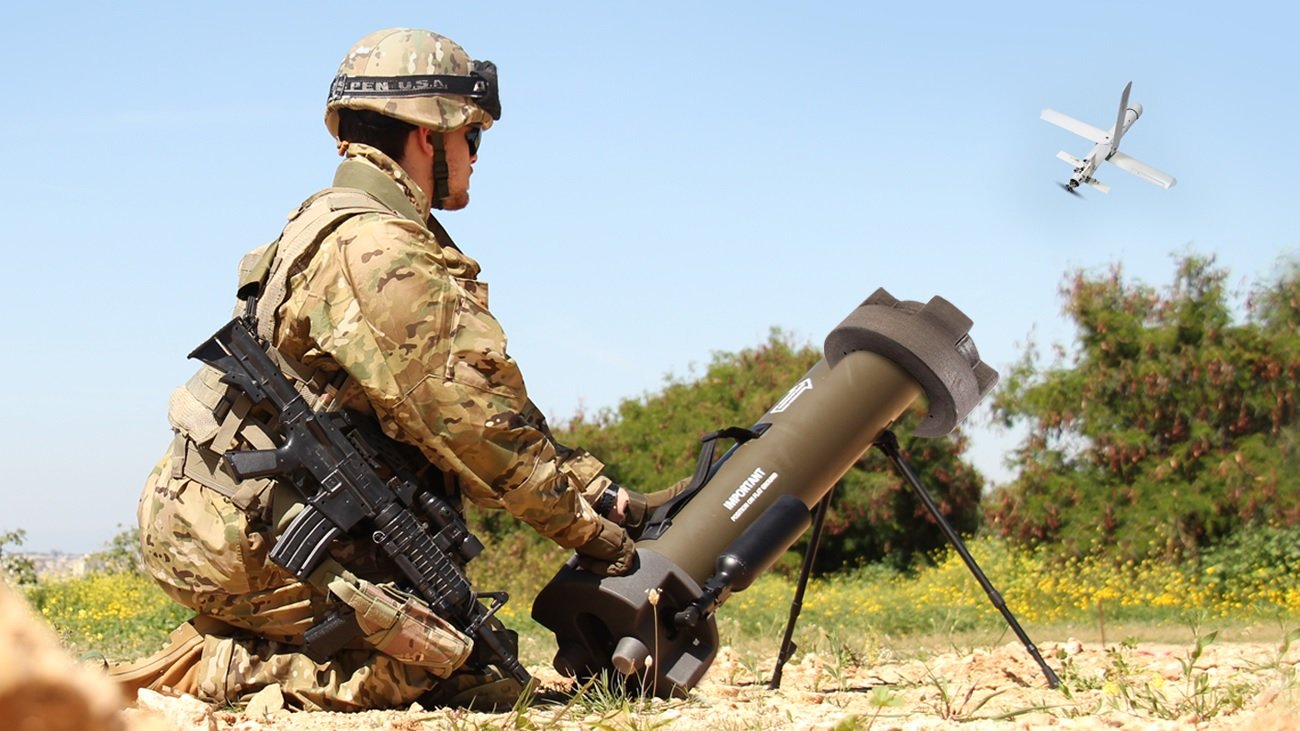
U.S
BETHESDA, Md. — Mistral Inc. and UVision have successfully completed the first Lot Acceptance Tests (LAT) for the HERO 120 loitering munition system under the U.S. Army's Lethal Unmanned System (LUS) program, marking an important step toward fielding the system with Army units. According to the companies, all HERO 120 systems successfully completed the required acceptance-test missions during the recent testing event. The results support continued progress toward operational deployment under the Army's LUS program. The LUS program is managed under the Precision Strike Reconnaissance System (PSRS) portfolio within the Capability Portfolio Executive for Mission Autonomy, which oversees the development and fielding of advanced autonomous capabilities for the U.S. Army. HERO 120 Moves Closer to Army Fielding The successful completion of the first Lot Acceptance Tests confirms that the evaluated HERO 120 systems met the Army's required acceptance-test objectives. The milestone allows the program to continue toward broader fielding across Army units. Mistral Inc. and UVision are jointly delivering the HERO 120 under a $982 million multi-year Indefinite Delivery, Indefinite Quantity (IDIQ) contract awarded in October 2025. The contract covers procurement, fielding, training, and sustainment of the system for the U.S. Army, with initial deliveries scheduled to begin in early 2026. HERO 120 Designed for Reconnaissance and Precision Strike The HERO 120 is a mid-range loitering munition designed to provide tactical units with both reconnaissance and precision-strike capabilities. The system is intended to give soldiers greater operational flexibility while operating in complex battlefield environments. The munition uses a pneumatic launch system and features a gimbaled electro-optical/infrared (EO/IR) seeker supported by advanced image processing technology. A key capability of the HERO 120 is its man-in-the-loop control, which allows the operator to maintain control throughout the mission. Operators can observe, identify, track, and engage both moving and stationary targets. If battlefield conditions change, they can abort an attack during flight or redirect the munition to another target. According to the companies, the system is also designed to operate in GPS-denied environments while maintaining precision accuracy and minimizing collateral damage. Previously released specifications state that the HERO 120 carries an approximately 4.5-kilogram warhead, has an operational range of approximately 40 to 60 kilometers, and can remain airborne for up to 60 minutes. The system is compatible with multiple launch platforms, including vehicles, and can also be operated by infantry teams. Companies Share Responsibilities Mistral Inc. serves as the U.S.-based prime contractor and systems integrator for the program. The company is responsible for system integration, the lethality package, program management, and sustainment. UVision serves as the design authority for the HERO 120. The company supports the system's development, manufacturing, and delivery and also provides training and sustainment support for the HERO family of loitering munitions. Together, the companies are responsible for delivering the systems and supporting Army units throughout fielding and operational service. Company Statements Yoav Banai, Senior Vice President at Mistral Inc., said the successful testing represents an important milestone for the companies and the U.S. Army. "Completing the first Lot Acceptance Tests is an important milestone for Mistral Inc., Uvision, and the U.S. Army. The successful completion of all required acceptance test HERO 120 missions reflects the shared commitment of both companies to deliver reliable, effective, and mission-ready capability to our warfighters. Mistral Inc. and Uvision are proud to support this Army program and remain focused on providing warfighters with the tools they need to win the fight." Jarmin Blanton, Vice President of Business Development, Sales & Marketing at UVision Inc., said the milestone demonstrates the close cooperation between the Army and industry partners. "Uvision is proud to support the U.S. Army's LUS program. As the design authority for HERO 120, Uvision is committed to delivering a mature, reliable, and combat effective system that exceeds the operational needs of the soldier. This LAT milestone reflects the close collaboration between the Army, Mistral Inc., Uvision, and the broader program team, and we look forward to continuing our support as the program advances." Next Phase Following the successful completion of the first Lot Acceptance Tests, the HERO 120 program will continue toward active fielding with the U.S. Army. In addition to supplying the systems, Mistral Inc. and UVision will continue providing training and sustainment support to help ensure Army personnel are prepared to operate and maintain the HERO 120 throughout its service life.
Read More → Posted on 2026-08-05 13:14:38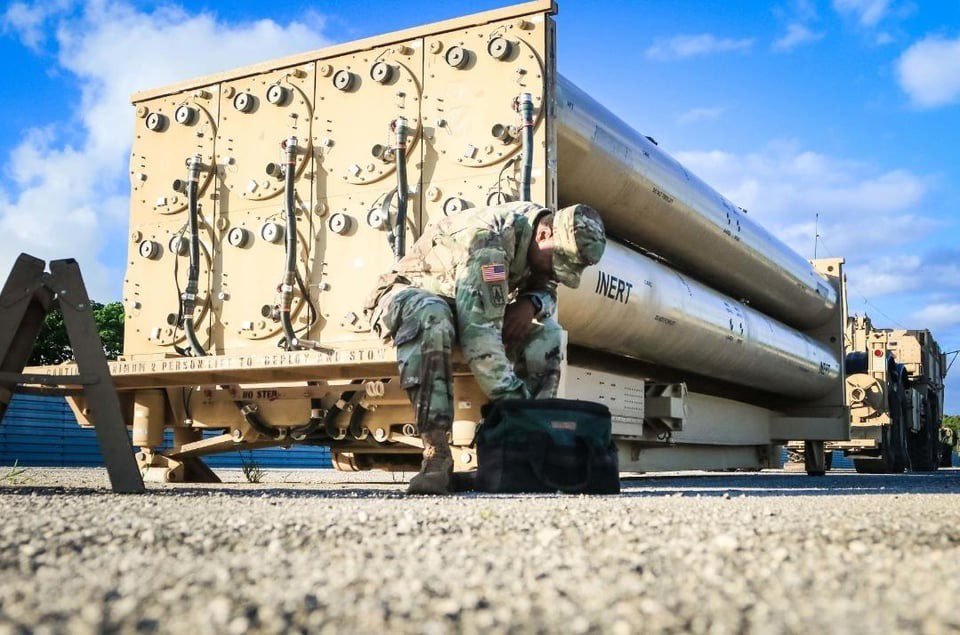
U.S
WASHINGTON — The United States has used a significant portion of its advanced missile interceptor inventory during the five-month conflict with Iran, raising concerns inside the Pentagon over the readiness of U.S. air and missile defense forces if another major conflict emerges. According to an exclusive CNN report published on Tuesday, U.S. military commanders have warned that the Pentagon's stockpile of key interceptor missiles has reached "dangerously low" levels after months of sustained operations against Iranian missile attacks. The report, citing officials familiar with the latest Pentagon inventory assessment, states that the U.S. Army has expended nearly 80% of its pre-war Terminal High Altitude Area Defense (THAAD) interceptor inventory and roughly half of its Patriot air defense interceptors since the conflict began in late February. THAAD and Patriot Inventories Under Pressure The reported decline reflects the heavy use of U.S. layered missile defense systems during repeated Iranian ballistic missile attacks targeting American military bases and regional partners across the Middle East. According to estimates from the Center for Strategic and International Studies (CSIS), the United States entered the conflict with approximately 2,200 Patriot interceptors (including PAC-3 and GEM-T variants) and 452 THAAD interceptors. CNN's assessment indicates that nearly four-fifths of the THAAD inventory has now been consumed, while about half of the Patriot interceptor stockpile has also been used during combat operations. Earlier CSIS estimates, published before the latest Pentagon assessment, projected somewhat lower levels of expenditure. The think tank estimated that between February and July the United States had used about 65% of its Patriot inventory, leaving fewer than 1,000 missiles, while THAAD inventories had fallen by at least 38%, to roughly 250 interceptors. CSIS noted that the actual numbers could change as additional operational data became available. Concerns Raised Before Additional Strikes Were Halted According to CNN, senior military officials warned about the rapid depletion of interceptor stockpiles before President Donald Trump decided last week to halt additional military strikes against Iran. The reported shortage has also raised concerns among U.S. partners in the Middle East, where American missile defense systems play a central role in protecting military installations and allied forces from ballistic missile attacks. Officials are concerned that prolonged regional tensions could place additional pressure on remaining interceptor inventories if another large-scale missile campaign occurs. Budget Request Focuses on Rebuilding Missile Inventories The depletion of interceptor stockpiles is reflected in the Trump administration's fiscal year 2027 defense budget request. The proposal includes $95 billion for munitions procurement, together with an additional $21 billion in supplemental funding, aimed at accelerating production of critical missile systems. The procurement request includes plans to acquire more than 3,000 Patriot interceptor missiles and approximately 800 THAAD interceptors. Defense analysts note that replenishing these inventories will take time because procurement levels in previous years were comparatively lower, limiting near-term missile deliveries. Missile Production Capacity Being Expanded To address increasing demand, the U.S. Department of Defense has begun expanding missile production capacity through long-term agreements with industry. In January 2026, Lockheed Martin signed a framework agreement with the Department of Defense to increase THAAD interceptor production capacity from 96 missiles annually to 400 per year. The company also announced construction of a new Munitions Acceleration Center in Camden, Arkansas, to support higher production rates using advanced manufacturing technologies. Separately, the Pentagon has also signed agreements to increase production capacity for Patriot interceptor components as part of a broader effort to rebuild U.S. missile inventories following high operational demand. THAAD's Role in U.S. Missile Defense THAAD (Terminal High Altitude Area Defense) is designed to intercept ballistic missiles during the terminal phase of flight, including engagements outside the Earth's atmosphere. The system uses the Talon hit-to-kill interceptor, which destroys incoming ballistic missiles through direct kinetic impact rather than an explosive warhead. According to publicly available U.S. Army information, THAAD can engage ballistic missile threats at altitudes of up to 150 kilometers (93 miles) and at ranges of up to 200 kilometers (124 miles). The United States currently operates seven THAAD batteries and plans to expand the force to eight batteries. Higher interceptor production is intended both to replenish depleted inventories and support future force expansion. Patriot Provides Lower-Layer Missile Defense The Patriot air defense system operates alongside THAAD as part of the U.S. layered missile defense architecture. Using PAC-3 and GEM-T interceptor missiles, Patriot is designed to engage tactical ballistic missiles as well as aerodynamic threats such as aircraft and cruise missiles, providing medium- and high-altitude air defense for military forces and critical infrastructure. Precision-Guided Missile Stocks Also Reportedly Affected The reported pressure on U.S. munitions has extended beyond defensive interceptor missiles. According to Reuters, U.S. forces also came close to exhausting inventories of Army Tactical Missile System (ATACMS) and Precision Strike Missile (PrSM) long-range precision-guided weapons during the five-month campaign, highlighting broader concerns over the sustainability of high-intensity military operations and the pace of munitions production. Defense analysts have said rebuilding these inventories will require sustained production increases over several years, even with expanded manufacturing capacity now being introduced across the U.S. defense industrial base.
Read More → Posted on 2026-08-05 14:06:54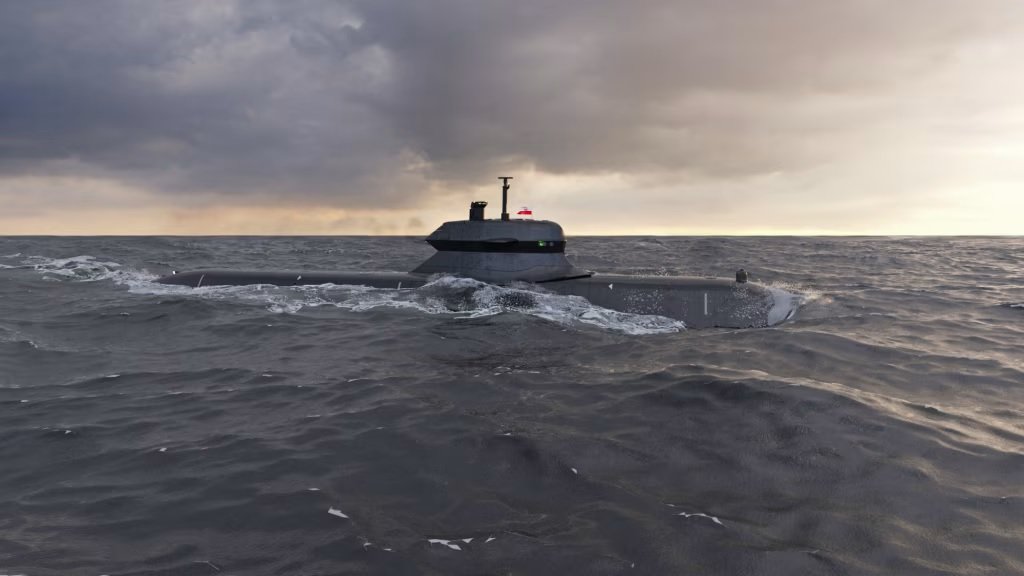
Europe
STOCKHOLM — Swedish defence company Saab is expanding its submarine production capacity as work on Sweden's A26 submarine program continues and a newly signed contract to build three A26-type submarines for Poland significantly increases demand across its naval business. The update was provided by Saab President and Chief Executive Officer Micael Johansson during the company's second-quarter 2026 earnings call. He said the combined Swedish and Polish submarine programs are strengthening industrial capacity, increasing underwater capabilities in the Baltic Sea, and creating greater production resilience through shipyard operations in both Sweden and Poland. Sweden's A26 Program Continues to Progress Johansson said Saab is making "really good progress" on Sweden's A26 submarine program, which remains the company's flagship conventional submarine project. The A26, officially designated as the Blekinge-class in Swedish Navy service, is currently under construction at Saab's Karlskrona shipyard. Sweden has ordered two submarines—HMS Blekinge and HMS Skåne—with deliveries expected in 2031 and 2033, respectively. While Johansson did not provide additional schedule details during the earnings call, he described the program's overall development as positive alongside Saab's expanding international submarine business. Poland's Order Marks a Major Export Success The biggest development during the quarter was Poland's decision to order three A26-type submarines under its Project Orka submarine modernization program. The contract, valued at approximately SEK 47 billion, includes the submarines, a weapons package, training, and long-term support. According to Saab, the first submarine is expected to be delivered in 2031, with the final delivery scheduled for 2038. Johansson described the agreement as one of the most significant contracts secured during the quarter and said it confirms Saab's position in the conventional submarine market. "They have now contracted us for three submarines that will be delivered in the next few years," Johansson said, adding that the order represents both an industrial achievement and a significant increase in underwater capability from a Baltic Sea security perspective. Saab Expands Shipyard Capacity To meet the production requirements of both the Swedish and Polish programs, Saab is increasing submarine manufacturing capacity at its Karlskrona shipyard. The company is also expanding operations at its Landskrona facility, where additional submarine construction and assembly activities will be carried out. "Now the contract on the submarines for Poland, in combination with the Swedish contract, of course, means that we are ramping up production capacity both in Karlskrona," Johansson said, adding that Saab is also expanding capability at its second shipyard in Landskrona. The expanded facilities are intended to support long-term production for both domestic and export submarine programs. Industrial Cooperation with Poland The Polish submarine program also includes extensive industrial cooperation between Saab and Polish industry. As part of the agreement, Saab will establish maintenance, repair and overhaul (MRO) capabilities in Poland while helping develop local shipyard capacity to support the submarines throughout their service life. Johansson said having shipyard capabilities on both sides of the Baltic Sea will improve industrial resilience and reduce dependence on a single production location. "It will also entail industrial collaboration with Poland," Johansson said. "We will have shipyard capabilities on both sides of the Baltic Sea, which makes lots of sense in terms of security and redundancy going forward." Contract Supports Production Expansion Saab said the investments required to expand production facilities are supported by the structure of the Polish contract. The agreement includes an advance payment and a payment schedule designed to help the company rapidly increase shipyard capacity. Saab did not disclose the value or percentage of the advance payment. "It's a good advance payment and a payment schedule that supports our quick ramp-up of shipyard capacity and all that," Johansson said. "We're not going to act like a bank related to that contract, that much I can say." Johansson also said the Polish submarine order was the main contributor to Saab's SEK 68.4 billion order intake during the second quarter, creating a record backlog for the company's naval business and providing long-term production visibility. Broader Swedish-Polish Cooperation Beyond the submarine contract, Sweden and Poland have agreed on additional naval cooperation. Under a separate bilateral agreement, Poland will operate the Swedish submarine HMS Södermanland as an interim capability until 2032. Training for Polish submarine crews is scheduled to begin in August 2026. Sweden will also support Poland's New Type Submarine program from around 2027 to 2038, including participation in testing and experimental activities involving Sweden's A26 submarines currently under construction. Saab has also committed to establishing long-term maintenance, repair and overhaul (MRO) capabilities in Poland in cooperation with local industry. A26 Designed for Baltic Sea Operations The A26 submarine has been designed for operations in the Baltic Sea, with a focus on quiet operation and the ability to remain difficult to detect during missions. The latest updates on the Swedish A26 program, the Polish submarine contract, production expansion, and industrial cooperation were presented during Saab's second-quarter 2026 results presentation and related official statements.
Read More → Posted on 2026-08-05 14:26:52
World
BEIJING — China has released the first official in-flight footage of its H-6N strategic bomber carrying what military analysts identify as the JL-1 air-launched ballistic missile (ALBM), providing the clearest official view so far of the aircraft and missile combination. The footage appeared in the final episode of the documentary Securing Victory, broadcast by state broadcaster CCTV as part of events marking the 99th anniversary of the People's Liberation Army (PLA) on August 1. The documentary was jointly released by the Central Military Commission's Political Work Department, the Cyberspace Administration of China, and China Media Group. In the video, the H-6N bomber is shown flying with a large externally mounted missile beneath its fuselage while being escorted by two J-20 fifth-generation stealth fighters. Although CCTV did not identify the weapon by name, military observers and Chinese media reports assessed it to be the JL-1, also known as Jing Lei-1 ("Startling Thunder"), based on its size and external appearance. The footage marks the first official confirmation of the JL-1 being carried by an H-6N during flight. The missile had previously appeared publicly during a military parade in Beijing in September 2025 alongside other strategic weapons, while unofficial images of the aircraft and missile combination had circulated online earlier. H-6N Modified for Air-Launched Ballistic Missile Operations The H-6N is a modified version of China's H-6 bomber family, designed to carry oversized external payloads. The aircraft features a recessed section under the fuselage to accommodate large weapons such as the JL-1 and is equipped with an aerial refueling probe to extend its operational range. According to defense assessments, the bomber has a combat radius of around 4,000 kilometers with aerial refueling support. Open-source assessments also estimate the JL-1's range at more than 5,000 kilometers, with some reports placing it at nearly 8,000 kilometers depending on payload configuration and launch profile. Launching a ballistic missile from an airborne platform provides greater operational flexibility than a ground launch by allowing the missile to begin its flight at altitude and speed. Analysts also note that an air-launched system can expand operational reach and provide additional launch options. The JL-1 is widely assessed as a nuclear-capable air-launched ballistic missile that forms the airborne component of China's nuclear triad alongside land-based and sea-based nuclear forces. Military analysts also state that the missile can carry conventional warheads for tactical missions. Footage Shows Simulated Joint Anti-Ship Exercise The documentary presents the footage within a simulated joint exercise conducted by the PLA Southern Theater Command. According to the exercise scenario, a rapidly maneuvering enemy surface fleet approaches from the southeast while ship-borne aircraft move toward the operational area. PLA forces respond by deploying reconnaissance drones, airborne early warning and control aircraft, and logistics support units before carrying out a coordinated strike. The exercise depicts anti-ship missiles being launched from multiple platforms, including destroyers, road-mobile launchers, and aircraft. The documentary also shows a Type 052D destroyer launching a YJ-20 hypersonic anti-ship missile through its vertical launch system. This is the first official confirmation of the YJ-20 being launched from a Type 052D destroyer, as the missile had previously been associated with the larger Type 055 destroyers. In addition, another H-6 bomber variant is shown releasing the YJ-12 supersonic anti-ship missile. The documentary also includes footage of DF-21D anti-ship ballistic missiles during the exercise. Analysts Outline JL-1's Intended Role Former PLA Air Force officer and military analyst Fu Qianshao said the JL-1 is intended for targets of greater strategic importance than conventional naval targets, including regional hubs, military bases, command centers, and headquarters. Fu stated that the combined reach of the H-6N and JL-1 could cover almost the entire Pacific Ocean. He also noted that while the missile serves as part of China's nuclear deterrent, it can also carry conventional warheads for tactical missions. Wang Yanan, editor-in-chief of Aerospace Knowledge magazine, described the JL-1 as a missile capable of conducting both anti-ship and ground-strike missions. Bomber and J-20 Escort Reflect Evolving Air Operations The documentary also highlights the H-6N operating alongside two J-20 stealth fighters. The combination reflects an operational approach that pairs long-range bombers with advanced fighter aircraft during extended missions. Military observers note that escort fighters can provide protection against potential interceptors while supporting the bomber as it approaches its launch position. The release of the footage comes as China continues to modernize its long-range aviation and naval strike capabilities through the development of strategic bombers, long-range precision weapons, hypersonic missile systems, aerial refueling aircraft, and fifth-generation fighters. Chinese authorities have not released additional official information regarding when the footage was recorded, the specific name of the exercise, or the operational status of the JL-1 beyond its public appearance in the documentary.
Read More → Posted on 2026-08-05 14:46:43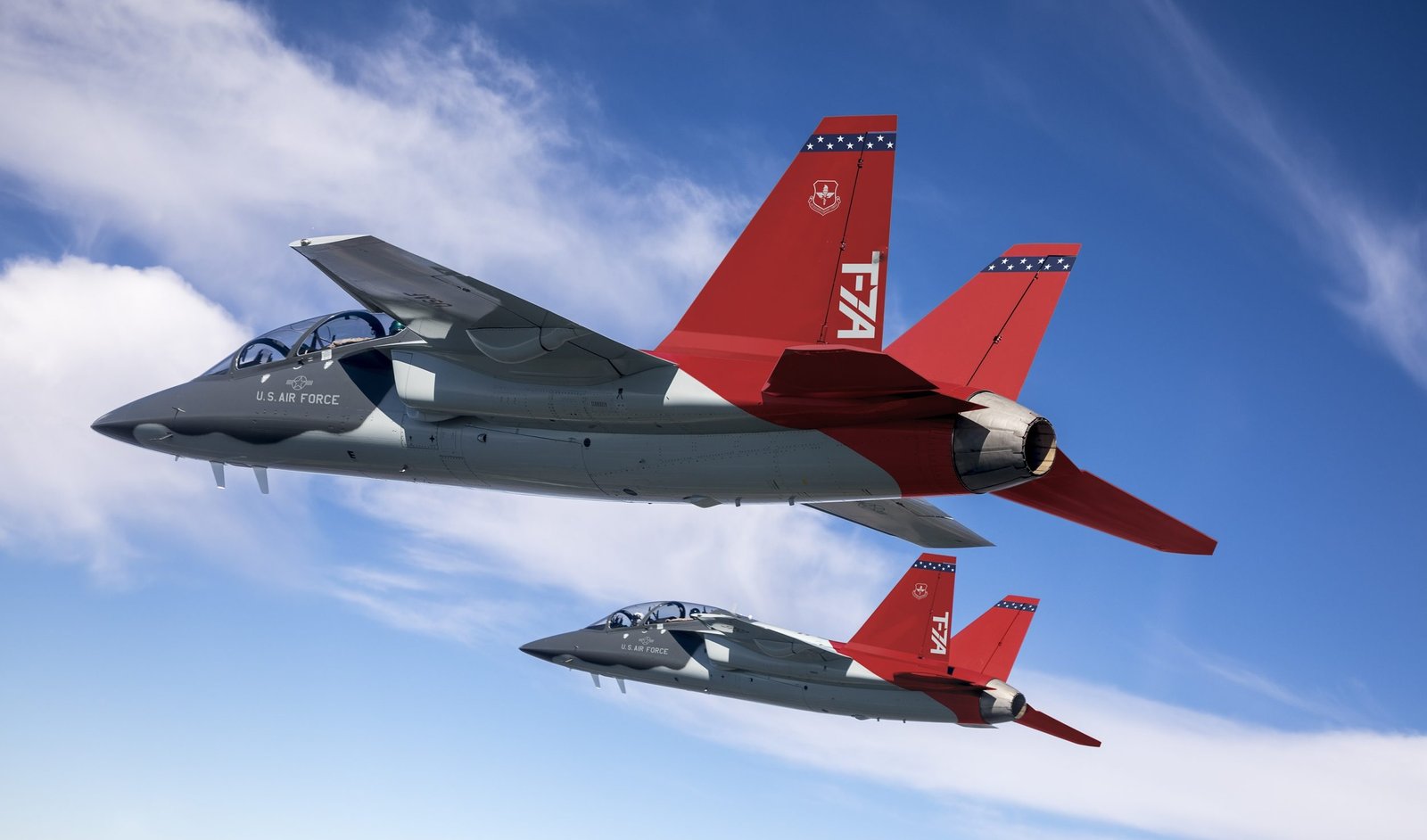
Europe
WEST LAFAYETTE, Ind. — The Boeing-Saab T-7A Red Hawk advanced jet trainer program has entered a new phase after the U.S. Air Force approved Milestone C on April 23, 2026, allowing the aircraft to move from development into low-rate initial production (LRIP). The decision, announced publicly in early May 2026, was followed by a $219 million contract awarded to Boeing for the first 14 production aircraft, together with associated support equipment, training systems, and spare parts. The approval marks a significant milestone for both the U.S. Air Force and Saab, which manufactures the T-7A's aft fuselage at its dedicated production facility in West Lafayette, Indiana. The T-7A Red Hawk is being developed jointly by Boeing and Saab to replace the U.S. Air Force's T-38 Talon advanced trainer, which has served for more than six decades. The aircraft is intended to prepare future pilots for operating modern combat aircraft, including the F-35 Lightning II, F-22 Raptor, F-15EX Eagle II, and B-21 Raider. Indiana Facility Expected to Increase Production Saab's West Lafayette facility was built specifically to support long-term production of the T-7A. The plant uses digital manufacturing methods developed jointly with Boeing and is now the exclusive production site for all T-7A aft fuselage sections after manufacturing was transferred from Sweden to the United States. The facility has operated below planned capacity in recent years because of delays in the T-7A program. As a result, Saab has experienced underutilization at the plant, affecting the financial performance of its Aeronautics business. During Saab's second-quarter 2026 earnings presentation, President and CEO Micael Johansson said the start of production contracts means manufacturing activity now needs to increase. He noted that Saab had already begun work on initial production batches under earlier contracts from Boeing but added that it will take several quarters and "a couple of years" before the Indiana operation reaches stronger financial performance. Johansson also said the T-7A program continues to have a negative impact on Saab's Aeronautics business while production volumes remain below efficient operating levels. Despite the gradual ramp-up, he described the Red Hawk as a long-term industrial program that is expected to become "an excellent franchise program over many years." Milestone C Clears the Way for Production In the U.S. Department of Defense acquisition process, Milestone C authorizes a program to move from engineering and manufacturing development into the production and deployment phase. For the T-7A, the approval allows the aircraft to enter low-rate initial production rather than full-rate manufacturing. The U.S. Air Force is using an incremental production strategy for the Red Hawk. Instead of approving large-scale production immediately, the service plans to review and approve each of the first three LRIP lots separately. This approach allows engineers to incorporate lessons learned from developmental testing before larger production quantities are authorized. The phased production strategy is intended to reduce technical and manufacturing risks while allowing aircraft deliveries to continue. Budget planning documents outline potential follow-on production lots, including 23 aircraft in fiscal year 2027 and 36 aircraft in fiscal year 2028, although each lot will require separate approval. Digital Design Supports Future Growth The T-7A Red Hawk is the first U.S. Air Force aircraft designed and developed using fully digital engineering methods. The aircraft features modern avionics, open-architecture systems, and embedded training capabilities intended to support future upgrades throughout its service life. The program of record includes 351 T-7A aircraft and 46 ground-based training simulators, with deliveries planned to five Air Education and Training Command bases over the coming decade. The aircraft is expected to become the U.S. Air Force's primary advanced trainer for pilots preparing to transition to current and future combat aircraft. Program Moving Toward Initial Operational Capability The T-7A program has experienced development challenges, including work related to the aircraft's ejection seat and flight-control software, resulting in schedule adjustments during testing. Boeing has continued development under the program's fixed-price contract. Five test-configured aircraft have already been delivered, with the first aircraft arriving at Joint Base San Antonio-Randolph in late 2025 for Air Education and Training Command activities. With Milestone C now complete, Boeing and Saab can gradually increase production in line with future U.S. Air Force contracts. Initial production aircraft will support instructor and maintainer training as the Air Force works toward achieving Initial Operational Capability (IOC) in 2027. For Saab, the approval also marks the beginning of a gradual increase in manufacturing activity at its Indiana facility. While company executives expect financial improvements to take time, they continue to view the West Lafayette operation as a long-term production center that will benefit as aircraft output expands and the T-7A program progresses.
Read More → Posted on 2026-08-05 15:24:40
Space & Technology
HAWTHORNE, Calif. — SpaceX has announced a strategic partnership with Nvidia to develop the compute payload for its Starmind AI1 satellites, marking a major step in the company's plan to build orbital data centers capable of delivering data center-class artificial intelligence (AI) computing in space. The partnership, announced on August 4, will see each first-generation Starmind AI1 satellite equipped with Nvidia's Vera Rubin NVL72 platform, combining Rubin GPUs and Vera CPUs to handle intensive AI workloads in orbit. According to SpaceX, the same optimized server architecture developed for space missions will also be deployed in the company's terrestrial data centers. AI1 Satellite Designed as an Orbital Data Center The Starmind AI1 is the first-generation satellite for SpaceX's planned Starmind constellation and is designed to function as an orbital AI computing platform with onboard data processing capabilities. According to SpaceX's official Starmind information, the AI1 satellite has a deployed height of 30 meters and a 75-meter wingspan. It is designed to operate in sun-synchronous orbit, allowing continuous access to solar power while using the vacuum of space for thermal management through radiative cooling. The satellite's compute payload reaches 250 kilowatts at peak power and 175 kilowatts on average, with a reported vehicle efficiency of 75 kilowatts per ton. SpaceX said the platform uses a modular architecture that can support compute modules from different providers. Processed AI workloads will be transmitted back to Earth through high-bandwidth laser communication links connected to the Starlink satellite network. Nvidia Vera Rubin NVL72 Forms the Core Compute System The AI1 satellites will carry a customized version of Nvidia's Vera Rubin NVL72 system that has been adapted for space operations. According to the company, the platform combines 72 Rubin GPUs with 36 Vera CPUs in a single rack-scale architecture designed for large AI workloads. Reported specifications for the NVL72 system include: Approximately 3.6 EFLOPS of NVFP4 inference performance. 20.7 TB of HBM4 memory. 260 TB/s of NVLink bandwidth. SpaceX said the standard NVL72 architecture has been modified to withstand launch conditions, radiation exposure and the thermal environment of space while simplifying the overall system design. SpaceX Plans to Use the Same Architecture on Earth During SpaceX's earnings call, Chief Executive Officer Elon Musk said the company will build its AI infrastructure exclusively on Nvidia hardware. "We think the Vera Rubin architecture is the best architecture. We think it's the best AI computer, and we greatly value our close cooperation and partnership on many levels with Nvidia. So we're exclusive to Nvidia." Musk also said the redesigned NVL72 system developed for the Starmind satellites offers advantages over conventional rack-based data center designs. "We think the design of the NVL72 VR computer is a much better design than, say, having a standard rack style design. We expect to actually deploy this on the ground as well as in orbit, because we think it's going to be a radical simplification of the normal NVL72 rack. It will cost less. It'll be more effective. If we're going to put it in space, why not put it on the ground? I think that's going to be pretty cool." He added that the same Starmind V1 design, without the solar arrays and radiators required for space operations, will also be used in SpaceX's ground-based data centers. SpaceX Reports AI Revenue Growth The partnership announcement came alongside SpaceX's first financial report since becoming a public company. The company reported $2.6 billion in AI-related revenue for the second quarter of 2026, driven primarily by cloud service agreements and growth in its X and Grok subscription businesses. SpaceX has said its long-term objective is to expand AI computing capacity beyond the limitations of land availability, electrical power infrastructure and cooling systems that affect traditional data centers. The company has previously outlined plans for a large Starmind satellite constellation, with the Nvidia partnership providing the initial compute payload while keeping the platform open to future hardware upgrades. According to SpaceX, launches of the Starmind AI1 satellites are expected to begin in 2027, with mass production planned for late 2027 at the company's Gigasat facility in Bastrop, Texas.
Read More → Posted on 2026-08-05 15:57:40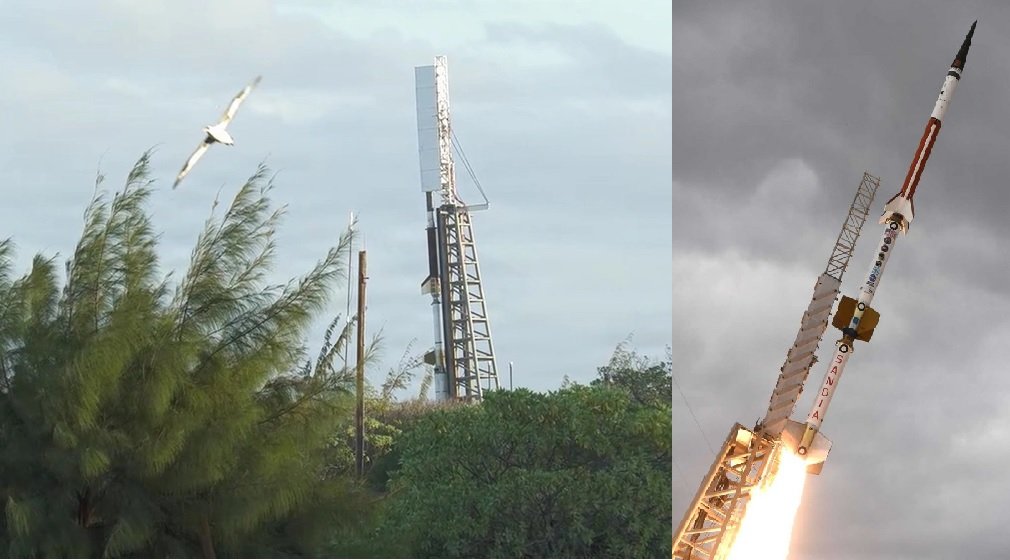 U.S. Navy Successfully Conducts SMART Sounding Rocket Mission from Wake Island to Study Space Plasma
U.S
WAKE ISLAND, Pacific Ocean — The U.S. Navy has released new details of the Space Measurement of A Rocket-released Turbulence (SMART) mission, a scientific sounding rocket experiment conducted on February 12, 2026, from the remote Pacific atoll of Wake Island. The mission was designed to study how plasma energy converts and behaves in space, providing data that could improve understanding of space weather and its effects on satellites and other space-based systems. The SMART mission was managed by the U.S. Naval Research Laboratory (NRL) and carried out by the Naval Surface Warfare Center (NSWC), Port Hueneme Division's White Sands Detachment. The launch marked the detachment's largest sounding rocket mission to date and its first flight of a four-stage sounding rocket. Mission aimed at studying plasma turbulence The experiment focused on understanding plasma turbulence and energy conversion in Earth's upper atmosphere. Scientists say space weather can affect satellite communications, navigation systems, and other spacecraft operating in low Earth orbit. Dr. Gurudas Ganguli, NRL Senior Scientist for Intense Particle Beams and Plasma Processes, said space weather poses challenges for spacecraft in much the same way atmospheric weather affects aircraft. To carry out the experiment, the Navy launched Oriole IV, a 68-foot (20.7-meter), four-stage sounding rocket built using four repurposed motors—Talos, Terrier, Oriole, and Nihka. According to officials, using existing rocket motors significantly reduced mission costs compared with developing a new large single-stage motor capable of reaching the same altitude. The rocket reached an altitude of approximately 539 kilometers (335 miles), within the region where many satellites operate. At that point, the payload separated, and a directional shape charge vaporized several pounds of barium metal, creating an artificial plasma cloud in the ionosphere. After the release, sunlight ionized the neutral barium atoms. Officials said the neutral atoms glowed green, while the ions produced blue and purple colors. Earth's magnetic field confined the ions, triggering electrostatic plasma turbulence. A second payload carrying scientific instruments then passed through the plasma cloud to measure the resulting electric and magnetic field changes and other electromagnetic effects. Testing plasma-wave conversion in space According to the Naval Research Laboratory, the mission was designed to confirm how electrostatic lower hybrid waves convert into electromagnetic whistler waves during a high-speed metal vapor release in the ionosphere. Christopher Netwall, Branch Head for Dynamics and Control Systems at the Naval Research Laboratory's Naval Center for Space Technology, SMART program manager, and experiment lead, said the experiment addressed a scientific question that had previously been studied mainly in laboratory conditions. Officials reported that the team successfully induced and measured plasma turbulence in the space environment using this method. Instruments recorded electric and magnetic field fluctuations, while ground-based sensors tracked the plasma cloud's size, optical intensity, and the propagation of the resulting electromagnetic waves. The complete mission sequence, from liftoff to final measurements, lasted about 10 minutes before the vapor dispersed and recombined with atmospheric elements. Jay Breuer, Senior Test Director in the White Sands Detachment's Suborbital Vehicles Division, said the mission demonstrated scientific theories that could eventually support future operational capabilities. Wake Island selected for safety reasons The SMART mission was originally planned for NASA's Wallops Flight Facility in Virginia. However, NASA safety assessments determined that detonating a shape charge at such a high altitude could spread debris across an area too large for that location. The project was subsequently transferred to the U.S. Navy, which selected Wake Island, a remote atoll managed by the U.S. Air Force. Located approximately 2,300 miles (3,701 kilometers) west of Honolulu and 1,500 miles (2,414 kilometers) northeast of Guam, Wake Island's isolation allowed the military to safely close the required airspace and ocean areas. The nearest inhabited island is nearly 600 miles (966 kilometers) away. Breuer described the location simply as being "in the middle of nowhere." Building a launch site in a remote environment Launching from Wake Island required extensive preparation because the island lacks permanent sounding rocket infrastructure. Unlike established launch ranges such as White Sands Missile Range, the Hebrides Range in Scotland, or the Pacific Missile Range Facility in Kauai, Wake Island did not have permanent telemetry systems or launch control facilities. An advance team surveyed the island months before the mission, and eight personnel from the White Sands Detachment spent about seven weeks, from early January through late February, establishing the launch site. The launch control center was set up inside an abandoned garage with a dirt floor, leaking roof, and mold-covered walls. The team relied on Starlink satellite terminals for internet connectivity throughout the operation. In total, 42 personnel participated in the mission, including scientists from the Naval Research Laboratory, NASA's Goddard Space Flight Center, the Naval Surface Warfare Center Indian Head Division, university research teams, and supporting contractors. Rocket and equipment transported across the Pacific Transporting personnel, rocket hardware, and equipment to Wake Island required three C-17 Globemaster III cargo aircraft operating from Holloman Air Force Base in New Mexico. Aircraft carrying rocket stages and explosives stopped at Travis Air Force Base in California and Joint Base Pearl Harbor-Hickam in Hawaii before continuing across the Pacific to Wake Island. Officials said the journey covered approximately 5,800 miles (9,334 kilometers) and took about four days. The launch used a Missile Defense Agency launcher capable of handling payloads of up to 50,000 pounds (22,680 kilograms). The launcher was extended to accommodate the 68-foot Oriole IV sounding rocket. Mission planners also delayed launch opportunities several times to avoid potential conflicts with orbiting satellites before successfully completing the flight. Mission supports future research and testing Following the successful launch, the Missile Defense Agency transferred ownership of the heavy-duty Wake Island launch rail to the White Sands Detachment. According to Navy officials, the successful expeditionary launch demonstrated the unit's ability to conduct complex sounding rocket operations from remote locations. They said this capability could support future hypersonic vehicle testing and work related to the Golden Dome for America homeland missile-defense architecture. The Naval Research Laboratory said the SMART mission successfully confirmed laboratory predictions of plasma-wave conversion in the actual space environment while providing valuable data to improve understanding of space weather and its potential effects on satellites and other space-based systems. The mission involved multiple government organizations, including the Naval Research Laboratory, Naval Surface Warfare Center divisions, Pacific Air Forces Regional Support Center Wake Island Detachment, U.S. Army Space and Missile Defense Command Reagan Test Site, U.S. Space Force 19th Space Defense Squadron, Missile Defense Agency Test Directorate, NASA Goddard Space Flight Center, the University of Alaska Fairbanks, and the University of Washington. Sponsors included the Office of the Undersecretary of Defense for Research and Engineering, the Office of Naval Research, the Department of War Space Test Program, the Rocket Systems Launch Program, the Defense Advanced Research Projects Agency (DARPA), and the Space Security and Defense Program.
Read More → Posted on 2026-08-05 16:21:08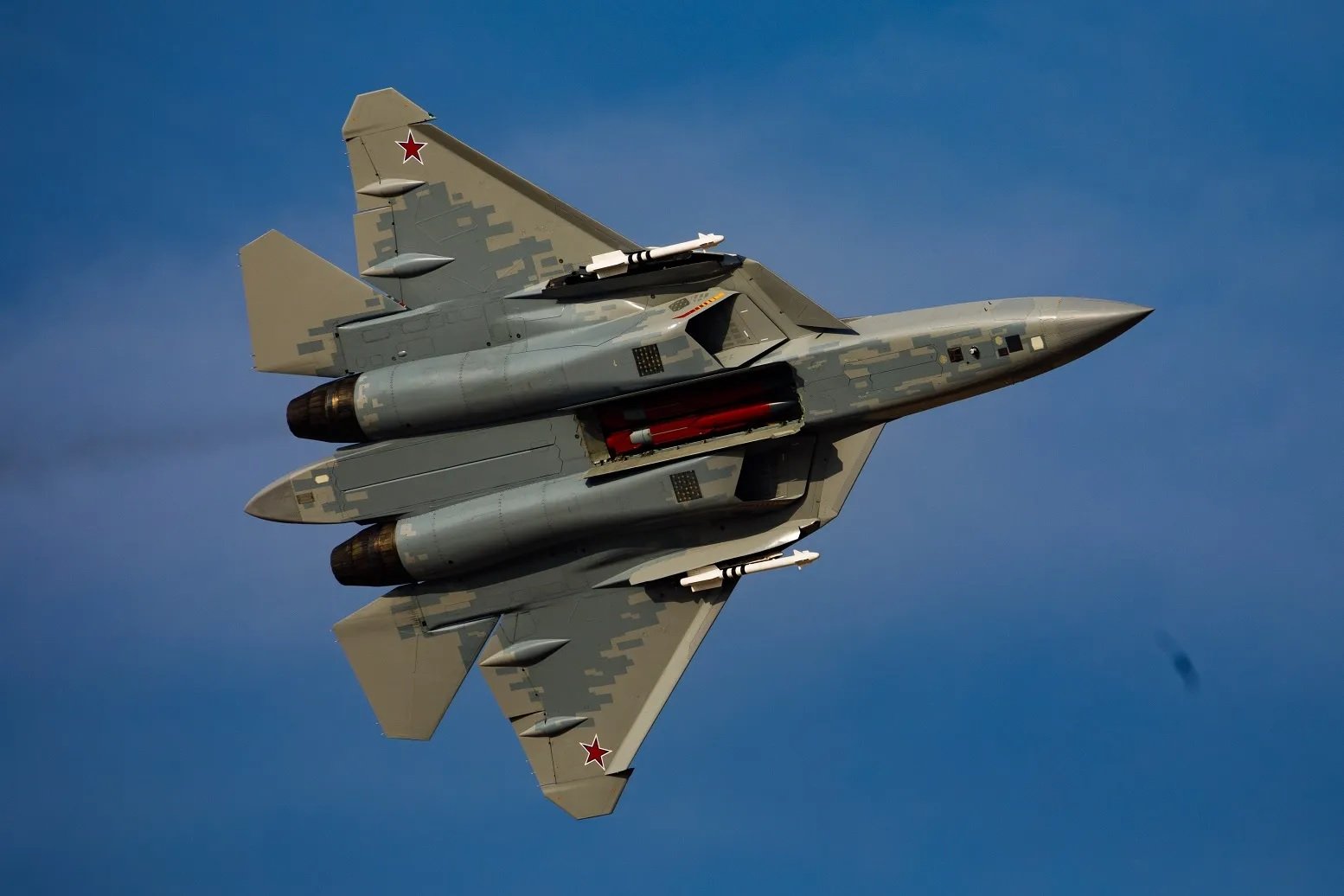
World
MOSCOW — Russia has officially confirmed that its fifth-generation Su-57 stealth fighter has achieved its first air-to-air kill during the conflict in Ukraine, marking the first official acknowledgment of such an engagement by Moscow. The announcement was made by Rosoboronexport Director General Alexander Mikheev, who said the aircraft successfully employed the newly introduced RVV-SDM medium-range air-to-air missile while operating in a heavily contested combat environment. According to Mikheev, the Su-57 has engaged airborne, ground and surface targets using Russian-made weapons while operating against advanced air-defense and electronic warfare systems. He stated that the aircraft demonstrated its capabilities in real combat conditions, including during the engagement that resulted in the confirmed aerial victory. The announcement coincides with the international debut of the RVV-SDM, a new medium-range air-to-air missile developed by Tactical Missiles Corporation primarily for the export version of the fighter, the Su-57E. RVV-SDM Designed for Internal Carriage Rosoboronexport said the RVV-SDM is designed to be carried inside the Su-57E's internal weapons bays, allowing the aircraft to retain its low-observable characteristics during combat operations. Official images released by the company show two RVV-SDM missiles mounted inside the fighter's internal weapons bay. According to Rosoboronexport, the missile features: Fire-and-forget capability An active-passive radar seeker An inertial navigation system with radio data-link for mid-course updates Improved aerodynamic performance A higher power-to-weight ratio than earlier missiles Enhanced resistance to electronic jamming The company also stated that the missile is capable of engaging fixed-wing aircraft, helicopters, cruise missiles and unmanned aerial vehicles at altitudes ranging from 15 metres to 25 kilometres and at target speeds of up to Mach 3. It is designed to operate during both day and night and under electronic countermeasure conditions. Rosoboronexport has not disclosed the missile's maximum engagement range. While some estimates suggest performance comparable to or greater than the earlier RVV-SD, no official range has been released. Defense analyst and former Indian Air Force pilot Vijainder K. Thakur has assessed that the RVV-SDM is likely an advanced development of the RVV-SD, modified for internal carriage and optimized for the Su-57's internal weapon bays. The missile is also being offered for other Russian combat aircraft and, after suitable modifications, for selected foreign platforms. First Official Confirmation of Su-57 Air-to-Air Victory Although reports claiming Su-57 aerial victories had appeared earlier this year, Russia had not officially confirmed any such engagement until now. In April 2026, reports attributed to Sergei Lebedev claimed that a Su-57 destroyed a Ukrainian aircraft over the Mykolaiv region using a long-range missile. In May, Russian media reported that a Su-57 had used an R-37M long-range missile against a Swedish Saab 340 AEW&C aircraft over eastern Ukraine. Those reports were never officially confirmed by Russian authorities. Mikheev's latest statement represents Moscow's first official acknowledgment that the Su-57 has achieved an air-to-air kill during the Ukraine conflict. Su-57 Continues to Operate Cautiously Despite the confirmed engagement, Russia has continued to employ the Su-57 cautiously during the war. The aircraft has primarily been used for stand-off strike missions launched from outside heavily defended areas protected by Western-supplied air-defense systems, including Patriot batteries. More recently, publicly available images have shown Su-57 aircraft carrying R-73 short-range air-to-air missiles on external wing pylons instead of inside internal weapon bays. Although this configuration reduces the aircraft's stealth characteristics, it is considered suitable for short-range interception missions against drones and cruise missiles. Reports indicate the aircraft has been used in anti-drone operations, including missions near Moscow and in the defense of industrial facilities. Export Campaign Focuses on Su-57E Rosoboronexport is marketing the RVV-SDM as part of its broader export package for the Su-57E. The company says international interest in the aircraft has increased following its combat record. Algeria remains the only officially confirmed export customer for the Su-57E. In November 2025, United Aircraft Corporation (UAC) Director General Vadim Badekha confirmed that the first two Su-57E aircraft had been delivered to a foreign customer and had entered combat duty. Subsequent reports and publicly available visual evidence identified Algeria as the recipient. Algeria already operates Russian-built Su-30MKA, MiG-29, and MiG-25 fighter aircraft. Russia also continues to promote the Su-57E to India, offering technology transfer and local production. However, no procurement decision has been announced by the Indian government. Alongside the RVV-SDM, Rosoboronexport is offering other weapons for the Su-57E, including the RVV-MD2 short-range missile, the RVV-BD long-range air-to-air missile, and various internally carried air-to-surface munitions. Ongoing Upgrades Under Megapolis Program The Su-57 continues to receive upgrades under Russia's long-term Megapolis development program. UAC has stated that the aircraft will continue evolving beyond 2040 through improvements to its weapons, onboard systems and overall capabilities. In February 2026, the Russian Aerospace Forces accepted another batch of Su-57 fighters featuring an updated technical configuration. Open-source analysis of official images identified visible changes to the aircraft's 101KS electro-optical complex, indicating expanded passive infrared and visual detection capabilities intended to improve situational awareness and self-protection. Separately, UAC confirmed in December 2025 that the Product 177 (Izdeliye 177) engine had entered flight testing. According to UAC, the engine produces up to 16,000 kilograms of thrust with afterburner, while offering lower fuel consumption and greater durability than the current AL-41F1 engines. The engine is planned for future integration into the Su-57 fleet. Comparison With the F-35 Russia's announcement comes months after the first officially confirmed air-to-air kill by an F-35 against a manned aircraft. In March 2026, the Israel Defense Forces (IDF) confirmed that an Israeli F-35I Adir shot down an Iranian Yak-130 over Tehran. Before that engagement, the F-35 had been employed against drones and cruise missiles in several operational theaters. The operating environments for the two aircraft differ. Ukraine's airspace is defended by modern Western air-defense systems, including the Patriot system, while previous F-35 combat operations have taken place in different operational environments. Russia has presented the Su-57's latest combat achievement alongside the introduction of the RVV-SDM as evidence of the aircraft's expanding operational role and as part of its continuing effort to promote the Su-57E and its associated weapons to international customers.
Read More → Posted on 2026-08-05 16:37:08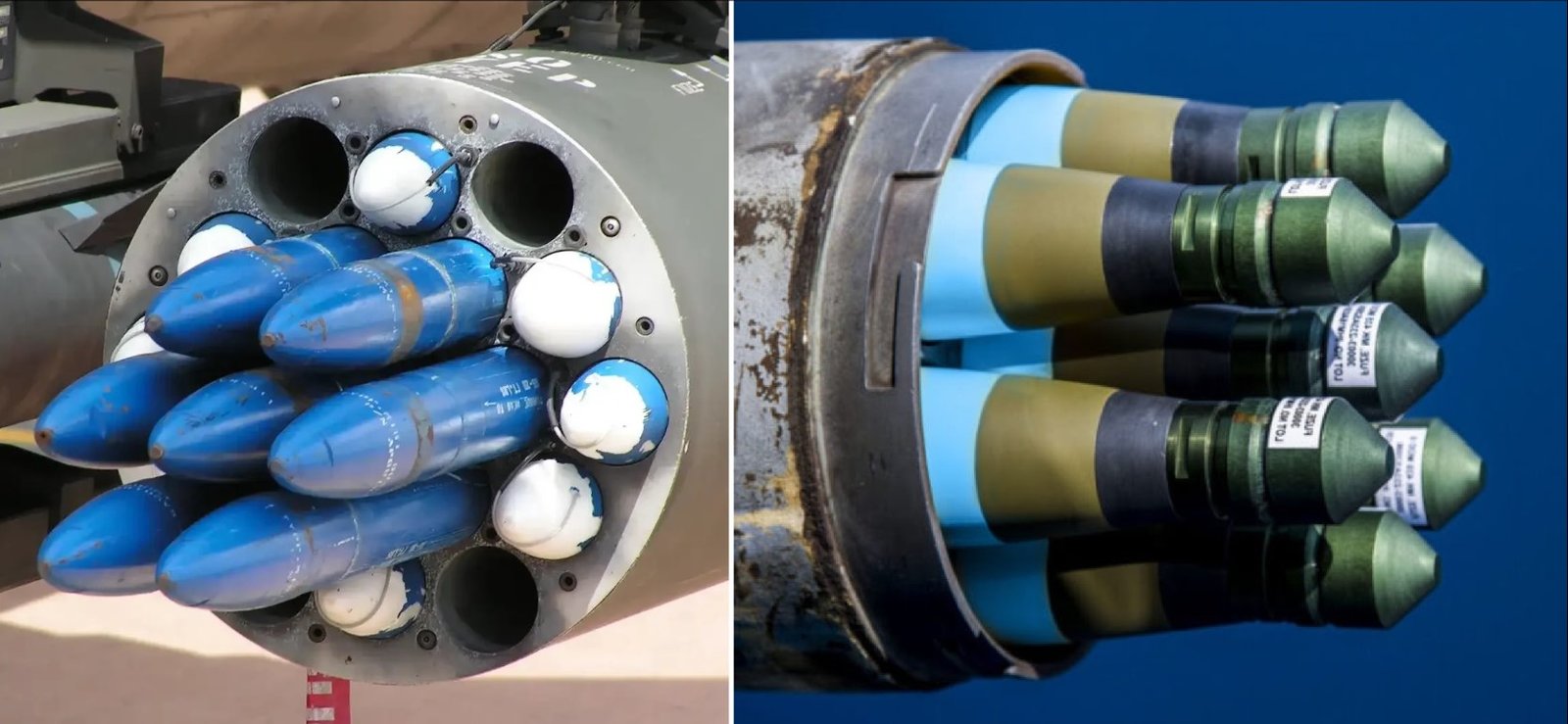
U.S
WASHINGTON — The U.S. Army has selected four defense companies to help expand production of the Hydra-70 rocket as part of an effort to strengthen the defense industrial base, reduce dependence on a single supplier, and improve manufacturing capacity for one of the military's most widely used rocket systems. The Army awarded Other Transaction Authority (OTA) agreements to Firehawk Aerospace, iRocket, Nammo Perry, and Albers through the Aviation Rocket and Small Guided Munitions (ARSGM) Product Office using the One Nation Innovation (ONI) marketplace. According to the Army, the initiative is intended to establish multiple qualified production sources, encourage competitive pricing on future annual orders, and build additional manufacturing capacity to meet operational requirements. Four Companies to Deliver Prototype Rockets Under the agreements, each company will manufacture 24 prototype Hydra-70 M151 High Explosive rockets within the next 18 months. In addition to producing the prototypes, all four companies will work together to update the government's Technical Data Package (TDP) for the Hydra-70. The government-owned TDP contains the engineering and manufacturing information required to build the rocket. The Army said modernizing the package will improve manufacturability and make it easier for additional qualified suppliers to enter production. If the prototype phase is completed successfully, the Army expects to issue follow-on agreements covering additional variants of the Hydra-70 rocket family. Expanding the Industrial Base The Army typically procures 100,000 to 200,000 Hydra-70 rockets each year, making the weapon one of its highest-volume munitions. Officials said expanding the number of qualified manufacturers will strengthen the supply chain and improve the Army's ability to increase production when required. The OTA contracting approach also enables the Army to fund prototype projects more quickly than under traditional acquisition methods while allowing participation from companies beyond the established prime contractor base. Long History of the Hydra-70 Program The Hydra-70 is a 70-millimeter unguided rocket powered by the MK66 rocket motor and can be fitted with different warheads depending on mission requirements. The rocket is launched from multiple platforms, including AH-64 Apache and AH-1 Cobra attack helicopters, as well as fixed-wing aircraft such as the F-16. It is used across all branches of the U.S. military and by many allied nations. The system traces its origins to U.S. Navy rocket designs developed in the late 1940s, while the current Hydra-70 has served as a standard munition since the Vietnam War era. When equipped with the Advanced Precision Kill Weapon System (APKWS) guidance kit, the Hydra-70 becomes a laser-guided precision weapon. The guided version has increasingly been used for counter-drone missions because it provides a lower-cost option than employing Hellfire missiles, which typically cost between $150,000 and $200,000 per missile. Reducing Reliance on a Single Supplier For decades, General Dynamics Ordnance and Tactical Systems has served as the primary systems integrator for the Hydra-70 program. Since 1996, the company has produced more than 5 million Hydra-70 rockets and has received Army contracts that include awards valued at up to $3.42 billion. Army briefing materials shared with industry indicated that the program's maximum production capacity is about 330,000 rockets annually, although actual production has often been below that level. The Army also noted that it fires more than 100,000 Hydra-70 rockets each year for training, in addition to operational and combat use. Over the past decade, approximately 1.7 million Hydra-70 rockets have been used in training, combat, and testing. By bringing additional qualified manufacturers into the program, the Army aims to reduce dependence on a single primary supplier while improving its ability to increase production when required. Firehawk Aerospace Expanding Production Texas-based Firehawk Aerospace said its OTA agreement supports efforts to diversify the Hydra-70 supply chain and strengthen the U.S. defense industrial base. Founded in 2019 by CEO Will Edwards, the company develops rocket motors and propellant using modern manufacturing methods, including 3D printing. Earlier this year, Firehawk opened a rocket integration facility in Crawford, Mississippi, with an initial production capacity of approximately 40,000 rockets per year. The company plans to increase production capacity by 2028. Firehawk is also developing a propellant production facility in Oklahoma and holds propulsion-related contracts supporting programs that include the Javelin, Stinger, and Guided Multiple Launch Rocket System (GMLRS). The company recently raised $60 million in a Series C funding round led by 1789 Capital and also received a strategic investment from Hanwha Defense USA. iRocket Supporting Guided Rocket Production New York-based iRocket also secured a related contract valued between $30 million and $150 million to manufacture components for laser-guided Hydra-70 rockets. The company plans to use its automated Factory ONE production model, which is designed to manufacture up to 97,000 units annually while producing a propellant unit approximately every five minutes. Future Production Plans Following successful completion of the prototype program, the Army plans to expand production opportunities across additional Hydra-70 variants. Army officials said the initiative is intended to create a more resilient manufacturing base, improve competition among suppliers, and ensure long-term production capacity for one of the U.S. military's most widely used rocket systems.
Read More → Posted on 2026-08-06 11:11:58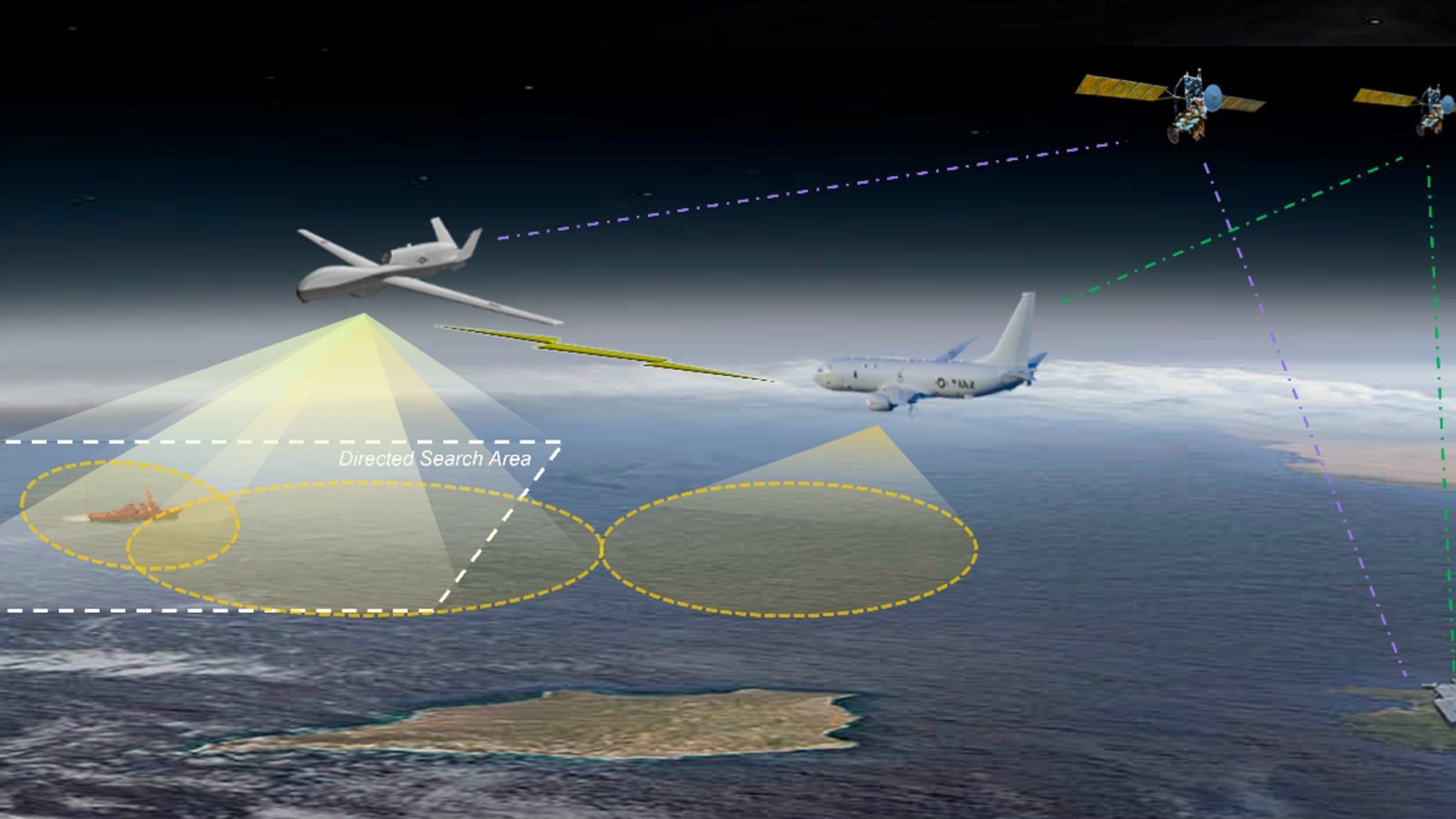
U.S
SAN DIEGO, Calif. — Boeing and Northrop Grumman have successfully completed a jointly funded laboratory demonstration of automated manned-unmanned teaming (MUM-T) between the Boeing P-8A Poseidon maritime patrol aircraft and the Northrop Grumman MQ-4C Triton unmanned aircraft system. The demonstration marked the first time the two platforms collaborated through automated mission control using an open systems architecture, allowing them to exchange mission tasking and intelligence without relying entirely on manual operator inputs. During the laboratory simulation, an operator aboard the P-8A Poseidon transmitted machine-readable and machine-actionable mission tasking to a simulated MQ-4C Triton using Universal Command and Control Interface (UCI) formatted messages. The Poseidon directed the unmanned aircraft to travel to a designated operational area and collect intelligence. After receiving the tasking, the MQ-4C Triton autonomously planned and executed the mission using onboard artificial intelligence (AI) algorithms. The aircraft employed its sensors according to the assigned mission, processed the collected information onboard, and automatically transmitted the intelligence back to the P-8A crew. To replicate real-world operational conditions, the data exchange was conducted through a simulated satellite communication relay. According to the companies, the demonstration showed how crewed and uncrewed maritime platforms can work together more efficiently by sharing intelligence and coordinating missions through standardized digital interfaces. Open Systems Architecture Instead of using a dedicated point-to-point connection between the two aircraft, the demonstration relied on the Universal Command and Control Interface (UCI), a machine-to-machine collaboration standard built on Open Mission Systems (OMS) and the Autonomy–Government Reference Architecture. This standardized approach allows military platforms using the same architecture to communicate and operate together without requiring custom software integration. Boeing and Northrop Grumman said the common interface can support interoperability with other U.S. and allied military systems that use the same standards while reducing integration time and cost. Operational Benefits The companies said the demonstration highlighted several operational advantages for maritime patrol and reconnaissance missions. By allowing the MQ-4C Triton to autonomously carry out assigned tasks and process information before sending results to the P-8A, operator workload can be reduced while enabling crews to focus on mission management. Automated machine-to-machine intelligence sharing can also speed up the delivery of operational information to commanders, improving decision-making during maritime intelligence, surveillance, reconnaissance and targeting (ISR&T) missions as well as anti-surface warfare operations. The use of standardized interfaces also makes future integration between crewed and uncrewed aircraft less complex and more cost-effective across U.S. and allied forces. Company Statements Jane Bishop, vice president and general manager of Northrop Grumman's Global Surveillance Division, said the MQ-4C Triton and P-8A Poseidon form the backbone of the U.S. Navy's maritime patrol and reconnaissance force by providing complementary capabilities. She said the demonstration highlighted the flexibility of both systems, the companies' continued investment in advanced technologies, and the value of industry collaboration. Bishop added that Northrop Grumman remains committed to advancing technologies that support U.S. and allied operators against evolving maritime threats. Tory Peterson, vice president of Boeing's P-8 Program, said the demonstration expands real-world interoperability between the P-8A Poseidon and MQ-4C Triton for the United States and allied operators. He said Boeing's continued investment is intended to help current and future P-8A operators enhance mission capability through evolutionary upgrades while building on the aircraft's existing maritime patrol and reconnaissance roles. About the Aircraft The Boeing P-8A Poseidon is a multi-mission maritime patrol and reconnaissance aircraft designed to conduct anti-submarine warfare (ASW), anti-surface warfare (ASuW), intelligence, surveillance and reconnaissance (ISR), and search and rescue (SAR) missions. The Northrop Grumman MQ-4C Triton is a high-altitude, long-endurance unmanned aircraft system developed for persistent maritime intelligence, surveillance and reconnaissance operations. Built at Northrop Grumman's facility in Palmdale, California, the aircraft also supports signals intelligence, early threat prediction, and search and rescue missions. It is operated by the U.S. Navy and the Royal Australian Air Force. The companies said the demonstration is part of their ongoing investment to accelerate advanced maritime capabilities for U.S. and international operators through open systems architecture and automated collaboration between crewed and uncrewed platforms.
Read More → Posted on 2026-08-06 11:21:07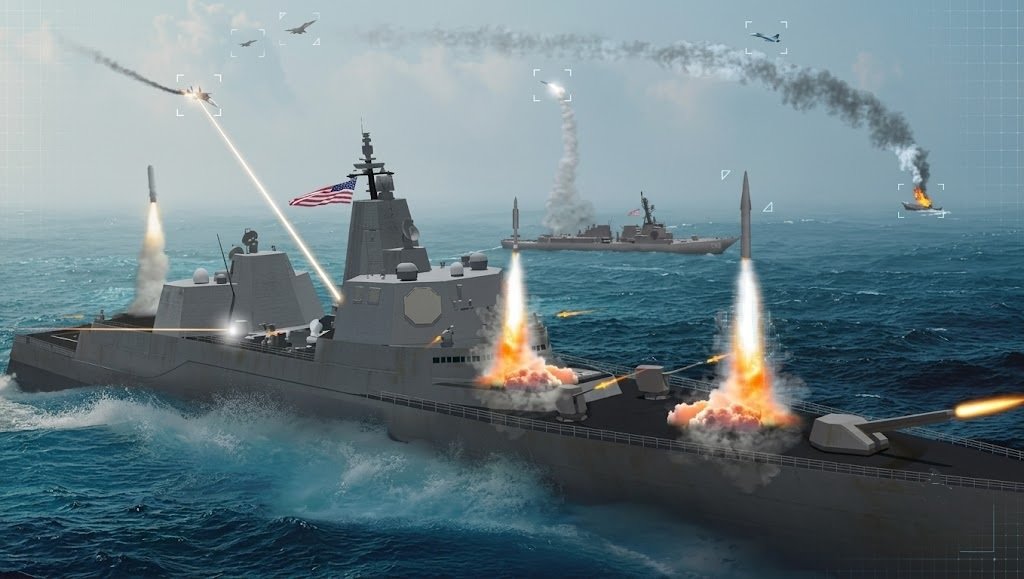
U.S
WASHINGTON — The U.S. Navy's planned fleet of 15 nuclear-powered guided-missile battleships would cost an estimated $275 billion through 2056, according to a report released Wednesday by the Congressional Budget Office (CBO). The nonpartisan budget office estimated that the lead ship of the Trump-class (BBGN) would cost $23.4 billion, while the remaining 14 ships would average about $18 billion each. The estimates are based on 2026 dollars and cover ships expected to be ordered between 2028 and 2056. The planned battleships are part of the Navy's broader Golden Fleet initiative, announced in December 2025, and represent a major shift toward larger, heavily armed surface combatants. Nuclear Propulsion Increases Program Cost According to the CBO, the projected cost of the nuclear-powered fleet is significantly higher than the Navy's earlier estimates for a conventionally powered design. The Navy had previously estimated that the first conventionally powered battleship would cost $15.1 billion, with the second and third ships averaging $10.2 billion each. The CBO estimated that a fleet of 15 conventionally powered ships would cost about $243 billion. By switching to nuclear propulsion, the acquisition cost increases by about $32 billion, or 13 percent, bringing the total estimated program cost to $275 billion. The CBO noted that nuclear propulsion could reduce long-term operating costs by eliminating the need to purchase and transport conventional fuel. However, it said there is not enough information at this stage to estimate those savings because the ship's final design and propulsion requirements have not yet been finalized. The Navy has indicated that the battleships would use a reactor plant similar to the one installed on the Gerald R. Ford-class aircraft carriers. Largest Surface Combatant Planned Since World War II If built as planned, the Trump-class BBGN would become the largest surface combatant in the world and the largest surface warship constructed for the U.S. Navy since World War II. The Navy expects each ship to displace at least 35,000 tons at full load and measure between 840 and 880 feet in length. According to the Navy's current plan, the battleship would carry: 128 Mark 41 vertical-launch system (VLS) cells 12 Conventional Prompt Strike (CPS) hypersonic missiles Nuclear-armed sea-launched cruise missiles (SLCM-N) High-powered laser systems An electronic rail gun Defensive weapon systems The Trump-class would replace the Navy's planned DDG(X) destroyer, which was expected to displace about 14,500 tons. The Navy has said the larger battleship design avoids the "undesirable capability and weapon system compromises" associated with the smaller DDG(X) concept. Cost Comparable to Aircraft Carriers The CBO noted that the lead Trump-class battleship's projected $23.4 billion cost is close to the estimated $22 billion price of future Ford-class nuclear-powered aircraft carriers included in the Navy's fiscal 2027 shipbuilding plan. It also estimated that one Trump-class battleship would cost about the same as five DDG-51 Arleigh Burke-class destroyers. However, the CBO noted that those destroyers would require more sailors, maintenance, and fossil fuel over their operational lives. Construction Timeline Faces Challenges The Navy's fiscal 2027 shipbuilding plan proposes ordering the first three battleships beginning in 2028, followed by approximately one ship every other year. However, the CBO questioned whether construction can realistically begin in 2028 because the battleship remains in the early stages of design. The report noted that beginning construction before completing the design has historically increased the risk of cost growth, schedule delays, and expensive rework. Current U.S. Navy shipbuilding programs already face extended construction timelines. According to the CBO, attack submarines, destroyers, and large amphibious ships now require nine to 11 years to build, compared with five to six years during the early 2000s. The Navy has said it intends to reduce schedule and cost risks by using modern digital engineering, advanced production practices, and artificial intelligence-enabled design tools. However, the CBO pointed to delays affecting the Constellation-class frigate program as an example of the challenges facing current naval shipbuilding efforts. Industrial Base Under Pressure Because the Trump-class will use nuclear propulsion, Newport News Shipbuilding is expected to perform final assembly, as it is currently the only U.S. shipyard certified to build nuclear-powered surface ships. Bath Iron Works and Ingalls Shipbuilding could manufacture non-nuclear modules for the ships, but final integration would take place at Dock 12 at Newport News, the same facility used for aircraft carrier construction. The CBO warned that adding a new class of 35,000-ton nuclear-powered battleships to the existing workload could increase pressure on the shipyard, which is already building three aircraft carriers and several submarines. Final Cost Depends on Ship Size The CBO said the final cost of the lead ship will depend heavily on its final size and configuration. According to the report: Reducing displacement to 30,000 tons could lower the lead ship's cost by about 13 percent. Increasing displacement to 41,000 tons could raise the lead ship's cost by about 16 percent. The report also stated that additional weapon integration and higher survivability requirements could further increase acquisition costs. Part of a Larger Fleet Expansion Plan The Trump-class program forms part of the Navy's broader plan to expand its large surface combatant fleet. Under the fiscal 2027 shipbuilding plan, the Navy proposes operating 72 large surface combatants, compared with 51 in the 2025 shipbuilding plan. To support that expansion, average annual funding for large surface combatants would increase from $6.9 billion to $15.2 billion. Total annual funding for both large and small surface combatants would rise from about $11 billion to $19 billion. The plan also calls for annual construction output of large surface combatants to increase from approximately 16,000 tons to 35,000 tons by 2035, placing additional demand on the U.S. shipbuilding industrial base. According to the information released, the first ship is expected to be named USS Defiant. The program was announced by President Donald Trump in December 2025 as the centerpiece of the Golden Fleet initiative. Congress has not yet fully authorized the program. The Navy's fiscal 2027 budget request includes approximately $1 billion for advance procurement and $837 million for research and development related to the Trump-class battleship program.
Read More → Posted on 2026-08-06 11:37:34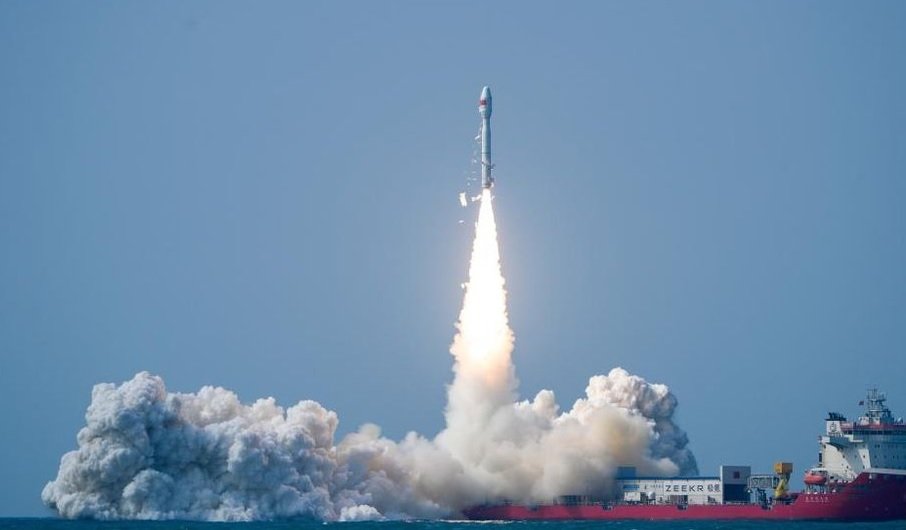
Space & Technology
BEIJING — China successfully launched two artificial intelligence-enabled hyperspectral remote sensing satellites into orbit on Wednesday using a Smart Dragon-3 (SD-3), also known as Jielong-3, solid-propellant carrier rocket from a mobile sea-based launch platform. The rocket lifted off at 10:38 a.m. Beijing Time from waters near Haiyang in eastern Shandong Province under the supervision of the Taiyuan Satellite Launch Center. The mission marked the 12th flight of the Smart Dragon-3, its fourth launch of 2026, and China's second sea-based orbital launch within two weeks. The launch placed the Oriental Smart Eye (OSE), also known as Dongfang Huiyan, hyperspectral satellites 01 and 02 into their planned orbits. Each satellite weighs approximately 300 kilograms and is designed to provide high-resolution Earth observation using onboard artificial intelligence. Sea-Based Launch Expands Mission Flexibility China has continued to increase the use of offshore launch platforms as part of its commercial and orbital launch activities. Compared with fixed inland launch sites, sea-based launches provide greater flexibility in selecting launch trajectories while reducing the risk of rocket debris falling over populated areas. The latest mission further demonstrates China's continued use of offshore launches for placing satellites into orbit. AI Processing Moves Data Analysis Into Space The two satellites are equipped with onboard artificial intelligence computing modules developed by Hangzhou-based Star Vision Aerospace Group Ltd., also referred to as STAR.VISION or Star.ai Spatio-temporal Intelligence Technology Co., Ltd. Each satellite has onboard computing capability of up to 400 trillion operations per second, enabling data processing directly in orbit instead of relying entirely on ground-based processing after image transmission. According to official information, the onboard AI system can perform tasks including: Anomaly detection Surface-feature identification Intelligent data compression Feature extraction By processing information in space, the satellites can significantly reduce the amount of raw data transmitted to Earth while shortening response times from several days to the minute level. Hyperspectral Imaging for Environmental and Resource Monitoring Unlike conventional optical imaging satellites that primarily capture photographs, the Oriental Smart Eye satellites use hyperspectral imaging technology to collect detailed spectral information for every pixel. Each satellite carries: 22 calibrated spectral bands 5-meter spatial resolution Approximately 300-kilometer imaging swath Together, the satellites are designed to provide global revisit coverage every five days. The hyperspectral sensors allow the satellites to identify different materials and measure characteristics including: Vegetation chlorophyll Plant moisture Water quality Soil organic matter Mineral composition The satellites are intended for applications in agriculture, forestry, water resource management, mining, and environmental monitoring. International Cooperation Included in Mission The two satellites are part of the broader Dongfang Huiyan spatiotemporal intelligent constellation project, which includes international cooperation. Satellite 01, also known as Lampung-1, supports cooperation with Indonesia and is intended to help monitor crop growth and assess disaster risks affecting agricultural production. Satellite 02, also called Samarkand-2028, supports cooperation with Uzbekistan and is designed for full-cycle monitoring of cotton cultivation, from sowing through harvesting. Part of a Larger Satellite Constellation The two spacecraft are also part of the broader Oriental Smart Eye Constellation program, which aims to deploy more than 200 intelligent high-resolution satellites by 2030. According to official reports, once operational the new satellites are expected to work alongside an existing high-resolution satellite already in orbit, combining wide-area surveys with more detailed observations to support high-precision Earth observation and large-scale land and sea monitoring. Smart Dragon-3 Launch Vehicle The Smart Dragon-3 is a four-stage solid-propellant carrier rocket developed by the China Academy of Launch Vehicle Technology for commercial launch missions. According to officially available specifications, the rocket: Stands about 31 meters tall Has a diameter of approximately 2.65 meters Has a liftoff mass of around 140–145 metric tons Can carry up to about 1,500–1,600 kilograms to a 500-kilometer sun-synchronous orbit The vehicle is designed to launch small and medium-sized payloads into sun-synchronous and low Earth orbits, with sea-based operations providing additional flexibility for commercial and government missions.
Read More → Posted on 2026-08-06 11:49:48
U.S
WASHINGTON, D.C. — The White House and the Pentagon have strongly denied a report claiming U.S. President Donald Trump confronted Defense Secretary Pete Hegseth over ammunition shortages during a Cabinet meeting at Camp David, even as concerns over U.S. weapons stockpiles continue amid the ongoing conflict with Iran. A report published by The Washington Post, citing two sources familiar with the matter, said Trump questioned Hegseth during last Friday's Cabinet meeting at the Camp David presidential retreat in Maryland after learning that shortages of key long-range guided missiles and air-defense interceptors remained unresolved. According to the report, Trump expressed frustration because he believed the ammunition issue had already been addressed and felt he had not been fully informed about the actual condition of U.S. military stockpiles. The reported shortages have limited available military options during the conflict with Iran. Report Claims Trump Sought Explanation The Washington Post reported that Trump pressed Hegseth for an explanation regarding the continued shortages. According to the newspaper, Hegseth denied responsibility and instead pointed to Deputy Defense Secretary Stephen Feinberg, saying his deputy was responsible for ensuring the president received accurate updates on the military's inventory. The report said the exchange reflected growing tensions between Trump and Hegseth, who had been among the strongest supporters of military action against Iran and had previously assured the president that operations would be short and decisive. Reports Highlight Pressure on U.S. Munitions The reported discussion comes as U.S. military operations have placed heavy demand on precision-guided weapons and air-defense systems. According to The Washington Post, during the first month of the conflict U.S. forces used: More than 850 Tomahawk cruise missiles More than 1,000 Patriot and Terminal High Altitude Area Defense (THAAD) interceptors More than 1,300 Army Tactical Missile Systems (ATACMS) The newspaper, citing a source familiar with the matter, reported that the ATACMS inventory has been reduced to the point that essentially none remain. Earlier reporting by CNN stated that the United States had used roughly 80% of its prewar THAAD interceptor stockpile and about half of its Patriot interceptor inventory during the conflict. CNN also reported that reserves of ATACMS and Precision Strike Missiles (PrSM) had been significantly reduced, with the shortages contributing to Trump's decision to pause plans for additional large-scale strikes. Defense officials have previously acknowledged that replenishing certain advanced munitions takes considerable time. Production of some key air-defense interceptors, including Patriot missiles, can take up to two years despite expanded manufacturing agreements. White House Rejects the Report The White House categorically denied that any confrontation took place. White House Press Secretary Karoline Leavitt dismissed the report, stating: "This is 100% fake news. It literally never happened. President Trump has the utmost confidence in Secretary Hegseth." Leavitt later wrote on X that she attended the Camp David meeting and said the reported exchange never occurred. She also said the story had been shared with several media organizations in an effort to discredit Hegseth, adding that Trump "loves the Secretary and thinks he's doing a tremendous job." Pentagon Also Denies Allegations The Pentagon issued a similar response. Chief Pentagon spokesperson Sean Parnell rejected claims that Hegseth misled the president about U.S. munitions inventories or shifted responsibility to Deputy Defense Secretary Stephen Feinberg. Parnell described the allegations regarding depleted stockpiles, internal disagreements and Hegseth's position on Iran as "fabricated" and "fake news from beginning to end." Senate Hearings Raised Similar Questions Questions regarding U.S. weapons inventories had already surfaced during Senate hearings in July. Democratic lawmakers asked Hegseth whether he had accurately informed President Trump about the risks that a prolonged military campaign could pose to U.S. stockpiles. During those hearings, Hegseth repeatedly attributed any inventory shortfalls to policies of the previous administration. Meanwhile, the administration has taken steps to expand production by invoking the Defense Production Act and requesting additional funding from Congress to replenish military inventories. Trump Responds on Truth Social President Trump also responded publicly following the reports. In a post on Truth Social, he denied that the United States was facing a weapons shortage, saying the country has "massive amounts" of munitions and that additional weapons are being manufactured and supplied as needed. Trump also said his administration was pursuing individuals responsible for leaking what he described as "treasonous statements" to the media and that long prison sentences would be sought. Conflicting Accounts Remain The reported Camp David exchange has become the latest point of disagreement between media reports and official statements from the administration. While The Washington Post and CNN have reported significant pressure on U.S. missile inventories during the conflict with Iran, both the White House and the Pentagon continue to reject claims of internal disagreements over the issue, maintaining that President Trump and Defense Secretary Pete Hegseth remain fully aligned on U.S. national security policy.
Read More → Posted on 2026-08-06 12:03:36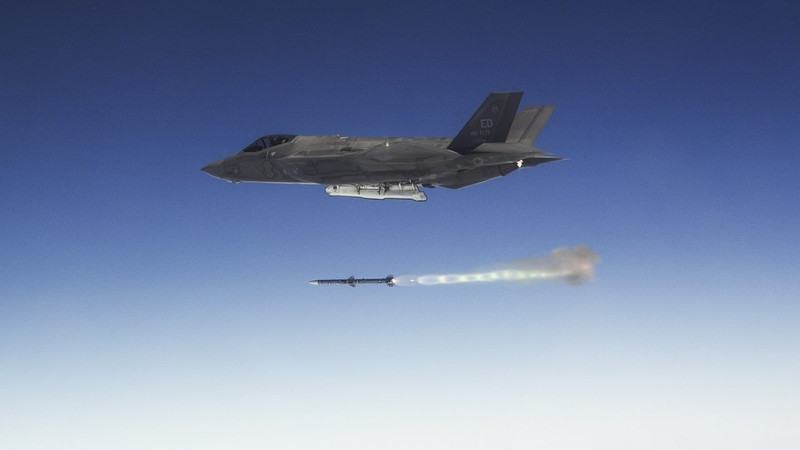
World
DARWIN, Australia — Australia will invest nearly A$736 million (approximately US$518 million) to acquire the AIM-260 Joint Advanced Tactical Missile (JATM) from the United States, becoming the first country outside the US to operate the next-generation beyond-visual-range air-to-air missile. Deputy Prime Minister and Defence Minister Richard Marles announced the acquisition on August 6 during Exercise Pitch Black at RAAF Base Darwin, Australia's premier multinational air combat training exercise. The missiles will be acquired through the US Foreign Military Sales (FMS) program and will initially be integrated with the Royal Australian Air Force's (RAAF) Boeing F/A-18F Super Hornet fleet. Integration will later expand to the Lockheed Martin F-35A Lightning II and Boeing EA-18G Growler aircraft. Marles said the AIM-260 missiles will be fitted to Australia's Super Hornets, Growlers and F-35s, with the weapon expected to operate on those aircraft in the future. However, no specific delivery schedule was announced. Strengthening Australia's Air Combat Capability The AIM-260 is a beyond-visual-range air-to-air missile (BVRAAM) developed by Lockheed Martin. It is designed to address advanced airborne threats and is intended to supplement or eventually replace the AIM-120 AMRAAM in US service. According to publicly available information, the missile has a range of at least 200 kilometres and can reach speeds of around Mach 5. The missile is also designed to fit existing launch systems and the internal weapons bays of aircraft such as the F-35, allowing fifth-generation fighters to retain their low-observable configuration while carrying the weapon internally. The AIM-260 acquisition will provide the Royal Australian Air Force with a longer-range air-to-air engagement capability against airborne targets. It will also complement the Australian Defence Force's (ADF) existing inventory of air-to-air missiles and surface-based air defence systems. Supporting Australia's Defence Strategy The purchase directly supports the priorities outlined in Australia's 2026 National Defence Strategy and the accompanying Integrated Investment Program, which call for a layered air and missile defence architecture capable of detecting and countering threats. The Australian government said the acquisition will also strengthen operational compatibility between Australian and US military forces through the shared use of the AIM-260. The announcement follows Australia's recent investments in medium-range air defence and long-range strike capabilities as part of a broader effort to modernise the Australian Defence Force. "This announcement is the latest milestone in the delivery of long-range, high-tech capabilities for our Defence Force," Richard Marles said. "The Albanese Government continues to deliver critical capabilities that will allow the ADF to strike at a longer range, deter any adversary and protect our national interests." He added that announcing the purchase during Exercise Pitch Black highlighted Australia's commitment to regional security. "It is fitting to make this announcement at Exercise Pitch Black, which is an important demonstration of Australia's commitment to the peace, stability and security of our region," Marles said. The government added that the investment will help ensure the Australian Defence Force remains capable, equipped and prepared to respond to Australia's strategic circumstances. Part of a Broader Guided Weapons Investment Defence Industry Minister Pat Conroy said the AIM-260 would place Australia at the forefront of the missile's international introduction. "JATM missiles are some of the most sophisticated air-to-air weapons in the world, and Australia will be the first country to operate them outside the US," Conroy said. He said the investment would strengthen the Australian Defence Force's ability to detect and counter threats while improving national security. "This investment will deliver the most advanced capability for our ADF to detect and counter threats, and keep Australians safe," Conroy said. "This is made possible thanks to the Albanese Government's record investment in Defence, including up to A$36 billion over the next decade for Guided Weapons and Explosive Ordnance." The AIM-260 procurement forms part of Australia's wider Guided Weapons and Explosive Ordnance enterprise, which aims to strengthen the country's long-term missile capability. Earlier US Notification and Initial Purchase Earlier in 2026, the US Congress was notified of a potential defence package valued at approximately US$3.16 billion. That notification covered up to 450 AIM-260 missiles, along with integration test vehicles, guided test vehicles, training, logistics support and other associated equipment. The Australian government's confirmed commitment of nearly A$736 million represents an initial purchase under that broader framework. No official explanation has been provided regarding the difference between the earlier US notification and Australia's announced investment. Separately, Australia is continuing efforts to expand its domestic guided weapons production capability through partnerships with international defence companies, including work involving locally developed rocket motors. Once integrated across the Royal Australian Air Force's F/A-18F Super Hornet, EA-18G Growler and F-35A Lightning II fleets, the AIM-260 is expected to strengthen Australia's long-range air combat capability and improve interoperability with US forces during future operations and joint exercises.
Read More → Posted on 2026-08-06 13:56:32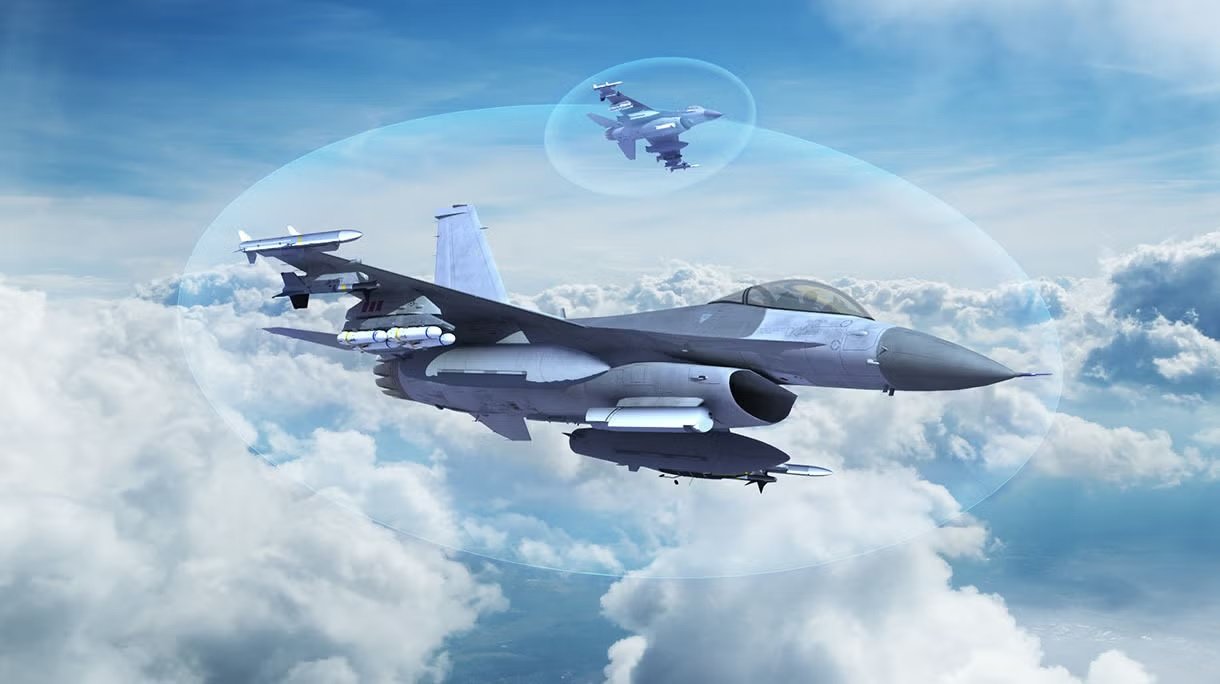
U.S
EDWARDS AIR FORCE BASE, Calif. — L3Harris Technologies has completed the first two-aircraft flight tests of its Viper Shield electronic warfare system at Edwards Air Force Base, marking the first time the system has flown simultaneously aboard an F-16C and an F-16D. L3Harris announced the milestone on Aug. 5 following a series of two-ship flights conducted as part of the ongoing Viper Shield flight-test campaign. The latest testing moves the program beyond individual aircraft evaluations and expands testing into coordinated multi-aircraft operations. The campaign is intended to reduce integration risks, expand the system's test envelope and support preparations for planned deliveries to international F-16 operators. Viper Shield Tested in Two-Aircraft Operations During the flights, test teams evaluated Viper Shield's ability to detect, identify and counter advanced electromagnetic threats while operating alongside the F-16's existing avionics and mission systems. Engineers also assessed the system's digital architecture and real-time response capabilities across different mission profiles. Adding a second aircraft allowed L3Harris and the U.S. Air Force test community to evaluate the electronic warfare suite in a more representative operational environment. Fighters commonly operate alongside other aircraft, requiring electronic warfare equipment to function without disrupting friendly sensors, communications or coordinated tactics. A key part of the evaluation was therefore determining how Viper Shield performs when multiple equipped aircraft operate together. The system is designed to prevent electronic warfare interference between wingmen when fighters simultaneously operate their radars, sensors and countermeasures. F-16C and F-16D Used for Testing The campaign involved both the single-seat F-16C and two-seat F-16D, allowing engineers to evaluate Viper Shield across different aircraft and mission configurations. The F-16C was used to assess combat loadouts, sensor configurations and specific electronic warfare profiles. The F-16D, which is also used for training and multi-crew missions, provided additional opportunities to evaluate the system under different flight conditions, cockpit workflows and mission configurations. Testing the two variants together provided a broader assessment of Viper Shield's performance than previous single-aircraft sorties. Lauren Barnes, President of Spectrum Superiority, Communications & Spectrum Dominance at L3Harris, said the two-aircraft flights demonstrated continued progress in the flight-test program. “The two-ship flights with Viper Shield are another strong example that the system is performing as intended,” Barnes said. “Viper Shield is showing exceptional threat awareness and rapid reaction capability throughout the flight test campaign at Edwards.” AN/ALQ-254(V)1 Viper Shield Viper Shield, designated AN/ALQ-254(V)1, is an all-digital, software-defined electronic warfare suite developed to improve the survivability and combat effectiveness of advanced F-16 fleets. The system combines digital radar threat warning, threat identification and electronic countermeasure capabilities. Its digital radar warning receiver is designed to integrate with the F-16's APG-83 Active Electronically Scanned Array radar, allowing the electronic warfare suite and aircraft radar to operate as part of an integrated configuration. Viper Shield also incorporates a Digital Radio Frequency Memory-based jammer (DRFM jammer), designed to provide rapid and precise electronic countermeasures against advanced radar-guided threats. L3Harris is developing Viper Shield in partnership with Lockheed Martin and the U.S. Air Force. Providing Threat Information to F-16 Pilots Viper Shield is designed to process electromagnetic activity around the aircraft and provide pilots with usable threat information. The system combines threat detection, identification and countermeasure functions to help aircrews respond to hostile emitters. This can provide pilots additional time to maneuver, employ defensive measures or change their mission plan when required. The two-ship flights also allowed test teams to examine how the system supports pilot situational awareness during coordinated operations rather than evaluating aircraft protection only in isolated sorties. L3Harris has incorporated commercial off-the-shelf technology (COTS) into Viper Shield's digital architecture to reduce overall weight and simplify future software upgrades. Internal and Podded Configurations Viper Shield's compact design allows the electronic warfare system to be installed internally on an aircraft or carried in a self-contained external pod. The two configurations use common hardware, helping simplify maintenance, training, software upgrades and logistics support across different F-16 blocks and national configurations. According to L3Harris, Viper Shield is currently the only electronic warfare system in production with a form factor small enough to fit the range of F-16 blocks. The flexible installation approach is particularly relevant for international F-16 fleets because aircraft configurations can differ between operators. 233 Viper Shield Systems Planned L3Harris is preparing to move toward full-rate production of 233 planned Viper Shield systems. The company said eight nations have selected Viper Shield for their F-16 fleets. L3Harris is supporting the program with an active production line, quality assurance processes and a supply chain being prepared for large-scale manufacturing. The planned production effort will support international operators adopting the system as an electronic warfare and survivability upgrade for their F-16 aircraft. Program Moves Toward Operationally Relevant Testing The first coordinated flights involving Viper Shield-equipped F-16C and F-16D aircraft represent another stage in the system's flight-test campaign at Edwards Air Force Base. Moving from individual aircraft evaluations to two-ship operations allows engineers to assess how the electronic warfare suite performs when multiple fighters operate together while using their sensors, radars and defensive systems. The latest testing is intended to further reduce integration risks and support Viper Shield's progression toward planned deliveries to international F-16 operators.
Read More → Posted on 2026-08-06 14:27:24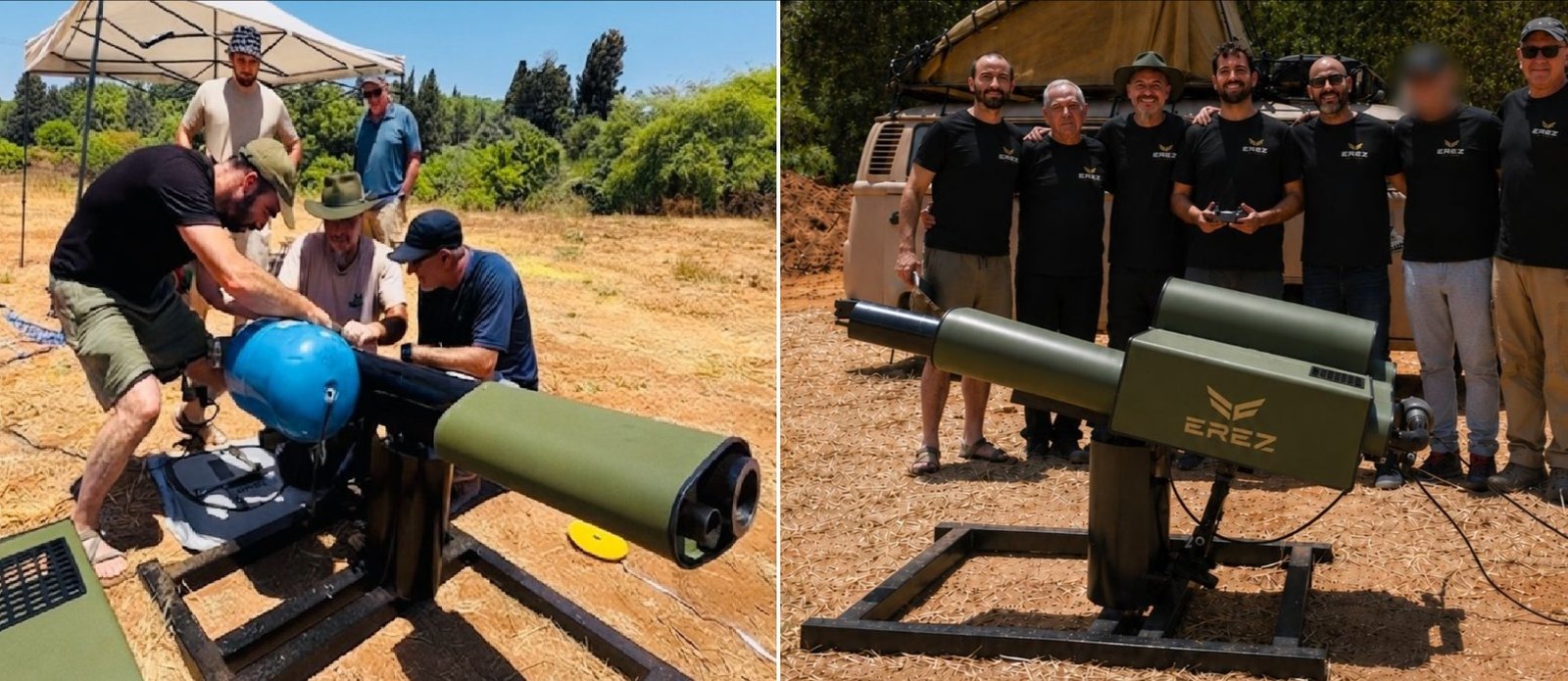
World
HOD HASHARON, Israel — Israeli defense startup Erez Defense Solutions has completed another round of field testing for its developing counter-drone defense system, focusing on the validation of a proprietary capsule and its launch mechanism as the company continues work on the technology. The company, based in Hod HaSharon, about 20 kilometers northeast of Tel Aviv in central Israel, said this week's trials concentrated on programming and integration of the system's two core components: a proprietary capsule and the mechanism used to launch it. Erez Defense Solutions did not disclose the capsule's function after launch or explain whether the system is designed to physically capture drones, disable them electronically, or destroy them. The company also did not release technical specifications or operational details of the system. According to the company, the latest testing campaign was intended to validate the performance of the launch hardware and capsule under real operating conditions rather than laboratory simulations. "Field testing is the heartbeat of our innovation. In the world of Electronic Warfare and Counter-Unmanned Aircraft Systems (C-UAS), theory is one thing, but reality is another. No simulation, however advanced, can replace the complex dynamics of the real world," the company said in a statement. Three Main Objectives Erez Defense Solutions said the latest field trials were designed around three primary objectives: Testing the physical limits of the launch hardware and proprietary capsule under demanding conditions. Verifying operational feasibility by confirming the integrity of the ballistic and mechanical launch sequence in real-field conditions. Ensuring basic reliability so the core system operates consistently and predictably during operation. The company said the trials provided important programming and integration data that will support the next stages of development. However, it did not state that the system has reached operational readiness or is ready for military deployment. The focus on mechanical validation and basic reliability indicates the project remains in an engineering development phase rather than final qualification for procurement or service entry. Growing Focus on Counter-Drone Technologies Counter-unmanned aircraft systems (C-UAS) have become an increasingly important area of defense development as small, low-cost drones continue to pose security challenges on battlefields and around military and civilian infrastructure. C-UAS solutions generally fall into two categories. Hard-kill systems neutralize drones using weapons such as missiles, guns or lasers, while soft-kill systems seek to stop drones without destroying them through methods including electronic jamming, navigation spoofing or physical capture. Israeli defense companies have introduced several counter-drone technologies in recent years, including soft-kill solutions designed for environments where limiting debris is important. Israel's defense industry has expanded work on counter-drone capabilities in response to security threats that officials say exist across multiple fronts, including cross-border drone activity and attacks linked to Iran-aligned groups. The evolving threat environment has encouraged continued investment in new C-UAS technologies by both established defense firms and emerging startups. Development Continues Erez Defense Solutions credited its engineering and development teams for the progress achieved during the latest round of testing. "The current success is a testament to the hard and precise work of our engineering and development teams, who never stop researching, learning, and improving," the company said. "We are moving forward full steam ahead to deliver a leading and reliable solution to the market." The company did not disclose information regarding its founding, funding, development timeline, customers, or potential procurement programs. As of Aug. 6, 2026, no additional verified public information about the system's technical design, operational concept, or company history had been released.
Read More → Posted on 2026-08-06 14:36:06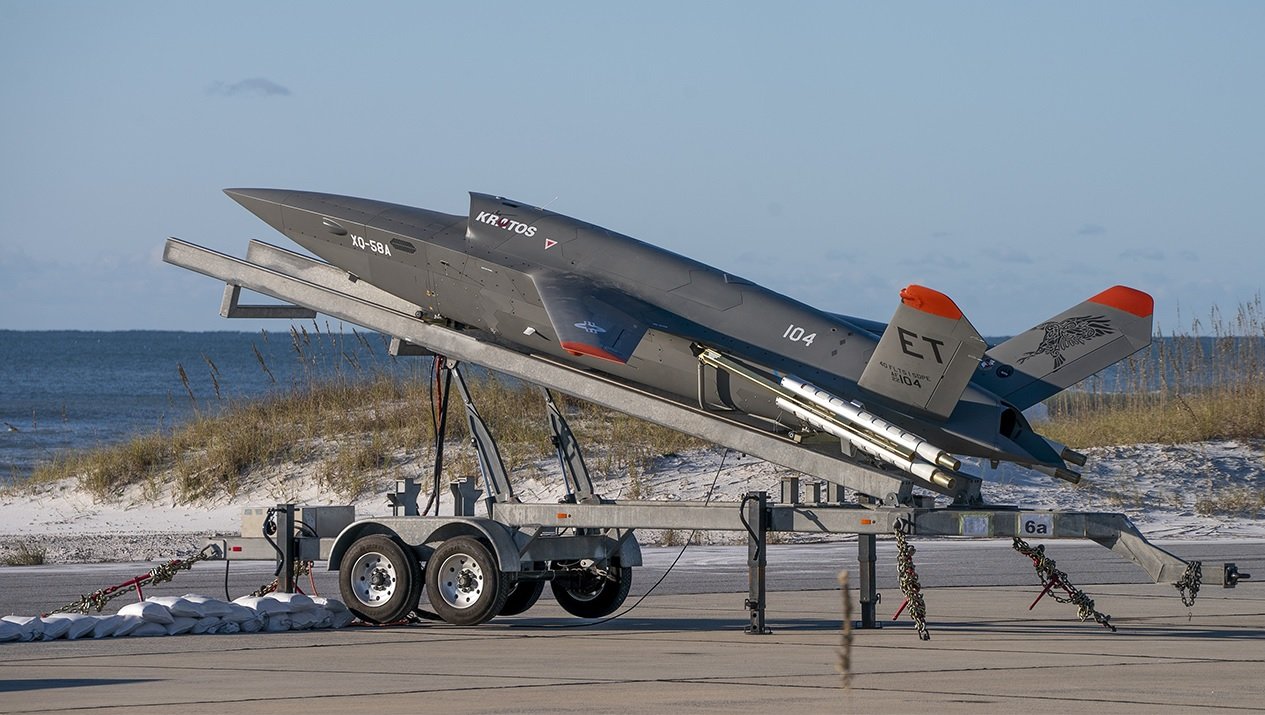
U.S
UTAH — A Kratos Defense XQ-58 Valkyrie uncrewed aircraft crashed shortly after takeoff during a company-funded research and development (R&D) test at the U.S. Army's Dugway Proving Ground in Utah on Tuesday, Aug. 4, 2026, prompting the company to temporarily suspend flight testing of that specific system while an investigation is conducted. According to Kratos, the aircraft involved was a test configuration of the Valkyrie operating as part of the company's ongoing efforts to develop new configurations and capabilities. The incident occurred after the drone took off from a test-range runway at Michael Army Airfield, with the cause of the crash still under investigation. An installation spokesperson at Dugway Proving Ground confirmed that an unspecified uncrewed aircraft crashed at approximately 8:00 a.m. local time shortly after takeoff. Officials said the aircraft was not owned or operated by the U.S. military. There were no injuries, no fatalities, and no damage to base infrastructure or buildings. Base representatives did not identify the aircraft type, but Kratos later confirmed it was one of its XQ-58 Valkyrie drones. In a statement, Kratos said: "A Kratos test configuration of Valkyrie experienced a mishap following takeoff from a test-range runway on Tuesday, August 4, 2026. This was a Kratos internally funded R&D event, part of continually adding configurations and capabilities." The company added: "No one was injured in the incident. As safety is our top priority, flight test operations for this system have been paused temporarily in an abundance of caution while we investigate the cause of the incident." Kratos also confirmed that it has additional test systems available and intends to resume testing once the investigation is completed. Runway-Capable Valkyrie Under Development Kratos declined to disclose the exact configuration of the aircraft involved, stating that doing so could affect the ongoing investigation. However, the company's confirmation that the drone departed from a test-range runway indicates it was likely one of the Valkyrie variants developed for conventional runway operations, rather than relying solely on the aircraft's original launch method. The original XQ-58 Valkyrie, which first flew in 2019, was designed to launch using a rocket-assisted system from a static launcher and recover using a parachute. As development progressed, Kratos introduced a launch trolley to support runway takeoffs and later announced a Conventional Takeoff and Landing (CTOL) variant equipped with built-in landing gear while retaining the ability to use rocket-assisted launches when required. In August 2024, Kratos announced development of the CTOL version. Later, in January 2026, the company said the first flight target for that variant had shifted to early 2026. Platform Continues to Support U.S. Military Programs The XQ-58 Valkyrie remains one of Kratos' key uncrewed combat aircraft programs and has been used to support the development of affordable autonomous aircraft for future military operations. The U.S. Air Force became the first known operator of the Valkyrie after its initial flights in 2019. The platform is also being developed for the U.S. Marine Corps under the Marine Air-Ground Task Force Uncrewed Expeditionary Tactical Aircraft (MUX TACAIR) Collaborative Combat Aircraft program. Kratos has confirmed that the runway-capable version, sometimes referred to as the MQ-58B, is being developed in part for this effort. The Marine Corps plans to receive its first MQ-58 aircraft in 2029 and has already carried out testing with earlier XQ-58 variants. Beyond the United States, the Valkyrie program has also attracted international interest. Kratos has partnered with Airbus to develop a version of the aircraft for the German Luftwaffe. Dugway Remains a Major UAS Test Site The test took place at Michael Army Airfield, located within Dugway Proving Ground, which is regularly used for testing by both the U.S. military and defense companies. The proving ground supports a wide range of research, development, testing, and evaluation activities, including work involving uncrewed aircraft systems and programs focused on defense against chemical and biological threats. Kratos Explains Its Development Approach Speaking after the incident, Steve Fendley, President of Kratos' Unmanned Systems Division, said the company could not discuss the exact aircraft configuration because it is directly related to the ongoing investigation. Fendley said Kratos continually expands the capabilities of its unmanned systems to meet future operational requirements and customer needs. He also described the company's development philosophy as one that aims to accelerate innovation by accepting that occasional setbacks may occur during research and development. According to Fendley, Kratos focuses on rapidly improving its systems, learning from testing outcomes, and moving development forward more quickly than traditional defense acquisition approaches that generally allow little tolerance for failures during testing. Investigation Continues The cause of the Aug. 4 mishap has not yet been determined. Kratos has temporarily suspended flight testing of the affected system while the investigation remains underway. The company has not released additional information regarding the aircraft's configuration or whether the incident will affect the broader development schedule for the various XQ-58 Valkyrie variants.
Read More → Posted on 2026-08-06 15:34:38
World
SUMY OBLAST, Ukraine — Russian forces have reportedly crossed the Ukrainian border near the villages of Bruski and Bunyakino in northeastern Sumy Oblast, opening a new tactical axis of advance along the northern front, according to operational reports. The reported incursion took place in the Seim River floodplain, close to a heavily wooded area locally known as the State Forest. Reports state that Russian troops have taken control of approximately 12 square kilometers of territory following the advance. Advance Reported in Seim River Floodplain According to the reports, Russian units crossed the border near Bruski and Bunyakino, two small villages in the Konotop district of Sumy Oblast located close to the Russian border. Bunyakino, also referred to in some reports as Bunyachine or Bunyakine, lies about 5 kilometers from the right bank of the Seim River, with Bruski located nearby. The surrounding area consists of floodplain terrain and forested sections that can influence troop movement and defensive positions. The Seim River is a major tributary of the Desna River, flowing through Russia's Kursk Oblast before entering Ukraine's Sumy and Chernihiv oblasts. Putivl Identified as Key Operational Direction Military analysts cited in the reports say the advance near Bruski and Bunyakino opens a new operational direction toward the town of Putivl, located approximately 22 kilometers from the Russian border. Putivl serves as an important logistical hub and sits on the regional road network connecting Sumy, Shostka, and Novgorod-Seversky. According to the assessments, if Russian forces maintain their advance and disrupt the Sumy–Putivl–Shostka highway, Ukrainian military logistics and supply routes supporting operations across northeastern Sumy Oblast and parts of eastern Chernihiv Oblast could become more difficult. Other Military Activity Reported in the Region The reported border crossing comes alongside other Russian military activity in the region. Reports indicate Russian troops are expanding positions west of the recently captured settlement of Ryazhevka, an area that previously served as a Ukrainian fortified position opposite the Russian settlement of Tyotkino in Kursk Oblast. At the same time, Sumy Oblast has experienced an increase in aerial attacks. According to regional reports, Russian forces have carried out strikes using guided aerial bombs and combat drones over the past 48 hours. Recent strikes on the city of Sumy and nearby communities reportedly caused civilian casualties and damage to infrastructure. Ukrainian Response According to the reports, Ukrainian defense forces are repositioning units to respond to the new direction of the reported advance. Local authorities continue evacuation efforts in vulnerable border communities as fighting remains active along parts of the northern frontier. Part of Ongoing Border Operations The Bruski-Bunyakino area forms part of the wider border zone in northern Sumy Oblast, where Russian forces have conducted cross-border operations at multiple locations since early 2025. Ukrainian officials and open-source monitoring groups, including DeepState, have previously documented Russian activity near settlements including Hrabovske, Novenke, Zhuravka, Yunakivka, and Khotin. Recent Ukrainian military statements have described continued attempts by small Russian assault groups and infantry units to cross the border, with Ukrainian forces responding using artillery, drones, and border guard units. Independent Verification Not Yet Available At the time of publication, no independent confirmation from major Ukrainian military sources or international news organizations was available specifically verifying the reported border crossing near Bruski and Bunyakino or the reported capture of approximately 12 square kilometers of territory. The reported developments are consistent with the broader pattern of localized fighting observed along the Sumy border throughout 2025 and into 2026, where military activity has largely focused on areas close to the international border rather than deep advances toward the city of Sumy. Ukrainian authorities and military officials continue to monitor the situation as operations remain ongoing along the northern border. Source : en.topwar.ru
Read More → Posted on 2026-08-06 15:42:45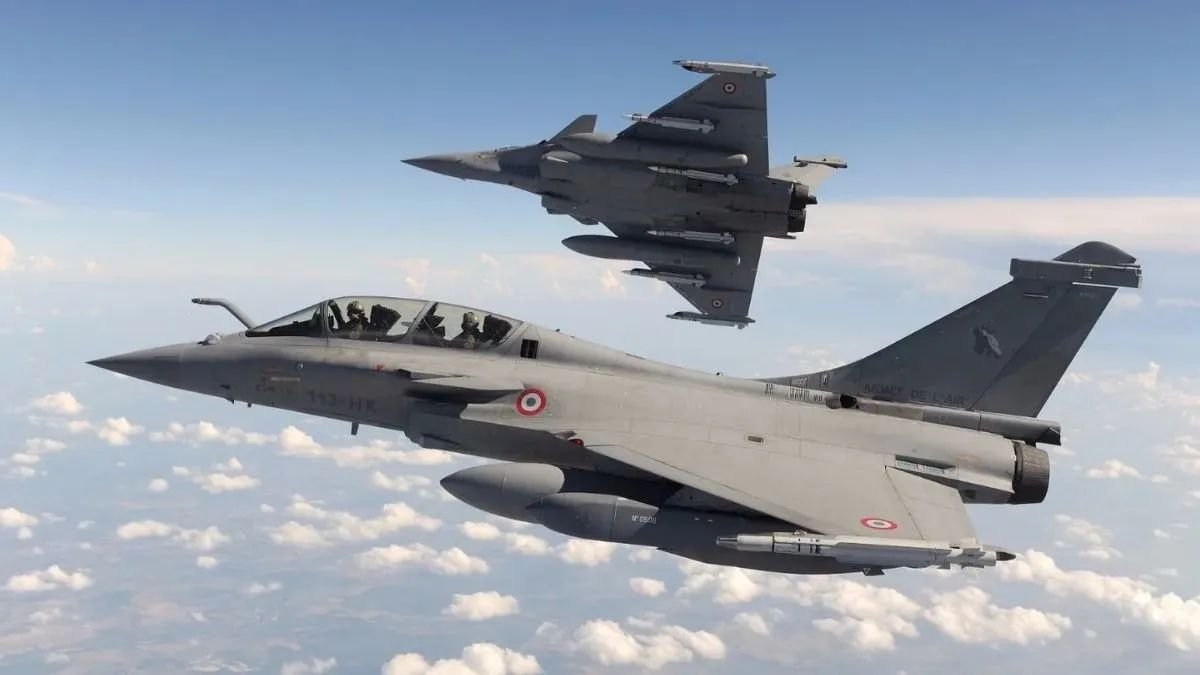
India
New Delhi — France has officially submitted its detailed technical and commercial proposal to India for the acquisition of 114 Rafale multirole fighter aircraft under a government-to-government (G2G) agreement, marking a significant step forward in one of the Indian Air Force's (IAF) largest fighter procurement programmes. The proposal was submitted to the Acquisition Wing of the Ministry of Defence and the Indian Air Force after India issued a Letter of Request (LoR) to France in May this year. Defence officials are now evaluating the proposal before the programme advances to formal commercial and technical negotiations. Deal Estimated at Around Rs 3.25 Lakh Crore The proposed acquisition is estimated to be worth around Rs 3.25 lakh crore (approximately $39 billion). A key feature of the French offer is its emphasis on manufacturing the majority of the aircraft in India. According to defence sources, 94 of the 114 Rafale fighter jets are proposed to be produced in India through a partnership with a local industry partner, while the remaining aircraft would be supplied in fully built condition. The production programme will involve Dassault Aviation along with its major partners, including Safran for engines, Thales for avionics and electronics, and MBDA for missile systems. Focus on Indigenous Manufacturing The proposal places strong emphasis on increasing indigenous manufacturing and expanding India's aerospace industrial base. Indian officials are closely examining the French offer, particularly the provisions related to integrating indigenous weapons such as variants of the Astra air-to-air missile into the aircraft. The level of indigenous content and local manufacturing commitments is also a major part of the ongoing evaluation. If implemented, the programme is expected to generate business opportunities worth around Rs 1.6 lakh crore for Indian companies, including Tata Advanced Systems, Larsen & Toubro, and several other domestic defence suppliers. Addressing IAF's Fighter Shortfall The procurement is intended to help address the Indian Air Force's declining fighter squadron strength. The IAF is gradually retiring older aircraft, including Russian-origin MiG variants, while the induction of indigenous fighter programmes such as the LCA Mark 1A and LCA Mark 2 has faced delays. The Air Force currently operates around 32 fighter squadrons, compared with an assessed requirement of about 40 squadrons for a two-front operational scenario. According to the proposal, aircraft delivered under this programme are expected to begin entering service from 2029–30. Rafale to Remain a Key Part of Future Fleet The Rafale was selected by the Ministry of Defence in 2012 following a global competition and is expected to remain a major part of the Indian Air Force's future combat fleet. The Defence Acquisition Council (DAC) approved the proposal for the procurement of 114 Rafale aircraft about five months ago. The acquisition forms part of broader efforts by the Ministry of Defence to strengthen the Air Force following a capability study initiated under Defence Secretary Rajesh Kumar Singh after he assumed office in 2024. India's Rafale Fleet Could Exceed 200 Aircraft India has already placed orders for 62 Rafale aircraft, including 36 aircraft for the Indian Air Force and 26 Rafale Marine fighters for the Indian Navy. If the proposed purchase of 114 additional aircraft is approved, India's Rafale fleet would increase to 176 aircraft. The Indian Navy has also indicated its interest in acquiring 31 additional Rafale Marine aircraft for maritime operations. If that requirement is approved in the future, India's total Rafale inventory could exceed 200 aircraft. First Rafale Production Line Outside France The proposed programme would also mark the first time Rafale fighter aircraft are manufactured outside France. Earlier Indian contracts for 36 Rafale fighters for the Air Force and 26 Rafale Marine aircraft for the Navy involved fully built aircraft manufactured and delivered from France. With France's detailed proposal now submitted, the process will move toward formal commercial and technical negotiations as India continues its evaluation of the offer. If approved, the programme would combine a large-scale fighter acquisition with expanded domestic manufacturing involving both French and Indian defence industries.
Read More → Posted on 2026-08-06 15:55:35
India
NEW DELHI — Raksha Mantri Rajnath Singh on Thursday chaired a meeting of the Parliamentary Consultative Committee for the Ministry of Defence in New Delhi, where discussions focused on the role, mandate and future strengthening of the Territorial Army. During the meeting, senior officials presented a detailed briefing on the force's responsibilities, operational role and key achievements, while committee members offered suggestions aimed at further enhancing its effectiveness. Addressing the meeting, Rajnath Singh described the Territorial Army's contribution as "significant" in supporting Prime Minister Narendra Modi-led Government's vision of 'Viksit Bharat'. He said that while the regular armed forces are primarily responsible for national defence and security, the Territorial Army also makes important contributions in areas such as environmental conservation, disaster response and social service. The Defence Minister said the Territorial Army is a living embodiment of the "Citizen-Soldier" concept. Under this concept, volunteers continue their civilian professions during normal times but undergo military training and wear the uniform whenever they are called upon for national service. They can be mobilised to support the regular armed forces in protecting the country's borders, maintaining internal security and assisting civil authorities during emergencies and natural disasters. He noted that the Citizen-Soldier model enables the country to maintain a trained reserve force without keeping all personnel on full-time active military duty. According to Rajnath Singh, Territorial Army personnel not only strengthen national security when deployed but also serve as a link between the armed forces and society after returning to civilian life, encouraging young people to consider careers in the defence services. The Defence Minister said the Territorial Army creates additional operational capacity for the armed forces by maintaining a reserve of trained personnel who can be deployed whenever required. He added that after completing their tenure, these personnel continue contributing to society while promoting awareness about the armed forces within their communities. The Territorial Army currently comprises approximately 44,400 personnel organised into 59 diverse units, making it an important reserve component of India's defence structure. Its personnel are trained to undertake a wide range of duties whenever the need arises. Highlighting the force's role in disaster management, Rajnath Singh described the Territorial Army as one of the country's first responders during natural calamities. He acknowledged its contribution in relief and rescue operations as well as medical assistance during the Kerala floods, Odisha cyclone, and the recent floods in Assam, where its personnel supported civil authorities and assisted affected communities. The Defence Minister also praised the Territorial Army's contribution to environmental conservation through its Ecological Task Forces. He said these specialised units have planted approximately 10 crore saplings across the country, with a reported survival rate of 80–85 percent. According to him, the initiative supports the Prime Minister's Mission LiFE and Panchamrit goals by promoting environmental protection and climate change mitigation through on-ground action. Rajnath Singh further appreciated the efforts of Territorial Army units deployed in Jammu and Kashmir, particularly for supporting and expanding the reach of the Har Ghar Tiranga campaign. The meeting was attended by Raksha Rajya Mantri Sanjay Seth, Chief of Defence Staff General NS Raja Subramani, Chief of the Army Staff General Dhiraj Seth, Defence Secretary Rajesh Kumar Singh, Secretary (Defence Production) Sanjeev Kumar, Secretary (Defence Finance) Vishvajit Sahay, along with other senior officials from the Ministry of Defence. Territorial Army and India's Security The Territorial Army is a voluntary reserve force that supports the regular Indian Army whenever additional manpower is required. Its personnel continue their civilian occupations during peacetime and undergo military training before being called for active service when needed. This allows the armed forces to quickly increase their operational strength during national emergencies, security requirements, disaster response operations and other assigned duties. According to the Defence Minister, the force plays an important role in supporting border security, maintaining internal security, assisting civil administration during emergencies, participating in disaster relief operations and contributing to environmental conservation through its specialised Ecological Task Forces. Citizen-Soldier Concept The Citizen-Soldier concept is based on trained volunteers who balance civilian careers with military responsibilities. Rather than serving as full-time soldiers throughout the year, members remain part of the civilian workforce but can be mobilised after training whenever the nation requires their service. This model provides countries with a trained reserve force that can reinforce regular military units during emergencies while allowing members to continue contributing to the economy and society in their civilian professions. Territorial Army Concept in Other Democracies The Citizen-Soldier model is used by several democratic countries as part of their defence systems. Nations such as the United States through the National Guard and Reserve components, the United Kingdom through the Army Reserve, Australia through the Army Reserve, Canada through the Primary Reserve, France through its operational reserve system, and several other democracies maintain reserve military forces that supplement their regular armed forces when required. These reserve organisations are designed to provide additional trained manpower for national defence, homeland security, disaster response and support to civil authorities while allowing members to pursue civilian careers during normal times. India's Territorial Army follows the same broad Citizen-Soldier principle while carrying out responsibilities assigned under the country's defence framework.
Read More → Posted on 2026-08-06 16:06:07
World
TAIPEI — Shield AI and Taiwan's National Chung-Shan Institute of Science and Technology (NCSIST) have successfully completed a coordinated autonomous drone swarm exercise using three Mighty Hornet III unmanned aerial vehicles (UAVs), demonstrating AI-enabled autonomous teaming and expanding their partnership to integrate the technology across more of Taiwan's unmanned defense systems. The field demonstration marked the completion of the organizations' initial contract, which was signed less than three months ago, and resulted in a significant expansion of the agreement. Under the renewed partnership, NCSIST will continue integrating Shield AI's Hivemind autonomy software into a broader range of its unmanned platforms to support multi-system operations from a single ground control station. Autonomous Swarm Demonstration During the exercise, Shield AI's Hivemind autonomy software controlled three NCSIST Mighty Hornet III drones throughout a coordinated search mission. The AI system autonomously launched all three aircraft, divided a wide-area search mission into separate sectors, assigned each UAV its own search area, and coordinated their movements in real time. Throughout the operation, the drones maintained communication with one another while carrying out their assigned tasks. The swarm also identified and navigated around a designated partial no-fly zone while continuing the mission. After completing the search operation, Hivemind executed synchronized autonomous landings for all three aircraft without direct human piloting. Integration Completed in Less Than Three Months The demonstration was completed less than three months after Shield AI and NCSIST formalized their initial agreement to integrate Hivemind into Taiwan's intelligent unmanned systems. As part of the project, embedded Shield AI engineers worked alongside Taiwanese developers, providing hands-on technical training and operational support. The collaboration enabled NCSIST engineers to independently integrate, operate, and employ the Hivemind-enabled capabilities. NCSIST President Li Shih-chiang said the institute achieved a high level of operational proficiency within a short period. "With Shield AI's support, NCSIST achieved a high level of operational proficiency with Hivemind in less than three months," Li said. "What impressed us most was not only the high performance of the AI pilot, but Shield AI's commitment to ensuring we could independently operate and employ the technology in such a short period of time. Their hands-on training and technical expertise and mentorship gave Taiwanese engineers the confidence to integrate and use Hivemind on our own." Hivemind AI Pilot Hivemind is Shield AI's autonomy software designed to function as an AI pilot that enables military platforms to sense, decide, and act independently without continuous human intervention. Unlike conventional autopilot systems that primarily follow pre-planned routes, Hivemind can adjust flight paths, avoid obstacles, and continue operating in environments where communications and GPS signals are degraded or jammed. According to Shield AI, Hivemind has been used to pilot more than 30 different platforms, including F-16 fighter aircraft, helicopters, jet-powered UAVs, drone boats, and ground vehicles. Mighty Hornet III UAV The autonomous mission was carried out using NCSIST's Mighty Hornet III, a Group 2 X-wing unmanned aircraft jointly developed by NCSIST and private industry partners. The UAV features a modular, 3D-printed airframe designed for relatively fast and low-cost production without relying on heavy factory machinery. It combines vertical takeoff and landing (VTOL) capability with the high-speed cruise performance of a fixed-wing aircraft, allowing it to operate without specialized ground launch or recovery equipment. The Mighty Hornet III is also equipped with domestically produced high-density batteries and an electro-optical/infrared (EO/IR) sensor for target identification. Partnership Expansion Following the successful demonstration, Shield AI and NCSIST agreed to expand their cooperation beyond the initial project. The next phase will focus on integrating Hivemind into additional NCSIST unmanned systems, enabling multiple autonomous platforms to operate together under the control of a single ground control station. Shield AI President and Co-founder Brandon Tseng said autonomy is becoming an essential capability for operating large numbers of unmanned systems. "You can build ten million drones, but you can't train ten million drone pilots. Autonomy is the critical enabling technology to effectively leverage drones on the battlefield," Tseng said. "Hivemind's ability to enable autonomous teaming is why autonomy is becoming one of the most important force multipliers in modern defense. Enabling sovereign development of AI pilots in Taiwan greatly enhances the defense capabilities of the country and we look forward to continuing to build with partners like NCSIST to deliver the mission autonomy Taiwan needs to deter conflict." Supporting Taiwan's Autonomous Defense Capabilities The successful field demonstration concludes the first phase of cooperation between Shield AI and NCSIST while laying the foundation for broader deployment of AI-enabled autonomy across Taiwan's unmanned systems. The expanded partnership will support future multi-platform autonomous operations by integrating Hivemind into additional NCSIST platforms under the new agreement.
Read More → Posted on 2026-08-06 16:39:59
U.S
HONOLULU, Hawaii — Firestorm Labs has successfully demonstrated at-sea manufacturing by producing 3D-printed drones and hundreds of spare parts aboard the U.S. Navy's Wasp-class amphibious assault ship USS Essex while the vessel was sailing to Hawaii for the Rim of the Pacific (RIMPAC) 2026 exercise. The demonstration showed how a containerized manufacturing system can support naval operations by allowing drones and repair parts to be produced directly aboard a warship instead of relying on shore-based supply chains. Containerized Microfactory Produces Drones at Sea The production was carried out using Firestorm Labs' xCell system, a transportable microfactory housed inside standard shipping containers. The platform combines additive manufacturing (3D printing), digital preparation tools, automation, and assembly stations to manufacture unmanned aerial systems (UAS) and replacement parts in operational environments. During approximately two weeks at sea, the xCell system produced more than 1,000 components and manufactured 12 Squall first-person view (FPV) drones aboard USS Essex. The Squall is a light electric FPV quadcopter with a largely printable airframe. According to Firestorm Labs, it can reach speeds of up to about 80 mph, has a range of up to 20 miles, provides around 42 minutes of flight time, and can carry a payload of roughly 5.5 pounds. Components that cannot be printed, including batteries, motors, flight controllers, cameras, and radio systems, are supplied as kits and integrated during assembly. Manufacturing Continued in Challenging Sea Conditions The production and assembly process continued while USS Essex operated in sea conditions with waves reaching 12 feet, equivalent to Sea State 5. Service members from the U.S. Navy, Marine Corps, and other participating units took part in printing, assembling, and supporting the manufacturing process aboard the ship. The demonstration formed part of the Naval Postgraduate School's Consortium for Advanced Manufacturing Research and Education (CAMRE) distributed advanced manufacturing network and was facilitated by FLEETWERX. Drones Used During RIMPAC 2026 Exercise After USS Essex arrived in Hawaii, the newly produced Squall drones were used during training activities at Makua Military Reservation on Oahu. Marines from the 3rd Light Armored Reconnaissance Battalion operated the drones after receiving training from Firestorm Labs personnel on additive manufacturing, drone assembly, and flight operations. During the exercise, the drones served as "red cell" adversary aircraft in a counter-unmanned aircraft systems (C-UAS) training scenario, supporting experimentation under the Naval Postgraduate School's CAMRE program during RIMPAC 2026. On-Demand Production of Repair Parts In addition to manufacturing drones, the xCell microfactory produced a variety of repair and maintenance items requested by the USS Essex crew. According to Firestorm Labs, printed items included: Gauges for deck tie-down inspections Reverse-engineered valve handwheels A non-conductive digging knife A deployment mount for Starlink internet hardware Mechanical test articles used to evaluate printer performance during operations at sea An Apache Rotor Guard droop stop designed to protect helicopter rotor systems Multiple versions of a Life Preserving Unit vacuum adapter, developed from a sailor's concept for testing inflatable safety equipment More than 20 additional crew-requested parts The company said these parts were manufactured directly aboard the ship without waiting for delivery from shore or resupply vessels. Reducing Logistics Requirements Firestorm Labs said manufacturing equipment onboard reduces the need to transport replacement parts through long supply chains. According to the company: "Every part xCell printed on deck is one that doesn't need to be flown or shipped across contested waters — cutting the fuel, aircraft hours, and personnel it takes to keep a ship operational." The company added that repairs which previously could require days or weeks while waiting for replacement parts can instead be completed within hours while the ship remains deployed. Supporting the Navy's Containerized Capability Strategy The demonstration aligns with the U.S. Navy's broader effort to expand the use of modular and containerized systems that can be deployed across different ships. In March 2026, Chief of Naval Operations Adm. Daryl Caudle announced the Navy's "containerized capability campaign plan" during the McAleese Defense Programs conference. Speaking about the initiative, Caudle said: "I want to containerize everything." He described a concept in which standardized shipping containers carrying capabilities such as drones, weapons, and sensors could be installed on different vessels and moved between operational regions as needed. The approach is intended to provide greater flexibility while using standardized engineering, interfaces, and integration with combat and communications systems. Pentagon Expanding Containerized Weapons Programs The Department of Defense is also expanding containerized military capabilities beyond manufacturing. In May 2026, the Pentagon announced the Low-Cost Containerized Munitions (LCCM) program, signing framework agreements with Anduril, CoAspire, Leidos, and Zone 5. Under the program, the Department of Defense plans to acquire more than 10,000 containerized missiles over a three-year period beginning in 2027. The initiative reflects the Pentagon's broader focus on modular, transportable systems that can rapidly increase military capability while complementing existing platforms. Demonstration of At-Sea Manufacturing The USS Essex trial demonstrated that containerized manufacturing can operate under real maritime conditions while supporting both unmanned aircraft production and ship maintenance. By producing drones and repair parts directly aboard the ship, the demonstration provided a practical example of how distributed manufacturing could reduce dependence on traditional logistics and improve operational support during deployed naval missions.
Read More → Posted on 2026-08-06 16:52:18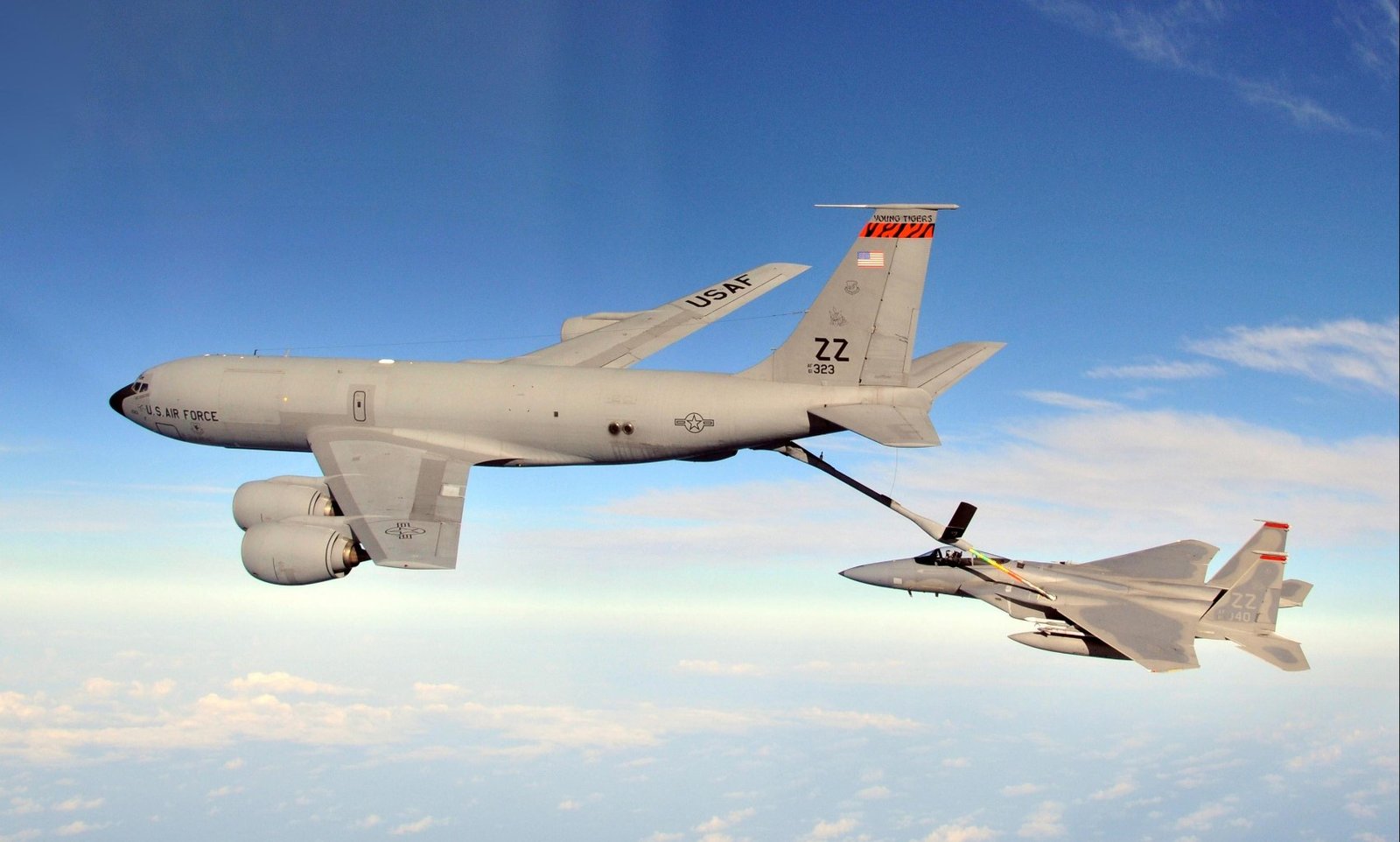
U.S
DAYTON, Ohio — The U.S. Air Force Research Laboratory (AFRL) has issued a Request for Information (RFI) seeking industry partners to help establish a KC-135 Electrified Boom Automation Lab, a new research facility that will support the development and testing of automated aerial refueling boom technology for the KC-135 Stratotanker. The notice, published on Aug. 6, 2026, is part of the Air Force's broader Combat Refueling and Operations Networked Universal Systems (CRONUS) program. Companies interested in participating in the project when it moves to a formal contract have until Sept. 6, 2026, to submit responses. The planned laboratory will use an actual KC-135 tail section fitted with a movable refueling boom, allowing researchers to evaluate automated boom operations in a controlled ground environment before moving to flight testing. KC-135 Tail Section to Be Installed at Wright-Patterson AFB According to the RFI, the government will acquire a KC-135 tail section, complete with a movable refueling boom, from the 309th Aerospace Maintenance and Regeneration Group (AMARG) at Davis-Monthan Air Force Base, Arizona. The equipment will be provided to the selected contractor as government-furnished equipment. The tail section will be installed inside a motion capture laboratory operated by the Air Force Institute of Technology (AFIT) at Wright-Patterson Air Force Base, Ohio. The laboratory uses arrays of wall- and ceiling-mounted cameras to capture highly accurate movement data, enabling engineers to study complex mechanical motion with precision. Contractor Will Design Support and Motion Systems Under the proposed project, the selected contractor will be responsible for designing a structural support system capable of holding the full weight of the KC-135 tail section while allowing it to move during testing. The contractor must also develop an overhead actuation system that enables the refueling boom to move through its complete operating range, including yaw, pitch, and probe extension. The Air Force specified that no equipment may be placed on the laboratory floor if it could obstruct the motion capture cameras or interfere with their line of sight. Supporting Future Automated Aerial Refueling KC-135 aerial refueling operations are currently performed manually by a boom operator positioned at the rear of the aircraft. During a refueling mission, the operator controls the extendable boom and guides it into the receiving aircraft's fuel receptacle. The new automation laboratory will allow researchers to move a real refueling boom through its full range of motion while recording detailed movement data. The controlled environment will support the development, refinement, and testing of automated or robotic boom control systems before they are evaluated during flight testing. Modernization Effort Comes Amid Continued KC-135 Reliance The automation initiative comes as the Air Force continues to depend heavily on the KC-135 fleet despite the aircraft's age. Earlier in 2026, during Operation Epic Fury, the fleet experienced significant operational losses. On March 12, a KC-135 crashed in western Iraq following a midair collision with another tanker, killing all six crew members aboard. The Air Force described it as the first loss of a KC-135, or any Air Force tanker, in 13 years. Two days later, an Iranian missile strike on Prince Sultan Air Base in Saudi Arabia damaged five additional KC-135 aircraft parked on the flight line. Air Force officials later said the damaged aircraft are expected to return to service, although repairs to the most heavily damaged airframes could take one to two years. Some reports based on satellite imagery suggested additional tanker damage during the campaign, but those claims have not been independently confirmed through official sources. Aging Fleet Continues Flying as KC-46 Faces Challenges According to U.S. Air Force fact sheets, the final KC-135 rolled off the production line in 1965, meaning aircraft still flying operational missions are approaching six decades of service. The aircraft's planned replacement, the KC-46A Pegasus, has faced continued development and production challenges. These include a production pause in 2025 after structural cracks were discovered in multiple aircraft, along with ongoing technical issues involving its aerial refueling boom system, as identified by the Pentagon's testing office. As a result, the KC-135 remains the Air Force's primary aerial refueling workhorse while the KC-46 program continues to address those issues. Center Console Refresh Program Progressing in Parallel The boom automation effort is one of several modernization programs aimed at extending the operational life of the KC-135 fleet. A separate initiative known as the Center Console Refresh (CCR) program, managed from Tinker Air Force Base, Oklahoma, is focused on modernizing the aircraft's cockpit instrumentation console. Since early 2025, the program has advanced through industry questions, draft solicitations, industry engagement activities, and other acquisition milestones, and remains in an advanced stage of the procurement process. Supporting the Future of the KC-135 Fleet The KC-135 Electrified Boom Automation Lab and the Center Console Refresh (CCR) program demonstrate the Air Force's continued investment in maintaining and improving its legacy tanker fleet. By creating a dedicated ground-based facility for automated boom research while upgrading cockpit systems, the Air Force aims to keep the KC-135 operational and effective as work continues on resolving technical and production challenges affecting the KC-46A Pegasus program.
Read More → Posted on 2026-08-06 16:56:20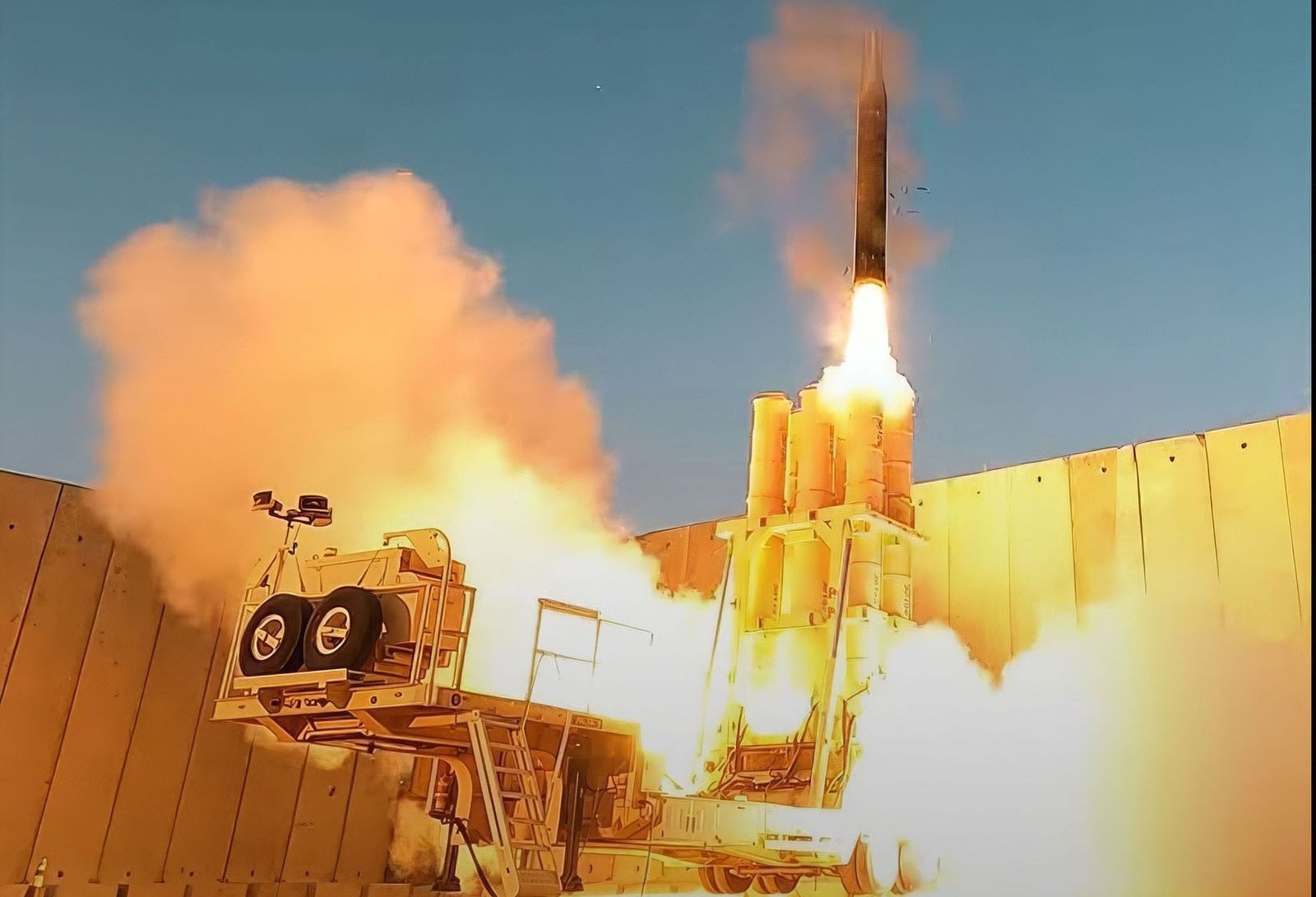
World
TEL AVIV, Israel — The Israeli Ministry of Defense, in cooperation with the U.S. Missile Defense Agency (MDA), successfully completed a planned test of the Arrow Weapon System on Wednesday from a test site in central Israel, marking another step in the long-term modernization of Israel's upper-tier missile defense capabilities. The test was conducted by the Israeli Missile Defense Organization (IMDO), part of the Directorate of Defense Research & Development (DDR&D), together with the Israel Defense Forces (IDF), Israel Aerospace Industries (IAI), and the U.S. MDA. Senior officials from both Israel and the United States were present during the launch. The exercise formed part of a multi-year development program focused on upgrading the Arrow Weapon System to address evolving ballistic missile threats. According to the Ministry of Defense, the latest test evaluated new technological improvements that will support the continued deployment of the system within the IDF. Key Layer of Israel's Air Defense Network The Arrow Weapon System is the highest layer of Israel's multi-tiered air and missile defense architecture. It includes the Arrow 2 and Arrow 3 interceptors and operates alongside David's Sling, Iron Dome, and Iron Beam. The system is designed to intercept ballistic missiles at high altitudes and, in the case of Arrow 3, outside the Earth's atmosphere using hit-to-kill technology. It relies on the Green Pine and Super Green Pine radar systems to detect and classify threats before transmitting data through an advanced command-and-control and fire control network. The Israeli Air Force's Air Defense Command operates the system. Over the past three years, Arrow 2 and Arrow 3 have been used operationally to intercept ballistic missile threats launched toward Israel from Iran and Yemen, including interceptions carried out in space and the exo-atmosphere. New Technologies Integrated Into the System Israeli defense officials said the latest phase of development incorporates advanced technologies, artificial intelligence, lessons learned from recent combat operations, and a transition toward automated manufacturing. IMDO Director Moshe Patel said the recent conflict, which he referred to as the "War of Redemption," demonstrated the importance of Israel's multi-layered air defense system. "In this test, we completed an important and significant stage in the development of the Arrow Weapon System," Patel said. "In these new developments, we incorporated advanced technologies, artificial intelligence, the application of combat lessons, and a move into automated manufacturing." He added that the successful trial represents another step toward equipping the Israel Defense Forces with the upgraded system. Joint Israeli-U.S. Development The Arrow Weapon System is jointly developed and produced by Israel and the United States. Israel Aerospace Industries serves as the prime contractor through its Systems, Missiles & Space Group, while its ELTA Group develops the radar array. Elbit Systems is responsible for the fire control system. Additional interceptor development involves government-owned Tomer, Rafael Advanced Defense Systems, and U.S.-based STARK Aerospace. Overall development and production are managed by the Israeli Ministry of Defense through IMDO in partnership with the U.S. Missile Defense Agency. Flight Test Produced Data for Future Improvements According to officials, the latest launch generated valuable flight data that will be used to improve future versions of the system. The Ministry of Defense said Israel is continuing to increase interceptor production and expand stockpiles while advancing next-generation missile defense capabilities, including work on the Arrow 4 program. During the test, a visible trail from one of the interceptors was observed over several areas, including Ashdod, leading to brief public concern before the Ministry of Defense confirmed it was part of the planned exercise. Flight paths at Ben Gurion Airport were also temporarily adjusted during the activity. Israeli Officials Highlight Continued Modernization Defense Minister Israel Katz said the successful test demonstrated the strength of Israel's defense industry and technological capabilities. He said the Arrow system has already proven its effectiveness during wartime by intercepting numerous threats from Iran and other areas and that Israel continues to upgrade the system to address current and future threats while investing in advanced defense technologies alongside strengthening its offensive capabilities. Israel Ministry of Defense Director General Maj. Gen. (Res.) Amir Baram said the country remains focused on expanding production capacity and improving missile defense capabilities following recent operations involving Iran. He said interceptor stockpiles continue to grow as a result of decisions taken over the past year, supported by continuously evolving technologies. Industry Leaders Stress Long-Term Development IAI Chairman Boaz Levy said the Arrow system continues to play an important role in Israel's defense against ballistic missile threats and reflects the long-standing partnership between Israel and the United States. He added that continued technological development has attracted interest from allied countries while strengthening Israel's security and defense industry. Head of the Directorate of Defense Research & Development, Brig. Gen. (Res.) Dr. Daniel Gold, said the latest engineering improvements combine lessons learned from recent combat operations with long-term planning to address future threats and strengthen Israel's aerial defense capabilities. IAI President and CEO Guy Bar Lev said the data collected during the test will support engineers working on the next generation of aerial defense systems, helping improve future capabilities to identify, classify, track, and intercept emerging airborne threats. The successful test represents another milestone in the ongoing modernization of the Arrow Weapon System as Israel and the United States continue their joint efforts to strengthen protection against current and future ballistic missile threats.
Read More → Posted on 2026-08-07 11:24:09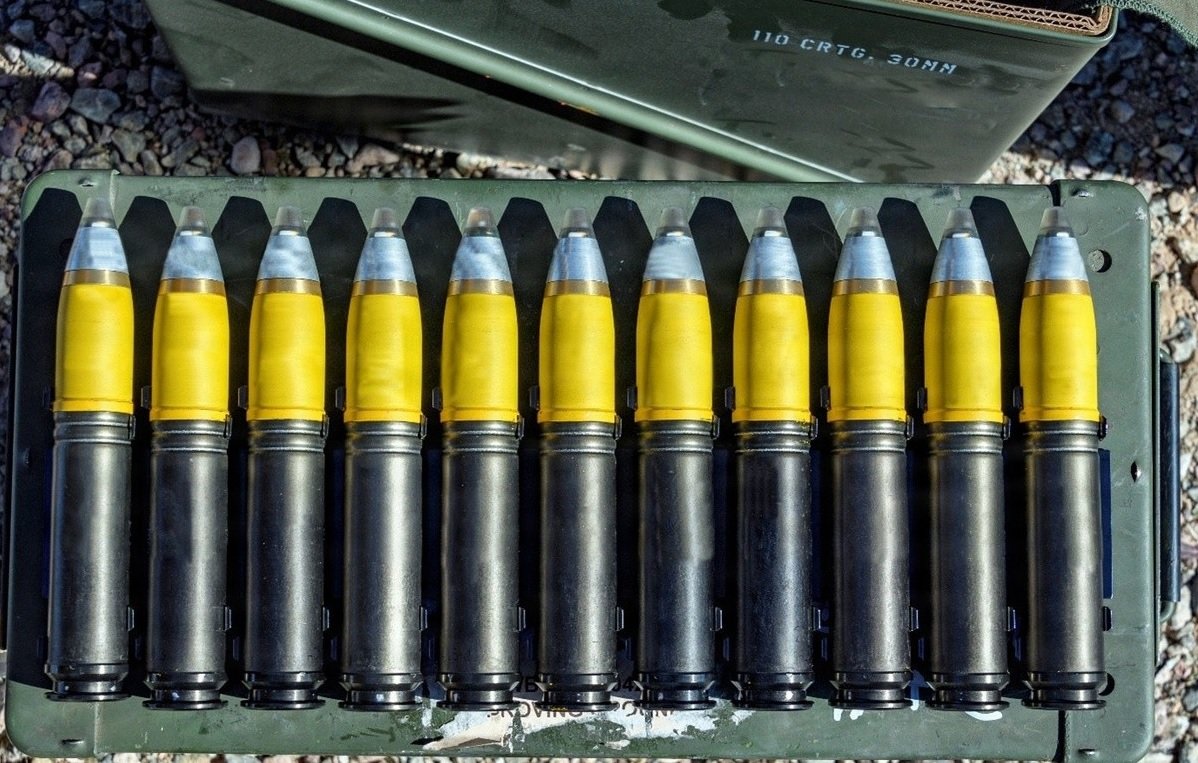
Europe
STOCKHOLM, — Sweden has signed a seven-year framework agreement with Nammo Sweden for the supply of programmable 30mm and 40mm airburst ammunition, marking another step in strengthening the country's short-range air defense and counter-unmanned aircraft system (counter-UAS) capabilities. Nammo has also received the first call-off order under the agreement, with production of the initial ammunition batch set to begin. The agreement covers Nammo's 30mm x 113 PABEX and 40mm L/70 PABEX programmable ammunition. PABEX (Programmable AirBurst EXplosive) is designed to detonate at a pre-programmed point during flight, allowing its fragments to be concentrated around airborne targets rather than requiring a direct impact. Designed for Air and Ground Threats According to Nammo, the programmable rounds are designed to engage unmanned aerial systems (UAS), incoming missiles, and helicopters. The ammunition also remains effective against conventional surface and ground targets, providing greater operational flexibility for the Swedish Armed Forces. Programmable airburst ammunition is particularly effective against small, fast-moving, or maneuvering aerial targets because it can be set to explode at a selected point near the target, increasing the likelihood of a successful engagement. Integration with Existing Swedish Defense Systems The new ammunition will primarily be integrated with two key Swedish air-defense systems: the Trackfire remote weapon station and the TRIDON Mk2 mobile air-defense system. The TRIDON Mk2 is a truck-mounted 40mm anti-aircraft gun system developed to provide highly mobile short-range air defense. The integration of programmable airburst ammunition is intended to improve its ability to counter evolving aerial threats. The agreement also benefits Sweden's existing fleet of CV90 infantry fighting vehicles. Since many CV90 vehicles are already equipped with 40mm Bofors guns, they are fully compatible with the 40mm L/70 PABEX ammunition. This provides the vehicles with an additional capability to engage aerial threats without requiring new platforms or extensive vehicle modifications. Supporting Sweden's Counter-Drone Efforts Nammo said the framework agreement supports Sweden's efforts to strengthen its national air defense and counter-UAS capabilities. The ammunition is designed to combine precision and flexibility against a broad range of threats while making use of existing gun systems already in service. The agreement also aligns with wider efforts by European armed forces to improve defenses against the growing use of unmanned systems on modern battlefields through upgrades to existing air-defense platforms. Nammo Highlights Long-Term Partnership Commenting on the agreement, Morten Brandtzæg, President and CEO of Nammo, said the contract represents an important milestone in the company's partnership with Sweden. "As a trusted partner to Sweden, this agreement marks an important step in further strengthening Swedish defense capabilities. By delivering cutting-edge ammunition solutions, we are helping our customers stay ahead of evolving threats and meet future operational challenges." Financial Details Not Disclosed Nammo stated that the seven-year framework agreement reinforces its position as a supplier of ammunition for modern air-defense operations. While the company confirmed receipt of the first call-off order, it did not disclose the value of the agreement or the quantity of ammunition included in the initial purchase. The agreement and the first production order were announced on Aug. 7, 2026, with no additional financial or procurement details released by Nammo or Swedish authorities.
Read More → Posted on 2026-08-07 11:42:33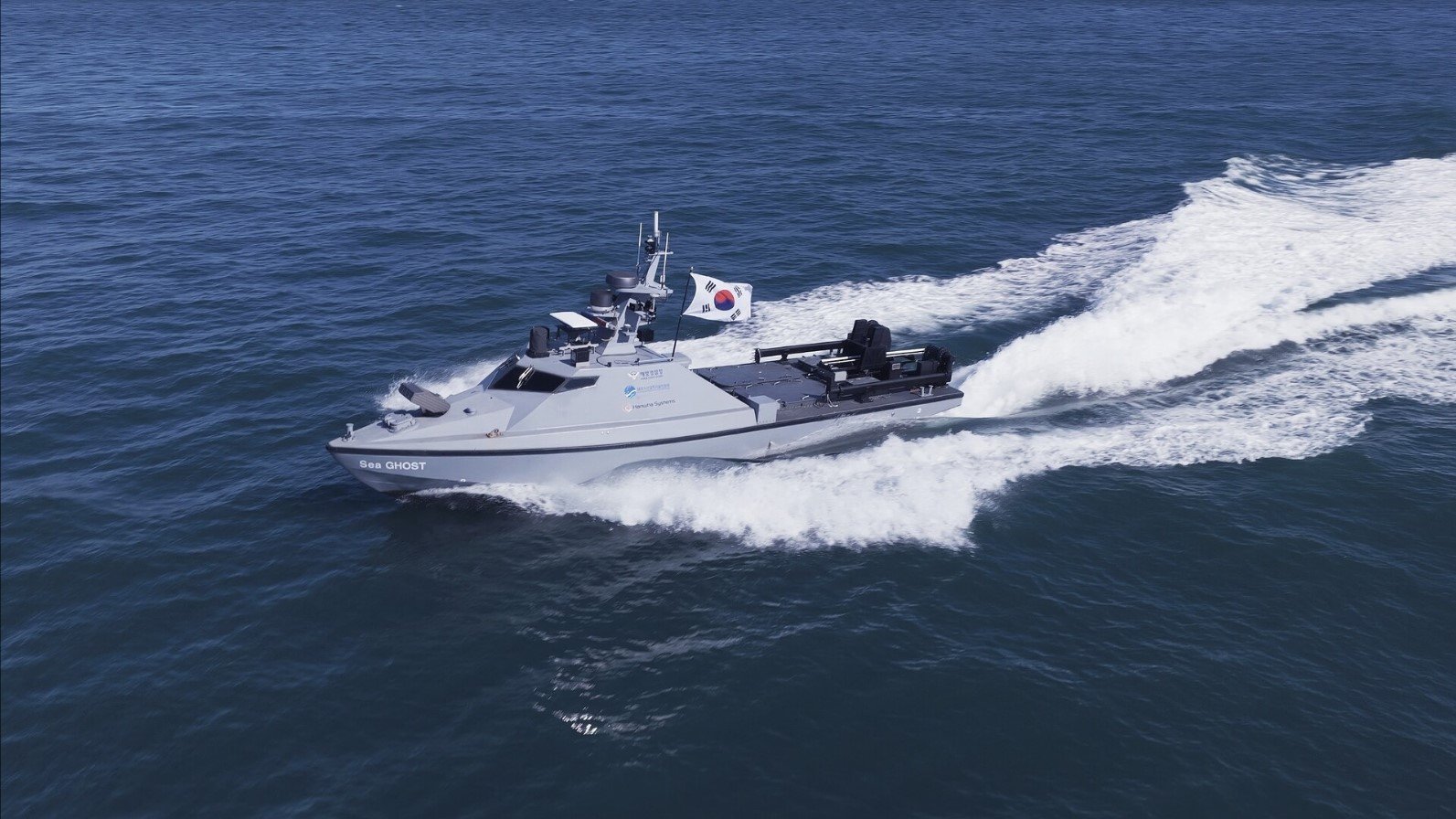
World
BUSAN, South Korea — The Republic of Korea (ROK) Navy has successfully completed its first live combat experiment combining artificial intelligence (AI) with crewed and uncrewed platforms for mine countermeasure operations, marking an important step in the country's efforts to modernize naval warfare. The exercise was conducted on August 3 at the Busan Naval Base in partnership with Hanwha Systems. It evaluated an AI-supported mine warfare system operating under the Navy's Sea GHOST (Guardian Harmonized with Operating manned Systems and Technology based unmanned systems) concept, which focuses on integrating conventional naval vessels with unmanned platforms through Manned-Unmanned Teaming (MUM-T). The demonstration tested how artificial intelligence could support commanders in planning and coordinating mine countermeasure missions while keeping human operators in control of all final decisions. Mine Blockade Scenario The exercise was based on a simulated scenario in which enemy forces blocked the Port of Busan with naval mines, preventing safe access to the harbor. To respond to the threat, the Navy deployed a hybrid task group centered on the 730-ton ROKS Ongjin (MSH-572) minesweeper. The vessel operated alongside several unmanned platforms, including an aerial reconnaissance drone, Hanwha Systems' 30-ton unmanned surface vessel (USV), the Haeryeong reconnaissance USV, and an autonomous underwater vehicle (AUV) designed for mine detection. The unmanned surface vessels were not equipped with operational mine-clearing systems during the trial and instead performed simulated operational roles. AI Supported Mission Planning A key part of the demonstration was the use of a Large Language Model (LLM)-based Automatic Mine Detection System (AMDS), described by the Navy as an "AI combat adviser" and by Hanwha Systems as an AI mission-planning platform. The AI system received natural-language commands and analyzed operational information, including weather conditions and ocean currents, before producing a mine search and sweeping plan. Rather than acting independently, the system submitted its recommendations to the commander aboard ROKS Ongjin. After reviewing and approving the proposed plan, the commander authorized mission assignments for both crewed and unmanned platforms. The exercise demonstrated that AI was used as a decision-support tool, while command authority remained with human personnel. Four Operational Phases Tested During the combat experiment, the Navy evaluated four major stages of mine countermeasure operations. The first phase focused on AI-assisted mission planning, where the system automatically prepared a search strategy using real-time operational information. The second phase tested multi-domain tactical integration, allowing the minesweeper, unmanned surface vessels, autonomous underwater vehicle, and aerial drone to operate through a single network. Communications between the platforms were supported by Eutelsat OneWeb low-Earth-orbit satellite communications. The third phase evaluated real-time target analysis. The Haeryeong USV deployed its onboard autonomous underwater vehicle into the simulated minefield, where it collected underwater information. That data was transmitted in real time to the Automatic Mine Detection System, which processed the information and identified the simulated mine locations. The final phase demonstrated countermeasure procedures, with the unmanned platforms conducting simulated mine neutralization while ROKS Ongjin moved to a safe area to avoid simulated blast damage. Remote Operation Demonstrated The trial also demonstrated the ability to remotely operate the autonomous underwater vehicle and both types of unmanned surface vessels from a land-based control center using Eutelsat OneWeb low-Earth-orbit satellite communications. According to the Navy, the exercise showed that AI-supported planning combined with coordinated crewed and uncrewed operations can improve future mine countermeasure missions by assigning higher-risk tasks to autonomous systems while keeping personnel farther from potential danger. Navy Highlights Future Role of AI Vice Admiral Kwak Kwang-seop, Commander of the Republic of Korea Fleet, said artificial intelligence and unmanned systems will become increasingly important in future naval operations. "AI technology and unmanned systems will become core capabilities on the future maritime battlefield. We must lead the future battlefield through the rapid military application of advanced technology. Moving forward, we will expand civil-government-military collaboration—leveraging Busan as an AI Transformation (AX) hub—to rapidly field AI capabilities and advance our operational capabilities through continuous combat experiments." Commander Lee Kwang-hoon, who leads the ROK Fleet's unmanned systems operations innovation division, said the trial successfully demonstrated the AI decision-support structure. He added that future work will focus on improving the system's accuracy, particularly its ability to distinguish actual naval mines from underwater objects such as rocks and fishing nets. Sea GHOST Development Continues The Sea GHOST concept was first introduced during the ROK Navy's 77th anniversary ceremony in 2022. Since then, South Korean defense companies, including Hanwha Systems and LIG Nex1, have continued developing technologies that support the concept, including anti-submarine warfare unmanned underwater vehicles (ASWUUV), the Haegum series of unmanned surface vessels, and cross-domain data links. The Busan combat experiment forms part of the Navy's broader effort to transition AI-enabled and uncrewed mine countermeasure capabilities from testing into operational fleet service. The ROK Navy plans to conduct additional combat trials as it continues developing future autonomous mine warfare capabilities.
Read More → Posted on 2026-08-07 11:48:53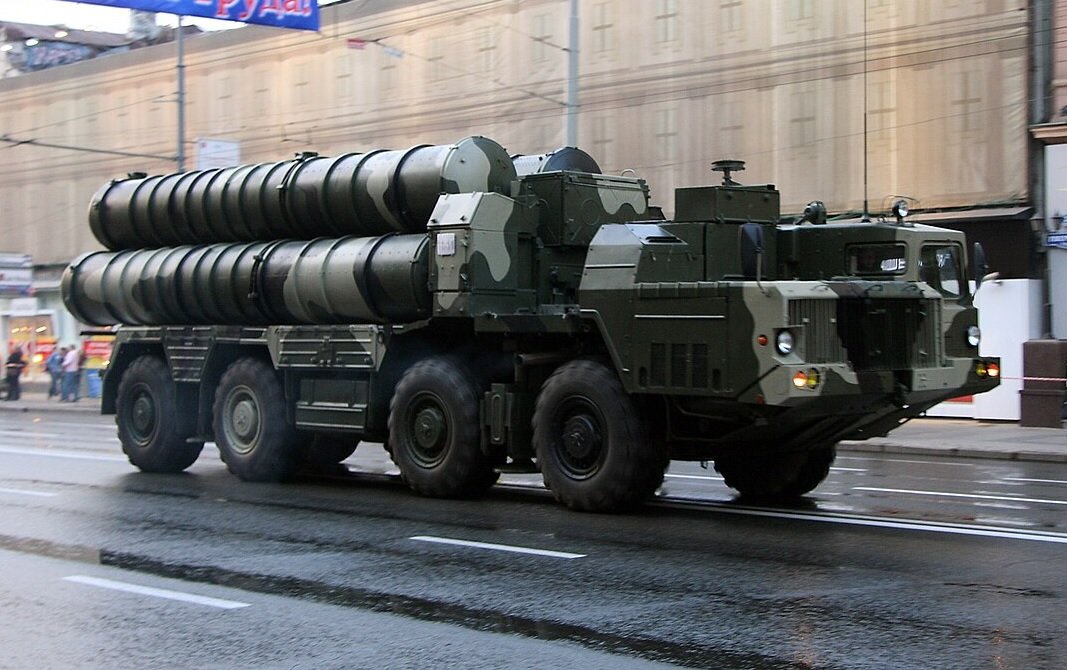
World
WASHINGTON, D.C. — The United States and Ukraine are jointly working to modernize Soviet-era S-300 surface-to-air missiles and develop an improved variant to strengthen Ukraine's air defense capabilities. According to Robert Hamilton, a retired U.S. Army colonel and president of the Delphi Global Research Center, the upgraded system is expected to become operational closer to the end of 2026. Speaking in an interview with PBS NewsHour, Hamilton said the project focuses on upgrading older S-300 interceptor missiles or developing a newer version with improved capabilities. He said production is expected to reach approximately 100 to a couple of hundred interceptor missiles annually once the program is underway. The initiative is part of a broader effort by the United States and Ukraine to sustain Ukraine's existing Soviet-era air defense systems while increasing the availability of interceptor missiles for launchers that remain in service. Program Builds on Earlier U.S. Commitment The modernization effort follows an announcement made in September 2024 during a meeting of the Ukraine Defense Contact Group at Ramstein Air Base, Germany. At the meeting, then-U.S. Secretary of Defense Lloyd Austin said the United States, working with several European companies, was helping Ukraine design and manufacture a replacement for the Soviet-era S-300 surface-to-air missile system as well as the R-27 air-to-air missile. Austin did not provide technical details about the replacement system or its expected capabilities. Supporting Existing Air Defense Systems At the beginning of Russia's full-scale invasion, Ukraine operated an estimated 25 to 30 S-300PT and S-300PS battalions in varying states of combat readiness. During more than four years of war, continuous Russian missile and drone attacks significantly reduced Ukraine's stockpile of S-300 interceptor missiles. As a result, Ukraine has increasingly relied on Western-supplied air defense systems and their interceptor missiles to defend against aerial attacks. The joint U.S.-Ukraine effort is intended to increase the availability of interceptor missiles for the S-300 systems that remain in Ukrainian service while supporting the long-term operation of these launchers. Localization Efforts in Ukraine Alongside the joint modernization program, Ukraine's defense industry has been working to localize the production of missiles for the S-300 and S-400 systems. According to earlier reports, this work includes integrating the missiles with European radar systems. Fire Point chief designer Denys Stielerman previously described efforts to develop components for these missiles, including plans for engine production and dynamic testing. These localization efforts are aimed at expanding domestic production capability and supporting the continued operation of existing air defense systems. Norwegian Funding Supports Missile Procurement The modernization program has also received financial support from European partners. In December 2025, the Norwegian government allocated more than 500 million Norwegian kroner for the procurement of S-300 surface-to-air missiles for Ukraine as part of its military assistance package. The funding was provided through the Joint Ukraine Multinational Program Services, Training, and Articles Rapid Timeline (JUMPSTART), a U.S.-run defense procurement mechanism designed to help partner countries rapidly purchase and transfer military equipment to Ukraine. Norway's broader assistance package also included funding for ammunition for F-16 fighter aircraft and advanced precision weapon systems. Part of Broader Air Defense Effort Hamilton said the S-300 modernization project is one of several measures aimed at addressing Ukraine's air defense requirements. He noted that the effort complements other air defense systems, including the French-Italian SAMP/T. While planned production of approximately 100 to a couple of hundred interceptor missiles per year remains limited compared with Ukraine's overall demand, the joint program is intended to improve the availability of missiles for existing S-300 launchers and strengthen the country's air defense network. According to Hamilton, the upgraded S-300 system is expected to reach operational status closer to the end of 2026, marking an important step in the ongoing cooperation between the United States and Ukraine to sustain and modernize Ukraine's air defense capabilities.
Read More → Posted on 2026-08-07 12:02:41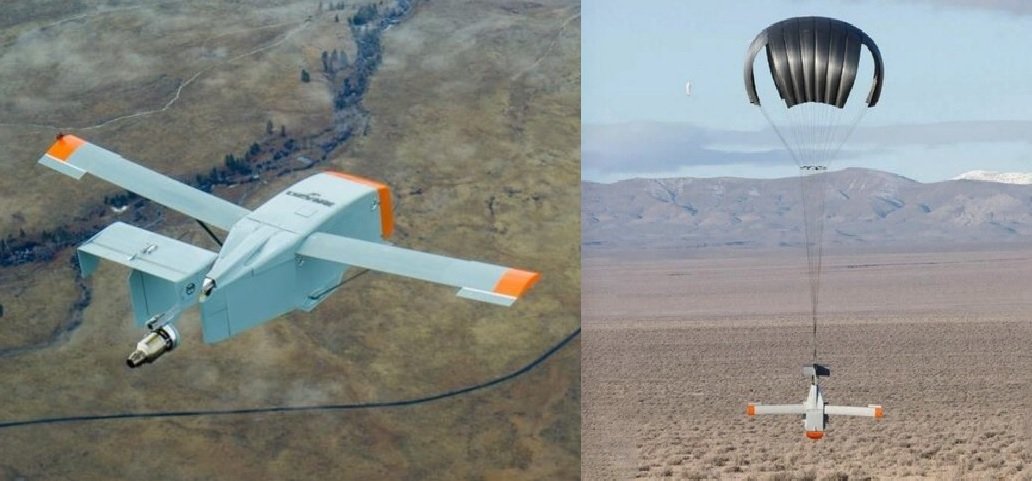
U.S
WEST PALM BEACH, Fla. — The U.S. Air Force Research Laboratory (AFRL) has awarded a contract valued at more than $6 million to DZYNE Technologies, LLC, now part of Ondas Inc., to continue development of the Long-Range Grasshopper autonomous aerial delivery system. The contract supports the advancement of a runway-independent logistics platform designed to deliver supplies over extended distances in contested and austere environments. The award was announced by Ondas on August 6, 2026. Following Ondas' acquisition of DZYNE Technologies in a transaction valued at $875.8 million, all defense-related contract work is now managed through Ondas Sentinel, the company's dedicated U.S. defense division. The Long-Range Grasshopper is part of DZYNE's Grasshopper Family of Systems, which provides autonomous precision aerial resupply for military operations. The systems are designed as low-cost, expendable aircraft that are not intended to be recovered or reused after completing their mission. This approach allows military forces to deliver essential supplies without exposing personnel or high-value aircraft to operational risks. The Grasshopper family includes both a glider version and a turbine-powered Long-Range variant. Both versions are capable of carrying up to 500 pounds of cargo and delivering it with high precision. After being released from a variety of host aircraft, the systems immediately transition into autonomous flight and navigate to pre-planned destinations. According to the company, the glider version has an empty weight of approximately 575 pounds and a maximum launch weight of 1,075 pounds. The turbine-powered Long-Range version has an empty weight of about 650 pounds and a maximum launch weight of 1,700 pounds. Both variants share a 20-foot wingspan. The systems are designed to operate in GPS-denied or GPS-degraded environments using autonomous navigation capabilities. They complete deliveries by deploying a parachute for precision landing at the designated target area. Ondas stated that the estimated production cost is approximately $40,000 per vehicle, supported by low-cost manufacturing methods. The latest contract builds on several years of collaboration between AFRL and the engineering teams now operating under Ondas Sentinel. During a 2024–2025 flight test campaign, the Long-Range Grasshopper successfully demonstrated several key capabilities, including autonomous deployment, jet-engine air-start, extended-range navigation, and precision payload delivery. The flight testing was conducted at locations including Dugway Proving Ground in Utah and the Pendleton UAS Range in Oregon. According to the company, the original Grasshopper glider progressed from a research concept to a fielded capability in less than 12 months, with several dozen units delivered to the U.S. Air Force. Development of the longer-range version began after operational users requested greater delivery range following the initial deployment of the glider system. Under the new AFRL contract, development work will continue on both the Long-Range Grasshopper and the Grasshopper glider. The program will focus on improving extended-range flight and endurance, modular payload integration, autonomous navigation in GPS-limited and GPS-denied environments, and increasing system reliability and manufacturability to support larger-scale fielding. The Long-Range Grasshopper has been developed to support the U.S. Air Force's Agile Combat Employment (ACE) concept, which emphasizes dispersed operations, flexible force deployment, and scalable logistics. The autonomous delivery system is intended to provide precision resupply from multiple launch platforms while reducing the need for fixed infrastructure and helping keep crewed aircraft outside higher-risk areas. Ondas said the acquisition of DZYNE Technologies expanded its defense capabilities across several mission areas, including multi-domain intelligence, surveillance and reconnaissance (ISR), counter-uncrewed aerial systems (counter-UAS), autonomous effects, aerial security, precision strike, autonomous logistics, and AI-enabled mission orchestration. Commenting on the contract award, Eric Brock, Chairman and Chief Executive Officer of Ondas, said the agreement supports the company's strategy of building an autonomous defense platform focused on technologies addressing current national security requirements. Ryan Hartman, Chief Executive Officer of Ondas Sentinel, said long-range, low-cost autonomous delivery is becoming an important capability for future military operations and that AFRL's continued partnership reflects the potential of the Grasshopper system to support distributed logistics in contested environments. The Long-Range Grasshopper is part of Ondas Sentinel's broader autonomous defense portfolio, which also includes LEAP, ULTRA, and counter-UAS systems. The new AFRL contract further supports continued development of scalable autonomous logistics technologies for future U.S. defense operations.
Read More → Posted on 2026-08-07 12:10:36
World
ANKARA, Türkiye — Turkish defense company ASELSAN has announced that its TOLUN-P bunker-penetrating guided munition is ready for operational use following a successful firing test from the Bayraktar AKINCI unmanned combat aerial vehicle (UCAV). The latest test confirmed the weapon's ability to carry out precision strikes against hardened military targets, including underground bunkers, fortified command centers, armored hangars, and reinforced structures. During the test, the Bayraktar AKINCI released the TOLUN-P, which achieved a direct hit on its designated target. ASELSAN also released footage of the test, stating that the bunker-penetrating munition has now reached mission-ready status after completing its development and evaluation process. Derin taarruz, yüksek hassasiyet 🚀.Zırhlı ve betonla korunan hedeflere karşı sahada kuvvet çarpanı olan sığınak delici TOLUN P göreve hazır. ✅@BaykarTech 🤝 #ASELSAN🌐Precision deep strike 🚀. Bunker-penetrating TOLUN P, a battlefield force multiplier against armored… pic.twitter.com/DaYeLnSOr8 — ASELSAN (@aselsan) August 7, 2026 Designed for Hardened Targets The TOLUN-P is part of ASELSAN's 250-pound class of compact precision-guided munitions. According to the company, the weapon has a total weight of 136 kilograms and is equipped with a 105-kilogram penetrator warhead developed to defeat hardened and reinforced targets. One of the weapon's key features is its hardened nose design, which, together with its kinetic energy, enables it to penetrate up to one meter of reinforced concrete before detonation. Instead of exploding immediately after impact, the munition uses an electronically programmable fuze that can be set by the pilot before launch. The delayed detonation allows the warhead to explode inside the target structure, increasing its effectiveness against protected facilities. Guidance and Anti-Jamming Features The TOLUN-P combines Global Navigation Satellite System (GNSS) guidance with an Inertial Navigation System (INS) to maintain accuracy during flight. ASELSAN says the munition is also equipped with a four-channel Controlled Reception Pattern Antenna (CRPA) and built-in anti-spoofing software designed to help the weapon continue toward its target even if satellite navigation signals are jammed or interfered with. According to official specifications, the munition has a circular error probable (CEP) of less than 10 meters. ASELSAN also states that the weapon can achieve a maximum range of approximately 55 nautical miles (about 102 kilometers) when released from a high-altitude fighter aircraft, while its range is lower when launched from unmanned aerial platforms. SADAK-4T Increases Weapon Capacity The TOLUN-P is designed to operate with ASELSAN's SADAK-4T smart pneumatic quad rack, which enables a single weapons pylon to carry four TOLUN munitions simultaneously. An aircraft equipped with two SADAK-4T racks can carry up to eight TOLUN munitions during a single mission. The system also allows pilots to program the electronic fuzes before release and engage multiple targets in a single sortie. For aircraft that do not use the quad-rack configuration, ASELSAN has also developed the TOLUN-SI, a version with a different mounting interface for single-carriage integration. Development and Testing Development of the TOLUN family began in 2020 to provide Türkiye with a domestically developed precision-guided weapon capable of striking hardened targets. The system was publicly introduced during the IDEF 2021 defense exhibition together with the SADAK-4T rack. Testing started in 2022 with aerodynamic and structural evaluations before expanding to flight-release trials in 2023. Integration was extended to unmanned platforms, including the Bayraktar TB2 and Bayraktar AKINCI. A major live-fire demonstration took place in December 2025 at a test range in Konya, where a TOLUN munition released from an AKINCI penetrated reinforced concrete and destroyed a UH-1 helicopter positioned beneath it. Later in 2025, ASELSAN also demonstrated a longer-range version of the weapon, successfully striking a target located more than 100 kilometers away after being launched from an F-16 using the SADAK-4T rack. Integration with KIZILELMA ASELSAN has continued integrating the TOLUN-P with additional Turkish air platforms. The weapon has been tested on Baykar's KIZILELMA unmanned combat aircraft, including releases from its internal weapons bay during flight testing. According to ASELSAN, KIZILELMA can carry up to eight TOLUN-P munitions internally using two SADAK-4T racks. Internal carriage enables the aircraft to carry weapons inside the fuselage rather than on external pylons, a configuration used during testing with the platform. Variants of the TOLUN Family In addition to the bunker-penetrating TOLUN-P, ASELSAN has developed several other variants for different operational requirements. These include the TOLUN-F fragmentation variant, TOLUN-L with a laser seeker, TOLUN-IIR equipped with an imaging infrared seeker, and additional configurations designed for different mission profiles. According to ASELSAN, the penetrator warhead was designed by TÜBİTAK SAGE, while the remainder of the weapon system was developed by ASELSAN. Export Deliveries ASELSAN has confirmed that the first export deliveries of TOLUN munitions and SADAK-4T quad racks were completed in 2025. The systems were supplied to customers in the Middle East, Africa, and Asia, although the company has not disclosed the names of the recipient countries. The declaration of mission-ready status following the latest AKINCI firing test marks another step in the operational deployment of the TOLUN family across both manned and unmanned Turkish air platforms.
Read More → Posted on 2026-08-07 12:15:38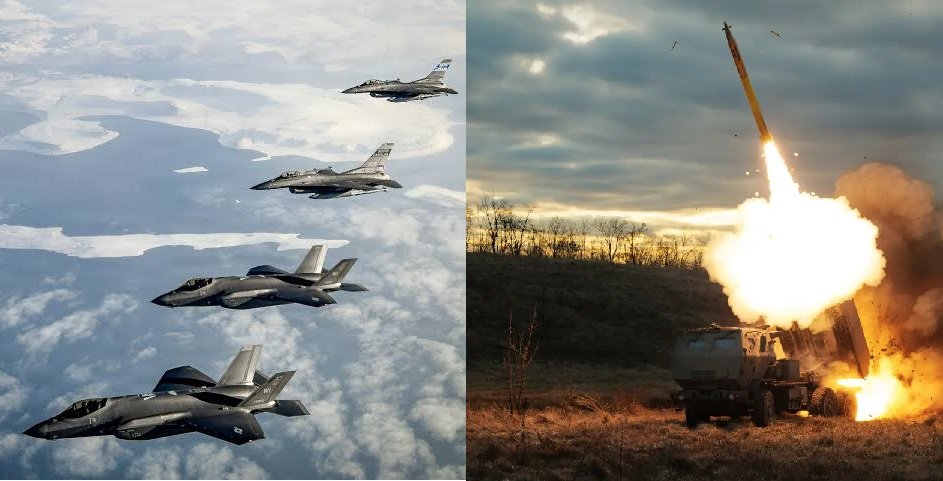
U.S
NOME, Alaska — U.S. joint military forces carried out a multi-domain homeland defense exercise near Nome, Alaska, on August 4 and 6, 2026, integrating fifth-generation fighter aircraft with long-range ground artillery to test their ability to detect, track and engage simulated threats approaching North America through the Arctic. The exercise was conducted under Operation TUNDRA MERLIN, a long-planned homeland defense operation led by U.S. Northern Command and Alaskan Command. The mission focused on improving coordination between air and land forces, validating rapid deployment capabilities, and strengthening joint operations in the Arctic environment. Air and Ground Forces Conduct Integrated Mission The exercise brought together a range of U.S. military assets from the Air Force and Army. Air Force units from Eielson Air Force Base, Alaska, deployed two F-35 Lightning II fighter aircraft, two F-16 Fighting Falcons, and a KC-135 Stratotanker for aerial refueling. On the ground, the U.S. Army fielded an M142 High Mobility Artillery Rocket System (HIMARS) from Joint Base Lewis-McChord, Washington, supported by an AN/TPQ-53 radar system and soldiers from the 1st Battalion, 5th Infantry Regiment, 1st Mobile Brigade Combat Team (Air Assault), 11th Airborne Division. The entire operation was conducted under the command and control of U.S. Northern Command and Alaskan Command. HIMARS Rapidly Deployed to Nome As part of the exercise, the HIMARS launcher was deployed to Nome on July 31, 2026, demonstrating the military's ability to rapidly move combat systems into remote Arctic locations. The 17th Field Artillery Brigade, I Corps, transported the HIMARS aboard a Royal Canadian Air Force C-17 Globemaster III from Joint Base Lewis-McChord. During the flight, the aircraft also stopped at Fort Wainwright, Alaska, to transport soldiers from the 11th Airborne Division, who later operated alongside the HIMARS and AN/TPQ-53 radar during the mission. F-35s and HIMARS Conduct Long-Range Precision Strike The main objective of the exercise was to integrate airpower with long-range precision fires in a single coordinated mission. After receiving aerial refueling from the KC-135, the F-35s and F-16s flew toward the vicinity of Saint Lawrence Island in the Bering Sea. The F-35s then digitally synchronized with the HIMARS unit on the ground to detect and engage a simulated target approximately 135 miles away, demonstrating coordination between airborne sensors and ground-based precision fires. F-16s Practice Defensive Counterair Operations Alongside the strike mission, the exercise also included defensive counterair training. The F-16 Fighting Falcons were assigned to defend the airspace by intercepting the F-35s, which temporarily acted as simulated inbound threats. This scenario allowed aircrews to practice defensive tactics while operating alongside other joint-force elements. Military Leaders Highlight Joint Force Integration Lt. Gen. Robert Davis, commander of Alaskan Command, the Alaskan North American Aerospace Defense Command Region, and the Eleventh Air Force, said the exercise demonstrated the value of integrating air and land capabilities for homeland defense. "This operation demonstrated the power of an integrated joint force capable of layering effects across the air and land domains to strengthen homeland defense," Davis said. "By synchronizing command and control, airpower and long-range precision fires, we strengthened our ability to posture combat-ready forces, eliminate operational seams and demonstrate the credible combat capability required to deter aggression across the Arctic." Maj. Gen. John Cogbill, commander of the 11th Airborne Division, said the deployment showed the Army's ability to rapidly move forces into the Arctic and integrate them with other military capabilities. "This deployment under Operation TUNDRA MERLIN demonstrates our ability to rapidly deploy forces and seamlessly integrate joint capabilities across the Arctic," Cogbill said. "By deploying alongside the HIMARS, we are proving our readiness to deter adversaries by demonstrating lethal, long-range precision capabilities that can hold their assets at risk." Operation TUNDRA MERLIN Supports Arctic Homeland Defense Operation TUNDRA MERLIN is a long-planned and ongoing homeland defense operation conducted by Alaskan Command with U.S. and Canadian partners. The operation integrates joint and multinational forces across the Alaskan theater to strengthen command and control, improve force integration, and maintain combat-ready forces capable of defending the northern approaches to North America. Earlier phases of the operation included a five-day, 800-mile combined maritime patrol conducted from July 20 to 24 in the Bering Sea and Bering Strait. The patrol involved the U.S. Coast Guard Cutters Munro and Storis and the Royal Canadian Navy ship HMCS Max Bernays. Before the August exercise, residents of Nome were notified about increased military activity and planned low-flying aircraft operations. Military officials said all activities were coordinated to minimize disruption to local communities while maintaining readiness for homeland defense missions in the Arctic.
Read More → Posted on 2026-08-07 14:22:01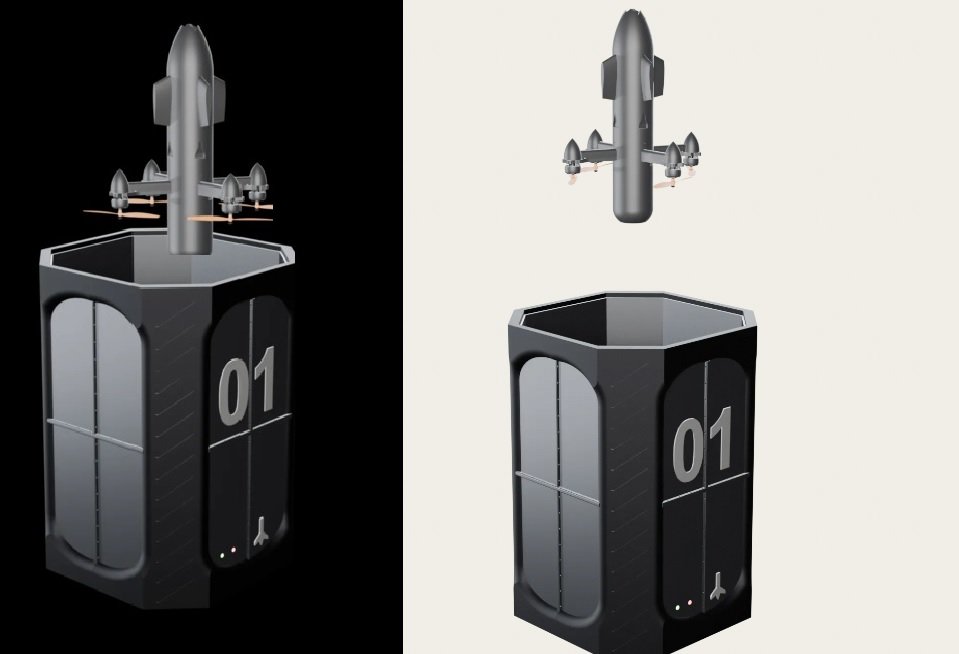
U.S
SAN FRANCISCO — IMPACT Drones, Inc., a counter-drone company backed by Y Combinator, has launched Air Defense as a Service (ADaaS), a commercial security system that uses autonomous interceptor drones to protect critical infrastructure from hostile drone attacks. The system is designed for sites including data centers, power grid facilities, airports, and military bases. According to the company, it aims to address the growing challenge of defending fixed infrastructure from increasingly common drone threats. IMPACT said conventional air defense systems are often too expensive for routine protection of civilian infrastructure. Traditional interceptors can cost more than $1 million per engagement, while hostile drones may cost approximately $30,000 to $50,000 to manufacture. This cost imbalance has left many infrastructure operators without an affordable physical defense against aerial threats. The need for such protection was highlighted earlier this year when a drone attack disrupted three Amazon Web Services (AWS) data centers in the Middle East. The incident took a dozen core cloud services offline, and Amazon reported an estimated $200 million loss in a single day. Autonomous Container-Based System The ADaaS system consists of a sealed container permanently installed at the protected site. It does not require dedicated launch crews or launch pads. When external sensors detect a hostile drone, an interceptor automatically breaks through the container's frangible lid and launches toward the target. Using onboard visual navigation, it physically collides with the incoming drone to neutralize the threat. Because the system relies on visual navigation instead of GPS, it can continue operating in environments where Global Navigation Satellite System (GNSS) signals are jammed or unavailable. HUNTER and SABLE Interceptors IMPACT currently offers two interceptor platforms running the company's common autonomy software. HUNTER is the point-defense interceptor designed to protect the airspace directly above a facility. It can reach speeds of up to 300 km/h and uses electro-optical/long-wave infrared (EO/LWIR) terminal guidance. The company said its hardware lineage is based on systems previously used in Ukraine against Shahed-136, Geran-2, and Gerbera drones. SABLE, which is still under development, is a turbine-powered interceptor with a delta-wing airframe. It is designed to reach speeds of up to 825 km/h to engage faster aerial threats. Subscription-Based Protection Instead of selling individual interceptor missiles, IMPACT is offering the system through a subscription model. The service includes the installed hardware, replacement interceptors, reloads, and continuous monitoring, with pricing scaled to the size of the protected site and expected threat level. "Drones are hitting data centers, substations, and airports today, and the defenses built for armies do not scale down to a single site. So we put the whole thing in a box. It sits at your site, it launches when something hostile comes in, and it rams it out of the sky. You do not buy missiles, you subscribe to safe skies. That is Air Defense as a Service," said Jasper Lortije, Founder and CEO of IMPACT Drones. Pilot Deployments Planned IMPACT Drones is part of Y Combinator's Summer 2026 batch. The launch was announced through Y Combinator's channels, and pilot deployments of the interceptor system are scheduled to begin in the third quarter of 2026. The San Francisco-based company was founded by Jasper Lortije, an aerospace engineer with a master's degree from TU Delft who previously worked on visual navigation systems, and Alessandro Fiume, who has a background in sales. The company said it is seeking partnerships with data center operators, airport managers, and energy infrastructure organizations for future deployments.
Read More → Posted on 2026-08-07 14:32:41
World
MECCA, Saudi Arabia — Saudi Arabia, Turkey and Pakistan have signed the Mecca Joint Defence Agreement, a trilateral mutual defence pact stating that an armed attack against any one of the three countries will be treated as an attack against all three. The agreement was signed on Friday during the Makkah Al-Mukarramah Summit for Joint Defence at Al-Safa Palace in Mecca. Saudi Crown Prince and Prime Minister Mohammed bin Salman, Turkish President Recep Tayyip Erdogan, and Pakistani Prime Minister Shehbaz Sharif signed the document after meeting at the invitation of King Salman bin Abdulaziz Al Saud. Pakistan's delegation also included Chief of Defence Forces and Army Chief Field Marshal Asim Munir. Prime Minister Shehbaz Sharif arrived in Saudi Arabia on Thursday for a three-day visit, while President Erdogan traveled to the Kingdom on Friday for the summit. Before the meeting, the Pakistani delegation performed Umrah in Mecca. Collective Defence and Military Cooperation According to the joint statement issued after the summit, the agreement aims to strengthen collective deterrence against external aggression and expand defence cooperation among the three countries. Its main provisions include: An armed attack against one member will be regarded as an attack against all three. Expanded defence cooperation, including intelligence sharing, joint military training and defence technology development. A shared commitment to promoting peace, security and regional stability. Pakistan's Ministry of Foreign Affairs said the agreement builds on the longstanding historical ties, Islamic solidarity and shared strategic interests of the three countries. Builds on Earlier Saudi-Pakistan Defence Pact The new agreement expands the Strategic Mutual Defence Agreement signed by Saudi Arabia and Pakistan in September 2025, which also stated that an attack on one country would be treated as an attack on the other. Turkey has now been formally added to that collective defence framework. A Turkish official described the agreement as purely defensive, saying it is not directed against any specific country or actor, does not replace existing bilateral or multilateral arrangements, and remains open to other regional countries in the future. Strategic Significance The three countries bring different military and strategic capabilities to the partnership. Turkey is a NATO member with the alliance's second-largest military and a growing defence industry. Saudi Arabia is a leading oil exporter and a major political and economic power in the Arab world. Pakistan is the only nuclear-armed Muslim-majority country and has maintained long-standing military cooperation with Saudi Arabia. Turkey and Pakistan have also expanded defence cooperation in recent years, while Saudi Arabia has purchased Turkish-made drones. The agreement follows nearly a year of discussions and comes during heightened security tensions across the Middle East. Will the Agreement Work During a Major War? While the agreement establishes a collective defence principle, one of the biggest unanswered questions is how it would operate during a major conflict. The joint statement does not explain what form military assistance would take or whether support would automatically include combat operations, troop deployments, air defence or other military actions. The operational obligations have not been made public. History shows that mutual defence agreements do not always result in direct military intervention. For example, Saudi Arabia and Pakistan signed a bilateral defence agreement in 2025, yet during periods of Iranian missile and drone attacks targeting Saudi Arabia, Pakistan did not publicly participate in direct military operations against Iran, and Pakistani authorities did not announce that the agreement had been activated. Another example is Russia's security commitments to Armenia through the Collective Security Treaty Organization (CSTO). During Armenia's conflicts with Azerbaijan, Russia did not directly intervene with combat forces, demonstrating that defence agreements are often influenced by political decisions, treaty interpretation and national interests. Governments also consider the economic and strategic costs of joining a major war. Direct military involvement can affect trade, energy supplies, financial markets and national security, particularly when conflicts involve major regional or global powers. For this reason, countries usually evaluate each crisis individually before deciding the level of support they are willing to provide. The agreement also raises questions about how it would operate in the event of a future India-Pakistan conflict. The treaty does not specify whether Saudi Arabia or Turkey would provide direct military assistance in such a situation. Any response would ultimately depend on political decisions taken at that time, taking into account military, diplomatic, economic and regional security considerations. The Mecca Joint Defence Agreement represents a significant political commitment to deepen defence cooperation among Saudi Arabia, Turkey and Pakistan. However, its practical effectiveness can only be assessed if one of its members faces a future security crisis. Until then, the agreement establishes the principle of collective defence, while the exact implementation of its commitments remains undefined.
Read More → Posted on 2026-08-07 14:59:09
U.S
BETHESDA, Md. — Lockheed Martin has announced a major manufacturing modernization and expansion program, committing between $8 billion and $9 billion through 2030 to upgrade more than 20 manufacturing facilities across the United States. The investment is aimed at increasing production capacity for three of the company's key missile defense programs: the PAC-3 Missile Segment Enhancement (MSE) interceptor, the Terminal High Altitude Area Defense (THAAD) interceptor, and the Next Generation Interceptor (NGI). According to the company, the investment will support facility modernization, advanced manufacturing technologies, workforce development, and supply chain improvements as demand for air and missile defense systems continues to grow. Multiyear Contracts Support Production Expansion The expansion follows a series of major multiyear procurement contracts awarded by the U.S. government. In July 2026, Lockheed Martin received a seven-year undefinitized contract action (UCA) modification worth up to $53.86 billion for PAC-3 MSE interceptors. Combined with a $4.7 billion first-year award received in April 2026, the total value of the multiyear PAC-3 MSE procurement reached $58.62 billion. Lockheed Martin said the funding will support its plan to triple PAC-3 MSE production capacity by the end of 2030. The PAC-3 agreement is the second major multiyear procurement executed under the Department of War's Acquisition Transformation Strategy. It follows a June 2026 procurement contract worth up to $35 billion for THAAD interceptors. According to previously announced contract details, the THAAD procurement is intended to increase annual production from 96 interceptors to 400 interceptors. Work under the contract will be carried out at facilities in Dallas, Texas; Sunnyvale, California; Troy, Alabama; and Camden, Arkansas. "We are moving with speed to support the Department of War's Arsenal of Freedom," said Dan Nimblett, Vice President of Lockheed Martin Munitions Acceleration Integration. "Lockheed Martin continues to move with urgency to support investments to expand capacity, modernize critical facilities and deter adversaries through comprehensive defensive capabilities," Nimblett added. New Facilities in Alabama and Arkansas To support higher production rates, Lockheed Martin has started construction on two major manufacturing projects during 2026. In Troy, Alabama, construction has begun on Munitions Production Center Building 47, an 87,000-square-foot facility that will support THAAD production and provide capacity for potential future Next Generation Interceptor (NGI) manufacturing. The company said the expansion will nearly double the site's existing manufacturing footprint. In Camden, Arkansas, Lockheed Martin is building the Munitions Acceleration Center, which will support increased production of PAC-3 MSE interceptors. Camden is responsible for the final assembly of complete PAC-3 MSE rounds. The company expects the Camden expansion to increase the local workforce by about 50 percent, growing from approximately 1,200 employees to around 1,850 employees. Courtland Facility to Support Next Generation Interceptor In June 2026, Lockheed Martin opened Missile Assembly Building 5 (MAB-5) at its Courtland, Alabama, campus. The 88,000-square-foot facility is dedicated to Next Generation Interceptor (NGI) production and uses digital engineering and advanced manufacturing processes. According to the company, MAB-5 brings together digital manufacturing tools and smart production methods adapted from programs including THAAD and hypersonic systems. Manufacturing at the facility is expected to begin in 2027. "Once again, we are expanding the Courtland campus to meet the national security challenges of today," said Reshondra McInnis, Lockheed Martin Courtland Site Executive. "MAB-5 will shape the local workforce by introducing high-skill jobs to create even more pathways toward advanced manufacturing careers." The Next Generation Interceptor (NGI) is being developed to defend the United States and allied nations against evolving long-range ballistic missile threats. Lockheed Martin stated that the new Courtland facility will help accelerate the program's transition from development into production. The company was selected by the Missile Defense Agency (MDA) in 2024 to develop the interceptor. "NGI is more than a 'next generation interceptor', it's a next generation solution to missile defense's most serious threats," said Chris Jewell, Vice President of the Lockheed Martin NGI Program. "We are creating a foundation that enables long-term production, sustainment and mission support with greater adaptability and more resilient defense architecture." PAC-3 Integration With Aegis Combat System Alongside expanding production, Lockheed Martin is also working to broaden the operational use of the PAC-3 interceptor. In April 2026, the U.S. government awarded the company a contract to develop, integrate and test the capability to launch the PAC-3 missile from the Aegis Combat System. Lockheed Martin said the work will expand the flexibility and capacity of the Aegis system. The company plans land-based testing in 2027, while initial operational capability is targeted for later years. According to Lockheed Martin, Aegis is currently deployed aboard more than 120 ships across six nations and is also used in land-based Aegis Ashore operations. Long-Term Manufacturing Investment Lockheed Martin said its $8 billion to $9 billion investment through 2030 will fund modernization efforts across more than 20 U.S. facilities, including sites in Alabama, Arkansas, Florida, Massachusetts and Texas. The company stated that the investment will focus on expanding manufacturing capacity, introducing advanced production technologies, strengthening the supply chain, and supporting workforce growth to meet increasing demand for air and missile defense systems. Company officials also noted that more than $1 billion had already been invested in production capacity expansion before the latest multiyear contract awards.
Read More → Posted on 2026-08-07 15:20:00
World
TEHRAN — Iran's Islamic Revolutionary Guard Corps (IRGC) Aerospace Force has released photographs and video showing what it says is the wreckage of several U.S. and Israeli military aircraft and drones recovered during recent operations. The material was displayed at an underground exhibition inside an IRGC facility and was also broadcast by Iranian state media, including Mehr News Agency and IRIB. The display includes wreckage identified by Iranian authorities as belonging to a U.S. Air Force F-15E Strike Eagle, U.S. MQ-9 Reaper drones, and an Israeli Elbit Hermes 900 unmanned aerial vehicle (UAV). Iranian officials said the MQ-9 Reaper and Hermes 900 were recovered in a largely intact condition after being intercepted by Iran's air defense systems, including the recently introduced Arashe Kamangir system. Iranian media also showed an Israeli Hermes 900 UAV bearing serial number 923. According to Iranian sources, the drone was brought down through electronic warfare and recovered largely intact. The exhibition further includes wreckage from approximately 30 MQ-9 Reaper drones that Iranian authorities say have been downed since the start of related operations, along with cockpit remnants described as belonging to a U.S. fighter aircraft. Military records indicate that a U.S. Air Force F-15E Strike Eagle from the 494th Fighter Squadron was lost over western Iran earlier this year, with an ejection seat previously reported near the crash site. The newly released footage includes wreckage that Iranian authorities identify as belonging to that aircraft. Iranian officials said engineers from the IRGC Aerospace Force will examine the recovered systems to study their sensors, datalinks, optics, flight systems, and other components. They stated that the technical analysis is intended to support the development of advanced indigenous Iranian drone technology through reverse engineering. The MQ-9 Reaper is a long-endurance remotely piloted aircraft used by the United States for intelligence, surveillance, reconnaissance, and strike missions. The Hermes 900, produced by Elbit Systems, is a medium-altitude, long-endurance UAV used for surveillance, reconnaissance, and strike operations. Iranian state media presented the exhibition as evidence of the country's air-defense capabilities and the recovery of foreign military equipment. However, U.S. and Israeli authorities have not publicly verified every Iranian claim regarding the condition, recovery circumstances, or identification of all aircraft and drone wreckage shown in the exhibition.
Read More → Posted on 2026-08-07 15:35:29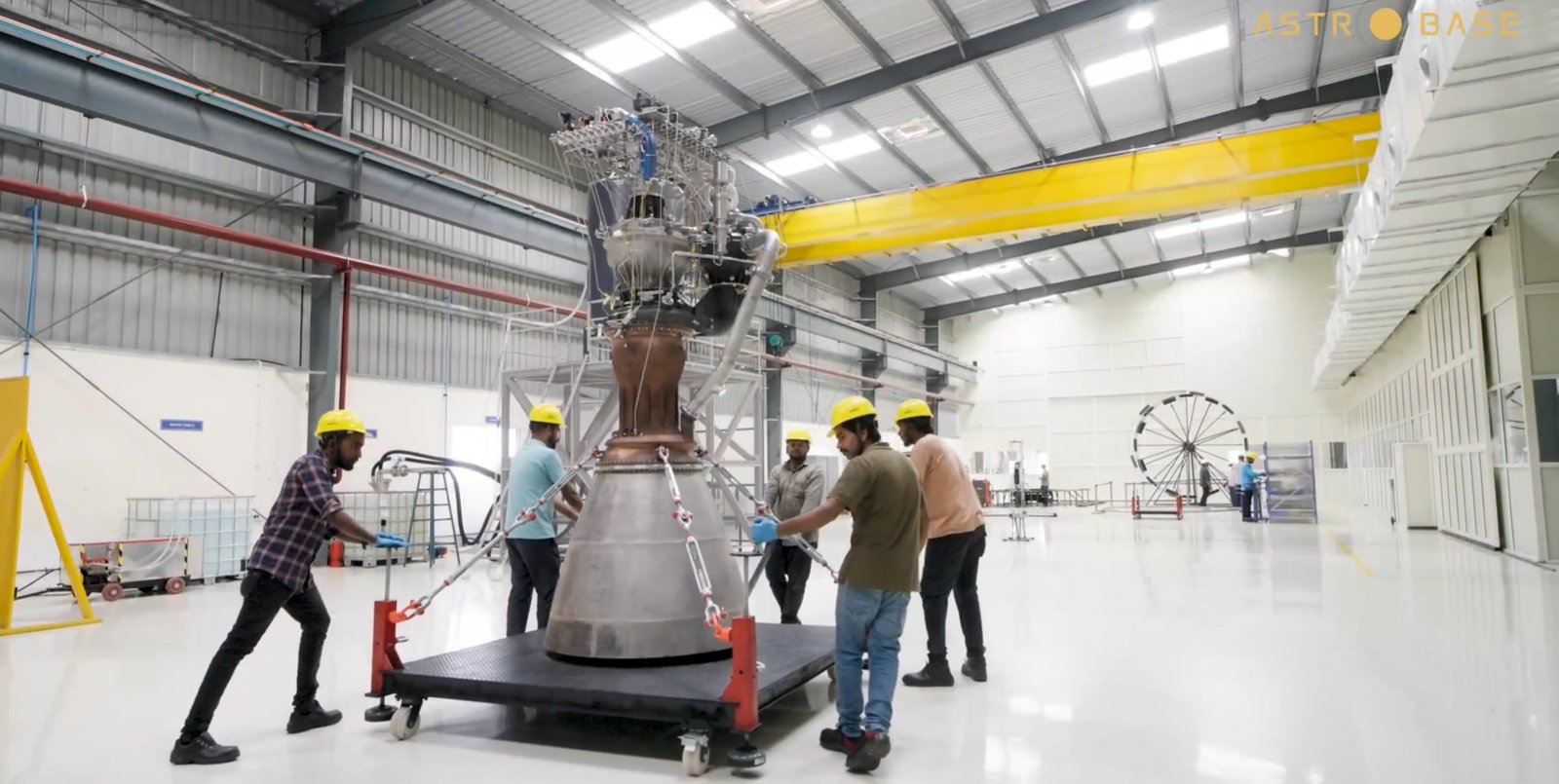
Space & Technology
BENGALURU — Bengaluru-based space startup Astrobase Space Technologies has unveiled EVEREST, India's first fully integrated 80-tonne-class (800 kN) Full-Flow Staged Combustion (FFSC) rocket engine, marking a significant milestone for the country's private space industry. Designed, manufactured, and integrated entirely in India, EVEREST is powered by liquid oxygen (LOX) and liquid methane (methalox). According to the company, the engine is intended to power future medium-lift launch vehicles and is designed with reusability in mind. EVEREST uses the Full-Flow Staged Combustion (FFSC) cycle, in which both the fuel and oxidiser pass through separate pre-burners before driving the turbopumps and entering the main combustion chamber. This propulsion architecture is designed to improve efficiency and support repeated engine use. The company said the engine produces 800 kN of vacuum thrust, has a specific impulse of around 340 seconds, and offers a throttle range of 50% to 110%. Founded in 2024 by former ISRO propulsion scientist Devakumar Thammisetty and former CoinDCX co-founder Neeraj Khandelwal, Astrobase has established a 46,000-square-foot assembly and integration facility in Bengaluru, equipped with India's largest industrial metal 3D printer for manufacturing key engine components. The company also operates a 21.5-acre propulsion test facility near Anantapur, Andhra Pradesh, where the full-engine hot-fire test is planned. Astrobase previously completed a sub-scale hot-fire test in September 2025 and high-speed turbopump testing in January 2026. The company said the next major milestone will be the full-engine hot-fire test, followed by vehicle integration and preparations for its targeted 2029 orbital flight. The company plans to manufacture up to 50 engines annually, conduct about one hot-fire test each week, and test around 20 engines before its first orbital mission. The EVEREST engine programme is supported by the IN-SPACe Technology Adoption Fund. Astrobase said the long-term goal is to develop launch-on-demand capability while expanding India's indigenous launch vehicle and reusable rocket technology. The unveiling of EVEREST comes weeks after Skyroot Aerospace's Vikram-1 mission, highlighting continued progress in India's commercial space sector.
Read More → Posted on 2026-08-07 16:13:37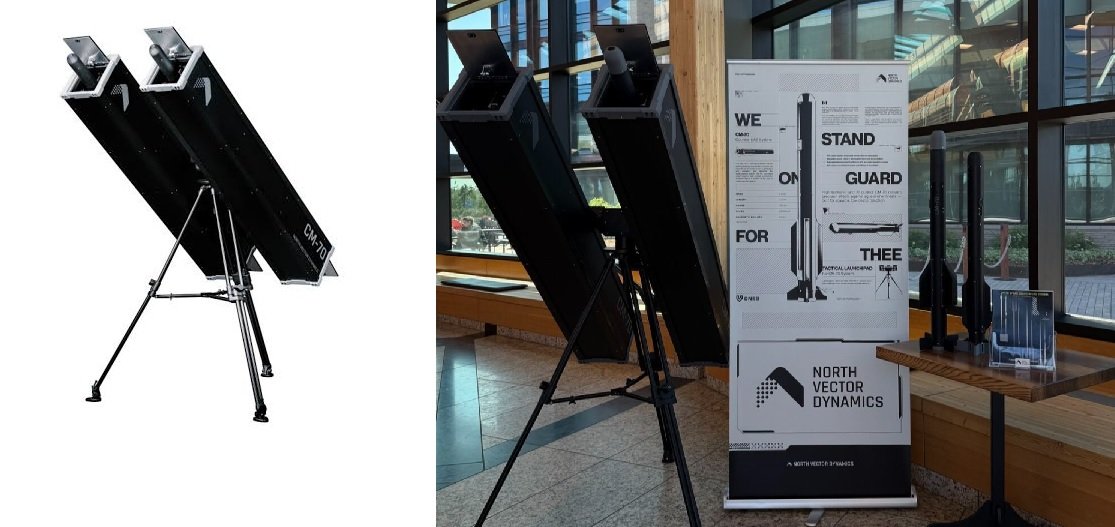
World
CALGARY, Alberta — European defence and industrial group Czechoslovak Group (CSG) has become a strategic investor in North Vector Dynamics (NVD), a Calgary-based Canadian defence technology company developing advanced air defence systems, precision-guided missiles, counter-unmanned aerial systems (C-UAS), and next-generation hypersonic technologies. The companies did not disclose the financial value of the equity investment. However, the transaction values North Vector Dynamics at more than USD 90 million. The investment forms part of CSG's long-term strategy to strengthen its portfolio in advanced defence technologies. The group said NVD's expertise complements its existing capabilities in radar systems, air defence, air traffic management, autonomous systems, missile and unmanned aerial vehicle propulsion, and other defence technologies. Focus on Expanding Defence Technologies CSG said the partnership goes beyond financial investment. The company plans to support NVD by providing access to its industrial capabilities, manufacturing capacity, systems integration opportunities, and international commercial network. The cooperation is intended to accelerate the development, production, commercialisation, and operational deployment of NVD's technologies, particularly among NATO member states. CSG also plans to use its established commercial network across Ukraine, NATO countries, and other partner nations to support the wider adoption of NVD's systems. Michal Strnad, Chairman of the Board and CEO of CSG, said the nature of modern warfare is changing rapidly, making autonomous systems, artificial intelligence, advanced sensors, precision guidance, and affordable air defence increasingly important. He said North Vector Dynamics is developing a family of interceptor systems with the potential to play an important role in future defence capabilities, adding that CSG intends to become a long-term strategic partner by contributing industrial expertise, manufacturing resources, and market access in addition to investment. North Vector Dynamics Expanding Advanced Defence Portfolio Founded in 2022 and headquartered in Calgary, Alberta, North Vector Dynamics develops advanced defence technologies for modern military requirements. The company is currently under contract with Canada's Department of National Defence to support the advancement of hypersonic technologies. It also previously received a CAD 4.2 million contract from Defence Research and Development Canada (DRDC) for high-speed and hypersonic aeropropulsion research, in addition to earlier support through the Innovation for Defence Excellence and Security (IDEaS) programme. NVD was established by former aerospace engineering professors and researchers with applied research experience at NASA and other leading institutions. Its leadership team is also supported by General (Ret.) Tom Lawson, former senior military commander of the Canadian Armed Forces and former Deputy Commander of the North American Aerospace Defense Command (NORAD), who serves as Strategic Advisor. CM-70 Counter-Drone Missile One of North Vector Dynamics' primary products is the CM-70 counter-unmanned aerial system missile, designed as a lower-cost interceptor for defeating drone threats compared with conventional guided missile interceptors. According to published specifications, the precision-guided interceptor weighs approximately 3 kilograms, measures 0.9 metres in length, has an operational range of about 3.5 kilometres, and can reach speeds of around 900 km/h. The missile uses semi-active laser guidance, features a forward-firing fragmentation warhead, and is designed to engage Group I, II, and III unmanned aerial systems. The system has an open architecture compatible with existing NATO command-and-control networks, allowing integration into layered air defence systems. The company also describes the CM-70 as ITAR-free. Beyond the CM-70, NVD is developing additional strike and interception systems covering multiple speed, range, and payload categories using different sensing and propulsion technologies. Canada Selected for Long-Term Partnership Stanislav Kuba, Investment Director at CSG, said the investment reflects the company's approach to supporting technological innovation through long-term partnerships rather than short-term financial investments. He said CSG aims to help North Vector Dynamics accelerate development, increase production capacity, and expand access to allied defence markets where its technologies could contribute to modern defence capabilities. Kuba also cited Canada's stability, transparency, and highly qualified workforce as important reasons for selecting the country for investment. Partnership to Accelerate Operational Deployment Dr. Paul Ziadé, Co-Founder and CEO of North Vector Dynamics, said the partnership will provide more than financial support by bringing industrial expertise, knowledge of defence markets, and a strong international presence. He said both companies share the objective of rapidly developing modern defence capabilities for Canada, NATO members, and other allied nations, adding that the cooperation is expected to accelerate both the company's growth and the operational deployment of its technologies. CSG Continues Defence Technology Expansion The investment represents another step in CSG's broader expansion across the defence sector. The European industrial group has recently strengthened its capabilities in autonomous systems, radar technologies, missile propulsion, air defence, and air traffic management. The company also announced the appointment of defence industry veteran Ben Hudson in August 2026 as part of its continuing expansion strategy. CSG is listed on Euronext Amsterdam, employs more than 14,000 people, operates manufacturing facilities in several countries, and exports defence products to more than 70 nations. In recent years, the group has expanded through acquisitions and strategic investments across land systems, ammunition, military vehicles, and related defence technologies. The investment in North Vector Dynamics also strengthens CSG's presence in the North American defence market while supporting technological and industrial cooperation between Canada and European defence industries.
Read More → Posted on 2026-08-07 16:38:00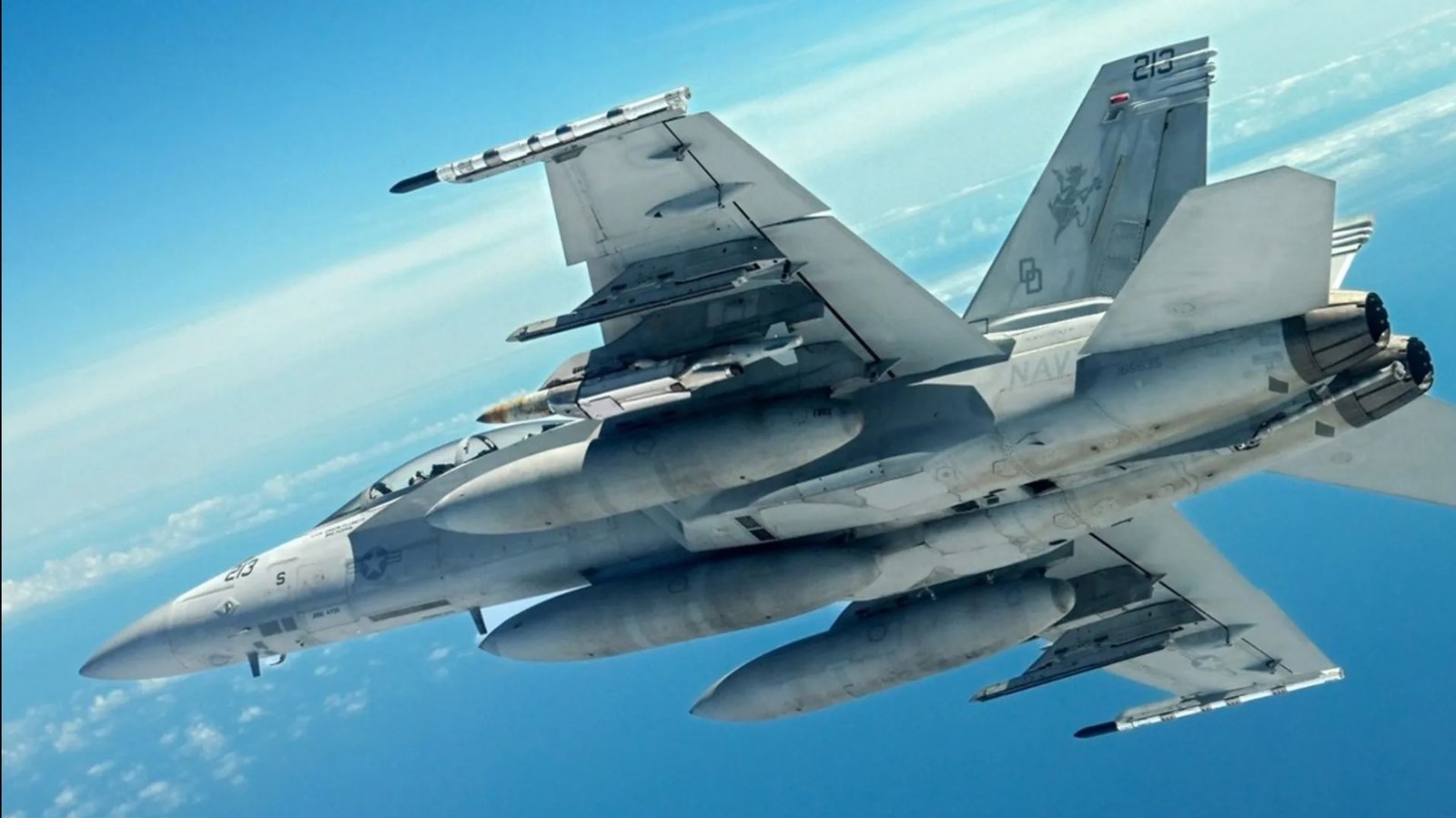
U.S
ST. CHARLES, Missouri — Boeing has received approval to begin initial serial production of the JDAM-LR (Joint Direct Attack Munition Long Range), designated GBU-75, following the award of a $75 million undefinitized contract action from the U.S. Air Force for BSU-111/B Payload Delivery Units intended for the U.S. Navy. The production approval follows a series of successful U.S. Navy flight tests conducted in April 2026, marking an important step toward fielding a long-range precision-guided weapon designed to increase the strike range of carrier-based aircraft while using existing JDAM technology. Initial Production Approved Following Successful Flight Tests The U.S. Air Force awarded Boeing the initial production contract for the BSU-111/B Payload Delivery Units, which form the core of the JDAM-LR system for U.S. Navy use. The approval came after successful flight demonstrations conducted by the U.S. Navy on April 1 and April 3, 2026, over the Point Mugu Sea Range off the California coast. During both tests, F/A-18E/F Super Hornet fighter aircraft released inert JDAM-LR weapons. Each test covered approximately 200 nautical miles (370 kilometers). During the first flight, the weapon remained in powered flight for about 34 minutes before landing within meters of its planned target. The second test included altitude changes and maneuvering while maintaining guidance throughout the mission. According to the reported test results, the demonstrations confirmed safe separation from the aircraft, compatibility with existing aircraft interfaces, powered free flight, and navigation using military-code GPS. Powered Upgrade to the JDAM Family The JDAM-LR is the newest member of Boeing's Joint Direct Attack Munition (JDAM) family. Unlike the standard JDAM, which converts unguided bombs into precision-guided glide weapons, the JDAM-LR adds a compact propulsion system that allows sustained powered flight. The system combines: A GPS-aided inertial navigation system (INS) derived from the existing JDAM family. Aircraft interface systems. A BSU-111/B deployable wing payload delivery unit. A Kratos TDI-J85 turbojet engine producing 200 pounds of thrust. The kit is designed to be fitted to a 500-pound-class (approximately 230-kilogram) bomb body, typically a Mk-82, effectively converting a conventional gravity bomb into a powered long-range precision weapon. According to Boeing, the JDAM-LR is capable of striking land and maritime targets at ranges exceeding 300 nautical miles (more than 555 kilometers). Boeing Highlights Program Milestone Commenting on the production award, Bob Ciesla, Vice President of Boeing Precision Engagement Systems, said: "This first production contract is a major milestone for the JDAM LR program, demonstrating our ability to deliver long-range precision-strike capability at a significantly lower cost." The company said the contract represents the transition of the program from successful development and testing into production. Comparison With Existing JDAM Variants The JDAM-LR expands Boeing's existing family of precision-guidance kits, each designed for different operational requirements. The standard JDAM uses GPS-aided inertial navigation and typically provides a launch range of 15 to 28 kilometers. The JDAM-ER (Extended Range) adds folding wings that increase range to approximately 70 to 80 kilometers, while some official figures describe the range as about 40 nautical miles, depending on configuration. The Laser JDAM (LJDAM) adds a laser seeker, allowing engagement of moving targets. The new JDAM-LR (GBU-75) retains the JDAM guidance system while adding deployable wings and a compact turbojet engine to extend its range beyond 300 nautical miles (555 kilometers). Designed for Existing Aircraft One of the key features of the JDAM-LR is its compatibility with aircraft already cleared to carry standard JDAM weapons. According to Boeing, the weapon is designed to integrate without requiring aircraft modifications. Platforms identified for compatibility include the U.S. Navy's F/A-18E/F Super Hornet and the U.S. Air Force's B-52. Qualification work and aircraft integration activities are continuing as production begins. Manufacturing and Program Development Boeing said it invested nearly $100 million of its own funding in the JDAM-LR program before receiving the production award. Manufacturing preparations are underway at the company's St. Charles, Missouri facility, where production of the initial units has now started following the contract announced in early August 2026. Cost and Operational Role Boeing has not disclosed the unit cost of the JDAM-LR. Standard JDAM guidance kits are generally reported to cost between $20,000 and $30,000. Boeing has stated that the powered JDAM-LR is intended to provide a lower-cost long-range precision-strike capability compared with traditional cruise missiles by using existing bomb bodies and established JDAM architecture. The weapon is expected to support land strike, naval strike, and maritime aerial-mining missions. Further qualification efforts will focus on shipboard integration for carrier operations. Because the system is designed around the existing JDAM family and is compatible with aircraft already qualified to carry JDAM weapons, it could also be adopted in the future by other U.S. military services and international operators that already use JDAM weapons.
Read More → Posted on 2026-08-07 16:43:32
U.S
BETHESDA, Md. — Lockheed Martin is positioning the F-35 Lightning II as an airborne tracking and targeting node within a broader integrated missile defense architecture that connects aircraft, space-based warning systems, command-and-control networks and missile interceptors. The approach is designed to allow information collected by different sensors to be shared across the defense network, helping reduce the time between detecting a missile threat and responding to it. F-35 Adds an Airborne Sensor Layer According to Lockheed Martin, the process can begin with space-based infrared systems detecting the launch of a missile. The information can then be combined with data collected by F-35 aircraft operating closer to the threat. The F-35 is designed to function as a mobile intelligence, surveillance and reconnaissance platform. Its Distributed Aperture System (DAS), Electro-Optical Targeting System (EOTS) and sensor-fusion software allow it to combine information from different sources with its own sensor detections. Lockheed Martin has also highlighted passive infrared capabilities such as IRST21, which can provide infrared tracking without actively transmitting signals. The company describes these capabilities as part of the F-35's role as an airborne sensor within networked defense operations. The company has previously demonstrated the F-35's ability to provide sensor information to ground-based air and missile defense systems. In a 2019 demonstration, F-35 track data was sent to the U.S. Army's Integrated Air and Missile Defense Battle Command System (IBCS), allowing the aircraft to operate as an elevated sensor. A 2020 test also demonstrated F-35 integration with IBCS during a live-fire event. C2BMC Connects the Defense Network A key part of the architecture is Lockheed Martin's Command and Control, Battle Management and Communications (C2BMC) system. C2BMC serves as an integrating element of the U.S. Missile Defense System, connecting sensors, weapons and command elements to provide commanders with a coordinated view of missile threats. Lockheed Martin says the system has operated continuously since 2004 and is deployed across multiple locations and time zones. The company has also worked with the Missile Defense Agency to integrate additional sensors and missile-defense systems into C2BMC. These efforts include the integration of the Ballistic Missile Defense Overhead Persistent Infrared Architecture and other capabilities. In the architecture described by Lockheed Martin, F-35-generated tracking and targeting information can therefore become part of a wider operational picture rather than remaining limited to the aircraft itself. THAAD and NGI Form Part of the Intercept Layer The architecture also connects the sensor and command layers with missile interceptors. The Terminal High Altitude Area Defense (THAAD) system provides a terminal-phase ballistic missile defense capability. The Missile Defense Agency describes THAAD as a land-based system capable of intercepting ballistic missiles inside or just outside the atmosphere during the terminal phase of flight. Its AN/TPY-2 radar provides tracking and discrimination information to support engagements. The Next Generation Interceptor (NGI) is being developed for the U.S. Ground-based Midcourse Defense system to strengthen homeland defense against long-range ballistic missile threats. Lockheed Martin says NGI is designed to work with ground-based radars and command-and-control systems as part of a layered defense architecture. This creates a multi-layered chain in which space-based systems provide early warning, airborne platforms such as the F-35 can contribute additional tracking information, command-and-control systems distribute the information, and appropriate interceptors can be used against the threat. Moving From Individual Systems to an Integrated Network Lockheed Martin's approach focuses on connecting systems that are already operational or being delivered rather than creating an entirely new missile-defense architecture from the beginning. The company's integrated air and missile defense portfolio combines sensors, satellites, command-and-control systems and interceptors across different parts of the defense network. Lockheed Martin describes C2BMC as a key element for coordinating these systems across domains. The company has emphasized that such architectures need to remain connected, maintainable and scalable as additional capabilities are introduced. For the F-35, this means its role can extend beyond traditional air-to-air and air-to-ground missions. The aircraft can contribute information gathered by its sensors to other elements of the force, allowing its data to become part of a wider missile-defense picture. Lockheed Martin's 2026 material specifically describes the F-35 as a "flying sensor" that can combine space-based information with its own onboard detections. The company presents this integration as part of a broader effort to connect space, air, land and command-and-control capabilities into a unified defense architecture. The concept therefore places the F-35 within the sensor and information-sharing layer of an integrated missile-defense network, complementing space-based warning systems, C2BMC and ground-based interceptor systems such as THAAD and NGI.
Read More → Posted on 2026-08-08 11:20:27
World
Saudi Arabia — Saudi Arabia used about 86% of its 2,800 Patriot PAC-3 interceptor missiles during the first 38 days of combat with Iran, leaving roughly 400 missiles, according to Reuters. The depletion highlights the pressure that sustained missile attacks have placed on air-defense inventories across the United States and Gulf region. The U.S. Patriot system is a mobile surface-to-air missile defense system capable of engaging aircraft, tactical ballistic missiles and cruise missiles. The PAC-3 family uses hit-to-kill technology, with the PAC-3 Missile Segment Enhancement (MSE) produced by Lockheed Martin. U.S. inventories have also fallen significantly. The Center for Strategic and International Studies (CSIS) estimates that around 65% of U.S. Patriot interceptors were expended between February and July, reducing the stock from about 2,330 before the Iran war to fewer than 850. CSIS also estimated that U.S. THAAD interceptor stocks had fallen to about 250. To replenish Gulf inventories, the United States has approved the sale of 5,250 Patriot interceptors to Bahrain, Kuwait, Qatar and the United Arab Emirates. The U.S. Army has also awarded Lockheed Martin a contract worth up to $58.6 billion for Patriot interceptor production. Reuters reported that the agreement is intended to expand production as the United States and its allies work to rebuild depleted missile stocks. The production challenge is significant because Patriot interceptors are being demanded by multiple countries at the same time. CSIS has warned that rebuilding U.S. missile inventories will take several years, while the Pentagon has sought additional funding to accelerate ammunition production.
Read More → Posted on 2026-08-08 11:30:51
U.S
WASHINGTON — RTX’s Raytheon business has received a noncompetitive production contract valued at up to $745.4 million to manufacture and assemble Standard Missile-3 (SM-3) Block IIA ballistic missile interceptors for the United States and Japan. The contract was announced Aug. 7 by the U.S. Department of War, acting through the Missile Defense Agency (MDA). It covers requirements for the U.S. government and Japan’s Ministry of Defense through Foreign Military Sales arrangements. The initial obligations total about $553.2 million, including $275.6 million in U.S. fiscal 2026 procurement funds and approximately $277.6 million in funding from Japan’s Ministry of Defense. Work under the initial funding is scheduled to continue through February 2031. Manufacturing and related engineering work will be performed at RTX facilities in Tucson, Arizona, and Huntsville, Alabama, with an estimated completion date of Feb. 28, 2031. SM-3 Block IIA The SM-3 Block IIA is a ballistic missile interceptor jointly developed by the United States and Japan. It is designed to engage ballistic missile threats outside the Earth's atmosphere during the midcourse phase of flight. The interceptor uses a three-stage solid-fuel rocket propulsion system and a kinetic warhead. Rather than using an explosive charge, the interceptor destroys its target through direct physical impact. Japan has been closely involved in the development of the Block IIA, including work on the missile's third-stage rocket motor and nose cone. The interceptor is launched from Mk 41 vertical launch systems installed aboard Aegis-equipped U.S. Navy and Japan Maritime Self-Defense Force warships, as well as at certain Aegis Ashore land-based missile-defense sites. Recent Operational Use The SM-3 family was used operationally during the April 2024 Iranian missile and drone attack on Israel. U.S. Navy Arleigh Burke-class destroyers USS Arleigh Burke and USS Carney, operating in the eastern Mediterranean, launched SM-3 interceptors during the operation. Defense officials reported that at least six Iranian ballistic missiles were intercepted. Some accounts identified the Block IIA variant specifically, although public reporting has not provided complete variant information for every interceptor used. The SM-3 family has also been associated with later U.S. ballistic missile interceptions involving operations near Israel and the eastern Mediterranean in 2026. However, the U.S. military has not publicly confirmed the specific SM-3 variant involved in every engagement. Continued U.S.-Japan Production The latest award supports continued production of SM-3 Block IIA interceptors for both countries. It adds to previous U.S. procurement efforts aimed at maintaining ballistic missile defense capacity and supporting the jointly developed interceptor program.
Read More → Posted on 2026-08-08 11:38:45
India
NEW DELHI — India has begun concerted efforts to join the French-led Future Combat Air System (FCAS) sixth-generation fighter aircraft programme, according to the Ministry of Defence's response cited by the Parliamentary Standing Committee on Defence. The committee presented its report in Parliament on August 7, 2026, and asked the government to provide a detailed status report, roadmap and tentative timeline for India's plans to develop or acquire sixth-generation combat aircraft. The Ministry of Defence told the panel that it has “initiated efforts in a concerted manner to co-join” the sixth-generation fighter aircraft development programme, identified as FCAS and spearheaded by the French government. India Exploring International Sixth-Generation Programme The committee was informed that two international groupings are developing sixth-generation combat aircraft. One involves the United Kingdom, Italy and Japan, while the other involves France and Germany. The Indian Air Force has indicated that it would seek to join one of these groupings and consider a sixth-generation fighter at the earliest. The committee said advance planning is required as the role of air power continues to grow in modern warfare. The report does not provide details of any final agreement, participation terms, work-share arrangement, funding commitment or acquisition contract between India and the FCAS programme. FCAS and AMCA to Progress in Parallel India's efforts to explore participation in FCAS will continue alongside the indigenous Advanced Medium Combat Aircraft (AMCA) programme. The committee noted that the AMCA design has been developed and discussions on its production are under way. It asked the Ministry of Defence to provide an update on the programme's development and production in its next action-taken statement. The Light Combat Aircraft (LCA) Mk-II programme is also in the design and development stage. The committee noted that efforts to strengthen self-reliance in defence manufacturing include the LCA programme and the Multi Role Fighter Aircraft (MRFA) programme. The panel also identified technical upgrades to the existing Indian Air Force fleet as a top priority for maintaining its combat capability. Air Force Funding and Near-Space Operations The committee recommended adequate financial resources and support for the Indian Air Force's near-space operations, citing the growing importance of space-related military capabilities. Ministry of Defence data showed that the Air Force's share of the Defence Services Estimates (DSE) increased from 8.83 per cent in 2021-22 to 10.80 per cent in 2026-27. The committee recommended a further increase, citing the geopolitical environment and growing importance of air power. It also called for future defence budgets to prioritise state-of-the-art weapon systems and the infrastructure needed to support them. The panel recommended continued investment in defence preparedness and said defence spending should keep pace with neighbouring countries. The committee also commended the Army's role in safeguarding national security during Operation Sindoor and called for an adequate capital budget for the Army. Naval Modernisation The report also outlined major naval modernisation programmes, including the procurement of 26 Rafale-M fighter aircraft, follow-on support for MH-60R helicopters, and heavyweight torpedoes for the Navy's submarine fleet. The Navy has been allocated Rs 47,748.31 crore for committed liabilities and Rs 17,146.28 crore for new schemes. India's sixth-generation fighter planning is therefore being pursued alongside ongoing domestic fighter development and broader military modernisation. The parliamentary committee has asked the government to provide further details on the sixth-generation fighter roadmap and the development and production status of AMCA in its next action-taken statement.
Read More → Posted on 2026-08-08 11:58:08
Space & Technology
DULLES, Va., — Northrop Grumman is developing three Lunar Infrastructure Demo (LID) missions to help NASA establish the power, communications and other basic systems needed for sustained operations near the lunar South Pole. The missions, designated LID-1, LID-2 and LID-3, are intended to demonstrate technologies that can support both robotic systems and future astronauts on the lunar surface. The company said the demonstrations will focus on surface power, data systems, thermal management, autonomy, communications and hosted payload services. The effort is part of NASA’s broader plan to develop a Moon Base through a phased approach. NASA’s first phase, covering the period through 2029, focuses on robotic missions, technology demonstrations and preparation for surface operations at the lunar South Pole. Testing Infrastructure for the Lunar Night One of the main objectives of the LID missions is to determine whether critical surface equipment can remain powered, protected and connected during the lunar night and in permanently or temporarily shadowed areas. The lunar environment presents major challenges for surface equipment. At the lunar South Pole, temperatures can range from about -334 degrees Fahrenheit to 130 degrees Fahrenheit, while long periods without sunlight create additional difficulties for power and electronic systems. Northrop Grumman's demonstrations are intended to provide operational data on how infrastructure performs under these conditions. The company said the missions will help develop systems capable of supporting longer-duration activities by robotic explorers and, eventually, human crews. NASA's Moon Base plan also identifies reliable power and communications as key capabilities for the early stages of lunar surface development. The agency plans to progressively expand these systems as the program moves toward longer-duration operations. Reusing HALO Technology To reduce development work and accelerate deployment, Northrop Grumman is adapting hardware and technologies originally developed for NASA's Habitation and Logistics Outpost (HALO). HALO is being developed by Northrop Grumman for NASA's Gateway lunar space station. For the LID missions, the company is adapting HALO-related power distribution, data handling and mechanical interface systems for use on the lunar surface. The approach is intended to allow NASA and Northrop Grumman to obtain performance information from actual lunar surface operations without developing an entirely new set of systems for the demonstrations. The company said the reuse of existing HALO technology can reduce development risk and allow the power and data infrastructure to be deployed more quickly. Supporting NASA's Moon Base Plans The three LID missions are designed to demonstrate infrastructure capabilities first and then provide information that can be used to scale those systems for future lunar operations. Data collected directly from the lunar surface is expected to support NASA's planning for future Artemis surface campaigns and longer-duration robotic and human missions. NASA's current Moon Base plan divides development into three phases. Phase One, running through 2029, focuses on experimentation and learning. Phase Two, from 2029 to 2032, is planned to establish early infrastructure and habitation capabilities. Phase Three, beginning in 2032, is intended to support a sustained human presence on the lunar surface. NASA has already outlined plans for early power and communications demonstrations during Phase One. The agency's Moon Base systems plan includes technologies for power generation and survival during extended periods of darkness, as well as communications systems to connect lunar surface assets with other systems and Earth. Northrop Grumman said the LID missions will contribute to this development by testing the infrastructure required to keep lunar surface assets powered, protected and connected. “As America embarks on the next chapter in human space exploration, our Lunar Infrastructure Demos will help turn the Moon into a place where astronauts can stay, work and make discoveries that benefit humanity,” said David Schiller, vice president of civil space and sciences at Northrop Grumman. “Our ready-to-fly, reliable HALO technologies allow NASA to move faster, putting in place robust infrastructure that can endure the lunar night and establish a strong blueprint for a future Moon Base.” The company has not announced specific launch dates for LID-1, LID-2 or LID-3, and cost figures for converting the HALO hardware have not been released. The missions are planned as part of the first phase of NASA's Moon Base development. Overall, the LID program is intended to provide NASA with direct operational experience with lunar surface infrastructure before larger systems are deployed to support extended human and robotic activity near the lunar South Pole.
Read More → Posted on 2026-08-08 12:07:06
U.S
BELGRADE — Ukraine has reached an agreement with the United States for monthly deliveries of Patriot air defense interceptor missiles, Ukrainian President Volodymyr Zelenskyy said Saturday. However, he said the agreed quantities are not sufficient to meet Ukraine’s air defense requirements. Zelenskyy made the comments during a joint press conference with Serbian President Aleksandar Vučić in Belgrade. “Who has the anti-missiles and systems? Primarily the manufacturer – the United States of America,” Zelenskyy said. “Can they help? We are working on it. Will they supply us with missiles every month? Yes, we have agreements. Are these missiles enough? No.” 2026 Deliveries Below Previous Levels Zelenskyy said the volume of Patriot interceptors expected in 2026 is significantly lower than the amount Ukraine received in 2025. He did not provide exact figures for the monthly deliveries. The shortage comes as Ukraine continues to face Russian missile and drone attacks. Zelenskyy said earlier this week that allied deliveries of air defense missiles during the first half of 2026 were about one-third of the level recorded in 2025. Patriot systems are particularly important to Ukraine's air defense because they are used against ballistic missile threats. Ukraine Seeks Additional European Support With US deliveries falling short of Ukraine's requirements, Kyiv is continuing negotiations with European and other international partners for additional interceptors. Zelenskyy identified Germany and Poland as countries that could provide significant assistance. He also said the Netherlands and Scandinavian countries were contributing smaller quantities from their available stocks. Ukraine has also explored possible assistance from Japan and South Korea. However, Zelenskyy said legal restrictions in those countries prevent them from directly supplying lethal weapons to Ukraine. An option to purchase equipment from Israel was also considered, but Zelenskyy said that arrangement is currently unavailable. Patriot Production Talks Face Delays Ukraine is also seeking a longer-term solution through joint or domestic production of Patriot interceptors. US officials have said that advanced PAC-3 interceptors remain under strict export controls and that American manufacturers are currently the only companies permitted to produce the missiles. US Ambassador to NATO Matthew Whitaker said earlier in August that Washington would not enter into a long-term agreement for joint Patriot production with Ukraine before winter. The position followed earlier comments by US President Donald Trump in July suggesting that Ukraine could potentially receive a license to manufacture Patriot missiles. Trump later expressed concerns about transferring sensitive defense technology. According to Reuters, discussions over possible production arrangements have continued, including a proposal under which Ukraine could manufacture some Patriot missile components while final assembly would take place in Germany. US Production Expansion The United States is also working to increase Patriot interceptor production. Existing production capacity, however, cannot immediately eliminate the shortage faced by Ukraine. For Kyiv, the immediate priority remains obtaining additional interceptors from US and allied stocks while longer-term production plans are considered. Zelenskyy's latest comments underline Ukraine's continued effort to secure sufficient air defense missiles ahead of the coming winter, when Kyiv expects Russian attacks on Ukrainian infrastructure to remain a major concern.
Read More → Posted on 2026-08-08 12:15:47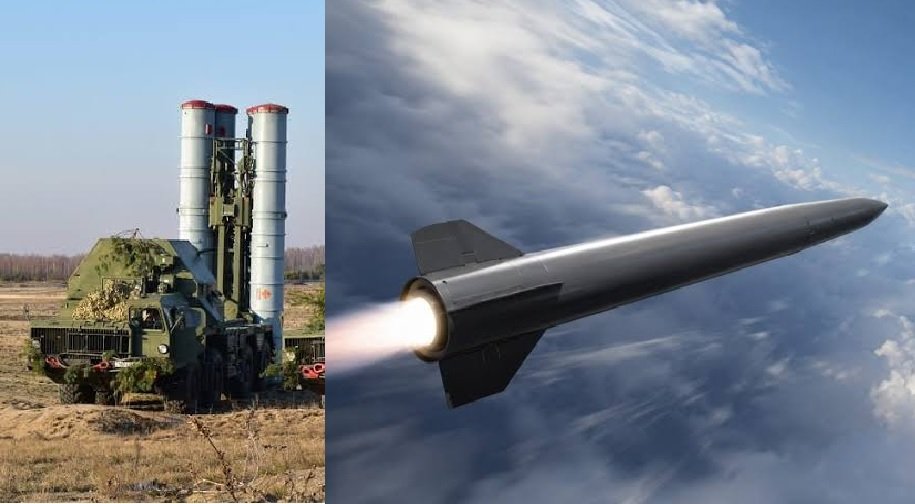
World
KYIV, Ukraine — Ukraine is developing a new anti-ballistic missile system under the FREYJA project, built around the FP-7.x interceptor developed by Ukrainian defense company Fire Point. The project combines a Ukrainian missile with European radar, guidance and command-and-control technologies and is intended to provide an additional European capability against ballistic missile threats. The project was formally backed on July 13, 2026, when Ukraine and nine European countries — Denmark, France, Germany, Italy, the Netherlands, Norway, Spain, Sweden and the United Kingdom — announced the creation of the Integrated Anti-Ballistic Missile Coalition in Paris. The coalition described the initiative as a purely defensive effort to develop a shared European anti-ballistic missile capability. At the center of the project is the FP-7.x, which draws on technology associated with the Soviet-era S-300 missile family. Fire Point is using an established missile-production base rather than developing an entirely new interceptor from the beginning. From S-300 technology to FP-7.x The history of the project goes back to the Soviet development of the 5B55 missile family for the S-300P air-defense system. The 5B55 was designed primarily to engage aircraft and other aerodynamic targets. The broader S-300 missile family later developed into the heavier 48N6 series, which provided greater performance and was also designed to engage ballistic targets during their terminal flight phase. Fire Point's current FP-7.x is associated with this later S-300 missile heritage. Defense publications have reported that the interceptor is based on the 48N6 family rather than being a completely new missile design. This heritage is important because Ukraine already has experience with the production of S-300-family missiles. The Soviet-era Vizar plant near Zhytomyr was involved in production of S-300 missiles, providing an existing industrial background for the current Ukrainian effort. The FP-7.x is a large interceptor. Fire Point has stated a length of 7.25 meters, while its fuselage diameter has been reported at approximately 0.53 meters. Its reported speed is in the 1,500–2,000 meters-per-second range. Designed for the terminal phase of ballistic missile defense The main challenge for FP-7.x is different from that faced by a conventional surface-to-air missile. A ballistic missile's warhead can approach its target at very high speed during the final stage of flight. An interceptor therefore has to detect, track and engage the target within a short period. Fire Point has developed the FP-7.x specifically for this role. According to company statements reported by Janes, the current development is aimed at interception at approximately 20–25 kilometers altitude. Fire Point has also discussed an eventual maximum speed of about 2,200 m/s, while earlier testing reportedly reached about 1,800 m/s. Earlier published specifications for the missile gave a speed of 1,500–2,000 m/s, a length of 7.25 meters and a 150-kilogram combat load. The project is therefore focused on the lower layer of ballistic missile defense rather than attempting the type of high-altitude or exo-atmospheric interception associated with systems such as THAAD or SM-3. Infrared seeker is a major part of the upgrade One of the most important changes is the missile's guidance system. Fire Point's FP-7.x is being developed with an imaging infrared seeker, with German defense company Diehl Defence involved in the technology partnership. Earlier descriptions of the Freya architecture identified an infrared imaging seeker as one of the key components of the interceptor. The use of an infrared seeker is intended to provide the interceptor with terminal guidance against the target after the wider air-defense network has detected and tracked it. The exact final configuration of the seeker and its integration into the complete Freya system remains part of the development process. Current interceptor uses a fragmentation warhead The first FP-7.x configuration is not based on a pure kinetic hit-to-kill approach. Fire Point CEO Iryna Terekh told Janes that the current version uses a blast-fragmentation warhead, while the company is considering development of a future hit-to-kill interceptor. The distinction is important. A hit-to-kill interceptor attempts to destroy the incoming target through a direct physical collision. The current FP-7.x instead uses an explosive warhead to damage or destroy the target. Fire Point has said that moving toward a hit-to-kill configuration is part of the longer-term development path. The company therefore sees the present missile as an initial configuration rather than the final form of the interceptor. Mass production is central to the concept The Freya project is also being developed around a different economic model from high-cost ballistic missile interceptors. Fire Point has cited a target cost of approximately $700,000 per interceptor, compared with around $3.8 million for a Patriot PAC-3 interceptor in figures reported by the Financial Times. The $700,000 figure is a developer estimate rather than a confirmed production price. Early production is expected to be more expensive, particularly because the final cost depends on imported components. Fire Point has also stated a production objective of approximately 2,000 interceptors per year for Freya, with the possibility of increasing production depending on requirements. The idea is for a lower-cost interceptor to supplement existing systems rather than replace them. More expensive interceptors could remain available for targets requiring the highest level of interception capability, while a larger number of lower-cost missiles could provide additional defensive coverage. Freya will combine Ukrainian and European systems Fire Point is not developing the entire missile-defense system alone. The company is responsible for the FP-7.x interceptor and serves as a central industrial participant in the Freya concept, while European partners are expected to provide other elements of the system. One confirmed part of the architecture is the use of European radar technology. Hensoldt's TRML-4D has been identified in connection with the project, while Diehl Defence is associated with the missile's infrared seeker technology. The broader Freya concept is based on an open architecture, allowing different European sensors, command systems and communications equipment to be integrated rather than relying on one closed system. The project has also been described as intended for integration with NATO-standard communications, including Link 16. Other European defense companies have been discussed in connection with the wider coalition and system architecture, but not all reported companies have been formally confirmed as suppliers of specific Freya components. Ten-country coalition established in Paris The political framework for the project was established on July 13, 2026, in Paris. The founding members of the Integrated Anti-Ballistic Missile Coalition are: Denmark France Germany Italy Netherlands Norway Spain Sweden Ukraine United Kingdom The coalition's joint declaration calls for common operational requirements, technical working groups, governance arrangements and a roadmap toward initial operational capabilities. It also supports joint research and development and greater information exchange among participating countries. The Ukrainian presidency said the coalition remains open to additional countries that share its objectives. Testing and development timeline The FP-7.x has already undergone flight testing. Fire Point said in June that the missile had completed testing of its flight characteristics, while the first flight test had earlier been described as successful by company officials. However, a flight test of the interceptor is different from a successful interception of a ballistic target. According to Janes, Fire Point CEO Iryna Terekh said the first ballistic interception test for Project Freyja is expected around July 2027. This makes the schedule more cautious than earlier political statements about rapidly creating an integrated system. The project still has to complete interceptor development, seeker integration, radar and command-system integration and ballistic interception testing. A new European layer, not a replacement for every existing system The Freya project represents an attempt to combine Ukraine's experience with missile development and production with European radar, electronics and defense-industry capabilities. Its approach is based on using the FP-7.x as a relatively large, mass-produced interceptor while incorporating modern European components around it. The system is intended to add another layer to Europe's ballistic missile defenses rather than replace every existing system. For now, the most important milestones remain the integration of the European components and the first demonstrated interception of a ballistic target. Until those tests are completed, the final performance of the FP-7.x and the complete FREYJA system remains to be demonstrated. Source : topwar
Read More → Posted on 2026-08-08 12:55:37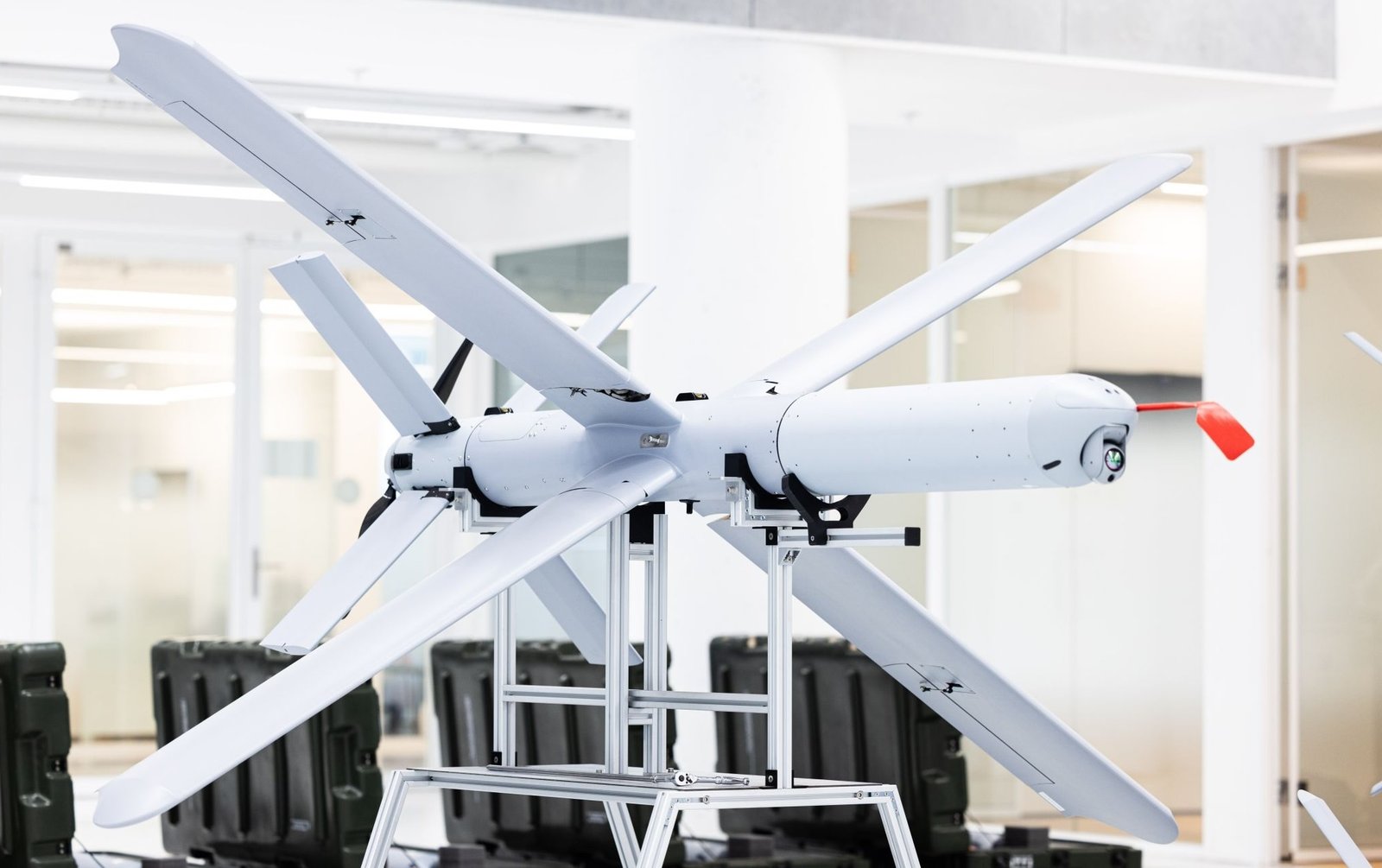
U.S
WASHINGTON — The U.S. Army has placed an additional order worth more than $50 million for HERO 120 loitering munition systems and supporting equipment from Mistral Inc. and Uvision Inc. under the Army’s Lethal Unmanned Systems (LUS) program. The new order expands the number of HERO 120 systems being delivered to U.S. Army soldiers and supports training, readiness and operational requirements. The award follows the successful completion of the first Lot Acceptance Tests (LAT) for the system on August 4, 2026. Mistral and Uvision announced the additional order on August 5. The companies said the production systems completed the required acceptance-test missions and met the Army’s performance standards during the LAT process. The systems are manufactured domestically in the United States. Additional Order Under $982 Million Army Contract The latest order is part of an existing multi-year Indefinite Delivery, Indefinite Quantity (IDIQ) contract valued at $982 million. The Army awarded the contract to Mistral and Uvision in October 2025 for the procurement, fielding, training and sustainment of the HERO 120 under the LUS program. Mistral serves as the prime contractor for system integration and program management, while Uvision is the original designer and design authority for the HERO 120. The exact number of HERO 120 systems covered by the latest order has not been disclosed. The order includes additional systems and ancillary equipment for Army soldiers. Yoav Banai, senior vice president at Mistral, said the award increases the number of HERO 120 systems and supporting equipment available to soldiers, allowing them to train, build confidence and prepare for missions. Jarmin Blanton, vice president of business development, sales and marketing at Uvision, said the company remains committed to supporting the Army’s LUS program and its precision-strike requirements. HERO 120 Capabilities The HERO 120 is a mid-range loitering munition designed for target observation, identification, tracking and engagement. According to Uvision, the system is intended for precision engagement of armored and other high-value targets. The system weighs approximately 24 kilograms (53 pounds) and carries a 4.5-kilogram (9.9-pound) warhead. It has an operational range of up to 60 kilometers (37 miles) and can remain airborne for up to 60 minutes. The HERO 120 is controlled by an operator through a datalink terminal and handheld fire-control unit. Its loitering capability allows the munition to remain in the target area while the operator observes and tracks targets before deciding whether to conduct an engagement. The system also has a mission-abort capability. If an attack is cancelled, the HERO 120 can return to loitering, search for another target or recover using its parachute, according to the information provided by Uvision. Production Moves Into Acceptance and Fielding The completion of the first Lot Acceptance Tests marks a production-quality milestone for the HERO 120. The tests are used to verify that production systems meet the Army's required acceptance criteria before fielding. The latest order comes shortly after this testing milestone, expanding deliveries under the Army's existing multi-year contract. Initial deliveries under the $982 million contract were scheduled to begin in early 2026. The broader agreement covers not only the systems themselves but also training and lifecycle sustainment. The Army's latest order therefore adds to an existing procurement effort rather than representing a separate HERO 120 acquisition program. U.S. Manufacturing Mistral and Uvision are producing the HERO 120 systems domestically in the United States for the Army program. Mistral is responsible for integration and program management, while Uvision provides the original HERO 120 design and technical authority. The two companies have previously received U.S. government contracts for the HERO 120 family. In 2024, Uvision and Mistral announced a $73 million contract for HERO-120SF systems for U.S. Special Operations Command. The latest order increases the number of HERO 120 systems and related equipment available to Army units while supporting the program's training and readiness requirements.
Read More → Posted on 2026-08-08 13:12:37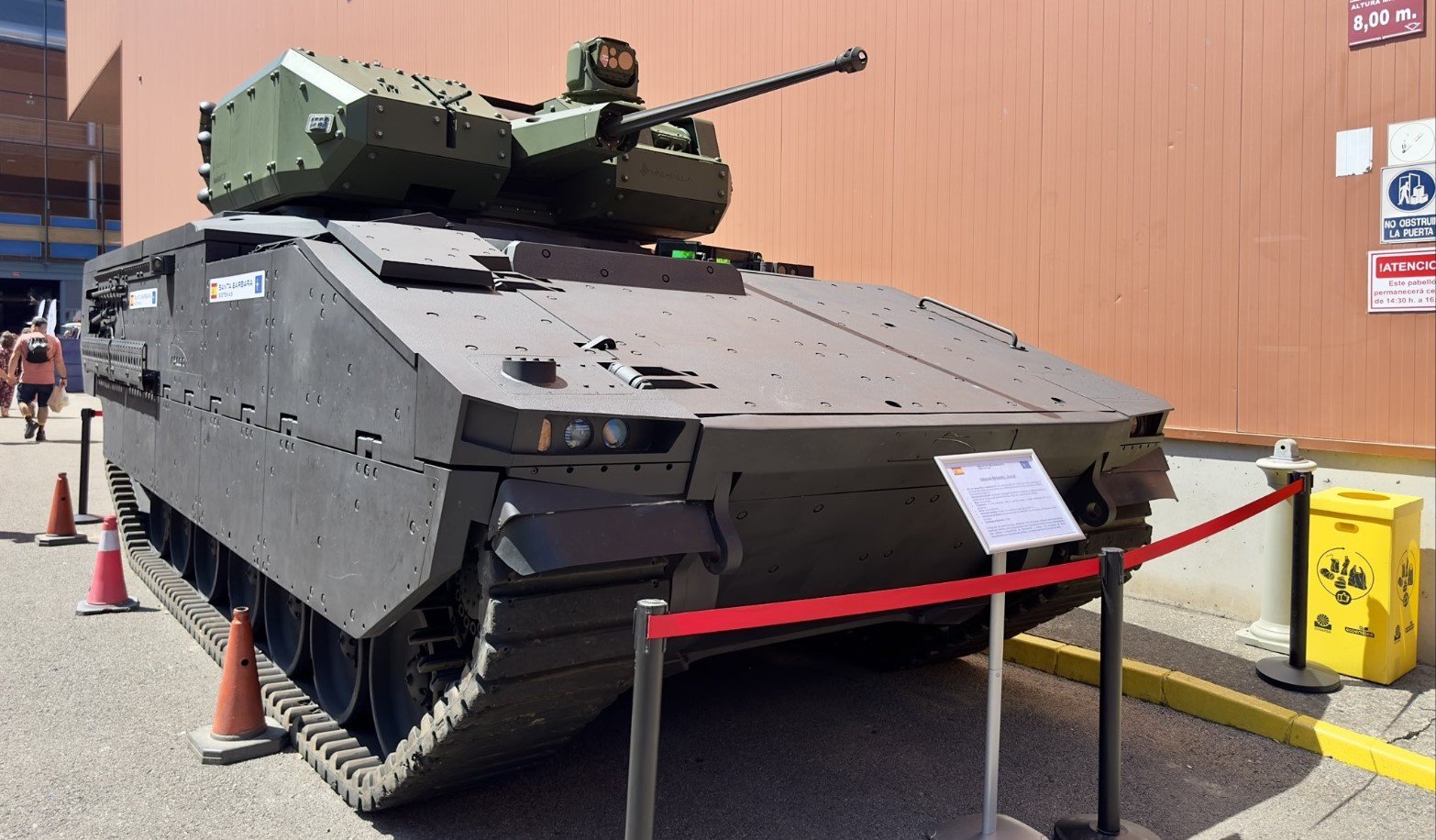
Europe
GIJÓN, Spain — General Dynamics European Land Systems (GDELS) and Santa Bárbara Sistemas have unveiled the ASCOD 42 demonstrator fitted with Valhalla Turrets’ MANGART 30 remote-controlled turret at the FIDMA 2026 international trade fair in Gijón, Spain. The vehicle was displayed in cooperation with the Asturias Military Museum. The configuration combines the tracked ASCOD infantry fighting vehicle platform with a 30 mm turret designed for multiple missions, including counter-unmanned aircraft system (C-UAS) operations. MANGART 30 turret The MANGART 30 is a remotely operated turret that allows the crew to control the weapon system from inside the protected hull. The turret is armed with a Northrop Grumman MK44S Bushmaster 30 mm automatic cannon capable of firing standard 30×173 mm ammunition and air-burst rounds. It also carries a coaxial FN MAG 7.62 mm machine gun. Valhalla Turrets has designed the system with an open architecture, allowing different sensors, effectors and mission equipment to be integrated according to operational requirements. The turret incorporates a computer-based fire-control system, automatic target tracking, day and thermal imaging sensors and a laser rangefinder. Its elevation range extends from -10 to +70 degrees, while the turret provides 360-degree traverse. The combination of automatic tracking, electro-optical sensors and air-burst ammunition gives the MANGART 30 capabilities relevant to engaging a range of ground and aerial targets, including unmanned aircraft. ASCOD 42 configuration The ASCOD 42 belongs to GDELS' ASCOD family of tracked armored vehicles. The platform has been supplied in different configurations to several armed forces. Spain operates the ASCOD-based Pizarro infantry fighting vehicle, while the United Kingdom uses a heavily modified ASCOD variant for its Ajax reconnaissance vehicle programme. The demonstrator displayed at FIDMA uses composite rubber tracks instead of conventional steel tracks. The lighter track solution is intended to reduce noise, vibration and wear on paved surfaces while maintaining traction for off-road operations. Safran PASEO Master sight The ASCOD 42 is also equipped with Safran's PASEO Master commander’s sight. The panoramic sight provides the commander with an independent observation capability and a 360-degree view around the vehicle. The PASEO family is used on armored vehicles for day-and-night observation and targeting. Safran has stated that more than 2,500 systems from the family have been sold worldwide. The independent commander’s sight allows the commander to search for and identify targets separately from the gunner's line of sight. Valhalla's counter-drone focus Valhalla Turrets, founded in 2019 and based in Komenda, Slovenia, develops remotely controlled weapon systems with a particular focus on air-defense and counter-drone applications. The company previously developed the MANGART 25, a smaller turret that combines a 25 mm automatic cannon with radar and electro-optical/infrared sensors. The MANGART 30 represents a larger turret configuration intended for integration on both wheeled and tracked armored vehicles. Valhalla has emphasized the importance of an open architecture for adapting the turret to changing battlefield requirements, including C-UAS missions. The company has also demonstrated the MANGART family on wheeled platforms. Earlier in 2026, the MANGART 25 was tested on a Pandur 6×6 vehicle during live-fire activities in Slovenia involving Valhalla, GDELS-Steyr and the Slovenian Armed Forces. Relevance to future vehicle requirements The ASCOD 42 demonstration brings together GDELS' tracked vehicle platform and a Slovenian-developed remote-controlled turret in a single configuration. It gives potential customers an option combining a tracked armored vehicle, a 30 mm automatic cannon, independent panoramic observation and capabilities aimed at modern aerial and ground threats. The display does not confirm a Slovenian procurement decision for the ASCOD 42. No official contract for such a purchase has been announced in the information provided. The presentation at FIDMA 2026 instead demonstrates the integration of the MANGART 30 with the ASCOD platform and highlights the companies' approach of combining modular vehicle and turret systems for changing battlefield requirements.
Read More → Posted on 2026-08-08 14:15:51
World
MOSCOW, Russia — Russia is expanding its Rassvet low-Earth orbit (LEO) satellite communications constellation, developed by Bureau 1440, with 32 production satellites now launched in two batches. The network is intended to provide broadband communications for civilian users, but Russian officials have also linked the project to future military communications and the control of unmanned systems. Bureau 1440 says Rassvet is being developed to provide broadband connectivity for aircraft, ships, ground vehicles and other users. The company is targeting data rates of up to 1 Gbit/s per user terminal and latency of less than 70 milliseconds. The military relevance of the network has increased as Russia seeks an independent satellite communications capability for operations involving drones and other systems operating beyond direct line of sight. Rassvet Moves Into Production Bureau 1440 began the Rassvet program with three experimental satellites launched in 2023. Three additional Rassvet-2 spacecraft were launched in 2024 to test technologies for the future production constellation. The company also demonstrated satellite communications using its own user terminal and tested laser communications between spacecraft. The transition to production began on March 23, 2026, when a Soyuz-2.1b rocket launched 16 Rassvet satellites from the Plesetsk Cosmodrome. Bureau 1440 subsequently launched another 16 satellites on July 19, with the company confirming on July 20 that the second group had been placed into orbit. The first production group has not yet provided continuous coverage. Orbital analysis cited in the supplied data indicates that it provides at least two stable communication windows over Ukraine each day, with individual windows lasting more than an hour. The planned constellation is considerably larger. Russian plans call for commercial operations from 2027, with the network expanding toward several hundred satellites before eventually reaching more than 900 spacecraft. Earlier targets included about 156 satellites by the end of 2026. Bureau 1440's project has also received substantial Russian state backing. The supplied project figures include about 102.8 billion rubles from the federal budget under the Data Economy program, while Bureau 1440 has planned additional investment of around 329 billion rubles through 2030. Military Use Is Part of the Project's Plans Although Rassvet is officially presented as a civilian broadband network, Russian political and military officials have discussed military applications. In June 2026, Russian President Vladimir Putin linked the Bureau 1440 project with the future operation of heavy drones. Russian planning also calls for expanding the country's drone fleet and moving the satellite communications system toward commercial operation in 2027. For military users, the important feature is the ability to maintain communications beyond the range of conventional line-of-sight links. The network could support the transmission of video and telemetry, communication with unmanned aircraft and changes to mission information while a platform is operating away from its control station. The extent to which these capabilities will be integrated into Russian operational systems will depend on the number of satellites, availability of terminals and the development of supporting ground infrastructure. Bureau 1440's user terminals are reported to measure up to 60 cm on each side, weigh less than 15 kg and support bandwidth of up to 1 Gbit/s. They are designed to operate between –40°C and +40°C. Ukraine's Experience Shows the Importance of Satellite Links Ukraine's use of Starlink has demonstrated how satellite communications can support drone operations over distances beyond conventional radio links. Ukrainian unmanned systems have used satellite communications for missions against Russian logistics, air-defense systems, radar installations, electronic warfare equipment and other targets. Between January and July 2026, Ukraine's Unmanned Systems Forces reported striking 236 Russian anti-aircraft systems, radar stations and related assets, with the value of the equipment claimed at more than $5.4 billion. These figures are Ukrainian military claims and have not been independently verified. Ukrainian Unmanned Systems Forces commander Robert Brovdi also reported that Russian military cargo traffic along the R-280 route toward Crimea fell by 71 percent over a two-week period following Ukrainian drone strikes. The claim was reported by Ukrinform and other outlets. These operations illustrate the military value of maintaining a reliable communications link between a drone and its operator. A Russian satellite network capable of providing similar connectivity could therefore become an important component of future Russian unmanned operations. Electronic Warfare Creates a New Problem The expansion of Rassvet also creates a new electronic warfare challenge. Russia is already using systems designed to interfere with satellite communications. One example is the Volna Kupol Garant, which Ukrainian officials say is being used against Starlink. According to Ukrainian officials cited by Reuters, the system can disrupt Starlink communications over an area of about 20 square kilometers. Reuters reported in July that Ukrainian drone units had identified Russian use of the system against Starlink-supported drone operations. Ukrainian officials have described Volna Kupol Garant as a system that directs powerful interference toward satellites rather than simply jamming a receiver on the ground. Interfax reported that the system operates around the 14–14.5 GHz range and can affect a satellite passing over an area of up to 20 square kilometers. This experience is relevant to Rassvet because the Russian constellation also uses Ku- and Ka-band frequencies. Official frequency allocations cited in the supplied data include 14–14.495 GHz in the Ku band and 29.5–30 GHz in the Ka band for mobile satellite service terminals. Why Rassvet Would Be Difficult to Jam Jamming a LEO satellite network is different from suppressing a conventional terrestrial radio system. Rassvet satellites operate hundreds of kilometers above Earth and move rapidly across the sky. A ground-based jammer therefore cannot simply create a stationary interference zone and expect it to affect the same satellite continuously. Effective interference against a particular satellite requires accurate tracking and a sufficiently concentrated radio beam. As the satellite moves, the antenna must continue following it. The problem becomes more complicated as the number of satellites increases. A larger constellation means that several spacecraft can be visible from the same area at different points in their orbits. An electronic warfare system attempting to interfere with the network would therefore require accurate satellite tracking and the ability to move from one spacecraft to another. The Ka-band frequencies planned for Rassvet also create additional engineering challenges. At around 30 GHz, free-space propagation losses are higher than at 14 GHz, while rain and atmospheric moisture can have a greater effect on the signal. High-power amplifiers and precise antenna pointing are therefore important considerations for systems operating in this range. Frequency Overlap With Starlink Adds Another Complication Another issue is that portions of the Rassvet frequency allocation overlap with frequencies used by Starlink. The Rassvet Ku-band uplink allocation of 14–14.495 GHz overlaps the 14–14.5 GHz range used by Starlink uplinks. The Rassvet Ka-band allocation also overlaps portions of the Ka-band spectrum used by satellite communications systems. This means that broad-spectrum interference could potentially affect both networks. For Ukraine, which relies heavily on Starlink for military communications, a counter-Rassvet system would therefore have to distinguish between different satellites and transmissions rather than simply transmitting interference across a large portion of the spectrum. The exact Rassvet signal structure is not publicly available in sufficient detail to determine all of its channel bandwidths, modulation, coding, polarization and frequency-management techniques. That makes it difficult to design a system specifically optimized to interfere with individual Rassvet communication channels. A Narrow Development Window As of August 2026, Rassvet remains much smaller than Starlink and does not provide continuous coverage over Ukraine. However, the network has moved beyond the experimental stage and entered regular production launches. The first 16 production satellites were launched in March, followed by another 16 in July. Bureau 1440's own timeline confirms both launches as major steps in the deployment of its communications constellation. The second group is still moving toward its operational orbits, while further launches are expected as Russia works toward its larger constellation targets. For Ukraine, this creates a period in which the network remains relatively small but its technical architecture can already be studied. Developing countermeasures would require monitoring the satellites, analyzing their signals, developing suitable Ku- and Ka-band equipment and improving systems capable of tracking fast-moving LEO spacecraft. The challenge will become greater if Rassvet eventually reaches hundreds of operational satellites and Russian forces deploy large numbers of compatible terminals on drones and other platforms. For now, Rassvet is still in the early stages of deployment. Its first production satellites have established limited communication coverage, while Russia continues building the infrastructure needed for a much larger constellation. The eventual military significance of the system will depend on how quickly the satellite network expands and how extensively Russian forces integrate it with unmanned systems. Source : militarnyi
Read More → Posted on 2026-08-08 14:37:28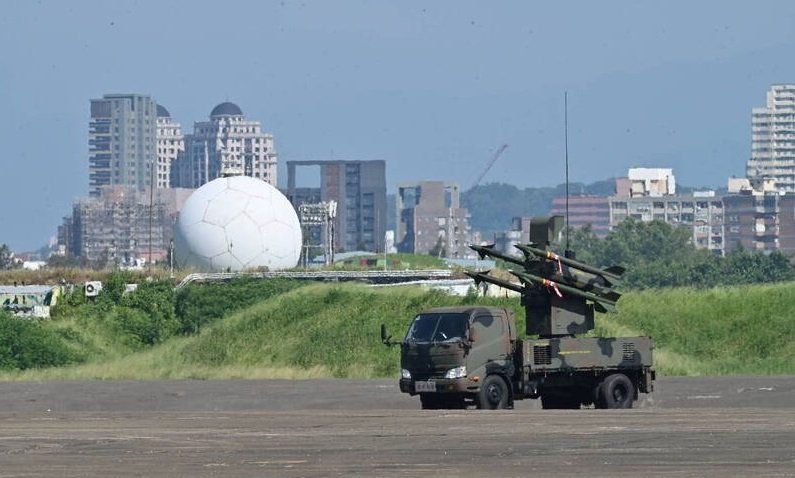
World
HSINCHU, Taiwan — The Republic of China Air Force (ROCAF) deployed its Antelope short-range air defense system at Hsinchu Air Base during the Han Kuang 42 military exercises, as Taiwanese forces practiced maintaining air operations after a simulated People’s Liberation Army (PLA) missile strike. The drill combined emergency runway repair, short-range air defense and rapid rearmament of Mirage 2000-5 fighter aircraft. Antelope Provides Local Air Defense The Antelope system, developed by Taiwan’s National Chung-Shan Institute of Science and Technology (NCSIST), was deployed to protect personnel repairing the simulated runway damage. The mobile system is mounted on a 4x4 tactical vehicle and carries four Tien Chien I (Sky Sword I) infrared-guided surface-to-air missiles. It uses a short-range search and tracking radar together with electro-optical and infrared sensors. The missiles have an effective engagement range of approximately 9 kilometers. The system can be operated from the vehicle or through a remote control console positioned up to 70 meters away. Developed from the Tien Chien I missile program in the 1990s, the Antelope has been in service for more than 20 years and is used to provide short-range protection for air bases and other important installations. Emergency Runway Repair After the simulated missile strike, engineering personnel practiced restoring the damaged runway. An excavator created a mock crater before a dump truck filled it with gravel. A grader then leveled the material, followed by a bulldozer placing fiberglass expeditionary runway matting over the repaired section. Engineers also used drones and heavy equipment to assess the simulated damage. The ROCAF's requirement is for the complete process, from crater mapping and damage assessment to runway restoration, to be completed within four hours. The exercise tested the ability to continue operating from an air base after a runway has been damaged by an attack. Mirage 2000-5 Rapid Rearmament While the runway repair was underway, Mirage 2000-5 fighters from the 2nd Tactical Fighter Wing conducted rapid rearmament and emergency takeoff drills. Ground crews worked in four-person teams to install R.550 Magic air-to-air missiles on the fighters, while loaders were used to equip the aircraft with MICA missiles. Two Mirage 2000 fighters configured for air defense carried two MICA missiles, two R.550 Magic missiles and two external fuel tanks. After receiving an order from the Joint Air Operations Center, the aircraft became airborne within approximately five to six minutes. Han Kuang 42 Exercise The activities at Hsinchu were part of Taiwan’s annual Han Kuang 42 military exercises, which began on August 5 and are scheduled to run for 10 days and nine nights. The Hsinchu scenario linked runway damage assessment and repair with local air defense and the rapid return of armed fighter aircraft to the air. The exercise was intended to practice the sequence from a simulated enemy strike through runway restoration and the launch of fighters. The deployment of the Antelope system provided protection for the personnel carrying out the emergency repairs while the base worked to restore its ability to support air operations.
Read More → Posted on 2026-08-08 14:46:40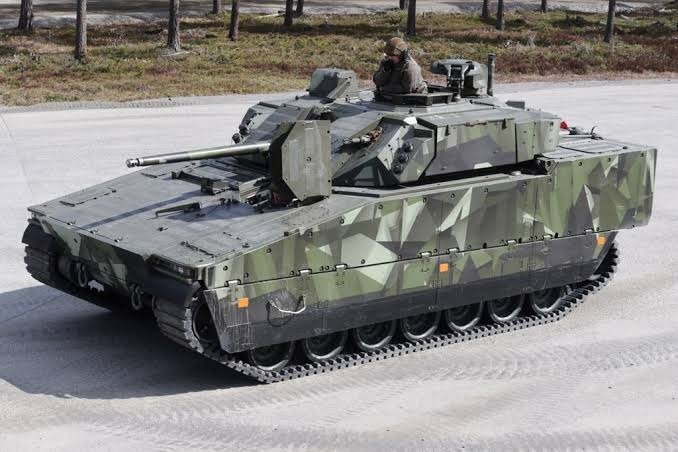
Europe
ÖRNSKÖLDSVIK, Sweden — BAE Systems is expanding production capacity at its Hägglunds facility in northern Sweden to meet rising European demand for its CV90 infantry fighting vehicles and BvS10 all-terrain vehicles. Tom Arseneault, President and CEO of BAE Systems Inc., outlined the production outlook during the company’s first-half 2026 earnings call. He said both vehicle programmes are contributing to the company’s growing order backlog in Sweden and its Platforms & Services business. “Our CV90 and BvS10 combat vehicles are in high demand across a number of European customers,” Arseneault said. Production capacity expanding Hägglunds expects to produce almost 300 combat vehicles in 2026 and more than 400 in 2027. The planned expansion represents an increase of about 400% in production capacity compared with previous levels. BAE Systems has invested more than $300 million at the Örnsköldsvik facility over several years, with additional investment planned. The expansion includes new assembly and welding lines, increased testing and verification capacity, a logistics centre, an integration and inspection facility, and additional office space. The workforce has also expanded significantly, from about 750–800 employees several years ago to approximately 2,600. Growing European orders The production increase is supported by orders from several European customers. Hägglunds is producing CV90 vehicles for countries including Sweden, Denmark, Slovakia and the Czech Republic, while BvS10 programmes involve Sweden, Germany and the United Kingdom. BAE Systems rolled out the first Slovak CV9035 MkIV at Hägglunds in February 2026. Slovakia has ordered 152 CV90 vehicles. The company is also working with European industrial partners on production and assembly activities for its vehicle programmes. Five-country CV90 programme The planned production figures for 2027 do not include a separate multinational CV90 procurement programme that remains under negotiation. The current initiative involves Sweden, Finland, Norway, Lithuania and the Netherlands. Estonia was previously part of the six-country technical agreement but withdrew from the planned new CV90 procurement in April 2026. The programme is based on the CV90 MkIV and could involve more than 400 additional vehicles. BAE Systems submitted its best and final offer in June 2026, with contract negotiations continuing and contract completion expected during 2026. Deliveries are planned to begin in 2028, subject to the procurement being finalised. BAE Systems Hägglunds has already carried out preparatory work to support production if the order is confirmed. Contribution to BAE Systems' European business Hägglunds and Bofors are also contributing to stronger results in BAE Systems’ Platforms & Services business. Chief Financial Officer Brad Greve said Platforms & Services sales increased 12% in the first half of 2026, while sales from Hägglunds and Bofors increased by nearly 30%, driven by European demand. BAE Systems Chief Executive Charles Woodburn has identified Hägglunds, Bofors, MBDA and Eurofighter among the businesses supporting the company’s growth in Europe. The combination of increased production, existing CV90 and BvS10 programmes and the potential five-country CV90 order gives Hägglunds further production opportunities. Arseneault described the Swedish business as having “some really good, strong growth potential” beyond its current performance.
Read More → Posted on 2026-08-08 15:50:14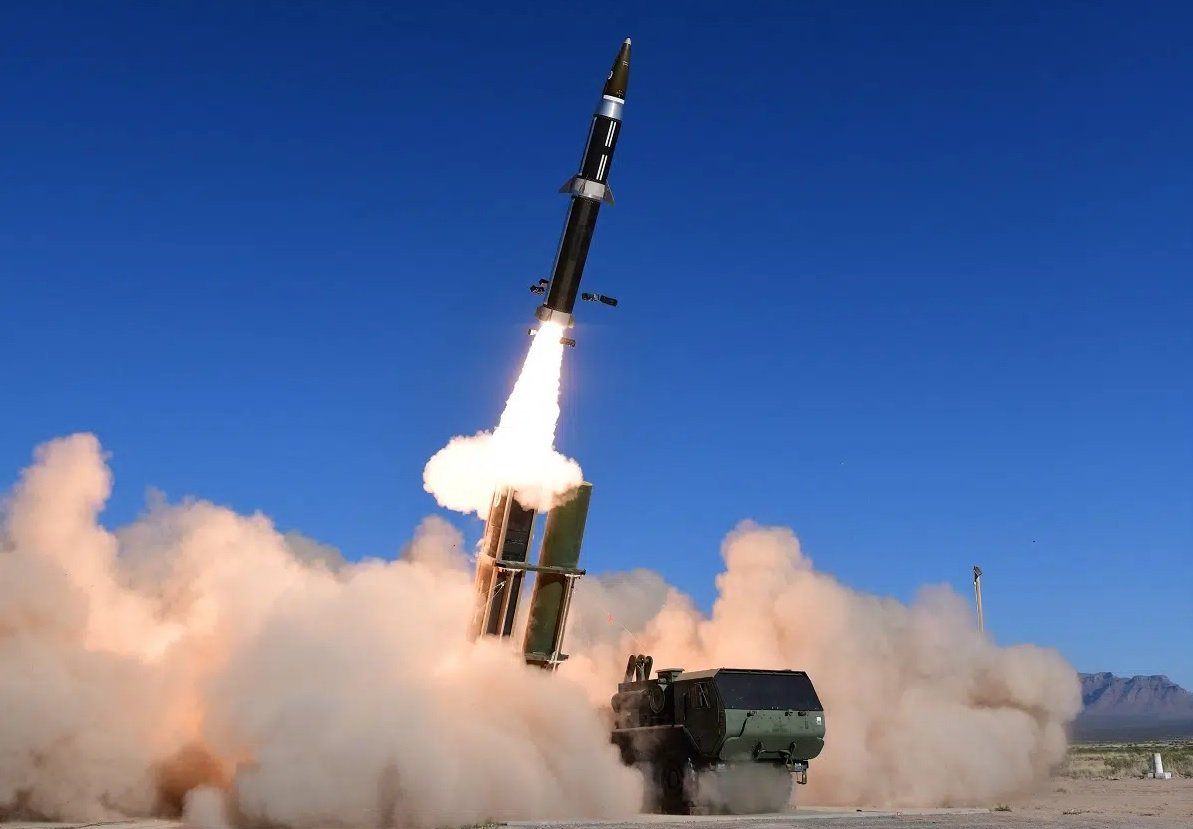
U.S
ARLINGTON, Virginia — The U.S. Defense Advanced Research Projects Agency (DARPA) is seeking industry concepts for a new generation of hypersonic cruise missile designed to combine speeds above Mach 5 with lower development and production costs. DARPA’s Tactical Technology Office issued a Request for Information (RFI) on August 7 for the Next Generation Hypersonic Cruise Missile (NGHCM). The agency is looking for an air-breathing weapon that can fly faster than Mach 5 and can be produced efficiently at scale. Responses are due by October 6. DARPA also plans to hold an industry day in September in Arlington, Virginia, to provide additional technical information and discuss the program with interested organizations. An RFI does not award a contract or guarantee funding. It allows the government to collect industry input while developing potential technical requirements and acquisition plans. Focus on Air-Breathing Hypersonic Technology The NGHCM is planned as an air-breathing hypersonic cruise missile rather than a boost-glide weapon. The concept would use oxygen from the atmosphere during flight instead of carrying an oxidizer. DARPA is seeking concepts based on scramjet propulsion. Scramjets compress incoming air at supersonic speeds and use it to support combustion of fuel. The agency is also asking industry to consider different missile sizes and launch methods. Concepts could include weapons small enough for fighter aircraft weapons bays, as well as larger versions for bombers, naval ships or ground launchers. The primary objective is to develop a weapon capable of operating against advanced integrated air defense systems (IADS), which combine radars, surface-to-air missiles and fighter aircraft. Building on the HAWC Program The NGHCM effort builds on DARPA's previous Hypersonic Air-breathing Weapon Concept (HAWC) program, conducted with the U.S. Air Force. HAWC focused on technologies for air-breathing hypersonic flight, including scramjet propulsion, vehicle design and thermal management. In January 2023, a Lockheed Martin-built HAWC vehicle completed its final flight test. DARPA reported that it exceeded Mach 5, reached an altitude above 60,000 feet and traveled more than 300 nautical miles. The work later continued through More Opportunities with HAWC (MoHAWC), which involved further development and flight testing of technologies from Raytheon and Northrop Grumman. HAWC technology also contributed to the Air Force's Hypersonic Attack Cruise Missile (HACM) program led by Raytheon. Cost and Production Challenges DARPA's new effort places strong emphasis on manufacturing from the beginning of development. The agency wants companies to apply Design for Manufacturing and Assembly (DFMA) principles so that future weapons can be produced more efficiently instead of relying on expensive prototypes that are difficult to manufacture in larger numbers. The RFI asks industry to explore new propulsion technologies, heat-resistant materials and testing methods that could reduce development time and production costs. DARPA is also encouraging partnerships between major defense contractors and smaller or non-traditional companies, including universities and government laboratories. The approach reflects challenges faced by existing U.S. hypersonic programs, including HACM. A July 2026 Government Accountability Office report said HACM's flight-testing plan had been reduced from seven tests to five, while its initial operational capability target had moved to fiscal year 2029. The report also said development costs were approaching $2 billion. The Air Force has also provided funding for the earlier AGM-183A Air-Launched Rapid Response Weapon (ARRW) as another path while hypersonic development continues. Next Steps DARPA will use responses to the RFI to assess available technologies and help shape potential technical requirements and acquisition plans. The September industry day in Arlington will provide additional information to interested organizations, while responses to the RFI are due October 6. The NGHCM remains at the information-gathering and technology-development stage. DARPA has not awarded a production contract through the RFI. The program is focused on finding an air-breathing hypersonic cruise missile approach that can achieve Mach 5-plus speeds while addressing development time, manufacturing efficiency and production cost.
Read More → Posted on 2026-08-08 16:13:49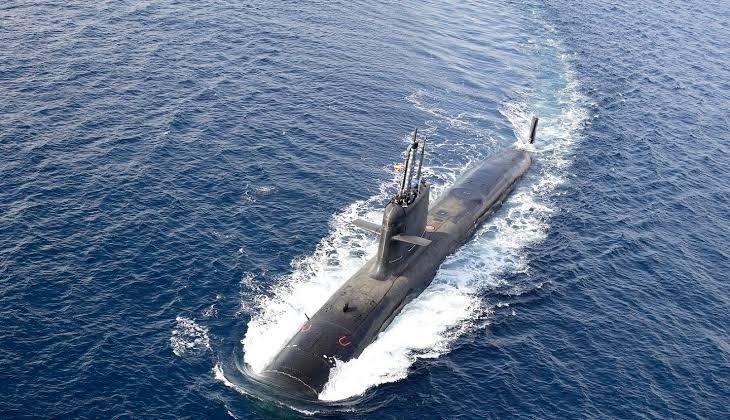
World
SURABAYA, Indonesia — Indonesia has begun physical construction of its first domestically built Scorpène Evolved submarine after PT PAL Indonesia cut the first steel plate at its Surabaya shipyard on August 7. The ceremony marked the start of construction of the lead submarine under the Scorpène Republik Indonesia (SRI) programme, which covers two Scorpène Evolved submarines equipped with full lithium-ion battery systems. The first submarine is scheduled for delivery in 2032, followed by the second in 2033. Construction of each boat is expected to take about 96 months. Programme Progress Overall programme completion has reached about 20.5 percent. This figure includes infrastructure preparation, technical qualification, workforce training and supply-chain arrangements completed before the steel-cutting ceremony. Indonesia selected Naval Group and PT PAL for the programme in March 2024, and the contract entered into force on July 23, 2025. The programme is valued at approximately €2.16 billion, or about US$2.49 billion. PT PAL President Director Kaharuddin Djenod said the programme is progressing according to plan and is intended to establish long-term Indonesian submarine construction expertise through technology transfer. Scorpène Evolved Specifications The Scorpène Evolved is a conventional diesel-electric attack submarine using a full lithium-ion battery configuration. The Indonesian variant is approximately 72 metres long and has a surfaced displacement of 1,600 to 2,000 tonnes. It has a submerged speed of more than 20 knots and a diving depth exceeding 300 metres. The submarine has more than 12 days of submerged autonomy and more than 78 days of overall autonomy on an 80-day mission. It is designed for a crew of 31 and has six weapon tubes with a total payload of 18 weapons. The submarine will use the SUBTICS combat management system. Construction and Technology Transfer Both submarines will be built entirely in Indonesia. PT PAL is responsible for hull construction, equipment integration, final assembly, testing and delivery. Naval Group is providing the design, specialised components and engineering support. Its permanent team in Surabaya is expected to reach around 50 experts. More than 400 Indonesian engineers are being trained in France in submarine construction, integration, certification and maintenance. Indonesian welders have also completed specialised training and qualification activities in France. An Indonesian Navy task force is training in France with the French Navy and Naval Group. The programme includes crew training, maintenance preparation, operational doctrine and command integration. Specialised support for the programme comes from Naval Group facilities in France. Cherbourg provides submarine hull and platform expertise, while Lorient and Nantes-Indret contribute propulsion and battery expertise. The SUBTICS combat management system is associated with Naval Group's centre in Ollioules. Industrial Development The programme represents a more demanding construction task for PT PAL than its previous Type 209-class submarine work. It requires qualified welding processes, submarine hull construction expertise and strict requirements for acoustic management and system integration. PT PAL's facilities are being developed to support construction and future maintenance, repair and overhaul activities for Scorpène submarines. The programme is expected to create around 2,250 jobs across construction, support and long-term maintenance. It forms Phase II of Indonesia's National Submarine Technology Mastery Programme. Indonesia aims to develop greater domestic capability for major submarine overhauls by around 2030, while its longer-term objective is to develop the ability to design, build and potentially export its own submarines between 2042 and 2050. Any future sale of the submarines or related services to third countries would require additional agreements and is not automatically covered by the current contract. The August 7 steel-cutting ceremony moves the SRI programme from preparation and qualification activities into physical submarine construction, with hull fabrication, equipment integration, testing and further workforce development now forming the next stages before delivery of the first boat in 2032.
Read More → Posted on 2026-08-08 16:20:26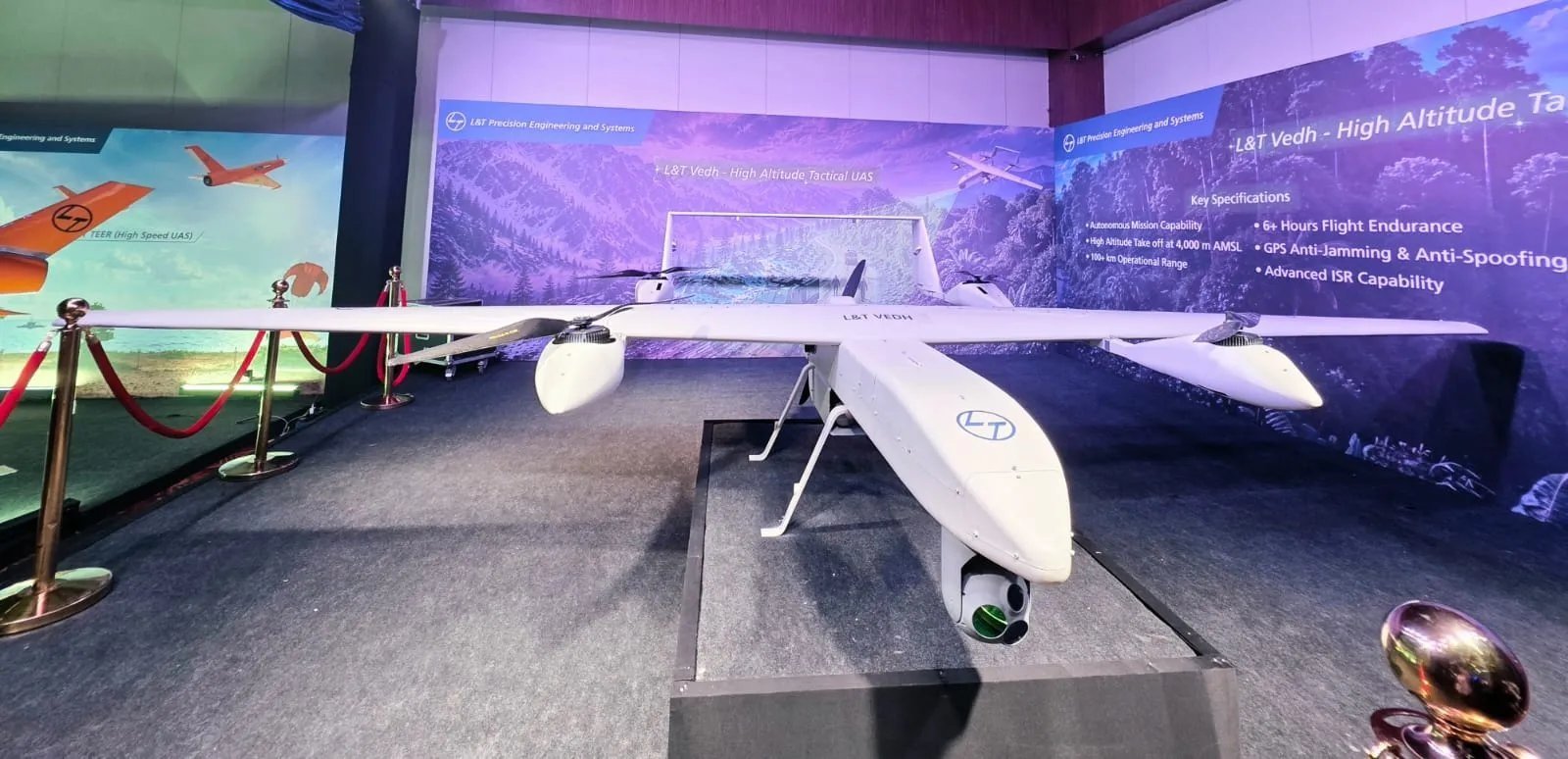
India
BENGALURU — Larsen & Toubro’s Precision Engineering and Systems (PES) division unveiled two indigenous unmanned systems technologies, the VEDH Mk1 remotely piloted aircraft system (RPAS) and the CHANAKYA collaborative mission autonomy framework, during its Manthan: Drone Demo Day in Bengaluru on August 7. Organised under the L&T Innovation Fund, the event brought together 21 drone and uncrewed systems startups working on technologies for defence, infrastructure, logistics and public services. L&T said its focus is on developing and manufacturing components and related technologies and working with emerging companies rather than independently manufacturing complete drone platforms. VEDH Mk1 designed for high-altitude operations The VEDH Mk1 is a hybrid vertical take-off and landing (VTOL) RPAS designed to operate without a conventional runway. Its configuration allows deployment from confined or unprepared locations, including forward areas, high-altitude terrain and temporary operating bases. The aircraft is equipped with an electro-optical and infrared payload and a laser range finder for day-and-night intelligence, surveillance and reconnaissance missions. It can also support artillery observation and fire correction. L&T is offering the system with a containerised ground control station, command and data links, and transport and maintenance infrastructure. Its stated specifications include: Endurance: 6 hours or more Launch altitude: More than 4,000 metres above mean sea level Ceiling altitude: Up to 5,000 metres above mean sea level CHANAKYA enables coordinated unmanned operations L&T also introduced CHANAKYA, a decentralised collaborative mission autonomy framework designed to coordinate heterogeneous unmanned platforms, including aerial, ground, surface and underwater systems. The framework uses onboard intelligence to support coordinated missions without relying entirely on a central control system. Its functions include flocking, mission-level autonomy, inter-agent collision avoidance and coordinated area surveillance. CHANAKYA can allocate and reassign tasks between platforms during missions. Its video analytics capabilities can also combine target detection and tracking information from multiple platforms into a common operational picture. L&T has previously demonstrated the framework using multiple fixed-wing UAVs. During the trials, the aircraft took off, synchronised in flight, followed waypoints and operated as a coordinated group. The company said CHANAKYA has progressed beyond hardware-in-the-loop simulations and is now undergoing field validation in complex operational scenarios. L&T signs MoUs with technology startups The event also saw L&T sign several memorandums of understanding (MoUs) with startups and technology partners working in areas including drone autonomy, AI-enabled navigation, propulsion, geospatial intelligence and energy systems. The partnerships are aimed at identifying deployment-ready technologies and supporting their integration across L&T’s businesses. Arun T. Ramchandani, Senior Vice President and Head of Precision Engineering & Systems at L&T, said the division is targeting approximately threefold revenue growth over the next five years. PES currently contributes around 3 per cent of L&T’s overall revenue. L&T reported revenue from operations of ₹2.86 trillion for the year ended March 31, 2026. The company is increasing its focus on high-value electronics, autonomous systems and advanced engineering solutions, with increased capital expenditure directed mainly toward new electronics manufacturing facilities. L&T also stated that production of 100 Teer drones for the Indian Air Force is underway. The company said the Manthan initiative is part of its broader effort to strengthen indigenous capabilities in unmanned systems by working with startups and technology developers.
Read More → Posted on 2026-08-08 16:24:51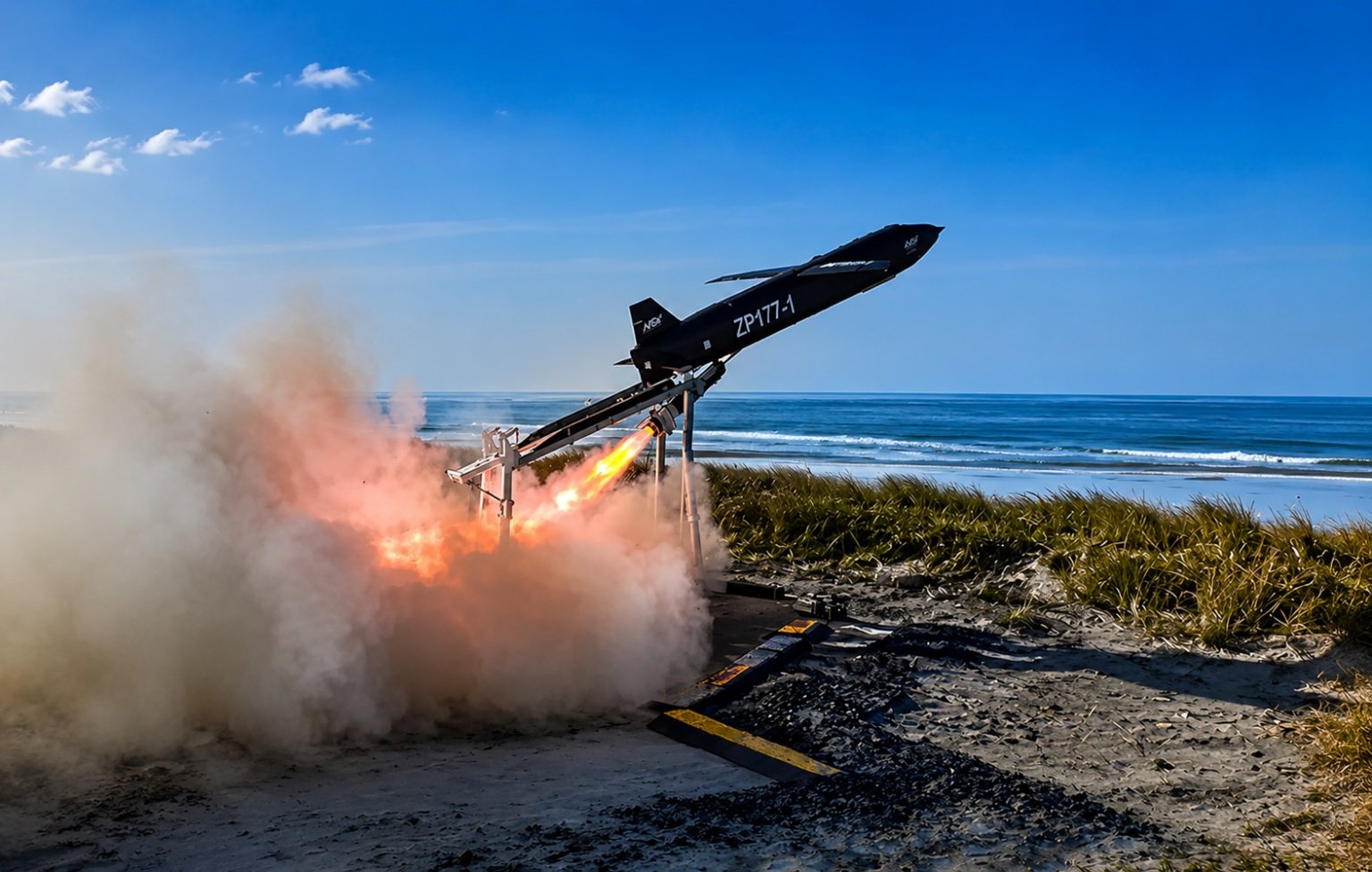
Europe
OXFORDSHIRE, UK — British engineering company MGI Engineering is preparing to make its TigerShark autonomous one-way strike system available from October 2026, following flight testing under the UK Ministry of Defence’s Project Brakestop. Based in Witney, Oxfordshire, MGI Engineering was founded by Mike Gascoyne, who has held senior technical positions with Formula 1 teams including McLaren, Renault and Toyota. The company developed TigerShark as a high-speed, long-range one-way effector for deep-strike missions. A one-way effector is designed to reach its target and deliver its payload without being recovered. MGI positions TigerShark as a lower-cost alternative to traditional long-range strike weapons, including systems such as Storm Shadow and Tomahawk. TigerShark specifications MGI states that TigerShark has a maximum speed of 750 km/h (466 mph) and a cruise speed of about 650 km/h. Its stated range is 900 km (559 miles) with a full payload, while the company has also reported flight testing at ranges exceeding 1,000 km under certain conditions. The system has a 300 kg modular payload bay, which can be configured for high-explosive or electronic-warfare payloads. Its empty mass is 170 kg, while its maximum take-off weight is 800 kg. TigerShark uses composite construction and includes a 3D-printed nose section containing the avionics bay. Propulsion is provided by two Argive A1100 turbojet engines. The system is launched from a land-based vehicle using rocket-assisted take-off, after which the turbojets provide sustained flight. The launcher is designed to support coordinated launches of multiple systems. MGI has stated a unit cost of approximately $549,000. Under Project Brakestop, the UK Ministry of Defence has set a target cost of around £400,000 excluding the warhead for systems developed under the programme. Autonomous operation in GPS-denied environments TigerShark is designed to operate without relying on GPS or GNSS signals. Its navigation system combines inertial navigation with GPS-free terrain mapping. The inertial navigation system tracks the aircraft's movement from a known starting point, while terrain mapping uses onboard sensor information and pre-loaded maps to help correct its position during flight. The autonomy system was developed with Auterion, which provides its open software-defined autonomy architecture, including the Skynode system. The open architecture is intended to allow third-party payloads, sensors and software upgrades to be integrated without requiring a complete redesign of the platform. Development and Project Brakestop MGI first publicly displayed TigerShark at the DSEI defence exhibition in London in September 2025. The system completed its first flight tests in April 2026. Auterion described the trials as the first successful European test of a system in this weight and range class in more than a decade. TigerShark is being developed under Project Brakestop, a UK Ministry of Defence programme focused on accelerating long-range autonomous strike systems. The programme requires participating systems to have a range of at least 500 km, a payload capacity of at least 225 kg, a speed above 600 km/h and production capacity of at least 20 units per month following an order. MGI received a development contract under the programme and displayed TigerShark at a Project Brakestop industry event in June 2026. The company is competing against MBDA UK's Crossbow and Rotron Aerospace's SkyLance. All three systems have completed flight trials at the UK's Hebrides Range. Production plans MGI plans to increase TigerShark production during the fourth quarter of 2026 and into 2027. The company says the system is manufactured entirely in the United Kingdom and is cleared for export licensing to allied nations. MGI is presenting TigerShark as a British-designed and manufactured option for long-range autonomous strike missions, with an emphasis on modularity, autonomous navigation and production at a lower unit cost than traditional cruise-missile programmes. The company has announced that TigerShark will become available from October 2026.
Read More → Posted on 2026-08-08 16:36:14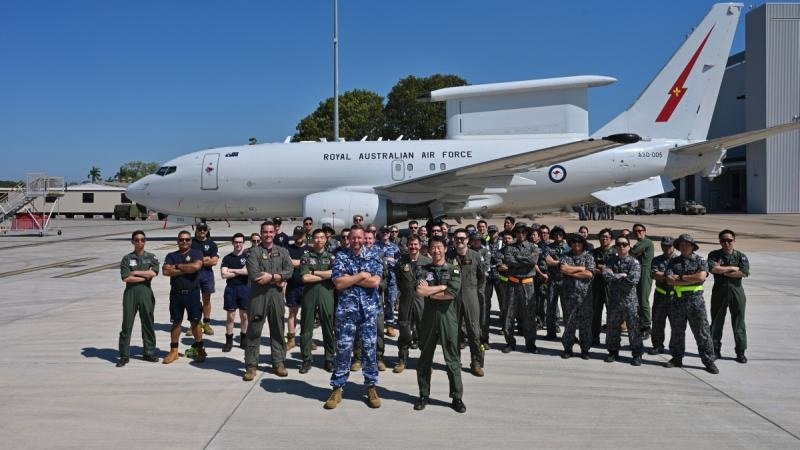
World
Northern Australia — The Royal Australian Air Force’s (RAAF) E-7A Wedgetail worked alongside Japan’s E-2D Hawkeye, the Republic of Singapore Air Force’s G550 and Australian ground-based controllers during Exercise Pitch Black 2026, supporting multinational command-and-control operations. Operated by No. 2 Squadron, the E-7A helped connect airborne and ground-based command-and-control units during complex air combat missions. The integration allowed participating forces to combine information from different sensors and maintain a shared view of the battlespace. Exercise Pitch Black was conducted from July 20 to August 7, 2026, primarily in northern Australia. Around 100 aircraft and 2,500 personnel from 21 nations participated in the exercise, operating mainly from RAAF Bases Darwin and Tindal in the Northern Territory, with some activity at RAAF Base Amberley in Queensland. E-7A Links Airborne and Ground-Based Units During the exercise, the RAAF E-7A operated with the Japan Air Self-Defense Force (JASDF) E-2D Hawkeye, the Republic of Singapore Air Force G550 and Australia's 114 Mobile Control and Reporting Unit (114MCRU). The E-7A used data links to combine information from airborne and ground-based sensors. This helped participating forces build a common operating picture during missions and coordinate aircraft from different countries. Squadron Leader Daniel Price, No. 2 Squadron’s Exercise Pitch Black Detachment Commander, described the arrangement as a command-and-control “constellation.” “The E-7A works side by side with our partner nation’s airborne early warning and control aircraft, including the Japan Air Self-Defense Force E-2D and Republic of Singapore Air Force G550, as well as ground-based air battle management units such as 114MCRU,” Price said. He said the integration allowed each unit to make use of the different systems and capabilities available within the multinational force. “Integration looks a lot like working as a command and control ‘constellation’ alongside the JASDF E-2D and 114MCRU, capitalising on each unit’s unique systems and platforms,” Price said. Cooperation Improved With Each Mission The RAAF said cooperation between the participating units became more streamlined as they completed additional missions together. According to Price, repeated operations helped personnel develop greater confidence in their partner forces, refine procedures and improve the way the different units worked together. “Operations become more streamlined with every mission conducted. You learn to trust the expertise of your partners, refine how you work together and ultimately become a more effective warfighting package,” he said. Mission planning and post-flight debriefs were also an important part of the exercise. These activities gave participating personnel an opportunity to discuss tactical problems, understand how partner forces approached missions and identify ways to support one another more effectively. “These periods allow us to better understand how our coalition partners assess tactical problems, undertake missions and how we can best support one another,” Price said. Ground Crews Support E-7A Operations The RAAF also highlighted the personnel responsible for keeping the E-7A available throughout the exercise. Maintainers, engineers, logisticians, planners and other support personnel worked behind the aircraft's operational missions to ensure it remained ready to fly. “Behind every mission is a dedicated team of maintainers, engineers, logisticians, planners and support personnel whose work ensures the capability is ready to fly,” Price said. He added that the E-7A team was dedicated to its role in supporting the exercise. Japan Deploys E-2D and F-35A Japan's participation also included the E-2D Hawkeye operating with the E-7A and other command-and-control assets. Japan also deployed F-35A Lightning II aircraft to Exercise Pitch Black for the first time. The combination of airborne early warning and control aircraft, ground-based air battle management units and fighter aircraft provided opportunities for the participating nations to practice multinational air operations using different platforms and command-and-control capabilities. The RAAF said the professional relationships developed during the exercise were another important outcome of the multinational training. “Training side by side and spending time with our international partners develops trust, understanding and confidence in each other’s capabilities, something that simply can’t be replicated in a classroom or virtual environment,” Price said. The three-week exercise therefore provided the E-7A Wedgetail and its crews with repeated opportunities to operate within a multinational command-and-control network alongside airborne and ground-based partners.
Read More → Posted on 2026-08-09 11:41:09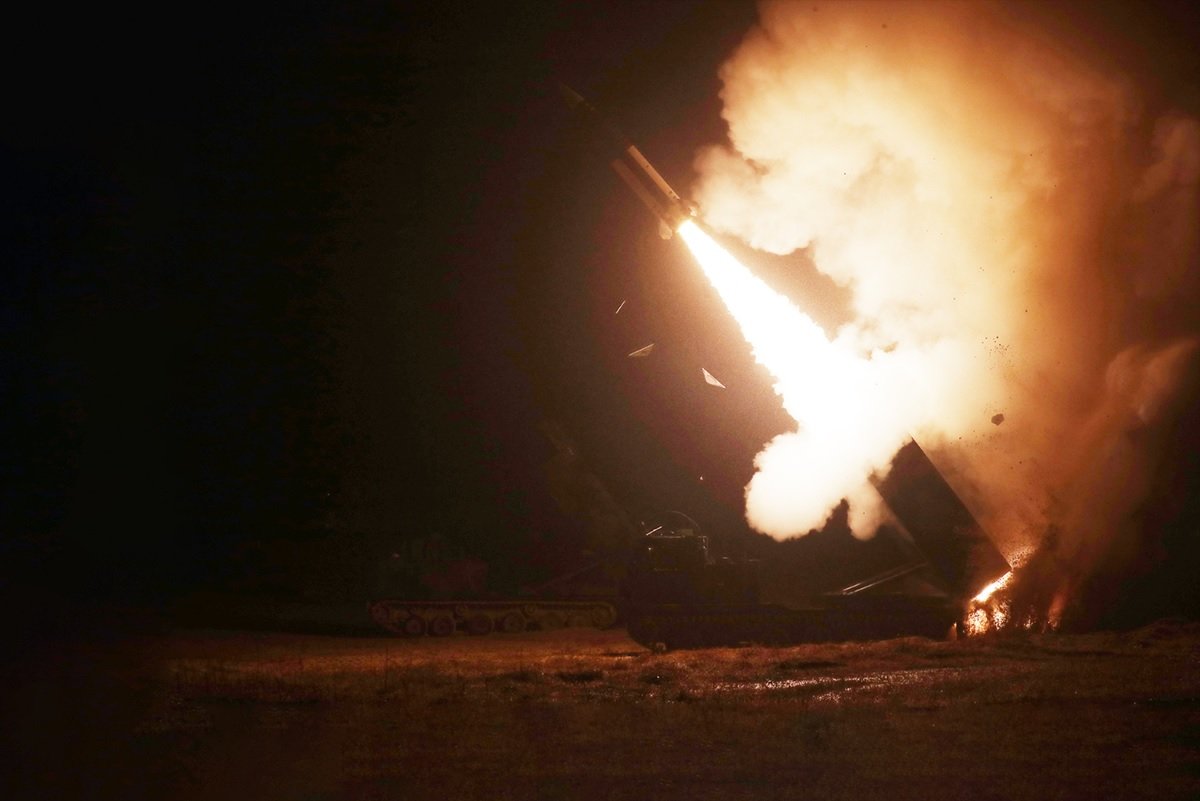
World
WASHINGTON — The United States has approved the permanent transfer of American-origin military equipment from Türkiye to Ukraine, including 70 M39 ATACMS missiles, 12 M270 Multiple Launch Rocket System (MLRS) launchers, 2,524 M26 rockets and 47,000 M509A1 203 mm artillery rounds. The transfer requires U.S. authorization because the weapons were originally supplied to Türkiye by the United States. The U.S. State Department notified Congress of the proposed permanent transfer on August 3, 2026, and the notification was published in the Congressional Record on August 6. The equipment is being transferred from Turkish inventories to Ukraine. According to the notification, Türkiye wants to reduce its inventory of older defense equipment and use its financial resources for the modernization and sustainment of its existing systems. Ukraine is seeking the equipment to strengthen its offensive and defensive fire-support capabilities. The notification also states that Ukraine already possesses weapons of the same or essentially similar types. What the Package Includes Equipment Quantity Description M270 MLRS launchers 12 Tracked launchers capable of firing MLRS rockets and ATACMS missiles M39 ATACMS missiles 70 Short-range ballistic missiles with a stated range of about 165 km M26 DPICM rockets 2,524 Unguided 227 mm rockets carrying DPICM submunitions M509A1 DPICM rounds 47,000 203 mm artillery ammunition The M39 is an early ATACMS variant equipped with a cluster warhead containing 950 M74 submunitions. The M26 is an unguided 227 mm rocket originally designed for the M270 and HIMARS family of launchers. The M270 is a tracked multiple-launch rocket system that can employ both 227 mm MLRS-family rockets and ATACMS missiles. This gives Ukraine additional launch platforms for the different types of ammunition included in the transfer. Transfer Value The Congressional notification lists an original acquisition value of approximately $255.9 million for the M270 launchers, M26 rockets and M509A1 rounds. The 70 M39 ATACMS missiles are listed separately at approximately $28 million. Together, the two notifications put the original acquisition value of the equipment at about $284 million. Companies Involved The transfer is being arranged through several companies in Türkiye, Bulgaria and the United States. The documents identify MKE A.Ş., ASFAT A.Ş. and ARCA Savunma San. Tic. A.Ş. as Turkish private entities involved in the transfer. VTIC International Ltd. is identified as the Bulgarian entity, while Pansophico and Patriot Defense Group are the U.S. private entities involved in the transaction. Congressional Review The equipment is scheduled to be transferred immediately after the congressional notification period is completed, according to the State Department notification. The proposed transfer remains subject to the statutory congressional review process. The approval is significant because Washington's authorization allows Türkiye to transfer U.S.-origin systems from its own inventory to Ukraine rather than requiring the equipment to come directly from U.S. stocks. Additional Long-Range Firepower for Ukraine The 70 M39 ATACMS missiles would add to Ukraine's existing inventory of ATACMS missiles. The M39 variant has a range of approximately 165 kilometers and uses a cluster warhead, making it different from newer ATACMS variants equipped with unitary warheads. The 12 M270 launchers would also expand Ukraine's fleet of tracked launch systems. Together with the M26 rockets and ATACMS missiles, the package provides Ukraine with additional ammunition and launch platforms for its existing long-range and rocket-artillery capabilities. The 47,000 M509A1 203 mm rounds are another major part of the transfer. Ukraine operates Soviet-designed 2S7 Pion 203 mm self-propelled guns, while M509A1 is a 203 mm DPICM artillery round. Public sources have previously documented the presence and use of 203 mm ammunition in Ukraine. No specific delivery date has been publicly identified in the notification beyond the statement that the transfer is proposed to begin after the congressional notification period is completed. The package therefore represents a permanent third-country transfer of U.S.-origin weapons from Türkiye to Ukraine, combining ATACMS missiles, M270 launchers, MLRS rockets and 203 mm artillery ammunition in a single transfer.
Read More → Posted on 2026-08-09 11:51:26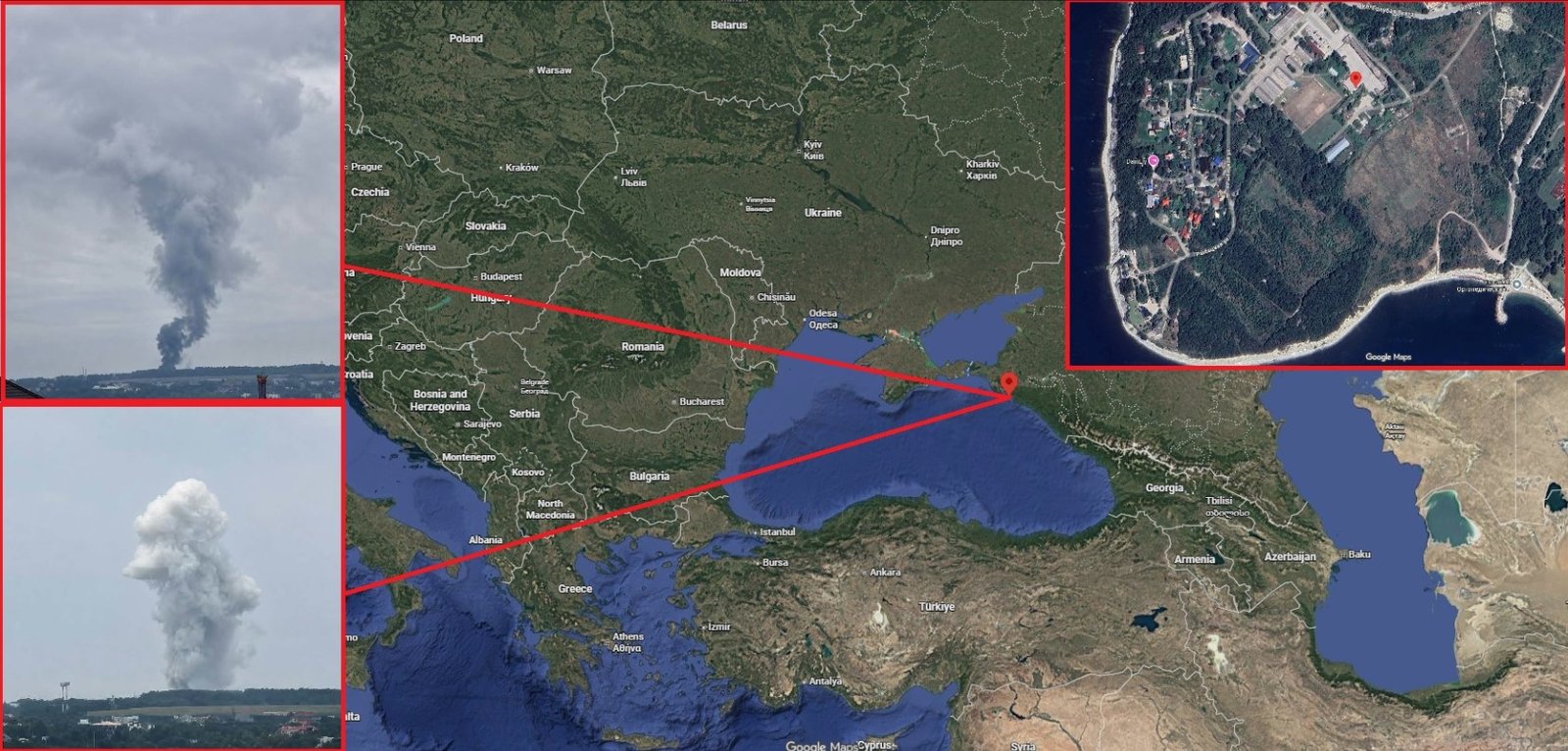
World
Gelendzhik, Krasnodar Krai, Russia — Ukraine’s Unmanned Systems Forces reported striking a Russian S-400 Triumf air defense position in Gelendzhik, Krasnodar Krai, during an overnight drone operation on August 8–9. The operation also targeted four other Russian air defense assets and three vessels in the Black Sea. Major Robert “Madyar” Brovdi, commander of Ukraine’s Unmanned Systems Forces, said the S-400 position had launched six missiles toward Ukraine on August 8 between 9:25 a.m. and 12:51 p.m. Ukrainian drones later struck the position, which reportedly remained on fire for about three hours. Ukraine’s General Staff also confirmed the strike. Available information indicates that a launcher belonging to the S-400 system was destroyed, although the full extent of damage to the wider S-400 battery has not been independently established. Local residents recorded smoke rising from the area following the attack. Four Additional Air Defense Targets Brovdi said Ukrainian forces also destroyed four Russian air defense assets at separate locations in Rostov Oblast and Krasnodar Krai. The reported targets were: Tor air defense system near Pudovyi, Rostov Oblast Pantsir-S1 air defense system near Yeysk, Krasnodar Krai Podlet-K1 radar near Golovatovka, Rostov Oblast Kasta 2E2 radar near Latonovo, Rostov Oblast The Tor and Pantsir-S1 are air defense systems, while the Podlet-K1 and Kasta 2E2 are radar systems used for air surveillance and target detection. Volna Kupol Garant Electronic Warfare System Open-source analysis also identified the destruction of a Russian Volna Kupol Garant electronic warfare system in Gelendzhik. The system is designed to interfere with Starlink satellite communications. Reporting from Inside GNSS, citing Ukrainian defense sources, said the system uses trailer-mounted antennas to direct interference toward Starlink satellites. Ukrainian sources have reported that its interference can cover an area of about 20 square kilometers. The reported destruction of the system was identified through open-source satellite imagery. Because the evidence comes from open-source analysis, the exact circumstances and timing of its destruction remain subject to further verification. Three Black Sea Vessels Targeted The same operation also targeted three vessels described by Brovdi as part of Russia’s shadow fleet. The vessels consisted of one oil tanker and two dry cargo ships. Ukrainian authorities did not provide details on the extent of damage to the vessels. The term “shadow fleet” generally refers to vessels used to transport Russian oil and other cargo through ownership, registration or operating arrangements intended to reduce the impact of sanctions. Continued Targeting of Russian Air Defense The reported operation adds to Ukraine’s ongoing efforts to strike Russian air defense and radar infrastructure beyond the immediate battlefield. The S-400 is a Russian long-range surface-to-air missile system, while the Tor and Pantsir-S1 provide shorter-range air defense capabilities. Radar systems such as the Podlet-K1 and Kasta 2E2 support the detection and tracking of airborne targets. The open-source tracking project Oryx has documented visually confirmed Russian losses involving S-400 launchers, including 5P85T2 and 5P85SM2-01 variants. For the latest operation, however, the exact number of S-400 components damaged or destroyed remains unclear. Russian authorities have also not released a detailed public assessment of the reported strikes.
Read More → Posted on 2026-08-09 12:48:14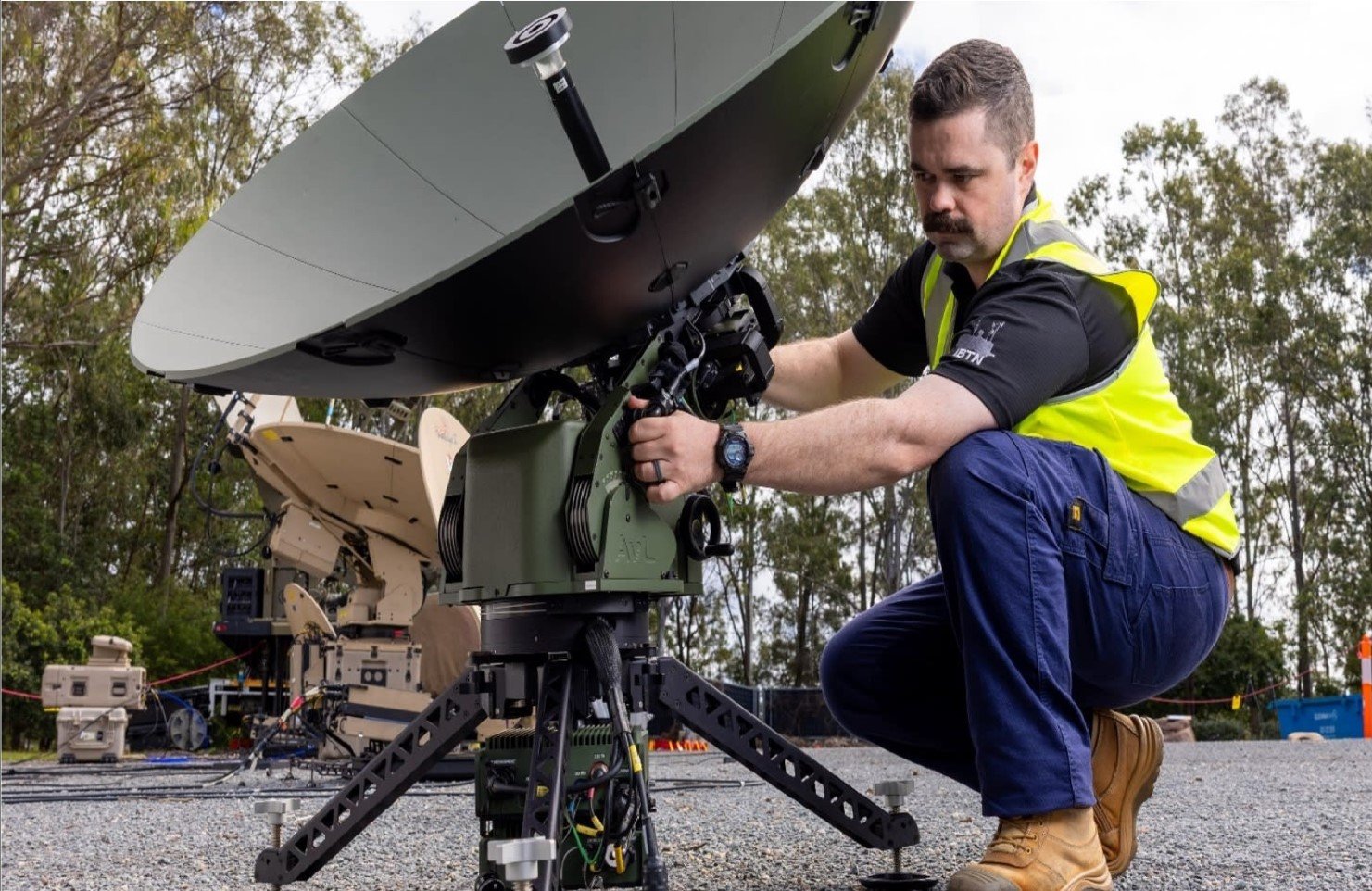
World
BRISBANE, Australia — Boeing Defence Australia (BDA) has secured its second contract under Australia’s LAND 4140 program to supply next-generation Class Two Beyond Line-of-Sight (BLOS) satellite communications ground terminals to the Australian Defence Force (ADF). The terminals will use high-speed, wideband satellite communications links to provide reliable connectivity beyond direct line of sight. The capability is intended to support continuous data flow for Australian forces operating in complex and contested environments. Matt Buckle, director of Joint Systems at Boeing Defence Australia, said the system would help connect Australia’s Integrated Force across multiple domains. “Underpinned by high-speed, wideband SATCOM links, the advanced BLOS system will ensure uninterrupted data flow that allows the Australian Defence Force to connect when needed and operate with confidence when it matters most,” Buckle said. Building on Existing Communications Infrastructure The new capability will build on the secure Integrated Battlefield Telecommunications Network (IBTN), which Boeing Defence Australia previously delivered to the ADF under the Currawong program. Boeing said its experience with the network provides a foundation for supporting Defence’s wider software and communications modernisation under LAND 4140. The company has supported Australian Defence communications and networking programs for more than a decade. Its work includes the IBTN, the SEA 1442 maritime communications project and its role as a subcontractor on AIR 6500. Boeing’s Second LAND 4140 Contract The BLOS SATCOM award follows Boeing Defence Australia’s appointment earlier in 2026 as systems integrator for the LAND 4140 Battlefield Management System (BMS). The BMS contract became effective on March 6, 2026, with an operative date scheduled for September 2026 and an initial term of five years. Under the BMS contract, Boeing is responsible for coordinating the consolidation of software applications, services and stakeholders to deliver a unified command-and-control capability for the Australian Army. The system brings together command and control, situational awareness, geospatial, navigation and targeting information. The new SATCOM terminals will provide the beyond-line-of-sight communications needed to transmit this type of operational information between geographically separated elements of the force. LAND 4140 C4 Modernisation LAND 4140 is Australia’s Land C4 Modernisation Project, which aims to upgrade the Australian Army’s command, control, communications and computers capabilities. The program is designed to improve the integration of command and control, intelligence, sensors and weapon-system effectors for joint land force operations. Tranche 1 includes Beyond Line-of-Sight SATCOM, High Capacity Data Networking, ICT Mobility, Network Modelling and Modular Open System Standards. The latest Boeing contract therefore adds the BLOS communications component to the company’s existing role in the LAND 4140 Battlefield Management System, expanding its involvement in Australia’s land-force communications and information-system modernisation.
Read More → Posted on 2026-08-09 12:58:27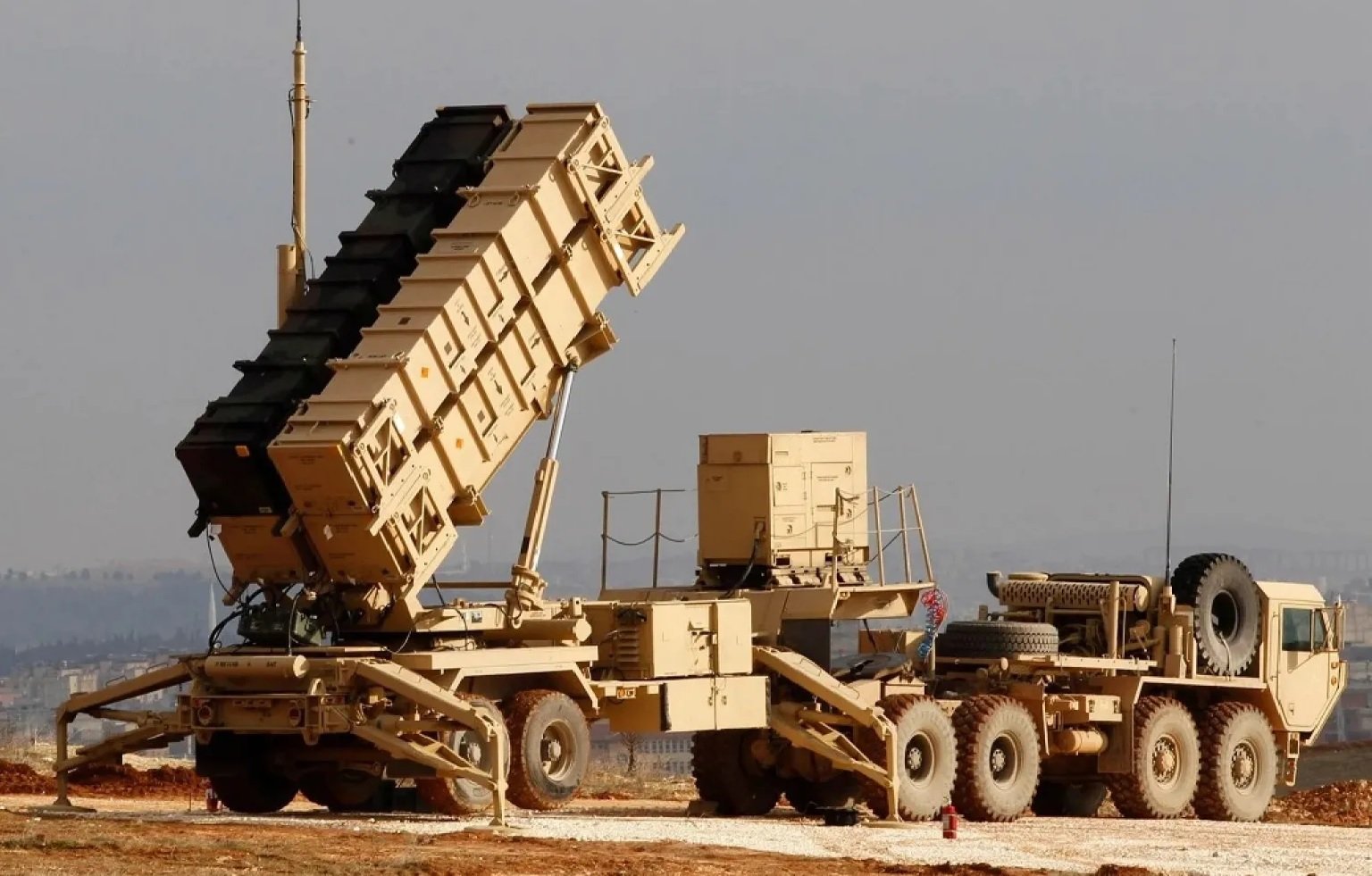
Europe
HELSINKI — Finland will not transfer additional air-defense interceptor missiles to Ukraine if doing so would weaken its own military readiness, Finnish Defense Minister Antti Häkkänen said. In an interview with Finnish newspaper Ilta-Sanomat published around August 8, Häkkänen said Finland had already provided substantial military assistance to Ukraine but could not risk its own air-defense capabilities. “We have done significantly more than could be expected from a country of our size, but as a frontline country, we cannot jeopardize our own air defense readiness,” Häkkänen said. Finland does not operate the Patriot air-defense system and does not possess Patriot interceptor missiles. Häkkänen said Finland has certain air-defense missile capabilities but did not disclose further details. The decision comes as Ukraine continues to seek additional Patriot interceptors from countries operating the U.S.-made system. Finland's Continued Support for Ukraine Finland has continued to provide military assistance while taking the resource requirements of its own armed forces into account. In May 2026, Finland announced its 33rd defense materiel assistance package for Ukraine, worth about €128 million. The Finnish government said the total value of defense materiel delivered to Ukraine had reached approximately €3.4 billion. Details of the equipment were not disclosed for operational and security reasons. Finland has also supported Ukraine's air-defense requirements through the NATO-U.S. Prioritised Ukraine Requirements List (PURL) initiative. In June, Helsinki announced an additional €40 million contribution to the program, which allows European allies and Canada to finance U.S.-sourced defense equipment for Ukraine. Häkkänen has pointed to increased U.S. defense production as a way to address Ukraine's shortage of Patriot interceptors rather than further reducing European national stocks. Ukraine Seeks Additional Patriot Interceptors Ukrainian President Volodymyr Zelenskyy has repeatedly called on countries with Patriot systems and compatible missile stocks to provide additional interceptors. Germany and Poland have been among the countries identified by Kyiv as potential sources of additional assistance. However, countries providing Patriot missiles must also consider their own air-defense requirements and available stocks. Warning Ahead of Winter Häkkänen also warned that the coming winter could be particularly difficult for Ukraine. He said Russia is expected to continue targeting Ukrainian energy infrastructure, increasing the importance of air-defense systems for protecting critical energy facilities. The Finnish minister said expanding U.S. defense production would be important for addressing the interceptor shortage. He also criticized bureaucratic delays and called for faster decisions to increase military production. Finland's decision does not end its military support for Ukraine. Helsinki continues to provide defense materiel and financial assistance through initiatives such as PURL. In June 2026, Finland and Ukraine also signed a memorandum covering quality-assurance cooperation in defense-industry production. Häkkänen's latest comments indicate that Finland will continue supporting Ukraine while maintaining the level of air-defense readiness it considers necessary for its own national security.
Read More → Posted on 2026-08-09 14:13:17
Europe
LONDON, UK — The UK Ministry of Defence (MoD) has opened market engagement for a new Jet Training System to replace the ageing Hawk aircraft used by the Royal Air Force’s Red Arrows and support future fast-jet pilot training. The programme, listed under project code 700004994-RFI, is part of the UK government’s Defence Investment Plan 2026, which commits £360 million to the full recapitalisation of the Jet Training System. The investment includes new aircraft for the Red Arrows and is intended to provide a modernised training capability for UK and international fast-jet training requirements. The MoD says the new system will also support the transition towards fifth- and sixth-generation air systems and will include a significant UK workshare. Hawk T1 replacement The Hawk T1 entered Royal Air Force service in 1976 and has been flown by the Red Arrows since 1979, when the team moved from the Folland Gnat. The aircraft is now approaching the end of its service life, with the Hawk T1 scheduled to leave UK service in 2030. It is no longer used for the RAF's main advanced fast-jet training role, although the Red Arrows and a small number of other operators have continued to fly the type. The new programme will provide a replacement aircraft for the Red Arrows while also addressing the wider requirement for a modern fast-jet training system. Current fast-jet training Advanced fast-jet training for RAF and Royal Navy pilots is currently conducted using the Hawk T2 at RAF Valley in Wales under the UK Military Flying Training System. The Hawk T2 has experienced availability problems in the past, which have affected the military flying-training pipeline. The National Audit Office and parliamentary committees have previously examined problems affecting the UK's military flying-training system. The MoD is now developing the replacement requirement as part of its wider effort to modernise military pilot training. International competition The UK no longer has an active Hawk production line. BAE Systems closed the Hawk production line in 2020 after completing its final export orders. Potential aircraft available on the international market include the Boeing-Saab T-7A Red Hawk, Leonardo M-346 and Korea Aerospace Industries T-50 family. These aircraft are among the established jet-training platforms that could potentially meet elements of the UK's future requirement. BAE Systems has partnered with Boeing and Saab to promote the T-7 for the UK requirement. Leonardo has also been associated with the competition. The British company Aeralis, which was developing a modular jet trainer concept, had also been pursuing the requirement. The company entered administration in May 2026 following funding difficulties. The MoD's requirement for significant UK workshare means industrial participation will be an important part of any future procurement. Link to future combat aircraft The replacement training system is being developed as the RAF prepares for future generations of combat aircraft. The UK is continuing to expand its F-35 capability and is working with Italy and Japan through the Global Combat Air Programme (GCAP), which is intended to deliver a next-generation combat aircraft from 2035. The Defence Investment Plan also includes funding for Collaborative Combat Aircraft that will operate alongside crewed combat aircraft. A modern training system will therefore need to prepare pilots for increasingly advanced aircraft and operating concepts. Procurement process The current Request for Information is an early market-engagement exercise. It is being used by the MoD to gather information from potential suppliers before the detailed requirement, delivery approach and procurement strategy are finalised. Interested companies have been asked to provide their details, a point of contact and their areas of interest to the programme team. The deadline for submissions is 11 September 2026. The MoD has made clear that the exercise is for information gathering only. It is not an invitation to tender and does not represent a commitment to procure a particular aircraft. The aircraft type, number of aircraft and exact delivery schedule have not yet been confirmed. The programme will determine those details as the procurement process develops.
Read More → Posted on 2026-08-09 14:32:02
World
DAMASCUS — Syria and Russia have signed a memorandum of understanding establishing a new framework for Russia’s presence at the Hmeimim airbase and Tartus naval facility. The agreement was announced Sunday by Syria’s Ministry of Foreign Affairs and Expatriates through the official Syrian Arab News Agency (SANA), following about 18 months of negotiations between the two sides. Civilian Facilities to Be Transferred to Syria Under the memorandum, Syria will take over civilian facilities associated with the Russian installations. The transfer includes Hmeimim Airport and the fourth commercial berth at the port of Tartus, along with associated warehouses and facilities. These sites will be gradually integrated into Syria’s civilian administration. Syria’s General Authority for Ports and Customs will assume control of the commercial facilities at Tartus that were previously operated by Russia. Military Facilities to Become Joint Training Centers The agreement also changes the planned role of the military installations at Hmeimim and Tartus. The two sides have agreed to transform the facilities into joint training and qualification centers under new arrangements intended to preserve the interests of both countries through cooperation, development and rehabilitation. The memorandum sets a maximum period of three months to complete the transition. The new arrangements will take effect after this period. Agreement Follows Changes in Syria The negotiations began after the ousting of former Syrian President Bashar al-Assad in December 2024, when the future of Russia’s military presence in Syria became a subject of discussions between Moscow and the new Syrian authorities. Hmeimim, near Latakia, and the Tartus naval facility have been Russia’s main military installations in Syria. The Syrian Foreign Ministry described the memorandum as the most significant development since negotiations began approximately 18 months ago, saying it establishes the framework for the next stage of Syrian-Russian relations. Syrian Foreign Minister Asaad al-Shaibani visited the facilities covered by the agreement on Sunday to inspect the sites and installations, according to SANA.
Read More → Posted on 2026-08-09 14:37:11
World
KYIV, Ukraine — Russia is increasingly using missiles originally developed for the S-300 and S-400 air-defense systems against ground targets in Ukraine, adding another source of ballistic threats to its long-range strike arsenal. The use of these missiles has been reported for several years, but Ukraine's military intelligence says Russia is now also producing the RM-48U, a missile based on older surface-to-air missiles, specifically for use against ground targets. The development comes as Russia continues to combine these weapons with dedicated ballistic missiles such as the Iskander-M. The latest example came during the Russian attack on the night of August 5, 2026, when Russia launched 24 missiles classified by Ukraine's Air Force under the combined "Iskander-M/S-400" category. The main direction of the attack was the Kyiv region. Ukrainian air defenses did not report intercepting any of these 24 ballistic missiles. The attack also included four Zircon/Oniks missiles and 115 drones, of which 98 were reported shot down or suppressed. Ukrainian officials said the attack killed at least 17 people and injured dozens in the Kyiv area. From air-defense missiles to ground attacks The S-300 and S-400 are families of air-defense systems designed primarily to engage aircraft and missiles. Their missile inventories include several variants with different ranges and capabilities. Russia began using S-300 missiles against ground targets in Ukraine after the full-scale invasion in 2022. The missiles were originally designed for air-defense missions but can be used against fixed ground coordinates. The capability itself is not new. Russian forces have previously conducted exercises involving S-300 missiles against simulated ground targets. Russian reporting on exercises at the Telemba training range described S-300 launches against ground-based targets. The use of these missiles in Ukraine has provided Russia with another way to conduct strikes, particularly against targets within the range of the available missile variants. RM-48U adds another source of ballistic targets A more recent development is the RM-48U. The missile is based on older 5V55 and 48N6 surface-to-air missiles that have been removed from normal air-defense service and converted for training or other purposes. Ukrainian sources reported the first combat use of RM-48U missiles against ground targets during the January 19–20, 2026 attack. The exact configuration used in that attack was initially unclear, including whether the missiles carried live warheads or were being used as target missiles. Ukraine's Defence Intelligence later reported that Russia was producing RM-48U strike missiles in significant numbers. According to Ukrainian intelligence data published in June 2026, Russia produced more than 200 RM-48U missiles in 2025 and planned to produce more than 480 in 2026. Current production was assessed at up to 50 missiles per month. This production rate is significant because it indicates that the use of converted air-defense missiles is not limited to isolated launches from old stockpiles. Different missiles are involved The S-300 and S-400 designations cover several missile types, so identifying fragments as belonging to an S-300 or S-400 family does not always establish the exact missile variant. The 5V55R is an older S-300 missile weighing about 1.66 tonnes and carrying a high-explosive fragmentation warhead of approximately 130 kg. Its standard air-defense range is considerably shorter than that of later missiles. The 48N6 family is larger, with a missile weight of about 1.8 tonnes and warheads reported in the 143–180 kg range depending on the variant. The S-400 also uses newer missiles, including the 40N6. The 40N6 is designed for long-range air-defense missions, with a claimed air-target interception range of up to about 400 km. However, an air-interception range should not automatically be treated as the missile's ground-strike range. The flight profile, guidance conditions and target type are different. There is also no confirmed public evidence that the 40N6 is being systematically used as a surface-to-surface weapon. Why Russia can use them against ground targets When employed against ground targets, these missiles can be launched toward predetermined coordinates rather than being used to intercept aircraft. Their guidance arrangements vary by missile and mission. Some rely on inertial guidance combined with radio-command corrections. Once a missile moves beyond the practical range of continuous ground-based correction, it can continue along its calculated trajectory. This gives the missiles a ballistic or semi-ballistic flight profile when used against ground targets. Their high speed also leaves a relatively short period between launch and impact. Ukrainian and Western assessments have reported very high terminal speeds for some 48N6-family missiles. However, exact performance varies by missile version and launch profile, so air-defense specifications should not automatically be applied to ground attacks. The main limitation is accuracy. These missiles were not originally designed as precision surface-to-surface weapons. Their warheads are intended primarily for air targets and are not equivalent to specialized penetrating warheads used against hardened structures. As a result, using an S-300 or S-400 missile against a ground target does not make it equivalent to an Iskander-M. The two weapon classes were developed for different missions. Earlier use in Ukraine Russia's use of S-300 missiles against ground targets became particularly visible in 2022 and 2023. On September 30, 2022, Russian forces launched 16 S-300 missiles at Zaporizhzhia. Four missiles struck an area where a civilian convoy was gathered. Ukrainian authorities reported 32 people killed and 118 injured. On April 14, 2023, S-300 missiles were used against Sloviansk. Ukrainian authorities reported eight deaths and 21 injuries in the attack. On October 21, 2023, two S-300 missiles struck a Nova Poshta terminal in Korotych in the Kharkiv region. The final reported toll was eight people killed and 15 injured. These attacks demonstrated how Russia could use air-defense missiles for ground strikes against targets relatively close to Russian-controlled territory. S-400 missiles have also been used against ground targets The use of S-400-family missiles has expanded the potential range of this tactic. Ukrainian authorities have previously reported the use of 48N6-family missiles from the S-400 system against ground targets, including strikes associated with the Kyiv area. However, the Ukrainian Air Force's combined designation "Iskander-M/S-400" does not mean that every missile in that category is necessarily an S-400 missile. It groups missiles according to the systems associated with their reported launches or identification. Exact identification can require examination of recovered missile components. This distinction is important because the S-300 and S-400 families use several different missile types, and some missiles are compatible with more than one version of the system. S-400 missiles in the 2026 attacks The use of the combined "Iskander-M/S-400" category became particularly notable during several attacks in the summer of 2026. According to Ukrainian Air Force reporting cited in recent coverage, the attacks included: July 2: 24 missiles in the combined Iskander-M/S-400 category, with four reported intercepted. July 6: 23 missiles in the same category, with no ballistic missile interceptions reported. August 1: 27 missiles, with one reported interception. August 5: 24 missiles, with no reported interceptions. The August 5 attack also included four Zircon/Oniks missiles and 115 drones. Ukrainian air defenses reported neutralizing 98 of the drones. The main direction of the missile attack was Kyiv and the surrounding region. The available public information does not establish the exact proportion of S-400 missiles within each combined "Iskander-M/S-400" figure. The air-defense challenge The growing use of ballistic and quasi-ballistic missiles creates a difficult problem for Ukraine's air-defense network. Systems such as Patriot and SAMP/T are among the systems capable of engaging ballistic missile threats. Their interceptor missiles, however, are limited compared with the number of ballistic and other high-speed weapons Russia can launch. Ukraine's Defence Intelligence assessed in June 2026 that Russia could launch up to 100 ballistic missiles per month while maintaining a stable stockpile. The assessment included production of up to 700 9M723 ballistic missiles for the Iskander-M system in 2026, at a monthly rate of about 55–60 missiles, along with more than 480 RM-48U missiles planned for the year. The RM-48U therefore adds another category of high-speed targets to Russian missile attacks without being a direct replacement for the Iskander-M. For Ukraine, the challenge is not limited to identifying the incoming missile. Air-defense operators must also determine which targets require interception and allocate a limited number of suitable interceptors against incoming ballistic threats. A growing role for converted missiles Russia's use of S-300 and S-400 missiles against ground targets shows how an air-defense missile inventory can be adapted for another role during a prolonged conflict. The RM-48U program takes this further by converting older missiles into a separate source of ground-attack or training targets. Ukrainian intelligence's reported production figures indicate that Russia is producing these missiles in quantities large enough to become a regular component of its strike arsenal. At the same time, these weapons should not be treated as direct equivalents of purpose-built ballistic missiles. Their original design, guidance systems, warheads and intended missions are different. The significance of the development is therefore mainly in the additional number and variety of high-speed targets that Russia can introduce into combined attacks. The August 5 strike on Kyiv demonstrated the continuing difficulty Ukraine faces in defending against large ballistic missile salvos when interceptor availability is limited. Source : oboronka
Read More → Posted on 2026-08-09 16:04:31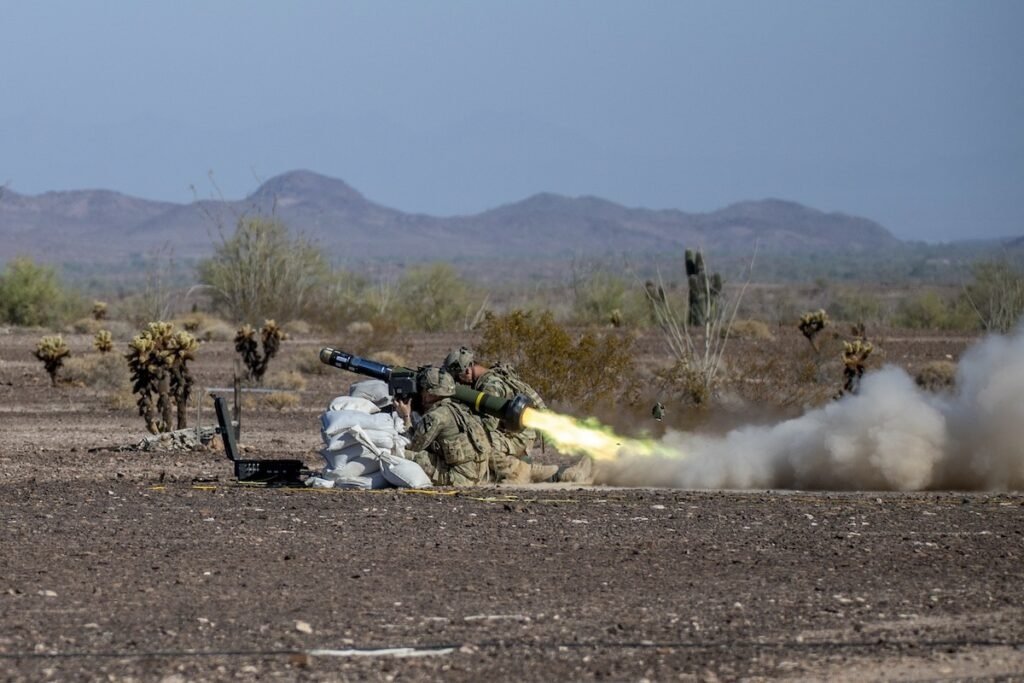
U.S
SAN DIEGO — Kratos Defense & Security Solutions has received a U.S. Army contract to develop, manufacture and test an enhanced infrared seeker for the FGM-148 Javelin anti-tank guided missile. The contract, awarded on August 6 by the U.S. Army Combat Capabilities Development Command (DEVCOM) C5ISR Center, focuses on replacing obsolete components in the Javelin's existing guidance section and developing a production-ready seeker for continued long-term use. Kratos will conduct development and manufacturing at its Advanced Manufacturing Center in Birmingham, Alabama. The completed seeker will then undergo testing at U.S. Army government facilities. New seeker to address aging components The Javelin's infrared seeker is responsible for detecting and tracking the target after launch. Its fire-and-forget capability allows the operator to lock onto a target before firing, after which the missile tracks the target independently. The new Kratos seeker is intended primarily to address obsolescence in the current guidance section. Some older semiconductor, detector and manufacturing technologies used in military systems can become unavailable as suppliers discontinue older product lines. The contract therefore focuses on providing a production-ready replacement that can be manufactured and supported for the Javelin's continued service. Overall development, production and support of the Javelin system remain with the Lockheed Martin-RTX Javelin Joint Venture. Lockheed Martin currently supplies the existing seeker, while Raytheon is responsible for the Command Launch Unit, related guidance electronics and system software. Kratos will develop the next-generation seeker. Javelin modernization continues The seeker program follows the U.S. Army's introduction of the Lightweight Command Launch Unit (LWCLU). The first LWCLUs were delivered to the Army on May 26, 2026. The new unit is 25 percent lighter and 30 percent smaller than the legacy Block 1 Command Launch Unit and provides roughly twice the target detection and recognition range. It is compatible with current, past and future Javelin missile variants. Raytheon has invested $22 million to modernize its Tucson, Arizona, production facility to support higher LWCLU production rates. The Javelin missile production line is also being expanded. Lockheed Martin is increasing annual production capacity to 3,960 missiles by late 2026, compared with the previous capacity of 2,400 missiles per year. The expansion includes additional tooling, testing equipment and supply-chain capacity. Long-term Javelin production The Javelin entered U.S. service in 1996 and replaced the wire-guided M47 Dragon. Full-rate production began in 1994, and more than 50,000 missiles had been delivered by 2021. The system is expected to remain in U.S. service through at least 2050. Its combination of a portable launcher, imaging infrared seeker and fire-and-forget guidance allows infantry units to engage armored targets without maintaining guidance after launch. The Javelin has also been widely supplied to Ukraine since Russia's full-scale invasion in 2022. Those transfers increased the requirement for additional U.S. production and subsequent replenishment of U.S. inventories. The Kratos contract adds a new element to the broader Javelin modernization effort. While the LWCLU addresses the weapon's launch and target-acquisition equipment and Lockheed Martin expands missile production, Kratos will replace the aging seeker technology inside the missile. The new seeker is intended to keep the Javelin's guidance system supportable and suitable for continued production as the U.S. Army maintains the weapon for long-term service.
Read More → Posted on 2026-08-09 16:09:32
U.S
DJIBOUTI — A US Air Force MQ-9 Reaper drone crashed on Sunday near Chabelley airfield in Djibouti, according to reports and official statements. The US Embassy in Djibouti first noted the situation earlier in the day. It said it was tracking an aircraft in distress in Djiboutian airspace and advised the public to avoid the area around Chabelley airbase until further notice. Later, the embassy confirmed an incident involving a US military aircraft in the vicinity of Chabelley Airfield. It stated that the matter is under investigation. Initial reports showed no casualties and no property damage on the ground. US personnel are coordinating with Djiboutian authorities. Media inquiries were directed to United States Africa Command. A US military official confirmed the aircraft was an MQ-9 and said it was not shot down. Local reports and open-source accounts identified the drone as operating from the US facility at Chabelley, which hosts MQ-9 aircraft used for regional missions. The crash occurred near the airfield, with some accounts placing it near a local cemetery area. No injuries or ground damage were reported. Chabelley airfield supports US Air Force operations in the region. The incident is under investigation, and further details on the cause have not been released by US or Djiboutian authorities at this time. Iranian media outlets reported the crash and referenced the embassy’s earlier advisory. Some of those reports suggested other factors, but US officials have stated the drone was not shot down.
Read More → Posted on 2026-08-09 16:12:25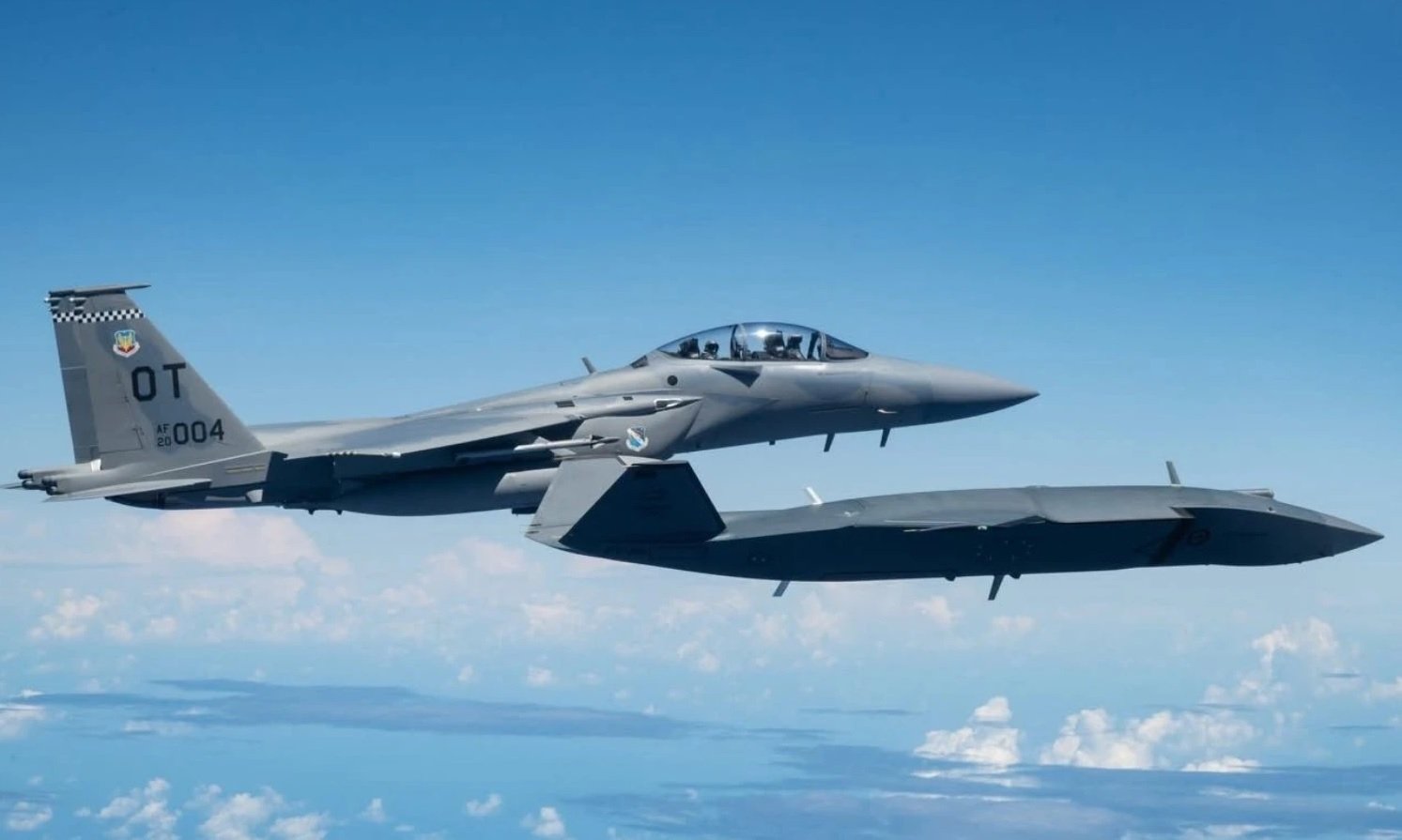
Europe
BERLIN — Boeing and Rheinmetall are offering the MQ-28 Ghost Bat as a mature platform for Germany’s planned Collaborative Combat Aircraft (CCA) capability, with the companies targeting a 2029 deployment for the German Air Force. The proposal would use the existing, flight-tested MQ-28 instead of developing a completely new aircraft. German sensors, weapons and mission software would be integrated into the platform, with Rheinmetall serving as the lead system integrator in Germany. German-Controlled Integration Rheinmetall plans to establish independent system integration for the MQ-28 in Germany. Under the proposed model, software development, mission integration and intellectual property would remain under German control. “Germany does not have to choose between speed and independence. We offer a way to achieve both at the same time,” said Mike Schmidt, CEO of Rheinmetall’s Air, Uncrewed and Space business unit. “The MQ-28 enables us to bypass the lengthy development phase of a new aircraft and go directly to the decisive task: making the capabilities of unmanned combat air systems available to the German Air Force,” Schmidt added. Boeing and Rheinmetall have also established a German industrial network involving Rohde & Schwarz, Diehl Defence and HENSOLDT to support the development and integration of national technologies. MQ-28 Flight-Test Experience The MQ-28 Ghost Bat was originally developed and manufactured in Australia for the Royal Australian Air Force. The aircraft has completed more than 150 test flights and has participated in multinational military exercises, including the US-led Valiant Shield. Boeing Defense Australia’s Global Director for the MQ-28 program, Glen Ferguson, said the aircraft has already passed development stages that other CCA programs are still working through. “While many CCA programs worldwide are still in the concept, definition or early test phase, the MQ-28A Ghost Bat has already gone through these essential development steps,” Ferguson said. The MQ-28 is being developed for both air-to-air and air-to-ground missions, with Boeing continuing development of its air-to-ground capabilities. Modular Design and Digital Development Boeing says the MQ-28 has a modular architecture designed to support continued adaptation to changing mission requirements. Ferguson said the aircraft can be adapted for new missions, including air-to-ground operations, without treating each change as a basic retrofit. The program is also supported by a digital twin of the aircraft, which provides an environment for engineers to simulate and test system changes. For Germany, the MQ-28 could also serve as a development and test platform for tactics, training and force-structure planning involving crewed and uncrewed aircraft. “If the goal is to achieve such a capability by 2029, this work must begin today with the development of tactics, training, definition of force structure and the integration of sovereign technologies,” Ferguson said. The experience gained from integrating German technologies onto the MQ-28 could also support Germany's future participation in European uncrewed combat aircraft programs. The Boeing-Rheinmetall proposal therefore combines an existing flight-tested platform with German-led technology integration, with the stated objective of helping Germany establish a CCA capability by 2029.
Read More → Posted on 2026-08-10 10:54:51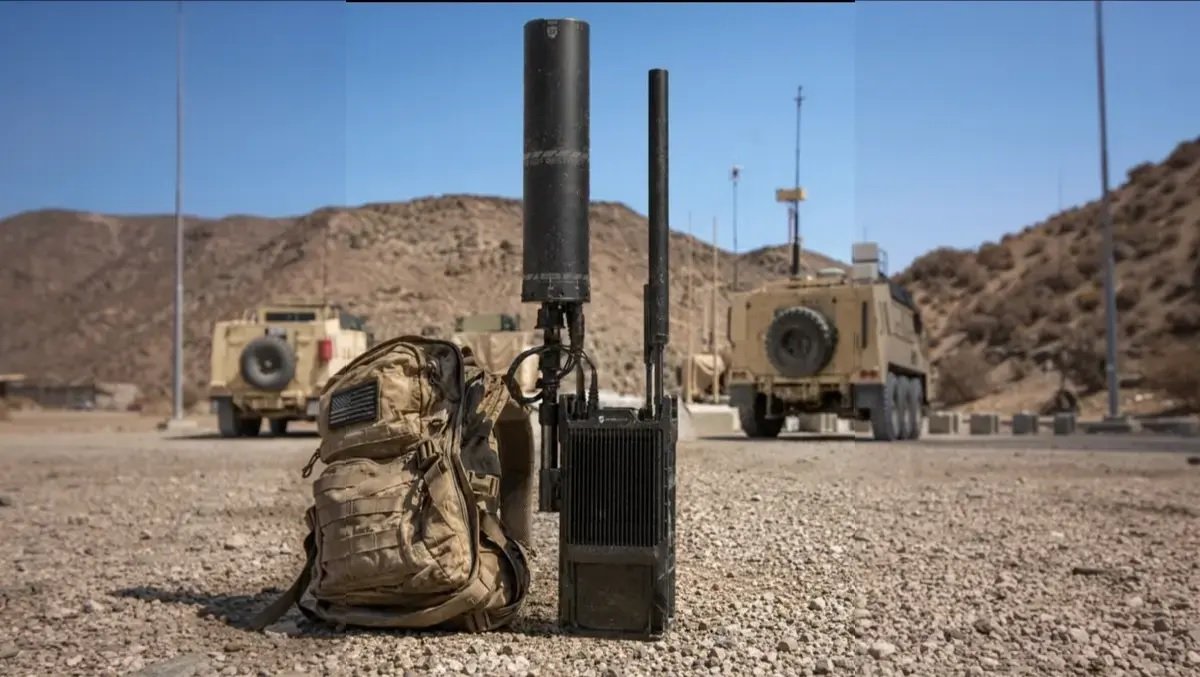
World
SYDNEY, Australia — Australian defence technology company DroneShield (ASX: DRO) has launched RfRecon, a portable radio frequency (RF) intelligence system designed to help defence, government and security organisations detect, identify, locate and assess activity across the electromagnetic environment. The new system builds on DroneShield’s recently introduced RfAI-3 intelligence architecture, which was unveiled on July 28, 2026. RfRecon combines wideband RF spectrum awareness, precision direction finding and AI-based signal intelligence in a single portable platform. The company said the system is intended to provide operators with more than raw spectrum data by helping them understand RF activity and use that information during operations. DroneShield said the increasing use of uncrewed systems, electronic warfare capabilities and wireless communications has made the RF environment more complex for operators. Higher Processing and RF Coverage According to DroneShield, RfRecon provides approximately six times greater RF spectrum coverage, four times more processing and AI compute capacity, 31 times more storage and eight times more memory compared with previous industry-adopted solutions cited by the company. The system also adds several capabilities, including direction finding, Bluetooth and Wi-Fi detection, Remote ID, AIS/ADS-B detection, integrated GNSS and hardware-based security. These capabilities are intended to allow the device to collect and process RF information while also providing information about the location and nature of detected activity. Built Around RfAI-3 RfRecon is powered by DroneShield’s third-generation RF intelligence engine, RfAI-3. DroneShield introduced RfAI-3 on July 28 and said it changes its approach from relying primarily on previously catalogued RF signatures to wideband detection of emissions across the spectrum. When a detected emission matches a known signature, the system can classify it. For unfamiliar emissions, RfAI-3 can generate a new signature and provide a confidence assessment to the operator. DroneShield said RfAI was originally developed in 2018, while RfAI-2 was released in 2023. The company describes RfAI-3 as the next stage of that development, combining its existing RF intelligence dataset with wideband detection of previously unseen emissions. The company also says RfAI-3 is designed for edge deployment, allowing RF intelligence to be generated during operations without depending on cloud connectivity. Its software-defined architecture is intended to allow continued improvements through software updates. Designed for Different Operational Environments RfRecon can be used in dismounted, vehicle-mounted, expeditionary and fixed-site operations, according to DroneShield. The system uses an open architecture and supports industry-standard data transfer for integration with existing defence and security systems. DroneShield specifically identifies compatibility with ATAK (Android Team Awareness Kit), third-party command-and-control platforms and complementary sensor technologies. The company also said RfRecon can operate as part of a layered counter-uncrewed aircraft system (C-UAS) architecture alongside cyber takeover and kinetic defeat capabilities. DroneShield plans to continue providing software enhancements for the system through its software development roadmap, allowing future RF intelligence improvements to be delivered to the platform. Available to Qualified Customers DroneShield said RfRecon is available immediately to qualified defence, government and security customers worldwide. The launch follows the introduction of RfAI-3, which DroneShield says is designed for its next-generation hardware platforms, with initial releases planned during the second half of 2026 and additional releases expected through 2027. RfRecon therefore represents the hardware platform through which DroneShield is bringing its latest RF intelligence architecture into a portable system, combining RF detection, direction finding, signal intelligence and integration capabilities for use at the tactical edge.
Read More → Posted on 2026-08-10 11:10:33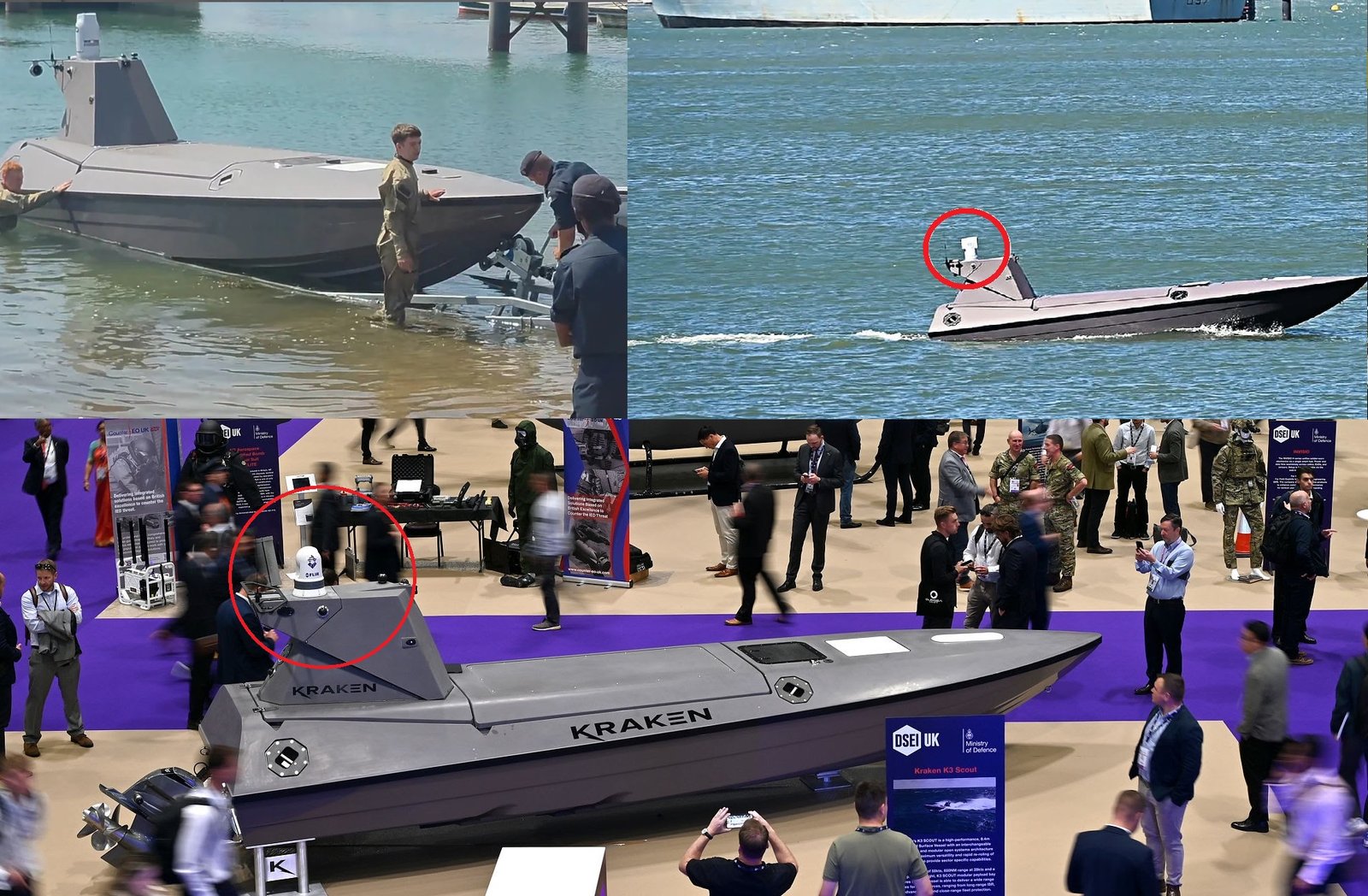
Europe
London, August 10, 2026 — Cameras fitted to K3 Scout uncrewed surface vessels operated by the Royal Marines were found transmitting routine “heartbeat communications” to an IP address in China, prompting the UK Ministry of Defence (MoD) to remove internet connectivity from the affected equipment. The issue was identified during a routine cyber vulnerability assessment. The MoD said its investigation found no evidence that Ministry of Defence data or systems had been accessed, compromised or transmitted externally. The discovery was reported by The Telegraph on August 9, 2026, and has raised concerns about the security of third-party components used in British military equipment. Chinese IP Address Detected The cameras installed on the K3 Scout vessels were found to be sending periodic “heartbeat” communications to an IP address located in China. These communications are routine status signals used by devices to indicate that they are online and functioning. The MoD has not said that classified information was transmitted. After identifying the connection, the department removed internet connectivity from the affected cameras. Reports have also raised concerns about the use of the vessels near sensitive activities involving Royal Marines and Special Boat Service personnel in Poole, Dorset. Questions were also raised over whether the cameras could remain active when the vessels were powered down. However, the MoD investigation found no evidence that its data or systems had been compromised. K3 Scout Fleet The vessels are K3 Scout uncrewed surface vessels supplied by Hampshire-based Kraken Technology Group. The Royal Navy acquired about 20 vessels under a package worth approximately £12 million to £12.3 million. The fleet has been operated by the Coastal Forces Squadron and 47 Commando Royal Marines since March 2026 under Project Beehive. Project Beehive is intended to develop the integration of uncrewed systems with traditional warships and support capabilities including surveillance and force protection. The K3 Scout is 8.4 metres long, has a maximum speed of 55 knots, a range of about 650 nautical miles at 25 knots, endurance of up to 30 days depending on the mission, and a payload capacity of around 600 kg. The vessel can be configured for intelligence, surveillance and reconnaissance, logistics and other missions. Third-Party Camera Components Kraken Technology Group sourced the cameras from a third-party supplier. The company said it had received assurances that the equipment met the required security standards and was compliant with the US National Defense Authorization Act. Kraken acknowledged that some of the cameras contained a small number of components originating outside the UK. A company spokesman said: “We are aware that some third-party, NDAA-compliant cameras had a small number of components originating from outside the UK. After a full audit by both Kraken and the Royal Navy we are confident no sensitive information has ever been shared outside of intended channels and any potential vulnerabilities have been identified and closed.” The company and Royal Navy subsequently carried out an audit of the equipment. MoD Investigation An MoD spokesman said: “A routine cyber vulnerability assessment identified an issue affecting a Kraken Unmanned Surface Vessel sub-system used by the Royal Navy.” The department said its investigation found no evidence of MoD data or systems being accessed, compromised or transmitted externally. The MoD added that its assurance and testing procedures are designed to identify and address potential vulnerabilities and that routine security checks continue across its systems and equipment. Potential Strait of Hormuz Deployment The K3 Scout fleet has also been linked to preparations for a possible UK contribution to securing freedom of navigation in the Strait of Hormuz. A defence source familiar with the matter told The Telegraph that the vessels formed part of preparations connected with a potential deployment to the region. The source criticised the failure to identify the origins of the components earlier and said confidence in the platform had been affected. The K3 Scout has previously been tested for operations involving uncrewed maritime systems, including NATO activities in the Baltic Sea. International Interest The K3 Scout has attracted interest from international military organisations. Kraken has reported a $49 million agreement with US Special Operations Command for the vessels. The platform has also taken part in NATO Task Force-X activities in the Baltic and has been involved in Royal Navy trials under Project Beehive. The security issue comes as the UK and other military organisations continue developing uncrewed surface vessels for a wider range of naval missions. Political Response The discovery has prompted calls for greater scrutiny of defence supply chains. Conservative shadow security minister Alicia Kearns called for an urgent audit of military equipment to identify Chinese components and assess potential security vulnerabilities. The incident highlights the difficulty of securing complex defence supply chains when military platforms contain hardware obtained from multiple suppliers. The confirmed finding is that the K3 Scout cameras transmitted routine heartbeat communications to an IP address in China. The MoD has stated that there is no evidence that its data or systems were accessed, compromised or transmitted externally, and the affected cameras have had their internet connectivity removed.
Read More → Posted on 2026-08-10 11:22:37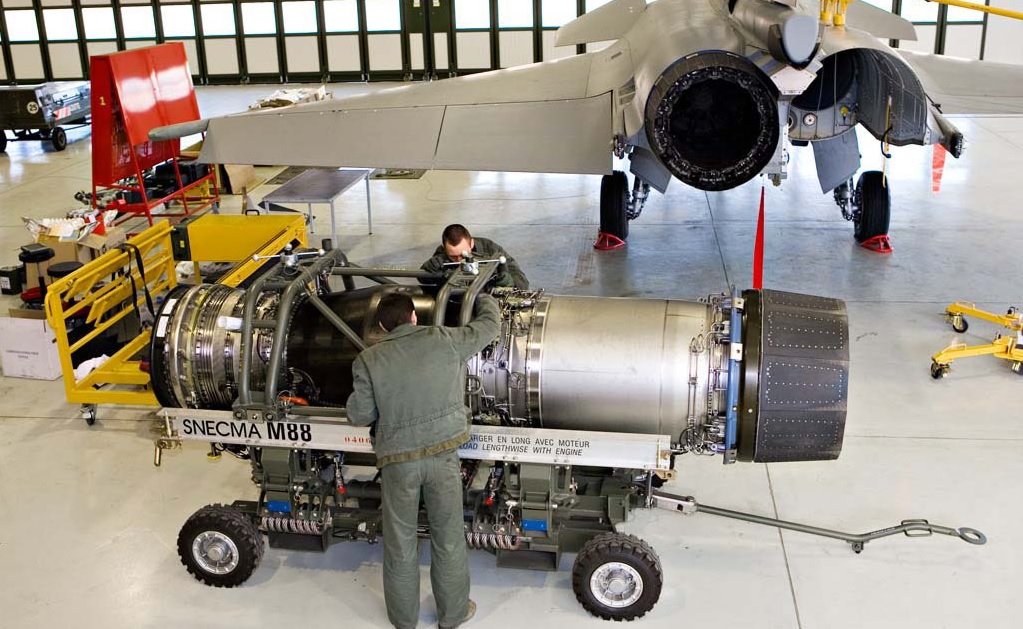
Europe
PARIS — Safran delivered 33 M88 fighter engines during the first half of 2026, more than three times the number delivered in the same period last year, as production of the Dassault Rafale continues to increase. The M88 engine powers the Rafale fighter and is produced by Safran. The increase in deliveries was identified by Safran as one of the factors behind higher military-engine revenue during the first half of the year. Safran reported that M88 deliveries reached 33 units in the first six months of 2026, compared with 10 during the first half of 2025. The company said the increase was linked to the planned increase in Rafale production. Rafale production drives higher M88 deliveries Safran Chief Financial Officer Pascal Bantegnie said during the company's first-half results discussion that Rafale production is being increased from two aircraft per month in 2025 toward four aircraft per month by 2029. The higher aircraft production rate is resulting in a corresponding increase in M88 engine deliveries. The increase in M88 deliveries also contributed to stronger military-engine revenue within Safran's propulsion business. Safran said military-engine revenue increased year over year, driven by M88 deliveries, a favorable customer mix and a strong level of aftermarket activity. Missile propulsion revenue also benefited from increased deliveries. Safran's propulsion division reported €9.2 billion in revenue during the first half of 2026, representing 27.7 percent organic growth compared with the same period of 2025. Recurring operating income for the division reached about €2.25 billion, while its recurring operating margin reached 24.5 percent. Bantegnie said the company had benefited from strong performance in military engines, particularly the M88 programme. Safran reports strong first-half results The M88 increase came as part of a broader improvement in Safran's financial performance. Safran reported adjusted first-half revenue of €17.571 billion, up 19 percent from the first half of 2025. Adjusted recurring operating income reached €3.237 billion, while free cash flow stood at €2.616 billion. The company's civil-engine business also recorded strong growth. Safran delivered 1,030 LEAP engines during the first six months of 2026, an increase of 41 percent compared with the first half of 2025. Based on its first-half performance, Safran raised its full-year 2026 outlook. The company now expects revenue growth in the mid-teens, recurring operating income of €6.4 billion to €6.5 billion and free cash flow of €4.7 billion to €4.9 billion. Possible additional upside from India's 114-Rafale programme Safran also has a potential additional source of business connected with India's planned acquisition of 114 Rafale fighters for the Indian Air Force. India has moved forward with the proposed government-to-government procurement programme and has issued a Letter of Request to France. French and Indian sides are continuing the process before any final contract is signed. Recent reports said France was expected to respond to India's request by mid-August 2026. Safran management said any advance payments received before the end of 2026 in connection with the discussions for the 114 Rafales have not been included in its current financial guidance. Bantegnie said that such payments, if received before the end of the year, would therefore represent an additional upside to the company's existing outlook. Safran did not provide an amount for any potential advance payment or indicate that a final contract had already been concluded. The proposed Indian programme is separate from Rafale aircraft already under contract. India's existing Rafale fleet includes aircraft acquired for the Indian Air Force, while the country has also placed an order for Rafale Marine aircraft for the Indian Navy. Production requirements could increase if India signs the contract A final agreement for 114 additional Rafale fighters would create a substantial additional requirement for aircraft production and, consequently, for M88 engines. However, the Indian programme remains subject to the ongoing government-to-government procurement process and negotiations. The potential financial impact on Safran should therefore be distinguished from the company's confirmed 2026 results and current guidance. For now, Safran's first-half figures show that M88 production has already increased significantly. The company delivered 33 M88 engines in the first six months of 2026, compared with 10 in the same period last year, while the planned increase in Rafale production is expected to support further engine deliveries in the coming years.
Read More → Posted on 2026-08-10 12:43:30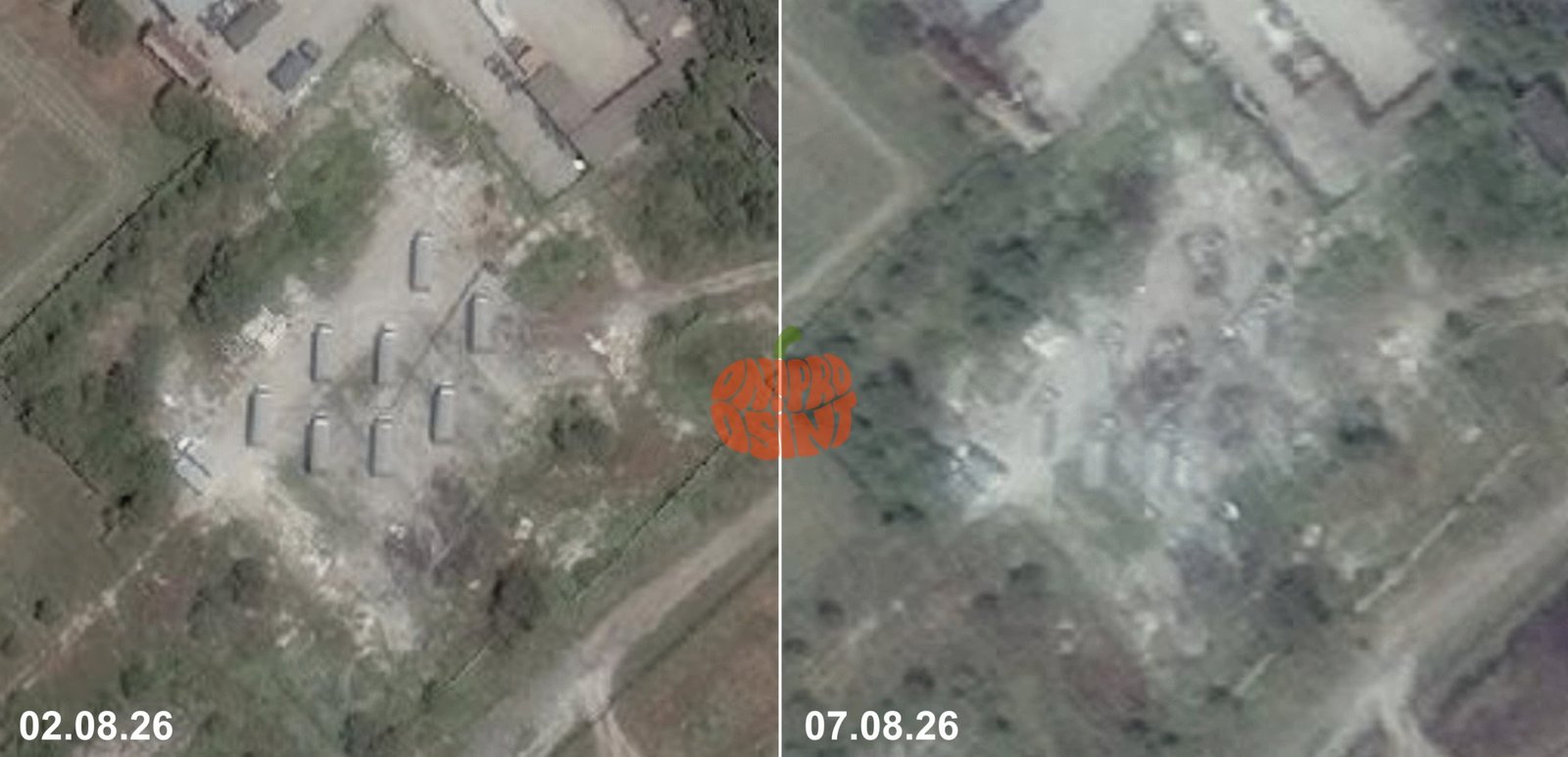
World
GELENDZHIK, Russia — Ukrainian forces have destroyed a Russian Volna Kupol Garant electronic warfare system in Gelendzhik, Krasnodar Krai, according to satellite imagery published by open-source intelligence analysts. The system was located at Russian military unit No. 2156, which is part of the Novorossiysk Border Detachment of the FSB Border Service. Satellite images published by the OSINT group Dnipro Osint show the complex at the location on August 2. By August 7, the equipment was no longer visible, while changes to the site were consistent with the aftermath of a strike. The destruction has not been independently confirmed by Russian authorities. Volna Kupol Garant Targets Starlink The Volna Kupol Garant is designed to interfere with Starlink satellite communications by transmitting radio-frequency signals toward Starlink satellites rather than directly jamming individual ground terminals. The system operates in the 14–14.5 GHz range, which is used by Starlink terminals to communicate with satellites. Its antennas transmit interference toward satellites passing over the affected area, disrupting their ability to properly receive signals from terminals on the ground. A complete complex is reported to cover an area of approximately 20 square kilometres. The system uses multiple directional antennas and can be deployed across as many as six trailers. The antennas can remain mounted on the trailers or be positioned separately. The system can receive power from generators carried with the equipment or from external sources. Large Size Creates Detection Challenges The Volna Kupol Garant's physical size makes it difficult to conceal compared with smaller electronic warfare systems. Its operation also produces strong radio-frequency emissions, which can provide another means of locating an active system through electronic reconnaissance. Ukrainian defence adviser Serhii Beskrestnov and other open-source analysts have previously highlighted these characteristics when discussing the system. Reuters reported in July that Ukrainian drone units had identified around 10 Volna Kupol Garant systems and were targeting them because of their role in disrupting Starlink-linked drone operations. Third Documented Destruction The Gelendzhik strike is being described in open-source reporting as the third documented destruction of a Volna Kupol Garant system. Earlier systems were reported destroyed in June, including one near Kerch in occupied Crimea. Ukrainian forces have focused on these systems because of their ability to interfere with satellite communications used by Ukrainian drone units. The Volna Kupol Garant is produced by Rossiysky Kupol LLC, based in Simferopol, Crimea. Estimates reported for the system's cost range from approximately $1.5 million to $1.8 million, with some reports giving a figure of around 150 million rubles. The reported destruction in Gelendzhik is notable because the system was located on Russian mainland territory, rather than in occupied Ukrainian territory. The incident adds another documented loss to Russia's deployment of specialised electronic warfare equipment intended to disrupt Starlink communications used by Ukrainian forces.
Read More → Posted on 2026-08-10 13:09:16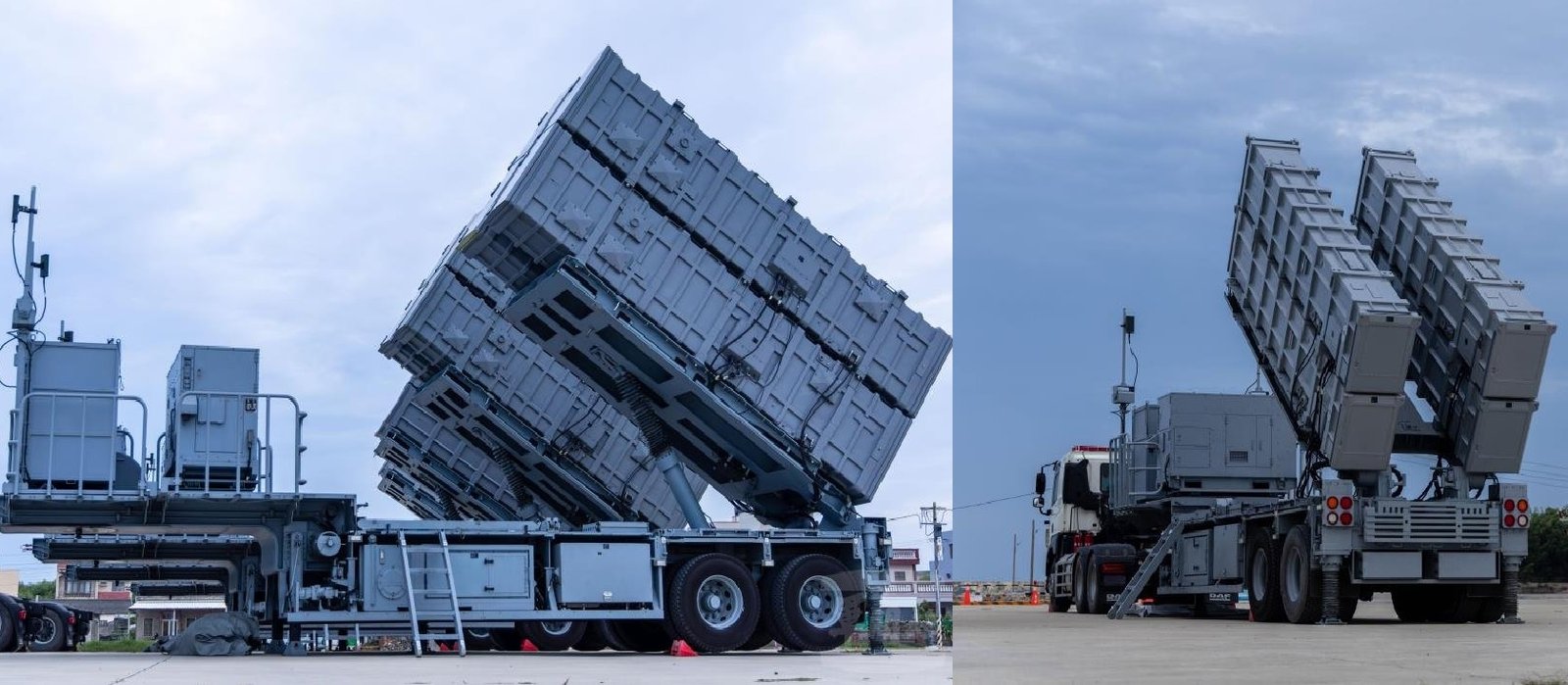
World
PENGHU, TAIWAN — Taiwan’s newly established Navy Littoral Operations Command deployed mobile launchers carrying Hsiung Feng II (HF-2) and Hsiung Feng III (HF-3) anti-ship missiles across the Penghu archipelago on August 9, 2026, during the ongoing Han Kuang military exercises. After receiving simulated targeting information, missile crews rapidly moved the launchers from their bases to pre-designated tactical positions. The units then rehearsed coordinated fires against maritime targets, testing their ability to conduct mobile coastal-strike operations and control key waterways surrounding the Penghu islands. The deployment was part of the fifth day of Taiwan’s 10-day Han Kuang exercise, which began earlier in the week and is scheduled to conclude on August 14. The annual exercise uses live troops, real terrain and military equipment to test combat readiness and the ability of Taiwan’s armed forces to respond to potential threats. Hsiung Feng II and Hsiung Feng III The Hsiung Feng II is a subsonic anti-ship missile developed by Taiwan’s National Chung-Shan Institute of Science and Technology (NCSIST). It has a reported range of about 160 km, while the Block II version has a range of up to 250 km. The missile has a top speed of about Mach 0.85 and carries a warhead of approximately 180 kg. The Hsiung Feng III is a supersonic anti-ship missile with a reported range of more than 100–150 km, with some versions reaching around 250 km. Its speed is reported at Mach 2 to 3.5, and it carries a 225 kg warhead using self-forging fragments. NCSIST describes the HF-III as using an integrated rocket-ramjet propulsion system. The missile uses inertial guidance during its mid-course flight and an active radar seeker during the terminal phase. Both the HF-II and HF-III can be deployed from land-based mobile launchers and are part of Taiwan’s domestically developed coastal-defense capabilities. Taiwan’s 2025 National Defense Report lists the Hsiung Feng II, Hsiung Feng III and extended-range Hsiung Feng missiles among the country’s shore-based anti-ship missile systems. Littoral Operations Command The Littoral Operations Command began operations in July 2026 and is responsible for integrating Taiwan’s coastal-defense capabilities. Its forces include anti-ship missile units, coastal and mobile radar systems and unmanned systems. The command places particular emphasis on mobile launchers, allowing missile units to relocate between positions and operate from different tactical locations. Its responsibilities include defending the waters surrounding Taiwan and its outlying islands, including Penghu. The Penghu exercise tested this concept by requiring missile crews to rapidly move after receiving targeting information, establish firing positions and coordinate attacks against simulated maritime targets. Exercise conducted during difficult weather The missile deployment was conducted despite heavy rainfall and adverse weather conditions associated with Typhoon Dolphin. The operation provided an opportunity to test the movement and employment of the missile units under difficult weather conditions. The exercise also comes amid continued Chinese military activity around Taiwan. Between Saturday and Sunday morning, Taiwan’s Ministry of National Defense reported tracking six Chinese naval vessels, nine official ships and four Chinese military aircraft operating around the island. Two of the aircraft crossed the median line of the Taiwan Strait, prompting Taiwan to deploy aircraft, naval vessels and coastal missile systems. Photos of the Penghu deployment were released by Taiwan’s Military News Agency and credited to photographer Cai Fangyun. Penghu is located in the Taiwan Strait and has strategic importance because of its position along maritime approaches to Taiwan. The Han Kuang exercises are continuing at multiple locations, including coastal and island-defense scenarios. The Penghu drill demonstrated the Littoral Operations Command’s ability to move mobile Hsiung Feng missile units to designated positions and coordinate coastal-strike operations as part of Taiwan’s broader defense preparations.
Read More → Posted on 2026-08-10 13:26:55
India
NEW DELHI — The Defence Research and Development Organisation’s (DRDO) Gas Turbine Research Establishment (GTRE) is pursuing a new Kaveri 2.0 engine programme centred on a redesigned core in the 90 kN thrust class. The effort is aimed at developing an indigenous engine option for the Tejas Mk1A, particularly for mid-life upgrades expected in the 2030s. Kaveri 2.0 is being developed separately from the higher-thrust engine programme intended for the Advanced Medium Combat Aircraft (AMCA). The AMCA effort targets the 120–140 kN class, while Kaveri 2.0 is focused on medium-thrust requirements. The new Kaveri design involves a major redesign rather than a simple upgrade of the existing core. GTRE is focusing on a new high-pressure compressor (HPC) to improve pressure ratios and fuel efficiency. The core is also planned to use single-piece blisks made from advanced titanium alloys to reduce weight and air leakage, along with single-crystal turbine blades designed to withstand higher operating temperatures. The reported targets are 55–60 kN of dry thrust and 90–100 kN of thrust with afterburner. The earlier Kaveri Derivative Engine was in the roughly 49–52 kN thrust range. The new targets are intended to provide a power level suitable for a future Tejas Mk1A re-engining programme. The programme builds on technology developed through the original Kaveri project, which was separated from the Tejas programme after the engine failed to meet the required thrust level. A dry derivative of the Kaveri has also been developed for unmanned applications. For the Tejas Mk1A, the proposed Kaveri 2.0 would not be an immediate replacement for the GE F404. Instead, the plan is to develop and qualify the new engine so it could potentially be introduced during future mid-life upgrades, once the required testing, integration and certification are completed. The programme is therefore intended to provide India with a future indigenous medium-thrust fighter engine option while reducing dependence on foreign powerplants.
Read More → Posted on 2026-08-10 13:40:24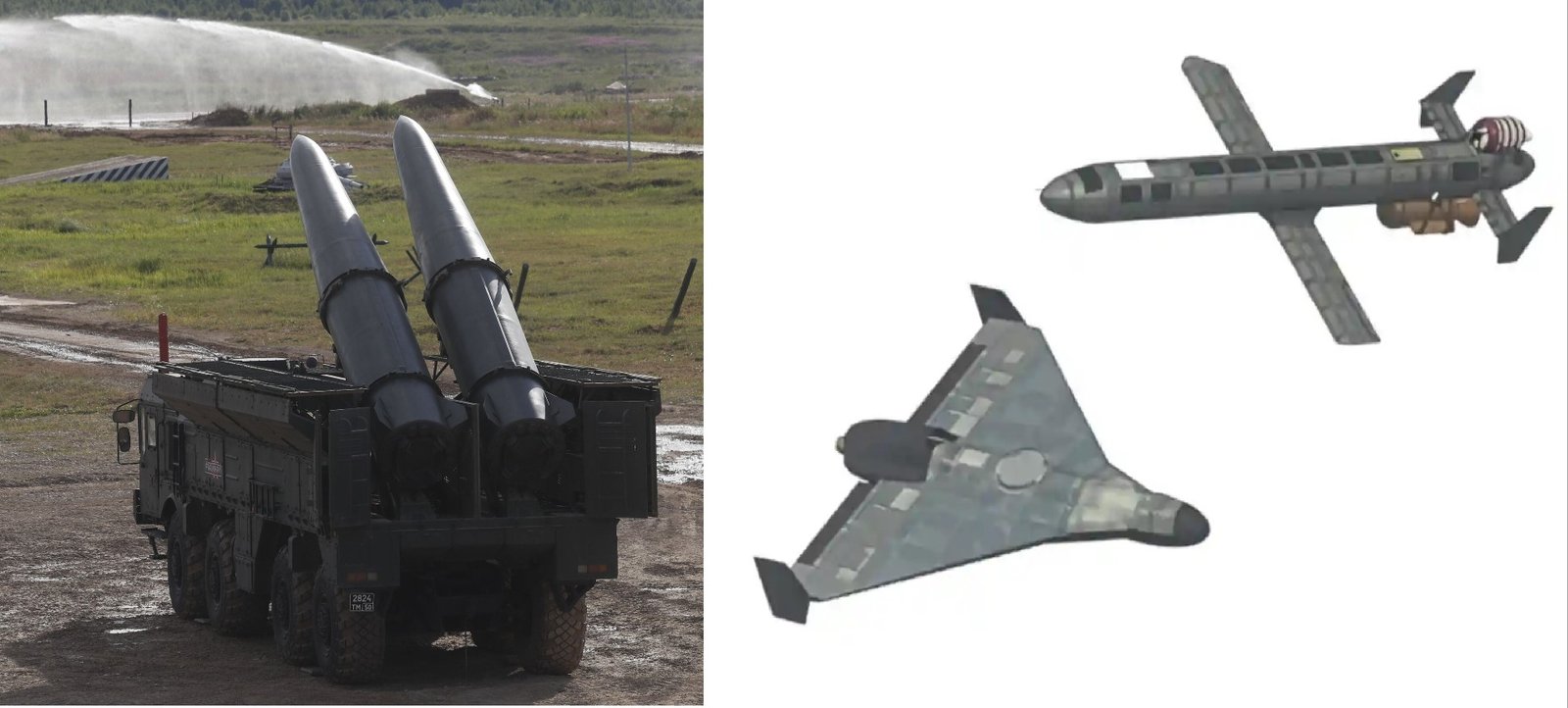
World
KYIV, Ukraine — Russia is producing several major missile types above its planned monthly targets while shifting part of its drone production toward turbojet-powered strike drones, according to Major General Vadym Skibitskyi, Deputy Chief of the Defence Intelligence of Ukraine (DIU). Speaking to RBC-Ukraine, Skibitskyi said Russia is currently producing its main missile types at around 110–120 percent of monthly targets. Missile Production Above Targets According to the DIU, Russia had already fulfilled its full-year production targets for Zircon and Oniks missiles by August 3. During the first seven months of 2026, Russia reportedly produced 33 Zircon and 60 Oniks missiles. Both systems were originally developed as anti-ship weapons and have also been modernized for ground-attack missions. In July, production exceeded targets for several missile types. Russia produced 87 Kh-101 missiles against a target of 72, reaching 140 percent of the planned output. Kalibr production reached 29 against a target of 26, or 111 percent, while Kh-35 production reached 200 percent of its planned volume. The reported monthly production figures are 87 Kh-101, 60–65 Iskander, 29 Kalibr, eight Oniks and five Zircon missiles. Iskander 9M723 production reached 65 in July against a target of 60, while the stockpile allocated to Russian forces was estimated at around 130 missiles as of August 5. Skibitskyi said most newly produced missiles are being used in combat rather than added to stockpiles. Kalibr is the main exception, with newly produced missiles largely being supplied to other Russian naval fleets because newer Russian warships and submarines are equipped with Kalibr launch systems. Some Kh-101 missiles that fail during launch are reportedly returned to factories for inspection and repair. Production of Kinzhal and Kh-32 missiles has been halted since April, with resources redirected toward other systems. RM-48U Production Russia has also begun producing the RM-48U surface-to-surface missile, which can be launched from S-400 systems. The August production plan calls for about 40 missiles, while the existing stockpile is estimated at around 400 units. Shift Toward Jet-Powered Drones Russia's August production target for the Geran, Garpiya and Gerbera drone families is 11,000 units. The DIU said Russia reduced drone strike intensity and production in July while factories reconfigured production lines for the turbojet-powered Geran-4 and Geran-5. In one recent attack, these turbojet-powered drones reportedly accounted for 50 percent of the drones used. Ukrainian intelligence said Russia is increasingly using the faster Geran-4 and Geran-5 for deep-strike missions, which require different interceptors or short-range air-defense systems for countering them. Foreign Components and July Missile Launches Skibitskyi said Russia continues to obtain critical missile-production components, including dual-use items, through supply chains connected to European countries, the United States, China, Japan, Taiwan and South Korea, despite efforts to increase domestic production. Ukrainian intelligence also reported that a North Korean missile unit was deployed in Russia, with information about the deployment becoming public on August 5. In July, Russia launched 153 Kh-101, Kalibr and Kh-32 cruise missiles, the second-highest monthly total after February's 157. Ballistic and hypersonic missile launches, including 9M723 Iskander, RM-48U and Zircon, totaled 198, the highest monthly figure reported so far in 2026. The DIU said it has documentary evidence of Russia's missile production plans and actual output.
Read More → Posted on 2026-08-10 14:29:08
U.S
REDONDO BEACH, California — Northrop Grumman is developing an integrated missile defense architecture that connects space-based sensors, battle management systems and interceptors to detect, track and engage ballistic and hypersonic missile threats. The architecture links capabilities across space, air, sea and land and combines existing systems with those under development. The objective is to create a continuous chain from initial missile detection and tracking to interceptor engagement. At the center is the Integrated Battle Command System (IBCS), which connects sensors and weapons that were not originally designed to operate together. The system provides a common command-and-control network and uses software-based data integration. Artificial intelligence supports threat classification and interceptor selection, giving operators a shared view of the battlespace. Rob Fleming, corporate vice president and president of Northrop Grumman Space Systems, said the company is combining next-generation sensors, advanced interceptors and AI-enabled decision-making to help warfighters detect and understand threats sooner, make faster decisions and adapt as threats evolve. Space-based detection The space layer includes Next-Generation Overhead Persistent Infrared (NG-OPIR) Polar satellites operating in highly elliptical orbits. Their infrared sensors are designed to detect missile heat signatures across the Northern Hemisphere. Northrop Grumman is under a $4.2 billion contract to build and launch two OPIR-Polar spacecraft for the U.S. Space Force. Another component is the Ballistic Missile Defense System Overhead Persistent Infrared Architecture (BOA). It combines infrared data from multiple satellite constellations and processes the information into three-dimensional missile tracks for command-and-control systems. BOA is designed to support real-time threat detection, tracking and classification, including during high-volume missile attacks. Northrop Grumman is also involved in the Hypersonic and Ballistic Tracking Space Sensor (HBTSS) program and the Space Development Agency's Proliferated Warfighter Space Architecture Tracking Layer, providing infrared missile warning and tracking capabilities from low-Earth orbit. Glide Phase Interceptor For hypersonic threats, the architecture includes the Glide Phase Interceptor (GPI), which is designed to engage hypersonic glide vehicles during their glide phase. GPI is being developed for launch from Mk 41 Vertical Launch Systems on Aegis-equipped ships and Aegis Ashore sites. The U.S. Missile Defense Agency selected Northrop Grumman as the prime contractor. In April 2026, the Missile Defense Agency awarded a $475 million contract modification, bringing the total agreement value to approximately $1.31 billion. Work under the current agreement is scheduled for completion by June 2028, with the preliminary design review targeted around that period. The program is being developed with Japan under a 50-50 workshare arrangement. The United States is responsible for the first-stage booster, third-stage solid rocket motor and key kill-vehicle components, including the aeroshell, avionics and seeker. Japan is developing the second-stage solid rocket motor, third-stage attitude-control system and parts of the kill vehicle, including the rocket motor, fin actuators and fins. The interceptor uses advanced seekers, dual aerodynamic and rocket-motor guidance, modular software and energy-flexible propulsion. Digital twins and modular open-system architecture are being used during development. IBCS and missile defense integration IBCS is a core part of the U.S. Army's integrated air and missile defense modernization. It connects different sensors and effectors and combines their information into an integrated air picture. Northrop Grumman reports that IBCS has completed numerous successful flight tests, including its 34th consecutive successful missile flight test and 44th intercept as of mid-2026. The system has been demonstrated with capabilities including the Indirect Fire Protection Capability and Lower Tier Air and Missile Defense Sensor. IBCS is in full-rate production and has achieved operational milestones with Poland's WISŁA medium-range air defense program. It has also been fielded with U.S. combatant commands in Europe and the Indo-Pacific. Expanding rocket motor production Northrop Grumman is expanding solid rocket motor production to support multiple missile programs. The company has produced more than 1.3 million solid rocket motors and increased annual production from about 13,000 motors in 2024, with a target of 25,000 annually by 2029. The company has invested more than $1 billion in recent years to expand production facilities in West Virginia, Maryland and Utah. Propellant production is currently around 30 million pounds, with additional capacity planned. Multi-year agreements include production support for PAC-3 and THAAD motors. Digital manufacturing and allied cooperation Northrop Grumman is using additive manufacturing and digital engineering to support missile production. Some interceptor components are produced using 3D-printed titanium, reducing certain tooling requirements and shortening production lead times from months to weeks. The company's Modular Avionics Control Hardware (MACH) provides a flexible architecture that can be configured for different launch-vehicle control systems. Digital twins and virtual testing are also being used to reduce development risks and schedules. The company is extending its integrated approach to allies, including the United Kingdom, Japan, Australia and several NATO members. Cooperation includes GPI development with Japan, solid rocket motor activities with Australia and IBCS-related work with European partners. The broader approach emphasizes shared procurement, interoperable data standards and open architectures. Northrop Grumman also plans forward-deployed ground stations in Europe and the Indo-Pacific to provide participating nations with real-time situational awareness. The overall architecture is intended to connect space-based detection and tracking with command-and-control systems and interceptors, creating a multi-domain missile defense network for U.S. and allied forces against ballistic and hypersonic threats.
Read More → Posted on 2026-08-10 15:41:46
World
KYIV — Russia has suspended production of its Kh-47M2 Kinzhal air-launched ballistic missile and Kh-32 cruise missile, redirecting components, missile fuel and other resources toward missile systems that Ukraine’s Defence Intelligence says are considered more effective. Major General Vadym Skibitskyi, deputy head of Ukraine’s Defence Intelligence (DIU), disclosed the production changes in an interview with RBC-Ukraine published on August 10, 2026. According to Skibitskyi, the suspension of production began in April. Kinzhal Production Suspended The Kinzhal is an air-launched missile carried by Russia’s MiG-31K aircraft. Russia introduced the system publicly in 2018 and has described it as a high-speed weapon derived from the Iskander-M missile system. According to Skibitskyi, accuracy problems are one of the reasons behind the decision to stop production. He said that an effective guided missile should have a deviation of no more than 5–7 metres, while the Kinzhal has reportedly shown deviations of 30 metres or more. Ukrainian forces have also previously reported intercepting Kinzhal missiles using Patriot air-defence systems. The production suspension does not mean that Russia has permanently cancelled the Kinzhal programme or withdrawn the MiG-31K aircraft used to launch the missile. Instead, the move described by DIU represents a change in production priorities. Kh-32 Returned for Further Development Russia has also suspended serial production of the Kh-32, an upgraded version of the Soviet-era Kh-22 missile. According to Skibitskyi, Russian engineers attempted to improve the Kh-32's accuracy and range, but the modifications did not achieve the required results during several combat tests. The missile was subsequently returned for further development, while serial production was suspended. Russian forces have used Kh-22-family missiles against targets in Ukraine, including land targets, despite the system originally being developed as an anti-ship weapon. Resources Shifted to Other Missiles DIU says the suspension of Kinzhal and Kh-32 production has allowed Russia to redirect missile fuel, components and financial resources toward other missile programmes. Skibitskyi said Russia is currently producing its main missile types at between 110% and 120% of planned monthly targets. July production figures cited by him include: Missile July production Planned production Target completion Kh-101 87 72 140% Kalibr 29 26 111% Kh-35 Not specified Not specified 200% Iskander-M 9M723 65 60 Above target The Kh-101 is a long-range cruise missile, while Kalibr missiles are launched from Russian naval platforms. The 9M723 is the ballistic missile used by the Iskander-M system. DIU also reported that, by August 3, Russia had already met its full-year production targets for 33 Zircon hypersonic missiles and 60 modernised Oniks missiles. According to the same assessment, Russia had about 130 9M723 missiles in its stockpile allocated to its forces as of August 5. Skibitskyi said Ukrainian intelligence has documentary evidence covering Russian missile-production plans and actual production. He also stated that some Kh-101 missiles that fail during launch are returned to production facilities for inspection and repair. New Banderol Munition Used From Helicopters Alongside changes to missile production, Russian forces are also introducing new methods of deploying other strike weapons. Skibitskyi confirmed that the Banderol loitering munition is being launched from Russian helicopters. Ukrainian Defence Intelligence had previously reported efforts to adapt the system for use with Mi-28 attack helicopters. DIU has also reported that work is underway to enable the munition to be launched from fixed-wing aircraft. The Banderol, also referred to as Banderole or S8000 in Ukrainian reporting, has been associated with Russia's Kronstadt company and the Orion unmanned aircraft system. Ukrainian intelligence has previously reported a range of up to 500 kilometres, a speed of about 500–600 km/h and a warhead weighing up to approximately 150 kg. The reported production changes show that Russia is directing more resources toward missile systems that its defence industry is currently able to produce in larger quantities, while the Kinzhal and Kh-32 programmes remain suspended or under further development, according to Ukraine's Defence Intelligence. The claims about Russian production levels and the reasons for the suspensions come from Ukrainian intelligence and should therefore be understood as Ukrainian assessments rather than independently verified Russian production data.
Read More → Posted on 2026-08-10 15:58:16
U.S
WASHINGTON — Lockheed Martin and Raytheon are reportedly raising concerns about a potential U.S. licensing arrangement that would allow Ukraine to produce Patriot missile interceptors. The companies’ concerns involve intellectual property and technology-transfer risks, while the broader debate also reflects questions about how Ukraine’s rapidly expanding defense industry could affect the existing Patriot production base. The issue comes as Washington and Kyiv discuss ways to increase Ukraine’s access to Patriot interceptors amid continuing Russian missile attacks and a global shortage of air-defense missiles. U.S. President Donald Trump publicly said on July 8 that the United States would give Ukraine a license to produce Patriot missiles. Trump made the statement while meeting Ukrainian President Volodymyr Zelenskyy during the NATO summit in Ankara. At the time, Trump also acknowledged that the companies involved in producing the system had not yet been informed of the decision. The exact scope of a possible license remains unclear. It could involve production of interceptors or selected components rather than allowing Ukraine to manufacture complete Patriot batteries, which also include launchers, radar, command-and-control equipment and other systems. Concerns From Patriot Manufacturers Patriot production involves two major U.S. defense companies. Raytheon, part of RTX, produces Patriot interceptors including the GEM-T, while Lockheed Martin produces the PAC-3 interceptor family. According to reporting by The Atlantic, the companies are concerned about intellectual property and unauthorized technology transfers. A Republican official familiar with the issue told the publication that the deeper commercial concern is that Ukrainian manufacturers could eventually improve the Patriot and manufacture it at greater scale and lower cost than existing U.S. production lines. The companies have not publicly confirmed that they are opposing the licensing proposal on those grounds. Earlier, Raytheon had indicated interest in working with Ukraine on co-producing Patriot interceptors. During a July 23 meeting with a Raytheon delegation, Zelenskyy said the company was ready to consider deeper cooperation with Ukraine, including co-production of Patriot interceptors. Raytheon Vice President Joseph DeAntona said the company was interested in opportunities to work jointly with Ukraine on ground-based air-defense systems. Ukraine Expands Defense Production Ukraine has substantially expanded its domestic defense industry during the war, particularly in the production of unmanned systems. Zelenskyy said on July 15 that Ukraine was producing 10 million drones annually and planned to increase that figure to 20 million with support from partners. The country has also developed relatively low-cost unmanned systems. The Darts drone, produced by Ukrainian company Stalevi Shershni, has been reported at a basic unit cost of about $1,000. Ukraine has also adapted foreign and commercial technologies for battlefield use. One example is the Ukrainian-developed Sky Map counter-drone platform, which combines information from sensors and radars to detect and track aerial threats. Reuters reported in April that the U.S. military had deployed the system at Prince Sultan Air Base in Saudi Arabia and that Ukrainian personnel were training U.S. forces to use it. These developments have contributed to growing interest in Ukraine as a defense-technology partner rather than only as a recipient of military assistance. Patriot Production Comes Amid Interceptor Shortages The licensing debate comes at a time when demand for Patriot interceptors has increased sharply. The Patriot system has become particularly important for Ukraine because of its ability to engage ballistic-missile threats. Ukraine has repeatedly called for additional Patriot systems and interceptors as Russia continues to conduct large-scale missile attacks. Reuters reported on August 7 that about 65% of the U.S. Patriot interceptor stock had been used between February and July 2026, leaving fewer than 850 interceptors according to the figures cited in its report. The United States is also working to increase production to replenish depleted inventories. Ukraine's missile-defense requirements have also increased. Ukrainian Air Force data showed that Russia launched 376 missiles against Ukraine in July, more than twice the number recorded in June. The shortage has made increasing production an important issue for both the United States and its allies. A Ukrainian production arrangement could eventually provide another source of interceptors, although establishing a complete production capability would take time. Production Would Not Begin Immediately A license would not automatically mean that Ukraine could quickly manufacture complete Patriot systems. The Patriot is a complex system involving multiple specialized components and production chains. Current discussions have therefore included the possibility of Ukrainian production of specific components or interceptors rather than immediate domestic production of entire Patriot batteries. The United States and Ukraine would also have to determine which technologies could be transferred, which components could be manufactured locally and how the production process would be integrated with existing U.S. suppliers. For Ukraine, domestic production could reduce dependence on deliveries from existing foreign stockpiles. For the United States, it could provide another potential production location at a time when demand for Patriot interceptors is high. However, the licensing process remains dependent on negotiations between the U.S. government, Ukraine and the companies involved. Trump has publicly supported granting Ukraine production rights, while the precise terms and scope of any final agreement have not been publicly established. The result of those discussions will determine whether Ukraine eventually becomes a producer of selected Patriot components, interceptors or a broader part of the system's manufacturing chain. Source : The Atlantic
Read More → Posted on 2026-08-10 16:04:06
Space & Technology
WENCHANG, HAINAN — China’s Long March 7A rocket failed shortly after liftoff from the Wenchang Space Launch Site on Monday, resulting in the loss of the ChinaSat-4B communications satellite. The rocket lifted off from Launch Complex 201 at 8:02 p.m. Beijing time (12:02 UTC), according to China’s state news agency Xinhua. The launch vehicle experienced a flight anomaly shortly after liftoff, and the cause is being further analyzed. Reuters witnesses reported seeing a bright flash in the night sky after the launch, followed by what appeared to be multiple glowing fragments. The observations are consistent with the reported failure of the launch vehicle, although Chinese authorities have not yet released details on the specific technical cause. ChinaSat-4B Lost in the Failed Launch The payload aboard the Long March 7A was ChinaSat-4B, also known as Zhongxing-4B. The satellite was intended for geostationary orbit and was designed to provide radio, television and communications services. The loss means the satellite did not reach its planned orbit. Further information about the spacecraft and its intended operational role has not been released in detail by Chinese authorities following the failed mission. Second Long March 7A Failure Monday’s failure is the second known failure of the Long March 7A. The rocket made its maiden flight in March 2020, but that mission also failed after the vehicle experienced a malfunction. Chinese space engineers subsequently investigated the cause. The Long March 7A returned to flight in March 2021 and successfully placed the Shiyan-9 satellite into orbit. It then completed a series of successful missions before Monday’s failure. The Long March 7A is a three-stage variant of the Long March 7 designed for missions to higher orbits. Its configuration uses four strap-on boosters and a third stage that allows it to conduct missions involving geostationary transfer orbits. The vehicle has previously been used for a range of satellite missions. YF-100 Engines Used on the First Stage and Boosters The Long March 7A’s first stage and four boosters use YF-100 liquid-oxygen and kerosene engines. The same engine family is also used on several other Chinese launch vehicles, including the Long March 5, Long March 6 and Long March 8. However, Chinese authorities have not said that an engine problem caused Monday’s failure. The investigation remains underway, so the exact source of the anomaly cannot yet be established. Investigation Underway Xinhua reported that the cause of the failure is being further analyzed. No official explanation identifying a particular engine, stage, component or system as responsible for the anomaly has been released so far. The failure will therefore be subject to a technical investigation before the Long March 7A returns to flight. Any decision on future launches involving the vehicle or related hardware will depend on the findings of that investigation. Monday’s incident represents a failure after the Long March 7A had established a record of successful missions following its 2020 debut failure. The immediate impact on China’s wider launch schedule will depend on the results of the investigation and any corrective measures announced by Chinese authorities.
Read More → Posted on 2026-08-10 16:14:31
U.S
HUNTSVILLE, Ala. — Lockheed Martin and L3Harris Technologies have completed a successful static-fire test of the Stage 2 solid rocket motor for the U.S. Missile Defense Agency’s (MDA) Next Generation Interceptor (NGI) program. The full-duration test was conducted inside a high-vacuum chamber using the L3Harris-built advanced large solid rocket motor. The test was designed to evaluate the motor under conditions representative of those expected during the interceptor’s mission. According to Lockheed Martin, the test confirmed key motor performance parameters, including thrust generation, chamber pressure and combustion stability. Data collected during the firing will support continued NGI design work, system integration and preparations for future flight testing. “This successful static fire test is a significant milestone on the path to the Critical Design Review and confirms our confidence that the NGI motor will meet the demanding performance envelope required for fielding by 2030,” said Christopher Jewell, Lockheed Martin’s vice president of the NGI program. He said the test data will be used to inform the final interceptor design and support integration with the Ground-Based Midcourse Defense (GMD) architecture. NGI development moves toward Critical Design Review The NGI is being developed to strengthen the United States’ homeland ballistic missile defense capability. The interceptor is intended to operate as part of the existing GMD architecture. The MDA selected Lockheed Martin in April 2024 to continue NGI development through Critical Design Review, qualification, integration with GMD and flight testing. Lockheed Martin is the prime contractor for the NGI program, while L3Harris provides major propulsion and control-system elements. L3Harris is responsible for the Stage 1 and Stage 2 advanced large solid rocket motors, along with the Attitude Control System (ACS) and Divert and Attitude Control System (DACS). The ACS and DACS provide the control needed for the interceptor to maneuver during an engagement. The Stage 2 motor test follows a successful burst test of the NGI second-stage motor case completed earlier in August. During that test, the composite motor case was pressurized beyond expected launch loads and withstood the required stresses before failing as planned. Manufacturing capacity expanded in Alabama Lockheed Martin is also expanding its manufacturing infrastructure for the NGI program. In June 2026, the company opened an 88,000-square-foot Missile Assembly Building 5 (MAB-5) in Courtland, Alabama. The facility is designed to produce and integrate NGI interceptors and uses digital manufacturing tools and processes. The company has also been investing in additional production lines, tooling and plant layouts in Alabama to support future NGI manufacturing requirements. L3Harris manufactures the large solid rocket motors for the program at facilities in Alabama and Arkansas, while components for the ACS and DACS are produced in California and Virginia. The NGI program uses digital engineering and modeling during development. Lockheed Martin says the approach is intended to reduce the time required for design, fabrication and validation and to support the transition from development to production. “This successful hot-fire test demonstrates L3Harris’ commitment to delivering dependable, high-performance propulsion systems, and we will continue to execute to support NGI’s first flight test,” said Scott Alexander, president of Propulsion Systems and Missile Solutions at L3Harris. With the Stage 2 motor test completed, the program is moving toward its planned Critical Design Review and subsequent flight-testing activities. Lockheed Martin has stated that the motor-test data will be incorporated into remaining design finalization and system-integration work. Note: The U.S. Missile Defense Agency's April 2024 announcement described an initial operational capability objective of no later than the fourth quarter of fiscal year 2028, while the August 2026 Lockheed Martin statement provided in the supplied material refers to fielding by 2030.
Read More → Posted on 2026-08-11 11:38:52
U.S
BEDMINSTER, N.J., August 11, 2026 — A U.S. Army AN/TWQ-1 Avenger short-range air defense system, supported by an AN/MPQ-64 Sentinel radar, was deployed at Trump National Golf Club Bedminster in New Jersey while President Donald Trump played golf during the final round of the LIV Golf Bedminster tournament on August 9. Images from the golf course show Trump playing with an Avenger system positioned behind concertina wire in the background. Additional imagery shows an Avenger and an AN/MPQ-64 Sentinel radar near the course. The White House confirmed the authenticity of the photographs to The War Zone on August 10. The deployment comes as security concerns surrounding Trump have increased amid the ongoing conflict involving the United States and Iran. Independent analyst has linked the presence of the air-defense system to concerns about a possible Iranian aerial attack against the president. The exact threat assessment behind the deployment has not been publicly disclosed. 🇺🇸 #US: President Donald Trump was seen golfing at his Bedminster, New Jersey club with a missile-defense system deployed nearby, as F-16s were scrambled to intercept civilian aircraft that entered the temporary restricted airspace over the area.NORAD said two general-aviation… pic.twitter.com/NyZbj9OUEo — POPULAR FRONT (@PopularFront_) August 10, 2026 Iran has Trump so shook and scared right now he has to have a AN/TWQ-1 SHORAD air defense system with a AN/MPQ-64 Sentinel Radar follow him around as he golfs.lmao he is scared to even be outdoors anywhere at this point.pic.twitter.com/aEHQLlEr3p — Stellar Man (@stellarman22) August 10, 2026 Avenger provides short-range air defense The AN/TWQ-1 Avenger is a Humvee-mounted short-range air-defense system that uses FIM-92 Stinger surface-to-air missiles. The system can carry up to eight ready-to-fire Stinger missiles and is also equipped with an M3P .50-caliber machine gun. U.S. Army documents describe the Avenger as a mobile system designed to counter low-altitude unmanned aircraft and fixed- and rotary-wing aircraft. The Army has also integrated Avenger units into counter-unmanned-aircraft operations. The system can receive air tracks from the Sentinel radar, allowing the weapon system to be directed toward detected aerial threats. The AN/MPQ-64 Sentinel provides the accompanying air surveillance capability. The Army describes the radar as a 360-degree X-band system providing persistent air surveillance and fire-control-quality data. Its published instrumented range is up to 75 kilometers, and it can acquire, track and classify unmanned aircraft, cruise missiles and fixed- and rotary-wing aircraft. When the Avenger systems are deployed to assist the Secret Service in protecting the president, NORAD has said they are operated by the 263rd Army Air and Missile Defense Command. A NORAD spokesperson declined to provide further details about how frequently the systems are used in this role, according to The War Zone. Avenger was also seen at Bedminster on August 1 The air-defense system was not first seen at the golf club on August 9. On August 1, the White House released a video showing Trump speaking with U.S. Army personnel at Bedminster. An Avenger was visible in the background. During the exchange, Trump joked that he was not worried about “missiles and drones.” A U.S. Army colonel responded, “We got it covered,” while pointing toward the Humvee-mounted system. The appearance of the Avenger on both occasions indicates that the system has been positioned at Bedminster beyond a single golf outing. The White House has not publicly provided details about the duration or full scope of the deployment. NORAD F-16s intercepted civilian aircraft The heightened airspace security around Bedminster was also visible on August 9. While Trump was at the golf club, NORAD F-16 fighter aircraft intercepted two general aviation aircraft that violated the Temporary Flight Restriction (TFR) airspace over the area. NORAD said that all general aviation aircraft were safely escorted out of the restricted area. NORAD routinely supports the U.S. Secret Service and the Federal Aviation Administration in enforcing temporary flight restrictions established around protected presidential locations. The presence of fighter aircraft and the ground-based Avenger system represents different layers of airspace protection, although details of how the systems were coordinated during the incident have not been released. Trump has previously faced threats at golf courses The security arrangements at Bedminster come against a background of previous threats and attacks involving Trump, including an attempted assassination at a golf course. On September 15, 2024, Trump was playing golf at Trump International Golf Club in West Palm Beach, Florida, when a Secret Service agent conducting a perimeter sweep spotted a rifle in the tree line near the sixth hole. The agent fired toward the suspect, later identified as Ryan Wesley Routh. Routh was subsequently convicted of attempting to assassinate Trump. In February 2026, he was sentenced to life in prison plus seven years. Trump was also the target of an assassination attempt at a campaign rally in Butler, Pennsylvania, on July 13, 2024. The gunman, Thomas Matthew Crooks, fired at Trump before being killed by law enforcement. The shooting also killed one spectator and seriously injured two others. More recently, authorities arrested Jeanine John Taele, 38, at Trump National Golf Club in Rancho Palos Verdes, California, after he was observed photographing and recording security preparations ahead of Trump's scheduled visit. Authorities found ammunition on him and a loaded pistol in his vehicle, while subsequent searches uncovered additional weapons and other equipment. Authorities have not said that Taele was involved in an assassination plot against Trump. Iran-related threats add another security concern The current security environment also includes a history of threats from Iran against Trump. In January 2020, after the U.S. strike that killed Iranian commander Qassem Soleimani, an image was posted by an account associated with Iran's then-Supreme Leader Ayatollah Ali Khamenei showing what appeared to be a drone targeting Trump while he played golf. The image was widely interpreted as a threat of retaliation. The threat environment has since changed significantly. Khamenei was killed during U.S. strikes on Iran on February 28, 2026, according to reporting at the time. Iran has also developed and used various unmanned aircraft, including one-way attack drones. However, there is no public confirmation that Iran has specifically planned an attack against Trump at Bedminster. Other protective systems are not visible The Avenger is only one component of presidential security. The photographs released from Bedminster do not show the full range of systems or personnel protecting the president. The War Zone noted that other capabilities, potentially including electronic-warfare equipment, may be present but are not visible in the available imagery. The exact composition of the security arrangement has not been disclosed. Avenger systems have also been used previously for air-defense missions around sensitive locations. The U.S. Army continues to maintain the system as part of its short-range air-defense capabilities, including missions against unmanned aerial systems. The deployment at Bedminster therefore provides a visible example of how military short-range air-defense assets can be incorporated into presidential protection when the president is operating in an open outdoor environment. For Trump, playing golf at Bedminster on August 9 meant having an Army Avenger and Sentinel radar positioned nearby, while NORAD fighter aircraft were also responding to violations of the temporary restricted airspace. The specific threat information that led to the deployment remains classified or undisclosed.
Read More → Posted on 2026-08-11 11:57:22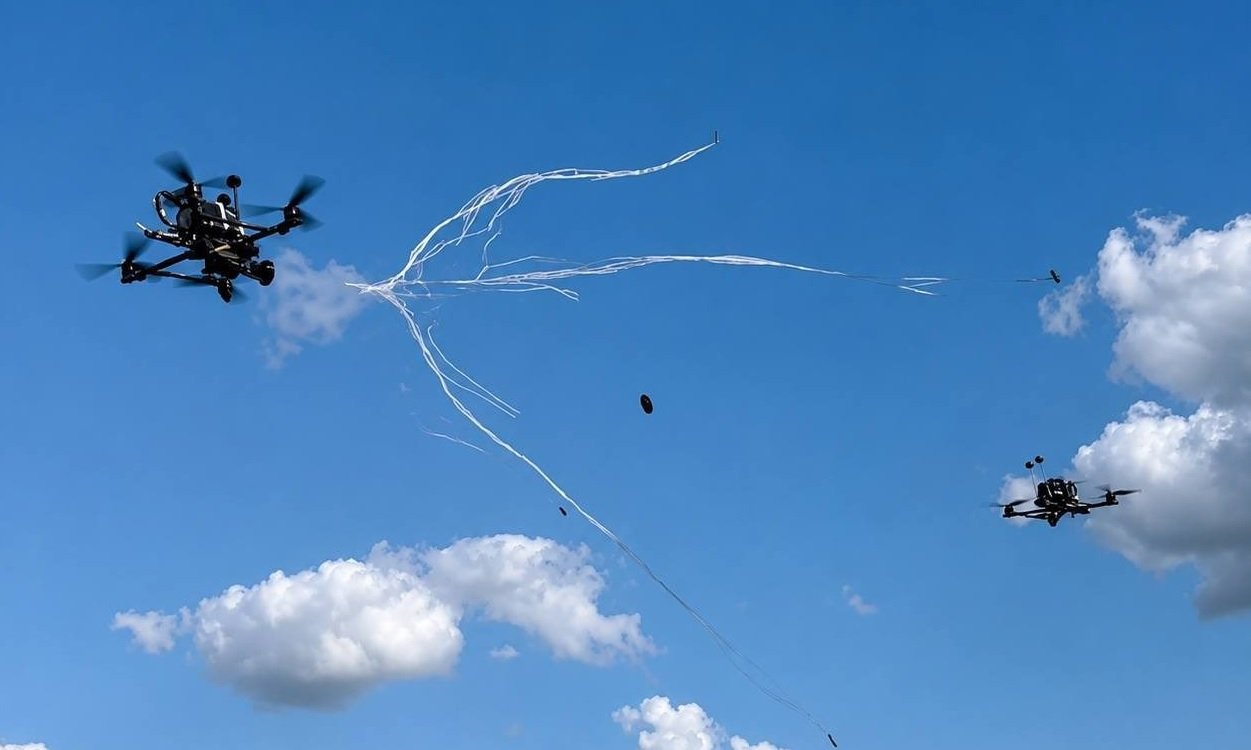
World
KYIV, Ukraine — Ukrainian defense technology company WINFLY has introduced the WINFLY Spider, a reusable interceptor drone designed to capture enemy unmanned aerial vehicles (UAVs) using a net rather than destroying them through a direct impact. The Spider is based on WINFLY's existing WINFLY 10 Hunter airframe and is equipped with the KARAKURT-K2 net-launching system. According to WINFLY, the interceptor can deploy the net against an airborne target and then return to its launch point for another mission. The development was reported by Ukrainian defense outlet Militarnyi. WINFLY Spider Based on WINFLY 10 Hunter The WINFLY 10 Hunter platform gives the Spider a maximum speed of up to 160 km/h and an operational ceiling of up to 5,000 meters. The drone has a range of more than 18 kilometers and can remain airborne for up to 25 minutes. WINFLY states that the system can be deployed in less than three minutes and can detect and identify targets at distances of up to 500 meters through its digital video link. The Spider is intended to counter several types of UAVs, including fixed-wing reconnaissance drones, Mavic-series quadcopters, FPV drones and fiber-optic-controlled UAVs. WINFLY produces the system in both daytime and night-vision configurations. KARAKURT-K2 Net Launcher The main difference between the Spider and conventional impact-based interceptors is its KARAKURT-K2 net launcher. The launcher weighs 210 grams and is made from high-strength aluminum. It connects to the drone through a USB Type-C interface and is designed to operate in temperatures ranging from −20°C to +50°C. According to the manufacturer, the KARAKURT-K2 can fire its net at a target from a distance of up to 15 meters. When launched from approximately 3 to 5 meters from the target, the net expands to around 3 × 3 meters and is intended to entangle the target's rotors or airframe. Reusable Interceptor WINFLY designed the Spider to remain intact after an interception. Instead of colliding with the target and being lost, the interceptor deploys the net and then returns to its launch location, where it can be prepared for another sortie. WINFLY lists the cost of a single net deployment at 1,100 Ukrainian hryvnia, reported as approximately $26. The reusable design therefore separates the cost of the interceptor itself from the expendable net deployment. WINFLY Spider Specifications Specification Details Base platform WINFLY 10 Hunter Maximum altitude Up to 5,000 m (16,400 ft) Maximum speed Up to 160 km/h (99 mph) Operational range More than 18 km (11 miles) Flight endurance Up to 25 minutes Deployment time Less than 3 minutes Target detection/identification Up to 500 m (1,640 ft) Net launcher KARAKURT-K2 Launcher weight 210 g Net firing range Up to 15 m Expanded net size Approximately 3 × 3 m Net deployment distance Approximately 3–5 m from target Operating temperature −20°C to +50°C Net deployment cost 1,100 UAH, approximately $26 The introduction of the Spider adds a reusable net-based interception option to WINFLY's UAV systems. Its development also reflects the company's move from an earlier impact-based interception approach toward a system in which the interceptor can recover after engaging a target.
Read More → Posted on 2026-08-11 12:06:45
World
SAFED, ISRAEL — Former Mossad director Yossi Cohen said Tuesday that Israeli intelligence operatives had visited Iran’s underground Fordow nuclear facility many times as part of efforts to understand the site. Cohen made the comments while speaking at the Galilee Conference in Safed, offering a rare public reference to Israeli intelligence operations connected to Iran’s nuclear program. “We toured the Fordo nuclear site many times in order to understand the site,” Cohen said, according to Hebrew media reports. He did not provide dates for the alleged visits. He also did not clarify whether the statement referred to Mossad personnel physically entering the facility or to intelligence operations that allowed Israel to obtain detailed information about the site. Cohen comments on U.S. strike on Fordow Cohen also discussed the U.S. military operation against Iran’s nuclear facilities during the 12-day Israel-Iran war in June 2025. The United States struck Iran’s three major nuclear sites at Fordow, Natanz and Isfahan. The Fordow facility was targeted with U.S. bunker-penetrating weapons. The operation was publicly known as Operation Midnight Hammer, while Israel’s campaign against Iran was known as Operation Rising Lion. The International Atomic Energy Agency said after the strikes that the underground damage at Fordow could not immediately be fully assessed. Satellite imagery showed large impact craters at the facility, but the extent of damage below the surface remained uncertain. Cohen described the U.S. bombing of Fordow as “the fulfillment of all my dreams.” Debate over Iran’s enriched uranium Cohen also commented on Iran’s stockpile of uranium enriched to 60 percent, saying that material at that enrichment level was still “far from a bomb.” The status and location of Iran’s enriched uranium stockpile have remained a major issue since the 2025 strikes. A June 2026 analysis based on IAEA reporting said the IAEA did not have confirmed information on whether enriched uranium was being stored at locations including Fordow, the new Pickaxe Mountain facility and other underground sites. The same analysis cited an estimated Iranian stockpile of about 441 kilograms of uranium enriched up to 60 percent. Nuclear experts have noted that uranium enriched to 60 percent can be further enriched to weapons-grade levels. The distinction between possessing highly enriched uranium and actually producing a nuclear weapon remains important, as additional steps are required to produce a usable weapon. Focus shifts to Pickaxe Mountain Attention has increasingly shifted to Iran’s underground Pickaxe Mountain complex near Natanz following the damage to Fordow, Natanz and Isfahan. Reuters reported in July that Pickaxe Mountain is located about 220 kilometers south of Tehran and about 2 kilometers from the Natanz nuclear complex. The underground facility was not targeted during the 2025 strikes and has since become a focus of U.S. and Israeli concerns over Iran’s nuclear infrastructure. Recent satellite imagery has shown continued construction activity at the site. However, the exact status and purpose of the facility remain subjects of intelligence assessments, and Iran has denied nuclear activity there. Cohen’s previous disclosures about Mossad operations Cohen has previously spoken publicly about Israeli intelligence operations against Iran after leaving Mossad in 2021. In a television interview following his departure, he discussed the 2018 Mossad operation in which Israeli agents stole Iran’s nuclear archive from a warehouse in Tehran. He also spoke about Israel’s efforts against Iran’s nuclear program and its long-standing intelligence focus on Iranian nuclear scientist Mohsen Fakhrizadeh, who was killed in 2020. His latest remarks provide another public indication of the level of intelligence attention Israel had directed toward Fordow before the U.S. military strikes. Cohen did not provide further operational details about the alleged visits to Fordow, leaving the timing and exact nature of those operations undisclosed. Source : timesofisrael
Read More → Posted on 2026-08-11 12:36:06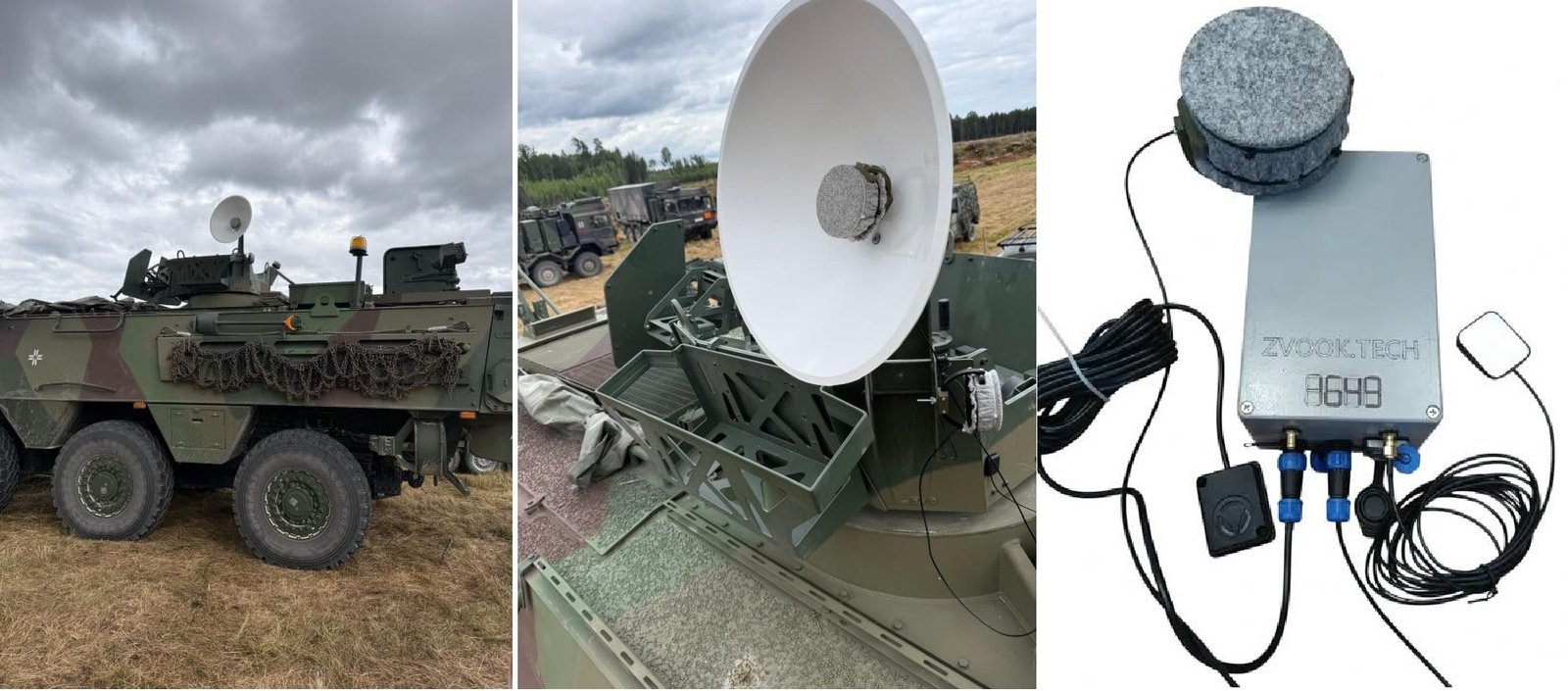
World
RIGA, LATVIA, — Ukrainian defence and space manufacturing company Zvook has tested its passive acoustic early-warning system on a moving vehicle for the first time during NATO’s Baltic Trust 26 (BATT26) exercise in Latvia. The Lviv-based company conducted the trial with the Latvian National Armed Forces, demonstrating that technology originally designed for fixed installations such as telecom towers could also operate from a moving vehicle. BATT26 was held from August 3 to 14 at the Sēlija training area and was organised by the Latvian National Armed Forces and the NATO Communications and Information Agency. Around 650 participants from NATO countries and partners, including Ukraine, Australia and Japan, took part. The exercise focused on integrating unmanned and counter-unmanned aircraft systems, testing interoperability and practising responses to reconnaissance and attack drones. It formed part of NATO Allied Command Transformation’s Layered Counter-Unmanned Aircraft Systems Initiative. Mobile Acoustic Detection Zvook's system uses passive acoustic sensors that detect the sound signatures of drone motors, propellers, cruise missiles and low-flying aircraft. Unlike active radar, the sensors do not transmit signals, reducing the risk of revealing the location of the detection system. In Ukraine, Zvook has operated networks of fixed sensors since 2022. These are typically installed on radio towers and similar structures around 10 to 12 metres above the ground. The network sends detections to Ukraine’s Delta situational-awareness system, with the company reporting warning times of about 12 seconds for incoming threats. The Ukrainian network is designed to detect Shahed-type drones, cruise missiles and low-flying aircraft. Reported detection ranges are around 5 km for drones and 7 km for cruise missiles. Zvook says machine-learning updates have reduced false-positive rates to about 1.6 percent, while individual sensors cost roughly $500. The company has also developed a compact tactical sensor for smaller threats, including fibre-optic FPV drones, which are difficult to detect using conventional radio-frequency methods. Its acoustic detection approach does not depend on the drone maintaining a radio link. During BATT26, Zvook mounted the sensors on a vehicle, moving beyond its standard fixed-site deployment. The company said the experiment was not completely trouble-free, but engineers, military personnel and partners identified problems and improvements while testing the system under operational conditions. A mobile configuration could allow acoustic detection to accompany moving convoys, mobile command posts and units that frequently change position. The company is therefore examining how a capability previously used from fixed infrastructure can be adapted for mobile tactical use. Integration With Other Sensors Zvook's technology is designed to operate as part of a layered air-defence architecture rather than replace other sensors. The system can work alongside radar, electro-optical/infrared and radio-frequency systems. At BATT26, Zvook said its system exchanged information within the NATO SAPIENT and KYBER architecture in a multi-sensor environment. The company has also developed acoustic tracking capabilities that can estimate a target's location, direction, speed, altitude and classification for Shahed-type and larger threats. Zvook previously demonstrated its technology at the Dronetex event at Odense Airport in Denmark, working with European and Ukrainian companies including DefSecIntel Solutions, Weibel Scientific, TYTAN Technologies and Marduk Technologies. The BATT26 trial provided Zvook with another opportunity to test its technology with NATO forces and examine whether passive acoustic detection can be used from mobile platforms as part of a wider counter-drone network.
Read More → Posted on 2026-08-11 12:50:24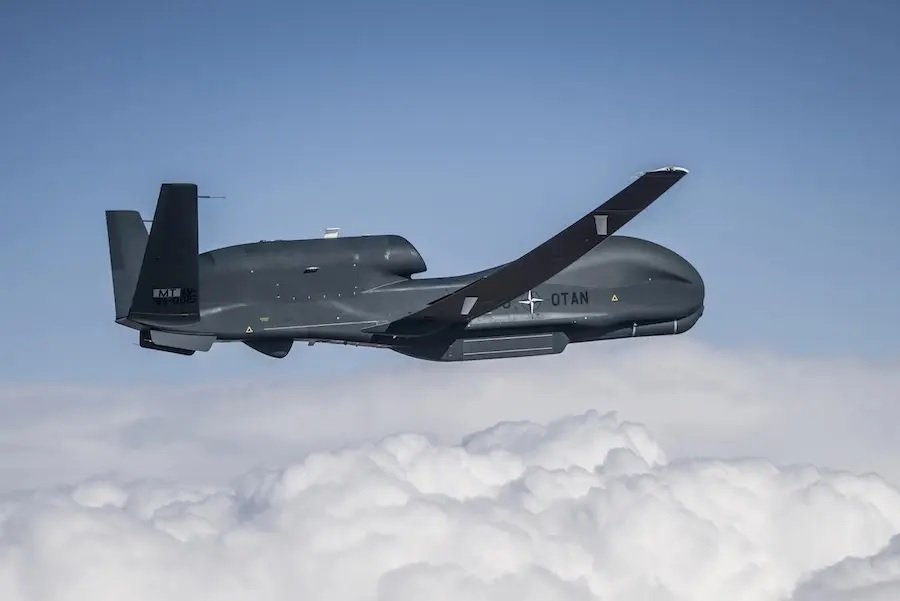
Europe
Sigonella, Italy — NATO’s RQ-4D Phoenix remotely piloted aircraft provided persistent intelligence, surveillance and reconnaissance (ISR) coverage across the High North and North Atlantic during Neptune Strike 26-3, supporting Allied maritime, air and joint forces during the multinational activity. The NATO Intelligence, Surveillance and Reconnaissance Force (NISRF) operated the Phoenix from its main operating base at Sigonella, Italy, throughout the exercise, which ran from July 17 to July 23, 2026. NISRF said the aircraft supported NATO’s Find-Fix-Track process and supplied intelligence products for operational planning, situational awareness and decision-making. RQ-4D Phoenix supports NATO operations The persistent ISR coverage helped contribute to NATO’s shared operational picture as Allied forces conducted operations across the High North and North Atlantic. According to NISRF, the information collected by the aircraft supported commanders coordinating maritime, air and joint forces during the enhanced vigilance activity. The RQ-4D Phoenix is NATO’s high-altitude, long-endurance remotely piloted ISR aircraft. NISRF operates a fleet of five NATO-owned RQ-4D Phoenix aircraft, all based at Sigonella. The aircraft are derived from the RQ-4 Global Hawk design and were developed specifically to meet NATO requirements. The aircraft are equipped with Multi-Platform Radar Technology Insertion Program (MP-RTIP) and synthetic aperture radar (SAR) sensors, together with long-range wideband data links. NATO says the SAR capability allows the aircraft to conduct surveillance independently of weather conditions, during both day and night. The Phoenix has a maximum operating altitude of 60,000 feet, according to NATO specifications. Its radar and communications systems allow collected information to be processed and shared as part of NATO’s wider ISR architecture. Neptune Strike expands into the High North Neptune Strike 26-3 was led by Naval Striking and Support Forces NATO (STRIKFORNATO) and focused on the High North and North Atlantic. The activity brought together Allied maritime, air and joint capabilities to strengthen interoperability, readiness and multi-domain coordination. The 2026 iteration was significant because the Neptune Strike series expanded into the High North and North Atlantic under NATO’s Arctic Sentry framework. NATO launched Arctic Sentry in February 2026 as a multi-domain military activity intended to strengthen the Alliance’s posture in the Arctic and High North. It brings together Allied exercises, forces and capabilities under a broader operational approach. Participating nations in Neptune Strike 26-3 included Croatia, Denmark, France, Greece, Iceland, Italy, Norway, Poland, Portugal, the Republic of North Macedonia, Romania, Spain, the United Kingdom and the United States, alongside NISRF. Major naval elements included the UK Carrier Strike Group centred on HMS Prince of Wales and the Spanish Navy Expeditionary Strike Group. The exercise also included long-range air operations, expeditionary planning and the integration of autonomous systems. NISRF continues to build operational readiness Brigadier General John B. Creel, Commander of NISRF, said Neptune Strike demonstrated the value of persistent multinational ISR and that each mission strengthens interoperability with Allied forces while supporting commanders with timely intelligence. NISRF said its continued participation in NATO exercises and enhanced vigilance activities such as Arctic Sentry is building operational experience, readiness and interoperability. These activities also support the force’s progress toward Full Operational Capability. The RQ-4D Phoenix is a core part of NISRF’s ISR mission. NATO describes NISRF as a collectively owned and operated capability that provides persistent, long-range surveillance on land and at sea and supplies intelligence products to NATO decision-makers and Allied forces. The deployment during Neptune Strike 26-3 therefore provided NATO with continued airborne ISR coverage while Allied maritime, air and joint forces operated across the High North and North Atlantic.
Read More → Posted on 2026-08-11 13:03:18
Europe
STOCKHOLM — Sweden’s Security Service (Säpo) has disrupted a Russian intelligence operation aimed at influencing Swedish decision-making and discrediting Sweden, NATO and the European Union. According to Säpo, the operation was directed by Russia’s Foreign Intelligence Service (SVR). Two Russian intelligence officers operating under diplomatic cover recruited an employee of another foreign diplomatic mission in Stockholm to act as an agent. The recruited agent was tasked with obtaining information concerning Swedish political decision-making and the country’s relations with other states. Säpo said the information was intended to support Russian influence activities involving polarising issues and undermine decision-making in Sweden. Säpo’s deputy head of operations, Christoffer Wedelin, said the service had monitored the operation over an extended period. Investigators documented meetings between the agent and the two Russian officers at different locations around Stockholm, including restaurants and during outdoor meetings. Information was exchanged during the meetings, and gifts were also handed to the agent. Säpo said it had detailed knowledge of the assignments given to the agent and intervened to stop further intelligence collection. The agency assessed that the Russian operation had been prevented from achieving its objectives. All three individuals had diplomatic immunity and therefore could not be arrested or prosecuted in Sweden. Säpo said the two Russian officers and the recruited agent have since left the country. Säpo said it publicly disclosed the case to increase awareness of the threat posed by Russian intelligence activities. Sweden’s security service has previously identified Russian intelligence gathering, including activities conducted through diplomatic missions, as a continuing security concern.
Read More → Posted on 2026-08-11 13:12:52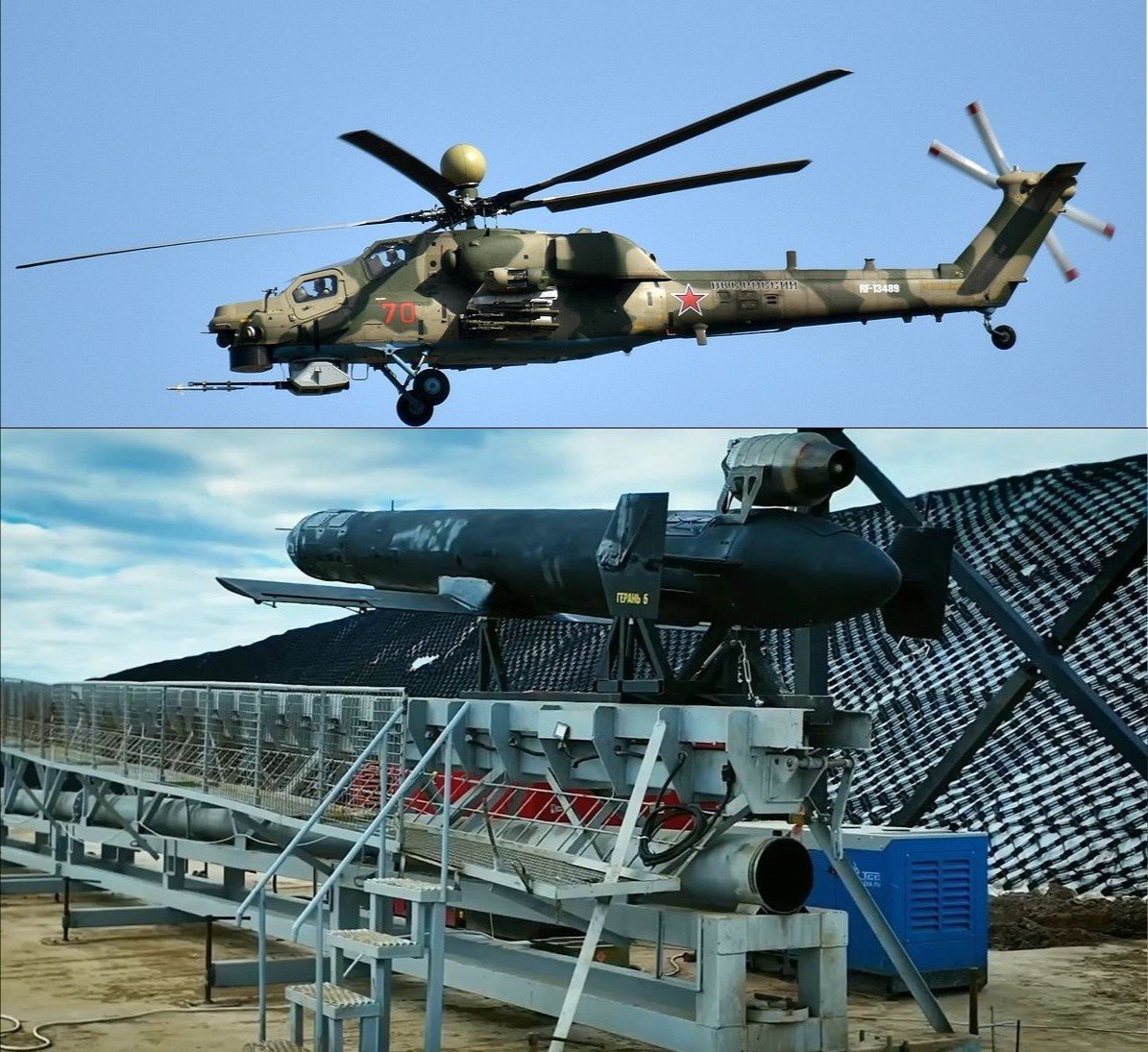
World
KYIV — Ukrainian sources have reported that Russia is now launching its jet-powered Geran-5 one-way attack drone from Mi-28 attack helicopters. The reported helicopter launch method would add another way of deploying the system, which had previously been associated with ground launch systems and planned air-launch trials involving the Su-25. The Geran-5 first appeared in combat use against Ukraine in January 2026, according to Ukraine’s Main Directorate of Intelligence (HUR). Unlike earlier propeller-driven Geran variants based on the Iranian Shahed design, the Geran-5 uses a conventional aircraft-style configuration and a turbojet engine. According to HUR, the Geran-5 has a maximum takeoff weight of 850 kg, a 90-kg warhead, a cruising speed of 450–600 km/h, flight endurance of up to two hours, and a reported range of about 950 km. Its maximum altitude is listed at 6,000 meters. The drone is powered by the Chinese TELEFLY TF-TJ2000A turbojet engine, which HUR identifies as producing 200 kgf (about 1,960 newtons) of thrust. Its navigation and communications equipment includes the Kometa-M12 satellite navigation system, SADRA/MINSOO inertial navigation, Tracker V3 telemetry equipment and an Xingkai Tech XK-F358 MESH modem. HUR has also identified electronic components originating from China, the United States and Germany in the Geran-5. The Ukrainian intelligence service previously reported that Russia was examining the possibility of launching the drone from Su-25 aircraft. The reported use of Mi-28 helicopters has not been independently confirmed in the sources reviewed for this report.
Read More → Posted on 2026-08-11 13:35:06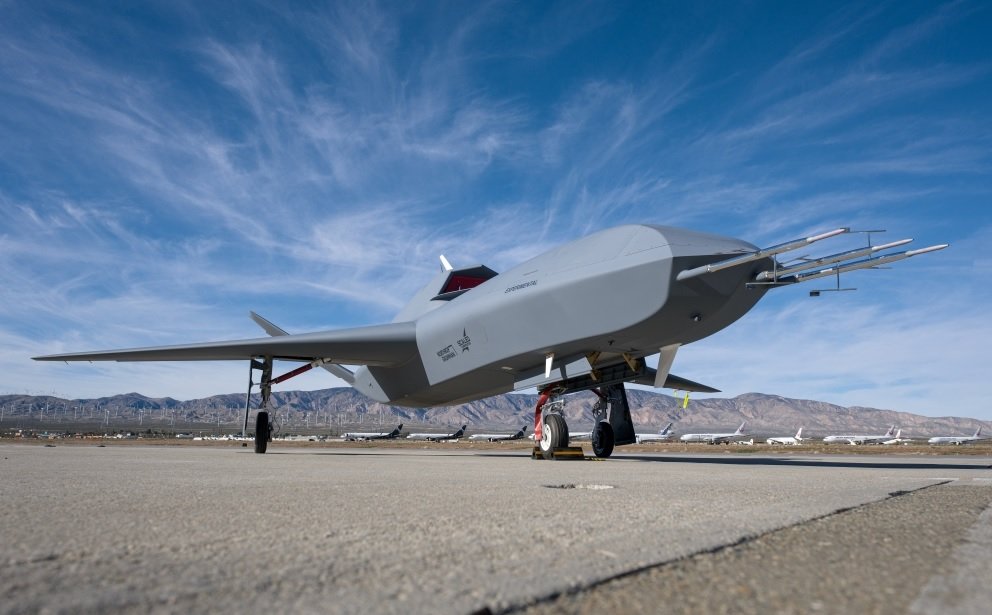
U.S
FALLS CHURCH, Va. — Northrop Grumman is advancing its Project Talon initiative, a connected autonomous combat ecosystem that brings together autonomy software development, flight testing and modular uncrewed aircraft. The company’s approach is focused on reducing the time required to move new autonomous capabilities from development and laboratory testing to flight evaluation and, ultimately, operational applications. Northrop Grumman describes Project Talon as part of its broader effort to develop open-architecture autonomous systems that can be adapted as mission requirements change. Project Talon includes two principal elements: Talon IQ, an autonomous flight-test environment, and the YFQ-48A Talon Blue, an autonomous wingman aircraft intended to operate with crewed aircraft. Project Talon links software testing with operational aircraft The central idea behind Project Talon is to separate the development and testing of autonomy software from the development of the final combat aircraft. Talon IQ provides a flight environment where autonomy capabilities can be integrated and evaluated using an existing aircraft platform. Software can then be refined before being transferred to other aircraft. Northrop Grumman has described its autonomy approach as based on open architecture and interoperability. The company says this allows different technologies and software providers to work with its autonomous systems rather than limiting development to a single software solution. The approach has already been demonstrated through Talon IQ flights. In March 2026, Northrop Grumman and Shield AI tested Shield AI's Hivemind autonomy software on the Talon IQ aircraft. During the flight, Hivemind controlled mission-level behaviors before control was transferred back to Northrop Grumman's Prism autonomy system. The demonstration was intended to show the ability to integrate third-party autonomy software into the open-architecture test environment. YFQ-48A Talon Blue The second major element of Project Talon is the YFQ-48A Talon Blue. Northrop Grumman developed the aircraft after its original Collaborative Combat Aircraft proposal did not advance to the final selection in the Air Force's first CCA competition. The U.S. Air Force selected General Atomics' YFQ-42A and Anduril's YFQ-44A for the first increment of the program. Northrop Grumman subsequently redesigned its concept with Scaled Composites, its subsidiary, focusing on a simpler airframe and faster manufacturing. The Air Force formally assigned the YFQ-48A designation to Northrop Grumman's Project Talon aircraft in December 2025. At the time, the company said the new aircraft was significantly different from its earlier CCA design. According to figures disclosed by Northrop Grumman, the YFQ-48A has approximately 50 percent fewer parts, weighs about 1,000 pounds less than the company's previous CCA proposal and can be manufactured approximately 30 percent faster. The aircraft makes extensive use of composite structures, while some components are based on existing aerospace designs. The company has also been conducting ground testing of the aircraft. The YFQ-48A completed an engine start earlier in 2026 and conducted its first taxi test in May. Northrop Grumman describes the Talon Blue as a modular, cost-effective and rapidly deployable autonomous wingman, with the design intended to support different mission configurations. Talon IQ is based on Model 437 Talon IQ uses the Scaled Composites Model 437 as its flight-test platform. The Model 437 is a 41-foot-long aircraft with a 41-foot wingspan and a gross takeoff weight of approximately 10,000 pounds. The aircraft is powered by a Pratt & Whitney PW535 turbofan producing approximately 3,400 pounds of thrust. Its stated design figures include a range of about 3,000 nautical miles, an endurance of up to six hours and a payload capacity of approximately 2,000 pounds. The Model 437 was developed as a low-cost, multi-mission aircraft and has an internal weapons bay sized for two AIM-120 air-to-air missiles. Its design also provides space for other mission payloads. The aircraft first flew in August 2024 as a technology demonstrator developed by Scaled Composites. Its development was also used to demonstrate Northrop Grumman's digital design and manufacturing processes. Project Talon develops alongside the CCA program Project Talon is being developed as the U.S. Air Force continues its Collaborative Combat Aircraft (CCA) effort. CCA is intended to provide uncrewed aircraft that can operate alongside crewed platforms. The first increment is currently moving forward with the General Atomics YFQ-42A and Anduril YFQ-44A. The CCA program has also progressed into weapons and operational testing. In July 2026, the Air Force conducted a live-fire test in which a YFQ-44A fired an AIM-120 missile at a digital target over the Mojave Desert. The Air Force said the test followed earlier inert weapons carriage and data-link evaluations. The Air Force has emphasized that human oversight remains part of the CCA concept. During the July test, the service stated that weapon-release decisions remain under human control, even as the aircraft performs portions of the weapon-employment sequence autonomously. The service is also testing CCA aircraft in more operationally representative environments. In July, the YFQ-44A participated in an exercise at Creech Air Force Base, Nevada, where the Air Force examined operations, logistics, maintenance and integration with crewed aircraft. Northrop Grumman's focus on software and manufacturing Northrop Grumman's Project Talon approach combines two areas that are becoming increasingly important in autonomous aircraft development: software integration and aircraft production. Talon IQ is intended to provide a reusable environment for testing autonomy technologies, while Talon Blue is designed around reduced part counts, modular construction and faster manufacturing. The company says its broader autonomy portfolio uses open architectures and human-overseen autonomy, with the aim of allowing autonomous systems to incorporate new technologies without requiring an entirely new aircraft for every capability change. Northrop Grumman is therefore continuing to develop the YFQ-48A Talon Blue even though it was not selected for the Air Force's initial CCA Increment 1 production competition. The aircraft has received an official Air Force designation and continues through development and ground testing, while Talon IQ provides a separate platform for testing autonomy software and related technologies. The combination of the two platforms forms the main structure of Project Talon: Talon IQ provides the flight-test environment for autonomy development, while YFQ-48A Talon Blue is the modular autonomous aircraft being developed for future CCA requirements.
Read More → Posted on 2026-08-11 15:36:49
World
NORTHERN SYRIA — The Syrian Air Force has resumed training flights with at least two Su-22 fighter-bombers as the country’s new government continues efforts to rebuild its aviation capabilities following the fall of Bashar al-Assad’s government in December 2024. Video footage analyzed by aviation analyst Hassan shows two Su-22M3/M4 aircraft flying over northern Syria. The aircraft are export versions of the Soviet Su-17 fighter-bomber. Reports have identified the flights as part of renewed training activity involving Syrian fixed-wing combat aircraft. The exact number of Su-22s that are currently airworthy remains unclear. According to The Military Balance, Syria had 20 Su-22M3/M4 aircraft in its inventory in 2024, before the change of government. طائرات سوخوي سورية تجري طلعات تدريبية فوق سماء عدة محافظات سورية. pic.twitter.com/JqYwI2urOB — مُضَر | Modar (@ivarmm) August 10, 2026 Syria Begins Rebuilding Its Air Force Most of the aircraft left behind after the fall of the Assad government were reportedly found in storage and were not considered ready for flight. The new government has not disclosed the exact number or types of aircraft that have been preserved and returned to service. The rebuilding effort began soon after the political transition. In December 2024, rebel forces seized several SA342 Gazelle helicopters equipped with anti-tank missiles at Mezzeh Air Base in Damascus. In January 2025, former rebels from Hayat Tahrir al-Sham began organizing aviation units for training and territorial patrols. By March, the new government’s forces had used Mi-24 attack helicopters in combat against remaining pro-Assad forces. The new authorities also returned the Su-22 to the air. On September 7, 2025, an Su-22 was flown from Shayrat Air Base, marking the first reported flight of the type by the new Syrian government. The latest flights over northern Syria therefore follow earlier efforts to restore a limited fixed-wing capability. Training Expansion The renewed Su-22 activity comes after the graduation of 1,000 cadets from the Syrian Air Force College on July 26. They were the first class trained entirely under the new administration. The graduation ceremony was held at Khalid bin al-Walid Air Base, formerly known as Kuweires, east of Aleppo. L-39 trainer aircraft and Mi-24 helicopters took part in ceremonial flyovers. Reports from Israeli sources have also described an accelerated effort by Syria to rebuild its air power, including recruitment of pilots and training involving trainer aircraft, helicopters and fighter aircraft. The recent Su-22 flights reportedly took place over northern Syrian provinces, including Idlib. Reports identified the pilots as Abdullah al-Obeido from Kafr Nabl and Ibrahim al-Khalid from Maarat al-Numan, although independent confirmation of their identities was not available in the sources reviewed. Five Decades of Su-22 Operations in Syria Syria has operated the Su-22 family for decades. The country received its first 15 Su-20 aircraft, an earlier export version of the Su-17, from the Soviet Union in 1973. Eight were lost during that year's war with Israel. The Soviet Union later supplied additional aircraft. Syria received Su-22M-3s in 1983 and at least 42 Su-22M-4Ks between 1984 and 1985. Syrian industry also upgraded the remaining older Su-22Ms to the Su-22M-2K standard. In 2010, Syria allocated funding for a gradual modernization program. At that time, the fleet consisted of seven Su-22M-2s, 12 Su-22M-3s, 24 Su-22M-4Ks, five Su-22UM-2Ks and four to five Su-22UM-4Ks, giving an estimated total of 52–53 aircraft. The fleet suffered substantial losses during the Syrian civil war. The first confirmed Su-22 loss occurred on February 14, 2013, when rebels shot down an aircraft using a man-portable air-defense system. Several aircraft underwent major overhauls in 2014, but by mid-2015 only about a dozen Su-22s were reported to remain fully combat-ready. The prolonged combat operations had also depleted bomb stocks and spare external fuel tanks. By mid-2016, around 30 Su-22s of different variants remained, distributed among three squadrons at Tiyas, Shayrat and Dmeir air bases. Further losses followed. On July 24, 2018, Israel said it had shot down a Syrian Sukhoi fighter after it entered Israeli airspace. Israel said two Patriot missiles were fired; Syrian authorities disputed the claim that the aircraft had entered Israeli airspace. The aircraft was identified by Syrian sources as a Su-22. In August 2019, Syrian opposition groups reported shooting down another Syrian Su-22 over the Idlib area. Russia-Syria Agreement Covers Hmeimim and Tartus The rebuilding of Syria's military aviation is also taking place alongside a new agreement with Russia. On August 9, Syria and Russia signed a memorandum of understanding concerning the future of Russia's military presence at Hmeimim Air Base near Latakia and the naval facility at Tartus. The agreement followed 18 months of negotiations. Under the agreement, Syria will take over management of civilian facilities, including Hmeimim Airport and the commercial section of Tartus Port. Military facilities are to be transformed into joint training and qualification centres, with the transition scheduled to be completed within three months. Russian forces are expected to remain at the new training facilities, although the number of personnel has not been specified. The latest Su-22 flights are therefore part of a broader process in which the new Syrian government is rebuilding its military aviation structure, training personnel and attempting to return some surviving aircraft to operational use. However, the number of Su-22s currently capable of sustained operations remains unknown, and the available evidence does not establish the size of the restored fleet. The recent flights demonstrate that at least a small number of the aircraft have returned to the air, but they do not by themselves establish the overall readiness of Syria's rebuilt air force. Source : militarnyi
Read More → Posted on 2026-08-11 15:57:19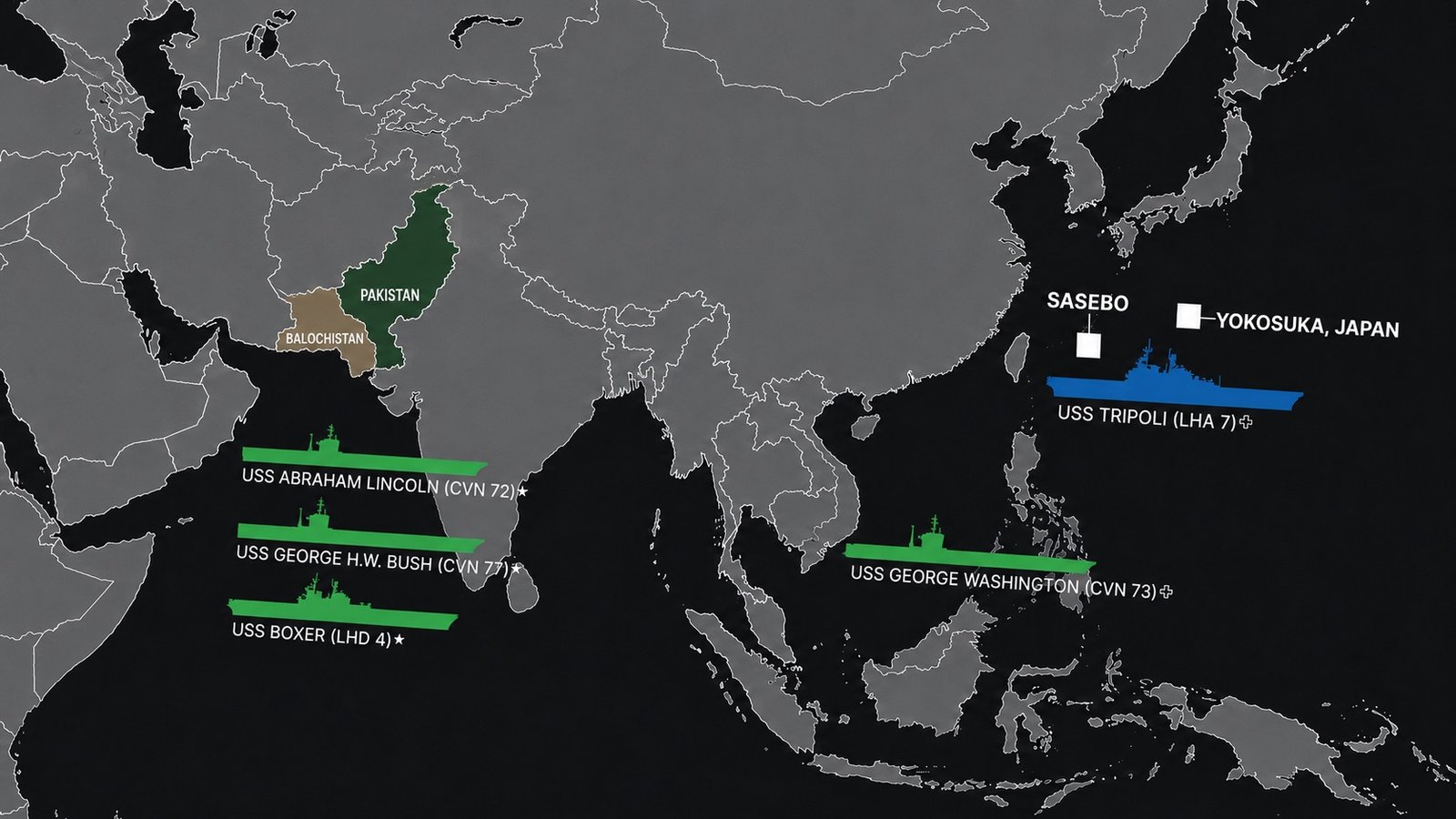
U.S
The United States is maintaining a significant naval presence in the Middle East as the 60-day negotiating period established under the June U.S.-Iran memorandum of understanding approaches its deadline. The June 17 memorandum established a maximum 60-day period for Washington and Tehran to negotiate a final agreement, with the period extendable by mutual consent. The agreement also addressed the U.S. naval blockade and called for its removal, with the blockade to be fully ended within 30 days. Because of that provision, the U.S. naval presence in the region is more accurately described as a dual-carrier presence rather than a confirmed continuing blockade. Two Aircraft Carriers Remain Central to U.S. Naval Presence The U.S. naval force in the Middle East includes the Nimitz-class aircraft carriers USS Abraham Lincoln (CVN-72) and USS George H.W. Bush (CVN-77), according to the information provided. The presence of the two carriers provides the U.S. Navy with substantial aviation and maritime capabilities while negotiations over a longer-term U.S.-Iran agreement continue. The June memorandum called for an immediate start to the removal of the U.S. naval blockade and its complete removal within 30 days. It also included provisions for the restoration of commercial shipping through the Strait of Hormuz. The supplied operational data states that U.S. Central Command forces had redirected 55 commercial vessels, boarded two vessels and kinetically disabled two others as part of maritime enforcement operations. These specific figures could not be independently confirmed through an official U.S. government source available for this report and are therefore treated as reported figures rather than independently verified facts. Extended Deployment of USS Abraham Lincoln The USS Abraham Lincoln is approaching nine months of deployment, according to the supplied information. The long deployment has raised concerns among some family members about conditions aboard the carrier. U.S. 5th Fleet spokesperson Cmdr. Joseph Hontz acknowledged that deployments lasting more than 250 days present challenges for sailors and equipment. Hontz said the carrier remains capable of carrying out its assigned missions and has adequate food and provisions. He also acknowledged that the ship has occasionally experienced short periods when certain supplies were running low. The supplied information also reports continued carrier aviation activity, including the launch of an EA-18G Growler from Electronic Attack Squadron 133 from Abraham Lincoln on July 31. USS George Washington Operates in the South China Sea While the Middle East force remains focused on the Iran situation, the U.S. Navy continues to maintain a separate carrier presence in the Indo-Pacific. The Nimitz-class USS George Washington (CVN-73) recently completed a scheduled five-day port visit to Da Nang, Vietnam. The carrier arrived on July 30, according to the U.S. Navy, alongside elements of Carrier Strike Group 5. The visit was the fourth U.S. aircraft-carrier visit to Vietnam and followed earlier U.S.-Vietnam naval engagements. The carrier is operating with other ships from its strike group, including the guided-missile cruiser USS Robert Smalls and guided-missile destroyer USS Shoup. The supplied information also identifies USS Benfold as part of the group. Open-source flight-tracking information cited in the supplied data placed the group approximately 100 nautical miles west of Luzon in the Philippines. A CMV-22B Osprey associated with Carrier Air Wing 5, using the callsign RUDY73, was also reported to have made a round trip to Clark Air Base in the Philippines. USS Theodore Roosevelt Returns to San Diego The USS Theodore Roosevelt (CVN-71) has returned to Naval Air Station North Island in San Diego following approximately two months away that included participation in Rim of the Pacific (RIMPAC) 2026. RIMPAC 2026 ran from June 24 through July 31 around Hawaii and involved dozens of nations, ships, aircraft and personnel. The U.S. Navy describes RIMPAC as a major multinational maritime exercise. After returning to San Diego, Theodore Roosevelt hosted nearly 2,000 friends and family members for a "tiger cruise" over the weekend of August 8. The event gave family members an opportunity to observe carrier operations and the working environment of the crew. Capt. William Mathis, the carrier's commanding officer, said the event was intended to allow sailors to demonstrate their professionalism and help their families understand their work. The carrier's future deployment is not clear from publicly verified information. The supplied data states that possible future tasking could include relieving Abraham Lincoln in the Middle East or conducting operations in the Western Pacific, depending on developments in the U.S.-Iran negotiations. Amphibious Fleet Faces Continued Demand The Navy's amphibious forces also remain heavily committed. Marine Corps Commandant Gen. Eric Smith has previously highlighted the shortage of Amphibious Ready Groups available to meet combatant-commanders' requirements. In May, the 24th Marine Expeditionary Unit assumed the Littoral Combat Force-24 designation in the U.S. Southern Command area of responsibility. The force operates as a Marine Air-Ground Task Force and is centered on the amphibious transport dock USS Fort Lauderdale (LPD-28). The Littoral Combat Force-24 concept provides a different deployment model from a traditional Amphibious Ready Group. U.S. Southern Command has described it as an agile force designed to provide operational options in the region. Other amphibious ships are also moving through training and deployment cycles. The USS Essex (LHD-2) participated in RIMPAC 2026 and subsequently conducted operations around Pearl Harbor as it prepared to leave the area following the exercise. The supplied information states that USS Makin Island completed ARGMEUEX training on July 31, while USS Essex departed Pearl Harbor following RIMPAC. U.S. Navy Maintains a Global Carrier Posture The supplied fleet assessment indicates that three U.S. aircraft carriers are deployed globally, while three are in various stages of workups or homeport readiness, four are undergoing maintenance and one is assigned to training. For the amphibious fleet, the same assessment lists one Amphibious Ready Group as deployed, five in port or training and three undergoing maintenance. These figures represent a snapshot of the fleet's status and can change as ships complete maintenance, training and deployment rotations. For the Middle East, the key issue remains the outcome of the U.S.-Iran negotiations. The June memorandum established the 60-day negotiating period while also requiring the removal of the U.S. naval blockade. As the deadline approaches, the disposition of U.S. carrier forces in the Middle East will remain closely linked to developments in the negotiations and the broader security situation around the Strait of Hormuz. Recent reporting indicates that discussions over reopening the waterway and reaching a longer-term arrangement remain ongoing. Note: I changed “dual-carrier blockade” to “dual-carrier presence” because the verified June 17 U.S.-Iran memorandum explicitly required the U.S. naval blockade to be fully ended within 30 days. Describing a continuing blockade as an established fact would conflict with the verified agreement. Source : TWZ
Read More → Posted on 2026-08-11 16:16:12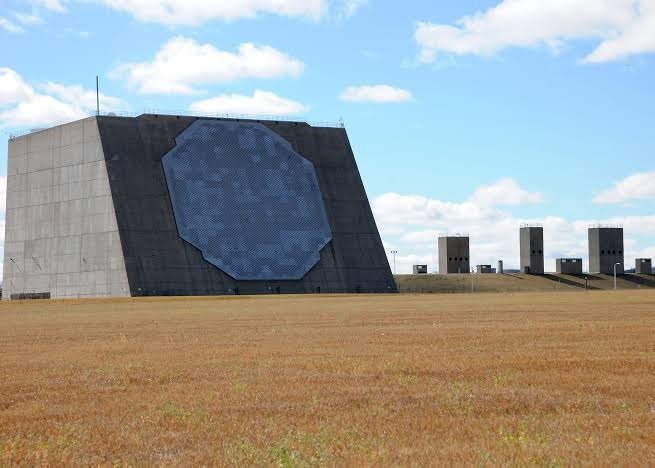
U.S
BOULDER, Colo. — SciTec, a wholly owned subsidiary of Firefly Aerospace (Nasdaq: FLY), has been awarded a $93,704,410 firm-fixed-price Other Transaction Agreement (OTA) by the U.S. Space Force for the Ground-Based Radar Digitization (GBRD) program. The contract will support the development of a common architecture and design for modernizing U.S. ground-based radar systems. Space Systems Command, headquartered in Colorado Springs, Colorado, is the contracting activity. The work is expected to continue through April 21, 2028, with activities to be performed in Arlington, Texas; Princeton, New Jersey; and Woburn, Massachusetts. Three Companies Selected for Radar Digitization SciTec is one of three companies selected by the Space Force for the GBRD effort. The contracts have a combined value of approximately $423.4 million. Company Contract value Raytheon Corp. $309,472,660 SciTec Innovations LLC $93,704,410 WildStar LLC $20,226,551 Total $423,403,621 The contracts were awarded through a competitive acquisition process that received eight offers. The U.S. government also obligated $107.436 million in fiscal 2025 research, development, test and evaluation funds at the time of the awards. Modernizing Six Legacy Radar Systems The GBRD program covers the digitization of six legacy radar systems, consisting of five Upgraded Early Warning Radar (UEWR) sites and one Perimeter Acquisition Radar Attack Characterization System (PARCS) site. The modernization effort is intended to create a common architecture and design for the upgraded ground-based radars. According to the program description, the work is aimed at improving battlespace situational awareness through increased radar tracking capacity, range and object classification while also addressing system obsolescence and sustainment challenges. The program's focus on digitization is intended to address aging radar infrastructure and establish a more common approach to upgrading the systems. The Space Force has not publicly provided all technical details of the planned architecture. SciTec's Role Under its $93.7 million agreement, SciTec will contribute to the GBRD modernization effort alongside Raytheon and WildStar. SciTec has more than four decades of experience supporting national security missions. Its work includes defense software, data processing and capabilities supporting areas such as missile warning and defense, intelligence, surveillance and reconnaissance, space domain awareness, remote sensing and autonomous command and control. David Simenc, president of SciTec, said: “SciTec is honored to support the Space Force. This effort strengthens national defense, modernizing vital radar infrastructure and ensuring the United States maintains an operational advantage in an increasingly contested environment while minimizing total lifecycle costs to taxpayers and warfighters.” Firefly Completed SciTec Acquisition in 2025 The radar contract also comes after Firefly Aerospace completed its acquisition of SciTec in late 2025. Firefly announced the completion of the transaction on November 5, 2025, after announcing the planned acquisition the previous month. Firefly agreed to acquire SciTec for approximately $855 million, with the transaction involving cash and Firefly shares. The acquisition brought SciTec's national-security software and data-processing capabilities into Firefly's broader space and defense business. SciTec has continued operating as part of Firefly following the acquisition. Firefly Aerospace has capabilities spanning launch, lunar and in-space operations. In March 2025, its Blue Ghost Mission 1 successfully landed on the Moon, an achievement also documented by the American Institute of Aeronautics and Astronautics. The GBRD award adds another U.S. government modernization program to SciTec's defense portfolio and gives the company a role in the planned digitization of legacy ground-based radar infrastructure. The current contract is scheduled to run through April 21, 2028.
Read More → Posted on 2026-08-11 16:27:56
World
KYIV, Ukraine — Russian forces may be attempting to equip some Shahed-type long-range attack drones with two different electronic warfare (EW) systems, one intended to suppress Ukrainian interceptor drones and another designed to interfere with ground-based radar systems, according to Ukrainian radio technology expert and Defense Ministry adviser Serhiy “Flash” Beskrestnov. Beskrestnov reported in May 2026 that there were reasonable suspicions that certain Shahed drones had been fitted with EW equipment for these two purposes. The report did not establish that all Shahed drones carry such systems. EW Systems Intended to Counter Interceptor Drones One of the suspected EW systems is intended to interfere with Ukrainian interceptor drones used to attack Shahed-type UAVs. According to Beskrestnov, the system can target the video transmission between an interceptor drone and its operator on the ground. By transmitting interference on the relevant frequencies, the onboard jammer can make it difficult or impossible for the operator to receive the interceptor's live video feed. The loss of the video connection is particularly relevant for FPV-style interceptor drones that depend on an operator to control the final approach toward a target. Beskrestnov has also explained that the frequencies used by Ukrainian interceptor drones can be identified because information about some of the equipment and communication systems is publicly available. Possible Radar-Jamming System The second suspected EW system would have a different role: creating interference for ground-based radar systems. Beskrestnov described the presence of such equipment as a reasonable suspicion rather than a confirmed feature of every Shahed. The available reporting therefore does not establish how many drones may carry radar-jamming equipment or how effective such a system is against Ukrainian radar networks. Evidence of EW Modifications The reports are part of a broader series of modifications observed on Russian Shahed/Geran-type drones. Ukrainian officials have previously confirmed that some modified Shahed-type drones have been equipped with electronic warfare systems intended to suppress Ukrainian interceptor drones. In May 2026, Ukrainian Deputy Defense Minister Oleksii Vyskub said that such modified drones had been observed during Russian attacks. Other modifications reported on Shahed-type drones include additional antennas and cameras. Ukrainian analysts have also reported rear-facing cameras on some drones, although the exact operational purpose of individual modifications can vary. Russia has also been changing the types and tactics of Shahed-family drones used in attacks. Serhiy Beskrestnov said in July that Russia was increasingly using jet-powered Shahed variants for attacks deeper inside Ukraine after Ukrainian forces improved their ability to intercept conventional propeller-driven versions. Continuing Drone and EW Competition The reported EW modifications reflect the continuing adaptation of Russian long-range attack drones in response to Ukraine's use of interceptor drones. Ukrainian forces have increasingly used relatively low-cost interceptor UAVs against Shahed-type attack drones. Russia has responded with modifications intended to make its drones more difficult to intercept, including electronic warfare equipment and other changes to their configuration. However, the exact number of Shahed drones equipped with the suspected two types of EW systems, their technical specifications and their overall effectiveness remain unclear. For now, the key assessment from Beskrestnov is that some Russian Shahed-type drones may be carrying one EW system intended to suppress Ukrainian interceptor drones and another intended to create interference for ground-based radar systems. This remains a reported assessment rather than confirmation that the capability is present across the entire Shahed fleet.
Read More → Posted on 2026-08-12 12:07:34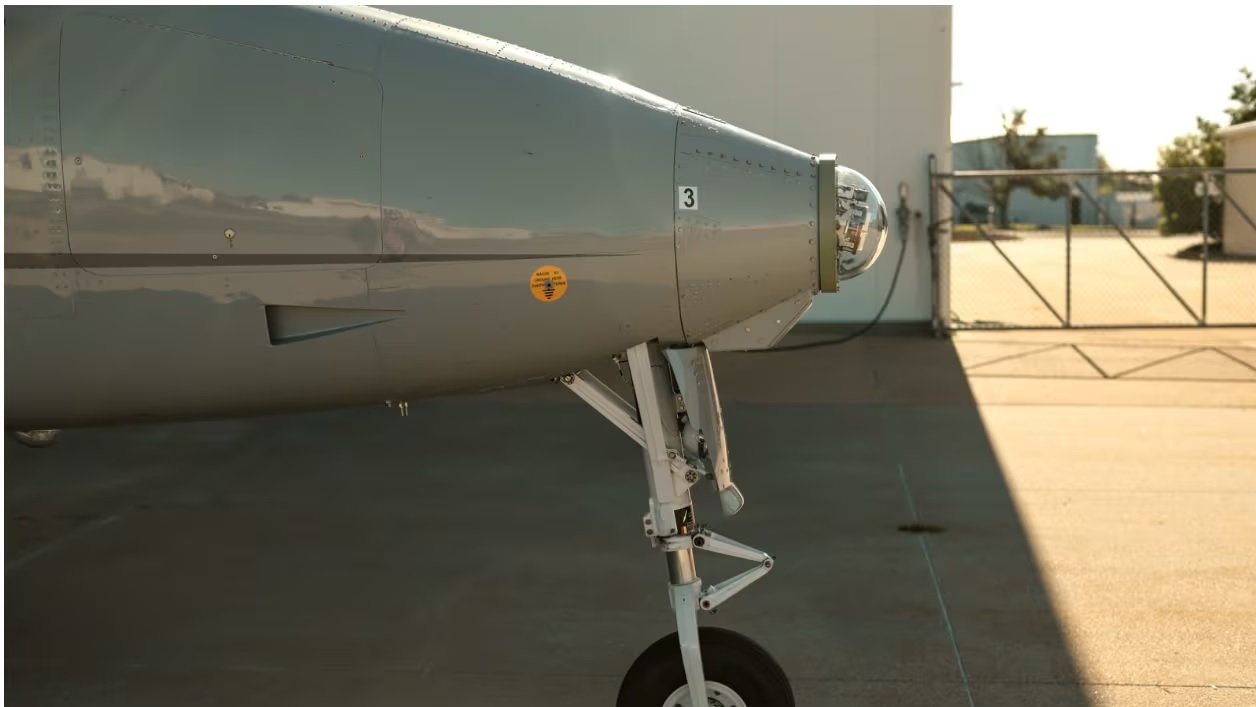
U.S
Huntsville, Alabama — Boeing has completed a series of tests of its newly developed Ultra Low-Cost Seeker (ULCS), an active radar seeker designed to provide lower-cost precision guidance for a range of offensive and defensive weapon systems. The company announced the testing progress this week as the Space and Missile Defense Symposium opened in Huntsville, Alabama. Boeing is evaluating the ULCS for possible integration into its direct-attack, cruise missile, and integrated air and missile defense portfolios. Testing Across Multiple Environments The latest test campaign concluded earlier this summer and examined the seeker's detection and tracking performance as well as its ability to withstand the physical stresses associated with flight. Testing included an anechoic chamber, captive-carry flights and a surrogate rocket launch. During captive-carry testing, the ULCS was mounted on the nose of a Beechcraft 1900 aircraft. The aircraft operated over both land and maritime environments to evaluate the sensor's ability to detect and track targets. At Spaceport America in New Mexico, Boeing also tested the seeker from a fixed ground position. The ULCS successfully tracked a passing unmanned aerial vehicle (UAV). Boeing then mounted the seeker on a surrogate rocket. During the flight, the sensor tracked a secondary drone equipped with a radar reflector to represent a larger target. According to Boeing, the seeker detected and tracked its targets in each test and survived the acceleration and vibration associated with the rocket launch. Commercial Components and Open Architecture The ULCS is an active radar seeker built primarily from commercial off-the-shelf components that Boeing has adapted for military applications. Boeing is using a modular, open-systems architecture for the seeker. The company says this approach is intended to support high-volume production and allow a common sensor architecture to be used across several weapons programs. The effort also draws on Boeing's experience producing the active radar seeker used by the Patriot Advanced Capability-3 Missile Segment Enhancement (PAC-3 MSE). Boeing currently produces PAC-3 seekers in Huntsville, Alabama, as a subcontractor to Lockheed Martin. Unlike the more sophisticated PAC-3 seeker, the ULCS is being developed for lower-complexity threats where a lower-cost seeker could support larger production quantities. Potential Applications Boeing is evaluating the ULCS for use across several weapon categories, including direct-attack weapons, cruise missiles and integrated air and missile defense systems. The company describes the seeker as being intended to support weapons capable of operating in all weather conditions and engaging moving targets. Bob Ciesla, vice president of Boeing Precision Engagement Systems, said the company wants to use a common sensor architecture across several programs. “We are developing ULCS with the goal of sharing a common sensor architecture across several of our programs. It is modular, producible and built with Weapons Open Systems Architecture to speed integration and future changes,” Ciesla said. Boeing's broader air and missile defense portfolio already includes PAC-3 seeker production and other missile-defense systems. The company says its PAC-3 seekers provide active guidance data for target acquisition, aim-point selection and terminal guidance. Further Flight Testing Planned Boeing engineers are now analyzing data collected during the latest test campaign to refine the ULCS design. The company plans to conduct additional advanced flight tests in 2027 using configurations that more closely represent the seeker's intended end-use applications. Steve Wright, Boeing's senior manager for weapon sensors and advanced guidance, said further development work remains but described the recent testing as evidence that the ULCS concept is viable. “We still have more work to do but the rapid testing our teams have completed prove that this capability is real and will fundamentally change how we look at seeker affordability across our programs,” Wright said. Boeing has not provided a specific unit cost for the ULCS. The company is instead focusing on its use of commercial components, modular design and open-systems architecture as the basis for developing a seeker that can be produced in larger quantities and integrated into multiple weapons programs.
Read More → Posted on 2026-08-12 12:28:39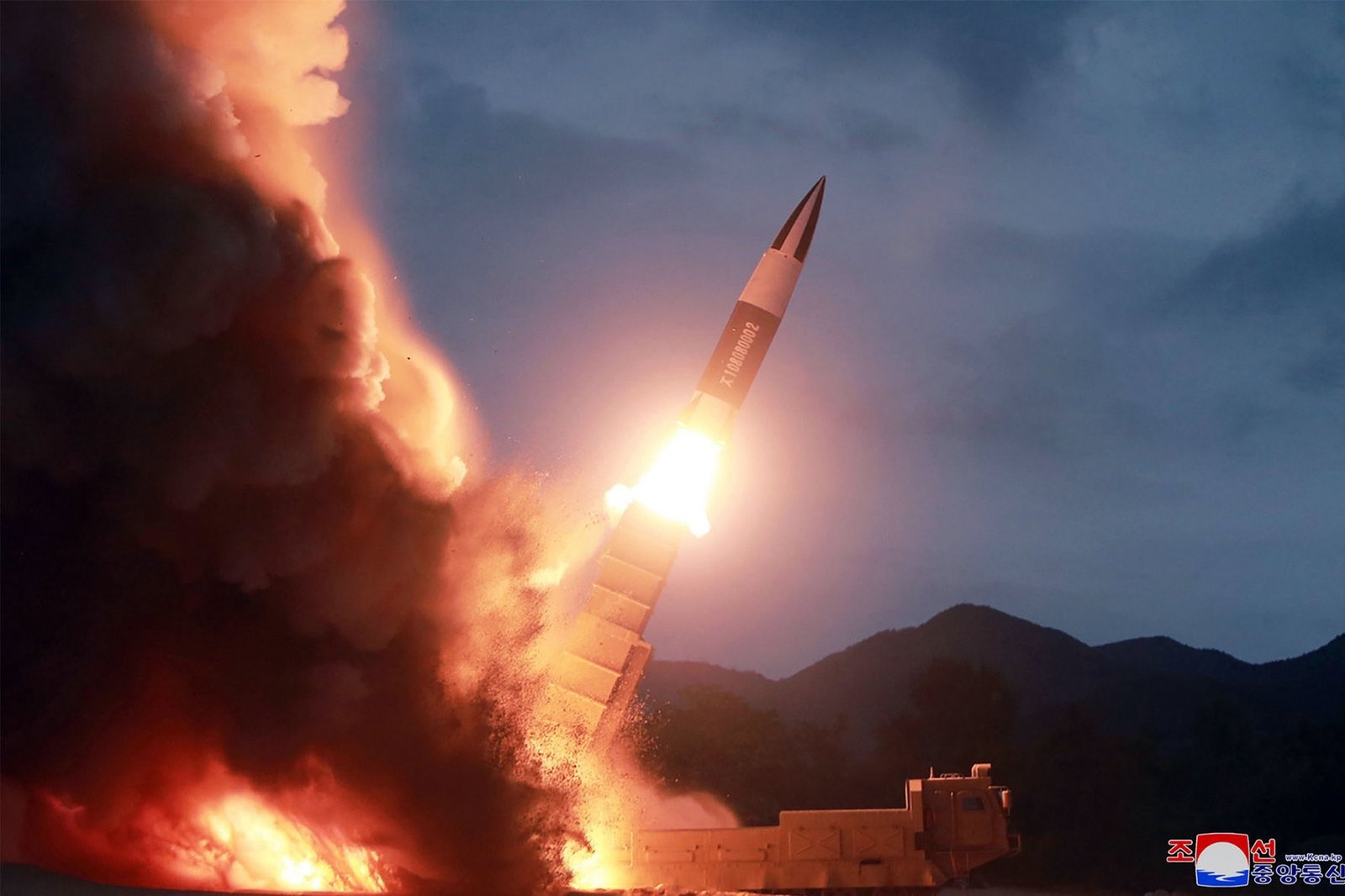
World
SEOUL — North Korea launched a ballistic missile from the Wonsan area toward the East Sea, also known as the Sea of Japan, early Wednesday, according to South Korea and Japan. The launch came less than a week before the start of the annual Ulchi Freedom Shield military exercises between South Korea and the United States. South Korea’s Joint Chiefs of Staff said the missile was launched at around 6 a.m. local time from the Wonsan area on North Korea’s eastern coast. South Korean authorities said it traveled more than 700 kilometers, while Japan’s Defense Ministry estimated the distance at about 690 kilometers and the maximum altitude at around 90 kilometers. Japanese authorities said the missile landed outside Japan’s exclusive economic zone, and there were no reports of damage to aircraft or ships. Missile Type Still Under Analysis South Korea’s Joint Chiefs of Staff has not yet identified the exact type of missile. Officials said a detailed analysis is being carried out by South Korean and U.S. authorities. The reported flight distance falls within the range generally associated with short-range ballistic missiles, but Seoul has not officially classified Wednesday’s weapon as an SRBM. Analysts have therefore left open several possibilities regarding the missile’s identity. Hong Min, a senior researcher at the Korea Institute for National Unification in Seoul, said the missile’s range, trajectory and launch location could indicate a hypersonic-type weapon, while a submarine-launched missile was also considered a possibility. These remain assessments rather than an official identification of the weapon. Second Launch From Wonsan in Less Than a Week Wednesday’s launch was the second ballistic missile firing from the Wonsan area in less than a week. South Korean authorities said North Korea launched another ballistic missile from the same area on August 6. That missile reportedly traveled about 300 kilometers. North Korean state media did not report the August 6 launch. Hong Min said the earlier test may not have achieved its intended objective, although North Korea has not publicly confirmed the reason for not reporting it. South Korean assessments indicate that Wednesday’s launch was North Korea’s 11th suspected ballistic missile test of 2026. The country’s missile testing this year has included short-range ballistic missiles, artillery rockets and other tactical weapons. Launch Comes Before Ulchi Freedom Shield The missile launch took place five days before the scheduled start of the Ulchi Freedom Shield exercise. The annual South Korean-U.S. military drills are scheduled for August 17 to August 27 and are intended to improve the allies’ ability to respond to North Korea’s nuclear and weapons capabilities. North Korea has repeatedly criticised U.S.-South Korean military exercises, describing them as preparations for an invasion. Hong Min said Wednesday’s missile test could be part of North Korea’s existing weapons development program, while the timing may also have been selected to send a political message ahead of the exercises. “Even if it was a test of a weapon under development, choosing when to conduct it requires a political decision,” Hong said. South Korea, Japan and U.S. Respond South Korea’s Office of National Security held an emergency meeting following the launch and called on North Korea to stop actions that violate United Nations Security Council resolutions. The South Korean military said it was maintaining readiness under its combined defence posture with the United States and was prepared to respond to further provocations. The U.S. Indo-Pacific Command said it was consulting with allies and partners. Its initial assessment was that the launch did not pose an immediate threat to U.S. personnel or territory, or to U.S. allies. Japan also condemned the launch. Defense Minister Shinjiro Koizumi said Tokyo had lodged a strong protest with North Korea through diplomatic channels at the Japanese Embassy in Beijing. He said the launch threatened peace and security in Japan, the region and the wider international community. North Korea Criticizes South Korea and Japan North Korea did not immediately issue a statement specifically addressing the Wonsan missile launch. However, its officials and state media issued separate criticism of South Korea and Japan on Wednesday. A North Korean Foreign Ministry official responsible for South Korean affairs criticised Seoul’s plans related to nuclear-powered submarines, describing them as a serious security challenge for North Korea. The official said Pyongyang needed retaliatory capabilities against military moves by its opponents. In separate commentary, North Korea’s state news agency KCNA accused Japan of seeking nuclear weapons under the cover of peaceful nuclear energy. The commentary referred to Japan’s nuclear power program and domestic political debate over nuclear armament. The latest missile launch adds to tensions on the Korean Peninsula ahead of the U.S.-South Korean military exercises. South Korean, Japanese and U.S. authorities are continuing to assess the missile’s exact type and technical characteristics.
Read More → Posted on 2026-08-12 12:50:09
World
YALOVA, Türkiye, August 12, 2026 — A Turkish Air Force F-16 fighter jet crashed on Wednesday during a training flight in the northwestern province of Yalova, the Turkish Defense Ministry said. The aircraft was involved in the incident at Yalova Airfield Command. The pilot successfully ejected before the crash and survived. “One of our Air Force’s F-16 aircraft crashed in Yalova during a training flight; the pilot ejected and survived,” the Defense Ministry said. The ministry added that the cause of the crash will be determined through a detailed investigation. Yalova Governor Ahmet Hamdi Usta also confirmed the accident and said he was heading to the scene. Local media footage showed black smoke rising from a field near the crash site. Military authorities secured the area, while an investigation was launched to determine the cause of the accident. Officials have not provided further details about the pilot’s condition or any damage or injuries on the ground.
Read More → Posted on 2026-08-12 12:55:37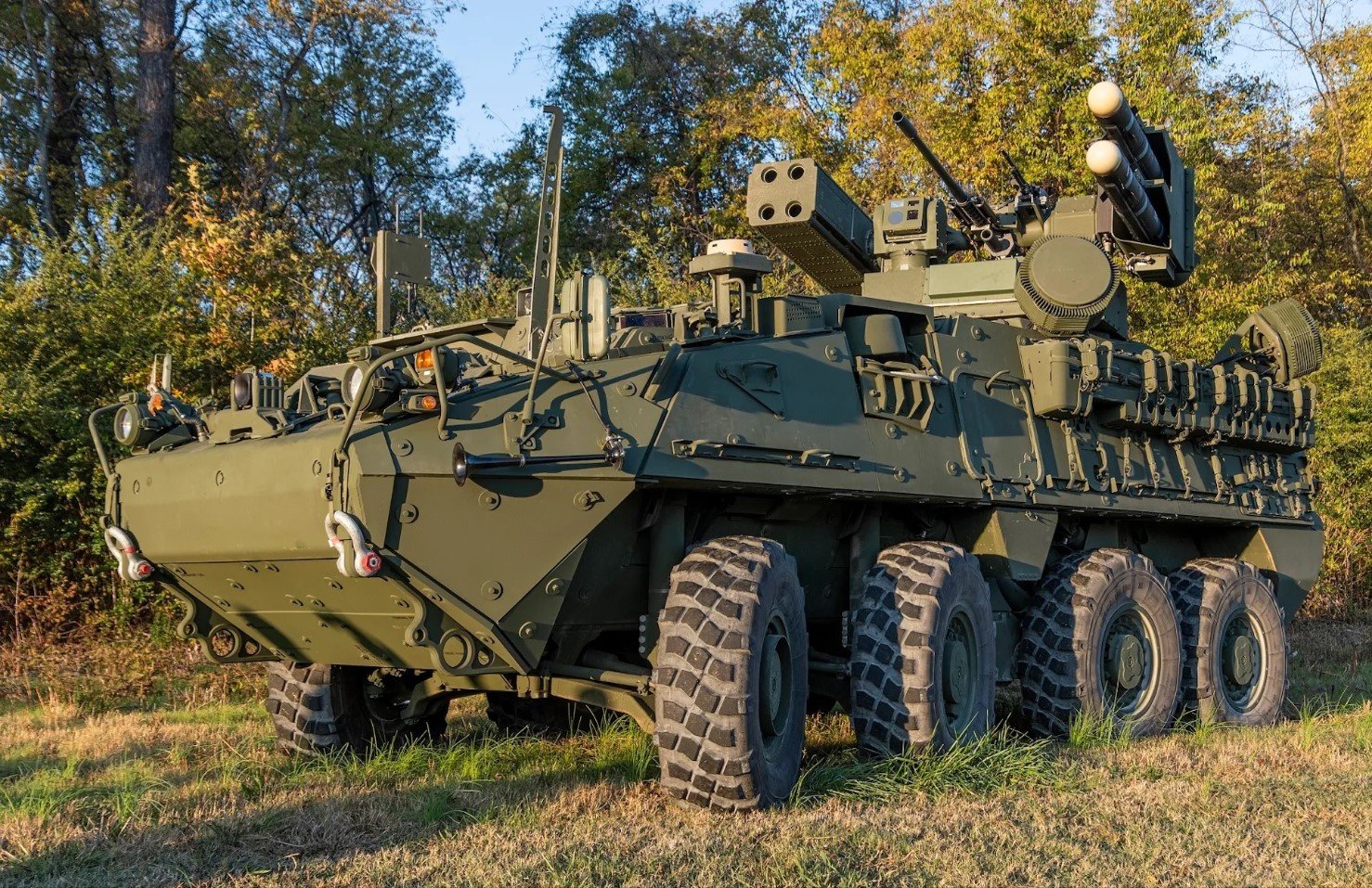
U.S
ARLINGTON, Va. — Leonardo DRS announced that its SGT STOUT Maneuver Short-Range Air Defense (M-SHORAD) Mission Equipment Package successfully defeated Group 1 and Group 2 small unmanned aircraft systems (sUAS) during a recent U.S. government test event. According to Leonardo DRS, the expanded capability was achieved through software updates to the system’s detection and fire-control functions. The company said the test did not require the addition of new physical hardware to the Mission Equipment Package. The SGT STOUT is the U.S. Army’s M-SHORAD system based on a Stryker vehicle. The Army renamed the system in June 2024 after Sgt. Mitchell W. Stout, a Medal of Honor recipient who served with the 1st Battalion, 44th Air Defense Artillery Regiment during the Vietnam War. Expanded Counter-Drone Capability SGT STOUT was developed to provide mobile air defense for maneuver formations. Leonardo DRS says the system can detect, identify and track air threats using onboard sensors and engage them with multiple kinetic effectors. The company’s current description also identifies Group 1 and Group 2 UAS as smaller air threats that the system can defeat at closer ranges using direct fire when required. The recent government test demonstrates an expansion from the system’s original focus on larger Group 3 unmanned aircraft systems, as well as rotary-wing and fixed-wing aircraft. Leonardo DRS said the new capability allows the existing Mission Equipment Package to address smaller drone threats without replacing its hardware. The company attributed the software-based upgrade path to SGT STOUT’s modular and open-architecture design. “SGT STOUT was engineered from the start for modernization, so capability can evolve as the threat evolves,” said Aaron Hankins, senior vice president and general manager of the Leonardo DRS Land Systems business unit. “This event highlights an upgrade path that emphasizes speed, safety, cybersecurity-by-design, and operational interoperability.” Designed for Maneuver Forces SGT STOUT is designed for formation-based air defense, rather than primarily serving as a stationary point-defense system. Its mission equipment combines sensing, cueing and engagement functions to support maneuvering forces. Leonardo DRS previously described the system as providing the mobility, survivability and lethality needed to move with Brigade Combat Teams while detecting, tracking and defeating low-altitude aerial threats. The system also integrates with existing Army networks and is interoperable with Sentinel radar. The U.S. Army has also been developing tactics for using SGT STOUT against Group 1 and Group 2 UAS. An Army Air Defense Artillery Journal article published in June 2026 identified counter-small-UAS training and updated tactics as important areas for SGT STOUT units. Existing System and Future Upgrades The Mission Equipment Package uses modular and platform-portable interfaces, allowing additional technologies to be integrated without redesigning the complete platform. Leonardo DRS has identified potential future additions including passive detection options, artificial intelligence-enabled decision aids, edge computing and new effectors. The company said several proven technologies could be incorporated into SGT STOUT systems already operating in the field. These upgrades are intended to further improve the system’s ability to detect, track and defeat Group 1 and Group 2 drone threats. The Army’s 2027 budget documents also show ongoing investment in SGT STOUT modernization, including software upgrades for its Multi-Mission Hemispheric Radars and other product-improvement work. The system is mounted on a Stryker platform and uses a combination of sensors, guns and missiles. Leonardo DRS lists the XM914 30 mm cannon and M240 7.62 mm machine gun among its onboard weapons, while the Army has also demonstrated Stinger missile launches from SGT STOUT during training in 2026. Lessons From Counter-UAS Programs Leonardo DRS said it is also using experience from its role as prime contractor on the Mobile Low, Slow UAS Integrated Defeat System (M-LIDS) program. The company said lessons from SGT STOUT and other counter-UAS work are supporting the continued development of modular, software-driven air-defense capabilities. The latest test therefore demonstrates that changes to the SGT STOUT capability do not necessarily require a new vehicle or a new hardware configuration. In this case, Leonardo DRS said the ability to defeat Group 1 and Group 2 small drones was demonstrated through updates to the existing detection and fire-control software.
Read More → Posted on 2026-08-12 13:10:34
U.S
FALLS CHURCH, Va. — Northrop Grumman has unveiled Raid Hunter™, the official name of its new 50mm Gun-Based Air Defense (GBAD) system designed to provide short-range, layered protection against cruise missiles, unmanned aerial systems (UAS), drone swarms and other aerial threats. The company said Raid Hunter is intended to address a gap in short-range air defense by providing high-capacity firepower against large and mixed aerial raids. The system is designed to protect military bases, airfields and other critical infrastructure. We’re introducing Raid Hunter™, our newly named 50mm gun-based air defense system designed to defeat mass, mixed aerial raids with cost-effective interceptors and deep magazine effectors which can be delivered to the warfighter at scale. Learn more: https://t.co/gnOzpo0RA3 pic.twitter.com/oTqORTG9Q4 — Northrop Grumman (@NGCNews) August 11, 2026 50mm gun and guided ammunition Raid Hunter combines Chain Gun® technology, precision-guided 50mm ammunition and a networked, interoperable system controller. According to Northrop Grumman, the combination provides a high rate of fire, deep magazines and fast reloads for engagements involving high volumes of aerial threats. The system is designed to counter a range of threats, including high-priority cruise missiles, UAS and other advanced aerial threats. Its guided 50mm ammunition is intended to support cost-considerate engagements against massed threats. Kenn Todorov, vice president and general manager of command and control and weapons integration at Northrop Grumman, said Raid Hunter addresses a critical short-range defense gap by providing rapid, high-capacity protection against complex aerial threats such as cruise missiles and drone swarms. He said air defenders need systems capable of dealing with large and complex raids designed to overwhelm traditional defense systems. According to Todorov, Raid Hunter provides a cost-effective and deep-magazine solution that can be rapidly delivered to the warfighter at scale. Modular design and deployment Northrop Grumman said Raid Hunter uses a modular, palletized design that enables rapid transportation on C-130 aircraft. The company also plans future vehicle-mounted and container-based configurations, which are intended to expand the system's deployment options. The modular design is intended to support different operational requirements while allowing the system to be integrated into layered air-defense architectures. Part of Raid Defense Solutions Raid Hunter is part of Northrop Grumman's Raid Defense Solutions portfolio, which focuses on layered kinetic capabilities for protection against increasingly complex and high-volume aerial threats, including coordinated drone swarms. The portfolio combines fielded programs with AI-enabled command and control, sensor fusion and high-rate firepower. Northrop Grumman said these capabilities are intended to support faster detection, decision-making and coordinated engagements across different operational scenarios. Testing planned Northrop Grumman said it is continuing to work with government and allied partners to mature Raid Hunter's capabilities. Planned testing throughout the year will be used to further validate system performance and support accelerated fielding. The company has not disclosed specific customers, contract values or production quantities for Raid Hunter in the information provided. Raid Hunter represents Northrop Grumman's latest effort to expand its counter-UAS and air-defense capabilities with a 50mm gun-based system designed specifically for high-volume aerial threats.
Read More → Posted on 2026-08-12 13:19:36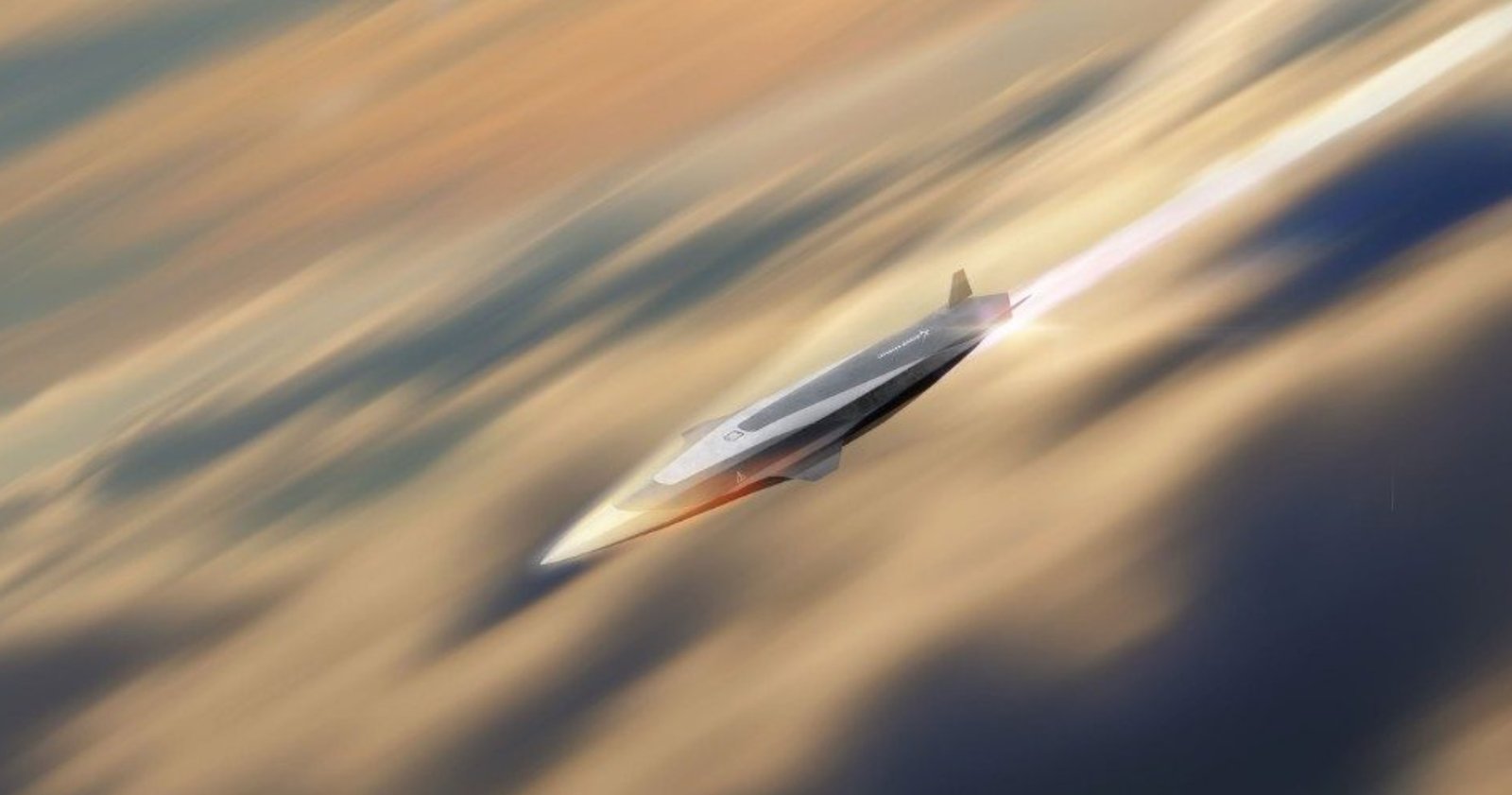
U.S
BETHESDA, Md. — Lockheed Martin and Albany Engineered Composites (AEC), a segment of Albany International Corp., have signed a teaming agreement aimed at increasing the production of hypersonic weapons for the U.S. Department of War. The agreement focuses on addressing the manufacturing challenges involved in moving hypersonic systems from prototype and test quantities to higher-volume production. The companies plan to jointly pursue future full-rate production contracts as hypersonic weapon designs move toward larger-scale manufacturing. Hypersonic systems are designed to travel at speeds above Mach 5, or about 3,836 miles per hour (6,174 km/h). Their ability to operate at these speeds while maneuvering creates challenges for traditional missile-defense systems. Focus on Advanced Composite Manufacturing Lockheed Martin will contribute its experience in systems integration and engineering, while AEC will provide its expertise in advanced composite manufacturing. AEC, based in Rochester, New Hampshire, specializes in lightweight, high-strength composite structures made from layered fibers. Its capabilities include 3D-woven composite aeroshells and thermal protection systems used for applications exposed to high temperatures and structural stresses. The companies said the partnership is intended to address the manufacturing requirements that arise after a hypersonic system has completed its design and testing phases. Johnathon Caldwell, Lockheed Martin’s vice president and general manager of Strategic and Missile Defense Systems, said the agreement combines Lockheed Martin’s systems integration and engineering experience with Albany’s composite production capabilities. Chris Stone, president of Albany Engineered Composites, said large-scale manufacturing of advanced composite structures is an important part of developing hypersonic systems. He said the partnership combines Lockheed Martin’s architecture with Albany’s composite technologies and manufacturing capabilities. The financial terms of the teaming agreement were not disclosed. The agreement has a flexible structure with defined roles and cost responsibilities. According to the companies, this approach is intended to allow the partnership to adapt to changing program requirements and government priorities. Push for Higher Production Rates The agreement supports the Department of War’s broader Arsenal of Freedom initiative, which seeks to increase the speed and volume of weapons production and reduce the time between successful testing and availability of operational systems. Lockheed Martin has also disclosed a multimillion-dollar investment in its Modular Prompt Distributed Strike system. The approach uses flight-tested hypersonic technologies and a modular architecture intended to reduce the engineering work required to integrate different payloads with existing hypersonic airframes. The company said increased automation in assembly, integration and testing can reduce labor requirements and help shorten delivery timelines. The investment supports the Department of War’s Scaled Hypersonics Critical Technology Area. Lockheed Martin is also continuing its work on the Conventional Prompt Strike (CPS) program. During the company’s second-quarter 2026 earnings call, Chief Executive Officer Jim Taiclet reported technical and contractual progress following successful flight tests. The program has also received contract modifications valued at about $1.4 billion to support accelerated development. Additional contract actions in 2026 have supported production of All-Up Rounds for Army requirements within the same program family. AEC Role in Future Production The companies have not identified the specific hypersonic programs that will receive production work under the new agreement once contracts are competed and awarded. Aviation Week has reported that Albany will supply a 3D-woven composite aeroshell for Lockheed Martin’s Next Generation Glide Body. The partnership comes as the United States continues efforts to expand its hypersonic weapons production capacity. The manufacturing challenge is not limited to developing the weapon itself; production of specialized structures and other components must also increase if larger inventories are required. Chinese state media reported in early August 2026 that the DF-17 hypersonic missile had reached full combat capability and entered mass deployment. The reports included footage showing multiple launch vehicles in formation. The Lockheed Martin-AEC agreement is intended to prepare the companies for higher-volume production opportunities as hypersonic programs progress from development and testing toward full-rate manufacturing.
Read More → Posted on 2026-08-12 13:34:59
World
NOVOROSSIYSK, Russia — Ukrainian forces carried out a large overnight attack on the Russian Black Sea port city of Novorossiysk, targeting the Russian naval base and port infrastructure with drones, missiles and unmanned naval systems. Ukrainian President Volodymyr Zelenskyy said the operation involved Palianytsia jet-powered drones, Neptune missiles and unmanned naval systems. He said the strikes hit designated targets, including air-defense positions, piers and seaport infrastructure. Zelenskyy described Novorossiysk as the Russian Black Sea Fleet's last major stronghold and said the port is located more than 300 kilometers from the front line. Ukraine has launched a major overnight strike on Russia’s Novorossiysk naval base, using Neptune missiles, Palianytsia jet-powered drones and unmanned naval systems. Ukrainian officials said the attack hit air-defense positions, piers and port infrastructure. pic.twitter.com/MUYoCa2unP — The Defense News (@TheDefenseNews) August 12, 2026 Naval Base Targeted Novorossiysk has become an important base for Russian Black Sea Fleet vessels after Russia moved some of its warships and submarines there following repeated Ukrainian attacks on naval assets in occupied Crimea. The August 12 operation therefore targeted both military and commercial infrastructure in one of Russia's most important Black Sea ports. The reported strikes came amid a broader increase in Ukrainian attacks against Russian ports, vessels and energy infrastructure in the Black Sea. Grain Terminals Damaged The attack also disrupted grain exports from Novorossiysk. Russia's Novorossiysk Grain Terminal suspended operations after sustaining damage during the overnight attack, according to an industry source cited by Reuters. Demetra Holding, which owns the terminal, confirmed that the facility had been damaged and said the extent of the damage was being assessed. The Novorossiysk Grain Terminal has an annual export capacity of 8.5 million metric tons, according to the information provided for the facility. Operations were also suspended at the Novorossiysk Grain Products Combine (NKHP), which has an annual capacity of 7.1 million metric tons. Reuters reported that the two major grain terminals were put out of operation following the attack. Damage was also reported to a conveyor trestle at the Novorossiysk Grain Terminal. The structure is used to move grain between storage and loading facilities. The available reporting has not established whether the damage was caused directly by a Ukrainian weapon or by Russian air-defense activity. Novorossiysk is an important outlet for Russian grain exports. Russia is the world's largest wheat exporter, and its Black Sea ports handle a major share of its seaborne agricultural shipments. Oil Infrastructure Also Affected Fires were reported around the Sheskharis oil terminal in Novorossiysk during the overnight attack. The terminal is a major Russian oil-export facility on the Black Sea and serves as an endpoint for oil pipelines operated by Transneft. Novorossiysk also handles oil transported through the Caspian Pipeline Consortium (CPC) system. Reuters reported that there was no indication that CPC infrastructure or tankers using the CPC terminal were hit in the overnight attack. Ukraine had reportedly agreed not to target CPC infrastructure and certain non-Russian vessels following a U.S. request, although Reuters said it could not independently verify all details of that reported arrangement. Civilian Damage and Casualties Krasnodar Krai Governor Veniamin Kondratyev described the overnight attack as massive and said several hundred drones were involved. Russian authorities reported damage to residential buildings and local businesses in Novorossiysk. The city's mayor said the attack damaged more than two dozen residential buildings, four enterprises and some educational facilities. Water supplies in the city were also suspended, and an emergency situation was declared. Kondratyev reported that at least two people were killed, including an eight-year-old child, while several others were injured in the wider area. Emergency services were deployed to damaged locations to clear debris and respond to the effects of the attack. Russia Reports Large-Scale Drone Attack Russia's Defense Ministry said its air defenses intercepted more than 500 Ukrainian drones overnight across several Russian regions. That figure has not been independently verified. The attack on Novorossiysk comes after weeks of increasing Ukrainian operations against Russian maritime and energy infrastructure. Earlier in July, Russia introduced restrictions on nighttime vessel movements at Novorossiysk because of drone attacks, while grain terminals in the region also faced growing security and logistical problems. The latest strike has added further disruption to a port that serves simultaneously as a major commercial shipping center, grain-export hub, oil-export facility and Russian naval base.
Read More → Posted on 2026-08-12 14:02:12 Indian Air Force Issues Request for Information for 150 Advanced Jet Trainers to Replace Hawk Mk-132
India
NEW DELHI — The Indian Air Force (IAF) has started the process to find a new advanced jet trainer to replace its Hawk Mk-132 fleet, issuing a Request for Information (RFI) for approximately 150 Stage-III (F) training aircraft. The new trainers will be used during the final stage of fighter pilot training, before pilots move to operational fighter squadrons. The requirement is aimed at providing trainees with experience on systems and capabilities relevant to modern combat aircraft, including airborne radars, electronic warfare systems and beyond-visual-range (BVR) missiles. The training will prepare pilots for aircraft such as the Dassault Rafale and indigenous Light Combat Aircraft (LCA) Tejas, and eventually the Advanced Medium Combat Aircraft (AMCA). Foreign and Indian Aircraft in the Competition The RFI has been issued to Indian and global aerospace manufacturers. Among the foreign aircraft expected to compete are Leonardo's M-346 Master and Korea Aerospace Industries' T-50 family. India's main domestic option is Hindustan Aeronautics Limited's (HAL) Hindustan Lead-in Fighter Trainer (HLFT-42). HAL first displayed a scale model of the aircraft in 2023. The proposed trainer has been designed with the aim of replicating advanced avionics and systems associated with modern fighter aircraft. The competition will allow the IAF to assess available aircraft and their technical capabilities, as well as areas such as indigenous content, technology transfer and delivery schedules. Procurement Timeline The current RFI is the market-sounding stage of the procurement process. Responses from the original equipment manufacturers are expected by October 5. The IAF is tentatively scheduled to issue the formal Request for Proposal (RFP) in December 2027. The RFP would begin the actual bidding stage of the programme. After the RFP stage, the aircraft competing for the requirement are expected to undergo trials in India on a no-cost, no-commitment basis. These trials will allow the IAF to evaluate the aircraft under its required operating and training conditions. According to defence sources, deliveries are expected to be completed within 60 months of the final contract signing. Based on the current procurement timeline, the first aircraft could therefore arrive at an IAF flying training base only in the mid-2030s. Replacing the Hawk Mk-132 The Hawk Mk-132 has been the backbone of the IAF's Stage-III fighter pilot training at Air Force Station Bidar. The aircraft entered Indian service in 2008, with the majority of India's fleet produced under licence by HAL. The Hawk has also been used by the Surya Kiran aerobatic team. The new procurement reflects the IAF's requirement for a more advanced training platform as pilots transition to increasingly capable fighter aircraft. The proposed fleet of around 150 trainers would provide the IAF with a new platform for the final stage of fighter pilot training while the service continues to introduce newer combat aircraft. The selection process will now determine which aircraft best meets the IAF's requirements for the next generation of advanced fighter pilot training.
Read More → Posted on 2026-08-12 14:08:47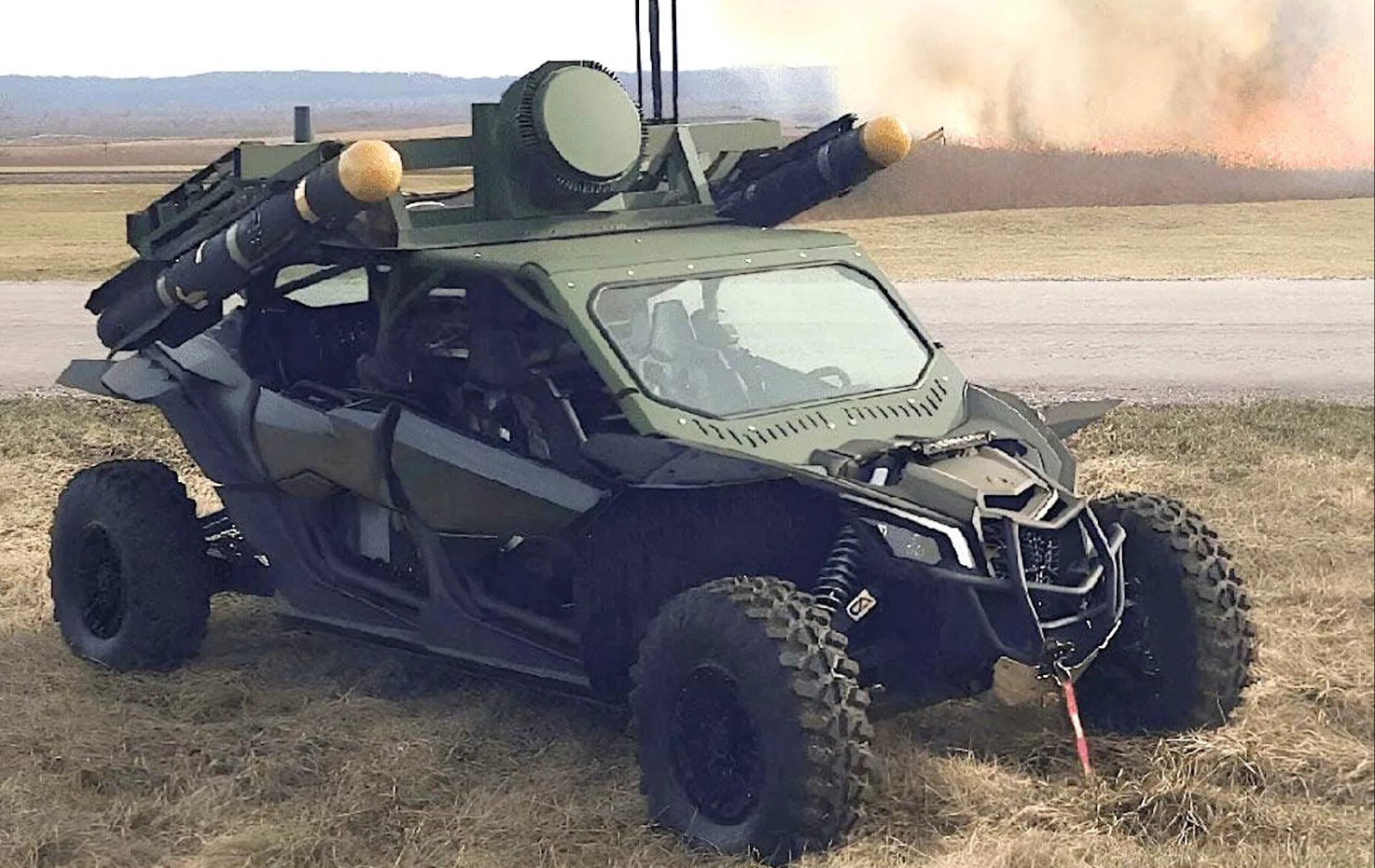
U.S
INDIANAPOLIS, Indiana — The U.S. Marine Corps has awarded Vertex Modernization and Sustainment LLC, a subsidiary of V2X, a $19.06 million contract for 10 Tempest mobile counter-unmanned aerial systems (C-UAS) vehicles. The $19,062,156 award covers the vehicles along with software management, spare parts, ancillary equipment, training and related services. According to the contract information provided, work will primarily be performed in Indianapolis, Indiana, with completion scheduled for August 10, 2027. The contract is identified as a hybrid firm-fixed-price, cost-plus-fixed-fee and cost indefinite-delivery/indefinite-quantity award. It was issued on a sole-source basis under 10 U.S. Code 3204(a)(1). No funds were obligated at the time of award, with funding to be provided through individual task orders. The contracting activity is the Portfolio Acquisition Executive Marine Corps, Program Manager Ground Based Air Defense, based in Quantico, Virginia. The contract number is M67854-26-D-0080. Tempest Mobile Counter-UAS Vehicle V2X first publicly introduced Tempest at the Association of the United States Army (AUSA) Annual Meeting in October 2025. The company describes it as a rugged, commercially based combat vehicle designed for rapid, limited-exposure missions. V2X says the platform uses dual weapon launchers and a counter-UAS capability intended to detect, engage and defeat Class 2 and Class 3 unmanned aircraft. The company also says the vehicle can withdraw after an engagement to reduce its exposure to enemy counterfire. Earlier demonstrations of Tempest showed the system on a commercially derived 4x4 vehicle. Configurations displayed publicly included dual launchers and counter-UAS sensors. However, the latest Marine Corps contract notice does not publicly specify the exact production configuration that will be delivered. The contract also does not confirm the precise missile or interceptor package, radar configuration, electro-optical sensors, engagement range or software architecture of the 10 Marine Corps vehicles. Marine Corps DASH Requirement The procurement is connected to the Marine Corps' Denied Area Sprinter-Hellfire (DASH) requirement for a highly mobile counter-small-UAS capability. Earlier Marine Corps contracting information identified a requirement for a system at Technology Readiness Level 9, meaning a mature system demonstrated in an operational environment. The earlier requirement also indicated an intention to procure up to 50 systems, although the current contract covers an initial 10 vehicles. V2X has separately confirmed that it received an award to provide counter-UAS capabilities through the Tempest platform. The company describes Tempest as a mobile system developed to detect, engage and defeat unmanned aircraft. Focus on Mobile Counter-Drone Operations Tempest is designed around mobility rather than a fixed defensive position. Its ability to relocate after an engagement is intended to support operations in environments where counter-UAS systems may themselves be exposed to enemy observation and fires. The Marine Corps requirement is aimed at providing a mobile capability that can support maneuvering forces. The system's combination of a compact vehicle, sensors and weapon launchers allows it to be positioned with units and moved as operational requirements change. The contract's inclusion of software management, training and related equipment indicates that the procurement covers more than the vehicles themselves. The total contract value therefore should not be treated as a simple calculation of $19.06 million divided by 10 vehicles. Part of a Broader Counter-UAS Approach Tempest will add another counter-UAS option to the Marine Corps' ground-based air-defense capabilities. It is not described in the available contract information as a replacement for the service's broader Marine Air Defense Integrated System (MADIS). V2X's own description places Tempest in the mobile counter-UAS role, with the system intended to engage Class 2 and Class 3 unmanned aircraft. The effectiveness of such a system also depends on the availability and integration of targeting information. The Marine Corps has not publicly released the complete software and network architecture for the vehicles under this contract, so it is not yet clear how the production Tempest vehicles will be integrated with existing Marine Corps command-and-control and air-defense networks. What Remains Undisclosed The public information currently available does not identify the specific Marine Corps unit that will receive the 10 vehicles. It also does not confirm the final chassis configuration, exact radar and sensor equipment, interceptor type, engagement parameters, reload arrangements or detailed software architecture for the Marine Corps production vehicles. The $19.06 million contract nevertheless establishes an initial procurement of 10 Tempest vehicles and moves the platform from its earlier public demonstrations into a defined Marine Corps acquisition program. V2X has described Tempest as a commercially based mobile combat vehicle intended to provide counter-UAS capability with dual launchers and rapid relocation after engagement. The Marine Corps contract will now support the delivery, training, software management and sustainment elements associated with the initial fleet.
Read More → Posted on 2026-08-12 14:22:54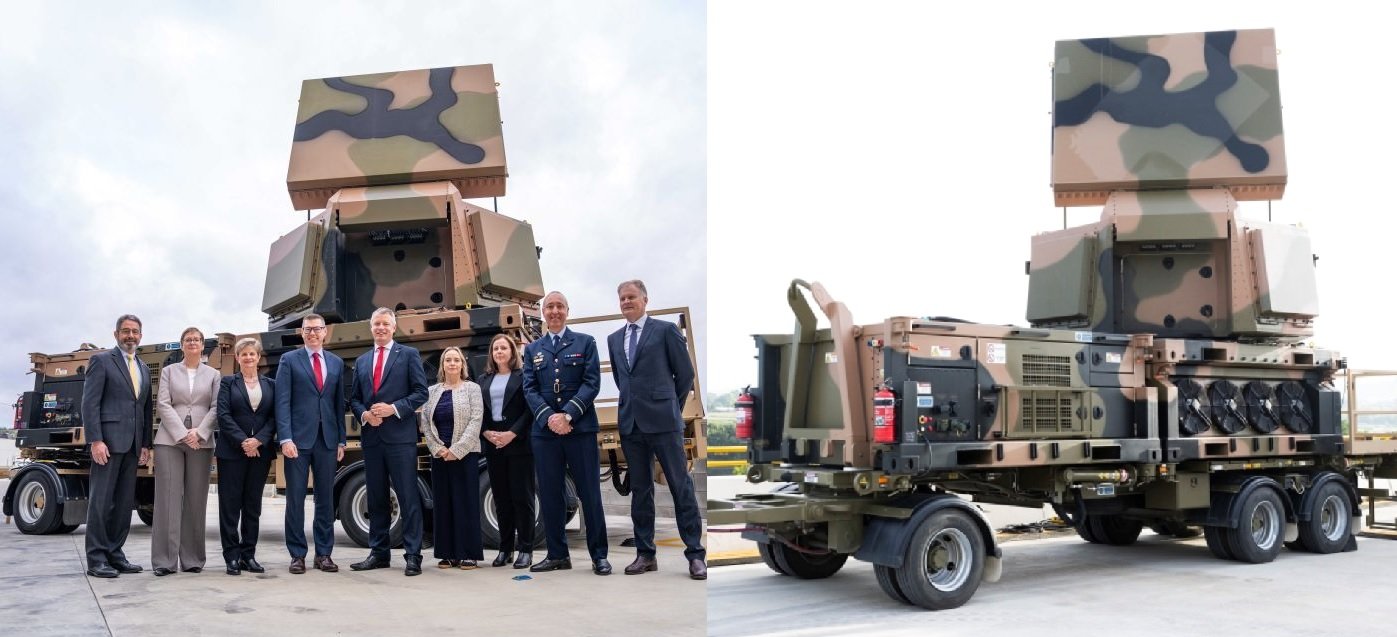
World
CANBERRA, Australia — The United Kingdom and Australia are strengthening defence-industry cooperation over the potential adoption of Australian Active Electronically Scanned Array (AESA) radar technology for UK frontline forces. A Statement of Intent involving the UK Ministry of Defence, the Australian Department of Defence, British defence company QinetiQ and Canberra-based CEA Technologies was signed at the CEA Technologies facility in Canberra. The signing was attended by UK Minister for Defence Readiness and Industry Luke Pollard and Australian Minister for Defence Industry Pat Conroy. The agreement builds on commitments made during the Australia-UK Ministerial Consultations (AUKMIN) in June. At those talks, the two governments announced a Government-to-Government Project Arrangement to advance cooperation on AESA radar capabilities supplied by CEA Technologies, including the possibility of jointly developing and producing CEA systems. QinetiQ to support UK integration and testing Under the new framework, QinetiQ will support the integration, testing and assurance of CEA radar technology across the UK defence enterprise. The company will provide technical expertise as the two countries assess potential opportunities for using the Australian radar technology in UK systems. The statement does not identify specific UK platforms or military branches that would receive the radar. “Today, we are deepening our industrial cooperation with Australia on cutting-edge radar technologies,” Luke Pollard said. He said combining QinetiQ’s expertise with CEA’s radar technology could strengthen the readiness of both countries while supporting their defence industries. QinetiQ Group Chief Executive Officer Steve Wadey said the company’s expertise positioned it as a strategic partner for the UK Ministry of Defence and its allies. He also pointed to the increasing importance of air-defence capabilities in current conflicts. CEA Technologies Chief Executive Officer Alan Clements said the agreement was an important milestone for the company and the Australian and UK defence industries. He said it reflected confidence in CEA’s radar technology and the role of industrial partnerships in strengthening sovereign capability. CEA radar technology CEA Technologies specialises in advanced radar systems, including AESA technology used by the Australian Defence Force. The company’s CEAFAR phased-array radar family is used on Royal Australian Navy Anzac-class frigates and has also been selected for the Hunter-class frigates. CEA radar technology has additionally been integrated with the Aegis combat system during Australian missile-defence testing. In July 2026, Australian Defence confirmed that CEA Technologies worked with Lockheed Martin on a first-of-type integration between a CEA radar and the Aegis Combat System. AESA radars electronically steer their radar beams rather than relying on mechanical movement of a conventional antenna. This architecture allows radar systems to perform functions such as tracking multiple objects and rapidly changing between different operating tasks. Cooperation linked to AUKUS The radar initiative is part of wider defence and industrial cooperation between Australia and the UK under their broader strategic partnership and AUKUS. At the June AUKMIN meeting, both governments said their cooperation on CEA’s AESA technology could create opportunities for further radar development, including potential co-development and co-production. The two countries had already identified Australian AESA radar technology as an area for closer cooperation earlier in 2026. During the Australia-UK Defence Industry Dialogue in February, ministers agreed to undertake targeted risk-reduction activities to help inform future decisions on the potential use of Australian AESA technology by the UK. The latest Statement of Intent provides a framework for continued cooperation while the two governments and companies examine future opportunities. No specific UK platform, acquisition quantity, delivery schedule or production arrangement has been confirmed under the agreement. Further decisions will depend on subsequent technical and defence-industry work between the participating organisations.
Read More → Posted on 2026-08-12 14:32:35
Space & Technology
HERNDON, Va. — BlackSky Technology Inc. (NYSE: BKSY) has secured a seven-figure, multi-year international contract to provide high-frequency satellite imagery and AI-enabled analytics to an undisclosed global customer. The agreement expands an earlier pilot program into a full operational subscription. Under the deal, the customer will receive access to BlackSky’s Gen-2 and Gen-3 low Earth orbit (LEO) satellite constellations. The contract uses BlackSky’s two subscription services. Its On-Demand service provides global coverage, while the Assured subscription provides priority access to tasking capacity and analytics over designated regional areas. Gen-2 and Gen-3 satellite capabilities BlackSky’s Gen-2 constellation is designed for high-frequency monitoring, including dawn-to-dusk observation. The company’s Gen-3 satellites provide 35-centimeter-class imagery and are being added to the existing constellation. BlackSky has said the two satellite generations are designed to complement each other. Gen-2 provides high-frequency monitoring and time-diverse imagery, while Gen-3 provides higher-resolution imagery for more detailed observation. The company has previously described the combined capability as useful for intelligence, surveillance and reconnaissance (ISR) applications. The customer will integrate imagery and analytics from both satellite generations into its existing defense command environments through Spectra, BlackSky’s tasking and analytics platform. The platform provides a centralized workflow for tasking, monitoring and analyzing information from multiple locations. BlackSky’s existing Gen-3 contracts have also demonstrated demand for the higher-resolution imagery and AI-enabled analytics. In its first-quarter 2026 results, the company reported that an international defense customer had expanded from a Gen-3 pilot to a nearly $30 million annual Assured subscription, while another international Ministry of Defense signed a $25 million multi-year subscription. AI-enabled satellite intelligence The combined Gen-2 and Gen-3 system supports automated identification and classification of objects including vehicles, aircraft and maritime vessels. BlackSky has previously said its Gen-3 imagery is used with AI-enabled analytics to provide customers with more detailed information while Gen-2 supports high-frequency monitoring. The company has also continued expanding its Gen-3 constellation during 2026. Its fourth Gen-3 satellite began delivering very-high-resolution imagery within hours of launch and entered commercial operations in less than one week, according to BlackSky. BlackSky CEO Brian O’Toole said the new agreement demonstrates the value of combining the company’s Gen-2 and Gen-3 systems, allowing customers to use high-frequency monitoring together with very-high-resolution imagery through a single workflow. The company has been converting several international pilot programs into longer-term subscriptions. In March 2026, BlackSky announced a seven-figure Assured extension contract with an international customer following an early-access program for Gen-3 imagery and AI-enabled analytics. BlackSky, headquartered in Herndon, Virginia, operates a commercial low-Earth-orbit satellite constellation and the Spectra software platform, providing satellite imagery, monitoring and AI-enabled analytics to government and commercial customers.
Read More → Posted on 2026-08-12 15:39:12
Europe
WARSAW — Poland has warned SpaceX that it could reconsider its annual payments for Starlink services supporting Ukraine after Polish customers were excluded from Starlink’s European roaming region. Polish Foreign Minister and Deputy Prime Minister Radosław Sikorski addressed SpaceX CEO Elon Musk on X, saying Poland might reconsider paying about $50 million a year for Starlink services if Polish users continue to face different roaming conditions from customers in other European countries. The dispute follows changes to Starlink’s roaming rules. Starlink’s current guidance lists more than 30 European countries in a common roaming region, while stating that Poland is not included. Accounts registered in Poland are treated as intended for use in Poland. Polish Users Face Different Roaming Conditions Under the updated rules, Polish Starlink customers traveling outside the country face additional requirements and may need to use a more expensive plan for extended international use. The changes were introduced for new customers in July, while existing customers are scheduled to be affected from August 17, 2026. Starlink has separately announced that its Global Roam plan is being discontinued for existing customers from August 17, with customers advised to move to another international plan. Polish officials have sought an explanation from SpaceX and questioned why Poland has been excluded from the European roaming region while other European countries remain included. Deputy Prime Minister and Digital Affairs Minister Krzysztof Gawkowski said Poland expected equal treatment for Polish customers and asked SpaceX to identify any specific regulatory reasons behind the decision. Dispute Linked to Starlink Support for Ukraine The roaming dispute has also brought Poland's financial support for Starlink services in Ukraine back into focus. Poland has funded Starlink terminals and subscriptions for Ukraine since Russia's full-scale invasion. Polish officials have previously said that the Polish Ministry of Digital Affairs pays about $50 million annually for Starlink services used in Ukraine. Sikorski has previously warned that Poland could look for alternative suppliers if SpaceX proved to be an unreliable provider. The issue has been part of a wider public dispute between Sikorski and Musk over Starlink's role in Ukraine and the costs paid by Poland. The two have exchanged public criticism over Starlink on several occasions. In earlier discussions, Sikorski pointed out that Poland finances the Starlink service used by Ukraine, while Musk disputed the significance of Poland's contribution. SpaceX Has Not Given a Public Explanation As of August 12, SpaceX had not publicly provided a detailed explanation for why Poland was excluded from the European roaming region. The Starlink guidance confirms the exclusion, but does not provide a reason for Poland's separate treatment. The change has therefore prompted questions from Polish officials and users about the basis for the policy. For existing Polish customers, the new arrangements are scheduled to take effect on August 17. Poland is continuing to seek clarification from SpaceX while the dispute remains unresolved.
Read More → Posted on 2026-08-12 15:47:42
U.S
WASHINGTON — The Defense Advanced Research Projects Agency (DARPA) is continuing research into artificial intelligence, data analytics and modeling tools that can help the U.S. government understand vulnerabilities in complex economic, financial and supply networks. However, publicly available DARPA records do not currently confirm a program called the Intelligent Market Resilience (IMR) or a formal DARPA effort specifically intended to redesign electronic financial markets or develop tools for disrupting them. DARPA's verified programs in this area are focused on resilience, transparency, vulnerability analysis and protection against disruptions. DARPA's focus on economic resilience DARPA's Strategic Technology Office says it is examining commercial, financial and industrial infrastructure to improve the resilience of national systems. Its work includes the Resilient Supply-and-Demand Networks (RSDN) program, which develops analytical tools to map complex supply-and-demand networks, identify vulnerabilities and conduct stress tests. DARPA selected research teams for RSDN in 2023. The program covers areas including metals important to military applications, food and pharmaceuticals. Its tools are designed to identify hidden dependencies and examine how networks could respond to external shocks or changes in participant behavior. DARPA has also described RSDN as using stress-testing methods similar to those used by financial regulators. The objective is to examine how disruptions could propagate through complex networks and identify possible ways to reduce their effects. AI and critical-material markets Another DARPA effort, the Open Price Exploration for National Security (OPEN) program, is focused on improving transparency in markets for critical materials. According to DARPA, OPEN uses time-series forecasting, economic modeling and machine learning to estimate structural prices and forecast supply and demand for materials such as base metals and rare-earth materials. The agency says the program is intended to improve decision-making and strengthen supply-chain resilience. DARPA has specifically stated that OPEN is not intended to predict prices of publicly traded assets. The program instead focuses on critical commodity markets and the information needed to understand their underlying supply, demand and production costs. In April 2024, DARPA announced performers for the program. Exiger and S&P Global Commodity Insights were selected for work on estimating critical-material input costs, while Charles River Analytics, GE Research and S&P Global Commodity Insights were selected for supply-and-demand forecasting. Financial systems have been a longstanding research interest DARPA's interest in financial-system vulnerabilities is not new. Earlier agency research examined how financial markets could be vulnerable to malicious activity and how complex trading systems could be analyzed. The need for better analytical capabilities is illustrated by the May 6, 2010, Flash Crash, when U.S. financial markets experienced a rapid decline followed by a recovery within minutes. The U.S. Securities and Exchange Commission has said the event demonstrated the difficulty of reconstructing activity across highly automated and interconnected markets. The California electricity crisis of 2000–2001 is another example of weaknesses in complex markets. The U.S. Government Accountability Office found that California's market design enabled wholesale electricity suppliers to exercise market power, while the Federal Energy Regulatory Commission later concluded that reduced supplies, inadequate infrastructure and flawed market design contributed to the crisis and subsequent manipulation. DARPA also targets illicit financial activity DARPA has a separate program called Anticipatory and Adaptive Anti-Money Laundering (A3ML). The program seeks to develop algorithms that can analyze financial transaction networks, identify suspicious patterns and learn patterns associated with future illicit activity while preserving privacy. These efforts show that DARPA is applying advanced computing and AI techniques to financial and economic systems as part of broader national-security research. Could these technologies have offensive applications? AI systems capable of mapping complex networks and identifying vulnerabilities can raise dual-use concerns. A system designed to help defenders understand weaknesses could also provide information about where vulnerabilities exist. However, there is currently no verified evidence that DARPA's publicly documented RSDN, OPEN or A3ML programs are being developed to manipulate or disrupt financial markets. DARPA's published descriptions instead emphasize vulnerability identification, forecasting, stress testing, transparency and resilience. RSDN, for example, is explicitly designed to identify systemic weaknesses and evaluate mitigation strategies. Palantir's potential involvement remains unconfirmed Palantir Technologies has significant experience providing data integration and analytical systems to U.S. government customers, including the Department of Defense. However, there is no publicly confirmed evidence that Palantir has been selected for a DARPA program matching the specific IMR description. Palantir and TWG AI do have a recent commercial project involving financial-market monitoring. In March 2026, Polymarket announced a partnership with Palantir and TWG AI to develop a sports-market integrity platform using the Vergence AI engine. The system is intended to support trade monitoring, anomaly detection, prohibited-trader screening and compliance reporting. That work demonstrates Palantir's involvement in AI-based market monitoring, but it does not establish a connection between Palantir and a DARPA financial-market resilience program. No verified IMR solicitation identified As of Aug. 12, 2026, publicly available DARPA program records reviewed for this report do not identify an official program named Intelligent Market Resilience (IMR). DARPA's current public materials instead document programs such as RSDN, OPEN and A3ML that address different aspects of economic, financial and supply-network resilience. Therefore, claims that the Pentagon is developing an AI system specifically to disrupt or manipulate financial markets, or that Palantir has been selected to build such a system, should not be presented as confirmed facts without an official DARPA announcement or other verified government documentation. The verified picture is that DARPA is researching AI and advanced analytical methods to understand complex economic networks, identify vulnerabilities, improve market and supply-chain transparency, and strengthen resilience against disruptions. Source : Geopolitics Prime
Read More → Posted on 2026-08-12 16:09:42
India
New Delhi : The Ministry of Defence has issued a tender worth around Rs 1 lakh crore for the purchase of 60 multirole transport aircraft (MTA) for the Indian Air Force. The move aims to replace the ageing Soviet-era Antonov An-32 cargo fleet and strengthen the IAF’s logistics and airlift capabilities. The tender documents have been given to multiple Indian companies, including Hindustan Aeronautics Limited (HAL), Tata Advanced Systems Limited and Mahindra. Defence officials said Indian companies will play the lead role in the programme. Mahindra Defence has partnered with Brazil’s Embraer to offer the C-390 transport aircraft. Tata has tied up with Lockheed Martin of the United States to offer the C-130, a platform already used by the Indian Air Force for special operations. The IAF currently operates 12 C-130J Super Hercules aircraft. Under the programme, about 20 per cent of the aircraft (around 12) will be delivered in fly-away condition. The remaining aircraft will be manufactured in India with more than 60 per cent indigenous content. Production will take place through joint ventures between the Indian companies and the original equipment manufacturer. HAL is also in the race to take on a major role as the prime manufacturing and integration lead for the domestic assembly phase. The Acceptance of Necessity for the Medium Transport Aircraft programme was cleared by the Defence Acquisition Council in March 2026. The new aircraft are intended to replace the ageing An-32 fleet, which has served as a key tactical airlift platform for decades, and to supplement the IAF’s overall logistics network. The MTA is expected to fill the gap between lighter transport aircraft such as the C-295 and heavier platforms like the C-17. The Indian Air Force is already inducting around 70 C-295 transport aircraft in partnership with Airbus, with the majority being manufactured in India. The MTA aircraft may also be configured for roles such as aerial refuelling tankers and rapid transport of troops and equipment. Separately, the IAF has issued a tender for 114 Rafale fighter jets as part of its modernisation plans. It is also looking to induct more than 100 trainer aircraft to replace the Hawk jet trainers and expand pilot training capacity as fighter squadron numbers grow. The tender forms part of ongoing efforts to modernise the IAF’s transport fleet under the Make in India initiative while ensuring greater domestic manufacturing and industrial participation.
Read More → Posted on 2026-08-12 16:13:53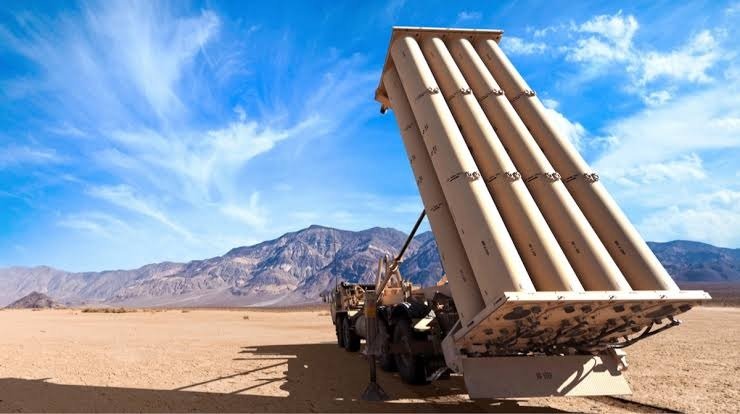
U.S
HUNTSVILLE, Ala. — Lockheed Martin Space has received a $211.4 million contract modification from the U.S. Department of War to manufacture and deliver new Terminal High Altitude Area Defense (THAAD) launchers for the United Arab Emirates (UAE). The contract is being managed by the Missile Defense Agency (MDA) in Huntsville, Alabama, under the U.S. Foreign Military Sales (FMS) program. The latest award will add new launcher hardware to the UAE’s existing THAAD ballistic missile defense capability. The contract modification, identified as P00082 under contract HQ0147-19-C-5001, increases the cumulative value of the original contract to $1.0545 billion. The latest work is funded entirely through UAE FMS funds. The contracting announcement does not disclose the number of launchers included in the order. Production to Continue Through January 2031 Manufacturing will be carried out by Lockheed Martin at its facility in Sunnyvale, California. Production is scheduled to run from August 2026 through January 2031. The new launchers will use the Configuration 3 (C3) standard. The contracting announcement does not provide additional technical details about the specific C3 hardware included in this procurement. The award represents a change from several earlier modifications under the same UAE THAAD contract, which have primarily supported maintenance, logistics, training, repair and sustainment of the UAE's existing systems. UAE's Existing THAAD Capability The UAE operates two THAAD batteries, according to the U.S. Missile Defense Agency. The agency states that both batteries have been procured and delivered and are fully operational. The UAE was THAAD's first international customer. Earlier procurement provided the country with two AN/TPY-2 radars and nine launchers. The UAE's THAAD system became operational before its first combat use in January 2022. The MDA says the UAE successfully used THAAD to intercept ballistic missiles during attacks in January 2022, marking the first operational THAAD intercept in a combat environment by any nation. Lockheed Martin currently lists the UAE as one of THAAD's two international customers, alongside Saudi Arabia. What THAAD Provides THAAD is a land-based ballistic missile defense system designed to intercept ballistic missiles during their terminal phase of flight, both inside and outside the atmosphere. The system uses hit-to-kill technology, destroying the incoming warhead through kinetic impact rather than a conventional explosive warhead. A THAAD battery includes mobile launchers, interceptors, an AN/TPY-2 X-band radar, and fire-control and communications equipment. The MDA states that each launcher can carry up to eight interceptors. The system is designed to engage short-, medium- and intermediate-range ballistic missile threats during their terminal flight phase. New Launcher Capacity for the UAE The $211.4 million contract therefore adds new THAAD launcher production to the UAE's existing missile-defense program. While the U.S. contracting announcement does not identify the quantity of launchers being purchased, it confirms that the equipment will be produced in the modernized Configuration 3 standard. The procurement will be completed through the U.S. Foreign Military Sales framework and will further expand the launcher hardware available to the UAE's existing THAAD force. The latest award comes as the United States and Lockheed Martin continue broader efforts to expand THAAD production capacity. In June 2026, the U.S. government awarded Lockheed Martin a separate seven-year contract of up to $35 billion to increase THAAD interceptor production.
Read More → Posted on 2026-08-13 11:59:07
World
DA NANG, Vietnam — Vietnam has begun construction of its first indigenously designed multipurpose anti-submarine warfare frigate for the Vietnam People’s Navy (VPN), marking a major step in the country’s effort to expand domestic warship design, construction and combat-system integration capabilities. A steel-cutting ceremony for the new frigate was held on August 10, 2026, at the Song Thu Corporation shipyard in Da Nang. Song Thu Corporation operates under the Ministry of National Defence’s General Department of Defence Industry, while the Vietnam People’s Navy is the project investor. Senior Lieutenant General Pham Hoai Nam, Deputy Minister of National Defence, attended the ceremony along with other officials. Vietnamese state media described the vessel as the country’s largest and most advanced domestically designed and built combat ship to date. Vietnamese engineers have designed the frigate, while a high proportion of its weapons and technical systems are being developed or assembled domestically. Construction is expected to take 36 months. Viettel Military Industry and Telecoms Group and other defence research and manufacturing organisations will work with the Navy and Song Thu Corporation on weapons, equipment development and systems integration. Pham Hoai Nam instructed the organisations involved to give the programme priority, maintain technical and safety standards and complete construction according to schedule. Design and configuration Vietnam has not yet released a complete official technical specification for the frigate. Available information on its configuration comes from the scale model and digital rendering displayed during the August 10 ceremony, together with assessments of the equipment shown. The ship is estimated to be around 105 metres long, with displacement reported in the 2,500-to-3,000-tonne range. It is therefore slightly larger than Vietnam’s Russian-built Gepard 3.9-class frigates, which have a displacement of about 2,500 tonnes. Earlier reports had described a possible 4,000-tonne vessel based on a heavily modified Russian Project 11356R/Admiral Grigorovich-class design. Those reports do not describe the frigate now under construction, which is a new domestic design. The configuration shown in the model includes a combination of anti-submarine, air-defence, anti-ship and close-in weapon systems. At the bow are two RBU-6000-style anti-submarine rocket launchers, followed by an AK-176-based 76 mm naval gun. The 76 mm gun is already manufactured by Vietnam's Z173 and Z125 factories. The model also shows four chaff launchers, with two positioned toward the forward section and two near the rear hangar. A 12-cell vertical launch system (VLS) is positioned forward of the superstructure in two groups of six cells. The precise missile type for these cells has not been officially disclosed. Earlier assessments have linked the configuration to a possible naval version of Viettel's TLĐK-01 surface-to-air missile, which has been associated with an estimated range of around 70 kilometres. The possibility of using a quad-packed missile configuration remains an assessment rather than a confirmed specification. Two quadruple anti-ship missile launchers are positioned amidships. These are understood to be intended for missiles from Viettel's VCM family, although the exact missile configuration has not been officially confirmed. The bridge structure also shows two twin launchers for man-portable air-defence missiles, associated with systems produced by the Z131 Factory. For close-in defence, the ship has two AK-630M-type 30 mm close-in weapon systems positioned aft of the funnel. These are manufactured by Factory Z173. The frigate is also shown with two trainable twin 533 mm torpedo launchers, providing a further anti-submarine capability. Radar, sonar and aviation facilities The frigate's sensor configuration includes a four-panel phased-array multifunction radar positioned above the bridge superstructure, together with a separate fire-control radar. The radar, combat management system and electronic support measures are expected to involve Viettel, although complete official details of the systems have not been released. As an anti-submarine warfare platform, the frigate is expected to use a hull-mounted sonar. A towed-array sonar has also been discussed in assessments of the ship's configuration, but its installation has not been officially confirmed. At the stern, the frigate has a flight deck and hangar designed to accommodate a medium helicopter such as the Ka-28 operated by the Vietnam People's Navy. The propulsion system uses four engines. The exact engine types and suppliers have not been officially disclosed. The configuration has been assessed as a combined diesel and gas-turbine arrangement, potentially using two diesel engines and two gas turbines. Expanding domestic defence production The new frigate represents a significant expansion of Vietnam's domestic naval shipbuilding programme. Vietnam has traditionally relied heavily on foreign suppliers for major naval platforms, particularly Russia. Its fleet includes four Gepard 3.9-class frigates and six Project 636.1 Kilo-class submarines. The new programme is intended to increase Vietnam's ability to independently research, design, manufacture and integrate major defence systems. Vietnamese officials have linked the project to a broader policy of developing a defence industry that is autonomous, self-reliant, self-strengthening, dual-use and modern. The policy is also connected with Vietnam's wider maritime strategy and its objective of becoming a strong maritime nation. Resolution No. 20 of the 14th Party Central Committee, issued on July 28, 2016, is part of this broader policy framework. At the August 10 ceremony, Pham Hoai Nam described the frigate programme as an important task and called for close coordination between the Navy, shipbuilder, research organisations and defence manufacturers. Song Thu has been instructed to maintain technical quality, construction safety and schedule discipline. Other domestic naval programmes The frigate is part of a wider range of naval construction projects being undertaken in Vietnam. Song Thu Corporation is also nearing completion of a second submarine rescue vessel. The first vessel, Yết Kiêu, was commissioned into the Vietnam People's Navy in 2021. Song Thu has previous experience in constructing military and support vessels for Vietnam's defence sector. The Naval Technical Institute conducted the TN-75 midget-submarine project between 2020 and 2025. The 75-tonne submarine has been reported as capable of operating at depths of 200 to 300 metres, remaining submerged for up to seven days and carrying a six-to-seven-person commando team. A larger TN-300 design has also been mentioned, although details have not been publicly disclosed. Vietnam is also expanding its domestic landing-ship and troop-transport programmes. Ba Son Corporation launched the VDC-01 landing ship in August 2025, while the X55 Factory launched the third ST-294 aluminium troop-transport vessel on July 24, 2026. These vessels are assigned to patrol and transport duties, including operations in the southwestern Mekong Delta. Ba Son is also producing PS500 guided-missile corvettes, a class originally represented by a locally built 850-tonne vessel based on the Russian Pauk-class design. Construction of the second vessel, designated A2, began in October 2025, while work on the third and fourth units, A3 and A4, began in April 2026. The A2 vessel is scheduled for completion in 2027, with subsequent deliveries expected by September 2028. Vietnam is scheduled to host the Vietnam International Defence Expo in Hanoi in December 2026, providing another platform for the country's defence industry to present its growing domestic manufacturing and technology capabilities. The new multipurpose frigate remains Vietnam's most complex domestic naval shipbuilding programme announced so far. Its construction will bring together the Vietnam People's Navy, Song Thu Corporation, Viettel and other defence research and manufacturing organisations as Vietnam seeks greater domestic control over warship design, production and combat-system integration.
Read More → Posted on 2026-08-13 12:13:24
World
KYIV — Ukraine has identified a previously unidentified Shahed-like unmanned aerial vehicle used in long-range strikes as the MICH 2000, a domestically produced strike drone based on the Chinese ZTK-150, also known as the Z150. Details of the system were reported by Ukrainian outlet Oboronka on August 12, following journalists’ visit to a manufacturing facility involved in producing the drone. The report provides details about the MICH 2000’s development, production and operational use by the Security Service of Ukraine’s Special Operations Center “Alpha.” From Chinese Platform to Ukrainian Production The MICH 2000 program began in late 2023, when Ukrainian engineers traveled to China to acquire civilian unmanned systems for military adaptation. The original plan involved importing the Chinese ZTK-150 platform. After China tightened restrictions on the export of civilian drones that could be used for military purposes, Ukrainian specialists moved toward domestic production. According to the report, intermediaries initially offered technology transfer and training, but the factory later refused a direct agreement. Ukrainian specialists documented production processes during pilot training and returned with eight Chinese drones and trained operators. The design was subsequently reverse-engineered and adapted for production in Ukraine. The first test flights took place in summer 2024. Early testing identified several problems, including incorrect weight distribution, propeller separation caused by engine vibration and vulnerability to electronic warfare. The development team subsequently modified the airframe, electronics and construction methods. The first three MICH 2000 drones were used in combat missions in October 2024. One was shot down, while the other two reportedly missed their targets by about 10 meters. Following these initial missions, the SBU Special Operations Center “Alpha” approved serial production. The system has remained in service since autumn 2024 and is operated exclusively by Alpha, according to the report. MICH 2000 Specifications The MICH 2000 has a configuration similar to the Iranian Shahed-136, but its most recognizable feature is a pair of forward canards. Earlier sightings resulted in the drone being identified by observers as the Chinese ZTK-150, Egyptian Jabbar-150 or Turkish Troy T20. The manufacturer says the MICH 2000 has a maximum range of up to 2,000 kilometers and can carry a 25–60 kg warhead. The system is available in eight configurations for medium- and long-range missions. Operators can configure several elements of the drone depending on the mission, including: Communications systems, including radio, digital and Starlink options Fuel-tank capacity Warhead type Terminal guidance systems The basic version is reported to cost approximately $48,000. The manufacturer also states that about 85% of the drone's components are now localized in Ukraine. Domestic production includes the flying-wing airframes, engines, warheads, initiation boards and rocket boosters. Current production is reported at approximately 6,000 drones per year, with the facility working toward an annual output of 10,000 units. Combat Operations According to information provided in the report, Alpha personnel have launched thousands of MICH 2000 drones against Russian military targets in rear areas and in temporarily occupied territories. The manufacturer says the drones have struck hundreds of sites. One of the reported operations involved the Engels-2 strategic aviation base in Russia's Saratov region on the night of July 16, 2026. Satellite imagery reportedly confirmed that a Tu-95MS strategic bomber was hit, with its rear section completely destroyed and the aircraft assessed as beyond repair. On the morning of July 4, 2026, MICH 2000 drones were also used against an optical-mechanical plant in Azov, Rostov region. Another large-scale operation targeted the port of Ust-Luga, where more than 20 MICH 2000 drones reportedly reached their targets simultaneously. Other reported targets include a cargo ship near Novorossiysk and additional military and industrial facilities. MICH+ Variant Under Development The manufacturer is also developing a new variant known as the MICH+. Unlike the MICH 2000, the MICH+ is planned to omit the forward canards. It is designed for medium-range missions and is expected to carry a 70 kg warhead with a range of up to 600 kilometers. The development of the MICH+ indicates that the MICH family is being expanded into different configurations for varying ranges and payload requirements. The MICH 2000 program also shows how Ukraine has moved from attempting to acquire an imported civilian UAV platform toward localized production, with the manufacturer reporting that most of the system's components are now produced domestically. The Oboronka report, prepared in coordination with the manufacturer and the SBU, provides the first detailed public account of the MICH 2000 program and its reported operational use.
Read More → Posted on 2026-08-13 12:42:44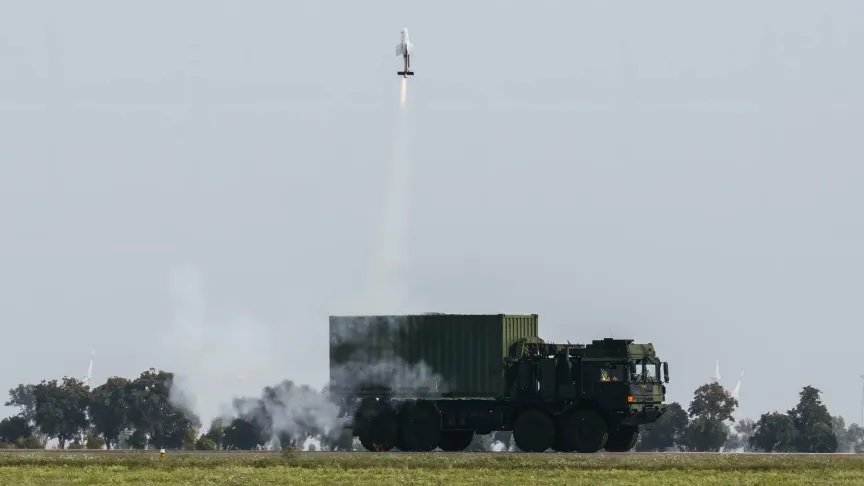
U.S
COCHSTEDT, Germany — Rheinmetall has successfully demonstrated the launch of its FV-014 loitering munition from the company’s Containerized Missile Launcher (CML), a modular multi-launcher designed for loitering munitions and guided missiles. The live-fire demonstration took place in July 2026 at the National Test Centre for Unmanned Aerial Systems operated by the German Aerospace Centre (DLR) in Cochstedt, Saxony-Anhalt. During a customer demonstration, the FV-014 was launched from a Rheinmetall HX truck in both stationary and moving configurations. The system then carried out simulated operational profiles and attack flights. The FV-014 and CML are both Rheinmetall developments. FV-014 combines reconnaissance and precision strike The FV-014 is designed as a portable reconnaissance and strike system that combines target observation, tracking and precision engagement. Rheinmetall describes the system as bridging the tactical gap between reconnaissance drones and conventional artillery. The drone has a flight endurance of up to 70 minutes and a range of up to 100 kilometres. Its data-link range is up to 60 kilometres. A 360-degree swivelling gimbal in the nose allows the system to observe potential targets over extended periods. Rheinmetall states that the FV-014 has an approximate launch weight of 20 kilograms. The system carries an HEDP (High-Explosive Dual Purpose) warhead with a penetration capability of more than 600 millimetres against armoured targets. The warhead is also intended for use against unarmoured targets and infrastructure. The FV-014 uses an electric propulsion system and an aerodynamic wing design. Rheinmetall says the design is intended to reduce acoustic, radar and infrared signatures. The system is also designed to operate in environments affected by GNSS interference. After being launched from a transport and launch container using a booster, the FV-014 unfolds its wings and transitions into aerodynamic flight. Its endurance provides time for reconnaissance, target selection and an attack decision. Human control and swarm operations The FV-014 is controlled through a ground station with continuous human-in-the-loop oversight. Operators can identify and track targets, conduct an attack or abort the mission if circumstances change. Its software architecture also supports swarm operations. Rheinmetall says multiple FV-014 systems can be controlled simultaneously by a single operator, allowing several targets to be engaged or enabling coordinated attacks against defended areas. The system is designed to operate as part of Rheinmetall’s reconnaissance and strike network. It can also be integrated with other systems, including the LUNA NG reconnaissance drone, to support the flow of information from reconnaissance to engagement. Containerized Missile Launcher The CML is based on a standard 20-foot container and was publicly presented by Rheinmetall for the first time at Eurosatory 2026 in June. The launcher can accommodate up to 18 FV-014 systems. Rheinmetall describes it as a modular, networked system that can operate from different platforms. The container can be deployed as a standalone system or mounted on platforms including trucks, trains and ships. An integrated power supply and communication modules support autonomous operation, while a battery system and sleep mode allow the launcher to remain in standby before being activated. The CML can connect to command, control, communications, computers and intelligence (C4I) networks. Rheinmetall says communication can be supported through radio and satellite links, depending on the configuration. The standardized container format is intended to simplify transport and deployment across different platforms. Rheinmetall expands FV-014 programme The July demonstration follows earlier FV-014 testing and demonstrations. In February 2026, Rheinmetall demonstrated the system to a potential NATO customer at the DLR National Test Centre for Unmanned Aerial Systems in Cochstedt. That demonstration involved simulated mission scenarios and attack flights. In April 2026, Rheinmetall announced a framework agreement worth billions of euros with the German Armed Forces for large quantities of FV-014 loitering munitions. The first call-off was valued at approximately €300 million, while deliveries are scheduled to begin in the first half of 2027 following qualification. The company says the FV-014 is developed and manufactured entirely within the European Union and is designed for industrial-scale production. The CML demonstration adds a mobile multi-launch capability to the system, allowing the FV-014 to be deployed from containerized launchers on land and maritime platforms. COCHSTEDT, Germany, August 13, 2026 — Rheinmetall has successfully demonstrated the launch of its FV-014 loitering munition from the company’s Containerized Missile Launcher (CML), a modular multi-launcher designed for loitering munitions and guided missiles. The live-fire demonstration took place in July 2026 at the National Test Centre for Unmanned Aerial Systems operated by the German Aerospace Centre (DLR) in Cochstedt, Saxony-Anhalt. During a customer demonstration, the FV-014 was launched from a Rheinmetall HX truck in both stationary and moving configurations. The system then carried out simulated operational profiles and attack flights. The FV-014 and CML are both Rheinmetall developments. FV-014 combines reconnaissance and precision strike The FV-014 is designed as a portable reconnaissance and strike system that combines target observation, tracking and precision engagement. Rheinmetall describes the system as bridging the tactical gap between reconnaissance drones and conventional artillery. The drone has a flight endurance of up to 70 minutes and a range of up to 100 kilometres. Its data-link range is up to 60 kilometres. A 360-degree swivelling gimbal in the nose allows the system to observe potential targets over extended periods. Rheinmetall states that the FV-014 has an approximate launch weight of 20 kilograms. The system carries an HEDP (High-Explosive Dual Purpose) warhead with a penetration capability of more than 600 millimetres against armoured targets. The warhead is also intended for use against unarmoured targets and infrastructure. The FV-014 uses an electric propulsion system and an aerodynamic wing design. Rheinmetall says the design is intended to reduce acoustic, radar and infrared signatures. The system is also designed to operate in environments affected by GNSS interference. After being launched from a transport and launch container using a booster, the FV-014 unfolds its wings and transitions into aerodynamic flight. Its endurance provides time for reconnaissance, target selection and an attack decision. Human control and swarm operations The FV-014 is controlled through a ground station with continuous human-in-the-loop oversight. Operators can identify and track targets, conduct an attack or abort the mission if circumstances change. Its software architecture also supports swarm operations. Rheinmetall says multiple FV-014 systems can be controlled simultaneously by a single operator, allowing several targets to be engaged or enabling coordinated attacks against defended areas. The system is designed to operate as part of Rheinmetall’s reconnaissance and strike network. It can also be integrated with other systems, including the LUNA NG reconnaissance drone, to support the flow of information from reconnaissance to engagement. Containerized Missile Launcher The CML is based on a standard 20-foot container and was publicly presented by Rheinmetall for the first time at Eurosatory 2026 in June. The launcher can accommodate up to 18 FV-014 systems. Rheinmetall describes it as a modular, networked system that can operate from different platforms. The container can be deployed as a standalone system or mounted on platforms including trucks, trains and ships. An integrated power supply and communication modules support autonomous operation, while a battery system and sleep mode allow the launcher to remain in standby before being activated. The CML can connect to command, control, communications, computers and intelligence (C4I) networks. Rheinmetall says communication can be supported through radio and satellite links, depending on the configuration. The standardized container format is intended to simplify transport and deployment across different platforms. Rheinmetall expands FV-014 programme The July demonstration follows earlier FV-014 testing and demonstrations. In February 2026, Rheinmetall demonstrated the system to a potential NATO customer at the DLR National Test Centre for Unmanned Aerial Systems in Cochstedt. That demonstration involved simulated mission scenarios and attack flights. In April 2026, Rheinmetall announced a framework agreement worth billions of euros with the German Armed Forces for large quantities of FV-014 loitering munitions. The first call-off was valued at approximately €300 million, while deliveries are scheduled to begin in the first half of 2027 following qualification. The company says the FV-014 is developed and manufactured entirely within the European Union and is designed for industrial-scale production. The CML demonstration adds a mobile multi-launch capability to the system, allowing the FV-014 to be deployed from containerized launchers on land and maritime platforms.
Read More → Posted on 2026-08-13 12:51:22
U.S
HUNTSVILLE, Ala. — Gen. Michael Guetlein, director of the U.S. military’s Golden Dome missile defense initiative, said the program remains on track to deliver its initial operational capabilities in mid-2028 at a projected cost of $185 billion, while warning that a funding gap in fiscal year 2027 could put the program at serious risk. Guetlein made the remarks during the annual Space & Missile Defense Symposium in Huntsville, Alabama. Guetlein Maintains $185 Billion Cost Estimate Guetlein said the current Golden Dome cost estimate remains $185 billion. The figure was initially set at $175 billion and later increased by $10 billion to accelerate space capabilities that were not part of the original architecture. “I’m on record, and I’m still up here saying the exact same number: $185 billion,” Guetlein said, emphasizing the need to keep the large missile defense effort affordable. The estimate is significantly below a separate Congressional Budget Office assessment released in May 2026. The CBO estimated that a notional national missile defense architecture broadly consistent with the capabilities described for Golden Dome could cost about $1.2 trillion over 20 years. However, the CBO noted that its calculation was based on a notional architecture because the Defense Department had not publicly released enough details about the final system. Guetlein has argued that the CBO estimate does not represent the architecture currently being developed by the Pentagon. He said the assumptions used for the higher estimate involve different technologies and requirements. Contracts and Testing Underway Guetlein said several major elements of Golden Dome are already under contract. These include radars, launchers, space-based interceptors, a hypersonic ballistic tracking system and a space data network. The program has also moved into construction, with the first operational site established and groundwork underway at locations including Joint Expeditionary Base Fort Story in Virginia. According to Guetlein, two tests have already been completed successfully, demonstrating elements involving command and control, sensor networks and effectors against current threats. Details of the tests remain classified. One of the major tests conducted in summer 2026 at White Sands Missile Range, New Mexico, was described as the most complex integrated missile defense test conducted there. The exercise involved the Missile Defense Agency, Space and Missile Defense Command and other organizations. Guetlein said the test met all of its objectives after six months of preparation. A more complex test is planned for 2027. Space-Based Interceptors Remain a Major Element Space-based interceptors are a major part of the publicly described Golden Dome architecture. The Space Force has advanced a competition involving 12 companies for related technology development, with the first of four planned development gates completed. The space component has also been an important factor in the debate over the program’s potential long-term cost. The CBO's May assessment included a large space-based interceptor constellation in its notional architecture, contributing substantially to its $1.2 trillion estimate. FY2027 Funding Creates Risk The immediate concern for Golden Dome is its funding structure. About $22.5 billion has been appropriated for the program so far, with approximately 95 percent committed to specific work and about 90 percent obligated. Much of the funding has been provided through congressional reconciliation rather than the regular defense budget. For fiscal year 2027, the administration has requested approximately $17.5 billion for Golden Dome. Only about $400 million is included in the base budget, with the remaining funding dependent on a proposed reconciliation package. A Congressional Research Service summary similarly reports a $17.5 billion FY2027 Golden Dome request, with the overwhelming majority sought as mandatory funding through reconciliation. Guetlein warned that the program does not have a reliable funding path if the FY2027 reconciliation funding is not approved. “We’ve got to figure out, as a nation, a different way of funding Golden Dome, at least for 2027. Right now, that’s under reconciliation,” he said. “If they don’t figure it out, there is no Golden Dome because there is no funding.” He also said a continuing resolution would not provide the baseline needed to sustain the effort at its planned level. Pentagon Examining Contingency Options Pentagon officials are examining possible contingency measures if Golden Dome funding is delayed or interrupted. One option under consideration involves the Space Force continuing investment in certain shared space capabilities that also support the broader Golden Dome architecture. No final decision has been made on those options. The broader FY2027 defense budget request is approximately $1.5 trillion, including base funding and proposed reconciliation resources. Other major defense modernization programs, including efforts to modernize the U.S. nuclear triad, are also being funded alongside Golden Dome. For now, Guetlein said the program remains focused on its mid-2028 initial operational capability target. The next phase will depend not only on continued testing, contracting and construction, but also on whether Congress provides the funding required for fiscal year 2027. Source : TWZ
Read More → Posted on 2026-08-13 13:09:29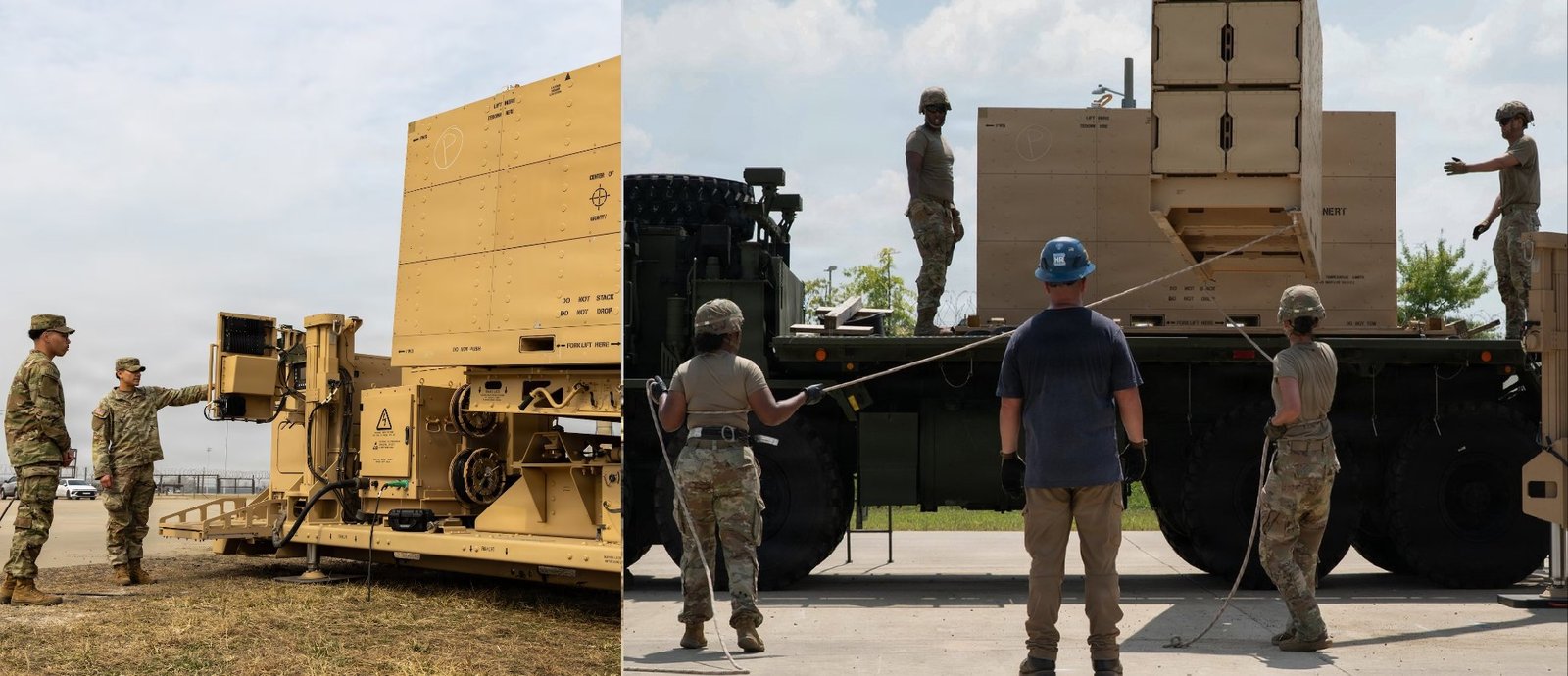
U.S
CAMP HUMPHREYS, South Korea — Soldiers from the U.S. Army’s 35th Air Defense Artillery Brigade conducted training on the deployment of the Indirect Fire Protection Capability (IFPC) system at Camp Humphreys, South Korea. According to Eighth Army, personnel from Delta Battery, 6th Battalion, 52nd Air Defense Artillery Regiment, guided IFPC equipment into position during the exercise. The training was intended to prepare soldiers to employ the system in support of air and missile defense operations. IFPC role in layered air defense The IFPC is a mobile, ground-based air defense system designed to counter subsonic cruise missiles, unmanned aerial systems, rockets, artillery and mortars. It is intended to protect fixed and semi-fixed locations, including forward operating bases and critical infrastructure. The system is designed to fill a defensive gap between short-range air defense systems and longer-range systems such as the Patriot and Terminal High Altitude Area Defense (THAAD). The IFPC Increment 2 configuration uses the Enduring Shield launcher, with interceptor rounds stored in sealed, ready-to-fire magazines. The configuration is designed to support rapid reloading while reducing the exposure of personnel handling munitions. The system also provides 360-degree radar coverage and is integrated with the Army’s Integrated Battle Command System (IBCS). IBCS connects sensors and weapons systems across the Army’s air and missile defense network. IFPC deployment in South Korea The 35th Air Defense Artillery Brigade, based at Osan Air Base, has operated the IFPC in South Korea since at least September 2025. During that month, U.S. Army Chief of Staff Gen. Randy George visited the unit and was photographed in front of an IFPC launcher. The deployment was the system’s first confirmed overseas deployment. In March 2026, the Army again positioned the IFPC at Camp Humphreys during the Freedom Shield exercise. The deployment was used to test the system’s integration into a networked, layered air defense architecture alongside Patriot and Avenger systems. The August 5 training continues the brigade’s work to maintain operational proficiency with the system as part of ongoing air and missile defense operations in South Korea. Production and additional interceptor development The IFPC program has progressed through several Army contracting stages. In November 2024, Dynetics, a Leidos subsidiary based in Huntsville, Alabama, received a $4.1 billion indefinite-delivery/indefinite-quantity agreement covering low-rate initial production, full-rate production and lifecycle support. The initial order included 18 launchers. In April 2026, Dynetics received a separate $617 million contract for the fiscal year 2026 production buy. The contract covers launchers, magazines, trainers, logistics support and related items, with deliveries scheduled through November 2029. The Army is also pursuing a second interceptor for the IFPC system. In 2025, Boeing and Lockheed Martin were selected to continue development of competing medium-range interceptor designs. The additional interceptor is intended to engage cruise missiles and drones alongside the system’s baseline interceptor, which is currently based on the AIM-9X Sidewinder. The latest training at Camp Humphreys reflects the continued fielding and training of the IFPC system with U.S. Army air and missile defense forces in South Korea.
Read More → Posted on 2026-08-13 13:33:24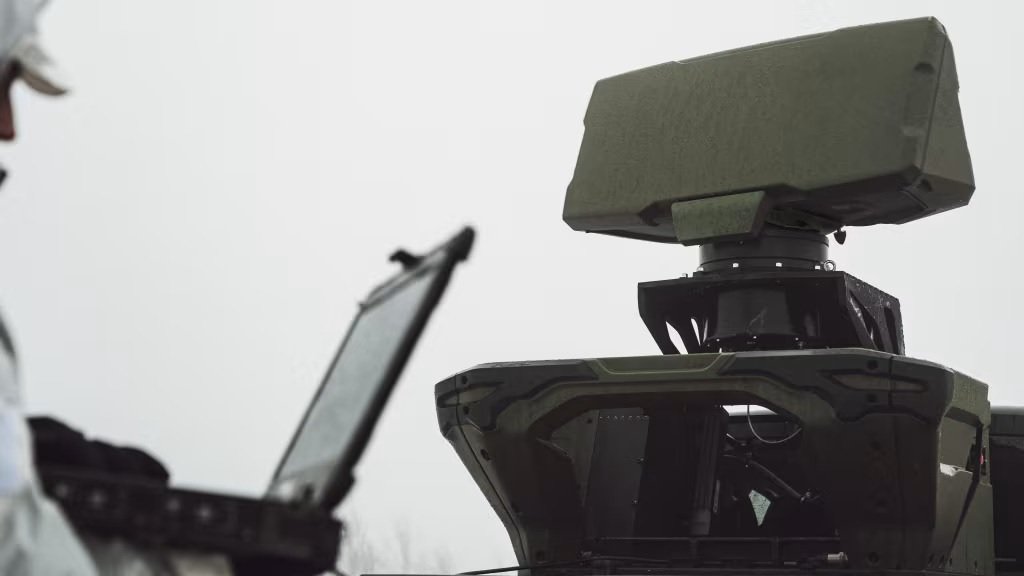
U.S
LONDON — Saab UK, Aquark Technologies and the Royal Navy’s Disruptive Capabilities and Technologies Office (DCTO) have completed a UK trial demonstrating that a distributed network of Saab Giraffe 1X radars can maintain a coherent air picture without relying on GPS or other satellite-based timing. The trial was conducted in June 2026 and combined Saab’s Giraffe 1X radar with Aquark’s AQlock quantum timing technology. Saab said the demonstration is believed to be a world first for a distributed high-performance military radar network maintaining a coherent operational picture using independent quantum timing sources. QinetiQ and the Defence Science and Technology Laboratory (DSTL) also participated in the trial. Trial tested radar operation without GNSS timing Modern distributed radar networks require precise timing to combine tracking information from multiple sensors into a single air picture. Global Navigation Satellite Systems (GNSS), including GPS, are commonly used as an external timing reference. However, GNSS signals can be jammed, spoofed or otherwise disrupted, creating a challenge for networked sensors operating in contested environments. During the trial, multiple Giraffe 1X radars tracked live aerial targets while using independent AQlock quantum timing sources. The test team then introduced controlled timing errors to reproduce conditions associated with GNSS spoofing and denial. According to Saab, the radars continued to combine their tracking data into a single coherent air picture without GNSS timing. The network showed predictable performance degradation when timing was deliberately disrupted and recovered rapidly after synchronisation was restored. It also remained operational under representative GNSS-denied and spoofed conditions. AQlock quantum clocks provided independent timing Two AQlock 2.0 cold-atom clocks were deployed at separate locations during the trial. The systems reached an acceptable timing signal from a cold start in less than 30 minutes and provided the sole timing reference for the two operational radar systems. Aquark’s AQlock technology uses a cold-atom approach based on its Super-Molasses Trap method. The company has previously worked with the Royal Navy on trials involving its cold-atom technology. Quantum timing provides a local source of highly accurate time without requiring an external satellite signal. In a distributed radar network, this can allow geographically separated sensors to remain synchronised when satellite-based timing is unavailable or cannot be trusted. Giraffe 1X used in the distributed network The Giraffe 1X is Saab’s compact 3D multi-mission radar. Saab says it can detect, track and classify air targets, including small unmanned aerial vehicles, and can be deployed in mobile or fixed configurations. The radar is also used for applications including ground-based air defence, counter-UAS operations, weapon locating and sea-surface surveillance. Saab UK has been producing Giraffe 1X systems at its Fareham facility. In May 2026, the company announced that it had completed its 100th Giraffe 1X radar in the UK. The June trial extended the radar's use into a distributed configuration in which separate radar locations maintained a combined air picture using independent quantum timing sources. The Royal Navy’s experimental ship XV Patrick Blackett and DSTL also acted as network rebroadcast nodes during the trial, according to information released about the demonstration. Saab highlights potential for GPS-denied operations Andy Fraser, Group Managing Director at Saab UK, said the trial demonstrated a practical capability by combining quantum timing technology with the Giraffe 1X radar. “This trial is a great example of how collaboration can accelerate innovation,” Fraser said. “By combining quantum timing technology with Saab’s advanced Giraffe 1X radar system, we have demonstrated a practical capability that could help customers continue to operate effectively when it matters most.” Matthew Aldous, Timing Lead at Aquark Technologies, described the trial as a milestone for UK sovereign quantum technology and as the first known deployment of a pair of British-built cold-atom systems against a defence requirement. The results were announced by Saab UK on August 12, 2026. The companies said the work forms part of wider efforts to develop radar and timing capabilities for military operations where satellite navigation and timing services may be disrupted or compromised.
Read More → Posted on 2026-08-13 13:43:54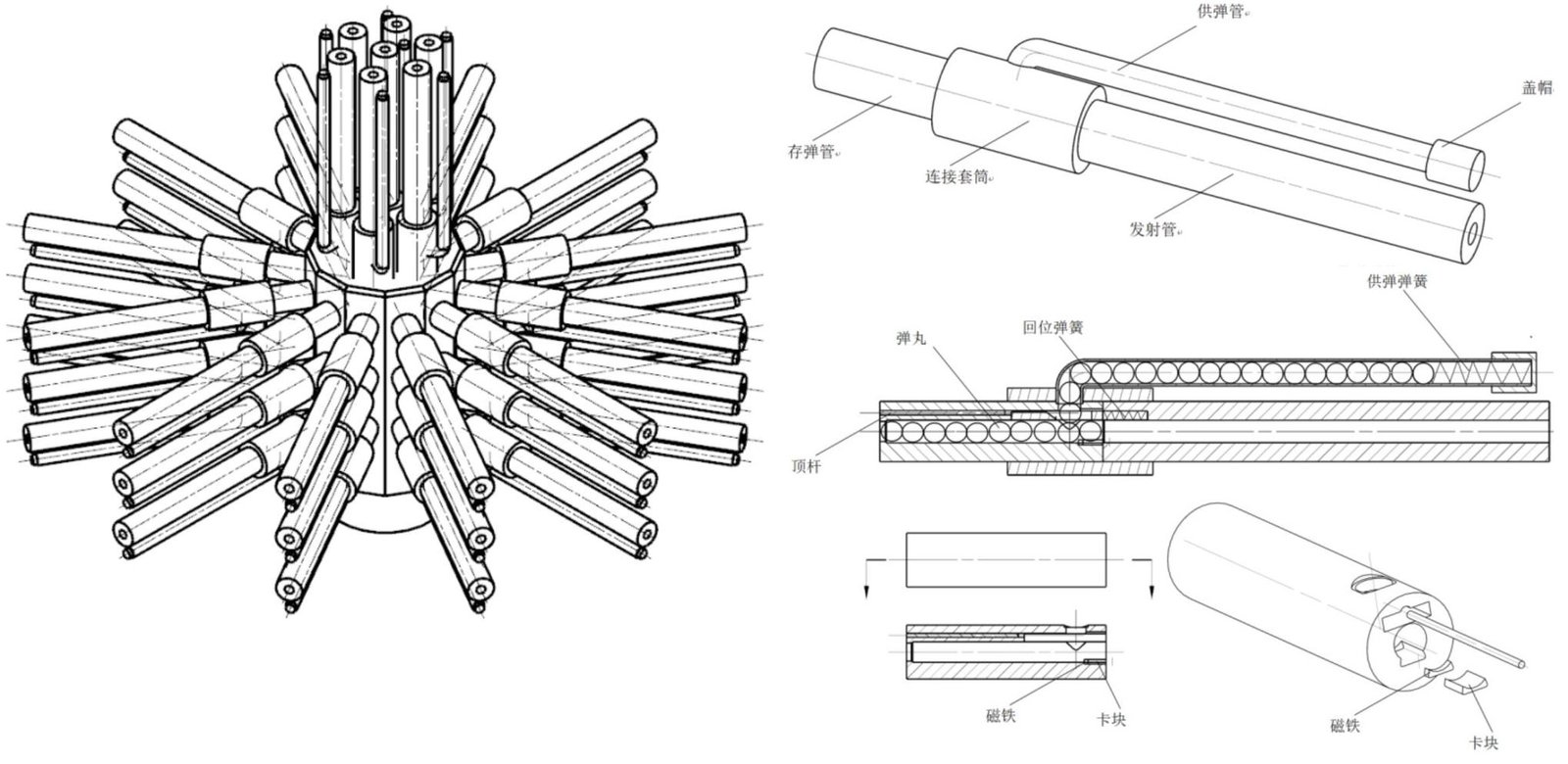
World
Chongqing, China — Chongqing Jianshe Industry (Group) Co., Ltd., a state-owned Chinese defense company under China South Industries Group Corporation, has filed a patent for a multi-azimuth steel-ball launching structure designed to counter unmanned aerial vehicles (UAVs). The patent, CN121977393A, titled “Structure for multi-azimuth launching steel balls,” was filed on March 30, 2026, and published on May 5, 2026. The company is based in Chongqing’s Banan District. Chongqing Jianshe Industry traces its history to the Hubei Arsenal established in 1889, later known as the Hanyang Arsenal. The company specializes in light weapons and related equipment and manufactures full-caliber firearms, including the QBZ-191 assault rifle family, as well as automotive parts and other products. It holds hundreds of patents and operates multiple production bases. Multi-barrel design The patented system uses several barrel assemblies connected to a common front combustion chamber. Each assembly has a feed tube containing spherical steel projectiles, a storage tube and a launch tube. A spring in the feed tube automatically moves the next steel ball into the storage tube after firing. The combustion chamber has multiple connection points on its front and circumference, allowing several barrels to be installed at different angles for multi-directional firing from a common propellant source. The launch tube has an internal diameter slightly smaller than the steel projectile, allowing gas pressure to force the ball through the barrel. The steel balls and propellant are loaded separately. Firing and loading mechanism When the system fires, propellant gas from the combustion chamber pushes a pusher rod. This moves a locking and gas-blocking component so that its projectile-passing hole becomes misaligned with the storage-tube feed opening, sealing the opening and preventing gas leakage. After chamber pressure falls, a return spring resets the blocking component and realigns the openings. The feed-tube spring then pushes the next steel ball into the storage tube. The blocking component also has a slope that helps move a partially advanced projectile back into the feed tube during the sealing process. A magnet inside the storage tube holds the forwardmost steel ball slightly off-centre to help prevent jamming. Anti-drone purpose The patent states that the design addresses limitations of conventional single-projectile firearms and existing shotguns against small, fast-moving drones. Conventional shotguns can experience projectile collisions inside the barrel, which can increase dispersion at longer distances. By placing steel balls in separate tubes and mounting multiple barrel assemblies at different angles, the patented design aims to create a wider spatial coverage pattern against approaching UAVs. The structure is intended primarily for individual or light anti-drone use. However, the patent remains pending and does not confirm that a completed production weapon has entered service or that the system has been operationally deployed. Images associated with the patent show technical drawings of the multi-barrel arrangement and its internal components.
Read More → Posted on 2026-08-13 13:58:50 Satellite Images Reveal Four Russian Warships Damaged in Ukrainian Strike on Novorossiysk Naval Base
World
NOVOROSSIYSK, KRASNODAR KRAI — Ukrainian forces carried out a coordinated overnight strike on Russia’s Black Sea Fleet naval base and port facilities in Novorossiysk, Krasnodar Krai, on August 12, damaging four Russian warships, according to Ukraine’s General Staff. The attack involved drones and missiles and also affected air-defense equipment and infrastructure at the major Black Sea port. Russian regional authorities reported civilian casualties and damage to residential and other facilities. Four Russian Warships Damaged Ukraine’s General Staff said four Russian naval vessels sustained varying degrees of damage during the operation. They were: Admiral Makarov, a Project 11356R frigate Admiral Essen, a Project 11356R frigate A Project 21631 Buyan-M small missile ship Vasily Bykov, a Project 22160 patrol ship The two frigates are equipped to launch Kalibr cruise missiles. The Ukrainian military said the damage to the vessels was being assessed. Satellite imagery released after the attack showed visible damage to at least three of the vessels, including the two frigates and the Vasily Bykov. Open-source analysts identified damage around areas associated with the frigates’ missile-launch systems, although the full extent of the damage and the time required for repairs have not been independently established. The attack is significant for the Black Sea Fleet because Admiral Makarov and Admiral Essen are among its surface ships capable of carrying and launching Kalibr cruise missiles. Both frigates had also previously been reported damaged during Ukrainian attacks on Novorossiysk earlier in 2026. Satellite images don't lie. 📸Ukraine just took out a significant chunk of the Russian Navy in Novorossiysk. 4 warships confirmed hit, including two Admiral Grigorovich-class frigates. 🚢💥Russia is losing the battle for the sea without Ukraine even having a traditional navy. https://t.co/ti1oDfSopy pic.twitter.com/dwEYimSgkh — Ukraine News 🇺🇦 (@Ukrainene) August 13, 2026 Air Defense and Port Infrastructure Hit Ukrainian officials also reported strikes against Russian air-defense and port facilities. The reported targets included a 30N6E radar associated with an S-300 air-defense system, facilities at several naval berths and infrastructure at the Sheskharis oil terminal. Ukrainian President Volodymyr Zelenskyy said the operation combined drones, missiles and naval unmanned systems. Ukrainian officials described the operation as involving several domestically developed systems working together. The attack also affected civilian port infrastructure. Two major grain terminals in Novorossiysk suspended operations following the strikes, according to Russian and industry sources. Novorossiysk is an important Russian port for grain and other commodity exports. Civilian Damage Reported Russian authorities reported damage across parts of Novorossiysk following the attack. Krasnodar Governor Veniamin Kondratyev said people were killed, including an eight-year-old child, while others were injured. Novorossiysk Mayor Andrei Kravchenko said more than two dozen residential buildings, businesses and other facilities were damaged. The city also temporarily suspended its water supply and declared an emergency. Russian authorities also reported that air defenses engaged Ukrainian drones during the attack. Novorossiysk’s Role in the Black Sea Fleet Novorossiysk has become an important base for Russia’s Black Sea Fleet after repeated Ukrainian attacks on Russian naval assets in and around Crimea. Russia has moved a number of naval vessels to the eastern Black Sea, including Novorossiysk, as Ukraine has expanded its use of long-range drones and other weapons against naval targets. The latest attack therefore targeted Russian naval assets at a port that has increasingly been used to support Black Sea Fleet operations. The strike also came amid continued Ukrainian attacks on Russian military and energy infrastructure in the Black Sea region, while Russia continues to conduct attacks against Ukrainian ports and shipping infrastructure. The precise extent of the damage to the four warships and their operational status remains under assessment. Available satellite imagery confirms visible damage to several vessels, but there is no indication that the four ships were sunk in the August 12 attack.
Read More → Posted on 2026-08-13 14:14:45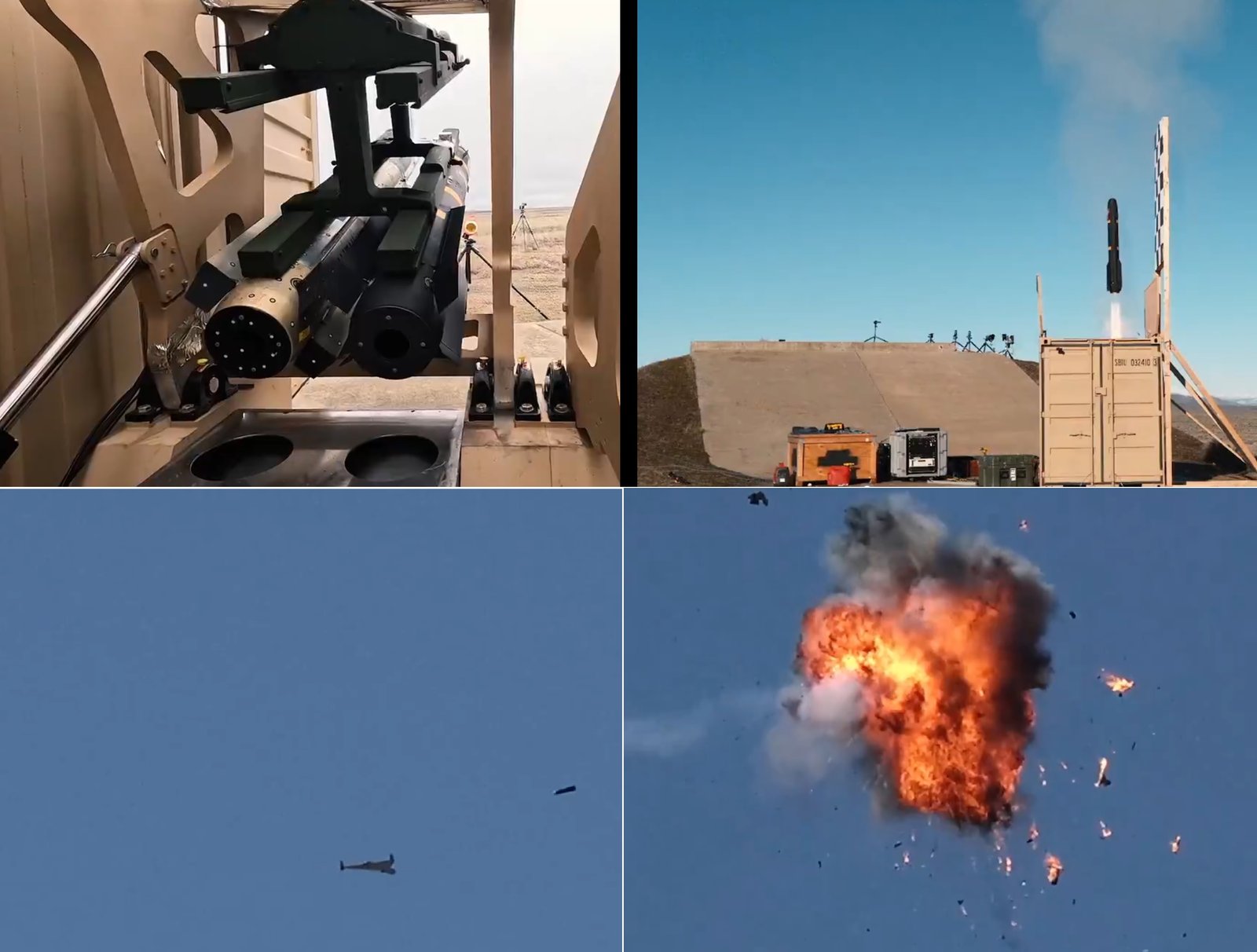
U.S
Washington, U.S. — Lockheed Martin has released new video footage of live-fire testing of its GRIZZLY containerized missile launcher, describing the system as production-ready. The launcher is designed to provide an affordable, reloadable and mobile missile-launch capability for distributed operations. GRIZZLY places a missile launcher inside a standard 10-foot Tricon shipping container, allowing it to be transported by truck, rail or ship using existing logistics equipment. Lockheed Martin developed the system in about six months using internal funding, combining existing launcher and weapon designs, including the fielded M299 launcher. Built fast. Built flexible. Built for the mission.GRIZZLY™ is an affordable, reloadable and production-ready containerized launcher designed to bring mobility and adaptability to the fight.The future of defense is here — and it’s containerized. 📦🚀 pic.twitter.com/HZiboJY3jE — Lockheed Martin (@LockheedMartin) August 12, 2026 Live-Fire Testing In March 2026, Lockheed Martin completed GRIZZLY's first integrated live-fire tests at Yakima Training Center, Washington. A Hellfire missile was launched from the container in both vertical and angled configurations. The tests confirmed the system could load and launch a missile from the containerized setup and meet the required trajectory parameters. GRIZZLY can carry up to eight ready-to-fire missiles and supports toolless reloading. It can operate from ground locations or ships, use internal or external power, and can be remotely operated. The launcher is also designed to work with different command-and-control and sensor systems rather than one dedicated network. JAGM Demonstration Against a Drone In June 2026, Lockheed Martin conducted another major test at Yuma Proving Ground, Arizona. GRIZZLY fired a Joint Air-to-Ground Missile (JAGM) to intercept a Group 3 one-way attack drone. The demonstration integrated GRIZZLY with Lockheed Martin's Sanctum counter-unmanned aircraft system battle manager and Fortem R-40 radars. The radars detected and tracked the target, Sanctum processed the engagement data, and GRIZZLY launched the JAGM. Lockheed Martin said the integration and live-fire testing were completed in less than 45 days. JAGM was developed as a successor to the Hellfire and TOW missiles. It uses a dual-mode seeker with laser and millimeter-wave radar guidance, giving it flexibility for different operating conditions. Use of Existing Missiles Lockheed Martin says the use of established missiles such as Hellfire and JAGM allows military units to rely on existing missile stocks, training and logistics rather than introducing a completely new munition. The company is also developing the related Kodiak containerized launcher. In August 2026, Kodiak completed its first integrated live-fire test at Yakima Training Center using a Reduced-Range Practice Rocket associated with GMLRS-family munitions. Kodiak is designed to carry up to 12 GMLRS rockets and provide containerized offensive-fire capability across land, air and maritime platforms. Production Plans Lockheed Martin CEO Jim Taiclet said in early August 2026 that the company had pre-funded GRIZZLY production as part of its Sanctum counter-drone architecture and directed teams to prepare for 1,000 units. The company plans to seek U.S. military contracts and potential export sales while continuing work with the U.S. government on further development. The GRIZZLY concept reflects growing interest in containerized launchers that can use existing transportation infrastructure while distributing missile-launch capability across different locations. Its live-fire demonstrations with both Hellfire and JAGM have established the system's ability to launch different missiles from a standard containerized platform.
Read More → Posted on 2026-08-13 14:34:01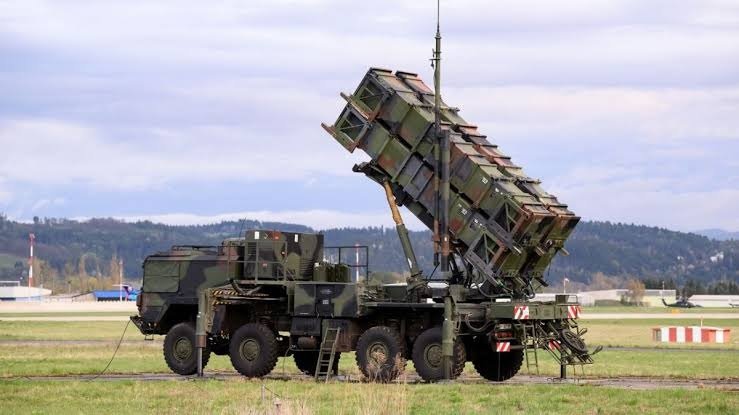
Europe
WARSAW, POLAND — Poland is considering sending another batch of missiles for Patriot air defense systems to Ukraine, with a final decision expected in the coming days, Deputy Defense Minister Magdalena Sobkowiak-Czarnecka said in an interview with RMF FM. She said Poland’s national security remains the main consideration, but the recent Russian missile incident in Polish airspace has influenced the assessment. Defense Minister Władysław Kosiniak-Kamysz is currently leaning toward approving another transfer. “Despite all the political fuss there was earlier about whether we were right to hand over the missiles, today he leans toward sending more, because he would rather see a missile like that shot down over Ukrainian territory than have it fly into ours,” Sobkowiak-Czarnecka said. Poland is also discussing the issue with NATO and the United States. Previous Patriot Missile Transfer Poland confirmed in July that it had transferred five PAC-3 missiles for Patriot systems to Ukraine several months earlier. Prime Minister Donald Tusk said the transfer was made at the request of NATO Secretary General Mark Rutte and U.S. Supreme Allied Commander Europe Gen. Alexus Grynkewich, following consultations among countries operating Patriot systems. Polish officials said the transfer was marginal and did not affect Poland’s air defense capabilities. Warsaw also received assurances that significantly more missiles and systems could be provided within 24 hours if Poland itself faced a threat. Russian Kh-101 Incident The new transfer discussion follows the July 29-30 Russian attack on Ukraine, when a Russian Kh-101 cruise missile entered Polish airspace and crashed near Tarnawa-Kolonia in the Lublin Voivodeship, about 90-95 kilometers from the Ukrainian border. The missile crashed in an uninhabited area, leaving a crater about 10 meters wide. There were no casualties or significant damage to buildings. Polish forces detected the object at about 3:40 a.m. and scrambled an F-16 to identify and intercept it. The object later disappeared from radar, while a Mi-24 helicopter located the crash site. Poland tracked multiple aerial targets during the attack. One came within about five kilometers of the Polish border before turning back. Investigators later confirmed that the missile was a Russian Kh-101 manufactured in the second quarter of 2026 at a facility in the Moscow region. Poland subsequently summoned the Russian ambassador and delivered a protest note. Earlier Russian Drone Incursion The incident followed a September 2025 violation in which between 19 and 23 Russian drones entered Polish airspace during a large-scale attack on Ukraine. Polish and NATO aircraft, including Polish F-16s and Dutch F-35s, responded, and some drones were shot down. Poland temporarily closed airspace around several airports, including Warsaw’s main international airports, and invoked Article 4 of the NATO treaty for consultations among allies. Poland currently operates two Patriot batteries and is awaiting additional systems. Warsaw has also provided substantial military assistance to Ukraine since 2022. No final decision on the new Patriot missile transfer has been announced, but Sobkowiak-Czarnecka said the decision is expected within days.
Read More → Posted on 2026-08-13 15:31:04
Europe
ROME — A fire followed by a powerful explosion occurred Thursday afternoon at the KNDS Ammo Italy ammunition facility in Colleferro, about 50–60 kilometers southeast of Rome. The plant, formerly known as Simmel Difesa, produces medium- and large-caliber ammunition for ground and naval forces, along with solid propellants for missiles and aerospace vehicles. The site covers about 100 hectares and is classified as a high-risk industrial facility under Italy’s Seveso regulations. BREAKING:A large explosion and fire hit a munitions plant in Colleferro, south of Rome, Italy.The blast occurred at the plant owned by the major Italian defense manufacturer KNDS Ammo Italy, which produces medium- and large-caliber ammunition and solid rocket fuels. 🇮🇹 pic.twitter.com/MM1PuWXEyG — Visegrád 24 (@visegrad24) August 13, 2026 According to local reports citing emergency services and authorities, the first alert was received around 2:45 p.m. local time. The fire started in the powder-pressing workshop before the explosion. The blast was heard in nearby towns including Artena, Valmontone, Labico, Paliano and Serrone. Videos and eyewitness reports showed smoke and flames at the site. Firefighters, Carabinieri and other emergency teams responded to the facility near the Quarto Chilometro/Via Ariana area toward Artena. Operations were complicated by the risk of further detonations. The affected area was reported to be limited to part of the production and storage zone. No deaths or injuries were reported. Around 24 workers were at the facility and all were accounted for and safe. The mayor of Colleferro said the explosion involved a mixer used in the production process. The Carabinieri and Velletri prosecutor’s office have opened an investigation. The preliminary focus is on the fire, but the exact cause remains under investigation and will require technical assessments. Second European Ammunition Plant Incident This Week The Colleferro explosion follows a August 10 fire and explosions at an EMCO defense plant near Belitsa, close to Tryavna in central Bulgaria. The facility is involved in ammunition assembly, loading and related activities. Workers were evacuated, with no injuries reported. Secondary fires and unexploded materials required further safety operations. The cause remains under investigation, while EMCO has ruled out human error. KNDS Ammo Italy is part of the Franco-German KNDS defense group. The Colleferro site has more than a century of explosives and ammunition production history, including earlier ownership by Bombrini Parodi Delfino. The company also operates a demilitarization facility in nearby Anagni and supplies medium- and large-caliber ammunition to more than 40 countries. Italian authorities continue to secure and monitor the Colleferro facility as the investigation continues.
Read More → Posted on 2026-08-13 15:40:35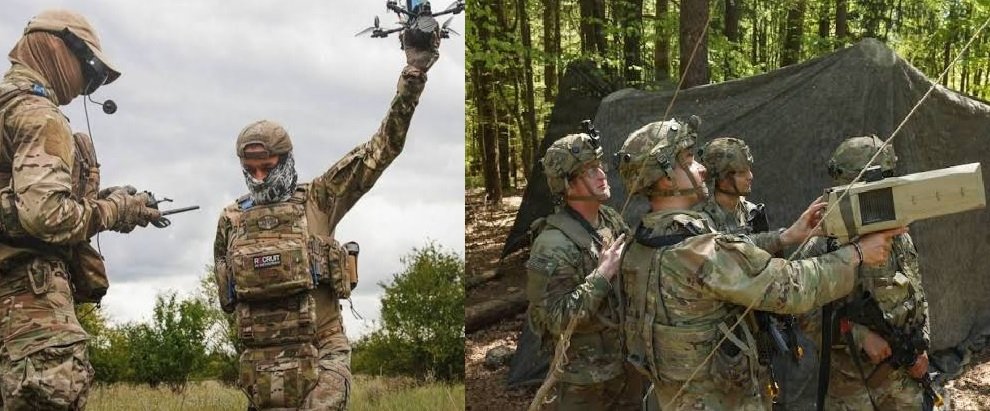
U.S
HOHENFELS, Germany — Ukrainian drone operators outperformed U.S. Army forces during the Combined Resolve exercise in Germany earlier this year, highlighting the difference in battlefield experience between Ukrainian drone units and American troops. The exercise was held in April and May 2026 at the Joint Multinational Readiness Center in Hohenfels. Around 3,500 U.S. personnel participated, mainly from the 3rd Armored Brigade Combat Team of the 1st Cavalry Division, which was rotating from Fort Hood, Texas. Their mission was to advance against positions held by the training center's opposition force, which was reinforced by Ukrainian troops from the 412th Regiment of Unmanned Systems Forces, known as Nemesis. U.S. forces used standard electronic warfare and counter-drone systems, while Ukrainian operators used combat experience gained during the war with Russia. Ukrainian reconnaissance drones located U.S. vehicles, with heavy armored vehicles also becoming easier to detect because they raised dust while moving. The reconnaissance drones were followed by systems simulating munition drops and first-person-view (FPV) kamikaze drones. No live ammunition was used. A simulated hit was recorded when a drone flew extremely close to or hovered over a target. The Ukrainian operators eliminated the attacking U.S. armored brigade so quickly that vehicles and troops marked as destroyed had to be returned to the exercise as reinforcements, or "re-spawned," to keep the training going. U.S. drone operators initially had less ability to quickly troubleshoot problems and prepare drones under conditions similar to combat. The scenario was repeated over roughly two weeks, allowing American forces to improve. They dispersed their forces more effectively, improved camouflage and made better use of electronic warfare systems. Midway through the exercise, the Ukrainian operators switched sides and demonstrated how uncrewed systems could support offensive operations. U.S. troops then applied those methods with greater effect. General Alexus Grynkewich, NATO's Supreme Allied Commander Europe, said this type of training experience cannot be replicated in the United States and highlighted the significant changes seen after NATO forces train with Ukrainian units. The results were not isolated. In 2023, a U.S. officer involved in training Ukrainian troops recognized that American forces had much to learn about drone warfare and helped develop a program that was later introduced more widely. In May 2025, Ukrainian drone operators defeated a simulated force involving British, Estonian and U.S. troops during exercises in the Baltics. In spring 2026, Ukrainian UAV operators participating in NATO exercises on Gotland also outperformed Swedish troops opposing them. Combined Resolve is a recurring U.S. Army Europe and Africa exercise focused on large-scale ground combat. The participation of Ukrainian forces provides U.S. and NATO troops with practical experience against the smaller front-line drones that have become central to combat in Ukraine. U.S. Army officials have also said that newer Mobile Brigade Combat Teams equipped with more recent equipment and tactics have performed better in similar exercises. The Pentagon has increased investment in drone and counter-drone technology, expanded efforts to study Ukrainian methods and tested Ukrainian drones for possible procurement. The exercise highlighted the practical advantage Ukrainian units have gained through years of continuous combat adaptation, including the rapid repair and modification of drones under pressure. U.S. and NATO forces are using joint exercises with Ukrainian personnel to incorporate these battlefield lessons into their own training. Source : wsj
Read More → Posted on 2026-08-13 15:49:57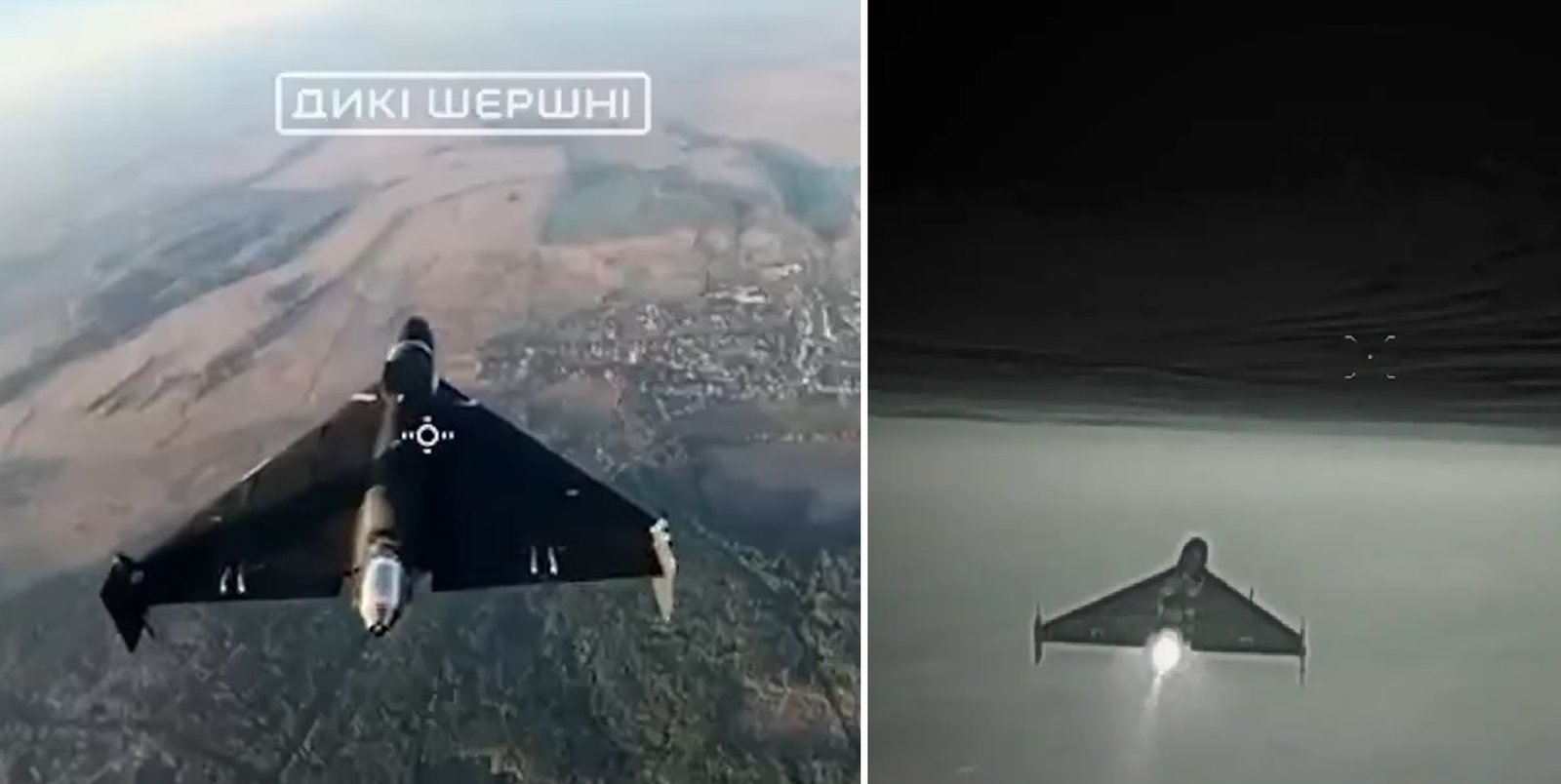
World
KYIV, Ukraine — Russia is increasingly using jet-powered attack drones against Ukraine, with the drones accounting for as much as two-thirds of some attack waves, according to Col. Yuriy Ihnat, spokesperson for the Ukrainian Air Force. Ihnat gave the assessment to Business Insider on Thursday. Earlier Ukrainian estimates had put the share of jet-powered drones at up to 20%. In 2025, such drones appeared only rarely in Russian attacks. In early June, Ukraine's then-Commander-in-Chief Gen. Oleksandr Syrskyi said Russia planned to increase their share to 50% of its attack-drone mix. The jet-powered drones are variants of the Geran series, Russia's version of Iranian-designed Shahed-type one-way attack drones. The standard Geran-2 uses a propeller and flies at about 185 km/h, while newer versions use mini turbojet engines. The Geran-3 typically cruises above 320 km/h. The Geran-4 can reach about 500 km/h, while the larger Geran-5 can reach up to about 600 km/h and has a shape closer to a small cruise missile. Their ranges generally fall between 850 and 1,000 km or more, with warheads ranging from 50 kg to 90 kg. Many of the newer drones use Chinese-made TeleFly turbojet engines. Ukraine says Russia has also sharply increased production and use of these systems. About 1,400 jet-powered Geran drones were reportedly launched during the first months of 2026, compared with 180 recorded during all of 2025. Ukrainian intelligence has also reported production of newer Geran-4 and Geran-5 models reaching about 3,000 units per month, while production of the earlier Geran-3 has reportedly stopped. The higher speed creates additional problems for Ukrainian air defenses. Ukrainian forces have reported interception rates of 92–96% against slower propeller-driven Shahed/Geran drones in some assessments, particularly in deeper rear areas. However, faster jet-powered drones reduce the reaction time available to mobile fire groups and interceptor drones, which can have top speeds of around 300–370 km/h. This can require more capable surface-to-air missiles or other air-defense systems. On Thursday, Ukrainian President Volodymyr Zelenskyy said a Russian jet-powered drone struck the locomotive of a passenger train in the Odesa region. The train was carrying 340 people, and the locomotive engineer and his assistant were killed. The same day's overnight attacks involved more than 130 attack drones across 11 Ukrainian regions. Russia continues to combine jet-powered drones with conventional kamikaze drones and decoys, putting additional pressure on Ukraine's air-defense network. Source : businessinsider
Read More → Posted on 2026-08-13 16:00:22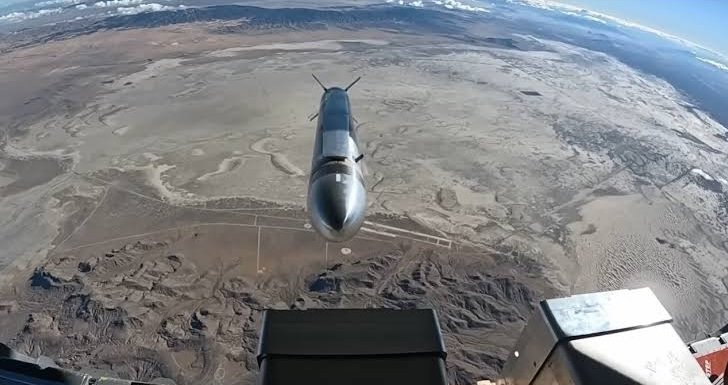
U.S
HUNTSVILLE, Alabama — Leidos’ AGM-190A “Havoc Spear” small cruise missile has entered operational use, with the weapon undergoing flight testing and having already been deployed in military exercises and combat, Leidos CEO Tom Bell said during the company’s second-quarter 2026 earnings call. Bell did not disclose the locations or dates of the combat deployments, current production volumes, contract values or a specific expansion timeline. The U.S. Air Force designated the Leidos Small Cruise Missile as the AGM-190A in February 2026, while Air Force Special Operations Command (AFSOC) announced the Havoc Spear name in May 2026. AFSOC said Secretary of the Air Force Troy Meink selected the name during a November 2025 visit to AFSOC headquarters at Hurlburt Field. Leidos is now discussing a larger procurement and expansion of the missile with the U.S. Air Force and U.S. Special Operations Command (SOCOM). Bell said the discussions also include developing the AGM-190A into a broader “family of systems.” The roughly 200-pound-class missile was developed by Leidos Dynetics, with development beginning around 2021 and drawing on experience from the GBU-69/B Small Glide Munition. In 2022, Leidos signed a Cooperative Research and Development Agreement with SOCOM to develop the weapon as a low-cost, adaptable delivery platform. Testing included AC-130J launch development, with successful store-separation testing in December 2023 and the first guided flight test in late 2024. By May 2025, testing had demonstrated a standoff range of more than 400 nautical miles (about 740 km) from a C-130 aircraft. The AGM-190A uses a Pratt & Whitney TJ150-7 turbojet, reaches high-subsonic speeds of around Mach 0.8, and has a service ceiling of about 9,000 meters. Its modular hardware and open-system software are designed to support mission adaptability, including operation in GPS-denied environments and terminal guidance options. A warhead in the 23 kg (50 lb) class has also been reported. The missile can be launched from several platforms and systems, including AC-130J Ghostrider gunships, MC-130J aircraft, MQ-9 Reapers, OA-1K Skyraider II aircraft, conventional wing pylons, palletized drop systems and ramp-mounted launch tubes. In July 2026, SOCOM awarded Leidos a $27.2 million contract modification for AGM-190A All Up Rounds. Work in Huntsville, Alabama, is scheduled to continue through February 2029. LCCM Expansion The AGM-190A also forms the basis for Leidos’ Low-Cost Containerized Munitions (LCCM) framework announced earlier this year. Bell said the small cruise missile program helped position Leidos for the broader family-of-systems approach. Under May 2026 Department of War framework agreements involving Leidos, Anduril, CoAspire and Zone 5, Leidos is to deliver an initial 3,000 LCCM units. The LCCM is approximately twice the size of the AGM-190A and has greater fuel capacity, while using a modular airframe and common Weapon Open Systems Architecture. Production is planned to begin in 2027, with Leidos targeting 3,000 units before the end of the decade. The broader LCCM effort aims for more than 10,000 missiles over three years beginning in 2027. The system is initially planned for ground launch from containers, with maritime and air-launched variants also possible. Leidos has estimated the addressable market for low-cost and containerized munitions at more than $44 billion over the next 10 years. The company is positioning Havoc Spear, LCCM and the Indirect Fire Protection Capability (IFPC) as key parts of its defense-technology expansion. For LCCM, a production-readiness and scaling review is scheduled for later in August 2026, followed by full flight testing next summer and then full-rate production. Leidos reported about $4.6 billion in second-quarter 2026 revenue, up 7% year over year, and raised its full-year guidance. The company said its defense business also recorded accelerating revenue and a high book-to-bill ratio.
Read More → Posted on 2026-08-14 11:07:25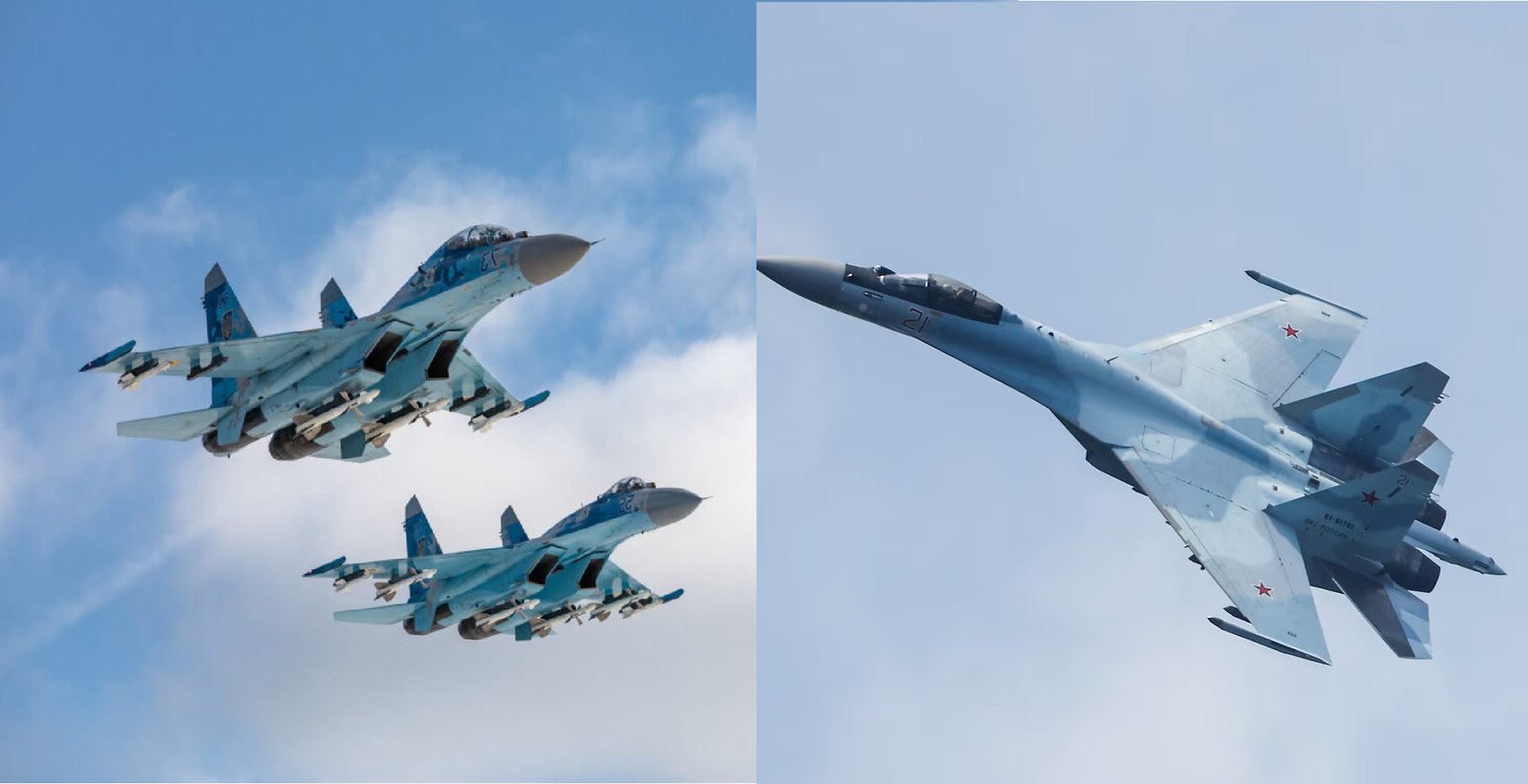
World
MOSCOW, Russia — A Russian Su-35S fighter pilot destroyed two Ukrainian Su-27 aircraft during a single air engagement, according to Sergey Kobylash, commander of the Russian Air Force and deputy commander-in-chief of the Russian Aerospace Forces. Kobylash described the incident in an interview with Krasnaya Zvezda published around the 114th anniversary of the Russian Air Force on August 12. Russian media, including Izvestia, subsequently reported his account. According to Kobylash, the young pilot was conducting a combat air patrol to provide cover for an advancing group of Russian ground forces. After reaching the assigned area, he used the Su-35S's onboard radar to search for airborne targets. Despite electronic jamming by Ukrainian forces, the pilot detected two Ukrainian Su-27 fighters. Kobylash said the pilot decided to engage even though he was facing two aircraft. During the engagement, the Su-35S pilot carried out a manoeuvre to obtain a more favourable tactical position and then launched three guided air-to-air missiles. Kobylash said both Ukrainian Su-27s were destroyed. The Russian commander did not provide the exact date or location of the engagement, and the name of the pilot was not disclosed. Ukrainian sources have not publicly confirmed the loss of the two Su-27s in connection with this particular account. Kobylash presented the incident as an example of Russian air operations during the ongoing conflict. He also referred to the continued effectiveness of Russian army aviation helicopters under current combat conditions. The account is based on statements made by the Russian Air Force commander in the Krasnaya Zvezda interview and subsequent Russian media reports.
Read More → Posted on 2026-08-14 11:15:56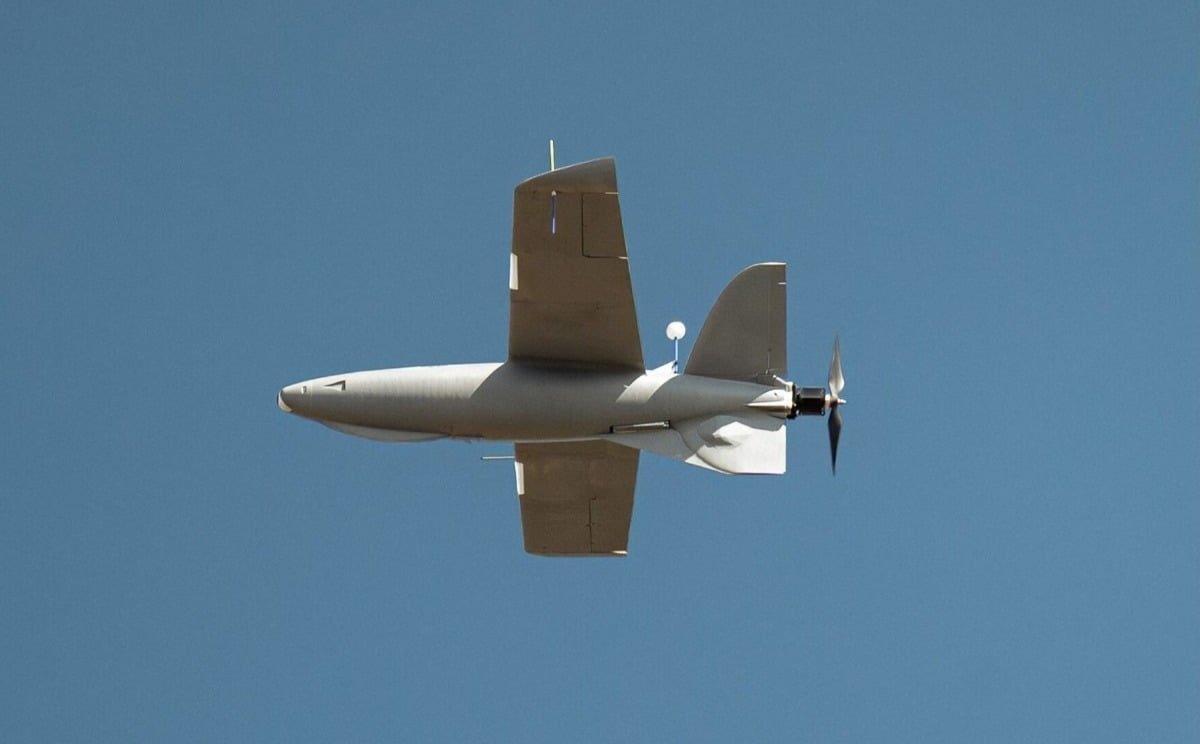
World
KYIV, Ukraine — Ukrainian defense-technology company Ukrainska Bavovna has unveiled the Last Shadow T200, a fixed-wing interceptor drone designed for city air defense and frontline operations against Russian unmanned aerial vehicles. The system was presented at an event organized by the Technological Forces of Ukraine association. According to information provided by the company to Militarnyi, the T200 is designed to intercept Shahed (Geran), Gerbera, Molniya, Lancet, Orlan and Zala drones. Development began last year. The T200 has a maximum speed of 300 km/h, a practical ceiling of 5,000 meters, and a maximum climb rate of 35 meters per second. Its propulsion system provides about 7 kilograms of thrust, although the company says normal flight uses much less of the available power. The drone has an endurance of about one hour at a cruising speed of 130 km/h, and around 40–50 minutes at higher interception speeds. Its initially stated operational range was 70 kilometers, but recent combat trials saw the aircraft cover 122 kilometers while maintaining a stable, high-quality video link with ground control. The interceptor is designed to operate in heavy electronic-warfare environments. It uses beacon-based navigation, a jamming-resistant Sine.link data channel, and systems that switch between video channels and frequency bands to counter Russian interference, including the Shtora image-spoofing system. Target detection is supported by a movable, gimbal-mounted camera that can be raised and lowered. It can tilt from -80 to +45 degrees and provides thermal imaging. Ukrainska Bavovna is also integrating an automated terminal-guidance system. The operator will designate the target using a switch, after which the onboard autopilot will control the final approach. The T200 uses a codified warhead and initiation board, with a PWM signal used when engaging aerial targets. Its 2.5-kilogram shaped-charge warhead was developed by Rendrock Ukraine. Both the drone and warhead have been codified. The T200 is launched from a pneumatic catapult, which can be deployed in less than five minutes. Its airframe is currently produced using 3D printing, but the company plans to switch to molding within several months to increase structural strength and enable reusable landings. Small-scale serial production has already begun following state codification. Ukrainska Bavovna said it focuses on maximizing the use of Ukrainian-made components and also provides joint research and development, testing, and maintenance, repair and overhaul services to foreign partners. For operator training, it works with the Dovzhyk pilot school, where more than 70 veterans prepare crews to operate various drones, including interceptors.
Read More → Posted on 2026-08-14 11:42:27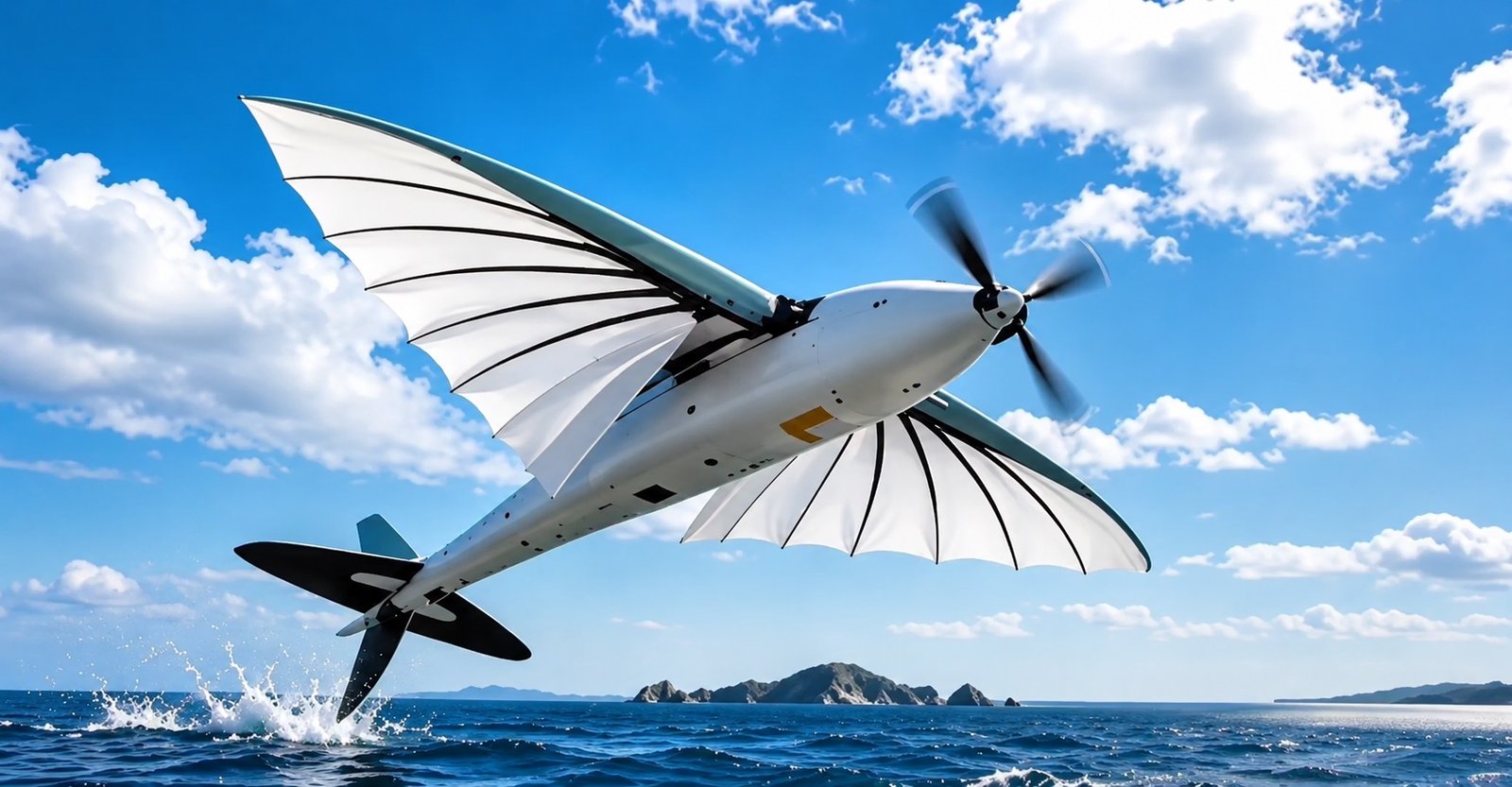
World
CHANGSHA, China — Chinese technology company Changsha Nighthawk Intelligent Technology is completing testing of its SkyX bionic amphibious system and preparing for serial production, according to Chinese reports and coverage including CGTN. Inspired by a flying fish, the SkyX is designed to operate in three modes: aerial flight, surface gliding and underwater travel. In the air, its wings unfold into a fixed-wing configuration while a front propeller provides thrust, giving the system an endurance of up to one hour. When entering the water, the wings fold inward to create a streamlined shape and reduce drag, while a tail propeller provides underwater propulsion. The company states that the vehicle can reach underwater speeds of up to 50 km/h (31 mph). China’s Changsha Nighthawk Intelligent Technology is preparing the SkyX bionic amphibious drone for serial production, with the system designed for air, surface and underwater operations, up to 1 hour of flight endurance and underwater speeds of up to 50 km/h pic.twitter.com/LH3skqVDY2 — The Defense News (@TheDefenseNews) August 14, 2026 Changsha Nighthawk says comparable foreign amphibious systems typically reach about 6 km/h (3.7 mph) underwater and have aerial endurance of roughly six minutes. Development began with a concept prototype in 2021, and the team has now completed five generations of prototypes. The fifth generation entered cross-medium testing in 2025. Real-world water tests have demonstrated flight, underwater movement, mode switching, surface jumping and passage under bridges. The system uses adaptive flight controls, combined ducted and propeller propulsion, and sealing measures to handle the major difference between air and water environments. Its range and maximum diving depth have not been publicly released, while development continues on water-exit reliability, complex sea conditions and payload capacity. The SkyX is being considered for emergency rescue, ocean monitoring, environmental data collection and search-and-rescue operations. Defense-related applications, including reconnaissance, have also been discussed, but available information does not indicate that the vehicle has been configured or armed for a specific military strike role. The project is being developed by a team of eight people that originated from a university drone club. The team has received 200,000 yuan from the Hunan provincial university student entrepreneurship investment fund, is listed on the Hunan equity exchange's student innovation and entrepreneurship board, and plans to raise 500,000 yuan for further engineering optimization and small-batch delivery. It is also applying for patents covering power systems, structure and algorithms. The project remains focused on prototype optimization, reliable air-water transitions and preparations for limited production.
Read More → Posted on 2026-08-14 12:01:33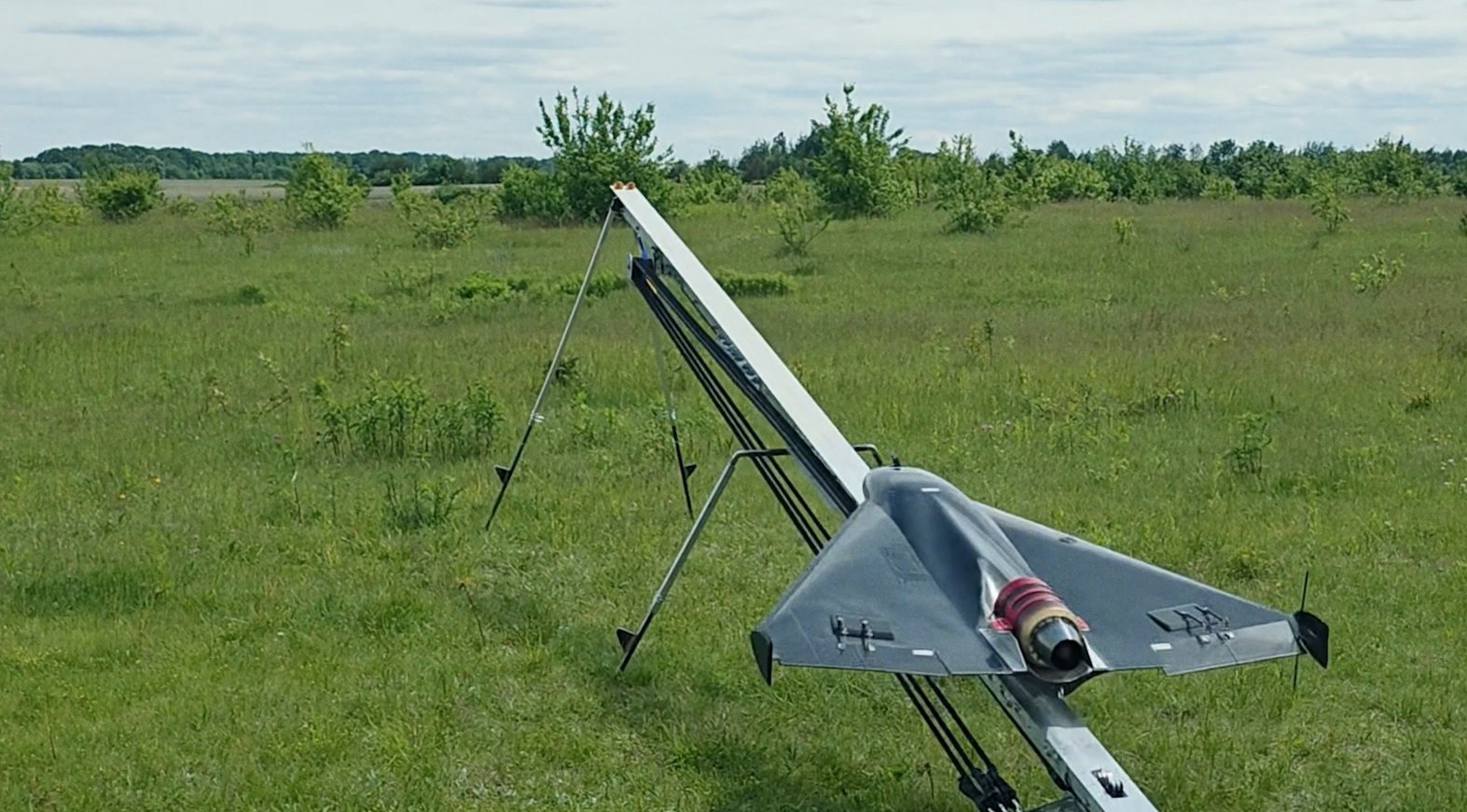
World
KYIV, Ukraine, August 14, 2026 — Ukraine has begun combat testing of its first jet-powered interceptor drones designed to counter Russia’s growing use of jet-powered Shahed-type attack drones. Former Ukrainian Defence Minister Mykhailo Fedorov said on August 14, after visiting a production facility, that one Ukrainian team had developed a jet-powered interceptor capable of reaching speeds of more than 600 km/h. 🇺🇦 Ukraine begins combat testing of its first jet-powered interceptor drones, designed to counter Russia’s growing use of jet-powered Shahed-type attack drones.The new interceptor can exceed 600 km/h, with developers awaiting the first confirmed combat results. pic.twitter.com/pZNNpWCuIA — The Defense News (@TheDefenseNews) August 14, 2026 “The system is now undergoing combat testing,” Fedorov said. Developers are awaiting the results of the trials, including the first confirmed shoot-downs of enemy targets. Fedorov said Russia is gradually replacing conventional Shahed drones with faster jet-powered versions, describing the development as a change in the strategy of aerial warfare. He said Ukraine must respond quickly to keep pace with each new technological development. Ukraine launched a coordinated interceptor-drone programme through the Defence Ministry last year. The programme focused on opening the market to manufacturers, conducting combat tests and increasing government procurement. Through Brave1, Ukraine’s defence technology cluster, manufacturers have received grants, while their systems have been assessed and supported during testing. Fedorov said several Ukrainian companies now have solutions designed to counter jet-powered drones and called for increased investment in research, development, testing and production. He said the immediate task is to increase efforts to counter the threat as quickly as possible. Other Ukrainian companies are also developing faster interceptors. SkyFall’s P1-SUN JetKiller has been reported at around 370 km/h, with the system already recording interceptions of jet-powered threats and moving toward mass production. British-Ukrainian company Firebolt Engineering’s Griffen jet-powered interceptor exceeds 350 km/h and has reportedly achieved a confirmed shoot-down of a Russian Geran-2, a Shahed-type drone. Separate reports said at least two Ukrainian companies were testing jet-powered interceptors by early June 2026, with one having already downed a Geran drone. Ukrainian military leadership has previously said Russia intends to increase the share of jet-powered systems, potentially to half of its long-range one-way attack drone inventory. Ukraine is also expanding the use of slower interceptor drones. On August 12, the Defence Ministry approved the TAF Kolibri-i10, developed by TAF Industries, for service. It can exceed 200 km/h, has a range of up to 25 km, an endurance of more than 20 minutes and an operating altitude of up to 3,000 meters. It is primarily intended to counter reconnaissance and other fixed-wing drones such as Molniya, Orlan and Zala. The combat testing of the new 600-km/h interceptor is part of Ukraine’s wider effort to develop faster systems as Russia increases its use of jet-powered attack drones.
Read More → Posted on 2026-08-14 12:51:32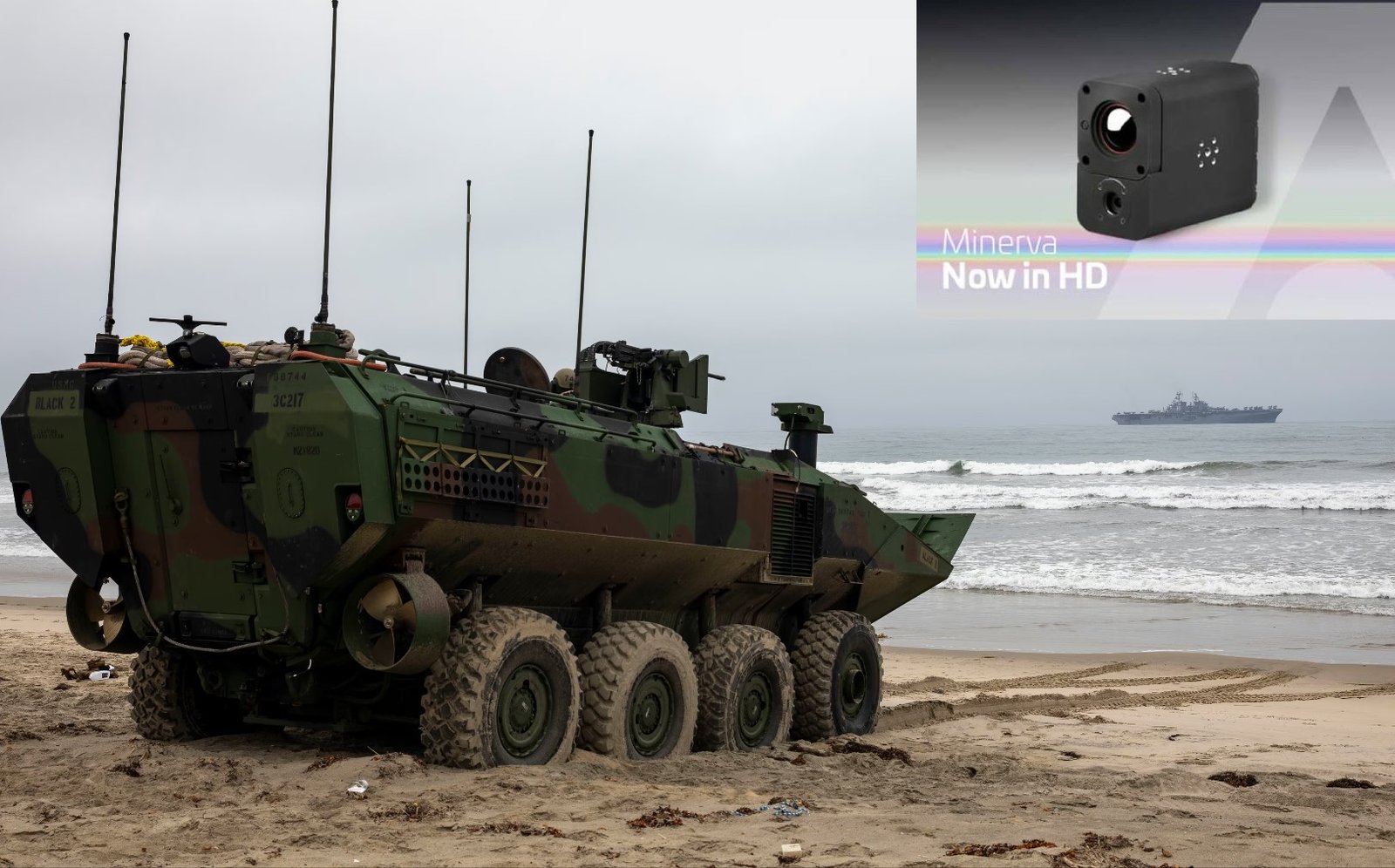
U.S
WASHINGTON — Thales Defense & Security, Inc. (TDSI) has received an order to supply the U.S. Marine Corps with more than 400 SharpView Dual Camera – Minerva imagers for its Amphibious Combat Vehicles (ACVs). The cameras will be installed on the ACV-P Personnel and ACV-C Command variants, replacing legacy imaging systems and improving crew visibility and situational awareness in conditions such as darkness, dust, smoke, glare and adverse weather. Minerva combines an uncooled Long Wave Infrared (LWIR) thermal detector and a visible-light camera in one compact housing. It features a 1280 × 1024 LWIR detector with a 12-micron pixel pitch and a 1920 × 1080 full-HD visible module. The system provides digital 60 Hz video through 3G-SDI, with low-latency output and automatic image processing. The dual-band system is designed to help crews detect obstacles, navigate and maintain situational awareness during day and night operations. Its integration with existing vehicle systems also allows the Marine Corps to replace legacy cameras without developing a new vehicle imaging architecture. The Minerva camera is designed and manufactured by Thales in Canada and was launched in 2022. Thales said its combat imaging systems are used by more than 50 armed forces worldwide, building on more than 30 years of experience in cooled and uncooled thermal imaging. “Marines depend on cutting-edge and robust technology to make rapid decisions in highly demanding and dynamic environments,” said Chris Beauparant, Vice President of Sensors and Missile Systems at Thales Defense & Security, Inc. He said Minerva provides crews with a more complete picture of the battlefield and helps them identify hazards sooner and maneuver more effectively. Thales confirmed the order in an announcement published on August 11, 2026. The cameras will be used on both new and existing ACV-P and ACV-C vehicles. The Minerva system has also been selected for evaluation and testing under the U.S. Army's XM30 program, which focuses on next-generation combat vehicles with improved crew protection and situational awareness. The Marine Corps' ACV program, led by BAE Systems, includes the ACV-P, ACV-C, ACV-30 fire-support variant and ACV-R recovery variant, with current plans calling for around 632 vehicles. Thales already supplies related electro-optical systems for U.S. Marine Corps ground vehicles, including cooled SharpView cameras for the Marine Air Defense Integrated System (MADIS) and Catherine thermal imagers for the ACV-30.
Read More → Posted on 2026-08-14 13:21:14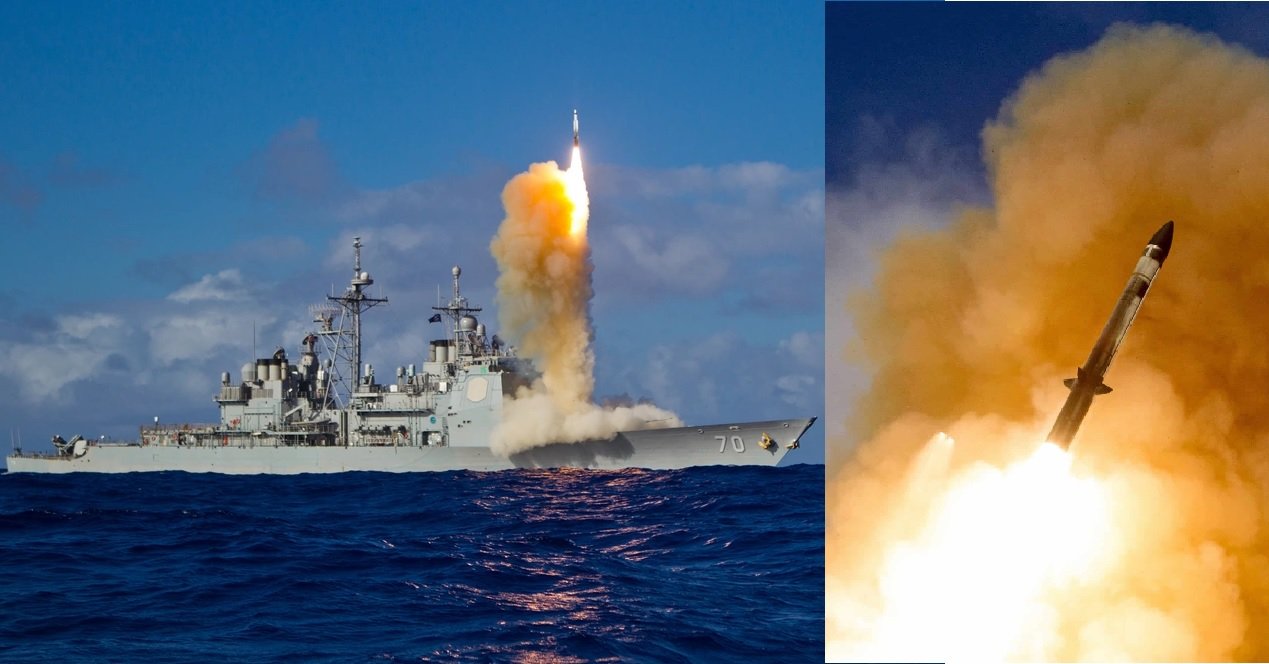
U.S
WASHINGTON — The U.S. Department of War has signed two framework agreements with Boeing and RTX to increase production of key components for the Standard Missile-3 (SM-3) Block IB and Block IIA interceptors. The agreements are intended to strengthen the SM-3 supply chain and accelerate the delivery of completed interceptors to U.S. Navy forces. The SM-3 is a ship-launched interceptor used as part of the Aegis Ballistic Missile Defense System for ballistic missile defense operations. Boeing and RTX to Support Higher SM-3 Production Under the new framework agreements, Boeing will lead manufacturing efforts for key SM-3 components. The Department of War said the move is intended to address supply-chain bottlenecks and speed the movement of munitions from production facilities to operational forces. The agreements cover both the SM-3 Block IB and SM-3 Block IIA, two variants of the interceptor used with the Aegis missile defense system. “These agreements ensure our Warfighters get the munitions they need to win,” said Michael P. Duffey, Under Secretary of War for Acquisition and Sustainment. Duffey said the Department is working to stabilize supply chains, expand munitions production and strengthen the U.S. defense industrial base. Acquisition Strategy Supports Production Expansion The agreements were facilitated by the Department of War’s Acquisition Transformation Strategy (ATS). The strategy is designed to reduce administrative delays and allow the government to work more directly with suppliers throughout the defense supply chain. The department said this approach is intended to help increase production and improve the movement of components and completed weapons. The latest agreements specifically focus on the component supply chain supporting SM-3 production. SM-3 Block IB and Block IIA The SM-3 is a kinetic, exo-atmospheric ballistic missile interceptor. Instead of using an explosive warhead to destroy its target, the interceptor uses a kinetic warhead to destroy an incoming ballistic missile through direct impact outside the atmosphere. The SM-3 Block IB incorporates a two-color infrared seeker and an improved steering system compared with earlier versions. These improvements provide enhanced capability against ballistic missile targets. The SM-3 Block IIA was jointly developed by the United States and Japan. It features a larger-diameter design, larger rocket motors and an enhanced kinetic warhead compared with earlier SM-3 variants. The Block IIA is designed to provide greater engagement capability over wider areas. RTX’s Raytheon business is the prime contractor for the SM-3 missile, with production work carried out at facilities in Tucson, Arizona, and Huntsville, Alabama. Boeing has supplied critical hardware for SM-3 variants used with the Aegis system. Agreements Follow Earlier Production Efforts The new agreements build on earlier U.S. efforts to increase SM-3 production. In February 2026, Raytheon signed separate framework agreements covering the SM-3 Block IB, SM-3 Block IIA, Tomahawk, AMRAAM and SM-6. Those agreements were aimed at increasing overall production rates for the covered systems. In early August 2026, Raytheon also received a $745 million contract from the Missile Defense Agency to manufacture and assemble SM-3 Block IIA interceptors for the United States and Japan under a Foreign Military Sales arrangement. Work under that contract is expected to continue through February 2031. The August 14 agreements with Boeing and RTX are focused specifically on the components required for SM-3 production. No Production Quantities or Financial Details Released The Department of War did not disclose the financial value of the two new framework agreements or specific production quantity targets. The department said the agreements are focused on stabilizing the supply chain, removing production bottlenecks and supporting higher SM-3 interceptor production. The effort comes as the United States continues to strengthen its munitions production capacity and the readiness of its naval missile defense forces.
Read More → Posted on 2026-08-14 13:26:25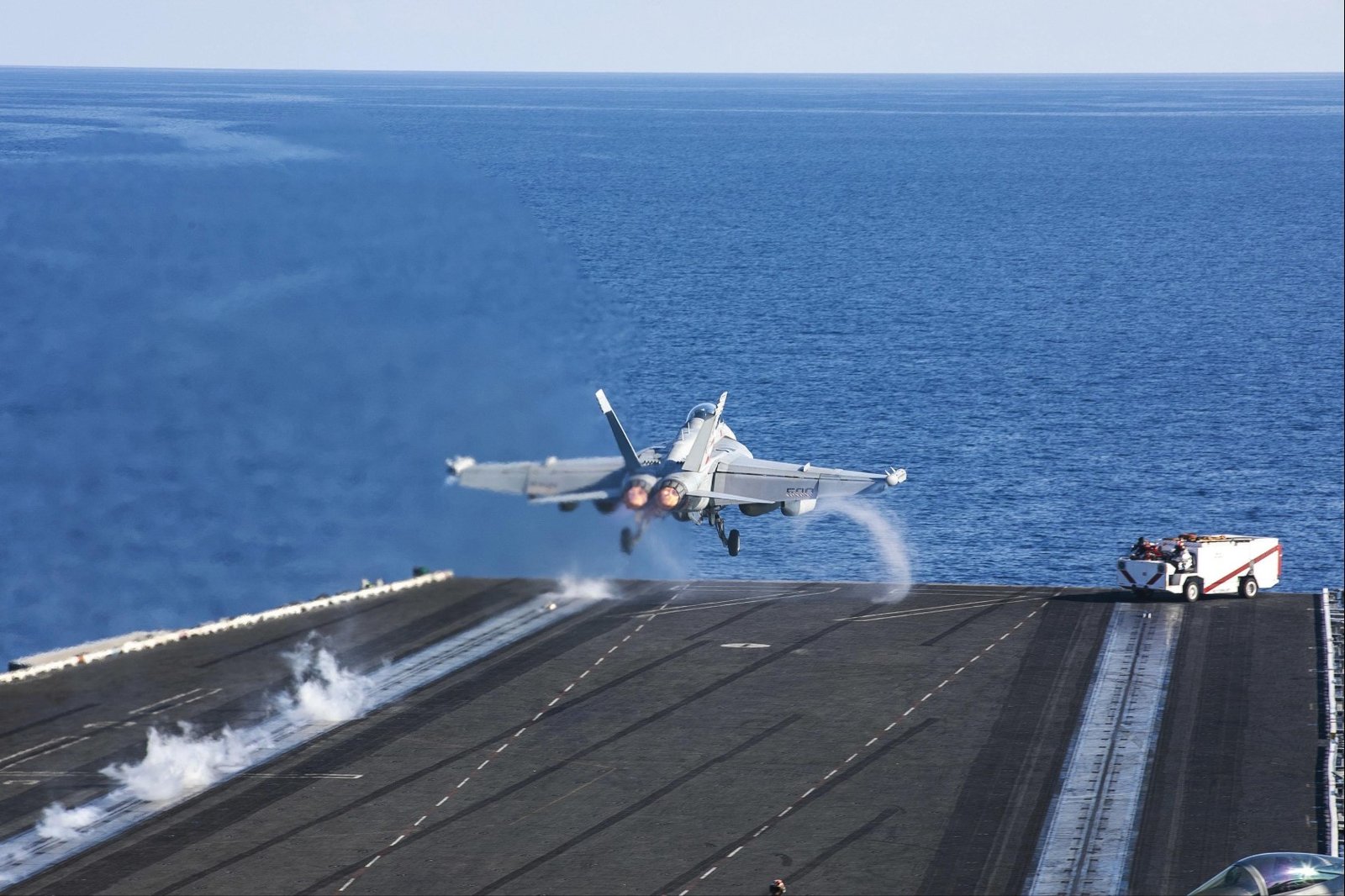
U.S
WASHINGTON — President Donald Trump has directed the U.S. Navy to replace the Electromagnetic Aircraft Launch System (EMALS) and Advanced Weapons Elevators (AWE) with steam-powered catapults and hydraulic systems on future Gerald R. Ford-class aircraft carriers, beginning with the future USS Doris Miller (CVN-81). Trump signed a National Security Presidential Memorandum on August 13 titled “Rebuilding the United States Navy and America’s Shipbuilding Industrial Base.” The memorandum is primarily focused on rebuilding the U.S. Navy and strengthening the country’s shipbuilding industrial base, but it also directly intervenes in the detailed engineering of the Ford-class carrier program. The memorandum gives the Secretary of War, in consultation with the Secretary of the Navy, 60 days to submit a plan to the President through the Director of the Office of Management and Budget (OMB) and the Assistant to the President for National Security Affairs (APNSA). The plan must identify the measures required to replace EMALS and Advanced Weapons Elevators with steam and hydraulic systems for the construction of CVN-81, including the required timelines and resources. The first three Ford-class carriers — USS Gerald R. Ford (CVN-78), the future USS John F. Kennedy (CVN-79) and USS Enterprise (CVN-80) — will retain EMALS. Unless the policy changes again, USS Doris Miller and subsequent carriers would incorporate the steam and hydraulic systems. Major Change to the Ford-Class Design The Ford class was designed from the beginning around extensive electrification. Its two A1B nuclear reactors provide substantially greater electrical generating capacity than the preceding Nimitz-class design, while electricity replaces many functions that previously depended on steam, hydraulic or mechanical equipment. EMALS uses electrical energy and linear induction motors to accelerate aircraft along the catapult track. The system provides more precise control of the acceleration delivered to an aircraft than a conventional steam catapult. The Navy says EMALS is designed to launch aircraft ranging from lightweight uncrewed aircraft to heavy strike fighters. The system can adjust the launch profile according to aircraft requirements, while its smoother acceleration can reduce stress on airframes. Replacing EMALS on CVN-81 is therefore considerably more complicated than exchanging one catapult for another. A steam catapult requires high-pressure steam from the ship's propulsion system, together with substantial piping, accumulators and associated water and condensation systems. The Ford-class design was developed without much of the infrastructure used to support traditional steam catapults. As a result, restoring steam systems would require changes to internal compartments, energy distribution and other supporting ship systems. USS Doris Miller Is Already Under Construction The future USS Doris Miller is the fourth Ford-class carrier and is being built at Huntington Ingalls Industries' Newport News Shipbuilding. Because construction is already underway, the presidential directive comes after the detailed design of the Ford-class has been developed and after work on CVN-81's original systems has already begun. General Atomics, which produces EMALS and the Advanced Arresting Gear (AAG), received the contract for the systems for Doris Miller in 2023. The company has said that work on the EMALS and AAG equipment for CVN-81 is already nearly 50 percent complete. Changing the system at this stage could therefore require already completed work to be abandoned or redesigned, followed by the design, production and integration of replacement equipment. The exact financial and schedule impact has not yet been established. The 60-day Navy study ordered by Trump is intended to determine the engineering requirements, timelines and resources involved. Ford Program's Difficult Beginning The Ford-class introduced 23 significant new systems, including EMALS, Advanced Arresting Gear, Advanced Weapons Elevators, new reactors, new radar systems and extensive automation. The introduction of so many new technologies created significant technical and reliability challenges during the early years of the program. Problems involving EMALS, AAG and the weapons elevators contributed to delays in bringing USS Gerald R. Ford into full operational service. Government reviews, including work by the Government Accountability Office, previously highlighted reliability problems and the risks associated with installing immature systems aboard the first ship while development was still continuing. Trump's criticism of EMALS therefore dates back to the early development period of the Ford program. However, EMALS has since accumulated substantial operational experience. By March 2026, USS Gerald R. Ford had completed 36,863 electromagnetic aircraft launches, according to Pentagon figures. USS Gerald R. Ford's 326-Day Deployment USS Gerald R. Ford returned to Naval Station Norfolk on May 16, 2026, after a 326-day deployment. The deployment was the longest U.S. carrier deployment since the Vietnam War era. During the deployment, the carrier sailed more than 57,700 nautical miles and operated across multiple U.S. fleet areas. Carrier Air Wing Eight recorded more than 5,760 flying hours and 12,200 aircraft launches using EMALS during the deployment. The figures provided significant operational experience with the electromagnetic launch system after the reliability problems seen during the early stages of the Ford program. The Navy has also stated that EMALS and AAG support higher aircraft launch and recovery rates than the systems used on Nimitz-class carriers. The Electric Carrier The Ford-class was designed as a highly electrified carrier rather than simply as a Nimitz-class carrier with new catapults. The electrical architecture, reactor-generated power and automated systems were developed together as part of the carrier's overall design. EMALS is integrated throughout the ship and crosses 48 separate ship construction zones. Removing it would therefore affect areas beyond the equipment directly installed beneath the flight deck. Steam catapults would require high-pressure steam to be distributed from the propulsion plant through substantial pipework to the launch machinery. Supporting equipment would also require space for water, condensation and maintenance systems. Much of this infrastructure was deliberately reduced or eliminated during the Ford-class design process. The last U.S. aircraft carrier built with traditional steam catapults was USS George H.W. Bush (CVN-77), commissioned in 2009. No new sets of the C-13 steam catapult used on Nimitz-class carriers have been manufactured in almost two decades. Reintroducing the system would therefore also require the United States to rebuild or reactivate parts of an industrial base that is no longer producing the equipment at its previous scale. The White House memorandum links the return to steam and hydraulic systems to its broader objective of rebuilding the U.S. maritime industrial base. Work Already Completed on CVN-81 The timing of the order creates a significant engineering issue because CVN-81 was being developed as part of the existing Ford-class design. General Atomics' work on the EMALS and AAG equipment for Doris Miller is nearly 50 percent complete, according to the company. The change would therefore involve more than cancelling future EMALS deliveries. The Navy would have to determine what equipment already produced for the carrier can be retained, what must be removed or redesigned and how the replacement steam and hydraulic systems can be integrated into the ship. The eventual cost remains uncertain until the Navy completes the study ordered by Trump. Estimates of the potential impact have included the possibility of costs reaching billions of dollars, but the memorandum itself does not establish a final figure. The construction schedule is another major issue because the redesign would be taking place on a carrier already under construction. Operational Advantages of EMALS Steam catapults remain a proven technology and have launched aircraft from U.S. carriers for decades. However, EMALS provides more precise control over aircraft acceleration. The system can adjust the energy delivered during launch, allowing it to accommodate different aircraft weights and launch requirements. This is particularly relevant as carrier air wings increasingly incorporate uncrewed aircraft. The Navy's Naval Air Systems Command describes EMALS as a system capable of launching aircraft from lightweight uncrewed platforms through heavy strike fighters. The MQ-25 Stingray represents an early step in the U.S. Navy's move toward greater use of carrier-based uncrewed aircraft. Future Ford-class carriers are expected to remain in service for many decades, meaning their launch systems will need to support multiple generations of aircraft. EMALS also contributes to the Ford class's manpower reduction. The class was designed to operate with roughly 500 fewer sailors than a Nimitz-class carrier. The reduction comes from many aspects of the ship's automation and design, including systems that replace manpower-intensive steam and hydraulic equipment. The Navy has also designed the Ford class for a higher sortie generation rate than previous carriers. China Has Also Adopted Electromagnetic Catapults The U.S. decision comes as China has adopted electromagnetic launch technology for its newest aircraft carrier. China commissioned the 80,000-tonne Fujian in November 2025. Unlike the ski-jump-equipped Liaoning and Shandong, Fujian is equipped with three electromagnetic catapults. During trials, the People's Liberation Army Navy demonstrated electromagnetic launches involving the J-15T fighter, J-35 stealth fighter and KJ-600 fixed-wing airborne early warning aircraft. China has therefore moved from ski-jump carrier operations to electromagnetic catapult operations with its latest carrier design. France has also selected EMALS and Advanced Arresting Gear for its future nuclear-powered Porte-Avions de Nouvelle Génération (PA-NG) aircraft carrier. The adoption of electromagnetic launch systems by China and France highlights the different direction being taken by several countries developing their next-generation carrier aviation capabilities. A Major Engineering Intervention The memorandum's decision to return to steam is also notable because it comes alongside criticism of iterative design changes as a cause of cost increases and delays in U.S. shipbuilding. The same memorandum calls for measures to rebuild the U.S. naval shipbuilding industrial base, including plans for a fifth public Navy shipyard, additional submarine drydock capacity and a Component Repair Center for submarine components. It also calls for increased production of Virginia-class attack submarines and Columbia-class ballistic missile submarines, as well as greater foreign involvement in certain shipbuilding activities under conditions involving investment in U.S. shipyards and workforce training. These measures are intended to address broader problems in U.S. shipbuilding capacity. The carrier decision, however, introduces a substantial design change into an existing carrier program. Navy Faces a 60-Day Deadline The U.S. Navy now has 60 days to prepare the plan ordered by Trump. The plan must determine the engineering changes, timelines and resources required to replace EMALS and Advanced Weapons Elevators with steam and hydraulic systems on CVN-81. The study will also determine the practical effects on the carrier's construction and the industrial base required to produce the replacement systems. The future USS Doris Miller is therefore set to become the first Ford-class carrier affected by the return to steam-powered launch technology, while USS Gerald R. Ford, USS John F. Kennedy and USS Enterprise will continue operating with EMALS. The final direction for CVN-81 will depend on the outcome of the Navy's 60-day assessment and any subsequent policy decisions.
Read More → Posted on 2026-08-14 13:44:00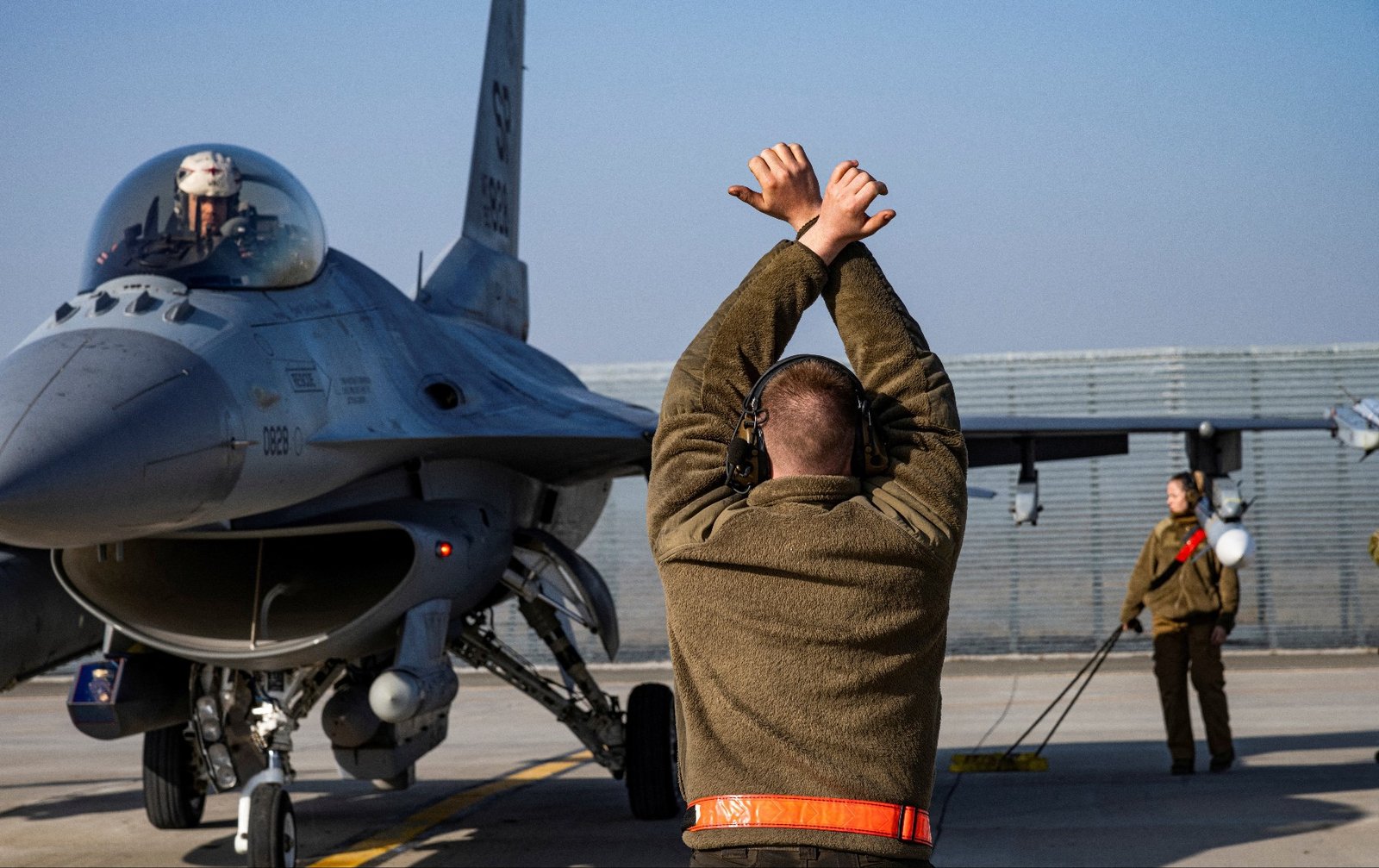
U.S
WASHINGTON — The United States continued training Ukrainian military personnel during the second quarter of 2026, including instruction for F-16 fighter pilots and ground crews, according to a joint report from the inspectors general of the U.S. Department of Defense, Department of State and U.S. Agency for International Development. The report, released on August 13 as part of ongoing congressional oversight of U.S. activities related to Ukraine under Operation Atlantic Resolve, covers the second quarter of 2026. F-16 Pilot and Ground Crew Training According to the report, the United States continued training Ukrainian F-16 pilots in line with commitments coordinated through the Air Force Capability Development Coalition. The United States co-leads the coalition with Denmark and the Netherlands. The training effort also includes Ukrainian ground personnel responsible for the operation and maintenance of the F-16 aircraft. The broader F-16 program involves training and sustainment support from several international partners. Ukraine began receiving F-16 fighter jets in the summer of 2024, while Ukrainian pilots had already begun training on the aircraft under the previous U.S. administration. Ukrainian pilots entering the F-16 training program have generally had previous experience operating Soviet-era aircraft, including the MiG-29 and Su-27. The training also requires specialized preparation for ground personnel responsible for maintaining and supporting the aircraft. Training on Bradley, Stryker and HIMARS U.S.-supported training during the reporting period was not limited to aviation. American personnel also trained Ukrainian forces to operate, maintain and repair several U.S.-supplied weapons systems. These included Bradley infantry fighting vehicles, Stryker armored personnel carriers and HIMARS rocket systems. The instruction covered both the use of the systems and maintenance activities needed to keep them operational. A total of 575 Ukrainian Armed Forces personnel completed training during the second quarter of 2026. The training was conducted at military bases in Germany, Poland, Romania, Spain, Kosovo, Ukraine and the United States. The number of personnel completing training was 29 percent lower than in the first quarter of 2026, according to the report. U.S. F-16 Training and Sustainment Support The current training effort follows a U.S. State Department determination in May 2025 approving a possible $310.5 million Foreign Military Sale to Ukraine for F-16 training and sustainment. The package covers aircraft modifications and upgrades, personnel training for aircraft operation, maintenance and sustainment, spare parts, consumables, repair and return support, ground-handling equipment, software, technical documentation, studies and surveys, as well as U.S. government and contractor engineering, technical and logistics support. The U.S. government said the proposed package was intended to ensure Ukrainian pilots receive effective training and increase interoperability between Ukraine and the U.S. Air Force. The F-16 support effort is part of the wider international coalition supporting Ukraine's transition to Western aircraft. The coalition's activities include pilot and maintainer training, sustainment support and other measures required to operate the aircraft. Continued Training Requirement Training Ukrainian personnel on Western military systems remains an ongoing requirement because the equipment requires specialized skills for operation, maintenance and sustainment. The inspectors general report confirms that U.S.-supported training continued during the second quarter of 2026, covering both F-16 aviation personnel and Ukrainian forces operating ground-based U.S.-supplied systems. The report is part of the regular oversight process for U.S. programs and operations supporting Ukraine. Under U.S. law, the Special Inspector General for Operation Atlantic Resolve is required to provide quarterly reports to Congress covering U.S.-funded programs and operations related to Ukraine.
Read More → Posted on 2026-08-14 14:03:13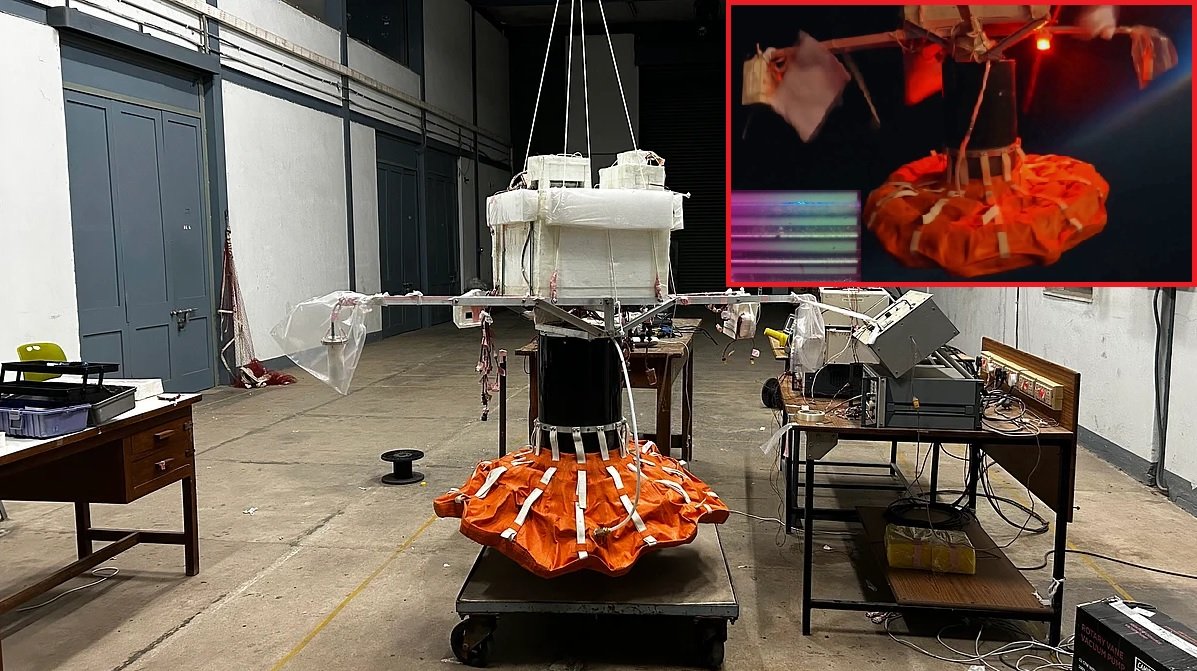
Space & Technology
Bhubaneswar, Odisha — Bhubaneswar-based space-tech startup Serendipity Space has successfully tested Alchemy, its autonomous pharmaceutical manufacturing module, during a near-space mission, demonstrating the company’s approach to pharmaceutical processing in microgravity. The startup, founded in 2024, completed the mission with a team of eight and operated an orbital-class vehicle prototype under near-space conditions. The system carried out pharmaceutical crystallisation and the resulting crystals were preserved through the return and recovery process. Serendipity Space is developing reusable satellite systems designed to process pharmaceutical compounds in microgravity and return the products to Earth. The company’s website identifies Alchemy as part of its technology for processing pharmaceutical compounds in space and describes its planned reusable satellites as having re-entry capability. Bhubaneswar-based Serendipity Space (@serendipityind) has successfully tested India’s first autonomous pharma factory, Alchemy, on a near-space mission.It crystallized drug compounds and preserved them during recovery, testing key tech for future microgravity manufacturing. pic.twitter.com/bNHhoX6Z8W — Runtime (@RuntimeBRT) August 14, 2026 Near-Space Mission And Alchemy Module The mission used a stratospheric balloon platform, drawing on expertise from scientists at the Tata Institute of Fundamental Research (TIFR) Balloon Facility in Hyderabad. During the flight, the Alchemy module operated continuously in harsh conditions and performed crystallisation of commercial monoclonal antibody therapeutics and small molecules. The payload also included additional proteins intended for drug-discovery work. The test was not limited to pharmaceutical processing. It also provided an opportunity to validate technologies required for the company’s planned orbital systems, including avionics and advanced heat-shield systems for controlled return and touchdown. The successful recovery of the vehicle allowed the company to examine the pharmaceutical material after its near-space processing and return. Why Microgravity Matters For Pharmaceutical Crystallisation Serendipity Space’s technology is based on the effects of microgravity on crystal formation. On Earth, gravity produces processes such as sedimentation, buoyancy and convection currents. These can interfere with crystal growth and contribute to defects in pharmaceutical crystals. In microgravity, these effects are significantly reduced, allowing crystals to grow under different conditions. Serendipity Space says its objective is to use microgravity to produce higher-quality pharmaceutical compounds and materials. The company has specifically focused on protein and drug crystallisation. Its earlier funding announcement described the inability to produce certain high-quality protein and drug crystals on Earth because of gravity-related defects as a key problem it is seeking to address. Potential Application For Protein-Based Medicines The company has highlighted monoclonal antibody medicines such as Keytruda (pembrolizumab) as an example of the challenges associated with highly concentrated protein formulations. At high concentrations, large protein molecules can interact and form highly viscous formulations, creating difficulties when trying to deliver large quantities through a conventional injection. Microgravity-grown crystals can provide a different structure and greater uniformity. The company’s approach is aimed at using these properties to support the development of more concentrated formulations. Serendipity Space also proposes a “mother batch” approach. Instead of manufacturing every commercial batch in space, a relatively small quantity of high-quality crystals produced in microgravity could serve as a template or seed for larger production batches on Earth. From Prototype To Orbital Manufacturing Serendipity Space was founded in 2024 by Antariksh Parichha, CEO; Jivitesh Debata, CTO; and Dr. Monica Ekal, Chief of Space Systems. The company is based in Bhubaneswar and is developing reusable satellites capable of autonomously processing pharmaceutical compounds in low Earth orbit and returning them to Earth. In July 2025, the company announced that it had raised pre-seed funding from Campus Fund to advance its space-based pharmaceutical manufacturing technology and validate key systems for Alchemy. Following the funding, the team brought together pharmaceutical scientists and aerospace engineers. According to the company’s mission account, it designed and built a functional satellite prototype, conducted a month-long test campaign and completed the near-space flight in less than six months. The latest demonstration builds on that development effort by testing pharmaceutical processing together with spacecraft systems required for future reusable missions. Next Step: Orbital Pharmaceutical Manufacturing Serendipity Space now plans to move toward full orbital manufacturing and return missions. Its long-term objective is to provide microgravity-based pharmaceutical processing services to pharmaceutical companies using reusable satellite platforms. The company’s stated technology roadmap involves producing pharmaceutical compounds in microgravity and returning them to Earth, rather than requiring every commercial manufacturing operation to take place in orbit. The near-space mission therefore represents a technology demonstration between laboratory development and the company’s planned orbital manufacturing systems. The validation of autonomous processing, spacecraft avionics, thermal protection and controlled recovery provides the basis for further development of Serendipity Space’s reusable pharmaceutical-manufacturing platform. Serendipity Space has also previously signed a memorandum of understanding with Siksha ‘O’ Anusandhan Deemed to be University in Bhubaneswar to collaborate on crystallisation experiments under laboratory, simulated-microgravity and spaceflight conditions.
Read More → Posted on 2026-08-14 14:17:47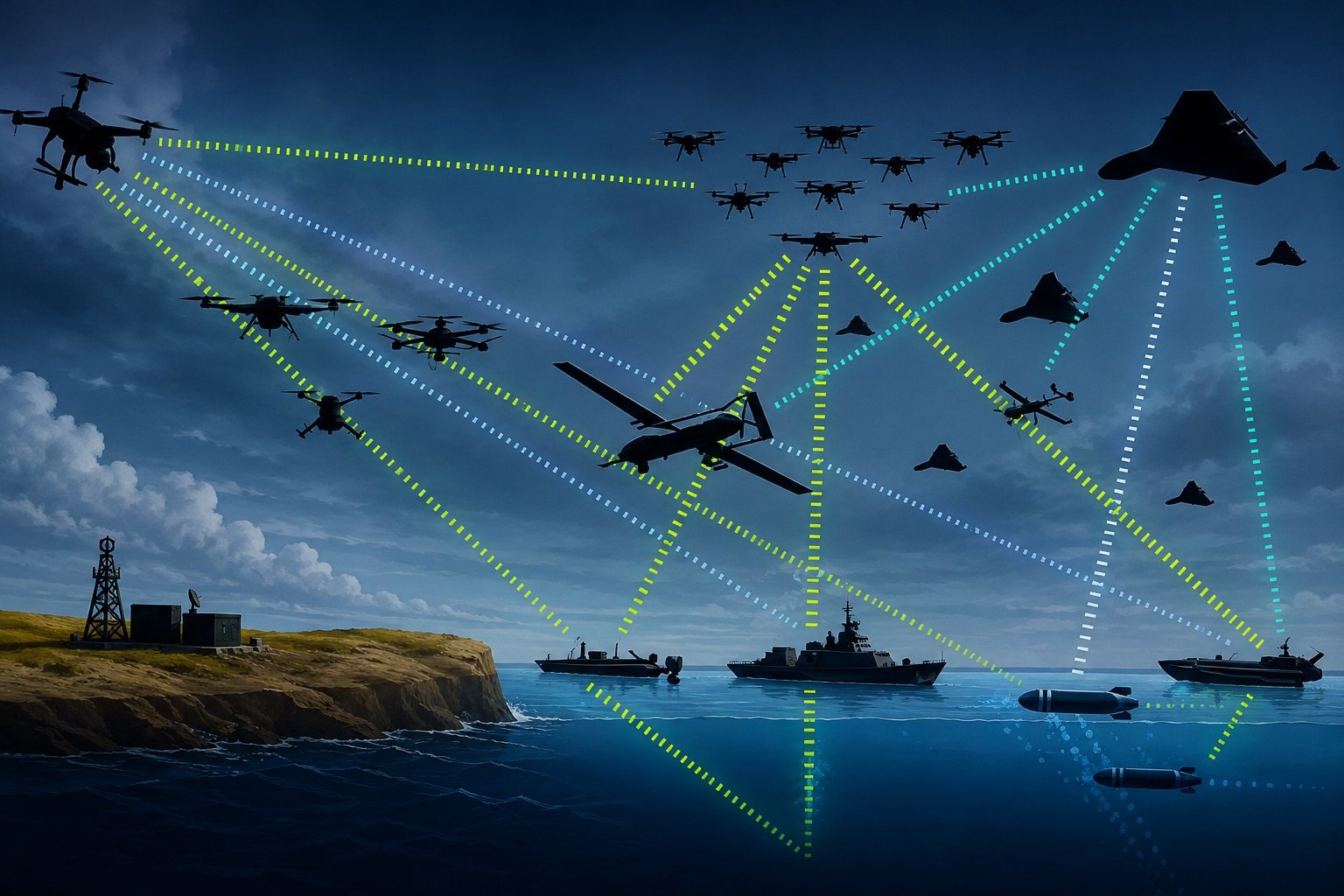
U.S
TAMPA, Fla. — U.S. Central Command (CENTCOM) announced on August 13 the creation of Task Force Falcon Strike, described as the first multinational, multi-domain attack drone task force. The new unit will bring together U.S. military personnel and regional partners to operate unmanned systems across the Middle East. Falcon Strike will focus on low-cost, one-way attack drones and other unmanned systems operating in three domains: air, sea surface and underwater. CENTCOM said the task force is intended to create a unified multinational capability for regional deterrence and operations. Building on Scorpion Strike Falcon Strike builds on Task Force Scorpion Strike, established by CENTCOM in December 2025 as the U.S. military's first dedicated one-way attack drone squadron in the Middle East. Scorpion Strike used low-cost systems including the Low-cost Unmanned Combat Attack System (LUCAS). Its unmanned systems were deployed during Operation Epic Fury, while unmanned attack vessels were used in strikes on Iranian port facilities in July 2026. In December 2025, Scorpion Strike also conducted the first launch of an aerial one-way attack drone from a U.S. Navy warship, using the littoral combat ship USS Santa Barbara. Regional Partners to Join CENTCOM has begun consultations with regional countries and is formally inviting partners to participate in Falcon Strike. No specific partner countries have been publicly named so far. The task force is intended to combine U.S. and regional capabilities and support deterrence in the Middle East, including around strategic waterways such as the Strait of Hormuz. CENTCOM Commander Adm. Brad Cooper said Falcon Strike will build on Scorpion Strike's experience and the innovation taking place among U.S. regional allies and partners. “Task Force Falcon Strike will expand on Scorpion Strike’s success given the tremendous innovation happening among our regional allies and partners.” Cooper also said that integrating and deploying new capabilities together would help the partners develop new possibilities more quickly. SOCCENT to Lead the Task Force Personnel from U.S. Special Operations Command Central (SOCCENT) will lead Falcon Strike's integrated staff of U.S. and regional representatives. SOCCENT also launched Scorpion Strike and is headquartered at MacDill Air Force Base in Tampa, Florida. SOCCENT plans and conducts special operations across CENTCOM's 21-country area of responsibility, covering the Middle East, Central Asia and South Asia. Falcon Strike will expand the approach developed by Scorpion Strike by bringing air, surface and underwater unmanned systems into a single multinational structure. As regional countries join, CENTCOM expects the task force to expand its multi-domain drone capabilities across the region.
Read More → Posted on 2026-08-14 14:51:31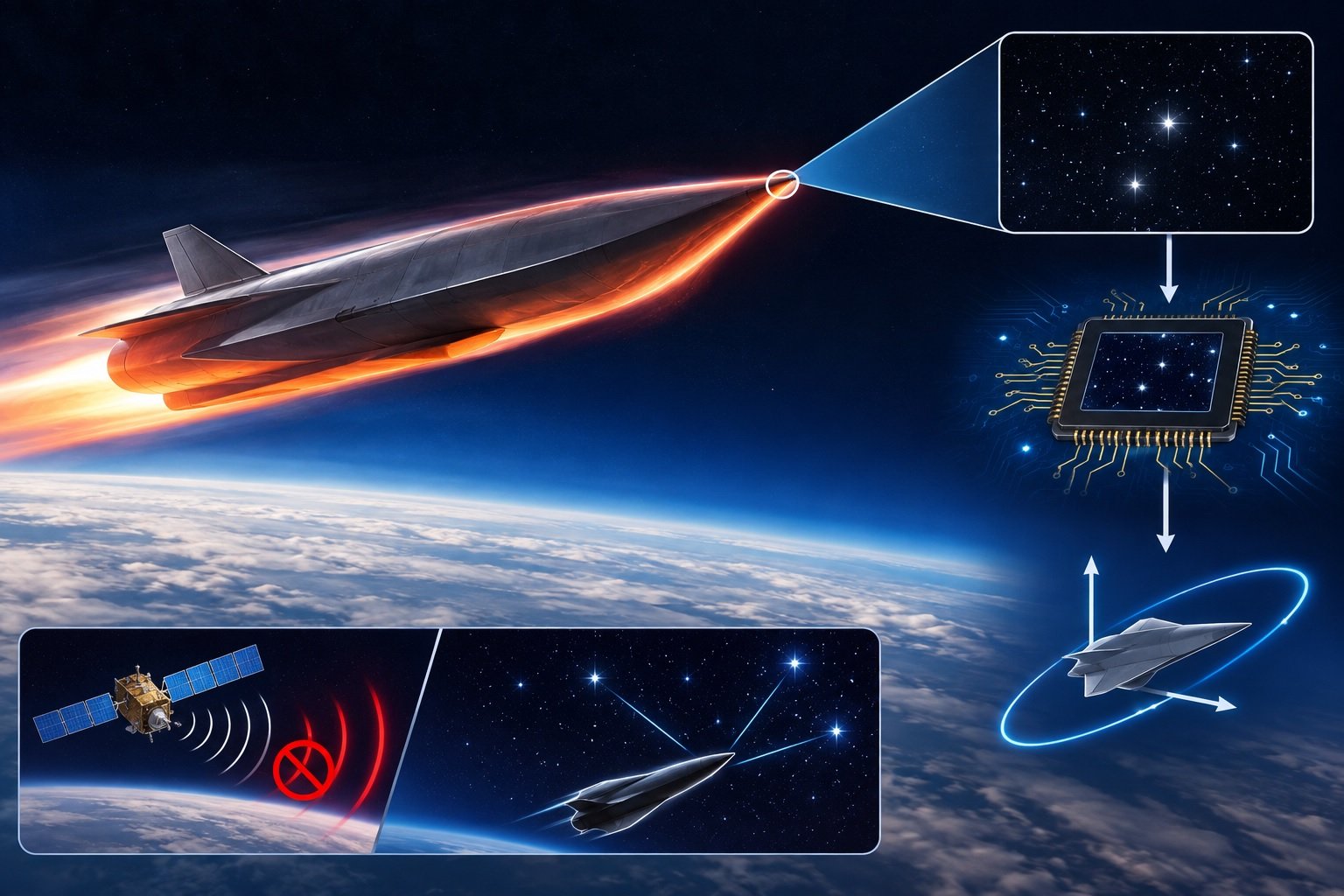
World
GUANGZHOU, China — Researchers at the Guangdong Aerospace Research Academy have completed a project to develop a star-based navigation system for hypersonic vehicles operating at Mach 5 or faster. The project passed its final expert review on Monday, and the academy published details of the results on August 10. The system is designed to provide a navigation option when satellite signals from systems such as GPS or China’s BeiDou become unavailable because of jamming or other interference. The research addresses a specific problem in high-speed flight: using stars for navigation is possible without external signals, but detecting stars becomes difficult when a vehicle is surrounded by intense aerodynamic heating and radiation. How the star-based navigation system works Celestial navigation uses the known positions of stars as reference points. A modern star sensor observes patterns of stars and uses them to determine the vehicle’s position and orientation. Unlike satellite-based navigation, the method does not depend on signals transmitted from satellites or other external sources. This means it can provide an independent navigation reference when satellite signals are disrupted. The system can also be combined with an inertial navigation system. In such an arrangement, the inertial system provides continuous navigation data while the star sensor can provide an independent reference for determining the vehicle’s orientation and position. The main challenge for hypersonic applications is that the sensor has to identify very faint stellar light while the vehicle is moving through an extremely hot and rapidly changing environment. Why hypersonic flight makes star navigation difficult At Mach 5 and above, friction between the vehicle and the surrounding air produces a shock layer and plasma sheath around the vehicle. The temperature of the hot gas can exceed 1,000 degrees Celsius. This environment creates two major problems for a star sensor. First, the hot gas can bend incoming starlight, changing how the stars appear to the sensor. Second, the heated gas produces strong radiation, including infrared radiation, that can overwhelm the much weaker light coming from stars. As a result, a star sensor designed for normal conditions cannot simply be used in the same way on a hypersonic vehicle. The navigation system must account for the changing radiation environment around the vehicle. Chinese researchers developed radiation databases and simulation software To address the problem, the research team created two databases. One covers the thermal-chemical radiation produced by hot air, while the other focuses on radiation interference caused by thermal effects. The team also developed simulation software to model the radiation environment around a high-speed vehicle. The software achieved a spectral resolution of 0.12 nanometres, while the reported simulation errors were kept within 18.9 percent. These tools were used to predict how atmospheric heating and radiation would affect the appearance of stars as seen by a sensor during high-speed flight. Based on this work, the team built a prototype star sensor designed to operate under radiation interference. Prototype performance Laboratory tests showed that the prototype achieved a star-pattern recognition rate of more than 99 percent when there was no radiation interference. Under strong aerodynamic radiation interference, the recognition rate remained above 80 percent. The prototype also achieved attitude measurement accuracy better than 5 arcseconds. One arcsecond is 1/3,600 of a degree. These results demonstrate that the prototype can continue identifying stellar patterns even when strong radiation from the surrounding high-speed flow interferes with the sensor. Technology also used for civilian applications The Guangdong Aerospace Research Academy said the radiation measurement and simulation technology developed through the work has already been used in mission-critical projects at several aerospace institutes. According to the academy, the technology has generated nearly 10 million yuan, or about US$1.5 million, in additional sales. The same technology has also been adapted for civilian applications. These include aircraft engine test stands and industrial boiler combustion monitoring, where it can provide real-time views inside combustion chambers. A backup for satellite-denied navigation The project is focused on navigation in high-speed flight environments where conventional satellite signals may not always be available. The prototype does not eliminate the need for other navigation systems. Instead, its purpose is to provide an independent reference based on stars and to work with inertial navigation when external satellite signals are disrupted. The key challenge remains maintaining reliable star detection through the intense thermal and radiation environment created during hypersonic flight. The research team's radiation databases, simulation tools and prototype sensor were developed specifically to address that problem. The project therefore represents an approach to maintaining navigation capability for hypersonic vehicles when satellite-based positioning signals are unavailable or affected by interference.
Read More → Posted on 2026-08-14 15:22:09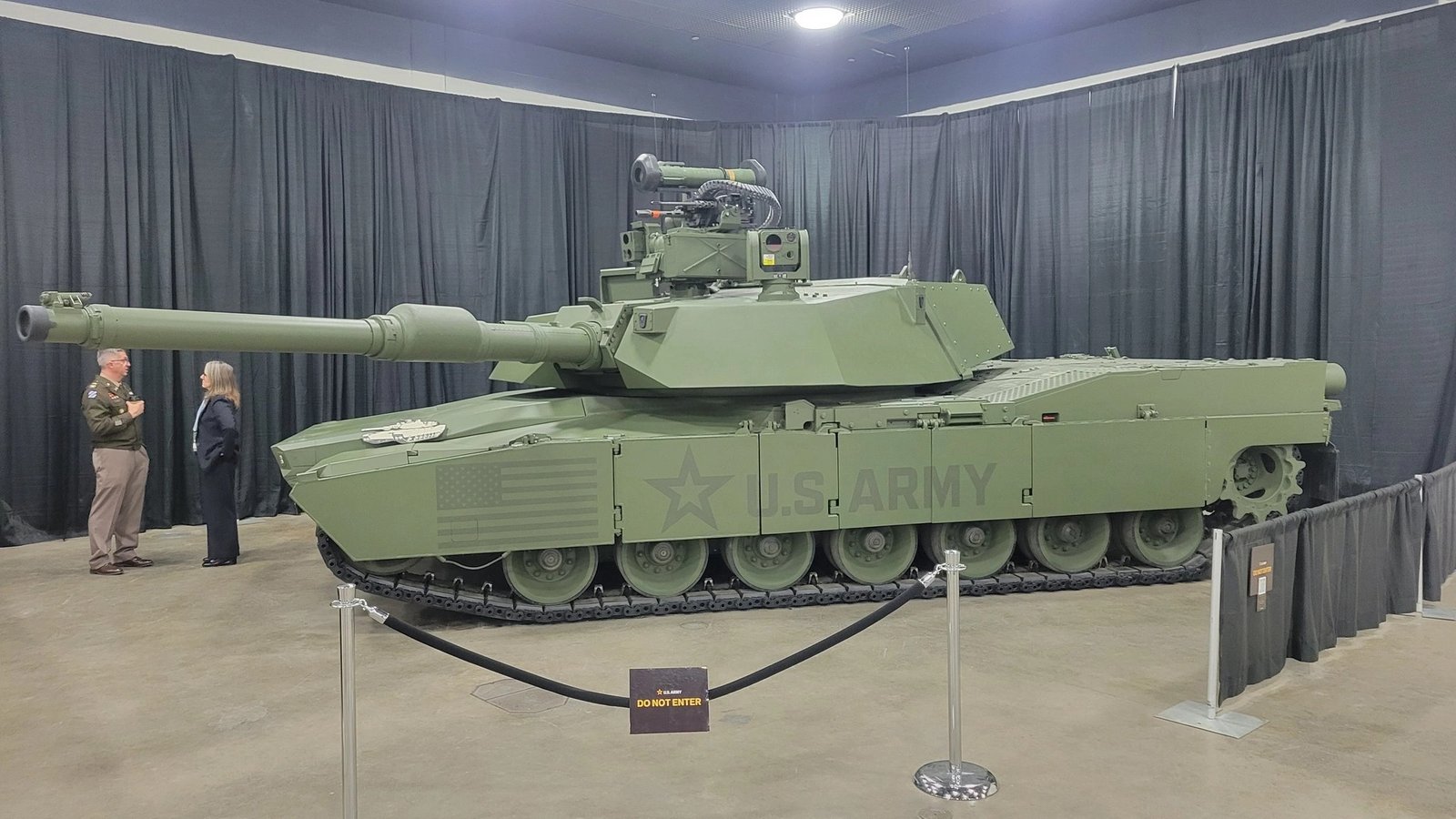
U.S
DETROIT — The U.S. Army’s 1st Armored Brigade Combat Team, 1st Cavalry Division, known as the “Iron Horse” Brigade, is preparing to receive prototypes of the next-generation M1E3 Abrams main battle tank and XM30 Infantry Fighting Vehicle for operational testing. Brigade commander Col. Todd Hertling said at the Ground Vehicle Systems Engineering and Technology Symposium (GVSETS) in Detroit that soldiers are looking forward to evaluating the new platforms, particularly their improvements in lethality, survivability and mobility. M1E3 Abrams The M1E3 Abrams is intended to replace the Army’s current M1A2 Abrams. Unlike earlier upgrade packages that pushed the Abrams above 70 tons, the M1E3 is being redesigned to bring its weight closer to 60 tons, improving mobility and reducing logistical demands. The tank will use a diesel-based hybrid-electric powertrain instead of the Abrams’ traditional gas turbine. The Army expects it to reduce fuel requirements by about 50 percent and provide a “silent watch” capability. Another major change is an unmanned turret with an autoloader for the 120mm smoothbore gun. The crew will be reduced from four to three soldiers, with the crew positioned deeper inside the hull. Hertling called the unmanned turret a “game changer.” The M1E3 will also use open systems architecture and a 360-degree situational awareness system. The digital architecture is designed to support continuous software updates, integration of different applications and connectivity between platforms. Hertling said this could allow soldiers to “fight on a cloud” with improved battlefield awareness. Former Army Chief of Staff Gen. Randy George said the tank’s targeting capability can engage a target at a quarter-mile range in about a tenth of a second. General Dynamics Land Systems is scheduled to deliver an undisclosed number of M1E3 prototypes to the Army by the end of 2026. Four additional Roush-built prototypes are scheduled to reach the Iron Horse Brigade later this year. XM30: Wolf vs. Lynx The Iron Horse Brigade will also evaluate the XM30, which is being developed to replace the Bradley Infantry Fighting Vehicle. The competition is between General Dynamics Land Systems’ Wolf and American Rheinmetall’s Lynx. Both designs feature an unmanned turret, hybrid-electric powertrain, exportable power, open systems architecture and enhanced computing capabilities. Both will use a 50mm cannon, replacing the Bradley’s 25mm weapon, and support tactical high-explosive airburst ammunition designed to detonate in the air. The vehicles can also carry additional missiles and loitering munitions. The Wolf is being developed with AeroVironment’s Switchblade 300 loitering munition. General Dynamics has about 15 partners, including SAPA and STC. The Lynx can launch Raytheon’s tube- or rail-launched Coyote counter-drone interceptor and integrate the Javelin anti-tank missile. Rheinmetall’s partners include Anduril, Textron, Allison Transmission, Raytheon and L3Harris. GDLS has delivered its initial XM30 prototypes to its facility in Lima, Ohio, for government acceptance. One is expected to go to Aberdeen Proving Ground, while seven more are expected to reach the Iron Horse Brigade in Texas around October. American Rheinmetall is also preparing to send its vehicles to Aberdeen for testing. National Training Center Evaluation The Iron Horse Brigade will operate the M1E3 and XM30 during a rotation at the National Training Center (NTC). Soldiers will assess the vehicles during maneuver, maintenance, refueling, resupply, networking and combined-arms operations. The Army could select the XM30 winner late next spring after the NTC evaluation. However, Brig. Gen. Troy Denomy said the Army wants to keep both competitors involved as long as possible if testing does not produce a clear winner. Funding will be a major factor in determining whether both vendors remain in the program. The Iron Horse Brigade’s testing will give the Army direct soldier feedback on the M1E3 and XM30 and help shape final design decisions and the future path of both modernization programs.
Read More → Posted on 2026-08-14 15:32:26
U.S
WASHINGTON — The U.S. Navy is preparing to deploy the aircraft carrier USS George Washington to the Middle East to relieve the USS Abraham Lincoln, which has remained on an extended deployment supporting U.S. military operations in the region. The Lincoln left its home port in San Diego on November 21, 2025, for what was initially expected to be a roughly seven-month deployment in the Indo-Pacific. The carrier was redirected to the Middle East in January 2026 ahead of U.S. military operations involving Iran. Its deployment has since been extended several times, with no public return date announced as of mid-August. Recent reporting says the carrier has spent more than 250 days deployed, including a lengthy period continuously underway. The deployment was originally scheduled to end in May 2026, but it was extended amid the ongoing conflict involving Iran. The more than 5,000 sailors and Marines aboard the carrier have reportedly had only two days on land during the deployment, in Guam in December and Oman in July. Extended Deployment The Abraham Lincoln Carrier Strike Group has been operating in the U.S. 5th Fleet area while supporting ongoing operations. The extended deployment has limited opportunities for the crew to spend time ashore. The carrier made brief stops in Guam in December 2025 and Oman in July 2026. Reports from families and sailors have described the deployment as physically and mentally difficult, with concerns about long working periods and repeated extensions. In April, reports of conditions aboard the carrier generated public criticism after photographs emerged showing poor-quality and rationed food. Other reports cited water shortages, moldy showers and broken laundry machines. The Navy has previously confirmed that the Lincoln has continued conducting operations in the region. In March, U.S. Central Command said a sailor was injured during flight operations aboard the carrier in the Arabian Sea and was taken ashore for additional medical care. Reports of Conditions and Mental Health Concerns Recent reports from Military Times, Navy Times, Stars and Stripes and other outlets have highlighted concerns raised by sailors' families about conditions aboard the carrier. Families have described problems including broken toilets and plumbing, mold in showers, limited hot water, laundry equipment problems, disruptions to mail and care packages, and periods of food shortages or rationing. Representative Mike Levin, a Democrat from California, has described reports of moldy showers, broken toilets, laundry being out of service for weeks, long periods without hot water, reduced meals and shortages of basic hygiene products. Mental health concerns have also been raised. Families told news organizations that some sailors had experienced severe exhaustion, low morale and thoughts of self-harm. Reports have also described incidents in which sailors allegedly attempted or prepared to go overboard. Military families and members of Congress have raised concerns about what they describe as an intensifying mental health crisis aboard the carrier. Navy Times and Stars and Stripes have reported multiple incidents involving sailors attempting to jump overboard during the current deployment. One sailor's spouse, Annabelle Loma, told Military Times that her husband, a sailor with about 13 years of service, attempted to go overboard after the deployment was repeatedly extended and was later placed on medical hold. She said he was concerned that his actions could result in a dishonorable discharge and affect his military career. Another sailor's wife told the publication that her husband was involved in a separate incident in which he prevented a fellow crew member from jumping by grabbing the sailor and bringing them back onto the deck. At an emotional town hall meeting in San Diego, around 200 family members raised concerns with Navy leaders about the length of the deployment and the conditions faced by their relatives aboard the carrier. The meeting was attended by Acting Navy Secretary Hung Cao and other senior officials. One spouse told Cao that the Navy had “broken trust between us and the leadership.” Another family member said her husband had sent her a message saying he hoped he would not wake up the following day. A U.S. official also told CNN that a sailor went overboard from the Lincoln earlier in August. The sailor was rescued within about an hour, medically evaluated and transferred from the ship for further care. The official did not say whether the incident was treated as a suicide attempt. Navy Response Navy officials have acknowledged the strain associated with the extended deployment but have disputed some of the more serious claims. The Navy has said it has not identified a statistical increase in reported suicidal ideation or suicide attempts aboard the Lincoln based on the information available to it. Officials have also said that medical and mental health personnel, chaplains and deployment-resilience counselors are available to the crew. The Navy said that extended deployments can place significant strain on service members and their families and that the health and well-being of Lincoln sailors remain a priority. Defense Secretary Pete Hegseth described reports of extreme shortages and poor morale as “completely misrepresented.” In earlier comments, Hegseth also dismissed the accounts as “more fake news.” Officials said disruptions to traditional supply hubs caused by combat operations contributed to some shortages and mail delays. The Navy has maintained that the carrier has access to clean water, functioning air conditioning and healthy meals. A Navy official said current reports from the ship confirmed continuous access to those resources. Lawmakers Seek Answers The reported conditions have also prompted questions from members of Congress. Senator Richard Blumenthal wrote to senior Navy officials seeking information about deployment extensions, supply problems, water and plumbing issues, mental health support, deck safety and mail disruptions. Representative Mike Levin has also publicly raised concerns about reports of moldy showers, broken toilets, laundry problems, reduced meals and shortages of basic hygiene supplies. Levin criticized Hegseth's response to the reports, saying service members should have access to basic necessities including hot water, working toilets and adequate meals. Representative Jason Crow, a Democrat from Colorado and former Army Ranger who served in Afghanistan and Iraq, has also warned that the strain on service members and their families aboard the Lincoln is building week by week. Families of sailors and Marines have raised similar concerns directly with Navy officials during meetings in San Diego. Mental Health Challenges Among Deployed Sailors The concerns surrounding the Lincoln come amid broader research into mental health challenges faced by active-duty Navy personnel. A study published last year examined stress factors experienced by sailors during deployments. The research identified factors including loud noise, lack of rest, and inadequate mental and physical healthcare. Researchers surveyed deployed sailors and found that almost half reported that they were not receiving adequate help in coping with stress while at sea. The study concluded that, given the high rates of military suicide, including within the Navy, improving access to healthcare aboard ships was an urgent need. USS George Washington Heads West The Navy is now moving the USS George Washington toward the Middle East as the planned relief carrier for the Abraham Lincoln. The George Washington is a nuclear-powered aircraft carrier that normally operates in the western Pacific from Yokosuka, Japan. It recently completed a port visit in Da Nang, Vietnam, and is moving west toward the Indian Ocean through the Strait of Malacca. The Associated Press reported that the carrier is heading toward the Middle East as part of the planned rotation. U.S. officials have described the deployment of the George Washington as part of a scheduled rotation rather than an emergency response to the reports surrounding the Lincoln. The exact timing of the George Washington's arrival has not been publicly disclosed. Once the relief process is completed, the Abraham Lincoln will be able to leave the Middle East and begin its return journey. The rotation will also temporarily reduce the U.S. Navy's forward-deployed aircraft-carrier presence in the Pacific. For the Abraham Lincoln's crew, the relief will mark the end of one of the Navy's longest recent carrier deployments. Navy officials have said the health and well-being of the sailors and Marines remain a priority while the carrier continues its current mission.
Read More → Posted on 2026-08-14 15:48:34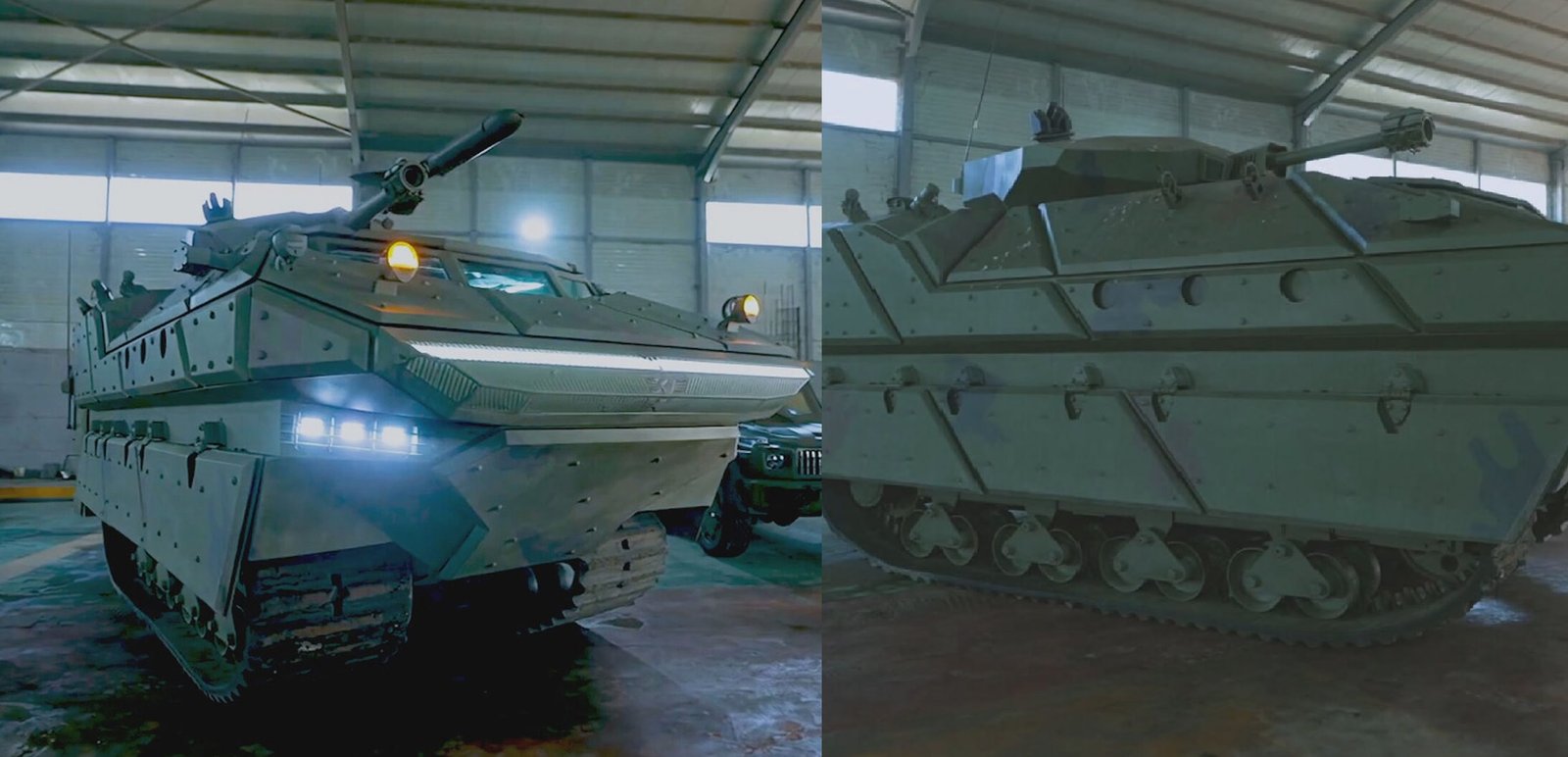
World
DUHOK, Kurdistan Region — Anwar Atroshi Company, also known as SHIELD, a private defense manufacturer based in Duhok, has unveiled the B70, a 25-ton combat tank that the company describes as the first tank in the Kurdistan Region to be designed and built locally by Kurdish engineers and technical specialists. Company owner Anwar Saeed, also referred to as Anwar Atrushi, Enwer Said or Anwar Saeed, said the B70 was developed through the company’s own engineering work and was not copied from a foreign tank design. “The design process was carried out entirely by our own engineers and technical specialists. We did not imitate any foreign model; we created the B70 based on an original design,” Saeed said in comments reported by Kurdistan24. B70 Underwent Field Testing According to SHIELD, the B70 incorporates modern military technology, including sensors and laser-based systems. The vehicle has undergone testing in different environments to assess its durability and operational performance. The tests included mountainous terrain, open plains and marshy or water-covered areas. The company said most of the vehicle is manufactured locally, while some specialized components, including the engine and tires, are sourced from Germany. SHIELD also said final technical adjustments are being made to the tank’s track and running systems before full deployment. Company Claims Lower Production Cost SHIELD says the B70 could provide a lower-cost option compared with foreign armored vehicles. According to Saeed, the company can produce the B70 for approximately $500,000. He compared this with what he described as a roughly $2 million price for comparable 2025-model foreign tanks available on the global market. The company estimates that its Duhok facility could produce approximately one B70 per month when operating at full capacity. SHIELD’s Expansion Into Vehicle Manufacturing SHIELD began operations in 2014, initially providing maintenance and repair services for armored military vehicles. The company later expanded into manufacturing military, security and civilian protected vehicles. Some of its earlier armored vehicles have been supplied to Peshmerga forces. The company is licensed by the Kurdistan Region’s Companies Registry and the Engineers Syndicate and employs local engineers and industrial specialists. Earlier reporting on SHIELD's vehicles stated that most components for previous models were produced locally, while engines and tires were sourced from Germany. Focus on Peshmerga Support Saeed said the company's main objective with the B70 project is to support the Peshmerga forces with domestically developed technology. He has also expressed hope for stronger coordination and support from the Kurdistan Regional Government (KRG) and the Ministry of Peshmerga Affairs to help the company expand production and work on additional military platforms. The project reflects SHIELD’s broader effort to develop local engineering and manufacturing capabilities for armored and protected vehicles in the Kurdistan Region. Government Attention The company has also received attention from Kurdistan Region leadership. Kurdistan Region Prime Minister Masrour Barzani previously visited SHIELD’s exhibition stand at the Zakho International Exhibition, where he reviewed the company’s work. During the visit, Barzani described the company’s achievements as unique or unprecedented and expressed support for the development of local industry. The B70’s introduction represents a new development in the Kurdistan Region’s domestic defense manufacturing sector. SHIELD says local production could help reduce future procurement costs for armored vehicles and related equipment while providing opportunities for local engineers and industrial specialists to participate in military technology development. The information in this report is based on statements from SHIELD and reporting by Kurdistan24 and related local coverage published in August 2026.
Read More → Posted on 2026-08-14 16:00:20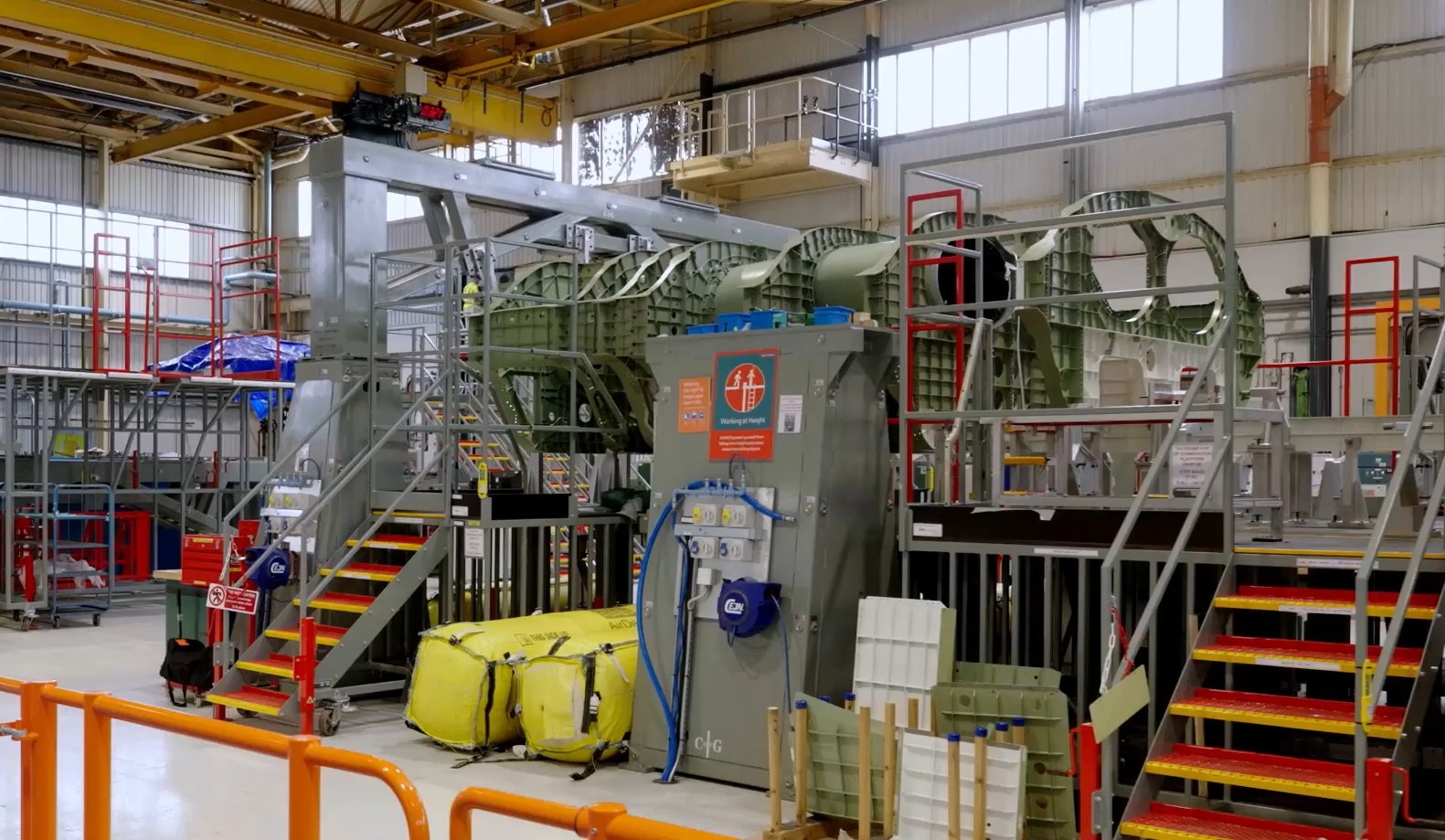
Europe
LANCASHIRE, UK — BAE Systems has released around six minutes of new footage showing the United Kingdom’s Combat Air Flying Demonstrator under construction at its facilities in Lancashire. The footage provides a new view of the aircraft as its major structural sections continue to take shape. The demonstrator is the UK’s first crewed combat air demonstrator in more than 40 years, following the Experimental Aircraft Programme (EAP), which first flew in 1986. The aircraft is being developed as part of the UK’s Team Tempest effort to test and mature technologies and engineering processes that will support the country’s contribution to the Global Combat Air Programme (GCAP), the joint UK-Italy-Japan programme for a future combat aircraft. The demonstrator itself is a UK-only programme and is not a prototype of the final GCAP fighter. BAE Systems has released new footage showing the UK’s Combat Air Flying Demonstrator under construction in Lancashire. The demonstrator is part of Team Tempest and supports technology development for the sixth-generation GCAP fighter being developed by the UK, Italy and Japan. pic.twitter.com/DQUvXQAByj — The Defense News (@TheDefenseNews) August 14, 2026 Manufacturing Progress Construction of the demonstrator is now well advanced. Aviation Week reported in June that around 75% of the aircraft by volume had been manufactured, with major structural sections having been in production for between 12 and 18 months. BAE Systems said in July that more than 11,500 parts had been designed and released, representing about 90% of the aircraft’s overall weight. Around half of the main aircraft structure was then in final assembly. The front, centre and rear fuselage sections are being assembled at BAE Systems’ Samlesbury facility. The large cranked or cropped-delta wings and vertical stabilisers are being produced at the nearby Warton facility. Three sets of wings and stabilisers have been produced, with one set of each intended for structural testing. The demonstrator uses advanced digital engineering and manufacturing methods. BAE Systems has highlighted the use of digital design, simulation, robotics, additive manufacturing and other manufacturing techniques as part of the programme. Aircraft Design and Testing The demonstrator is a twin-engine, piloted supersonic aircraft and will use Eurojet EJ200 engines with modified nozzles. It is larger than the Eurofighter Typhoon and has two internal weapons bays in the centre fuselage, positioned ahead of the main landing gear. The aircraft is being used to examine technologies and design approaches relevant to future combat aircraft, including low-observability features, propulsion, aerodynamics, flight controls and internal systems. The programme has already made extensive use of simulation. Test pilots from BAE Systems, Rolls-Royce and the Royal Air Force have completed more than 300 hours of simulator flying on the demonstrator. BAE Systems says the simulator work is being used to assess flight-control systems and aircraft handling before the aircraft begins real flight trials. A modified Boeing 757 known as the Excalibur flying testbed is also being used for testing new sensing and communications technologies for the future combat-air programme. BAE Systems said in July that the aircraft had completed modifications and was ready for the next stage of flight trials. Workforce and Industrial Base More than 1,000 people across the UK have worked on the demonstrator programme, while more than 100 UK suppliers and organisations have contributed to the project. Around 150 people in early-career roles have received training through the programme, and about 200 people who worked on the demonstrator have since moved into GCAP roles. The demonstrator is intended to provide experience in designing, manufacturing and preparing a new combat aircraft for flight while developing engineering and manufacturing skills needed for future programmes. Flight Schedule Final assembly of the fuselage sections is progressing, with the completed fuselage expected to move from Samlesbury to Warton for mating with the wings. The programme is targeting a power-on milestone in the second half of 2027, followed by completion of the aircraft toward the end of 2027. Flight testing is planned to begin around the end of 2027 or early 2028, depending on the programme timeline. The flight-test programme is expected to examine areas including aircraft handling, propulsion, airflow, low-observability characteristics and internal weapons release. Link to GCAP The Combat Air Flying Demonstrator is intended to reduce technical and manufacturing risks before the full GCAP aircraft programme progresses further. Data and lessons from the programme are being shared with GCAP partners in a controlled manner. GCAP is being developed by the UK, Italy and Japan. On July 3, 2026, the GCAP Agency awarded the industrial joint venture Edgewing a £4.6 billion contract for the next stage of the aircraft’s design, including establishing requirements and testing activities. The UK has also committed £8.6 billion to GCAP over four years under its Defence Investment Plan. The final GCAP aircraft is planned to enter service from 2035 and is intended to replace the Eurofighter Typhoon in UK and Italian service and the F-2 in Japanese service. The UK demonstrator therefore serves as a separate test and technology programme rather than a production version of the future GCAP fighter. Its main purpose is to demonstrate technologies, engineering methods and manufacturing processes that can be carried into the next-generation combat-air programme.
Read More → Posted on 2026-08-14 16:19:42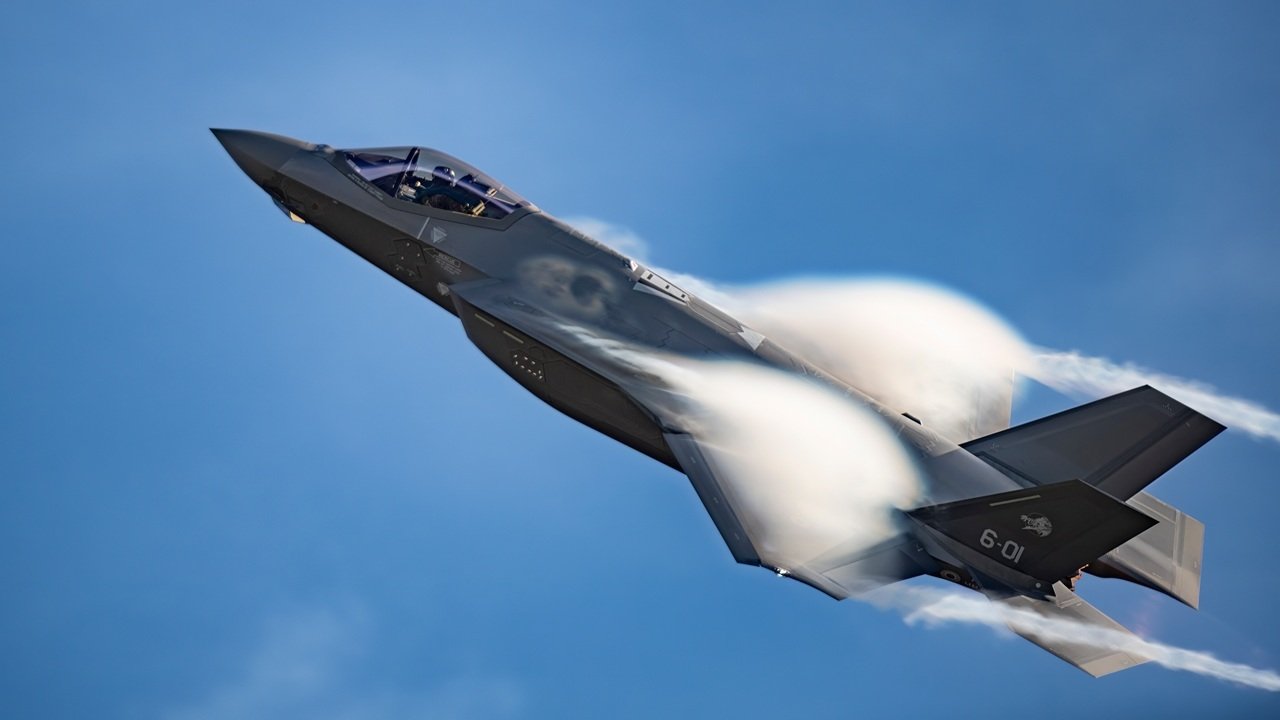
Europe
BERN, Switzerland — Production of Switzerland’s F-35A Lightning II fighter aircraft is progressing at Leonardo’s Cameri facility in Italy, where the first Swiss fuselage section has been assembled with a wing, according to Switzerland’s federal defence procurement agency, Armasuisse. The fuselage section carries serial number MJ-4 and will form part of aircraft J-6004. Its matching wing is also being manufactured at Cameri. Once structural work is completed, the fuselage and attached wings will be transported to Lockheed Martin’s facility in Fort Worth, Texas, for integration with the remaining aircraft components. Switzerland selected the F-35A in 2021 under its Air2030 modernization programme to replace its F/A-18 Hornets and remaining F-5 Tigers. A 2022 contract for 36 aircraft was originally valued at approximately 6.035 billion Swiss francs. Higher costs linked to inflation, raw materials and other factors later affected the programme. In late 2025 and early 2026, the Swiss Federal Council decided to procure the maximum number of aircraft possible within the voter-approved financial framework of approximately 6 billion Swiss francs. Current projections indicate around 30 aircraft, with the final number depending on future production-lot contracts negotiated by the U.S. government. Main assembly of the first Swiss F-35A began earlier in 2026 at Lockheed Martin’s facility in Marietta, Georgia. The first eight U.S.-built aircraft are scheduled to be based at Ebbing Air National Guard Base, Arkansas, from mid-2027 for Swiss pilot and ground personnel training before being progressively transferred to Switzerland. Overall deliveries are planned from 2027 to 2030. The first F-35A produced at Cameri is expected to reach Switzerland in mid-2028, while J-6004 is scheduled to arrive at the end of 2029. Switzerland plans to introduce the aircraft at three military airfields, beginning at Payerne in mid-2028, followed by Meiringen in 2030 and Emmen in 2032. Cameri is Europe’s only F-35 final assembly and checkout facility and one of three worldwide, alongside Fort Worth and Nagoya, Japan. The site can produce up to 20 aircraft annually, manufactures about one-third of all F-35 wings, and produces F-35A and F-35B aircraft for Italy. The F-35 programme involves more than 2,100 suppliers worldwide. Italy is one of five European partner nations, alongside the United Kingdom, Netherlands, Denmark and Norway. The centre fuselage is manufactured in Germany, while the rear fuselage is produced in the United Kingdom. Armasuisse said production of Swiss F-35A components at Cameri reflects the programme’s international and European industrial structure. Switzerland considers geographical proximity, industrial cooperation and security cooperation with European partner countries important elements of the programme.
Read More → Posted on 2026-08-15 11:22:21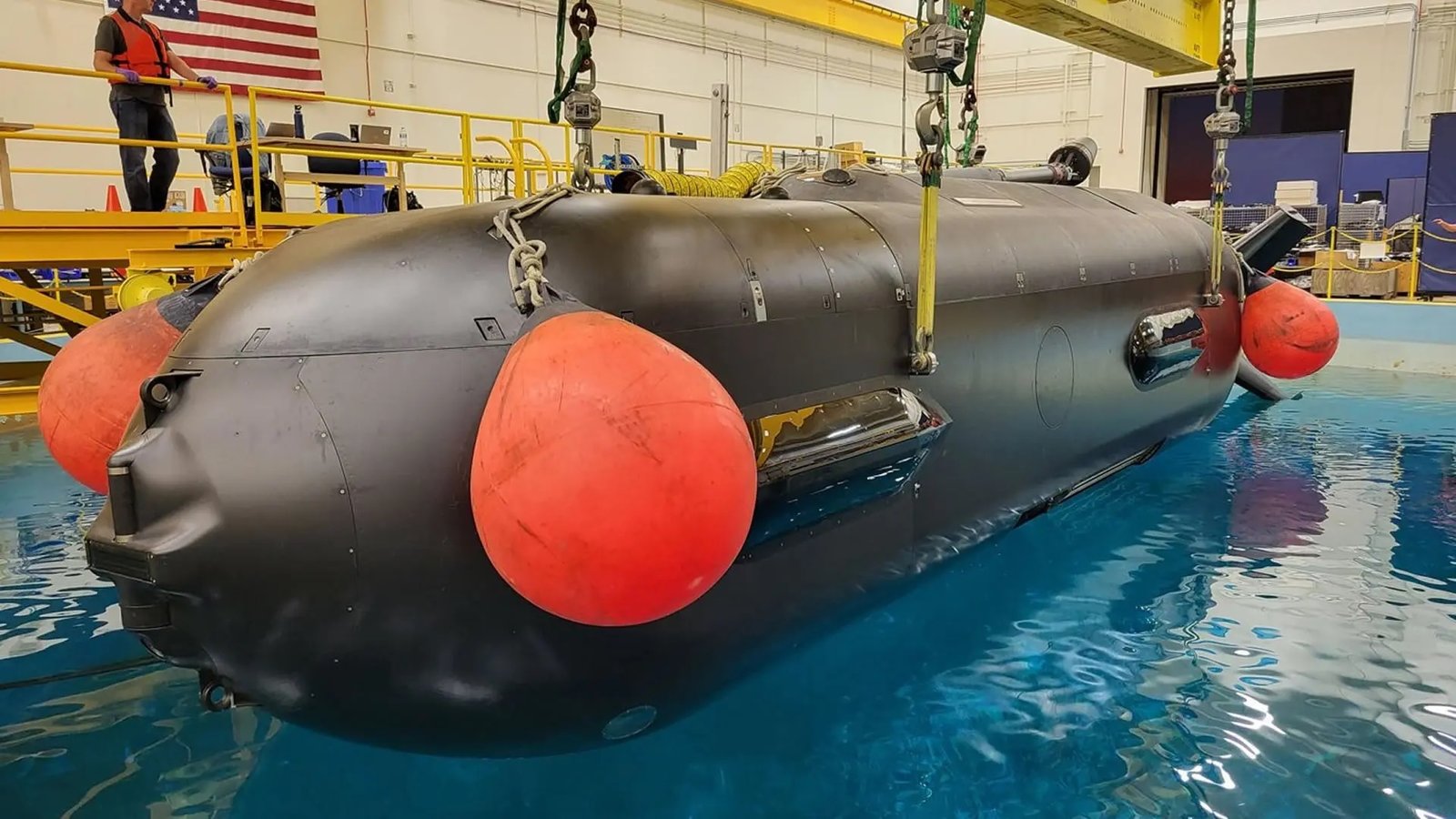
U.S
EAST PACIFIC — The U.S. Navy completed its first 1,000-nautical-mile transit with an Orca Extra Large Uncrewed Undersea Vehicle (XLUUV) in July 2026, marking the first time the system has completed a patrol of that distance in the program’s history. The uncrewed submarine, developed by Boeing and Huntington Ingalls Industries, traveled more than 1,000 nautical miles across the East Pacific during the mission. Teams from the Navy’s Program Executive Office for Unmanned and Small Combatants supported the operation. Rear Admiral Chris Cavanaugh, Commander of the U.S. Submarine Force, Pacific Fleet, confirmed the milestone and highlighted the Navy’s continued investment in unmanned undersea systems. “The operational environment in the Pacific continues to evolve with the rapid development of technological advancements in the undersea domain,” Cavanaugh said. “The Pacific Submarine Force is heavily investing in unmanned capabilities to augment our manned submarines and preserve our undersea advantage across the full spectrum of submarine operations.” Orca Designed for Long-Endurance Undersea Missions Orca is among the largest uncrewed undersea vehicles operated by the U.S. Navy. The system supports mission requirements identified in a Joint Urgent Operational Need focused on the Pacific theater. Its planned mission areas include intelligence, surveillance and reconnaissance (ISR), mine warfare, seabed warfare and expeditionary support. The vehicle is designed to operate independently for extended periods and can launch and recover from a pier without requiring a dedicated support ship. Orca uses a hybrid diesel-electric propulsion system. Its reported range is about 6,500 nautical miles, allowing missions that can extend over periods measured in months. The basic hull is about 51 feet long without the payload section. When the modular payload section is installed, the overall length reaches roughly 85 feet, with a displacement of about 80 to 85 tons. The payload bay is approximately 34 feet long and can carry up to 8 tons of equipment. Navigation uses an inertial navigation system supported by Doppler velocity logs and depth sensors, allowing the vehicle to operate without GPS. Latest Orca Vehicle and Earlier Testing The latest vehicle, designated XLE2, was commissioned earlier in 2026 at Boeing’s facility in Huntington Beach, California. Earlier vehicles include XLE0, a test asset delivered to the Navy in December 2023, and XLE1. Testing of the Orca system has been conducted off the southern California coast, with risk-reduction work beginning in 2024. The July transit provides the Navy with an additional demonstration of the vehicle’s ability to conduct extended autonomous operations over long distances in the Pacific. Hunter Payload and Other Planned Capabilities The Navy is also working to integrate additional capabilities into the Orca fleet. One of these is the Hunter payload, developed under a Defense Advanced Research Projects Agency (DARPA) program. Hunter is focused on delivering advanced undersea payloads from extra-large uncrewed vehicles for expeditionary mining in contested environments. DARPA describes the effort as a concept for delivering payloads from XLUUVs. The acquisition strategy for Hunter is expected to be formalized in late 2027 or early 2028. Budget documents show design and integration work beginning around fiscal year 2026. Orca is also linked to a standoff heavyweight torpedo deployment system that is preparing to transition to the Navy’s PMS 406 Unmanned and Small Combatants office. The development timeline for the Hunter module depends on this system. In 2024, the Navy fitted a roughly 10-meter payload module with large vertical opening hatches. Analyst H.I. Sutton noted that the hatches on the top, and possibly the bottom, are consistent with configurations for mine-laying missions. Other possible configurations include side doors for launching and recovering smaller underwater vehicles. Orca Moves Toward Program of Record In May 2026, the Navy shifted Orca from experimental development toward a planned program of record in its shipbuilding plan. Funding covers two vehicles in fiscal year 2027 and a total of 16 vehicles through fiscal year 2031. About $135.8 million was requested for the near term, while roughly $1.13 billion is included across the future-years defense plan. The planned expansion reflects the Navy’s effort to develop uncrewed undersea systems that can operate alongside crewed submarines and support a wider range of undersea missions. Next-Generation XLUUV Development A separate next-generation effort is also underway through the Defense Innovation Unit’s Combat Autonomous Maritime Platform (CAMP) project. Competitors include Anduril with its Dive-XL system, which is designed for long-range operations, effector launch and deployment of seabed ISR nodes. In July 2026, the Defense Innovation Unit selected Kongsberg and Oceaneering for concept-definition work on a CAMP vehicle intended to have a range of more than 1,000 nautical miles and operate below 200 meters in GPS-denied conditions. The Orca’s July transit demonstrates the Navy’s progress in using large autonomous undersea vehicles for extended operations and supports its broader effort to expand uncrewed capabilities alongside crewed submarine forces in the Pacific.
Read More → Posted on 2026-08-15 12:09:12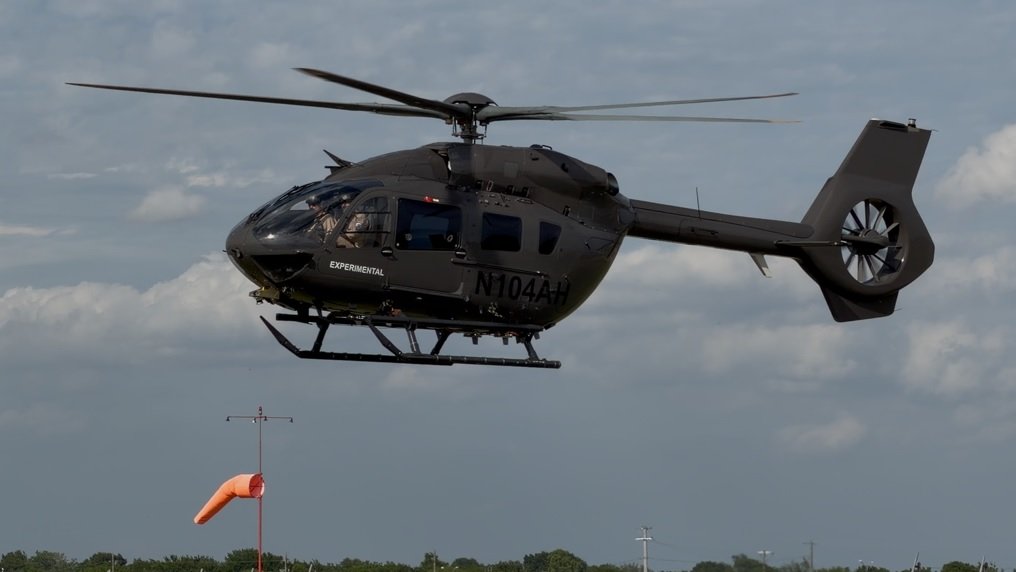
U.S
Washington, D.C. — Airbus Helicopters Inc. has been awarded a $115.4 million contract by the U.S. Army for 10 new UH-72B Lakota helicopters, with an option for two additional aircraft. If the two-aircraft option is exercised, the total value of the agreement could reach about $140.7 million. The contract, W58RGZ-26-C-0020, was announced by the Department of War on August 14, 2026. It was issued by Army Contracting Command at Redstone Arsenal, Alabama. The initial contract is funded through fiscal 2024 and 2025 Army aircraft procurement funds. The order includes the helicopters, designated MBB-BK 117 D3, along with jettisonable cockpit doors, air-conditioning system installation, engine inlet barrier filters and program management. The Army solicited the work online and received one bid. The contract currently lists an estimated completion date of December 31, 2030. Deliveries to Begin in 2027 The 10 helicopters covered by the initial order are scheduled to be delivered between 2027 and 2029. The aircraft will be assembled at Airbus’ production facility in Columbus, Mississippi, which serves as the manufacturing hub for the Lakota program. The Columbus facility also employs a workforce that includes a significant share of military veterans. The new acquisition continues the U.S. Army's modernization of its Army National Guard Lakota fleet, which has been in service since the first UH-72 contract award and delivery in 2006. UH-72 Lakota Fleet The UH-72 is the U.S. Army’s third-largest rotor-wing fleet. The helicopters support Army and National Guard units across 49 states and territories. Lakota helicopters are used for a range of missions, including homeland defense, search and rescue, disaster relief, surveillance and medical evacuation. National Guard units also use the aircraft for missions such as border security and counter-drug operations. Since the program began, Airbus has delivered more than 480 Lakota helicopters, with the company stating that deliveries have been made on time. The fleet has accumulated more than 1.7 million flight hours. UH-72B Lakota The UH-72B is the latest version of the Army’s Light Utility Helicopter. It is based on Airbus’ commercial H145 platform and follows the commercial off-the-shelf approach used by the Lakota program. The UH-72B features a five-bladed main rotor, a Fenestron shrouded tail rotor, twin Safran Arriel 2E engines and the Airbus-designed Helionix avionics suite. The B variant was introduced by the Army in 2020, with the first UH-72B helicopters delivered to the Army National Guard in September 2021. The new helicopters under the latest contract will also receive specific field upgrades, including jettisonable cockpit doors, air-conditioning systems and engine inlet barrier filters. These features are included in the contract to support the configuration required by the Army. Continued Lakota Modernization The latest contract follows Airbus’ wider support for the Army’s Lakota fleet. In 2022, Airbus secured a separate Contractor Logistics Support contract valued at up to $1.5 billion over five years. That agreement covers spare parts, material and engineering support for the Army’s Lakota fleet at 67 sites nationwide. Alex Veneziano, CEO of Airbus U.S. Space & Defense, said that Army and National Guard pilots need modern technology and a proven aircraft to meet changing mission requirements. He added that continued modernization will keep the Lakota fleet as part of Army aviation in the coming years. The new UH-72B order adds another 10 helicopters to the Army’s Lakota program, with two additional aircraft available as an option, while continuing the modernization of the Army National Guard’s light utility helicopter fleet.
Read More → Posted on 2026-08-15 12:35:46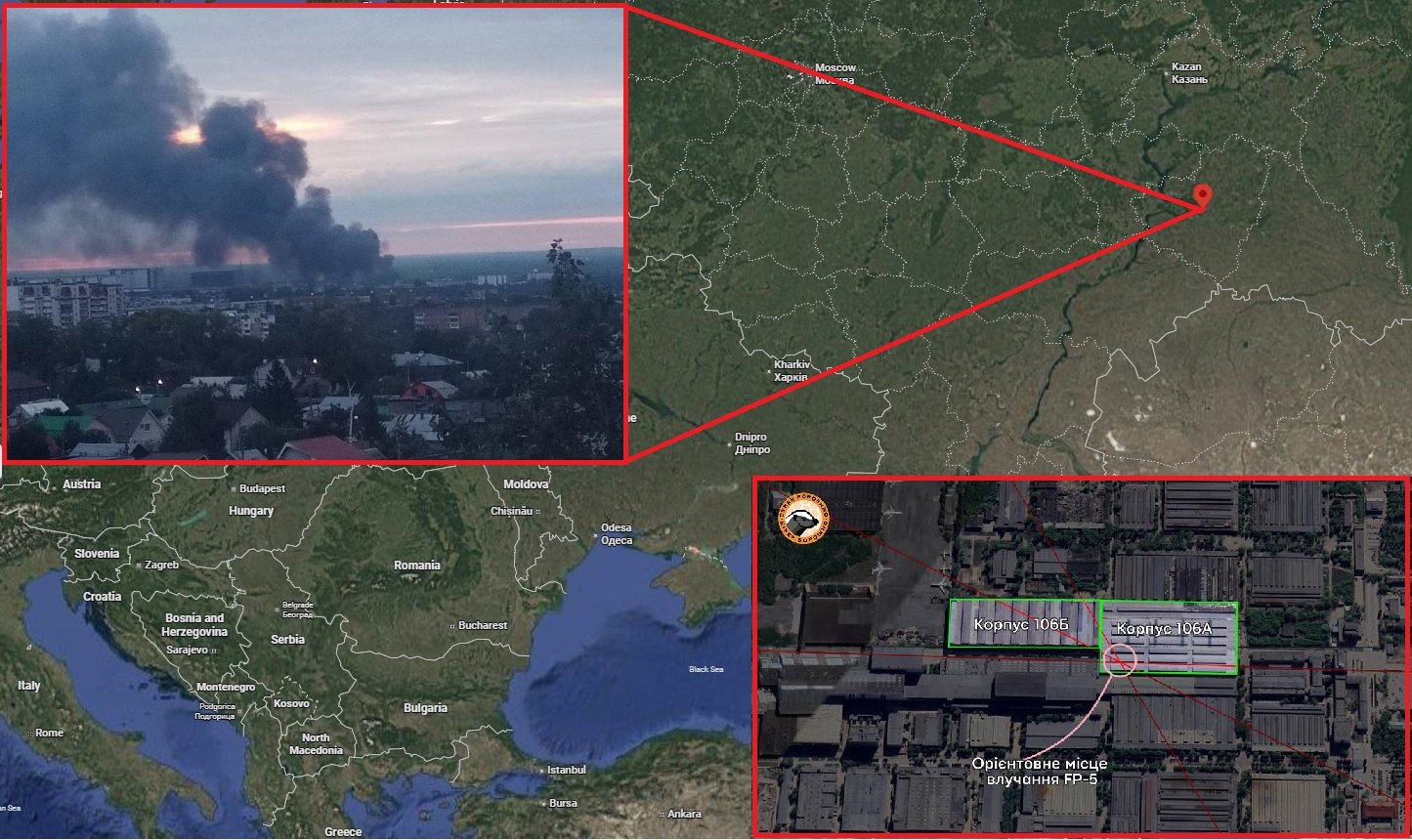
World
Samara, Russia — Ukrainian forces carried out a long-range missile strike against an industrial facility in Russia’s Samara region overnight into August 15, with Ukrainian officials later identifying the target as the Progress Rocket and Space Center in Samara. The attack triggered a regional air raid alert, while residents reported multiple explosions and smoke across the city. Samara Region Governor Vyacheslav Fedorishchev confirmed that an industrial enterprise had been targeted during what he described as a massed missile attack. Fedorishchev said emergency services were deployed and an operational headquarters was established at the site. He initially said authorities were still determining whether there were casualties. Later, he reported that two people were injured and that there were no deaths. Samara Mayor Ivan Noskov said the attack caused localized damage to industrial infrastructure. Russian officials also said that air defenses intercepted part of the incoming attack, but they did not specify the number of missiles involved or identify the missile system that reached the target. Progress Rocket and Space Center Identified as Target Ukrainian President Volodymyr Zelenskyy said Ukrainian forces had struck the Progress Center in Samara, describing it as a key enterprise under Russia’s Roscosmos space agency involved in rocket technology and electronics production. The General Staff of the Armed Forces of Ukraine confirmed a direct hit on the Progress Rocket and Space Center and said a fire broke out on the facility’s grounds. Ukrainian defense company Fire Point, which produces the Flamingo missile, also confirmed that the Progress center was struck. The facility was identified as the Progress Rocket and Space Center, formerly known as TsSKB-Progress. The company has produced Soviet and Russian launch vehicles since the 1950s, including the R-7-derived rocket used to launch Yuri Gagarin into orbit in 1961. Progress is the only Russian facility that performs series production of the Soyuz-2 family of launch vehicles. These rockets are used for crewed and uncrewed missions and for launching military and commercial satellites. The facility also produces electro-optical reconnaissance and Earth-observation satellites. Building 106A Identified by Open-Source Analysis The Ukrainian open-source intelligence group CyberBoroshno assessed that the primary impact occurred at Building 106A at the Progress facility, giving the coordinates as 53.217623, 50.303163. Ukrainian commentator Oleh Ponomar reported the same assessment based on CyberBoroshno’s GEOINT analysis. However, neither the Ukrainian military nor Progress had publicly confirmed the specific building at the time of reporting. The identification therefore remains based on the open-source imagery assessment. According to CyberBoroshno, Building 106A is part of the production complex for the Soyuz launch vehicle family. The building operates as a cleanroom where onboard electrical systems, instruments and circuit boards are installed. The work includes the rocket’s guidance and control systems, cable networks and instrument compartment. These components are installed after the rocket’s airframe and fuel tanks have been produced but before the vehicle is completed. A neighboring structure, Building 106B, is used for the final assembly of completed rockets and may also have been damaged in the strike. The nearby Aviakor aircraft plant, which repairs and services Tu-95MS strategic bombers, is also located in the same industrial area. Potential Impact on Production CyberBoroshno assessed that damage involving fire and firefighting water inside a cleanroom could require a longer recovery period than conventional industrial repairs. According to the group, restoring such a facility would involve reclassifying cleanroom zones, recertifying manufacturing processes and testing for airborne particulate contamination. CyberBoroshno estimated that this type of recovery could take months rather than weeks. The group also said that electronics used in Soyuz rockets depend on imported components affected by international export restrictions, which could complicate efforts to replace damaged equipment. The broader impact on Progress production remains unclear, and the full extent of the damage has not been independently established. Flamingo Missile Reportedly Used Ukraine’s Fire Point confirmed that its FP-5 Flamingo cruise missile was used in the operation. Fire Point chief designer and co-founder Denys Shtilerman released video of a missile launch on social media and linked it to the strike on the Progress facility. The FP-5 Flamingo is a ground-launched cruise missile with a published range of up to 3,000 kilometers (1,860 miles) and a reported warhead weight of approximately 1,000 to 1,150 kilograms. The missile is powered by a turbofan engine and uses satellite navigation. Ukraine first used the system in combat in August 2025, according to Ukrainian officials at the time. Ukrainian President Zelenskyy said the Progress facility was approximately 900 kilometers from the Ukrainian border. CyberBoroshno assessed that the Samara strike most likely involved an FP-5 Flamingo missile. The group has previously attributed other strikes to the same missile, including attacks on the VNIIR-Progress electronics plant in Cheboksary and the Antipinsky oil refinery in Tyumen in July. Progress and Russian Military Satellites The Progress facility has significance beyond launch-vehicle production because Soyuz-2 rockets produced there are used to place Russian military and commercial satellites into orbit. CyberBoroshno said the rockets support Russian military satellite systems including the Liana signals intelligence and targeting network, as well as the Persona and Razdan optical reconnaissance satellites. Soyuz-2 rockets have also been used to launch satellites for Russia’s Rassvet broadband satellite constellation, operated by Bureau 1440. Public launch records cited in the assessment show Rassvet satellites launched aboard Soyuz-2.1b rockets from the Vostochny and Plesetsk cosmodromes. Strike on Savasleyka Airfield The Samara operation was part of a broader series of Ukrainian strikes against Russian military and industrial targets. Ukrainian forces also struck Savasleyka airfield in Russia’s Nizhny Novgorod region during the same night. The airbase is known to station MiG-31K aircraft, which are used to carry Kh-47M2 Kinzhal aeroballistic missiles. The Ukrainian General Staff acknowledged the strikes and said operations against Russian military and industrial sites were continuing. The full scale of the damage at the Progress Rocket and Space Center remains under assessment. Russian officials have described localized damage, while Ukrainian authorities and open-source analysts have reported a direct hit and fire at the facility.
Read More → Posted on 2026-08-15 12:56:47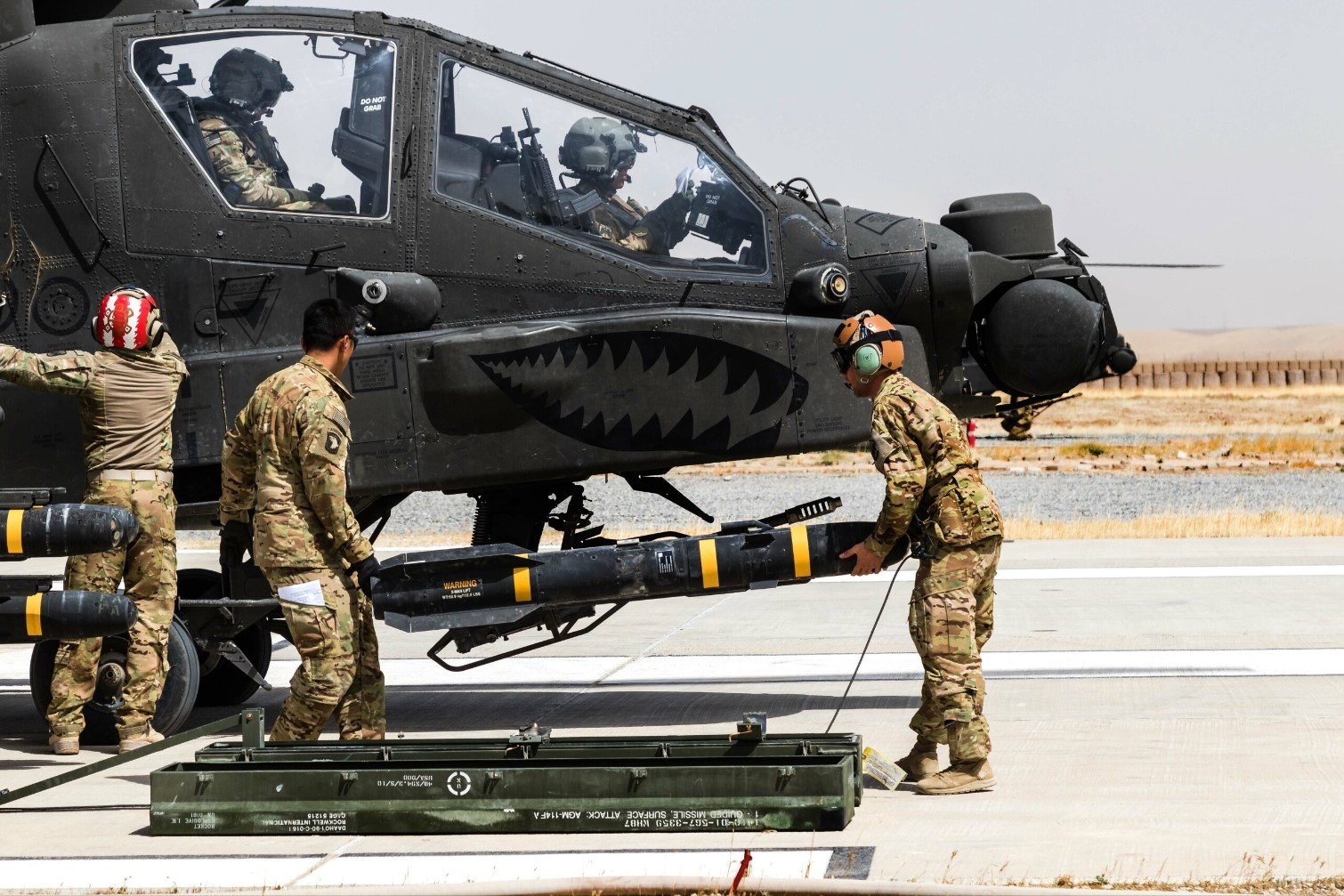
U.S
HOUSTON — KBR announced on August 10 that its Mission Technology Solutions business has secured an estimated $208 million cost-plus-fixed-fee task order to continue supporting the U.S. Army’s Tactical Aviation and Ground Munitions (TAGM) portfolio. The five-year task order was awarded under the federal government’s One Acquisition Solution for Integrated Services Plus (OASIS+) contract vehicle. It is a recompete that continues KBR’s role as the prime contractor supporting a range of Army precision-strike and aviation weapons. Under the task order, KBR will provide support across the full lifecycle of the systems. The work includes advanced engineering, rapid prototyping, modernization, foreign military sales support and global logistics, covering activities from development and fielding through sustainment. Weapons Covered by the Task Order The TAGM portfolio covered by the work includes the HELLFIRE missile, Joint Air-to-Ground Missile (JAGM), Javelin, Tube-launched Optically-tracked Wireless-guided (TOW) missiles, Hydra rockets and Long-Range Precision Munitions (LRPM). The portfolio also includes advanced rocket systems and containerized weapons platforms. The Army's TAGM program supports tactical aviation and ground forces and includes systems at different stages of development, fielding and sustainment. The Army has previously identified Long Range Precision Munitions as part of its efforts to provide longer-range capabilities for future and current aviation platforms. Support for Army Modernization KBR said the task order supports several Army modernization priorities, including multi-domain operations, increased Army Aviation lethality, Launched Effects and low-cost Counter-Unmanned Aircraft System (C-UAS) capabilities. The company will use its engineering capabilities, digital tools and global execution resources to support the Army as it uses accelerated acquisition approaches to move new capabilities from prototype development toward fielding. Jay Lennon, President of Mission Technology Solutions, said the award reflects the Army's trust in KBR and highlighted the company's work supporting Army precision weapons for more than 25 years. “For more than 25 years, KBR has helped take the Army’s most important precision weapons from concept to combat readiness,” Lennon said. KBR said the TAGM weapons remain in demand across global theaters as threat environments change, increasing the importance of engineering, modernization and sustainment support for the portfolio. Contract Comes Ahead of Trinzic Spin-Off The task order comes as KBR prepares to separate its Mission Technology Solutions business into an independent public company called Trinzic. KBR announced the Trinzic name in July as part of its planned spin-off of the Mission Technology Solutions business. The separation is currently expected to be completed in January 2027, subject to the required conditions and approvals. KBR previously said the planned spin-off business would enter the market with more than $5 billion in annual revenue and approximately 20,000 employees, with capabilities spanning national security and space, including digital integration, artificial intelligence, mission engineering and rapid prototyping. KBR's Mission Technology Solutions business has continued to secure U.S. government work as preparations for the separation progress. KBR said in its second-quarter 2026 earnings update that the company remained on track for the planned January 2027 spin-off and was progressing with activities including contract separation, IT systems, procurement and organizational planning. The new Army task order therefore extends KBR's existing TAGM support while the business prepares to transition into Trinzic as an independent company.
Read More → Posted on 2026-08-15 13:17:19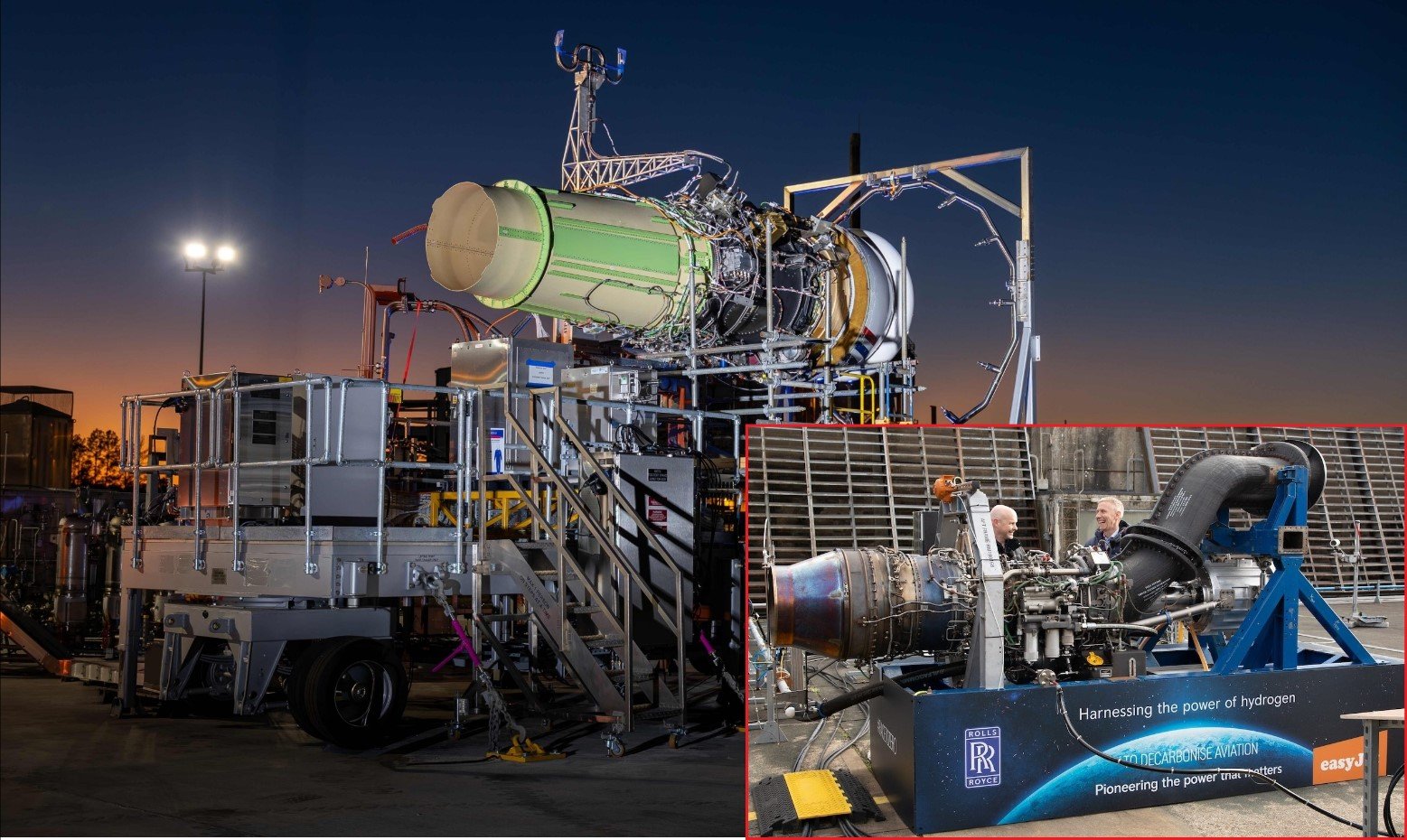
U.S
MISSISSIPPI — Tata Consultancy Services (TCS) and Rolls-Royce have successfully demonstrated the operation of a modern aero gas turbine engine on 100% gaseous hydrogen through a fully simulated flight cycle. The ground test covered key phases including start-up, take-off, cruise and landing. The test was conducted at NASA’s Stennis Space Center in Mississippi, where a modified Rolls-Royce Pearl 15 engine reached full take-off power while operating on hydrogen. Pearl 15 Completes Simulated Flight Cycle The Pearl 15 is a business aviation engine used to power the Bombardier Global 5500 and Global 6500. Rolls-Royce lists the engine with a maximum certified thrust of 15,250 lb (67.8 kN). According to TCS and Rolls-Royce, the latest test represents the first time a modern aero engine of this class has completed a full simulated flight cycle on 100% hydrogen under the demonstrated conditions. Engineers tested the engine through different operating conditions, including start-up, take-off, cruise and landing phases. The campaign also included fault scenarios to examine the behaviour of the engine and its systems under different conditions. The testing focused on key technologies required for hydrogen propulsion, including hydrogen combustion, fuel systems and engine controls. Rolls-Royce has previously said that its hydrogen programme is intended to develop technology that could eventually support aircraft in the small- to mid-size range, with the longer-term ambition of moving toward flight testing. Four-Year Hydrogen Programme The latest test is part of a hydrogen propulsion programme launched by Rolls-Royce and easyJet in 2022. The companies began the programme with the objective of developing hydrogen combustion technology capable of powering different types of aircraft, including aircraft in the narrow-body segment. An earlier milestone came in 2022, when Rolls-Royce and easyJet successfully tested a Rolls-Royce AE2100 engine on 100% green hydrogen at Boscombe Down in the UK. Further work included hydrogen combustion testing and component and system-level testing. In 2023, Rolls-Royce and its partners also demonstrated 100% hydrogen combustion in a full annular combustor of a Pearl engine at the German Aerospace Centre (DLR) in Cologne under conditions representing maximum take-off thrust. In 2024, Rolls-Royce announced the development of a full-scale outdoor hydrogen engine test site at NASA’s Stennis Space Center. The facility was intended to support testing of a modified Pearl 15 engine and the integration of technologies required for 100% hydrogen operation, with TCS providing engineering expertise. TCS Engineering Support TCS joined the hydrogen programme as an engineering and technology partner and supported Rolls-Royce in several areas of the programme. Its work included fuel system and engine controls integration, hydrogen combustion analysis, test preparation, validation, data analytics, risk management and detailed design. TCS had previously announced that its engineering support for Rolls-Royce would focus on three major challenges for hydrogen aviation: fuel combustion, fuel delivery and fuel-system integration with the engine. The Stennis test campaign brought together Rolls-Royce, TCS, easyJet, NASA, the UK Health and Safety Executive and other industry partners. Adam Newman, Chief Engineer of the Hydrogen Demonstrator Programme at Rolls-Royce, said the programme provided valuable insights into how 100% hydrogen behaves in a modern aero gas turbine across a full flight cycle. He said the testing also helped validate combustion, fuel and control-system technologies, with the findings expected to support future propulsion developments, including UltraFan. Anupam Singhal, President – Manufacturing at TCS, said the milestone demonstrated the potential of combining advanced engineering, digital capabilities and collaboration across the aerospace ecosystem. He added that TCS would continue supporting Rolls-Royce in hydrogen-powered aviation technologies. Hydrogen and Future Aviation Hydrogen is being investigated as a potential aviation fuel because its use in suitable propulsion systems can avoid in-flight CO₂ emissions. However, hydrogen-powered aviation requires development across areas including combustion, fuel delivery, storage and aircraft integration. Rolls-Royce says its hydrogen programme is aimed at developing technologies that could help lower aviation emissions and support future propulsion systems. The company is also continuing research into sustainable aviation fuels, gas-turbine efficiency and electrification. The successful Pearl 15 ground campaign provides additional test data on the operation of a modern gas turbine using 100% hydrogen. The results are expected to contribute to the development and assessment of future hydrogen propulsion technologies as the aviation industry works toward lower-carbon air travel.
Read More → Posted on 2026-08-15 13:34:27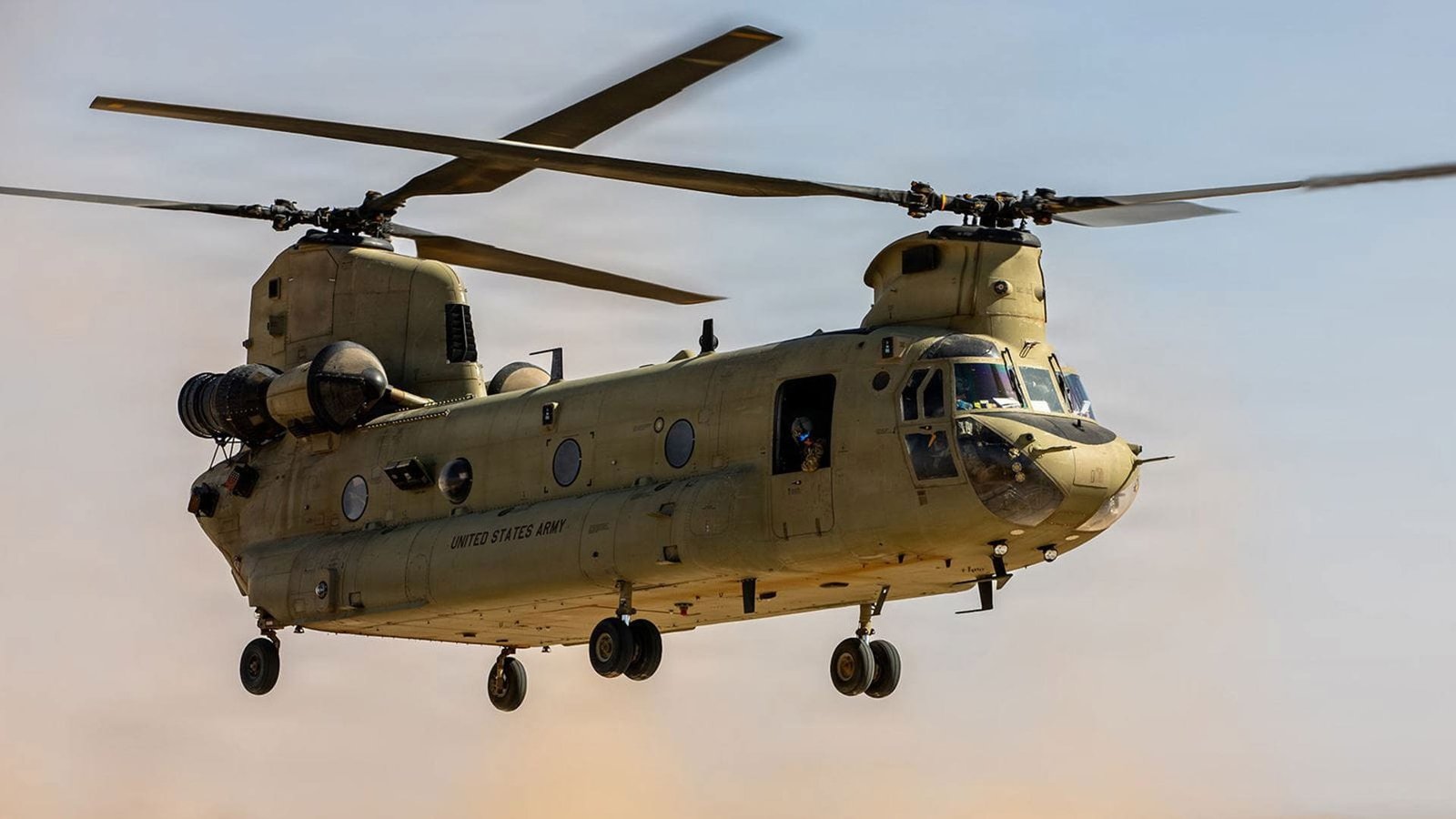
U.S
Huntsville, Alabama / Cedar Rapids, Iowa — Collins Aerospace, an RTX business, has been awarded a U.S. Army contract worth up to $472 million to provide engineering services for the modernization and sustainment of the Army’s CH-47 Chinook heavy-lift helicopter fleet. The contract focuses on avionics work intended to integrate new capabilities, manage component obsolescence and support continued modernization of the aircraft. Work will be carried out in Huntsville, Alabama, and Cedar Rapids, Iowa. Focus on Avionics Modernization The Army is using progressive upgrades to keep the Chinook’s avionics current rather than relying on a single major redesign. The effort includes work involving the Common Avionics Architecture System (CAAS) and the Digital Advanced Flight Control System (DAFCS). Collins Aerospace supplies CAAS for the CH-47F Chinook. The system integrates communications, navigation and mission subsystems through Collins’ Flight2 open-systems architecture and is designed to support future upgrades using open standards. The Army’s Chinook modernization program also includes ongoing engineering and obsolescence-management activities. U.S. Army budget documents identify updates to CAAS and DAFCS software as part of the CH-47F Block II program. Open Architecture for Future Upgrades A major element of the effort is the use of open and reusable avionics architectures. This approach is intended to make it easier to introduce new technologies and replace obsolete components without requiring extensive changes across the aircraft’s entire avionics system. Collins says its open-architecture avionics are designed to provide flexibility for future upgrades while supporting integration of communications, navigation and other aircraft systems. The Army has also identified commonality and future growth as important elements of the Chinook program. The CH-47F already uses an upgraded digital cockpit featuring CAAS and the Digital Automatic Flight Control System. Supporting the CH-47F Block II The contract comes as the Army continues the transition toward the CH-47F Block II configuration. The Block II program introduces additional improvements to the Chinook, including updates to avionics as well as changes to other aircraft systems. Army program documents describe the CH-47F as the service’s heavy-lift cargo helicopter and identify missions including troop and equipment transport, aerial sustainment, medical evacuation, search and rescue, parachute operations, disaster relief and aircraft recovery. The Block II configuration is intended to provide increased payload and operational reach compared with the existing CH-47F, while also providing additional potential for future growth. Collins Aerospace's Chinook Role Jenny Miller, vice president and general manager of Vision and Sensing Systems at Collins Aerospace, said the company’s avionics integrate communication, navigation and mission subsystems into a flexible cockpit architecture. “Our longstanding avionics partnership with the US Army ensures the fleet continuously evolves to support the warfighter and meet future operational demands,” Miller said. Collins has supported Chinook avionics through CAAS, which uses an open-systems architecture and integrates multiple communications, navigation and mission systems. The company says the system is designed to support continued modernization and enhancements. Long-Term Fleet Sustainment The latest contract provides the Army with a framework for continued engineering and avionics sustainment as the Chinook fleet is modernized. It also supports the Army’s broader effort to maintain existing aviation capabilities while introducing new technologies and transitioning to newer configurations. The $472 million value represents the maximum potential value of the engineering services contract rather than a single hardware purchase. The work therefore provides a mechanism for the Army to order engineering and sustainment activities as required. The contract extends Collins Aerospace’s established role in Chinook avionics and supports the continued modernization of the CH-47 fleet as the Army moves forward with the CH-47F Block II program.
Read More → Posted on 2026-08-15 14:17:35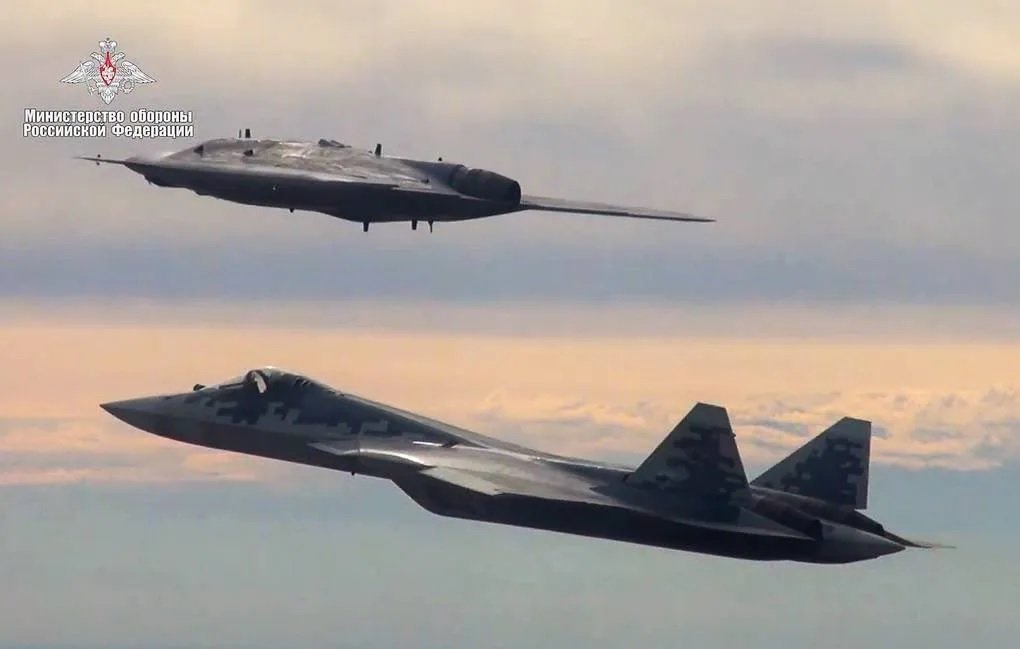
World
MOSCOW, Russia — Russia plans to use its new two-seat Su-57D as a testbed for technologies being developed for future sixth-generation fighter aircraft, including unmanned-aircraft control and combat artificial intelligence. Mikhail Strelets, chief designer at Sukhoi, said the second cockpit will allow an operator to control unmanned aerial vehicles, particularly the S-70 Okhotnik. The additional crew member could manage unmanned systems while the pilot focuses on flying and combat tasks. Russian officials have also described the two-seat aircraft as having combat, training and tactical-control roles. Russian two-seat Su-57D to serve as a testbed for sixth-generation fighter technologiesIts second cockpit will allow one pilot to control UAV such as the S-70 Okhotnik. Su-57D will also be used to test combat artificial intelligence according to chief designer Sergey Strelets. pic.twitter.com/9DdnpKwqDN — H. Memarian (@HEMemarian) August 14, 2026 The Su-57D is based on an early T-50-4 flight prototype, aircraft 054. It began taxi tests on May 16, 2026, and completed its first flight on May 19, lasting about 40 minutes. Sukhoi test pilot Sergey Bogdan conducted the flight. The aircraft is also being used to test combat artificial intelligence developed by Sukhoi specialists. The work is intended to examine how AI and autonomous decision-making systems can be integrated into the aircraft and the unmanned systems operating under its control. The Su-57D builds on earlier Russian tests involving the Su-57 and S-70 Okhotnik. The two-seat configuration provides a dedicated crew station for managing unmanned aircraft and processing mission information. Strelets has not disclosed details of Russia's planned sixth-generation fighter. He has previously described future combat aviation as a system involving manned, optionally manned and unmanned platforms connected through advanced information and control systems. Su-57 upgrades continue Russia is continuing to improve the existing Su-57 while developing these future technologies. In February 2026, UAC announced delivery of another batch of Su-57s equipped with modernized onboard systems and an updated weapons suite. Specific details of those upgrades were not released. Russia is also testing new engines. In December 2025, the T-50-2 prototype, aircraft 052, flew with the new Product 177 engine. The engine is being developed for the Su-57, Su-30 and Su-35 and has a declared afterburning thrust of 16,000 kgf, along with claimed reductions in fuel consumption and an increase in service life. Development of the Su-57's second-stage Product 30 engine is also continuing. The same T-50-2 prototype was observed in December 2024 testing a flat engine nozzle. The purpose of those tests has not been fully disclosed. Russia had previously considered a flat nozzle for the S-70 Okhotnik, although test aircraft were seen with conventional round nozzles. Alongside the Su-57, Russia is developing the Su-75 Checkmate as a lighter fighter intended to complement its heavier aircraft. In June 2026, UAC CEO Vadim Badekha said construction of the first flight prototype was underway. The Su-57D therefore provides Russia with an existing aircraft platform for testing technologies involving manned-unmanned teaming, AI-assisted combat operations and control of unmanned aircraft, while development of future fighter programmes continues. Detailed specifications of a Russian sixth-generation fighter have not yet been publicly disclosed.
Read More → Posted on 2026-08-15 14:27:40
World
KHARTOUM, Sudan — The Sudanese Armed Forces (SAF) used a Turkish-made Bayraktar AKINCI unmanned combat aerial vehicle to intercept and destroy a Chinese-made CH-95 drone operated by the Rapid Support Forces (RSF) northwest of El Obeid in North Kordofan on July 13, 2026. According to reporting by Clash Report, the AKINCI fired an air-to-air missile and destroyed the CH-95 while it was in flight. A second CH-95 was also reportedly destroyed on the ground during the same operation. The incident was part of a series of losses involving Chinese-built RSF drones. Between June 23 and July 14, 2026, the RSF reportedly lost at least five FH-95 and CH-95 drones. An FH-95 was destroyed north of Tawila in North Darfur on June 23, another was lost near Tendelti in White Nile State on July 2, and another was destroyed along the highway linking Khartoum with North Kordofan. A further FH-95 was lost north of Al-Andaraba in North Kordofan on July 7. The locations cover several routes used by the RSF for reconnaissance and operations toward central Sudan. El Obeid is an important transportation junction, while Tendelti lies along the route between Kosti and western Sudan. The reported losses therefore cover multiple sectors rather than being concentrated around Khartoum. Akıncı Avlamaya Devam Ediyor!AKINCI, Sudan’da CH-95 SİHA’yı hava-hava angajmanında düşürdüSudan Silahlı Kuvvetleri’nin (SAF) kullandığı Bayraktar AKINCI , Hızlı Destek Kuvvetleri (RSF) tarafından işletildiği belirtilen Çin üretimi CH-95 SİHA’yı hava-hava angajmanında… pic.twitter.com/fVw6vsDNVH — Turkish Defence Agency (@tdefenceagency) August 15, 2026 CH-95 and FH-95 The CH-95 is a medium-altitude, long-endurance UAV with a maximum takeoff weight of about 650 kg and a payload capacity of up to 170 kg. It has an endurance of about six to 12 hours, a service ceiling of approximately 7,000 meters and a line-of-sight combat radius of roughly 250 km. Its payload options include day and night electro-optical sensors, synthetic aperture radar (SAR), ground-moving-target indication (GMTI) radar, precision-guided weapons, communications relay equipment and electronic-warfare systems. The larger FH-95 has a maximum takeoff weight of about 1,000 kg and can carry up to 250 kg of payload. Its endurance can reach about 30 to 35 hours in longer-range configurations, and it can use satellite communications for beyond-line-of-sight operations. The platform is designed for electronic warfare, signals collection, reconnaissance and command support while also being capable of carrying precision weapons. AKINCI's Air-to-Air Role The Bayraktar AKINCI used by the SAF is a medium-altitude, long-endurance combat UAV equipped with an active electronically scanned array (AESA) radar. The platform can carry air-to-air weapons, including Turkish systems associated with Roketsan such as Sungur and EREN in reported engagements. Its air-to-air capability allows the AKINCI to engage other large UAVs in flight rather than relying only on ground-based air-defense systems. The Sudanese conflict between the SAF and RSF has continued since April 2023, with both sides increasingly using larger unmanned aircraft equipped with long-endurance capabilities, satellite communications, precision weapons, radar, and electronic-warfare systems. The July 13 engagement near El Obeid adds to the growing number of reported Chinese drone losses suffered by the RSF and demonstrates the use of an armed UAV in an air-to-air interception role. Reporting on the incident has primarily come from Clash Report, with additional coverage from defense outlets including Army Recognition, Defence Blog and Military Africa. The SAF and RSF did not provide immediate independent confirmation of some details in the early reports.
Read More → Posted on 2026-08-15 14:46:37
U.S
NEWPORT NEWS, Va. — Huntington Ingalls Industries (HII) announced on August 15, 2026, that its Newport News Shipbuilding division has completed acceptance sea trials for the future USS John F. Kennedy (CVN 79), the U.S. Navy’s second Gerald R. Ford-class nuclear-powered aircraft carrier. The approximately 100,000-ton carrier departed Newport News on August 12 and returned to the shipyard on August 15 after a series of at-sea tests and evaluations. The completion of acceptance trials moves the ship toward preliminary acceptance and the next phase of Navy testing before delivery. During the trials, Newport News Shipbuilding shipbuilders, sailors assigned to John F. Kennedy and other Navy personnel worked together to evaluate the carrier while underway. Testing examined the operation and performance of major systems and components, including propulsion, navigation, combat systems and aviation infrastructure. “It is an honor to take Kennedy to sea to demonstrate the quality work and commitment by our shipbuilders,” said Derek Murphy, Newport News Shipbuilding vice president of new construction aircraft carrier programs. “This critical set of sea trials is a testament to the entire nuclear shipbuilding enterprise and the work of thousands across our country to prepare CVN 79 to join the fleet.” The acceptance trials follow the carrier’s successful builder’s sea trials earlier this year. John F. Kennedy departed Newport News on January 28 and returned on February 4 after its initial at-sea testing of propulsion, navigation, combat systems and other equipment. After those trials, the carrier returned to Newport News for additional construction work, correction of discrepancies and system integration ahead of the latest acceptance testing. Ford-Class Systems As the second ship of the Gerald R. Ford class, John F. Kennedy incorporates design and technology changes compared with the older Nimitz-class carriers. The ship includes the Enterprise Air Surveillance Radar (EASR) and next-generation aircraft launch and recovery systems intended to support a higher volume of flight operations. CVN 79 is also being completed under a congressional requirement for a “single-phase delivery approach.” Under this approach, the carrier is intended to be capable of operating and deploying F-35C Lightning II fighter aircraft upon delivery rather than requiring post-delivery modifications for that capability. With acceptance sea trials complete, the next step is preliminary acceptance of the carrier. This will allow the Navy to begin underway testing and evaluation of systems unique to John F. Kennedy. The carrier remains a pre-commissioning unit until formal acceptance and commissioning. Its delivery to the U.S. Navy is currently projected for March 2027, while work continues on remaining systems ahead of delivery.
Read More → Posted on 2026-08-16 11:27:09
U.S
WASHINGTON — The U.S. Navy is reviewing major design changes to its Gerald R. Ford-class aircraft carriers to make them more closely resemble earlier U.S. warships, according to current and former U.S. officials cited by The Washington Post. One proposal would move the multi-level command island from its current aft position toward the middle of the ship. President Donald Trump has expressed a preference for the appearance of World War II-era warships. The current aft island arrangement was selected for operational reasons. It provides more deck space around the catapults, helps position aircraft for launch, and reduces turbulence around the angled landing area. A similar review during Trump's first administration concluded that moving the island would require a major structural redesign, potentially affecting the carrier's buoyancy and weight distribution and causing significant costs and delays. The Navy has not made a final decision, and the island review remains in its early stages. Steam Catapults Planned for Future Carrier The review follows Trump's August 13, 2026 national security memorandum, which directs the Pentagon to develop a plan within 60 days to replace EMALS and advanced weapons elevators with conventional steam catapults and hydraulic systems, beginning with the future USS Doris Miller (CVN-81). The first three Ford-class carriers — USS Gerald R. Ford, USS John F. Kennedy and USS Enterprise — will retain their electromagnetic systems. The Doris Miller, the fourth ship of the class, is being built by Huntington Ingalls Industries' Newport News Shipbuilding. The Navy selected EMALS in 2009, and the USS Gerald R. Ford had completed more than 36,000 EMALS launches by March 2026. The proposed change has raised cost, schedule and integration concerns because the Doris Miller is already under construction and EMALS production is reportedly nearly 50 percent complete. General Atomics, EMALS' manufacturer, has warned of additional integration and schedule risks. Ford-Class and $275 Billion Battleship Program The lead USS Gerald R. Ford took about 17 years to construct, while future Ford-class carriers have been estimated at roughly $22 billion each. Meanwhile, the administration is pursuing the proposed Trump-class, or BBG(X), nuclear-powered guided-missile battleships as part of the proposed "Golden Fleet." Trump announced the concept in December 2025, with the first ship planned as USS Defiant. The Congressional Budget Office estimates that building 15 ships between 2028 and 2056 would cost about $275 billion. The lead ship is projected at $23.4 billion, with subsequent ships averaging about $18 billion. Earlier congressional material describes the proposed battleships as 840 to 880 feet long and more than 35,000 tons at full load. Planned weapons include long-range missiles, hypersonic weapons, nuclear-armed cruise missiles, high-powered lasers and a railgun. The Navy describes the BBG(X) as a large surface combatant intended for long-range offensive fires, integrated air and missile defense, and command-and-control capabilities. The programs come as the Navy faces continuing shipbuilding capacity, labor, cost and schedule challenges. Adding a new battleship class while continuing other major warship programs would place additional demands on the U.S. shipbuilding industrial base, while any Ford-class redesign would have to be integrated into an already established carrier construction program.
Read More → Posted on 2026-08-16 11:43:21
U.S
HUNTSVILLE, Ala. — The U.S. Army has issued a Sources Sought notice for companies capable of producing the T901-GE-900 turboshaft engine, as the Improved Turbine Engine Program (ITEP) moves toward its production phase. The notice was posted August 14, 2026, by the Army’s Aviation Turbine Engines Project Office, with responses due by August 29. It is being used for market research and planning and will not directly result in a contract award. The program is advancing under the Middle Tier Acquisition pathway. The T901 is a 3,000-shaft-horsepower engine developed by GE Aerospace. It is designed as a form, fit and function replacement for the T700-GE-701D engines used by the Army’s UH-60 Black Hawk and AH-64E Apache fleets. The engine fits within the existing engine nacelles, avoiding major structural modifications to the aircraft. The Army selected the T901 in 2019 under ITEP to provide greater power and improved fuel efficiency. The engine is intended to provide about 50 percent more power and 25 percent better specific fuel consumption compared with the T700 while maintaining the same installation envelope. The T901 was also originally planned for the Army’s Future Attack Reconnaissance Aircraft (FARA) before that program was canceled. T901 flight testing on the Black Hawk began in May 2025, following ground testing. As of mid-August 2026, the engine had accumulated about 2,600 hours of test-stand operation and more than 90 hours of aircraft testing, including flights reaching 17,000 feet and 160 knots. The Army has recently granted the engine a preliminary flight rating, with additional airworthiness testing planned. Technical Data and Production Requirements The Army’s notice states that the government does not currently have a complete Technical Data Package (TDP) for the T901. The missing information includes system and subsystem drawings, tooling drawings and software source code and models. For the future production contract, the Army wants all delivered hardware and software to carry at least Government Purpose Rights. This would allow the government to share technical information with other contractors for maintenance, sustainment and future competitive requirements. The anticipated production contract would have a 60-month period of performance, with production work expected primarily in Lynn, Massachusetts. The contract would cover engines along with: Spare parts and special tooling Support equipment and shipping containers Interim contractor logistics support Depot maintenance work requirements Contractor field service representatives Associated training programs Maintenance support is expected to involve the engine’s original equipment manufacturer as well as the manufacturers of the Black Hawk and Apache. Production Timeline and Industry Information The Army expects production deliveries to begin no later than 2031 and be completed by 2033. The deliveries will support the Army’s First Unit Equipped and First Unit Issued fielding milestones. The procurement falls under NAICS code 336412, Aircraft Engine and Engine Parts Manufacturing, and is designated as a partial Small Business Set-Aside. Interested companies must provide information on their size, ownership structure and small-business status, along with technical data showing that their manufacturing approach meets Airworthiness Release criteria. The Army also requests engine dimensions and weight specifications, previous airworthiness qualification test reports and pricing estimates. Companies are also being asked whether they maintain a technical, logistics and contracting presence in the Huntsville, Alabama, area, near the Army contracting office at Redstone Arsenal. The Sources Sought notice is part of the Army’s market research as it prepares for T901 production and the planned replacement of T700 engines across the Black Hawk and Apache fleets.
Read More → Posted on 2026-08-16 11:55:38
World
MOSCOW — A large Ukrainian drone attack targeted Russia’s Moscow region overnight, causing fires at major logistics facilities in Podolsk and Domodedovo and killing one person. Regional authorities reported at least six other injuries. Moscow Mayor Sergey Sobyanin said that around 600 UAVs flew toward the Moscow region between August 15 evening and 6:30 a.m. August 16, with 201 drones destroyed. Moscow Region Governor Andrey Vorobyov separately said air defense and electronic warfare systems shot down or suppressed 187 drones across Domodedovo, Podolsk, Stupino, Odintsovo, Naro-Fominsk, Ramenskoye, Chekhov, Kolomna, Kashira and Yegoryevsk. Wildberries Warehouse Catches Fire A drone struck the Wildberries logistics facility in the Koledino industrial park in Podolsk, starting a fire at the company’s largest logistics complex. The warehouse has an area of more than 200,000 square meters. Wildberries said employees had been evacuated to shelters before the attack and that none were injured. The company also said its logistics operations had been reorganized, with deliveries and order shipments moved to other facilities. Ukrainian open-source monitoring account ASTRA identified the facility at 20 Troitskaya Street in Koledino. It also reported that the neighboring Koledino3PL logistics complex had been damaged by a Ukrainian attack on July 28. A second fire was reported at a warehouse storing medications in Domodedovo. Vorobyov said no injuries were initially reported there. ASTRA identified the site as Warehouse No. 15 at the Severnoye Domodedovo sorting and logistics complex. One Killed, Several Injured An 83-year-old man was killed in the Ramenskoye municipal district after a drone fell on a private home. Three people were injured in Podolsk, including one with shrapnel wounds and two injured by falling drone debris near the M-2 highway and in Zheleznodorozhny. A truck driver in Klimovsk suffered a hand injury, while another resident of Zheleznodorozhny sustained a shoulder injury. Authorities said the injuries were not life-threatening. Sobyanin also reported three people injured near the Moscow Ring Road (MKAD). Damage was reported in several other locations. In Podolsk, a private home, car and power line were damaged. In Domodedovo, residential buildings, two private homes and a shopping center roof were damaged. A newly built police station in Kashira, industrial structures in Voskresensk, a private home and church school building in Chekhov, and a bathhouse in Stupino were also reported damaged. Part of Wider Wildberries Campaign The Podolsk strike is part of a broader Ukrainian campaign against Wildberries logistics facilities. Ukrainian officials have claimed that some of the company’s warehouses support Russian military logistics by handling drone parts and other sanctioned dual-use components. Previous strikes have affected Wildberries facilities in the Tambov, Krasnodar, Stavropol, Ryazan, Leningrad, Vladimir, Tver and Sverdlovsk regions. Ukrainian sources have said nearly two dozen Wildberries logistics centers have been targeted since mid-July. Wildberries is also planning to build 260,000 square meters of new warehouse space in Kazakhstan, with construction expected to be completed in early 2027. The latest attack caused temporary flight restrictions at Vnukovo, Domodedovo and Zhukovsky airports. Russia later launched another wave of missile and drone strikes against targets in Ukraine, including areas around Kyiv, Kremenchuk and Kryvyi Rih. Independent verification of the exact number of drones launched and intercepted remains limited.
Read More → Posted on 2026-08-16 12:53:13
World
LONDON, UK — Ukraine has used British-made drones in deep-strike operations against targets inside Russia over the past six months, including oil refineries in Volgograd and Yaroslavl, according to The Times. Ukrainian military sources cited by the newspaper said the British systems have also been used against other targets, including naval bases, logistics hubs and transport networks. The Nyan One-Way Effector (OWE), developed by British company Callen-Lenz, is among the systems used in these operations. Callen-Lenz is part of FalconWorks, BAE Systems’ technology division. The Times reported that a second British-made drone has also been used, but the manufacturer was not identified for security reasons. pic.twitter.com/iRn2U5Ct6A — Drone Wars (@Drone_Wars_) August 16, 2026 Ukrainian sources said most of the country's deep-strike missions continue to rely on domestically produced drones, but British systems have contributed to long-range operations. The reported targets include the Volgograd and Yaroslavl oil facilities, as well as targets in the Belgorod region. Nyan One-Way Effector The Nyan is a jet-powered one-way effector designed for deep-strike missions. BAE Systems describes it as having a low radar cross-section, a flexible payload bay, modular architecture and the ability to operate in GNSS-denied environments. The company also lists deep strike among its intended operational uses. The aircraft has a 2.9-metre wingspan and a maximum takeoff weight of more than 75 kg. It is launched using a pneumatic catapult and is powered by a single micro gas-turbine engine. Its cruising speed is around 120 knots, or approximately 222 km/h, while its reported range is more than 150 miles (about 240 km). The drone can carry a payload of up to 20 kg. Its carbon-fibre airframe and modular design allow different equipment configurations depending on the mission. BAE Systems says the system is designed to be deployed from unprepared ground and has already been used operationally in contested environments. Nyan Already in Ukrainian and British Service The Nyan has been used by the Ukrainian Defence Forces for some time. In June 2024, an identical jet-powered drone was recovered on Russian territory and was initially identified as a new Ukrainian one-way attack drone. The system was later identified as the British-made Nyan. The system is also being introduced into the British Army. The UK Ministry of Defence said in March 2026 that the Army intends to field an initial One-Way Effector capability, including the Callen-Lenz Nyan, as part of the UK's deep-fires contribution on Operation CABRIT. In February 2026, the UK Ministry of Defence awarded Callen-Lenz a contract worth £4,996,500 excluding VAT for Nyan OWE systems for operational and training use. The official procurement notice said the Nyan was the only off-the-shelf product of its type registered on the Military Aircraft Register and had undergone a UK Ministry of Defence Article 36 legal review. BAE Systems has said that more than 1,000 Nyan systems have been produced. Tested in Estonia and at Sea The British Army demonstrated the Nyan during Exercise Spring Storm in Estonia in May 2026, where it was used as part of the UK's deep-fires capability. Callen-Lenz said the system was operated with the Estonian-built Threod Systems CATA launcher. The Nyan has also been tested for maritime operations. In June 2026, the Royal Navy and British Army launched the drone from the experimental vessel XV Patrick Blackett during trials off the south coast of England. The launch was conducted as part of Exercise Neptune Reach under Project Vantage, which is focused on testing maritime attack drones. The Royal Navy said the drone was launched from a launcher installed on the ship's deck and flown while the vessel was at sea. Further trials, including possible testing aboard HMS Queen Elizabeth, have been discussed. The use of British-made drones in Ukraine's deep-strike campaign adds another role for the Nyan beyond the British Army's own testing and deployment. While Ukraine continues to rely mainly on its domestic drone industry for long-range attacks, the reported use of British systems shows that UK-supplied unmanned platforms are also being employed in operations against targets inside Russia. BAE Systems said it provides a range of capabilities to the UK Ministry of Defence as part of Britain's support for Ukraine and described the Nyan as a rapidly developed uncrewed system that has been proven in contested environments.
Read More → Posted on 2026-08-16 13:03:29
World
TOWNSVILLE, QLD — The Australian Army has officially fielded its first protected mobile fires battery with the 3rd Brigade, introducing the AS9 Huntsman self-propelled howitzer into operational training with 106 Battery, 4th Regiment, Royal Australian Artillery. Six AS9 Huntsman self-propelled howitzers and one AS10 Armoured Ammunition Resupply Vehicle have been delivered to 106 Battery at Lavarack Barracks in Townsville. The delivery follows Australia’s first AS9 operator training and live-fire activity at the School of Artillery in Puckapunyal, Victoria. In May, 30 gunners from 4th Regiment completed a six-week training course, followed by live-fire activity involving around 150 rounds from multiple AS9 systems. Brigadier James Davis, Director General Systems and Integration, said the transition from Australian production to trained crews conducting live fire in a short period demonstrated effective cooperation between the Army, the Capability Acquisition and Sustainment Group and industry partners. Australian-built artillery capability The AS9 Huntsman is a tracked 155mm/52-calibre self-propelled howitzer based on the South Korean K9 Thunder. It is designed to provide protected indirect fire while allowing artillery crews to rapidly relocate after completing a firing mission. The vehicle has a maximum road speed of more than 60 km/h, carries a crew of about five and has onboard storage for around 48 rounds. It can fire three rounds in about 15 seconds and sustain six to eight rounds per minute. Its reported range is approximately 30–40 km with standard ammunition and up to around 60 km with specialised ammunition. The AS10 uses the same tracked chassis and is designed to resupply the AS9. Its automated ammunition-transfer system allows ammunition to be transferred while crews remain under armour, with a stated capacity of around 100 rounds. Local production under LAND 8116 Australia is acquiring the Huntsman system through LAND 8116 Phase 1, Protected Mobile Fires. The program covers 30 AS9 howitzers and 15 AS10 resupply vehicles under a contract with Hanwha Defence Australia valued at approximately A$1 billion. Initial vehicles were manufactured in South Korea and arrived in Australia in late 2024 or early 2025. The remaining vehicles are being produced locally at Hanwha Defence Australia’s Armoured Vehicle Centre of Excellence near Avalon Airport in Geelong, Victoria. The program forms part of the Australian Army’s broader modernisation toward a heavier and more protected force, with the AS9 providing a tracked alternative to the M777 towed howitzers for the 3rd Brigade’s protected mobile fires capability. Moving to collective training The introduction of the first battery now allows 106 Battery to move beyond individual operator qualification and begin collective training. During Exercise Pozieres Run, crews will integrate the AS9 and AS10 into 3rd Brigade activities while 4th Regiment develops the tactics, techniques and procedures needed for brigade and divisional employment. Major General Ash Collingburn, Commander 1st Division, said the new capability was intended to provide a warfighting advantage by making soldiers more lethal, mobile and survivable. Lieutenant Colonel Simon Frewin, Commanding Officer of 4th Regiment, said 106 Battery was ready to take the systems into the field and build its collective proficiency. Sergeant Dale Chivers, battery guide for 106 Battery, said the AS9 could come into action in about 30 seconds, conduct its firing mission and move quickly, improving survivability and allowing the battery to keep pace with the brigade. The Australian Army is working toward full operational capability for protected mobile fires by 2028.
Read More → Posted on 2026-08-16 13:13:58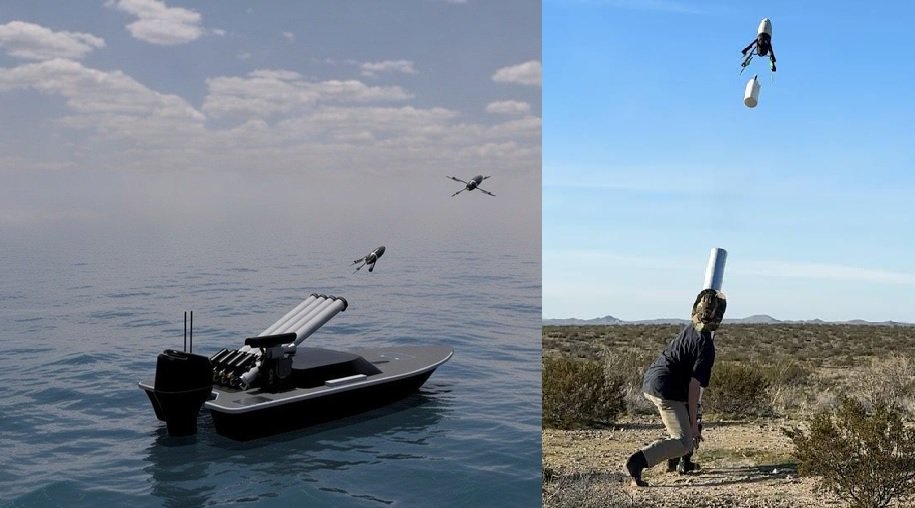
U.S
HAWTHORNE, Calif. — California-based defense startup Thermopylae Aerospace has announced SPART, a tube-launched interceptor designed to counter Group 2 and 3 unmanned aircraft systems (UAS) and turbojet-powered attack drones. SPART is a foldable, ultra-light electric-powered quadcopter launched from a conventional, mortar-like pneumatic tube. It uses thermal guidance to track and intercept targets and can reach speeds of up to 350 km/h (217 mph), with a targeted flight endurance of up to 20 minutes. The interceptor is designed to address high-volume, low-cost aerial threats, including Shahed-type attack drones. Thermopylae Aerospace is targeting a unit cost of about $10,000 or less per launch. SPART also has a partial-reuse design, allowing an interceptor that misses its target to potentially be recovered and used again. The system can be deployed from UAVs, ground vehicles, maritime vessels and manned vehicles. Rather than depending on a centralized protection system, the company intends SPART to provide a mobile, distributed defensive layer. Thermopylae Aerospace is developing a complete system combining the interceptor with its launcher, RF communications and command-and-control system, which can integrate with available radar systems. Its software has also been designed to work with widely used Ukrainian situational-awareness and command-and-control systems. In mid-July 2026, the company completed a successful end-to-end demonstration at Edwards Air Force Base during the “Game of Drones 26-2” event organized by the U.S. Air Force’s 412th Test Wing. Founder and CEO Yehor Balytskyi briefed senior Air Force Test Center leadership, including Brig. Gen. Mark Massaro and Chief Master Sgt. Sevin Balkuvvar. Thermopylae Aerospace was founded in June 2025 by Ukrainian aerospace and mechanical engineers and is headquartered in Hawthorne, California. Balytskyi left Ukraine at age 17 after Russia’s full-scale invasion in 2022. The company has grown from a two-person team to about five employees. In November 2025, Thermopylae Aerospace raised $1.6 million in pre-seed funding from investors including Naval Ravikant, UA1, Norgard Capital and Cyrus Venture Fund. The company said the funding would support production expansion, further testing in Ukraine and deployment with defense units. Thermopylae Aerospace says its goal is to develop a low-cost interceptor that can be produced and deployed in high volumes, helping address the economic challenge of defending against large numbers of relatively inexpensive drones.
Read More → Posted on 2026-08-16 13:20:34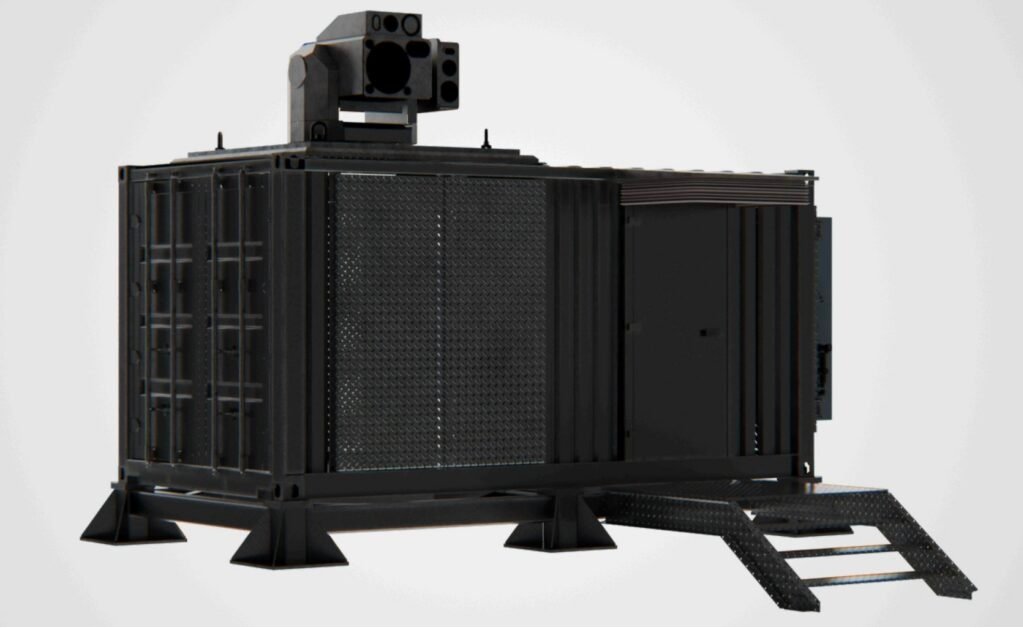
U.S
PHILADELPHIA, PA — U.S. defense technology company Attalon has introduced the Valaris family of directed-energy laser systems, a new product lineup designed to provide defense contractors and military system integrators with multiple laser architectures and power levels for air, land and maritime applications. Attalon says the Valaris family combines its coherent, spectral and dichroic beam-combining technologies with lightweight adaptive optics for beam control. The company has structured the lineup around three variants, allowing customers to select a laser architecture and power level according to their specific mission requirements. Three Valaris Laser Variants The Valaris X is the highest-powered system in the family. It uses a coherently beam-combined (CBC) architecture and provides 50-kilowatt-class performance. Attalon says the system can scale beyond 300 kilowatts for long-range directed-energy missions and incorporates advanced adaptive optics. The Valaris S uses a spectrally beam-combined (SBC) architecture and provides 30-kilowatt-class output. It is designed to scale to 50-kilowatt-class levels, while focusing on beam quality, manufacturing scalability and cost. The Valaris D uses a dichroically beam-combined (DBC) architecture and provides 10-kilowatt-class performance. Attalon positions it for lower-power missions and as a more cost-effective option for operational applications. According to Attalon, bringing the three architectures together under one product family is intended to give defense primes, system integrators and government customers greater flexibility when selecting a laser system. The company says the modular approach also focuses on manufacturability, maintainability and operational readiness as directed-energy technologies move from demonstrations toward production programs. Focus on Field Maintainability The Valaris announcement follows Attalon's recent work on improving the maintainability of high-energy laser systems. On July 23, Attalon announced the first production shipment of its Kilowatt Interconnect (kWIC) Disconnect subsystem. The component is designed to allow field replacement of laser amplifiers without fiber splicing or specialized maintenance personnel. Attalon says the system provides a precision-aligned fiber-optic connection and includes verification checks for proper alignment before laser operation. Attalon's focus on field serviceability is part of its broader effort to develop directed-energy components that can be maintained outside specialized facilities. Recent U.S. Navy Directed-Energy Work Attalon also received a $17.1 million contract modification from the Office of Naval Research under the U.S. Navy's SONGBOW program in July. The work includes continued development of pulsed fiber lasers for remote sensing and illumination and further development of a 400-kilowatt-class directed-energy subsystem through the integration of a 50-kilowatt laser with a beam-control assembly. The work is being led by Attalon's Directed Energy & Advanced Lasers team in Beavercreek, Ohio. The SONGBOW award adds to Attalon's ongoing work in high-power laser systems and beam-control technologies. Attalon's Directed-Energy Business Attalon is an independent U.S. defense technology company headquartered in Philadelphia. The company works in directed energy, precision optics and coatings for aerospace and defense applications. Attalon says its vertically integrated approach covers technologies from materials through finished laser and beam-control assemblies. The company's Directed Energy & Advanced Lasers business is led by Matt Straup, vice president and general manager. With Valaris, Attalon is bringing its three beam-combining approaches into a single product family, with systems ranging from 10-kilowatt-class to 50-kilowatt-class output and higher scaling options for the Valaris X. The company says the lineup is intended to give defense customers more options when selecting directed-energy systems for different mission and integration requirements.
Read More → Posted on 2026-08-16 13:40:35
U.S
WASHINGTON — Publicly available workout data from fitness-tracking app Strava is raising renewed security concerns after an investigation found that military personnel have continued to publish exercise routes from sensitive installations and deployment areas. A Sky News investigation published on August 12 found more than 1,300 Strava users sharing workouts from or near U.S. military bases in the Middle East. Many of the accounts used real names, while the publicly visible routes could reveal where personnel were exercising, their routines and changes in activity around military facilities. Security experts cited by Sky News said such information could potentially be combined with other intelligence to track U.S. personnel and movements. Strava Data Linked to U.S. Bases in Middle East The investigation examined activity around several U.S. military facilities during the conflict with Iran. At the main U.S. naval base in Manama, Bahrain, Sky News identified a Strava account linked to a U.S. Navy contractor who had regularly recorded runs around the base. The activity stopped for two days after personnel began leaving the facility. The account then showed runs around the courtyard of the Crowne Plaza hotel, where some personnel had reportedly relocated. Six days later, Iran attacked the hotel. Two U.S. Department of Defense employees were reportedly wounded, according to the Sky News investigation. However, the investigation did not establish that Strava data was specifically used by Iran to select the hotel as a target. A similar pattern was identified at Jordan's Muwaffaq Al Salti Air Base. Before the conflict, U.S. personnel had regularly published runs across the installation. Activity resumed in April after a pause in March, but Sky News found that the routes had become concentrated in one area. According to the investigation, 76% of the later activities began or ended near barracks on the eastern side of the base. Iran attacked those barracks on July 17, killing three U.S. soldiers. Sky News also found publicly accessible Strava activity at the base on July 16, one day before the attack. Sky News reported that the data can provide what intelligence analysts describe as a "pattern of life" by combining large numbers of individual activities. Such information can reveal regular movements, concentrations of personnel and changes in deployment patterns. British and Israeli Locations Also Exposed The investigation found that the problem extends beyond U.S. forces. Sky News identified about 12,000 workouts recorded inside RAF Akrotiri in Cyprus since January 2026. The investigation also identified British personnel sharing activities from the base and tracked some profiles across deployments in the Middle East. Separate reporting in April found that 519 British military personnel, contractors and family members had publicly recorded Strava activities at sensitive UK military sites. The locations included Faslane, home to Britain's nuclear deterrent, and Northwood, the headquarters of the UK's military command. Sky News also identified three Strava users recording runs inside Israel's Dimona nuclear research facility. The facility is considered highly sensitive and has previously been a target of Iranian attacks. French Military Has Faced Similar Problems French military operations have also been affected by publicly shared fitness data. In March 2026, a French Navy officer using Strava publicly uploaded a workout recorded during the deployment of the aircraft carrier Charles de Gaulle. The data allowed the ship's location in the Mediterranean, northwest of Cyprus, to be identified. Le Monde matched the Strava activity with satellite imagery and located the carrier and its escort group. The French military acknowledged that publishing the workout did not comply with existing operational security instructions and said appropriate measures would be taken. Earlier investigations also identified Strava activity connected to France's Île Longue naval base, where the country's nuclear-armed ballistic-missile submarines are based. Analysis of activity gaps was reported to have provided indications of submarine patrol periods. Pentagon Has Warned About Fitness Tracker Risks Since 2018 The security problem is not new. In 2018, a Strava global activity map exposed patterns around military facilities, including a previously undisclosed U.S. installation in Niger. The Pentagon subsequently prohibited Department of Defense personnel from using geolocation features on government and personal devices, applications and services in designated operational areas, unless authorized under specified conditions. The Defense Department had already warned in January 2018 that fitness trackers could reveal the locations and routines of military personnel. Officials advised personnel to use the strictest privacy settings and warned that publicly available fitness data could expose military locations and potentially assist targeting. Despite those restrictions and repeated warnings, publicly accessible fitness activity has continued to appear at sensitive military locations. Public Data Can Reveal More Than a Single Location The main security concern is not limited to identifying where one person is exercising. When multiple users repeatedly publish GPS-based workouts, the information can show where personnel are concentrated, their regular routines and changes in activity over time. It can also provide indications of movements between military facilities and changes in the number of people present at particular locations. Sky News said its investigation did not establish that Iran specifically used Strava information to select the targets described in its report. The available data nevertheless demonstrates how publicly shared commercial location information can potentially be combined with other intelligence sources. Strava said it takes user safety and privacy seriously and provides privacy controls. The company also said it expects people working in sensitive professions to use those controls and appropriately limit what they publish. The continued appearance of military activity on public fitness platforms therefore remains an operational-security concern, particularly when individual workout records can be combined to reveal movements and patterns around military facilities.
Read More → Posted on 2026-08-16 14:49:13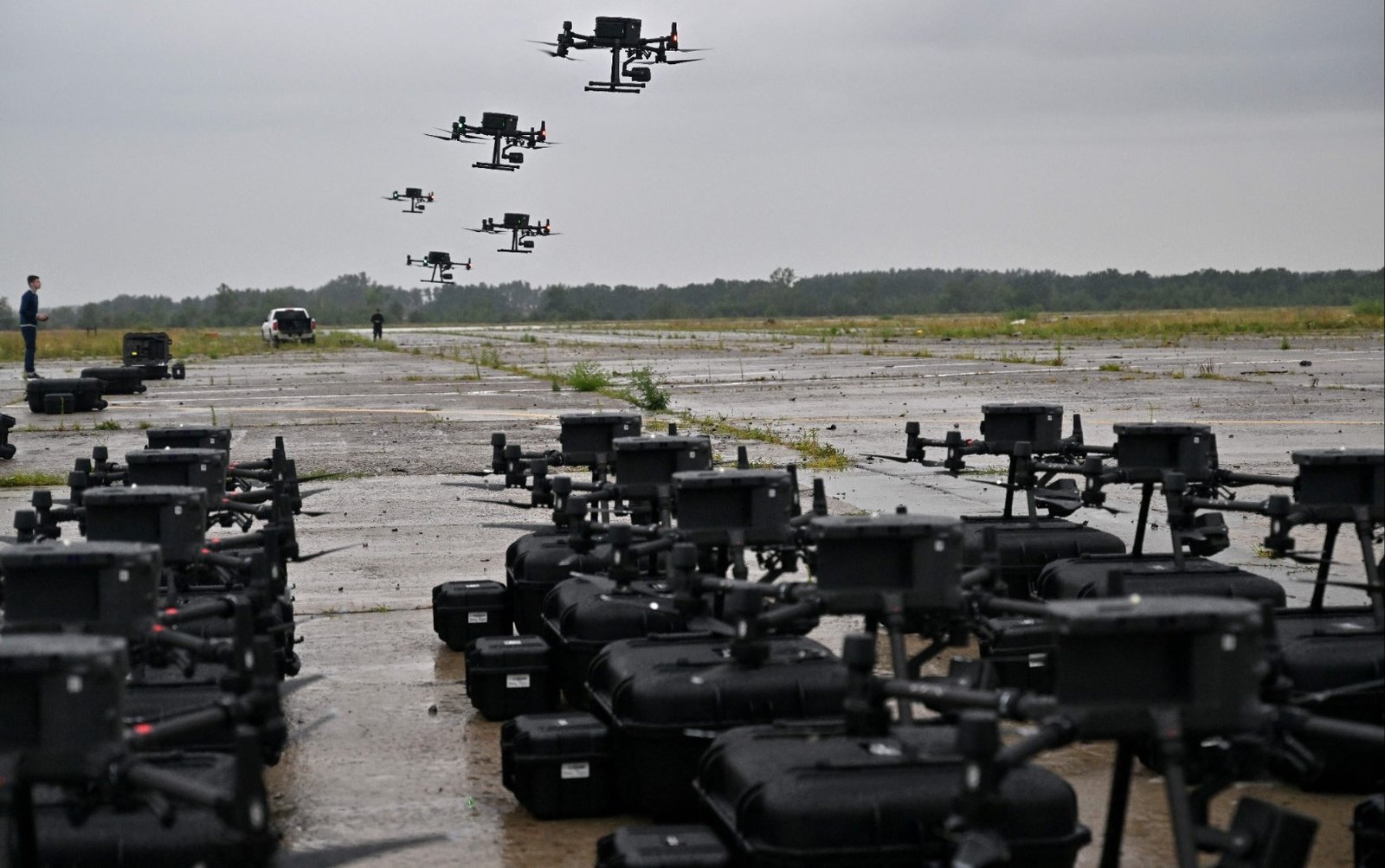
U.S
CHEYENNE, Wyoming — The U.S. Air Force is purchasing Chinese-made DJI drones for counter-drone training at F.E. Warren Air Force Base in Wyoming. The aircraft will be used as realistic stand-ins to train security personnel to detect, track and defeat small unmanned aircraft systems. The purchase is intended to allow the 90th Missile Security Operations Squadron (90 MSOS), under Air Force Global Strike Command, to test radar, electronic warfare, jamming and other counter-drone systems against the actual radio-frequency signals produced by DJI aircraft rather than relying only on computer simulations. On August 14, 2026, the 90th Contracting Squadron posted a combined synopsis and solicitation, identified as FA461326Q1042, seeking a small business vendor to provide the aircraft. Vendor quotes are due August 24. DJI drones requested The procurement document identifies the requested equipment as the “Red Fleet.” The order includes: Two refurbished DJI Mavic 2 Pro quadcopters with Fly More kits Two DJI Mini 3 Pro drones with remote controllers Two DJI Avata 2 Fly More combos Six airdrop payload release devices Shipping The Air Force plans to award a firm fixed-price contract to the lowest-priced offer that meets the technical requirements. Contracting officials designated the purchase as a brand-name requirement, meaning the Air Force specifically requires DJI products rather than accepting equivalent drones from other manufacturers. A justification document signed July 29 by Contracting Officer Technical Sergeant Chad A. Evans said DJI controls an estimated 80 to 85 percent of the global commercial drone market. The document also states that DJI's proprietary electronic protocols, radio-frequency signatures and flight capabilities are not accurately replicated by American-made drones or other manufacturers. According to the justification, using the actual DJI aircraft is necessary to test counter-drone systems against the equipment that adversaries are statistically most likely to use. The document says relying only on domestic drones or simulated data would leave security personnel without training against DJI's actual radio signatures and communication protocols. Training for nuclear missile field security F.E. Warren Air Force Base is one of three U.S. Air Force bases that operate Minuteman III intercontinental ballistic missiles. Its security personnel are responsible for protecting the missile fields against ground and airborne threats. The 90 MSOS requires the DJI aircraft for counter-small unmanned aircraft systems training as part of its nuclear security mission. The drones will provide live targets and signals for personnel testing detection and defeat capabilities. The justification also notes that Malmstrom Air Force Base in Montana, another Air Force Global Strike Command missile base, is already using or pursuing similar DJI platforms for counter-drone training. The F.E. Warren procurement is intended to support more consistent threat replication across Global Strike Command's missile fields. Air Force plans cybersecurity safeguards Although the aircraft are manufactured in China, the Air Force plans to modify the drones before they are used for training. The justification states that every DJI aircraft will be loaded with U.S.-made software called RIZER. According to the document, the software overrides the drones' native firmware and creates an air-gapped system that prevents the aircraft from transferring or downloading telemetry or imagery to foreign entities or Department of War networks. The justification says similar RIZER-equipped DJI drones have previously been procured by other Air Force units for counter-small unmanned aircraft systems testing and training. Legal authority for the purchase The procurement document cites a July 2025 memorandum from Secretary of War Pete Hegseth, titled “Unleashing U.S. Military Drone Dominance,” as the authority for acquiring small quantities of foreign drone equipment for electronic warfare testing, training and counter-UAS development. The memo allows officers at the O-6 (colonel) level or equivalent to use the authority provided under 10 U.S.C. 2304(c)(1) to procure foreign drone equipment under specified circumstances without full and open competition. The requirement is still being conducted as a 100 percent small business set-aside because the contracting squadron identified multiple authorized DJI distributors capable of supplying the requested equipment. It is therefore not a single-source award to DJI itself. The purchase is part of F.E. Warren's broader efforts to improve security against small unmanned aircraft. Recent activities have included multi-command counter-small unmanned aircraft systems qualification training at Camp Guernsey Joint Training Center in Wyoming involving personnel from Air Force Global Strike Command, Air Combat Command, U.S. Strategic Command and the Air National Guard. F.E. Warren is also transitioning helicopter support from the UH-1N Huey to the MH-139A Grey Wolf as part of broader upgrades to its nuclear security mission.
Read More → Posted on 2026-08-16 14:59:43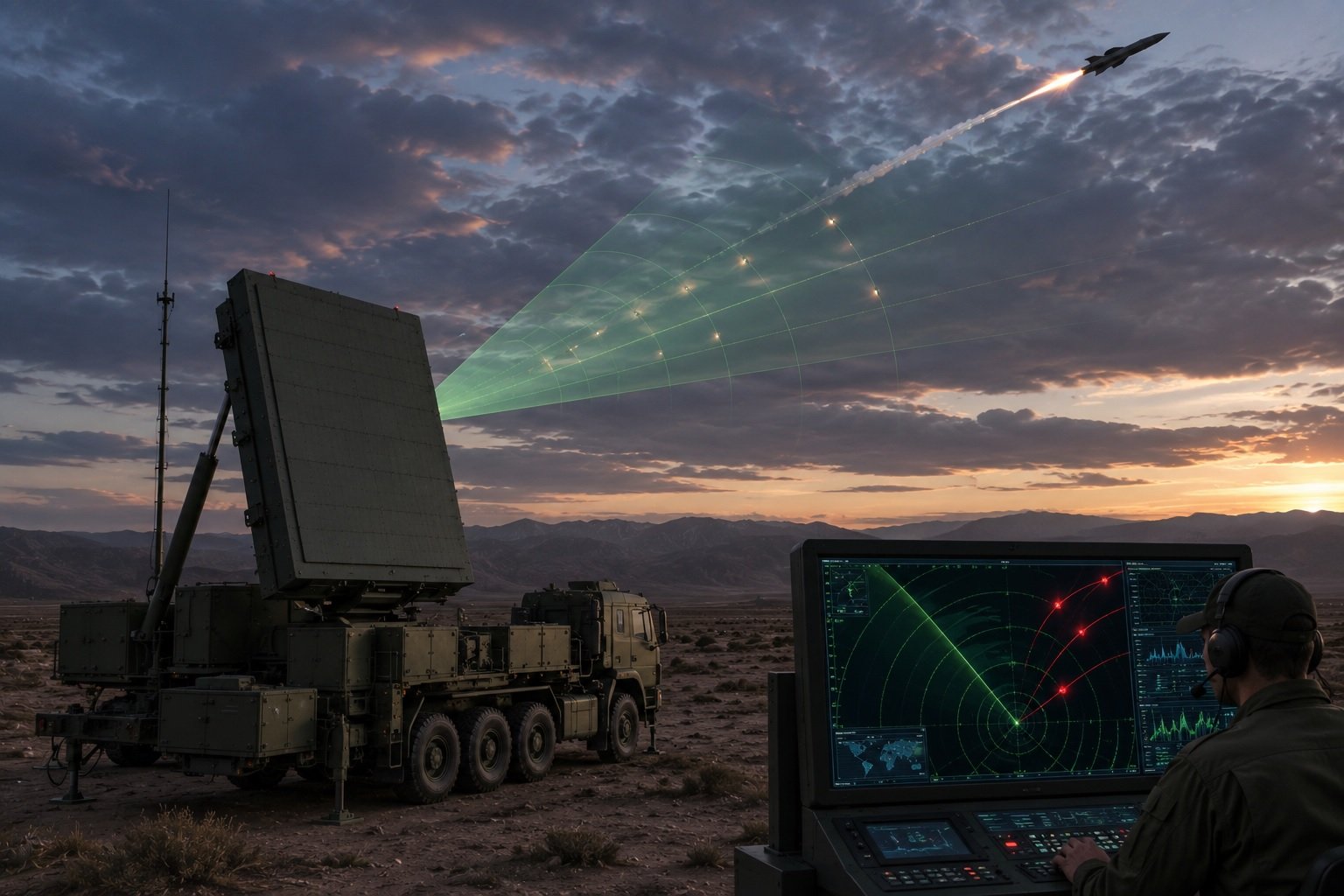
U.S
REDSTONE ARSENAL, Alabama — The U.S. Missile Defense Agency (MDA) is seeking industry prototypes for a new highly mobile radar system designed to detect, track and discriminate ballistic, cruise and hypersonic missiles and other advanced airborne threats. The Forward-Based Mode (FBM) Radar Next program is being led by the MDA’s Mobile Land-Based Sensors Project Office. The agency issued a presolicitation notice on August 10, 2026, through SAM.gov under its Nimble Options for Buying Layered Effects (NOBLE) Multiple Authority Announcement. Rapid Prototyping and Production The MDA plans to use Other Transaction Authority (OTA) to speed up the prototyping process. The prototype must demonstrate a clear path to rapid, high-volume production at an affordable unit cost, allowing systems to be produced and replaced cost-effectively in forward locations. Only companies that successfully complete the prototype project will be eligible for a potential sole-source follow-on production award. The MDA will first screen out speculative or immature technologies. Vendors must demonstrate hardware maturity and provide empirical measurement data before entering the prototyping pipeline. The planned stages include concept development; technology and manufacturing readiness and extensibility; subscale prototyping with modeling and simulation; and full-scale prototype development and demonstration. Proposals will be evaluated on technical merit, operational feasibility, schedule viability, producibility, affordability and cost realism. Mobile and Survivable Design The FBM Radar Next is intended to address limitations of current static or semi-mobile radars, which the MDA says can be vulnerable to counterattacks and lack the rapid relocation capability needed for distributed operations. The system must be transportable by C-17 aircraft and tactical ground vehicles, while supporting rapid setup and teardown. It must provide high-sensitivity detection, persistent tracking and precise discrimination in high-clutter and contested electromagnetic environments. The radar must also support remote operation and automated health monitoring, reducing the need for personnel at the radar site. It must remain interoperable with existing Command and Control, Battle Management and Communications (C2BMC) networks and use a flexible aperture configuration and modular open-systems architecture. Its physical, thermal and electromagnetic signatures must also be designed to improve survivability. Driven by Changing Missile Threats The MDA said the requirement for agile and survivable forward-based sensors has increased as adversaries develop more sophisticated missile capabilities. The notice comes amid reports of Iranian targeting of U.S. air-and-missile defense radars in the Middle East, Russian use of hypersonic and ballistic missiles in Ukraine, and China's continued expansion of missile arsenals in the Pacific. FBM Radar Next is positioned as a more mobile successor concept to systems such as the AN/TPY-2, which has been used in forward-based roles but is not optimized for rapid relocation. The MDA’s Fiscal Year 2027 budget request includes funding for two next-generation radar prototypes to mature technologies for a future fleet. The formal solicitation has not yet been released, and the government is not currently accepting inquiries or feedback on the presolicitation. The listed place of performance is Redstone Arsenal, Alabama. The notice carries public-release marking 26-MDA-12385, dated August 10, 2026. Offerors must hold or obtain a facility security clearance through the Defense Counterintelligence and Security Agency (DCSA) before beginning the first cycle. The MDA also encourages teaming arrangements involving non-traditional defense contractors and small businesses, including shared resource alignment or co-investment.
Read More → Posted on 2026-08-16 15:19:53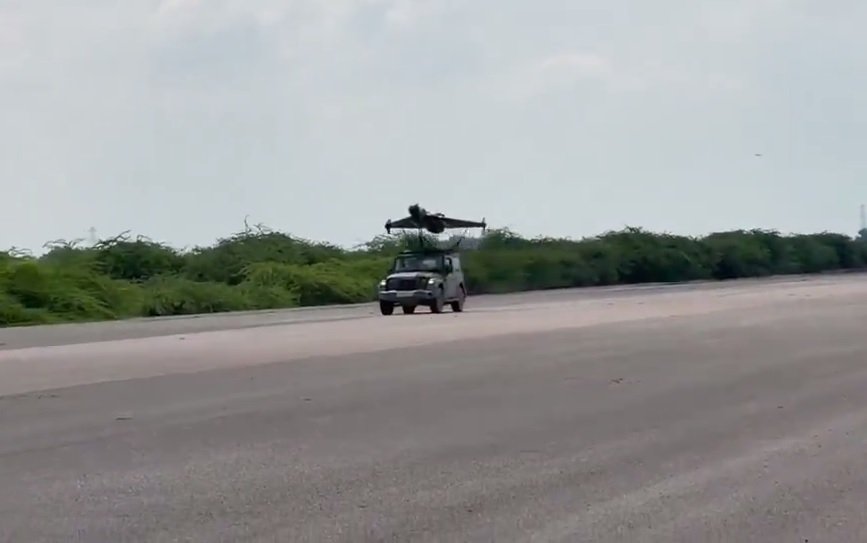
India
Lucknow, August 16, 2026: Kawa UAV Pvt. Ltd., operating under the brand HoverIt, has successfully conducted the maiden flight of the Divyastra Mk3, a jet-powered loitering munition developed and manufactured in India. The flight took place on August 11, 2026, at a designated testing airstrip in Uttar Pradesh. According to the company, the Divyastra Mk3 is the first indigenously designed, developed and manufactured jet-powered loitering munition to fly with a fully Indian-made jet engine. The system is powered by a turbojet engine developed by DG Propulsion, an Indian propulsion technology company. During the trial, the engine met all pre-defined operational parameters. Kawa UAV said the platform uses no imported jet engine or foreign critical subsystems. The Divyastra Mk3 programme began at the start of 2026. Kawa UAV said the system progressed from concept to its successful maiden flight within the same calendar year, with some reports placing the development timeline at under eight months. A loitering munition is an unmanned system designed to remain airborne over an area, search for targets and strike when required. The jet-powered configuration of the Divyastra Mk3 is intended to provide higher speed than comparable propeller-driven systems. DG Propulsion has developed microjet engines in the 40 kgf and 100 kgf classes for applications including loitering munitions and high-speed unmanned aerial vehicles. The Divyastra Mk3 flight provides an airborne demonstration of the company’s engine technology on an Indian-designed platform. The co-founders of HoverIt said the achievement demonstrates India’s ability to develop a jet-powered precision-strike system domestically and described the Divyastra Mk3 as an example of “Atmanirbhar Bharat in action.” The maiden flight adds to India’s wider efforts to develop indigenous unmanned and precision-strike capabilities, with both private companies and government defence organisations working on autonomous weapon systems.
Read More → Posted on 2026-08-16 15:24:42
U.S
CAPE CANAVERAL, Fla. — MDA Space has successfully deployed the first eight of 17 replenishment satellites being built for Globalstar’s low Earth orbit (LEO) communications constellation. The eight satellites were launched on August 15 at 9:12 p.m. Eastern Time aboard a SpaceX Falcon 9 rocket from Space Launch Complex 40 at Cape Canaveral Space Force Station in Florida. Following deployment, contact was established with all eight spacecraft. The satellites are generating power, operating as expected in orbit and entering the commissioning phase, where they will undergo in-orbit testing. The launch marks MDA Space’s first satellite delivery as prime contractor for a commercial communications constellation. MDA Space was selected by Globalstar in 2022 to provide 17 replacement satellites intended to replenish and extend the company’s existing LEO constellation. MDA Space Leads Satellite Program Under the program, MDA Space is responsible for the overall satellite program, including design, manufacturing, assembly, testing and integration. The spacecraft were fully integrated and tested at MDA Space’s facilities in Montréal, Canada, before being transported to Florida for launch. MDA Space originally announced the 17-satellite contract in February 2022. The contract was valued at $327 million and included the design, manufacture, assembly and testing of the satellites. The satellites are intended to integrate with Globalstar’s existing constellation and help maintain continuity of service. The Globalstar replenishment program has also been an important part of MDA Space’s expansion of its satellite production capabilities. The company has been developing higher-volume manufacturing processes to support constellation-class spacecraft. MDA Space CEO Mike Greenley previously said the Globalstar program was helping transform the company’s satellite design and high-volume production process. The company has also brought its new high-volume satellite manufacturing facility in Montréal into operation. Rocket Lab Provides Satellite Platforms Rocket Lab is supplying the satellite platforms for the 17 spacecraft under its agreement with MDA Space. The platforms are based on a customized version of Rocket Lab’s Lightning satellite design. Each spacecraft weighs approximately 500 kilograms. Rocket Lab has supplied components including solar arrays, reaction wheels, avionics, flight and ground software, and command and telemetry radios. The platforms were manufactured at Rocket Lab’s facility in Long Beach, California, before being sent to MDA Space in Montréal for integration and testing. Rocket Lab reported that it established contact with all eight spacecraft after launch and confirmed that they were generating power and operating nominally. MDA Space and Rocket Lab’s roles were established when the satellite contract was announced in 2022. MDA Space was named prime contractor, while Rocket Lab was selected to lead development of the spacecraft bus. Satellites Will Replenish Globalstar’s LEO Network Globalstar’s existing LEO constellation supports mobile satellite services and Internet of Things applications. The company has also used its satellite network to provide direct-to-device services for selected mobile devices. Globalstar previously said the 17 replacement satellites would replenish its existing constellation and provide continuity of satellite services. The company signed launch agreements with SpaceX for two Falcon 9 missions to deploy the replacement satellites. The first launch carries eight of the 17 satellites. The remaining nine satellites are in the final stages of integration at MDA Space’s facilities. Globalstar signed a separate agreement with SpaceX in July 2025 for the launch of the remaining nine replacement satellites. The company said at the time that the second launch was expected in 2026. A specific launch date for the remaining nine satellites has not been announced in the information provided. Next Steps The eight newly deployed spacecraft will continue through their commissioning process before being incorporated into Globalstar’s operational constellation. The remaining nine satellites will complete the 17-satellite replenishment program once they are integrated, tested and launched. The program gives MDA Space a commercial reference for its role as a prime contractor responsible for delivering satellites for a LEO communications constellation. It also builds on the company’s broader work with Globalstar. In February 2025, MDA Space announced a separate contract worth approximately $1.1 billion to serve as prime contractor for Globalstar’s next-generation LEO constellation, which is planned to include more than 50 MDA AURORA software-defined satellites.
Read More → Posted on 2026-08-17 11:44:18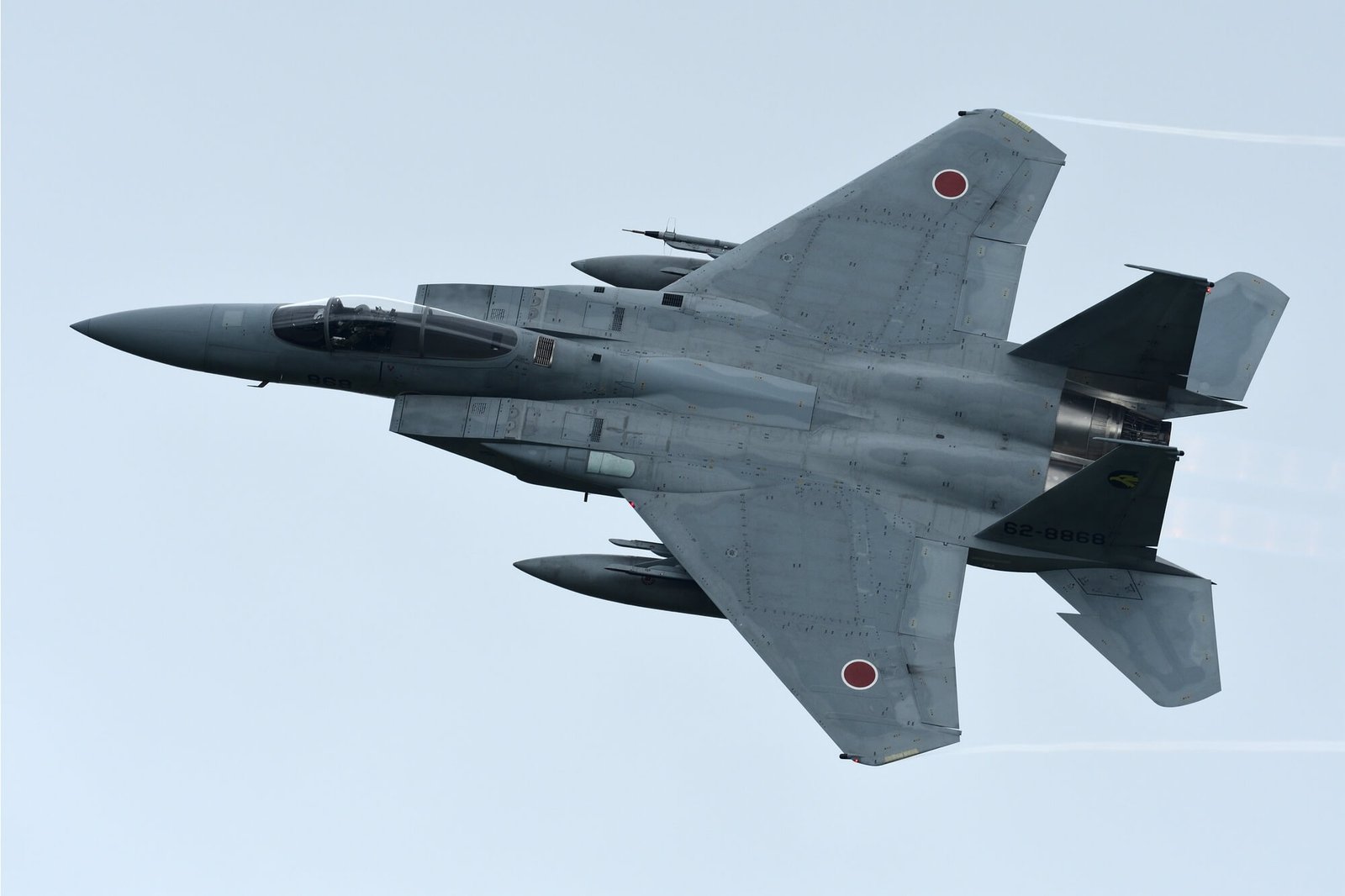
World
TOKYO — Japan’s Ministry of Defense signed four new contracts in May 2026 to support the ongoing modernization of Japan Air Self-Defense Force (JASDF) F-15J fighters to the F-15JSI, or Japan Super Interceptor, configuration. The four agreements were concluded with the U.S. Air Force under the Foreign Military Sales (FMS) program. Their combined value is ¥42.65 billion (approximately $267.75 million). The contracts cover equipment for improving the fighters’ combat capabilities, communications systems maintenance equipment, flight operations support and logistics support for the serial modernization program. Four Contracts Cover F-15J Modernization According to Japan’s Ministry of Defense contract information, the largest agreement is valued at ¥34,598,728,358, or approximately $217.2 million. It covers equipment intended to enhance the combat capabilities of the F-15Js being modernized to the JSI configuration. A second contract, worth ¥3,223,462,424 (about $20.2 million), covers communications systems maintenance equipment. The third agreement provides equipment to support flight operations of the upgraded F-15Js, identified as MDS. It is valued at ¥36,742,200, or around $230,600. The fourth contract covers logistics support for the serial modernization of the F-15J fleet. It is worth ¥4,794,000,798 (about $30.1 million). Together, the four contracts total ¥42,652,933,780, equivalent to approximately $267.75 million. F-15JSI Modernization Program The F-15JSI program is a major modernization effort for selected JASDF F-15J fighters. The program is being carried out by Boeing and Mitsubishi Heavy Industries under the U.S. FMS framework, with the main contract framework finalized at the end of 2021. The modernization is intended to bring selected F-15J aircraft to a capability level comparable to modern F-15 variants such as the F-15EX and F-15QA, while continuing to use the remaining service life of the existing airframes. A major part of the upgrade is the replacement of the F-15J’s older AN/APG-63(V)1 mechanically scanned radar with the AN/APG-82(V)1 active electronically scanned array (AESA) radar. The aircraft are also receiving upgraded electronic warfare, radar warning and communications equipment intended to bring their systems closer to the Advanced Eagle standard. The electronic warfare upgrade includes the Eagle Passive Active Warning Survivability System (EPAWSS). Mitsubishi Heavy Industries is separately studying the possibility of integrating a Japanese-developed AESA radar into the modernized aircraft. Further details of that work have not been released. Increased Weapon-Carrying Capability The F-15JSI modernization will also increase the aircraft’s ability to carry air-to-air weapons. An unmodernized F-15J can carry up to eight air-to-air missiles, while the JSI configuration is expected to carry more than twice that number. The final weapon configuration has not been fully detailed. Mitsubishi is testing the AAM-4 (Type 99) missile for compatibility with the upgraded aircraft, while the modernization includes integration for the AAM-4B and AAM-5B. Japan is also considering the integration of air-launched cruise missiles, including the AGM-158 JASSM. Modernization Numbers Reduced Japan initially planned to modernize approximately 98 F-15J aircraft to the F-15JSI standard. Funding was later secured for modernization of 68 aircraft. The number has since been reduced. Japan’s defense planning documents identify 54 F-15 aircraft for the modernization program. Japan’s Ministry of Defense has also continued to plan the replacement of F-15 aircraft that are not suitable for modernization with F-35A and F-35B fighters. The JASDF operates approximately 200 F-15J/DJ fighters in total. The reduction in the number of aircraft selected for the JSI program means that the modernization effort will apply to only part of Japan’s F-15J/DJ fleet. Surplus F-100 Engines The modernization and wider changes to the F-15J fleet are also creating surplus equipment. IHI Corporation has been examining options for disposing of approximately 200 Pratt & Whitney F100 engines removed from F-15J aircraft as older airframes leave service. The F-15 modernization program itself has also received multiple modifications under the broader U.S. contract FA8634-22-C-2705, covering areas including radars, self-protection systems, mission computers and other equipment. Japan’s wider fighter modernization effort is taking place alongside the introduction of the F-35 and development of the Global Combat Air Programme (GCAP) with the United Kingdom and Italy. Japan, the UK and Italy continue to advance GCAP through their joint government organization and industry partnership. The four May 2026 FMS contracts therefore represent another stage in Japan’s ongoing effort to modernize the selected F-15J aircraft that will remain in JASDF service.
Read More → Posted on 2026-08-17 12:04:48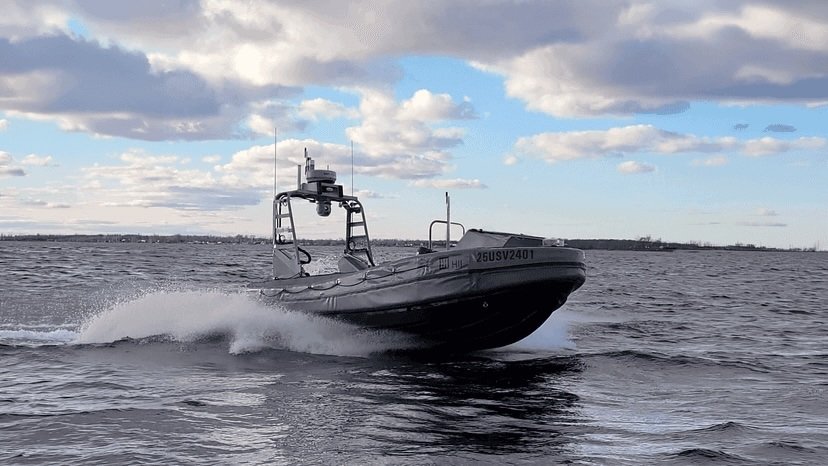
U.S
NEWPORT NEWS, Virginia — Huntington Ingalls Industries (HII) has successfully completed the U.S. Defense Innovation Unit’s (DIU) Production-Ready, Inexpensive, Maritime Expeditionary (PRIME) prototype project for its Watcher small unmanned surface vessel (sUSV), moving the system closer to a potential transition to production. The PRIME initiative was launched to identify commercially available, production-ready autonomous surface vessels for maritime expeditionary operations. HII was selected after a full and open competition that received 116 solution briefs to design, build and demonstrate its solution. The Watcher is based on HII’s ROMULUS-25 unmanned surface vessel and was developed with MetalCraft Marine. Two Watcher ROMULUS-25 vessels were delivered in December 2025 under a DIU contract supporting smaller-form-factor autonomous surface vessels for the U.S. Marine Corps. The two vessels underwent extensive government-led testing covering autonomy, seakeeping, performance and operations in degraded environments. They also demonstrated autonomous mission behaviors during at-sea testing that included contractor demonstrations and government autonomy evaluations. In a memorandum to HII, DIU said the Watcher demonstrated the ability to autonomously travel hundreds of miles through contested waters, loiter in an assigned operating area while monitoring maritime surface threats, and sprint to intercept a noncooperative maneuvering vessel. DIU confirmed that HII achieved the prototype’s key technical objectives and success metrics, supporting a potential transition to production under Other Transaction Authority (OTA) prototype agreements. The 27-foot ROMULUS-25 is a high-speed unmanned surface interceptor capable of carrying payloads of up to 1,000 pounds and operating at ranges of up to 1,000 nautical miles. Its navigation and mission execution are managed by HII’s Odyssey Autonomous Control System. Odyssey uses a modular open systems architecture for navigation, mission planning, collaborative behaviors and autonomous operations across different vehicle types. HII said the system can also support AI-enabled contact recognition, identification and edge-based decision-making. Its service-based software architecture allows additional mission technologies to be integrated as requirements change. HII said Odyssey has previously accumulated more than 2,200 hours of autonomous operations in government-led tests and exercises over five years. It has also been deployed on more than 30 platforms, recording more than 12,000 hours of successful at-sea operations. Duane Fotheringham, president of HII’s Unmanned Systems group within its Mission Technologies division, said the milestone reflects the company’s strategy of moving autonomous technologies from concept toward operational capability and providing greater flexibility for naval operations. Mike Reed, general manager of MetalCraft Marine, said the Watcher was engineered for the speed, seakeeping, strength and reliability required by the mission. He added that completing the government-led assessments confirmed the quality of the aluminum platform and its construction. HII plans to position the Watcher and ROMULUS platforms alongside its REMUS unmanned underwater vehicles and Odyssey autonomy software as part of an integrated maritime systems portfolio. The company said these platforms can operate independently or collaboratively to extend fleet reach, improve maritime awareness and support naval operations across surface and undersea domains. The completion of the PRIME prototype provides a potential path toward follow-on production while confirming the Watcher’s performance against the stated operational requirements for autonomous small surface interceptors.
Read More → Posted on 2026-08-17 12:22:34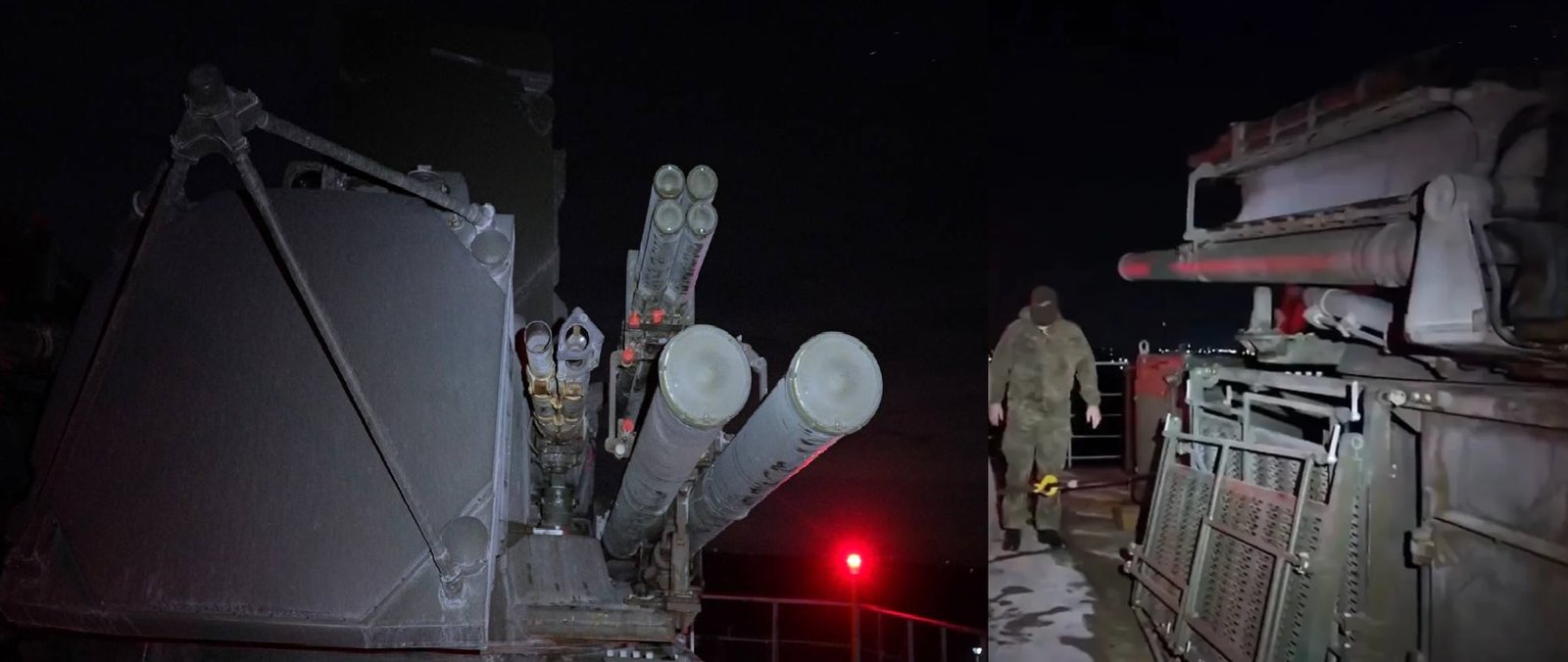
World
MOSCOW — Russia is expanding its air defense infrastructure with specialized 35-meter-high towers designed to host Pantsir-family short-range air defense systems against unmanned aerial vehicles (UAVs). A recent Russian report showed a Pantsir-S1M mounted on one such tower. Construction of these elevated positions began in 2023, initially forming several defensive rings around Moscow. Similar towers are now being built in other Russian regions. The Pantsir-S1M is equipped with the 1RS-ZE multifunctional phased-array radar, which has a reported detection range of approximately 50–70 kilometers, compared with around 30–40 kilometers for the radar of the earlier Pantsir-S1. The longer detection range provides the upgraded system with greater distance for detecting and tracking aerial targets. pic.twitter.com/MJKB9BL8vJ — 🪖MilitaryNewsUA🇺🇦 (@front_ukrainian) August 17, 2026 The elevated platforms raise the system above surrounding terrain and buildings, improving its radar horizon and helping detect and track low-flying drones that can be difficult to detect from ground level. Earlier, Russia also placed Pantsir systems on rooftops of government and commercial buildings, as well as on other elevated positions. Open-source satellite imagery and visual analysis have identified multiple Pantsir positions around Moscow, including locations roughly 40–50 kilometers from the capital, as well as positions near energy facilities, airports and other high-value sites. By the end of 2025, researchers had identified around 100 additional Pantsir positions across European Russia, including dozens around Moscow. Mid-2026 assessments placed the number of known short-range air defense positions in and around Moscow at more than 100, with roughly two dozen new towers observed earlier this year. New TKB-1055 “Gvozd” Missiles The tower-based Pantsir systems can use conventional missiles as well as the smaller TKB-1055 “Gvozd” interceptor developed for counter-drone operations. The Gvozd is considerably smaller than the standard Pantsir missile. Four Gvozd missiles can be placed in a container occupying the space of one standard missile, allowing a Pantsir system to carry up to 48 compact interceptors, compared with 12 standard missiles, depending on configuration. The TKB-1055 has a reported engagement range of 500 meters to 7 kilometers and can engage targets at altitudes from 15 meters to 5 kilometers. It uses radio-command guidance rather than an active radar or infrared seeker. Russian state corporation Rostec has confirmed that the miniature missiles completed state testing and entered serial production, with deliveries to Russian forces underway. Debris consistent with TKB-1055 missiles has also been documented after reported interceptions. The launchers can use mixed ammunition, allowing operators to combine the smaller Gvozd missiles with standard missiles for different types of aerial targets. Expansion Beyond Moscow The elevated towers are part of a broader layered air defense network around Moscow that also includes S-300 and S-400 systems. Russia has increasingly adjusted its air defense deployment since 2023 in response to the use of Ukrainian UAVs. The exact number of operational systems, prepared positions and towers, as well as their precise coverage and performance, remains limited in publicly available information.
Read More → Posted on 2026-08-17 12:48:43
U.S
PHOENIX, Arizona — Honeywell Aerospace has demonstrated its latest counter-unmanned aircraft system (C-UAS) during the U.S. military’s Experimentation: Transforming in Contact (EXTiC) 26-2 event, testing the technology against simulated drone threats in an operationally relevant environment. The event, organized by U.S. Central Command (CENTCOM) in coordination with the Defense Innovation Unit, was held from July 27-29, 2026, at the Playas Training and Research Center in New Mexico. Twenty-one companies were selected from 149 industry submissions. The scenarios included electronic warfare, GPS-denied conditions, autonomous systems and coordinated drone swarms. Honeywell served as the lead systems integrator, combining sensors and effectors with its AI-driven C-UAS software to detect, track and mitigate simulated drones while defending a simulated airfield. The system was demonstrated in both stationary and mobile configurations. “As a lead systems integrator, we combined best-in-class sensors and effectors with our AI-driven C-UAS software to detect, track, and mitigate simulated drone threats while defending an airfield,” said Shannon Bowman, senior customer marketing specialist for defense and space at Honeywell Aerospace. “Our system proved effective across both static and on-the-move operations, highlighting an open, adaptable and layered approach to countering rapidly evolving UAS threats.” SAMURAI Counter-UAS System At the center of Honeywell’s demonstration was its Stationary and Mobile UAS Reveal and Intercept system, known as SAMURAI. It uses a Modular Open Systems Approach (MOSA) architecture, allowing operators to combine customer-selected detectors and effectors from multiple defense manufacturers. Honeywell has integrated components from BlueHalo, Leonardo DRS, Silent Sentinel, Pierce Aerospace, Walaris, Rocky Research and Versatol. SAMURAI serves as a battle-management layer that fuses information from radio-frequency sensors, electro-optical and infrared trackers and other detectors. Its AI-based software helps distinguish threats and supports kinetic and non-kinetic effectors, including interceptor drones. The system is designed to counter Group 1 through 3 drone swarms, including low-signature “dark” drones that can be difficult to detect. It can operate from a vehicle traveling at up to 70 mph (113 km/h), from a fixed position, or through sensors installed on an aerostat flying more than 1,000 feet (305 meters) above the ground. Airborne SAMURAI Development Since March 2026, Honeywell has worked with Odys Aviation to adapt an airborne version of SAMURAI for the company’s long-range Laila unmanned aircraft. Laila is a hybrid-electric vertical take-off and landing aircraft with a flight time of up to eight hours and a range of approximately 450 miles. The aircraft does not require a traditional runway and is intended to carry SAMURAI as an airborne counter-drone layer. The configuration is being developed to help protect infrastructure such as pipelines, refineries and offshore energy platforms by providing counter-UAS coverage farther from high-value assets. Matt Milas, president of Defense and Space at Honeywell Aerospace, said SAMURAI provides counter-UAS capabilities with scalability and integration with existing defense architectures. Other Counter-Drone Technology at EXTiC EagleNXT’s joint venture, ThirdEye USA, was separately selected in July 2026 to demonstrate its MeduzaX passive electro-optical counter-drone sensor at EXTiC 26-2. MeduzaX uses AI and passive electro-optical technology to detect, track and classify hostile drones. It is designed to provide 360-degree coverage, can be set up in less than 10 minutes and operates without emitting radiation. The EXTiC event allowed multiple technologies to be tested in scenarios involving contested conditions and drone threats, with Honeywell focusing on an integrated architecture that connects sensors, AI-based software and effectors. Bowman summarized Honeywell’s approach: “One integrated system. Built to stay ahead of the drone threat.”
Read More → Posted on 2026-08-17 13:13:20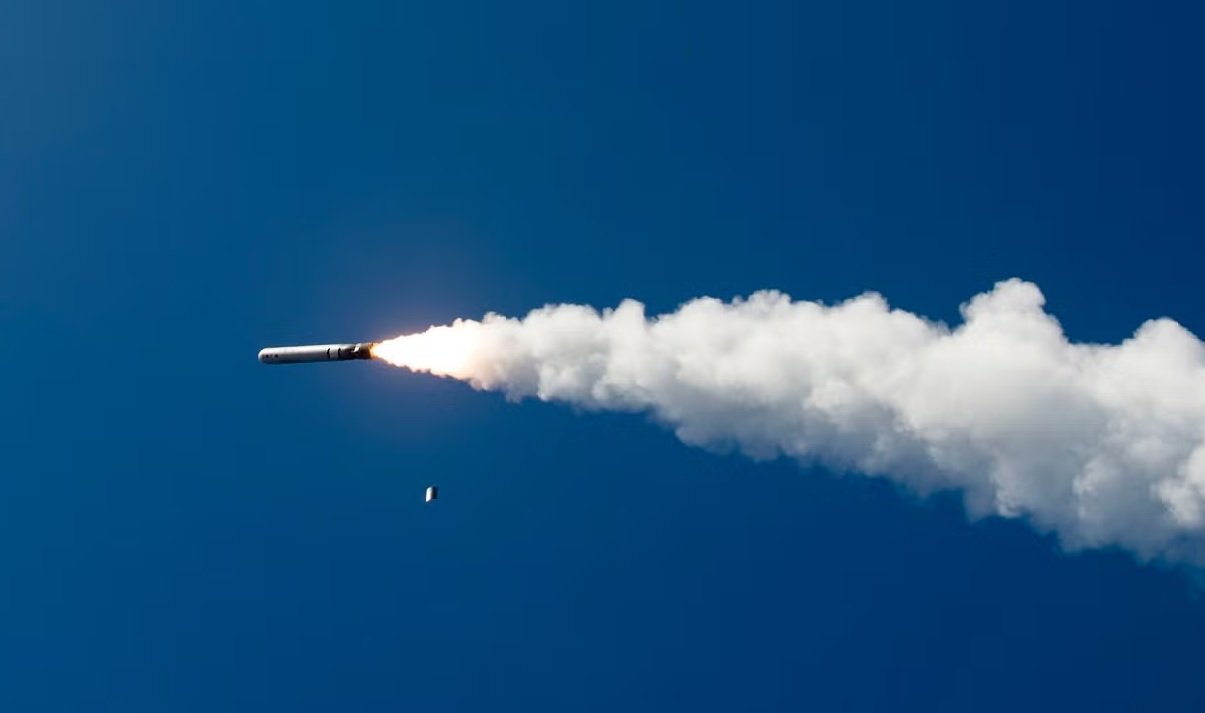
U.S
WASHINGTON — The U.S. Navy has awarded Raytheon, an RTX business, a $22.9 billion seven-year contract to increase production of Tomahawk cruise missiles and associated support. The contract is intended to raise annual Tomahawk production to more than 1,000 missiles, significantly above previous production levels of about 60 missiles per year for U.S. forces. RTX said it delivered three times more Tomahawks in the first half of 2026 than during the same period in 2025. The Tomahawk is a long-range precision strike missile used by the Navy’s surface ships and submarines against land targets. The new award formalizes an earlier framework agreement between the U.S. military and Raytheon covering increased production of several critical munitions. Acting Secretary of the Navy Hung Cao said the investment will expand the U.S. munitions industrial base and support current operational requirements. Raytheon President Phil Jasper said the company is investing in its workforce, technology, supply chain and facilities to increase production capacity. RTX also plans to work with hundreds of small and mid-sized suppliers across the United States. The contract is part of the Department of War’s Arsenal of Freedom initiative and a broader effort to expand domestic munitions production and rebuild U.S. weapons inventories. The Navy has also been pursuing increased production of other missile systems, including AMRAAM, SM-3 and SM-6, while recent agreements have targeted components for Patriot and THAAD interceptor missiles.
Read More → Posted on 2026-08-17 13:32:33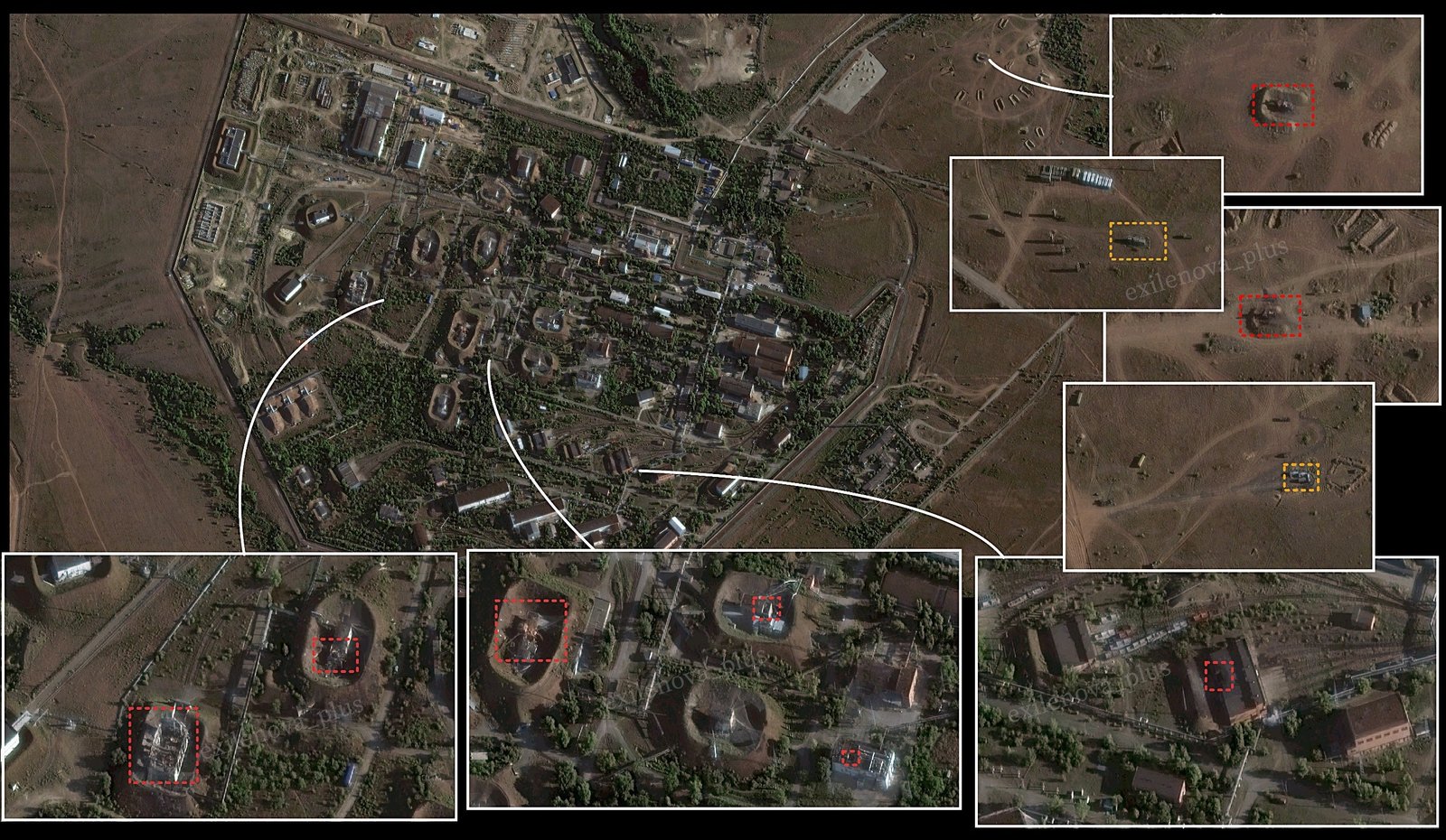
World
Kamensk-Shakhtinsky, Rostov Region, Russia — Ukrainian Defense Forces struck the Kamensky Combine, a Russian military-industrial facility in Kamensk-Shakhtinsky in the Rostov region, during the night of August 16, 2026. Ukraine’s General Staff confirmed the results of the attack on August 17. According to the General Staff, two workshops involved in the production of explosives and gunpowder were destroyed, while four other workshops were damaged. Satellite imagery analyzed by the Exilenova+ indicated damage to five production facilities overall, including roof penetrations and torn anti-drone nets on some buildings. Damage to Production Facilities The Kamensky Combine, also known as Combinat Kamensky or FSE Kamensky Combine, is a chemical enterprise that supplies products to Russia’s military-industrial sector. The European Union has identified the facility as a chemical plant producing special-purpose chemical products for Russia’s military industry. The plant produces solid rocket propellant for ammunition used by the Uragan, Smerch and Tornado-S multiple-launch rocket systems, as well as for a number of missile systems and air-launched weapons. The production buildings at the site were protected by earth berms and anti-drone nets. Satellite imagery showed that the protective netting did not prevent damage to several facilities. The plant is located at approximately 48.29943029832428, 40.17984650497104, around 10–15 kilometers from Ukraine’s state border. The facility is described by the OSINT resource VARTA as one of the largest chemical enterprises in southern Russia and an anchor enterprise. Air Defense Positions Also Affected The attack also affected Russian air-defense positions deployed around the facility. According to the imagery analysis provided by Exilenova+, signs of fire were observed at positions associated with a Pantsir-S1 air-defense system and multifunctional target illumination and guidance radars used with S-300/S-400 systems. Rostov region Governor Yuriy Slyusar said that Russian air-defense systems shot down more than 150 UAVs over the region during the night. He did not provide the total number of drones involved in the attack. NASA’s Fire Information for Resource Management System (FIRMS) detected a thermal signature at the plant beginning at 1:14 a.m. on August 16. The detected thermal signature continued and expanded until about 2:20 a.m. Previous Strike on the Plant The Kamensky Combine had previously been targeted during the war. On December 18, 2024, the facility was struck in a missile attack. Russian authorities later said the attack involved ATACMS and Storm Shadow missiles, while Ukrainian officials and analysts identified the Kamensky Combine as the target. The Ukrainian Air Force also indirectly confirmed the use of Storm Shadow/SCALP missiles in strikes against targets in the Rostov region. Satellite imagery released by the CyberBoroshno group after the 2024 attack showed critical damage to two buildings at the production site. The plant was also described at the time as producing solid-fuel components for rocket engines, including those used by multiple-launch rocket systems. The latest August 16 strike therefore represents another attack on the same Russian military-industrial facility. The Ukrainian General Staff said that operations against key Russian military and military-industrial facilities continue. Source : militarnyi
Read More → Posted on 2026-08-17 14:01:46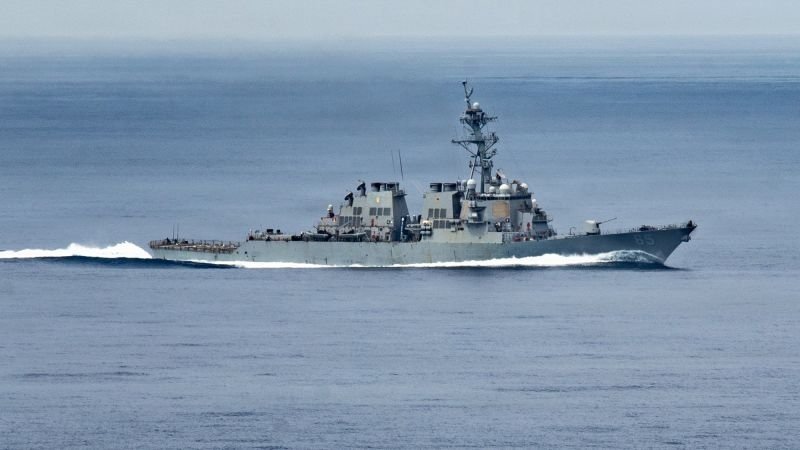
U.S
South China Sea — The U.S. Navy guided-missile destroyer USS Benfold (DDG-65) spent four days without electrical power in the South China Sea last month after an engineering casualty involving its generators, according to the U.S. 7th Fleet. The Arleigh Burke-class destroyer was conducting routine operations in the Indo-Pacific on July 24, 2026, when an “engineering casualty involving its generators” occurred, according to Navy Cmdr. Matthew Comer, spokesperson for the 7th Fleet. A U.S. Navy photograph shows Benfold conducting routine operations while underway in the South China Sea on July 23, 2026. The photograph was taken by Mass Communication Specialist Seaman Apprentice Andrew Novak. The generator failure caused a complete loss of electrical power, leaving the nearly 10,000-ton warship unable to maneuver on its own. The Benfold is often part of the strike group accompanying the USS George Washington (CVN-73). The carrier is currently heading toward the Middle East to relieve the USS Abraham Lincoln, although Benfold appears to have remained in Asia. Four Days Without Power The power failure affected several basic services aboard Benfold, including galley services, toilets, air conditioning and potable water. The crew, numbering roughly 329 to 359 sailors depending on the ship's configuration, remained aboard the destroyer while the engineering problem was addressed. Daytime temperatures in the South China Sea during late July averaged between 89°F and 98°F (32°C to 37°C), according to weather records. No injuries were reported among the crew. Cmdr. Matthew Comer said the sailors demonstrated “resilience, grit, professionalism, and unwavering steadiness” in their response to the incident. The Navy said the cause of the power outage is under investigation. Other Ships Provided Assistance Benfold received assistance from other ships in the Japan-based USS George Washington Carrier Strike Group during the four-day outage. The guided-missile cruiser USS Robert Smalls provided cooked meals to the Benfold crew. Other ships in the strike group also provided assistance. The destroyer was later towed to Subic Bay in the Philippines for repairs. The Navy said the repairs were completed by August 8, and the ship returned to duty. Ship spotters in Japan subsequently reported that Benfold had arrived there, according to USNI News. The Navy has not said whether Benfold was sent along with the George Washington Carrier Strike Group toward the waters off Iran. What a Prolonged Power Loss Means for a Destroyer Former U.S. Navy captain Carl Schuster, who said he once spent about four hours aboard a destroyer without power near Puerto Rico, described the challenges of such an incident. He said operations officers would be concerned about crew morale and operational issues, while engineers would focus on resolving the failure. The navigator would have to monitor the ship's direction of drift and approaching weather, while the crew would be concerned about weather, food and what would happen next. The commanding officer and executive officer would have to manage those concerns while also determining when assistance would arrive. Schuster said that four hours without power near Puerto Rico was not nearly as stressful as four days in the South China Sea. Wider Pressure on the U.S. Navy The Benfold incident comes as the U.S. Navy faces increasing scrutiny over the demands placed on its forces by the Iran war and global commitments. Reports have also raised concerns about low morale and mental health aboard the USS Abraham Lincoln in the Middle East after the carrier spent more than 200 days without a port call during operations against Iran. Analysts and Democratic lawmakers have said the Navy is being stretched by the demands of the Iran war and its worldwide commitments. The George Washington Carrier Strike Group is now heading toward the Middle East to relieve the Abraham Lincoln and its carrier strike group, according to a Navy official. The Navy has not said whether Benfold is accompanying the group. Second Power-Related Incident Involving a U.S. Destroyer The Benfold incident is the second reported loss of power involving a U.S. Navy destroyer in the U.S. Pacific Command area of responsibility this year. The area covers waters from off the U.S. West Coast to the western border of India, and from the North Pole to Antarctica. In May, the Arleigh Burke-class destroyer USS Higgins (DDG-76) lost power and propulsion for several hours in the Indo-Pacific region after suffering what the Navy described as an “engineering casualty” involving its electrical system. The Navy did not specify where the Higgins incident occurred. Arleigh Burke-class destroyers such as Benfold and Higgins form a major part of the U.S. Navy's surface fleet, with more than 70 ships in service. The ships are approximately 500 feet long and have a displacement of nearly 10,000 tons. Depending on configuration, they carry crews of approximately 329 to 359 sailors. The Navy has not publicly identified the specific cause of Benfold's generator failure, and the investigation remains ongoing. Source : CNN
Read More → Posted on 2026-08-17 15:04:06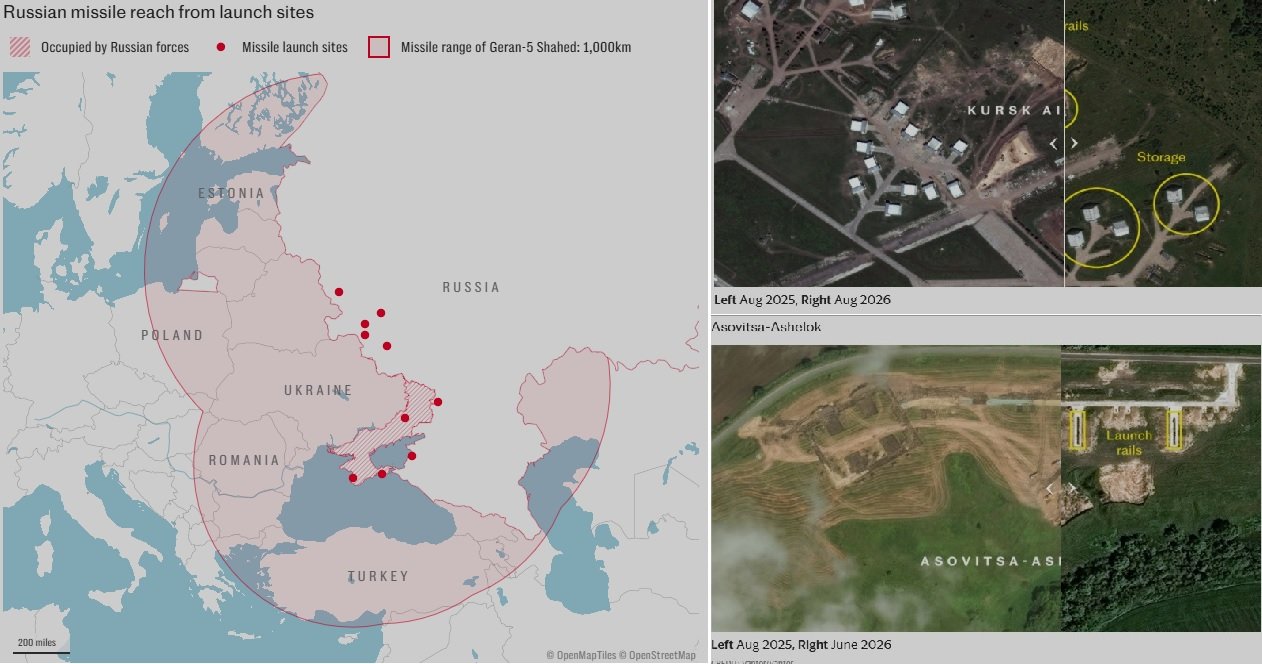
World
Moscow, Russia — Russia has built or expanded at least 10 drone bases along its borders with Ukraine and Belarus, with the sites equipped with new launch rails for long-range fixed-wing attack drones, according to an investigation by The Telegraph based on satellite imagery, leaked documents and analysis by drone-intelligence firm DroneSec. The investigation identified at least 59 newly installed launch rails across the locations. Seven of the 10 sites have reportedly been used in recent Russian drone attacks against Kyiv, according to open-source tracking data cited in the reporting. Expansion of Drone Launch Infrastructure The identified facilities include existing military airfields, civilian airports and newly constructed positions in rural areas. Some sites have been developed by expanding existing military infrastructure, while others have been established as standalone launch facilities. The launch rails are mechanical guide tracks used to launch fixed-wing drones without a conventional runway. DroneSec's analysis of satellite imagery identified about 20 rails that are longer than standard designs, indicating that they may be intended for newer long-range drones in the Geran family. Russia is also expanding storage and launch infrastructure at several locations. Analysts estimate that storage and hangar facilities at one of the bases could accommodate more than 1,000 drones at a time. Construction of additional launch positions is continuing at multiple sites. The sites are also linked through reporting to Russia's wider drone-production network, including facilities in the Alabuga Special Economic Zone, where large numbers of drones are produced. Newer Geran Drone Variants The longer launch rails are assessed by DroneSec as being suitable for newer jet-powered Geran variants, including the Geran-4 and Geran-5. These drones represent a development of the Geran family of Russian attack drones derived from the Iranian-designed Shahed-136. Unlike earlier propeller-powered versions, the newer variants use jet propulsion and are designed to operate at higher speeds. Leaked Ukrainian documents cited in the investigation describe the newer variants as capable of carrying warheads of up to 90 kilograms. The Geran-5 has been reported in some assessments as having a range of up to approximately 1,000 kilometers. The higher speed of the jet-powered drones can reduce the time available for air-defense systems to detect, track and engage them. The Institute for Science and International Security has also documented the increasing scale of Russia's use of Shahed/Geran-type drones against Ukraine in 2026. DroneSec CEO Mike Monnik said the expansion demonstrates Russia's increased ability to launch larger numbers of drones while introducing designs that are more difficult to intercept. Potential Reach Into NATO Territory The location of the new bases and the reported range of the longer-range Geran variants have raised concerns about their potential reach beyond Ukraine. A range of around 1,000 kilometers would place parts of NATO's eastern flank within potential operating range, including areas of Poland, Latvia, Lithuania, Estonia, Finland and Romania. Warsaw is also within the reported potential range of some of the launch locations. However, the reporting does not provide evidence that Russia is currently preparing an attack on NATO territory. The identified facilities are already being used primarily in the ongoing war against Ukraine, while their location provides Russia with additional launch infrastructure close to the Ukrainian border. European and US intelligence officials have raised concerns about possible future provocations, attacks on critical infrastructure or false-flag operations involving drones. These remain assessments of potential scenarios rather than confirmed Russian plans. NATO Response NATO has continued to strengthen its readiness against aerial and drone threats. A NATO official told The Telegraph that the alliance remains ready to defend allied territory and will continue enhancing its readiness against threats, including drones. The newly identified infrastructure therefore represents both an expansion of Russia's current drone-launch capacity against Ukraine and an additional network of facilities positioned close to NATO's eastern flank. The continued construction of launch rails, expansion of storage facilities and development of faster long-range Geran variants indicate that Russia is continuing to invest in the infrastructure needed for large-scale drone operations.
Read More → Posted on 2026-08-17 15:22:30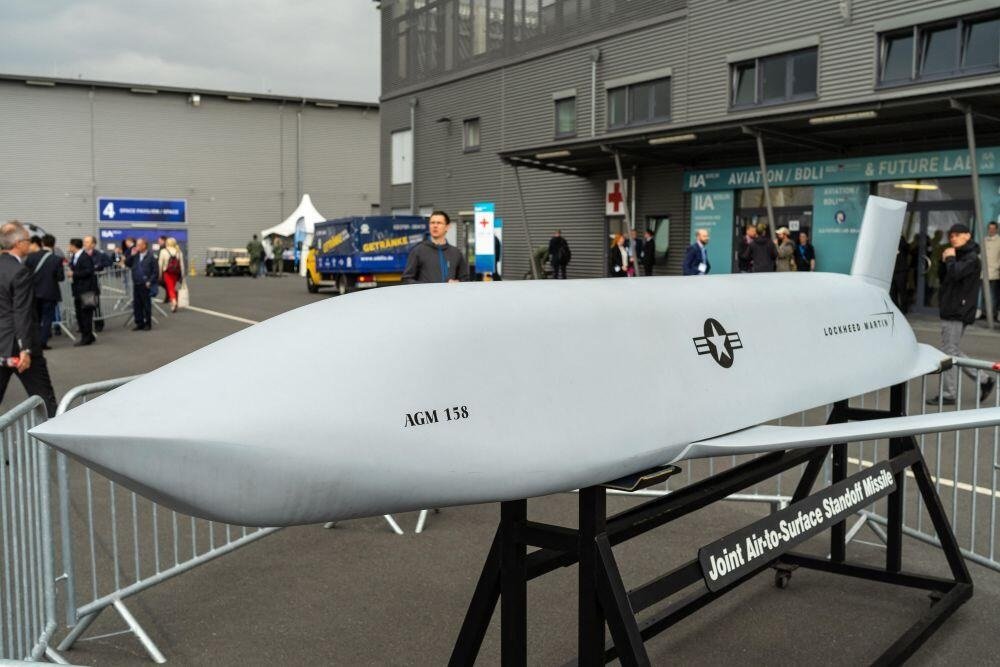
U.S
CINCINNATI and SAN DIEGO — GE Aerospace and Kratos Defense & Security Solutions have received a U.S. Air Force Engineering, Manufacturing and Development (EMD) contract for their GEK800 turbofan engine, which has now received the U.S. military designation F143-ZZ-100. The F143 will be developed as a second-source propulsion system for the Joint Air-to-Surface Standoff Missile (JASSM). The contract moves the engine program into the EMD phase following earlier development and testing work by GE Aerospace, Kratos and government partners. F143 Designed for Missiles and Uncrewed Aircraft The F143 is an 800-pound-thrust turbofan engine designed for long-range missiles and other uncrewed applications. GE Aerospace and Kratos are also positioning the engine for potential use in cruise missiles, collaborative combat-type aircraft and other unmanned aerial vehicles. The program is focused on developing small, lower-cost, high-performance engines that can be manufactured in larger quantities for defense applications. The new designation and EMD contract provide a formal path for continued development of the engine for JASSM while the companies also pursue broader applications for the GEK engine family. Development Began in 2023 GE Aerospace and Kratos began their collaboration on the engine in 2023. The development effort combined company investment with support and funding from the Air Force Research Laboratory (AFRL). The program included a Technology Maturation and Risk Reduction (TMRR) phase intended to mature the engine design and reduce technical risks before moving into further development. During the development program, the joint team completed more than 50 engine starts during ground testing at facilities operated by Kratos and GE Aerospace. In 2025, the GEK800 also completed altitude testing at Purdue University's Maurice J. Zucrow Laboratories. The testing was part of the program's effort to evaluate the engine under simulated operational conditions. Kratos and GE Aerospace previously reported that the altitude-test campaign also included durability and limits testing. Second Engine Source for JASSM The Air Force's EMD award specifically advances the F143 as an alternative propulsion source for JASSM. JASSM is a long-range air-launched cruise missile developed for the U.S. military and operated by the United States and allied countries. The U.S. Air Force has continued to procure JASSM and its variants as part of its long-range strike capabilities. Adding a second propulsion source gives the F143 program a defined role within the JASSM propulsion supply chain while the engine continues through the EMD stage. Focus on Higher-Volume Engine Manufacturing The GE Aerospace-Kratos program is also part of a broader effort to expand U.S. manufacturing capacity for smaller jet engines. Kratos President and CEO Eric DeMarco said the companies are working with the U.S. Air Force and the Department of War to support reindustrialization of U.S. manufacturing capacity for low-cost jet engines that can be rapidly produced in large quantities for drones, cruise missiles and other systems. GE Aerospace President and CEO of Defense & Systems Amy Gowder said the F143 designation and EMD award demonstrate the performance and capability of the GEK800 and the strength of the GE Aerospace-Kratos partnership. GEK Engine Family Expands The GEK800 is part of a broader family of small defense engines being developed by GE Aerospace and Kratos. GE Aerospace has also been developing the GEK1500, a larger engine intended for applications including collaborative combat aircraft and other uncrewed platforms. GE Aerospace said the GEK800's development and testing are helping inform the company's work on this wider engine family. Kratos is also preparing manufacturing capacity in Bristow, Oklahoma, for the GEK family, with an initial focus on the GEK800. The F143-ZZ-100 designation and the new EMD contract therefore mark the next development stage for the GEK800, moving the engine from technology maturation and testing toward further engineering and manufacturing development for its planned role as a second propulsion source for JASSM.
Read More → Posted on 2026-08-17 15:34:27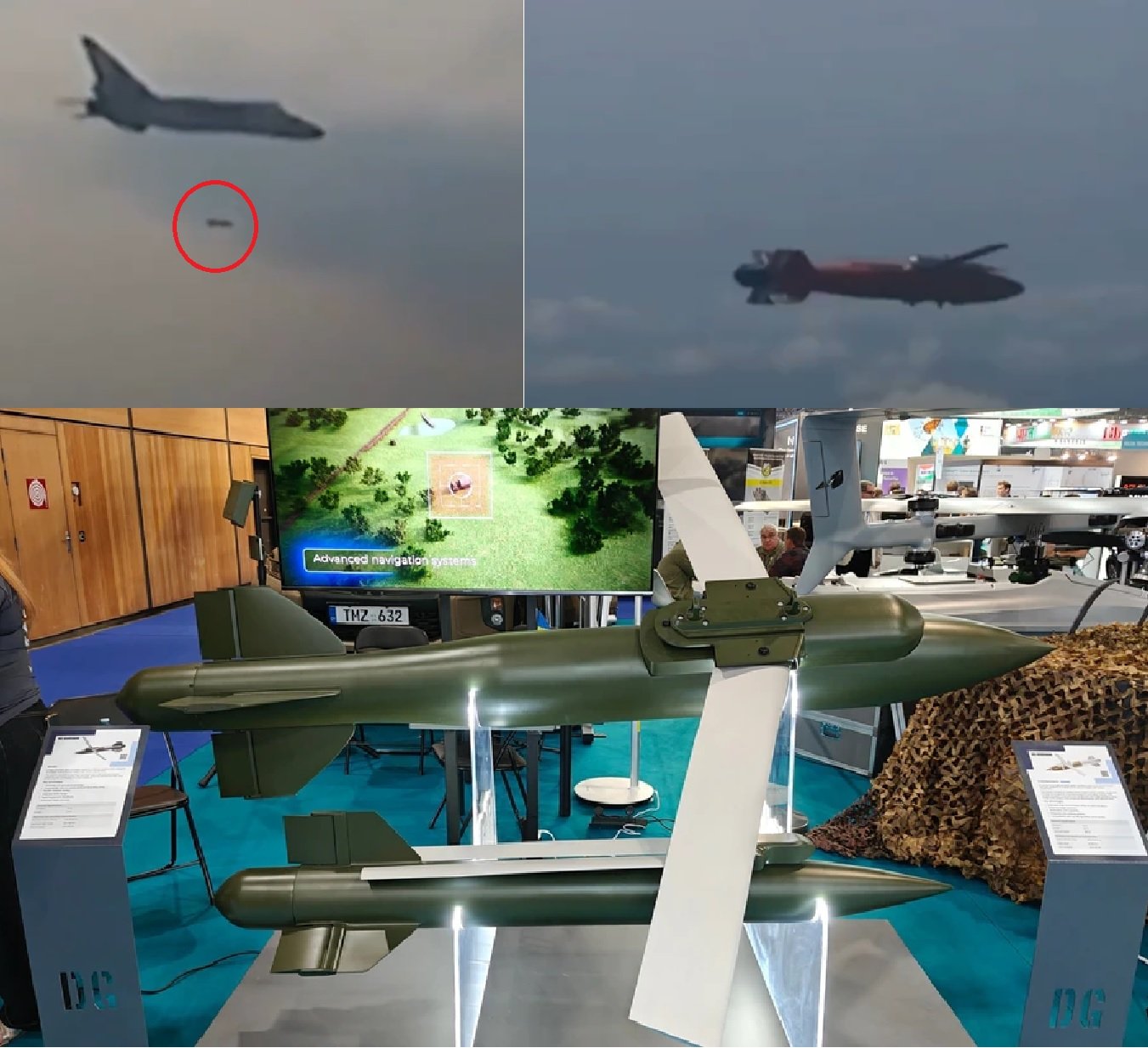
World
Kyiv, Ukraine — Ukraine has completed testing and begun official procurement of its first domestically developed guided aerial bomb, the Vyrivniuvach (Equalizer/Leveller). Developed by Ukrainian defence company DG Industry with support from the Brave1 defence technology initiative, the system converts a standard 250-kilogram unguided bomb into a precision-guided glide munition. The weapon was developed over about 17 months, and Ukraine’s Ministry of Defence announced its combat readiness on May 18, 2026. An initial experimental batch was purchased at that time. In mid-August, Colonel Vladyslav Voloshyn, head of the Central Directorate for Innovation Activities of the Armed Forces of Ukraine, confirmed that the system had passed the required tests, demonstrated effectiveness and was now being officially purchased for delivery to the military. Ukrainian Air Force aircraft have already conducted hundreds of test sorties with the system. Design and Range The Vyrivniuvach uses a wing module attached to an existing 250-kilogram bomb and a tail section containing navigation, guidance and control systems. Developers describe it as an original Ukrainian design developed for current battlefield conditions, while drawing on experience with foreign systems. The bomb can reportedly be released from about 500 meters to more than 10,000 meters, depending on the launch profile. Its reported range is 10 to 130 kilometers, with the maximum range requiring high-altitude release. In the lower-altitude toss-bombing profiles currently more practical for Ukrainian pilots, the range is typically around 40 kilometers. The system can reportedly be prepared by ground crews in about 30 minutes and is designed to operate in all weather conditions. It carries a 250-kilogram warhead. Combat Use and Aircraft Compatibility The Vyrivniuvach saw its first confirmed combat use in late June 2026, when Ukrainian MiG-29 fighters used the weapons against Russian frontline positions. Footage showed two bombs equipped with wing-correction kits striking trenches and fortifications. The system is compatible with Ukraine’s MiG-29, Su-24 and Su-27 aircraft. Integration with F-16 and Mirage 2000 fighters is possible after additional technical certification. The weapon was publicly shown in detail at the Eurosatory 2026 defence exhibition in Paris in June. Lower-Cost Alternative Cost is a major part of the Vyrivniuvach's design. The domestic guidance kit costs approximately one-third of a US-made JDAM-ER kit, providing Ukraine with a cheaper option for producing precision-guided aerial weapons. The development comes as Russia continues its extensive use of guided aerial bombs. Russian forces averaged roughly 180 guided bombs per day in 2025, with the rate later increasing to more than 300 per day. Ukrainian officials say the domestic system is intended to help balance the difference in both the number and quality of guided aerial weapons. Around 10 similar Ukrainian precision-guided aerial systems are also under development. Serial production of the Vyrivniuvach has begun, with early batches already delivered and used by Ukrainian forces. The system gives Ukraine a domestically produced method of converting existing bombs into guided glide weapons while reducing reliance on more expensive foreign systems and supporting larger-scale domestic production.
Read More → Posted on 2026-08-17 15:47:39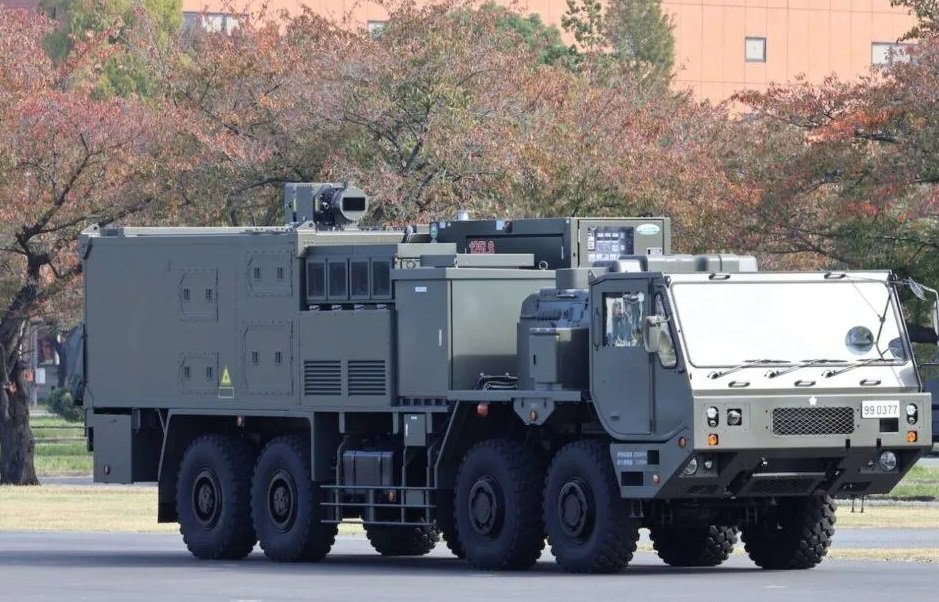
World
South Australia — Australia and Japan have completed the first field trials of their jointly developed Boobook high-energy laser system at test sites in South Australia, marking the first co-development project between Australian and Japanese defence industries. The trials were conducted at the Cultana Training Area and the Defence Science and Technology Group (DSTG) facility in Edinburgh. The Boobook program brings together DSTG, Mitsubishi Electric Australia (MEA) and its Tokyo-based parent company, Mitsubishi Electric Corporation (MELCO). Australia’s Defence Department said the project builds on more than two decades of laser research by DSTG. The department has not released specific performance information from the trials, including the system’s power output, range or other technical figures. Laser Designed for Surveillance and Protection Australian Defence Minister Richard Marles said the laser capability can be deployed on land combat platforms and littoral platforms. According to Marles, the system is intended to provide greater protection and situational awareness by using laser technology to optically detect incoming threats. The system is named after the Australian boobook owl, a species known for its ability to see in low-light conditions. The recent trials generated data on the system’s design and technical requirements. That information will be used to guide the next stages of development and potential commercialisation. The Australian government has not yet announced when Boobook will move into its next development phase or when it could enter operational testing with the Australian Defence Force. Australia-Japan Defence Technology Cooperation The Boobook trials are part of the broader expansion of defence cooperation between Australia and Japan. The project follows a May 4 agreement between Australian Prime Minister Anthony Albanese and Japanese Prime Minister Sanae Takaichi to expand defence and security cooperation between the two countries. The announcement of the trials also coincided with talks in Canberra on August 18 between Australian Defence Minister Richard Marles and Japanese Defence Minister Shinjiro Koizumi. The two defence ministers discussed military training, joint operations and technology sharing as part of their wider defence cooperation. Australia and Japan have previously identified Boobook as a major area of defence-industrial cooperation. In 2025, their defence ministers described it as the first co-development project between Japanese and Australian defence industries. The two countries have also been expanding cooperation in defence research, technology and testing. Australia’s Defence Department previously described the laser project as a collaboration between DSTG, MEA and MELCO aimed at developing and transitioning laser technology for Australian Defence Force applications. Mitsubishi Electric Plans Australian Manufacturing Facility The project is also linked to new industrial investment in Australia. Mitsubishi Electric Australia is establishing a new facility in Rydalmere, New South Wales, to support large-scale domestic manufacturing of the laser system. The company is investing $70 million in the site. The facility will house the newly established MEA Defence Division and is intended to support manufacturing in Australia while improving local access to Mitsubishi Electric’s wider defence technologies. Australian Defence Industry Minister Pat Conroy said the project demonstrates cooperation with Japan to develop technologies that address capability requirements of the Australian Defence Force. Conroy also said the Rydalmere investment would support advanced manufacturing, technology transfer and workforce growth. Part of Australia’s Wider High-Energy Laser Research Boobook is one part of Australia’s broader work on high-energy laser technologies. In 2023, DSTG and QinetiQ Australia signed an agreement involving QinetiQ’s coherent beam combining technology and DSTG’s high-power amplifiers. That separate program resulted in Australia’s first scalable high-power laser optical chain prototype demonstration in 2025. The QinetiQ program is separate from the Boobook project. The latest Boobook trials provide Australia and Japan with field-testing experience for their jointly developed laser technology. The data collected during the trials will support decisions on the system’s future design, development and possible commercialisation. No timeline has yet been announced for Boobook’s next development phase or its potential transition to operational testing with the Australian Defence Force.
Read More → Posted on 2026-08-18 11:06:56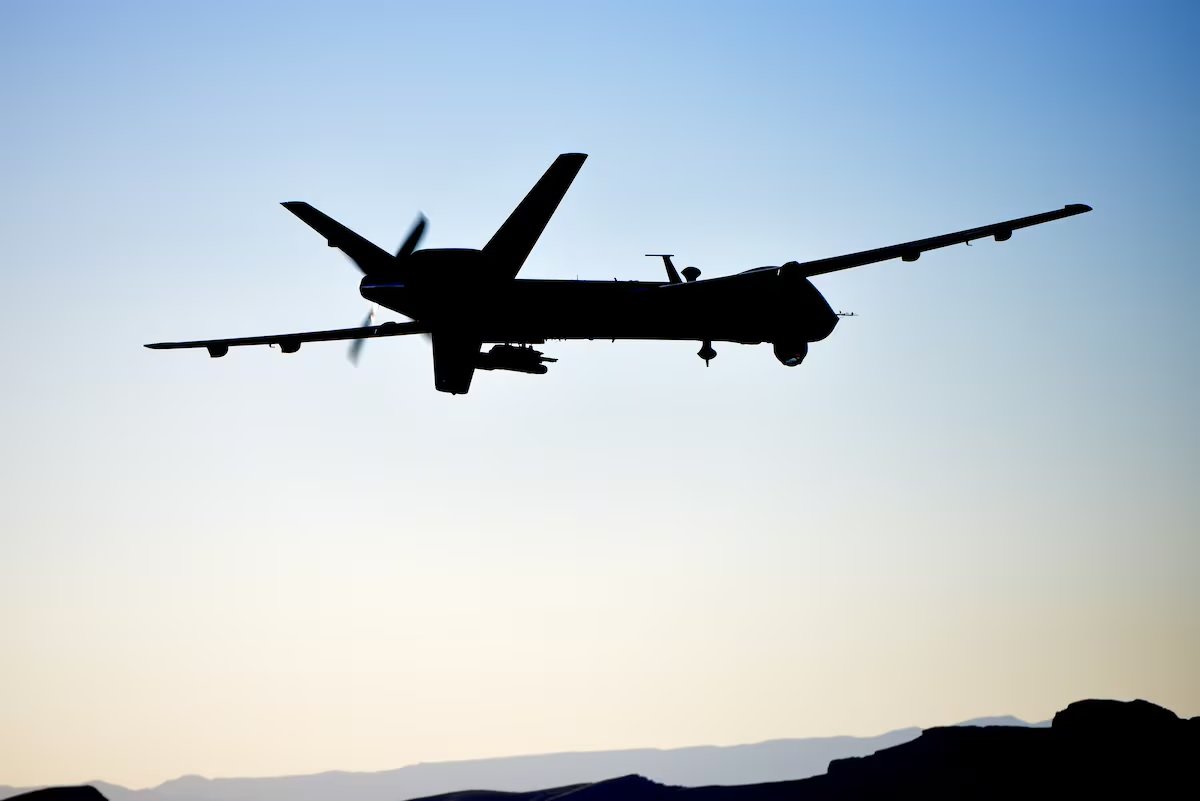
U.S
WASHINGTON — The U.S. Air Force is developing a cheaper and more adaptable successor to the General Atomics MQ-9A Reaper following the drone’s extensive use and losses during Operation Epic Fury against Iran in 2026. The service wants a modular unmanned aircraft that can be produced in larger numbers and operate in contested airspace where some losses are expected. Reaper's Role in Operation Epic Fury Air Force Chief of Staff Gen. Kenneth Wilsbach described the MQ-9A as the “most valuable player” of the operation during congressional testimony in May. He said the Reaper conducted more strikes than any other U.S. platform, although the exact number remains classified. U.S. forces struck more than 13,000 targets during roughly six weeks of fighting. The operation also exposed the Reaper’s vulnerability. Reports based on official and congressional sources indicated that around two dozen to nearly 30 MQ-9s were destroyed during the initial phase, with later figures showing higher cumulative losses. Some were destroyed by air defenses and others were hit on the ground at regional bases. The fleet reportedly fell from about 180 aircraft before the conflict to roughly 135. General Atomics ended MQ-9A production in 2025. A fully equipped MQ-9A can cost as much as $50 million depending on its sensor suite. Massed Modular Aircraft Program In July 2026, the Air Force partnered with the Defense Innovation Unit (DIU) on the Massed Modular Aircraft (MMA) initiative. The program seeks an unmanned aircraft that can be manufactured rapidly, deployed in larger numbers and treated as more attritable than traditional high-value systems. Air Force Chief Modernization Officer Lt. Gen. Christopher Niemi said the MQ-9A remains effective in the Middle East, but expensive sensor packages can significantly increase its cost. The MMA would allow equipment to be removed or changed for high-threat missions, reducing the financial impact of losses. The DIU solicitation requires the aircraft to carry at least 2,800 pounds of payload, have a 2,300-nautical-mile combat radius without aerial refueling, and self-deploy at least 8,000 nautical miles one way. It must reach at least 200 knots, or about 230 mph, and support full-scale prototype flight testing within 21 months of contract award. Other requirements include allowing one operator to control multiple aircraft, resilient hybrid satellite and mesh communications, operation from runways of 6,000 feet or shorter, and sufficient power and cooling for rapid payload changes. The Air Force is targeting Initial Operating Capability in fiscal year 2031, defined as the delivery of 20 mission-ready aircraft to an operational unit. Designed for Attrition and Modularity The MMA is intended to perform intelligence, surveillance and strike missions while also supporting larger formations of unmanned aircraft. The Air Force is considering missions including intelligence collection, weapons employment, electronic warfare and communications relay. The DIU said larger numbers of less expensive aircraft would allow the service to accept combat losses and place greater demands on adversary air defenses. The concept is based on the view that relying on low-density aircraft costing at least $30 million is difficult against layered defenses and lower-cost anti-aircraft systems. Modularity is central to the design. Sensors, weapons, fuel containers and other payloads should be rapidly changed according to the mission. The aircraft is also expected to use the Autonomy Government Reference Architecture employed by the Collaborative Combat Aircraft program to simplify integration of autonomy software. Development and Remaining MQ-9 Fleet No specific MMA unit-cost target has been finalized. The Air Force will assess industry proposals and operational requirements to determine a price that provides the required capability while remaining affordable enough to tolerate attrition. A concept-refinement phase is scheduled for the first quarter of fiscal year 2027, with multiple traditional and nontraditional defense companies expected to compete. A separate DIU request for information on low-cost attritable unmanned ISR systems also received strong industry interest. The MQ-9A will remain in service during development of the replacement. Col. John Dayton, the portfolio acquisition executive for intelligence, surveillance, reconnaissance and special operations forces, said the Air Force is repairing available Reapers and procuring a small number of remaining capital assets from General Atomics to restore capacity. The service has also examined General Atomics’ larger MQ-9B, which offers greater range and payload capacity, but the MMA effort is focused on a separate lower-cost aircraft. Source : nationaldefensemagazine
Read More → Posted on 2026-08-18 11:17:08
World
OKINAWA, Japan — A Japan Air Self-Defense Force (JASDF) F-15 fighter jet became immobilized on the runway at Naha Airport on Tuesday after its left main landing gear failed during landing. The pilot exited the aircraft safely and no injuries were reported. The single-seat F-15, based at nearby Naha Air Base, was returning from a scramble intercept mission when it landed on Runway B shortly before 1 p.m. local time. The landing gear failure caused the aircraft to tilt to the left, with its left wing contacting the runway. The jet skidded along the pavement, rotated about 180 degrees and stopped facing the opposite direction. NHK footage showed the fighter dragging its left wing along the runway while producing white smoke. Smoke and brief flames were also seen near the rear of the aircraft as it slowed. JASDF fire engines and emergency vehicles responded to the scene. Runway B was closed from around 12:55–12:57 p.m. until about 5:06 p.m. while the aircraft was inspected and removed. A crane later lifted the F-15 onto a truck. Runway A remained open for civilian operations, but about 40 flights experienced delays of up to 35 minutes, with some reports also noting further delays or cancellations. Okinawa Governor Denny Tamaki called the incident “gravely disappointing” and requested a prompt investigation and measures to prevent a recurrence. The JASDF is investigating the cause of the landing gear failure. Naha Airport is shared by civilian and military aircraft and hosts the JASDF’s 9th Air Wing. Its F-15Js conduct air-defense and scramble missions over Okinawa and surrounding islands. The JASDF operates roughly 200 F-15s nationwide. The aircraft is about 19 meters long with a wingspan of around 13 meters.
Read More → Posted on 2026-08-18 11:25:53
World
London, UK — Russia has warned the United Kingdom that it will face consequences over reports that British-made drones supplied to Ukraine have been used in long-range strikes against military and industrial targets inside Russia. The Russian Embassy in London accused Britain of “deliberately opting for an escalation” and described the UK as an “accomplice and co-perpetrator” in attacks on Russian territory. In a statement posted on Telegram, the embassy said London’s actions “will inevitably carry consequences for which it will have to answer.” It added that the deeper Britain becomes involved in the conflict and the greater its support for Kyiv, the higher the price it will pay. Reports of British-Made Drones The warning followed reports by The Times and The Sunday Times that British-made drones had been used by Ukrainian forces in long-range strikes inside Russia. One of the systems reportedly involved is the Nyan, developed by Callen-Lenz, a subsidiary of BAE Systems. A second British company involved in the supply chain has not been identified for security reasons. Reports said some British-made drones supplied to Ukraine have a range of more than 600 miles. Ukrainian forces have been using long-range drones against targets including oil refineries and logistics facilities. The UK Ministry of Defence did not confirm whether British-made drones were used in the specific strikes. A spokesperson said Britain “stands shoulder to shoulder with Ukraine” and remains committed to providing the equipment Ukraine needs to defend itself against Russia’s invasion. UK Military Support for Ukraine Britain has committed around £25 billion in support for Ukraine since Russia’s full-scale invasion in February 2022, including about £16 billion in military aid. In June, the UK announced a £752 million funding package to provide Ukraine with 150,000 drones and additional air-defence equipment by the end of 2026. Drone Attacks Intensify The Russian warning comes amid a major increase in Ukrainian long-range drone attacks against Russia. Russian officials said Ukraine launched almost 800 drones in related attacks across the country. Moscow Mayor Sergei Sobyanin said 180 drones were intercepted over the Moscow region, while Russian officials reported that more than 600 drones were heading toward the Moscow area. Regional Governor Andrei Vorobyov said drones struck several facilities, including a Wildberries warehouse, and that at least three people were injured, including a 10-year-old girl. At the same time, Russian forces continued attacks on Ukraine. Ukrainian officials said a Russian missile strike on Pechenihy in the Kharkiv region killed at least 10 people and wounded eight. The strike damaged private buildings, a cafe, post office, store and several vehicles. Russia has previously warned Western countries that military support for Ukraine could lead to retaliatory measures. The Russian Embassy did not specify what form the consequences mentioned in its latest warning could take.
Read More → Posted on 2026-08-18 11:43:53
U.S
Pacific Submarine Force, U.S. Navy — The U.S. Navy’s Pacific Submarine Force is examining new roles for uncrewed undersea vehicles (UUVs), including operating them with aircraft carrier strike groups and using them to resupply submarines while they remain submerged. The discussions follow RIMPAC 2026, which included more than 35 experiments involving uncrewed systems and emerging technologies. The exercise involved 30 nations, about 30,000 personnel, more than 30 surface ships, five submarines and over 190 aircraft. After the at-sea phase of RIMPAC, Rear Adm. Chris Cavanaugh, commander of the U.S. Pacific Fleet Submarine Force, met with Rear Adm. Marcos Jasso, commander of Carrier Strike Group 9, aboard USS Theodore Roosevelt (CVN-71). Jasso assumed command of the carrier strike group in June 2026, and a Navy photo from the meeting was released on July 30. Cavanaugh said the Pacific Submarine Force is investing in unmanned capabilities to augment manned submarines and maintain its undersea advantage as technology develops. UUVs as Carrier Strike Group Extensions The two commanders discussed how UUVs could support carrier operations as tactical extensions of a carrier strike group. The vehicles could potentially conduct reconnaissance, strike missions, minesweeping and anti-submarine warfare. They could be launched directly from aircraft carriers or from helicopters and could also contribute to defenses against incoming torpedoes. Another concept involves using UUVs to transfer critical spare parts and components between aircraft carriers and submarines. The Navy faces difficulties resupplying submarines at sea, particularly in contested or denied environments where traditional submarine tenders could face limitations. Under the concept discussed, submarines could deploy and recover UUVs while remaining completely submerged. This would allow critical parts and materials to be transferred without requiring the submarine to surface or return to port, supporting operational security and potentially extending the time a submarine can remain on station. Revolver System to Increase Submarine Payloads The Navy is also developing the Revolver system for Virginia-class attack submarines to increase the number of smaller weapons that can be carried in existing 21-inch torpedo tubes. The system is designed to multi-pack smaller-diameter weapons, including the 6.75-inch Mark 58 Compact Rapid Attack Weapon (CRAW), which is being developed by RTX. Multiple CRAW torpedoes could be carried in a single standard tube, increasing the submarine’s available weapons without major hull changes. The combination of improved underwater resupply and increased payload capacity is part of the Navy’s wider effort to extend submarine operational endurance and expand available capabilities. UUV Production Expands The Navy is also moving toward greater production and fielding of UUVs as the technology matures. In July 2026, the Orca Extra Large Uncrewed Undersea Vehicle completed its first 1,000-nautical-mile transit in the East Pacific, according to Cavanaugh. Smaller systems are also entering operational use, including REMUS-family vehicles that can be launched and recovered through submarine torpedo tubes. Huntington Ingalls Industries (HII) has a multi-year production agreement with Hitachi Ltd. to provide more than a dozen REMUS 300 UUVs to Japan. The modular REMUS 300, which serves as the commercial basis for the U.S. Navy’s Lionfish program, is designed to support mine-hunting missions and interoperability with U.S. and allied forces. The Navy is continuing testing, evaluation and fielding of different UUV systems as it works to integrate unmanned vehicles more closely with manned submarines, aircraft carriers and other fleet assets.
Read More → Posted on 2026-08-18 11:53:46
U.S
ST. LOUIS — Boeing is marking 20 years since the first flight of the EA-18G Growler, the U.S. Navy’s carrier-based airborne electronic attack aircraft. The anniversary comes as Boeing and the U.S. Navy continue upgrading the aircraft’s processing, detection and jamming systems to address modern electromagnetic threats. The first Growler, designated EA-1, flew from Lambert International Airport in St. Louis, Missouri, on August 15, 2006. Boeing test pilot Ricardo Traven and chief weapons system operator Rick Junkin were at the controls. “From the first flight, that I had the pleasure to pilot with my WSO Rick Junkin, it was obvious to us what a terrific capability and future this aircraft would blaze in the years that followed,” Traven said. From the EA-6B Prowler to the Growler Development of the EA-18G formally began in December 2003 under a five-year System Development and Demonstration contract between Boeing and the U.S. Navy. The aircraft was developed to replace the Northrop Grumman EA-6B Prowler. Based on the F/A-18 Super Hornet, the Growler is designed for electronic warfare missions including surveillance, jamming and suppression of enemy air defenses. It can operate from aircraft carriers and conduct both stand-off and escort jamming missions. Former U.S. Navy Growler pilot Paul “Disco” Ritter described the transition from the EA-6B to the EA-18G as a major change. “I started my career flying the EA-6B Prowler,” Ritter said. “It was an amazing machine — it was fun, like flying a farm truck. Transitioning to the Growler was like upgrading to a Ferrari.” The first EA-18G was delivered to the Naval Air Test Center at Patuxent River, Maryland, in September 2006. The first fleet aircraft went to Electronic Attack Squadron VAQ-129 in June 2008, and Growlers completed their first combat deployment in 2011. Boeing delivered the 100th aircraft to the U.S. Navy in May 2014. Combat Operations The Growler has supported U.S. and allied operations in several regions, including the Red Sea and the Middle East. During recent operations against Houthi forces, a Growler achieved a confirmed kinetic combat success by destroying a Houthi Mi-24 helicopter on the ground using an Advanced Anti-Radiation Guided Missile. The same deployment also saw a Growler achieve an air-to-air victory by shooting down a Houthi drone, marking an air-to-air combat success for a U.S. electronic warfare aircraft. The aircraft can collect threat information and provide targeting data, threat warnings and protection to other aircraft, including the F/A-18 and F-35. “The Growler provides added layers of protection for the entire air wing by gathering information on threats not seen in real time and provides that target data, threat warning, and protection to other aircraft like the F/A-18 or the F-35,” Ritter said. Next Generation Jamming Boeing is developing the Growler Block II capability suite to extend the aircraft’s electronic warfare capabilities. The modernization effort includes an Advanced Cockpit System, enhanced avionics, improved processing and detection capabilities, and support for Next Generation Jammer systems. The Next Generation Jammer, developed by Raytheon, is being introduced to replace the legacy ALQ-99 jamming pods. The system is designed to provide improved jamming capabilities and allow the Growler to engage multiple targets at the same time and operate at longer ranges. Boeing inducted the first EA-18G into its Growler Modification Program in March 2021. The program increases processing power, improves detection capabilities and enables compatibility with Next Generation Jamming capabilities. Australia Operates the Growler Australia became the first country outside the United States to operate the EA-18G. Boeing unveiled the first Royal Australian Air Force Growler in July 2015, and Australia acquired 12 aircraft. The EA-18G remains in service with both the U.S. Navy and Royal Australian Air Force as Boeing and the Navy continue modernization work aimed at improving the aircraft’s electronic warfare, detection, processing and jamming capabilities.
Read More → Posted on 2026-08-18 12:28:13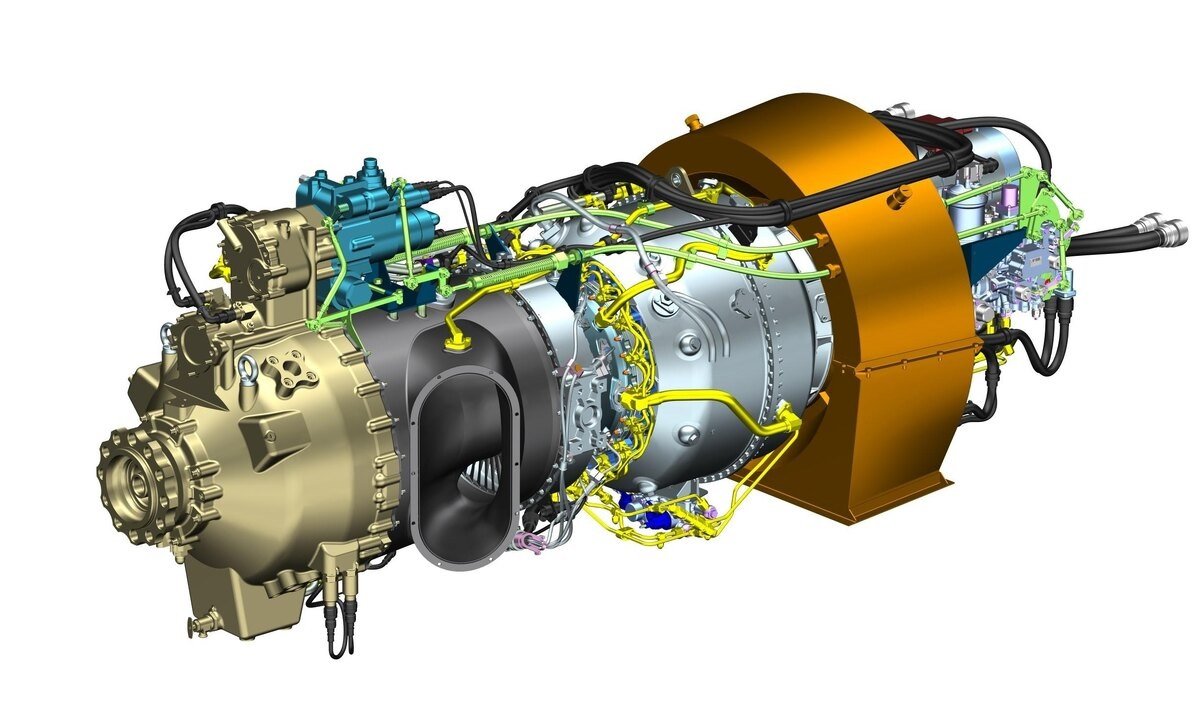
World
St. Petersburg, Russia — On August 18, Russia’s United Engine Corporation (UEC), part of the Rostec state corporation, announced that it has completed the design documentation and approved the mock-up of the new VK-1600S turboprop engine for small passenger and light aircraft. The VK-1600S is being developed by UEC-Klimov as a fixed-wing derivative of the VK-1600V turboshaft engine developed for the Ka-62 helicopter. The new engine is rated at 1,450 horsepower at take-off. Based on the VK-1600V UEC plans to use a significant number of existing components from the VK-1600V to reduce the time required to develop the aircraft version. According to the company, the VK-1600S and VK-1600V are expected to share 60–65 percent of their components, including the gas generator and other key assemblies. The adaptation for fixed-wing aircraft has required changes to the free turbine, while new gearbox and accessory-drive units have also been developed for the VK-1600S. The approach allows UEC-Klimov to use previously developed engine technology rather than developing the entire power plant from the beginning. Rostec has previously described the VK-1600V as an engine designed for helicopters in the 5–8-tonne take-off-weight class. FADEC and Operating Conditions The VK-1600S will use a full-authority digital engine control system (FADEC), or FADEC, with the BARK-15S control unit. The system is designed to support stable engine operation at altitudes from 300 to 4,500 metres, relative humidity of up to 100 percent, and temperatures ranging from –50°C to +55°C. The VK-1600 family already uses electronic engine-control technology. The VK-1600V, for example, uses the BARK-15V automatic regulation and control unit developed by UEC-Klimov. Demonstrator and Testing According to Anton Kolosov, chief designer of the VK-1600 programme at UEC-Klimov, work is now focused on completing the VK-1600S demonstrator and preparing a specialised test bench. The current development plan calls for completion of the test stand, manufacture of the demonstrator and bench testing by the end of 2026. After these activities, the programme is scheduled to move to the production of three engines for initial endurance and specialised testing. A flight-test programme using a flying laboratory is also planned. The overall development programme is scheduled for completion by the end of 2027, including type certification and the release of production design documentation. Planned Aircraft Applications The VK-1600S is designed for single-engine aircraft and is planned to operate with the AV-17 propeller. One of its intended applications is the TVS-2DTS, an all-composite aircraft developed as a successor to the Soviet-era An-2. The engine is also planned for installation on modernised An-2 and An-3 aircraft that remain in service in Russia. The programme is intended to provide a new turboprop power plant for this class of light aircraft and support the continued operation and modernisation of existing aircraft as well as the development of new designs. Development Contract The VK-1600S programme is being carried out under a 3.376 billion ruble contract signed between UEC and Russia’s Ministry of Industry and Trade in May 2025. The contract requirements include integration of the engine with the An-2, TVS-2DTS and other light aircraft. UEC describes the VK-1600S as the first Russian power plant developed in this class. Its development is based on the existing VK-1600V engine, while modifications to the turbine, gearbox and accessory systems are being made for fixed-wing applications. The programme is therefore moving toward a demonstrator and ground-testing phase in 2026, followed by prototype testing, flight evaluation and certification planned through 2027.
Read More → Posted on 2026-08-18 12:47:22
World
NOVI, Mich. — Pratt Miller displayed its Expeditionary Modular Autonomous Vehicle (EMAV), also known as the EAMV MCA or Oshkosh RCV, equipped with an XM913 50mm cannon at the 18th annual Ground Vehicle Systems Engineering & Technology Symposium (GVSETS), held August 11–13 in Novi, Michigan. The new configuration upgrades earlier versions of the tracked, hybrid-electric unmanned ground vehicle. In 2021, Pratt Miller displayed the EMAV-MCA with a 30mm XM813 Bushmaster cannon. The current vehicle carries the XM913, a 50x228mm chain gun developed at Picatinny Arsenal and produced by Northrop Grumman. The XM913 is planned as the primary weapon for the U.S. Army's XM30 Mechanized Infantry Combat Vehicle, which is being developed to replace the M2 Bradley. The cannon uses a dual-feed system and can fire at rates of up to 200 rounds per minute. Its ammunition includes programmable airburst capability, and the Army is also examining the XM913 for counter-unmanned aircraft system missions against Group 1–3 drones. EMAV Capabilities The EMAV is designed as a compact, highly mobile robotic combat vehicle that can operate through local control, tele-operation or autonomous modes. Its base weight is approximately 3 tons, while different EMAV/RCV-L configurations have been reported at around 3–3.8 tons. Payload capacity is up to about 3–3.2 tons. The vehicle can reach speeds of up to 72 km/h and is designed to operate over difficult terrain, including 60% grades, 40% side slopes and vertical obstacles of about 61 centimeters. Its continuous-band rubber tracks and low center of gravity support mobility over rough and soft terrain. The hybrid-electric powertrain also allows silent electric-only operation for watch and mobility missions. Earlier specifications included power-export capability, while related reporting has listed a range of approximately 320 km. Its compact dimensions allow the EMAV to be transported inside MV-22 Osprey, CH-53 and CH-47 Chinook helicopters and C-130 aircraft. The modular flat deck can carry cargo, sensors or different weapon systems. XM913 Integration The 50mm cannon gives the EMAV a substantially larger weapon than the 30mm system previously displayed. The integration demonstrates the modular design of the platform, allowing it to carry a weapon originally intended for a larger manned combat vehicle. However, the larger XM913 turret also creates a larger profile on the compact vehicle. The size of 50mm ammunition may limit the number of rounds that can be carried, while the weapon and turret must be integrated without compromising the EMAV's mobility, payload capacity and overall survivability. The EMAV has previously been tested in U.S. Army and U.S. Marine Corps robotic vehicle programs, including the Army's Robotic Combat Vehicle-Light (RCV-L) effort. Pratt Miller developed the platform in partnership with QinetiQ North America for autonomy and control systems. The EMAV also formed the basis of Oshkosh Defense's RCV offerings. The XM913-equipped EMAV displayed at GVSETS 2026 is a demonstration of the platform's ability to integrate different weapons and mission systems. Its display does not indicate that the configuration has been selected for a specific U.S. military program. GVSETS, organized by the NDIA Michigan Chapter, brings together government, industry and academic organizations to discuss ground vehicle technology, autonomy, power systems and modernization of Army and Marine Corps vehicles.
Read More → Posted on 2026-08-18 13:01:58
U.S
WASHINGTON — U.S. President Donald Trump has called for South Korea to pay $10 billion annually toward the cost of maintaining U.S. troops in the country, raising the issue during a White House press conference while discussing his recent conversation with South Korean President Lee Jae-myung. Trump said he asked Lee to assist the United States with its military operation involving Iran, but the request was declined. He questioned why the United States should continue spending billions of dollars to defend South Korea, saying, “We have 39,000 soldiers over there, guarding you from Kim Jong Un, your next-door neighbor.” The official U.S. troop presence in South Korea is about 28,500 personnel, rather than the 39,000 figure cited by Trump. South Korea's Current Payment South Korea has shared the cost of hosting U.S. forces since 1991 through the Special Measures Agreement (SMA). The current agreement covers 2026 through 2030 and sets Seoul's 2026 contribution at ₩1.5192 trillion, with future payments adjusted according to South Korea's consumer price index and annual increases capped at 5 percent. The SMA covers expenses including local personnel working at U.S. bases, logistical support and construction of military facilities. Trump also said that during his first term he had sought a $10 billion annual payment from South Korea. He said Seoul had agreed to nearly $3 billion with further increases planned, but that the arrangement was later changed under the Biden administration. Public records, however, do not show a finalized $3 billion multi-year agreement from that period. Joint Military Exercises Reduced Trump has also directed Defense Secretary Pete Hegseth to substantially reduce U.S.-South Korean military exercises, criticizing their cost and describing them as inappropriate and hostile toward North Korea. He cited his relationship with North Korean leader Kim Jong Un and said North Korea had been respectful toward him. The annual Ulchi Freedom Shield exercise began on August 17 and was scheduled to run through August 27. Despite Trump's directive, South Korea said the exercise would proceed as previously scheduled. The U.S.-South Korea alliance is based on the 1953 Mutual Defense Treaty, while defense cost-sharing has remained a recurring issue between Washington and Seoul. Trump's latest demand would be a major increase from the contribution established under the current SMA.
Read More → Posted on 2026-08-18 13:18:17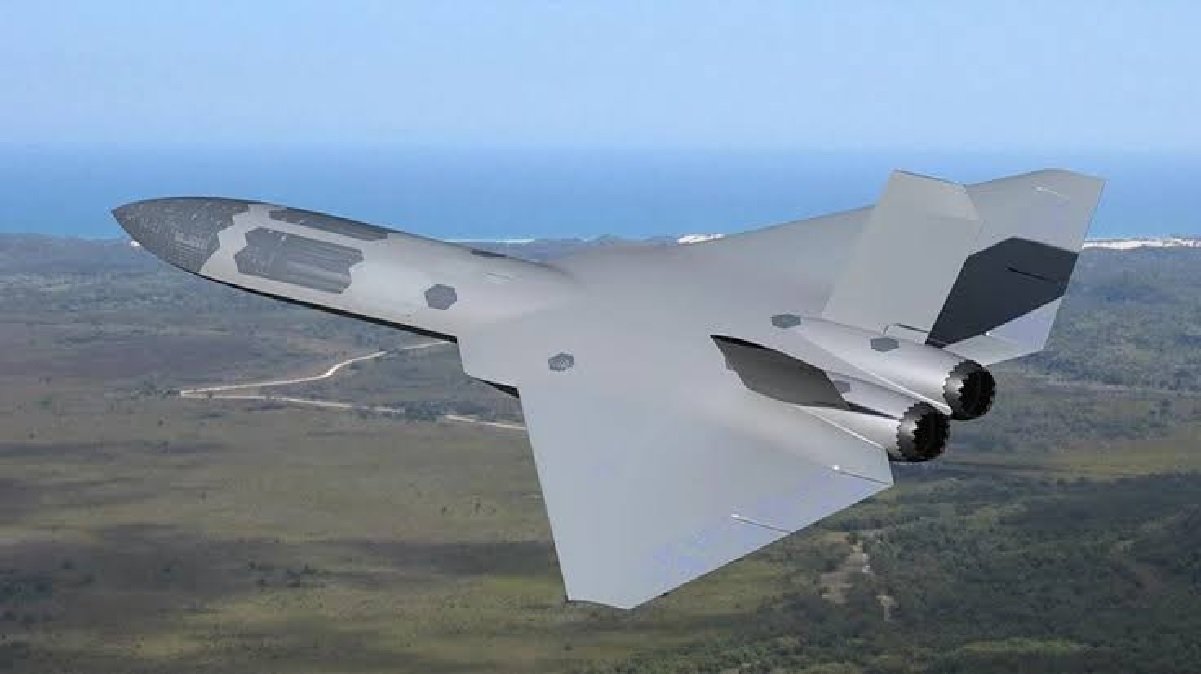
U.S
EGLIN AIR FORCE BASE, Fla. — The U.S. Air Force is seeking a new family of expendable aerial target drones capable of replicating a wide range of airborne threats, from low-cost drone swarms to advanced stealth fighters, strategic bombers and airborne early warning and control (AEW&C) aircraft. The Air Force's Aerial Targets Program Office at Eglin Air Force Base issued a Request for Information (RFI) on August 14. Industry responses are due by September 28. The proposed targets must be realistic enough to challenge modern sensors and weapons while being affordable and simple enough to be routinely expended during testing. The Air Force is specifically interested in commercial, modified-commercial, dual-use and non-developmental solutions that can offer advantages in cost, scalability and simplicity over legacy systems. Multiple Target Categories For advanced fighter threats, the Air Force wants targets capable of flying at Mach 1.6 and above at 40,000 feet, performing high-agility maneuvers, sustaining 5G and reaching instantaneous loads of up to 9G. They must also provide precise low-observable radar cross-section profiles, multispectral infrared signatures, active radio-frequency emissions and integrated electronic-attack capabilities. A separate category covers C-130-sized multi-engine aircraft, as well as larger aircraft such as strategic bombers and AEW&C platforms. These targets are expected to reproduce the physical scale, slow subsonic flight characteristics and representative propulsion, radar and infrared signatures of larger aircraft. The requirement also covers unmanned aircraft. Group 5 targets should operate at altitudes up to 50,000 feet, while Group 3 and Group 4 targets should fly at approximately Mach 0.5 to 0.8 and maneuver between 3G and 6G. Group 1 and Group 2 targets should fly below 150 knots and operate in swarms. Addressing Limits of Existing Targets The Air Force currently uses systems including the BQM-167A, a subscale aerial target, and converted QF-16 fighter aircraft. The BQM-167A provides a relatively affordable subscale target, but its size limits its ability to represent larger aircraft. The QF-16 provides full-scale fighter performance, but using converted fighter aircraft as expendable targets is different from operating purpose-built systems designed for production and expenditure in larger numbers. The new requirement is intended to cover the gap between these existing systems and provide targets representing modern stealth aircraft, large aircraft and massed small-drone threats. The Air Force has also pursued high-fidelity targets for advanced aircraft in the past, including the 5th Generation Aerial Target (5GAT) program. Testing Modern Weapons and Sensors The requirement is aimed at supporting testing across the weapons and sensor kill chain, including detection, tracking, seeker acquisition, guidance and terminal engagement. The Air Force wants targets capable of reproducing not only aircraft flight performance and physical size but also radar cross-section, infrared characteristics, radio-frequency emissions and electronic-warfare effects. The effort reflects the increasing variety of airborne threats that U.S. weapons and air-defense systems must be tested against. The proposed family would provide different target types for fighter aircraft, large aircraft, unmanned systems and drone swarms while maintaining an emphasis on affordability and scalability. The RFI is currently seeking information from industry and does not itself represent a contract award. Responses must be submitted by September 28, 2026.
Read More → Posted on 2026-08-18 14:02:28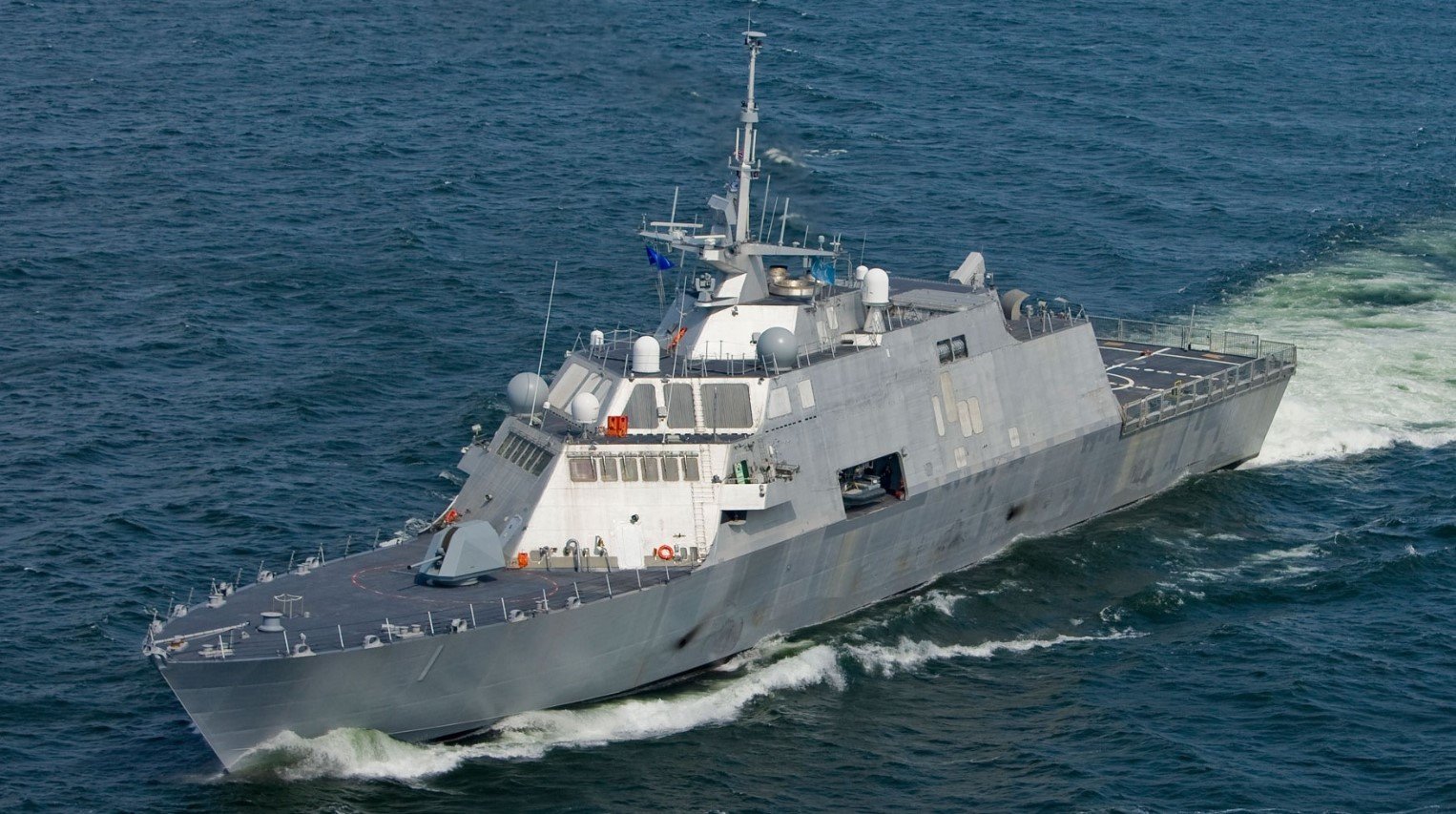
U.S
Washington, D.C. — The U.S. Navy has awarded Lockheed Martin a $73.86 million contract modification to procure, test and deliver Indra Rigel electronic warfare systems for four Multi-Mission Surface Combatant (MMSC) ships being built for the Royal Saudi Naval Forces. The award, announced on August 12, 2026, is valued at $73,864,423 and modifies existing contract N00024-18-C-2301. It covers the electronic warfare systems for Saudi Arabia's four MMSC vessels under the U.S. Foreign Military Sales (FMS) program. Contract and Production Details The contract is structured as a firm-fixed-price and cost-plus-fixed-fee agreement. The entire amount is funded by the Kingdom of Saudi Arabia through the FMS program and will be obligated at the time of the award. The funds will not expire at the end of the current fiscal year. Work will be carried out primarily in Madrid, Spain, which will account for 96% of the effort. The remaining 4% will be performed in Moorestown, New Jersey. The U.S. Navy's Supervisor of Shipbuilding, Conversion and Repair in Bath, Maine, is responsible for managing the contract. The work is scheduled to be completed by February 2031. Indra Rigel Electronic Warfare System The four MMSC ships will receive Indra's Rigel electronic support measures system. The system is designed to detect and analyze radar signals from other vessels, allowing the system to identify and classify platforms and assess the level of threat they represent. Indra says the system provides information that improves situational awareness and supports the survivability of the ships in hostile environments. The Rigel family is designed for detection, analysis, classification and identification of radar signals and can provide direction-finding information as part of its electronic support functions. Indra is working with SAMI-AEC, a subsidiary of Saudi Arabian defense company SAMI, to deliver the systems. The cooperation builds on previous work between Indra and SAMI-AEC involving electronic defense systems for Saudi Arabia's Avante 2200-class corvettes. Indra announced the agreement to equip the four MMSC ships with Rigel systems in February 2024. Saudi Arabia's MMSC Fleet The four MMSC ships are a derivative of the U.S. Navy's Freedom-variant Littoral Combat Ship. Saudi Arabia signed the Foreign Military Sales case for the ships in 2017, with Lockheed Martin serving as the prime contractor and Fincantieri Marinette Marine responsible for construction in Wisconsin. The program is known as Project Tuwaiq. Each MMSC is 118 meters (387 feet) long and has a stated range of 5,000 nautical miles. The ships are based on the Freedom-variant LCS hull and have been modified with additional combat systems for the Saudi requirement. Their weapons and combat systems include an eight-cell Mk 41 vertical launch system configured for MBDA Sea Ceptor missiles, Harpoon anti-ship missiles, a BAE Systems Mk 110 57mm gun and a Raytheon SeaRAM system. The ships also use Lockheed Martin's COMBATSS-21 combat management system, which is built from the Aegis Common Source Library. A Saab Ceros 200 fire-control radar and Indra's Rigel electronic support measures system are among the additional systems integrated into the Saudi configuration. Program Schedule The first ship, HMS Saud, entered the water at Fincantieri Marinette Marine in Wisconsin on December 20, 2025. It is the first of four MMSC vessels being built for Saudi Arabia. The MMSC program has experienced schedule delays. Naval News reported in December 2025 that the program had been affected by shipyard disruptions, workforce shortages, the time required to complete the ship design and design changes requested by Saudi Arabia. The new Lockheed Martin contract adds the Rigel electronic warfare systems to the equipment being delivered for the four Saudi MMSC ships, with work continuing through February 2031.
Read More → Posted on 2026-08-18 14:21:42
World
ANKARA, Turkey — Talks between Turkey and the United Arab Emirates over the possible transfer of Turkey’s Russian-made S-400 air defense systems have stalled, leaving Ankara’s effort to regain access to the U.S. F-35 fighter jet program unresolved, according to a report by the Russian newspaper Kommersant. Turkey purchased the S-400 systems in 2017, and deliveries began in 2019. The purchase led the United States to remove Turkey from the F-35 program and impose sanctions under the Countering America’s Adversaries Through Sanctions Act (CAATSA). Washington has maintained that Turkey must resolve the S-400 issue before it can receive F-35 aircraft. U.S. Conditions Remain Unmet On July 22, the U.S. State Department told Congress that Turkey had not yet met the legal conditions required for an F-35 transfer. The conditions include Turkey no longer possessing the S-400 system or related equipment, providing assurances that it will not acquire such systems again, and meeting remaining requirements under U.S. law, including Section 1245 of the Fiscal Year 2020 National Defense Authorization Act. The position came weeks after U.S. President Donald Trump met Turkish President Recep Tayyip Erdoğan during the NATO summit in Ankara. Trump said he would consider restoring F-35 sales to Turkey, while Erdoğan said he expected a favorable decision and later said he expected Trump to keep his commitment regarding the aircraft. UAE Transfer Stalls Turkey has explored transferring the S-400s to a third country as a way to address the U.S. restrictions, with the UAE emerging as a possible destination. However, the negotiations have now reached an impasse. One reported complication is that the UAE has also been interested in the F-35, meaning ownership of the S-400 could create similar concerns for Abu Dhabi. Turkey also needs to address Russia’s position on any resale. Kremlin spokesman Dmitry Peskov said on July 10 that Moscow and Ankara were in contact over the future of the systems and described the matter as highly sensitive. Turkey’s Foreign Minister Hakan Fidan said in July that discussions were taking place within the Turkish government regarding a possible transfer to the UAE. However, Turkey’s Defense Ministry later said that work on the S-400 systems was continuing and that concrete developments would be announced when available. Deactivation Also Discussed With the UAE option stalled, another possibility is to deactivate or decommission the S-400 systems while keeping them in Turkey. However, this approach could face difficulties because the U.S. legal requirements refer to Turkey no longer possessing the system or related equipment. Other options, including placing components in storage or under external supervision, have also been discussed in reporting, but none has been confirmed as an agreed solution. For now, Turkey remains outside the F-35 program, while the S-400 issue continues to be the main unresolved condition. The UAE transfer talks have not produced an agreement, and Turkey has yet to satisfy the U.S. legal requirements needed for F-35 transfers. Source : t24
Read More → Posted on 2026-08-18 14:34:11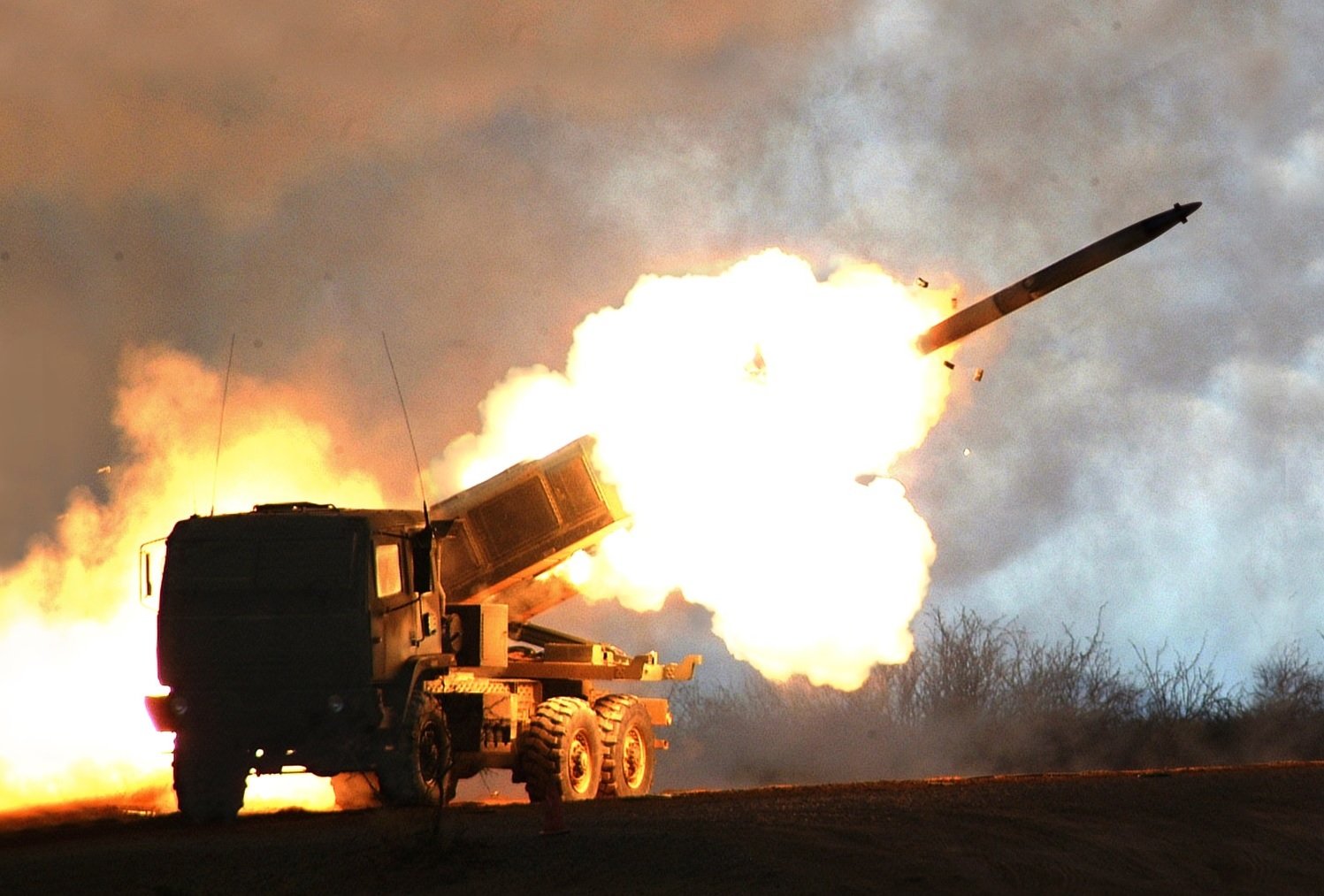
U.S
Washington, D.C. — The U.S. Army is seeking industry proposals for a major increase in Guided Multiple Launch Rocket System (GMLRS) production, with a requirement for 133,014 rockets from FY2028 through FY2034. The Army Contracting Command–Redstone Arsenal published the Sources Sought notice on August 17, 2026, under Notice ID PANRSA-25-P-7693. Companies have until September 1, 2026, at 4 p.m. CDT to submit capability statements. The Army is seeking an annual production rate of 19,002 GMLRS rockets in each fiscal year from FY2028 through FY2034. The first deliveries are scheduled to begin in February 2030. The requirement covers GMLRS unitary, alternative warhead (AW) and extended-range (ER) variants, as well as production tooling, engineering change proposals and other supporting activities. GMLRS Production Requirement GMLRS provides U.S. Army field artillery units with precision surface-to-surface fires against point and area targets. The rockets are launched from the M270-series Multiple Launch Rocket System and M142 High Mobility Artillery Rocket System (HIMARS). The GMLRS Unitary uses a 200-pound-class payload and is available in two primary configurations. The unitary warhead is intended for precision strikes with minimal collateral damage, while the alternative warhead uses pre-formed penetrators to provide area effects in accordance with current cluster-munition policies. The Extended-Range GMLRS (ER-GMLRS) increases the system's maximum range while carrying either the unitary or alternative warhead payload. Army Requests Detailed Industrial Plans The Army is asking companies to submit white papers explaining their capability, previous experience and technical approach for producing 19,002 rockets per year. Companies must explain how they would achieve the required production rate in the most efficient and cost-effective way. They are also asked to identify the risks and benefits of different production approaches and recommend contracting strategies that provide value to the government while reducing contractor cost risk. The capability statements must also address previous experience with similar work, technical skills, subcontractor management, facility and safeguarding requirements, and proposed facilities and supply-chain partners capable of supporting production beginning in FY2028. Companies must provide a tier-one schedule in Microsoft Project format showing the activities from contract award through delivery of the first GMLRS munitions to the Army. Seven-Year Production Target The Army's maximum production quantities are: Fiscal Year GMLRS Rockets FY2028 19,002 FY2029 19,002 FY2030 19,002 FY2031 19,002 FY2032 19,002 FY2033 19,002 FY2034 19,002 Total 133,014 Respondents must also provide a development and qualification plan for the system and its subcomponents to meet the Army's technical data package, specifications and drawing requirements. The government may provide integrator-level technical data packages and drawings, subject to the required security approval. Companies would be responsible for developing or obtaining technical data packages at the subsystem level and below. Broader Manufacturing Support The planned effort extends beyond recurring rocket production. The Army lists obsolescence management, engineering changes, systems engineering, program management, integrated logistics support, training data, support equipment and production tooling among the additional activities that may be required. Companies must also demonstrate that they can meet applicable facility and safeguarding requirements and identify qualified supply-chain partners with available capacity. The Army is conducting the notice as market research, not as a contract solicitation. The Sources Sought notice is not a Request for Proposal, Invitation for Bid or Request for Quote, and the government is not obligated to award a contract based on the responses. All responses must be unclassified. The Army said corporate or proprietary information properly identified by respondents will be protected from release outside the U.S. government. The deadline for submissions is September 1, 2026, at 4 p.m. CDT. Responses are to be sent to Army Contract Specialist Kyle Teegarden and Contracting Officer Mόnica Clemons.
Read More → Posted on 2026-08-18 15:33:08 Red Cat’s Blue Ops and Havoc Partner to Integrate Collaborative Autonomy on Uncrewed Surface Vessels
World
SALT LAKE CITY — Red Cat Holdings, Inc. (Nasdaq: RCAT) and Havoc have announced a strategic partnership through Red Cat’s maritime division, Blue Ops, to integrate Havoc’s collaborative autonomy software and command-and-control capabilities into Blue Ops’ uncrewed surface vessels (USVs). The partnership will focus on the Variant 7 (V7) and other Blue Ops platforms as they are introduced. The companies aim to enable coordinated multi-vessel operations and expand autonomous capabilities for U.S. and allied defense customers. Open Architecture and Autonomy The integration will use Blue Ops’ Modular Open Systems Architecture (MOSA), which is designed to support the rapid integration of autonomy systems, sensors, communications, mission payloads and other technologies as requirements change. Havoc’s collaborative autonomy technology has already been deployed on behalf of the U.S. Department of War in multiple operational settings. “This partnership is exactly what our open-architecture strategy was built for,” said Barry Hinckley, President of Blue Ops. “Our goal is to build the best small USVs in the world while making it easy to integrate leading technologies from across the U.S. and our allies.” Variant 7 USV The Variant 7 is a roughly 7.8-meter mission-adaptable USV designed for intelligence, surveillance and reconnaissance, force protection, harbor and coastal security, and other payload-configurable missions. The V7 is currently ramping into full-rate production and is designed, built and assembled in the United States. It features a Steyr engine and a hybrid jet/inboard drive system, with a range of up to 800 nautical miles, more than 60 hours of continuous unmanned endurance, and payload capacity of up to 650 kg (1,433 lb). The vessel can reach speeds of more than 39 knots in its maximum combat configuration and supports the launch and recovery of integrated UAVs, connecting it with Red Cat’s existing ISR drone capabilities. Joint Testing and Market Expansion Blue Ops and Havoc plan to establish joint operational fleets at their headquarters in Florida and Rhode Island. The sites will support live demonstrations, testing, training and operational evaluation for U.S. and allied defense customers, including both single-vessel autonomy and coordinated multi-vessel operations. “Havoc’s primary strategy is to pair our leading-edge collaborative autonomy software with platform manufacturers who have already proven innovation, excellence, and scale,” said Paul Lwin, CEO and Co-Founder of Havoc. He said Blue Ops’ open and flexible maritime systems align with Havoc’s approach to deploying collaborative autonomy. Red Cat and Blue Ops plan to introduce Havoc’s autonomy and command-and-control capabilities to their government and commercial customers, while Havoc plans to market Blue Ops’ USV family to its own customer base. Red Cat develops robotic systems for military, government and public safety applications across air, land, sea and space. Blue Ops was launched in 2025 and focuses on modular USVs built in the United States. Havoc was founded in 2024 and is headquartered in Providence, Rhode Island, developing software that enables autonomous systems across sea, air and land to operate together, including during communications disruptions. No financial terms or contract value were disclosed. The partnership establishes a framework for continued technical integration, demonstrations and joint customer engagement as the companies develop autonomous maritime systems for defense and national security customers.
Read More → Posted on 2026-08-18 15:49:27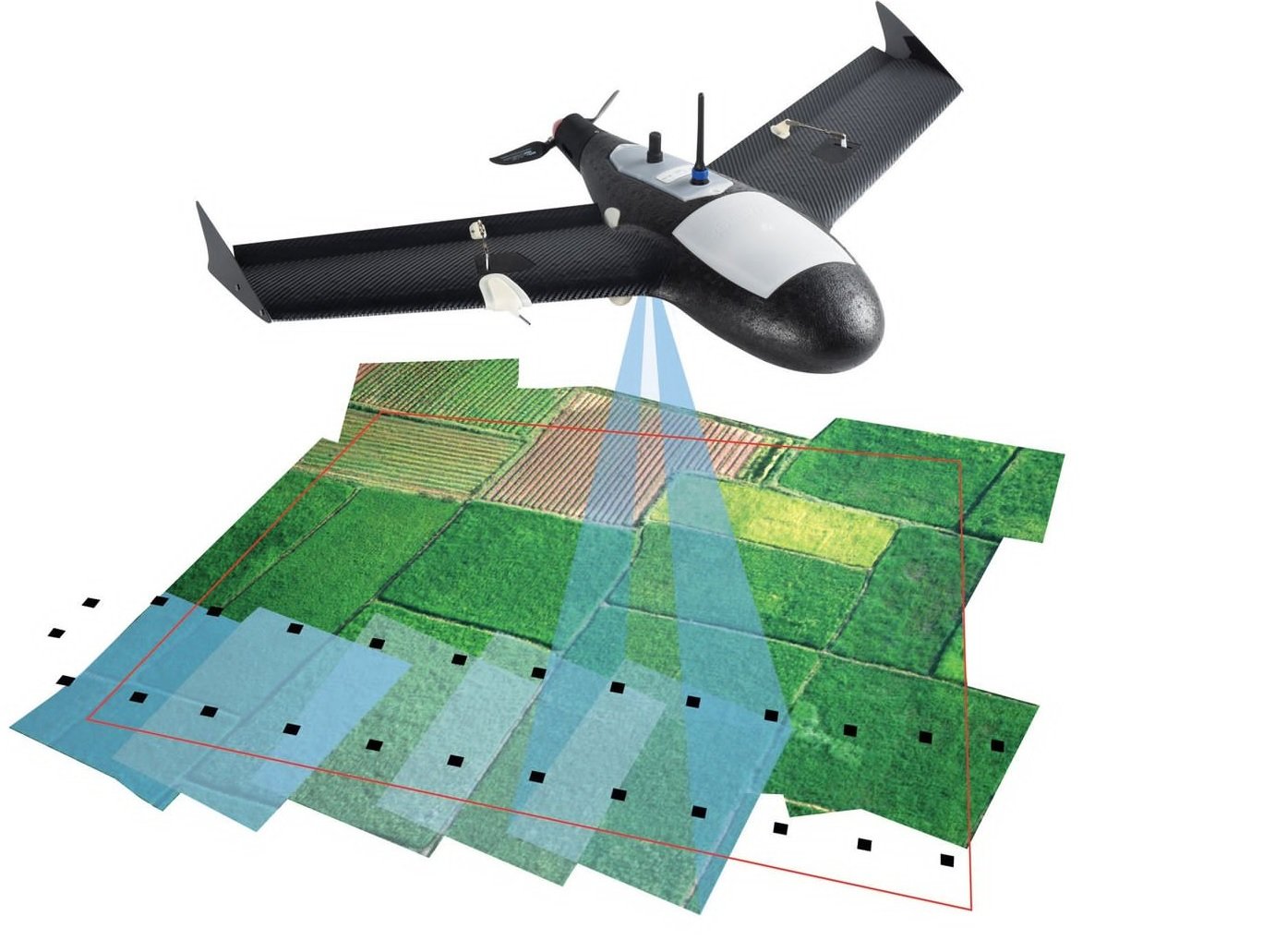
World
MOSCOW, Russia — Russian engineers have completed research and development of an autonomous navigation system for unmanned aerial vehicles (UAVs) that allows drones to determine their position using onboard cameras instead of satellite navigation or radio signals. The system was developed by Ploshchad, a resident of the Center for Unmanned Systems and Technologies (CBST), and Russian developers have already begun equipping drones with the technology, according to reporting by Izvestia published on August 17, 2026. How the Visual Navigation System Works The technology uses visual odometry, machine vision and a neural network to determine the drone's position. During flight, cameras mounted on the drone continuously observe the terrain below. The onboard neural network processes the video in real time and compares visible terrain features with a digital map stored in the drone before the flight. The reference map can be based on satellite imagery or aerial photography. By matching the terrain seen by the cameras with the stored imagery, the system calculates and continuously updates the drone's position. The approach also addresses the gradual accumulation of errors associated with conventional inertial navigation. According to the developers, continuous comparison with the terrain allows the system to correct such deviations during flight. The neural network can also identify a designated object by comparing what it sees with a predefined digital template. Why It Is Called "Martian" Navigation The approach is sometimes referred to as "Martian" technology because of its similarity to the navigation principle used by NASA's Ingenuity helicopter on Mars. Ingenuity operated without access to GPS. Its downward-facing cameras observed the Martian surface and used changes in visible terrain features to estimate movement. Communication with Earth also involved significant delays, making direct real-time control impractical. After the Ingenuity mission ended in 2024, related designs and code were made publicly available, contributing to wider interest in visual-odometry methods for terrestrial autonomous systems. The Russian system applies the same general principle to drones operating on Earth, but uses a pre-loaded digital map to match the terrain observed by the aircraft. Resistance to Electronic Warfare One of the main advantages of the system is that it does not require GPS or GLONASS signals, a radio link or continuous operator control for navigation. Military expert Yuri Lyamin told Izvestia that this makes the system resistant to electronic-warfare methods that interfere with satellite-navigation signals. Satellite navigation can be jammed or spoofed in areas where electronic warfare is active, while a navigation system based on onboard optical processing does not depend on those external signals. The system can also operate without antennas required for satellite-navigation reception or radio-based control, according to the reporting. The use of standard optical cameras is another factor highlighted by the developers. The technology does not require expensive specialized optical sensors, which can reduce the cost of adapting drones for visual navigation. Development Challenges Visual navigation is not a new concept. According to Dmitry Kuzyakin, chief designer of the Center for Integrated Unmanned Solutions, the basic approach has been known for more than a decade. The difficulty has been developing recognition algorithms capable of reliably processing terrain and objects during longer flights. Simpler optical-flow systems can track movement but have limitations in altitude and range, according to Kuzyakin. Izvestia reported that U.S. company Skydio had previously made significant progress with similar visual-odometry technology, including applications involving military drones. Russian developers now say they have demonstrated the technological capability to apply the approach to longer-range UAVs. Kuzyakin said the next important step is moving from development and demonstrated systems to mass production and delivery to operational units. Weather and Nighttime Limitations The system remains dependent on the ability of its cameras to obtain useful visual information. Its performance can decrease in dense cloud cover, heavy fog and precipitation. Night operations can also create difficulties because reduced visibility and contrast make it harder for optical systems to identify and match terrain features. These limitations mean that visual navigation does not eliminate the need to consider environmental conditions when operating autonomous drones. Potential Civilian Applications The technology is not limited to military UAVs. Optical navigation can also be used in commercial drone logistics, courier delivery and agricultural applications. These sectors can benefit from autonomous positioning systems that do not depend entirely on continuous satellite-navigation coverage. The ability to identify locations and objects through onboard cameras and machine-learning algorithms could also support autonomous operations in areas where satellite or communications signals are unavailable or unreliable. Part of Russia's Wider UAV Development The introduction of the visual-navigation system comes as Russia continues developing autonomous unmanned systems and other robotic technologies. The Russian Ministry of Defense has recently showcased various robotic complexes, drones and electronic-warfare equipment. These developments have included the AI-equipped "Skvorets-Intercessor" interceptor drone, reported to have a maximum speed of up to 350 km/h, an upgraded "Fir Tree" UAV equipped with a warhead, and new ammunition designed for Molniya-2 drones. The camera-based navigation system represents another effort to increase the autonomy of UAVs by reducing their dependence on satellite navigation, radio communications and continuous operator control. The information on the navigation system is primarily based on Izvestia's August 17, 2026 report, with the technical details provided in related Russian reporting on the development.
Read More → Posted on 2026-08-18 15:56:43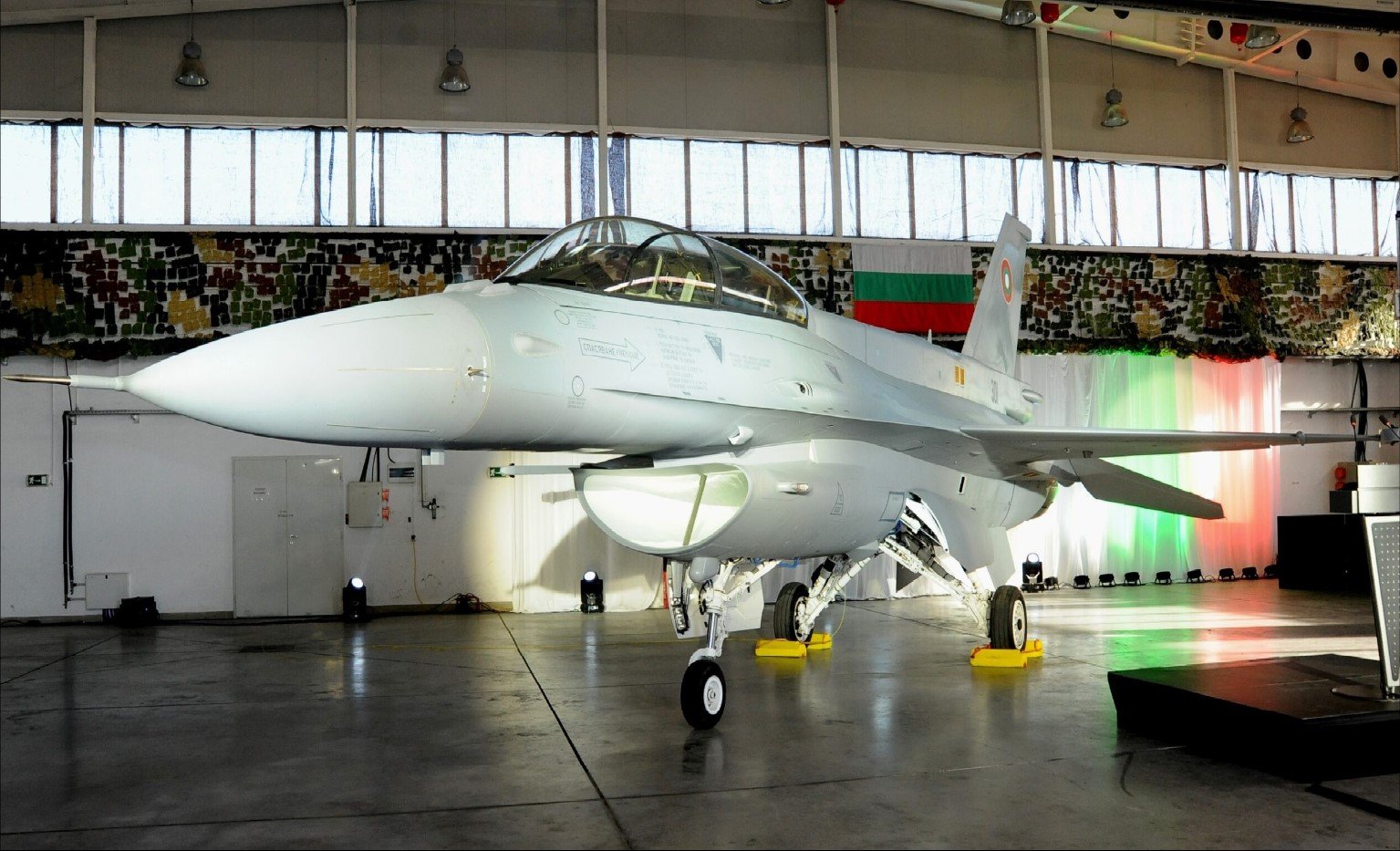
World
Sofia — Bulgaria’s second batch of eight F-16 Block 70 fighter jets is now expected to be delivered in the second quarter of 2030, about two and a half years later than the original late-2027 target. The revised timeline was discussed on August 14 during a meeting between Bulgarian Defence Minister Dimitar Stoyanov and representatives of Lockheed Martin. The company cited production difficulties at its F-16 assembly facility in Greenville, South Carolina, as the main reason for the delay. Lockheed Martin said the second-quarter 2030 date is not final and that it will take steps to accelerate production and deliver the aircraft earlier if possible. The schedule had already been revised once, with the expected delivery previously moved to around 2029. Stoyanov said Bulgaria expects the delay to be minimized and must not create any additional financial burden for the country. He also requested assurances that the final price of the second contract will not increase because of the delayed production, along with concrete measures to reduce the delay. Bulgaria ordered 16 F-16 Block 70 aircraft in two contracts. The first contract, signed in 2019, covered eight aircraft. All eight were delivered by December 2025 and formally presented at Graf Ignatievo Air Base. The second contract covers the remaining eight aircraft. The overall programme is valued at more than $2.5 billion. Bulgaria is now preparing the first eight aircraft for combat duty, with Stoyanov setting a goal of having them operational in 2027. He stressed the need for sufficient spare parts, maintenance components and support equipment, as well as more training opportunities for Bulgarian pilots at F-16 training centres. The delay has also increased Bulgaria’s need for an interim fighter capability. The country has already submitted a request to the United States for second-hand F-16s, and Stoyanov said the request has become more important because of the latest production delay. The F-16 programme is central to Bulgaria’s effort to replace its ageing Soviet-era MiG-29 fleet and improve interoperability with NATO forces. Bulgarian officials are continuing discussions with Lockheed Martin over the first batch while monitoring production of the second batch.
Read More → Posted on 2026-08-18 16:05:06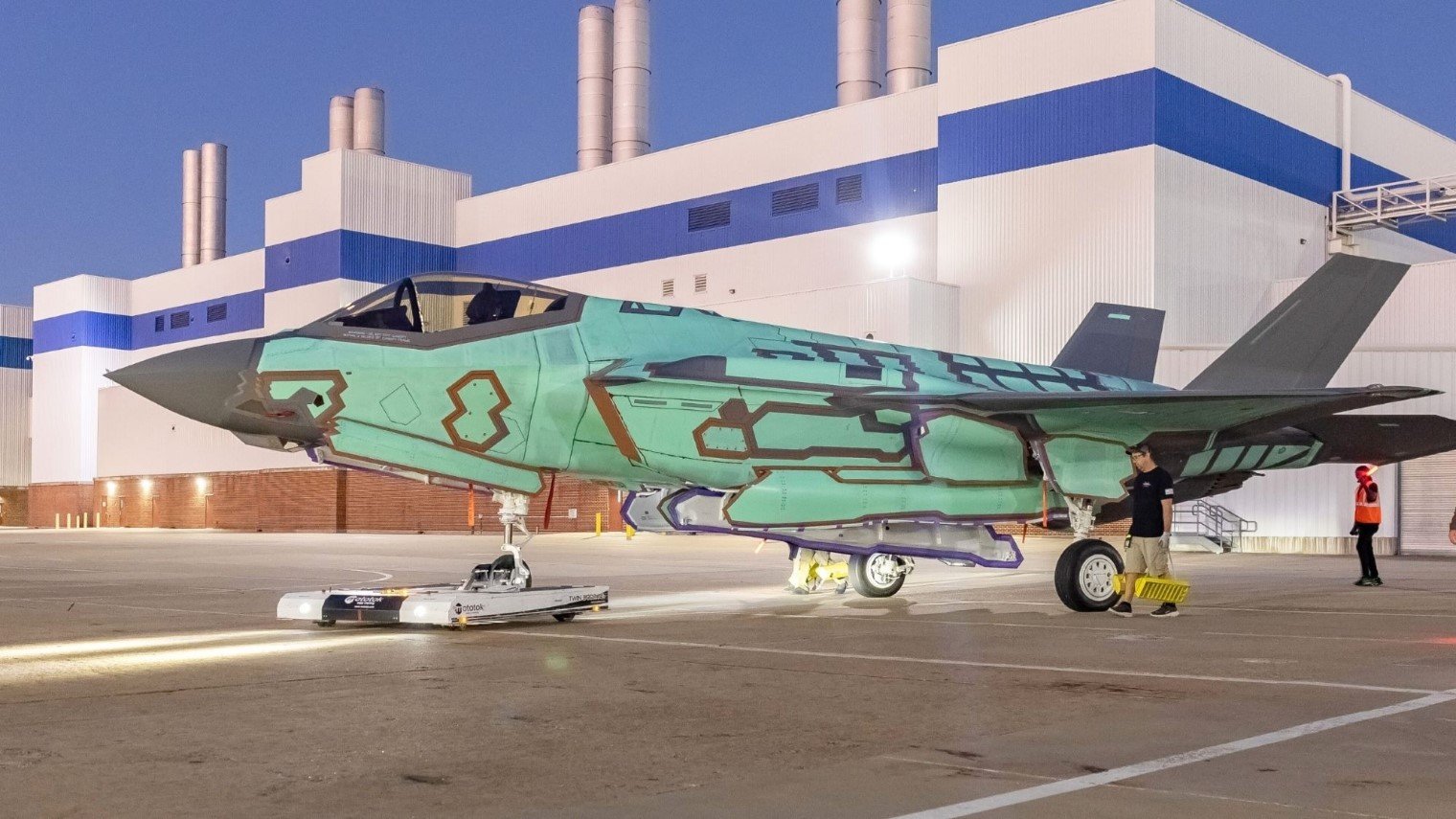
U.S
FORT WORTH, Texas — Lockheed Martin has completed the final assembly of Germany’s first F-35A Lightning II, marking another step in Germany’s plan to introduce the fifth-generation fighter into Luftwaffe service. The aircraft, designated MG-01, has moved from final assembly into the Aircraft Final Finishes stage at Lockheed Martin’s Fort Worth, Texas, facility. During this phase, the aircraft will receive its final exterior finish, including its specialized low-observable coating. The official rollout is scheduled for September 18, 2026. The Pratt & Whitney F135-PW-100 engine was installed on MG-01 in June, completing another major stage of the aircraft’s production. Lockheed Martin previously said the aircraft would receive its paint and final finishes, including its stealth coating, before first flight and the official rollout. Lockheed Martin also highlighted the milestone in a social media statement, saying: “Another milestone for Germany’s first F-35. Following final assembly, the aircraft moved to Aircraft Final Finishes, bringing it one step closer to supporting the Luftwaffe and Germany’s next generation of air power.” Eight Aircraft Form the Initial Batch Germany has ordered 35 F-35A Lightning II fighters. Seven additional German aircraft are currently moving through production at the Fort Worth facility, making MG-01 part of the first eight aircraft being produced for Germany. The first eight German F-35As are scheduled to remain in the United States initially for training. They will be delivered to Ebbing Air National Guard Base in Fort Smith, Arkansas, where German pilots and maintenance personnel will receive F-35 training. Germany has already established a dedicated F-35 training presence in the United States. The Bundeswehr says German personnel at Ebbing are involved in F-35A pilot training, while technical and logistical personnel also receive training in the United States. German personnel will train alongside personnel from other F-35 partner countries using the Arkansas training facility. Production of Germany’s F-35A Fleet Germany formally approved the purchase of 35 F-35As through the U.S. Foreign Military Sales process in December 2022. The German government signed the Letter of Acceptance for the aircraft on December 14, 2022. Production of the first German F-35 began with major assembly work at Lockheed Martin’s Marietta, Georgia, facility in December 2024 before the aircraft moved through the production process at Fort Worth. MG-01 entered final assembly in March 2026. The German Defense Ministry currently plans to receive the first F-35As at Büchel Air Base beginning in 2027, while the Tornado fleet is scheduled to be retired by 2030. The current program schedule calls for deliveries to continue through 2029, with initial operating capability planned for 2029 and full operating capability planned for 2030. Büchel Base Being Upgraded Büchel Air Base is undergoing extensive infrastructure work to prepare for the F-35A. The Bundeswehr is constructing an F-35 campus that includes facilities for aircraft maintenance, washing, hangaring, spare-parts storage and flight operations. The first groundbreaking for the F-35 infrastructure project took place on October 23, 2024, and the Bundeswehr says the campus is planned to be ready by November 2026. The infrastructure upgrades are required because Büchel was previously configured for the Panavia Tornado. The new facilities are being developed to support the F-35A and its operational and maintenance requirements. Replacing the Tornado in Germany’s NATO Role The F-35A is being introduced as the replacement for Germany’s Panavia Tornado IDS fleet. One of the major reasons for the acquisition is Germany’s continued participation in NATO’s nuclear sharing arrangement. Germany’s F-35A fleet is intended to take over the Tornado’s role in this mission. The aircraft will be configured to carry and employ U.S.-supplied B61 nuclear bombs for Germany’s NATO nuclear-sharing mission. The F-35A will also introduce fifth-generation capabilities to the Luftwaffe, including reduced radar detectability, sensor information fusion and networking with other aircraft. The Bundeswehr says these capabilities will improve the aircraft’s ability to operate within multinational NATO formations. With MG-01 now moving beyond final assembly, Germany’s first F-35A is approaching its planned rollout in September. The aircraft will then remain in the United States for the initial training phase before the first German F-35As are transferred to Büchel from 2027.
Read More → Posted on 2026-08-18 16:12:56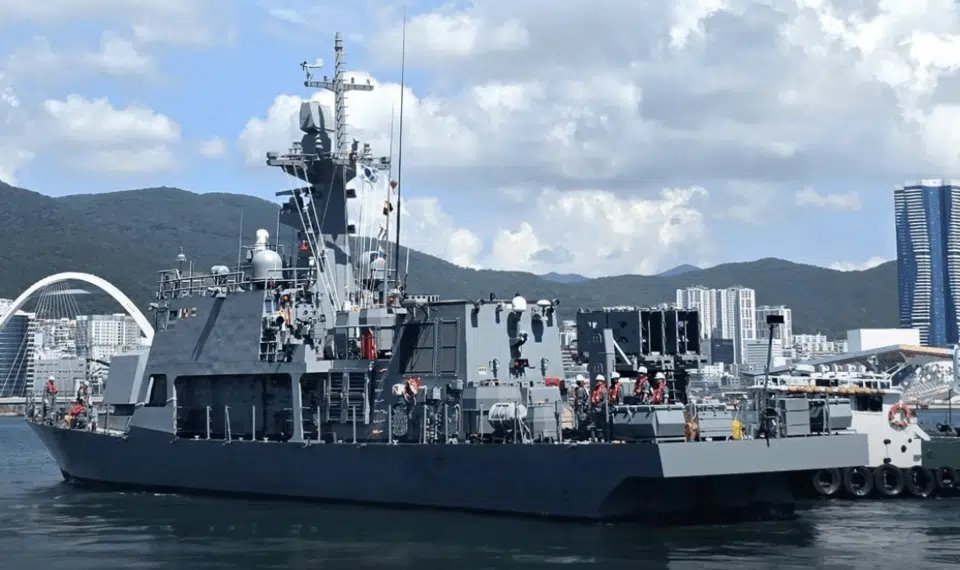
World
BUSAN, South Korea — South Korea’s Defense Acquisition Program Administration (DAPA) delivered the first PKX-B Batch-II fast patrol craft, also known as the Geomdoksuri-B or Patrol Killer Medium Rocket (PKMR), to the Republic of Korea Navy on August 14, 2026. The handover ceremony was held at HJ Shipbuilding & Construction’s Yeongdo Shipyard in Busan. The PKX-B program is designed to replace the Navy’s aging Chamsuri-class Patrol Killer Medium (PKM) boats. DAPA completed the Batch-I program between 2017 and 2022, delivering 16 vessels, while the Batch-II program began in 2022. The first four Batch-II vessels were launched together on December 8, 2025, and named Chamsuri-231, Chamsuri-232, Chamsuri-233 and Chamsuri-235. After completing sea trials, the lead vessel was handed over on August 14. The first Batch-II craft will complete the Navy’s operational deployment process before being assigned to the Northern Limit Line (NLL) area for territorial waters protection and coastal surveillance. DAPA plans to deliver the remaining three vessels from the initial group by the end of 2026, while the overall Batch-II program is planned to add up to 18 PKMR vessels. Upgrades in Batch-II Compared with Batch-I, the new vessels include several improvements based on operational experience. The control and firing functions of the 130 mm Biryong guided rocket system and 12.7 mm remote-controlled weapon system are now integrated into the ship’s combat system. The vessels also have improved anti-jamming capability for operations in electronic warfare environments. The electro-optical tracking system (EOTS) has received a major winter-operability improvement, with heater output increased from 200 watts to 600 watts. The change is intended to prevent snow, ice and freezing seawater from affecting sensor availability during winter operations. The search radar has also been modified to allow finer frequency-spacing adjustments to reduce interference between onboard systems. Other changes include a raised helm station to improve the helmsman’s forward visibility while seated and a fire damper in the ventilation duct of the 76 mm gun ammunition magazine to limit the spread of flames into the magazine during a nearby fire. Weapons and performance The PKX-B Batch-II craft measures approximately 44 meters in length and 7 meters in beam, with a displacement of about 230 tons. It uses waterjet propulsion with a combined diesel and gas (CODAG) configuration and can reach around 40 knots. The crew consists of approximately 20 to 23 personnel. Its armament includes a 76 mm Hyundai WIA naval gun, a 12-cell 130 mm Biryong guided rocket launcher, and remotely controlled 12.7 mm weapon stations. Sensors include an upgraded search radar, such as the SPS-560K, and the improved EOTS. Choi Sang-deok, head of DAPA’s Naval Ship Program Department, said the first Batch-II vessel has strong on-scene response capabilities that will help deter provocations. He also said construction and delivery of the remaining vessels will continue using proven domestic technologies to support coastal defense along the NLL. The PKX-B fleet will operate alongside the Yoon Young-ha-class PKX-A/PKG vessels and existing Batch-I PKMRs as South Korea continues to modernize its coastal patrol forces.
Read More → Posted on 2026-08-19 11:00:59
Space & Technology
BEIJING, China — China’s private aerospace company LandSpace successfully launched its Zhuque-3 Y2 rocket and recovered its first-stage booster on land on Wednesday, marking China’s first successful land-based recovery of an orbital-class rocket booster using deployable landing legs. The 66.1-meter-tall rocket lifted off at 7:35 a.m. Beijing Time from the Dongfeng Commercial Space Innovation Pilot Zone in northwest China, part of the Jiuquan Satellite Launch Center. About 137 seconds after liftoff, the first and second stages separated. The second stage successfully placed the Honghu-03 commercial internet satellite, developed by LandSpace affiliate Hongqing Technology, into its designated orbit. The first stage then carried out its planned return sequence, including high-altitude attitude adjustment, powered deceleration during re-entry, aerodynamic glide control using grid fins, a final landing burn and deployment of landing legs. The booster traveled about 390 kilometers downrange before making a vertical landing at the designated Zhuque-3 recovery site in Minqin County, Gansu Province, at around 7:41–7:43 a.m. Beijing Time. LandSpace confirmed the launch and recovery mission was a complete success. The achievement also marks the first time a Chinese launch vehicle has completed this type of vertical landing after an orbital mission. pic.twitter.com/ws1OLj1TpJ — Mao Ning 毛宁 (@SpoxCHN_MaoNing) August 19, 2026 Reusable Rocket Design Zhuque-3 is a two-stage, stainless-steel rocket with a diameter of about 4.5 meters. It uses liquid oxygen and methane propellants, while its first stage is powered by nine Tianque-12A engines. The rocket is designed for low-cost, high-frequency commercial launches, with the first stage intended to be reused up to around 20 times. LandSpace has indicated that it plans to inspect and potentially reuse a recovered booster within about six months. Second Zhuque-3 Flight The mission was the second flight of Zhuque-3. During its December 2025 maiden flight, the rocket successfully reached orbit, but the first-stage recovery attempt ended with an anomaly during the final landing burn. For the Y2 mission, engineers applied improvements based on the earlier flight, including refinements to the landing propulsion approach and enhancements to the onboard autonomous flight safety system. The successful recovery provides flight-verified data on the booster’s complete return process, from high-speed flight and re-entry to controlled landing. China’s Two Booster Recovery Methods The Zhuque-3 recovery follows the July 10, 2026 sea-based recovery of a Long March-10B first stage by state-owned China Aerospace Science and Technology Corporation (CASC), which used a net-capture system on a recovery vessel. China has now demonstrated controlled recovery of orbital rocket stages through both sea-based net capture and land-based vertical landing methods. LandSpace is also in the inquiry phase for an IPO on the Shanghai Stock Exchange’s STAR Market, aiming to raise 7.5 billion yuan with a profitability target for 2029. The Zhuque-3 mission moves LandSpace closer to its planned reusable commercial launch operations and supports China’s broader development of reusable launch technology aimed at reducing satellite launch costs and enabling more frequent launches.
Read More → Posted on 2026-08-19 11:12:51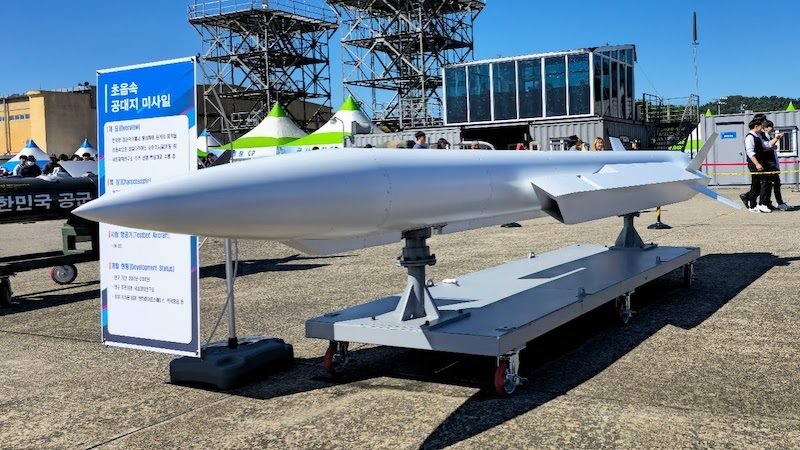
World
SEOUL, South Korea — South Korea has approved two major defense programs aimed at improving its naval strike and armored warfare capabilities: the domestically developed Ship-to-Ship Missile-II (SSM-II) and a large-scale performance improvement program for the K2 main battle tank. The Defense Acquisition Program Administration (DAPA) approved the basic program strategies for both projects during the 177th Defense Acquisition Program Promotion Committee meeting held on August 11 at the Ministry of National Defense in Seoul. SSM-II to Provide Longer-Range Anti-Ship Capability The SSM-II program is intended to develop a new domestic anti-ship missile with greater range and improved target detection and tracking compared with the Republic of Korea Navy’s existing SSM-700K Haeseong-I. The current Haeseong-I has a range of about 150 kilometers, while the SSM-II is planned to have roughly twice the range. DAPA said the new missile is being developed to provide improved long-range precision strike capability against surface targets. The program will be carried out through domestic research and development, with the Agency for Defense Development (ADD) leading the system development work. A total of approximately 1.63 trillion won is planned for development and production from 2028 through 2039. System development is planned from 2028 to 2033, followed by mass production from 2034. The development period will include integration with naval combat systems as well as testing and evaluation. The missile is planned to use a turbofan engine instead of the turbojet engine used on the existing Haeseong-I. It will also incorporate a stealth-shaped design. The supplied program details also identify network-enabled engagement capabilities, including the Link-K datalink, as part of the missile's planned capabilities. The SSM-II is expected to be deployed on South Korea's next-generation KDDX destroyers. DAPA has also indicated that the missile could eventually be offered together with South Korean-built warships as part of future export packages. The program is also referred to as the Haeseong-II project in some reporting. Its development is intended to provide South Korea with a longer-range domestic anti-ship weapon while improving detection and tracking performance. K2 Tank Upgrade Program DAPA also approved the performance improvement program for South Korea's K2 main battle tanks. The program is planned to run from 2028 through 2046, with approximately 3.448 trillion won allocated to the project. System development is scheduled to be completed by 2032, with upgraded tanks expected to begin entering service sequentially from 2033. The modernization will add an active protection system (APS) designed to detect and intercept incoming threats. The upgraded K2s will also receive jammers for drones and improvised explosive devices (IEDs) and a remote-controlled weapon station (RCWS). The changes are intended to improve the K2's ability to respond to threats such as anti-tank weapons and drones. Two Long-Term Defense Programs The SSM-II and K2 modernization programs will be developed over different timelines but both are based on domestic development and upgrades to existing South Korean military capabilities. The SSM-II will focus on extending the range and improving the detection and tracking capabilities of South Korea's ship-to-ship missile force, while the K2 program will add systems intended to improve the tank's protection and response against newer battlefield threats. Further technical specifications for the SSM-II are expected to become available as the formal development phase begins in 2028.
Read More → Posted on 2026-08-19 11:26:23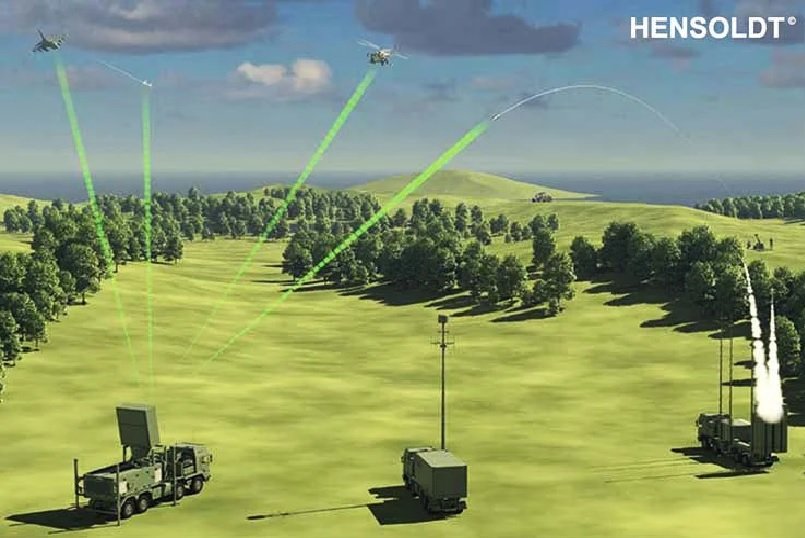
Europe
Ulm, Germany — Rheinmetall Air Defence and HENSOLDT have successfully demonstrated the integration of HENSOLDT’s Twinvis passive radar with Rheinmetall’s Skymaster command and weapon engagement system during the German Air Force’s Timber Express 2026 exercise. During the exercise, the air picture generated by Twinvis was connected to Skymaster, which then used the data to direct a deployed Skynex air defence battery against exercise targets. The demonstration was conducted under realistic NATO networking conditions. Sensor data from the systems was fused and correlated through NATO’s Link 16 network to create a common air picture. HENSOLDT reported that Twinvis successfully detected and tracked airborne targets during the exercise. Passive Radar and EMCON Twinvis is a passive radar system that uses existing signals from radio and television transmitters rather than transmitting its own radar signals. This allows it to detect and track airborne targets without producing a distinctive active radar emission. The passive approach supports emissions-control (EMCON) operations and can provide an additional sensor source for distributed air defence networks. Twinvis is designed for wide-area military airspace surveillance and can also be used for civil air traffic control applications. Sensor Fusion Through Skymaster The exercise demonstrated Skymaster’s ability to combine information from different sensors. The system merged data from active radars, passive sensors and electro-optical systems into a single air picture. Rheinmetall and HENSOLDT said this sensor fusion improves situational awareness and supports the surveillance and protection of high-value infrastructure, critical facilities and mobile military units. Passive sensors can also extend existing air defence architectures by providing additional tracking information without active radar emissions. Future Air Defence Applications The companies said the results provide a basis for integrating passive sensor technology into different future air defence configurations. The same networked approach could be applied to stationary Skynex systems, mobile Skyranger solutions and counter-UAS configurations such as Skyspotter. The demonstration involved German Air Force organisations, the Timber Express exercise management team and specialist teams from Rheinmetall Air Defence and HENSOLDT. The companies said the NATO-compatible integration showed that distributed active and passive sensors can be combined within modern air defence networks while maintaining an open architecture for future systems. Timber Express is an annual German Air Force exercise focused on testing real-time tactical data exchange between participating units and weapon systems. The 2026 exercise also included live-virtual-constructive elements, with synthetic aircraft and threats integrated into the training environment alongside real participants. HENSOLDT has also worked on civil applications of Twinvis, including studies with Germany’s air navigation service provider DFS for possible certification for air traffic control use. The system uses digital receiver technology and algorithms to process signals from multiple transmitters simultaneously and generate real-time tracks. The successful Timber Express 2026 demonstration provides a basis for combining Twinvis passive radar data with existing command-and-control and air defence systems in a networked architecture.
Read More → Posted on 2026-08-19 11:45:27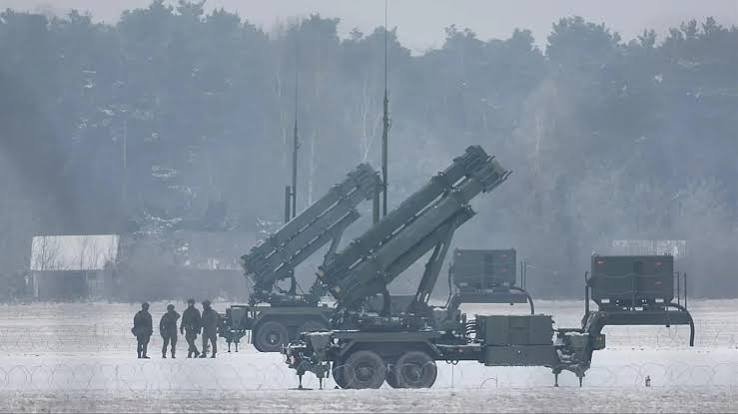
Europe
WARSAW, Poland — Poland’s Ministry of National Defence said on Wednesday, August 19, that the Polish Armed Forces maintain air and missile defence capabilities to protect designated targets, including cities, following public criticism that Polish urban areas lack adequate protection. The ministry said Poland does not permanently deploy missile batteries around every major city. Instead, its air-defence system is integrated, with assets deployed and used according to the current situation, threat assessment and defence priorities. Air-defence operations are currently particularly intensive in eastern and central Poland, involving several Polish systems and allied forces. Protection can cover key administrative and economic centres, critical infrastructure and concentrations of Polish armed forces. The military can also increase readiness levels or reposition assets depending on the nature and severity of a threat. Current deployment locations, readiness levels and operational plans were not disclosed. Patriot and Narew systems Poland’s main medium-range air-defence capability is provided through the Wisła programme, which uses the U.S.-made Patriot system integrated with NATO’s Integrated Battle Command System (IBCS). The first Patriot battery, operated by the 37th Air Defense Missile Squadron of the 3rd Warsaw Air Defense Missile Brigade in Sochaczew, achieved initial operational capability in December 2024 and full operational capability in December 2025. Poland plans to field eight Patriot batteries under the Wisła programme, with further deliveries scheduled between 2026 and 2029. The shorter-range Narew system provides another layer of defence against drones, aircraft, helicopters and other low-altitude threats around military bases, troop concentrations and critical sites. Interim Mała Narew units using CAMM missiles are already in service, while the full Narew configuration using CAMM-ER missiles, with a stated range of up to about 45 kilometres and planned IBCS integration, is expected to expand to 23 batteries. Poland’s layered network also includes very-short-range systems such as Pilica+. Dispute over Patriot missiles sent to Ukraine The ministry’s statement follows weeks of political debate over Poland’s transfer of Patriot interceptor missiles to Ukraine. On 7 July 2026, Poland published a full list of military donations to Ukraine since 2022, confirming the Patriot transfer for the first time. Prime Minister Donald Tusk later said that five PAC-3 missiles were transferred to Ukraine in spring 2026 as part of a broader effort coordinated with NATO and the United States. Former Defence Minister Mariusz Błaszczak accused the government of putting Polish skies, cities and families at risk by transferring missiles that Poland could need for its own defence. Deputy Defence Minister Cezary Tomczyk rejected the criticism, arguing that intercepting threats over Ukraine can also contribute to Poland’s security because threats approaching Poland from the east would typically first pass through Ukrainian airspace. Poland has distinguished the transfer of individual interceptor missiles from the relocation of complete Patriot batteries. In March 2026, Defence Minister Władysław Kosiniak-Kamysz rejected a U.S. request to redeploy a Polish Patriot battery and PAC-3 missiles in connection with operations related to the conflict involving the United States, Israel and Iran. He said Poland’s Patriot batteries are intended to protect Polish skies and NATO’s eastern flank. The Defence Ministry’s latest statement did not identify the sources of the criticism or disclose the current positions and readiness of individual air-defence units, but reaffirmed that Poland can adjust its air-defence deployment according to the threat and the country’s defence priorities.
Read More → Posted on 2026-08-19 12:18:16
World
LONDON — British Prime Minister Andy Burnham has reaffirmed the United Kingdom’s full support for Ukraine after Russia warned of consequences over reports that British-made drones have been used in Ukrainian long-range strikes against targets inside Russia. Speaking to reporters during a visit to Wolverhampton bus station, Burnham said the UK would continue to support Ukraine “100%” and would remain committed to helping Kyiv defend itself against Russia’s invasion. “We are not fair-weather friends. We will be there in Ukraine’s hour of need, and that won’t change,” Burnham said. The Russian Embassy in London issued its warning after reports that drones produced by two British companies had been used in Ukrainian strikes over the past six months. The reported targets included oil refineries and logistics facilities in Russia. One of the drones was identified as the Nyan, a jet-powered system developed by Callen-Lenz, a subsidiary of BAE Systems. The system has a reported range of more than 150 miles and has been tested by the Royal Navy. The manufacturer of the second drone was not identified for security reasons; it reportedly has a range of more than 600 miles and is launched by catapult. Russia accused London of deliberately increasing its involvement in the conflict and warned that deeper British support for Ukraine would bring consequences. Russian Foreign Minister Sergei Lavrov separately said Moscow could regard direct British involvement in strikes on Russian territory as participation in the war. The UK Ministry of Defence has not confirmed that British-made drones were used in the specific reported strikes. However, the ministry said Britain remained committed to providing Ukraine with equipment needed for its defence and that Russia should have no doubt about the UK government’s position against Russian aggression. Britain has also committed to providing Ukraine with 150,000 drones by the end of 2026 as part of a £752 million funding package. The UK government said the package also includes more than 350 air-defence missiles and radars. The latest exchange adds to growing tensions between London and Moscow over Britain’s military support for Ukraine, while Burnham’s statement indicates that the UK intends to maintain its existing policy of supporting Kyiv.
Read More → Posted on 2026-08-19 13:04:00
U.S
WASHINGTON — Raytheon’s SPY-6(V)3 radar has completed acceptance trials aboard the future USS John F. Kennedy (CVN 79), the U.S. Navy’s second Gerald R. Ford-class nuclear-powered aircraft carrier. The milestone follows a four-day underway evaluation off the Atlantic Coast from August 12 to 15. The successful trials move the 100,000-ton carrier closer to preliminary acceptance and allow the Navy to begin further underway testing of its combat and aviation systems. SPY-6(V)3 Radar Capabilities The SPY-6(V)3, also known as the fixed variant of the Enterprise Air Surveillance Radar (EASR), provides continuous 360-degree situational awareness. It supports aircraft carrier flight-deck operations and air traffic control while also providing ship self-defense against cruise missiles, hostile aircraft, anti-surface and anti-ship threats, and challenging electronic warfare environments. The radar uses three fixed array faces, each containing nine standardized Radar Modular Assemblies (RMAs). According to Raytheon, this architecture provides greater detection range, higher sensitivity and more accurate target discrimination than legacy radar systems. It also provides targeting data for Navy weapons, including Standard Missile variants. The wider SPY-6 family is designed to simultaneously track and support defense against ballistic missiles, hypersonic missiles, cruise missiles, hostile aircraft and surface threats. First Ford-Class Carrier With SPY-6(V)3 John F. Kennedy is the first Ford-class carrier to receive the SPY-6(V)3. Unlike lead ship USS Gerald R. Ford (CVN 78), which uses the SPY-3 and SPY-4 Dual Band Radar arrangement, CVN 79 combines the S-band SPY-6(V)3 with the X-band AN/SPQ-9B surface-search radar. The SPY-6 family uses common hardware and software based on standardized RMAs. Raytheon says this modular design allows different variants to be used across seven classes of Navy ships while simplifying maintenance and future upgrades. The Navy is integrating SPY-6 variants on Arleigh Burke-class Flight III destroyers, Constellation-class frigates, aircraft carriers and amphibious warships. Variants are also being backfitted onto existing Flight IIA destroyers and some legacy aircraft carriers. The SPY-6(V)1 is used on Flight III destroyers, the rotating SPY-6(V)2 on amphibious ships and Nimitz-class carriers, the fixed SPY-6(V)3 on Ford-class carriers and frigates, and the SPY-6(V)4 is intended for Flight IIA destroyer upgrades. The SPY-6 family is expected to equip more than 50 U.S. Navy ships over the next decade. CVN 79 Moves Toward Delivery Acceptance trials are crew-led evaluations intended to demonstrate to the Navy’s Board of Inspection and Survey that a ship meets contract specifications and can safely operate at sea. Capt. Mark Johnson, Program Manager for Aircraft Carrier New Construction, praised the CVN 79 crew following the recent testing. With acceptance trials complete, the carrier will move toward preliminary acceptance. This phase will allow the crew to build operational proficiency and conduct further evaluations while prime contractor Huntington Ingalls Industries (HII) completes the remaining advanced weapons elevators. CVN 79 completed its builder’s sea trials in February 2026 and is currently about 98 percent complete. The carrier is also being built to support full F-35C Lightning II operations upon commissioning. Final delivery of USS John F. Kennedy to the U.S. Navy is scheduled for spring 2027.
Read More → Posted on 2026-08-19 13:19:08
U.S
The USS Abraham Lincoln (CVN-72), a Nimitz-class aircraft carrier carrying about 5,000 sailors and Marines, has been deployed for more than 260 days after leaving Naval Base San Diego on November 21, 2025. The carrier was later redirected to the Middle East to support U.S. military operations against Iran. It has spent more than 200 consecutive days at sea without a port visit, setting a modern record for the Navy. Reports from Navy Times, Stars and Stripes, MS NOW and crew families have raised concerns about shortages of food and basic hygiene supplies, including soap and toothpaste, along with water and plumbing problems, limited mail delivery and mental-health concerns. Some reports described sailors attempting or threatening to go overboard. The Navy has said it has not seen an increase in suicidal ideation or attempts and confirmed that one sailor went overboard in early August, was recovered, treated and transferred off the ship. The Navy has also said the carrier has clean water, functioning air conditioning and healthy meals. Officials said meal plans were adjusted when fresh resupply was limited, but no meals were missed. Bahrain Attack Disrupted Supply Routes The supply difficulties have been linked to Iranian missile and drone attacks on Naval Support Activity Bahrain, a key logistics hub for the U.S. Navy's 5th Fleet. The base suffered significant damage to command facilities, warehouses and other structures, disrupting established regional supply operations. The Navy subsequently shifted logistics to Naval Support Facility Diego Garcia in the Indian Ocean. The longer supply route has made resupply more difficult for carrier forces operating around the Gulf of Oman and Arabian Sea. The Navy has described the situation as a "highly contested environment" in which traditional Middle Eastern supply hubs were disrupted by combat actions, with food prioritized ahead of hygiene supplies and mail. Dispute Over Hegseth's Handling of the Damage MS NOW journalist David Rohde has argued that Defense Secretary Pete Hegseth did not fully disclose the extent of the Bahrain damage in public briefings, contributing to inadequate alternative supply arrangements. However, claims that Hegseth deliberately concealed the damage have not been established by documented evidence of a cover-up. Hegseth has rejected reports about deteriorating conditions aboard the Lincoln, calling them "completely misrepresented." He has defended the Navy's support for the crew and said he wants sailors rotated and the carrier brought home as soon as possible. President Donald Trump has also dismissed some concerns, saying the deployment was "not nearly long enough" and indicating that the ship would soon be relieved. Lawmakers Demand Answers Senator Richard Blumenthal and other Democratic lawmakers have called for answers about the deployment extension, supply shortages, water and plumbing problems, mental-health support, deck safety and mail disruptions. Families of Lincoln crew members have also raised concerns directly with Navy leaders. The situation has also prompted criticism from former Defense Secretary Leon Panetta, who described the reported conditions as inexcusable. USS George Washington to Relieve Lincoln The U.S. Navy is moving the USS George Washington from the western Pacific toward the Middle East to relieve the Lincoln as part of a planned carrier rotation. The George Washington recently operated in the western Pacific and visited Vietnam before beginning its movement toward the region. Officials have limited details about the exact timeline for operational-security reasons. The Lincoln has continued combat operations during its extended deployment, including operations involving a blockade of Iranian ports in the Strait of Hormuz. Its carrier strike group has conducted thousands of aircraft flights and expended significant quantities of ordnance. The extended deployment has highlighted the logistical and personnel demands of sustaining carrier operations when a major regional supply hub is disrupted. The Navy is now preparing for the Lincoln's relief while congressional inquiries into the crew's conditions and deployment continue.
Read More → Posted on 2026-08-19 13:37:33
U.S
WASHINGTON — The U.S. Navy’s Rapid Capability Office, the Defense Innovation Unit (DIU) and PAE Aviation are investing $50 million to expand unmanned, runway-independent maritime strike capabilities centered on Shield AI’s X-BAT aircraft. The funding was announced in mid-August 2026. The investment comes under the Runway Independent Maritime Expeditionary Strike (RIMES) program, launched by the Navy and DIU in February 2026. RIMES aims to develop a long-range strike drone that can operate from surface combatants without the flight decks, catapults or arrested-landing systems required by conventional fixed-wing aircraft. The Navy’s roughly 74 to 75 active Arleigh Burke-class destroyers can operate helicopters but cannot launch or recover conventional fixed-wing strike aircraft. RIMES is intended to close this gap by enabling vertical takeoff and landing operations from ships with limited deck space. The $50 million award builds on earlier risk-reduction work by the PAE Aviation Rapid Capability Cell and Shield AI. The award uses the Middle Tier of Acquisition Rapid Prototype approach and an Other Transaction Authority (OTA) contract. X-BAT Capabilities Shield AI first unveiled X-BAT in October 2025. It is a jet-powered, vertical takeoff and landing (VTOL) uncrewed aircraft designed for air-to-air and air-to-surface strikes, electronic warfare, and intelligence, surveillance and reconnaissance (ISR) missions. The aircraft has a 39-foot (11.9-meter) wingspan, a range exceeding 2,000 nautical miles (about 3,700 kilometers) with a full mission payload, and a service ceiling above 50,000 feet (15,240 meters). X-BAT will initially use GE Aerospace’s F110-GE-129 engine fitted with an Axisymmetric Vectoring Exhaust Nozzle (AVEN). In July 2026, Shield AI and GE Aerospace completed integration and engine light-off testing of the system, supporting development of the aircraft’s vertical-flight capability. Shield AI says X-BAT can carry weapons in the 2,000-pound class in internal bays comparable in size to those on the F-35, along with external hardpoints. The aircraft is also designed to generate about 80 kilowatts of electrical power for sensors and electronic warfare systems. X-BAT uses Shield AI’s Hivemind autonomy software, which is designed to allow autonomous operations in environments where GPS and communications are denied, degraded or jammed, without requiring direct human input to execute complex missions. Building on V-BAT Experience X-BAT builds on technology developed for Shield AI’s smaller V-BAT unmanned aircraft, which is already supplied to the U.S. Navy, Marine Corps and allied services. The V-BAT has flown more than 170 sorties in Ukraine and currently supports a nearly $200 million U.S. Coast Guard contract for contractor-owned ISR services. X-BAT is also at least the second long-range VTOL concept to receive Navy support under RIMES. In June 2026, the program awarded a contract of undisclosed value to a Mach Industries and Whisper Aero team for the smaller Atlas aircraft, described as a roughly 6,000-pound platform with a 1,000-pound payload and hybrid-electric propulsion. Development Timeline Shield AI is targeting the first flight of X-BAT for later in 2026 and has projected full manufacturing and production capabilities by 2029. The Navy has not disclosed how many X-BAT aircraft it may ultimately procure or provided a specific timeline for deployment aboard destroyers. The $50 million investment is intended to accelerate development of an unmanned maritime strike capability that can operate without conventional runways.
Read More → Posted on 2026-08-19 13:58:56
U.S
SPRINGFIELD, Ohio — The U.S. Air Force has completed its first round of prototype evaluations for the Portable Command and Control Enclave (C2E), a portable system designed to allow ground operators to control Collaborative Combat Aircraft (CCA) from remote and austere locations. The evaluations were conducted at Springfield Air National Guard Base and hosted by the Ohio Air National Guard’s 178th Wing. The Air Force Life Cycle Management Center’s Agile Development Office said the tests are an early step toward selecting a vendor to integrate the final C2E system. The results were announced on Aug. 13. Prototype Testing Multiple industry vendors brought prototypes for evaluation. The Air Force assessed the systems in two main areas: mobility and footprint, followed by software and connectivity. Evaluators first examined how easily the equipment could be transported and deployed in simulated austere conditions. Vendors then demonstrated software flexibility, agility and network connectivity under operational conditions. The 178th Wing provided facilities, personnel and logistical support for the tests. “The 178th Wing’s foundational support was key to the success of this phase, allowing our evaluators and industry partners to focus entirely on technical performance,” said Lt. Col. Gregory Bieler, Materiel Leader for CCA Software, Autonomy and Teaming. Ground Control for CCA CCA aircraft are semi-autonomous drones being developed to operate alongside crewed fighters and increase combat capacity at a lower cost than manned aircraft. They are expected to receive direction from human pilots, while control can also be provided from platforms such as the E-7 Wedgetail. The C2E program is focused specifically on ground-based control from rapidly deployable locations. Col. Timothy Helfrich, the Air Force’s portfolio acquisition executive for fighters and advanced aircraft, first publicly discussed the system in June. A service spokesperson described C2E as an application suite operating across different networks that allows the appropriate operator, with the required permissions, to operate a CCA. It is separate from the software used by pilots in the cockpit. For the first CCA increment, the Air Force selected Anduril Industries and General Atomics Aeronautical Systems, which are developing the FQ-44 and FQ-42, respectively. The first increment is planned to enter service by 2029 and will focus on air-to-air missions. Later versions may support air-to-ground strikes, reconnaissance and electronic warfare. The Air Force did not identify the companies that participated in the Springfield C2E evaluations. Separately, Anduril has demonstrated its Menace-T portable ground system using two portable cases and a rugged laptop. The company has shown it being used to upload mission plans, initiate autonomous taxiing and takeoff, task the aircraft during flight and handle post-flight data. Next Phase Data from the Ohio evaluations will help shape the Air Force’s acquisition strategy. A second C2E prototype phase is planned soon, with vendors expected to refine their systems and demonstrate cloud capabilities. After a final system integrator is selected, the equipment is expected to be provided to the Experimental Operations Unit, which is already testing CCAs. The system will support Agile Combat Employment operations before being integrated with production CCA aircraft. “Getting prototypes into the hands of our operational and acquisitions warfighters for a swift, combined evaluation is a direct embodiment of acquisition transformation,” said Col. Eric Reagan, director of the Agile Development Office. “This partnership allows us to accelerate the fielding of the best-value capabilities to the Department of War.” The first evaluation phase gives the Air Force test data for the next stage of the C2E program as it works toward a portable ground-control system for its future CCA fleet.
Read More → Posted on 2026-08-19 14:08:43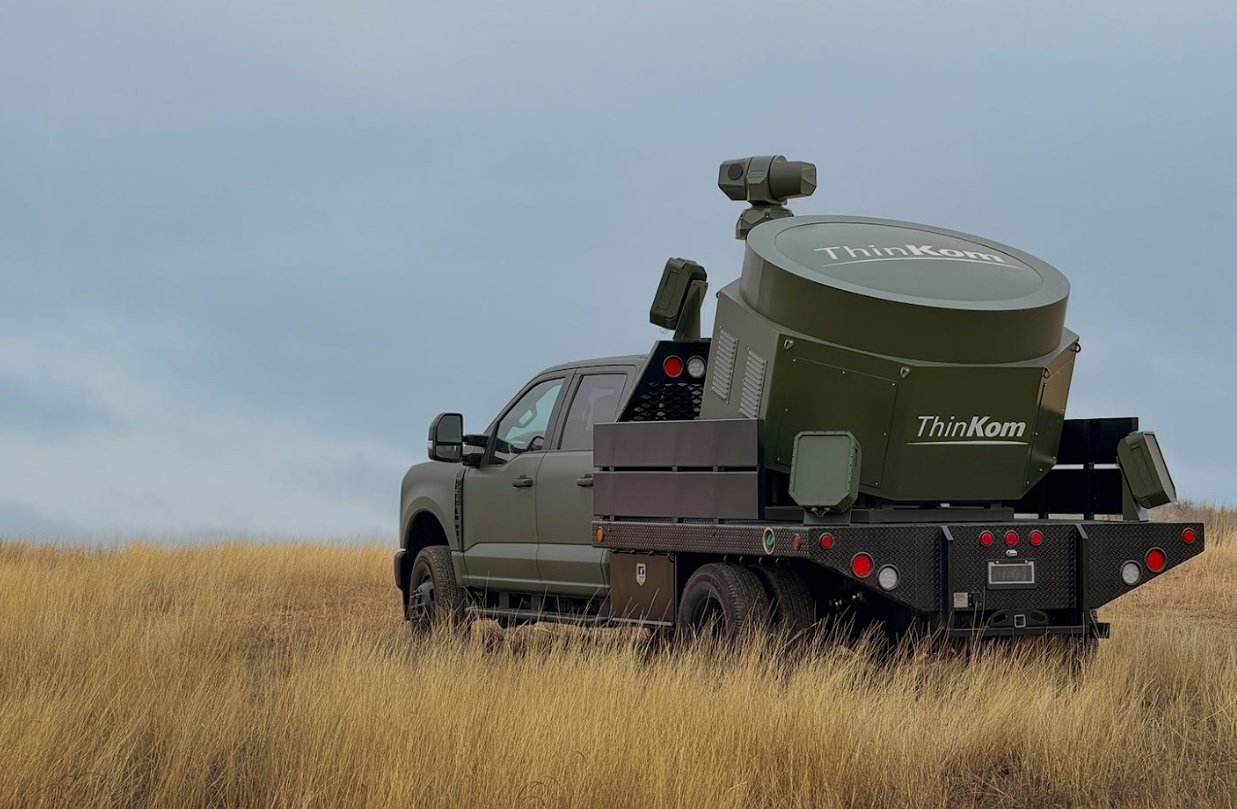
U.S
HAWTHORNE, Calif. — The U.S. Army has awarded ThinKom Solutions Inc. an Other Transaction Authority (OTA) prototype agreement with a ceiling of $49 million to deliver and evaluate a mobile high-power microwave (HPM) system designed to counter unmanned aircraft systems (UAS). The agreement was issued through the Portfolio Acquisition Executive (PAE) Fires’ Program Manager for Advanced Counter-Unmanned Aircraft System Effects (PM ACE). Initial funding covers the first of four requested prototypes of ThinKom’s Alecto™ HPM effector, with field testing planned for 2027. Under the agreement, ThinKom will integrate Alecto with government-supplied sensors, fire-control systems and a mobile tactical platform. The Army will evaluate the system as a non-kinetic directed-energy option for maneuvering forces, particularly against coordinated drone swarms. Alecto Counter-UAS System ThinKom first announced Alecto on April 30, 2026, as a self-funded mobile HPM system. The company entered the HPM directed-energy market in August 2025. Alecto uses short, high-power radio-frequency (RF) pulses to disrupt or disable the electronics of targeted drones. It is designed for fire-on-the-move operations against Group 1 and Group 2 UAS. The system combines ThinKom’s patented Variable Inclination Continuous Transverse Stub (VICTS) phased-array antenna with vacuum electronics. ThinKom says the combination produces peak power densities orders of magnitude higher than gallium-nitride-based active electronically scanned arrays. The company says Alecto's compact, low-profile design reduces size, weight and power (SWaP) requirements compared with traditional HPM systems. It is intended for smaller platforms including the Infantry Squad Vehicle (ISV) and unmanned ground vehicles (UGVs). ThinKom also lists horizon-to-horizon coverage, high precision with low sidelobes, a tablet interface, compatibility with key command-and-control networks, and compliance with U.S. military HERO, HERP and HERF electromagnetic radiation safety standards among the system's features. Previous Army Demonstration In March 2026, a ThinKom HPM system was demonstrated during the U.S. Army's Cross Domain Fires Concept Focused Warfighting Experiment. Mounted on a pickup truck and cued by Echodyne's EchoShield radar, it participated in sensor-to-shooter and counter-drone evaluations at Fort Sill, Yuma Proving Ground and White Sands Missile Range. ThinKom originally developed the VICTS antenna technology for satellite communications and says it has demonstrated the technology's ability to handle gigawatt-level power. Prototype Testing The first prototype will undergo government-led integration, testing and evaluation, with results from the 2027 field tests expected to inform future Army procurement decisions for directed-energy capabilities. The OTA agreement is strictly for prototyping and evaluation. It does not represent a final production decision or commit the Army to procure a specific number of systems. PAE Fires, headquartered at Redstone Arsenal, Alabama, manages the Army's integrated portfolio of offensive, defensive and integrated fires capabilities. Dan Roman, ThinKom's vice president for electronic warfare and high-power microwave programs, said Alecto is intended to provide soldiers with a high-capacity, low-cost-per-engagement counter-UAS option capable of operating while moving against Group 1 and Group 2 drone threats.
Read More → Posted on 2026-08-19 14:25:24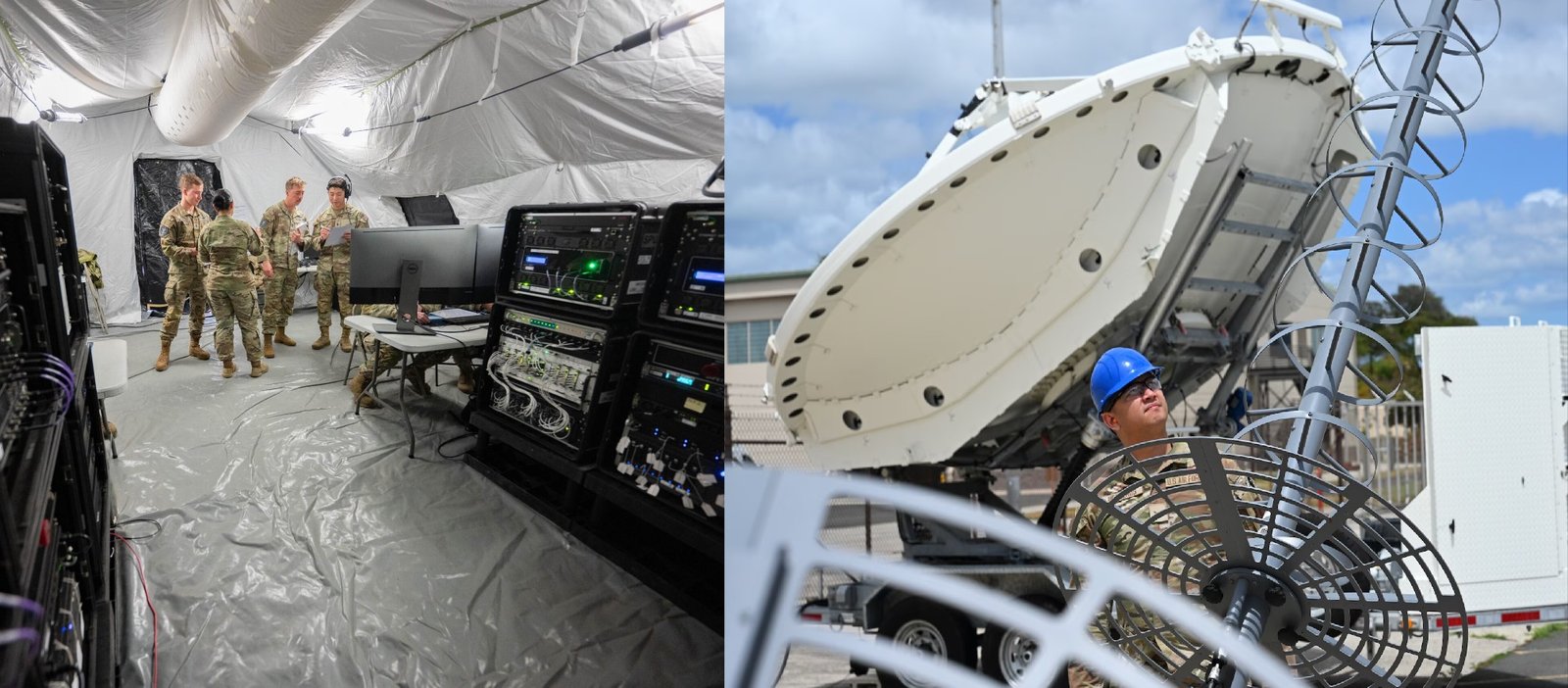
U.S
COLORADO SPRINGS, Colo. — The U.S. Space Force has activated the 1st Electromagnetic Warfare Squadron (1 EWS) at Peterson Space Force Base, Colorado, on August 3 under Mission Delta 3. Combat Forces Command announced the activation in an August 14 release. The 1 EWS is the Space Force's first electromagnetic warfare unit equipped with two different systems. Its personnel will operate the Meadowlands and Bounty Hunter systems and will be distributed across five operating locations. Meadowlands and Bounty Hunter Meadowlands, manufactured by L3Harris Technologies, is a mobile, ground-based space electronic warfare system designed to temporarily detect, identify, deny, disrupt and degrade adversary satellite communications and radars. Combat Forces Command accepted Meadowlands for operational combat missions in June 2026. Space Force officials described Meadowlands as a critical upgrade to the legacy Counter Communications System, with a smaller physical footprint and greater mobility. The Bounty Hunter system provides a deployable tactical defensive electronic warfare capability and acts as a listening post. It monitors, detects, characterizes, geolocates and reports electromagnetic interference and signal jamming directed at U.S. and allied satellite networks. Bounty Hunter has existed in various forms since the early 2010s. It was deployed to U.S. Pacific Command in 2018 and U.S. Central Command in 2019, reaching initial operational capability in 2020. Officials also said the system received additional upgrades last year. Retired Space Force Col. Charles Galbreath, director of space studies at the Mitchell Institute's Spacepower Advantage Center of Excellence, said combining the two functions and systems within a single squadron creates cohesive combat power and can support better execution of both missions. Former Air National Guard Personnel The 1 EWS is also primarily staffed by former Air National Guardsmen who transitioned to full-time active-duty roles. Last October, the missions of nine space-focused Air National Guard units, located from Hawaii to Alaska, were transferred to the Space Force. Five of those units were electromagnetic warfare squadrons. The Space Force selected 99 Guardsmen from the nine units to transfer into full-time roles, while additional personnel could follow in part-time positions. Lt. Col. Danielle Ryan, commander of the 1 EWS, said the squadron combines decades of electromagnetic warfare experience with newer tactics and personnel. The transition was enabled by the Space Force Personnel Management Act, included in the fiscal 2024 National Defense Authorization Act. The legislation created a unified personnel management system allowing Guardians to move between full-time and part-time status without the older procedures that could delay such transfers in other military services. Galbreath said the use of former Guardsmen reflects the expertise that existed in the Guard and Reserve and allows trained personnel to continue working in their specialties under a new status. Expanding Space Electromagnetic Warfare The 1 EWS is part of the Space Force's broader effort to maintain control of the electromagnetic spectrum, which is used for satellite command and control and the transmission of information from satellites. The Space Force is planning five Space Electromagnetic Warfare Tactical Operations Centers (SEWTOCs). Mission Delta 3 opened the first SEWTOC in Colorado Springs last September. The Space Force also released information showing that Guardians from the 16th Electromagnetic Warfare Squadron conducted training on the Bounty Hunter system at Peterson Space Force Base in April 2026. The activation of the 1 EWS brings Meadowlands and Bounty Hunter together within a single electromagnetic warfare squadron while adding experienced personnel transferred from the Air National Guard.
Read More → Posted on 2026-08-19 15:33:14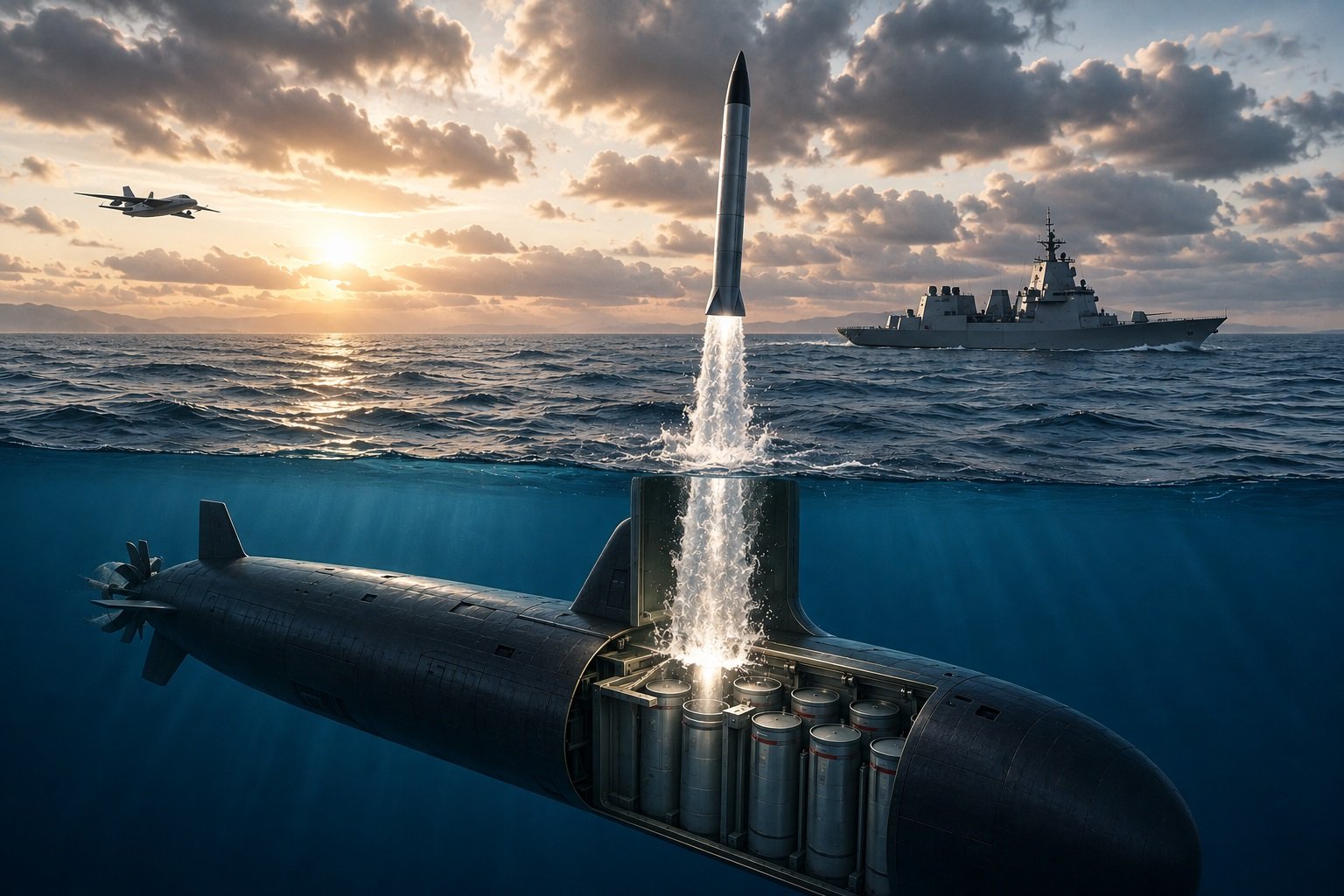
World
TOKYO — Japan’s Ministry of Defense plans to request funding in its fiscal 2027 budget to begin developing a hypersonic missile designed for submarine launch, according to Kyodo News and other Japanese media citing government sources. The program is part of Japan’s broader effort to strengthen its long-range and counterstrike capabilities. The official budget request has not yet been released, but the submarine-launched hypersonic missile is reportedly among more than 150 “item requests” that do not yet have specific funding amounts. The Defense Ministry’s overall request is expected to reach about ¥8.9 trillion ($56–60 billion). Because many programs remain unpriced, the final defense budget could rise to around ¥10 trillion when the budget is finalized later this year. Submarine Vertical Launch System Japan is also developing a Vertical Launch System (VLS) for future conventionally powered diesel-electric submarines. The VLS development program is scheduled for 2026–2029, with an estimated research cost of ¥3.9 billion ($24.8 million). Official renderings show each launch module with seven to eight cells, while a submarine could carry two or three modules, giving it 14–24 launch cells. The system is being designed to launch several types of long-range weapons, including a naval version of Japan’s Hyper Velocity Gliding Projectile (HVGP), cruise missiles and hypersonic weapons. Japan has been developing hypersonic weapons since around 2019. After positive interim research results beginning in 2023, the Defense Ministry moved ahead with production before the originally planned completion of certain development programs around fiscal 2031. In December 2025, Japan announced the start of mass production of new hypersonic guided missiles. The land-based HVGP, designated Type 25, entered service in March 2026. The boost-glide weapon uses a rocket to reach high altitude before its warhead separates and glides toward its target at hypersonic speed. A naval version is being considered for submarine deployment. Type 12 Long-Range Missiles The submarine VLS program will also complement Japan’s extended-range Type 12 Surface-to-Ship Missile program. In October 2025, the Ministry of Defense awarded contracts to Mitsubishi Heavy Industries for mass production of extended-range Type 12 missiles, known as 12SSM-ER or related variants. Depending on the variant, reported ranges are in the 1,000–1,500-kilometer class, with the ship-launched version expected to enter service around fiscal 2027. Separate development is also underway for submarine-launched cruise missiles that can be fired through the torpedo tubes of existing Soryu- and Taigei-class submarines. Future Japanese submarines, including concepts shown by Kawasaki Heavy Industries, are expected to incorporate the new VLS to provide greater flexibility for launching long-range weapons from underwater. Wider Defense Expansion The fiscal 2027 request also includes research into unmanned submarines capable of launching long-range missiles and development of low-cost attack drones using commercial components for faster and larger-scale production. The plans reflect Japan’s wider focus on artificial intelligence, unmanned systems, long-range weapons and sustained operational capabilities as it modernizes the Self-Defense Forces and strengthens its defense industrial base. Japan’s fiscal 2027 budget request is due to be submitted to the Finance Ministry by the end of August, with the final budget expected to be decided later this year.
Read More → Posted on 2026-08-19 15:53:46
World
DAMASCUS, Syria — Tensions between Israel and Turkey have increased following Israeli airstrikes on the Abu al-Duhur military airbase in Syria’s Idlib province. The strikes, carried out on August 18, damaged the runway and storage facilities at the base and came shortly after a Turkish military delegation visited the site to assess rehabilitation work. The incident has raised concerns in Washington over the possibility of an unintended confrontation involving Israel, Turkey and Syria. The United States is now working to improve communication between the three countries and revive a mechanism designed to prevent military incidents in Syrian airspace. Israeli Strikes on Abu al-Duhur Syrian state media reported that Israel carried out eight airstrikes on the Abu al-Duhur airbase in northwestern Syria. The attacks damaged the runway and storage facilities, while Syrian military sources and local residents reported no casualties. The airbase is located about 70 kilometers from the Turkish border. It had been largely inactive since the Syrian civil war, although the facility has been undergoing rehabilitation as Syria works to rebuild parts of its military infrastructure. A Turkish delegation visited the base on August 17 to review rehabilitation plans. The Israeli strikes took place hours after the delegation left, according to Syrian officials and other reports. Israel later acknowledged responsibility for the operation. The Israeli Prime Minister’s Office said Syria was close to violating an existing security status quo with Israel by allowing Turkish troops to deploy at the base near Aleppo. Israel said it had repeatedly warned Syria that such a deployment would pose a security threat and demanded a return to the previous arrangement. Turkey Rejects Israel’s Claims Turkey strongly condemned the Israeli strikes and rejected Israel’s explanation for the operation. The Turkish presidency described Israel’s claims as untenable and accused the Israeli government of using them to justify attacks against Syrian sovereignty. Ankara also said it would continue cooperating with Damascus. A Turkish source cited by Axios said there was no Turkish military presence at the base at the time of the strike. Turkey has become an important supporter of Syria’s new government following the fall of Bashar al-Assad in 2024. Ankara has supported efforts to rebuild Syrian state institutions and military capabilities, increasing concerns in Israel over Turkey’s expanding role in Syria. U.S. Warns of Possible Military Miscalculation The United States has expressed concern over the potential consequences of the Israeli operation. Tom Barrack, the U.S. ambassador to Turkey and special envoy for Syria, described the strike as an “unnecessary escalation.” He said the incident created a real risk of a rapid escalation involving Israel, Turkey and Syria. Barrack said Turkish forces were not aware that Israeli aircraft were heading toward the Syrian base or what their intended target was. He warned that Turkish forces could potentially have interpreted the aircraft movement as an attack against them and responded accordingly. He also said the United States was relieved that no one was killed and that the situation did not develop into a larger confrontation. U.S. Pushes for Deconfliction Mechanism Washington is now working to establish a more reliable communication mechanism involving Israel, Syria and potentially Turkey. Barrack said the United States is involved in quiet discussions aimed at relaunching a deconfliction cell between Israel and Syria, with Turkey potentially participating directly or indirectly. The proposed arrangement would provide a permanent communication channel intended to reduce the risk of misunderstandings between military forces operating in the region. The United States has previously supported discussions between the Syrian government of President Ahmed al-Sharaa and Israeli officials over border security and reducing tensions. Barrack said Syria has presented itself as a stable sovereign neighbor and that the Syrian government has indicated it does not seek conflict with Israel. Turkish Radar Adds to Israeli Concerns Another issue in the wider dispute is Turkey’s role in rebuilding Syria’s aviation and security infrastructure. In January 2026, Turkey supplied Syria with the ASELSAN HTRS-100 air traffic control radar system for Damascus International Airport. Turkish and Syrian officials have described the system as part of efforts to improve civilian aviation safety and air traffic management. The HTRS-100 combines primary and secondary surveillance radar functions and is designed to detect and track airborne targets around airports. Its primary surveillance component operates in the S-band, while the secondary system supports aircraft identification functions. Israeli concerns over the system have been reported because of its potential effect on Israel’s freedom of military operations in Syrian airspace. The Jerusalem Post reported in January that the Turkish radar deployment had raised concerns in Israel. However, Syrian aviation authorities have said the system is intended for civilian air traffic control and that it operates under the authority of Syria’s civil aviation administration. U.S. officials have similarly argued that Syria’s requirement for functioning civilian radar does not necessarily represent a security threat to Israel and that the issue can be addressed through further discussions. Growing Competition Over Syria The Abu al-Duhur strikes have brought the competing positions of Israel and Turkey in Syria into sharper focus. Israel has continued to conduct military operations in Syria to address threats it identifies to its security and wants to preserve its ability to operate in Syrian airspace. Turkey, meanwhile, has expanded its cooperation with Damascus and is supporting efforts to rebuild Syrian institutions and infrastructure. The United States is attempting to prevent these competing interests from producing a direct military incident between Israel and Turkey. The immediate focus is therefore on restoring reliable communication channels and preventing further miscalculations. The latest dispute also adds another complication to U.S.-supported efforts to reduce tensions between Israel and Syria. Washington has emphasized that continued communication among the parties is necessary to prevent an incident in Syria from developing into a wider regional confrontation.
Read More → Posted on 2026-08-19 16:00:28
U.S
WASHINGTON, D.C. — Rocket One Inc. has introduced Swarm Stage AI, a large-scale drone-swarm threat-emulation platform designed to help U.S. military and defense organizations train, test and evaluate counter-unmanned aircraft systems (C-UAS) against coordinated drone attacks. The platform is not a new counter-drone weapon. Instead, Rocket One describes Swarm Stage AI as a training and evaluation system that can create realistic and scalable drone-swarm scenarios for organizations developing and operating counter-UAS capabilities. Commercial Swarm Technology Adapted for Defense Swarm Stage AI is based on swarm-coordination technology and intellectual property acquired by Rocket One from SkyStage, a commercial drone-swarm company. According to Rocket One, the underlying technology has been used to coordinate thousands of aircraft in synchronized operations. The platform includes more than 2,500 field-tested formations and flight assets, which can be used as a starting point for creating customized swarm scenarios. Rocket One says the technology has been adapted for defense applications and is designed, built and operated in the United States. AI-Based Threat Generation and Mission Preview One of the main features of Swarm Stage AI is its AI Threat Builder. It allows operators to define a threat scenario and generate coordinated behaviors for multiple drones. The platform also includes a 3D Mission Preview that allows users to visualize and review a planned swarm mission before conducting a flight. Rocket One says operators can examine approach paths, timing and deconfliction during the planning stage. The system also supports customized threat scenarios rather than limiting users to the formations already included in its library. Training Against Coordinated Drone Threats Rocket One is positioning the platform around the growing requirement for counter-UAS systems to deal with groups of drones rather than individual aircraft. Potential applications include testing radar and other sensors, evaluating drone detection and tracking systems, assessing command-and-control capabilities, and training personnel to respond to coordinated drone incursions. The company's platform is intended to provide a repeatable environment in which C-UAS technologies can be evaluated against large-scale simulated drone threats. Robb Knie, Chief Executive Officer of Rocket One, said that mass drone attacks are creating a new challenge for military defense systems and that systems designed to detect or defeat individual drones increasingly need to be prepared for coordinated groups arriving simultaneously. Knie said Swarm Stage AI is intended to provide the realistic training and testing environment needed to develop and evaluate counter-drone technologies. Availability for U.S. Defense Organizations Rocket One is offering capabilities briefings, demonstrations, testing and evaluation opportunities for U.S. military organizations, government agencies, defense contractors, C-UAS developers and authorized test and training facilities. The company says interested organizations can request a capabilities briefing through SwarmStage.ai. Rocket One has also made clear that the availability of Swarm Stage AI does not represent a contract, procurement commitment, endorsement, certification or selection by the U.S. Department of Defense, any U.S. military service or another government agency. Swarm Stage AI is operated as a Rocket One company focused on drone-swarm threat emulation and counter-UAS training. The platform's stated purpose is to provide defense organizations with a scalable environment for preparing against coordinated drone-swarm threats and evaluating the technologies intended to detect, track and respond to them.
Read More → Posted on 2026-08-19 16:07:39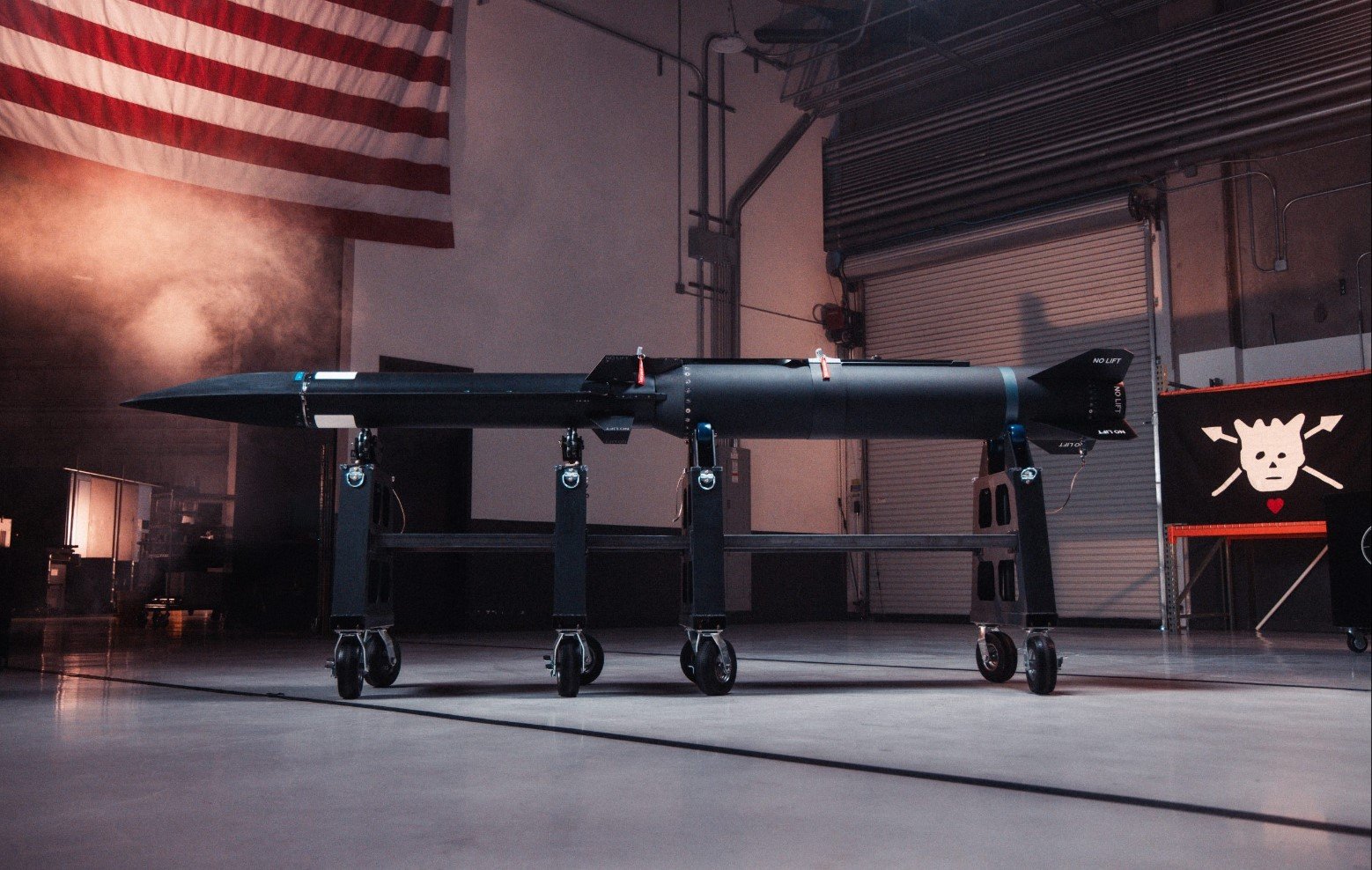
U.S
TORRANCE, Calif. — U.S. defense technology company Castelion has raised $1 billion in Series C financing, valuing the company at $13 billion. The funding will expand production of its Blackbeard hypersonic strike missile and accelerate development of longer-range precision-strike and defensive systems. The financing includes $800 million in equity and $250 million in committed financing for a revolving credit facility. JPMorganChase’s Strategic Investment Group, Andreessen Horowitz and funds managed by Carlyle co-led the equity round. New investor T. Rowe Price Associates joined existing investors Lightspeed Venture Partners, Lavrock Ventures, Altimeter, General Catalyst and Interlagos. Castelion has secured more than $500 million in U.S. military contracts over the past 18 months. Founded in 2022 by former SpaceX executives including Co-Founder and CEO Bryon Hargis, the company moved Blackbeard from a clean-sheet design to a formal program of record in less than four years, with military fielding targeted for 2027. The U.S. Navy is currently the primary customer. It awarded Castelion about $50 million in February 2026 for Blackbeard's early operational capability, approximately $105 million in April for integration, testing and certification on the F/A-18E/F Super Hornet, and a $23.4 million June order for 50 pre-production prototypes and associated shipping and storage containers. In May 2026, the U.S. Department of War signed a production framework agreement with Castelion. It covers a planned two-year procurement contract for a minimum of 500 Blackbeard missiles annually after testing and validation, with options to extend up to five years. The department has also indicated interest in seeking authorization and funding for more than 12,000 missiles over five years. Blackbeard is designed as a lower-cost hypersonic strike missile capable of speeds exceeding Mach 5. Reports have put its expected unit cost at around $384,000, with Castelion targeting production rates higher than traditional hypersonic missile programs. Project Ranger Expansion Much of the new funding will support Project Ranger, Castelion's 1,000-acre manufacturing campus in Sandoval County, New Mexico, near Rio Rancho. The company is investing $220 million in the physical site. The project includes 21 buildings for activities including solid rocket motor production, testing and final assembly. The facilities are scheduled to reach full production readiness by the end of 2026. The campus is expected to create approximately 300 high-wage manufacturing jobs and generate an estimated $650 million in local economic impact over the next decade. Castelion said the funding will also accelerate testing of a longer-range precision-strike weapon that has been under development for several years. It uses core technologies, components and manufacturing methods from Blackbeard and is intended to provide a lower-cost weapon that can be produced at higher rates. The company is also developing defensive systems using the same technologies and manufacturing methods, with the goal of reducing costs, increasing production rates and providing greater magazine depth for air and missile defense missions. “There’s a manufacturing renaissance underway and this round turbocharges American production of Blackbeard,” Hargis said, describing the missile as designed in California, built in New Mexico and supplied by businesses across the United States. Todd Combs, Head of JPMorganChase's Strategic Investment Group, said the firm is supporting companies working to strengthen the defense industrial base through more affordable and scalable defense technologies. Castelion said the Series C financing will be used to scale Blackbeard production, expand its precision-strike portfolio and advance its defensive systems.
Read More → Posted on 2026-08-20 11:46:28
U.S
HAWAII — The U.S. Navy and forces from six partner nations conducted Pacific Dragon 2026, a multinational exercise focused on ballistic missile defense, integrated air and missile defense, and tactical data-link information sharing in waters around the Hawaiian Islands. Hosted and executed by the U.S. 3rd Fleet, the biennial exercise was held from August 6 to August 13, 2026, according to the U.S. 3rd Fleet. The exercise involved the United States, Australia, Chile, Italy, Japan, the Republic of Korea and Spain, with the U.S. Missile Defense Agency (MDA) also participating. Multinational Missile Defense Exercise Pacific Dragon 2026 was designed to improve the ability of participating forces to detect, track and report air and missile defense targets while coordinating ballistic missile defense operations through shared tactical data links. Chile and Spain took part in Pacific Dragon for the first time. The exercise included both in-port and underway phases. In-port activities included interoperability training, instruction at the Pacific Integrated Air and Missile Defense Center, and preparations for operations at sea. The 2026 exercise also introduced a multi-mission event that combined ballistic missile defense with broader integrated air and missile defense scenarios. Vice Adm. Marc Miguez, commander of U.S. 3rd Fleet, said the exercise strengthened interoperability, improved information sharing and refined the tactics and procedures required for allied and partner forces to operate together. ARAV-6 Target Launch A major part of the exercise was the launch of an Aegis Readiness Assessment Vehicle Six (ARAV-6) from the Pacific Missile Range Facility on Kauai on August 6. ARAV vehicles are ballistic missile targets used to represent threat missile trajectories during missile-defense testing and training. The ARAV family is designed to provide configurable short- and medium-range ballistic missile targets for defense testing. Kratos says the family has completed more than 50 successful defense missions. The ARAV program has its origins in work by engineers at the Naval Surface Warfare Center's White Sands Detachment, where sounding-rocket technology was adapted for use as ballistic missile targets. Kratos Defense & Security Solutions is part of the ARAV industrial team and provides components for several configurations. Kratos identifies three principal ARAV configurations: Type B, Type C and Type TTO. The company says the different configurations use different rocket stages and can be tailored to produce different ballistic trajectories. Kratos does not provide a separate public technical breakdown of the ARAV-6 configuration. ARAV targets have also been used in previous missile-defense exercises. In Pacific Dragon 2022, for example, an ARAV-B target was successfully intercepted by the guided-missile destroyer USS Fitzgerald using a Standard Missile-3 Block IA. Ships and Aircraft Participating Pacific Dragon 2026 included naval forces from seven countries. Participating warships were: USS Jack H. Lucas (DDG 125) — United States HMAS Sydney (DDG 42) — Australia Almirante Cochrane (FF-05) — Chile ITS Giovanni delle Bande Nere (P434) — Italy JS Kongo (DDG 173) — Japan ROKS Jeongjo the Great (DDG 995) — Republic of Korea SPS Álvaro de Bazán (F101) — Spain Aircraft involved included the Royal Australian Air Force E-7A Wedgetail and U.S. aircraft such as the P-8A Poseidon, F/A-18 Hornet, MQ-9 Reaper and BQM-177A subsonic aerial target. The exercise therefore combined naval missile-defense ships, airborne surveillance and control capabilities, maritime patrol aircraft, fighter aircraft, unmanned aircraft and aerial target systems in a common training environment. USS Jack H. Lucas Brings Flight III Capabilities The USS Jack H. Lucas was the U.S. Navy's representative during the exercise and is the Navy's first Flight III Arleigh Burke-class guided-missile destroyer. The ship is equipped with the Baseline 10 combat system and AN/SPY-6 radar, which the Navy identifies as part of its continued development of integrated air and missile defense capabilities. The participation of the Flight III destroyer provided the exercise with a ship equipped with the Navy's newer radar and combat-system configuration while multinational forces practiced sharing tactical information and coordinating missile-defense operations. Focus on Interoperability Pacific Dragon 2026 was not limited to a single missile-defense engagement. The exercise brought together ballistic missile defense and wider integrated air and missile defense activities, requiring participating forces to share information and coordinate operations across multiple platforms. The U.S. 3rd Fleet said the exercise improved interoperability among allied and partner maritime forces through shared tactical data links and coordinated ballistic missile defense operations. The event also provided an opportunity to refine the procedures used for regional integrated air and missile defense. The Missile Defense Agency's participation is part of the exercise's continuing focus on missile-defense testing and evaluation. Pacific Dragon provides a multinational environment in which participating forces can practice detecting and tracking targets, sharing tactical information and coordinating defensive operations. Pacific Dragon 2026 was the eighth iteration of the exercise and continued the U.S. Navy's effort to develop coordinated air and missile defense capabilities with allies and partners in the Indo-Pacific.
Read More → Posted on 2026-08-20 12:00:36
World
MOSCOW, Russia — The Russian military has received a new batch of Pantsir air defense systems from High-Precision Systems, part of the state-owned Rostec corporation. Rostec reported the delivery on its official Telegram channel, with its press service confirming it on August 19, 2026. The systems completed testing and were cleared for service by military acceptance representatives. The exact number delivered was not disclosed. The previous similar delivery took place in March 2026. The batch includes the mobile Pantsir-S missile-and-gun system and the stationary Pantsir-SMD, which is designed with a larger missile capacity for air defense missions. Pantsir-S The Pantsir-S combines missiles and guns on a single mobile platform. It carries two twin-barrel 30 mm 2A38M automatic cannons with a combined rate of fire of up to 5,000 rounds per minute and an effective range of up to 4 kilometers. It also carries 12 two-stage 57E6 solid-fuel missiles using radio-command guidance. In its baseline configuration, the missiles have an engagement range of 1.2 to 20 kilometers and can reach targets at altitudes of up to 15 kilometers. The newly delivered Pantsir-S was moved to its assigned deployment area, set up and placed on combat duty. A commander from the Russian Sever battlegroup, using the call sign Volk, said personnel were already familiar with the system after several years of operation. Pantsir-SMD The Pantsir-SMD removes the 30 mm automatic cannons and focuses on missile armament. It can carry 12 standard missiles with a range of up to 20 kilometers or up to 48 TKB-1055 anti-drone missiles. The TKB-1055, also known as Gvozd, has a range of up to 7 kilometers and an interception altitude of up to 5 kilometers. The system can also combine standard and TKB-1055 missiles in different configurations depending on the mission. The higher missile capacity is intended to improve the system’s ability to deal with attacks involving large numbers of drones. Deployment in Moscow Russian forces have deployed Pantsir systems to protect important sites from Ukrainian long-range UAV attacks. In May 2026, Pantsir-SMD systems were installed on the roofs of civilian buildings in Moscow, with similar deployments continuing in the following months, including on towers in and around the city. Rostec says Pantsir systems are used to protect military units, administrative sites, industrial facilities and other objects from aircraft, helicopters, cruise missiles, precision-guided weapons and drones. Coverage of all strategic directions across Russia remains a challenge, according to available reporting. The latest delivery provides Russian forces with both mobile Pantsir-S systems and stationary Pantsir-SMD systems, including the latter’s option for carrying a larger number of short-range anti-drone interceptors.
Read More → Posted on 2026-08-20 12:11:41
U.S
HONOLULU, Hawaii — Lockheed Martin and the U.S. Navy demonstrated a rapidly retrainable artificial intelligence and machine learning (AI/ML) sonar system during the Rim of the Pacific (RIMPAC) 2026 exercise off Hawaii. Known as SensorMAX, the system is designed to analyze subsurface acoustic data and assist crews in identifying underwater threats. The demonstration took place during RIMPAC 2026, which ran from June 24 to July 31. The U.S. Navy said the exercise involved 30 nations, more than 30,000 personnel, 30 surface ships, five submarines and more than 197 aircraft. AI-Based Acoustic Analysis SensorMAX is built on Lockheed Martin’s Spectral Foundation Model, which is designed to interpret spectral energy in a way similar to how large language models process language. The system can process data from different types of sensors, including acoustic sensors. During the RIMPAC demonstration, two MH-60R Seahawk helicopters equipped with the system conducted antisubmarine warfare missions against an undersea threat. The helicopters deployed sonobuoys, which collected acoustic information from the underwater environment and transmitted the data to SensorMAX. The system continuously monitored the sonobuoy data and provided information to the helicopter aircrews while also sending information to a ground station. Each aircrew could manage up to eight simultaneous sonobuoy surveillance feeds, which Lockheed Martin said was twice the capacity of legacy capabilities. Retraining the AI During Missions One of SensorMAX's main features is its ability to retrain its AI model when new acoustic signatures are identified. The process consists of four steps: capture, label, retrain and deploy. When a new sound is identified, operators label the acoustic signature and retrain the model using the new data. The updated model is then transmitted back to the aircraft as a small update package. Lockheed Martin said the retraining process takes less than five minutes per iteration. The company also said the classifier models are smaller than one megabyte, allowing them to be transferred rapidly. The system supports over-the-air (OTA) model updates through an encrypted data link. Lockheed Martin worked with FUSE Inc. on secure software delivery so trained models and mission software can be updated on deployed aircraft without interrupting operations. Portable and Platform-Agnostic System Lockheed Martin describes SensorMAX as lightweight, portable and capable of operating across different platforms. The company says the same processing capability can be used on aircraft, ships or land-based systems. The system is also designed for edge retraining. Lockheed Martin says new energy signatures can be used to train models on edge devices using consumer-grade GPUs, without requiring a large data center. The company said the RIMPAC demonstration showed how AI-based acoustic classification could support the Navy's efforts to use different sensors for underwater detection and provide crews with updated information during missions. Lockheed Martin Statement Devon Rodgers, vice president and general manager of Undersea Mission Systems at Lockheed Martin, said the RIMPAC demonstration showed the company's approach to combining commercial technology with defense engineering to accelerate capability development. “Today’s battlespace requires the defense industry to accelerate capability delivery and seamlessly integrate commercial technology; at RIMPAC 2026 our mission-focused engineers demonstrated exactly how we are meeting that challenge,” Rodgers said. The demonstration adds an AI-based acoustic analysis capability to the MH-60R's antisubmarine warfare mission and shows how models can be updated while deployed rather than relying only on pre-existing acoustic signatures. Lockheed Martin said the capability is intended to support faster detection and tracking of underwater threats and the Navy's broader work on crewed and uncrewed teaming.
Read More → Posted on 2026-08-20 12:16:21
U.S
WASHINGTON, D.C. — Northrop Grumman and the U.S. Navy have completed a government-led Critical Design Review (CDR) for the Block II upgrade of the E-2D Advanced Hawkeye. The review was completed in May 2026 and officially announced this week. The successful CDR clears the program to move from detailed design into hardware and software integration, physical aircraft modifications and testing. Flight testing of the upgraded configuration is scheduled to begin in fiscal year 2029, with the first Block II aircraft expected to be delivered by the end of the decade. Major modernization of the E-2D The E-2D Advanced Hawkeye is a carrier-based airborne early warning and command and control aircraft used for missions including target detection, interceptor control, communications relay, and air and missile defense. The U.S. Navy describes the aircraft as a platform for airborne command and control and battlespace awareness. The Block II upgrade focuses largely on modernizing the aircraft's mission-system architecture, computing infrastructure and supporting systems. The aircraft's AN/APY-9 UHF-band active electronically scanned array (AESA) radar will remain unchanged under the upgrade. Instead, the systems responsible for processing and managing the radar and other mission data will receive major improvements. Key elements of Block II include: Open Mission Systems architecture: A modular architecture will allow future capabilities, including artificial intelligence and machine-learning tools, to be incorporated through software and containerized applications rather than requiring major hardware changes. Modernized cockpit: A redesigned cockpit architecture is intended to reduce pilot workload and improve crew effectiveness during complex battlespace management. Increased computing power: Newer processors will provide greater capacity to handle the growing volume and complexity of information exchanged between ships, aircraft, satellites and uncrewed systems. Enhanced cybersecurity: Additional cybersecurity improvements are incorporated into the Delta System Software Configuration 6 (DSSC-6) baseline. Commercial off-the-shelf components: The modernization makes use of commercial off-the-shelf products to address component obsolescence and support long-term fleet sustainment. The Navy has previously described the DSSC-6 effort as providing improved computing and electronic storage, better command-and-control connectivity, parts-obsolescence mitigation and a modular open-systems environment for future technology insertion. Production and retrofit work Northrop Grumman plans to integrate the Block II configuration into newly built E-2D aircraft on the active production line while also applying the upgrade to aircraft already in the Navy's fleet. This approach will allow new-production aircraft and existing E-2Ds to receive the modernization as the program progresses. With the CDR complete, engineering teams can now move into the physical integration and modification phase ahead of testing. Janice Zilch, vice president and program manager for the E-2D Advanced Hawkeye at Northrop Grumman, said the completion of the review reflects the work of the company's team and its partners. She said the upgrade is intended to strengthen the E-2D's capabilities, improve situational awareness, reduce crew workload and support future technology insertion. Northrop Grumman has also described the broader modernization effort as being aimed at improving operational availability, software resiliency, security and interoperability through new mission computers, displays and an open mission-systems approach. Continued E-2D production The Block II modernization comes as the U.S. Navy continues procurement and modernization of the E-2D fleet. The aircraft provides airborne early warning and command-and-control capabilities for carrier operations and broader naval missions. The Navy's FY2026 budget documents identify Northrop Grumman as the airframe prime contractor, with Rolls-Royce providing the engines and Lockheed Martin responsible for the radar. The E-2D program also supports more than 4,000 jobs across 411 supplier companies in 40 U.S. states, according to the information provided by Northrop Grumman. The company has delivered E-2D aircraft to the U.S. Navy and international customers, including Japan, while France has E-2D aircraft in production. The completion of the Block II Critical Design Review marks the transition of the upgrade from design definition toward aircraft integration and flight testing. The next major test milestone is scheduled for fiscal year 2029, followed by expected delivery of the first Block II aircraft by the end of the decade.
Read More → Posted on 2026-08-20 14:47:29
World
OSLO, Norway — Norwegian defense company Kongsberg has signed a contract worth NOK 1.1 billion (nearly $120 million) with General Dynamics Land Systems–Canada (GDLS-Canada) to supply additional Protector RS4 Remote Weapon Systems (RWS) for the Canadian Army. The systems will be integrated onto Canada’s Armoured Combat Support Vehicle (ACSV) fleet. The contract is a follow-on procurement under the existing ACSV program and builds on previous deliveries of Protector RS4 systems by Kongsberg for the same vehicle platform. “This contract confirms our customer’s confidence in the Protector systems and further strengthens our long-term partnership with GDLS-Canada,” said Kjetil Reiten Myhra, Executive Vice President of Kongsberg and President of the Defence Systems division. “We are proud that the RS4 continues to be selected as a key capability for the Canadian Armed Forces’ modern vehicle fleet.” Continued Kongsberg-Canada Cooperation The latest contract continues Kongsberg’s established relationship with the Canadian Armed Forces and GDLS-Canada. Canada has used Kongsberg remote weapon stations on its ACSV fleet for several years, with an earlier contract in 2020 covering Protector systems for the same program. Kongsberg said the additional systems will expand and improve the operational capabilities of the Canadian Army. The order also keeps Kongsberg as a remote weapon system supplier for ACSV vehicles produced by GDLS-Canada. In July 2026, the Canadian government announced plans to expand the ACSV fleet through the procurement of additional vehicles from GDLS-Canada under a larger multi-year arrangement. Protector RS4 Remote Weapon System The Protector RS4 is part of Kongsberg’s Protector family of remotely operated weapon systems. It is designed to allow vehicle crews to operate weapons from inside the protected vehicle while providing observation, targeting and weapon-control capabilities. The system can support different weapon configurations, including 5.56 mm, 7.62 mm and 12.7 mm machine guns, as well as 40 mm automatic grenade launchers. It can also incorporate optional anti-tank guided missiles. The RS4 uses an electro-optical sensor suite that can include day cameras, thermal imagers and laser rangefinders. These systems provide the crew with observation and targeting information while operating the weapon station remotely. Kongsberg states that the Protector family has more than 20 years of combat-proven experience, with more than 25,000 systems fielded globally. The RS4 is also designed to support capabilities including wireless control, multi-sensor fusion and counter-unmanned aircraft systems (C-UAS) software. These features allow the system to be adapted to different operational requirements and vehicle platforms. The new contract will provide additional Protector RS4 systems for Canada’s ACSV fleet, extending Kongsberg’s involvement in the program and continuing the use of remotely operated weapon stations on Canadian Army vehicles.
Read More → Posted on 2026-08-20 15:02:36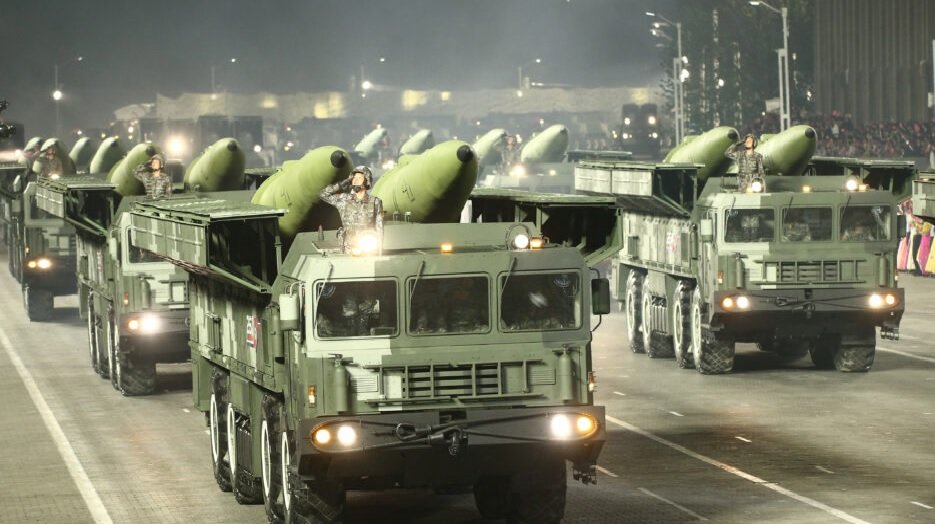
World
MOSCOW, Russia — Russia has received KN-30 ballistic missiles from North Korea that could be used in strikes against Ukraine, according to data from Ukraine’s Defence Intelligence (HUR) provided in response to a request from Ukrainska Pravda. The delivery marks the first publicly reported transfer of the KN-30 missile system to Russia. Russian forces have previously used North Korean KN-23 and KN-24 ballistic missiles during attacks on Ukraine. Russia Reportedly Holds Around 50 North Korean Missiles According to HUR data, as of July 2026, Russia had around 50 Kinzhal aeroballistic missiles in its active inventory. It also held approximately 50 North Korean ballistic missiles, consisting of KN-23, KN-24 and the newly reported KN-30 systems. Russian forces resumed the use of North Korean ballistic missiles in late July 2026 after a pause of nearly a year. Ukrainian intelligence linked the renewed use to fresh deliveries from North Korea, including a reported strike near Kryvyi Rih. The new KN-30 deliveries add another North Korean ballistic missile type to the systems already available to Russian forces. What Is the KN-30? The KN-30 is the Western designation for North Korea’s Hwasong-11C, also referred to as the Hwasong-11Da. It is an enlarged member of the Hwasong-11 family and is classified as a short-range ballistic missile. The missile uses a solid-fuel engine and is launched from a mobile ground-based launcher. It was first publicly displayed during a military parade in Pyongyang on January 14, 2021. Its first known flight test took place on March 25, 2021, when the missile demonstrated a range of at least 600 kilometers. Estimates place its operational range at around 600–900 kilometers depending on the payload. North Korea has claimed that the missile can carry a 2.5-tonne warhead. However, this payload figure has not been independently confirmed. North Korean Missile Unit Reportedly Deploying to Russia The missile transfers are reportedly accompanied by a broader expansion of military cooperation between Moscow and Pyongyang. In early August, Andrii Cherniak, a representative of Ukraine’s Defence Intelligence, said North Korea had begun deploying a specialized missile unit to Russia’s Voronezh region, which borders Ukraine. The unit is reportedly intended to conduct ballistic missile strikes against Ukrainian targets. According to the Ukrainian intelligence assessment, the unit includes around 90 North Korean personnel and is expected to be integrated into Russia’s 112th Missile Brigade. North Korea has reportedly delivered another batch of 40 KN-23 and KN-24 missiles together with personnel. Russia expects the deployment to involve up to 120 North Korean ballistic missiles and six launchers, although the final numbers are expected to be determined through high-level talks. North Korea previously supplied approximately 150 KN-23 and KN-24 missiles between late 2023 and August 2025. Russia’s Wider Missile Inventory HUR also provided updated estimates of Russia’s domestic missile stocks. As of August 5, 2026, Russia was assessed to have approximately: More than 600 Oniks anti-ship missiles More than 450 Kalibr sea-launched cruise missiles Around 400 RM-48U missiles for S-400 air defense systems, which can also be used against ground targets Around 130 9M723 ballistic missiles for Iskander-M systems More than 120 Zircon hypersonic missiles Up to 100 Kh-101 air-launched cruise missiles According to HUR, Russia’s defense industry is continuing to prioritize mass production of several missile systems, particularly the Iskander-M, Kh-101 and Kalibr, to maintain its ability to conduct long-range strikes. The reported arrival of the KN-30 gives Russia access to another North Korean ballistic missile type alongside the KN-23 and KN-24 systems it has previously used in the war against Ukraine. Source : militarnyi
Read More → Posted on 2026-08-20 15:07:33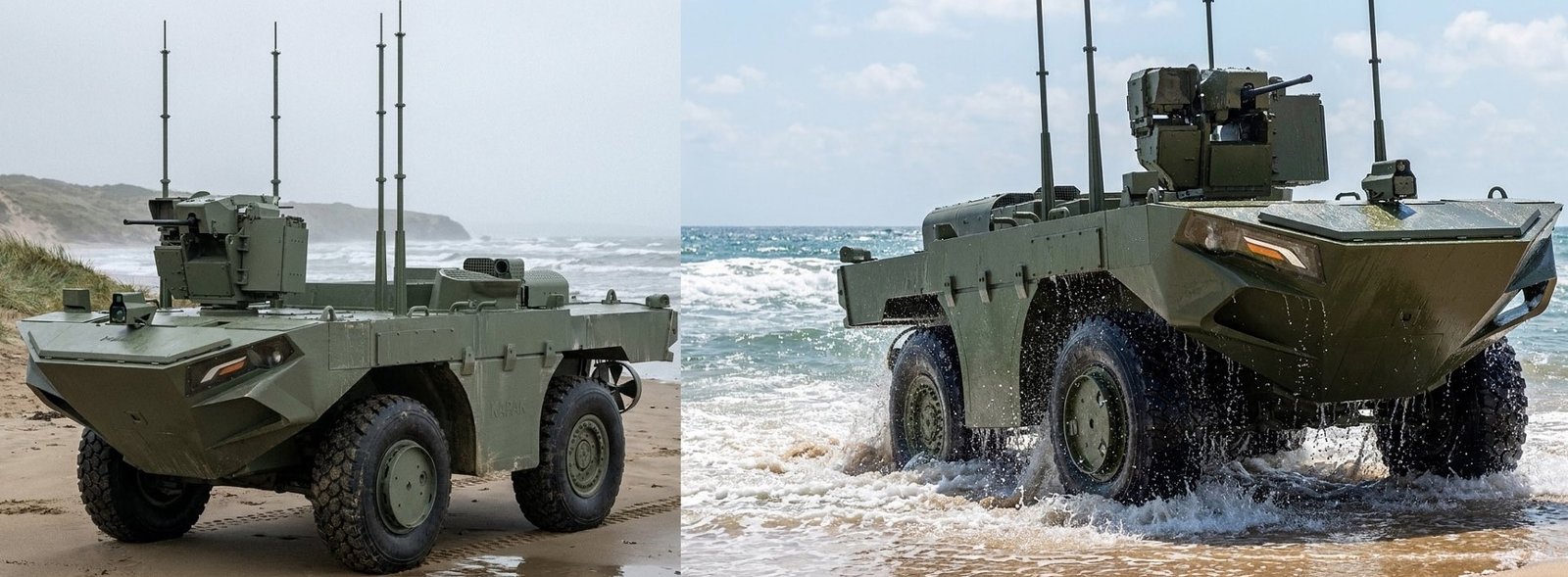
World
KOCAELİ, Türkiye — Turkish defense company FNSS has unveiled its new U-MAV (Unmanned Amphibious Assault Vehicle), also known as İ-ZAHA, at the TEKNOFEST Mavi Vatan (Blue Homeland) event at Gölcük Naval Shipyard Command in Kocaeli. The event runs from August 20 to 23. The 8-ton unmanned vehicle is designed to operate ahead of the Turkish Naval Forces Command’s manned Marine Assault Vehicles (MAV/ZAHA). FNSS says the U-MAV can make initial contact with shore defenses before manned vehicles land, reducing the exposure of personnel during the highest-risk phase of an amphibious assault. Mobility and Mission Options The U-MAV is powered by a 300-horsepower engine, giving it a power-to-weight ratio of 37.5 hp per ton. It can reach 7 knots in water and 70 km/h (43 mph) on land). Independent suspension and different tire options allow it to operate across varied ground conditions. FNSS also states that the platform has a low optical, thermal and acoustic signature. Its mission payloads can be changed in the field in about 40 minutes, supporting 10 configurations: fire support, mine clearance, combat engineering, electronic warfare, reconnaissance, deception, counter-drone operations, obstacle marking, logistics support and casualty evacuation. Autonomous Operation and Communications The U-MAV can operate in autonomous, remote-controlled or hybrid modes. It uses an encrypted mesh network, satellite and inertial navigation systems, and an identification friend-or-foe (IFF) module. Its inertial navigation system maintains a position estimate when satellite signals are degraded or jammed. Standard line-of-sight communications reach 3 km, with drone relays available to extend the range. If the datalink is lost, the vehicle first enters a safe hold state and then either returns to base along a pre-programmed route or continues its mission, depending on its configuration. An onboard mission computer processes camera feeds in real time and can transmit detection data instead of a continuous full-video stream when bandwidth is limited or communications are contested. Detected targets receive threat scores and status indicators and are tracked using timestamps. FNSS also says AI-supported cameras assist with orientation, target recognition and fire control. Armor Integrity System FNSS says the U-MAV is the first unmanned vehicle to integrate Armor Integrity, a structural monitoring system developed by Nurol Teknoloji. Sensors detect the location, direction and severity of impacts, calculate the remaining structural capacity of the affected armor and send the information to the operator and chain of command. If communications are lost, the damage data is stored locally and transmitted after the link is restored. Transport and FNSS Plans The U-MAV can be transported by road, rail and sea and is compatible with heavy-lift aircraft including the CH-47F Chinook, Mi-26, C-130 Hercules, A400M, C-17 Globemaster, C-5 Galaxy, An-124 and Il-76. FNSS CEO and board member Selim Baybaş said the vehicle combines the company's engineering capabilities, Marine Assault Vehicle experience and continuing R&D in unmanned and autonomous systems. He also highlighted FNSS's more than 35 years of industry experience and its ability to manufacture several platforms concurrently. FNSS has not disclosed the U-MAV's price, production timeline or any customer orders for the platform.
Read More → Posted on 2026-08-20 15:26:00
World
SEOUL, — South Korean Defense Minister Ahn Gyu-back told lawmakers Thursday that North Korea is generally estimated to possess 80 to 120 nuclear weapons, while saying that Seoul cannot provide an exact figure. “We typically see that (North Korea has) around 80 to 120 (nuclear weapons), but I am very limited in providing a specific figure,” Ahn said during a meeting of the National Assembly’s National Defense Committee. He was responding to opposition People Power Party lawmaker Sung Il-jong. Ahn later clarified that the 80–120 figure comes from estimates by private research organizations and is not an official confirmation by South Korea’s military. The assessment partly reflects estimates of the plutonium North Korea is believed to have produced and possessed. The estimate differs sharply from a figure cited by U.S. President Donald Trump on Wednesday. Speaking to reporters at the White House, Trump said North Korea has “57 very powerful nuclear weapons.” It was the first time Trump had publicly cited a specific number for Pyongyang’s nuclear arsenal. Trump made the comment while discussing his relationship with North Korean leader Kim Jong Un and saying he expects to meet Kim later this year. Ahn acknowledged that the South Korean and U.S. figures “appear to be slightly different.” Independent assessments also vary. The Stockholm International Peace Research Institute (SIPRI) estimated in its 2026 Yearbook that North Korea had about 60 nuclear warheads at the beginning of 2026 and enough fissile material to produce at least 30 more. Earlier SIPRI-related estimates placed the number closer to 50. SIPRI also estimated that India possessed approximately 190 nuclear warheads at the start of 2026. The differences partly reflect how nuclear arsenals are measured. Some estimates count assembled nuclear warheads, while others also consider the amount of plutonium and highly enriched uranium available to potentially produce additional weapons. North Korea’s exact nuclear inventory remains difficult to establish because its nuclear program is highly secretive and much of its related infrastructure is underground. South Korea and the United States do not officially recognize North Korea as a legitimate nuclear-armed state. Ahn reiterated that Seoul “cannot officially acknowledge” North Korea’s possession of nuclear weapons and that denuclearization of the Korean Peninsula remains the government’s policy. The differing estimates come as discussions continue over possible U.S.-North Korean diplomacy, including reports of potential high-level contacts later this year.
Read More → Posted on 2026-08-20 15:33:39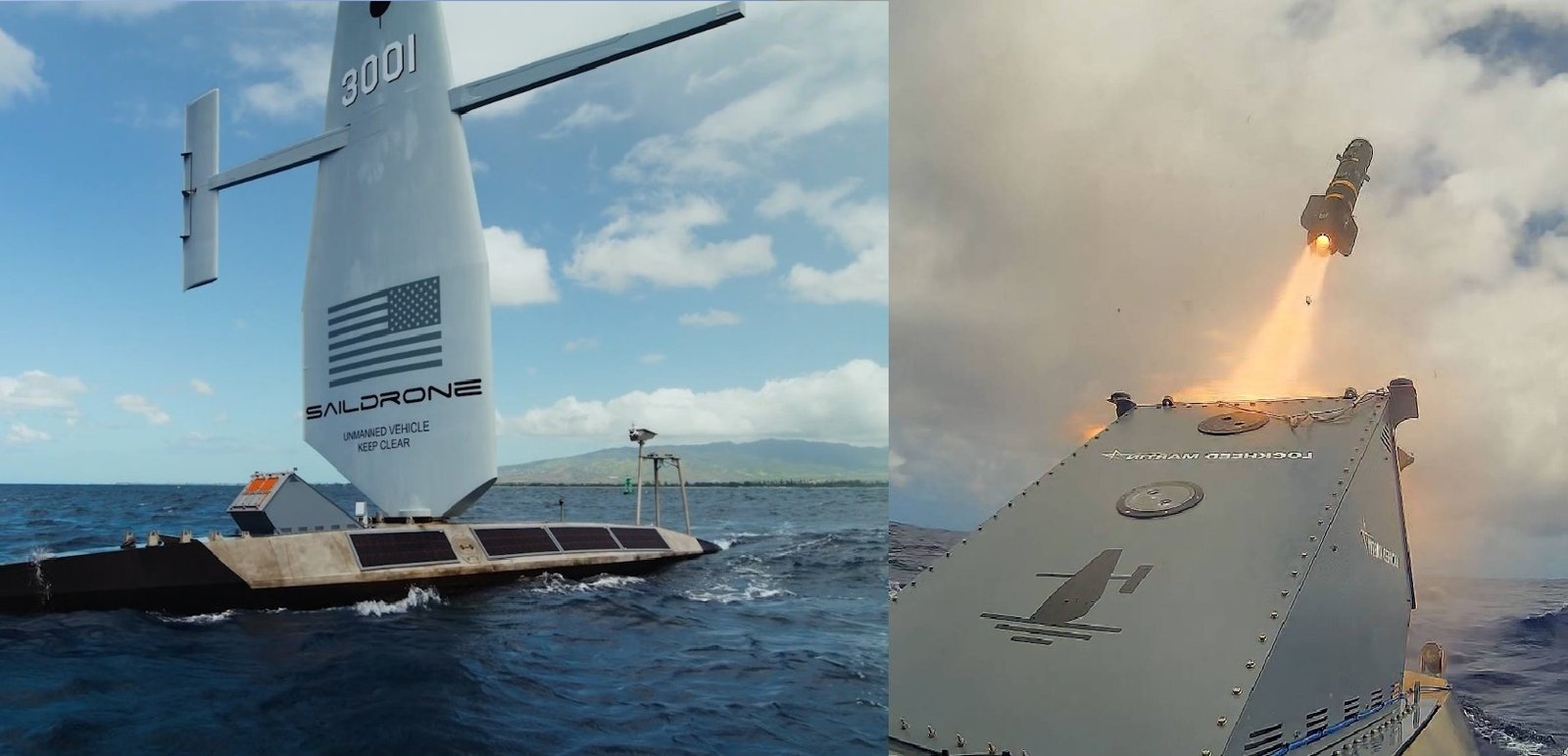
U.S
HAWAII — Saildrone and Lockheed Martin successfully launched two Joint Air-to-Ground Missiles (JAGM) from a Saildrone Surveyor unmanned surface vessel (USV) during the U.S. Navy’s Rim of the Pacific (RIMPAC) 2026 exercise off Hawaii. The test marked the first time missiles have been fired from a Saildrone platform. The demonstration was conducted under the U.S. Navy Fleet Experimentation Program (FLEX), with the Surveyor operating alongside the USS Theodore Roosevelt (CVN-71) Carrier Strike Group-9. The 20-meter USV was fitted with a JAGM Dual Launcher and integrated with the Navy’s Adjunct Remote Engagement System (ARES), a remotely operated combat system. Using target data received through ARES, the Surveyor engaged a surrogate high-speed surface craft. Saildrone said all firing decisions remained under human control and that the demonstration did not involve autonomous weapons. The Surveyor also tested a passive electronic warfare sensor during RIMPAC. Working with a U.S. Navy MH-60S helicopter, the USV detected, classified and identified a surrogate threat radar system. The demonstration followed the Saildrone-Lockheed Martin partnership announced in October 2025, when Lockheed Martin invested $50 million in Saildrone to advance unmanned surface vessel capabilities for the Navy. The companies moved from the concept to a live-fire demonstration in six months. Richard Jenkins, Saildrone founder and CEO, said the JAGM demonstration provides a mission-ready kinetic capability while helping accelerate the integration of more advanced weapons, including the Mk 70 launcher, onto the larger Saildrone Spectre. Paul Lemmo, vice president and general manager of Sensors, Effectors and Mission Systems at Lockheed Martin, said the companies are using industry capabilities to develop containerized systems for national defense and accelerate the deployment of new defense technologies. The JAGM launch is the first in a planned series of integrations ahead of the Saildrone Spectre, the company's largest USV. The 52-meter (170-foot) vessel is designed to carry larger containerized payloads, including the Lockheed Martin Mk 70 launcher and towed-array systems for anti-submarine warfare such as the SURTASS Towed Array. The Surveyor is a multi-mission USV designed for maritime intelligence, surveillance and reconnaissance, deep-ocean mapping and long-endurance operations. Saildrone vessels have operated in remote ocean environments for more than a decade and have been used by the U.S. Navy since 2021. JAGM uses a dual-mode seeker combining semi-active laser and millimeter-wave guidance and is designed for operations across air, maritime and ground domains. The RIMPAC 2026 demonstration showed how a commercial unmanned surface vessel can be integrated with existing Navy combat systems, crewed platforms and proven munitions while retaining human control over weapon employment.
Read More → Posted on 2026-08-20 15:43:59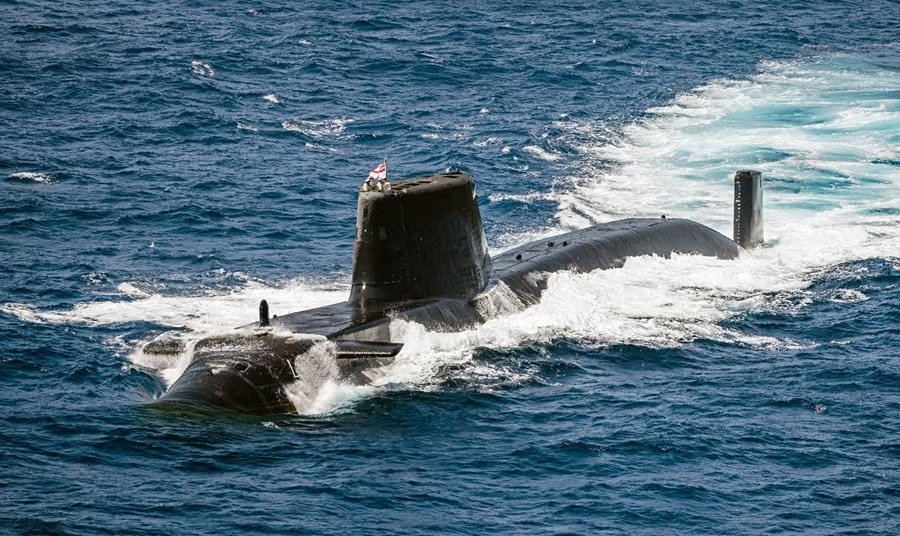
Europe
LONDON, United Kingdom — The United Kingdom plans to expand its fleet of nuclear-powered, conventionally armed attack submarines to as many as 12 under the AUKUS programme. The expansion will take place as the Royal Navy completes its seven-boat Astute-class programme and moves to the next-generation SSN-AUKUS class. The SSN-AUKUS submarines are expected to enter service from the late 2030s and will become the mainstay of the UK's future attack submarine fleet. The commitment to up to 12 boats was confirmed in the 2025 Strategic Defence Review and reaffirmed in the 2026 Defence Investment Plan, with the programme covered by a ring-fenced nuclear allocation. SSN-AUKUS is being developed by the UK, United States and Australia through the AUKUS partnership. It is based on a British design incorporating technology from all three countries. Both Britain and Australia will operate the class, while the programme will help Australia develop the industrial capability needed to support and eventually build its own submarines. The submarines will use nuclear propulsion but will be conventionally armed. The design is expected to incorporate US technology, including a vertical launching system (VLS) for land-attack missiles and shared combat systems. They will remain separate from the Dreadnought-class ballistic missile submarines, which will carry the UK's independent nuclear deterrent. The current Astute-class submarines protect the UK's nuclear-armed ballistic missile submarines during deterrence patrols and conduct wider defence and intelligence missions. Construction of the first UK SSN-AUKUS submarine is due to begin with steel-cutting at BAE Systems' Barrow-in-Furness shipyard in 2027. The Ministry of Defence aims to eventually reach a production rate of one new submarine every 18 months as capacity expands. The programme is part of a wider renewal of the UK's Defence Nuclear Enterprise, which manages hundreds of projects covering submarines, nuclear warheads, fuel and supporting infrastructure. Its portfolio includes two active submarine construction programmes, a future class in design, the Astraea replacement warhead programme and a new nuclear fuels programme. The UK has invested around £6 billion in critical infrastructure at Barrow and Derby to support continuous submarine production. Australia has committed £2.4 billion to expand capacity at the Rolls-Royce site in Derby, which will produce reactors for both British and Australian submarines. Four nuclear reactors are already under construction there. BAE Systems currently employs about 13,500 people at Barrow, while Rolls-Royce Submarines employs around 4,000 people. Babcock provides submarine maintenance and support at Devonport, while Sheffield Forgemasters produces specialised steel castings and forgings for submarine reactor cores. At peak, the SSN-AUKUS programme is expected to support around 21,000 jobs across the UK and generate multi-billion-pound investment in British industry. The wider Defence Nuclear Enterprise currently supports an estimated 47,600 jobs, with demand expected to rise to around 65,000 by 2030. Its supply chain includes more than 6,000 British companies. To meet future workforce requirements, the UK government and industry plan to double defence nuclear apprentice and graduate intakes, creating 22,000 apprenticeships and 9,000 graduate positions over the next decade. The AUKUS programme is intended to strengthen defence and industrial cooperation between the three countries, improve information and technology sharing, and increase supply-chain resilience while expanding the UK's capacity to build and support nuclear-powered submarines.
Read More → Posted on 2026-08-20 16:23:04
World
Kyiv, Ukraine — Russian forces carried out a large-scale strike on the night of August 19–20 against Kyiv and Kyiv Oblast using precision-guided weapons launched from ground-, air- and sea-based platforms, along with long-range UAVs. The Russian Defence Ministry said the targets included military-industrial facilities, logistics infrastructure and weapons and fuel storage sites. OSINTWarfare also reported details of the claimed targets. In Kyiv, the reported targets included a Fire Point LLC facility, which the Russian ministry said produces components for long- and medium-range strike UAVs and assembles and stores boosters used in Flamingo cruise missiles. The Ukrspetsystems commercial and warehouse complex was also targeted. According to the ministry, it produces UAV components, conducts large-component assembly of fixed-wing UAVs and stores UAVs. The Antonov State Enterprise was another reported target. The Russian Defence Ministry said it produces the long-range An-196 “Lyutyi” UAV and develops and manufactures various types of manned aircraft. An ammunition warehouse reportedly storing M-900 thermobaric aerial bombs, anti-tank mines and ammunition for Baba Yaga-type UAVs was also struck. In Kyiv Oblast, Russia reported strikes on the Martusivka Transport and Logistics Center, operated by Zamler Group. The facility was described as storing and distributing dual-use goods used in UAV, robotic-system and electronic-warfare production. A Brovary fuel and lubricant warehouse was also targeted; Russia said it contained up to 8,000 cubic metres of fuel intended for the Ukrainian Armed Forces. The Russian Defence Ministry additionally said warehouses containing military equipment were hit on August 19 at the ports of Chornomorsk and Pivdennyi. Ukrainian Air Defence Response Ukraine's Air Force said the attack began around 18:00 on August 19 and primarily targeted the Kyiv region. It reported the use of ballistic-trajectory missiles, including Oniks, Zircon, Iskander-M and S-400, as well as 36 Kh-101/Iskander-K/Kh-59 missiles, eight Kalibr cruise missiles, two Banderol loitering munitions and 168 Shahed-type, Gerbera and Parodiya drones. Nearly half of the Shaheds were reported to be jet-powered. Ukraine said its aircraft, anti-aircraft missile units, electronic warfare systems, unmanned systems units and mobile fire groups shot down or suppressed 31 cruise missiles, all eight Kalibr missiles, both Banderol munitions and 145 drones. Hits were recorded at 28 locations, with debris from downed targets falling at two locations. Casualties and Damage Ukrainian officials reported deaths and injuries in Kyiv and the surrounding region. Kyiv Mayor Vitali Klitschko said at least 12 people were killed and more than 30 injured in the capital. The upper floors of a nine-storey residential building in Solomianskyi district were destroyed, and Klitschko declared August 21 a day of mourning. Other reports put the overall death toll in Kyiv and the region at 13–16 people, with around 40 wounded. Residential buildings, a school, children's hospital, kindergarten, non-residential facilities and warehouses were damaged in the Sviatoshynskyi, Solomianskyi and Darnytskyi districts. Fires were reported at industrial and warehouse sites. Power outages affected tens of thousands of households. DTEK said electricity had been restored to more than half of approximately 90,000 homes that lost power. In Brovary district, one person was killed and an industrial facility was damaged, while additional damage and injuries were reported in Boryspil district. More than 38,000 people, including over 2,000 children, sheltered in Kyiv's subway stations overnight. Emergency services continued working at strike locations. President Volodymyr Zelenskyy described the attack as one of the largest of the war and called for additional air-defence systems, citing shortages of interceptors capable of engaging ballistic missiles. The Russian Defence Ministry described the operation as a targeted strike on military production, storage and logistics infrastructure. Source : OSINTWarfare
Read More → Posted on 2026-08-20 16:39:31
World
Callao, Peru — HD Hyundai Heavy Industries (HD HHI) and Peru’s state-owned shipyard SIMA Perú have launched BAP Chimbote, the second logistics and landing support ship (BALOG) for the Peruvian Navy. The launch took place on August 18, about one week after the launch of the lead vessel, BAP Talara, on August 8. Although BAP Chimbote was launched second, it was the first of the two vessels to be built and carries pennant number 159. BAP Talara carries pennant number 160. Both ships are named after major Peruvian port cities and are designed for personnel and cargo transport, logistics support, disaster relief and emergency-response missions. The launch ceremony was attended by Peruvian President Keiko Fujimori, Defense Minister Rafael Belaunde Llosa, Peruvian Navy Commander General Admiral Federico Javier Bravo de Rueda Delgado, South Korean Ambassador to Peru Choi Jong-uk, and HD HHI President Won-ho Joo. “This launch of B.A.P. Chimbote represents a significant achievement made possible by the combined efforts of Team Korea and close public-private cooperation,” Won-ho Joo said. “We will continue to strengthen the competitiveness of K-Naval solutions and diversify our global export markets.” Ship specifications and role BAP Chimbote is based on HD HHI’s HDL-1400 Landing Craft Unit (LCU) design. It has a full-load displacement of approximately 1,646 tons, is 58.9 meters long and 13.2 meters wide, with a maximum speed of 10 knots. The ship is powered by two Caterpillar C18 diesel engines producing 450 HP and has an estimated range of 1,500 nautical miles. Its payload includes military vehicles, up to 21 shipping containers, 211 cubic meters of freshwater and 223 cubic meters of ship fuel. It also has a 20-ton-capacity crane and a rear aviation deck capable of supporting helicopter take-off and landing operations. The vessels are intended not only for military logistics but also for national emergencies. They can transport heavy rescue equipment, emergency supplies, fuel and potable water to isolated coastal areas, including locations where conventional infrastructure has been damaged or is unavailable. $463 million four-vessel program The ship is being built under an agreement signed by HD HHI and SIMA Perú on April 16, 2024, after HD HHI was selected as the preferred bidder on March 27, 2024. The $463 million contract covers four vessels: one 3,400-ton frigate, one 2,200-ton offshore patrol vessel (OPV) and two 1,500-ton LCUs. It represents the largest order by vessel volume for a Korean shipbuilder in the Latin American defense industry. HD HHI provides the vessel designs, equipment and material packages and technical support, while SIMA carries out block fabrication, assembly, outfitting, testing and sea trials. With HD HHI support, SIMA is scheduled to construct and deliver all four vessels to the Peruvian Navy by 2029. The project also includes the transfer of ship-design, modular-manufacturing and quality-control capabilities to support Peru’s domestic shipbuilding industry. The effort has received support from South Korea’s Ministry of National Defense, DAPA, the Korean Embassy in Peru and KOTRA. HD HHI is also carrying out the basic design of the Peruvian Navy’s next-generation submarine, with plans to proceed to construction of the first submarine after completion of the design. According to HD HHI’s March 2024 announcement, Peru has also planned potential future orders for five frigates, four OPVs and two landing ships over the next 15 years, with HD HHI seeking to work with the Peruvian Navy on its longer-term fleet modernization.
Read More → Posted on 2026-08-20 16:50:58
U.S
WASHINGTON — The U.S. Navy has selected Zone 5 Technologies to develop a maritime strike variant of the AGM-188 Rusty Dagger cruise missile under a $65 million agreement. The contract is part of the Coalition Heterogeneous Affordable Offensive Strike (CHAOS) program, which aims to rapidly field affordable, modular and scalable precision-strike weapons for the United States and its international allies. CHAOS is focused on weapons capable of engaging land targets and maneuvering maritime targets, while providing adaptable and exportable surface-launched strike capabilities. “Zone 5 is proud to partner with the Navy on CHAOS and deliver industry-best scalable maritime strike capabilities to the U.S. and our allies,” said Thomas Akers, CEO of Zone 5 Technologies. He said the program will provide coalition partners with a credible and affordable maritime strike capability. Capt. Sarah Abbott, program manager for the Navy's Precision Strike Weapons program office PMX-201, said advanced area-denial systems are creating challenges for coalition and allied forces seeking modern and affordable anti-ship capabilities. “CHAOS closes this capability gap,” Abbott said. The $65 million Other Transaction Agreement was facilitated by CMG Networks on behalf of the Naval Aviation Systems Consortium. Under the agreement, Zone 5 will design, build, test and deliver the CHAOS variant of the AGM-188 Rusty Dagger. Zone 5 will work with PAE Munitions and the Navy's PMX-201 office. The award is the second contract under the CHAOS initiative, following an earlier award to CoAspire for its Rapidly Adaptable Affordable Cruise Missile-Extended Range (RAACM-ER). The AGM-188A Rusty Dagger was initially developed for the U.S. Air Force's Extended Range Attack Munition (ERAM) program. It is a roughly 500-pound-class, subsonic cruise missile. The provided program information states that the weapon has been deployed in Ukrainian service, where it has struck targets with high precision while maintaining high survival rates in Russian airspace. Zone 5 plans to use this experience as it develops the new maritime variant for U.S. military services and international partners. Founded in 2011, Zone 5 Technologies is an aerospace engineering and production company owned by Kongsberg. The company develops modular, open-architecture counter-UAS interceptors and affordable ground- and air-launched effects. It employs more than 500 engineers, technicians and support personnel across the United States, with major manufacturing operations in California, Texas and Ohio.
Read More → Posted on 2026-08-21 11:32:04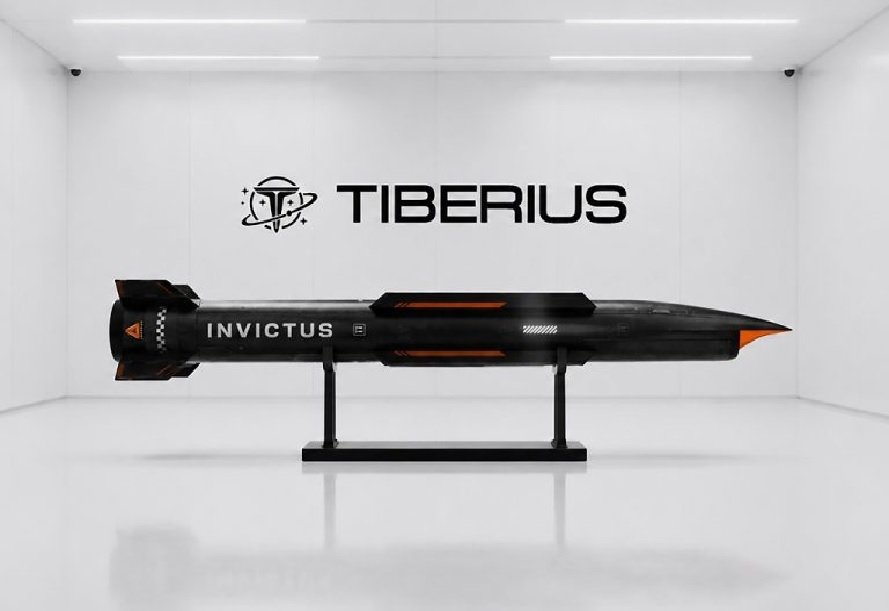 Tiberius Aerospace’s Invictus Enters Formal Engineering Phase – Designed for Mach 3 and 200 km Range
U.S
NEWPORT BEACH, California — Tiberius Aerospace has advanced its Invictus long-range precision strike system from early laboratory development into formal engineering Test & Evaluation (T&E), bringing the program closer to deployment. The company announced on August 20 that testing will focus on the weapon’s propulsion, flight performance, guidance, platform integration and manufacturability. Invictus-200 Capabilities Invictus is a tube-launched, multi-mission weapon based on an open, modular architecture. It is designed for integration with multiple platforms, including autonomous vehicles operating on land and at sea and vertical launch systems such as Tiberius’ autonomous “Vault” containerized launchers. The Invictus-200 combines an integral solid-fuel booster with a ramjet engine. Tiberius says it can reach speeds of up to Mach 3, strike targets at ranges of up to 200 kilometers, and carry a 10–15 kilogram payload. Depending on the guidance configuration, the system is designed to achieve a 5.5-meter circular error probable (CEP). Formal propulsion testing is already underway at Purdue University’s Zucrow Laboratories, where direct-connect tests of the Invictus ramjet engine have demonstrated reliable operation using Jet-A aviation fuel across all conditions tested so far. Experience From Sceptre Program The development of Invictus has been accelerated by Tiberius Aerospace’s earlier Sceptre program, a 155mm guided ramjet artillery munition. Tiberius launched its first Sceptre munition in May 2025. In April 2026, the company successfully demonstrated liquid-fueled ramjet ignition during live-fire testing in New Mexico. The projectile survived launch forces of approximately 16,000 Gs from a standard howitzer. The company said data and technical experience from Sceptre’s propulsion, flight performance and guidance development helped move Invictus into formal engineering testing. Designed for Production and Future Upgrades Tiberius is developing Invictus as Western countries face pressure to replenish long-range precision-strike inventories. The company said the U.S. Army expended virtually its entire stockpile of ATACMS and Precision Strike Missiles during a five-month conflict with Iran, while European and NATO missile inventories have also faced strain. The company says Invictus is intended to address both capability and production requirements through an architecture designed for scalable manufacturing. Tiberius is also using its proprietary GRAIL (Generative Real-time Artificial Intelligence Lethality) platform. The company says GRAIL uses “Cost Effect Lethality Scores” to evaluate weapons and connects program requirements with domestic and allied suppliers capable of producing components and systems at high volume. Chad Steelberg, founder and CEO of Tiberius Aerospace, said the move into formal engineering T&E is a major step toward turning Invictus into a deployable capability. He said Invictus and Sceptre were designed from first principles for cost-effective lethality, high-volume production and an open architecture that can be upgraded without replacing the entire system. Tiberius Aerospace is based in Newport Beach, California, with a UK entity registered in London. The company continues development of both Sceptre and Invictus through its GRAIL platform.
Read More → Posted on 2026-08-21 11:55:30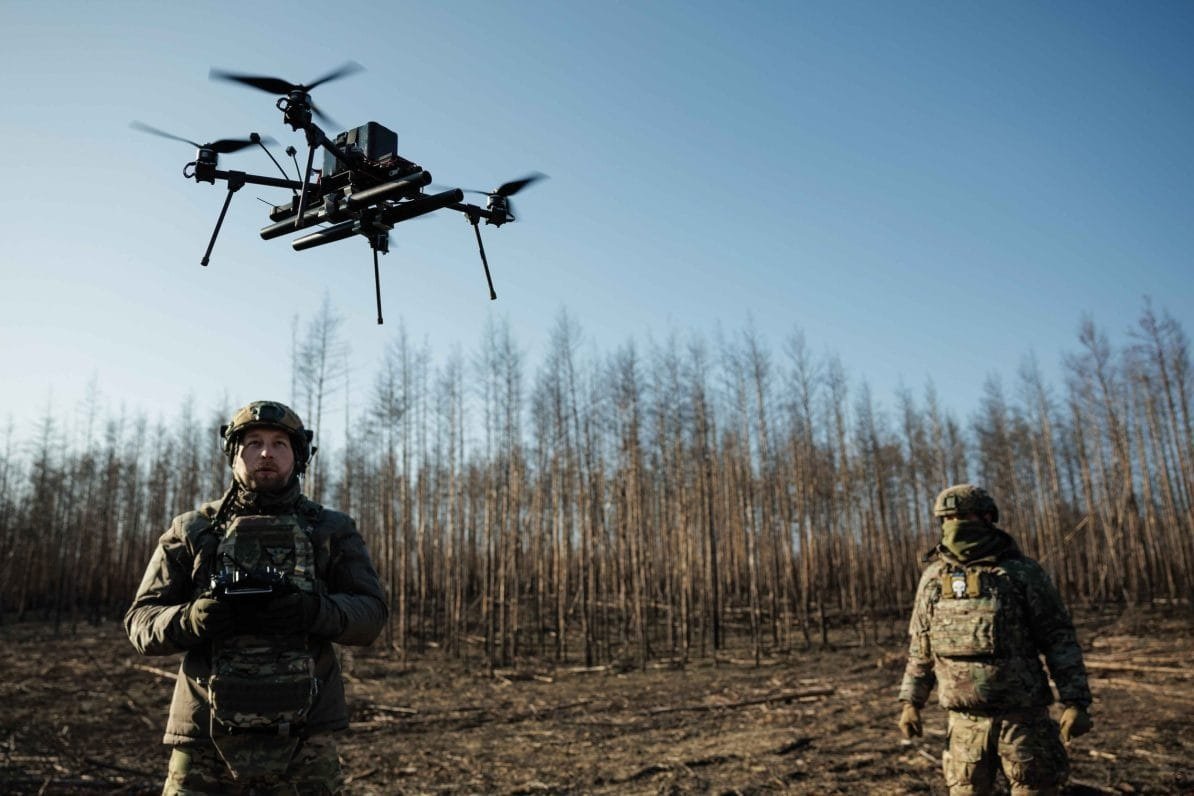
U.S
HOHENFELS, Germany — The U.S. Army is preparing to end the specialized role of an experimental drone battalion in Europe that was created to study lessons from the war in Ukraine and improve how unmanned systems are used in combat formations. The decision was first reported by The Wall Street Journal, citing a U.S. Army representative, and was also confirmed by Military Times and CBS News. The battalion, designated the 3rd Battalion, 504th Parachute Infantry Regiment, was formed in January 2026 from elements of the 173rd Airborne Brigade. It has about 600 soldiers and was established to examine how unmanned aerial vehicles (UAVs) and unmanned ground vehicles (UGVs) could be integrated into brigade-level operations. The unit was modeled in part on Ukraine's use of specialized drone formations. Soldiers from the 173rd Airborne Brigade had already been experimenting with and building their own systems, including first-person-view drones, before the battalion was formally activated. Final Mission in Germany The battalion is scheduled to participate in the Saber Junction exercises at Hohenfels, Germany, in August and September 2026. After the exercise, it will submit its findings to Army command for further analysis. The findings are expected to contribute to future Army planning, experimentation and decisions on integrating unmanned systems into larger formations. After completing the study, the battalion will end its specialized unmanned-assault role and return to standard airborne infantry duties as part of a Mobile Brigade Combat Team (Airborne). An Army representative said the service remains committed to accelerating U.S. capabilities in drone warfare but did not provide details about what organization or structure could replace the experimental battalion. Part of a Broader Army Restructuring The decision is part of Acting Chief of Staff of the Army Gen. Christopher LaNeve's broader “back-to-basics” approach. LaNeve assumed the position after Gen. Randy George was dismissed in April 2026. His strategic guidance, known as “Army Azimuth,” places emphasis on core warfighting tasks, homeland defense and power projection. The Army is also making wider structural changes. A Multi-Domain Task Force responsible for cyberspace and electronic warfare is being moved from Europe to South Korea. The Army has also established the 7th Infantry Division (Multi-Domain Command-Pacific). In another major change, the U.S. III Armored Corps, which had previously focused on strengthening the Army's European presence, has been reassigned to the newly established Western Hemisphere Command. Internal Disagreements The rapid organizational and personnel changes have also produced disagreements within the Army's senior leadership. Gen. LaNeve and Secretary of the Army Daniel Driscoll have disagreed over the dismissal of senior commanders and proposed changes to physical fitness standards. Separately, U.S. military leadership recently canceled scheduled presentations by senior Ukrainian officers at the Maneuver Center of Excellence at Fort Benning. The presentations were intended to provide additional insight into lessons from the Ukraine war, but officials did not give a specific reason for the cancellation. The experimental drone battalion's final exercise and subsequent report will provide the Army with another set of findings as it determines how drone and ground-robot technologies should be incorporated into future force structures.
Read More → Posted on 2026-08-21 13:01:42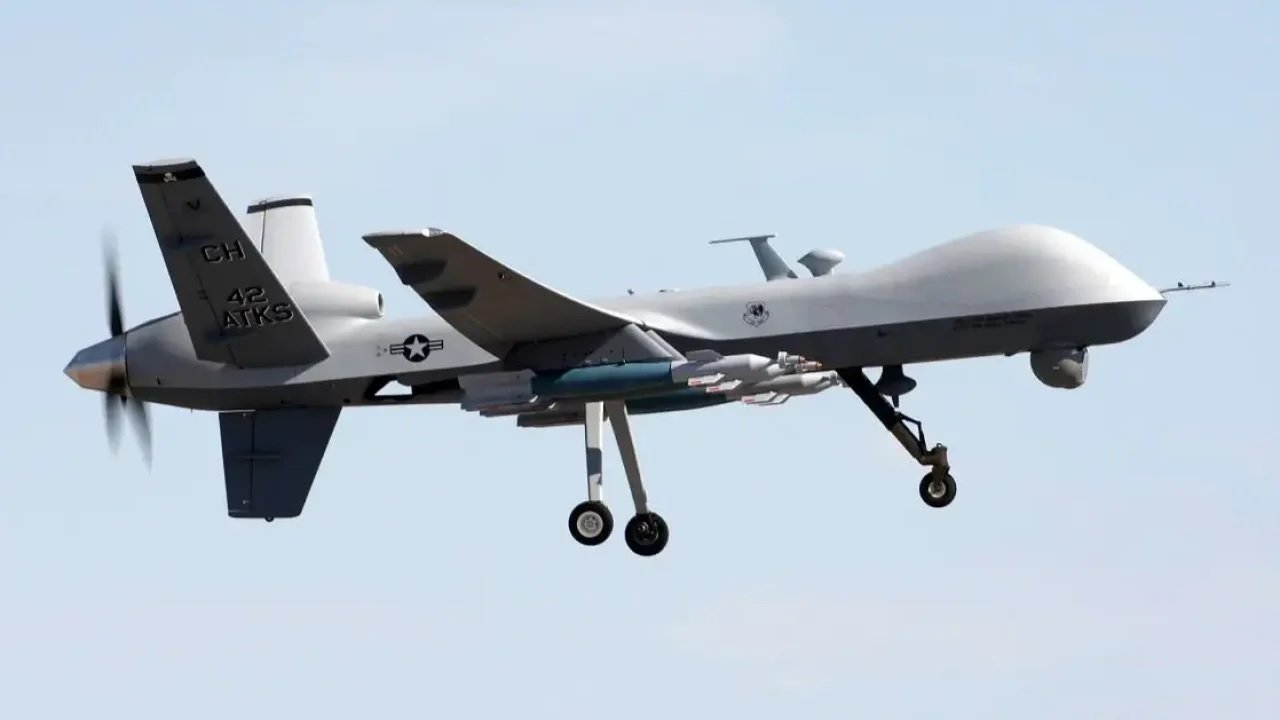
U.S
Middle East — U.S. forces destroyed a $23.6 million MQ-9A Reaper after the drone made a hard landing during a nearly 19-hour mission in the Middle East on August 31, 2025. The incident occurred at an undisclosed location within the U.S. Central Command area of responsibility. The MQ-9A, tail number 13-4245, was assigned to the 432nd Wing at Creech Air Force Base, Nevada, and remotely operated by a pilot and sensor operator from the 89th Attack Squadron at Ellsworth Air Force Base, South Dakota. The Reaper was returning to a regional base when its engine suddenly shut down. Flight data showed a brief fuel-flow spike followed by a complete drop to zero. Two automatic engine restart attempts and two manual attempts by the crew all failed. The crew kept the unpowered aircraft airborne for nearly 10 minutes while following emergency procedures. The crew then selected a relatively flat, isolated desert area for a forced landing away from population centers. The landing was attempted with the landing gear down, but communication was lost below 2,000 feet. The aircraft reached the selected area, but the impact collapsed the landing gear. U.S. forces recovered sensitive equipment from the wreckage and demolished the remaining parts on site to prevent sensitive technology and intelligence materials from potentially falling into enemy hands. No injuries, fatalities or civilian property damage occurred. Investigation Finds Electrical Failure The Air Combat Command Accident Investigation Board report, released on August 13, 2026, determined that the most likely cause was internal electrical wire chafing inside the fuel control unit. According to the investigation, a frayed wire allowed enough voltage to inadvertently close the electrical fuel shutoff valve, cutting fuel to the engine. General Atomics reproduced the sequence in laboratory testing by closing the valve, matching the flight data recorded during the incident. The aircraft was on its first flight after a complete engine replacement during a routine 3,000-hour inspection. During the maintenance, contractors replaced a chafed propeller governor cable, installed an overhauled fuel control unit because of a missing log card, and repaired a leaking compressor seal. The inspection did not include removal of the fuel control unit's top cover, despite the manufacturer having identified known cases of sensor-wire chafing in the component. However, investigators found no evidence that the engine replacement or related maintenance caused the wire failure. The board also identified gaps in planning, briefing and written procedures. MQ-9 maintenance rules do not require a dedicated post-engine-replacement check flight, unlike procedures for most manned Air Force aircraft. The crew was also not informed that the Reaper had received a new engine. The report listed these procedural and communication issues as relevant factors but did not blame the maintenance work for the failure. The incident is one of multiple MQ-9 losses recorded in the region during the previous 18 months.
Read More → Posted on 2026-08-21 13:09:58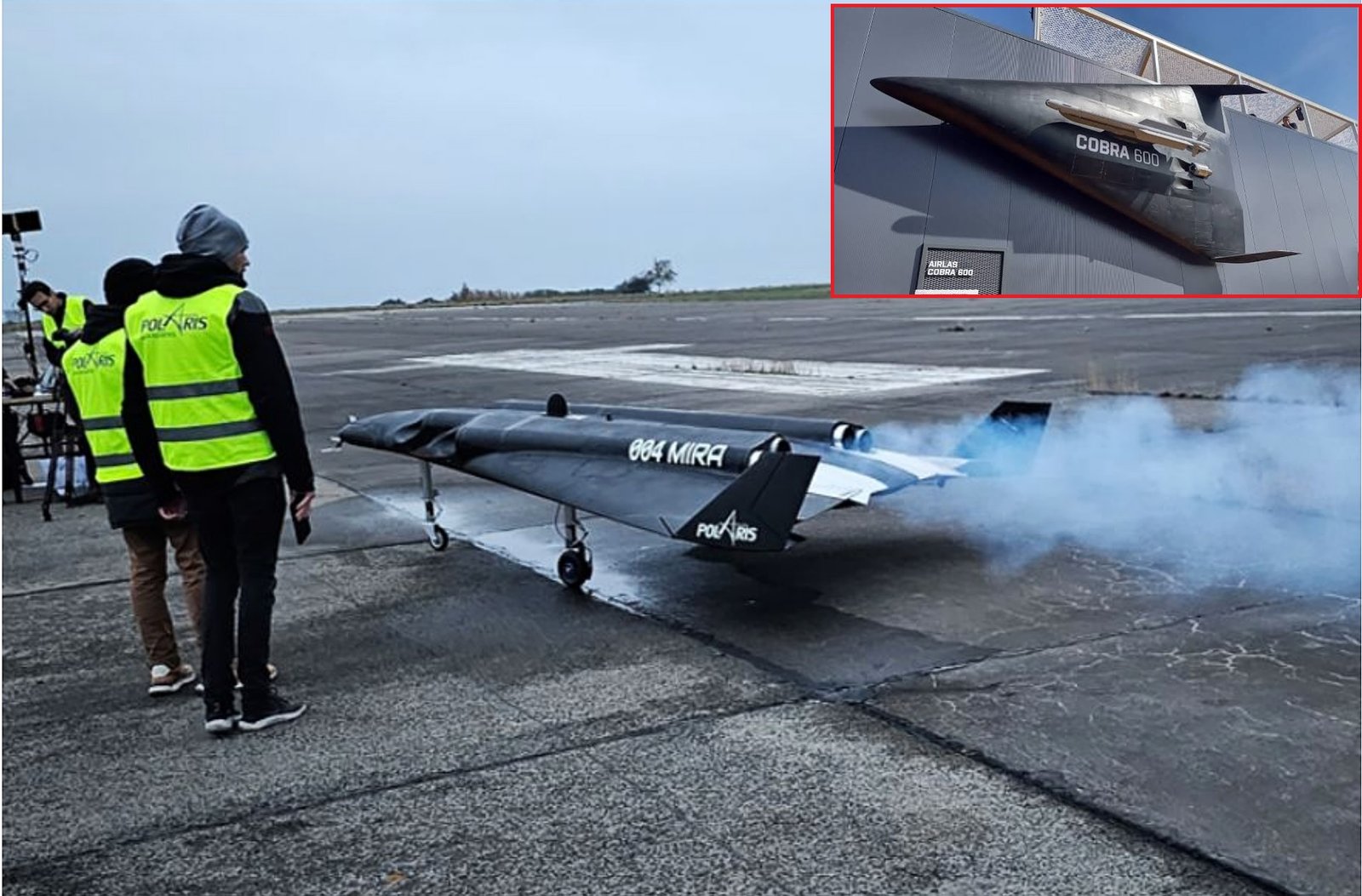
Europe
BREMEN, Germany — German aerospace company POLARIS Spaceplanes has completed the first flight of its COBRA uncrewed aircraft prototype, flying more than 20 kilometers (12 miles) on August 21, 2026. The company described the flight as “perfectly smooth” and said additional test flights are planned in the coming months. Video of the maiden flight is expected to be released soon. The COBRA has a takeoff mass of more than 600 kilograms and is being developed with German defense company Diehl Defence under the Airborne Launching and Attack System (AirLAS) program. The system is designed to carry and launch IRIS-T air-to-air missiles from an unmanned airborne platform. AirLAS is intended to provide a mobile, forward-deployed air-defense capability by moving the missile launch point closer to an approaching target. The system is designed for engagements involving aircraft, drones, cruise missiles and helicopters. POLARIS and Diehl Defence signed an exclusive cooperation agreement for the project at the Paris Air Show in June 2025. The companies publicly unveiled the Cobra 600 demonstrator at the ILA Berlin Air Show in June 2026. The six-meter-long Cobra 600 uses a delta-wing, flying-wing-style airframe with wingtip stabilizers. It was displayed carrying one IRIS-T missile on a top-mounted pylon. The demonstrator uses two JetCat P1000-PRO micro turbojet engines, each producing just under 250 pounds of thrust, while the airframe has intake ports for two additional engines. The aircraft has retractable tricycle landing gear and is designed to operate from conventional runways as well as suitable sections of highway. The system is designed to be reusable when a mission ends without launching its missile, but it can also be used as a one-way asset when required. Reports associated with the Cobra 600 have put its flight range with a combat payload at around 250 to 400 kilometers. The IRIS-T is a short-range, infrared-guided air-to-air missile developed by Diehl Defence and used by multiple European and allied air forces. It weighs 87.4 kilograms, has a stated top speed of Mach 3 and an operational range of about 25 kilometers when launched from an aircraft. Ground-launched IRIS-T SLS and SLM variants have ranges of roughly 12 kilometers and 40 kilometers, respectively, according to the figures provided for the systems. By carrying the missile on an unmanned aircraft, AirLAS is intended to overcome some of the geographic limitations of stationary ground launchers by positioning the launch point closer to the target before firing. POLARIS, based in Bremen, originally focused on reusable hypersonic spaceplanes. The company describes COBRA as a scaled-down derivative of that work adapted for defense applications. Its other programs include the AURORA multipurpose spaceplane, while BAAINBw has also funded POLARIS work on in-flight refueling technology intended to extend the range and payload capacity of its vehicles. AirLAS does not currently have a confirmed procurement contract from the German military or another government. Diehl Defence has said at least one unnamed allied country has expressed investment interest, but no formal purchase agreement has been disclosed.
Read More → Posted on 2026-08-21 13:21:06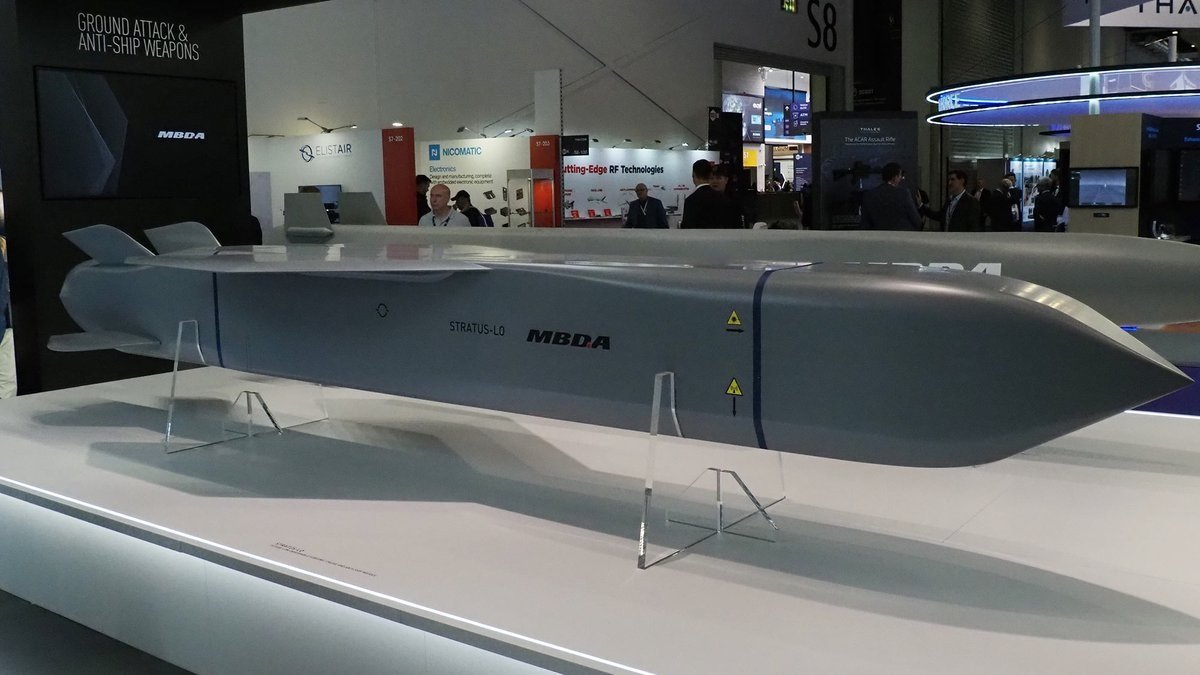
Europe
LONDON — The UK’s Stratus future cruise and anti-ship missile programme is moving toward its Demonstration Phase, with the first full-scale system tests scheduled to begin in 2028, the Ministry of Defence has confirmed. Stratus, formerly known as the Future Cruise/Anti-Ship Weapon (FC/ASW) programme, is being developed by the UK, France and Italy and is led by MBDA. The programme was renamed Stratus at the DSEI defence exhibition in London in September 2025. The weapon is intended to replace the capabilities provided by the Storm Shadow cruise missile for deep land strikes and the Harpoon for anti-ship warfare. Storm Shadow has an approximate range of 560 km, while Harpoon variants typically reach around 220 km. UK Defence Minister Luke Pollard said the programme remains on schedule and that its weapons and subsystems are continuing to mature. He confirmed that testing of the airframe design, engine demonstration, warhead and seeker performance has already been completed. “The first full scale system tests are scheduled from 2028,” Pollard said in a parliamentary response. The Ministry of Defence has not disclosed Stratus’ exact operational range because it is classified. Pollard said the range of the Stratus LO (Low Observable) variant is “significantly greater” than the Storm Shadow and Harpoon weapons it will replace. Previous independent reporting has indicated a possible ship-launched range of around 1,000 km for the LO variant, but this has not been officially confirmed. Two Stratus Variants The programme consists of two complementary missiles. Stratus LO is a subsonic, low-observable missile designed for long-range strikes against land and naval targets. It is led by the UK. Stratus RS (Rapid Strike) is a supersonic, ramjet-powered and highly manoeuvrable missile led by France. It is intended for anti-ship missions, suppression of enemy air defences and related roles. Integration With UK and European Platforms The Ministry of Defence has confirmed that Stratus will be integrated across air and maritime platforms, including Eurofighter Typhoon, Dassault Rafale and selected naval platforms such as the Royal Navy’s Type 26 frigates. Stratus LO is also intended to meet the Royal Navy’s Future Offensive Surface Weapon requirement, including long-range anti-ship and land-attack capabilities compatible with the Mk 41 Vertical Launch System. The UK is introducing eight Type 26 anti-submarine warfare frigates, making the planned integration of Stratus an important part of their future offensive weapon capability. The UK has also allocated £1.4 billion over four years to the Stratus programme. The investment is part of the UK’s wider complex weapons programme and builds on defence cooperation between Britain and France under the Lancaster House framework, later expanded to include Italy. With full-scale testing scheduled from 2028, Stratus is now moving from airframe, propulsion, warhead and seeker development toward complete system demonstration. Earlier planning indicated maritime-launched service could begin around 2028, while air-launched service was expected in the early 2030s, although final in-service dates remain subject to programme progress.
Read More → Posted on 2026-08-21 13:33:16 Ukraine Expands Defense Production in Europe With Drone Plant in Finland and Ammo Plant in Lithuania
Europe
HELSINKI/VILNIUS — Ukrainian defense companies are expanding production in Europe through separate agreements to manufacture Ukrainian-designed drones in Finland and ammunition in Lithuania. Airlogix Plans Drone Production in Finland Ukrainian drone manufacturer Airlogix signed a Letter of Intent with Finnish company Innokas on August 19, 2026, to establish production of Ukrainian-designed unmanned aerial systems in Finland. The agreement was signed at the DALO Industry Days defence exhibition in Denmark by Airlogix Chief Investment and Financial Officer Oleksandr Androshchuk and Innokas CEO Janne Kostamo. The partnership is part of the Build with Ukraine initiative, which aims to expand production of Ukrainian unmanned systems in Europe and increase supplies to Ukraine’s defence forces. Airlogix will provide its technologies and engineering solutions, while Innokas will handle localization, industrial scaling and manufacturing of regulated products in Finland. The companies plan to develop the legal, technical and production framework and are considering establishing a joint venture. No production capacity, investment amount or operational timeline has been announced. Finnish reports have indicated that facilities could be located in the Oulu region, although this remains unconfirmed. A government-level technology transfer agreement would also be required before production begins. Airlogix was founded in Kyiv in 2020 and initially developed civilian cargo drones before shifting to military systems after Russia’s full-scale invasion in 2022. Its main product is the Gor (GOR) tactical reconnaissance UAV, which company data lists as having up to four hours of flight time, a 3,500-metre operating altitude, 260 km flight distance and around 80 km tactical range. The UAV is used by Ukrainian forces for artillery adjustment and target detection. In July 2026, Airlogix also agreed with Czech PBS Group to localize production of PBS turbine engines in Ukraine for drones used by Ukraine’s defence forces. The company is also working with Canada’s Sentinel Research and Development to produce and supply drones to Ukraine under an agreement between the Canadian and Ukrainian defence ministries. DEMZ to Build Ammunition Plant in Lithuania Separately, Ukrainian defense company DEMZ (Dnipro Electromechanical Plant) signed an investment agreement with Lithuania on August 14, 2026. Lithuanian Economy Minister Edvinas Grikšas and DEMZ chief Jevhen Muzykin signed the agreement in Vilnius. DEMZ will manufacture ammunition and components at two locations. Metal shell components will be produced at existing facilities in the Alytus Industrial Park, while a new assembly plant will be built near Balbieriškis in the Prienai district, on a roughly 30.6-hectare site in Ąžuolai village. Construction is scheduled to begin in autumn 2026, with production expected to start by the end of 2027. The project is expected to create up to 450 jobs, and its products will meet NATO standards. Initial supplies are intended for the Ukrainian Armed Forces, with potential later supplies to NATO countries and other allies. The exact investment value has not been disclosed. Lithuania’s Ministry of Defence has also signed a related memorandum of understanding with DEMZ. DEMZ employs about 4,000 people and shifted to military production after 2022. The two agreements reflect Ukraine’s broader effort to expand defense production through partnerships and manufacturing facilities in European countries, increasing industrial capacity while strengthening defense-industrial cooperation with European partners.
Read More → Posted on 2026-08-21 13:48:47
U.S
WASHINGTON — The U.S. Department of State has approved a potential $4.5 billion Foreign Military Sale to Qatar covering up to four Boeing KC-46A Pegasus aerial refueling aircraft and a large package of related equipment and support. The approval was announced on August 20, 2026, and the proposed sale has been notified to the U.S. Congress. The notification authorizes the possible sale but does not represent a final contract. The quantities and total cost could change during negotiations, and Congress has the opportunity to review the proposal. Aircraft and Equipment Package Under the proposed deal, Qatar would acquire up to four KC-46A aircraft along with eight Pratt & Whitney PW4062 turbofan engines. Four engines would be installed on the aircraft, while four would be provided as spares. The package also includes: 10 AN/ALR-69A radar warning receivers, including four installed and six spares 15 Guardian Laser Transmitter Assemblies for Large Aircraft Infrared Countermeasure (LAIRCM) systems Eight LAIRCM system processor replacements Missile warning sensors Cartridge and propellant actuated devices Control interface units User data module cards Electronic warfare database support KIV-77 cryptographic modules and KY-100M terminals AN/PYQ-10 simple key loaders AN/APX-119 Identification Friend or Foe transponders Precision navigation systems Aircraft components, parts and spare parts Support equipment and training aids Technical documentation and personnel training Logistics support and other related services The proposed package is therefore considerably broader than the four aircraft themselves, covering the equipment, training, spares and support required to operate and maintain the KC-46A fleet. State Department Rationale The State Department said the proposed sale would support U.S. foreign policy and national security objectives by improving the security of Qatar, which it described as a strategic regional partner. According to the department, the KC-46A acquisition would increase Qatar's ability to respond to current and future threats, while improving interoperability with U.S. and allied forces and reinforcing Qatar's role in regional security. The department also determined that Qatar would be able to absorb the proposed equipment and services into its armed forces. It said the sale would not alter the basic military balance in the region and would have no adverse impact on U.S. defense readiness. Implementation would not require additional U.S. government or contractor representatives to be assigned to Qatar. KC-46A Capability The Boeing KC-46A Pegasus is a multi-role aerial refueling aircraft based on the Boeing 767 platform. In addition to aerial refueling, it can perform cargo and aeromedical evacuation missions. Boeing says the aircraft can use both a refueling boom and hose-and-drogue systems and is designed to support U.S., allied and coalition aircraft compatible with international aerial-refueling procedures. The aircraft also incorporates defensive systems intended to provide warning and protection against threats. Qatar's proposed configuration specifically includes radar warning receivers, missile warning sensors and LAIRCM equipment. If the proposed purchase is completed, Qatar would establish its own KC-46A aerial refueling capability. The aircraft is already operated by the United States, Japan and Israel, making Qatar a potential additional international operator. Boeing delivered the first KC-46A to Israel in May 2026, while Japan became the program's first international customer. Strategic Importance for Qatar Qatar hosts Al Udeid Air Base, a major U.S. military installation in the Middle East and a key part of the U.S.-Qatar security relationship. The country has also played a diplomatic role in regional negotiations, including efforts involving the United States and Iran and other Middle Eastern conflicts. The proposed KC-46A purchase would give Qatar an aerial refueling platform that can support its own military aircraft while also providing additional interoperability with U.S. and allied forces. The sale comes amid continuing U.S.-Qatar security cooperation and a broader regional security environment in which Gulf states have been strengthening their defense capabilities. Contractors and Next Steps The principal contractors identified for the proposed sale are Boeing, Pratt & Whitney Military Engines, RTX Corporation, and Northrop Grumman. The U.S. government said it is not aware of any offset agreement proposed in connection with the potential sale. Any such arrangement would be determined through negotiations between Qatar and the contractors. The $4.5 billion notification is therefore not a finalized purchase agreement. Further negotiations will determine the final quantities, cost, schedule and implementation details, subject to the U.S. congressional review process.
Read More → Posted on 2026-08-21 14:00:45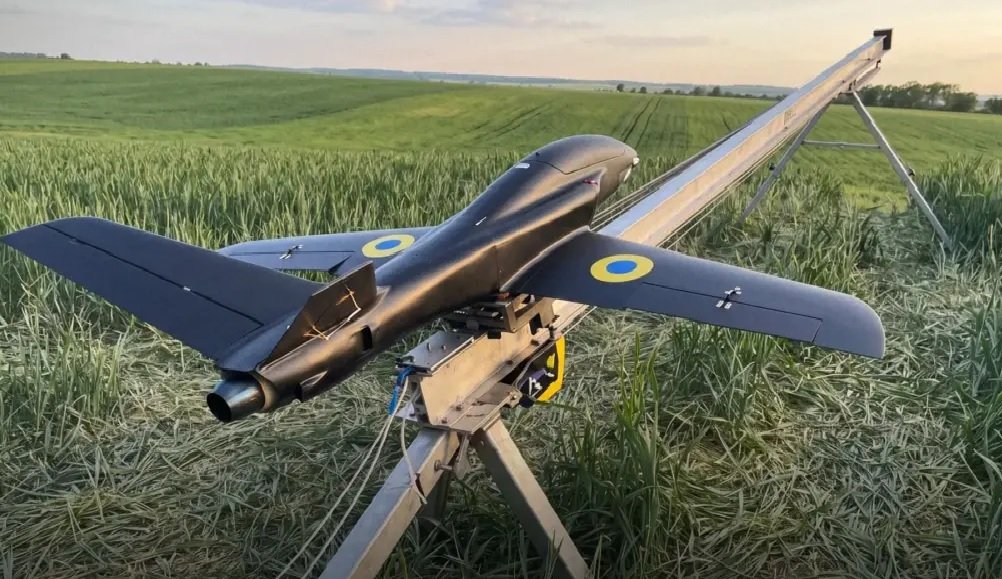
World
KYIV, Ukraine — Ukraine’s Defence Forces have added Alexa Spatium, the country’s first domestically developed jet-powered drone interceptor, to their arsenal, the Ministry of Defence announced. Developed by Ukrainian engineers, the high-speed unmanned aircraft is designed to detect and destroy small aerial, ground and surface targets in combat conditions. Its main purpose is to intercept Russian one-way attack drones, including the Geran-3, Geran-4, Geran-5 and Shahed-131. It can also engage reconnaissance drones, helicopters and other individual targets. Alexa Spatium is powered by a turbojet engine, unlike conventional propeller-driven drones. According to the ministry, the engine provides a substantial combat radius, rapid altitude gain and a flight envelope covering low to medium flight levels. During testing, the interceptor met the tactical and technical specifications stated by its manufacturer. The aircraft measures approximately 1.5 metres by 1.7 metres and has a lightweight, durable composite airframe designed to provide manoeuvrability for sharp turns while maintaining controllability. It combines a high maximum speed with a low minimum speed to allow fuel conservation when required. For target detection, Alexa Spatium uses television and infrared search-and-sighting systems. It can fly to pre-programmed coordinates or operate under direct real-time guidance and has secure control and video-transmission systems. The interceptor can carry different warheads, including high-explosive fragmentation, shaped-charge and thermobaric warheads, allowing it to be configured for different targets. The system is launched from a mobile catapult and can be prepared and launched within several minutes with minimal site preparation. Preparation and launch can be conducted remotely, reducing personnel requirements at the operating position. Its modular and highly automated design allows all components to be transported in a standard pickup truck. If the interceptor does not complete its mission or engage a target, it is designed to return to the launch site for reuse. The Ministry of Defence said Alexa Spatium was developed for rapid response, fast deployment and swift mission execution. The announcement comes as Ukraine expands domestic unmanned-aircraft production. Since the beginning of 2026, the ministry has codified and authorised 413 unmanned aircraft systems for use by the Defence Forces, with almost all manufactured domestically. The manufacturer of Alexa Spatium has not been disclosed.
Read More → Posted on 2026-08-21 14:14:16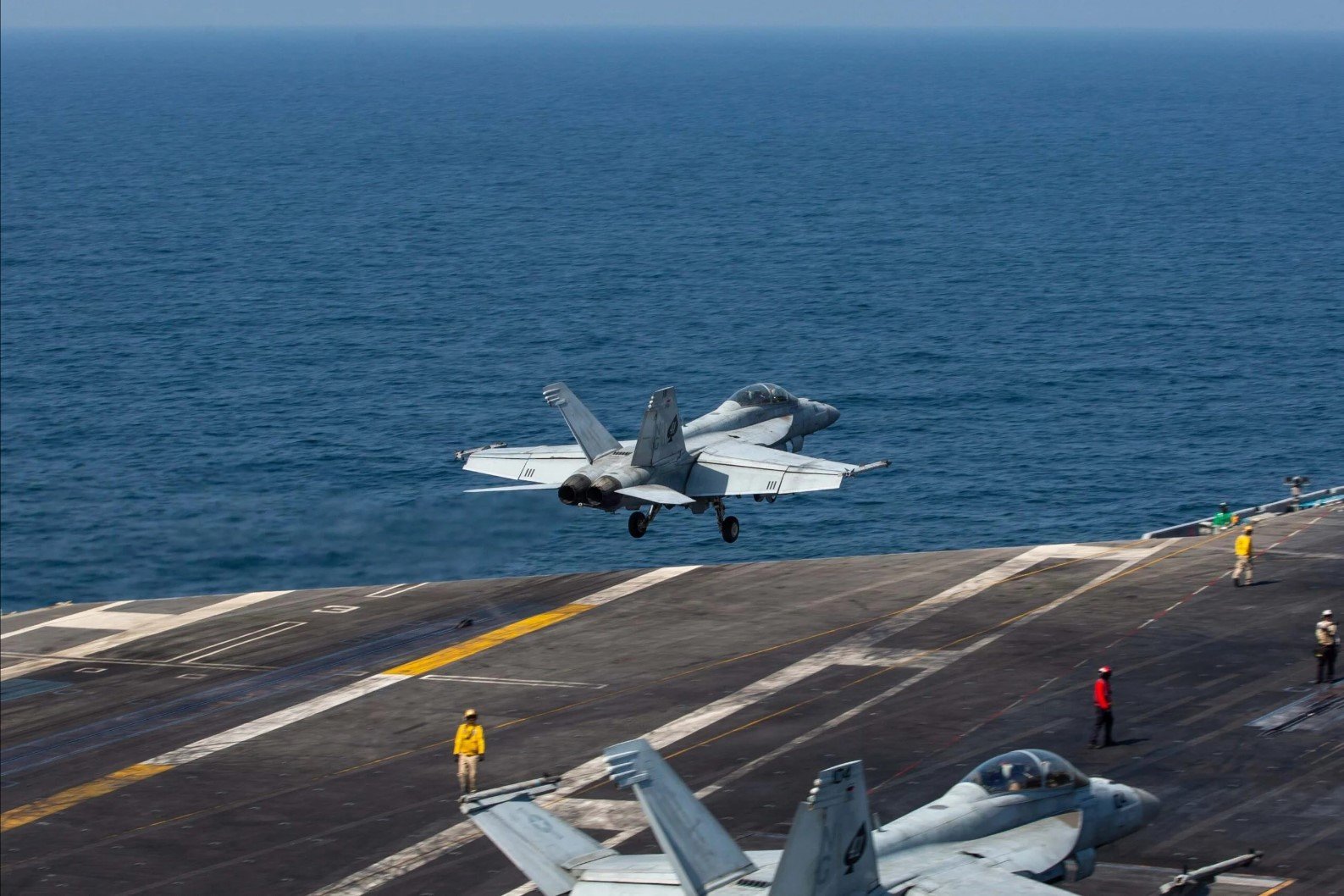
U.S
SAN DIEGO — General Atomics has received a $42.87 million U.S. Navy order to supply spare parts for the Electromagnetic Aircraft Launch System (EMALS) and Advanced Arresting Gear (AAG) installed on in-service Ford-class aircraft carriers. The firm-fixed-price order is valued at $42,871,948 and was issued by Naval Air Systems Command (NAVAIR) at Patuxent River, Maryland, under an existing basic ordering agreement. The contract was not competed. The order covers insurance spares and rotable pool spares for both systems. Insurance spares are kept in reserve for unexpected failures, while rotable pool components can be removed, repaired and returned to service. Work will be performed in Tupelo, Mississippi (61%), San Diego, California (38%), Boston, Massachusetts (0.5%), and Lakehurst, New Jersey (0.5%). The Navy expects the work to be completed by April 2034, using Fiscal Year 2026 other procurement funds. The Navy has not disclosed the number of carrier shipsets covered by the order or which specific carriers will receive the parts. Supporting Ford-Class Carriers EMALS uses a linear induction motor to launch aircraft from the carrier deck, replacing the steam catapults used on Nimitz-class carriers. AAG provides the aircraft recovery function using an electromagnetic-based system. General Atomics designed and built both systems and has operated a related manufacturing facility in Tupelo since 2005. The lead Ford-class carrier, USS Gerald R. Ford (CVN-78), entered service with EMALS in 2017. After early development and reliability challenges, the system has accumulated significant operational use. Pentagon documents cited by Reuters showed that the carrier had completed 36,863 EMALS launches by March 2026. The carrier returned to Naval Station Norfolk on May 16, 2026, after a 326-day deployment. During that deployment, Carrier Air Wing 8 recorded more than 5,760 flight hours and 12,200 aircraft launches. Separate From Doris Miller Decision The spare-parts order is separate from a recent decision involving future Ford-class carriers. On August 13, 2026, President Donald Trump signed a national security memorandum directing the Navy to remove EMALS and Advanced Weapons Elevators from the future USS Doris Miller (CVN-81) and develop a plan to use steam catapults and hydraulic elevators on that ship and subsequent carriers. The directive does not affect USS Gerald R. Ford, USS John F. Kennedy (CVN-79), or USS Enterprise (CVN-80), which will retain EMALS and AAG as built. General Atomics said the change on Doris Miller warrants reconsideration, noting that nearly 50% of production for that shipset was already complete. The company and naval analysts have said changing the design could create significant cost, schedule and integration risks because the Ford-class ships were designed around an all-electric architecture. The new $42.9 million order applies only to EMALS and AAG already installed on carriers in the fleet and is separate from decisions concerning launch and recovery systems on future ships.
Read More → Posted on 2026-08-21 14:25:35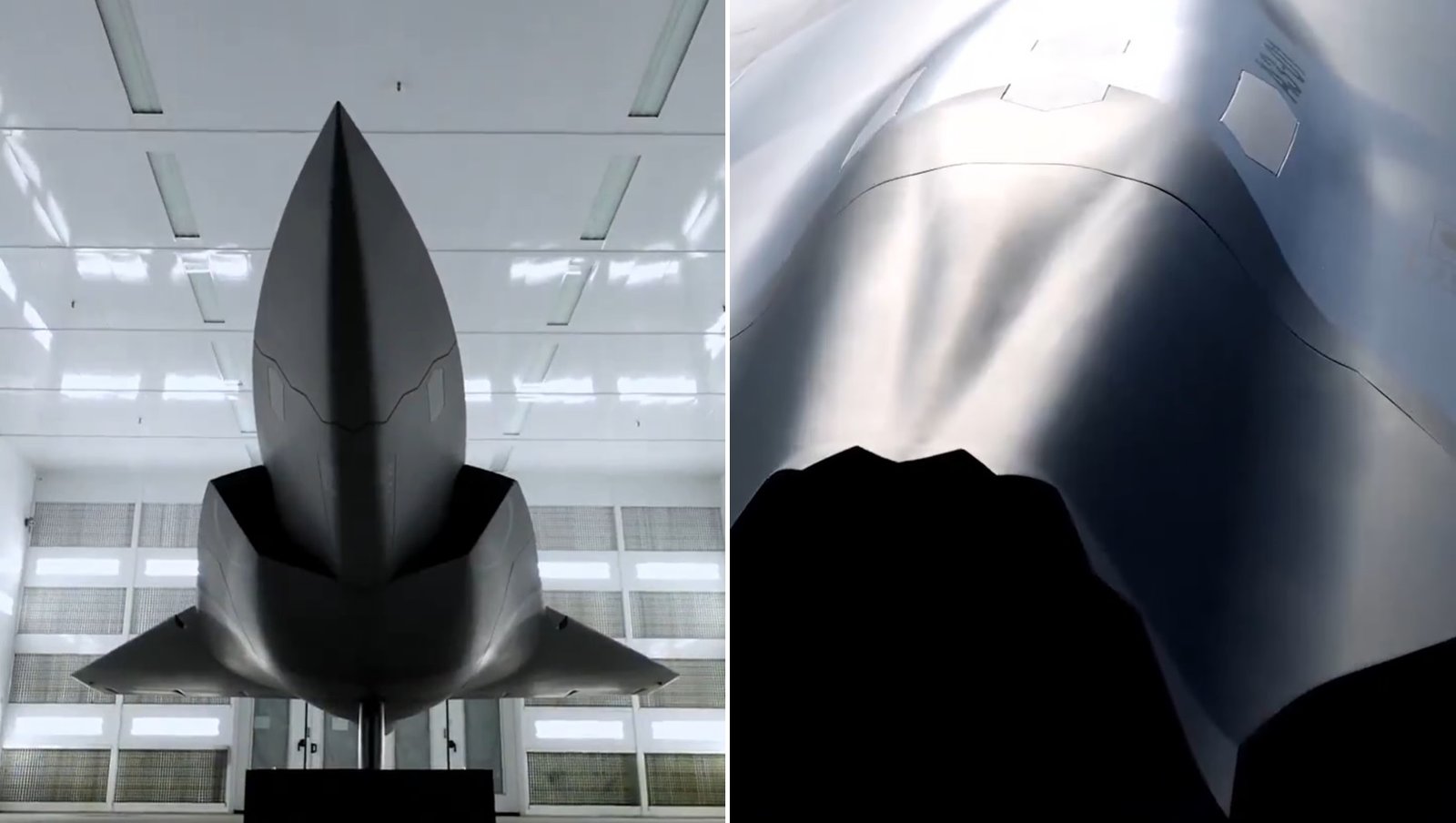
Europe
STOCKHOLM, Sweden — Swedish defence company Saab has released the first public footage of a new unmanned Collaborative Combat Aircraft (CCA) concept marked “A3-01.” Published on August 21, 2026, the video shows an unmanned fighter designed to operate alongside crewed combat aircraft. The aircraft features a delta wing, a single jet engine and two air intakes on either side of the fuselage. Its airframe also uses low-observable shaping. Saab has not confirmed its speed, but German defence outlet Hartpunkt noted that the aerodynamic configuration could support supersonic flight. Saab has not disclosed technical specifications, a formal programme name, customer, funding level or detailed development schedule. It also remains unclear whether A3-01 is an early design study, a planned flight demonstrator or an early representation of a wider programme. pic.twitter.com/47aSxhOxzT — Ovidiu Muca 🇪🇺 (@OvidiuMuca) August 21, 2026 Multi-Domain Unmanned Fighter Saab described the concept as part of a future “system of systems” approach to air combat. “The future of air combat is not just about a single aircraft, it’s about a seamless system of systems,” the company said. Saab said the aircraft is designed to operate with manned aircraft and support multi-domain operations across air, land, maritime, space and cyber domains. CCA aircraft are generally intended to work with crewed fighters and can carry sensors, weapons or electronic warfare equipment while receiving direction from a crewed aircraft or ground controller. Similar programmes are being pursued by countries including the United States and Australia. Possible Link to Sweden's Future Fighter Programme The A3-01 concept comes as Sweden continues studies for its future combat-aircraft capability. In October 2025, the Swedish Defence Materiel Administration (FMV) awarded Saab a contract worth approximately SEK 2.6–2.7 billion for continued studies of future fighter systems. The work covers manned and unmanned solutions from a system-of-systems perspective, technology development and demonstrator activities, with partners including GKN Aerospace. Concept and technology development was scheduled to continue until the third quarter of 2026, while demonstrator activities continue through 2027, including first flights. Swedish public broadcaster Sveriges Radio reported that the new aircraft is planned to enter operational service in about ten years. Earlier this year, Saab executives also said the company planned the first flight of a fighter-sized unmanned demonstrator in 2027. The demonstrator is expected to use Saab's “split core” software architecture, already used on the Gripen E. The architecture separates flight-critical software from tactical mission systems, allowing mission capabilities to be updated without recertifying the basic flight systems. However, neither Saab nor FMV has confirmed that A3-01 is directly connected to the October 2025 contract. Full-Scale Model, Not Confirmed as Flying Aircraft Polish defence publication MILMAG assessed that the aircraft shown in the video appears to be a full-scale model for aerodynamic testing or exhibition rather than a flying prototype. The model also features a sawtooth-shaped exhaust nozzle, consistent with low-observable design practices. Saab has not released further programme details specific to A3-01, while FMV has not issued a public statement on the video. Sweden's wider future fighter studies are intended to provide technical information for a government decision expected by 2030 on how to replace or augment the country's current Gripen fleet. Options under consideration include developing a new system independently, working with international partners or acquiring foreign aircraft. For now, Saab has confirmed only the concept's unmanned, collaborative and multi-domain focus, while its final configuration, performance, mission roles and development status remain undisclosed.
Read More → Posted on 2026-08-21 14:41:24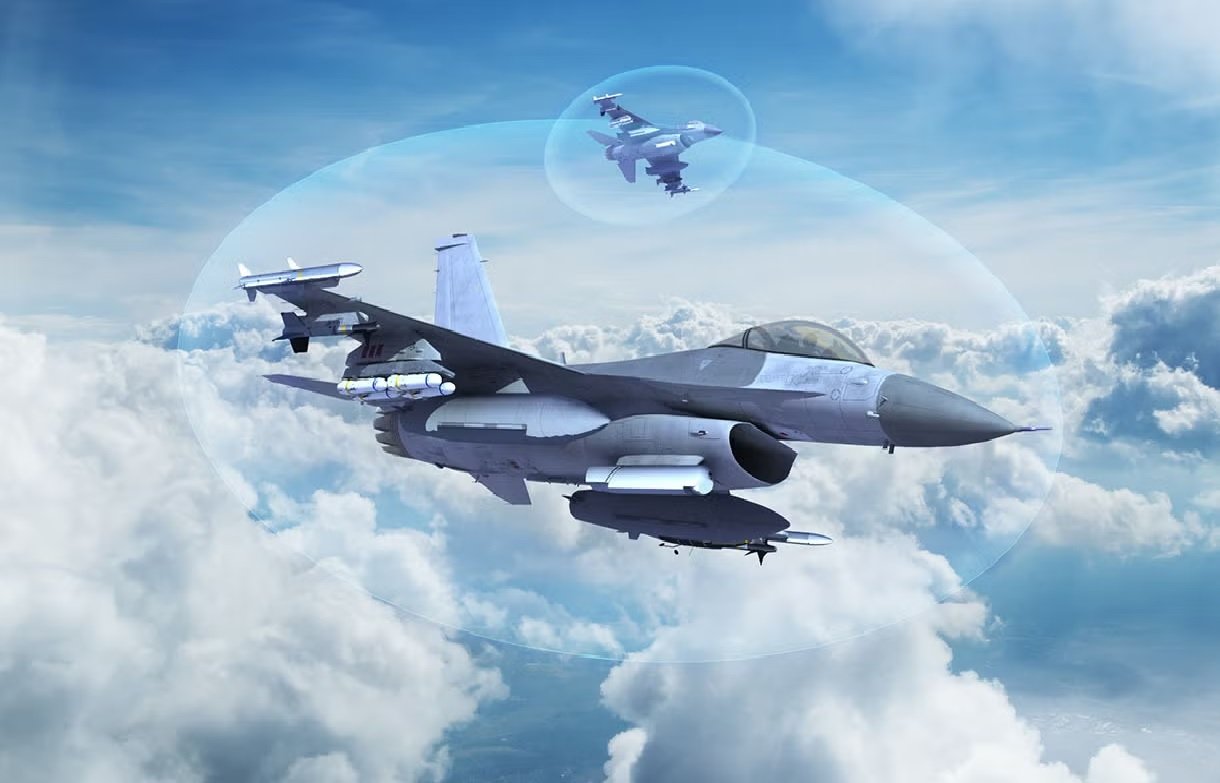
World
LIMA — Peru has selected L3Harris Technologies’ Viper Shield electronic warfare (EW) system for its new F-16 Block 70 fighter fleet, adding an advanced electronic protection capability to the country’s ongoing air force modernization program. L3Harris announced the selection on August 18, 2026. The AN/ALQ-254(V)1 Viper Shield is an all-digital, software-defined EW suite developed by L3Harris in partnership with Lockheed Martin and the U.S. Air Force. The system is designed to provide a virtual electronic shield around the aircraft and help pilots detect, counter and disrupt radar and other electronic threats. Viper Shield Capabilities Viper Shield combines digital threat warning and electronic countermeasure functions in an internally mounted system for the F-16 Block 70/72. Its digital radar warning receiver is designed to work with the F-16’s AN/APG-83 AESA radar, providing pilots with additional awareness of radar threats. The system also uses digital radio-frequency memory technology for electronic jamming and countermeasures. Its software-defined architecture is designed to support future upgrades as threat environments change. L3Harris says Viper Shield can be installed internally on new Block 70/72 aircraft. The company also offers the system for earlier F-16 variants through retrofit and podded configurations. The internal and podded versions use the same physical component hardware, according to the company. Peru’s F-16 Modernization Program The Viper Shield selection is part of Peru’s acquisition of F-16 Block 70 fighters. The U.S. government previously approved a possible Foreign Military Sale to Peru involving F-16 aircraft and related logistics and support, with an estimated value of $3.42 billion. The approval was announced in September 2025. Peru’s broader modernization plan calls for 24 F-16 Block 70 fighters. The initial acquisition involves 12 aircraft, while the Peruvian government has been working toward securing a second batch of 12 aircraft. Peruvian Defense Minister Rafael Belaúnde Llosa said on August 14, 2026, that the government was working to obtain the second batch. The minister said the air force requires 24 fighters to maintain its minimum deterrence capability. Earlier proposals for the F-16 acquisition had placed the value of 12 aircraft at about $3.42 billion. Following changes to the proposal, reports indicated that the planned 24-aircraft acquisition could be valued at approximately $3.5 billion. Viper Shield Production L3Harris said Peru is the eighth country to select Viper Shield. The company is increasing production toward a planned full-rate production level of 233 systems. Christopher Aebli, president of L3Harris’ Communications & Spectrum Dominance segment, said the company is providing Peru with an EW solution supported by an active production line, flight-test program and established supply chain. Viper Shield has already undergone flight testing. L3Harris completed the system’s first flight on a Block 70 F-16 at Edwards Air Force Base in February 2025, and the company has continued flight and environmental testing as the system moves toward wider production. The selection gives Peru an F-16 Block 70 configuration that includes an integrated digital electronic warfare system intended to improve threat warning and electronic protection. It also provides common EW capabilities with other countries operating the F-16 Block 70, supporting interoperability among users of the aircraft.
Read More → Posted on 2026-08-21 15:24:40
World
ISTANBUL — Turkey has begun the process of seeking Interpol Red Notices for Israeli Prime Minister Benjamin Netanyahu and Afek Moskovitch in connection with a criminal case over the interception of the Global Sumud Flotilla, which was carrying humanitarian aid toward Gaza. Turkish Justice Minister Akın Gürlek announced on August 21 that the Justice Ministry had asked the Interior Ministry to seek Red Notices for Netanyahu and Moskovitch. The relevant documents were also sent to the Foreign Ministry. Arrest Warrants Issued in July The case is being handled by Istanbul’s 11th High Criminal Court under file number 2026/108 and involves 35 defendants, including Netanyahu and Moskovitch. According to Gürlek, arrest warrants for Netanyahu and Moskovitch were issued on July 14, 2026, on a genocide charge. The subsequent request for Interpol Red Notices is intended to seek their international location and provisional arrest in accordance with applicable legal procedures. Turkish authorities say the case concerns the alleged armed interception of civilians traveling by sea with humanitarian aid for Gaza in international waters and the subsequent detention of activists. The charges cited by Turkish authorities include crimes against humanity, genocide, aggravated deprivation of liberty, intentional injury, torture, property damage, aggravated robbery and hijacking of transportation vehicles. Gürlek said Turkey would continue using national and international legal mechanisms in the case. Global Sumud Flotilla The legal proceedings concern the Global Sumud Flotilla, an international civilian initiative that sailed toward Gaza in 2025. The flotilla included more than 40 vessels and roughly 500 participants from more than 40 countries, according to contemporary reporting. Its stated objective was to deliver humanitarian aid to Gaza and challenge Israel’s naval blockade. Israeli forces intercepted the flotilla in international waters in early October 2025. The final vessel was intercepted on October 3, with Reuters reporting that Israeli forces had detained around 450 activists from the flotilla. Israel said the detained participants would be taken to its Ashdod port and subsequently deported. The incident became a major point of dispute between Israel and Turkey. Turkish authorities have described the interception as an unlawful action against civilians, while Israel has maintained that its naval blockade and actions to prevent the flotilla from reaching Gaza were lawful. What an Interpol Red Notice Means An Interpol Red Notice is not an international arrest warrant. According to Interpol, it is a request to law-enforcement authorities worldwide to locate and provisionally arrest a person pending extradition, surrender or similar legal action. Each member country decides what legal action it can take under its own laws. Interpol also states that individuals subject to Red Notices are wanted by the requesting country or an international tribunal, rather than by Interpol itself. Interpol does not have the authority to compel a member country to make an arrest. There is currently no indication that Interpol has issued Red Notices for Netanyahu or Moskovitch. Turkey has requested that the notices be pursued following the arrest warrants issued by the Turkish court. Israel-Turkey Tensions The latest legal move comes as relations between Turkey and Israel remain highly strained. The two countries have sharply disagreed over Israel’s military operations in Gaza, the blockade and developments involving Syria. Israel rejects allegations of genocide and has defended its actions concerning Gaza and the flotilla. Recent tensions have also increased over Israeli military action in Syria and Turkey’s involvement there. Reuters reported that Israeli and Turkish concerns over Turkish military deployments in Syria have become part of the broader dispute between the two countries. Turkey’s request for Interpol action now adds an international legal dimension to the dispute, while the underlying case against the 35 defendants continues before the Istanbul court.
Read More → Posted on 2026-08-21 15:44:12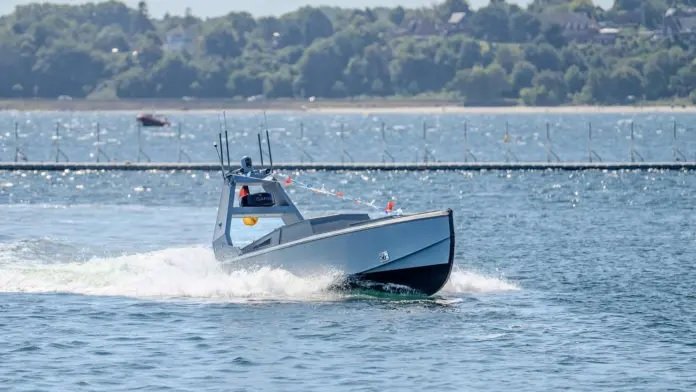
Europe
KIEL, Germany — German defence technology company STARK has delivered the first Seetaube autonomous unmanned surface vessel (USV) to the German Armed Forces’ Cyber and Information Domain Service (Kommando CIR). The six-metre vessel is based on STARK’s Vanta-6 platform and was acquired through an innovation initiative of the Cyber Innovation Hub of the Bundeswehr, in cooperation with the Centre for Digitalisation of the Bundeswehr. The Seetaube was formally christened during a ceremony in Kiel in August 2026. Maritime Reconnaissance and Signal Detection Seetaube is equipped with cameras, sensors and radar for maritime reconnaissance. It can follow pre-programmed routes autonomously while operating within defined parameters. An operator monitors the mission remotely and can take manual control at any time. Data collected by the vessel is transmitted securely in real time to the operator terminal. The USV is designed to provide a second mobile observation point at sea. When operating alongside a manned naval vessel, it can provide an additional bearing point for locating radio signals through cross-bearing measurements. This can help identify suspicious activity and improve the speed and precision of maritime reconnaissance. Sven Weizenegger, head of the Bundeswehr’s Cyber Innovation Hub, said the system increases force effectiveness without requiring another large manned platform. STARK CTO Johannes Schaback said the system provides sensors, range and endurance in the operational area without requiring additional personnel on manned ships. Vanta-6 Specifications and Previous Tests The Vanta-6 can reach more than 45 knots, carry a payload of up to 500 kilograms, and has a range of approximately 1,685 kilometres. It weighs about 2,100 kilograms and can operate in Sea State 4. The Vanta family was developed for reconnaissance and coastal-water operations, as well as the protection of ports and critical maritime infrastructure. Vanta systems participated in the NATO exercises REPMUS and Dynamic Messenger in Portugal in September 2025. During the exercises, the vessels conducted missions including high-value-target escort, harbour-control tasks, over-the-horizon reconnaissance and night-time ISR patrols. The Vanta platform has also been successfully used to launch Cascade loitering munitions from containerised launchers, demonstrating its potential for roles beyond reconnaissance. The Bundeswehr will now conduct further sea trials and operator training over the coming months before the Seetaube is formally taken into service.
Read More → Posted on 2026-08-21 15:57:04Search
Top Trending in 24 Hours
-
 US Army Reserve Assessing Support Units for Southern Command Amid Cuba-Focused Planning
-
 Trump Rejects Iran’s Seven-Day Ceasefire Proposal, Expects Strikes to Resume After Midterms
-
 Northrop Grumman’s Cygnus XL Raises International Space Station Altitude by 1.5 Miles Ahead of Crew-13
-
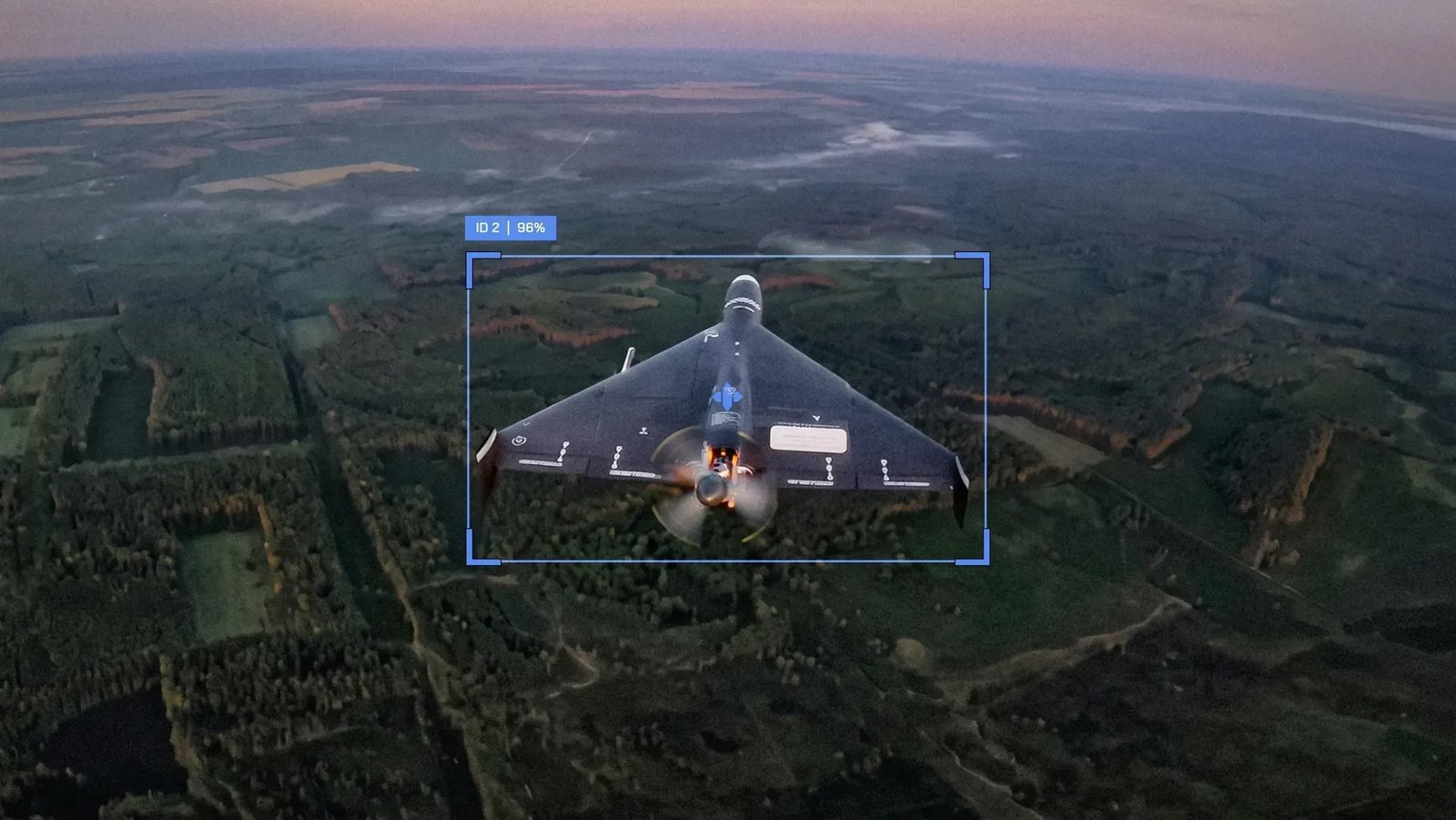 UK Becomes First International Partner to Access Ukraine’s Avengers Labs AI Platform
-
 Ukraine’s MAUL Evacuation Robot Gets Key Upgrades From Frontline Feedback, Not AI
-
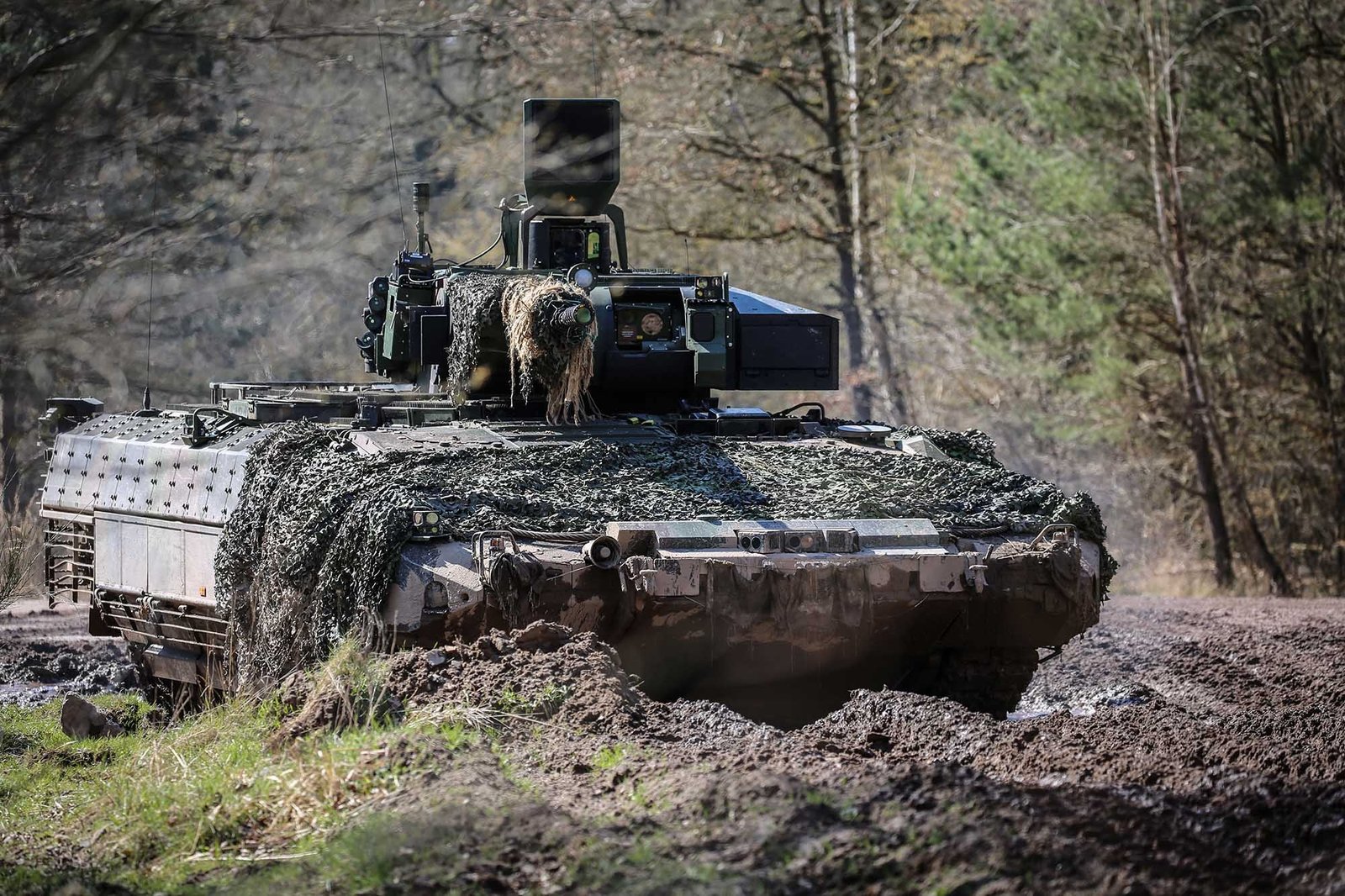 Germany’s Bundeswehr Receives First S1 Puma Infantry Fighting Vehicle from Second Production Batch
-
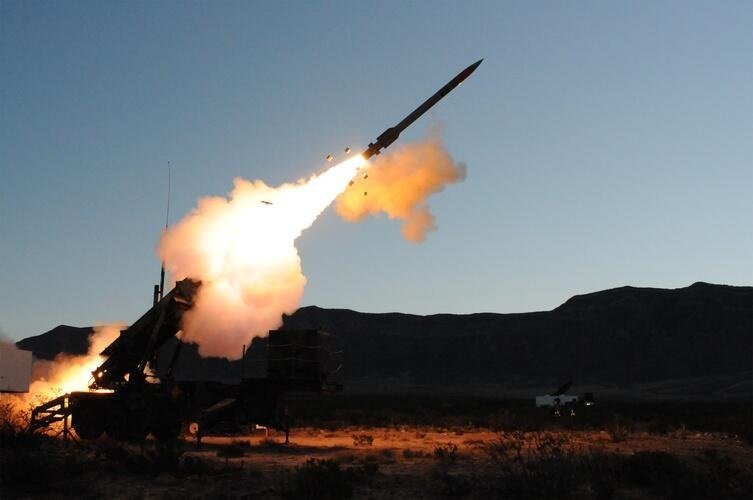 U.S. Army Selects 30 Finalists in $8 Million Competition for Low-Cost Patriot Interceptor Technologies
Top Trending in 4 Days
-
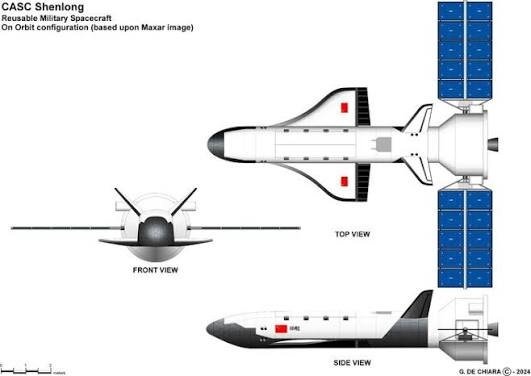 China’s Secretive Shenlong Spaceplane Repeatedly Releases and Recaptures Satellite
-
 From Lab to Battlefield: U.S. Military Confirms Use of Laser Weapons Against Drones in the Strait of Hormuz and Along Southern Border
-
 UK Air Force Hawk T2 Trainer Aircraft Crashes Near Valley After Takeoff, Both Pilots Eject Safely
-
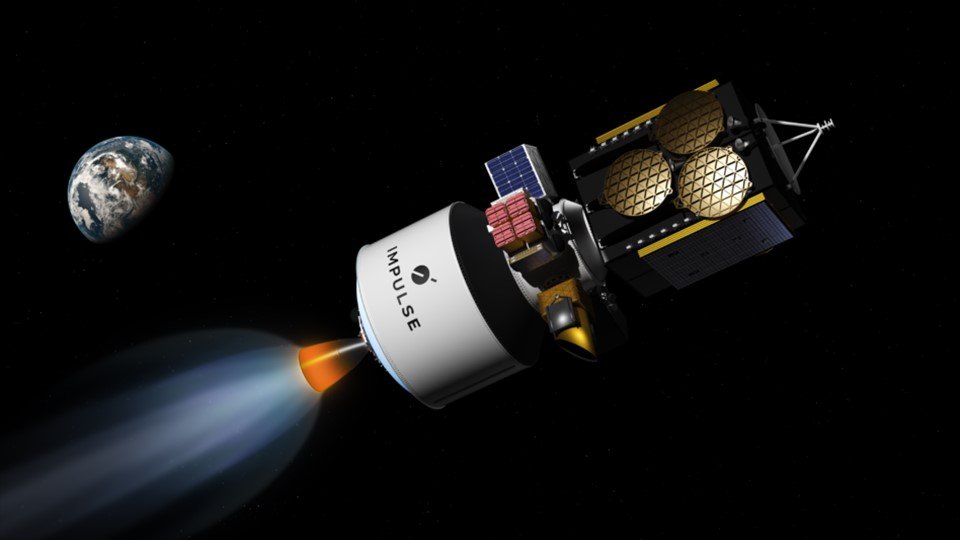 U.S. Space Force Awards Impulse Space $28 Million Contract for 2029 Orbital Surveillance Mission
-
 US and Australia Investigate F-35 Components Diverted to Hong Kong
-
 France to Send Troops, Radars and Defence Systems to Protect Saudi Arabia’s Yanbu Oil Terminal
-
 Russia Aerospace Forces Receives New Batch of Su-57 Fighters With Updated Technical Configuration
-
 U.S. Approves Patriot Missile Production License for Ukraine Following Trump-Zelensky Meeting