PARIS — France has approved a major expansion of its defense cooperation with Ukraine by allowing the local production of several French-designed weapons and confirming a delivery timeline for the first batch of Rafale fighter jets.
French President Emmanuel Macron announced the decision on July 13 following a meeting of the Coalition of the Willing in Paris, where leaders discussed continued military support for Ukraine.
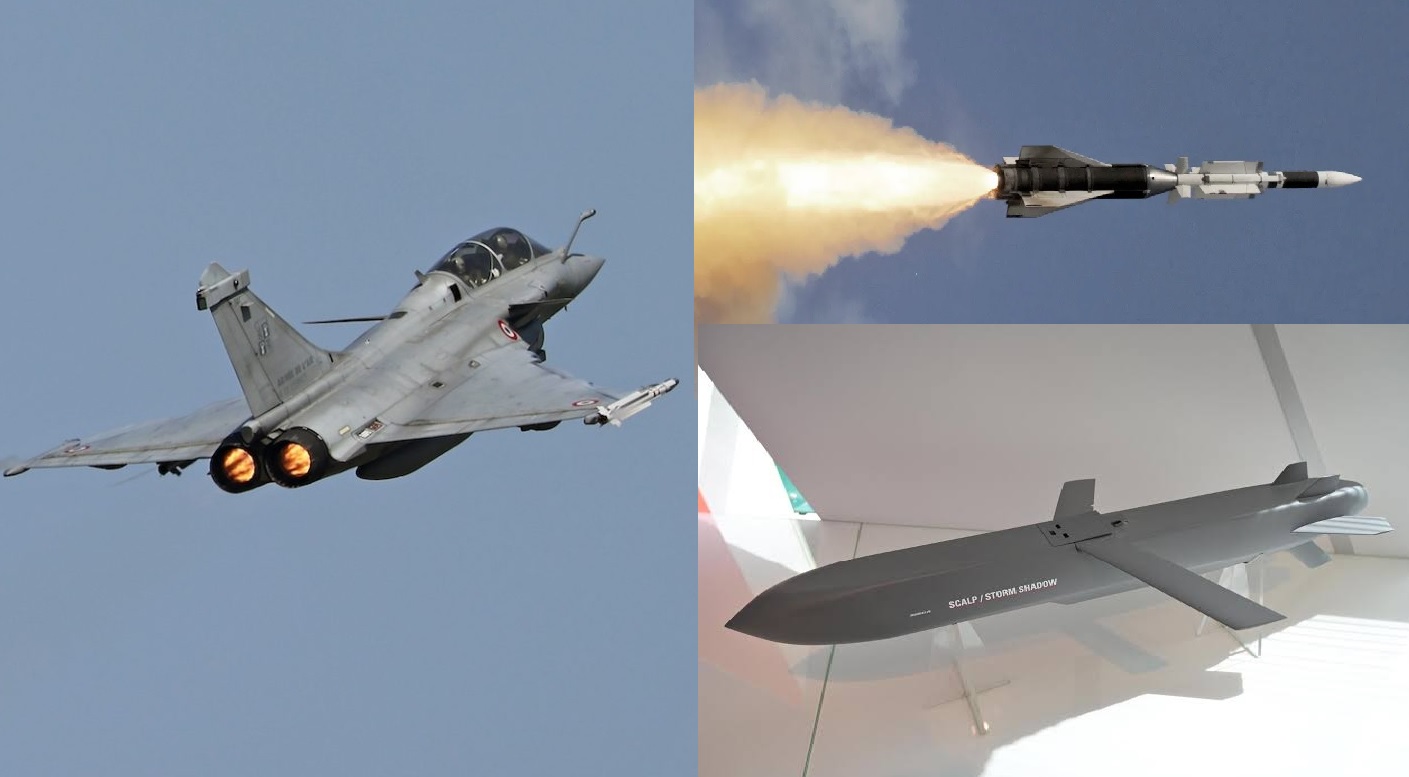
Under the new agreement, Ukraine will receive licenses to manufacture Aster-30 air defense interceptor missiles, SCALP long-range cruise missiles, and AASM Hammer precision-guided bombs on its own territory. France said the move is intended to strengthen Ukraine's domestic defense industry and reduce dependence on continued deliveries of finished weapons from abroad.
The decision marks the first time France has approved local production of these advanced French-designed systems in Ukraine. Macron said the agreements build on discussions held with Ukrainian President Volodymyr Zelenskyy and previous understandings reached last year.
Ukraine to Produce French-Designed Weapons
The licensing agreements cover three key weapon systems already used or planned for use by Ukraine.
The Aster-30 is the interceptor missile used by the Franco-Italian SAMP/T air defense system, which Ukraine already operates to defend against missile attacks. Local production is expected to help maintain a more reliable supply of interceptor missiles.
The SCALP is a long-range air-launched cruise missile, similar to the UK's Storm Shadow missile already in Ukrainian service. It is designed to strike high-value targets at long distances with precision.
The agreement also includes the AASM Hammer, a precision-guided air-to-ground bomb used by combat aircraft for accurate strikes against military targets.
Instead of relying entirely on foreign shipments, Ukraine will be able to manufacture these systems domestically under French licenses. The approach is expected to support long-term defense production while easing pressure on allied military stockpiles.
The announcement comes as several partner countries increasingly focus on helping Ukraine expand its own defense manufacturing capacity rather than depending solely on external supplies.
Rafale Fighter Jet Deliveries to Begin in 2028–2029
Macron also confirmed that Ukraine will receive an initial batch of 16 Rafale multirole fighter jets, with deliveries scheduled to begin between 2028 and 2029.
Training for Ukrainian pilots and ground crews is expected to start in the coming months to prepare for the introduction of the aircraft.
The 16 aircraft represent the first phase of a broader defense partnership. Ukraine has also signed a letter of intent expressing interest in acquiring up to 100 Rafale fighter jets over the next decade.
The Rafale is capable of carrying out air defense, ground attack, reconnaissance, and precision strike missions, making it one of France's primary multirole combat aircraft.
France to Supply Additional Air Defense Equipment
Alongside the production licenses, Macron said France will provide additional radar systems to Ukraine and deliver next-generation SAMP/T NG air defense batteries.
The new systems are intended to strengthen Ukraine's air defense network against continued missile and aerial attacks while complementing previously supplied SAMP/T batteries and interceptor missiles.
European Coalition Launches Freyja Anti-Ballistic Missile Project
During the Paris summit, Ukraine and several European partners also announced the formation of an Integrated Anti-Ballistic Missile Coalition.
The coalition includes France, Germany, the United Kingdom, Italy, Spain, the Netherlands, Sweden, Norway, Denmark, and Ukraine, with participating countries working together to improve protection against ballistic missile threats.
As part of the initiative, Ukraine is developing a new anti-ballistic missile system called Freyja in cooperation with European partners.
According to President Volodymyr Zelenskyy, the system combines a new interceptor missile developed by the Ukrainian defense company Fire Point with existing European radar and command networks.
Ukrainian officials said Freyja is intended to provide a lower-cost alternative to the U.S.-made Patriot air defense system. They estimate each interception could cost about $700,000, compared with approximately $3.8 million for a Patriot interceptor.
Zelenskyy said the Freyja system could become operational within the next 12 months, although development and testing will continue as the coalition advances the project.
Shift Toward Long-Term Defense Cooperation
France's announcement follows a broader trend among Ukraine's allies to expand defense industrial cooperation. Macron noted that the United States has also moved toward allowing Ukraine to manufacture Patriot air defense interceptors under licensing agreements.
The Paris summit also included discussions on future military cooperation, training, and continued support for Ukraine's defense capabilities.
By combining local weapons production, pilot training, new air defense systems, and long-term industrial partnerships, France and its partners are expanding support beyond immediate military aid and helping Ukraine strengthen its domestic defense capabilities for the years ahead.
Source : reuters
——— End of Article ———