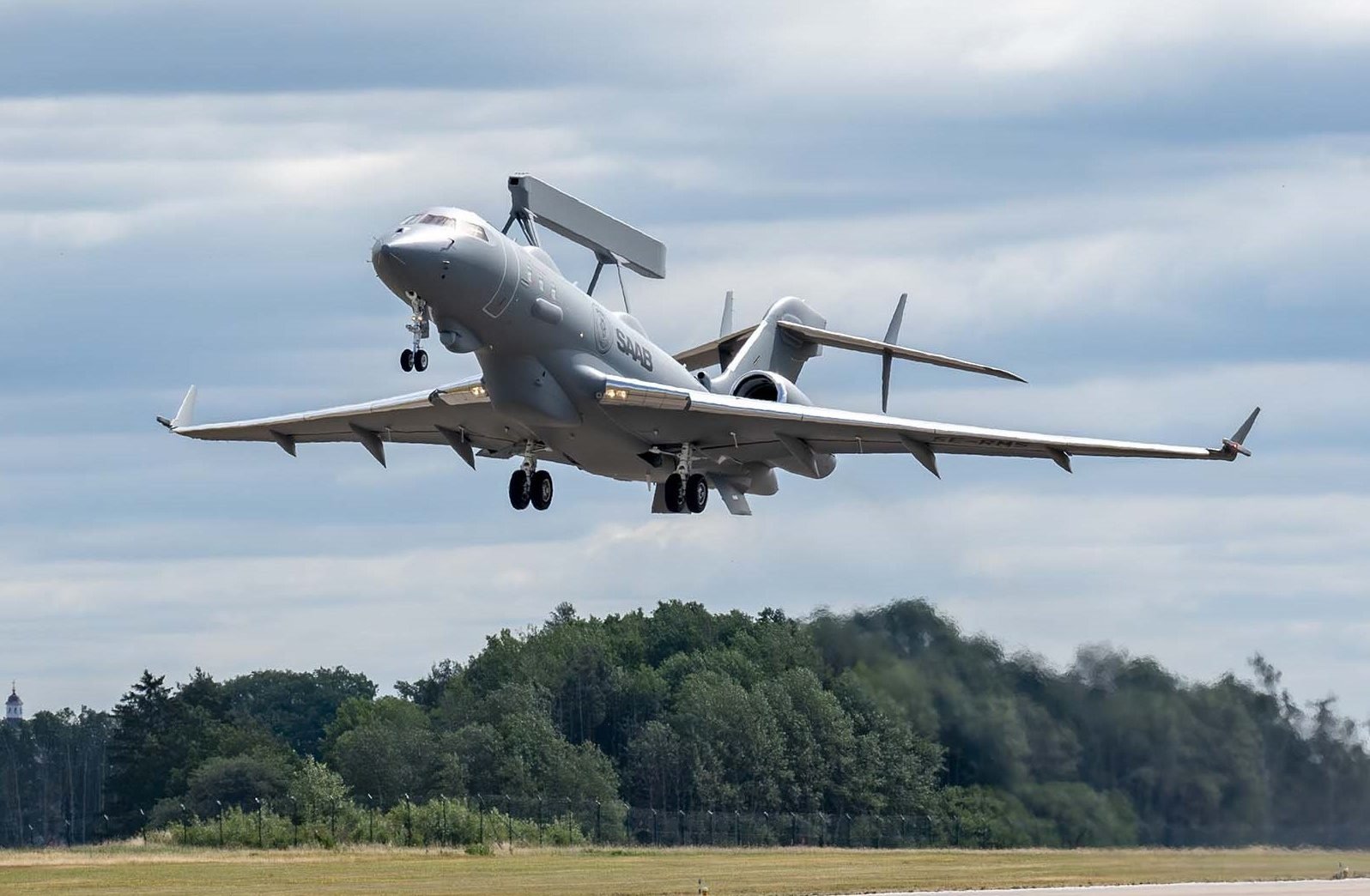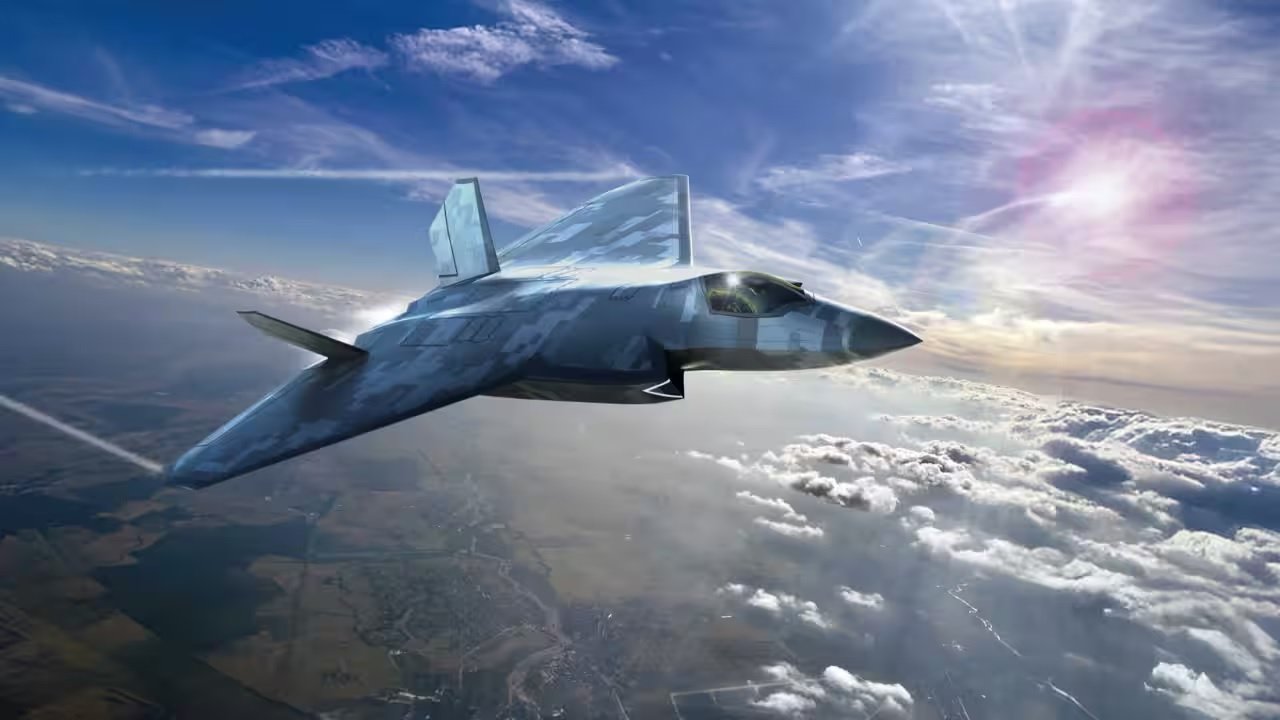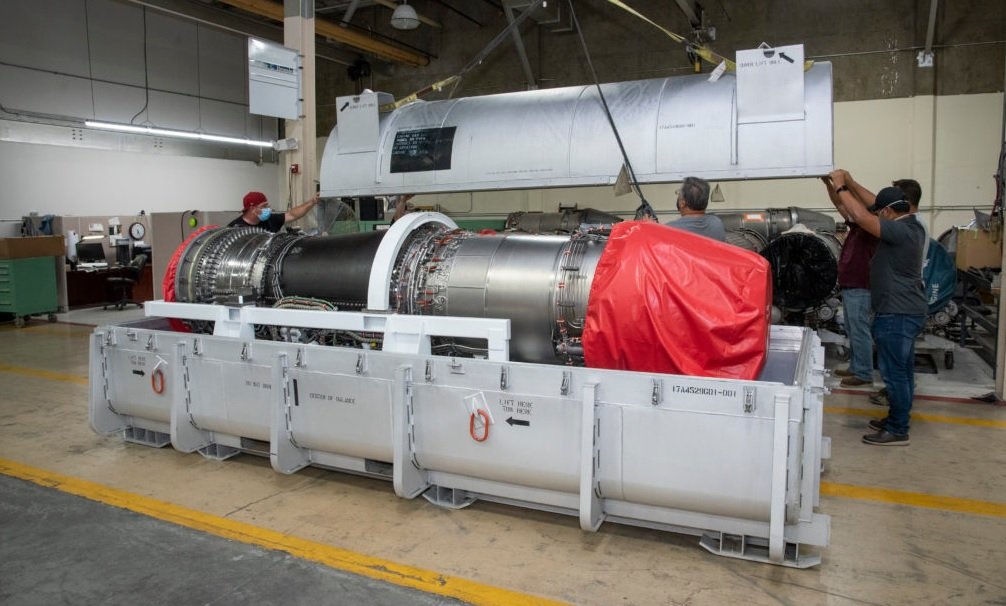
FARNBOROUGH, England — GE Aerospace and Magellan Aerospace Corporation have signed a strategic Memorandum of Understanding (MoU) to establish maintenance, repair, and overhaul (MRO) capabilities in Canada for the F414-GE-39E engine that powers the Saab JAS 39 Gripen E fighter aircraft.
The agreement, announced at the Farnborough Air Show, is conditional on the Government of Canada selecting the Gripen E for the Royal Canadian Air Force (RCAF) future fighter fleet. If the aircraft is not selected, the agreement will not take effect.
Agreement Depends on Canada's Fighter Decision
The MoU comes as the Canadian government continues reviewing its future fighter aircraft procurement. Prime Minister Mark Carney's government is reassessing the country's fighter acquisition after pausing its existing contract for 88 Lockheed Martin F-35 aircraft following recent U.S. tariffs introduced by President Donald Trump.
As the review continues, Saab and its industry partners are highlighting domestic industrial participation as part of their proposal for the Gripen E. Earlier, Saab also signed a Memorandum of Understanding with Canadian company CAE to provide domestic flight simulation and pilot training if the Gripen E is selected.
Domestic F414 Engine Support Planned
Under the proposed agreement, GE Aerospace would train and license Magellan Aerospace to become Canada's domestic centre of excellence for F414 engine sustainment. Maintenance, repair, and overhaul (MRO) activities would be carried out at Magellan's facility in Mississauga, Ontario.
The companies said the arrangement would provide in-country engine sustainment capabilities for a future RCAF Gripen E fleet while supporting operational readiness and long-term engine availability.
Building on a Long-Standing Partnership
The agreement expands a partnership between GE Aerospace and Magellan Aerospace that spans more than six decades across military and commercial engine programmes.
Magellan already manufactures components for the F414 engine family, including under a 2025 amendment to the companies' revenue-sharing agreement supporting programmes such as South Korea's KF-21 fighter.
According to the companies, the proposed initiative would strengthen Canada's sovereign aerospace capabilities by keeping specialized maintenance expertise, infrastructure, and skilled technical personnel within the country. They added that it aligns with Canada's Defence Industrial Strategy and its "build, partner, buy" approach by supporting the domestic defence industrial base.
Company Statements
Paul Ferraro, Vice President of Defense Engines & Services at GE Aerospace, said the agreement builds on the companies' long-standing relationship and would provide the Royal Canadian Air Force with in-country F414 engine sustainment capabilities to support fleet readiness if the Gripen E is selected.
Haydn Martin, Vice President of Business Development, Marketing, and Contracts at Magellan Aerospace, said the agreement reflects the companies' shared objective of developing sovereign aerospace capabilities in Canada. He said that, if the Gripen E is selected, Magellan would provide maintenance, repair, and overhaul services while supporting highly skilled Canadian jobs, developing advanced technical expertise, and strengthening Canada's long-term defence industrial capacity.
F414 Engine
According to GE Aerospace, the F414 engine has accumulated more than five million flight hours, with over 1,600 engines delivered to eight nations.
The engine features a six-module architecture designed to simplify maintenance and help reduce life-cycle costs. GE Aerospace said it provides unrestricted performance on demand, rapid throttle response, and zero throttle restrictions. Instead of scheduled overhauls, the F414 uses an on-condition maintenance approach intended to maximize engine availability and keep aircraft operational for longer periods.
Source : geaerospace
——— End of Article ———