KYIV, Ukraine — Russia is producing several major missile types above its planned monthly targets while shifting part of its drone production toward turbojet-powered strike drones, according to Major General Vadym Skibitskyi, Deputy Chief of the Defence Intelligence of Ukraine (DIU).
Speaking to RBC-Ukraine, Skibitskyi said Russia is currently producing its main missile types at around 110–120 percent of monthly targets.
Missile Production Above Targets
According to the DIU, Russia had already fulfilled its full-year production targets for Zircon and Oniks missiles by August 3. During the first seven months of 2026, Russia reportedly produced 33 Zircon and 60 Oniks missiles. Both systems were originally developed as anti-ship weapons and have also been modernized for ground-attack missions.
In July, production exceeded targets for several missile types. Russia produced 87 Kh-101 missiles against a target of 72, reaching 140 percent of the planned output. Kalibr production reached 29 against a target of 26, or 111 percent, while Kh-35 production reached 200 percent of its planned volume.
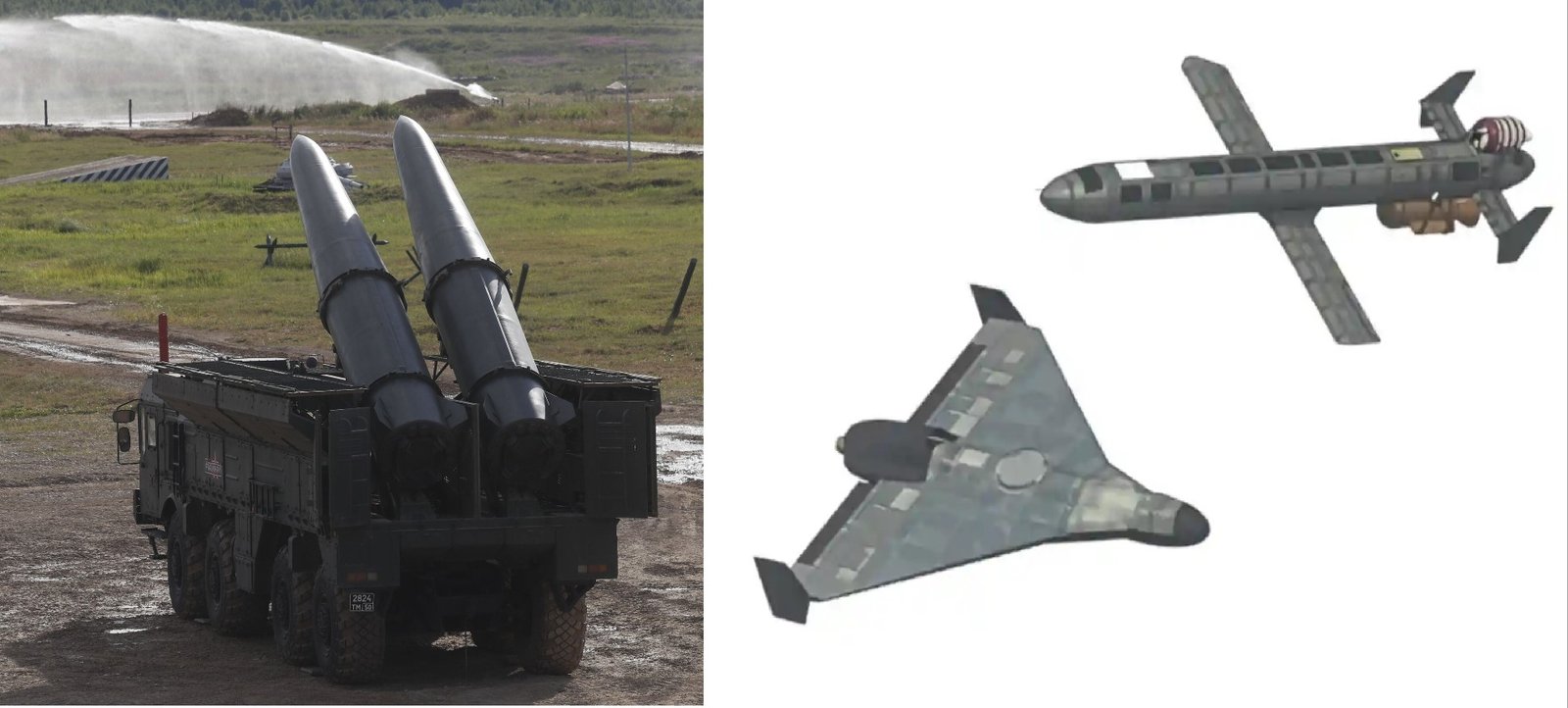
The reported monthly production figures are 87 Kh-101, 60–65 Iskander, 29 Kalibr, eight Oniks and five Zircon missiles. Iskander 9M723 production reached 65 in July against a target of 60, while the stockpile allocated to Russian forces was estimated at around 130 missiles as of August 5.
Skibitskyi said most newly produced missiles are being used in combat rather than added to stockpiles. Kalibr is the main exception, with newly produced missiles largely being supplied to other Russian naval fleets because newer Russian warships and submarines are equipped with Kalibr launch systems. Some Kh-101 missiles that fail during launch are reportedly returned to factories for inspection and repair.
Production of Kinzhal and Kh-32 missiles has been halted since April, with resources redirected toward other systems.
RM-48U Production
Russia has also begun producing the RM-48U surface-to-surface missile, which can be launched from S-400 systems. The August production plan calls for about 40 missiles, while the existing stockpile is estimated at around 400 units.
Shift Toward Jet-Powered Drones
Russia's August production target for the Geran, Garpiya and Gerbera drone families is 11,000 units.
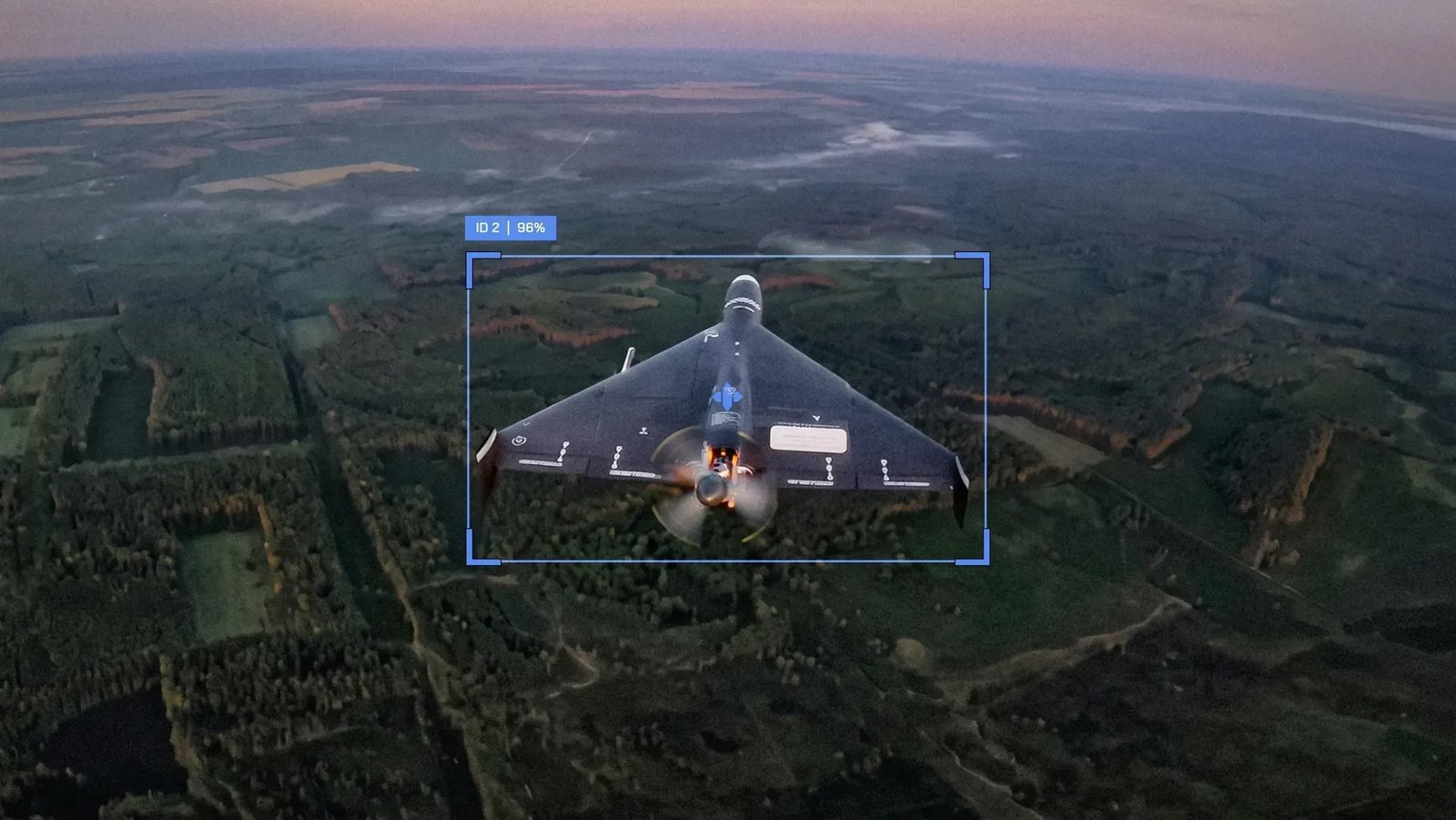
The DIU said Russia reduced drone strike intensity and production in July while factories reconfigured production lines for the turbojet-powered Geran-4 and Geran-5. In one recent attack, these turbojet-powered drones reportedly accounted for 50 percent of the drones used.
Ukrainian intelligence said Russia is increasingly using the faster Geran-4 and Geran-5 for deep-strike missions, which require different interceptors or short-range air-defense systems for countering them.
Foreign Components and July Missile Launches
Skibitskyi said Russia continues to obtain critical missile-production components, including dual-use items, through supply chains connected to European countries, the United States, China, Japan, Taiwan and South Korea, despite efforts to increase domestic production.
Ukrainian intelligence also reported that a North Korean missile unit was deployed in Russia, with information about the deployment becoming public on August 5.
In July, Russia launched 153 Kh-101, Kalibr and Kh-32 cruise missiles, the second-highest monthly total after February's 157. Ballistic and hypersonic missile launches, including 9M723 Iskander, RM-48U and Zircon, totaled 198, the highest monthly figure reported so far in 2026.
The DIU said it has documentary evidence of Russia's missile production plans and actual output.
——— End of Article ———