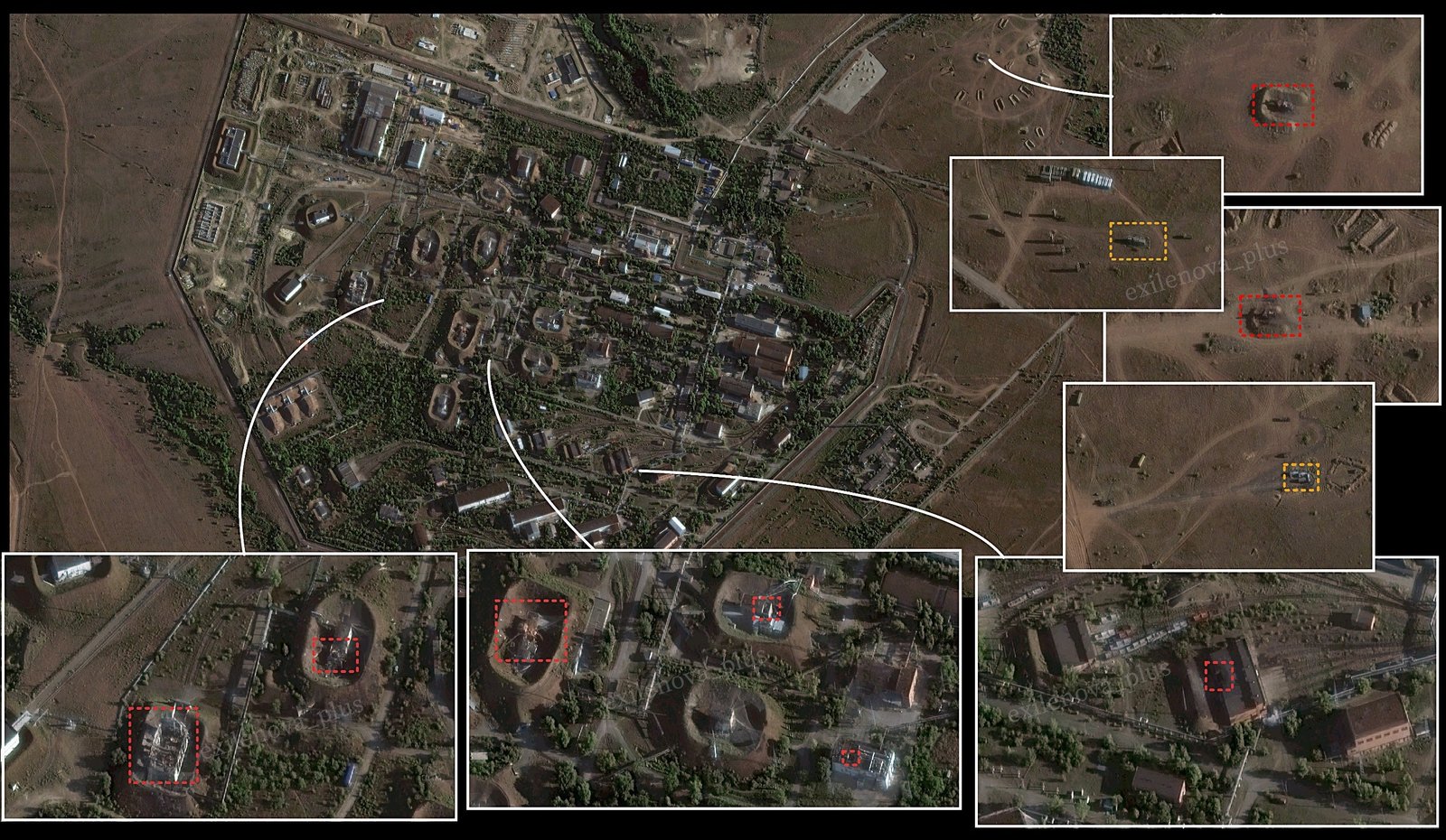
Kamensk-Shakhtinsky, Rostov Region, Russia — Ukrainian Defense Forces struck the Kamensky Combine, a Russian military-industrial facility in Kamensk-Shakhtinsky in the Rostov region, during the night of August 16, 2026. Ukraine’s General Staff confirmed the results of the attack on August 17.
According to the General Staff, two workshops involved in the production of explosives and gunpowder were destroyed, while four other workshops were damaged. Satellite imagery analyzed by the Exilenova+ indicated damage to five production facilities overall, including roof penetrations and torn anti-drone nets on some buildings.
Damage to Production Facilities
The Kamensky Combine, also known as Combinat Kamensky or FSE Kamensky Combine, is a chemical enterprise that supplies products to Russia’s military-industrial sector. The European Union has identified the facility as a chemical plant producing special-purpose chemical products for Russia’s military industry.
The plant produces solid rocket propellant for ammunition used by the Uragan, Smerch and Tornado-S multiple-launch rocket systems, as well as for a number of missile systems and air-launched weapons.
The production buildings at the site were protected by earth berms and anti-drone nets. Satellite imagery showed that the protective netting did not prevent damage to several facilities.
The plant is located at approximately 48.29943029832428, 40.17984650497104, around 10–15 kilometers from Ukraine’s state border. The facility is described by the OSINT resource VARTA as one of the largest chemical enterprises in southern Russia and an anchor enterprise.
Air Defense Positions Also Affected
The attack also affected Russian air-defense positions deployed around the facility.
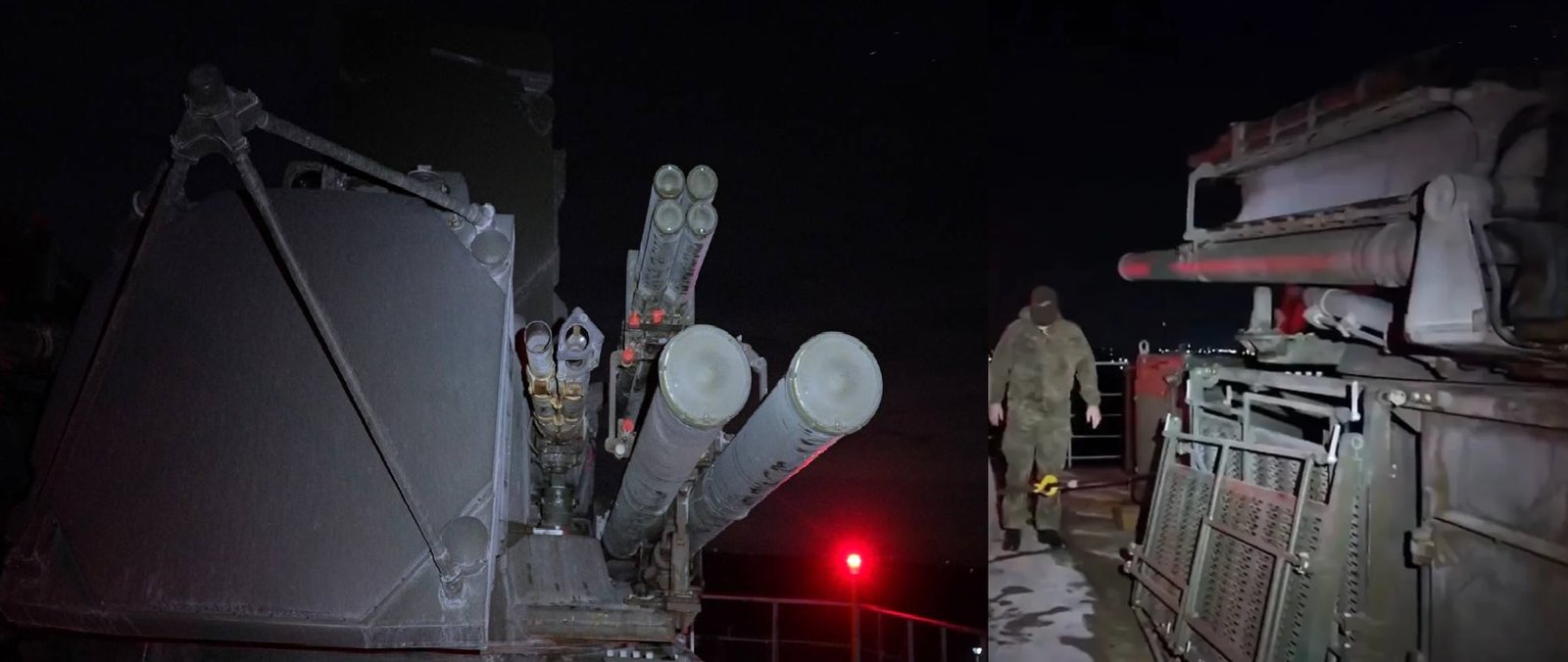
According to the imagery analysis provided by Exilenova+, signs of fire were observed at positions associated with a Pantsir-S1 air-defense system and multifunctional target illumination and guidance radars used with S-300/S-400 systems.
Rostov region Governor Yuriy Slyusar said that Russian air-defense systems shot down more than 150 UAVs over the region during the night. He did not provide the total number of drones involved in the attack.
NASA’s Fire Information for Resource Management System (FIRMS) detected a thermal signature at the plant beginning at 1:14 a.m. on August 16. The detected thermal signature continued and expanded until about 2:20 a.m.
Previous Strike on the Plant
The Kamensky Combine had previously been targeted during the war.
On December 18, 2024, the facility was struck in a missile attack. Russian authorities later said the attack involved ATACMS and Storm Shadow missiles, while Ukrainian officials and analysts identified the Kamensky Combine as the target. The Ukrainian Air Force also indirectly confirmed the use of Storm Shadow/SCALP missiles in strikes against targets in the Rostov region.
Satellite imagery released by the CyberBoroshno group after the 2024 attack showed critical damage to two buildings at the production site. The plant was also described at the time as producing solid-fuel components for rocket engines, including those used by multiple-launch rocket systems.
The latest August 16 strike therefore represents another attack on the same Russian military-industrial facility.
The Ukrainian General Staff said that operations against key Russian military and military-industrial facilities continue.
Source : militarnyi
——— End of Article ———