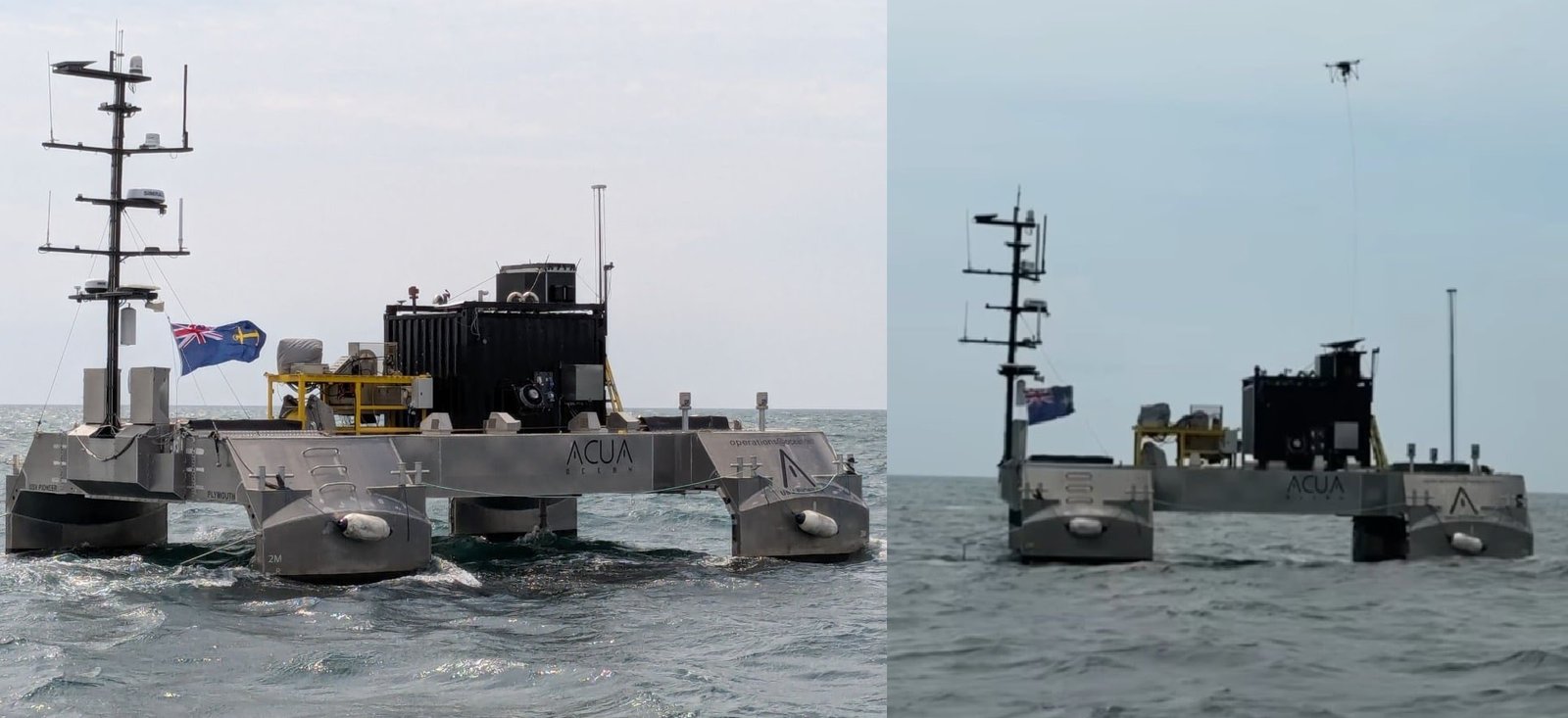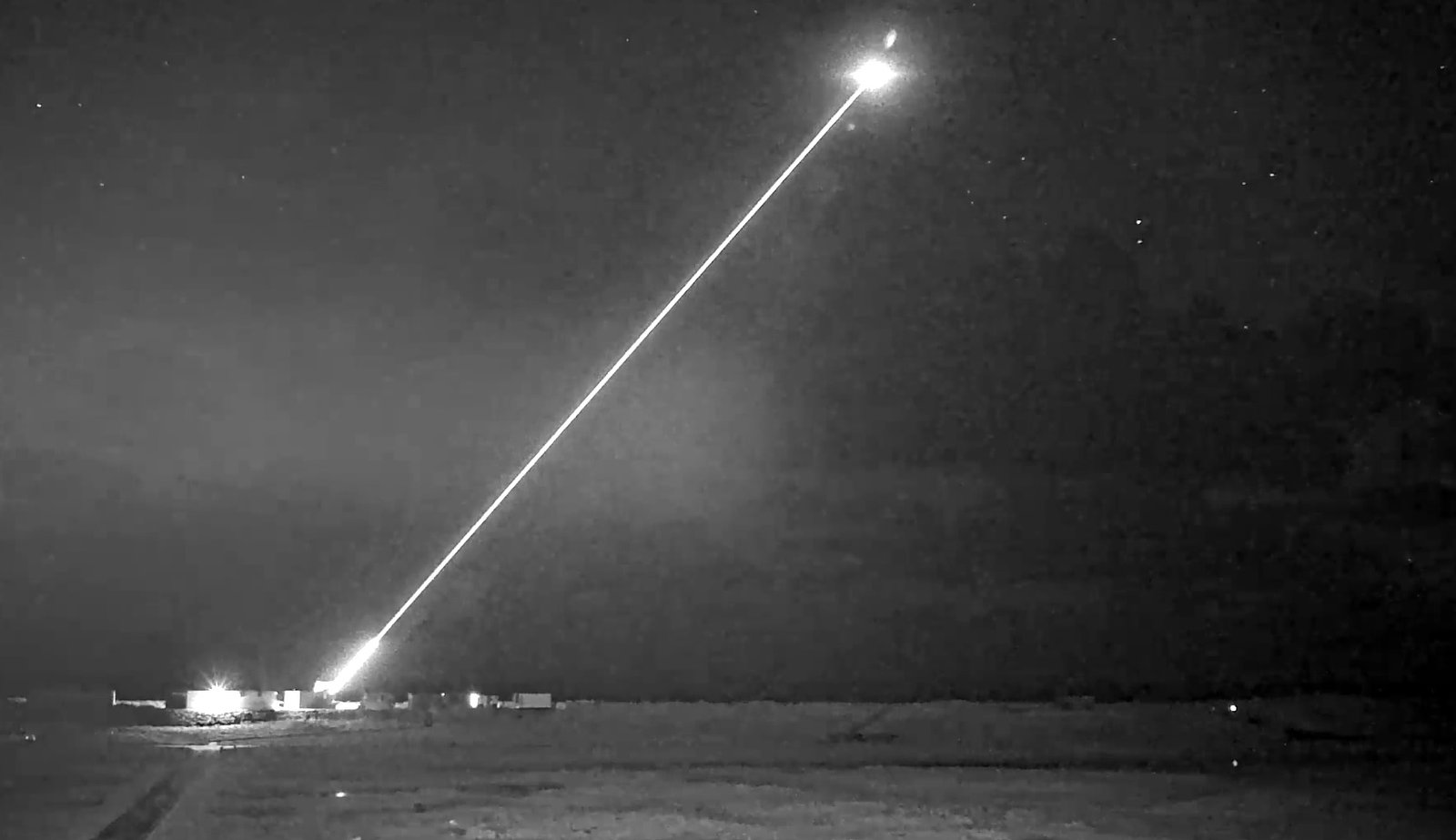
FARNBOROUGH, UK — Defense technology company QinetiQ has unveiled HELENA, its new coherent beam combination (CBC) high-energy laser source product family, at the Farnborough International Airshow, while announcing a £20 million company-funded investment to accelerate the development and production of laser-directed energy weapon (LDEW) technology.
The HELENA product family is designed to serve as the core laser source for laser-directed energy weapon systems intended for defensive operations against drones and other advanced threats. According to QinetiQ, the technology has been verified against targets at range and in challenging atmospheric conditions. The system uses a scalable, high-brightness architecture that enables integration into laser weapon systems for both land and maritime applications.
Industry specifications indicate that the HELENA portfolio can provide power outputs ranging from 20 kW to 150 kW. QinetiQ also said it intends to operate as a merchant supplier of laser source technology that can be integrated into a variety of LDEW systems.
£20 Million Investment to Expand Production
Alongside the product launch, QinetiQ announced a £20 million self-funded investment to expand its laser technology portfolio and increase manufacturing capacity for future laser weapon programs supporting the UK Ministry of Defence (MOD) and allied international markets.
The investment will increase development and production capabilities at the company's facilities in Farnborough and Malvern, while final assembly, integration, and testing of HELENA systems will take place at the Farnborough site.
QinetiQ said its current directed energy weapon activities directly support 150 jobs across the company.
Supporting the DragonFire Program
QinetiQ has more than 25 years of experience in laser and directed energy weapon technology and remains a core member of the UK MOD's DragonFire consortium alongside MBDA and Leonardo.
In February 2019, the company delivered its first 50 kW coherent beam combination laser source to the UK Ministry of Defence as part of the DragonFire concept demonstrator program. A variant of HELENA technology is used in the DragonFire system.
Following successful live-fire trials, DragonFire laser-directed energy weapon systems are scheduled to be integrated onto the Royal Navy's Type 45 destroyers from 2027. Two units have been contracted for installation on the ships, with the first integration planned for 2027.
Designed for Multiple Defensive Roles
According to QinetiQ, HELENA systems are designed for a range of operational requirements. Lower-power systems of around 30 kW are intended for installation on ground vehicles to provide short-range air defence against unmanned aerial vehicles, while higher-power systems of 150 kW or more are intended for counter-missile and counter-UAV missions on fixed installations and naval vessels.
The company said laser-directed energy weapons offer a low cost per shot and near-infinite magazine depth, allowing them to complement existing air defence systems, particularly against low-cost drones that have become widely used in recent conflicts.
CEO Statement
Steve Wadey, Group CEO of QinetiQ, said directed energy weapons are moving from the development stage toward operational deployment.
"Directed Energy Weapons are quickly moving from development to deployment to change the game in battlefield economics against the drone threat, and QinetiQ has been at the forefront of this technology for two decades," Wadey said.
He added:
"The investment announced today demonstrates our commitment to accelerating both the development and manufacture of sovereign laser technology, ensuring we can meet the growing demand from the UK and our international allies and provide them with the operational advantage on the battlefield."
——— End of Article ———