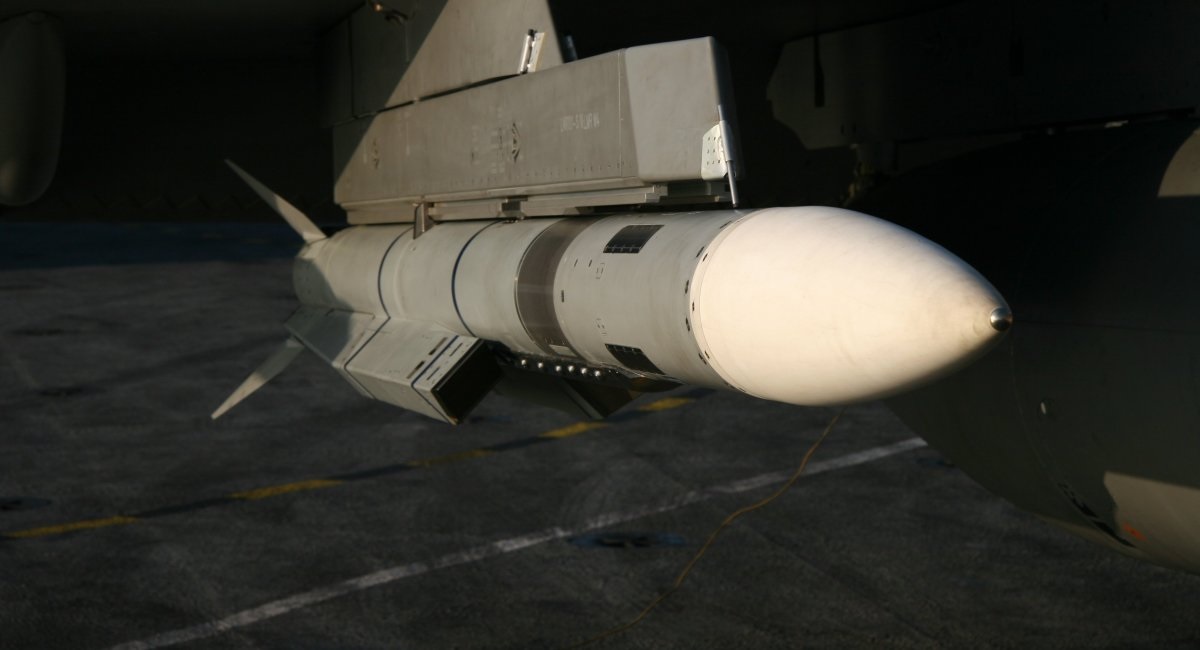
TUCSON, Arizona — Raytheon, an RTX business, is preparing to restart full-scale production of the ADM-160 Miniature Air-Launched Decoy (MALD) to meet increasing demand from the United States and NATO allies for systems designed to improve aircraft survivability in contested airspace.
The company said it could begin delivering new MALD systems within two years of receiving a production contract, supported by its existing production line in Tucson, Arizona, where sustainment, assembly, and testing activities have continued, allowing for a faster production restart.
The renewed effort comes as the United States and its allies seek to replenish stocks of decoy systems following lessons from recent conflicts, including the war in Ukraine, where advanced integrated air defense systems and drone threats have highlighted the need for expendable decoys to protect crewed aircraft, unmanned systems, and long-range strike weapons.
Existing Production Line Supports Faster Restart
Raytheon said the Tucson facility already has the tooling, manufacturing equipment, and testing infrastructure needed to resume production.
“Every piece of major tooling is in place. We're not rebuilding a line; we're re-energizing it,” said Justin Jenia, Vice President of Strike Initiatives for Raytheon's Air & Space Defense Systems.
According to the company, many engineers and technicians who have supported the MALD program for more than two decades remain involved in sustainment and modernization work. Raytheon has also invested internal research and development funding over the past two years to improve manufacturing efficiency and modernize production.
How the MALD System Works
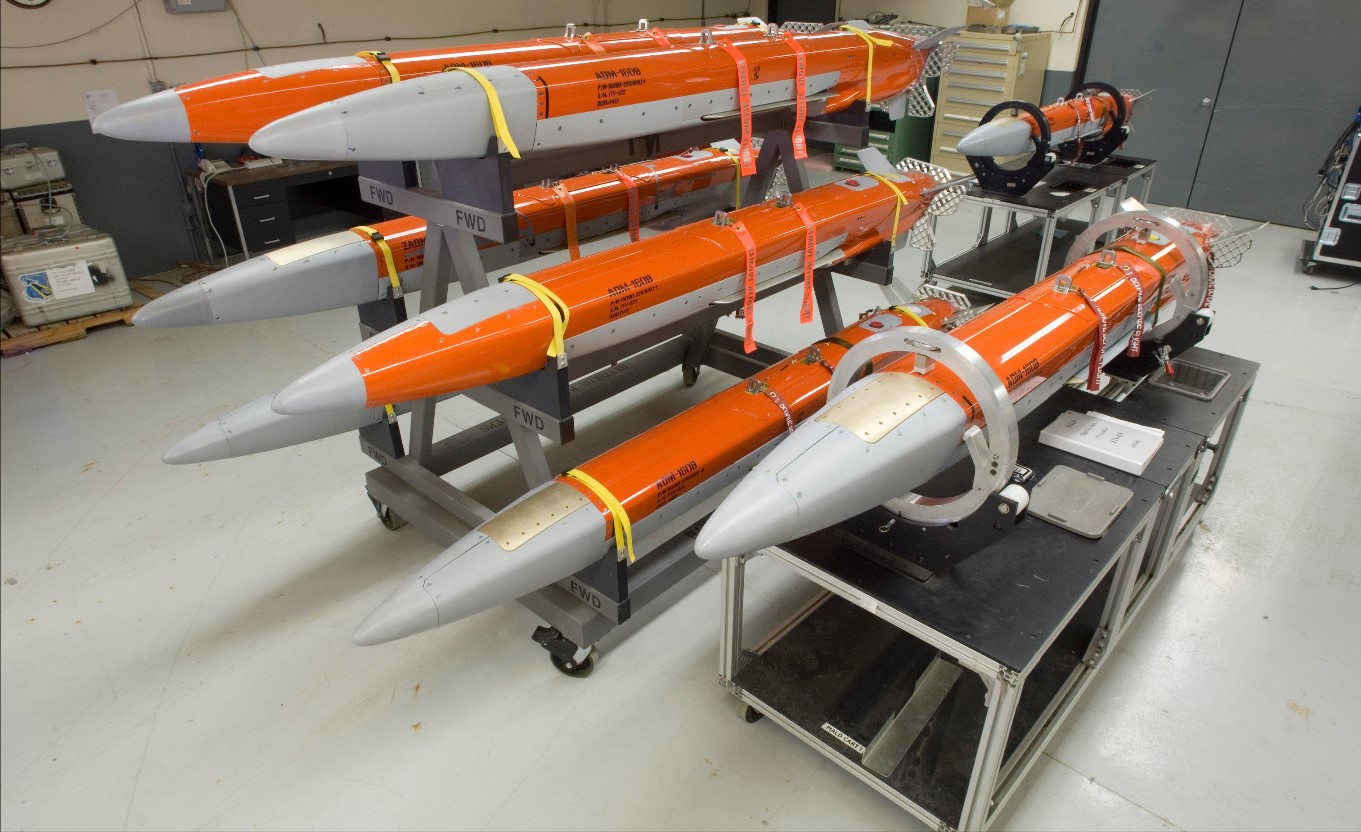
The ADM-160 MALD is a lightweight, jet-powered, air-launched decoy designed to replicate the radar signature and flight profile of U.S. and allied combat aircraft. The baseline version carries no explosive warhead. Instead, it is intended to draw enemy radar attention and interceptors away from high-value aircraft and weapons.
Weighing less than 300 pounds and offering a range of approximately 500 nautical miles, MALD flies into contested airspace, prompting enemy air defense systems to detect, track, and potentially engage the decoy instead of operational aircraft or strike weapons.
Its modular design allows the nose section to be changed for different missions, including:
- MALD-J electronic warfare and radar jamming variant.
- Configurations carrying kinetic warheads.
- Future sensor or mission payloads.
The system received wider public attention in May 2023 after it was first reported to have been used by the Ukrainian Air Force to support long-range strike operations against Russian air defenses.
Manufacturing Improvements
Raytheon said it has introduced several manufacturing upgrades to support future production.
The company has qualified 3D-printed (additively manufactured) airframes, reducing production time while making it easier to adapt the decoy for different payloads.
Raytheon has also successfully demonstrated launching MALD from cargo aircraft, allowing large numbers of decoys to be deployed without relying on fighter aircraft.
Initial production will continue using the Pratt & Whitney TJ150 turbojet engine, while the company is evaluating 3D-printed engines for future versions to reduce manufacturing costs and shorten production timelines.
European Production Plans
Alongside production in Arizona, Raytheon plans to establish a second manufacturing line in Europe, subject to regulatory approvals.
The proposed facility would support a "built in Europe, for Europe" approach aimed at increasing industrial capacity and supplying NATO allies more efficiently.
Supporting "Affordable Mass"
The production restart aligns with the military concept of "affordable mass," which focuses on deploying larger numbers of lower-cost systems that can complicate enemy defenses.
“Affordable mass means fielding weapons in large numbers that the enemy still has to take seriously,” said J.D. Word, Director of Tactical Strike Requirements and Capabilities at Raytheon. “MALD delivers that – a proven, modular, lower-cost system that soaks up enemy fire and protects the assets that truly matter.”
Operational Background
Raytheon assumed responsibility for the MALD program after its initial development by Northrop Grumman. The ADM-160B entered U.S. service around 2009–2010, followed by the ADM-160C MALD-J electronic attack variant.
According to the company, the combination of an active industrial base, experienced workforce, and existing production infrastructure enables a faster restart than establishing a new manufacturing line. Production quantities and delivery schedules will depend on future contract awards from the United States and allied nations.
——— End of Article ———