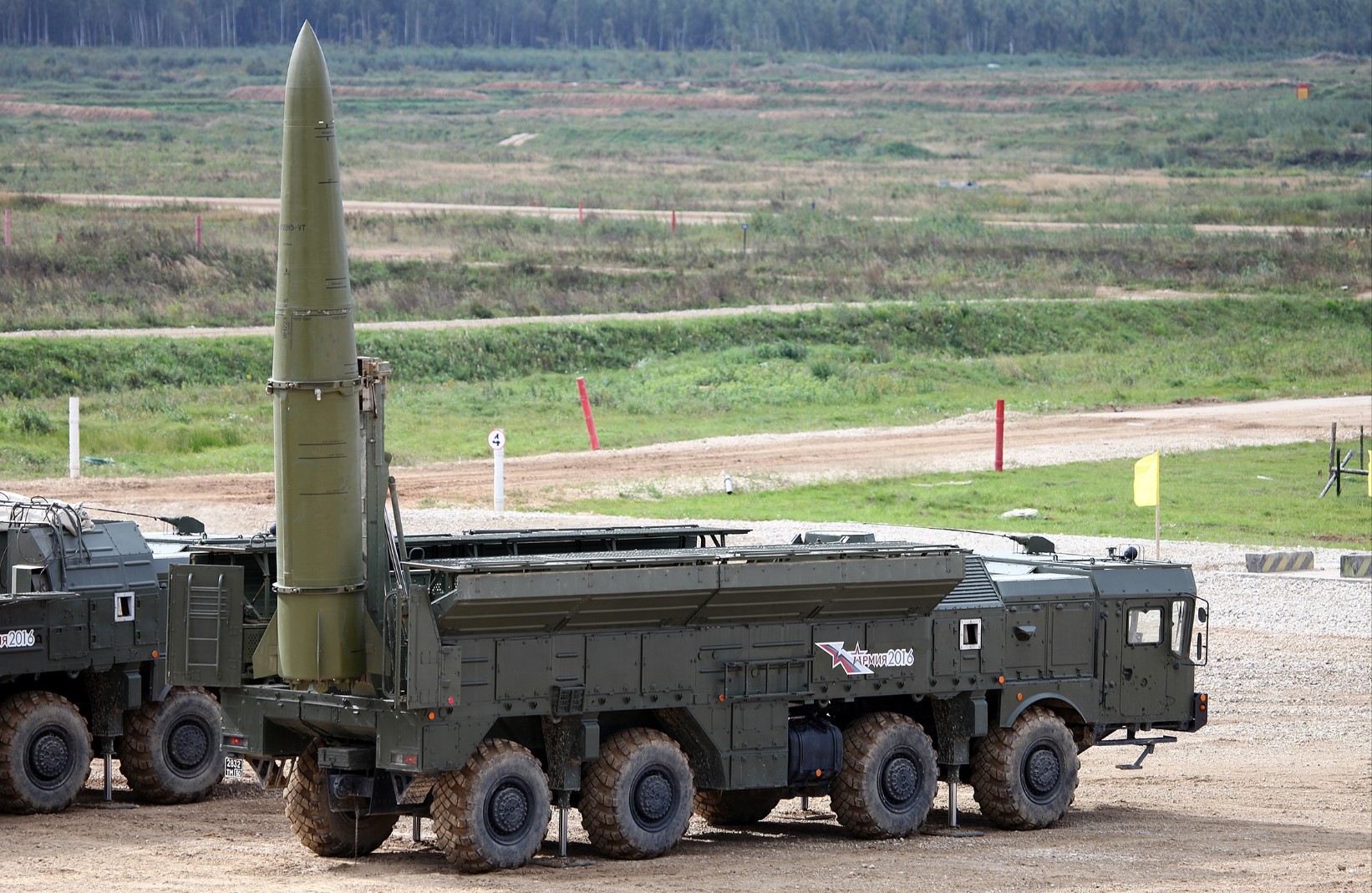
KYIV — Russian forces have launched more ballistic missiles during the first 19 days of July than the country's defense industry is estimated to produce in an entire month, according to an analysis by Ukrainian defense outlet Militarnyi based on reports from the Ukrainian Air Force and regional air commands.
The analysis indicates that Russia has also used about two-thirds of its planned annual production of the 3M22 Zircon missile in less than three weeks, highlighting the high pace of missile strikes against Ukraine during July.
Missile Usage Exceeds Monthly Production
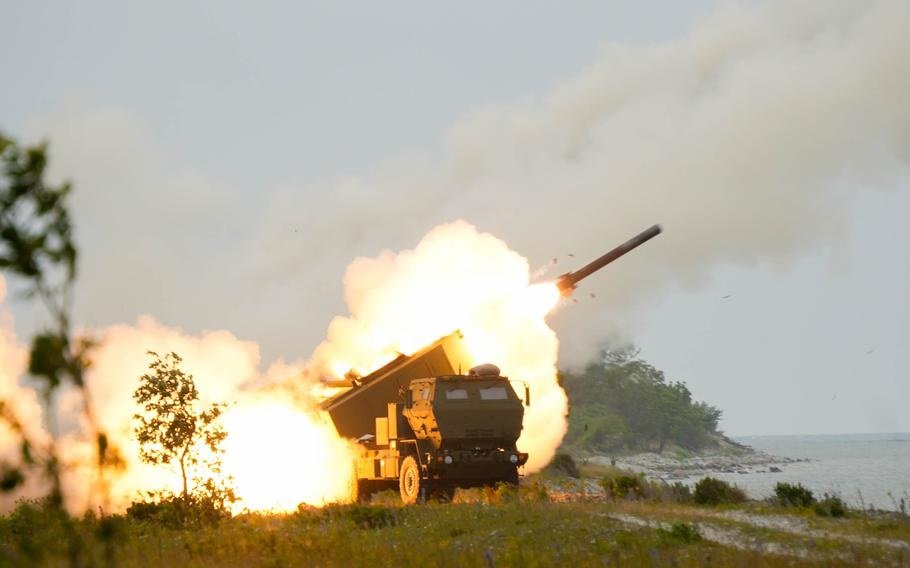
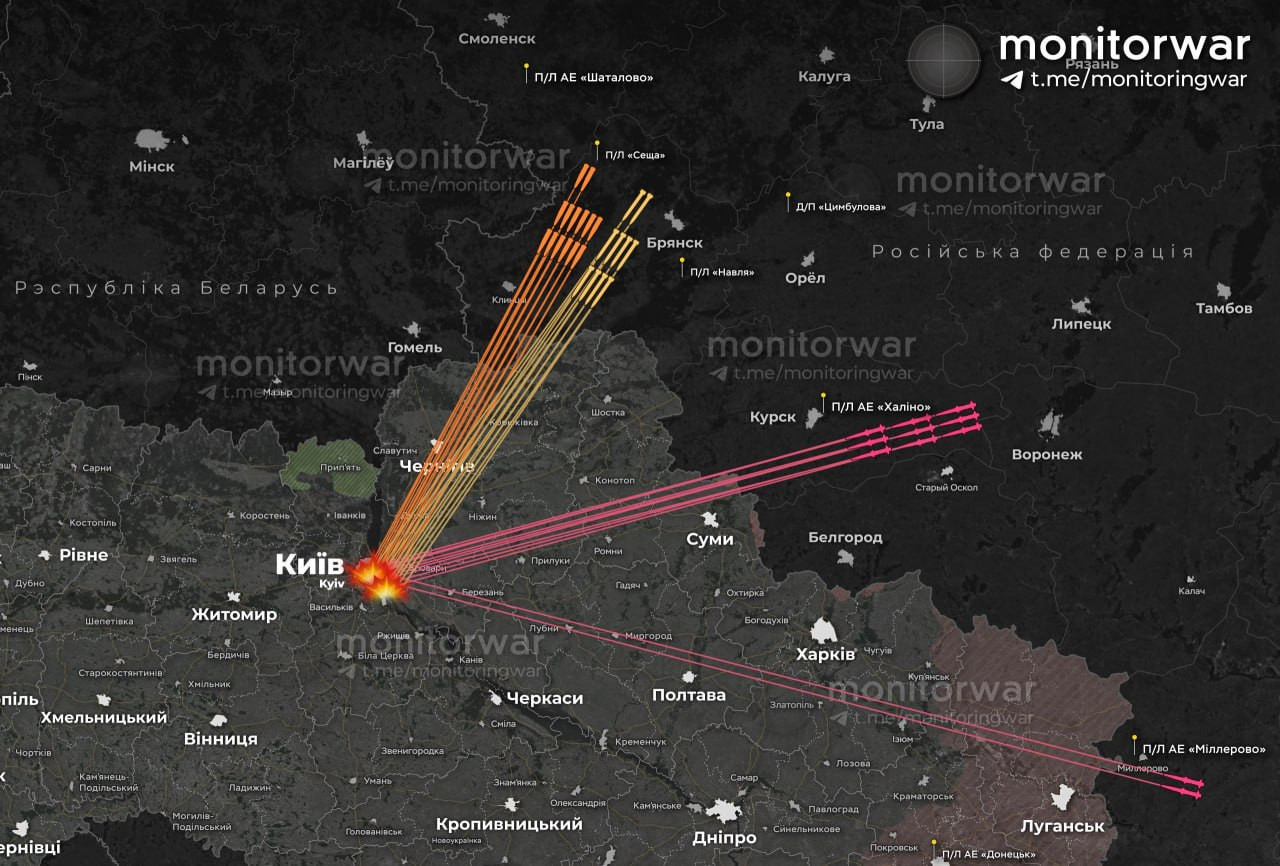
According to the analysis, Russian forces launched 107 ballistic missiles and 20 3M22 Zircon missiles between July 1 and July 19. The total includes the large-scale overnight attack on Kyiv on July 19, during which Iskander, Zircon, and RM-48U ballistic missiles were reportedly used, based on Monitorwar tracking data.
The launch rate marks a noticeable increase compared with June. During the entire month of June 2026, Russia fired 102 Iskander-M and S-400 ballistic missiles, along with two Kh-47M2 Kinzhal missiles and 15 Zircon missiles.
The Defense Intelligence of Ukraine (DIU) estimates that Russia's defense industry manufactures around 100 ballistic missiles per month, including approximately 60 9M723 missiles for the Iskander-M system and 40 RM-48U missiles for the S-400 system. With 107 ballistic missiles launched in the first 19 days of July, Russian missile usage has already exceeded its estimated monthly production capacity.
Zircon Missile Use Reaches Two-Thirds of Annual Production Plan
The pace of Zircon missile use has also drawn attention.
According to DIU estimates cited by Militarnyi, Russia plans to manufacture 30 Zircon missiles during 2026. By launching 20 Zircon missiles since the beginning of July, Russian forces have already used roughly 67% of the planned annual production.
The figures suggest that operational use of the missile is significantly outpacing its estimated manufacturing rate.
Stockpiles Remain but Some Inventories Have Declined
Before the July 19 attack, DIU assessed that Russia possessed more than 100 Iskander-M (9M723) missiles, over 400 RM-48U missiles, and more than 120 Zircon missiles.
Although these reserves remain substantial, some missile inventories have declined over time. DIU estimates indicate that Russia held around 200 Iskander-M missiles in December 2025, suggesting a reduction in available stock over recent months.
Military analysts cited by Militarnyi say the current rate of missile use may reflect an effort to place sustained pressure on Ukraine's air defense network by conducting large, concentrated missile strikes. At the same time, continued launches at the current pace would gradually reduce missile inventories faster than they can be replaced through production.
Analysis Questions Zircon's Flight Characteristics
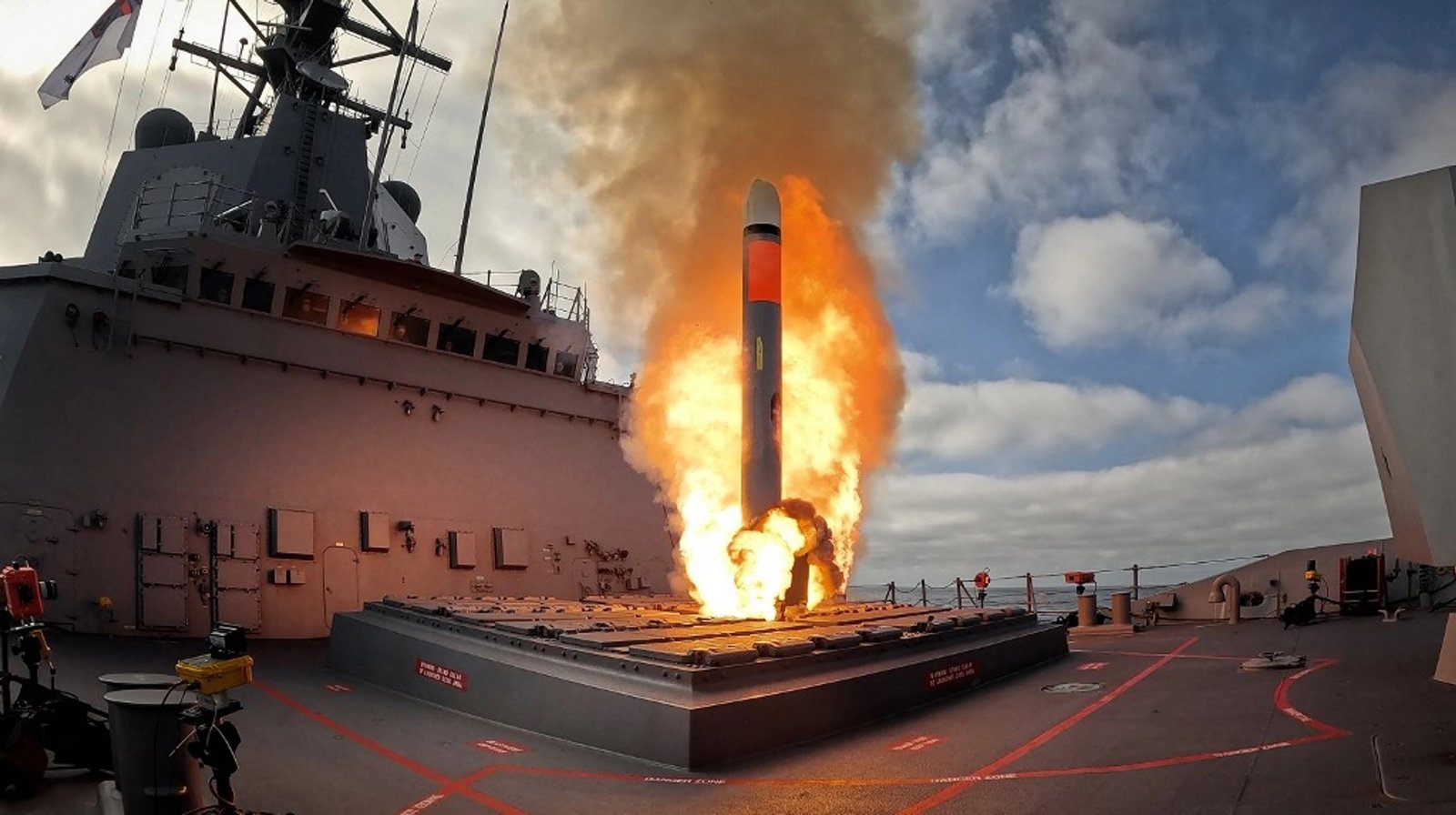
The increasing combat use of the 3M22 Zircon, which has an estimated unit cost of about $5 million, has led researchers to examine its technical characteristics more closely.
Independent missile technology analyst Fabian Hinz assessed available launch footage, missile debris and other open-source information, concluding that the Zircon appears to operate as a quasi-ballistic missile rather than a scramjet-powered hypersonic cruise missile.
According to Hinz, the missile uses a solid-fuel rocket engine rather than a scramjet propulsion system. He also argues that available evidence does not show the air intake that would normally be expected on a scramjet-powered hypersonic cruise missile.
Instead of following a conventional ballistic trajectory, the Zircon is assessed to fly along a quasi-ballistic flight path, combining a gliding phase with atmospheric maneuvers.
Further analysis by the Kyiv Scientific Research Institute of Forensic Expertise, based on recovered missile debris, suggests the Zircon travels at approximately Mach 5.5 during most of its flight, briefly accelerates, and slows to around Mach 4.5 during the terminal phase before impact.
Hinz noted that hypersonic weapons represent a range of capabilities rather than a single category and that the Zircon's maneuvering characteristics continue to present a difficult target for air defense systems.
Air Defense Interceptions
Despite its speed and maneuverability, Ukrainian Air Force reports state that Western-supplied air defense systems, including the Patriot, have intercepted a number of Zircon missiles during the conflict.
The July launch figures underline the high operational tempo of Russian long-range missile strikes while also highlighting the gap between estimated missile production and current usage. Whether Russia can sustain this level of missile expenditure over a longer period will depend on future production rates, existing stockpiles, and operational requirements.
Source : militarnyi
——— End of Article ———