CHANGSHA, China — Chinese technology company Changsha Nighthawk Intelligent Technology is completing testing of its SkyX bionic amphibious system and preparing for serial production, according to Chinese reports and coverage including CGTN.
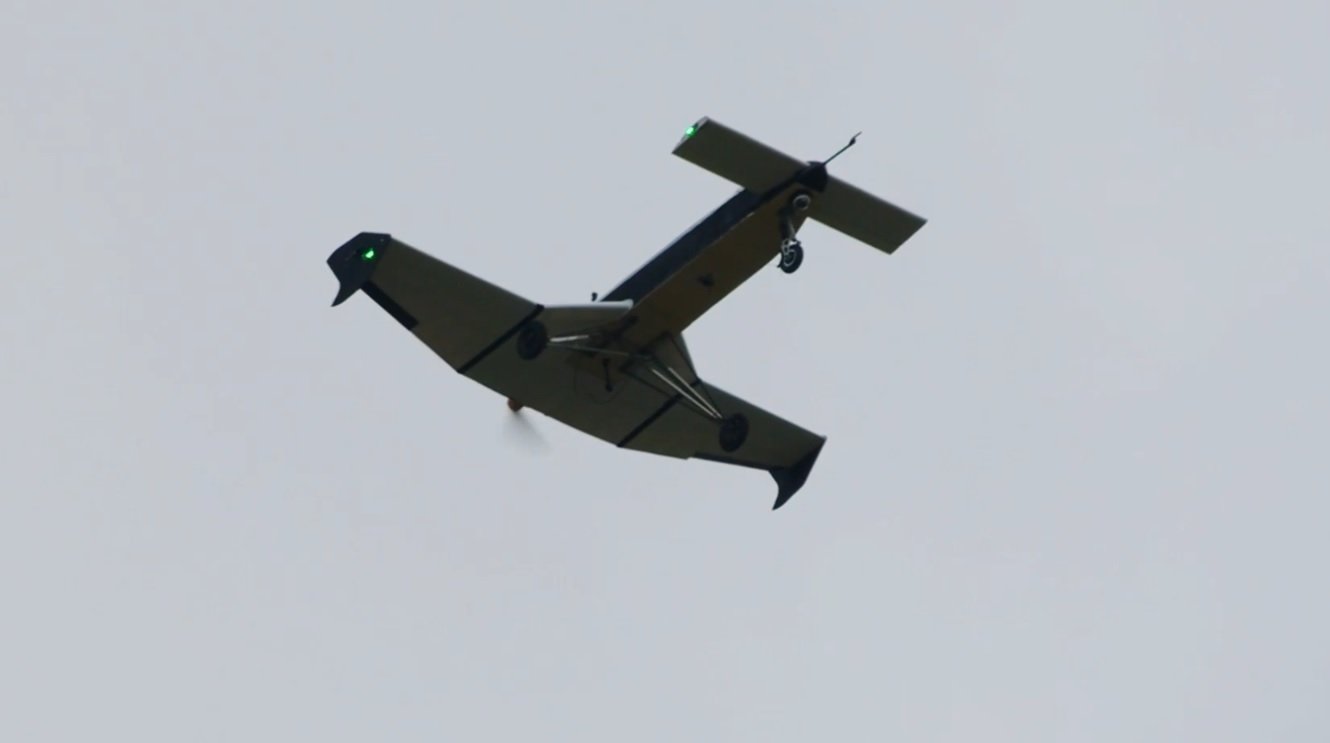
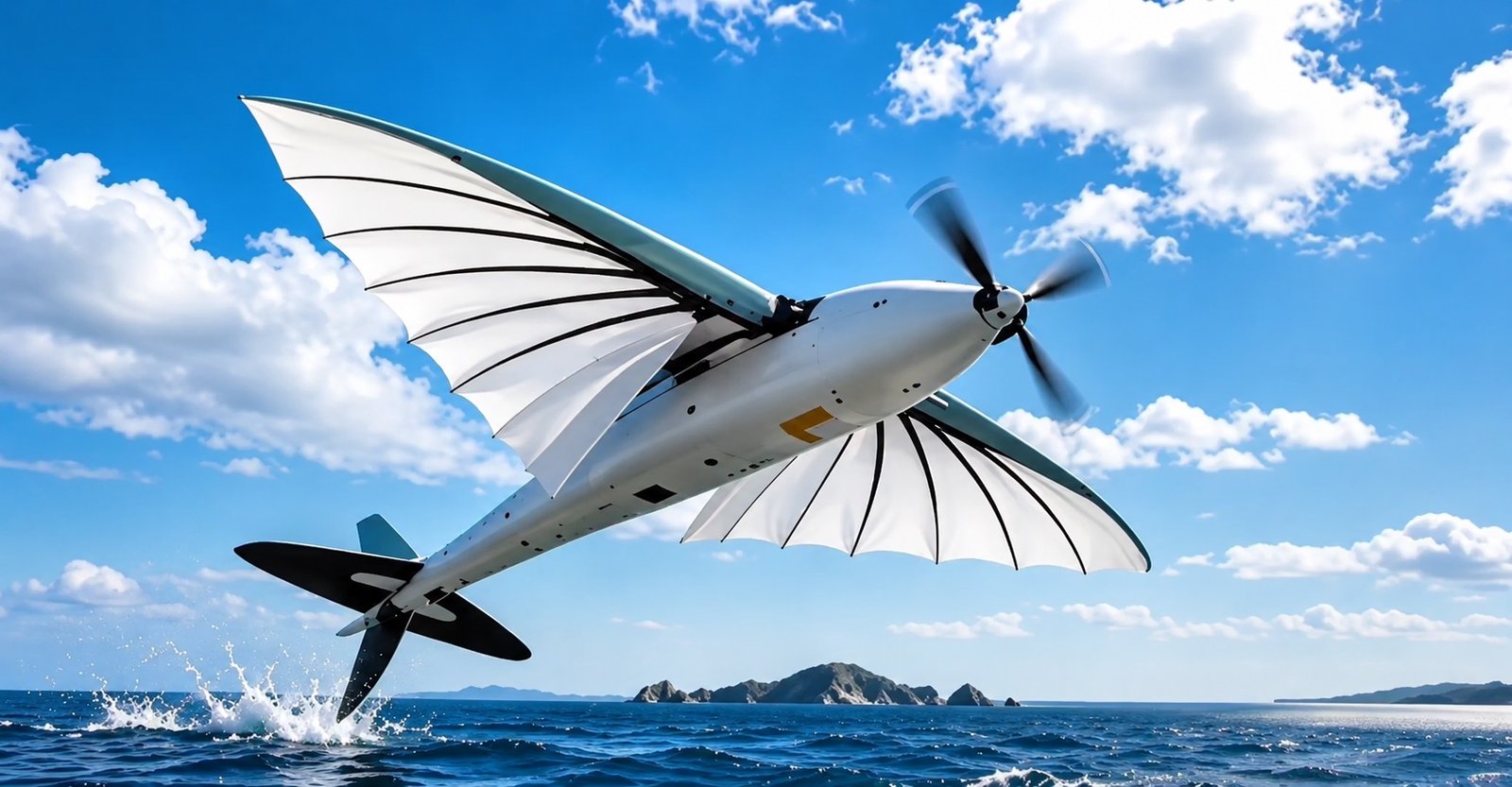
Inspired by a flying fish, the SkyX is designed to operate in three modes: aerial flight, surface gliding and underwater travel. In the air, its wings unfold into a fixed-wing configuration while a front propeller provides thrust, giving the system an endurance of up to one hour. When entering the water, the wings fold inward to create a streamlined shape and reduce drag, while a tail propeller provides underwater propulsion. The company states that the vehicle can reach underwater speeds of up to 50 km/h (31 mph).
China’s Changsha Nighthawk Intelligent Technology is preparing the SkyX bionic amphibious drone for serial production, with the system designed for air, surface and underwater operations, up to 1 hour of flight endurance and underwater speeds of up to 50 km/h pic.twitter.com/LH3skqVDY2
— The Defense News (@TheDefenseNews) August 14, 2026
Changsha Nighthawk says comparable foreign amphibious systems typically reach about 6 km/h (3.7 mph) underwater and have aerial endurance of roughly six minutes.
Development began with a concept prototype in 2021, and the team has now completed five generations of prototypes. The fifth generation entered cross-medium testing in 2025. Real-world water tests have demonstrated flight, underwater movement, mode switching, surface jumping and passage under bridges.
The system uses adaptive flight controls, combined ducted and propeller propulsion, and sealing measures to handle the major difference between air and water environments. Its range and maximum diving depth have not been publicly released, while development continues on water-exit reliability, complex sea conditions and payload capacity.
The SkyX is being considered for emergency rescue, ocean monitoring, environmental data collection and search-and-rescue operations. Defense-related applications, including reconnaissance, have also been discussed, but available information does not indicate that the vehicle has been configured or armed for a specific military strike role.
The project is being developed by a team of eight people that originated from a university drone club. The team has received 200,000 yuan from the Hunan provincial university student entrepreneurship investment fund, is listed on the Hunan equity exchange's student innovation and entrepreneurship board, and plans to raise 500,000 yuan for further engineering optimization and small-batch delivery. It is also applying for patents covering power systems, structure and algorithms.
The project remains focused on prototype optimization, reliable air-water transitions and preparations for limited production.
——— End of Article ———