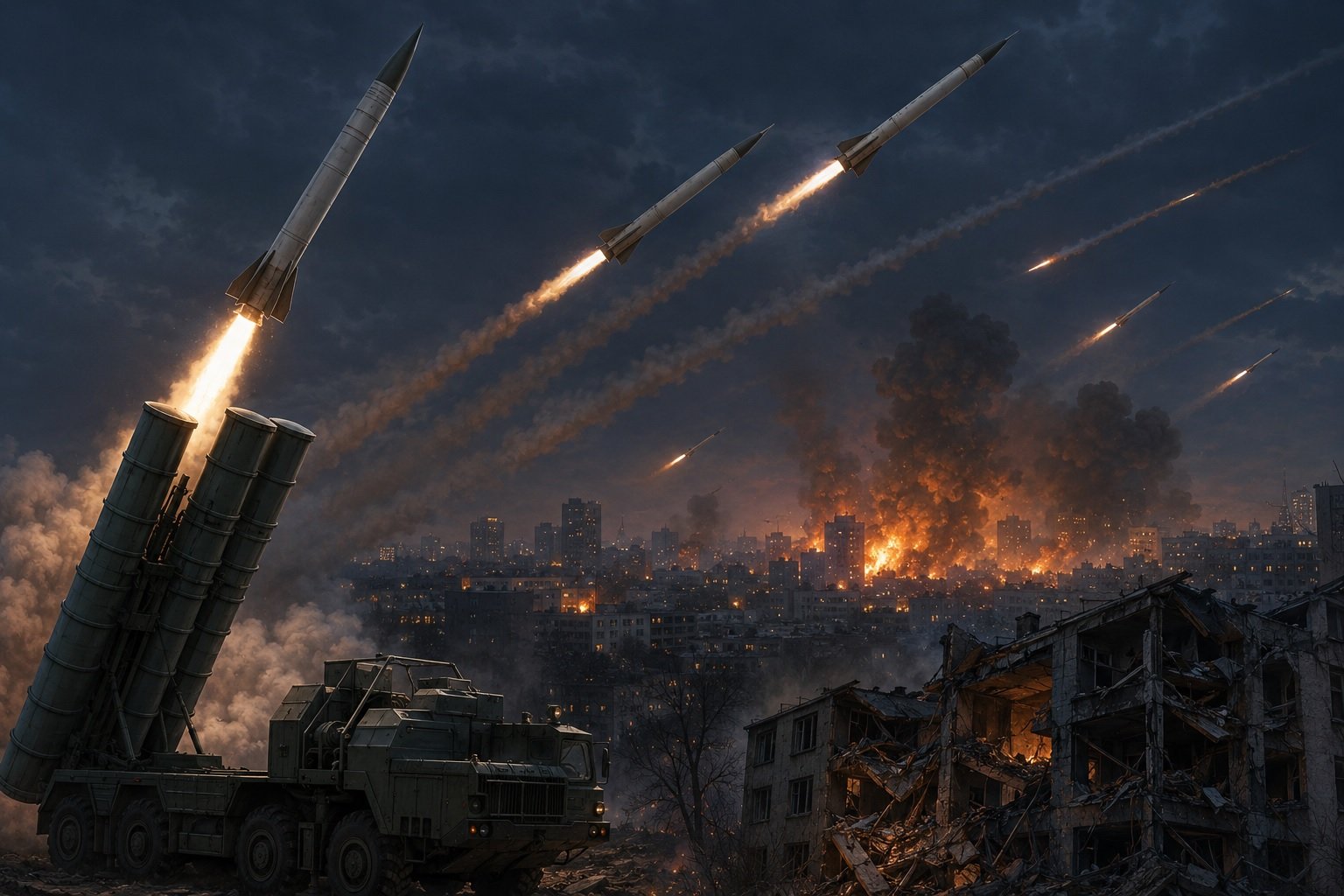
KYIV, Ukraine — Russia is increasingly using missiles originally developed for the S-300 and S-400 air-defense systems against ground targets in Ukraine, adding another source of ballistic threats to its long-range strike arsenal.
The use of these missiles has been reported for several years, but Ukraine's military intelligence says Russia is now also producing the RM-48U, a missile based on older surface-to-air missiles, specifically for use against ground targets. The development comes as Russia continues to combine these weapons with dedicated ballistic missiles such as the Iskander-M.
The latest example came during the Russian attack on the night of August 5, 2026, when Russia launched 24 missiles classified by Ukraine's Air Force under the combined "Iskander-M/S-400" category. The main direction of the attack was the Kyiv region. Ukrainian air defenses did not report intercepting any of these 24 ballistic missiles. The attack also included four Zircon/Oniks missiles and 115 drones, of which 98 were reported shot down or suppressed. Ukrainian officials said the attack killed at least 17 people and injured dozens in the Kyiv area.
From air-defense missiles to ground attacks
The S-300 and S-400 are families of air-defense systems designed primarily to engage aircraft and missiles. Their missile inventories include several variants with different ranges and capabilities.
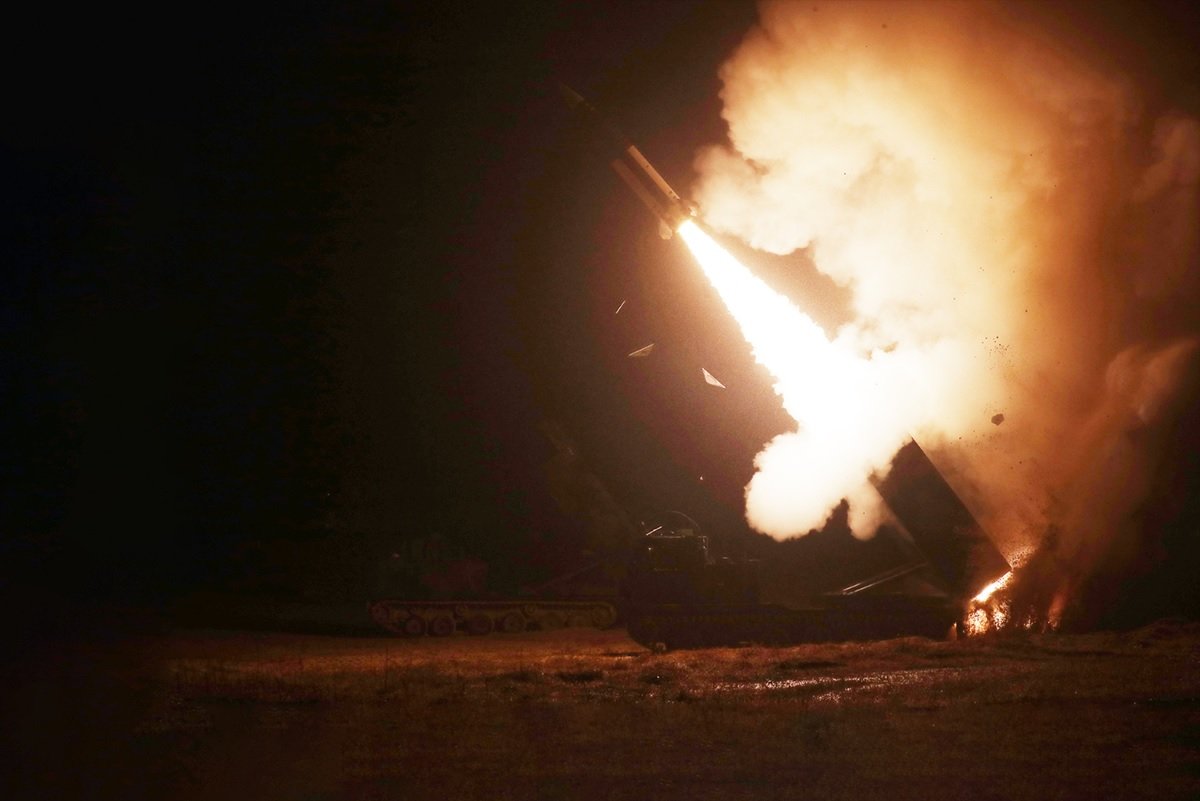
Russia began using S-300 missiles against ground targets in Ukraine after the full-scale invasion in 2022. The missiles were originally designed for air-defense missions but can be used against fixed ground coordinates.
The capability itself is not new. Russian forces have previously conducted exercises involving S-300 missiles against simulated ground targets. Russian reporting on exercises at the Telemba training range described S-300 launches against ground-based targets.
The use of these missiles in Ukraine has provided Russia with another way to conduct strikes, particularly against targets within the range of the available missile variants.
RM-48U adds another source of ballistic targets
A more recent development is the RM-48U. The missile is based on older 5V55 and 48N6 surface-to-air missiles that have been removed from normal air-defense service and converted for training or other purposes.
Ukrainian sources reported the first combat use of RM-48U missiles against ground targets during the January 19–20, 2026 attack. The exact configuration used in that attack was initially unclear, including whether the missiles carried live warheads or were being used as target missiles.
Ukraine's Defence Intelligence later reported that Russia was producing RM-48U strike missiles in significant numbers. According to Ukrainian intelligence data published in June 2026, Russia produced more than 200 RM-48U missiles in 2025 and planned to produce more than 480 in 2026. Current production was assessed at up to 50 missiles per month.
This production rate is significant because it indicates that the use of converted air-defense missiles is not limited to isolated launches from old stockpiles.
Different missiles are involved
The S-300 and S-400 designations cover several missile types, so identifying fragments as belonging to an S-300 or S-400 family does not always establish the exact missile variant.
The 5V55R is an older S-300 missile weighing about 1.66 tonnes and carrying a high-explosive fragmentation warhead of approximately 130 kg. Its standard air-defense range is considerably shorter than that of later missiles.
The 48N6 family is larger, with a missile weight of about 1.8 tonnes and warheads reported in the 143–180 kg range depending on the variant.
The S-400 also uses newer missiles, including the 40N6. The 40N6 is designed for long-range air-defense missions, with a claimed air-target interception range of up to about 400 km. However, an air-interception range should not automatically be treated as the missile's ground-strike range. The flight profile, guidance conditions and target type are different.
There is also no confirmed public evidence that the 40N6 is being systematically used as a surface-to-surface weapon.
Why Russia can use them against ground targets
When employed against ground targets, these missiles can be launched toward predetermined coordinates rather than being used to intercept aircraft.
Their guidance arrangements vary by missile and mission. Some rely on inertial guidance combined with radio-command corrections. Once a missile moves beyond the practical range of continuous ground-based correction, it can continue along its calculated trajectory.
This gives the missiles a ballistic or semi-ballistic flight profile when used against ground targets.
Their high speed also leaves a relatively short period between launch and impact. Ukrainian and Western assessments have reported very high terminal speeds for some 48N6-family missiles. However, exact performance varies by missile version and launch profile, so air-defense specifications should not automatically be applied to ground attacks.
The main limitation is accuracy. These missiles were not originally designed as precision surface-to-surface weapons. Their warheads are intended primarily for air targets and are not equivalent to specialized penetrating warheads used against hardened structures.
As a result, using an S-300 or S-400 missile against a ground target does not make it equivalent to an Iskander-M. The two weapon classes were developed for different missions.
Earlier use in Ukraine
Russia's use of S-300 missiles against ground targets became particularly visible in 2022 and 2023.
On September 30, 2022, Russian forces launched 16 S-300 missiles at Zaporizhzhia. Four missiles struck an area where a civilian convoy was gathered. Ukrainian authorities reported 32 people killed and 118 injured.
On April 14, 2023, S-300 missiles were used against Sloviansk. Ukrainian authorities reported eight deaths and 21 injuries in the attack.
On October 21, 2023, two S-300 missiles struck a Nova Poshta terminal in Korotych in the Kharkiv region. The final reported toll was eight people killed and 15 injured.
These attacks demonstrated how Russia could use air-defense missiles for ground strikes against targets relatively close to Russian-controlled territory.
S-400 missiles have also been used against ground targets
The use of S-400-family missiles has expanded the potential range of this tactic.
Ukrainian authorities have previously reported the use of 48N6-family missiles from the S-400 system against ground targets, including strikes associated with the Kyiv area.
However, the Ukrainian Air Force's combined designation "Iskander-M/S-400" does not mean that every missile in that category is necessarily an S-400 missile. It groups missiles according to the systems associated with their reported launches or identification. Exact identification can require examination of recovered missile components.
This distinction is important because the S-300 and S-400 families use several different missile types, and some missiles are compatible with more than one version of the system.
S-400 missiles in the 2026 attacks
The use of the combined "Iskander-M/S-400" category became particularly notable during several attacks in the summer of 2026.
According to Ukrainian Air Force reporting cited in recent coverage, the attacks included:
- July 2: 24 missiles in the combined Iskander-M/S-400 category, with four reported intercepted.
- July 6: 23 missiles in the same category, with no ballistic missile interceptions reported.
- August 1: 27 missiles, with one reported interception.
- August 5: 24 missiles, with no reported interceptions.
The August 5 attack also included four Zircon/Oniks missiles and 115 drones. Ukrainian air defenses reported neutralizing 98 of the drones. The main direction of the missile attack was Kyiv and the surrounding region.
The available public information does not establish the exact proportion of S-400 missiles within each combined "Iskander-M/S-400" figure.
The air-defense challenge
The growing use of ballistic and quasi-ballistic missiles creates a difficult problem for Ukraine's air-defense network.
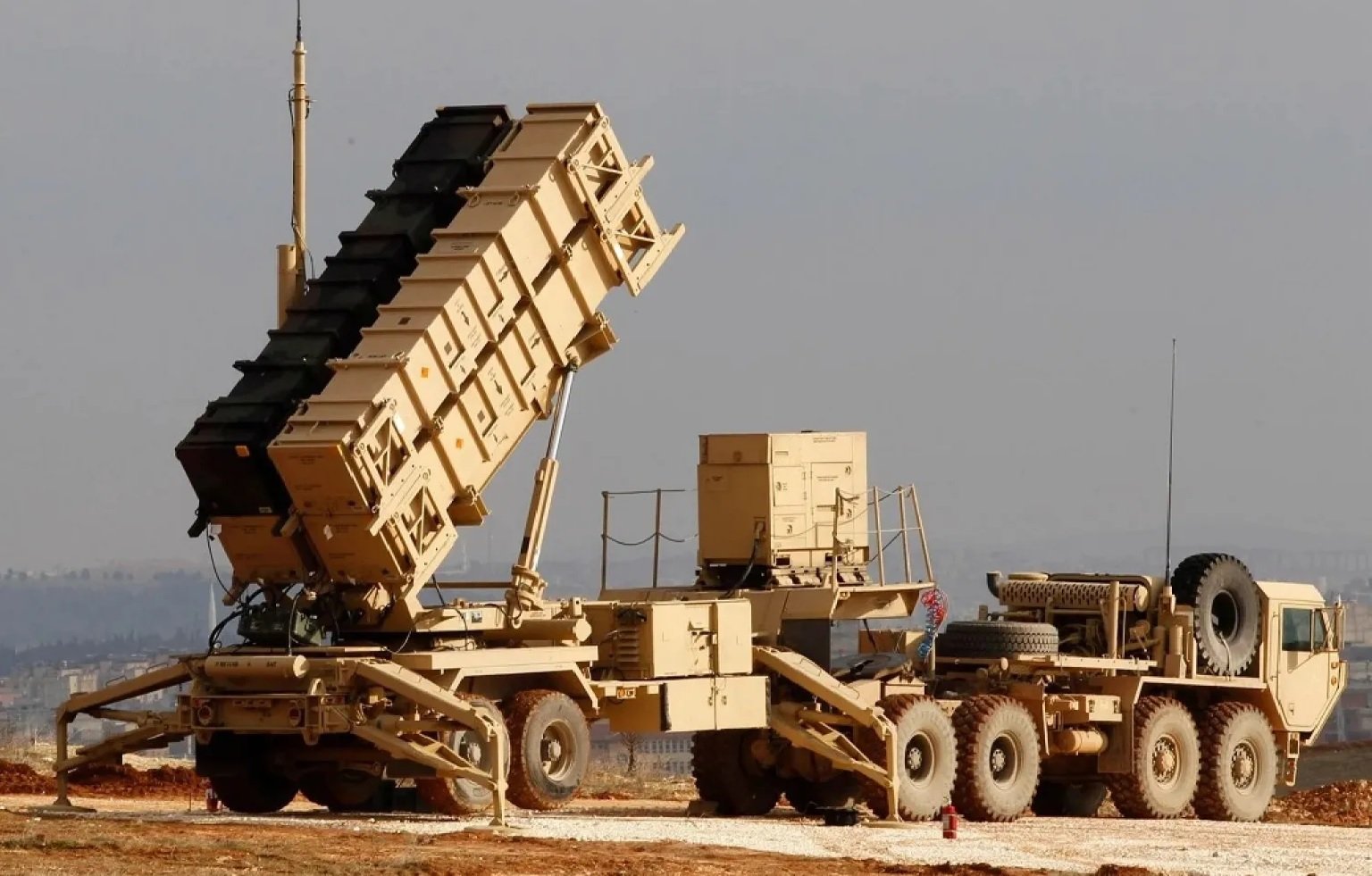
Systems such as Patriot and SAMP/T are among the systems capable of engaging ballistic missile threats. Their interceptor missiles, however, are limited compared with the number of ballistic and other high-speed weapons Russia can launch.
Ukraine's Defence Intelligence assessed in June 2026 that Russia could launch up to 100 ballistic missiles per month while maintaining a stable stockpile. The assessment included production of up to 700 9M723 ballistic missiles for the Iskander-M system in 2026, at a monthly rate of about 55–60 missiles, along with more than 480 RM-48U missiles planned for the year.
The RM-48U therefore adds another category of high-speed targets to Russian missile attacks without being a direct replacement for the Iskander-M.
For Ukraine, the challenge is not limited to identifying the incoming missile. Air-defense operators must also determine which targets require interception and allocate a limited number of suitable interceptors against incoming ballistic threats.
A growing role for converted missiles
Russia's use of S-300 and S-400 missiles against ground targets shows how an air-defense missile inventory can be adapted for another role during a prolonged conflict.
The RM-48U program takes this further by converting older missiles into a separate source of ground-attack or training targets. Ukrainian intelligence's reported production figures indicate that Russia is producing these missiles in quantities large enough to become a regular component of its strike arsenal.
At the same time, these weapons should not be treated as direct equivalents of purpose-built ballistic missiles. Their original design, guidance systems, warheads and intended missions are different.
The significance of the development is therefore mainly in the additional number and variety of high-speed targets that Russia can introduce into combined attacks. The August 5 strike on Kyiv demonstrated the continuing difficulty Ukraine faces in defending against large ballistic missile salvos when interceptor availability is limited.
Source : oboronka
——— End of Article ———