TEHRAN — Iran is expected to receive the first shipment within weeks under a contract for up to 400 Chinese-made man-portable air defence systems (MANPADS), according to three sources familiar with the agreement cited by Reuters.
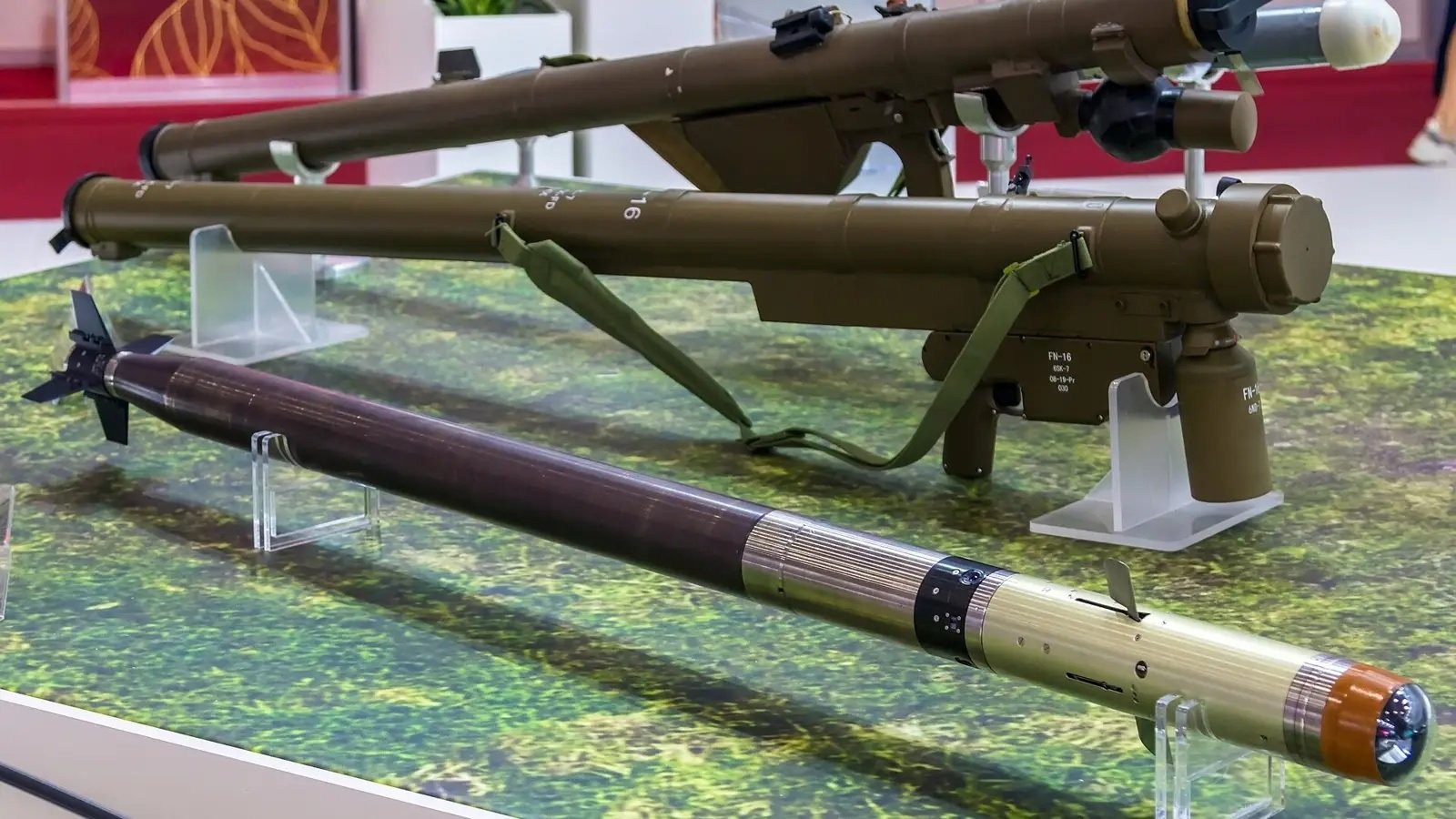
The reported contract, valued at $60 million to $70 million, covers between 300 and 400 shoulder-fired air defence missile systems, including the QW-12 and FN-16. If completed as planned, it would represent one of Iran's largest known efforts to strengthen its short-range air defence network since the start of its conflict with the United States and Israel.
According to the sources, the agreement was signed with Zhongqing Baoshang International Investment, a Hong Kong-based company that acted as an intermediary between the Iranian side and the Chinese supplier. The company's parent firm, Beijing-based Zhong Qing Bao Shang Group, did not respond to Reuters' request for comment.
Focus on Strengthening Short-Range Air Defences
The reported purchase comes as Iran seeks to improve protection for military facilities, energy infrastructure and other strategic sites following months of military exchanges involving the United States and Israel.
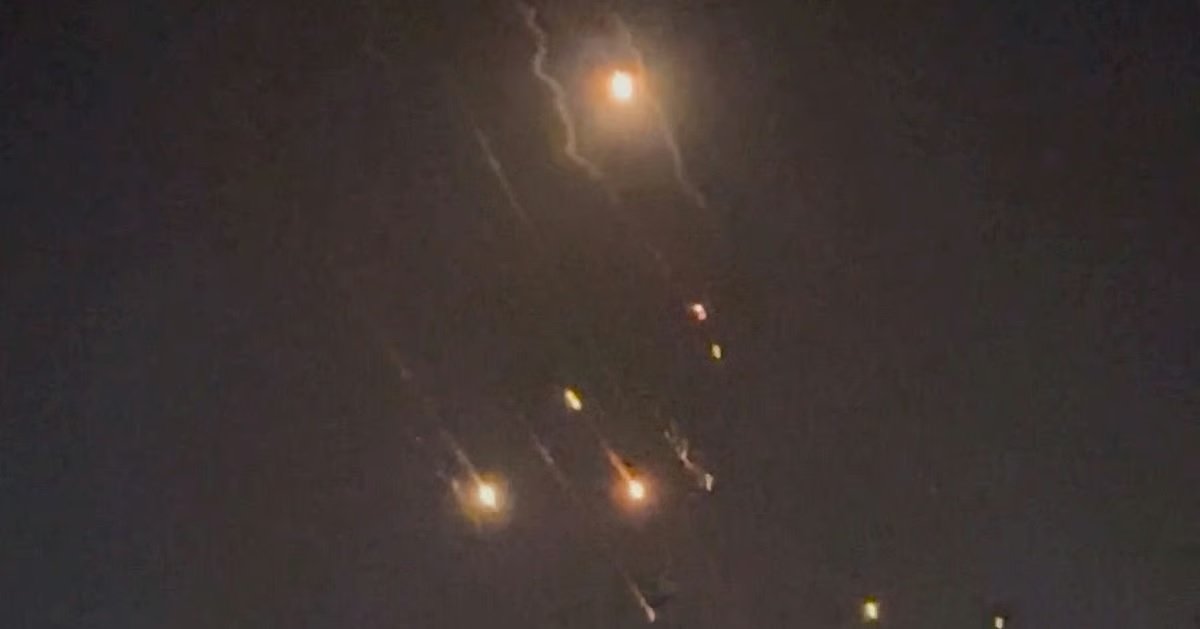
Recent strikes by the United States and Israel have targeted facilities associated with Iran's missile, drone and air-defence programmes. Iran has responded with ballistic missile and drone attacks. Defence analysts note that these developments have highlighted the importance of mobile air-defence systems that can be deployed rapidly around key locations.
Unlike fixed air-defence batteries, MANPADS can be carried and operated by small teams, allowing them to be moved quickly and making them more difficult to locate and target. These systems are designed primarily to engage low-flying aircraft, helicopters and drones.
QW-12 and FN-16 Missile Systems
The reported contract includes the Chinese QW-12 and FN-16 shoulder-fired surface-to-air missile systems.
The FN-16 is an upgraded version of the earlier FN-6. It uses a dual-color infrared and ultraviolet (IR/UV) quasi-imaging seeker designed to improve target discrimination and increase resistance to electronic countermeasures such as flares. It is a fire-and-forget missile system with a reported engagement range of up to 6 kilometers.
The QW-12 is considered by defence analysts to be less advanced than newer QW-series variants such as the QW-18 and QW-19, but it remains capable of providing short-range protection against low-altitude threats, including drones. The system is reported to offer improved anti-jamming performance while retaining the direct targeting and safe-launch features of earlier models.
A European security source told Reuters that authorities were aware of several contracts under discussion involving possible sales of QW-series MANPADS to Iran, including the QW-12, QW-18 and QW-19. Another security source in the Middle East said Iran had sought both QW-12 and QW-18 systems but was unaware that a deal had already been finalized.
Planned Delivery Route
Sources familiar with the agreement said the initial shipment is planned to be flown from Urumqi in western China before passing through Pakistan en route to Iran. They said it remains unclear whether the final stage of transportation would be completed by air or overland.
The sources also cautioned that although the agreement has reportedly been signed, delivery schedules, quantities and other details could still change.
Two Western intelligence sources and an Iranian official told Reuters that Tehran has also explored overland routes for transporting Chinese military supplies and dual-use components in a more discreet manner.
China and Pakistan Reject the Reports
China's Foreign Ministry denied the reports, stating that they were "completely groundless" and adding that China has consistently worked to promote peace and end the conflict.
Pakistan's military media wing, the Inter-Services Public Relations (ISPR), also rejected claims that Pakistan would facilitate the transfer of Chinese air-defence systems to Iran, describing such reports as "absolutely concocted and false."
Iran's Foreign Ministry did not immediately respond to Reuters' request for comment, while Pakistan's Foreign Ministry also did not provide a response.
Broader Defence Procurement Efforts
Reuters previously reported that Iran was close to reaching a separate agreement with China involving anti-ship cruise missiles, although it said it could not independently confirm whether that deal had moved forward.
The reported MANPADS contract reflects Iran's continuing efforts to strengthen its military capabilities despite long-standing sanctions and restrictions on defence imports. The country continues to rely on a combination of domestic defence production and selected foreign suppliers to maintain and expand its military readiness.
Source : Reuters
——— End of Article ———