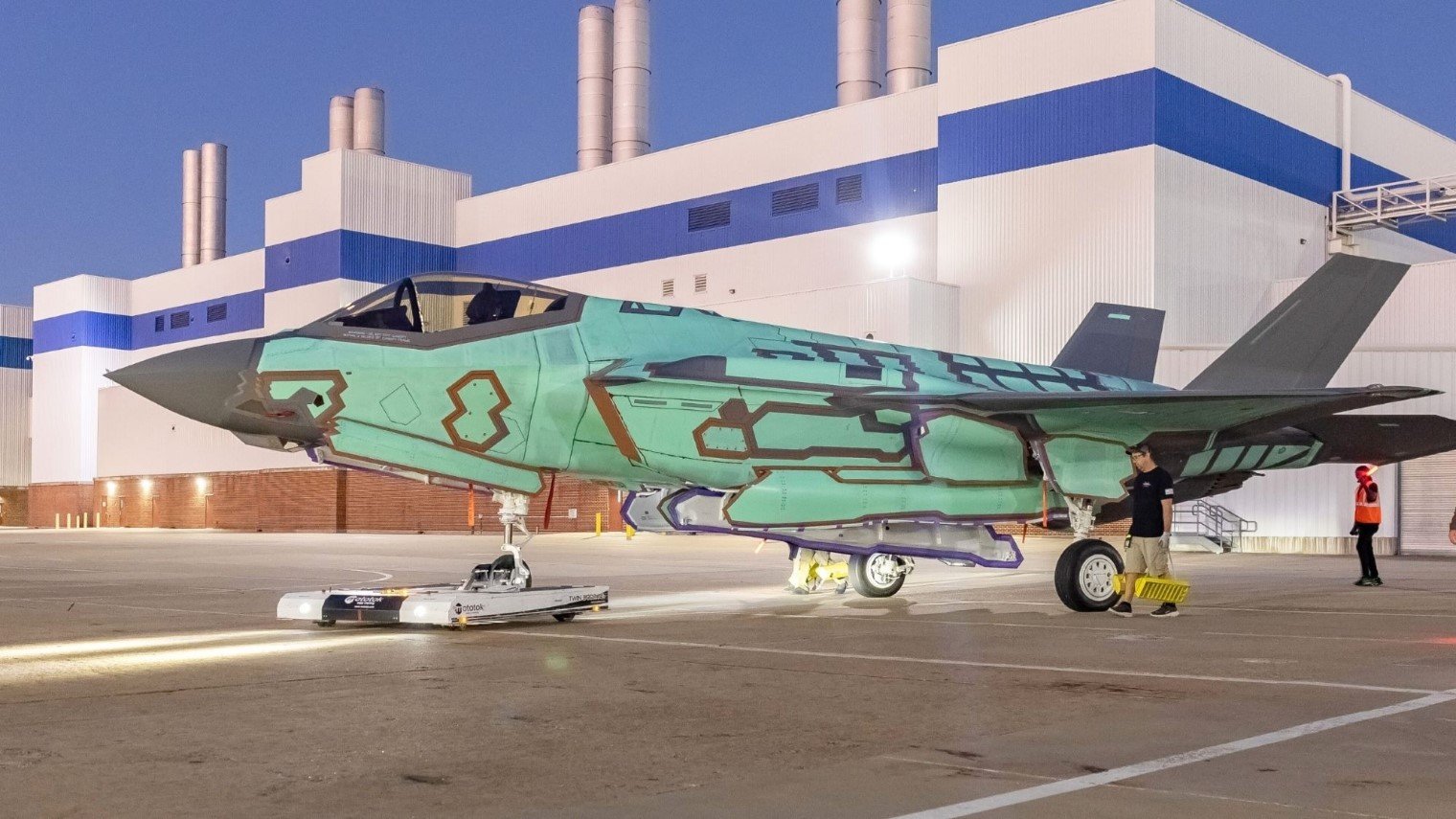
Sofia — Bulgaria’s second batch of eight F-16 Block 70 fighter jets is now expected to be delivered in the second quarter of 2030, about two and a half years later than the original late-2027 target.
The revised timeline was discussed on August 14 during a meeting between Bulgarian Defence Minister Dimitar Stoyanov and representatives of Lockheed Martin. The company cited production difficulties at its F-16 assembly facility in Greenville, South Carolina, as the main reason for the delay.
Lockheed Martin said the second-quarter 2030 date is not final and that it will take steps to accelerate production and deliver the aircraft earlier if possible. The schedule had already been revised once, with the expected delivery previously moved to around 2029.
Stoyanov said Bulgaria expects the delay to be minimized and must not create any additional financial burden for the country. He also requested assurances that the final price of the second contract will not increase because of the delayed production, along with concrete measures to reduce the delay.
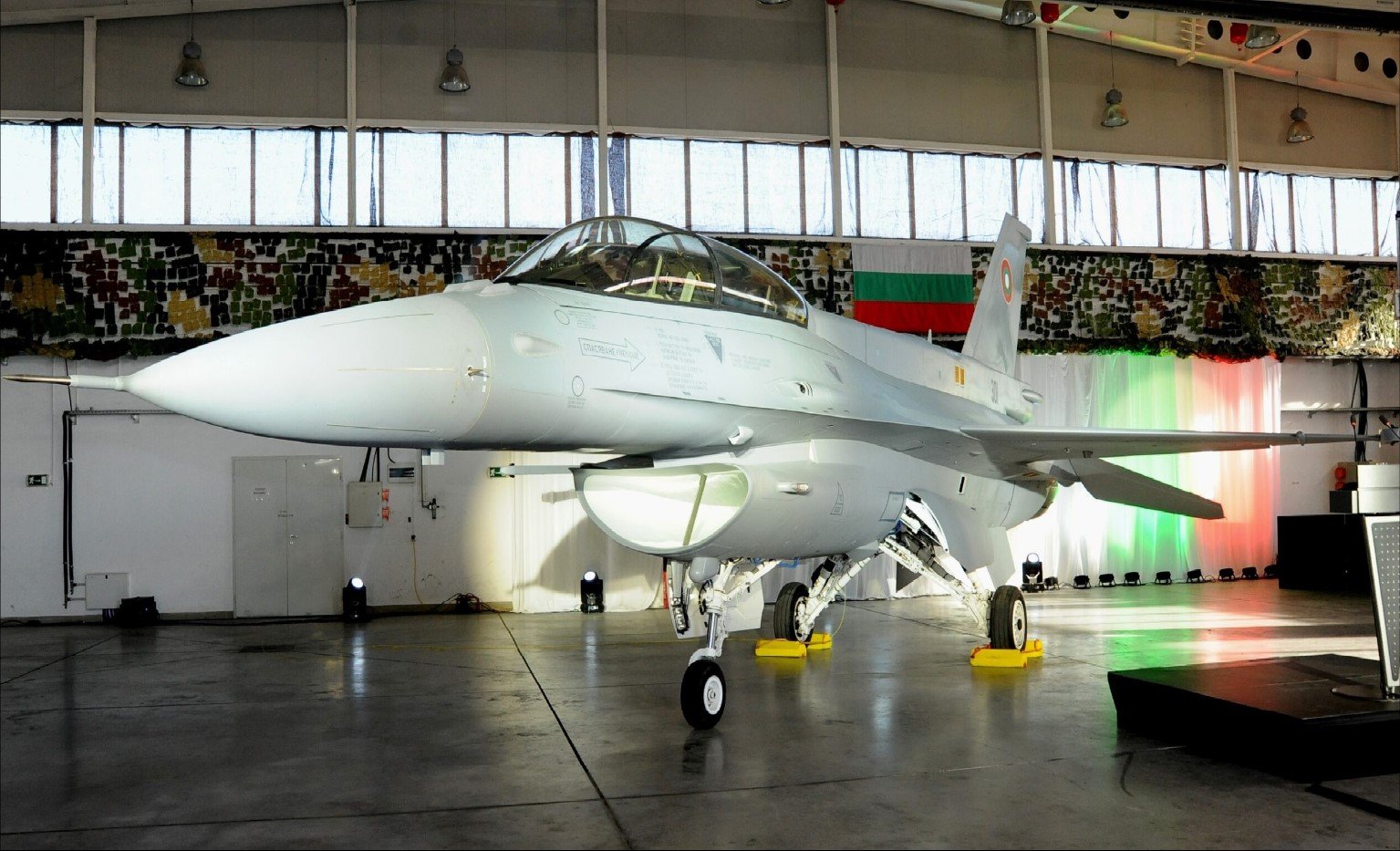
Bulgaria ordered 16 F-16 Block 70 aircraft in two contracts. The first contract, signed in 2019, covered eight aircraft. All eight were delivered by December 2025 and formally presented at Graf Ignatievo Air Base. The second contract covers the remaining eight aircraft. The overall programme is valued at more than $2.5 billion.
Bulgaria is now preparing the first eight aircraft for combat duty, with Stoyanov setting a goal of having them operational in 2027. He stressed the need for sufficient spare parts, maintenance components and support equipment, as well as more training opportunities for Bulgarian pilots at F-16 training centres.
The delay has also increased Bulgaria’s need for an interim fighter capability. The country has already submitted a request to the United States for second-hand F-16s, and Stoyanov said the request has become more important because of the latest production delay.
The F-16 programme is central to Bulgaria’s effort to replace its ageing Soviet-era MiG-29 fleet and improve interoperability with NATO forces. Bulgarian officials are continuing discussions with Lockheed Martin over the first batch while monitoring production of the second batch.
——— End of Article ———