BRUSSELS, Belgium — The European Defence Agency (EDA) has selected five European defence technology companies to advance to the field-testing phase of its Sentinel Strike Challenge, a competition designed to evaluate next-generation loitering munition systems under realistic operational conditions.
The selected companies will deploy their systems this autumn at the Santa Margarida Military Training Area in central Portugal as part of the Hub for European Defence Innovation (HEDI) Operational Experimentation Campaign 2026 (OPEX26). The challenge aims to provide European defence ministries with objective performance data rather than select systems for procurement.
Five Companies Advance to Stage 2
Following a highly competitive first stage that attracted more than 140 expressions of interest from organizations across Europe, the EDA selected the five highest-ranked proposals based on technical maturity, operational relevance, safety, and demonstration feasibility.
The companies advancing to the operational field trials are:
- Helsing (Germany)
- Destinus (Netherlands)
- C-Astral (Slovenia)
- UAVision (Portugal)
- Spirit Aeronautical Systems (Greece)
Each company has received a €30,000 Stage 1 prize and will now compete for a share of the €1.8 million Stage 2 prize fund.
Five other companies also placed in the top ten but will not participate in the field-testing phase. They are Renegade UxS and Robotto from Denmark, Cerberon Defence Systems from Germany, THALES LAS from France, and ALTUS LSA from Greece. Each has been awarded a €10,000 Stage 1 prize.
Operational Trials in Portugal
The second stage of the competition will be conducted at the Campo de Instrução Militar de Santa Margarida, an active military training area located about 130 kilometers northeast of Lisbon. Covering approximately 62 square kilometers, the facility includes firing ranges, vehicle courses, and specialized military infrastructure suitable for operational experimentation.
The field trials will form part of the OPEX26 campaign and will be carried out alongside the Portuguese Army's ARTEX26 technological experimentation exercise. The combined activities are intended to create a regulatory environment that allows prototype defence technologies to be evaluated under realistic, degraded, and contested operational conditions.
According to the current schedule:
- System acceptance: 21–25 September 2026
- Operational experimentation: 28 September–9 October 2026
- High-visibility demonstration event: 14 October 2026 (subject to confirmation)
Demonstrations may include live-fire activities, subject to safety requirements and host-nation authorization.
Focus on Class I Loitering Munitions
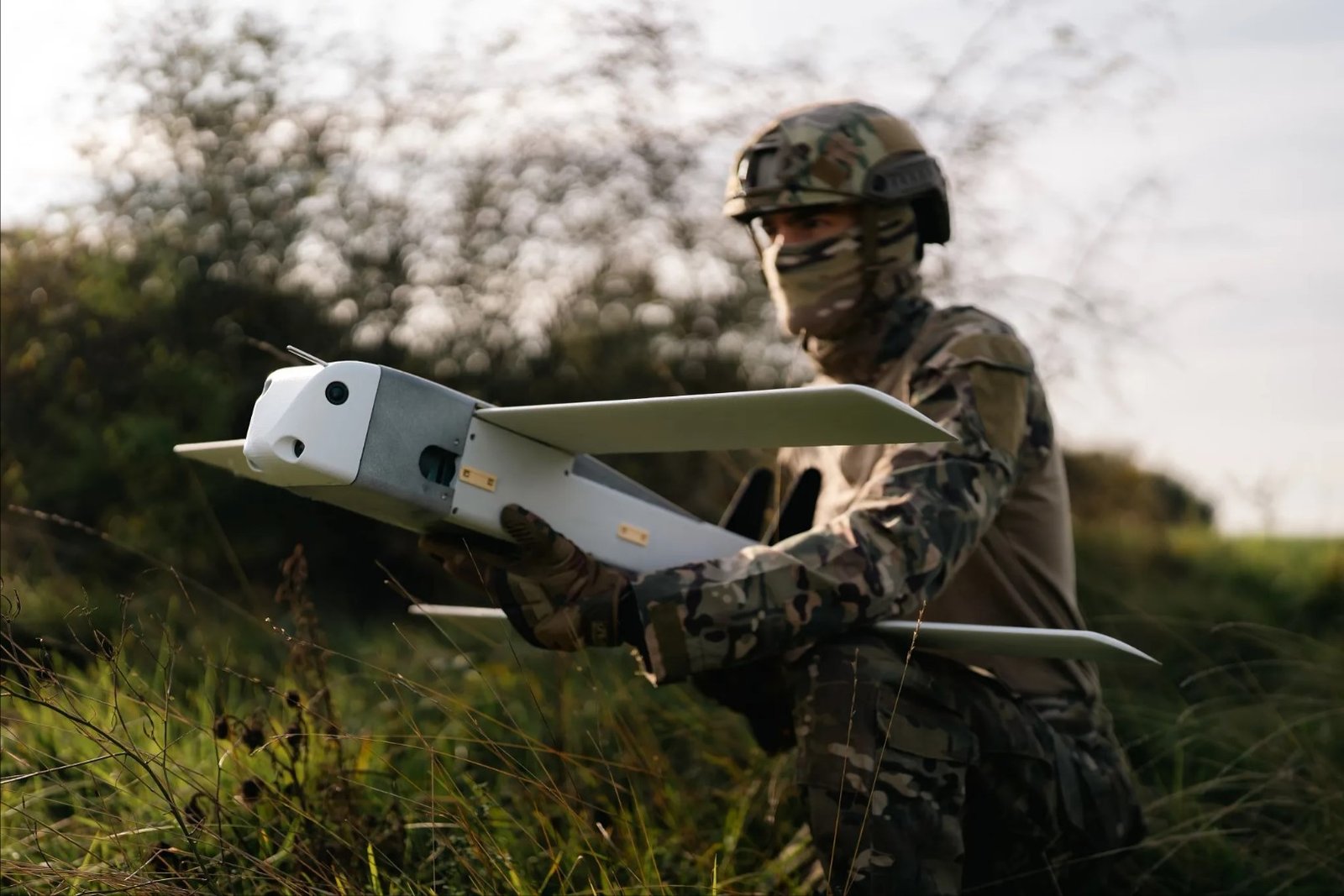
The Sentinel Strike Challenge focuses on Class I aerial loitering munition systems with a maximum take-off mass of up to 25 kilograms and an operational range of up to 40 kilometers.
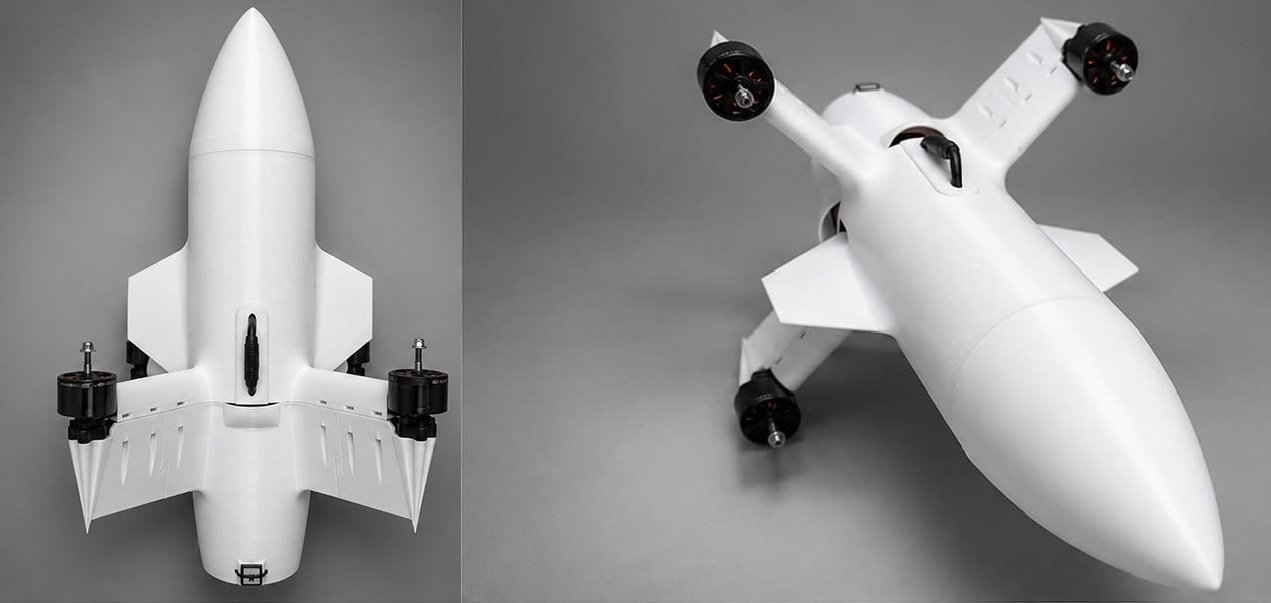
Often referred to as attack drones, loitering munitions are designed to search for targets before conducting a precision strike.
Military personnel from EU Member States will assess each system across the complete precision strike mission cycle, including:
- Mission planning and preparation
- Deployment
- Launch or release
- Target detection and identification
- Target tracking
- Precision engagement
- Post-engagement damage assessment
The evaluation will also compare system performance and resilience when operating under the same operational scenarios.
Data Collection, Not Procurement
The EDA has emphasized that the Sentinel Strike Challenge is not a procurement competition. Advancing to Stage 2 or winning the challenge does not guarantee future defence contracts or deployment.
Instead, the programme is intended to generate objective and comparable operational data that can help European defence ministries assess emerging loitering munition technologies before making future capability and investment decisions.
By testing multiple systems in the same operational environment with direct involvement from military users, the challenge aims to provide practical evidence on system performance under realistic conditions.
Responding to Rapid Technological Change
According to the EDA, recent conflicts have accelerated the development and operational use of loitering munitions, with technological advances often moving faster than traditional defence acquisition cycles.
The Portugal trials are designed to provide a common testing environment where participating systems can be evaluated under consistent operational conditions, allowing defence organizations to compare capabilities using standardized data.
Winners to Be Announced in 2027
The Sentinel Strike Challenge has a total prize budget of €2 million, including up to €200,000 for Stage 1 and up to €1.8 million for Stage 2.
Following the completion of the operational trials in Portugal, the overall winners are expected to be announced in early 2027, with an award ceremony planned during the European Defence Agency Annual Conference.
Source : eda.europa.eu
——— End of Article ———