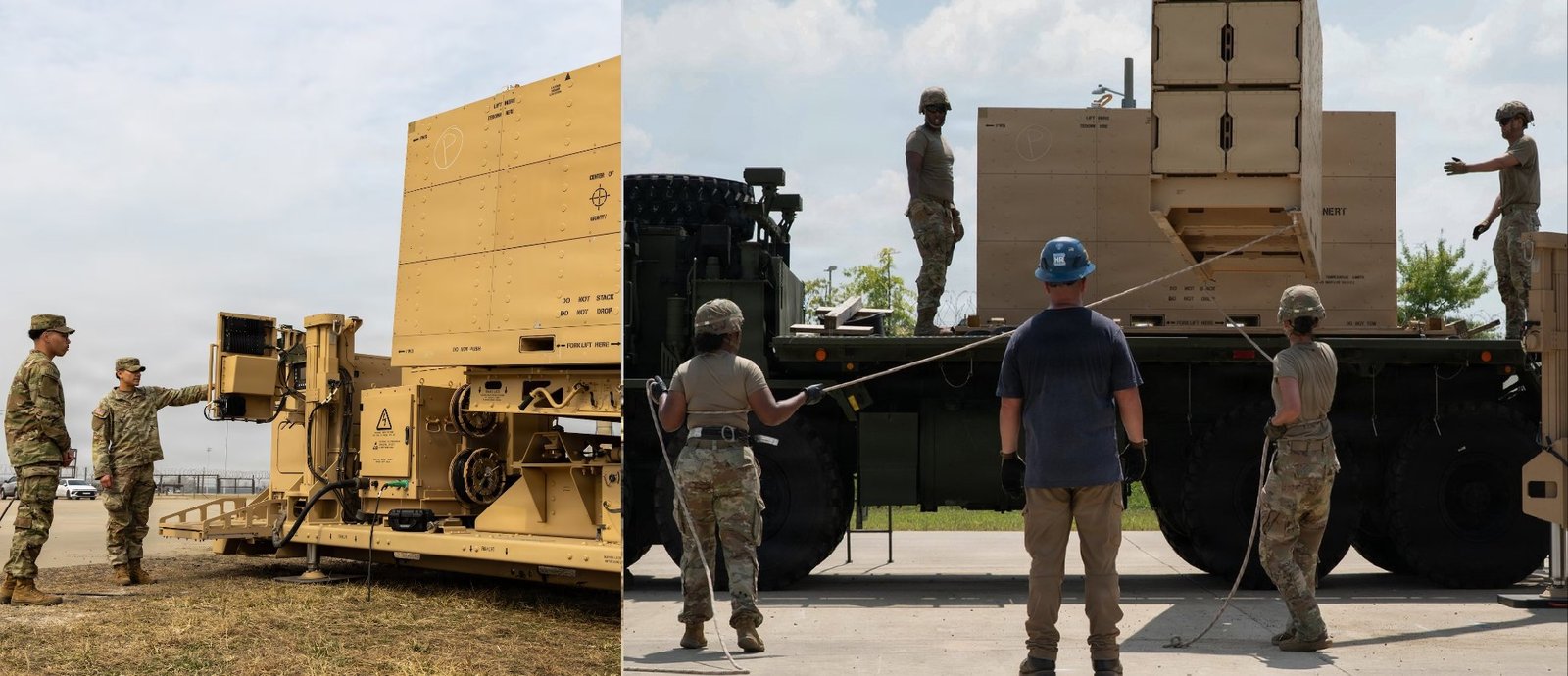
CAMP HUMPHREYS, South Korea — Soldiers from the U.S. Army’s 35th Air Defense Artillery Brigade conducted training on the deployment of the Indirect Fire Protection Capability (IFPC) system at Camp Humphreys, South Korea.
According to Eighth Army, personnel from Delta Battery, 6th Battalion, 52nd Air Defense Artillery Regiment, guided IFPC equipment into position during the exercise. The training was intended to prepare soldiers to employ the system in support of air and missile defense operations.
IFPC role in layered air defense
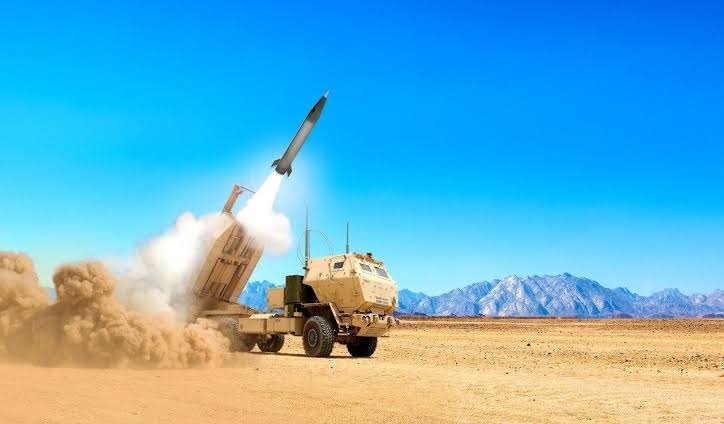
The IFPC is a mobile, ground-based air defense system designed to counter subsonic cruise missiles, unmanned aerial systems, rockets, artillery and mortars. It is intended to protect fixed and semi-fixed locations, including forward operating bases and critical infrastructure.
The system is designed to fill a defensive gap between short-range air defense systems and longer-range systems such as the Patriot and Terminal High Altitude Area Defense (THAAD).
The IFPC Increment 2 configuration uses the Enduring Shield launcher, with interceptor rounds stored in sealed, ready-to-fire magazines. The configuration is designed to support rapid reloading while reducing the exposure of personnel handling munitions.
The system also provides 360-degree radar coverage and is integrated with the Army’s Integrated Battle Command System (IBCS). IBCS connects sensors and weapons systems across the Army’s air and missile defense network.
IFPC deployment in South Korea
The 35th Air Defense Artillery Brigade, based at Osan Air Base, has operated the IFPC in South Korea since at least September 2025. During that month, U.S. Army Chief of Staff Gen. Randy George visited the unit and was photographed in front of an IFPC launcher. The deployment was the system’s first confirmed overseas deployment.
In March 2026, the Army again positioned the IFPC at Camp Humphreys during the Freedom Shield exercise. The deployment was used to test the system’s integration into a networked, layered air defense architecture alongside Patriot and Avenger systems.
The August 5 training continues the brigade’s work to maintain operational proficiency with the system as part of ongoing air and missile defense operations in South Korea.
Production and additional interceptor development
The IFPC program has progressed through several Army contracting stages. In November 2024, Dynetics, a Leidos subsidiary based in Huntsville, Alabama, received a $4.1 billion indefinite-delivery/indefinite-quantity agreement covering low-rate initial production, full-rate production and lifecycle support. The initial order included 18 launchers.
In April 2026, Dynetics received a separate $617 million contract for the fiscal year 2026 production buy. The contract covers launchers, magazines, trainers, logistics support and related items, with deliveries scheduled through November 2029.
The Army is also pursuing a second interceptor for the IFPC system. In 2025, Boeing and Lockheed Martin were selected to continue development of competing medium-range interceptor designs. The additional interceptor is intended to engage cruise missiles and drones alongside the system’s baseline interceptor, which is currently based on the AIM-9X Sidewinder.
The latest training at Camp Humphreys reflects the continued fielding and training of the IFPC system with U.S. Army air and missile defense forces in South Korea.
——— End of Article ———