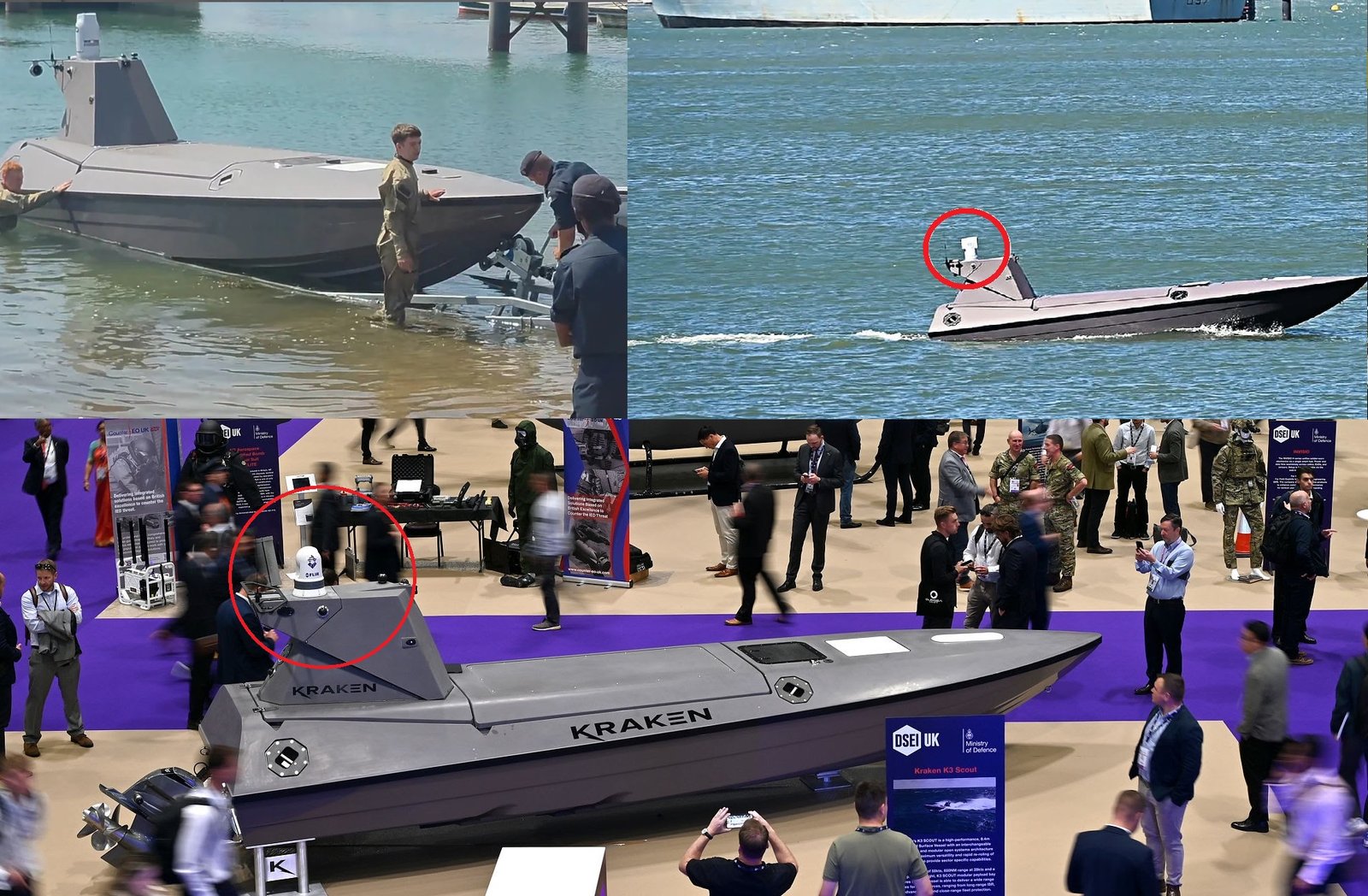
London, August 10, 2026 — Cameras fitted to K3 Scout uncrewed surface vessels operated by the Royal Marines were found transmitting routine “heartbeat communications” to an IP address in China, prompting the UK Ministry of Defence (MoD) to remove internet connectivity from the affected equipment.
The issue was identified during a routine cyber vulnerability assessment. The MoD said its investigation found no evidence that Ministry of Defence data or systems had been accessed, compromised or transmitted externally.
The discovery was reported by The Telegraph on August 9, 2026, and has raised concerns about the security of third-party components used in British military equipment.
Chinese IP Address Detected
The cameras installed on the K3 Scout vessels were found to be sending periodic “heartbeat” communications to an IP address located in China.
These communications are routine status signals used by devices to indicate that they are online and functioning. The MoD has not said that classified information was transmitted.
After identifying the connection, the department removed internet connectivity from the affected cameras.
Reports have also raised concerns about the use of the vessels near sensitive activities involving Royal Marines and Special Boat Service personnel in Poole, Dorset. Questions were also raised over whether the cameras could remain active when the vessels were powered down. However, the MoD investigation found no evidence that its data or systems had been compromised.
K3 Scout Fleet
The vessels are K3 Scout uncrewed surface vessels supplied by Hampshire-based Kraken Technology Group.
The Royal Navy acquired about 20 vessels under a package worth approximately £12 million to £12.3 million. The fleet has been operated by the Coastal Forces Squadron and 47 Commando Royal Marines since March 2026 under Project Beehive.
Project Beehive is intended to develop the integration of uncrewed systems with traditional warships and support capabilities including surveillance and force protection.
The K3 Scout is 8.4 metres long, has a maximum speed of 55 knots, a range of about 650 nautical miles at 25 knots, endurance of up to 30 days depending on the mission, and a payload capacity of around 600 kg. The vessel can be configured for intelligence, surveillance and reconnaissance, logistics and other missions.
Third-Party Camera Components
Kraken Technology Group sourced the cameras from a third-party supplier. The company said it had received assurances that the equipment met the required security standards and was compliant with the US National Defense Authorization Act.
Kraken acknowledged that some of the cameras contained a small number of components originating outside the UK.
A company spokesman said:
“We are aware that some third-party, NDAA-compliant cameras had a small number of components originating from outside the UK. After a full audit by both Kraken and the Royal Navy we are confident no sensitive information has ever been shared outside of intended channels and any potential vulnerabilities have been identified and closed.”
The company and Royal Navy subsequently carried out an audit of the equipment.
MoD Investigation
An MoD spokesman said:
“A routine cyber vulnerability assessment identified an issue affecting a Kraken Unmanned Surface Vessel sub-system used by the Royal Navy.”
The department said its investigation found no evidence of MoD data or systems being accessed, compromised or transmitted externally.
The MoD added that its assurance and testing procedures are designed to identify and address potential vulnerabilities and that routine security checks continue across its systems and equipment.
Potential Strait of Hormuz Deployment
The K3 Scout fleet has also been linked to preparations for a possible UK contribution to securing freedom of navigation in the Strait of Hormuz.
A defence source familiar with the matter told The Telegraph that the vessels formed part of preparations connected with a potential deployment to the region. The source criticised the failure to identify the origins of the components earlier and said confidence in the platform had been affected.
The K3 Scout has previously been tested for operations involving uncrewed maritime systems, including NATO activities in the Baltic Sea.
International Interest
The K3 Scout has attracted interest from international military organisations. Kraken has reported a $49 million agreement with US Special Operations Command for the vessels.
The platform has also taken part in NATO Task Force-X activities in the Baltic and has been involved in Royal Navy trials under Project Beehive.
The security issue comes as the UK and other military organisations continue developing uncrewed surface vessels for a wider range of naval missions.
Political Response
The discovery has prompted calls for greater scrutiny of defence supply chains.
Conservative shadow security minister Alicia Kearns called for an urgent audit of military equipment to identify Chinese components and assess potential security vulnerabilities.
The incident highlights the difficulty of securing complex defence supply chains when military platforms contain hardware obtained from multiple suppliers.
The confirmed finding is that the K3 Scout cameras transmitted routine heartbeat communications to an IP address in China. The MoD has stated that there is no evidence that its data or systems were accessed, compromised or transmitted externally, and the affected cameras have had their internet connectivity removed.
——— End of Article ———