KYIV, Ukraine — Russia is increasingly using jet-powered attack drones against Ukraine, with the drones accounting for as much as two-thirds of some attack waves, according to Col. Yuriy Ihnat, spokesperson for the Ukrainian Air Force.
Ihnat gave the assessment to Business Insider on Thursday. Earlier Ukrainian estimates had put the share of jet-powered drones at up to 20%. In 2025, such drones appeared only rarely in Russian attacks. In early June, Ukraine's then-Commander-in-Chief Gen. Oleksandr Syrskyi said Russia planned to increase their share to 50% of its attack-drone mix.
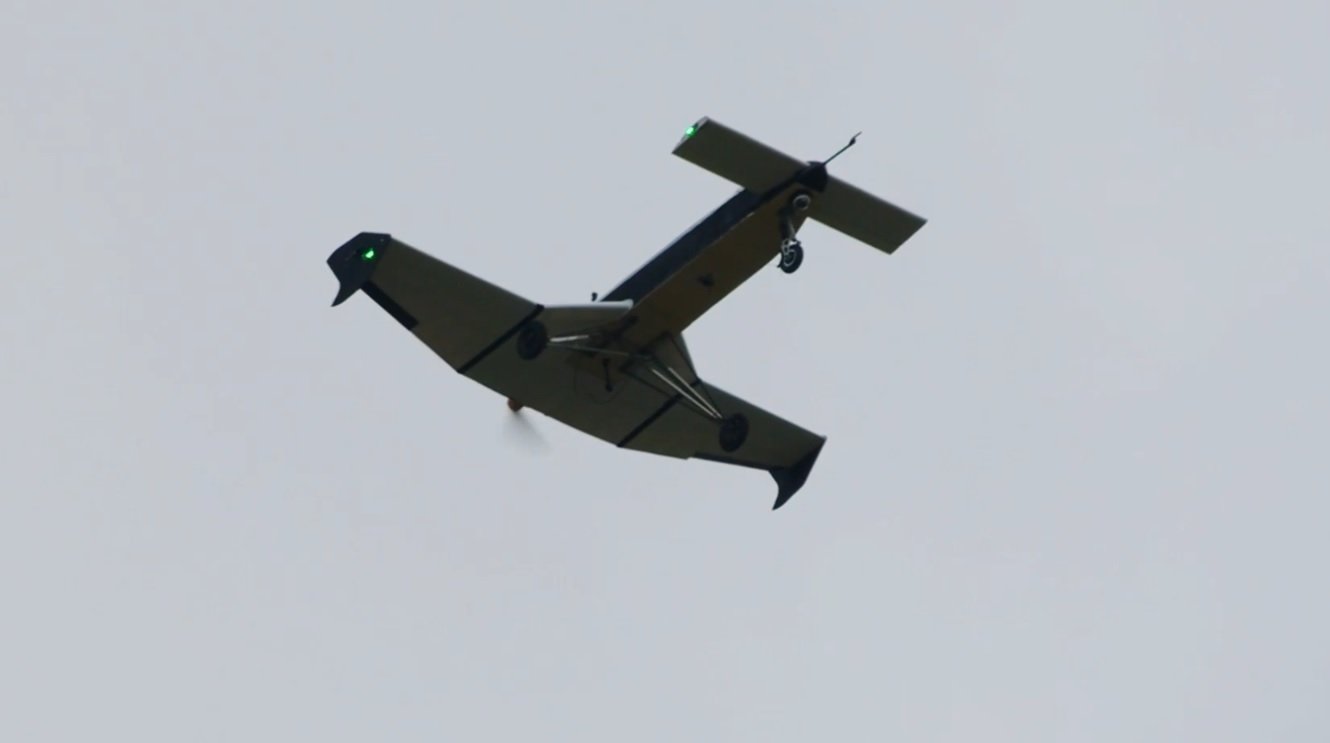
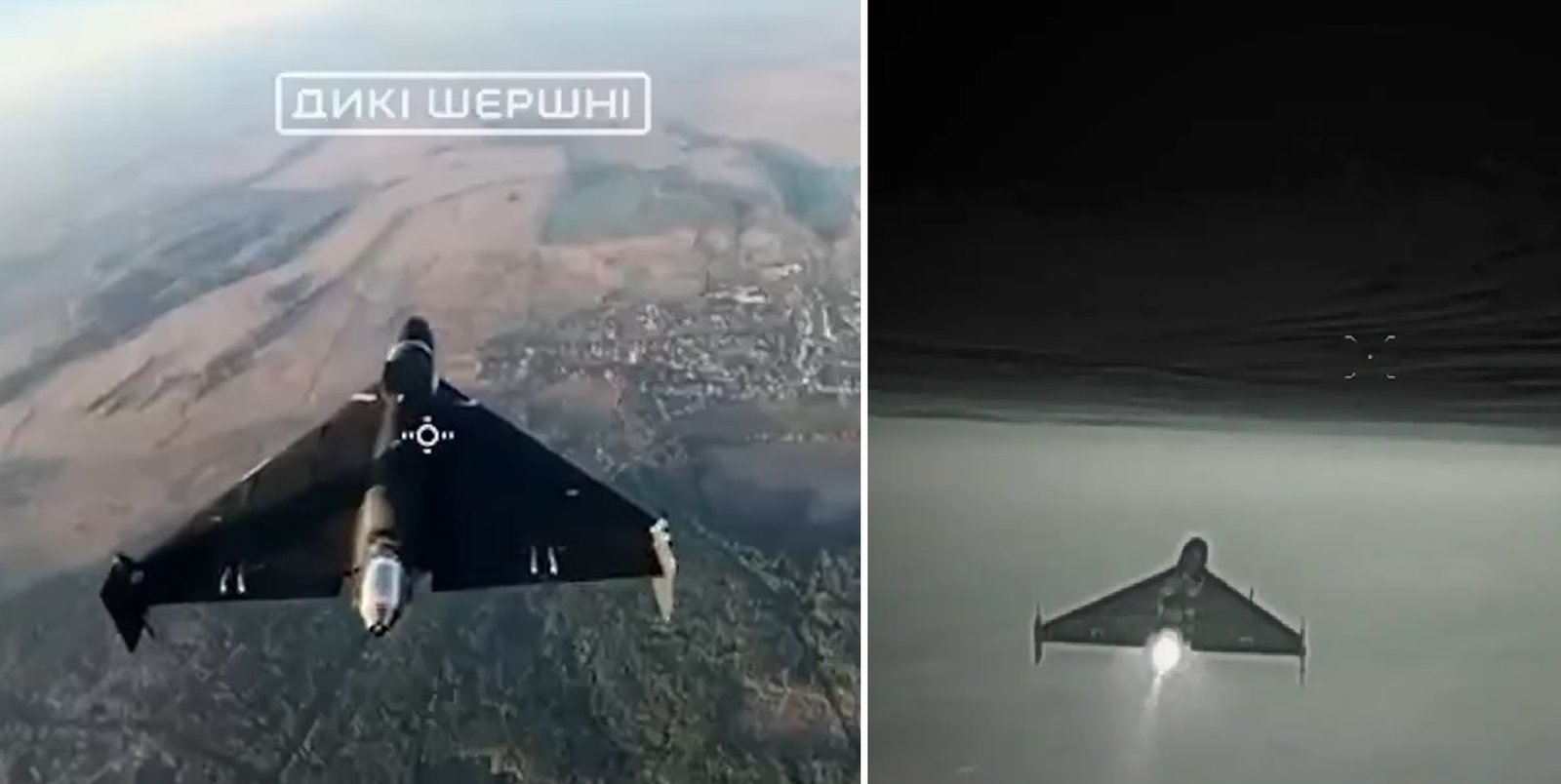
The jet-powered drones are variants of the Geran series, Russia's version of Iranian-designed Shahed-type one-way attack drones. The standard Geran-2 uses a propeller and flies at about 185 km/h, while newer versions use mini turbojet engines.
The Geran-3 typically cruises above 320 km/h. The Geran-4 can reach about 500 km/h, while the larger Geran-5 can reach up to about 600 km/h and has a shape closer to a small cruise missile. Their ranges generally fall between 850 and 1,000 km or more, with warheads ranging from 50 kg to 90 kg. Many of the newer drones use Chinese-made TeleFly turbojet engines.
Ukraine says Russia has also sharply increased production and use of these systems. About 1,400 jet-powered Geran drones were reportedly launched during the first months of 2026, compared with 180 recorded during all of 2025. Ukrainian intelligence has also reported production of newer Geran-4 and Geran-5 models reaching about 3,000 units per month, while production of the earlier Geran-3 has reportedly stopped.
The higher speed creates additional problems for Ukrainian air defenses. Ukrainian forces have reported interception rates of 92–96% against slower propeller-driven Shahed/Geran drones in some assessments, particularly in deeper rear areas. However, faster jet-powered drones reduce the reaction time available to mobile fire groups and interceptor drones, which can have top speeds of around 300–370 km/h. This can require more capable surface-to-air missiles or other air-defense systems.
On Thursday, Ukrainian President Volodymyr Zelenskyy said a Russian jet-powered drone struck the locomotive of a passenger train in the Odesa region. The train was carrying 340 people, and the locomotive engineer and his assistant were killed.
The same day's overnight attacks involved more than 130 attack drones across 11 Ukrainian regions. Russia continues to combine jet-powered drones with conventional kamikaze drones and decoys, putting additional pressure on Ukraine's air-defense network.
Source : businessinsider
——— End of Article ———