BARROW-IN-FURNESS — The UK government has awarded BAE Systems a £5.9 billion contract to continue construction of the Royal Navy's Dreadnought-class nuclear deterrent submarines, marking the next phase of the UK's programme to replace its aging Vanguard-class fleet.
The contract forms the central part of a wider £8.4 billion funding package approved by Parliament to support the organisations responsible for maintaining and renewing the UK's nuclear deterrent. Of the total package, £5.9 billion has been allocated to BAE Systems, while the remaining £2.5 billion will support companies across the wider UK defence supply chain.
The investment will advance construction of all four submarines in the Dreadnought class, which are being built to maintain the UK's Continuous at Sea Deterrent (CASD) capability.
Contract Supports Construction of All Four Submarines
The agreement, known as Delivery Phase 4, funds the next stage of work across the entire Dreadnought fleet.
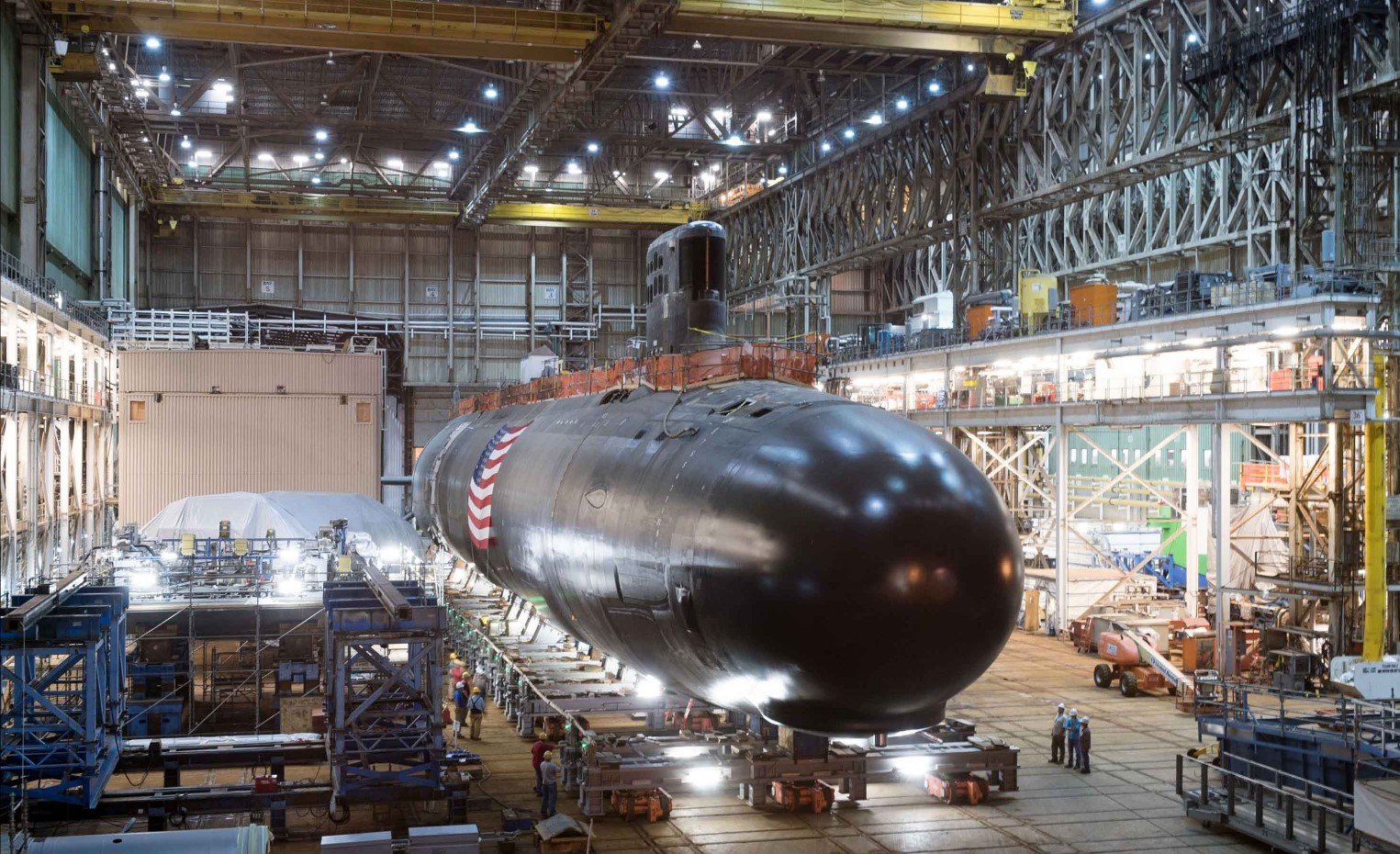
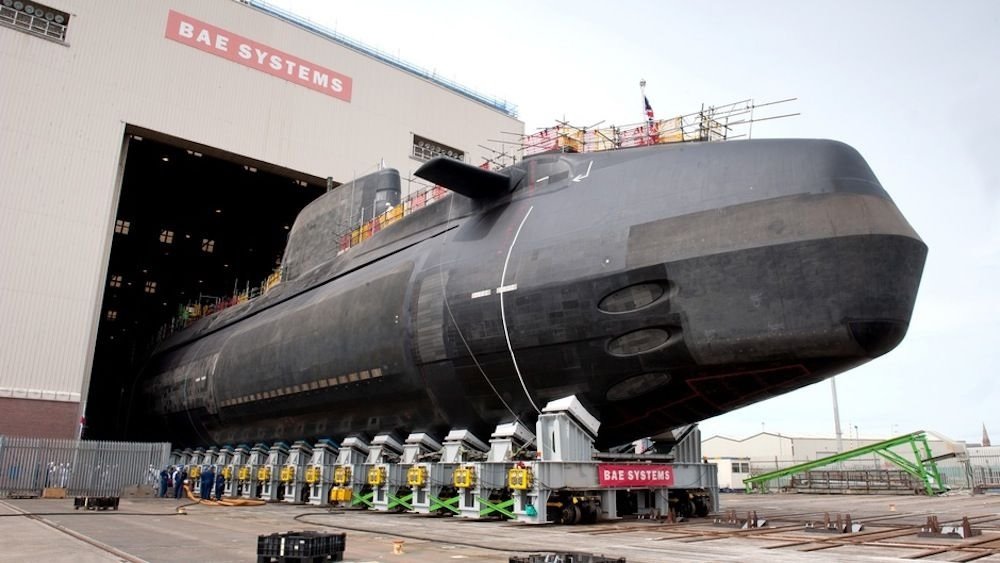
Construction of the lead submarine, HMS Dreadnought, is continuing at BAE Systems' shipyard in Barrow-in-Furness, with delivery to the Royal Navy planned for the early 2030s.
The contract also provides funding to continue construction of the second submarine, HMS Valiant, progressing it toward its sea trials phase. In addition, it covers fabrication and outfitting work on the third and fourth submarines, HMS Warspite and HMS King George VI, which remain in the early stages of construction.
Once completed, the four submarines will replace the Royal Navy's existing Vanguard-class fleet and ensure the continuation of the UK's Continuous at Sea Deterrent (CASD).
Dreadnought-Class Features
According to BAE Systems, the Dreadnought class will be the largest and most technologically advanced submarines ever built for the Royal Navy.
Each submarine measures 153.6 metres in length and will be powered by a Rolls-Royce nuclear propulsion system manufactured in Derby, providing virtually unlimited operational range without the need for refuelling during service.
The submarines will be equipped to carry and launch Trident II D5 ballistic missiles.
They will also become the first Royal Navy submarines designed specifically for mixed-gender crews, featuring separate accommodation areas and customised day-and-night lighting systems.
The programme is being delivered in partnership with the Ministry of Defence's Defence Nuclear Enterprise, which oversees the operation, maintenance and renewal of the UK's nuclear deterrent.
Major Investment Across the UK Supply Chain
The Dreadnought programme continues to support a large national industrial network.
During the last financial year, BAE Systems spent £1.3 billion across the Dreadnought supply chain. Total programme expenditure has now reached £8.9 billion, supporting work across more than 1,500 UK suppliers.
The wider Defence Nuclear Enterprise currently supports around 47,000 jobs across approximately 6,000 companies throughout the UK.
The Dreadnought programme itself supports around 30,000 jobs, including more than 7,000 BAE Systems employees working directly on the project.
The government has also said the wider investment package aims to create 22,000 apprenticeships by 2035, helping develop the future defence manufacturing workforce.
Barrow Remains the Centre of UK Submarine Construction
Barrow-in-Furness continues to play a central role in the UK's submarine-building industry.
BAE Systems has invested £1 billion in its Barrow shipyard over the past four years to expand production capacity for the Dreadnought programme.
During the same period, the workforce at the site has increased from 11,000 to approximately 16,000 employees, reflecting the scale of the programme.
The company is also investing in local training and community facilities through the Team Barrow partnership and the £200 million Barrow Transformation Fund.
In September 2025, King Charles III granted Barrow-in-Furness official Royal Port status in recognition of the town's longstanding contribution to UK defence and submarine construction.
Government and Industry Highlight Strategic Importance
BAE Systems Chief Executive Charles Woodburn said the Dreadnought programme is essential to the UK's long-term security and depends on the country's industrial base.
"The Dreadnought programme is of vital strategic importance to the UK, underpinning the security of our nation and our allies for decades to come. Its delivery depends on the strength of our national industrial base, with thousands of skilled workers right across the country playing their part in the mission to deliver this critical capability to the Royal Navy."
Defence Secretary Wes Streeting said the UK's nuclear-armed submarines remain a key part of national security and described the investment as supporting both defence capability and British industry.
He said the funding secures delivery of the Dreadnought-class fleet while supporting thousands of skilled jobs and strengthening Barrow's long-standing role in submarine construction.
Prime Minister Andy Burnham said protecting the country remains the government's primary responsibility and added that the programme also supports domestic manufacturing by creating opportunities for future generations of skilled workers.
Programme Remains on Schedule
The UK government said the Dreadnought programme remains on track, with HMS Dreadnought expected to enter Royal Navy service in the early 2030s.
The latest investment ensures continued progress across all four submarines while supporting the industrial base, supply chain and workforce required to deliver one of the UK's largest long-term defence programmes.
——— End of Article ———