TOWNSVILLE, Queensland — The Australian Army has successfully completed its first live-fire exercise with the newly introduced AH-64E Apache Guardian attack helicopters on Australian soil, marking a major milestone in the country's effort to build its next-generation attack helicopter capability.
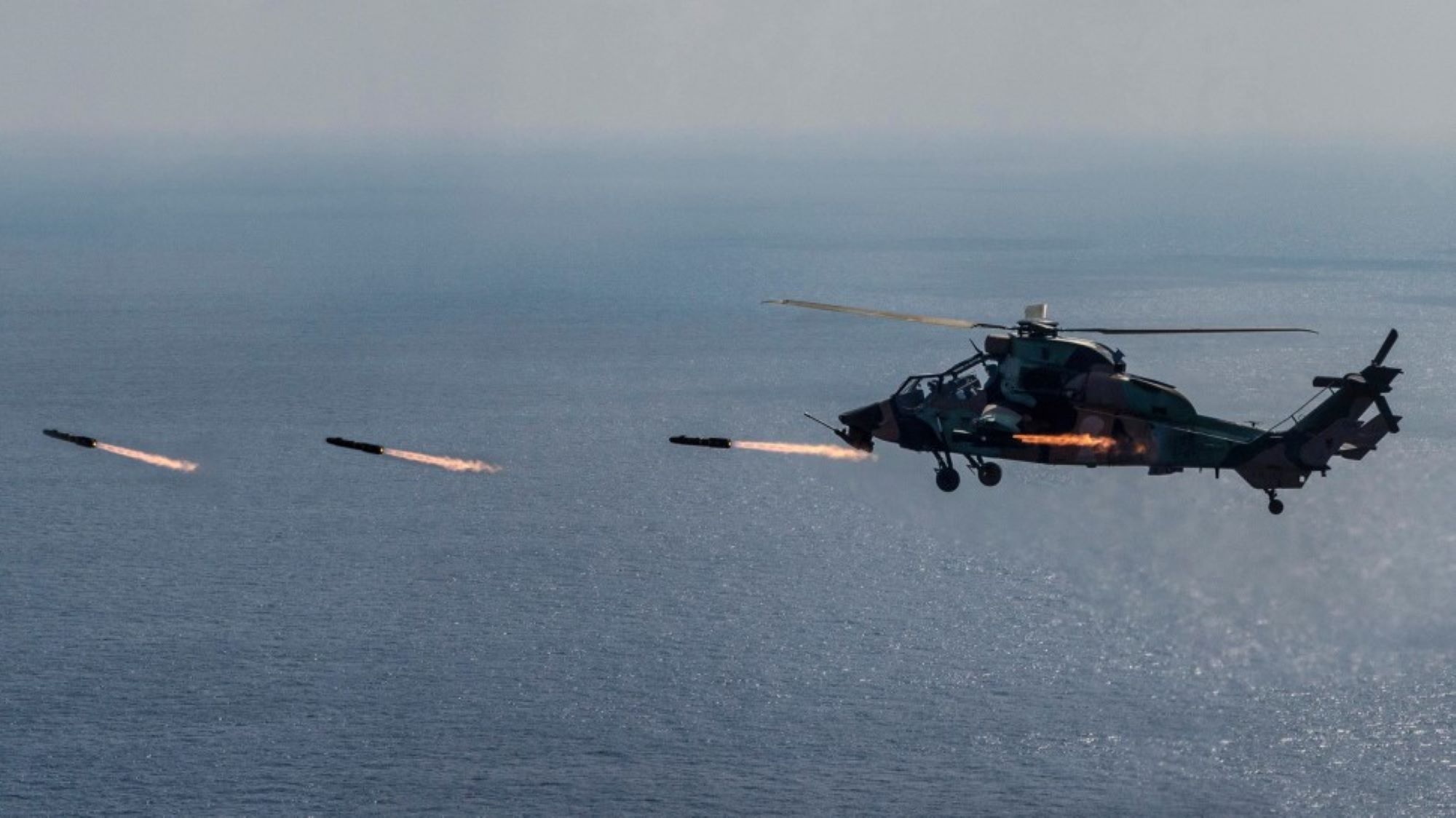
The live-fire activity took place during Exercise Possum Guns at the Townsville Field Training Area, where crews from the 1st Aviation Regiment tested the Apache's weapon systems in realistic training conditions. During the exercise, the helicopters successfully engaged simulated targets using the 30mm M230 chain gun, 70mm rockets, and AGM-114 Hellfire missiles.
According to the Australian Department of Defence, the exercise represents an important step in the Apache program, moving the fleet beyond its initial delivery and familiarization phase toward routine operational training and integration into joint military operations.
Building Operational Readiness
The exercise involved not only pilots but also maintainers and support personnel responsible for sustaining the aircraft during operations. Personnel from the 1st Aviation Regiment, supported by the 16th Aviation Support Battalion, carried out refuelling, rearming, hot refuelling, and gunnery procedures to validate the logistical and operational processes required for the expanding Apache fleet.
Before conducting the live-fire missions, Army crews completed Exercise Possum Walk, which focused on handling, loading, and flying with inert ordnance. The earlier exercise allowed crews to validate operating procedures safely before transitioning to live weapons training. It also included daytime and nighttime operations using night-vision goggles.
Major General David Hafner, Commander Australian Army Aviation, said regular domestic live-fire training is essential to maintaining operational proficiency.
"Live-fire training is a vital part of preparing our aviation crews for operations. Conducting it regularly in Australia helps maintain the high level of proficiency needed to operate effectively."
He described the event as a significant achievement for Army Aviation.
"Conducting our first live-fire in Australia demonstrates that we are building a capable, safe and sustainable Attack Helicopter capability. Our aircrew, maintainers and support personnel will now conduct routine live-fire training and continue to integrate the Apache's advanced capabilities into joint force operations."
Australia's AH-64E Apache Program
Australia is acquiring 29 Boeing-built AH-64E Apache Guardian helicopters from the United States under Project LAND 4503 through the Foreign Military Sales (FMS) program. The helicopters will replace the Australian Army's retiring Tiger Armed Reconnaissance Helicopter (ARH) fleet.
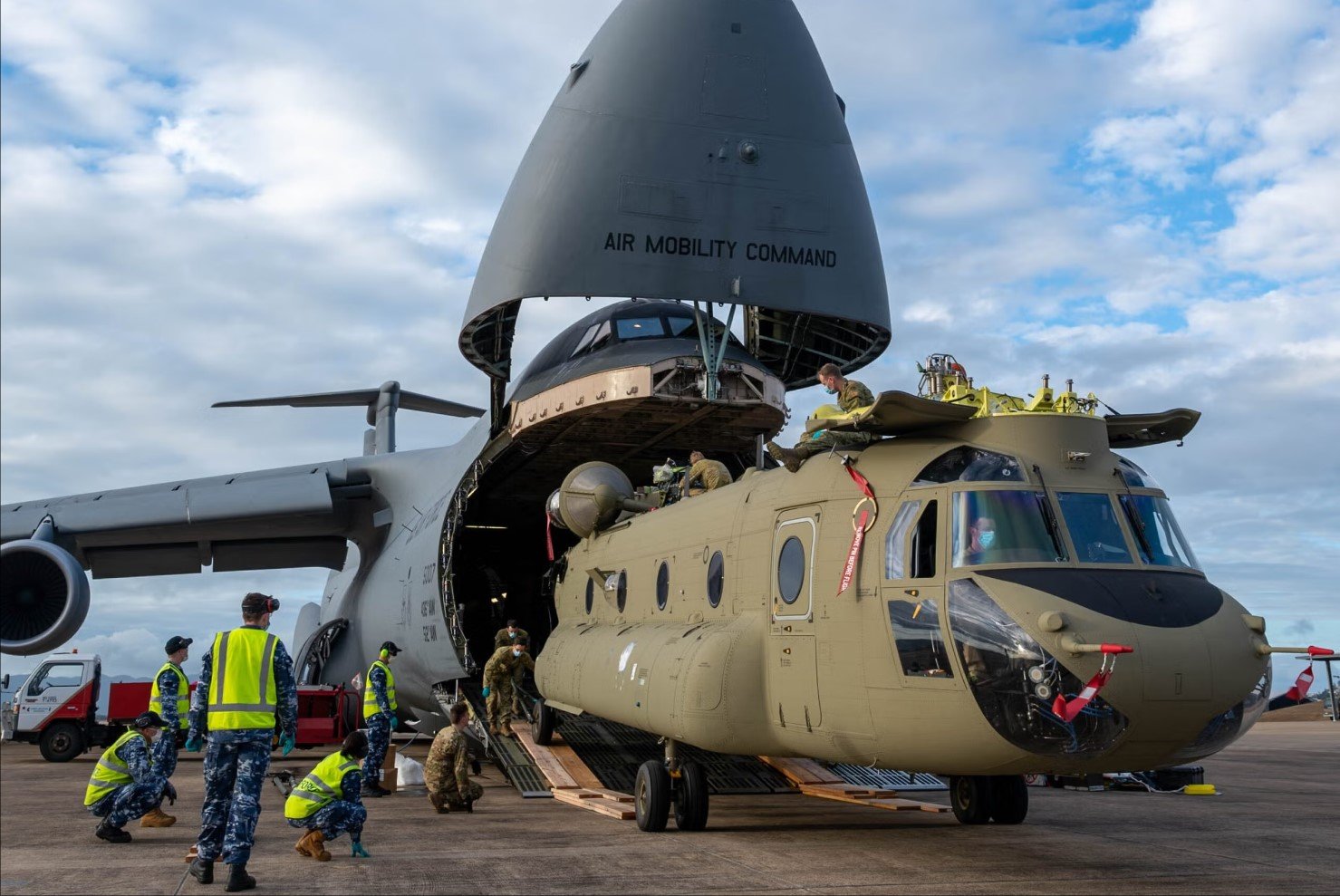
The first six Apaches arrived in Townsville after deliveries began in late 2025. The aircraft were transported aboard Royal Australian Air Force C-17 Globemaster transport aircraft and are now operated by the 1st Aviation Regiment, which has relocated to Townsville as part of Defence's investment in northern Australia.
The remaining helicopters are scheduled to be delivered by 2029, with the fleet gradually expanding as new aircraft enter service.
The program is also supported by a seven-year, A$306 million contract awarded to Boeing Defence Australia, covering maintenance, engineering support, training, logistics, and sustainment activities. Defence has also invested in infrastructure upgrades at RAAF Base Townsville to support long-term Apache operations.
Enhanced Capability
Lieutenant Colonel Jason Perrins, Commanding Officer of the 1st Aviation Regiment, said the AH-64E provides a significant technological improvement over the Army's previous attack helicopter fleet.
He noted that the aircraft's upgraded sensors allow crews to detect and identify targets at greater distances, while its enhanced digital networking improves information sharing and situational awareness across the integrated force.
The AH-64E also combines advanced reconnaissance systems, precision weapons, communications, and battlefield networking, enabling it to support reconnaissance, offensive operations, and close combat missions alongside other Australian Defence Force assets.
Supporting Australia's Defence Strategy
The Apache program forms a key part of Australia's 2026 National Defence Strategy and Integrated Investment Program, which focus on strengthening the Australian Defence Force's ability to conduct littoral manoeuvre and long-range strike operations.
As additional helicopters enter service, routine live-fire training on Australian soil will help build operational proficiency and accelerate the integration of the Apache fleet into joint force operations.
The successful completion of Exercise Possum Guns marks the transition of the Apache program from aircraft delivery and initial flight operations to sustained domestic weapons training, bringing the Australian Army closer to achieving full operational capability with its new attack helicopter fleet.
Source : defence.gov.au
——— End of Article ———