WASHINGTON, D.C. — Israel has blocked the United States from transferring two U.S.-owned Iron Dome air defense batteries to Ukraine, a decision that has drawn renewed attention as U.S. lawmakers debate legislation that would expand defense cooperation between Washington and Jerusalem.
The issue has highlighted the complexities surrounding jointly developed military systems and raised questions among some members of Congress about future U.S. authority over the transfer of defense equipment to partner nations.
Israel Prevented Transfer of U.S.-Owned Iron Dome Systems
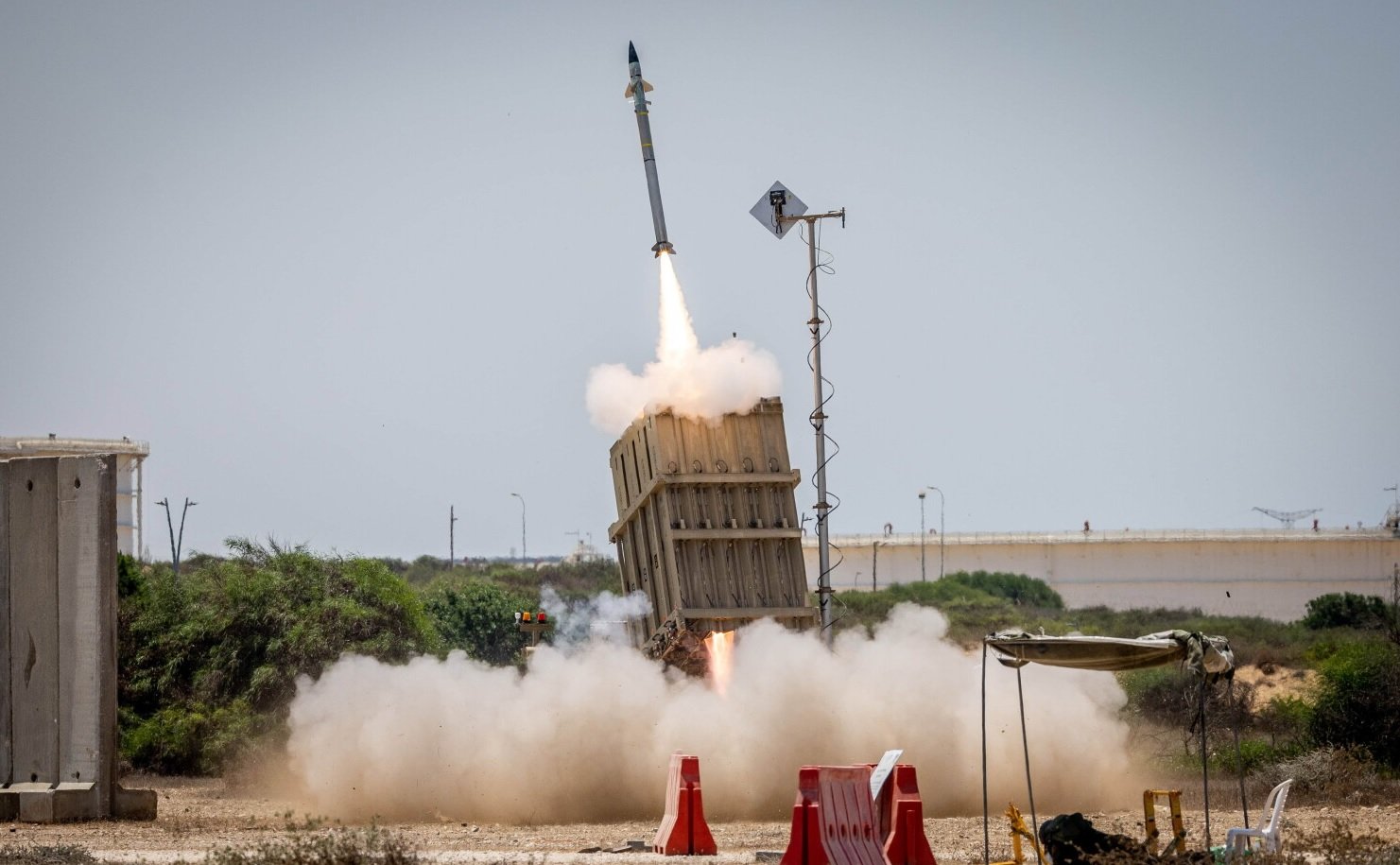
In 2023, U.S. Senators Lindsey Graham and Chris Van Hollen urged the United States to send two Iron Dome air defense batteries owned by the U.S. Army to Ukraine. The lawmakers said the systems could help protect Ukrainian civilians from Russian attacks and noted that each battery is capable of protecting approximately 150 square kilometers.
Although the batteries were purchased and maintained using U.S. funds, the Iron Dome system was jointly developed by the United States and Israel. Under the joint-production agreement, Israel retains the authority to approve or reject transfers of the system to third countries.
Israeli Prime Minister Benjamin Netanyahu exercised that authority and blocked the transfer.
Israeli officials said the decision was based on concerns that the system's classified technology could be captured on the battlefield and eventually fall into the hands of Iran if deployed in Ukraine.
At the time, Senators Graham and Van Hollen emphasized that they were not asking Israel to provide its own Iron Dome batteries but to allow the United States to transfer the American-owned systems. Israel has previously restricted transfers of Iron Dome technology to other countries for similar technology security reasons.
Israel's Position on Military Assistance to Ukraine
Israel has provided humanitarian assistance to Ukraine throughout the conflict, including field hospitals, water purification systems, and armored ambulances. However, it has consistently avoided supplying lethal weapons or advanced air defense systems.
Former British Defence Secretary Ben Wallace has also said that he urged the Israeli government to provide broader military assistance to Ukraine. According to Wallace, Israeli officials declined because they did not want to risk relations with Russia.
Patriot Systems Used Instead
After the Iron Dome transfer was blocked, the United States pursued another option to strengthen Ukraine's air defenses.
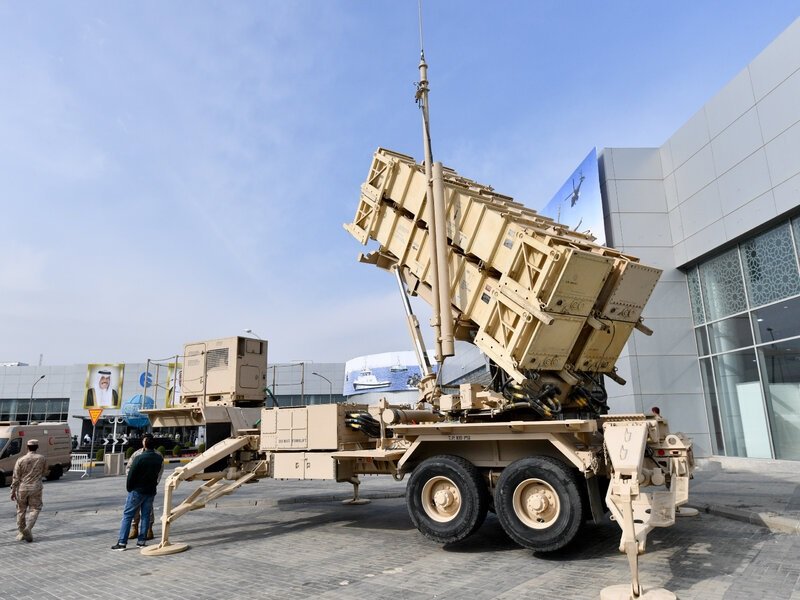
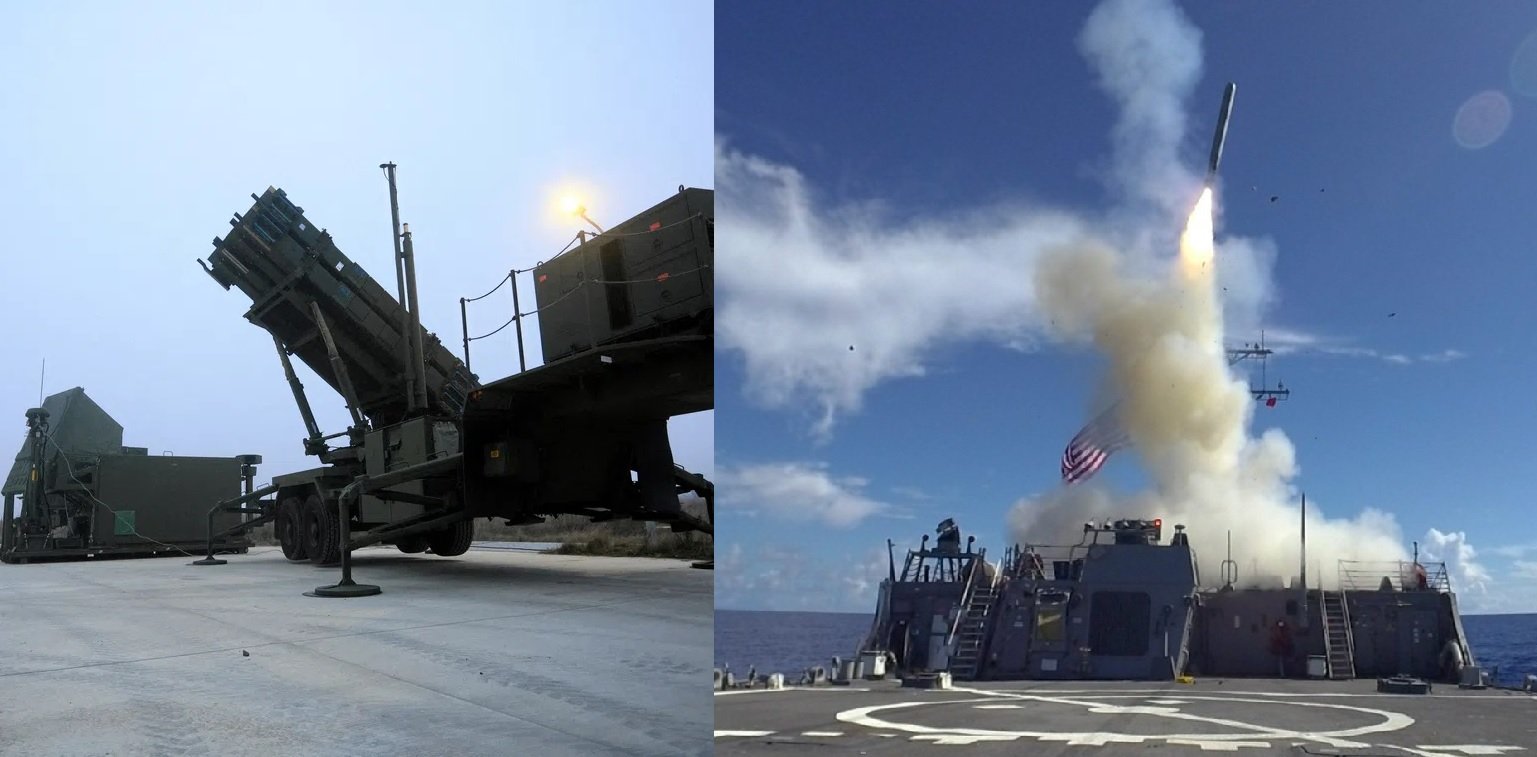
In early 2025, Israel returned older U.S.-owned Patriot air defense batteries that had been stored in Israel to the United States. The systems were subsequently refurbished and routed through Poland before being redirected to support Ukraine's air defense.
Israeli officials stated that Israel did not directly transfer Patriot systems to Ukraine. Instead, the batteries were first returned to U.S. ownership, after which the United States decided how to use them. The Israeli Prime Minister's Office confirmed the return of the systems to the United States while stating it was not formally aware of their final destination.
Debate Over New U.S.-Israel Defense Integration
The Iron Dome dispute has gained renewed attention as Congress considers new provisions in the National Defense Authorization Act (NDAA).
The House of Representatives has approved its version of the defense bill, including Section 219, which would expand cooperation between the U.S. and Israeli defense industries. The proposal has received support from the American Israel Public Affairs Committee (AIPAC).
The measure promotes expanded joint research, development, and co-production in several areas, including:
- Artificial intelligence
- Cybersecurity
- Biotechnology
- Unmanned and autonomous systems
- Missile defense
- Counter-drone technology
Supporters say the proposal would strengthen long-standing defense cooperation and advance joint technological development between the two countries.
However, critics from both political parties have raised concerns that deeper industrial integration could increase Israel's influence over the future transfer of certain jointly developed U.S. weapons systems to third countries.
Representatives Thomas Massie and Ro Khanna have argued that broader cooperation could create situations similar to the Iron Dome case, where the United States is unable to transfer a jointly developed system without Israeli approval.
In the Senate, some lawmakers are seeking to block or amend the corresponding provision, known as Section 1217, arguing that it could complicate U.S. decision-making authority over military technology. The Senate's initial procedural vote on the defense bill failed in mid-July, and discussions over the legislation are expected to continue through the fall before Congress finalizes the annual defense authorization bill.
The Iron Dome episode has become a prominent example in the ongoing debate over how jointly developed defense systems are managed. While supporters of expanded cooperation view the partnership as important for shared security and technology development, critics argue that the case demonstrates the practical limitations that can arise when transfer authority is shared between partner nations.
——— End of Article ———