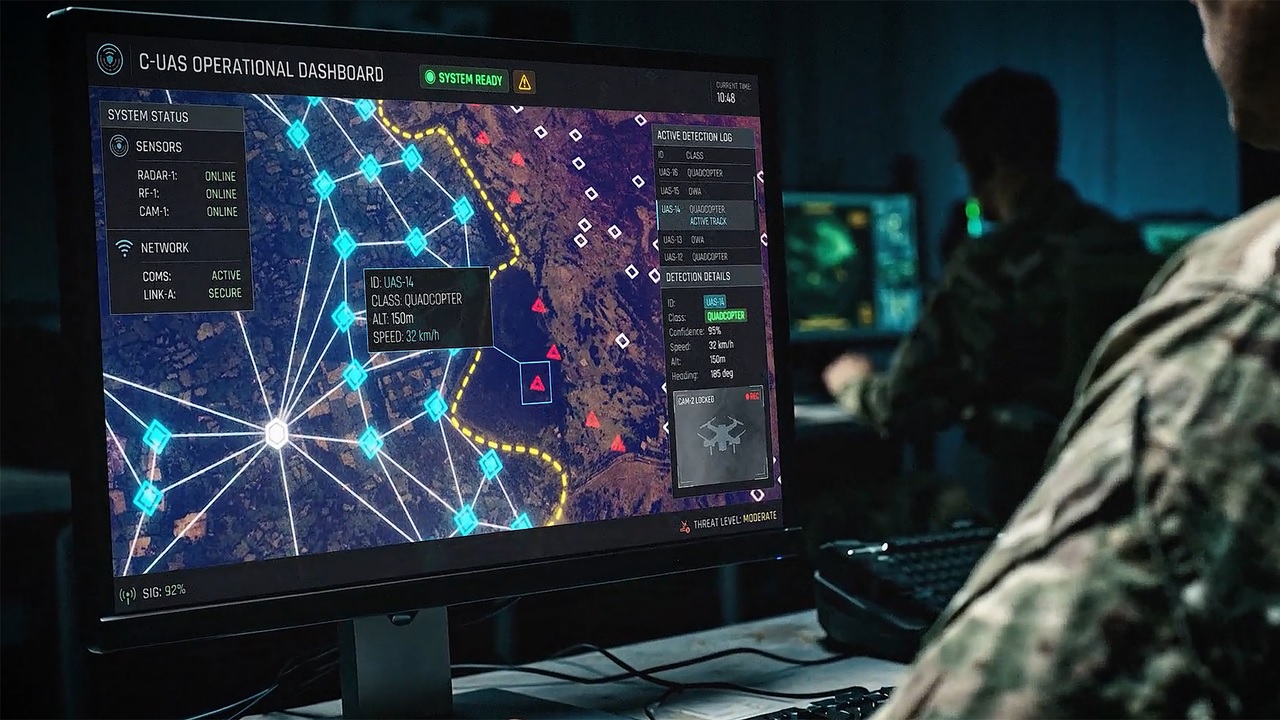
NORFOLK, U.K. — BAE Systems has completed integration and deployment testing of its Anti-Threat System (BATS), reaching a key milestone in the development of its counter-uncrewed aerial system (C-UAS). The company said the system progressed from its initial concept to field-based testing in just eight months, demonstrating an accelerated development timeline.
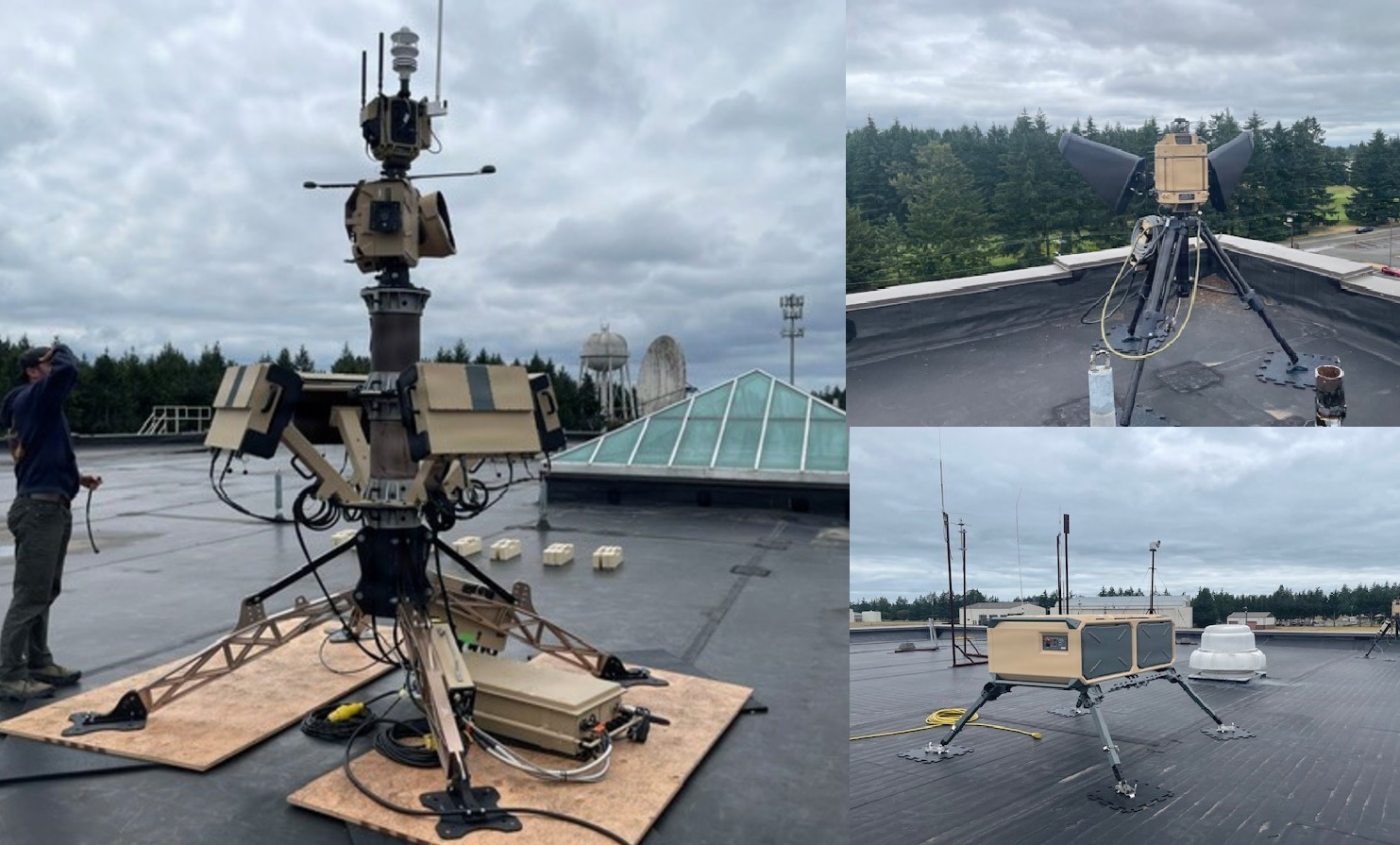
Developed by BAE Systems' Digital Intelligence business, BATS is a scalable and modular counter-drone platform designed to detect, track, identify, and neutralize hostile uncrewed aerial systems (UAS). The system is intended to provide layered protection for military forces, critical national infrastructure, and other high-value assets facing the growing threat posed by drones.
The integration and deployment trials were carried out at a secure testing facility in Norfolk in partnership with MSI-Defence Systems. During the tests, MSI integrated its advanced firing technology with the BATS platform to track airborne threats, validating the system's software-defined and modular architecture.
The trials also confirmed the platform's mobility. Engineering teams demonstrated that BATS can be rapidly deployed, dismantled, and reassembled at new locations, allowing it to support changing operational requirements. In addition, the testing verified the system's data collection and analysis capabilities, enabling it to combine real-time intelligence with rapid decision-making to respond to evolving battlefield conditions.
According to BAE Systems, BATS uses a sensor fusion network that combines radar, electro-optical/infrared (EO/IR), acoustic, and passive radio frequency (RF) sensors to maintain broad situational awareness. These sensors feed information into an AI-driven command and control system, which classifies threats in real time and recommends the most appropriate response based on the detected drone.
"The test demonstrated exactly what BATS is designed to achieve – rapid deployment, seamless integration and the capability for fast, effective response," said Louise Heywood, Head of Strategy at BAE Systems Digital Intelligence.
"Moving from concept to field-based testing in just eight months is a testament to our expertise and the agility of everyone involved. This milestone puts us in a strong position as we continue to develop the system at pace and advance to live-fire trials in August," she added.
Hadyn White, Senior Military Advisor at MSI Defence Systems, said the demonstration highlighted the value of collaboration between defense companies.
"The demonstration successfully showed strong collaboration and illustrated how we can defeat a variety of drone threats by integrating agile technology and expertise from across the defence ecosystem," White said. "We now have a clear way forward to provide an effective defence against drone technologies, which is crucial for modern warfare."
The BATS program will now move into live-fire trials later this summer, with testing expected to begin in August. For the first time, the system will demonstrate both kinetic and non-kinetic countermeasures.
Non-kinetic methods include targeted radio frequency and GPS denial, allowing hostile drones to be disrupted electronically without physical destruction. Kinetic responses involve physical interceptors designed to neutralize aerial threats directly. The upcoming trials are intended to demonstrate how BATS can select and apply different response options based on the type of drone threat encountered.
The rapid development of BATS reflects the increasing demand for adaptable counter-drone systems as uncrewed aircraft become more widely used in military operations and for attacks on critical infrastructure. By combining modular software, multiple sensor types, artificial intelligence, and flexible response options, the system is designed to support military forces in detecting and countering a wide range of drone threats while remaining deployable across different operational environments.
With integration and deployment testing now complete, the results from the upcoming live-fire trials are expected to further evaluate the system's operational performance and its ability to integrate kinetic and electronic countermeasures into a single layered defense capability.
——— End of Article ———