MISSISSIPPI — Tata Consultancy Services (TCS) and Rolls-Royce have successfully demonstrated the operation of a modern aero gas turbine engine on 100% gaseous hydrogen through a fully simulated flight cycle. The ground test covered key phases including start-up, take-off, cruise and landing.
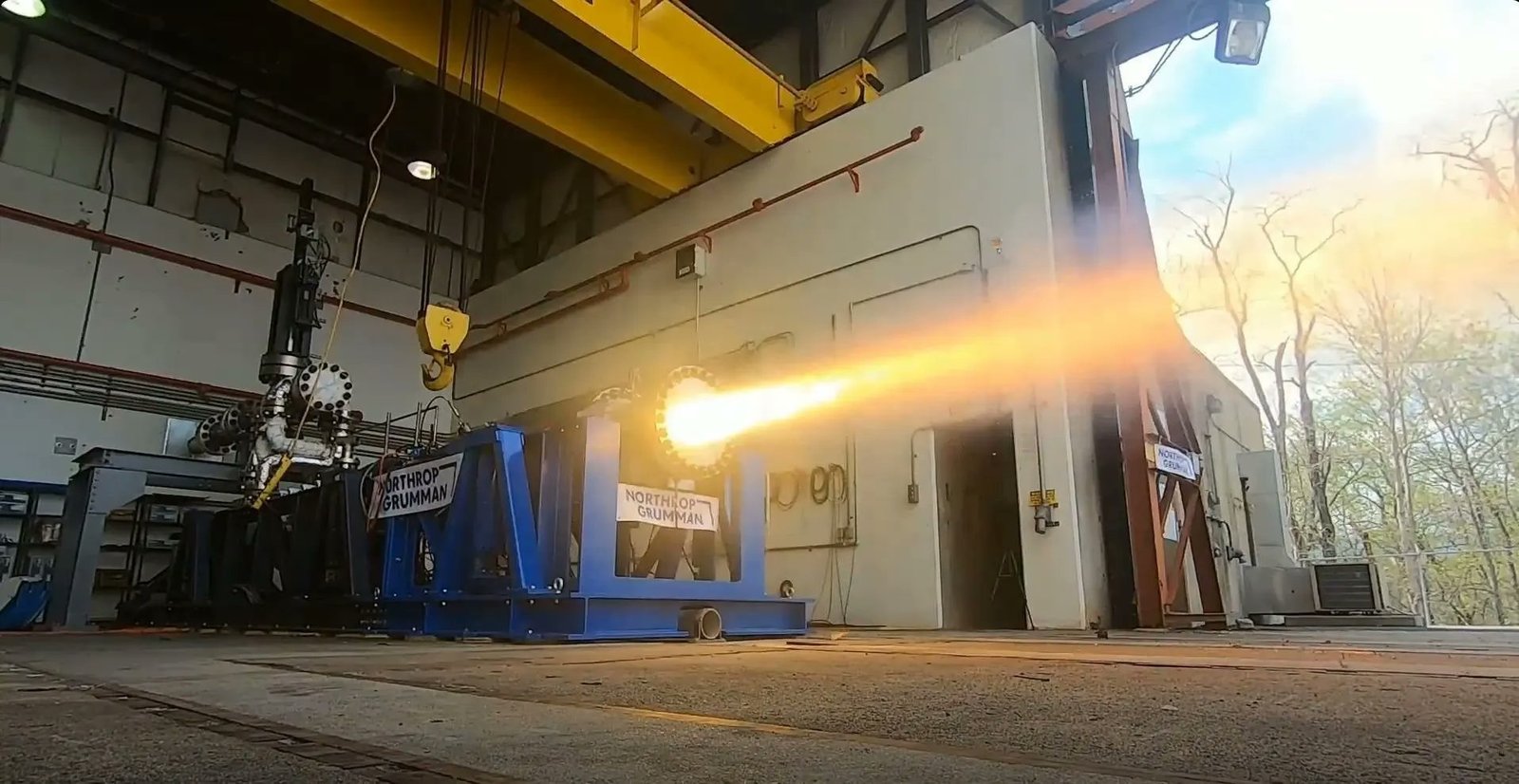
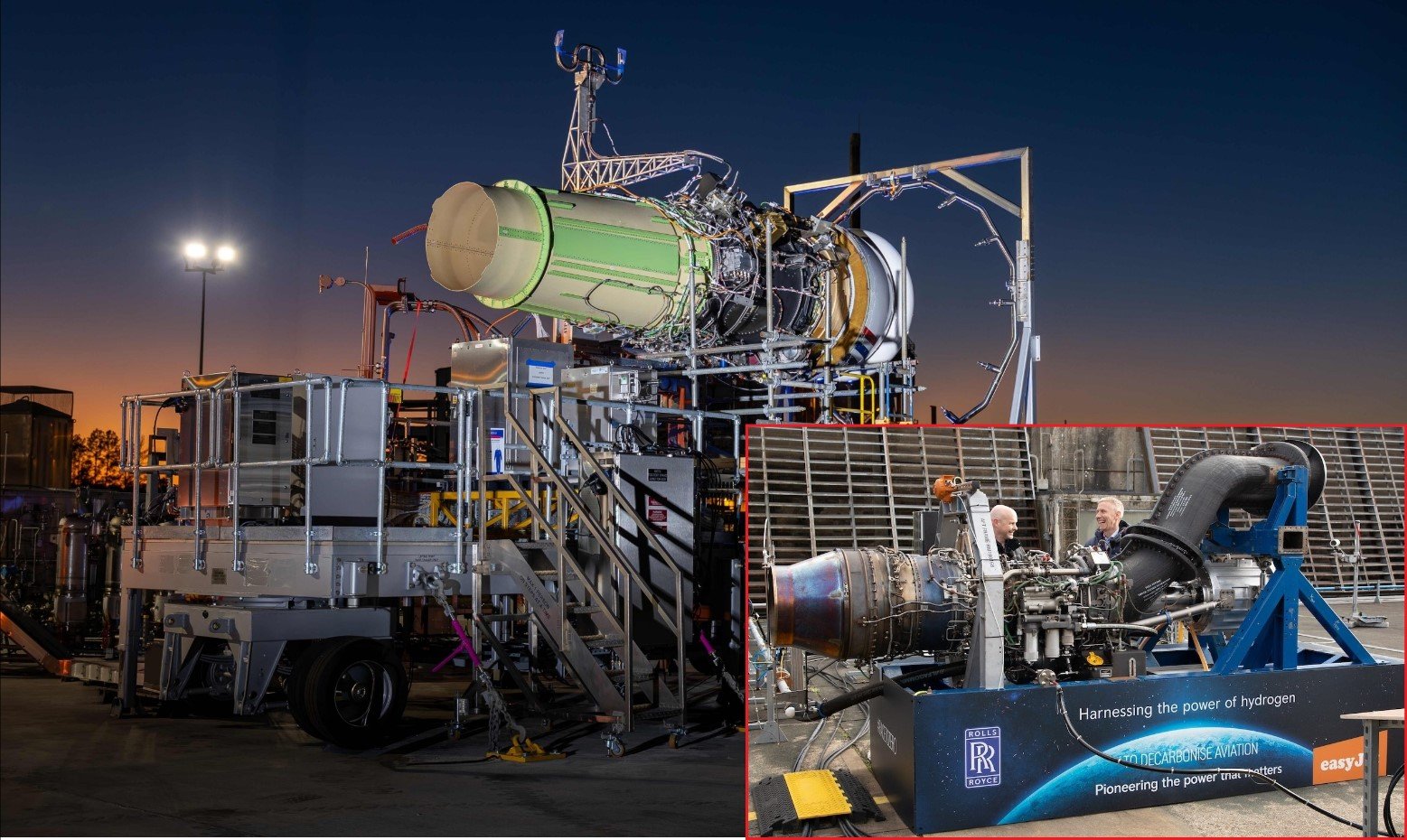
The test was conducted at NASA’s Stennis Space Center in Mississippi, where a modified Rolls-Royce Pearl 15 engine reached full take-off power while operating on hydrogen.
Pearl 15 Completes Simulated Flight Cycle
The Pearl 15 is a business aviation engine used to power the Bombardier Global 5500 and Global 6500. Rolls-Royce lists the engine with a maximum certified thrust of 15,250 lb (67.8 kN).
According to TCS and Rolls-Royce, the latest test represents the first time a modern aero engine of this class has completed a full simulated flight cycle on 100% hydrogen under the demonstrated conditions.
Engineers tested the engine through different operating conditions, including start-up, take-off, cruise and landing phases. The campaign also included fault scenarios to examine the behaviour of the engine and its systems under different conditions.
The testing focused on key technologies required for hydrogen propulsion, including hydrogen combustion, fuel systems and engine controls.
Rolls-Royce has previously said that its hydrogen programme is intended to develop technology that could eventually support aircraft in the small- to mid-size range, with the longer-term ambition of moving toward flight testing.
Four-Year Hydrogen Programme
The latest test is part of a hydrogen propulsion programme launched by Rolls-Royce and easyJet in 2022. The companies began the programme with the objective of developing hydrogen combustion technology capable of powering different types of aircraft, including aircraft in the narrow-body segment.
An earlier milestone came in 2022, when Rolls-Royce and easyJet successfully tested a Rolls-Royce AE2100 engine on 100% green hydrogen at Boscombe Down in the UK.
Further work included hydrogen combustion testing and component and system-level testing. In 2023, Rolls-Royce and its partners also demonstrated 100% hydrogen combustion in a full annular combustor of a Pearl engine at the German Aerospace Centre (DLR) in Cologne under conditions representing maximum take-off thrust.
In 2024, Rolls-Royce announced the development of a full-scale outdoor hydrogen engine test site at NASA’s Stennis Space Center. The facility was intended to support testing of a modified Pearl 15 engine and the integration of technologies required for 100% hydrogen operation, with TCS providing engineering expertise.
TCS Engineering Support
TCS joined the hydrogen programme as an engineering and technology partner and supported Rolls-Royce in several areas of the programme.
Its work included fuel system and engine controls integration, hydrogen combustion analysis, test preparation, validation, data analytics, risk management and detailed design.
TCS had previously announced that its engineering support for Rolls-Royce would focus on three major challenges for hydrogen aviation: fuel combustion, fuel delivery and fuel-system integration with the engine.
The Stennis test campaign brought together Rolls-Royce, TCS, easyJet, NASA, the UK Health and Safety Executive and other industry partners.
Adam Newman, Chief Engineer of the Hydrogen Demonstrator Programme at Rolls-Royce, said the programme provided valuable insights into how 100% hydrogen behaves in a modern aero gas turbine across a full flight cycle. He said the testing also helped validate combustion, fuel and control-system technologies, with the findings expected to support future propulsion developments, including UltraFan.
Anupam Singhal, President – Manufacturing at TCS, said the milestone demonstrated the potential of combining advanced engineering, digital capabilities and collaboration across the aerospace ecosystem. He added that TCS would continue supporting Rolls-Royce in hydrogen-powered aviation technologies.
Hydrogen and Future Aviation
Hydrogen is being investigated as a potential aviation fuel because its use in suitable propulsion systems can avoid in-flight CO₂ emissions. However, hydrogen-powered aviation requires development across areas including combustion, fuel delivery, storage and aircraft integration.
Rolls-Royce says its hydrogen programme is aimed at developing technologies that could help lower aviation emissions and support future propulsion systems. The company is also continuing research into sustainable aviation fuels, gas-turbine efficiency and electrification.
The successful Pearl 15 ground campaign provides additional test data on the operation of a modern gas turbine using 100% hydrogen. The results are expected to contribute to the development and assessment of future hydrogen propulsion technologies as the aviation industry works toward lower-carbon air travel.
——— End of Article ———