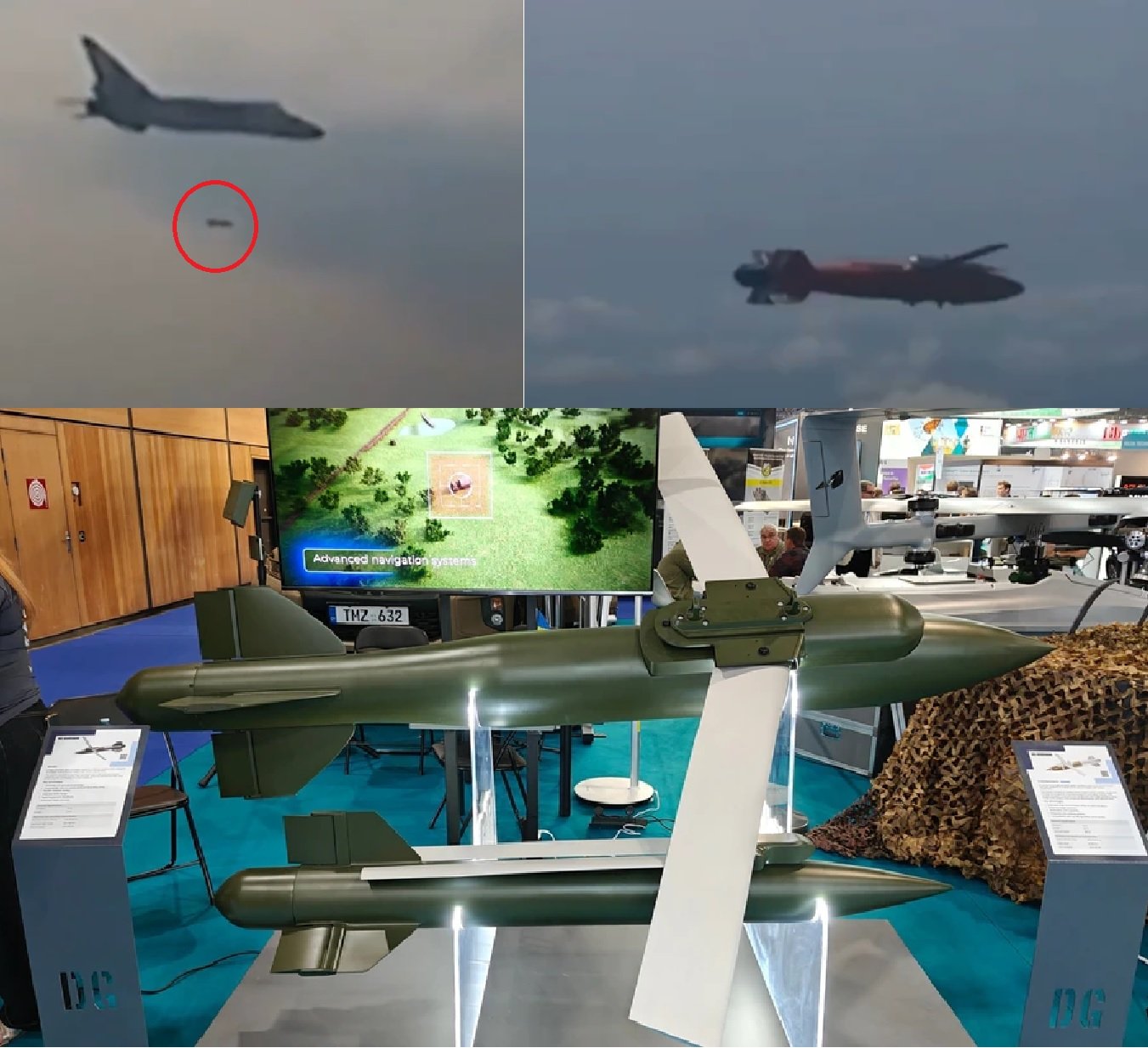
Kyiv, Ukraine — Ukraine has completed testing and begun official procurement of its first domestically developed guided aerial bomb, the Vyrivniuvach (Equalizer/Leveller). Developed by Ukrainian defence company DG Industry with support from the Brave1 defence technology initiative, the system converts a standard 250-kilogram unguided bomb into a precision-guided glide munition.
The weapon was developed over about 17 months, and Ukraine’s Ministry of Defence announced its combat readiness on May 18, 2026. An initial experimental batch was purchased at that time. In mid-August, Colonel Vladyslav Voloshyn, head of the Central Directorate for Innovation Activities of the Armed Forces of Ukraine, confirmed that the system had passed the required tests, demonstrated effectiveness and was now being officially purchased for delivery to the military. Ukrainian Air Force aircraft have already conducted hundreds of test sorties with the system.
Design and Range
The Vyrivniuvach uses a wing module attached to an existing 250-kilogram bomb and a tail section containing navigation, guidance and control systems. Developers describe it as an original Ukrainian design developed for current battlefield conditions, while drawing on experience with foreign systems.
The bomb can reportedly be released from about 500 meters to more than 10,000 meters, depending on the launch profile. Its reported range is 10 to 130 kilometers, with the maximum range requiring high-altitude release. In the lower-altitude toss-bombing profiles currently more practical for Ukrainian pilots, the range is typically around 40 kilometers.
The system can reportedly be prepared by ground crews in about 30 minutes and is designed to operate in all weather conditions. It carries a 250-kilogram warhead.
Combat Use and Aircraft Compatibility
The Vyrivniuvach saw its first confirmed combat use in late June 2026, when Ukrainian MiG-29 fighters used the weapons against Russian frontline positions. Footage showed two bombs equipped with wing-correction kits striking trenches and fortifications.
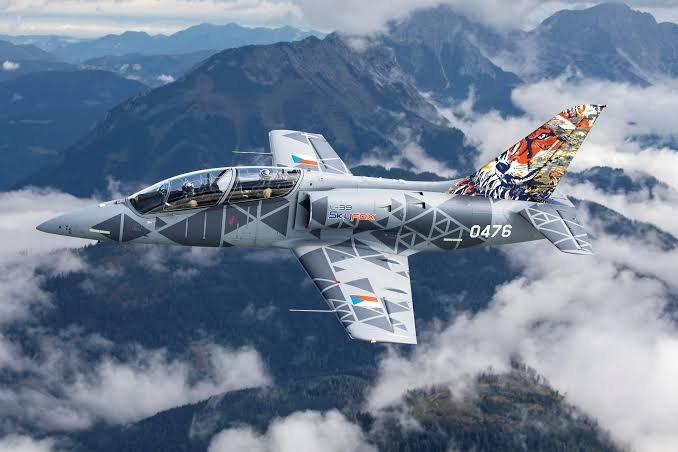
The system is compatible with Ukraine’s MiG-29, Su-24 and Su-27 aircraft. Integration with F-16 and Mirage 2000 fighters is possible after additional technical certification.
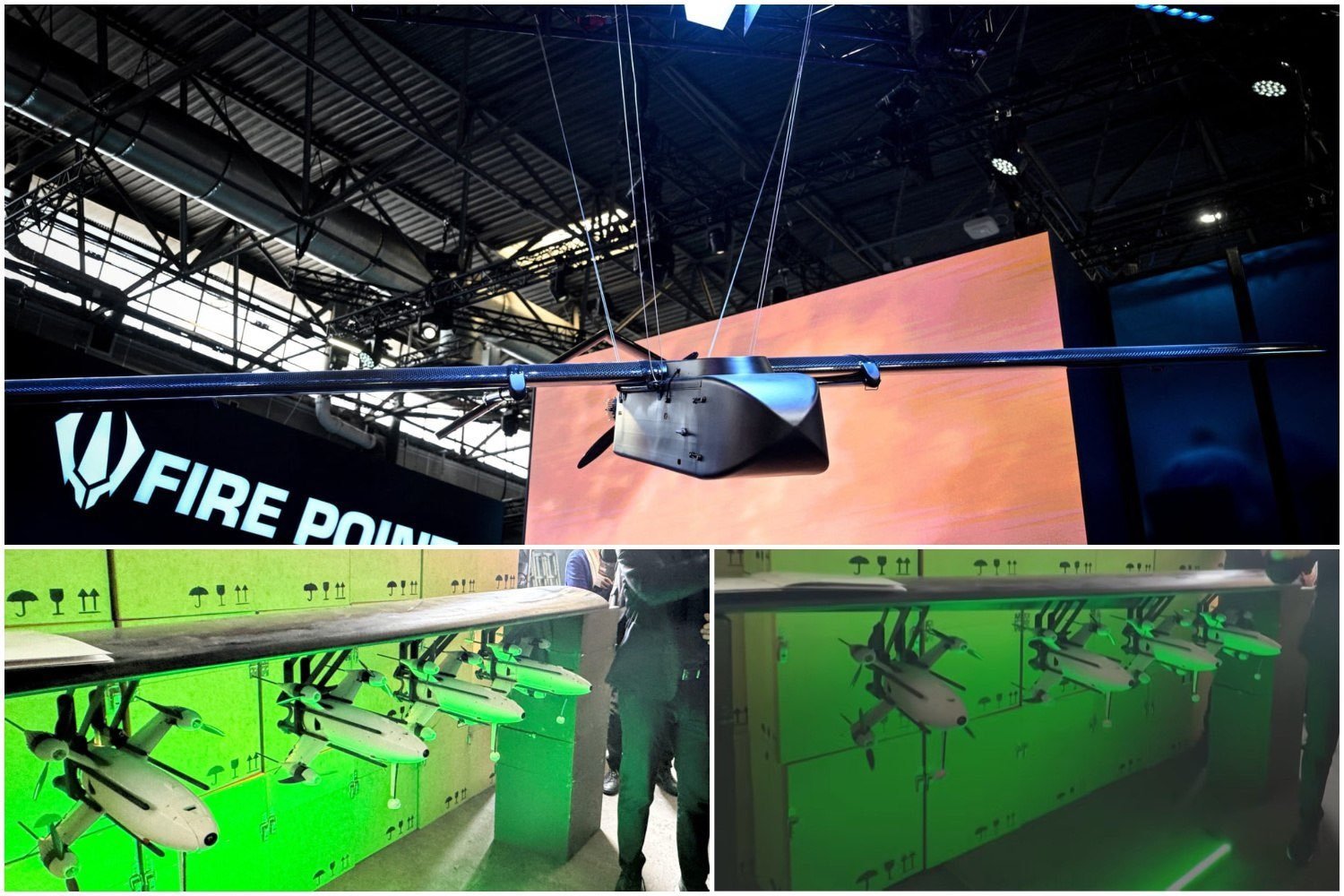
The weapon was publicly shown in detail at the Eurosatory 2026 defence exhibition in Paris in June.
Lower-Cost Alternative
Cost is a major part of the Vyrivniuvach's design. The domestic guidance kit costs approximately one-third of a US-made JDAM-ER kit, providing Ukraine with a cheaper option for producing precision-guided aerial weapons.
The development comes as Russia continues its extensive use of guided aerial bombs. Russian forces averaged roughly 180 guided bombs per day in 2025, with the rate later increasing to more than 300 per day. Ukrainian officials say the domestic system is intended to help balance the difference in both the number and quality of guided aerial weapons.
Around 10 similar Ukrainian precision-guided aerial systems are also under development. Serial production of the Vyrivniuvach has begun, with early batches already delivered and used by Ukrainian forces.
The system gives Ukraine a domestically produced method of converting existing bombs into guided glide weapons while reducing reliance on more expensive foreign systems and supporting larger-scale domestic production.
——— End of Article ———