WASHINGTON — The U.S. Department of the Navy has officially approved its Strategy to Weaponize Data and Artificial Intelligence, establishing a roadmap to build a data-ready, AI-enabled Navy and Marine Corps capable of accelerating decision-making and maintaining maritime superiority.
The strategy, signed by Acting Secretary of the Navy Hung Cao, takes effect immediately and reflects more than a year of collaboration led by the Department of the Navy Chief Data and AI Officer (DON CDAO), working alongside artificial intelligence communities across both the Navy and the Marine Corps.
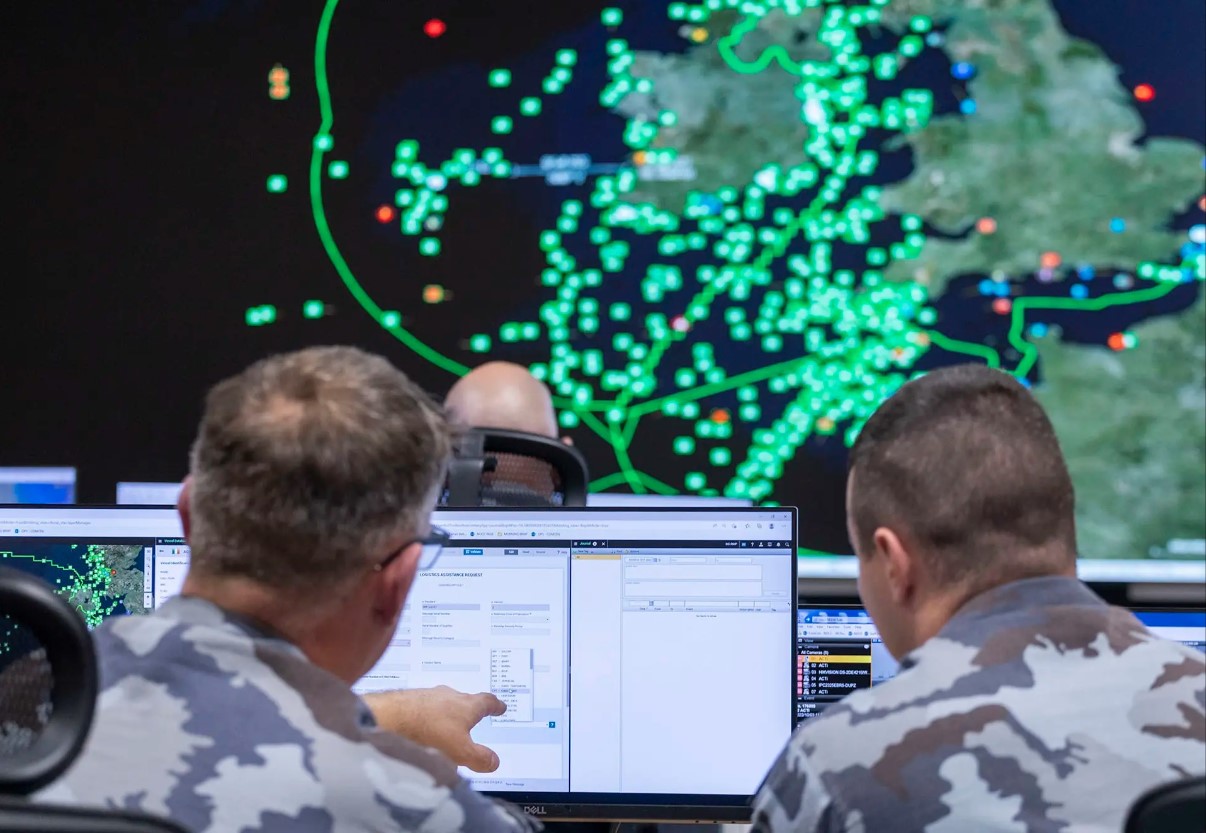
According to the Department of the Navy, the strategy is designed to transform how data and artificial intelligence are used across the service, enabling commanders to process information more quickly and make better operational decisions in increasingly complex maritime environments.
Building an AI-First Force
The new roadmap positions artificial intelligence as a core element of future naval operations rather than simply a supporting technology. The Department said the strategy will help turn data into a practical warfighting advantage by integrating AI into mission planning, operational decision-making, and digital modernization efforts.
“This strategy positions the Department of the Navy to out-learn and out-fight any adversary by rapidly deploying data and artificial intelligence,” Acting Secretary Hung Cao said.
“It is our roadmap to building an ‘AI-first’ Fleet, one that turns information into warfighting advantage and enables faster, better decisions.”
The Department said the overall objective is to reduce the time needed to collect, process, analyze, and act on operational information while improving the speed and quality of military decision-making.
Five-Step Bits2Effects Cycle
A key element of the strategy is the introduction of the Bits2Effects Cycle, described by the Navy as a five-step digital adaptation framework. The framework is intended to integrate data and artificial intelligence for mission impact, allowing the Department to rapidly learn, adapt, and improve during both peacetime and wartime operations.
Officials said the framework will help transform digital information into operational capability, enabling the Navy and Marine Corps to respond more effectively to evolving operational requirements.
Six Strategic Priorities
The strategy identifies six major priorities that will guide implementation across the Department of the Navy.
Accelerating Operational AI
The Department will identify the most promising artificial intelligence projects, rapidly evaluate their performance, and expand successful capabilities for full-scale implementation across the fleet.
Improving Data Readiness
The strategy calls for standardizing, simplifying, and scaling data management practices so mission-relevant information can be easily discovered, accessed, and securely shared across commands.
Optimizing Data and AI Infrastructure
The Navy plans to develop reliable, secure, and modular digital environments that include the hardware, software, and data required to support the full range of artificial intelligence capabilities.
Streamlining Data and AI Governance
The Department will modernize governance processes to speed innovation, simplify organizational decision-making, and move risk determinations to the lowest appropriate operational level.
Building a Data and AI-Ready Workforce
The strategy emphasizes recruiting, training, and qualifying personnel with the technical skills needed to meet operational requirements and keep pace with the rapid evolution of artificial intelligence technologies.
Strengthening Partnerships and Collaboration
The Department will continue working with industry, academic institutions, federal stakeholders, allies, and international partners to accelerate the development and delivery of advanced data and AI solutions.
Aligning Existing Innovation Efforts
Barry Tanner, performing the duties of the Chief Information Officer for the Department of the Navy, said the strategy brings together ongoing innovation efforts under a single vision.
“This strategy formalizes the direction the Department has already been moving,” Tanner said.
“Every day, our Sailors, Marines, civilians, and industry partners are finding new ways to leverage data and artificial intelligence to solve operational challenges. This strategy aligns those efforts under a common vision, accelerates innovation, and ensures we continue to outpace our competitors in an increasingly data-driven battlespace.”
Supporting Future Naval Operations
According to the Department of the Navy, the strategy represents a significant step in strengthening warfighting effectiveness in the digital era. By combining artificial intelligence, high-quality data, and modern digital technologies, the Department aims to accelerate learning, improve operational effectiveness, and provide commanders with faster, more informed decision-making tools.
Officials said the efficiencies generated through improved use of data and AI are expected to return valuable resources—including time, funding, and personnel—to mission priorities while supporting the long-term goal of maintaining U.S. maritime superiority.
The strategy is effective immediately and will serve as the Department of the Navy's roadmap for integrating data and artificial intelligence across future naval and Marine Corps operations.
Source : navy.mil
——— End of Article ———