HAWTHORNE, Calif. — SpaceX has announced a strategic partnership with Nvidia to develop the compute payload for its Starmind AI1 satellites, marking a major step in the company's plan to build orbital data centers capable of delivering data center-class artificial intelligence (AI) computing in space.
The partnership, announced on August 4, will see each first-generation Starmind AI1 satellite equipped with Nvidia's Vera Rubin NVL72 platform, combining Rubin GPUs and Vera CPUs to handle intensive AI workloads in orbit. According to SpaceX, the same optimized server architecture developed for space missions will also be deployed in the company's terrestrial data centers.
AI1 Satellite Designed as an Orbital Data Center
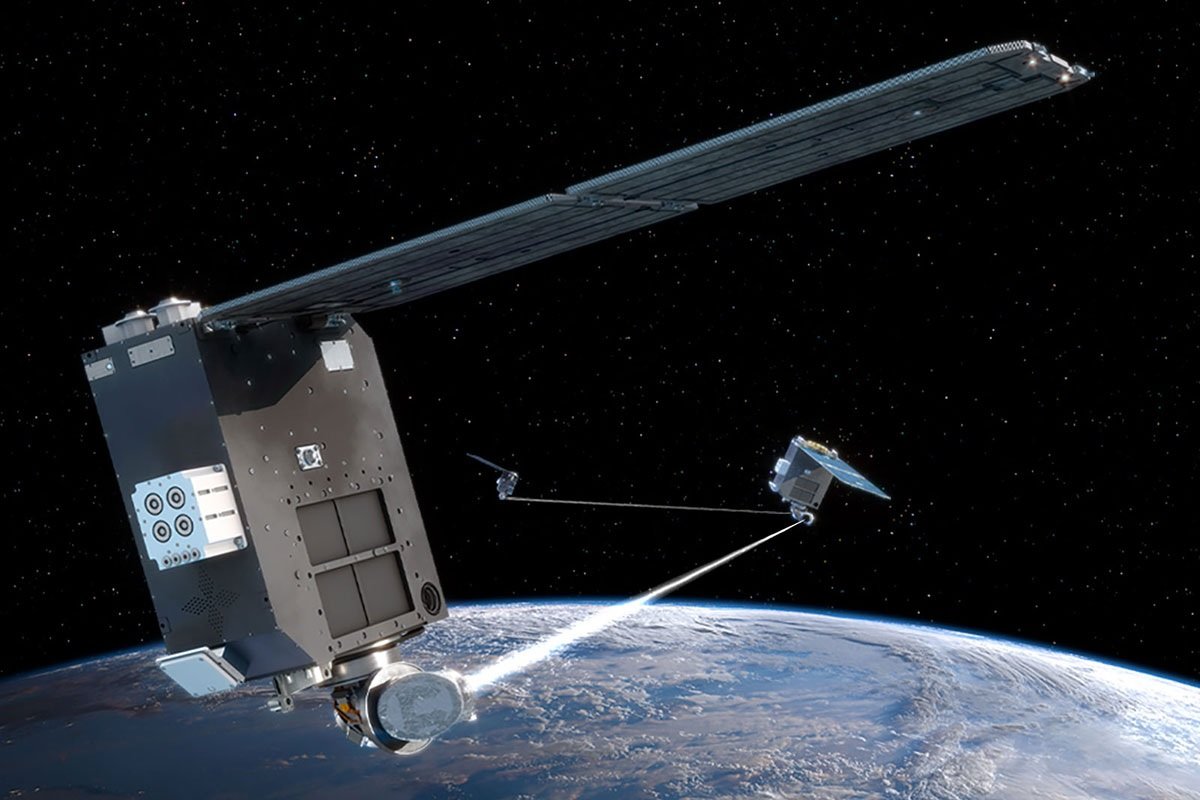
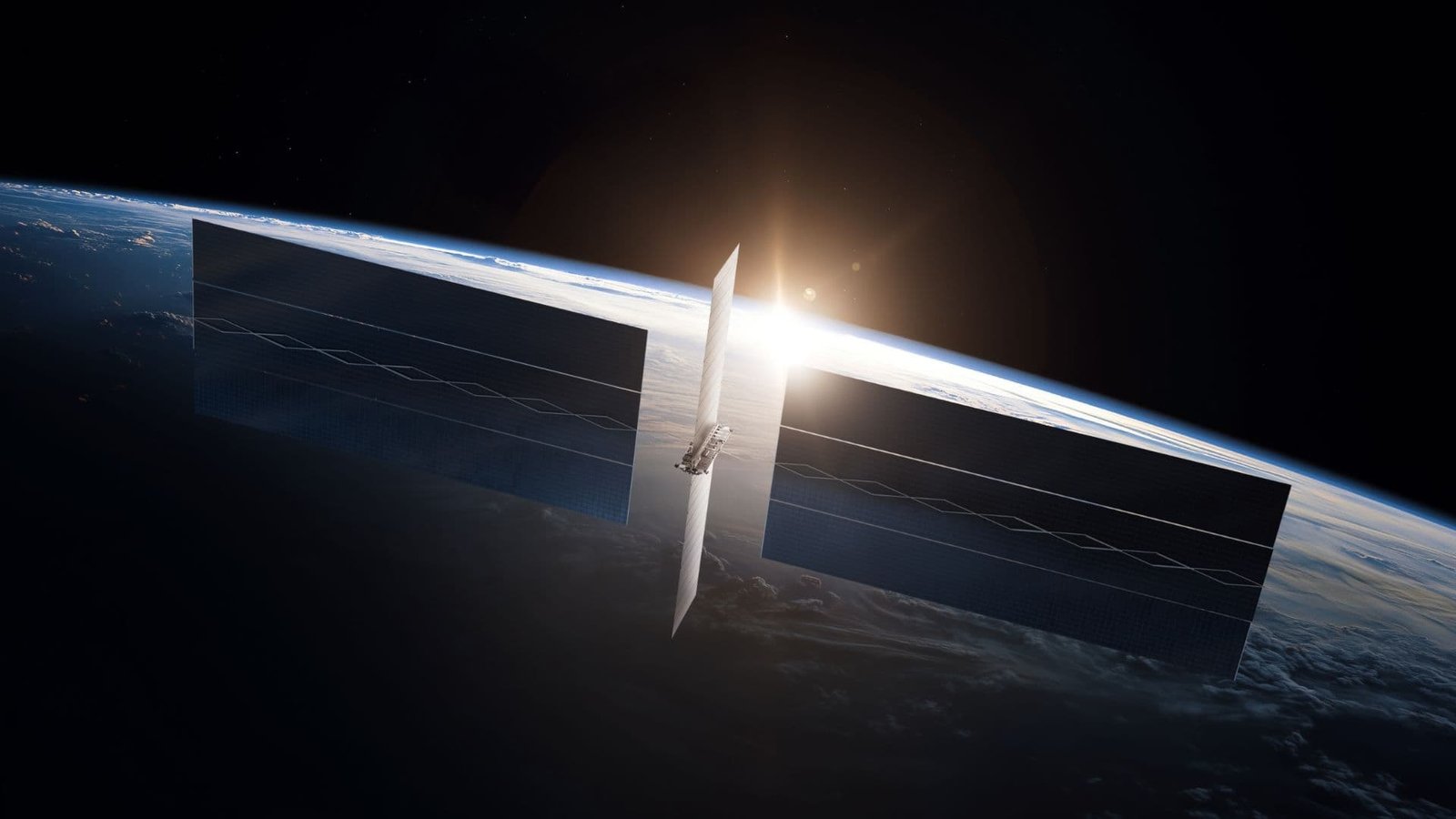
The Starmind AI1 is the first-generation satellite for SpaceX's planned Starmind constellation and is designed to function as an orbital AI computing platform with onboard data processing capabilities.
According to SpaceX's official Starmind information, the AI1 satellite has a deployed height of 30 meters and a 75-meter wingspan. It is designed to operate in sun-synchronous orbit, allowing continuous access to solar power while using the vacuum of space for thermal management through radiative cooling.
The satellite's compute payload reaches 250 kilowatts at peak power and 175 kilowatts on average, with a reported vehicle efficiency of 75 kilowatts per ton. SpaceX said the platform uses a modular architecture that can support compute modules from different providers.
Processed AI workloads will be transmitted back to Earth through high-bandwidth laser communication links connected to the Starlink satellite network.
Nvidia Vera Rubin NVL72 Forms the Core Compute System
The AI1 satellites will carry a customized version of Nvidia's Vera Rubin NVL72 system that has been adapted for space operations.
According to the company, the platform combines 72 Rubin GPUs with 36 Vera CPUs in a single rack-scale architecture designed for large AI workloads.
Reported specifications for the NVL72 system include:
- Approximately 3.6 EFLOPS of NVFP4 inference performance.
- 20.7 TB of HBM4 memory.
- 260 TB/s of NVLink bandwidth.
SpaceX said the standard NVL72 architecture has been modified to withstand launch conditions, radiation exposure and the thermal environment of space while simplifying the overall system design.
SpaceX Plans to Use the Same Architecture on Earth
During SpaceX's earnings call, Chief Executive Officer Elon Musk said the company will build its AI infrastructure exclusively on Nvidia hardware.
"We think the Vera Rubin architecture is the best architecture. We think it's the best AI computer, and we greatly value our close cooperation and partnership on many levels with Nvidia. So we're exclusive to Nvidia."
Musk also said the redesigned NVL72 system developed for the Starmind satellites offers advantages over conventional rack-based data center designs.
"We think the design of the NVL72 VR computer is a much better design than, say, having a standard rack style design. We expect to actually deploy this on the ground as well as in orbit, because we think it's going to be a radical simplification of the normal NVL72 rack. It will cost less. It'll be more effective. If we're going to put it in space, why not put it on the ground? I think that's going to be pretty cool."
He added that the same Starmind V1 design, without the solar arrays and radiators required for space operations, will also be used in SpaceX's ground-based data centers.
SpaceX Reports AI Revenue Growth
The partnership announcement came alongside SpaceX's first financial report since becoming a public company.
The company reported $2.6 billion in AI-related revenue for the second quarter of 2026, driven primarily by cloud service agreements and growth in its X and Grok subscription businesses.
SpaceX has said its long-term objective is to expand AI computing capacity beyond the limitations of land availability, electrical power infrastructure and cooling systems that affect traditional data centers. The company has previously outlined plans for a large Starmind satellite constellation, with the Nvidia partnership providing the initial compute payload while keeping the platform open to future hardware upgrades.
According to SpaceX, launches of the Starmind AI1 satellites are expected to begin in 2027, with mass production planned for late 2027 at the company's Gigasat facility in Bastrop, Texas.
——— End of Article ———